Exploring the Language of Medicine Final Exam Review
 Call Kai
 Learn
Learn Practice Test
 Spaced Repetition
 Match
Match Flashcards
 Knowt Play
1/89

There's no tags or description
Looks like no tags are added yet.
Name | Mastery | Learn | Test | Matching | Spaced | Call with Kai |
|---|
No analytics yet
Send a link to your students to track their progress
90 Terms
Erythropoietin
A hormone produced and released by the kidney that stimulates the production of red blood cells by the bone marrow.
nephroscopy
visual examination of the kidney
urethroplasty
surgical repair of the urethra
nephron
location where reabsorption, filtration, and secretion occur in the kidney
E.coli
common bacteria found in the body that is very common cause of urinary tract infections
catheter
A tube used to drain or inject fluid through a body opening
urethritis
inflammation of the urethra
glomerulus
A ball of capillaries surrounded by Bowman's capsule in the nephron and serving as the site of filtration.
nephrolithiasis
kidney stones
Fimbriae
finger or fringe like projections at the end of the fallopian tubes
Follicle-stimulating hormone (FSH)
secreted by the pituitary gland to stimulate maturation of the egg cell (ovum)
pelvic inflammatory disease (PID)
inflammation of organs in the pelvic cavity; usually includes the fallopian tubes, ovaries, and endometrium; most often caused by bacteria from a sexually transmitted disease
vas deferens
narrow tube carrying sperm from the epididymis toward the urethra
Testosterone
hormone secreted by the interstitial tissue of the testes; responsible for male sex characteristics
Circumcision
surgical removal of the foreskin around the glans penis
What makes up the central nervous system?
brain and spinal cord
Cerebrum
Largest part of the brain; responsible for voluntary muscular activity, vision, speech, taste, hearing, thought, and memory.
syncope
fainting
Dendrite
the bushy, branching extensions of a neuron that receive messages (nervous impulse) and conduct impulses toward the cell body
Synapse
Gap between neurons
hypoxemia
decreased level of oxygen in the blood
Cilia
The hair-like projections on the outside of cells that move in a wavelike manner
Eosinophils
white blood cells with reddish granules; number increase in allergic reactions
Antigen
a toxin or other foreign substance that induces an immune response in the body, especially the production of antibodies.
Thrombocytes
another name for platelets
Hemophilia
An X-linked recessive disorder in which blood fails to clot properly, leading to excessive bleeding if injured.
Heparin
anticoagulant found in blood and tissue cells
Neutrophils
The most abundant type of white blood cell; Phagocytic tissue-fighting cell.
tonsils
masses of lymphatic tissue in the back of the oropharynx
lymph
thin, watery fluid found within lymphatic vessels and collected from tissues throughout the body
Macrophages
Monocytes that migrate from the blood to the tissue; as a phagocyte, it engulfs foreign material and debris. Monocytes become macrophages as they leave the blood and enter body tissues
humeral
pertaining to the upper arm bone
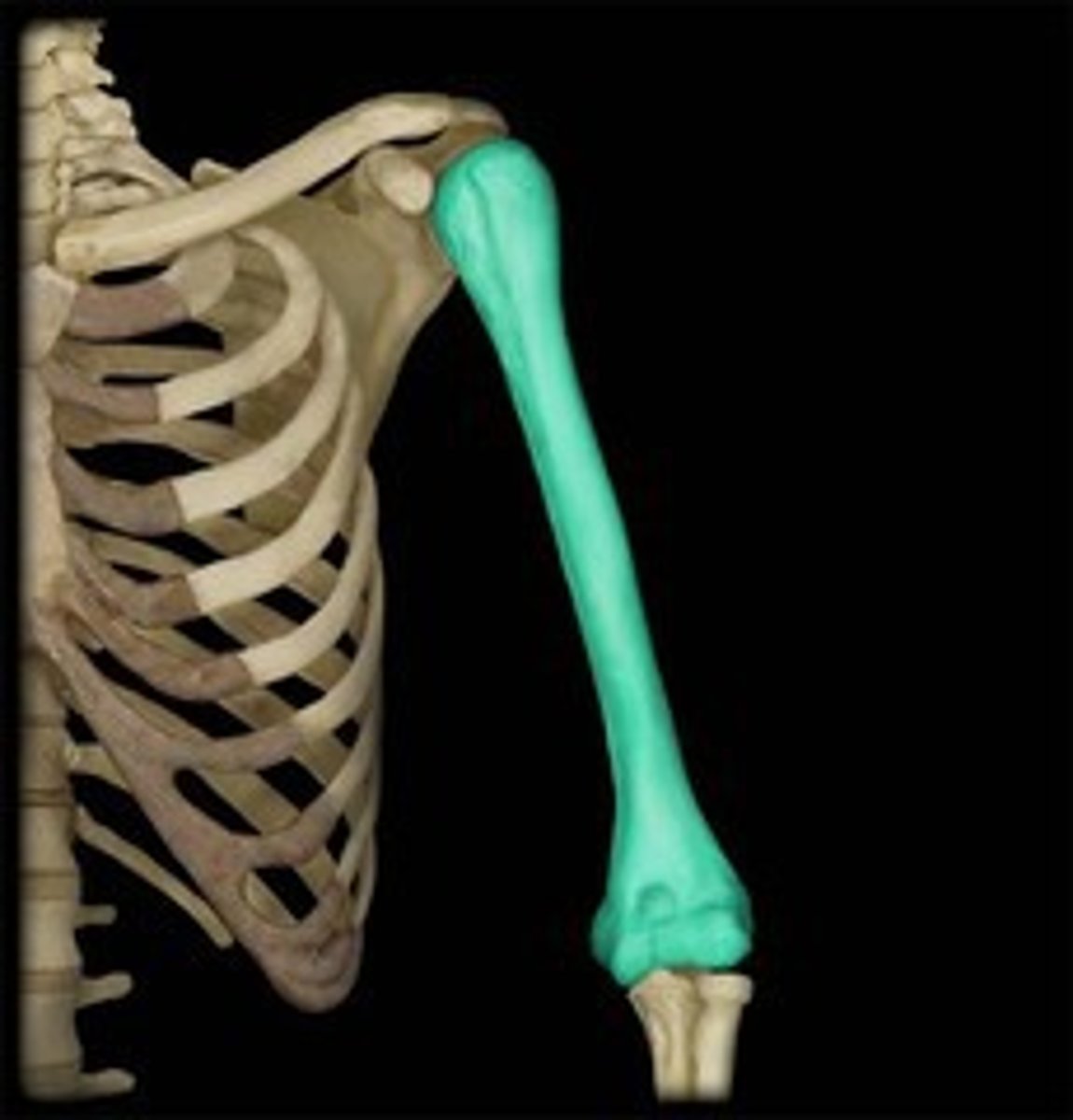
scapula
shoulder blade
How many bones are in the adult human body?
206 bones
mastoid process
projection of the temporal bones
cancellous bone
spongy, porous bone tissue
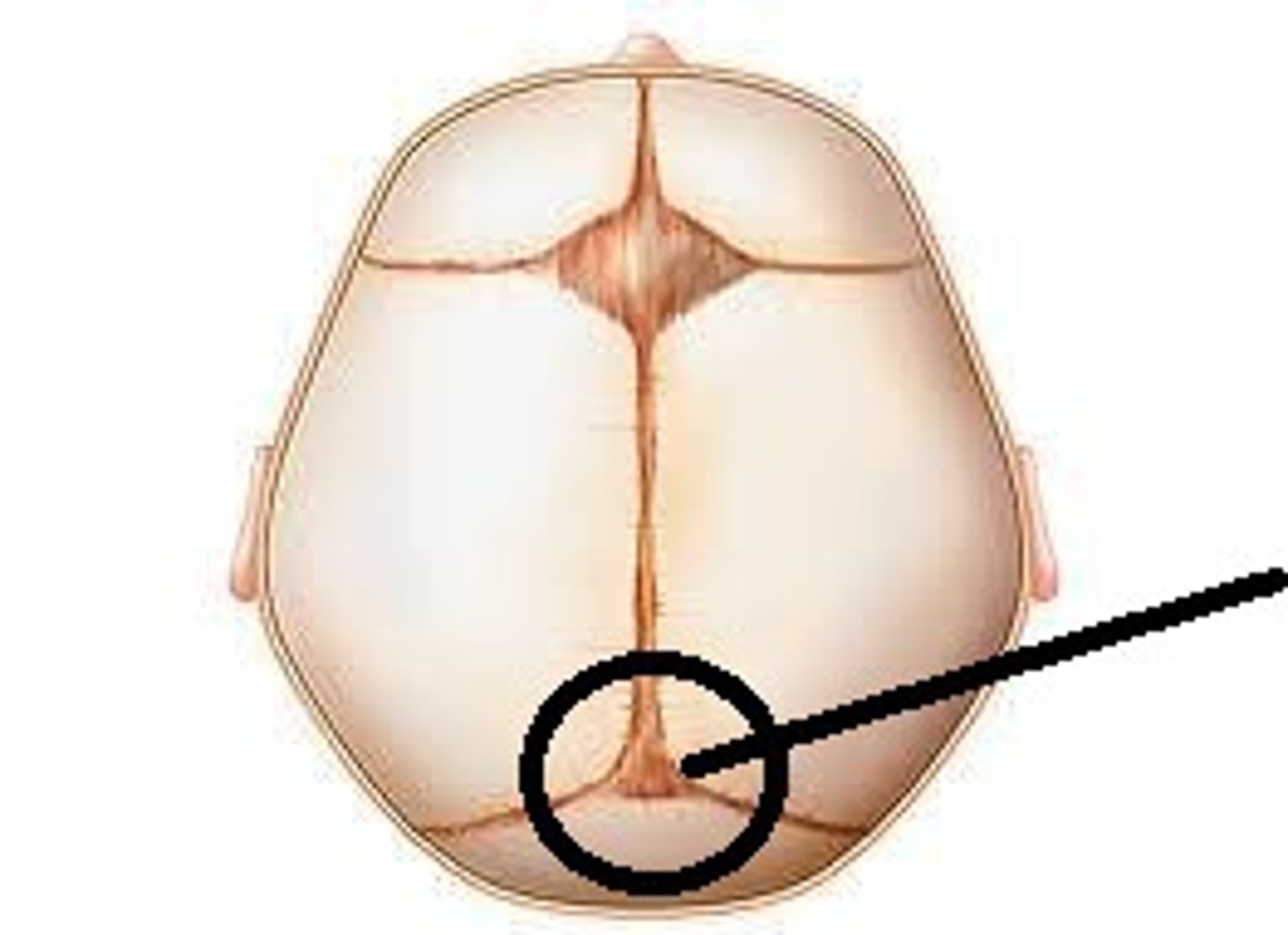
fontanel
soft spot between the skull bones of an infant
tendon
fibrous connective tissue which attaches muscle to bone
Largest organ of the body
The skin
skin
a protective membrane over the entire body designed to be impermeable; the skin guards the deeper tissues of the body against excessive loss of water, salts, and heat and against invasion of pathogens and their toxins.
melanin
Skin pigment formed by melanocytes in the epidermis.
Bronchi
two short branches located at the lower end of the trachea that carry air into the lungs.
hematuria
blood in the urine
fraternal twins
Two infants born of the same pregnancy from two separate egg cells fertilized by two different sperm cells
gynecomastia
Abnormal development of breast tissue in males
ectopic pregnancy
implantation of the fertilized egg in any site other than the normal uterine location
Epididymis
One of a pair of long, tightly coiled tubes above each testis. It stores and carries sperm from seminiferous tubules to the vas deferens.
perineum
external region between the anus and scrotum in the male
Flagellum
hair-like projection on a sperm cell that makes it motile
Alveoli
air sacs in the lungs
cilia
thin hairs attached to the mucous membrane epithelium lining the respiratory tract
Epiglottis
lid-like piece of cartilage that covers the larynx, preventing food from entering the larynx and trachea during swallowing
hilum
middle region where bronchi, blood vessels, and nerves enter and exit the lungs
Larynx
voice box
Mediastinum
region between the lungs in the chest cavity
palatine tonsils
collections of lymph tissue in the oropharynx
Antigens
Foreign material that invades the body
Platelets
thrombocytes
hydrochloric acid
To digest protein and kill any bacteria remaining in the food
Ligament
Connects bone to bone
Chyme
Partially digested, semiliquid food mixed with digestive enzymes and acids in the stomach.
cyanosis
bluish discoloration of the skin
angina
chest pain
phlebitis
inflammation of a vein
pulse
Beat of the heart as felt through the walls of the arteries.
Bradycardia
slow heart rate (less than 60 bpm)
Tachycardia
rapid heartbeat
pruritis
itching
alopecia
absence of hair from areas where it normally grows
Epidermis
outermost layer of skin
eccrine sweat glands
most common, most numerous of sweat producing glands in the skin (2 million in body)
Renin
hormone secreted by the kidney that raises blood pressure
corpus luteum
empty ovarian follicle that secretes progesterone after release of the egg cell
myelin sheath
white fatty tissue that surrounds and insulates the axon of a nerve cell
cranial nerves
12 pairs of nerves that carry messages to and from the brain - olfactory, optic, oculomotor, trochlear, trigeminal, abducens, facial, vestibulocochlear, glossopharyngeal, vagus, spinal accessory, hypoglossal
seminiferous tubules
Narrow, coiled tubules that produce sperm in the testes.
thyroid gland
located in the neck on either side of the trachea; secretes thyroxine, triiodothyronine, and calcitonin
parathyroid glands
four small glands on the posterior of the thyroid gland. Secretes parathyroid hormone to mobilize calcium from bones into the bloodstream
Pancreas
An organs in the abdominal cavity with two roles. The first is an exocrine role: to produce digestive enzymes and bicarbonate, which are delivered to the small intestine via the pancreatic duct. The second is an endocrine role: to secrete insulin and glucagon into the bloodstream to help regulate blood glucose levels.
Ovaries
two small glands located in the abdominal region of females; produces ovum, estrogen, and progesterone
Testes
two glands enclosed in the scrotal sac of a male; responsible for sperm production and testosterone secretion
hemolysis
Breakdown of recipient's red blood cells when incompatible bloods are mixed
Fibrin
Protein threads that form the basis of a blood clot
Hemophilia
Excessive bleeding caused by congenital lack of factor VIII or IX
esosinophil
white blood cell with reddish granules; numbers increase in allergic reactions
Edema
swelling; fluid leaks out into tissue spaces
Spleen
Organ near the stomach that produces, stores, and eliminates blood cells
Herpes Simplex Virus (HSV)
Viral infection causing blisters on the lips or genitals
human immunodeficiency virus (HIV)
the virus that causes AIDS
antibody
A protein that acts against a specific antigen