Topic 5: Land (5.1 Soil; 5.2 Agriculture/food)
 Call Kai
 Learn
Learn Practice Test
 Spaced Repetition
 Match
Match Flashcards
 Knowt Play
1/15

There's no tags or description
Looks like no tags are added yet.
Name | Mastery | Learn | Test | Matching | Spaced | Call with Kai |
|---|
No analytics yet
Send a link to your students to track their progress
16 Terms
(5.1) How SOIL sustain environment systems?
Define soil.
Soil is complex mixture = inorganic minerals/decayed matter/etc. + MICROoorganisms
‘topsoil’ as essential; (tho, lose 10 to 40 times faster than regain)
↳ actual soil breakdown:
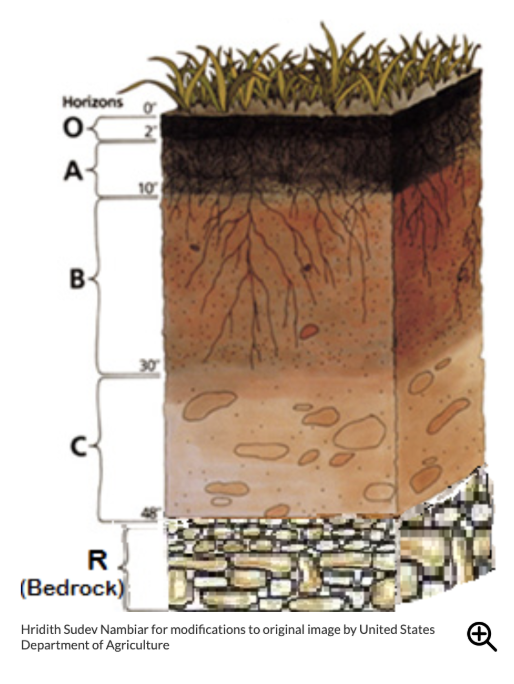
A. **Topsoil (and ‘humus’!) = O horizon (fresh organic matter, undecomposed) + A horizon (mineral soil, decomposing organic material i.e. ‘humus’, many living organisms); topsoil is MOST nutrient rich
B. Subsoil = B horizon; also minerals/decomp organic matter but not as rich—plants still grow tho
C. Parent rocks = C horizon; random loose rock/material (parent rock)
D. Bedrock = R horizon
water seeping, air (oxygen + nitrogen), soil organisms!! (worms, microorganisms, etc.), rockssss
3 TYPES of Soil
—> 3 TYPES of Soil:
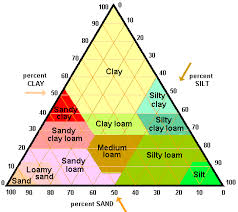
Clay (smallest); sticky wet/smooth (holds water slowly)
Silt; medium slippery, holds decently together w/ itself and clay/sand
Sand (largest particles—visible); gritty, good drainage/aeration air flow (water percolation easy)
⇒ soil texture depends on ratio of clay/silt/sand; ~EQUAL ratio = “loam”
↳ “loam” is BEST for agriculture (balancing water retention, air/drainage, held together with silt)
Recall: soil in the CARBON CYCLE!!
ground/soil as a carbon:
sink? (also from plants photosynthesis
source? (during decomp)
storage (part of da cycle.)
How SOIL sustain environment systems?
→ WHAT CAN WE DO WITH SOIL?
Grow plants :3
Habitat (biodiversity, fungi, microorganisms)
Recycling elements/nutrients i.e. decomp
Water supply (percolation, aquifers, reservoirs)
Housing/farming/landscaping
(5.1) How HUMANS affect SOIL?
How HUMANS affect SOIL?
segue: “managed” soil systems…~
humans ADD compost, inorganic fertilizers, chemicals, irrigation, etc. to modify yields!!
(result—depletes water supply, pollutes agrochemicals, eutrophication, leaches nutrients, etc.)
(5.2) To what extent FOOD production sustainable?
“UNSUSTAINABLE” FOOD (Waste) Facts
FOOD WASTE
13.3% harvested food = WASTED (poor storing, processing, sales, etc.)
17% food @ restaurants = WASTED
**food waste @ landfills; 8-10% GHGs (bc ‘anaerobic’ decomposition)
50%+ harvested crops “cereals” (wheat, rice, maize, etc.)
MEAT CONSUMPTION ⬆
FOOD PRODUCTION = 25% GHG emissions.
AGRICULTURE Facts!
HALF of world’s habitable land = agriculture
77% for livestock
70% global freshwater — used for agriculture
Commercial vs. Subsistence Farming
Commercial (large-scale sale/production) vs. “Subsistence” (barely enough to feed oneself) famrin
Describe different types of farming systems.
—> TYPES OF FARMING SYSTEMS:
based OUTPUT — arable vs. pastoral/livestock vs. monoculture vs. mixed
based farming type — (commercial vs. subsistence) vs. sedentary vs. nomadic
based input requirements— intensive vs. extensive, irrigated vs. hydroponic vs. soil-based, etc.
↳now! vocab DUMP…farming types!!
a) cash cropping = crops solely for market
b) commercial vs. subsistence farming = commercial “monoculture” + intensive tech/production
c) arable farming = direct farm produce/consume
d) **mixed farming = both CROPS + ANIMALS (can use manure fertilizer!!)
e) pastoral farming = only animals
f) Nomadic pastoralism = traditionally moving around, cyclically feeding herds; ex. Mongolian nomads
g) *Shifting cultivation = ”slash and burn” methods + moving for next 2-3 seasons
h) common irrigated farming; requires TONS 70% Earth’s freshwater
i) “hydroponics” = growing plants in water w/o soil (supported by gravel + minerals in water)
“Intensive” vs. “Extensive” farming
“Intensive” farming maximizes intensive productivity PER LAND; commercialized, inorganic fertilizers (high input/high output)
“Extensive” farming; LOW productivity per land—like nomadic pastoralism (low input/low output)
SIDE QUEST: “The Green Revolution”
1940s-1960s, selectively breeding types of white/rice and other cereals to decrease disease + increase yield! (ex. IR8 variety rice mega flourished, feed globe)
HOWEVER—Green Revolution increased synthesized fertilizers/pesticides + environmental decay + REDUCED “genetic diversity” of crops
**why does biodiversity help nutrient cycling? bc different plant roots/microbes can help break down/access decomp easier.
How can we FARMING “sustainably”?? (Soil conservation techniques)
A. Prevent soil erosion:
stop WIND—”cover crops,” plant trees, fencing, etc.
stop WATER—”contour plowing,” bunding (soil banks/wall terracing basically reducing slope, increasing filtration, etc.)
B. Fertility
fallowing — literally just leave field NOT harvested for year
add lime—increase pH soil (helps plants grow/harness nutrients, prevent aluminum contamination)
organic (“Composting)
herbal leys (i.e. add legumes to strengthen soil)
C. Cultivation strats
mixed crops!!
soil rotation
stop overgrazing/overcropping bruh.
How can we strengthen food SECURITY?
encourage plant-based substitues more affordable
cut food waste (extend shelf life)
GMOs, makes plants reseilient
SOIL CONSERVATION. (fallowing, cover crops, crop rotation, herbal leys, bunding, terracing/ countour ploweing, mixed crops, composting, add lime, plant trees etc.)
Haber process—make fertilizer w/ Nitrogen