US History EOC Florida 2025
 Call Kai
 Learn
Learn Practice Test
 Spaced Repetition
 Match
Match Flashcards
 Knowt Play
1/130

There's no tags or description
Looks like no tags are added yet.
Name | Mastery | Learn | Test | Matching | Spaced | Call with Kai |
|---|
No analytics yet
Send a link to your students to track their progress
131 Terms
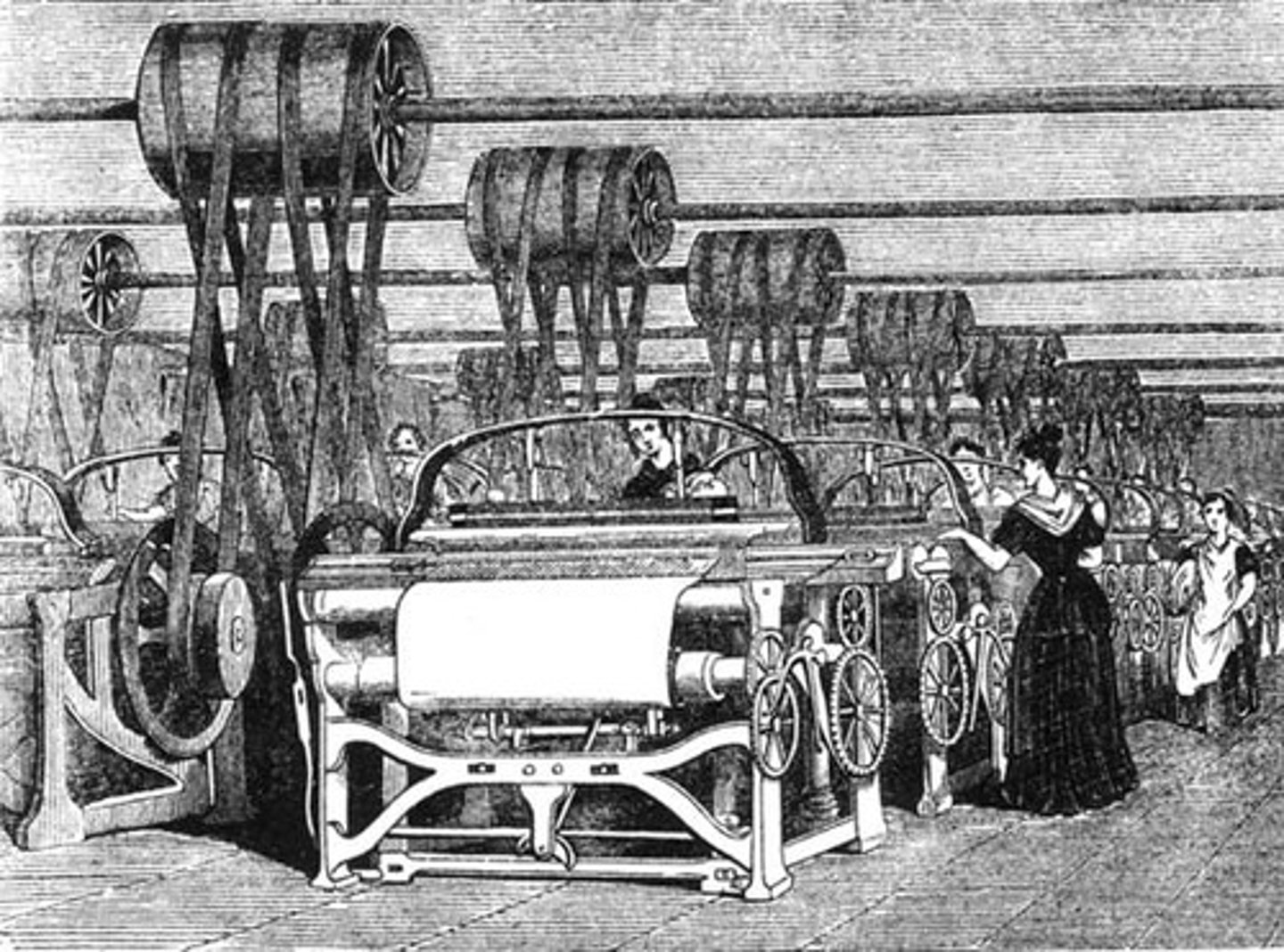
Technological (Second Industrial) Revolution
based on steel, railroads, electricity, oil-based products
Laissez-Faire
No government intervention in business.
Monopoly
A market in which there are many buyers but only one seller.
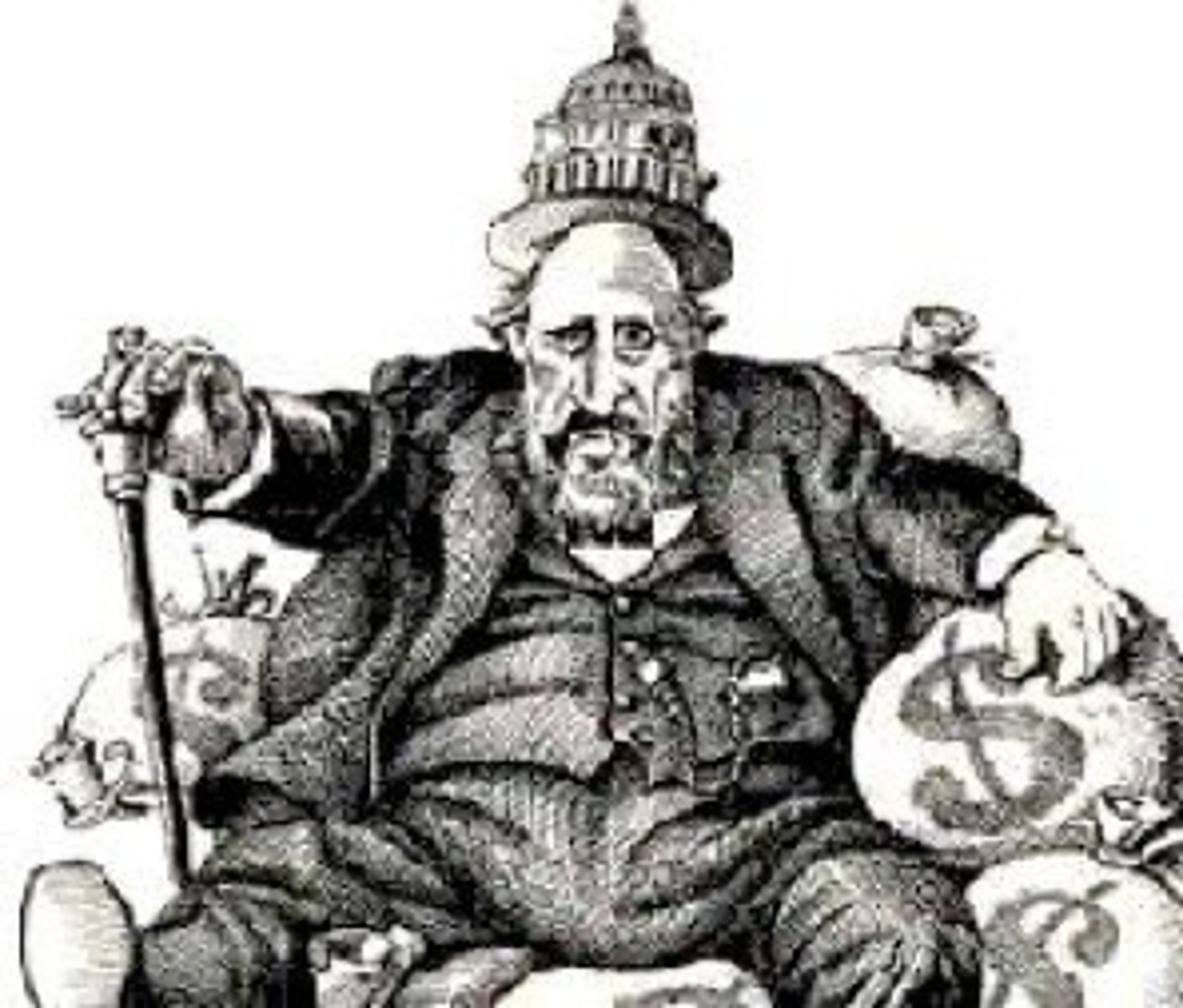
Political Machines
Corrupt organized groups that controlled political parties in the cities. A boss leads the machine and attempts to grab more votes for his party.
Labor Union
An organization of workers that tries to improve working conditions, wages, and benefits for its members
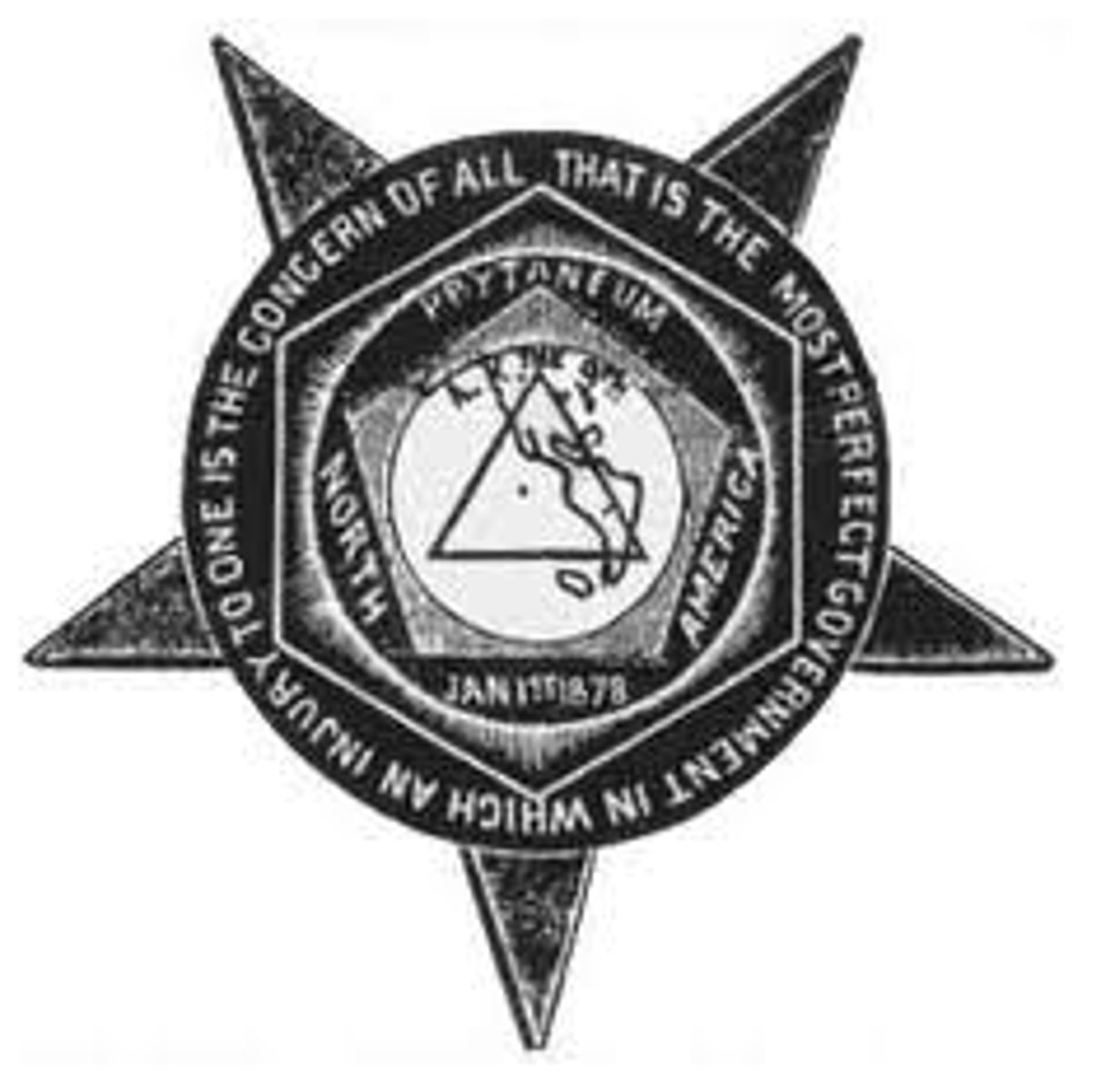
Knights of Labor
1st effort to create National union. Open to everyone but lawyers and bankers. Vague program, no clear goals, weak leadership and organization. Failed
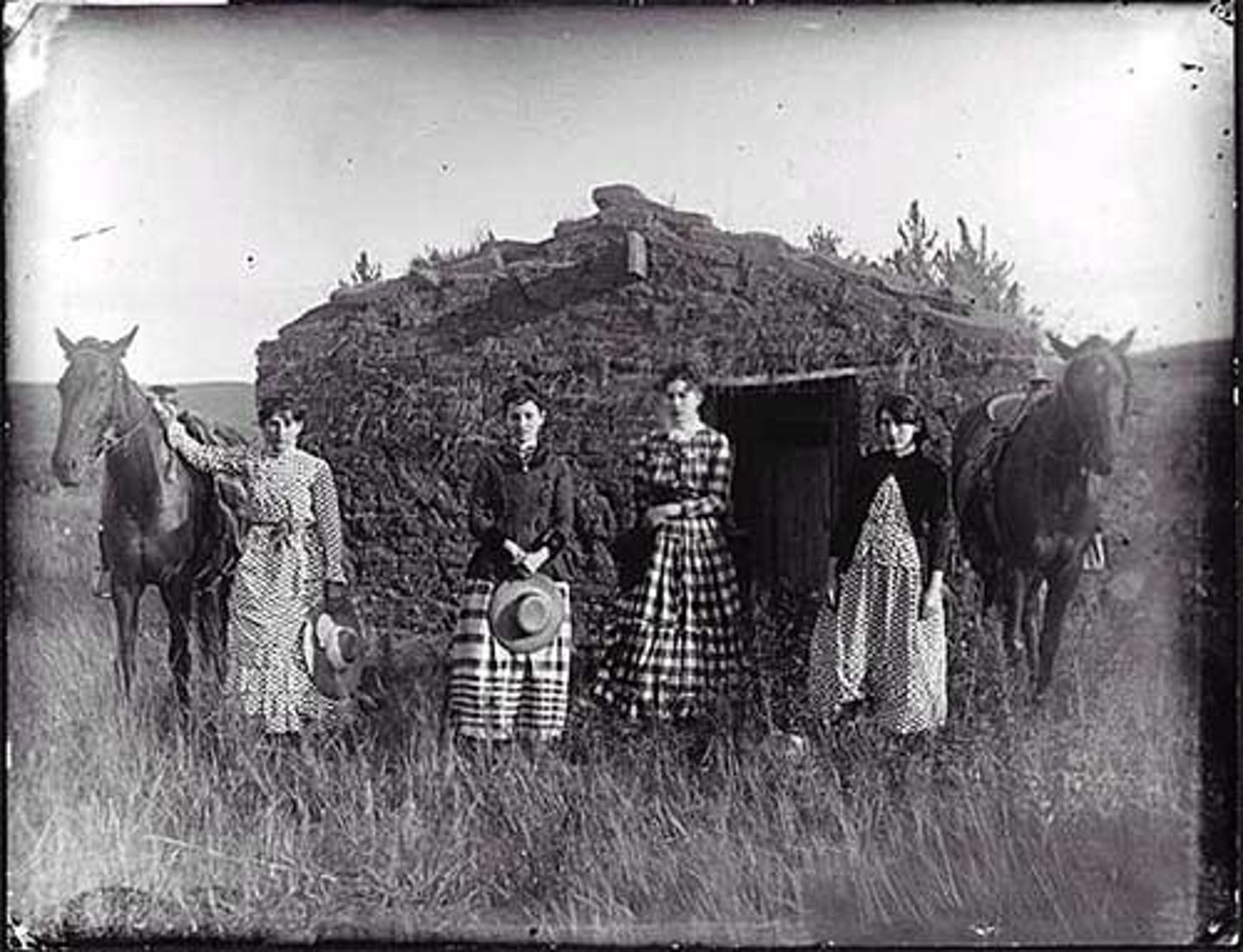
Homestead Act
1862 - provided free land in the west as long as the person would settle there and make improvements in five years
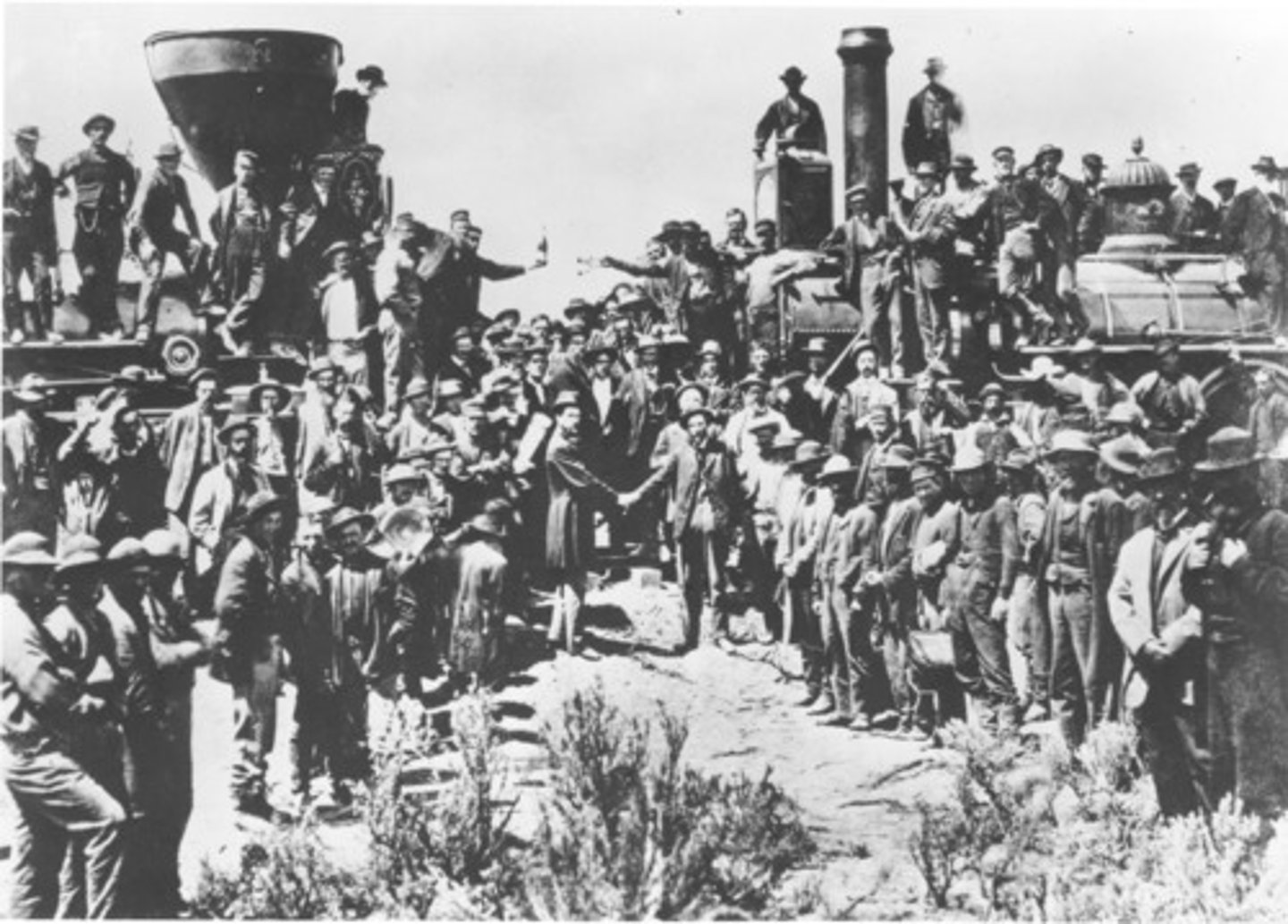
Transcontinental Railroad
Completed in 1869 at Promontory, Utah, it linked the eastern railroad system with California's railroad system, revolutionizing transportation in the west
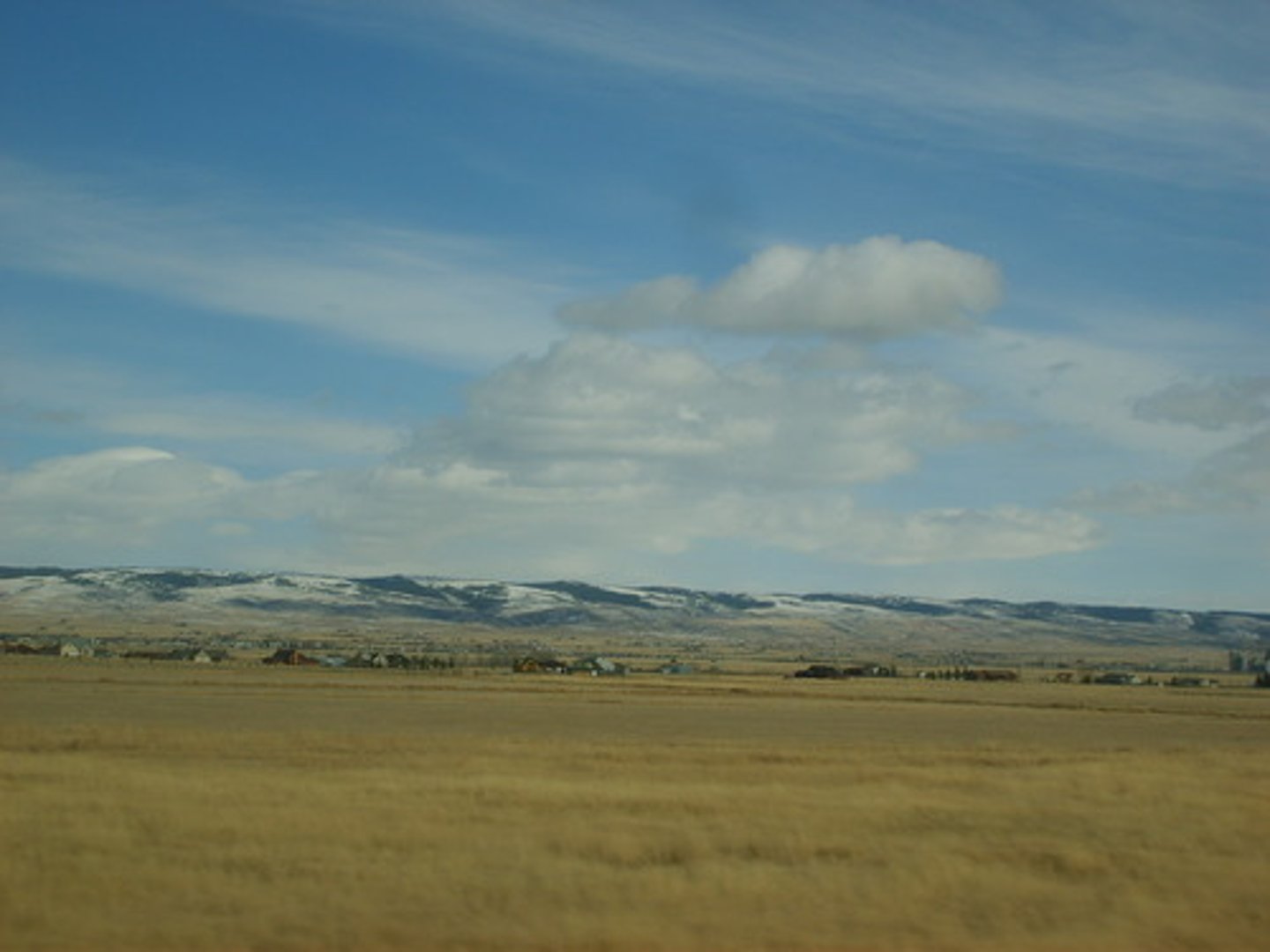
Great Plains
A mostly flat and grassy region of western North America
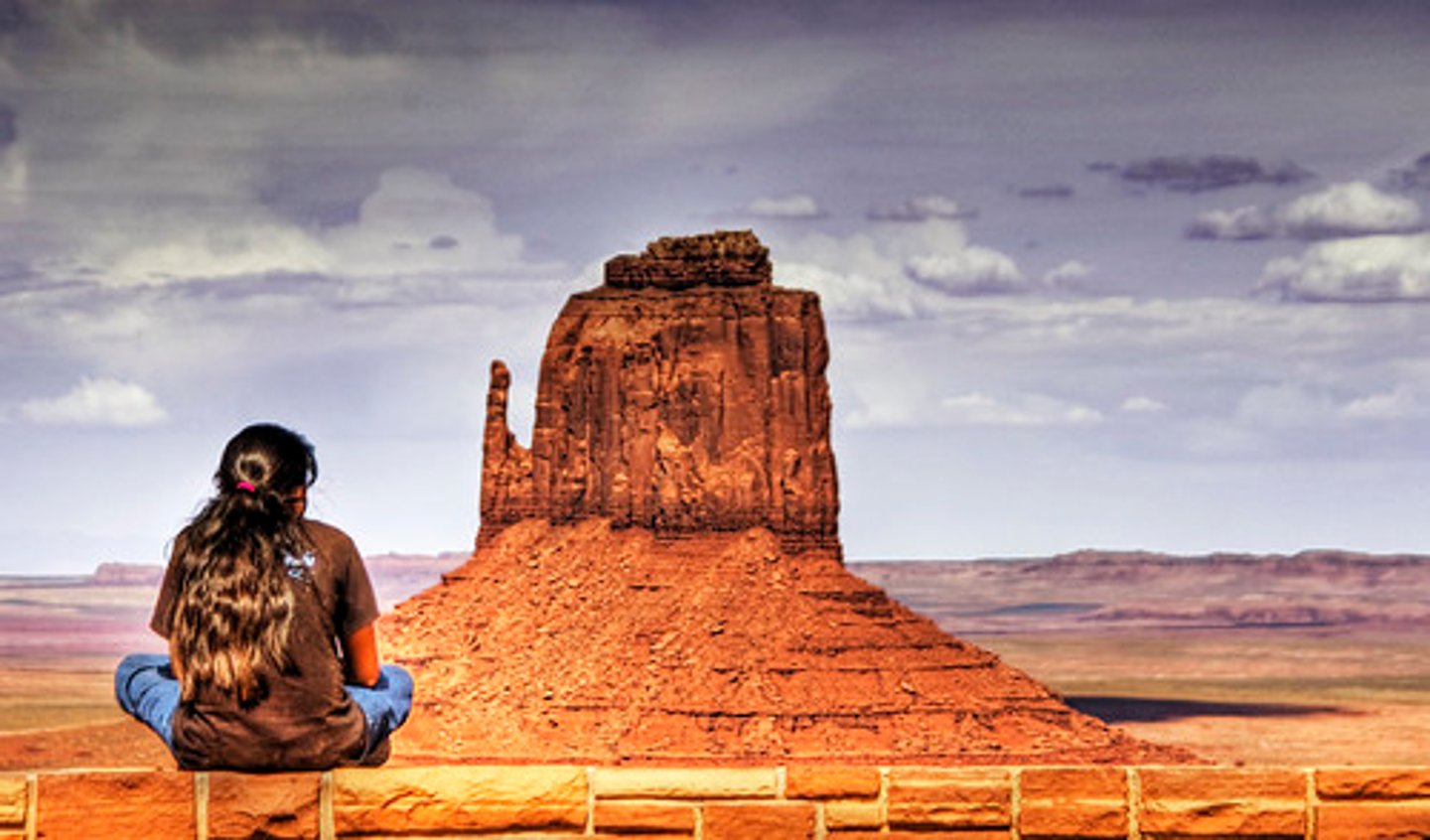
Reservations
areas of federal land set aside for American Indians
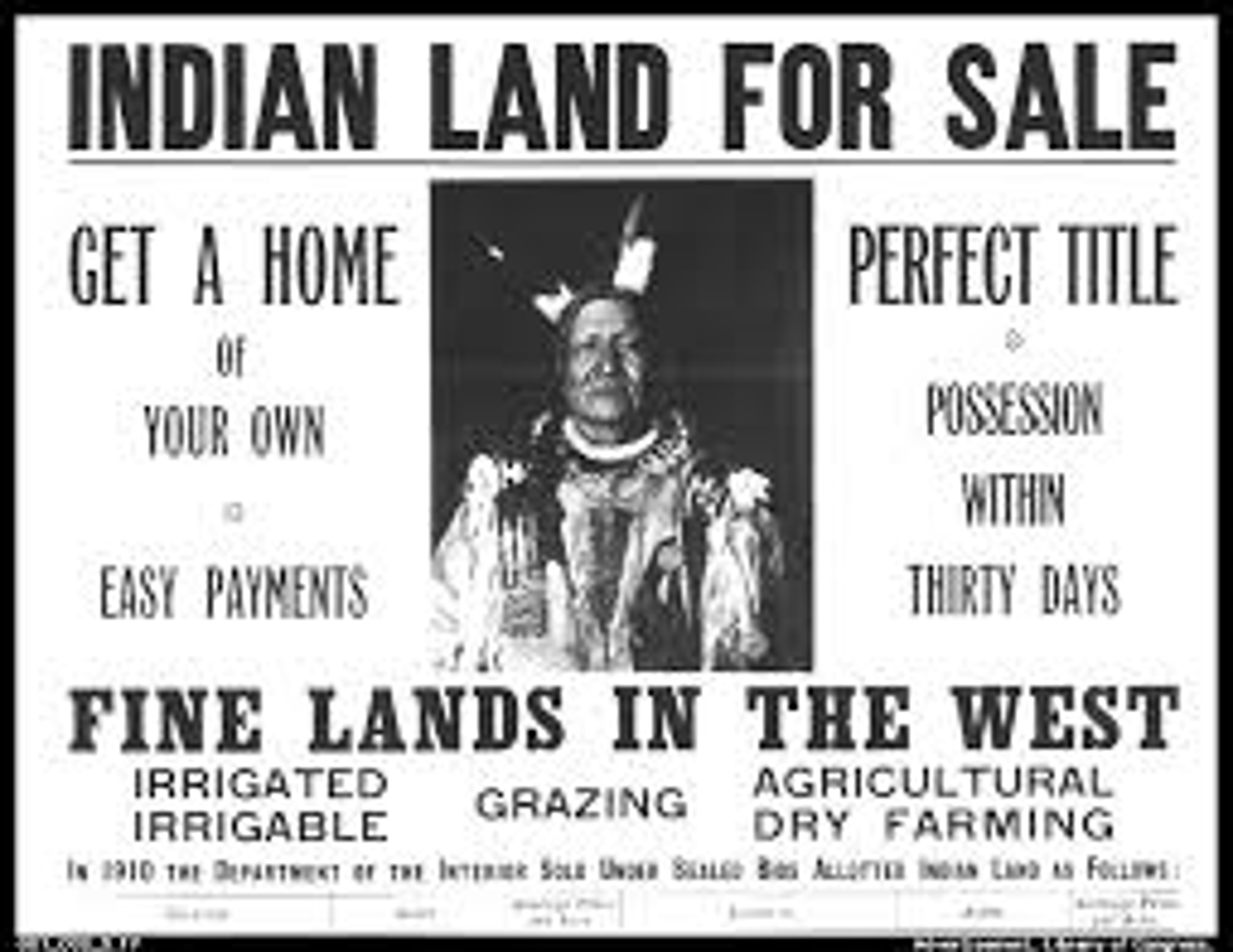
Dawes Act
1887 law which gave all Native American males 160 acres to farm and also set up schools to make Native American children more like other Americans
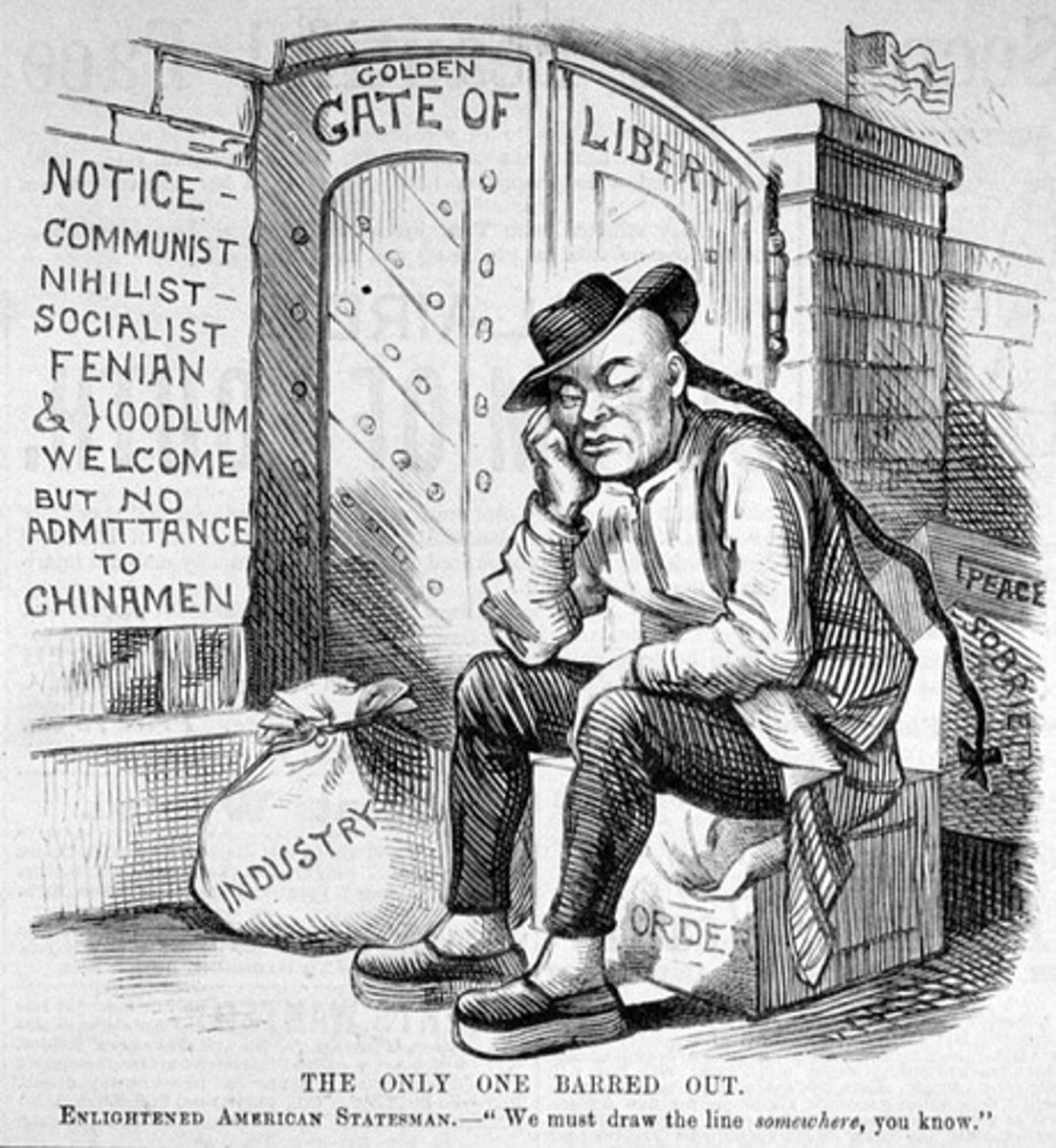
Chinese Exclusion Act
(1882) Denied any additional Chinese laborers to enter the country while allowing students and merchants to immigrate.
Progressive Era
time at the turn of the 20th century in which groups sought to reform America economically, socially, and politically
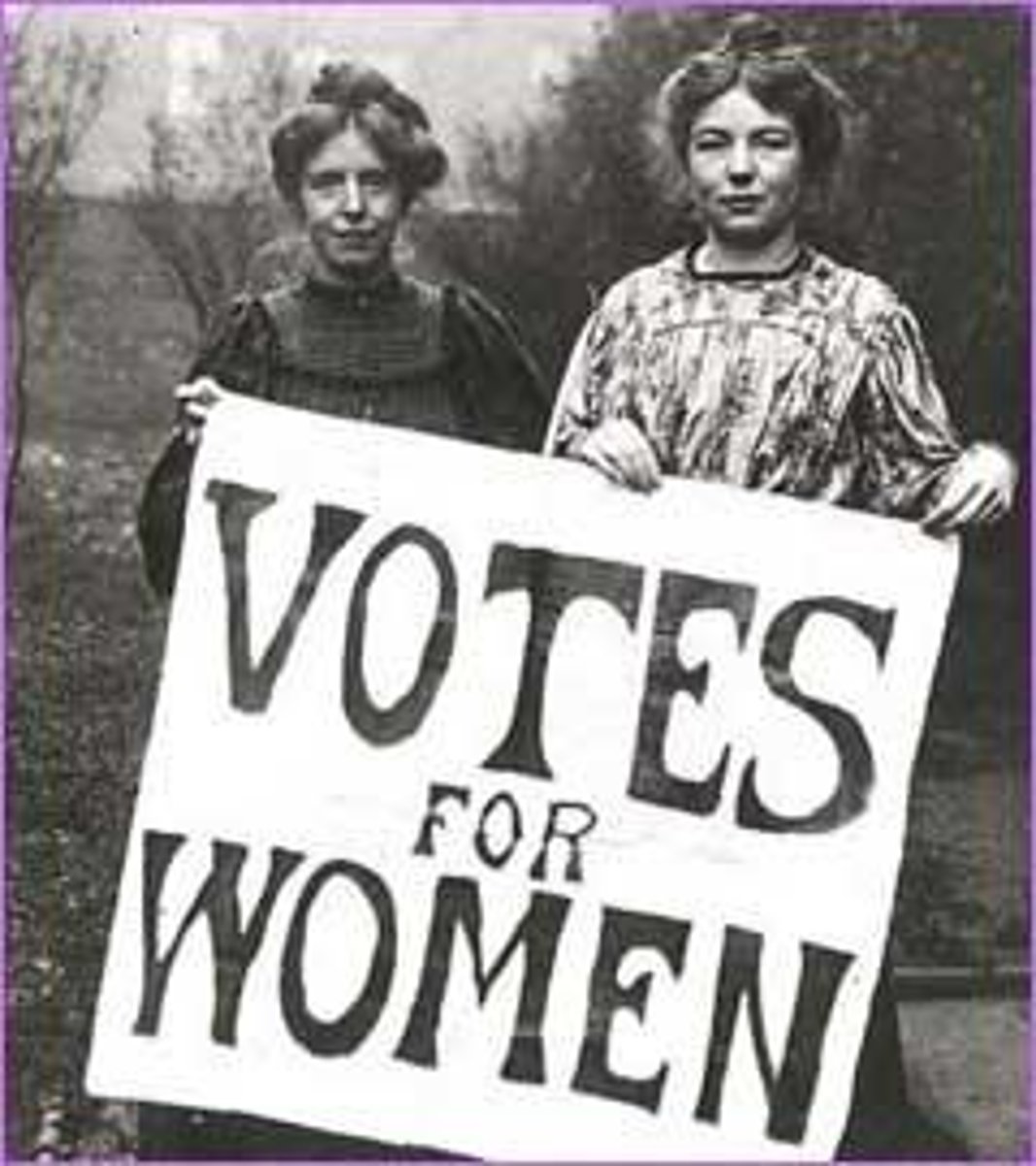
Populists
third party political movement to address farmers' plight
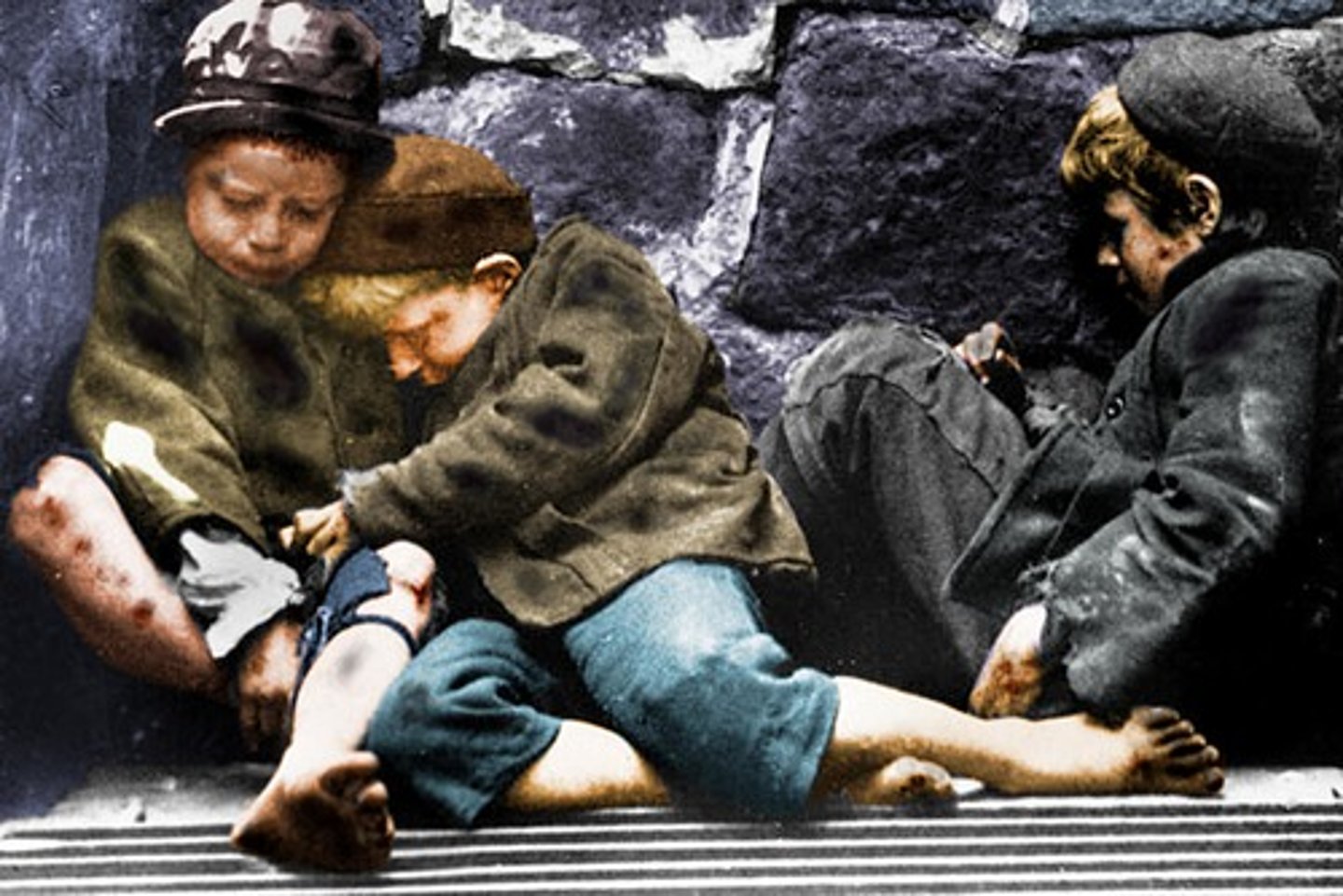
Jacob Riis
Early 1900's muckraker who exposed social and political evils in the U.S. with his novel "How The Other Half Lives" exposed the poor conditions of the poor tenements in NYC
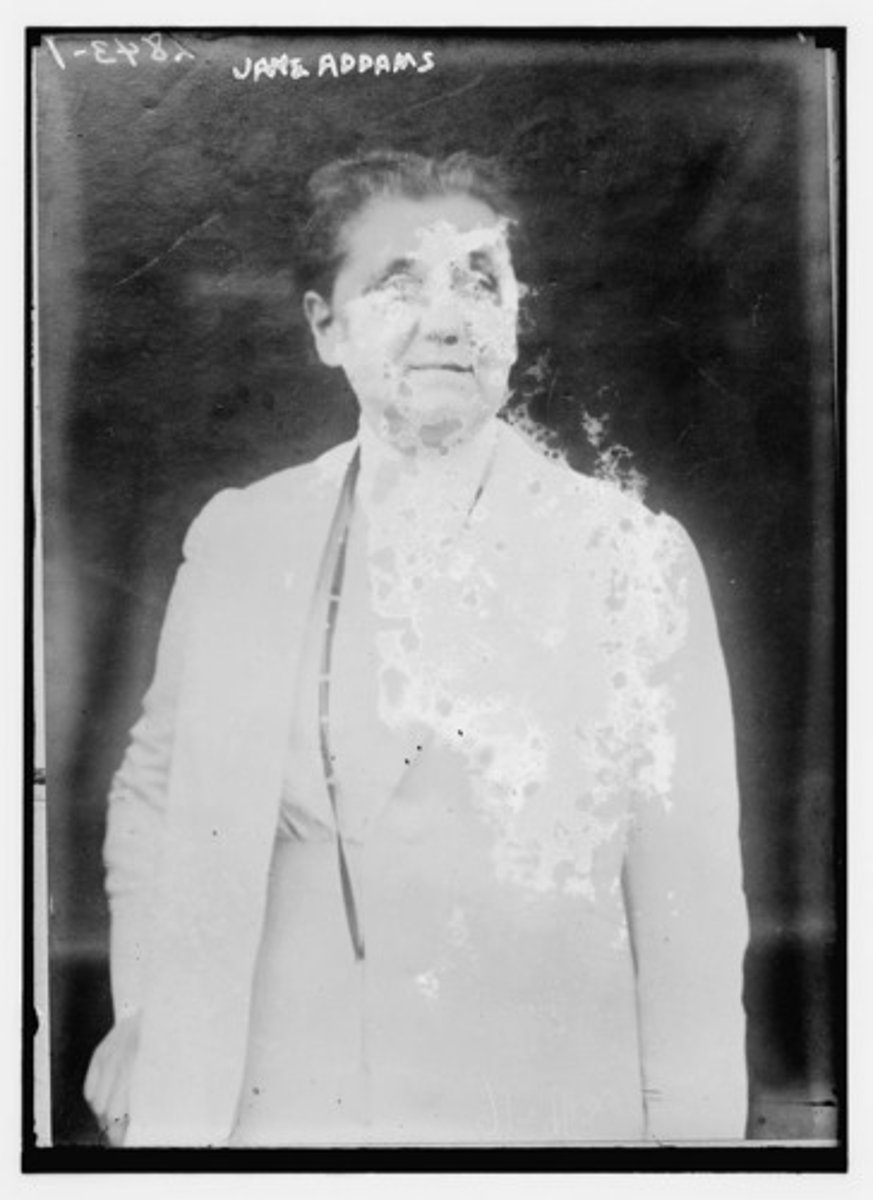
Jane Addams
the founder of Hull House, which provided English lessons for immigrants, daycares, and child care classes
Theodore Roosevelt
26th President of the United States, 26th president, known for: conservationism, trust-busting, Hepburn Act, safe food regulations, "Square Deal," Panama Canal
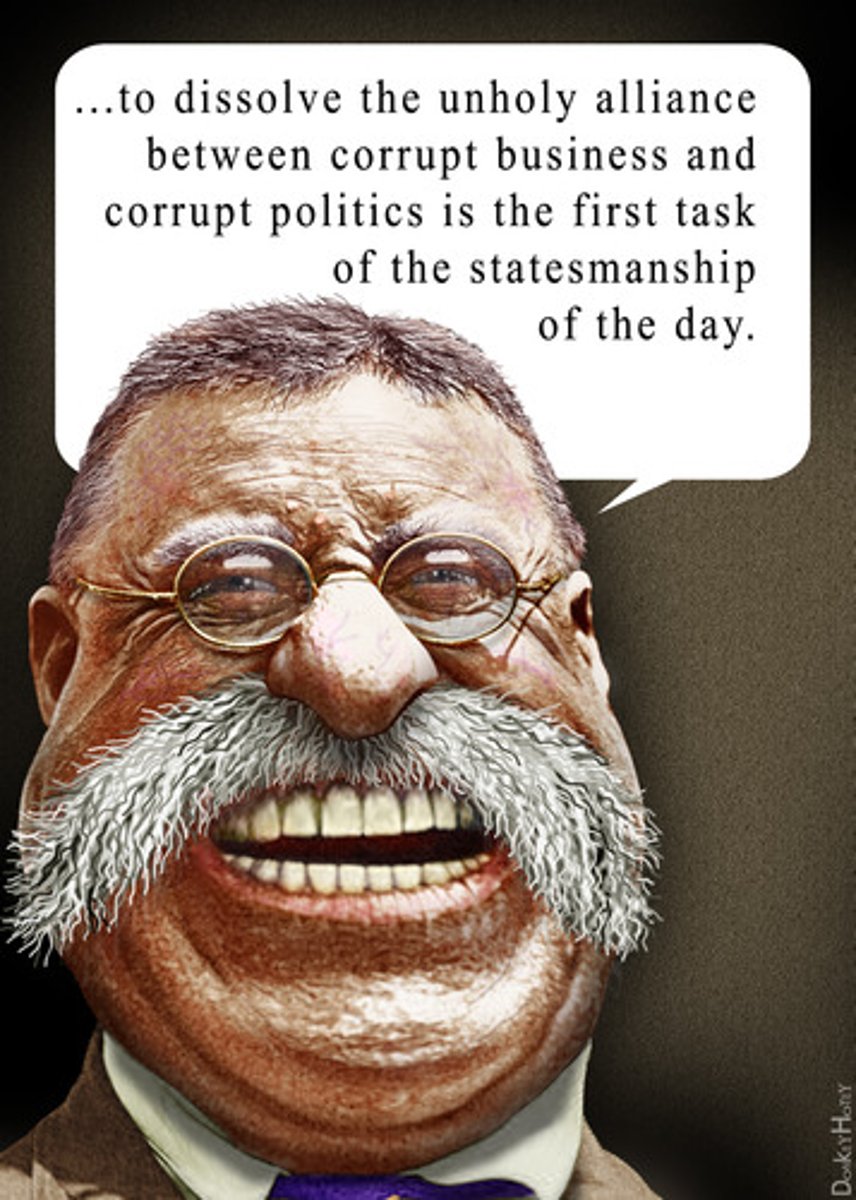
Yellow Journalism
Journalism that exploits, distorts, or exaggerates the news to create sensations and attract readers
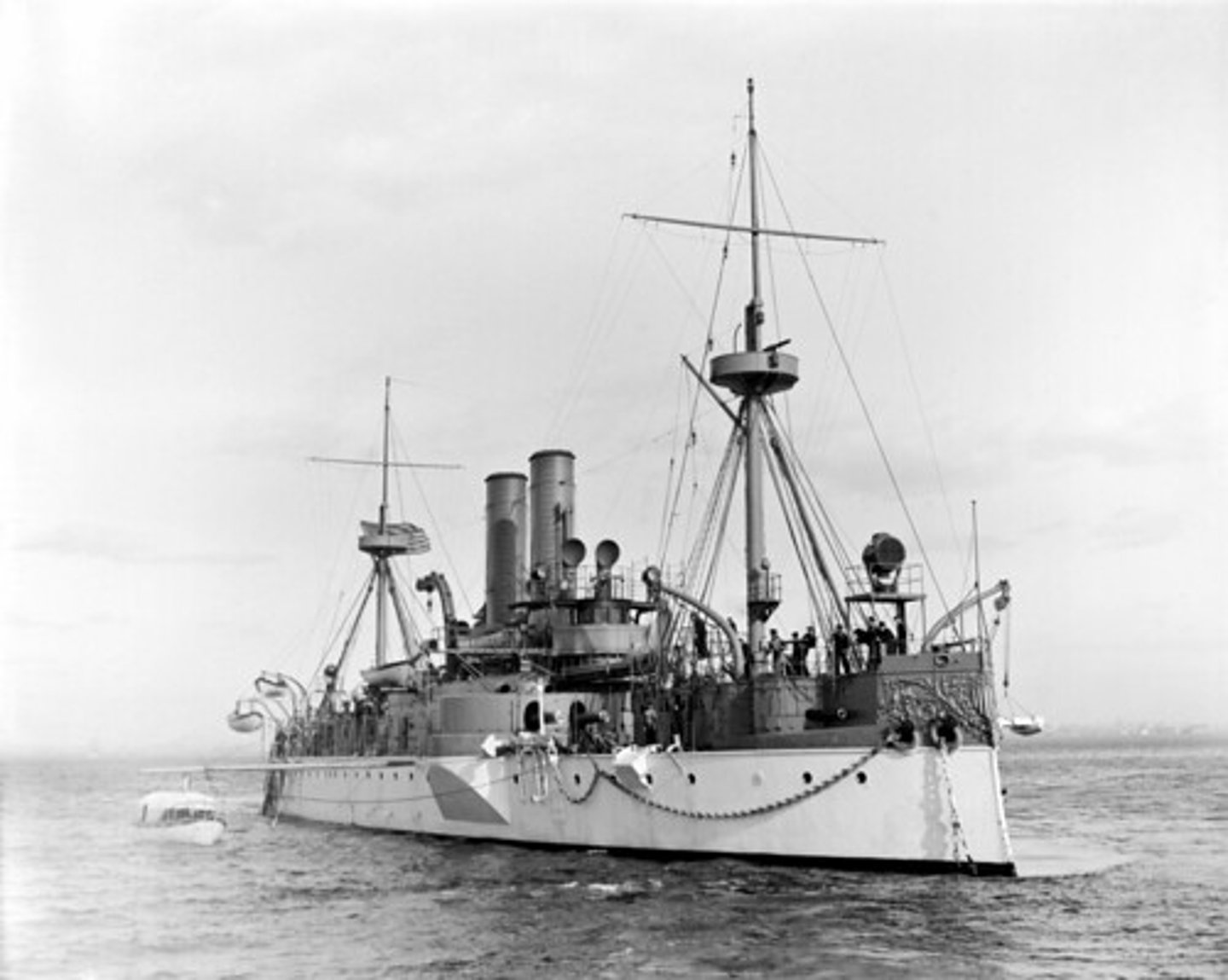
Causes of Spanish American War
Yellow journalism, imperialism, Spain brutality to the Cubans, explosion of the USS Maine.
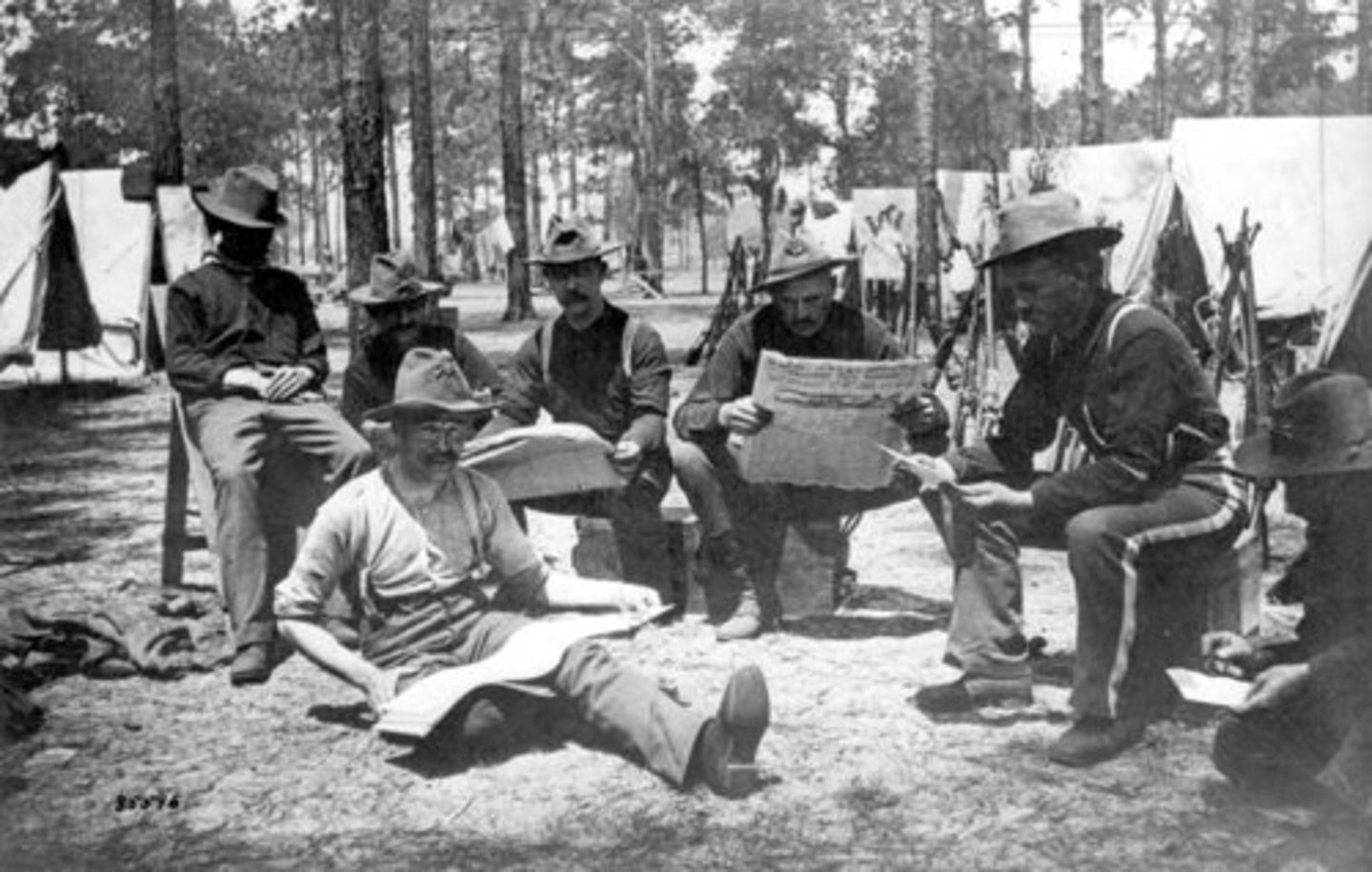
Spanish American War
In 1898, a conflict between the United States and Spain, in which the U.S. supported the Cubans' fight for independence
Result of Spanish American War
Philippines, Puerto Rico and Guam became territories of the US. US became a World Power
Open Door Policy
A policy proposed by the US in 1899, under which ALL nations would have equal opportunities to trade in China.
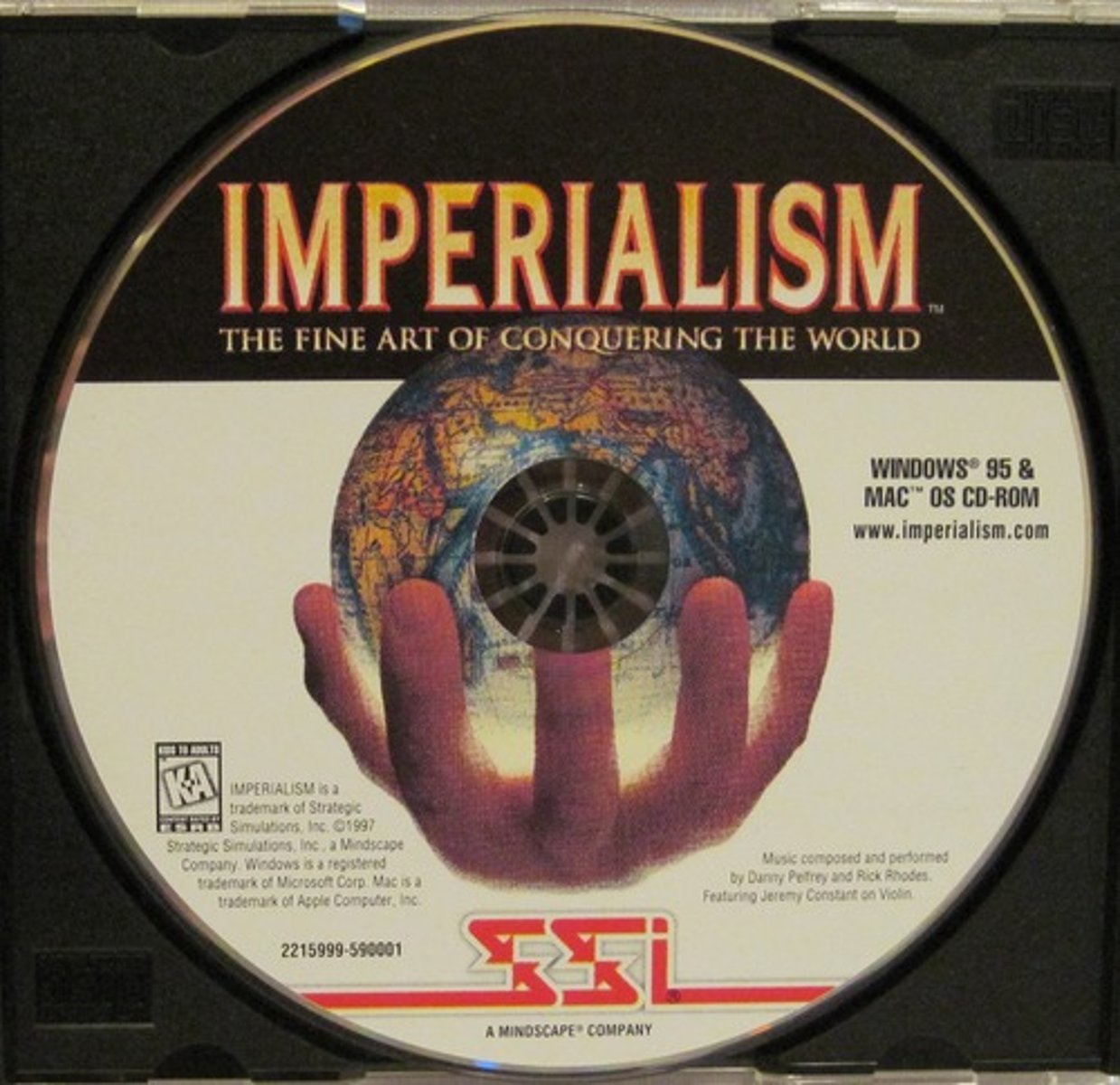
Imperialism
A policy in which a strong nation seeks to dominate other countries politically, socially, and economically.
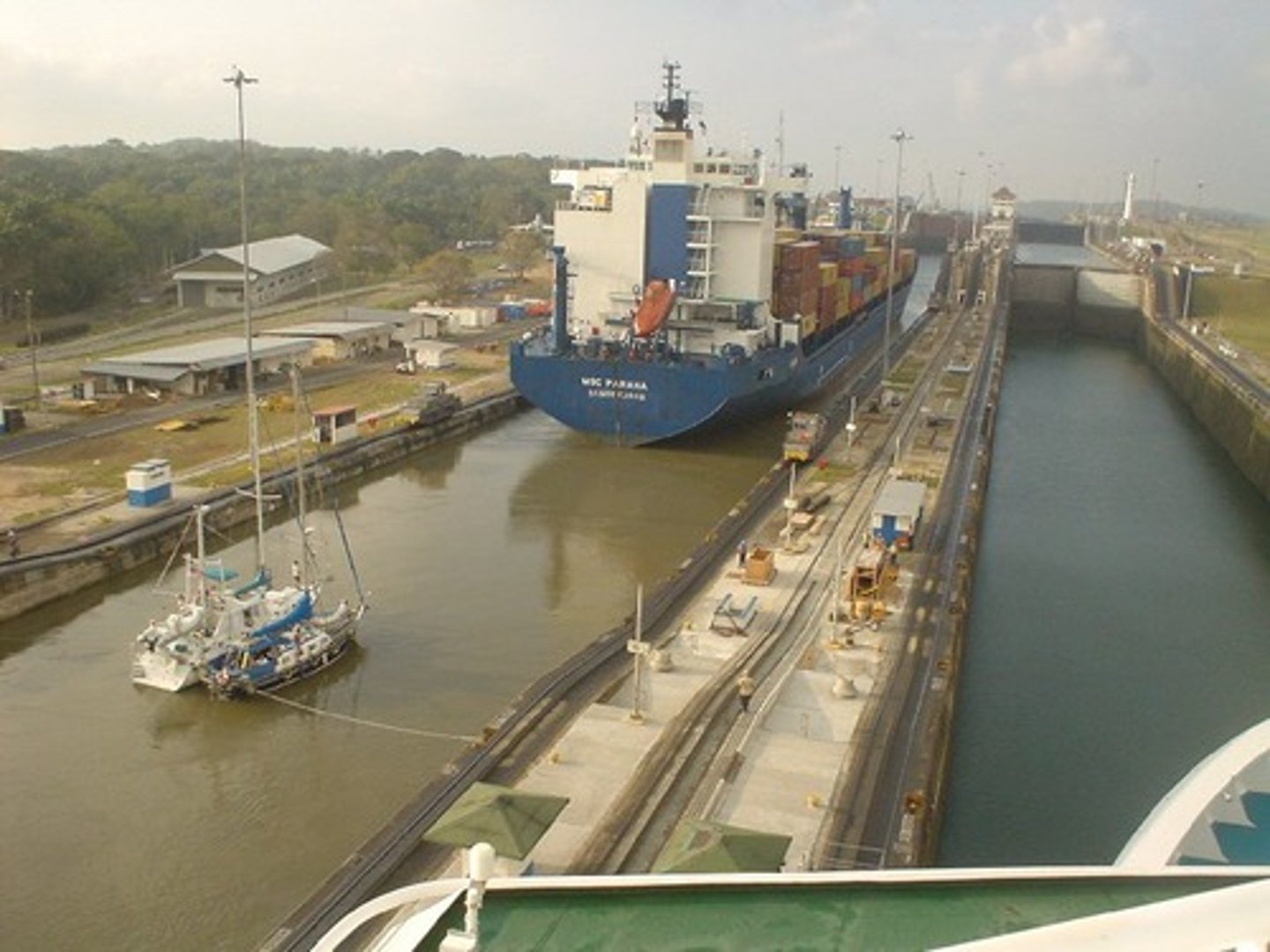
Panama Canal
a ship canal 40 miles long across the Isthmus of Panama built by the United States (1904-1914)
Sherman Anti-Trust Act
First United States law to limit trusts and big business. Said that any trust that was purposefully restraining interstate trade was illegal.
Interstate Commerce Act
law passed to regulate (by the government) railroad and other interstate businesses.
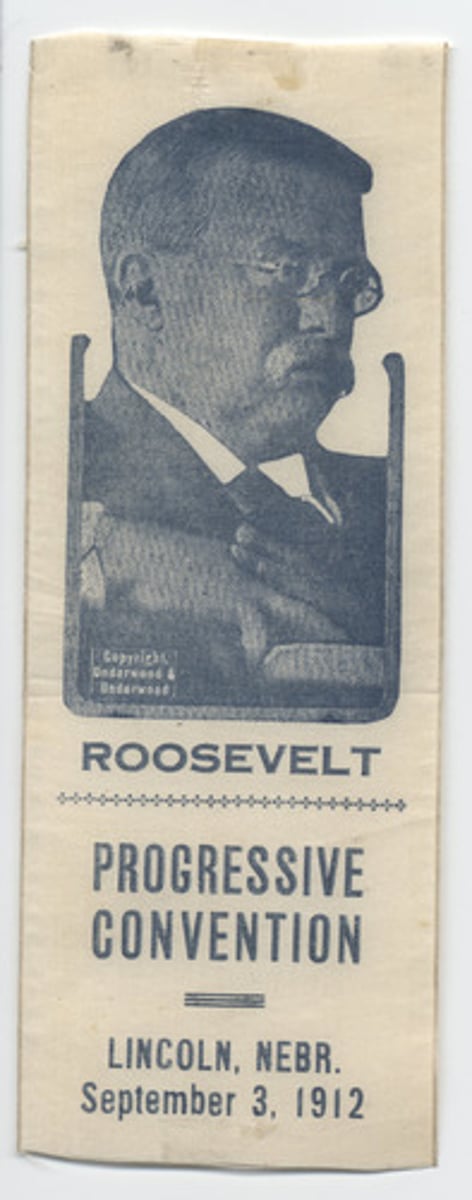
Progressive Party
Also known as the "Bull Moose Party," this political party was formed by Theodore Roosevelt in an attempt to advance progressive ideas and unseat President William Howard Taft in the election of 1912.
Initiative, Referendum, Recall
Initiative: people have the right to propose a new law. Referendum: a law passed by the legislature can be reference to the people for approval/veto. Recall: the people can petition and vote to have an elected official removed from office. These all made elected officials more responsible and sensitive to the needs of the people, and part of the movement to make government more efficient and scientific.
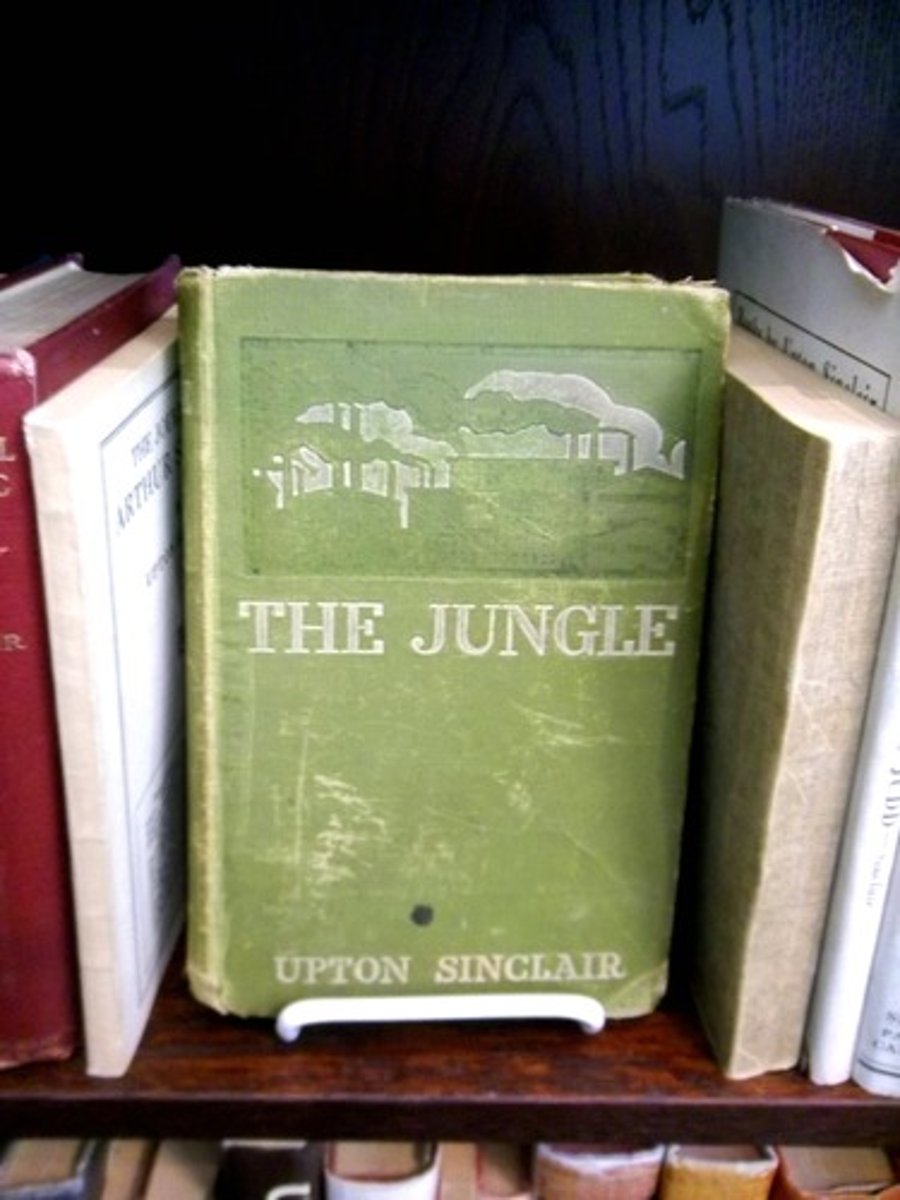
Upton Sinclair
muckraker who shocked the nation when he published The Jungle, a novel that revealed gruesome details about the meat packing industry in Chicago. The book was fiction but based on the things Sinclair had seen.
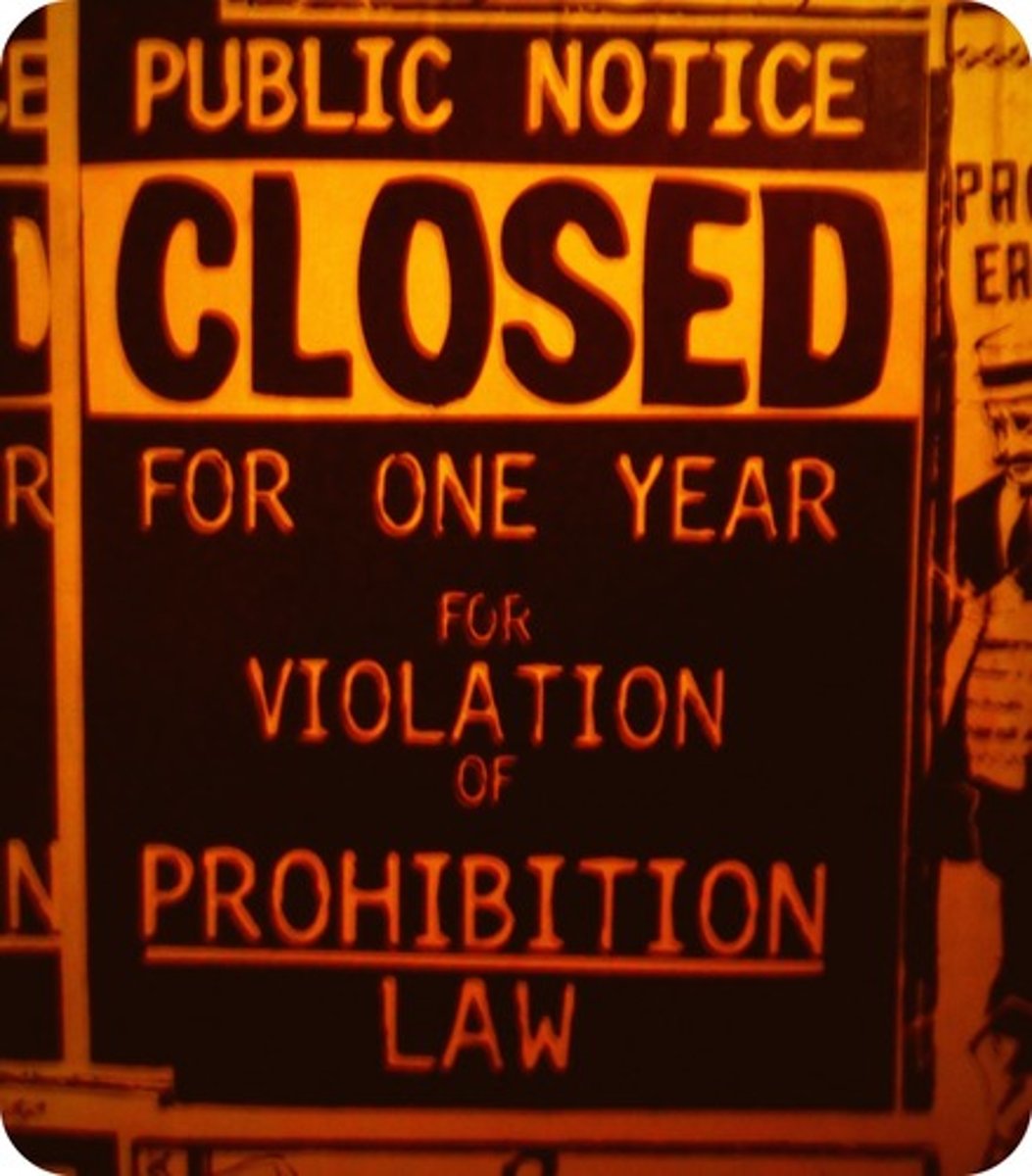
18th Amendment
Prohibited the manufacture, sale, and distribution of alcoholic beverages
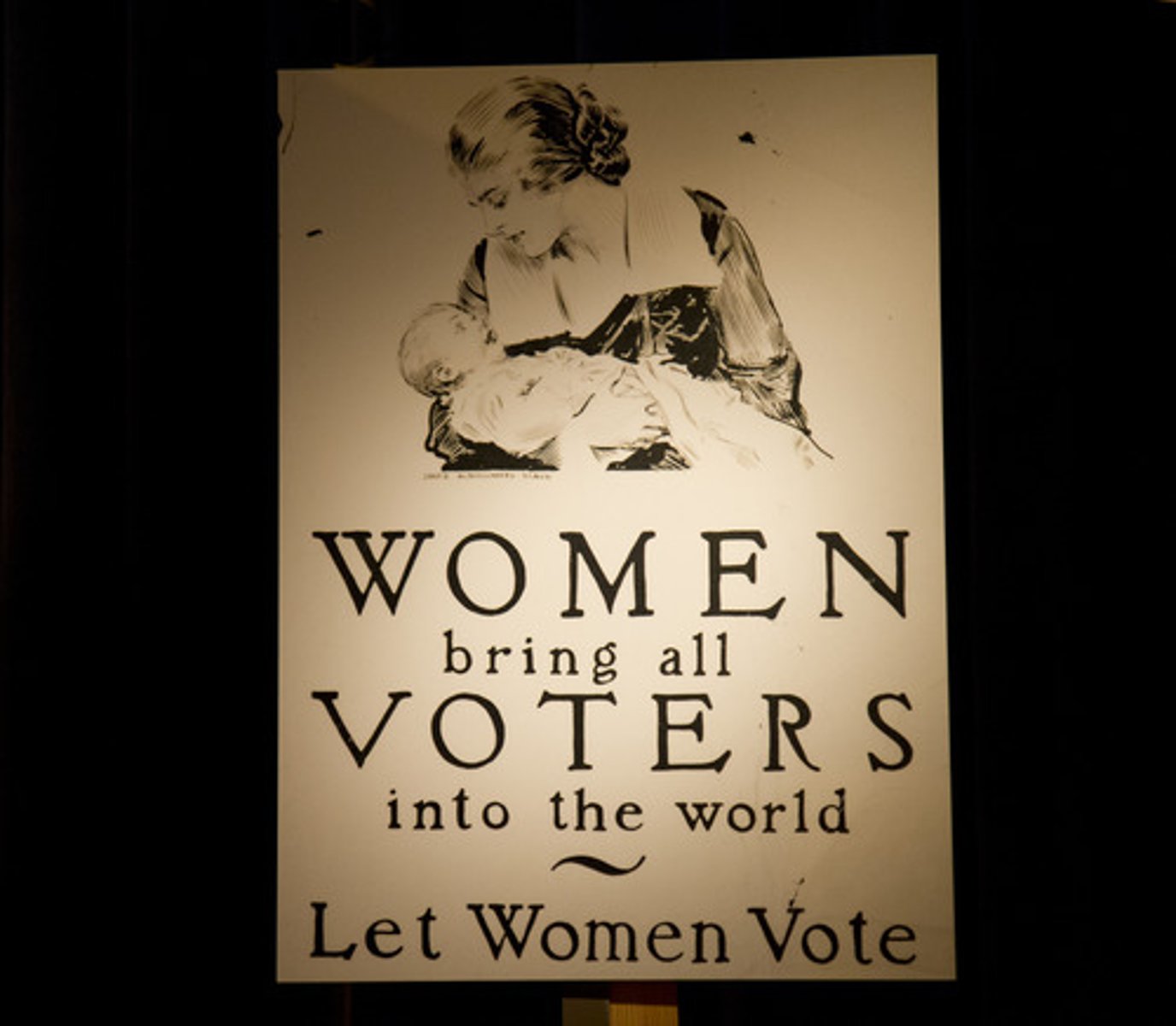
19th Amendment
Amendment to the U.S. Constitution (1920) extended the right to vote to women in federal or state elections.
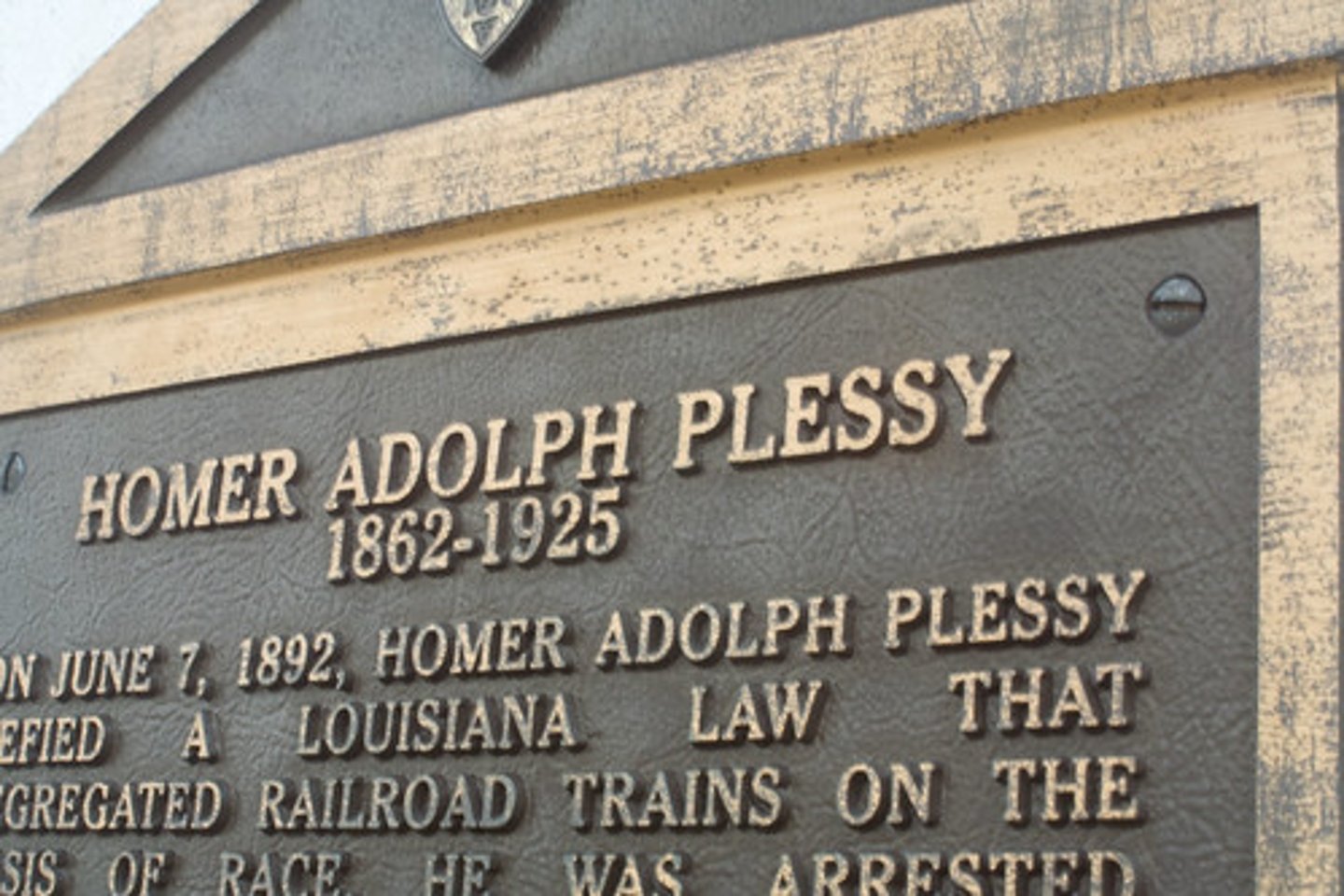
Plessy vs. Ferguson
Supreme court case that ruled that separate-but-equal facilities for blacks and whites did not violate the constitution.
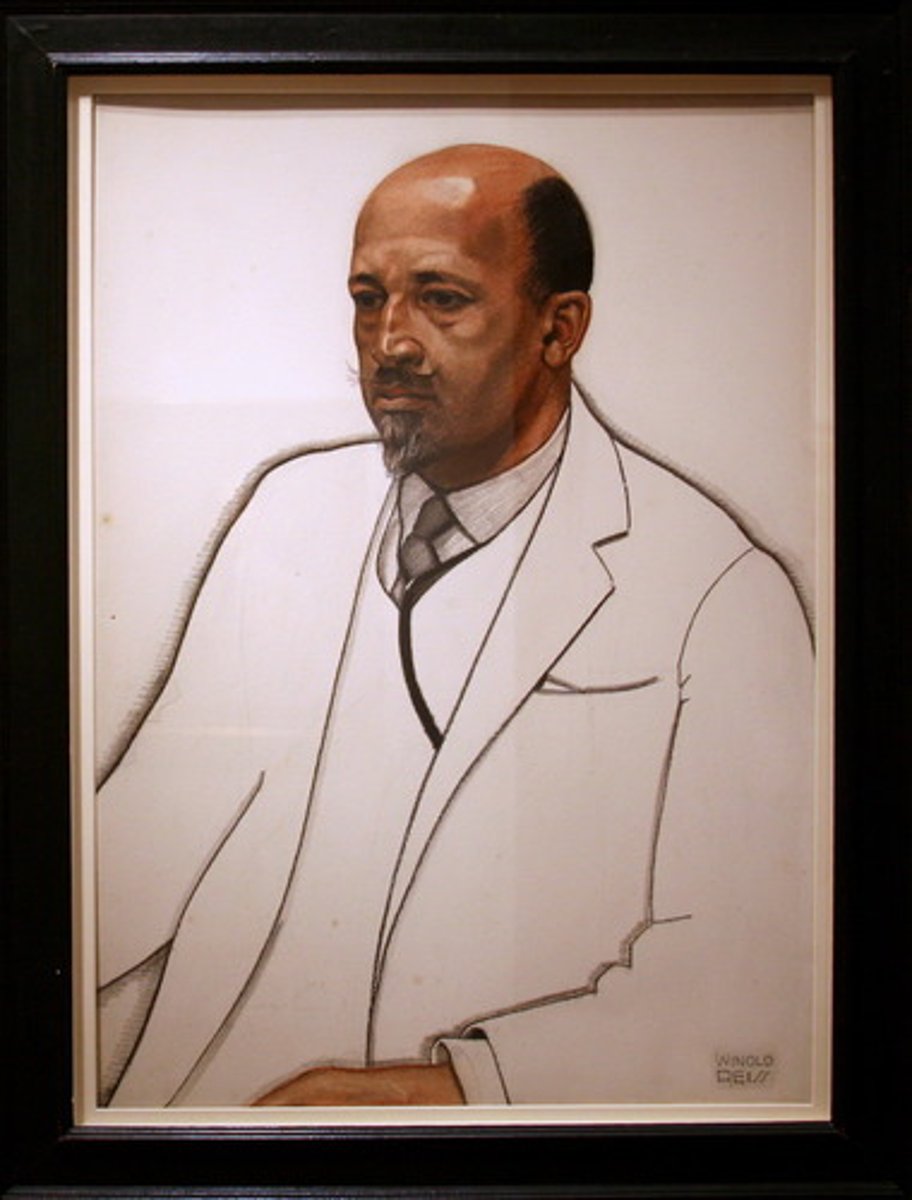
W.E.B Du Bois
believed that African Americans should strive for full rights immediatly; founded the NAACP
Causes of WWI
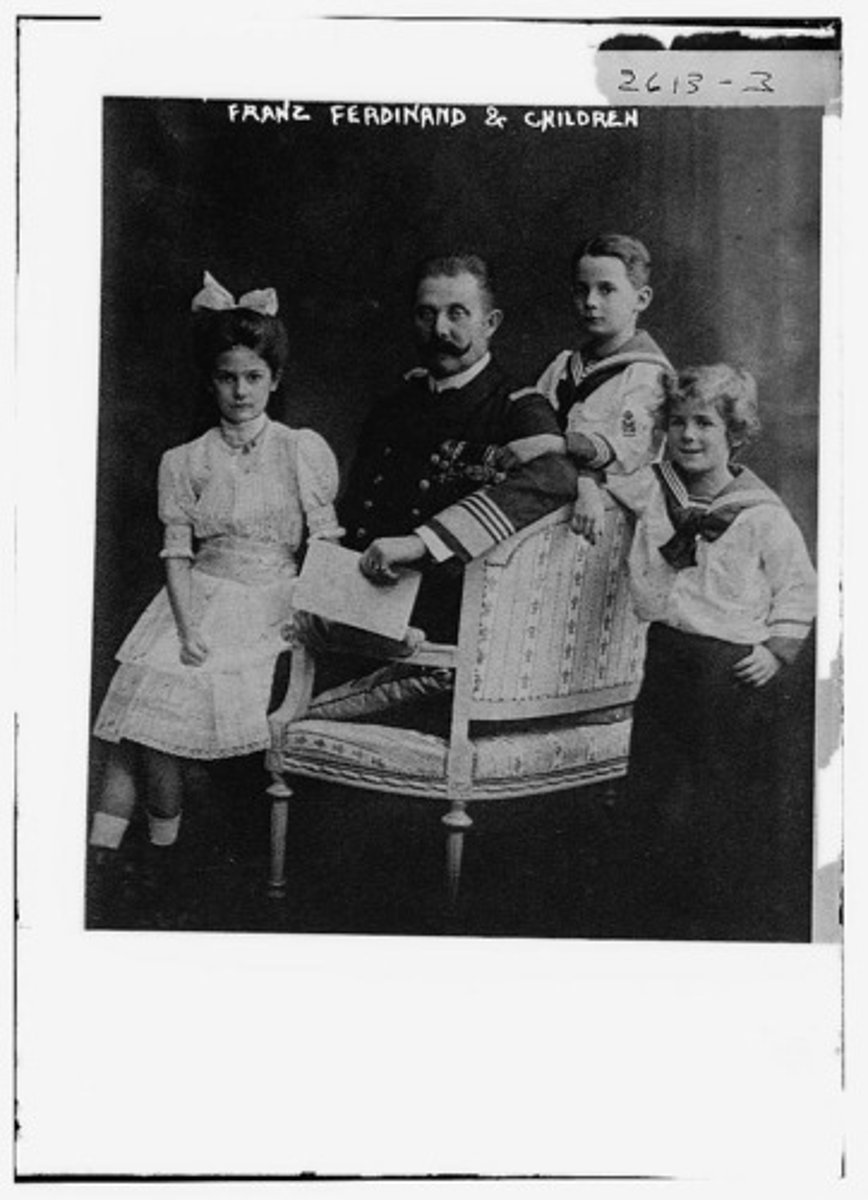
1. A system of alliances divide Europe into two parts 2. Nationalism was very prevalent in the countries of Europe 3. Militarism or reliance on military strength 4. Imperialism and the conquering of countries in Asia, South America, and Africa 5. The assassination of Archduke Francis Ferdinand by the Black Hand
US Entry in WWI
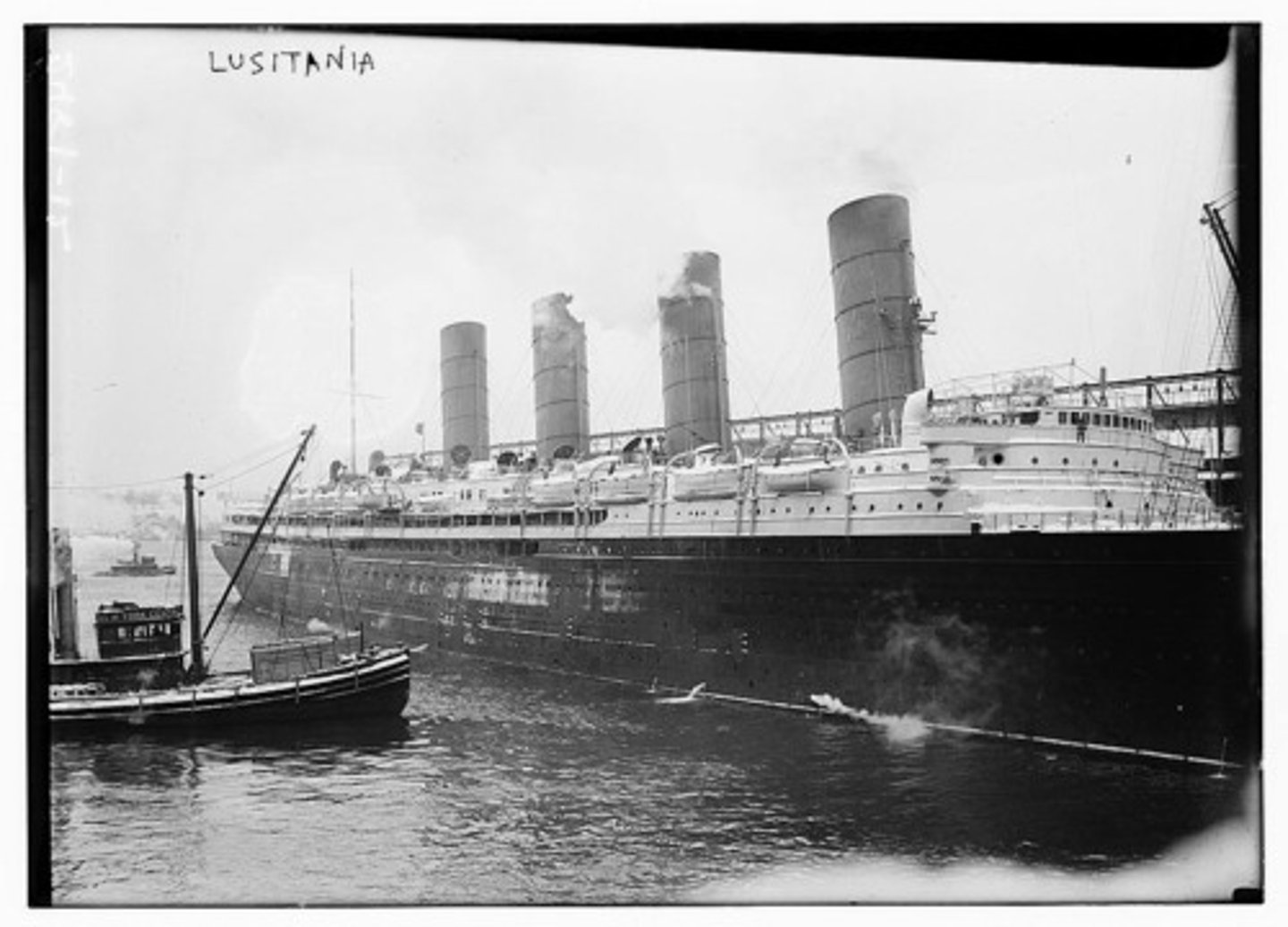
-1915: Lusitania sunk by Germans (killed 125 Americans) -President Wilson sent ultimatum to Germans (you don't change your ways with subs, we're your enemies) -Germans did change, but reverted back to their ways in 1917 -Zimmerman telegram (created by Germans to provoke a war between Mexico and US to distract them) in 1917 was the trigger, then US declared war on Germany
Fourteen Points
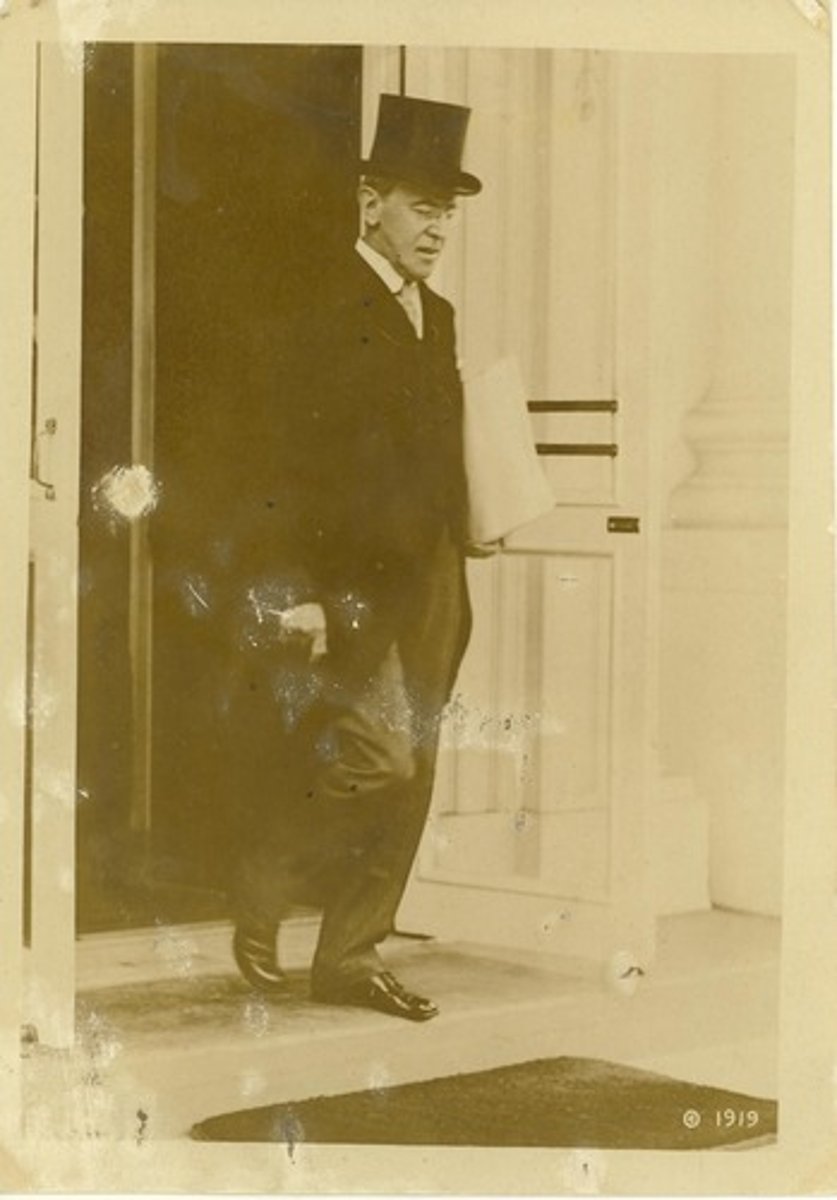
A series of proposals in which U.S. president Woodrow Wilson outlined a plan for achieving a lasting peace after World War I.
Treaty of Versailles
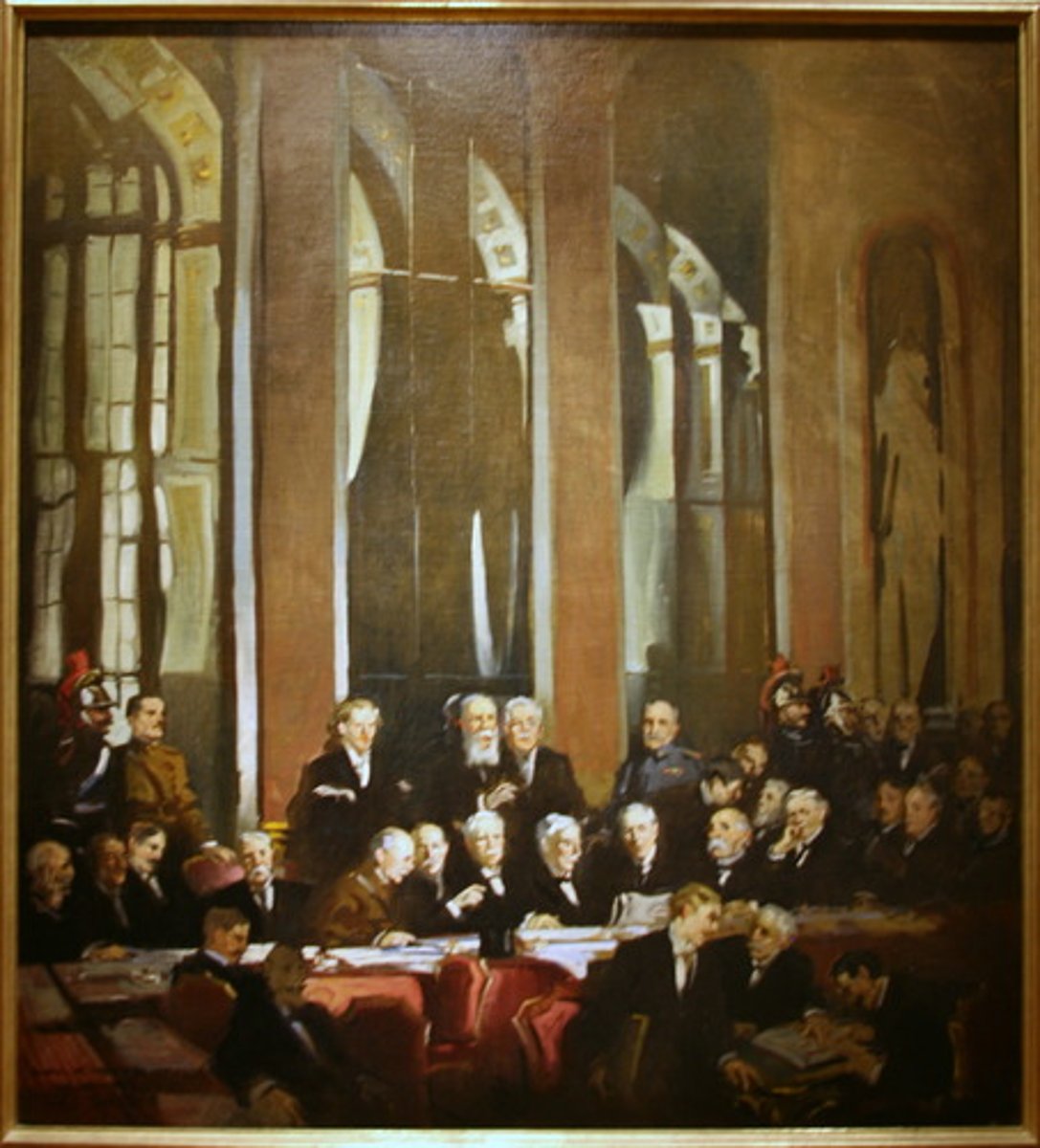
the treaty imposed on Germany by the Allied powers in 1920 after the end of World War I which demanded exorbitant reparations from the Germans
League of Nations
A world organization established in 1920 to promote international cooperation and peace. It was first proposed in 1918 by President Woodrow Wilson, although the United States never joined the League. Essentially powerless, it was officially dissolved in 1946.
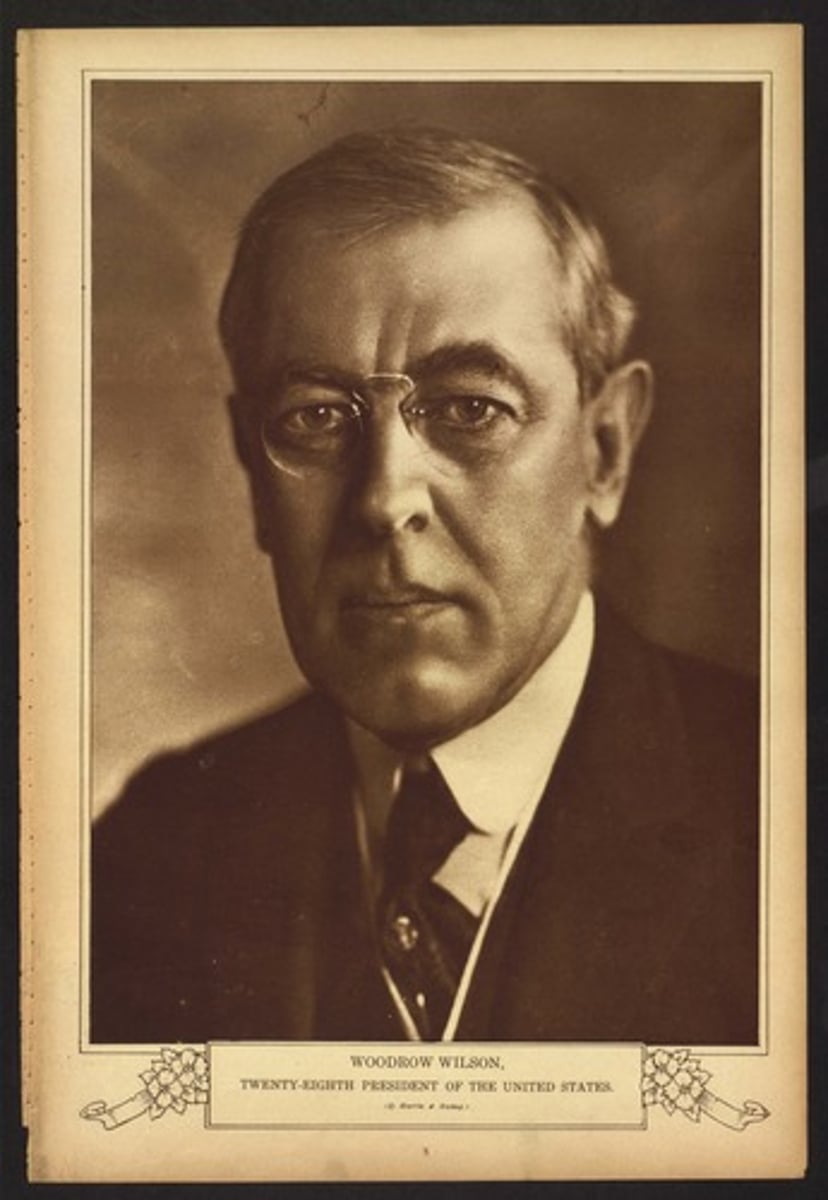
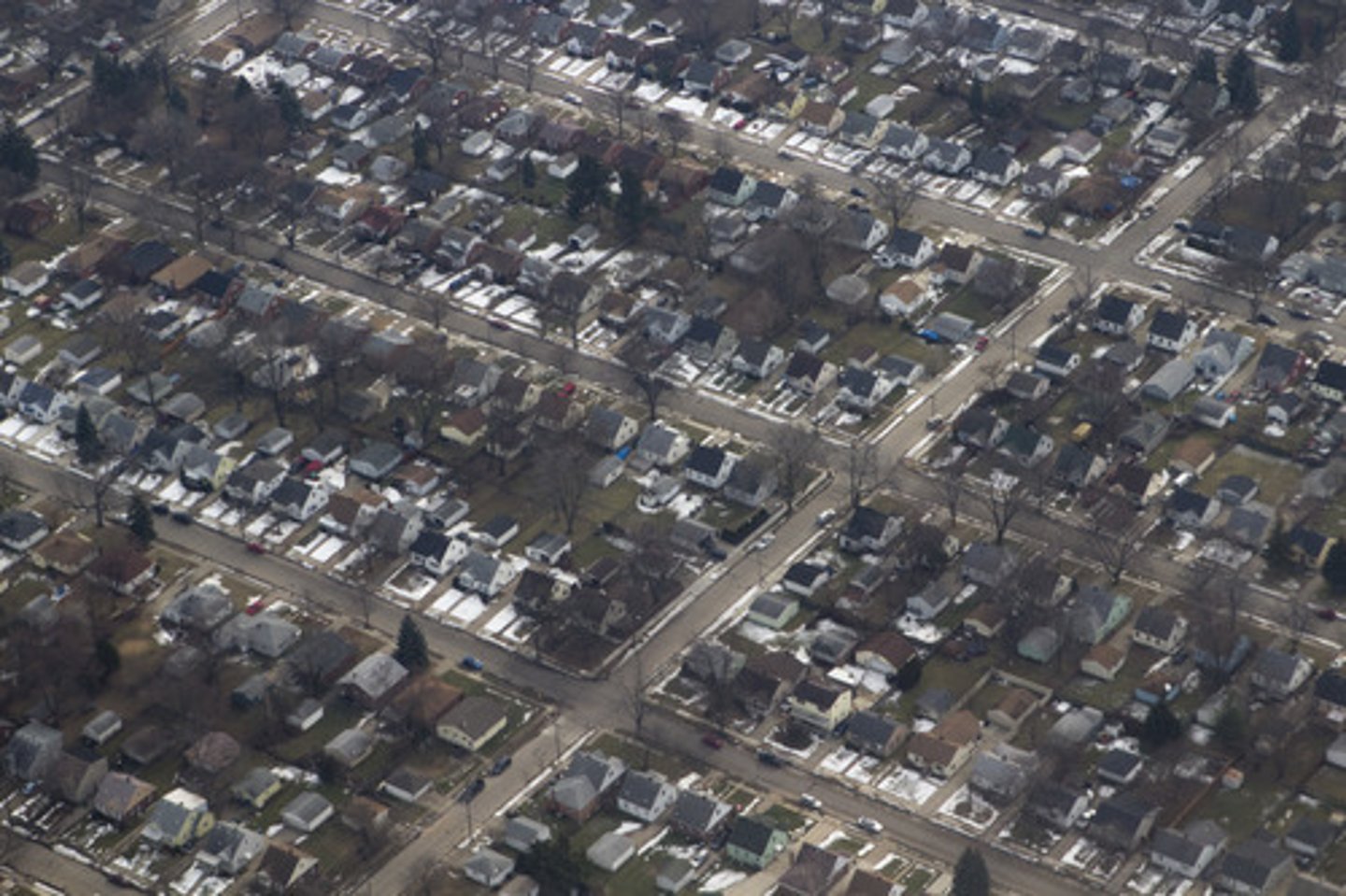
Great Migration
movement of over 300,000 African American from the rural south into Northern cities between 1914 and 1920
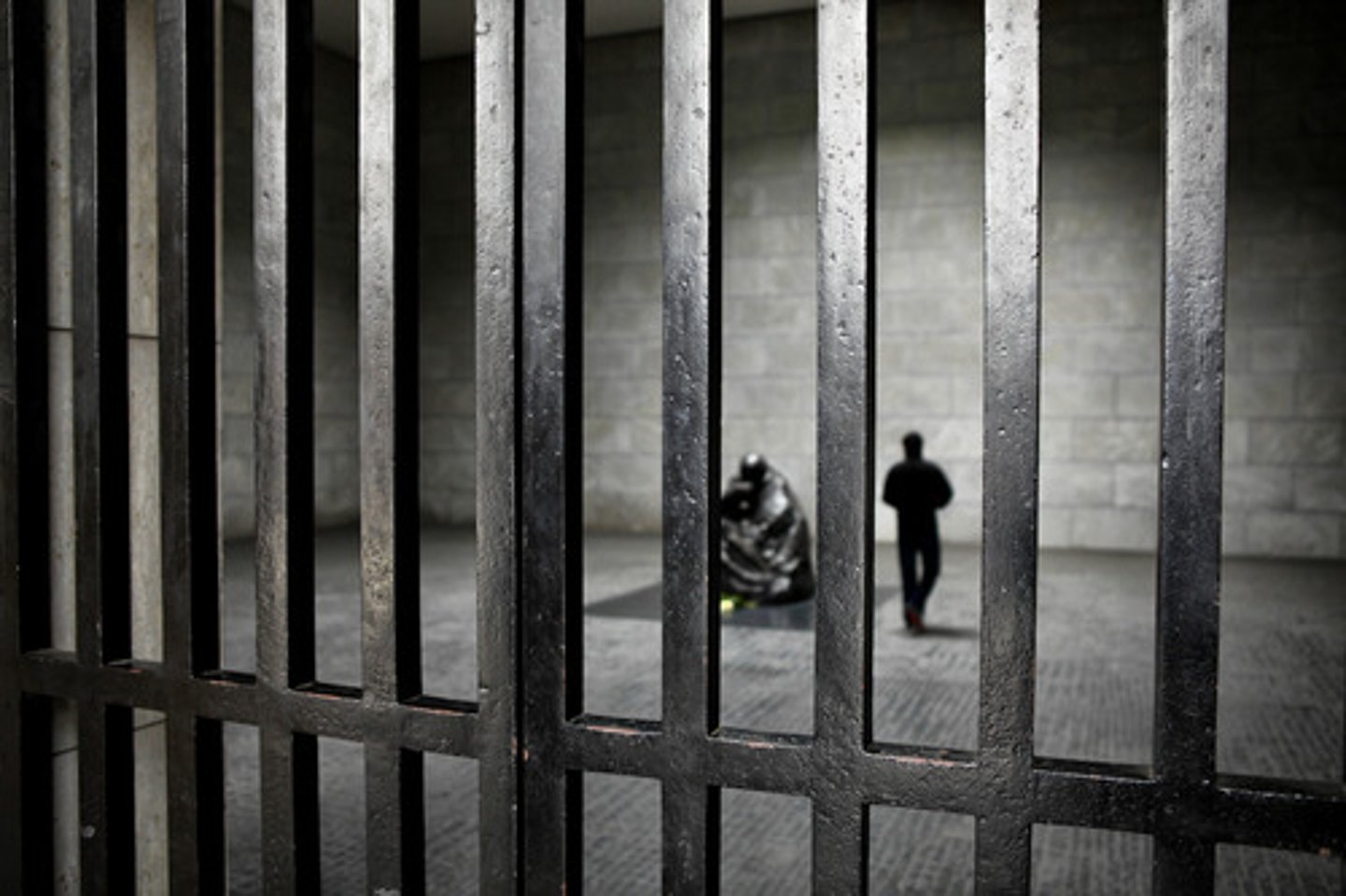
Sedition Act
1918 law that made it illegal to criticize the government
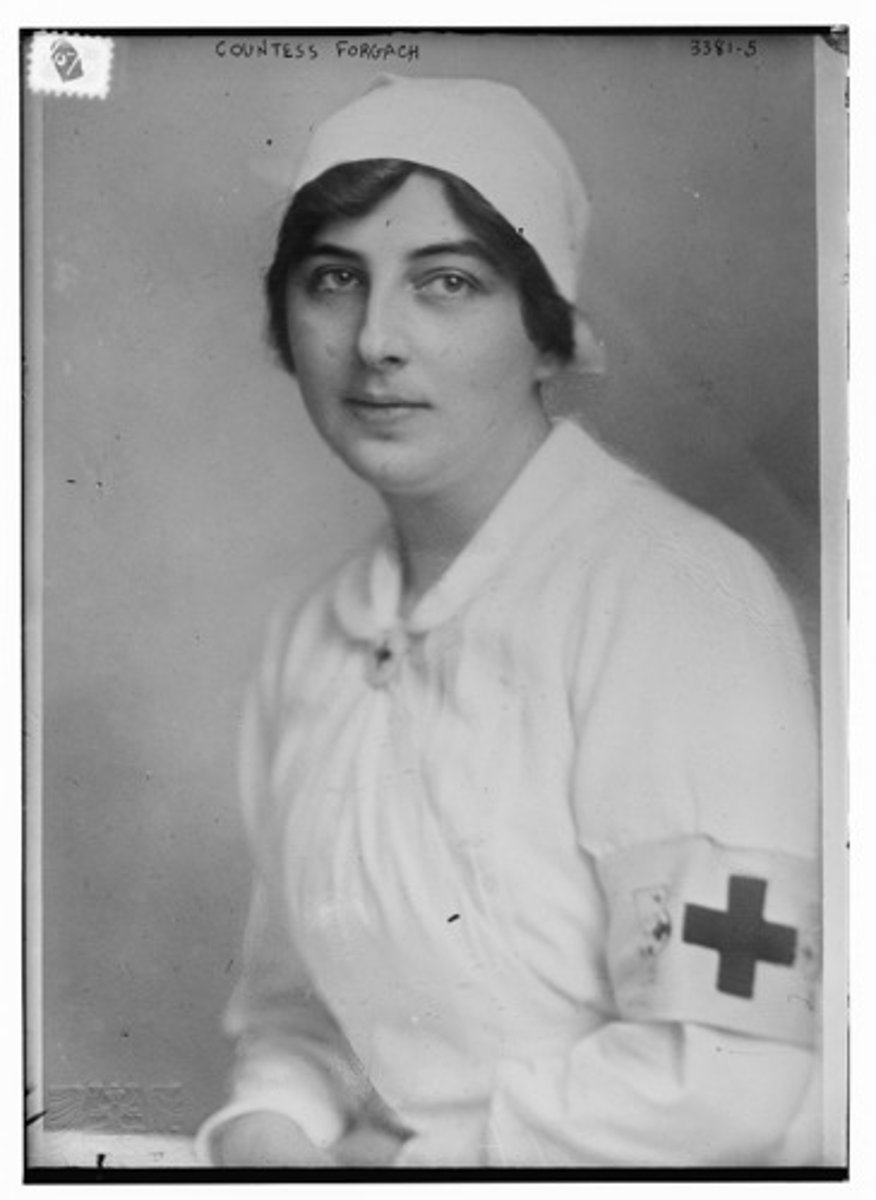
Women in WWI
Nurses, cooked meals for soldiers, work in factories, made clothes for soldiers, and made hospital supplies
Isolationism
A national policy of avoiding involvement in world affairs

Red Scare
A social/political movement designed to prevent a socialist/communist/radical movement in this country by finding "radicals" incarcerating them, deporting them, and subverting their activities
Palmer Raids
A 1920 operation coordinated by Attorney General Mitchel Palmer in which federal marshals raided the homes of suspected radicals and the headquarters of radical organization in 32 cities.
Social Darwinism
19th century of belief that evolutionary ideas theorized by Charles Darwin could be applied to society.
KKK
Stands for Ku Klux Klan and started right after the Civil War in 1866. Revived in the 1920s
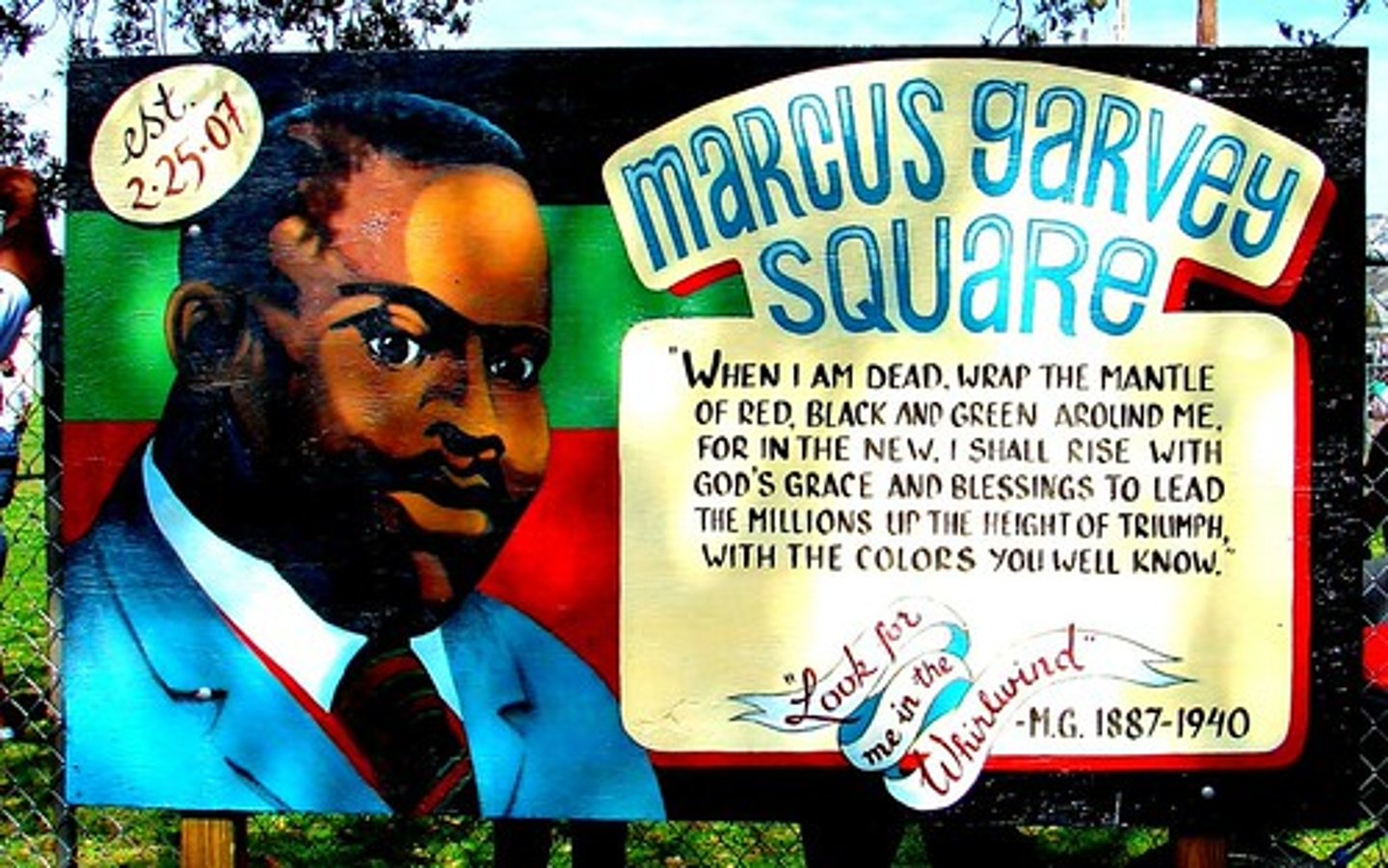
Marcus Garvey
African American leader during the 1920s who founded the Universal Negro Improvement Association and advocated mass migration of African Americans back to Africa
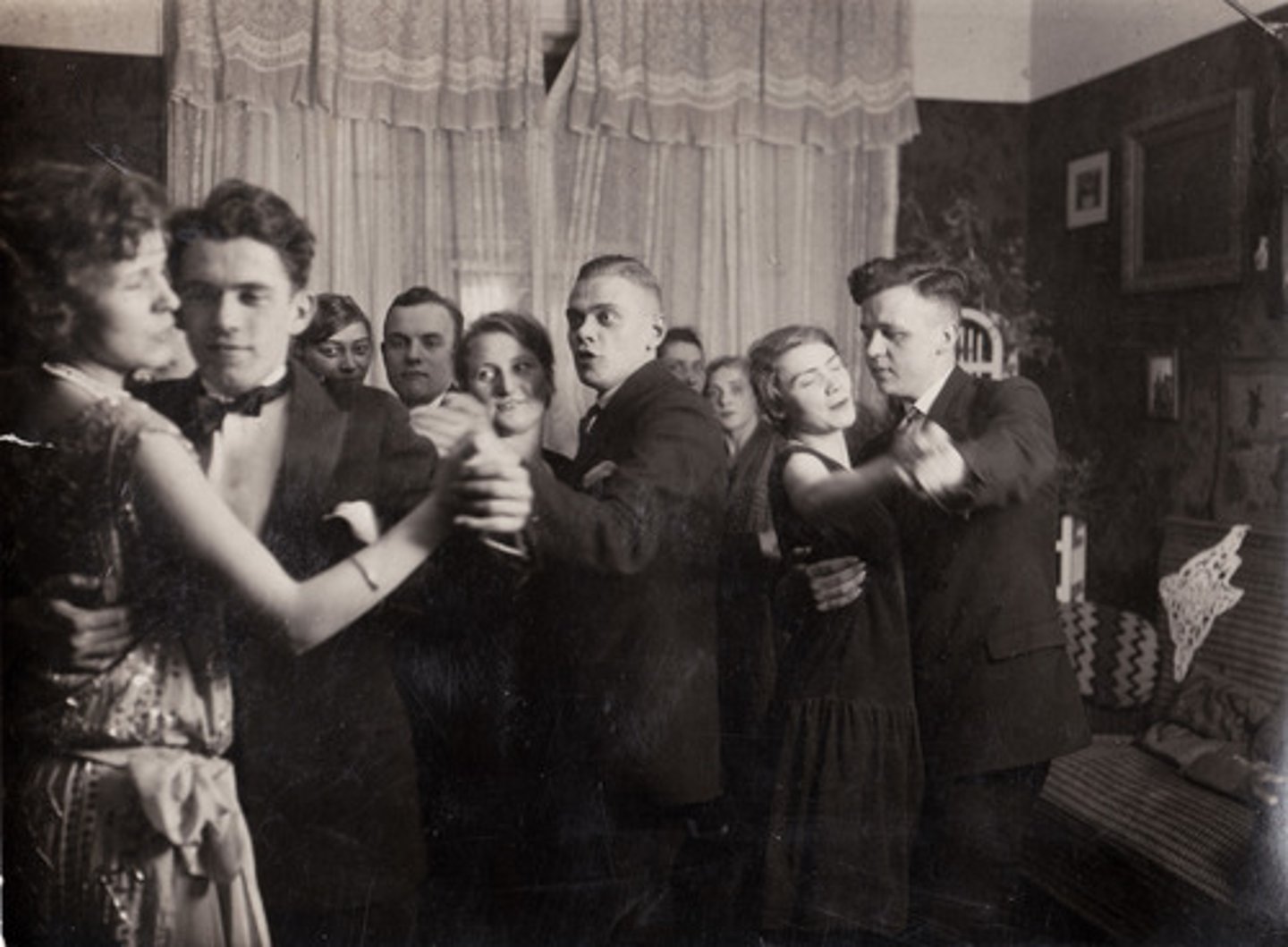
Roaring Twenties
Nickname for the 1920s becasue of the booming economy and fast pace of life during that era
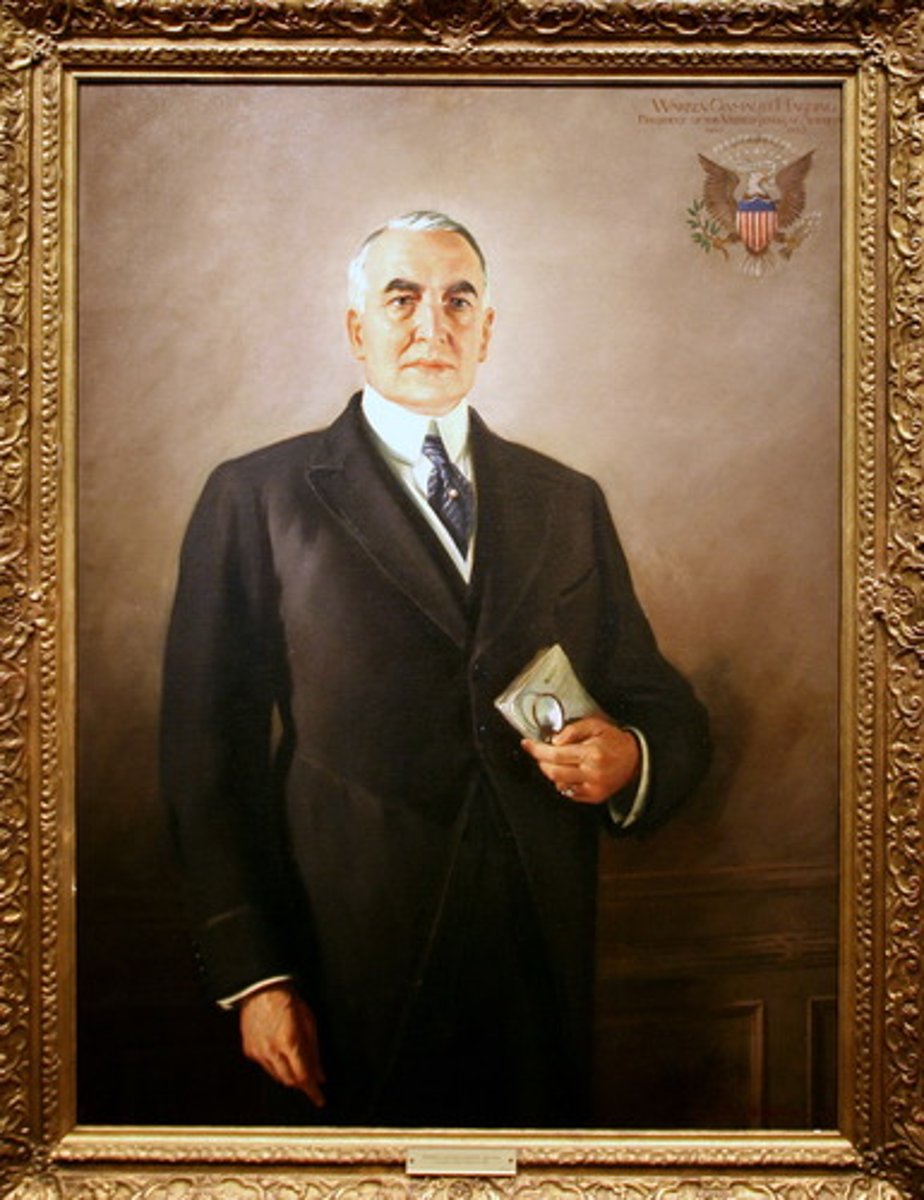
Return to Normalcy
After World War I 1919-20s, when Harding was President, the US and Britain returned to isolationism. The US economy "boomed"; but Europe continued to struggle. It was the calm before the bigger storm hit: World War II
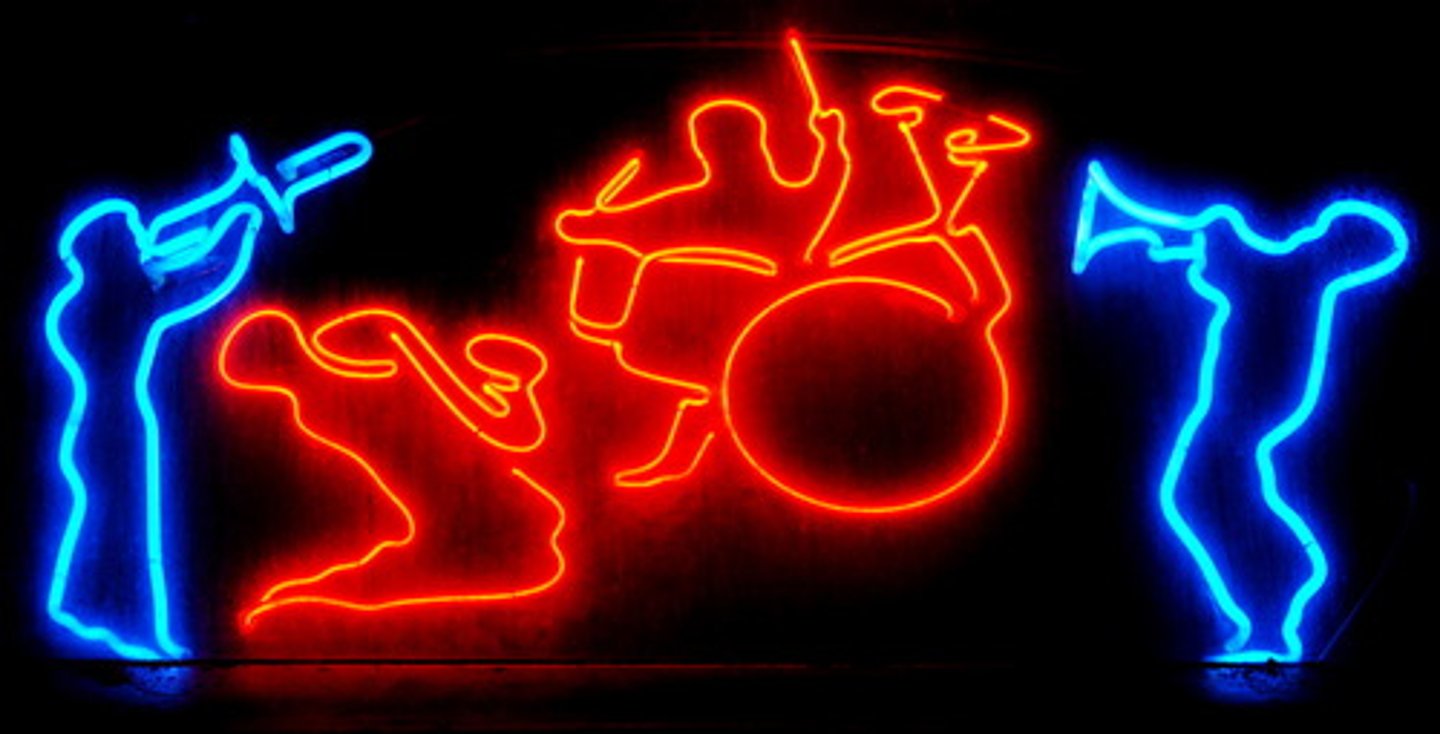
Jazz
A style of dance music popular in the 1920s
Harlem Renaissance
A period in the 1920s when African-American achievements in art and music and literature flourished
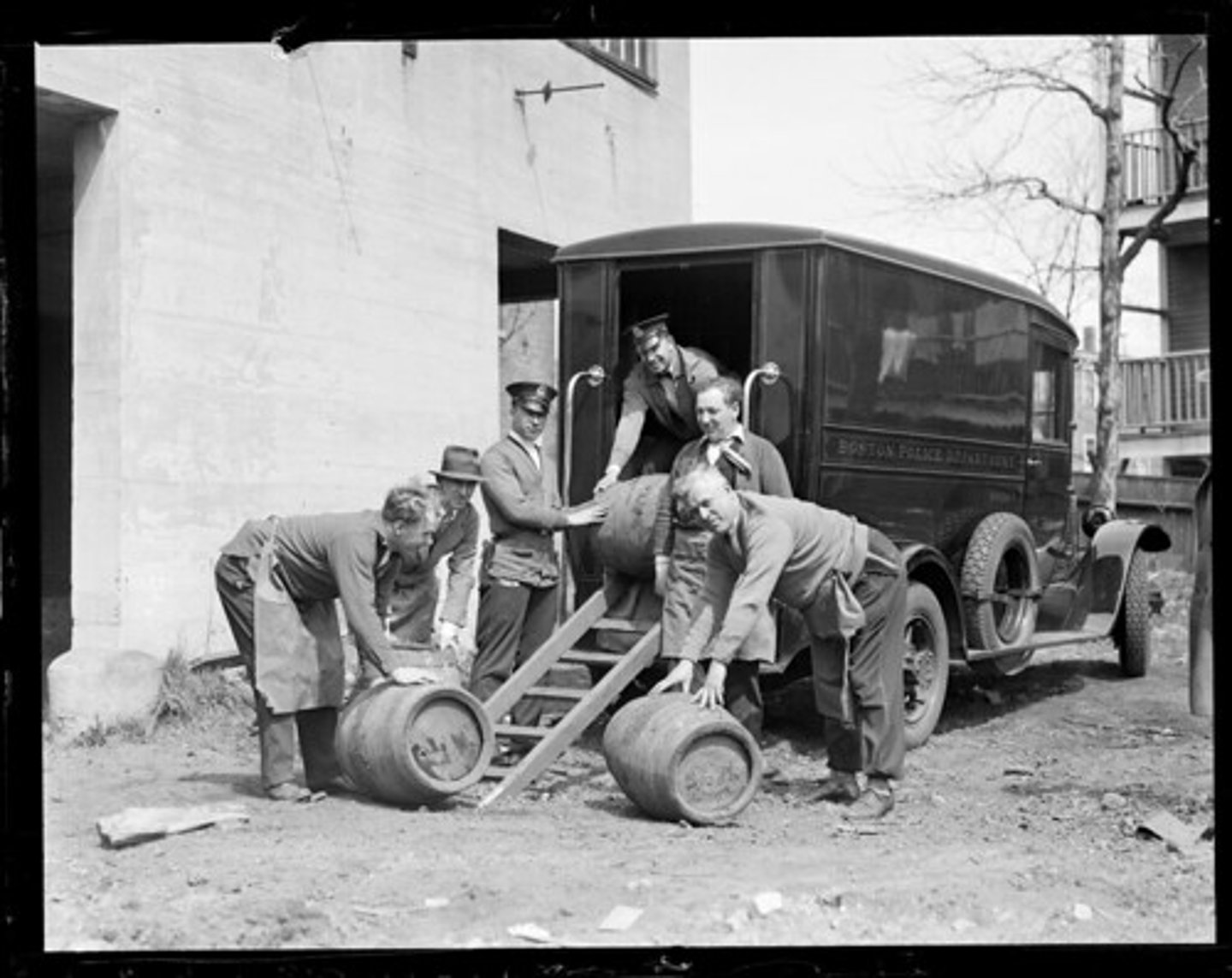
Prohibition
the period from 1920 to 1933 when the sale of alcoholic beverages was prohibited in the United States by a constitutional amendment
Flapper
carefree young women with short, "bobbed" hair, heavy makeup, and short skirts. The flapper symbolized the new
"liberated" woman of the 1920s.

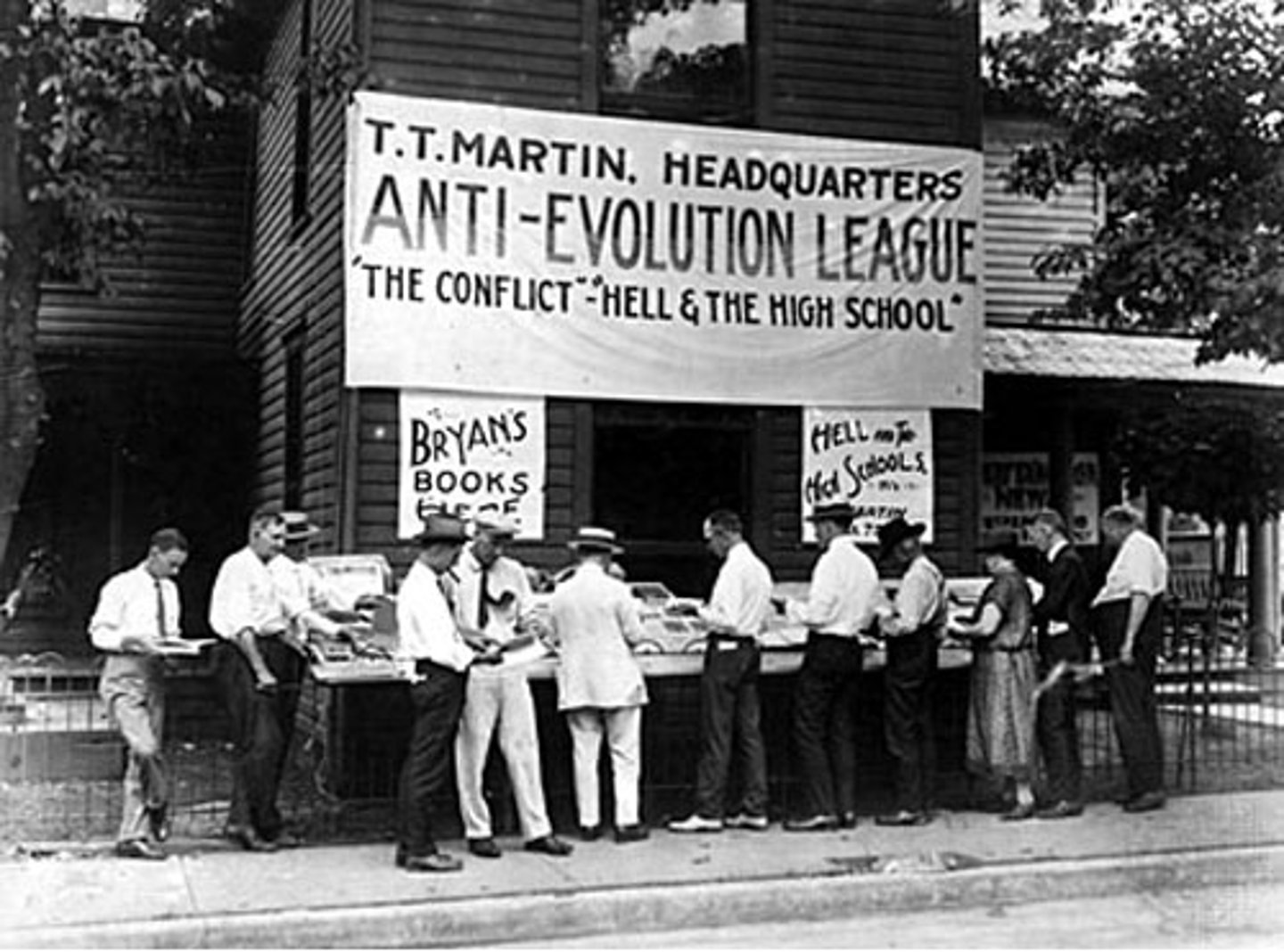
Scopes Monkey Trial
1925, the trial that pitted the teaching of Darwin's theory of evolution against teaching Bible creationism
Causes of Great Depression
Higher US tariffs, Overproduction of food, buying on margin, market speculation, stock market crash, bank failures
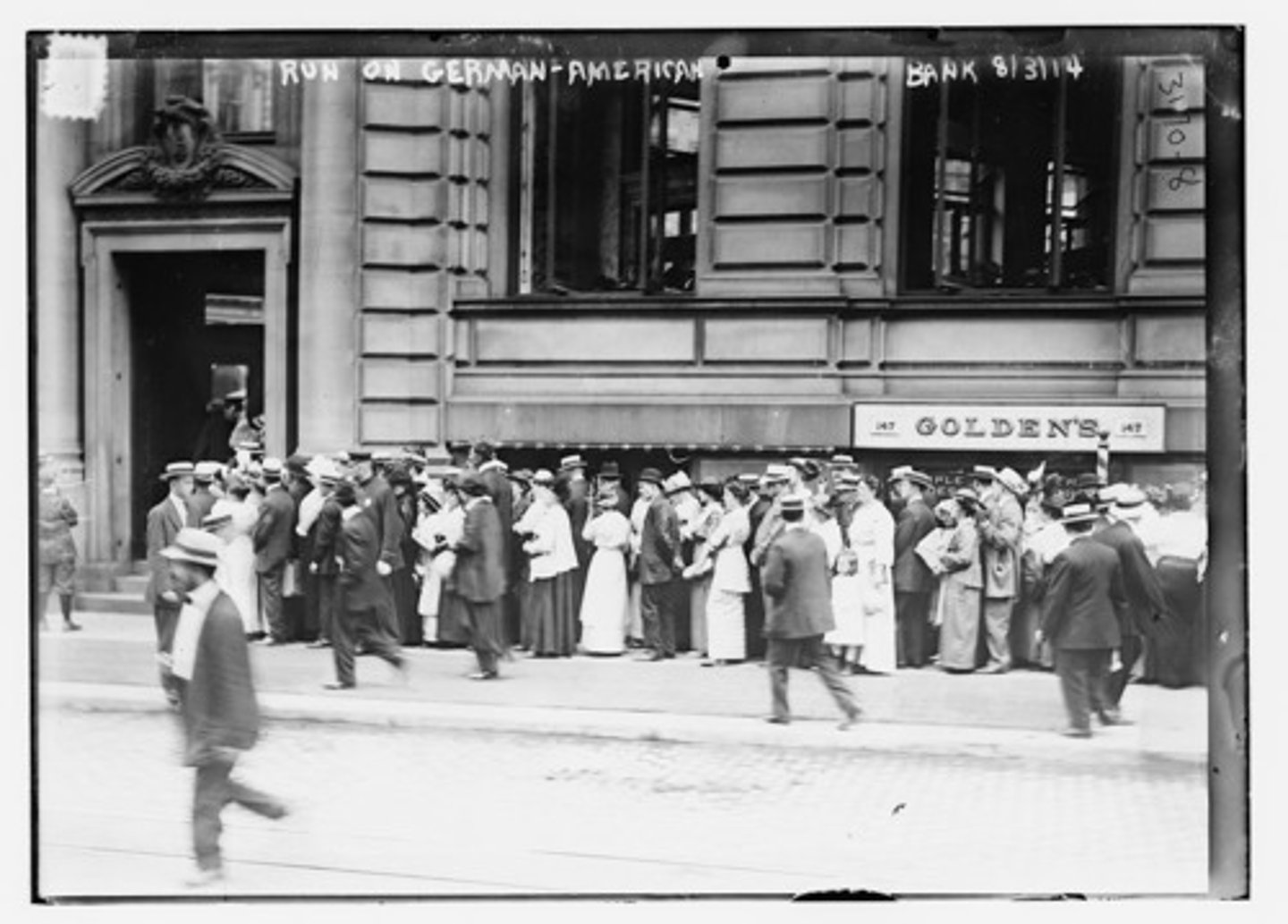
1929
Great Depression begins/Stock Market Crash
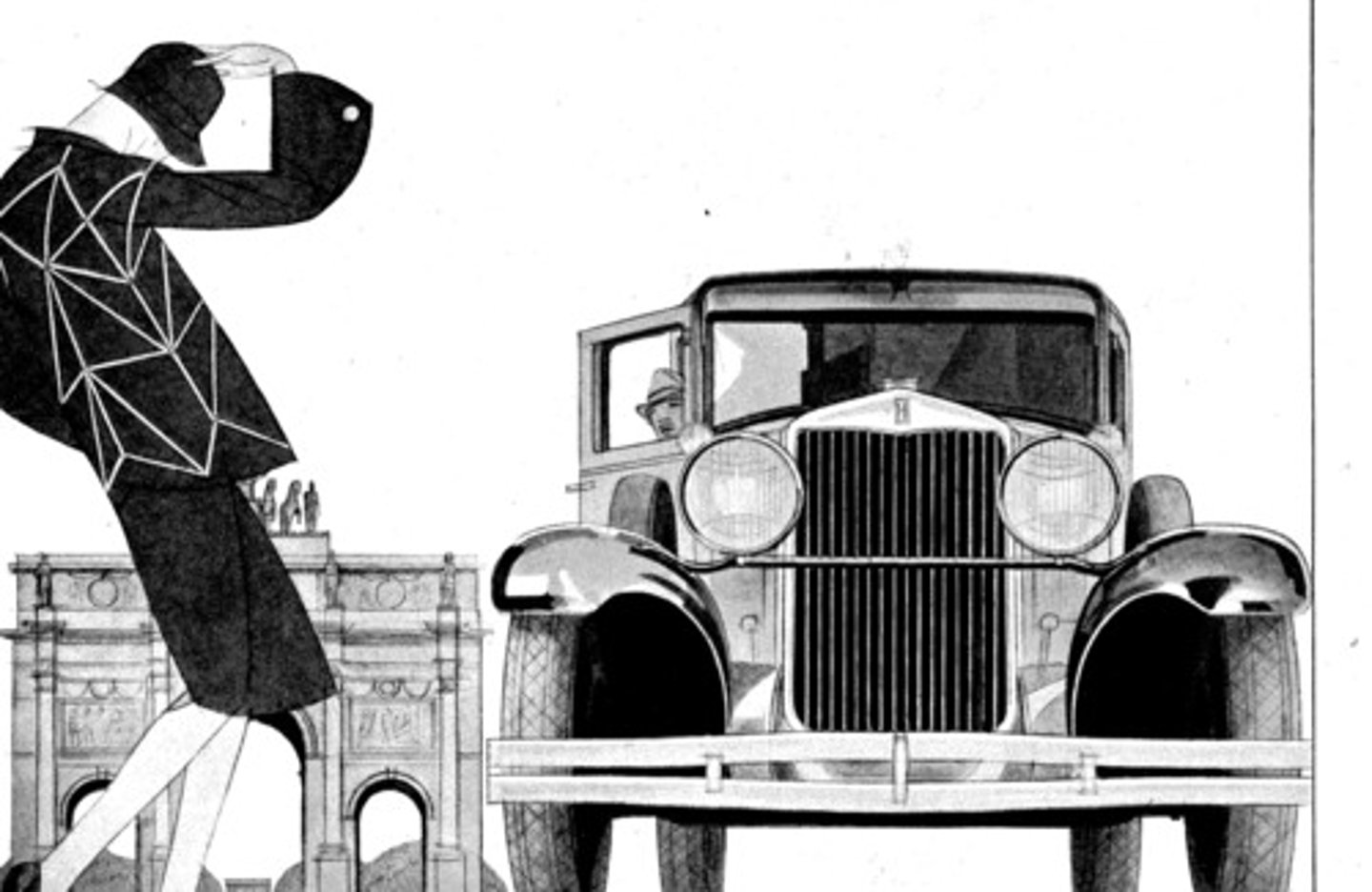
Dust Bowl
Region of the Great Plains that experienced a drought in 1930 lasting for a decade, leaving many farmers without work or substantial wages.
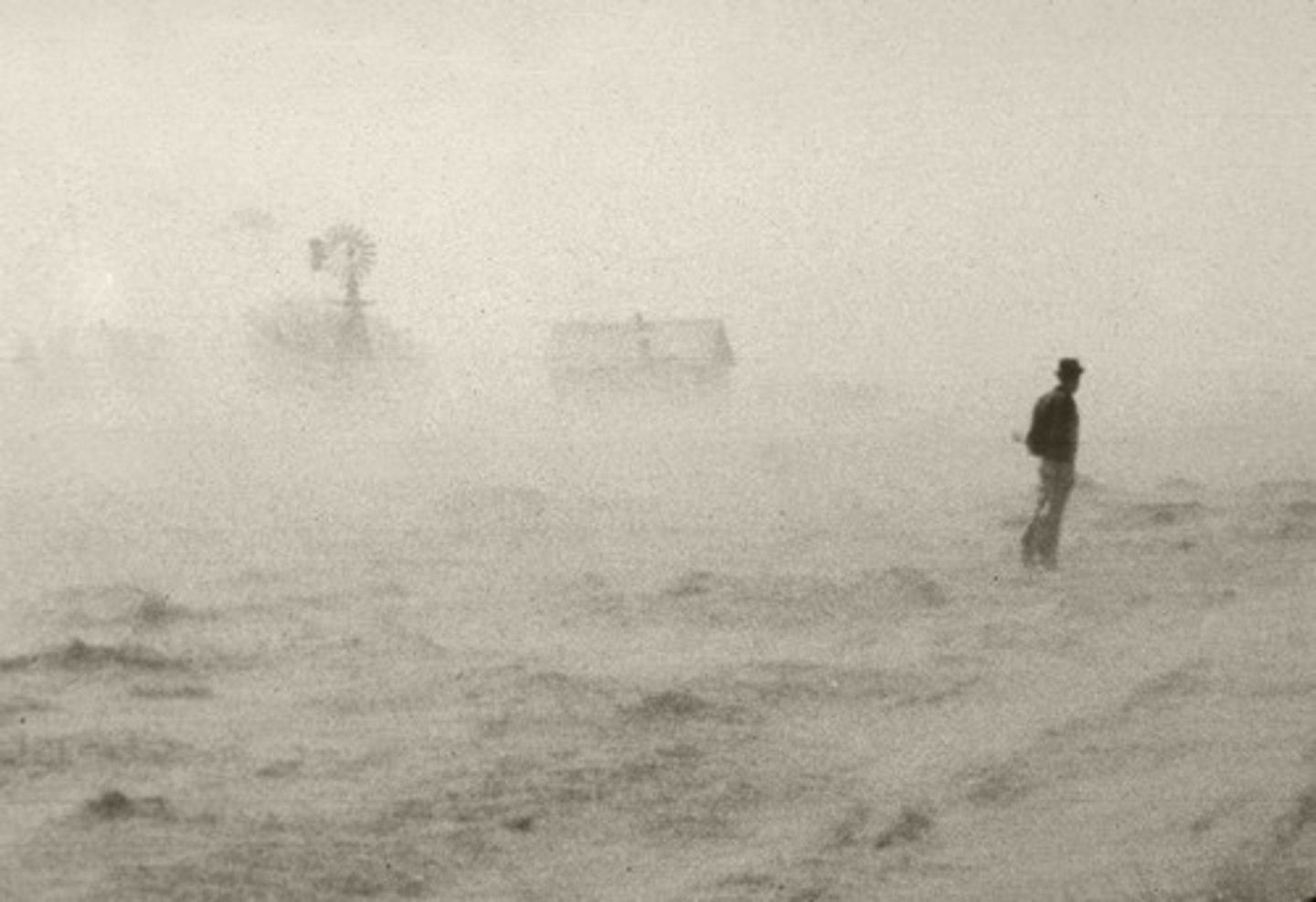
Teapot Dome
Scandal during the Harding administration involving the granting of oil-drilling rights on government land in return for money
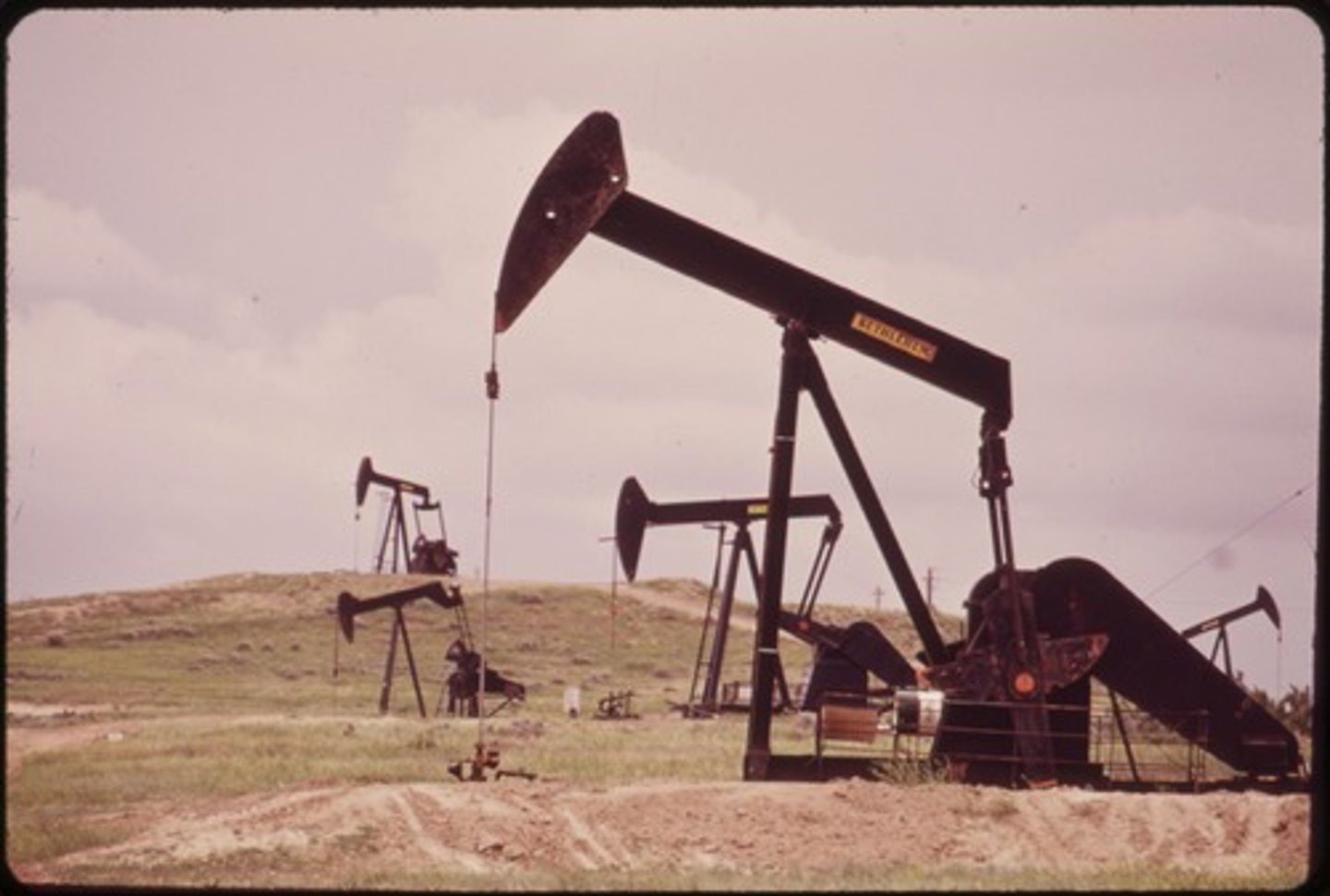
President Hoover
the president who was in office when the depression started. He believed that if the government got involved it would only make the depression worse.
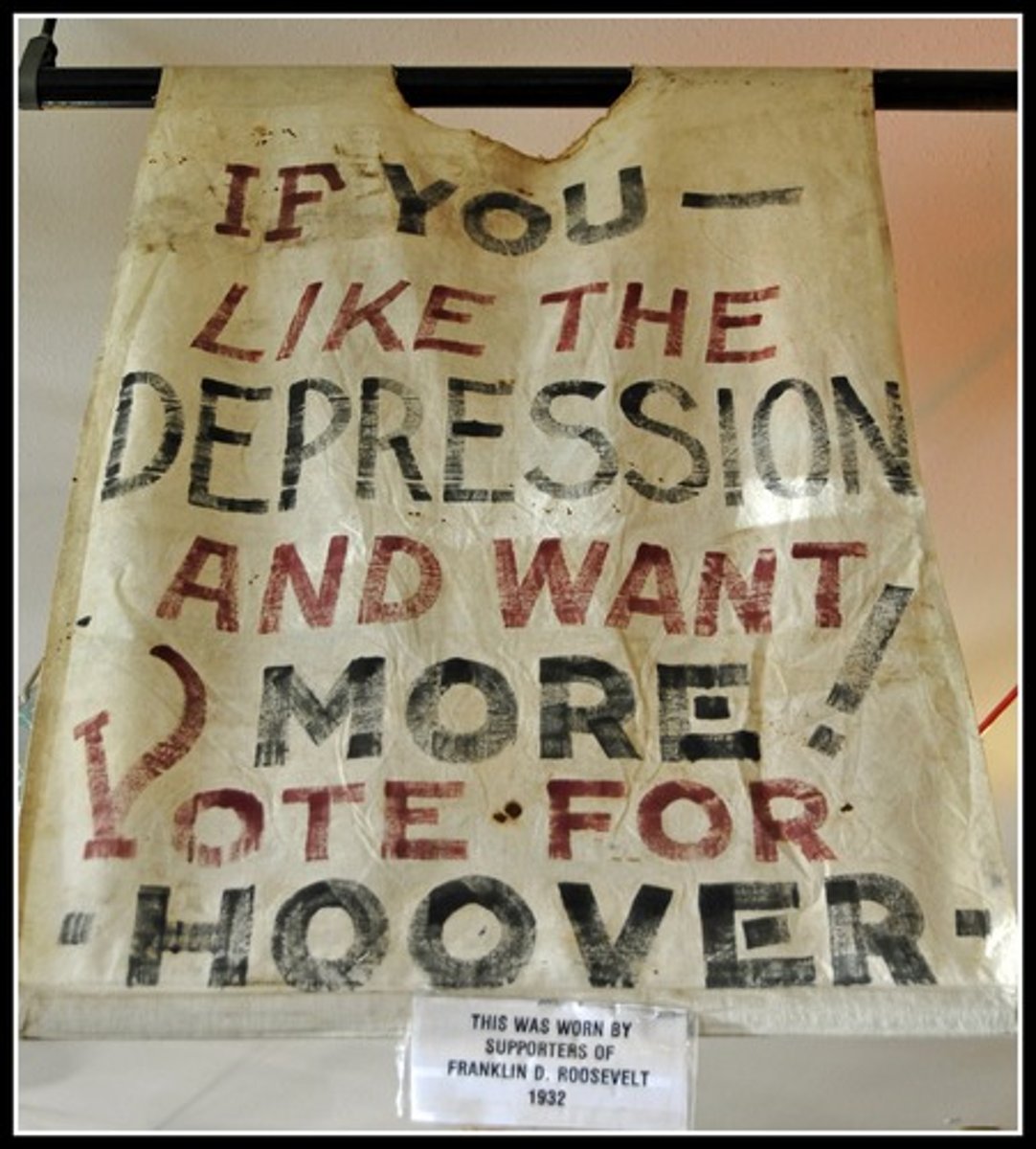
Franklin Roosevelt
Established the civilian conservation Corps, which employed more than 175,000 men to plant trees, make paths and roads in national parks and forests, build dams to control flooding, and perform other activities to protect natural resources.
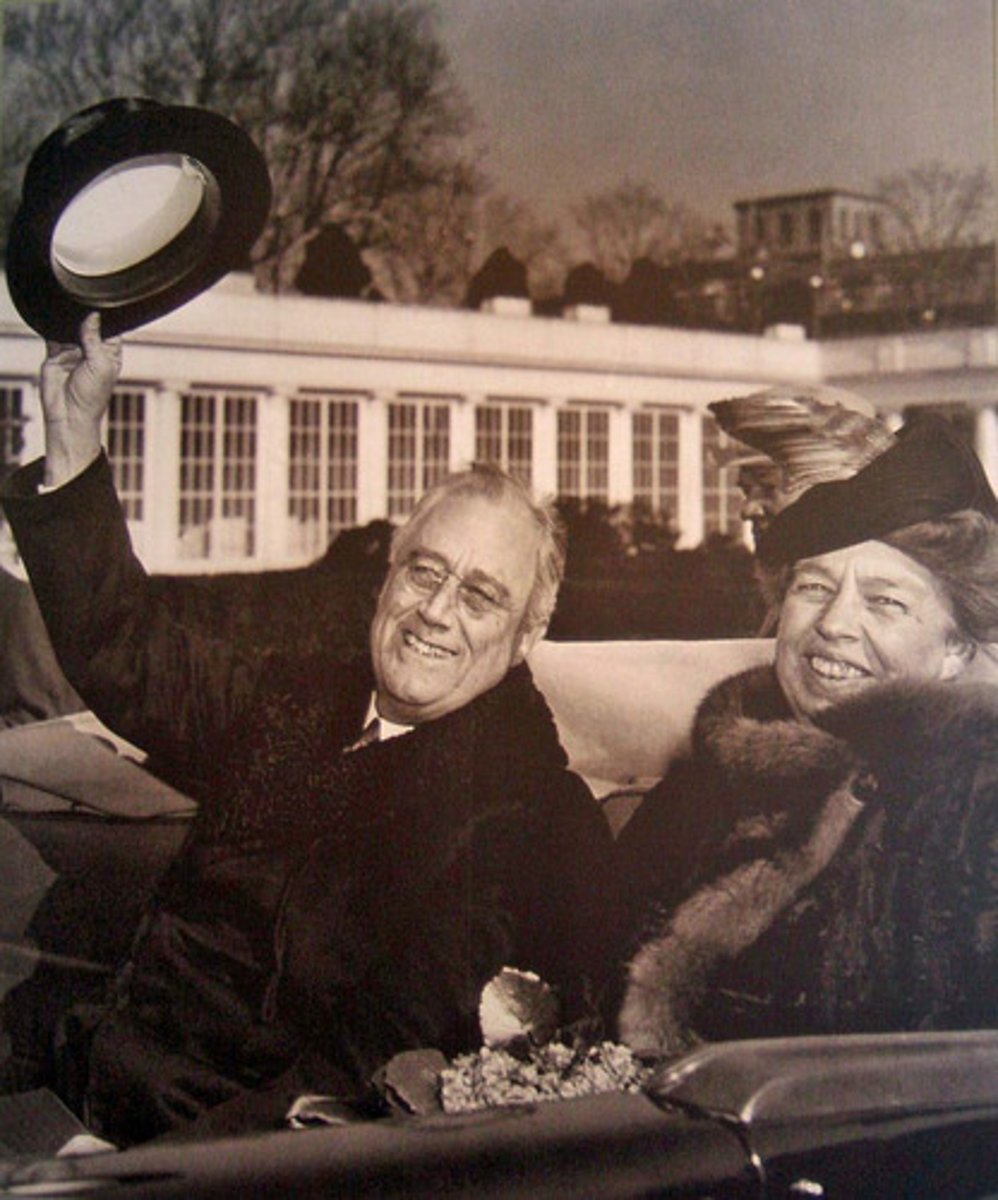
New Deal
A plan by President Franklin Roosevelt intended to bring economic relief, recovery, and reforms to the country after the Great Depression.
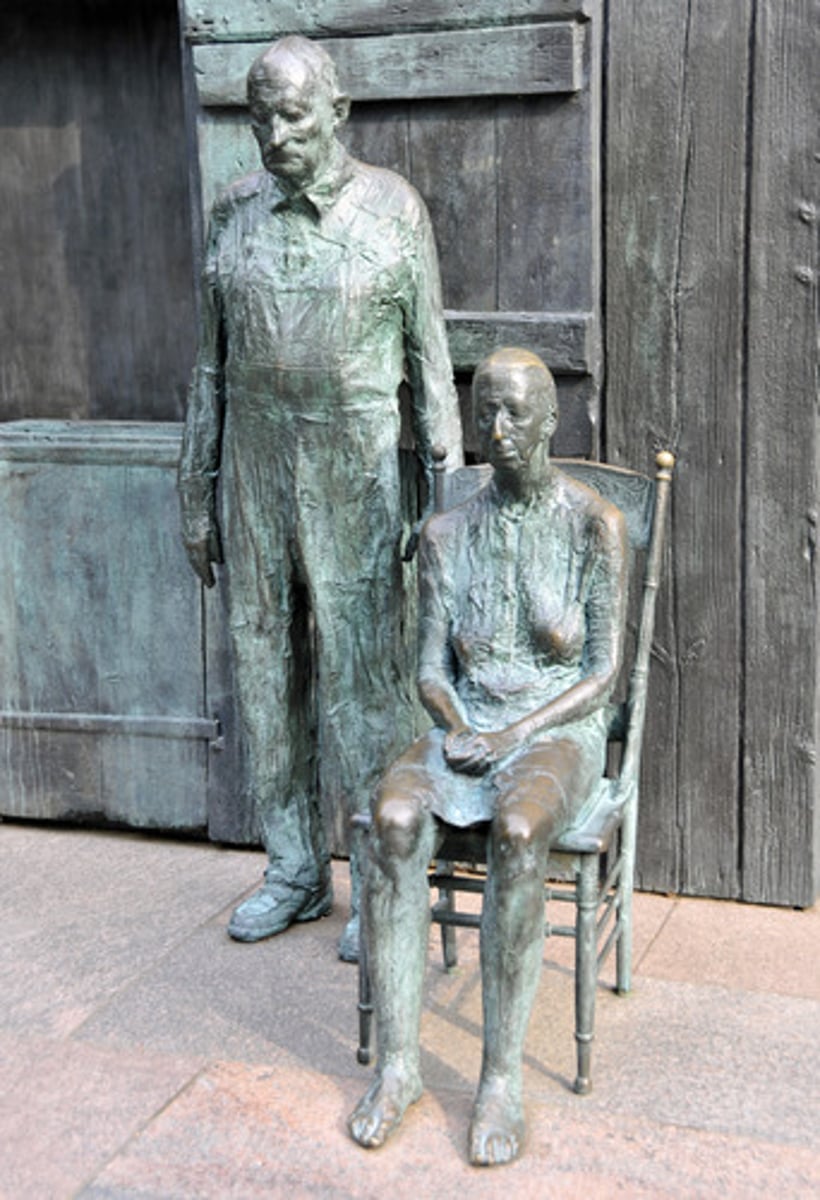
Work Progress Administration (WPA)
Massive work relief program funded projects ranging from construction to acting

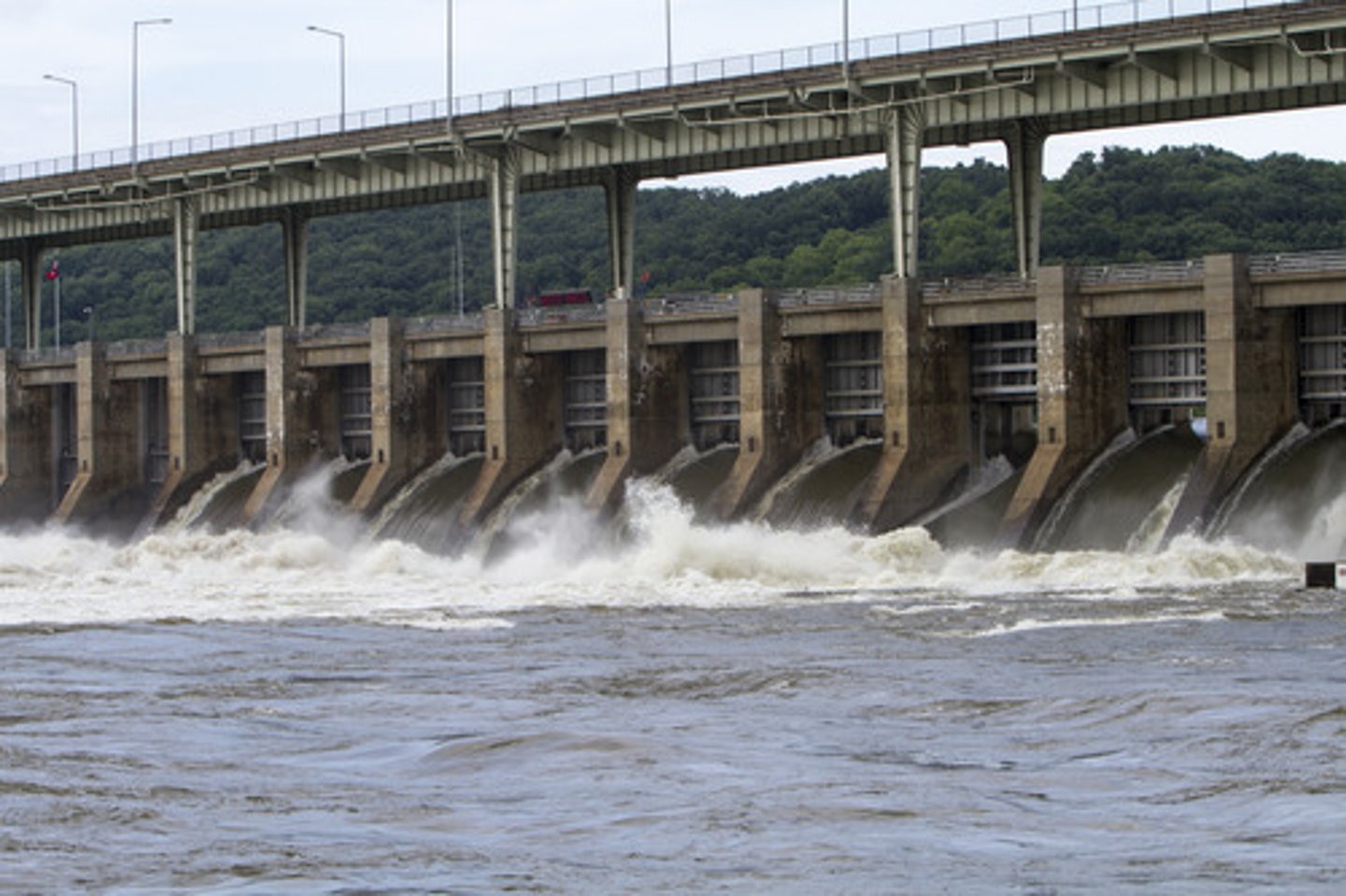
Tennessee Valley Authority (TVA)
A relief, recovery, and reform effort that gave 2.5 million poor citizens jobs and land. It brought cheap electric power, low-cost housing, cheap nitrates, and the restoration of eroded soil.
Adolf Hitler
Austrian born Dictator of Germany, invaded Rhineland, Austria and Czechoslovakia. led during WWII and instituted the final solution (holocaust)
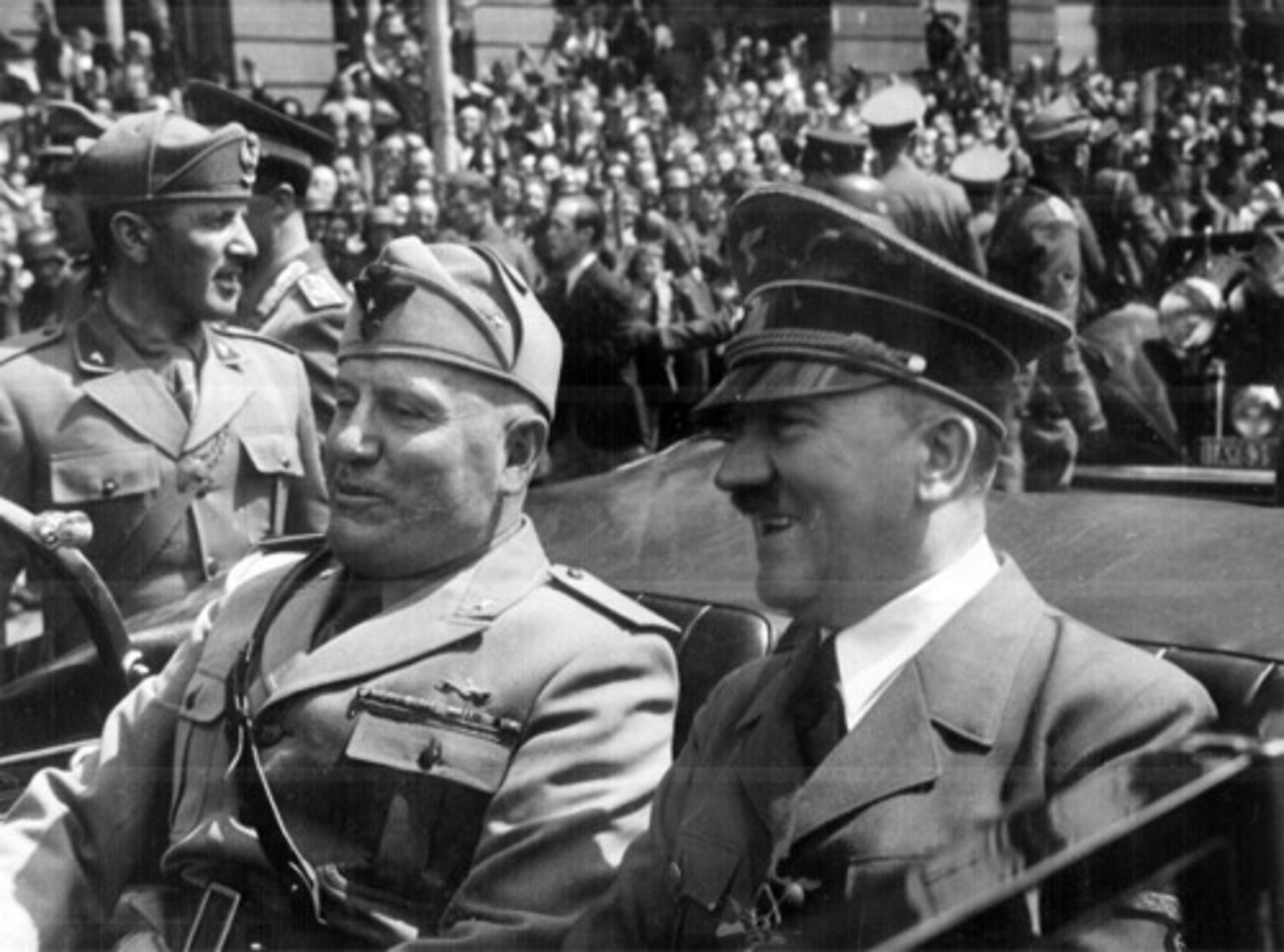
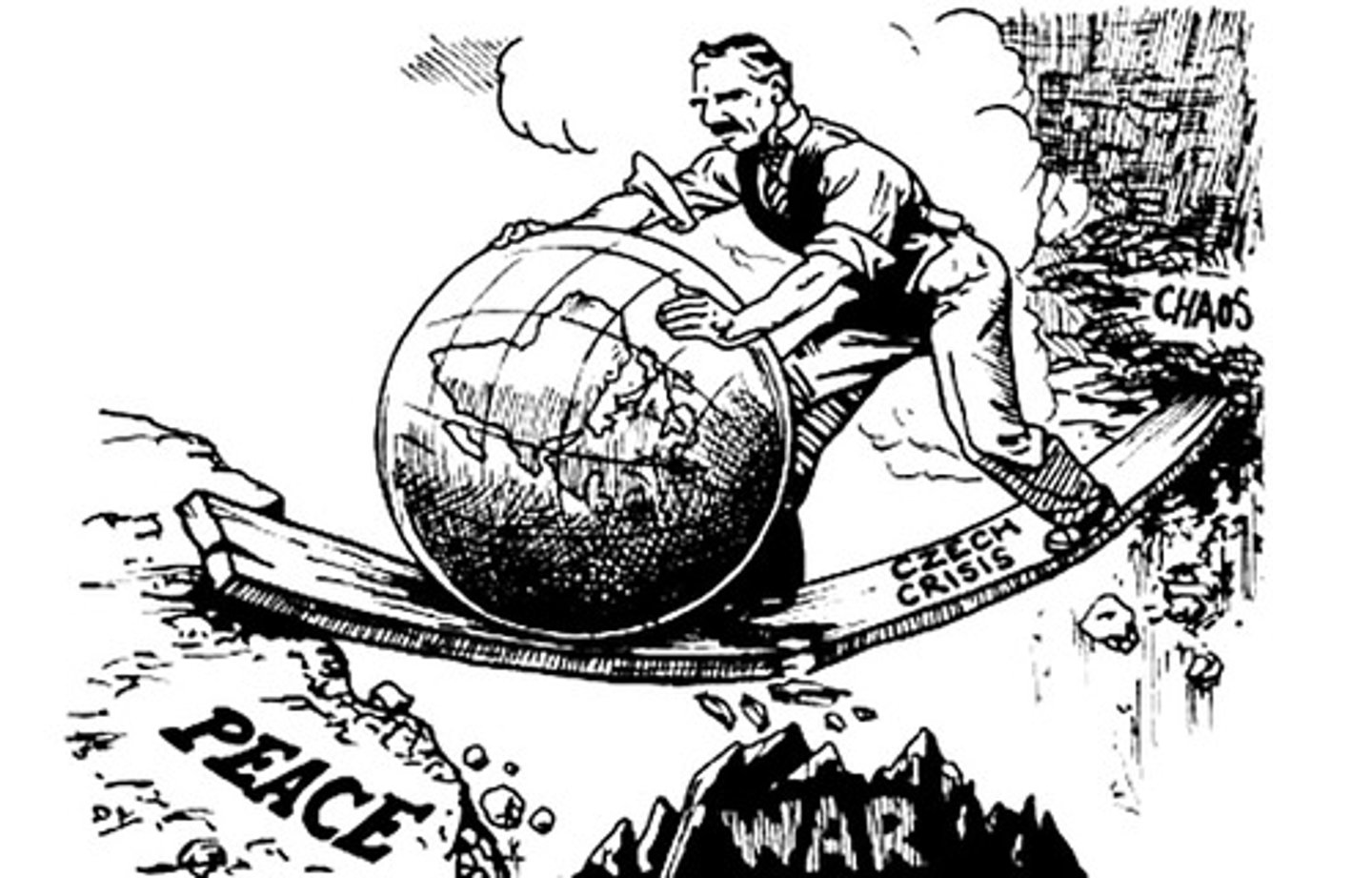
Appeasement
British policy that granted Hitler everything he could reasonably want (and more) in order to avoid war.
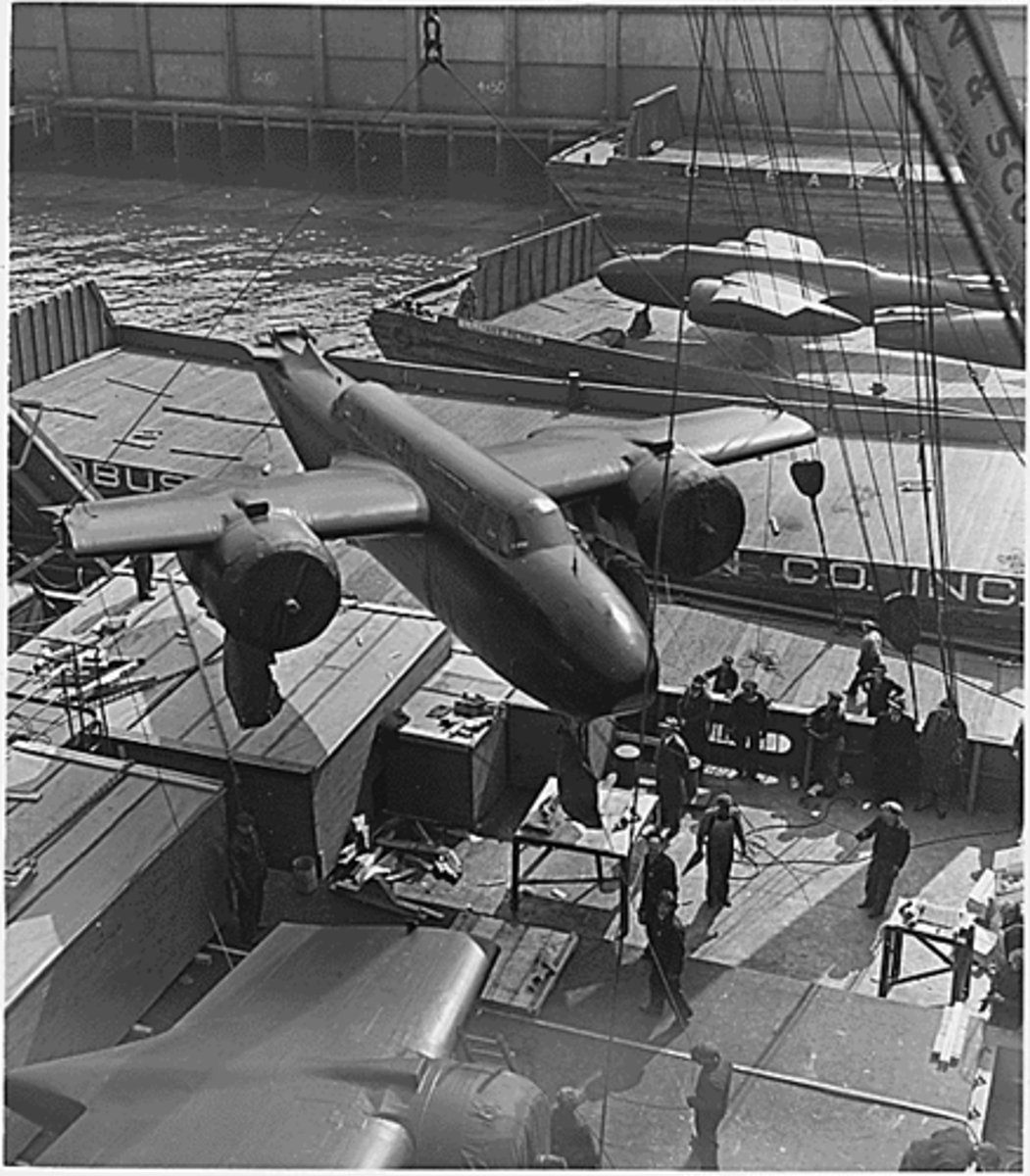
Lend Lease Act
Law passed after the fall of Britain during WWII; allowed the U.S. to loan munitions to Allies in WWII; kept U.S. boys at home
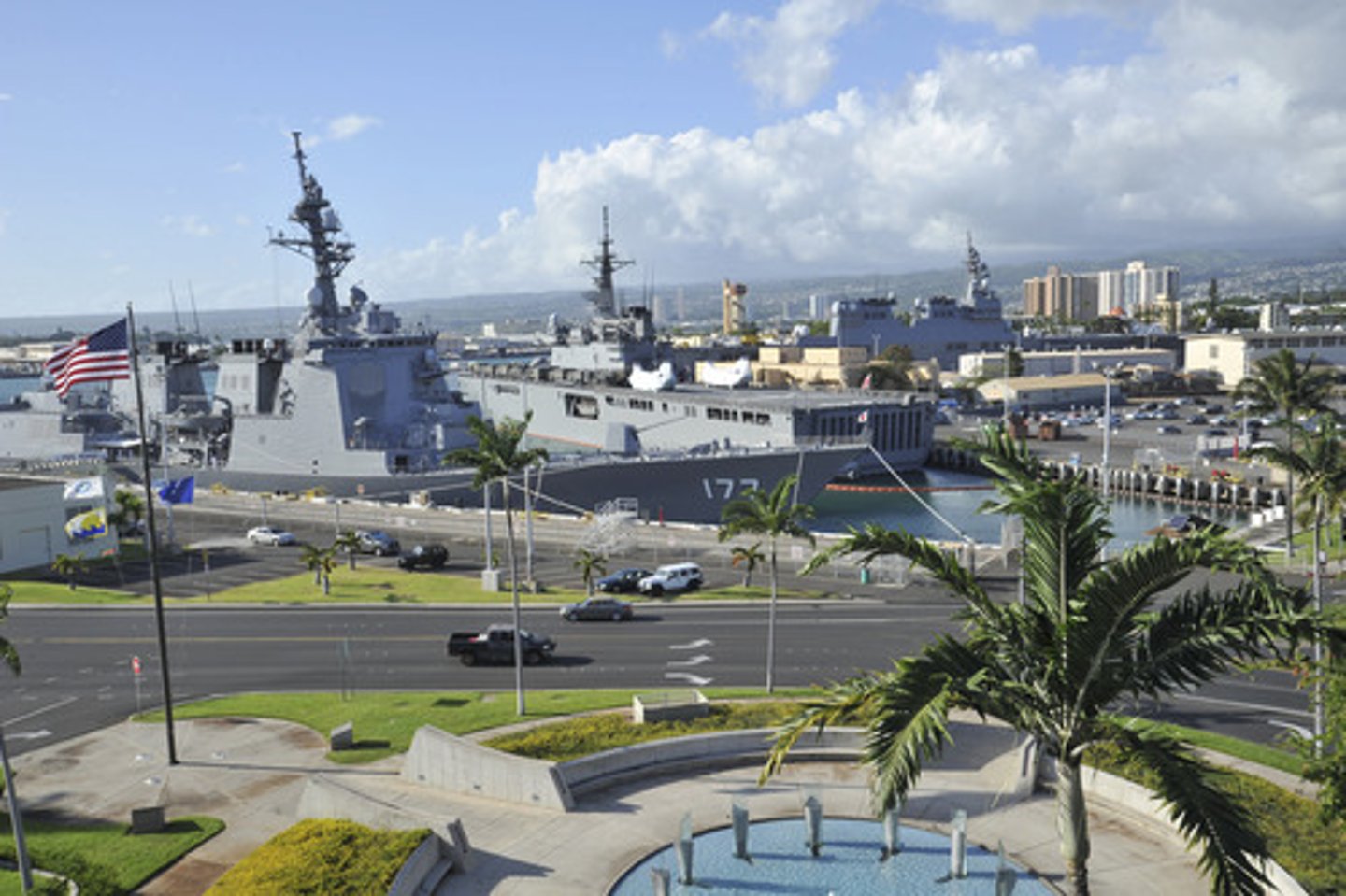
Pearl Harbor
7:50-10:00 AM, December 7, 1941 - Surprise attack by the Japanese on the main U.S. Pacific Fleet harbored in Pearl Harbor
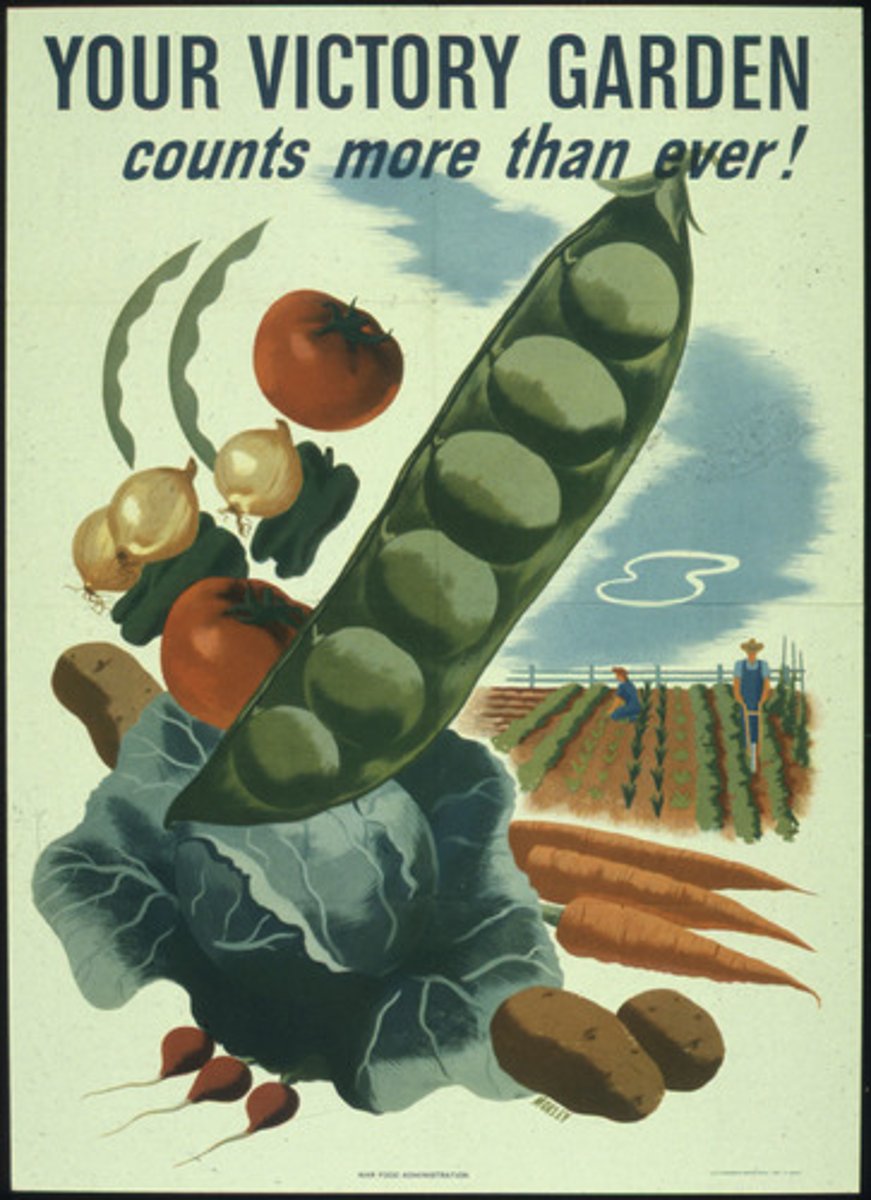
Victory Gardens
Backyard gardens; Americans were encouraged to grow their own vegetables to support the war effort
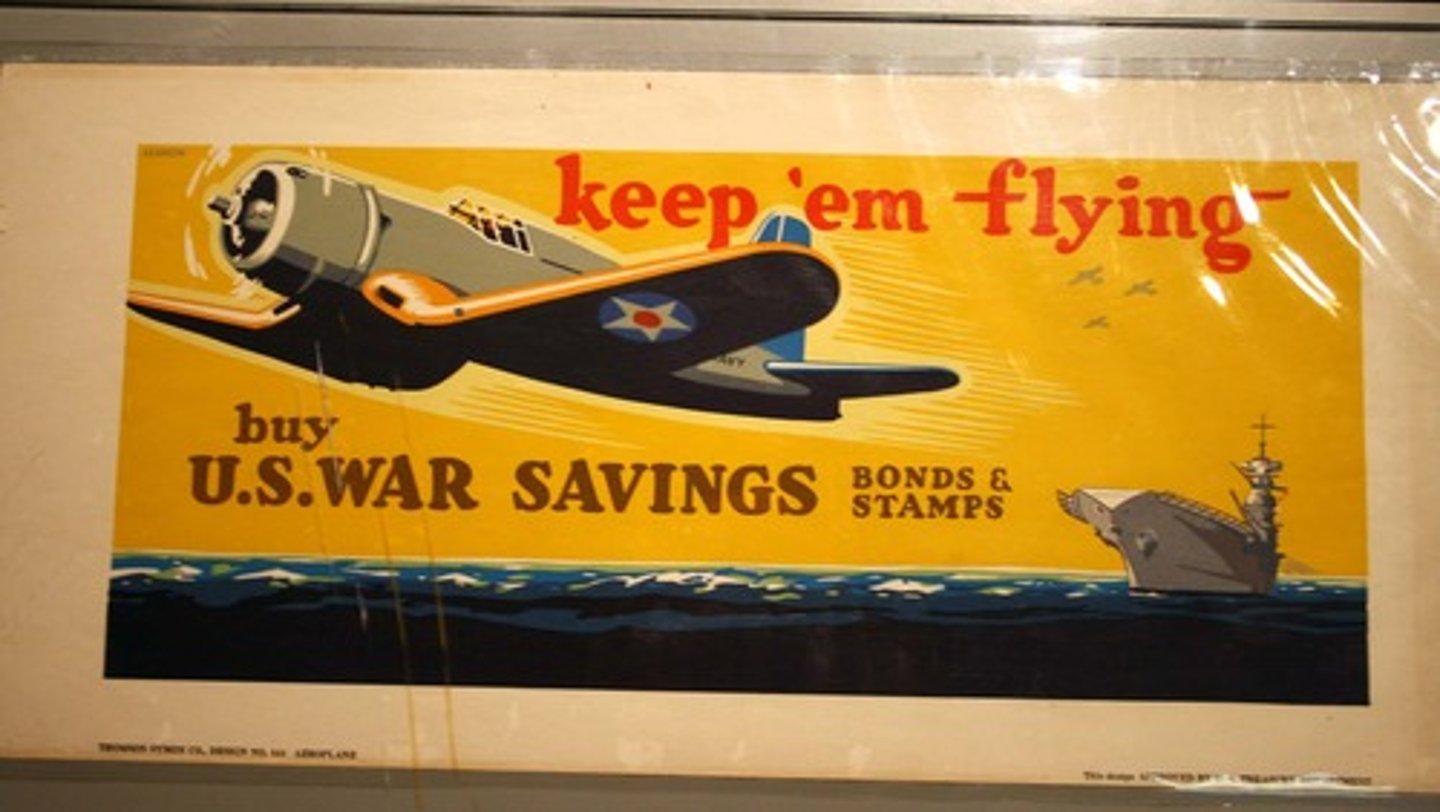
War Bonds
Certificates sold by the United States government to pay for the war.
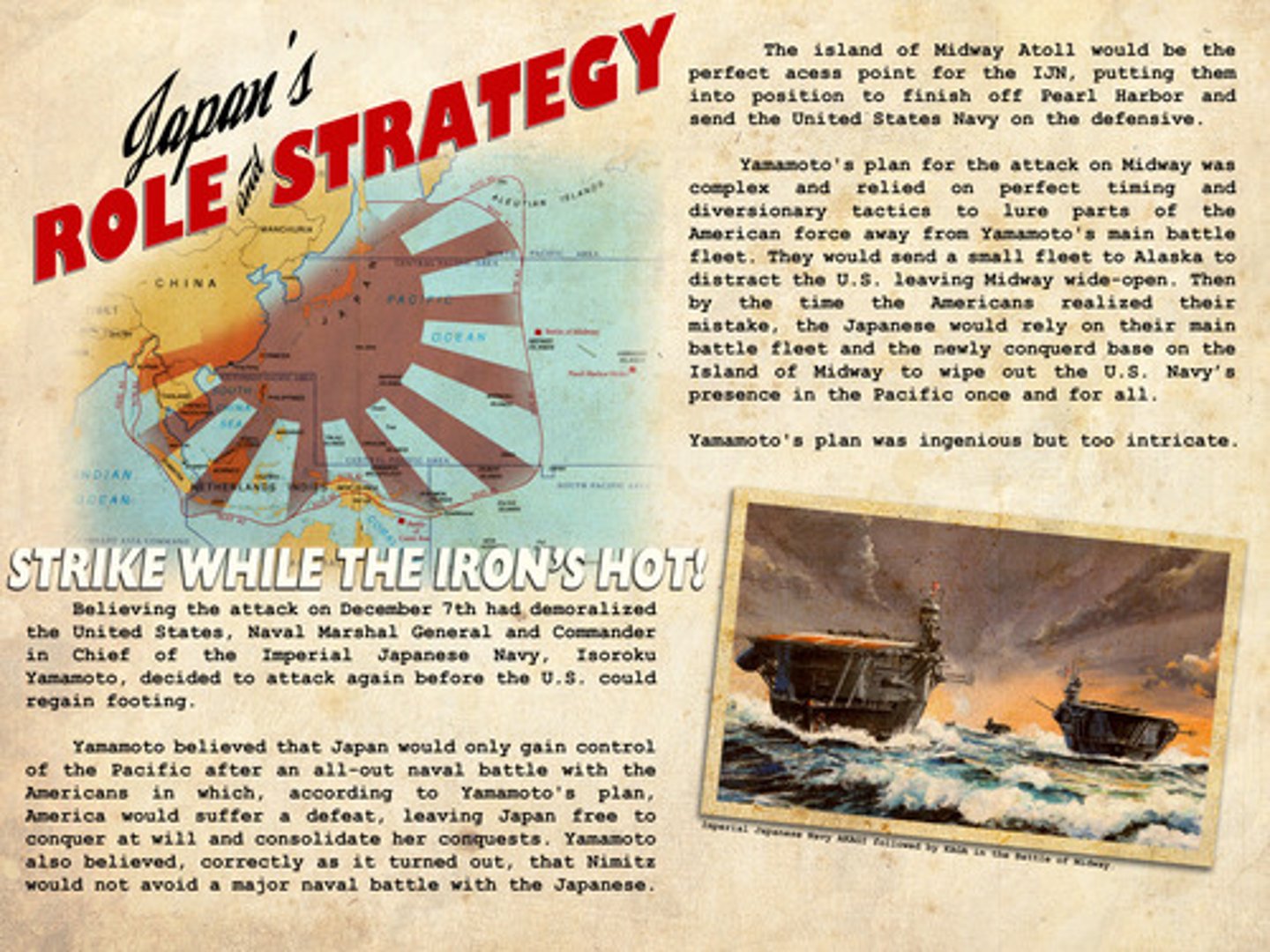
Battle of Midway
1942 World War II battle between the United States and Japan, a turning point in the war in the Pacific
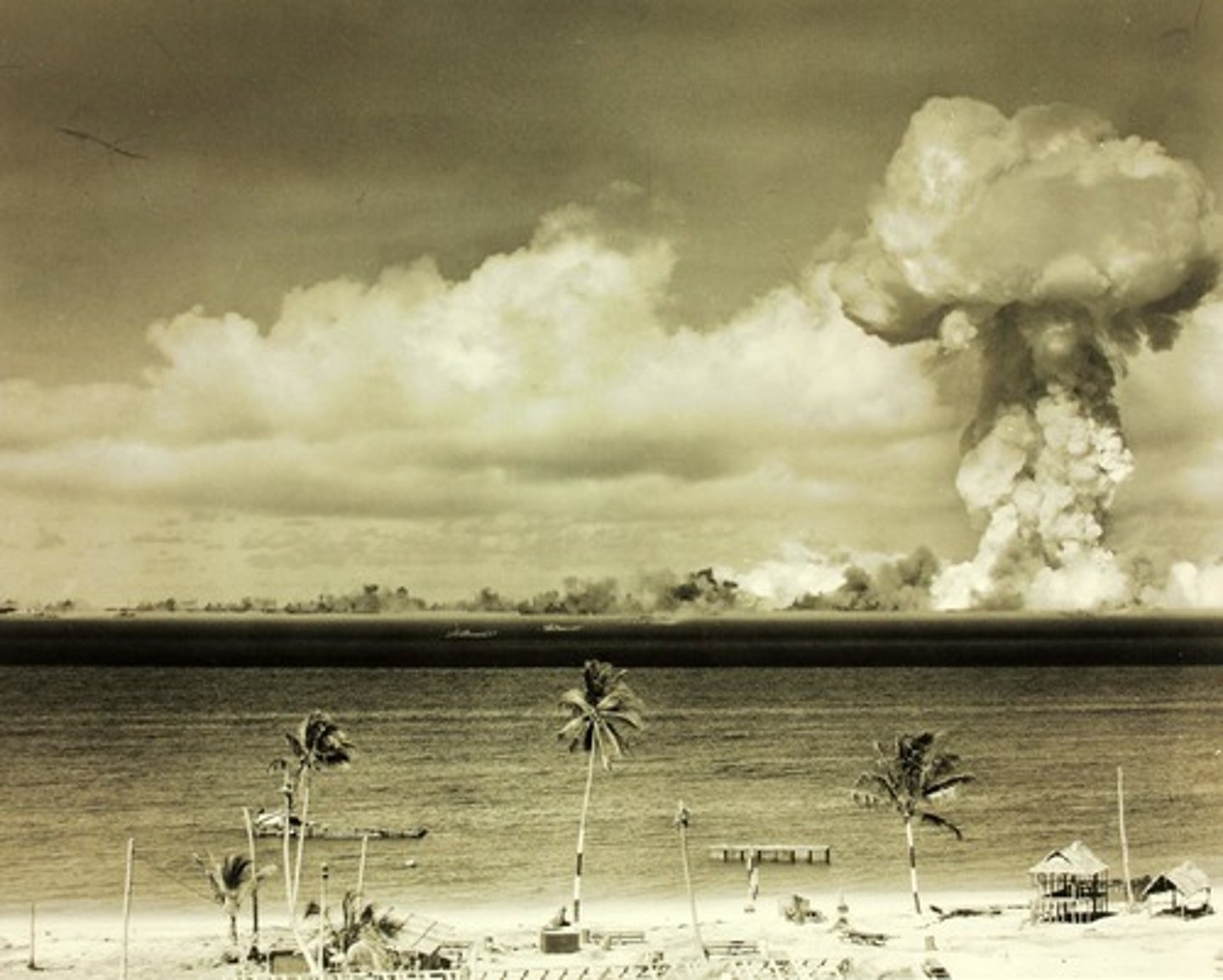
Atomic Bomb
bomb dropped by an American bomber on Hiroshima and Nagasaki destroying both cities
Hiroshima and Nagasaki
nuclear attacks during World War II against the Empire of Japan by the United States of America at the order of U.S. President Harry S. Truman

Harry S. Truman
Succeeded Franklin D. Roosevelt upon his death. Led the country through the last few months of World War II, and made the controversial decision to use two atomic bombs against Japan
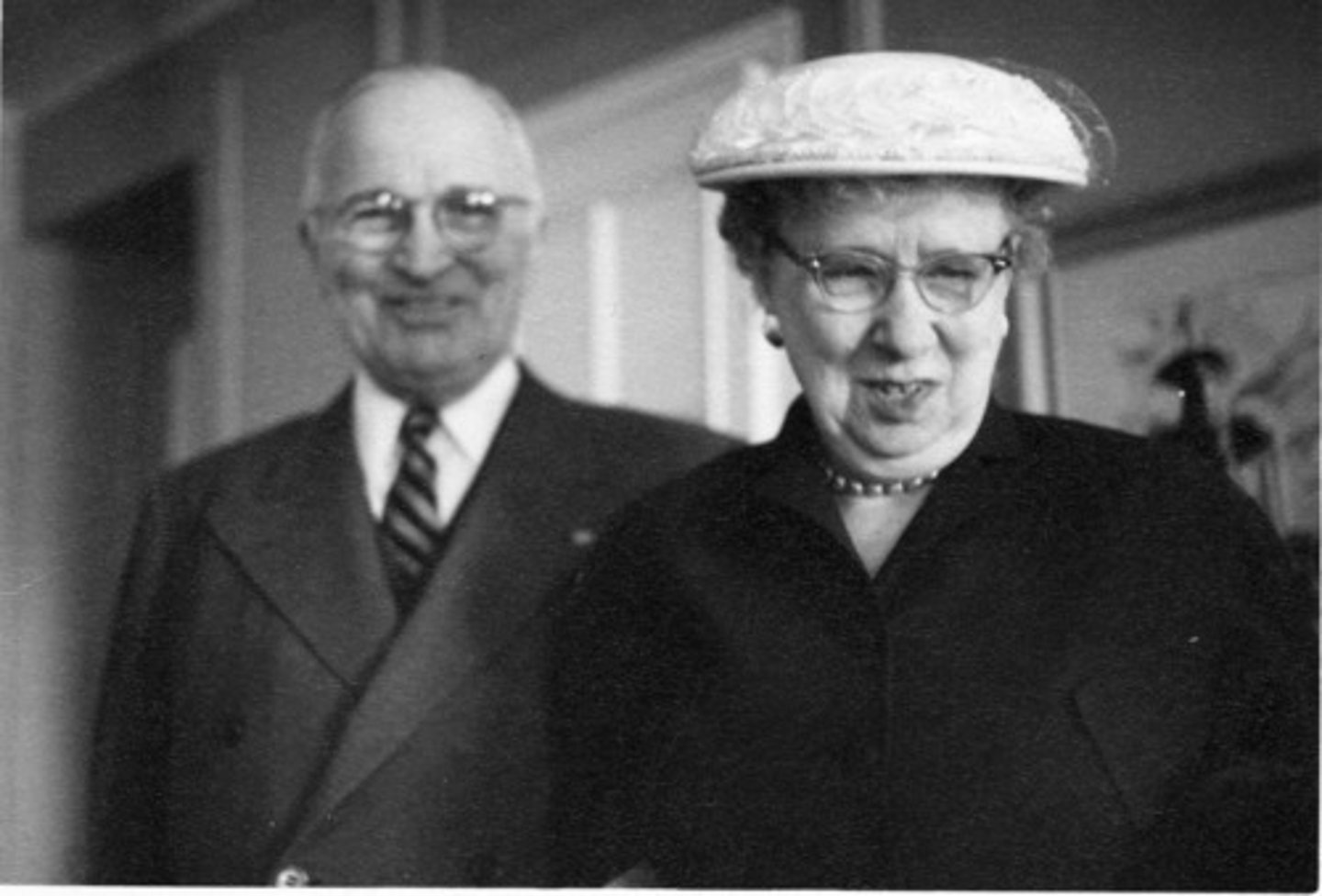
Potsdam Conference
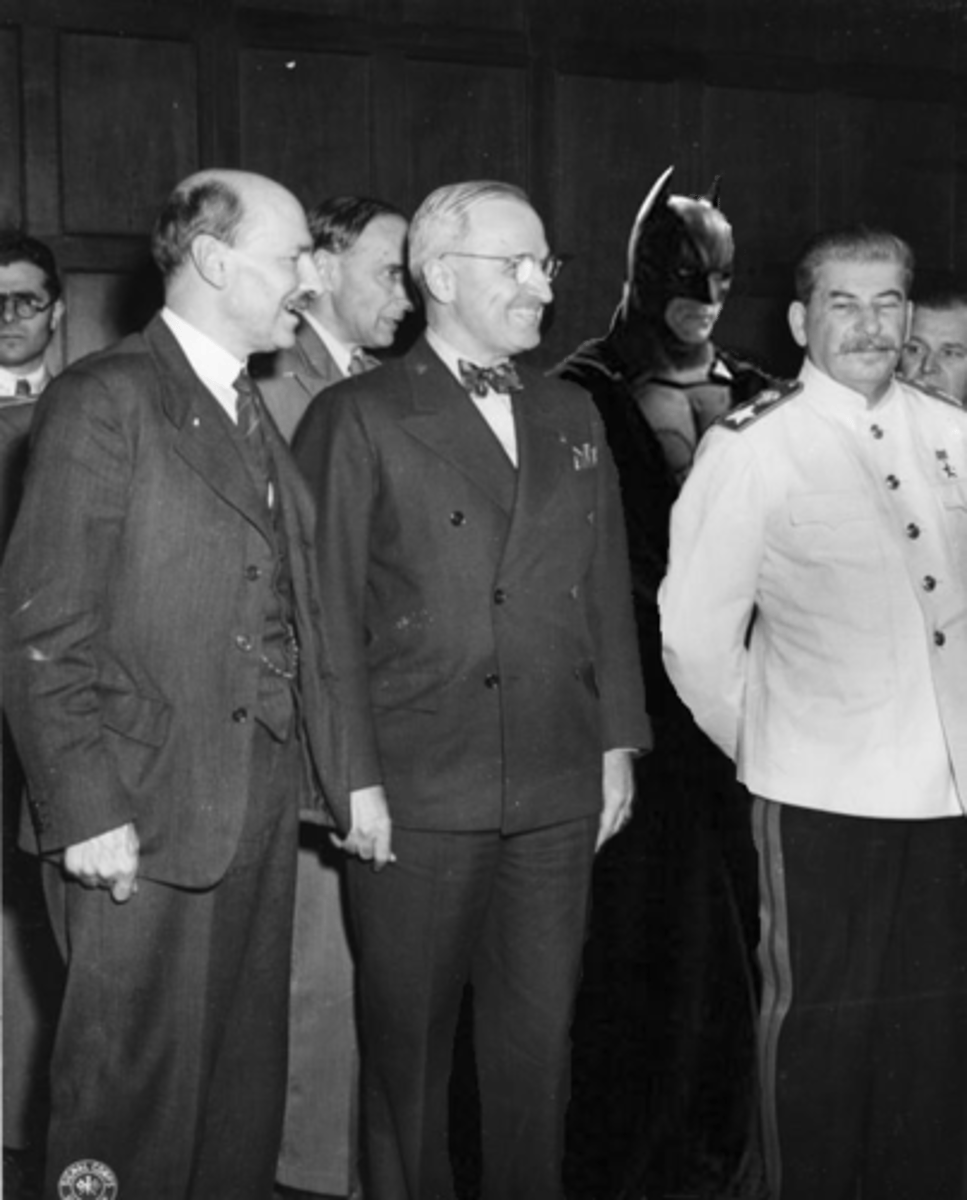
The final wartime meeting of Truman, Churchill, and Stalin discussed the future of Europe but their failure to reach meaningful agreements soon led to the onset of the Cold War.
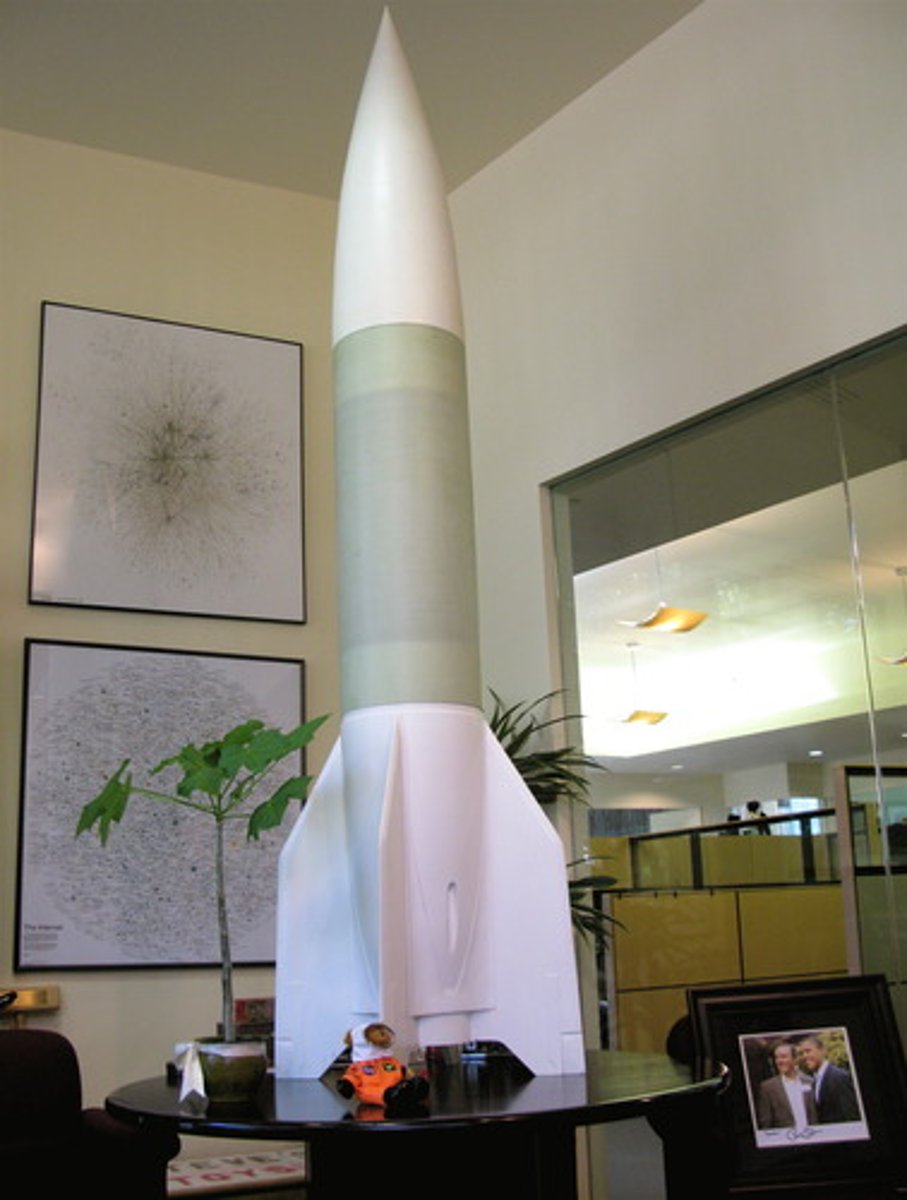
Arms Race
Cold war competition between the U.S. and Soviet Union to build up their respective armed forces and weapons
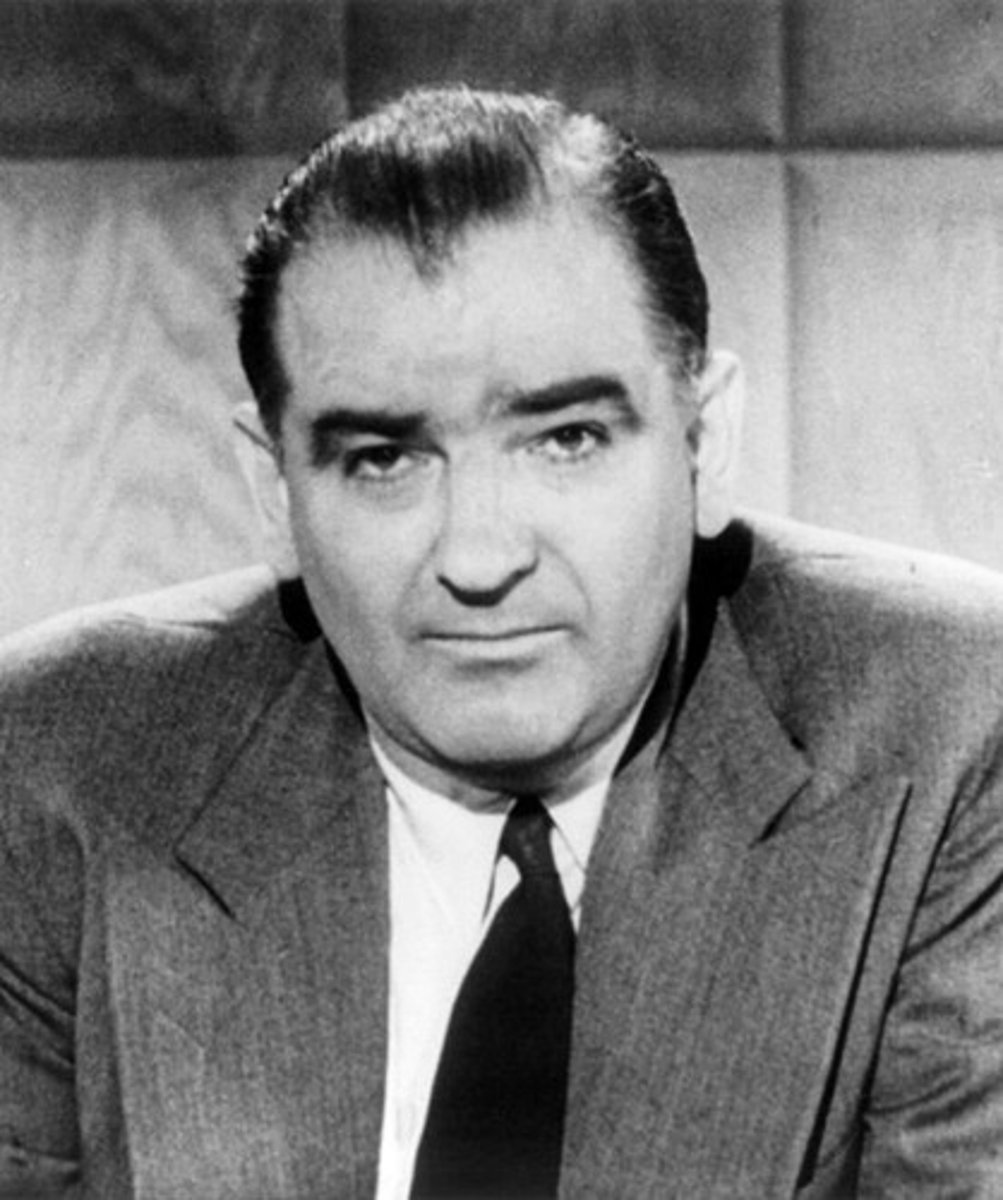
McCarthyism
The term associated with Senator Joseph McCarthy who led the search for communists in America during the early 1950s through his leadership in the House Un-American Activities Committee.
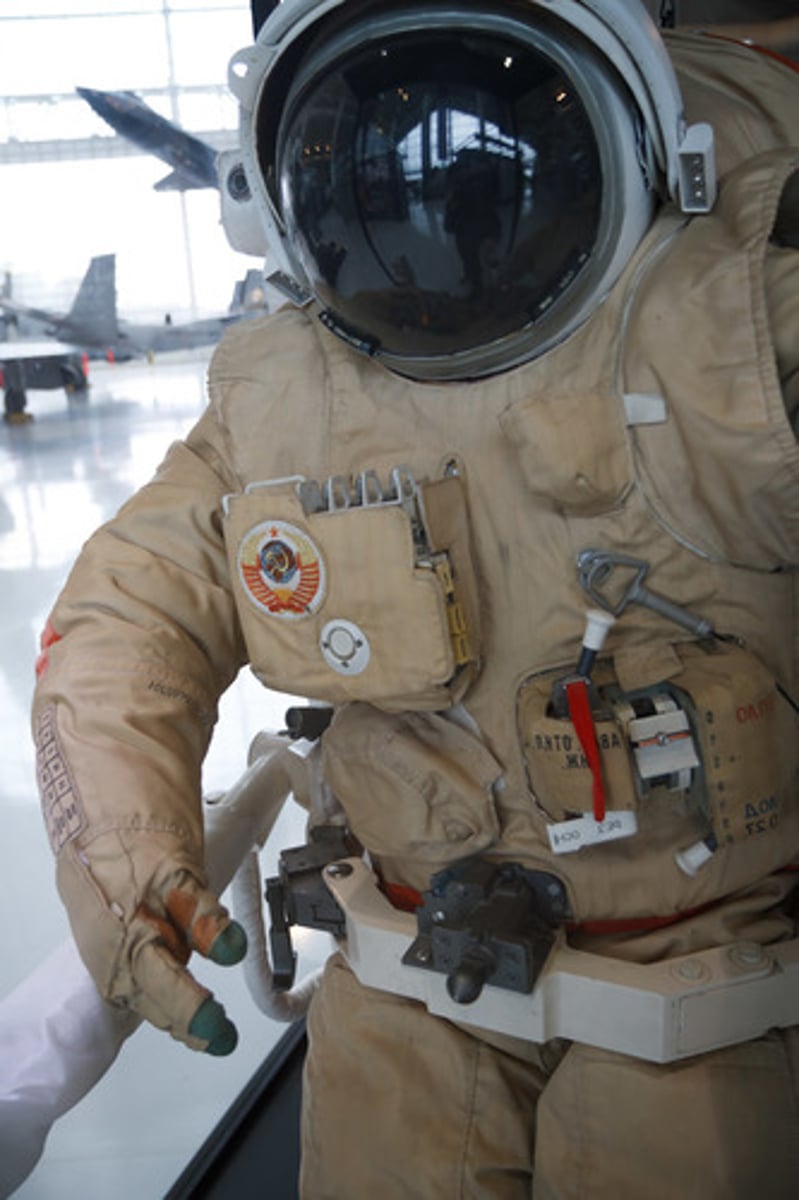
Space Race
a competition of space exploration between the United States and Soviet Union
1957
Sputnik launched; starts the Space Race
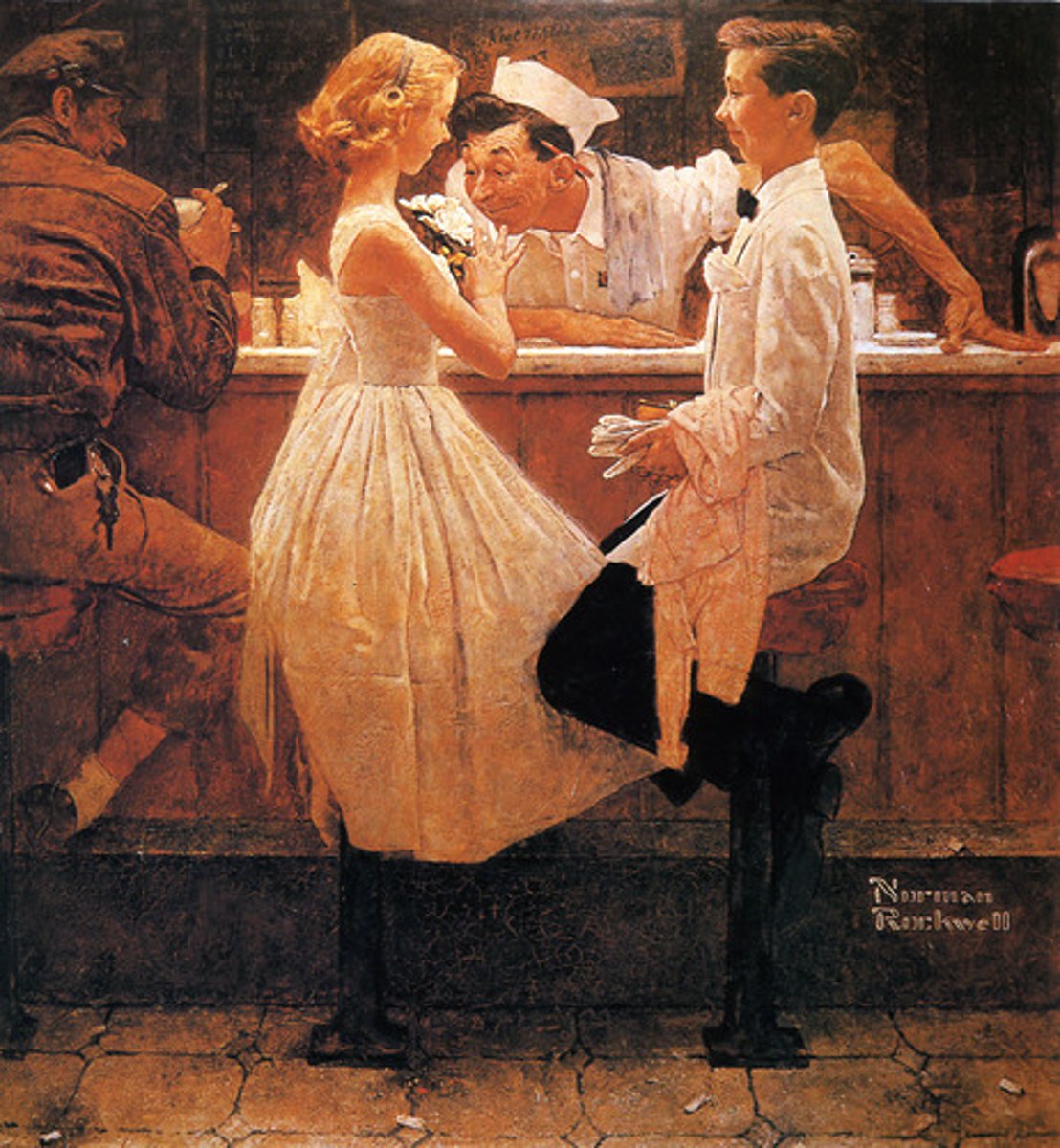
Truman Doctrine
President Truman's policy of providing economic and military aid to any country threatened by communism or totalitarian ideology, mainly helped Greece and Turkey
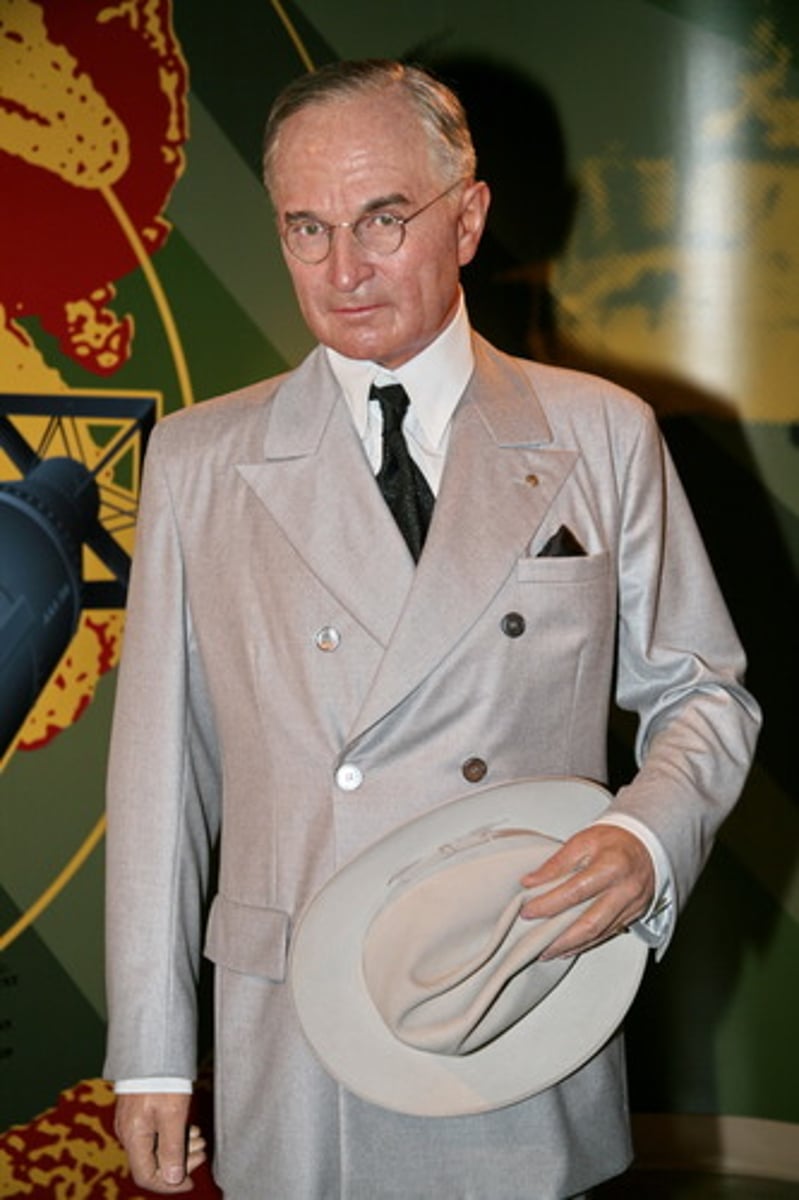
Marshall Plan
A plan that the US came up with to revive war-torn economies of Europe. This plan offered $13 billion in aid to western and Southern Europe.

Berlin Airlift
Airlift in 1948 that supplied food and fuel to citizens of west Berlin when the Russians closed off land access to Berlin.
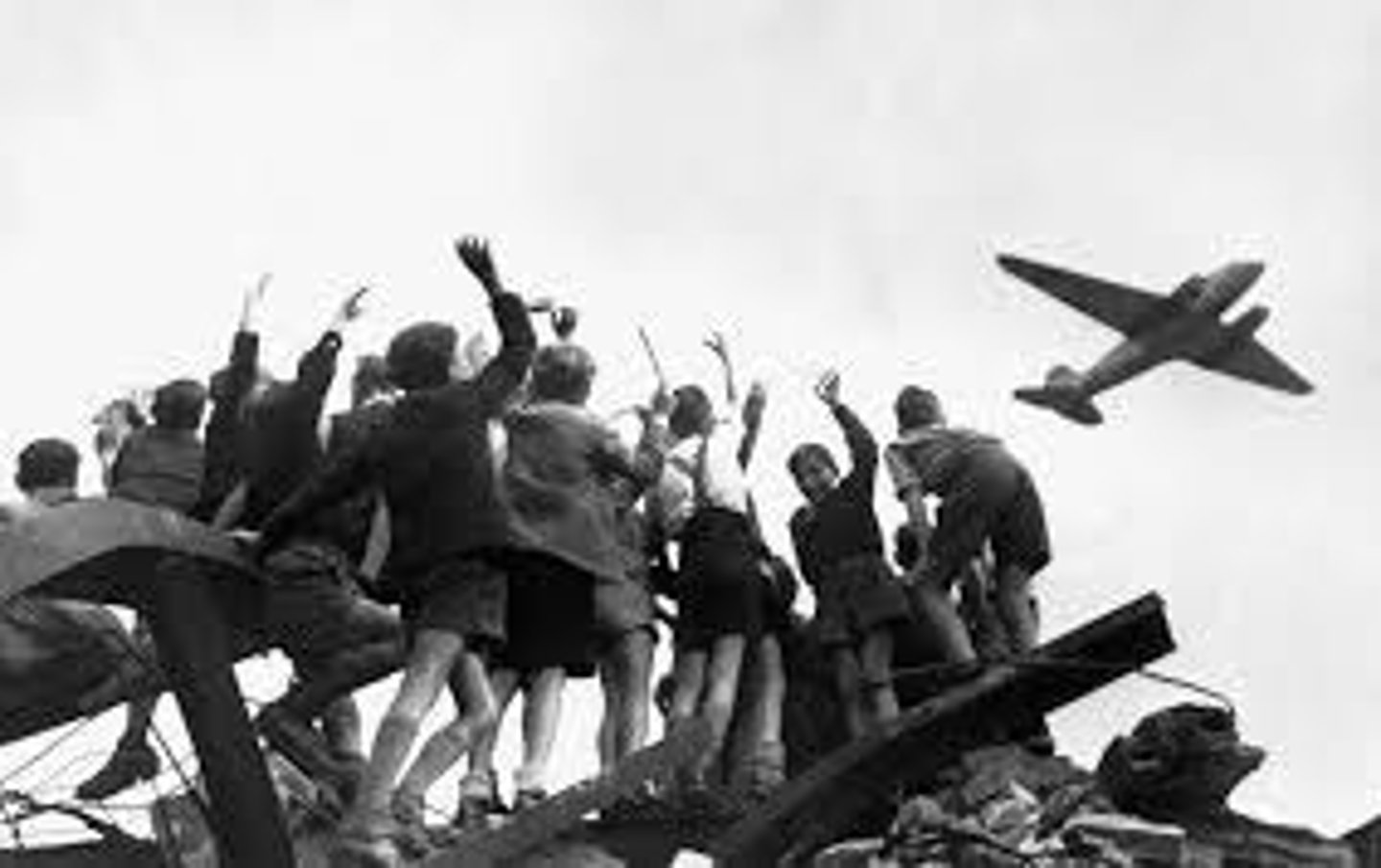
Korean War
..., The conflict between Communist North Korea and Non-Communist South Korea. The United Nations (led by the United States) helped South Korea.
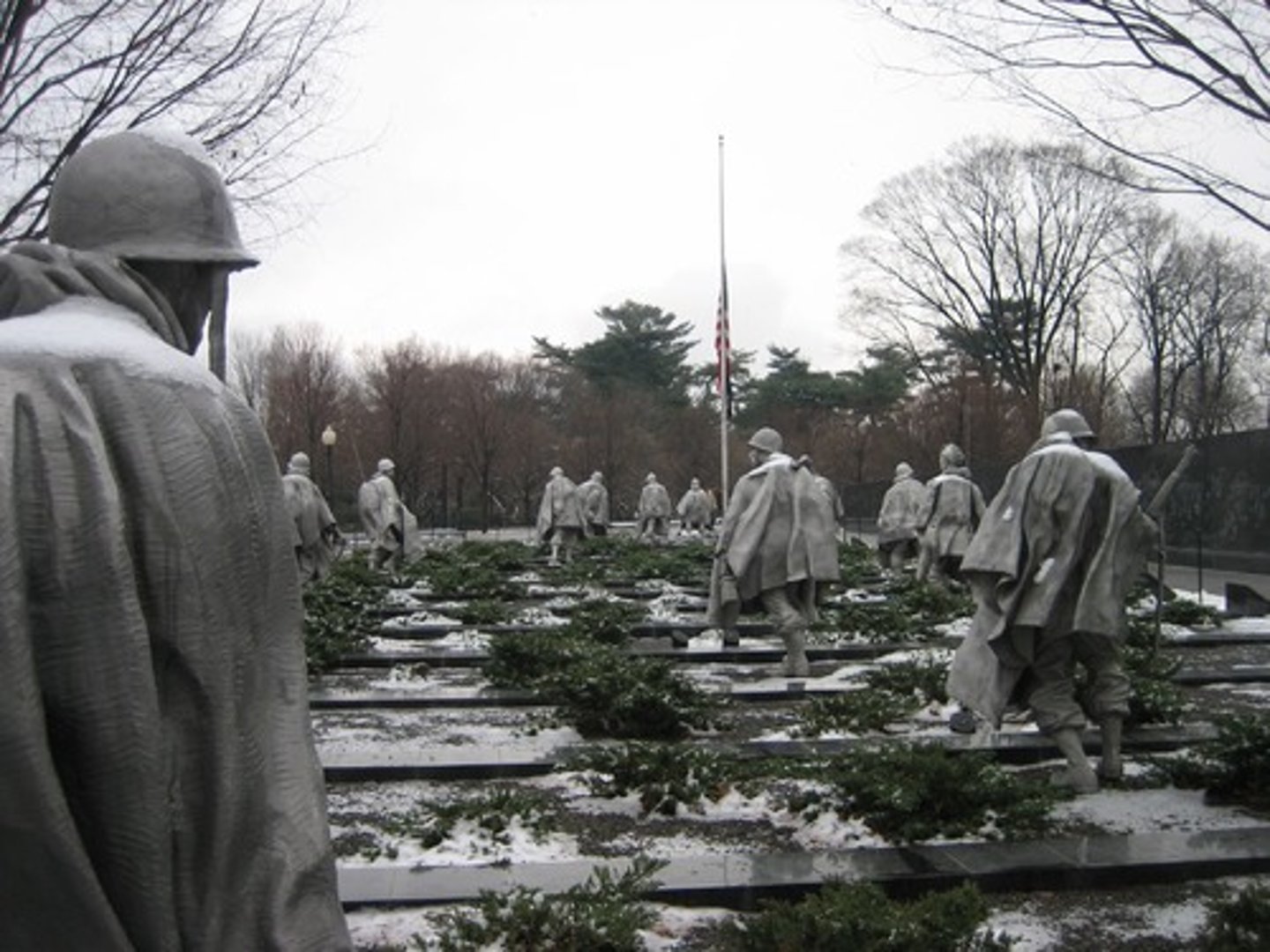
Containment
American policy of resisting further expansion of communism around the world
Cuban Missile Crisis
an international crisis in October 1962, the closest approach to nuclear war at any time between the U.S. and the USSR. When the U.S. discovered Soviet nuclear missiles on Cuba, President John F. Kennedy demanded their removal and announced a naval blockade of the island; the Soviet leader Khrushchev acceded to the U.S. demands a week later.
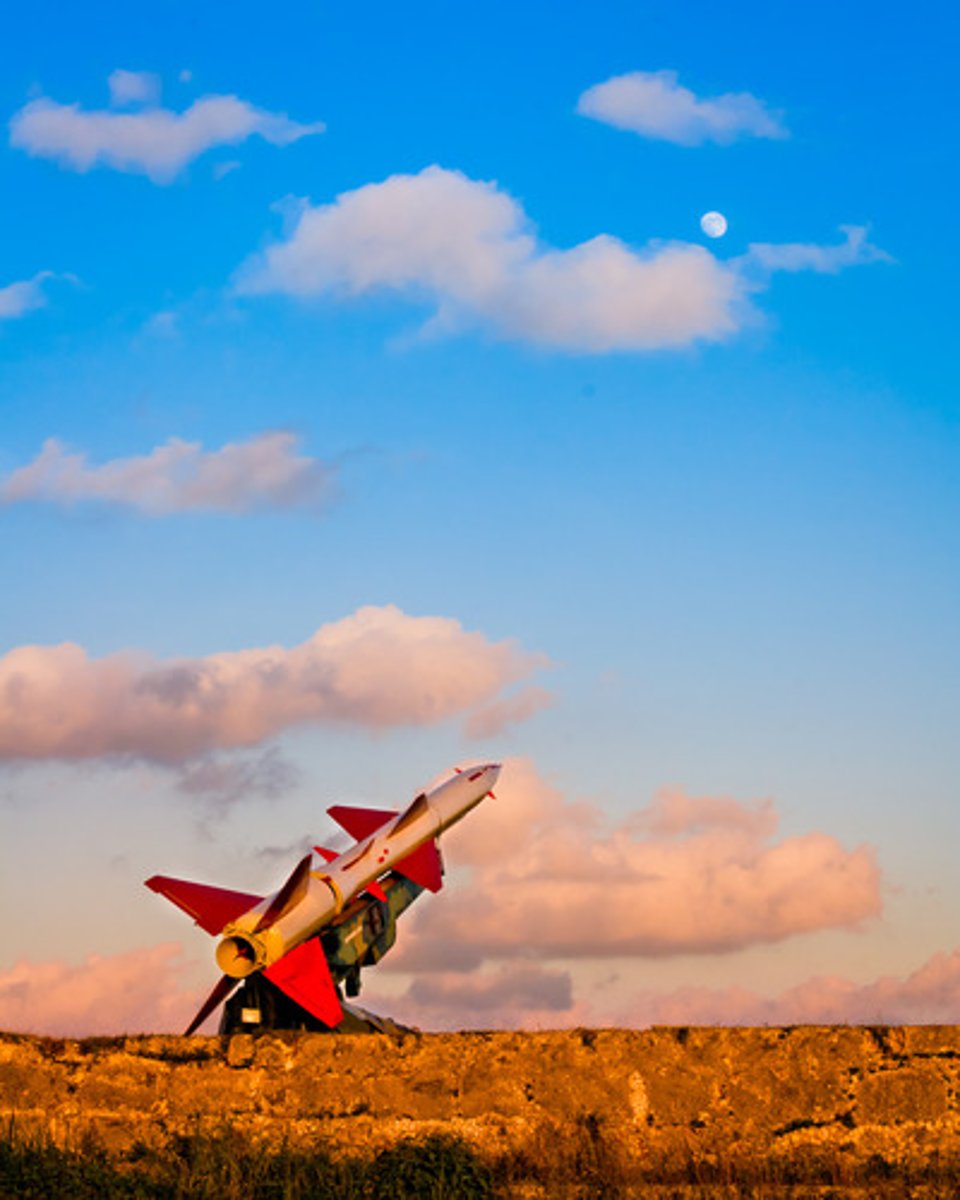
GI Bill
law passed in 1944 to help returning veterans buy homes and pay for higher educations
Baby Boom
30 million war babies were born between 1942 and 1950.
White Flight
working and middle-class white people move away from racial-minority suburbs or inner-city neighborhoods to white suburbs and exurbs
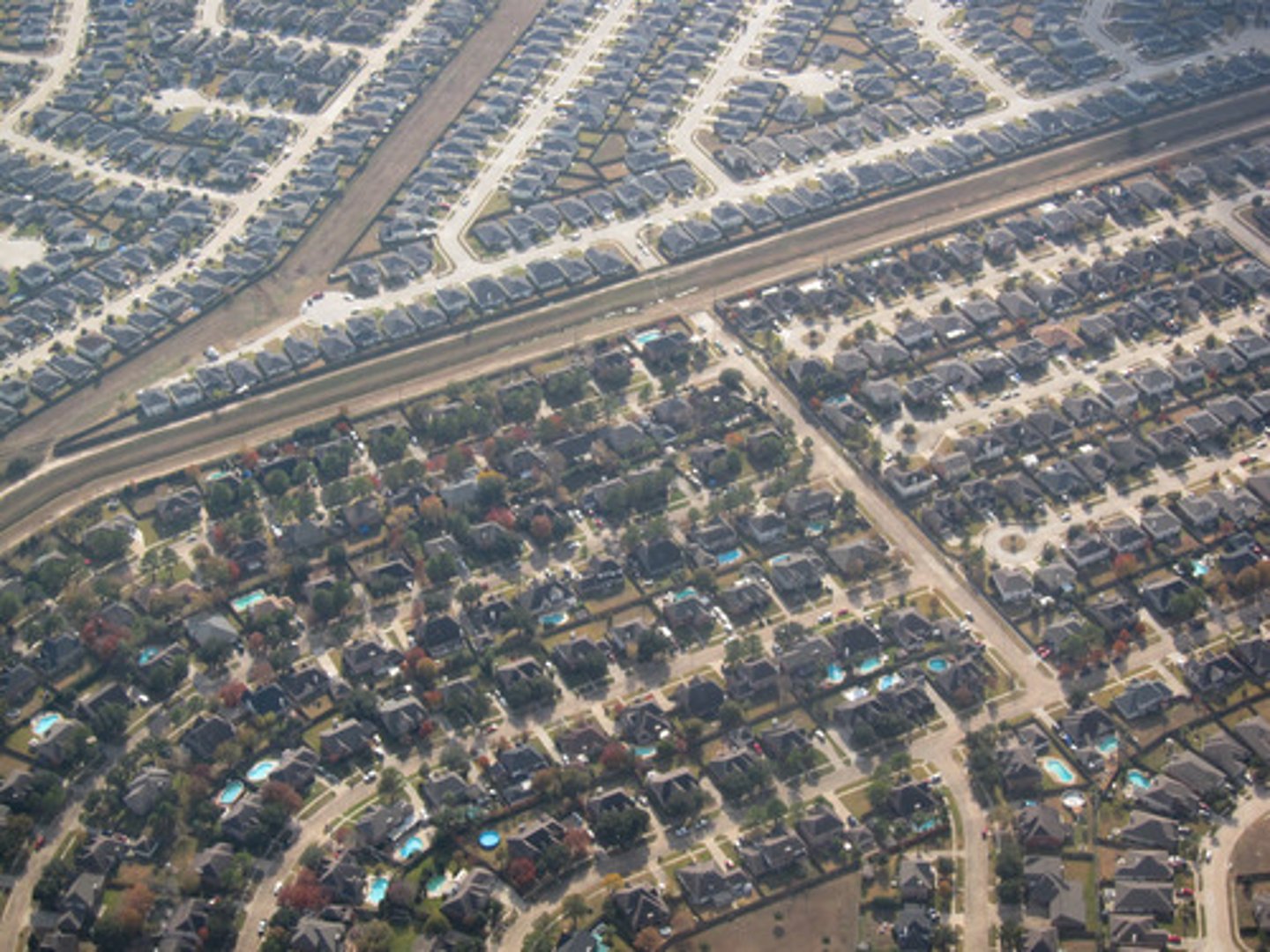
Sun Belt
U.S. region, mostly comprised of southeastern and southwestern states, which has grown most dramatically since World War II.

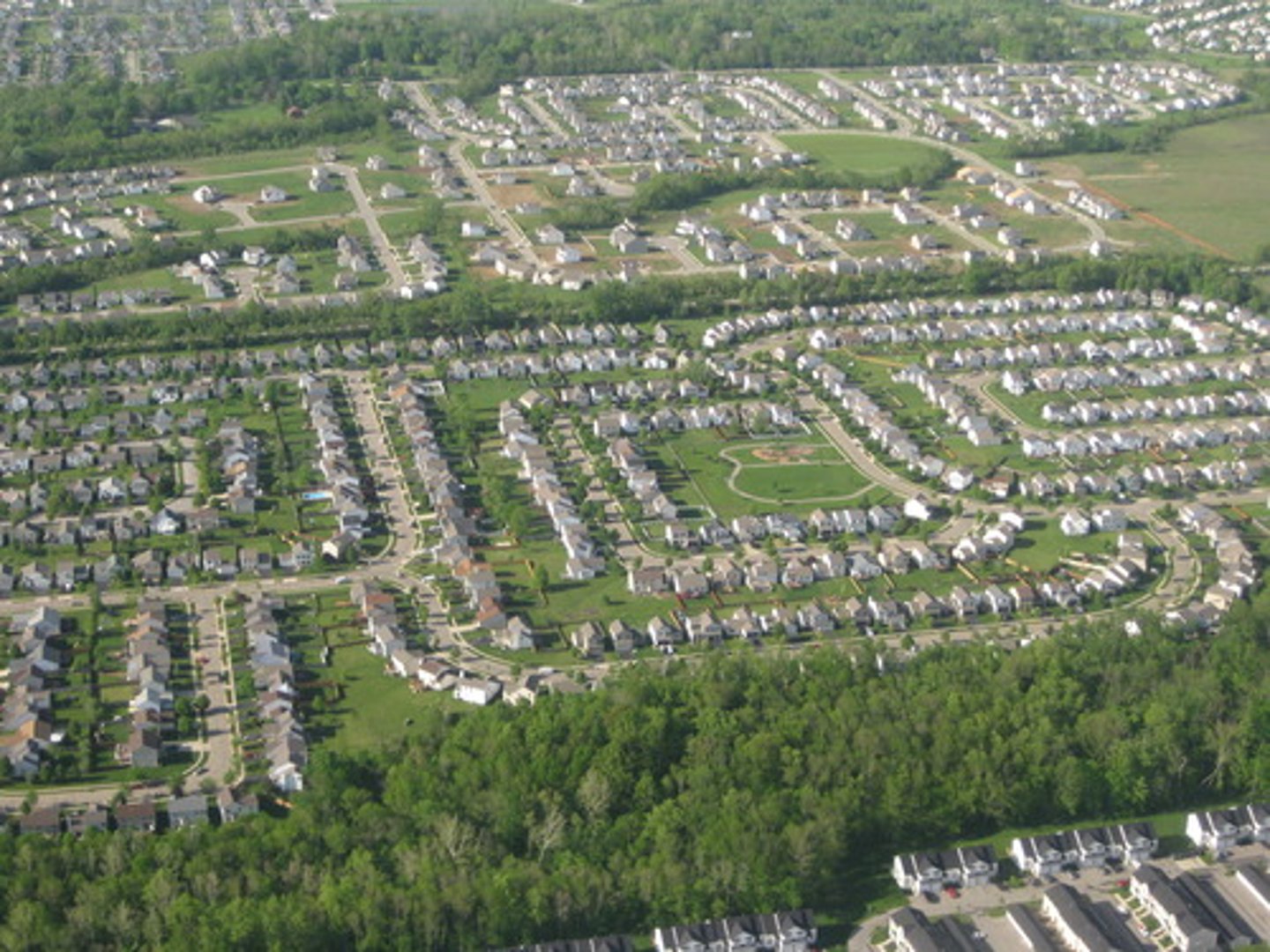
Suburbs
Areas of living outside the cities where middle-class families went to live to escape the city
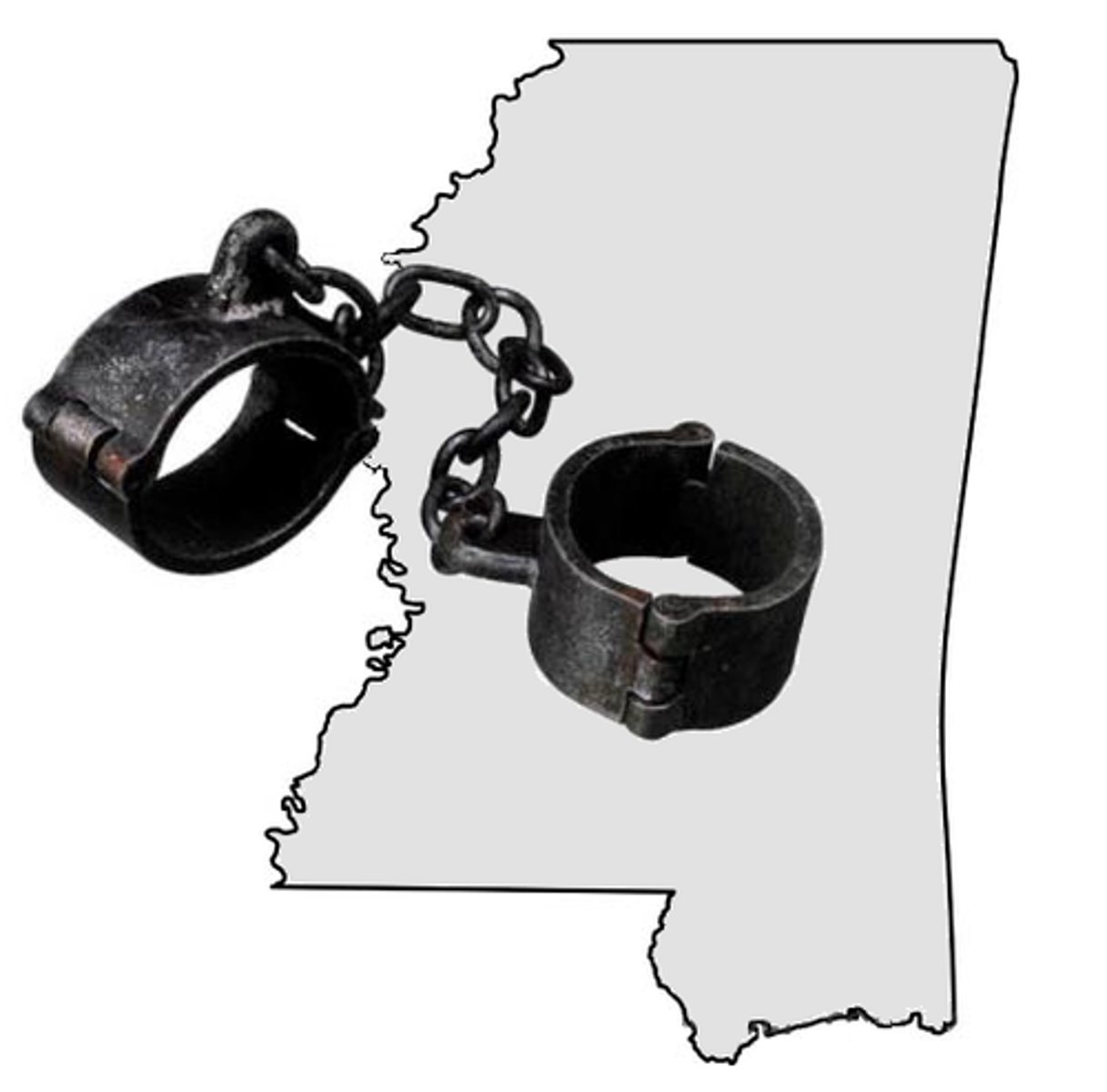
13th Amendment
Abolished Slavery
14th Amendment
Declares that all persons born in the U.S. are citizens and are guaranteed equal protection of the laws
15th Amendment
Citizens cannot be denied the right to vote because of race, color , or precious condition of servitude

Brown vs. Board of Education
1954- court decision that declared state laws segregating schools to be unconstitutional. Overturned Plessy v. Ferguson (1896)
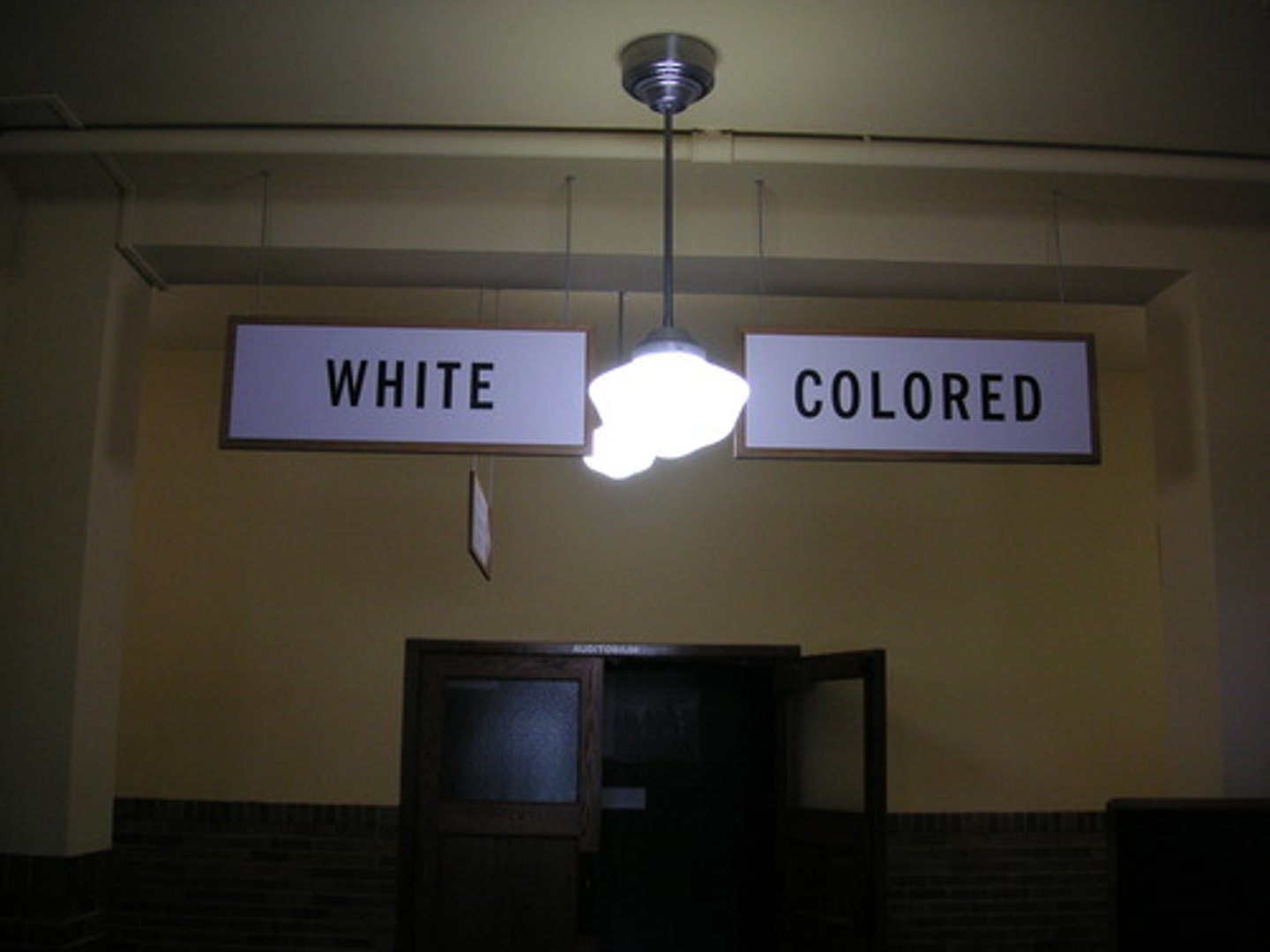
1964 Civil Rights Act
This act prohibited Discrimination because of race, color, sex, religion, or national origin by employers or labor unions
1965 Voting Rights Act
ended literacy tests and poll taxes; allowed officers to register voters
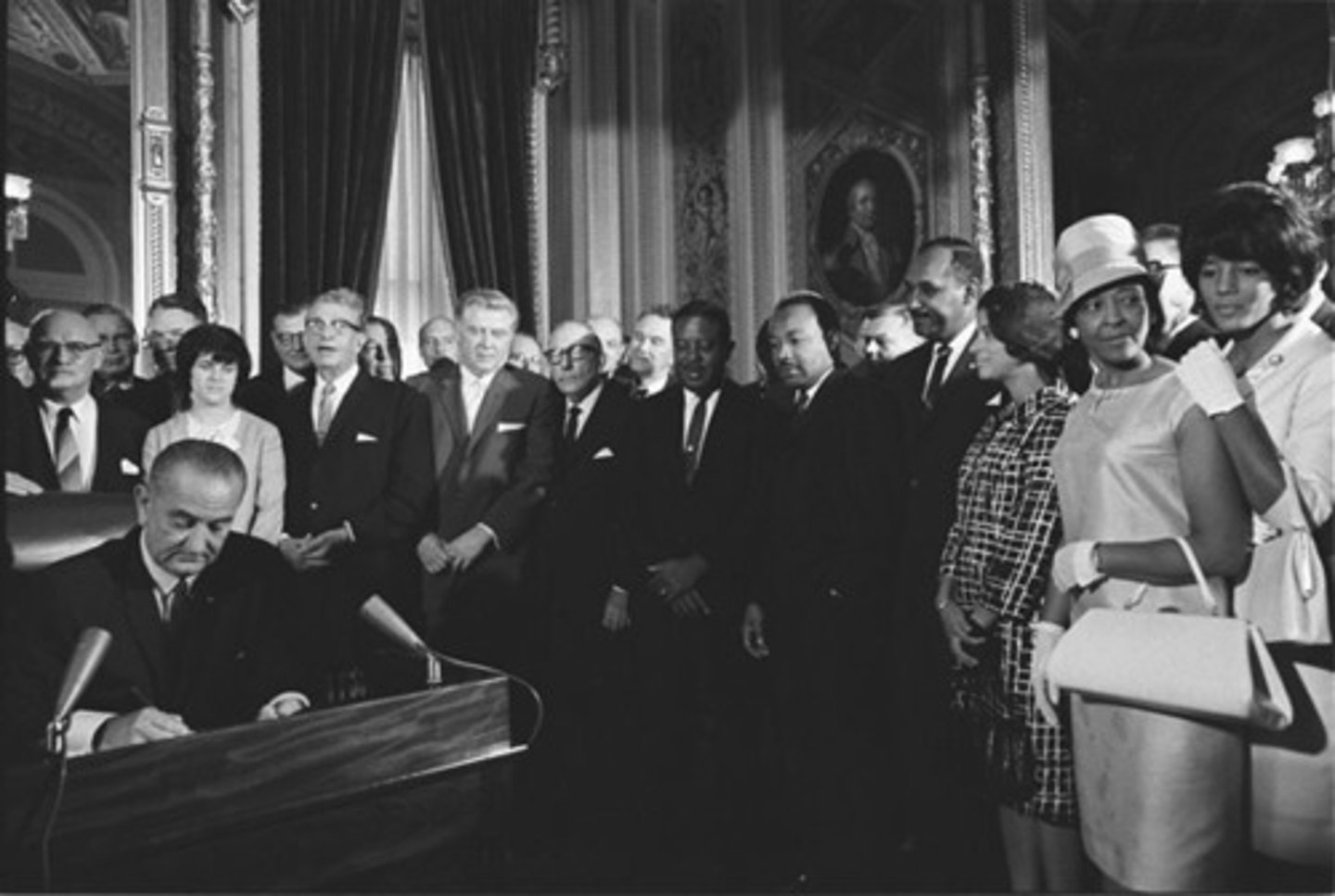
NAACP
National Association for the Advancement of Colored People
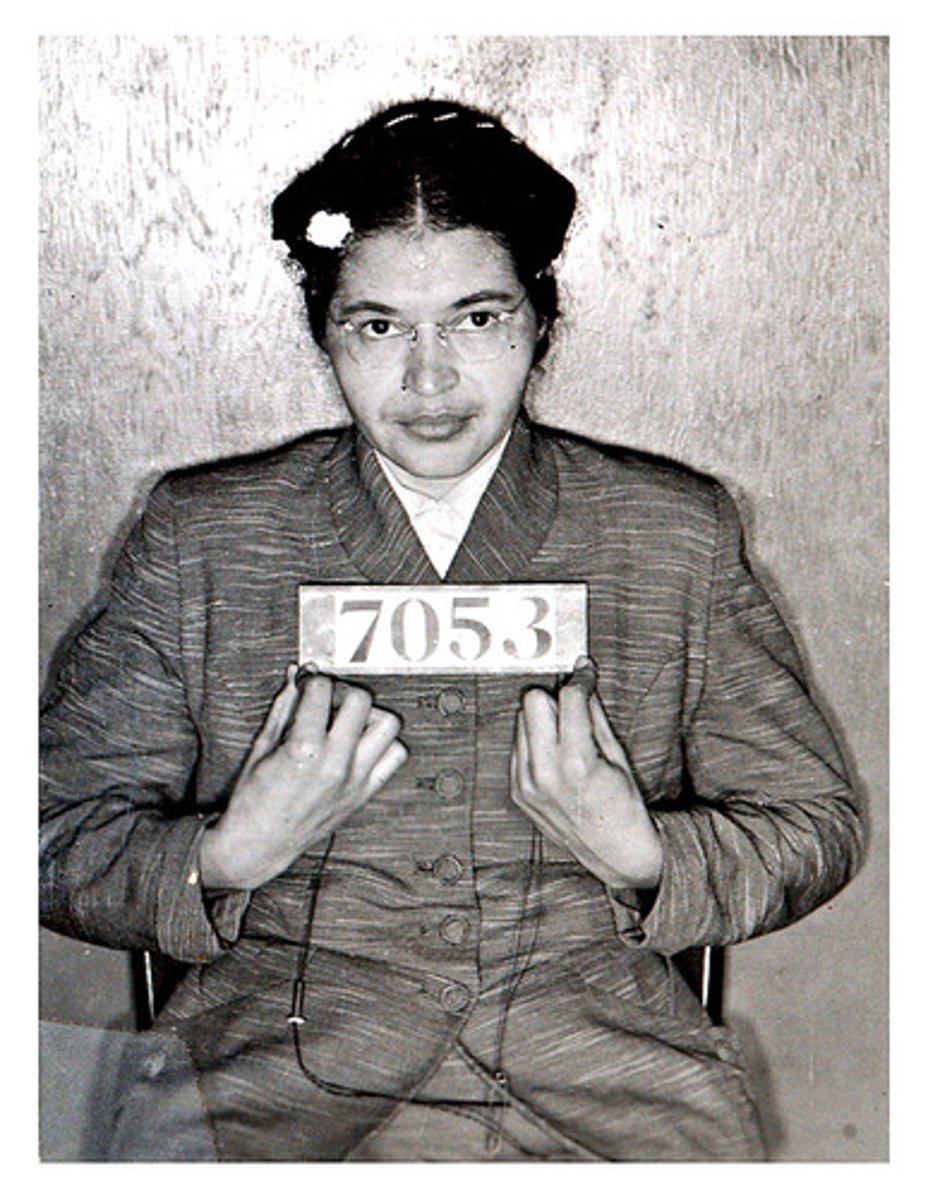
Rosa Parks
United States civil rights leader who refused to give up her seat on a bus to a white man in Montgomery (Alabama) and so triggered the national civil rights movement
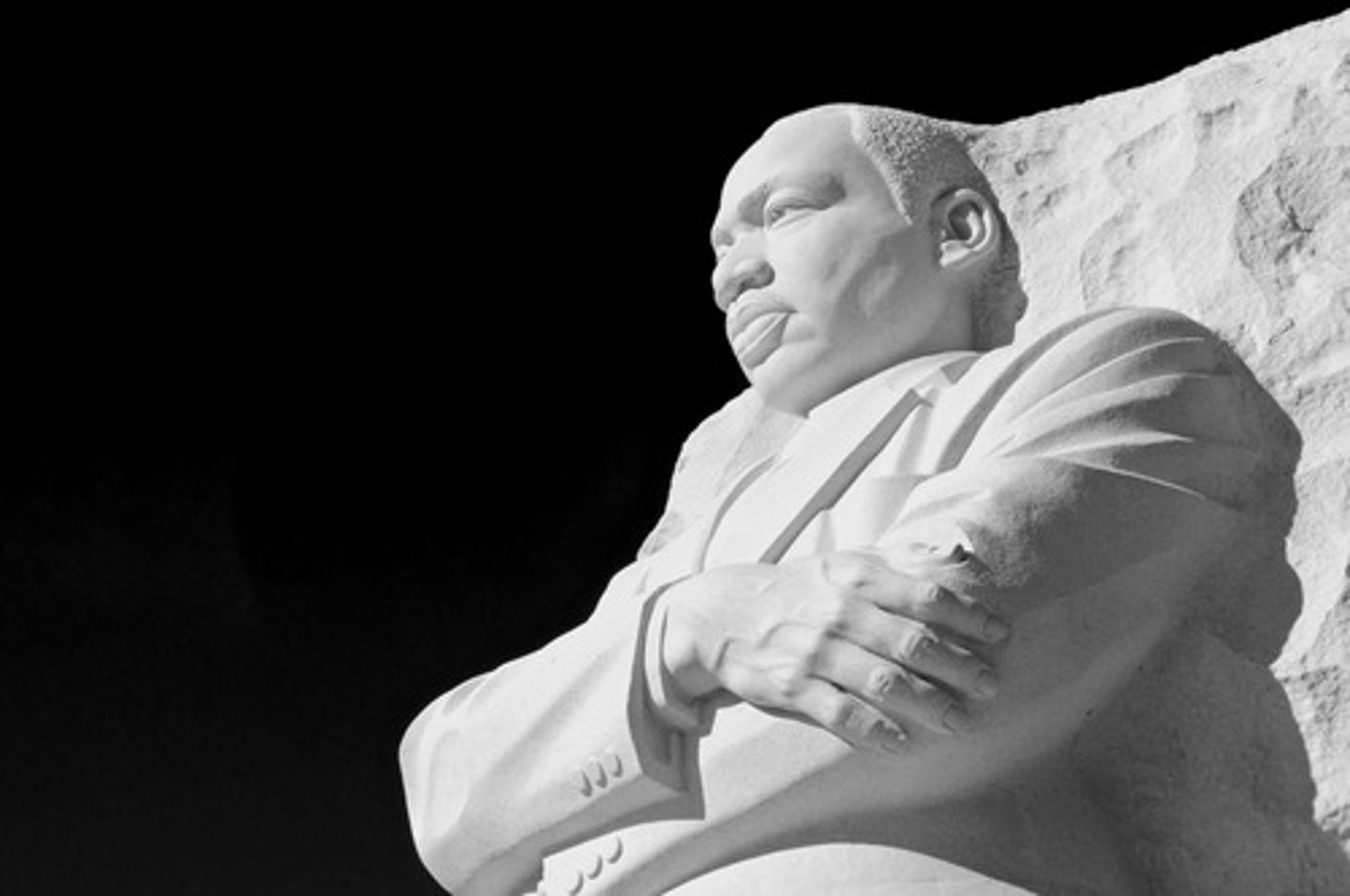
Martin Luther King, Jr.
1929-1968. Pivotal leader of the American Civil Rights movement. Non-violent leader, became youngest person to receive the Nobel Peace Prize in 1964 for his efforts to end segregation and racial discrimination. Led Montgomery Bus Boycott, helped found Southern Christian Leadership Conference, and led March on Washington in 1963 where he delivered "I have a Dream" speech.
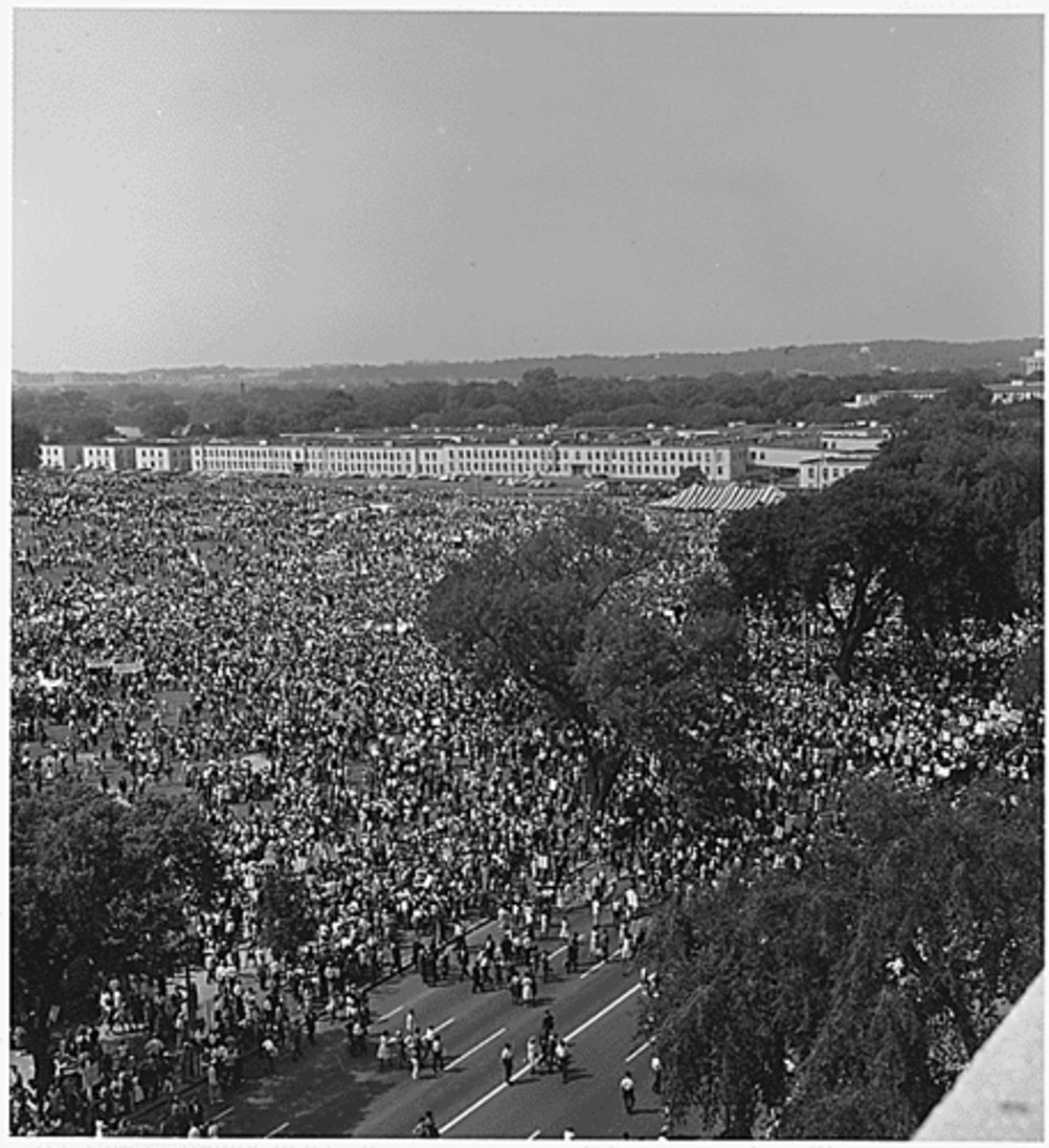
March on Washington
held in 1963 to show support for the Civil Rights Bill in Congress. Martin Luther King gave his famous "I have a dream..." speech. 250,000 people attended the rally
Black Panthers
A black political organization that was against peaceful protest and for violence if needed. The organization marked a shift in policy of the black movement, favoring militant ideals rather than peaceful protest.