Terrestrial Vertebrate ID Field Practical 2 Review
 Call Kai
 Learn
Learn Practice Test
 Spaced Repetition
 Match
Match Flashcards
 Knowt Play
1/69

There's no tags or description
Looks like no tags are added yet.
Name | Mastery | Learn | Test | Matching | Spaced | Call with Kai |
|---|
No analytics yet
Send a link to your students to track their progress
70 Terms
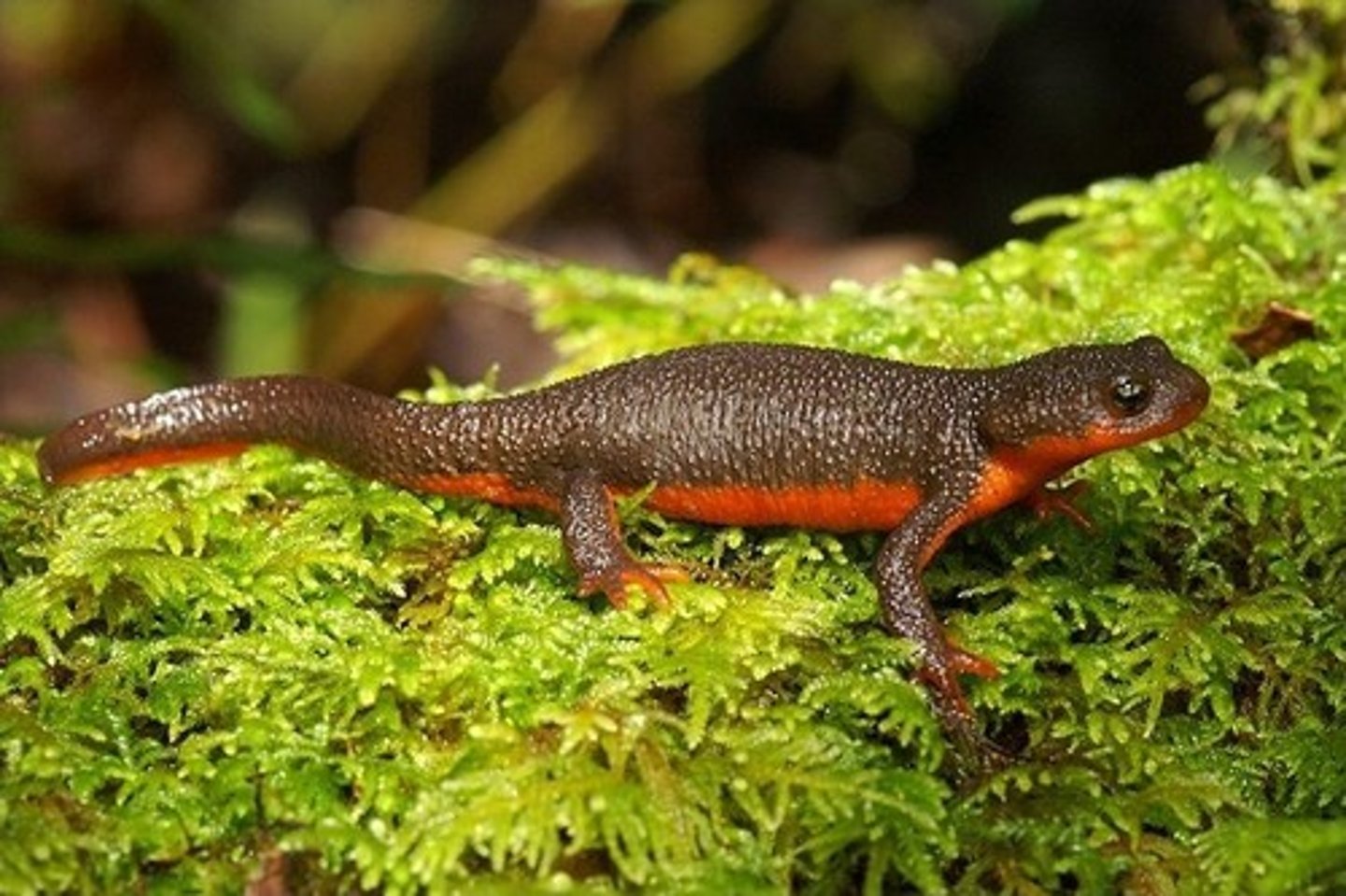
Rough-skinned Newt
Amphibia
Caudata
Salamandridae
NH: Toxic, can kill a human if consumed; aquatic salamander; move to breeding ponds in spring where breeding balls ensue; often active during the day
Common Name:
Class:
Order:
Family:
Coastal Giant Salamander
Amphibia
Caudata
Dicamptodontidae
NH: Aquatic salamander; found adjacent to small and mid-sized streams and moist forests; voracious predator; may remain in neotenic state as adult and not become terrestrial
Common Name:
Class:
Order:
Family:
Northwestern Salamander
Amphibia
Caudata
Ambystomatidae
NH: Aquatic salamander; has parotid glands that are poisonous to attackers, and may rear up like a bucking horse when threatened; voracious predator; may remain in neotenic state as adult and not become terrestrial
Common Name:
Class:
Order:
Family:
Clouded Salamander
Amphibia
Caudata
Plethodontidae
NH: Fully terrestrial salamander; active species, often scrambling away when exposed or even jumping; use a range of areas, including urban neighborhoods
Common Name:
Class:
Order:
Family:
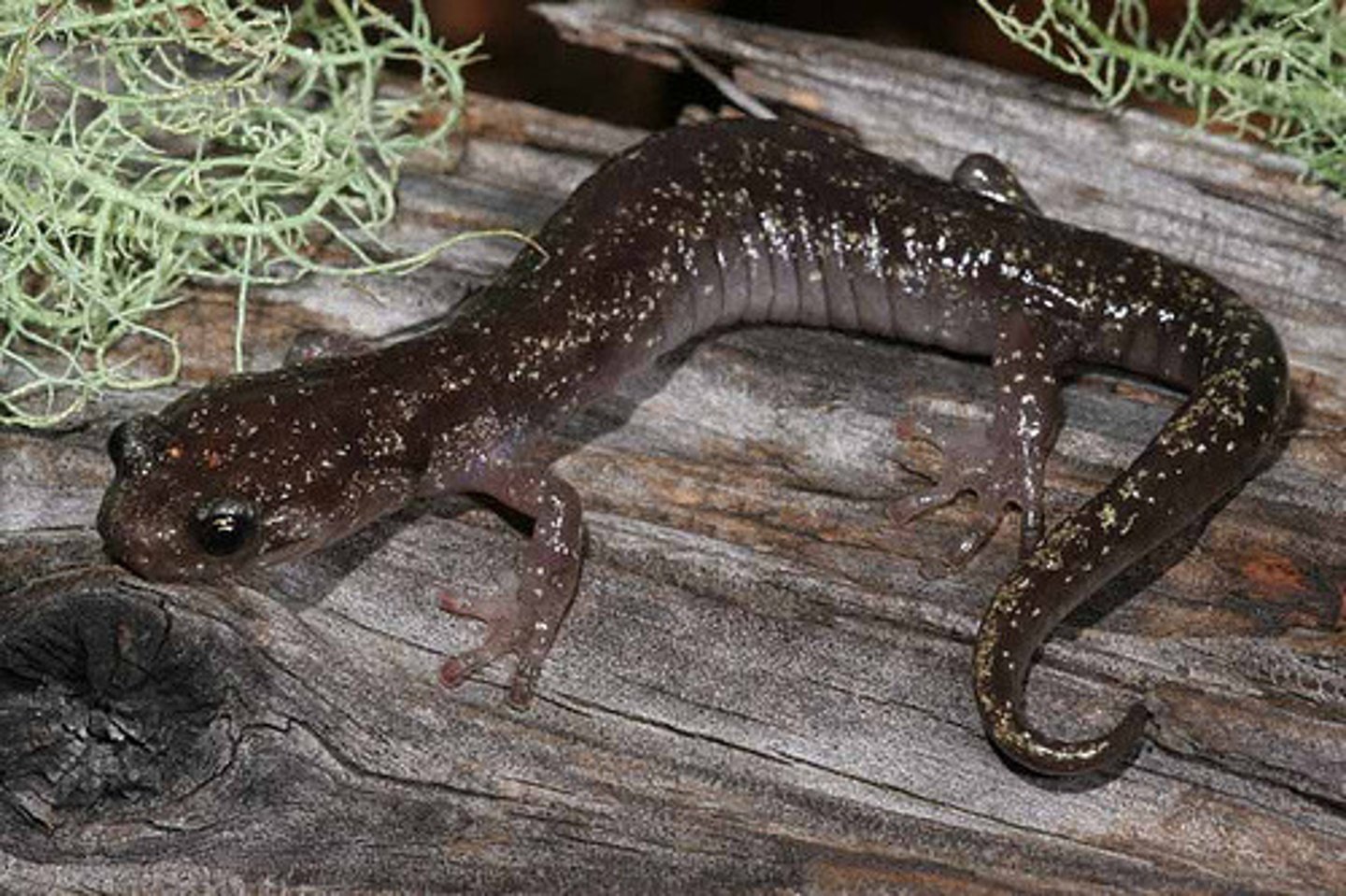
Ensatina
Amphibia
Caudata
Plethodontidae
NH: Fully terrestrial salamander; highly variable patterned species; found in a wide range of ecosystems subjected to a range of disturbances
Common Name:
Class:
Order:
Family:
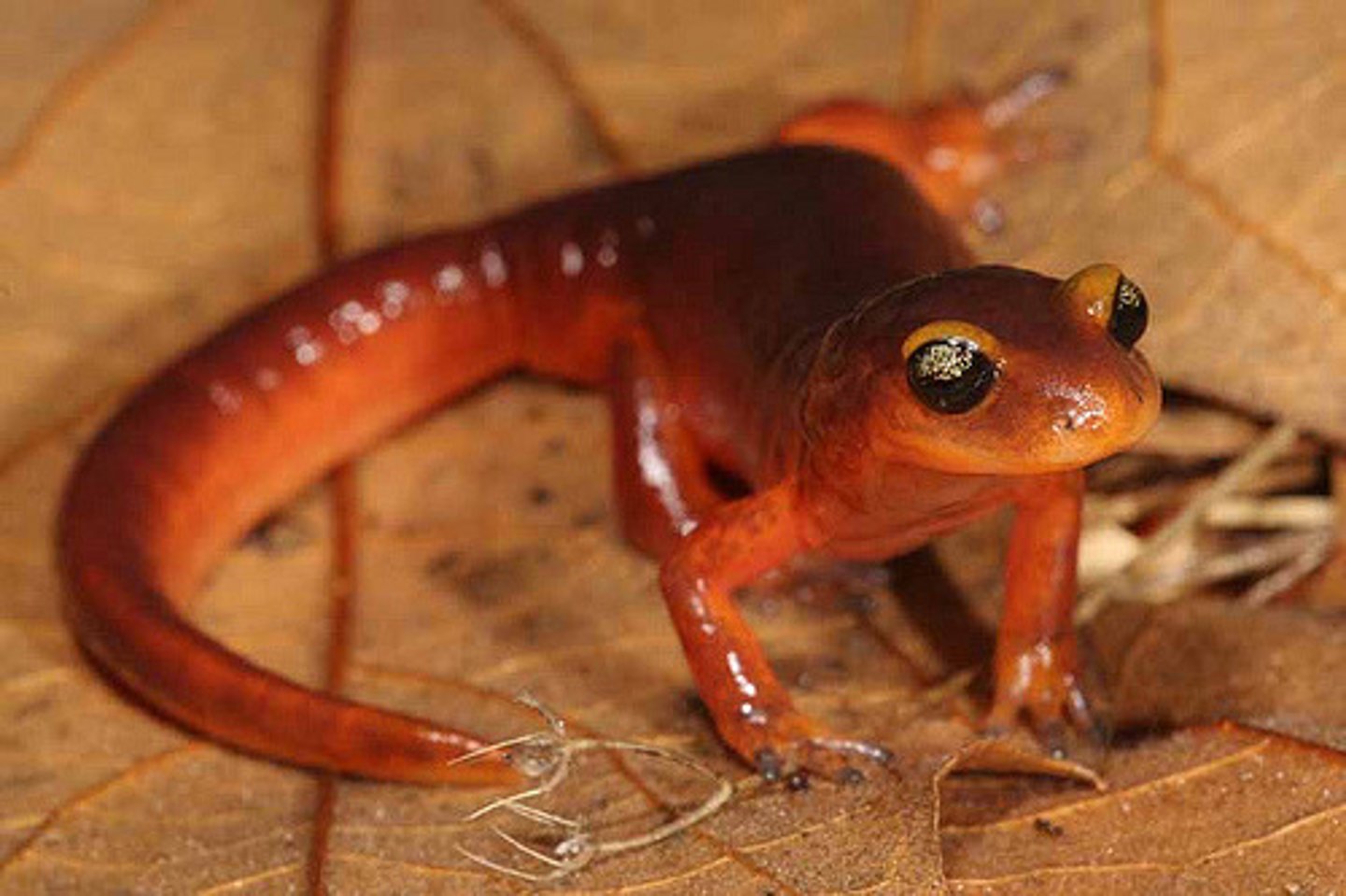
Oregon Slender Salamander
Amphibia
Caudata
Plethodontidae
NH: Fully terrestrial salamander; typically located within stumps or large logs, rarely venturing outside; may only move a few meters across their lifetime
Common Name:
Class:
Order:
Family:
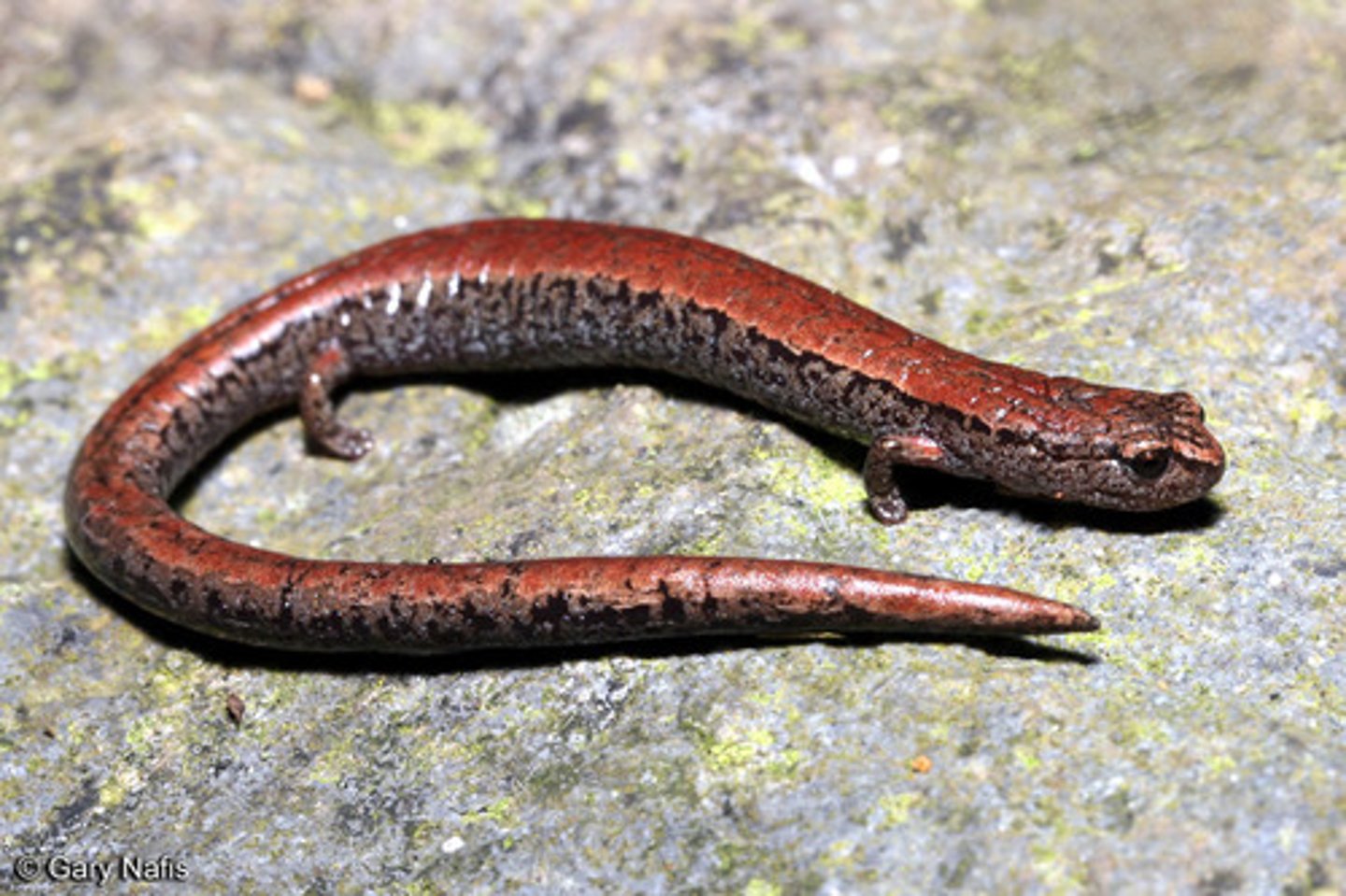
Dunn's Salamander
Amphibia
Caudata
Plethodontidae
NH: Fully terrestrial salamander; webbed feet; typically found next to streams, but does not typically get into water
Common Name:
Class:
Order:
Family:
Western Red-backed Salamander
Amphibia
Caudata
Plethodontidae
NH: Fully terrestrial salamander; very long and thin, with small toes and a distinctive maroon back; one of the most abundant woodland salamanders
Common Name:
Class:
Order:
Family:
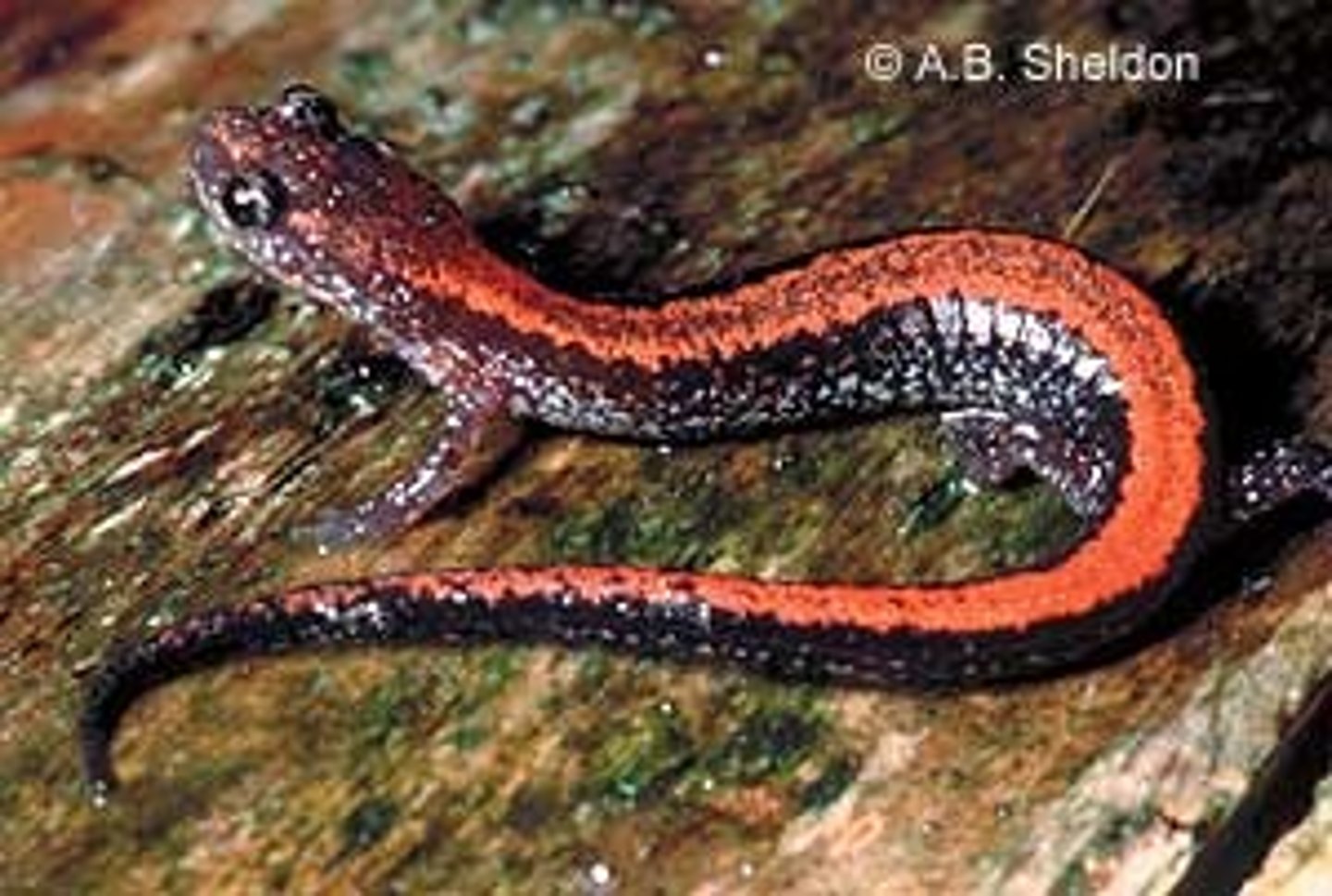
Northern Red-legged Frog
Amphibia
Anura
Ranidae
NH: Prefers cool conditions for breeding; found in and forests and lowlands west of Cascades; adults have gold eyes that look out to the sides
Common Name:
Class:
Order:
Family:
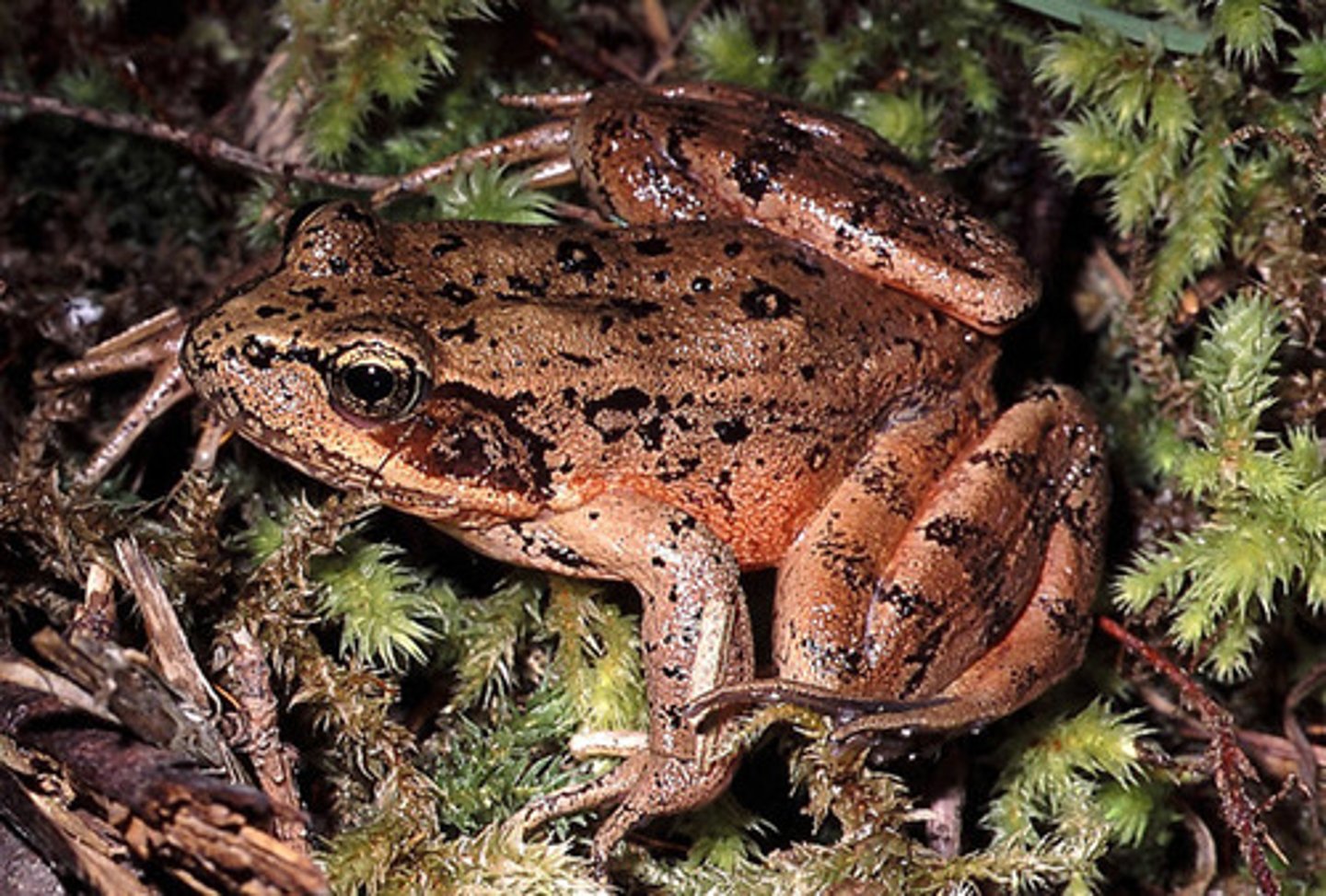
Foothill Yellow-legged Frog
Amphibia
Anura
Ranidae
NH: Found in streams and rivers; tadpoles have flattened shape and enlarged mouth, adaptations to being in fast-moving water; adults have grainy skin
Common Name:
Class:
Order:
Family:
American Bullfrog
Amphibia
Anura
Ranidae
NH: Invasive species introduced from eastern U.S.; much larger than native frogs and eats anything smaller than it; often found on fringes of warm, sunny ponds
Common Name:
Class:
Order:
Family:
Coastal Tailed Frog
Amphibia
Anura
Ascaphidae
NH:Found in cold, fast-flowing streams; “tail” is intromittent organ only found on males and used for internal fertilization; hatchlings are nearly transparent
Common Name:
Class:
Order:
Family:
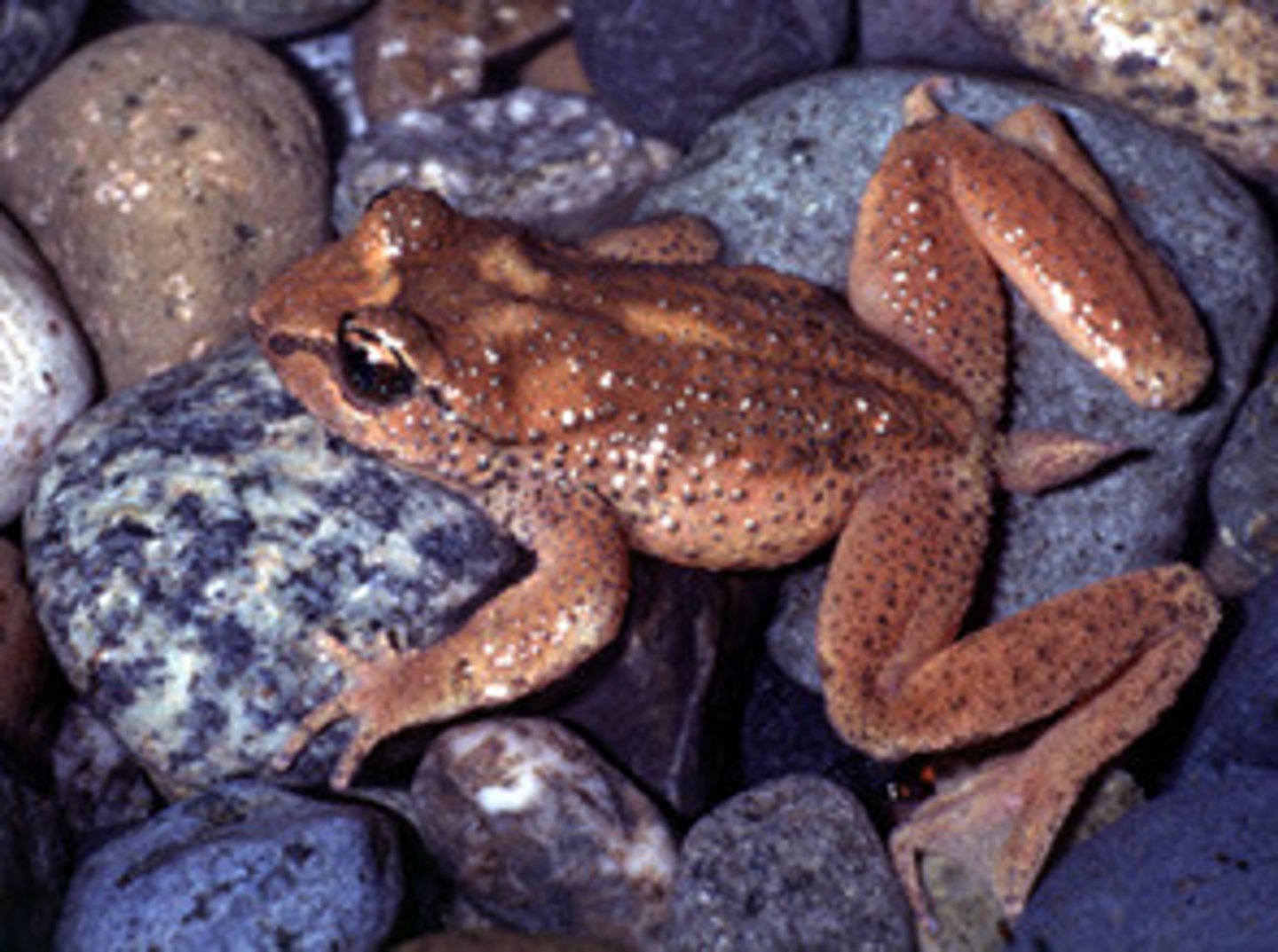
Pacific Treefrog
Amphibia
Anura
Hylidae
NH: Widespread and highly variable in color and pattern; most likely to hear this species in spring because of loud call and extensive calling period
Common Name:
Class:
Order:
Family:
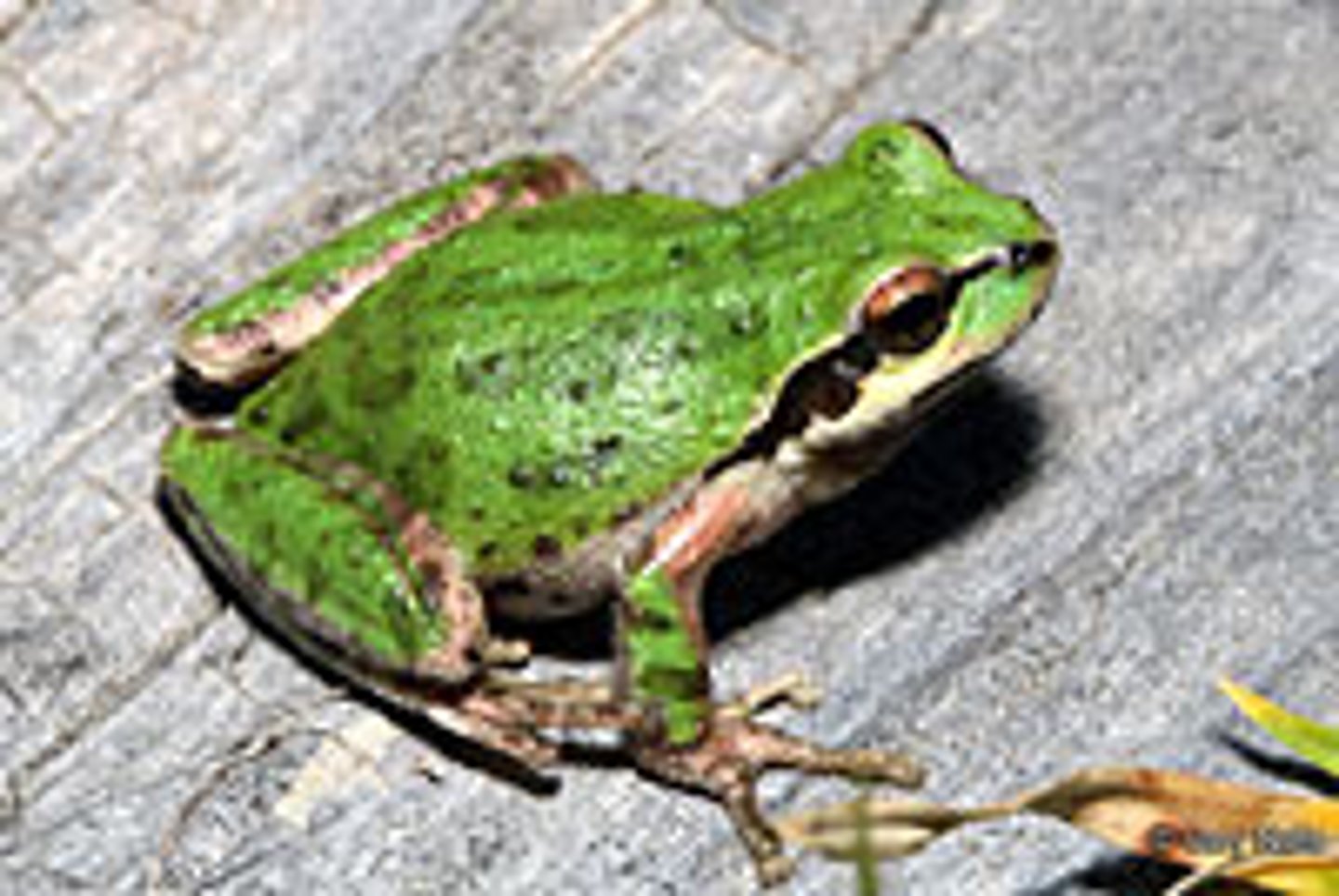
Western Toad
Amphibia
Anura
Bufonidae
NH: Parotid glands behind eyes are poisonous to predators; often urinates when handled
Common Name:
Class:
Order:
Family:
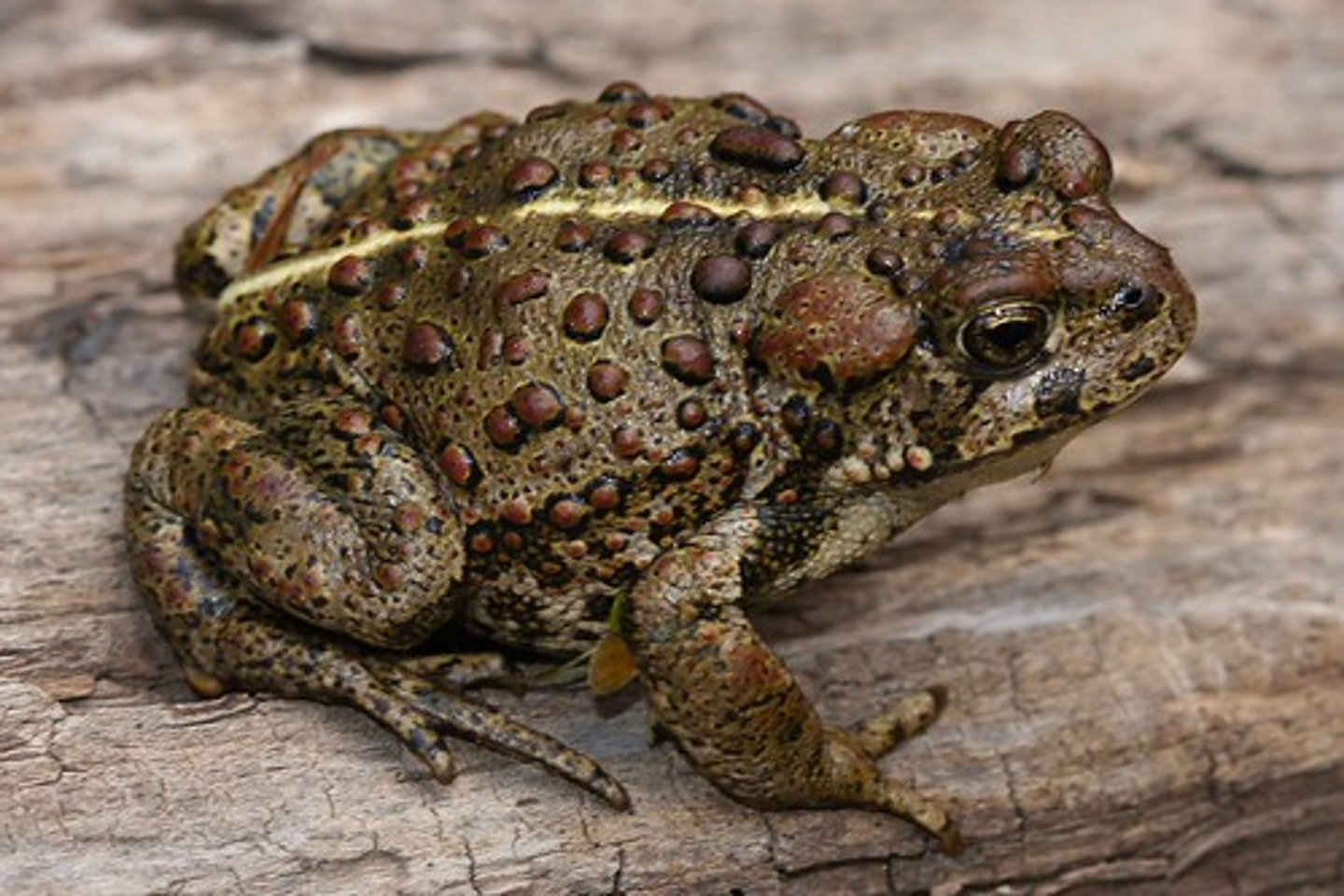
Great Basin Spadefoot Toad
Amphibia
Anura
Scaphiopodidae
NH: Nocturnal, active after rains; can disappear in soil within minutes using spades on hind feet to dig; found in semi-arid areas; breed in ephemeral water bodies
Common Name:
Class:
Order:
Family:
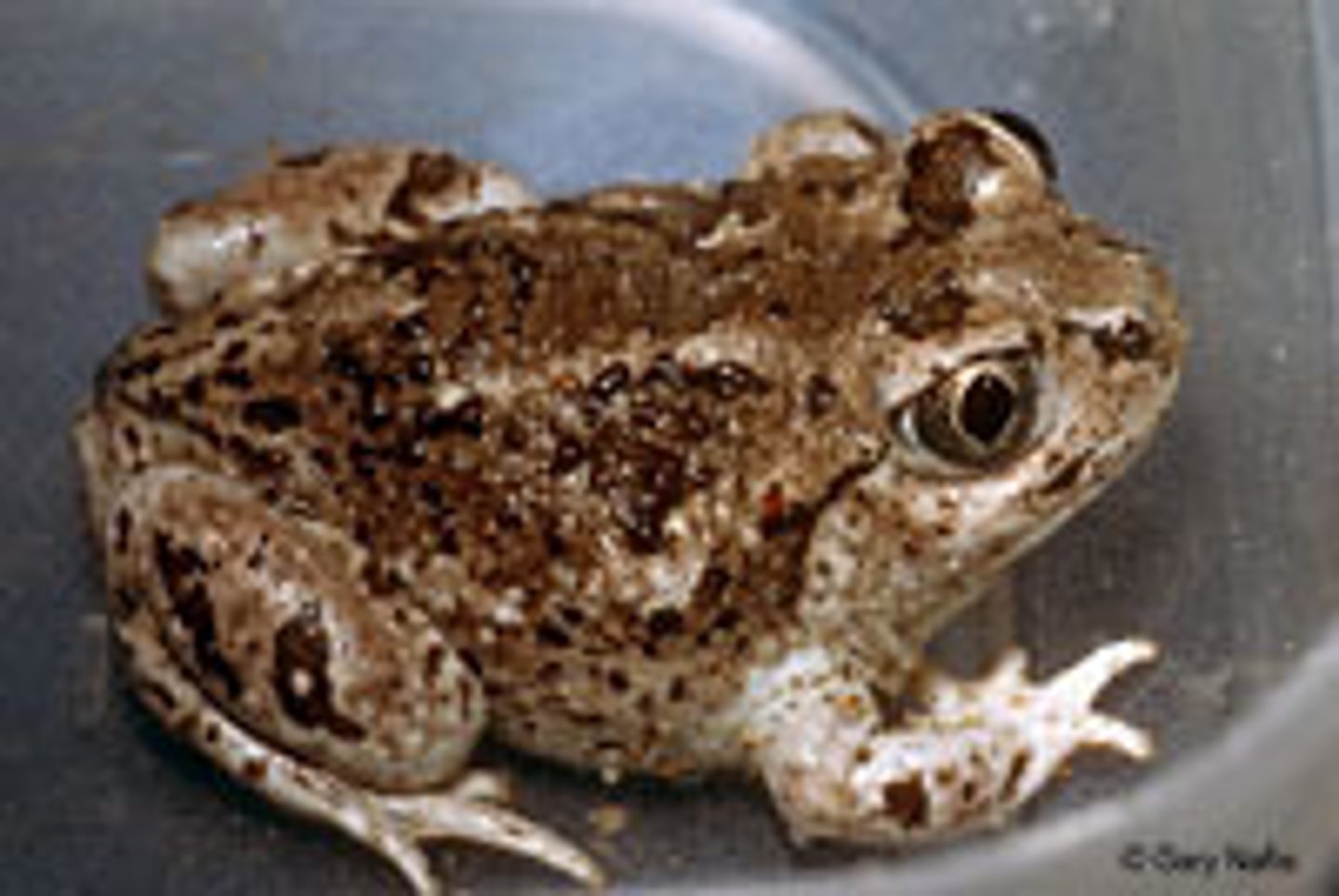
Northwestern Pond Turtle
Reptilia
Testudines
Emydidae
NH: Found in slow-moving rivers with muddy bottoms; vary wary of people; can live to be 50+ years old
Common Name:
Class:
Order:
Family:
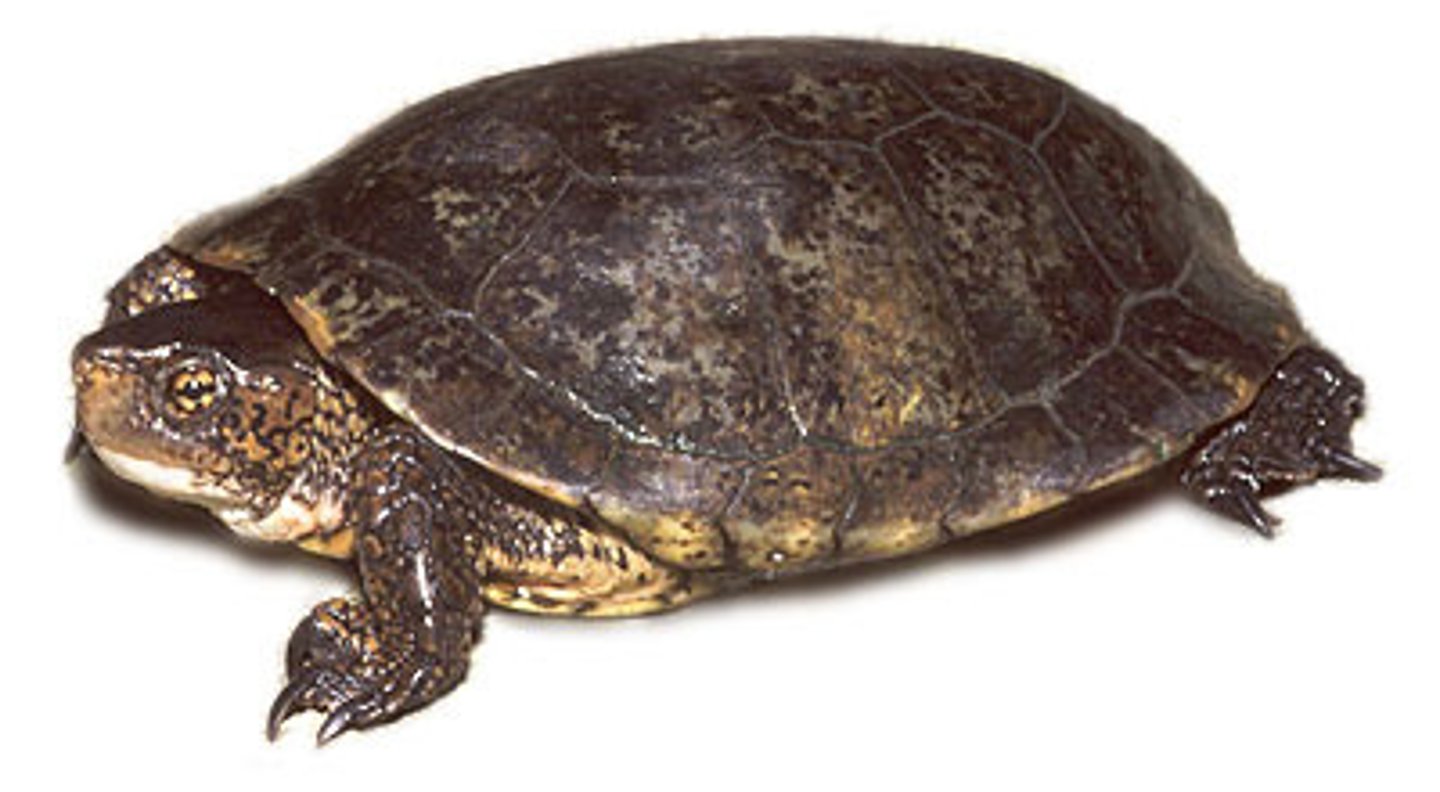
Western Painted Turtle
Reptilia
Testudines
Emydidae
NH: Occurs in shallow marshes, sloughs, and ponds with lots of aquatic plants; consumes mostly plants, plus insects, crawfish, and other small animals
Common Name:
Class:
Order:
Family:
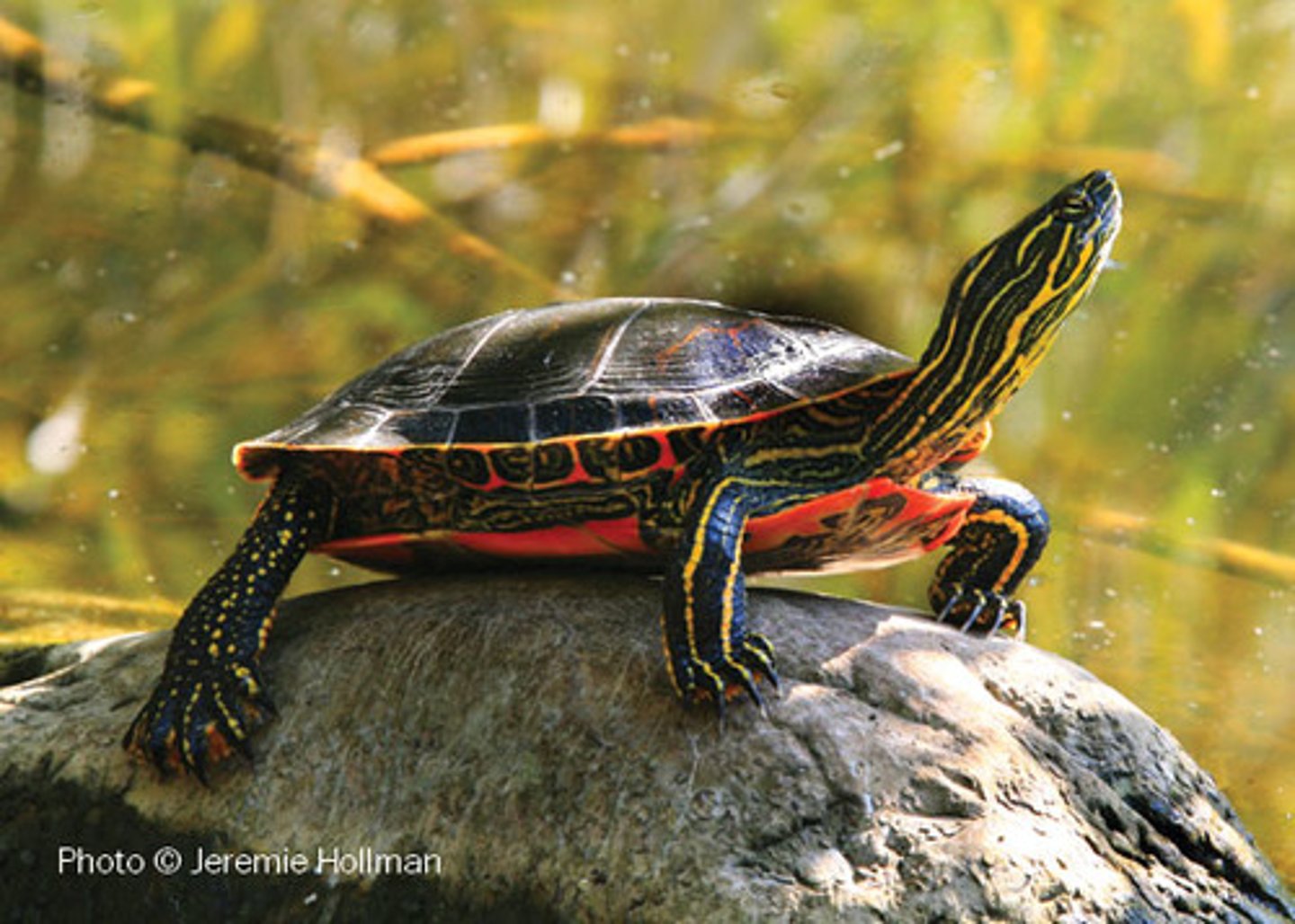
Great Basin Collared Lizard
Reptilia
Squamata
Crotaphytidae
NH: Limited to the Great Basin Desert ecosystem; boulders are important habitat components for basking and lookout stations; often basking during hottest time of the day; sometimes runs on hind legs to escape predators
Common Name:
Class:
Order:
Family:
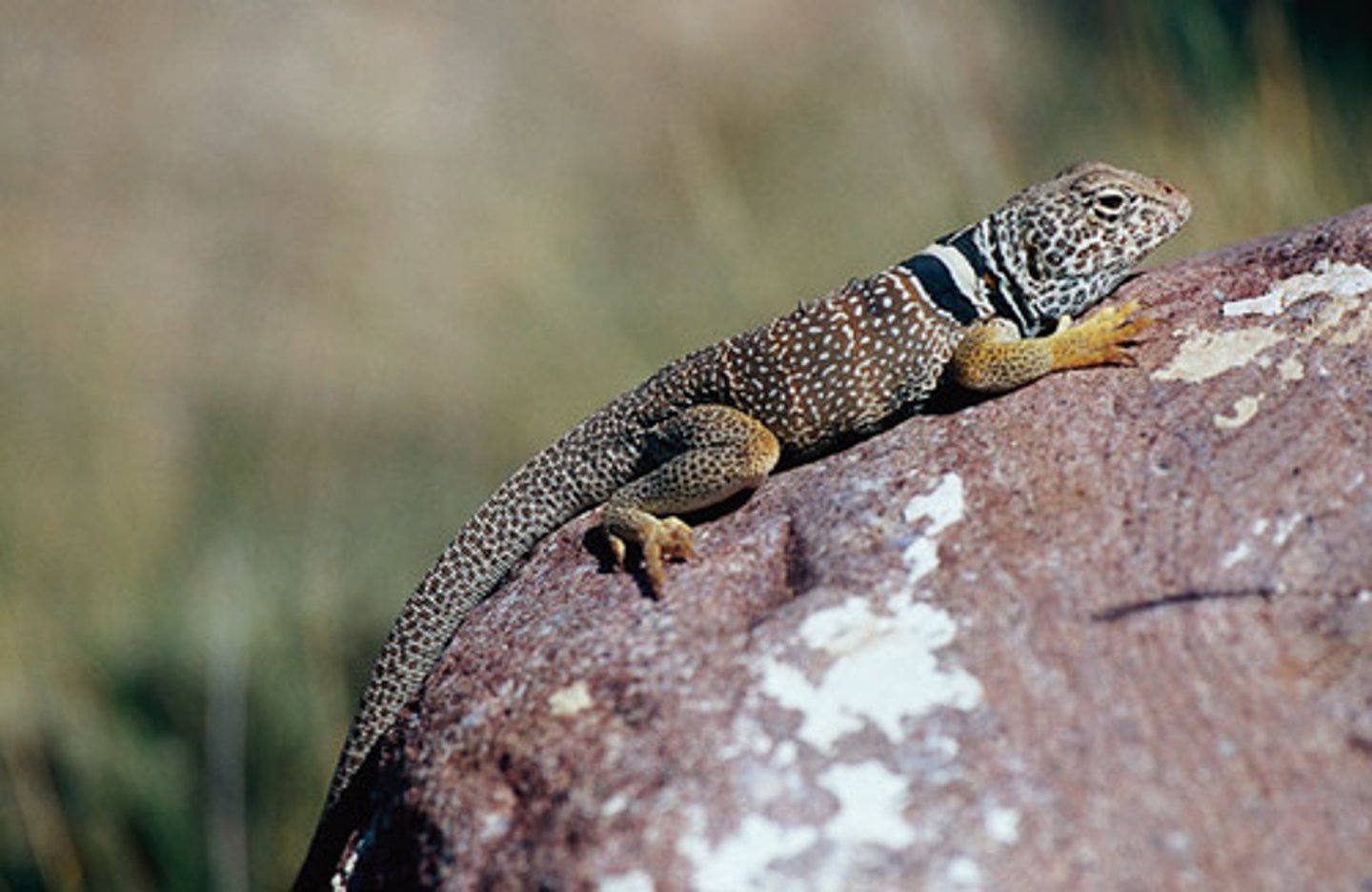
Common Side-blotched Lizard
Reptilia
Squamata
Phrynosomatidae
NH: Inhabits arid to semi-arid lands in open deserts and sparse woodlands; typically first lizard active in the morning; can often be approached closely
Common Name:
Class:
Order:
Family:
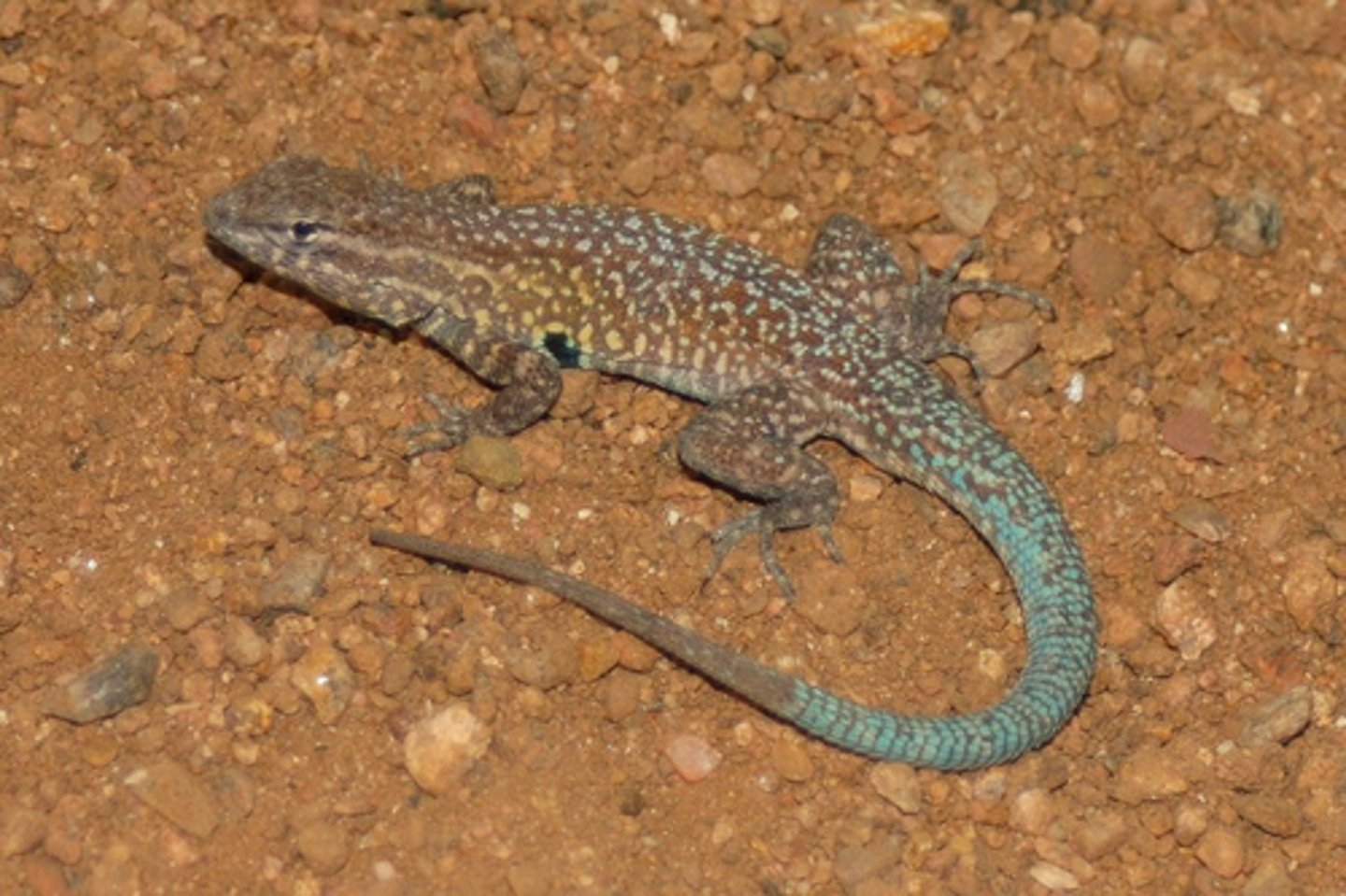
Western Fence Lizard
Reptilia
Squamata
Phrynosomatidae
NH: Widespread and common; often observed basking on fence posts, rocks, and trees; often climbs and may “corkscrew” around tree to avoid predators
Common Name:
Class:
Order:
Family:
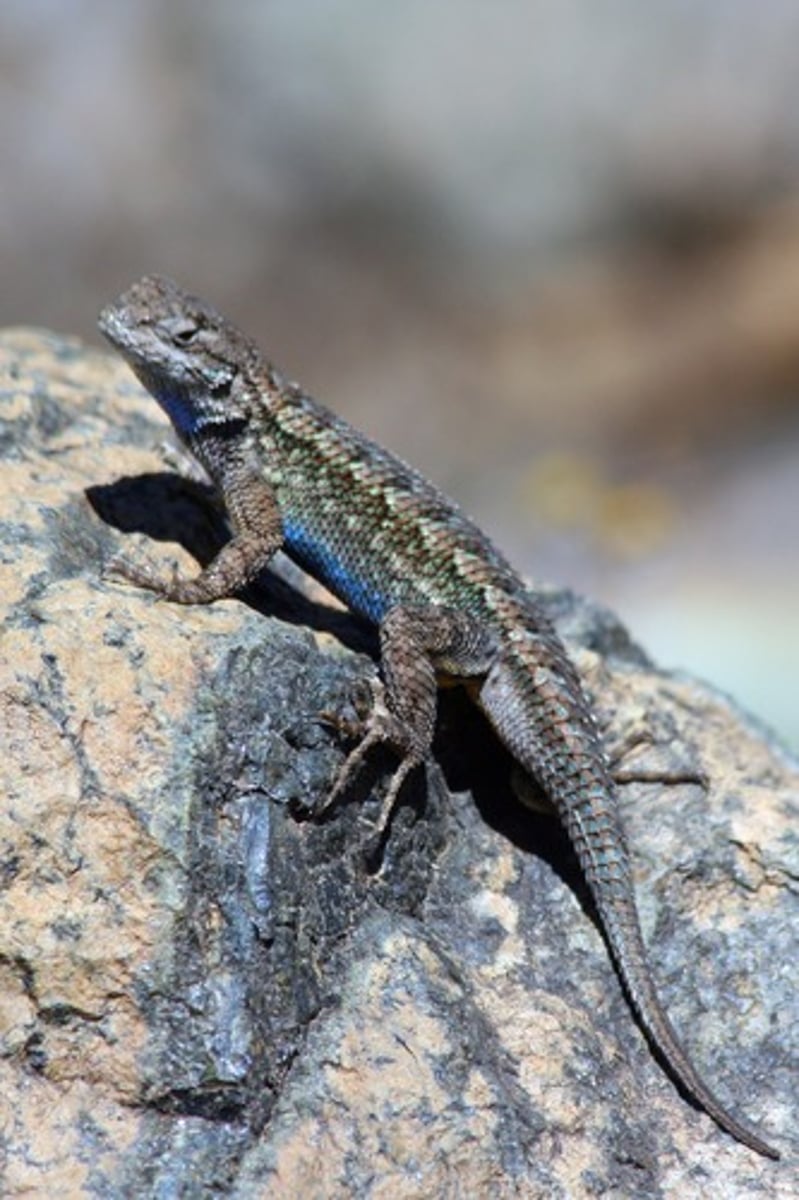
Pygmy Short-horned Lizard
Reptilia
Squamata
Phrynosomatidae
NH: Ants make up the bulk of its diet; found in dry plateau country and mountains of PNW; has greater tolerance to cold climates so has wide distribution;
Common Name:
Class:
Order:
Family:
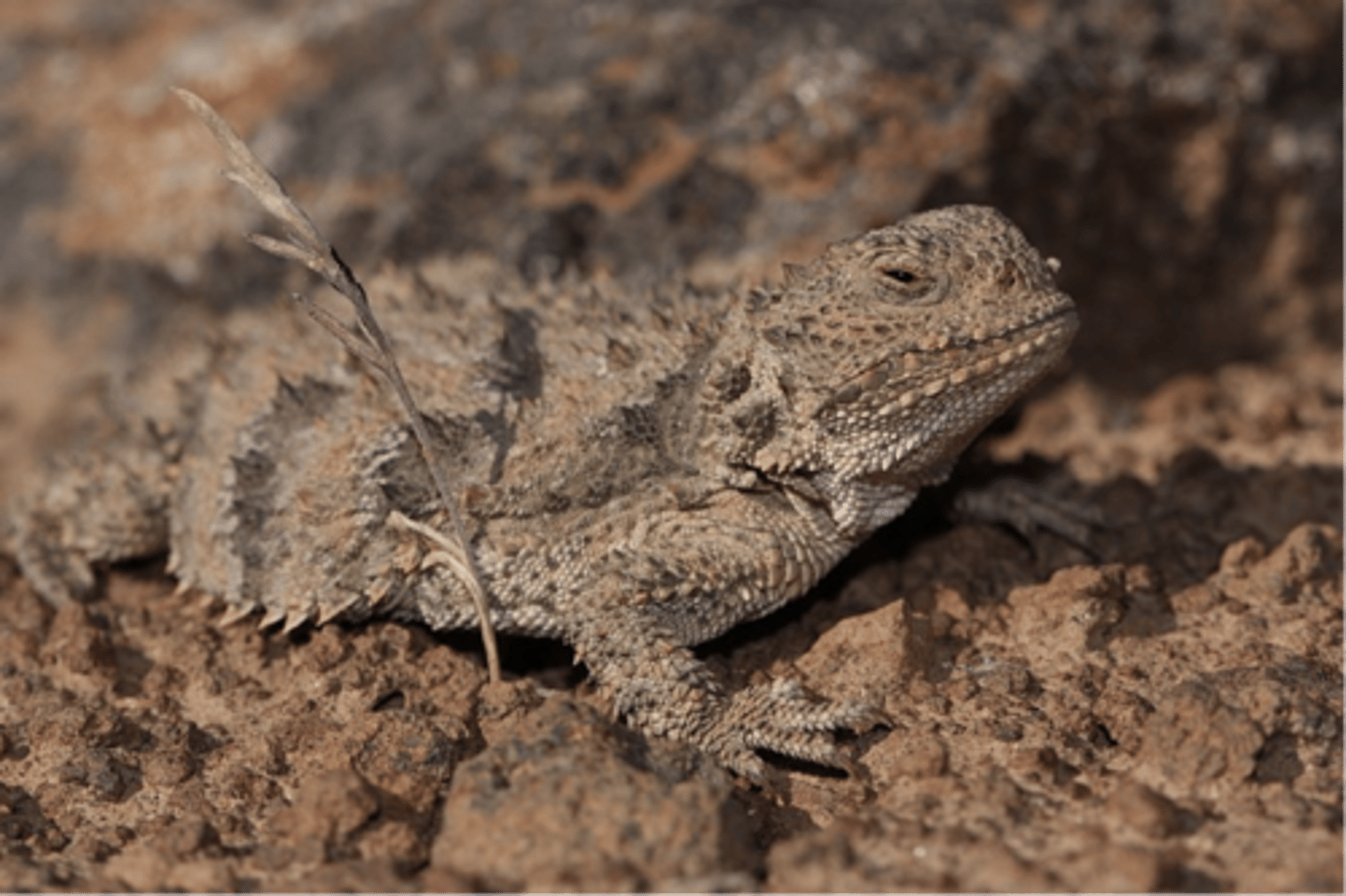
Western Skink
Reptilia
Squamata
Scincidae
NH: Widespread; occurs in areas with sunny openings with scattered rocks, logs, and leaf litter; tail easily detaches when captured; primarily eat insects and spiders
Common Name:
Class:
Order:
Family:
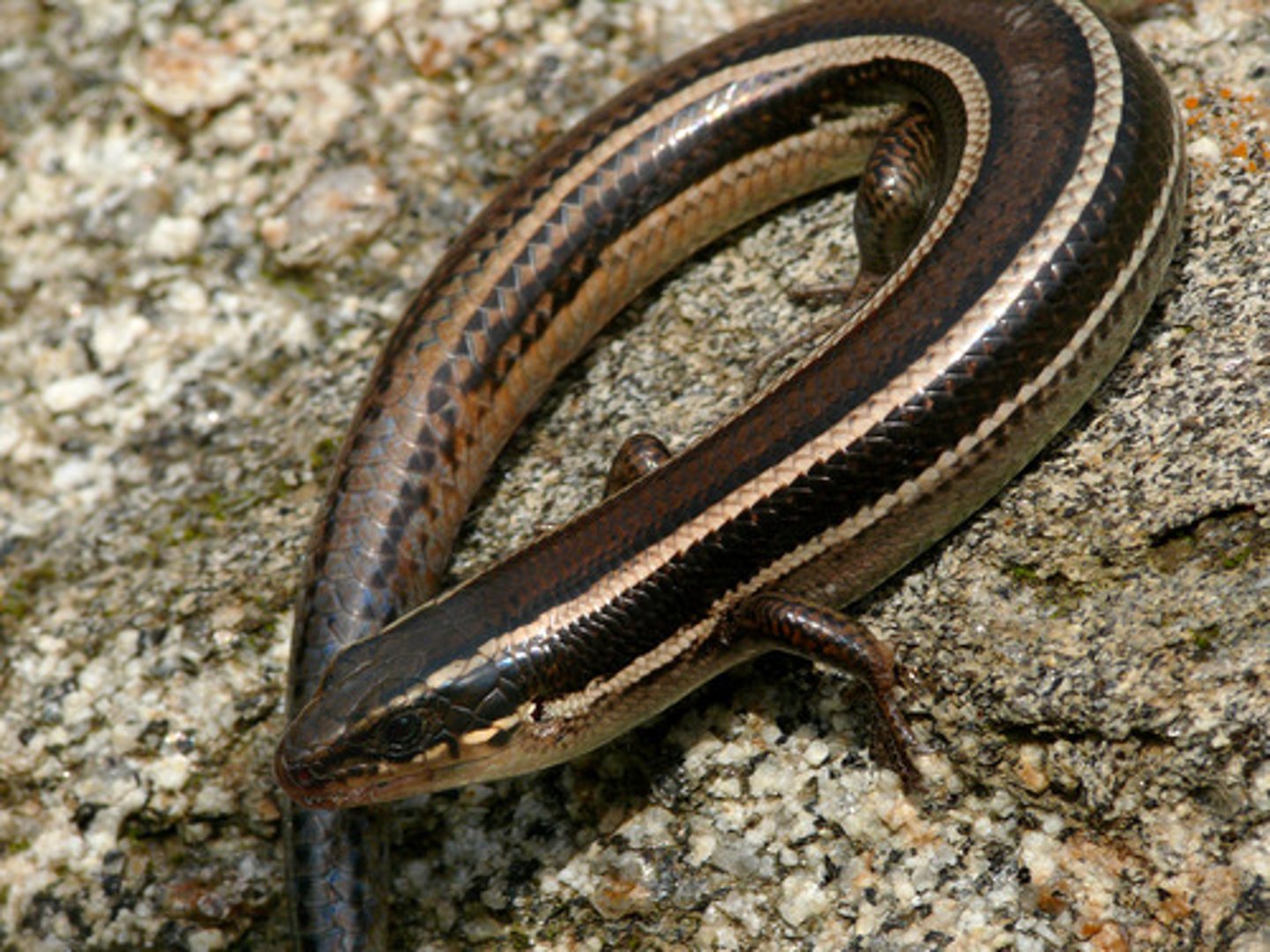
Southern Alligator Lizard
Reptilia
Squamata
Anguidae
NH: Common in many ecosystems; uses undulating, snake-like locomotion when escaping from predators; eats arthropods and occasional vertebrates
Common Name:
Class:
Order:
Family:
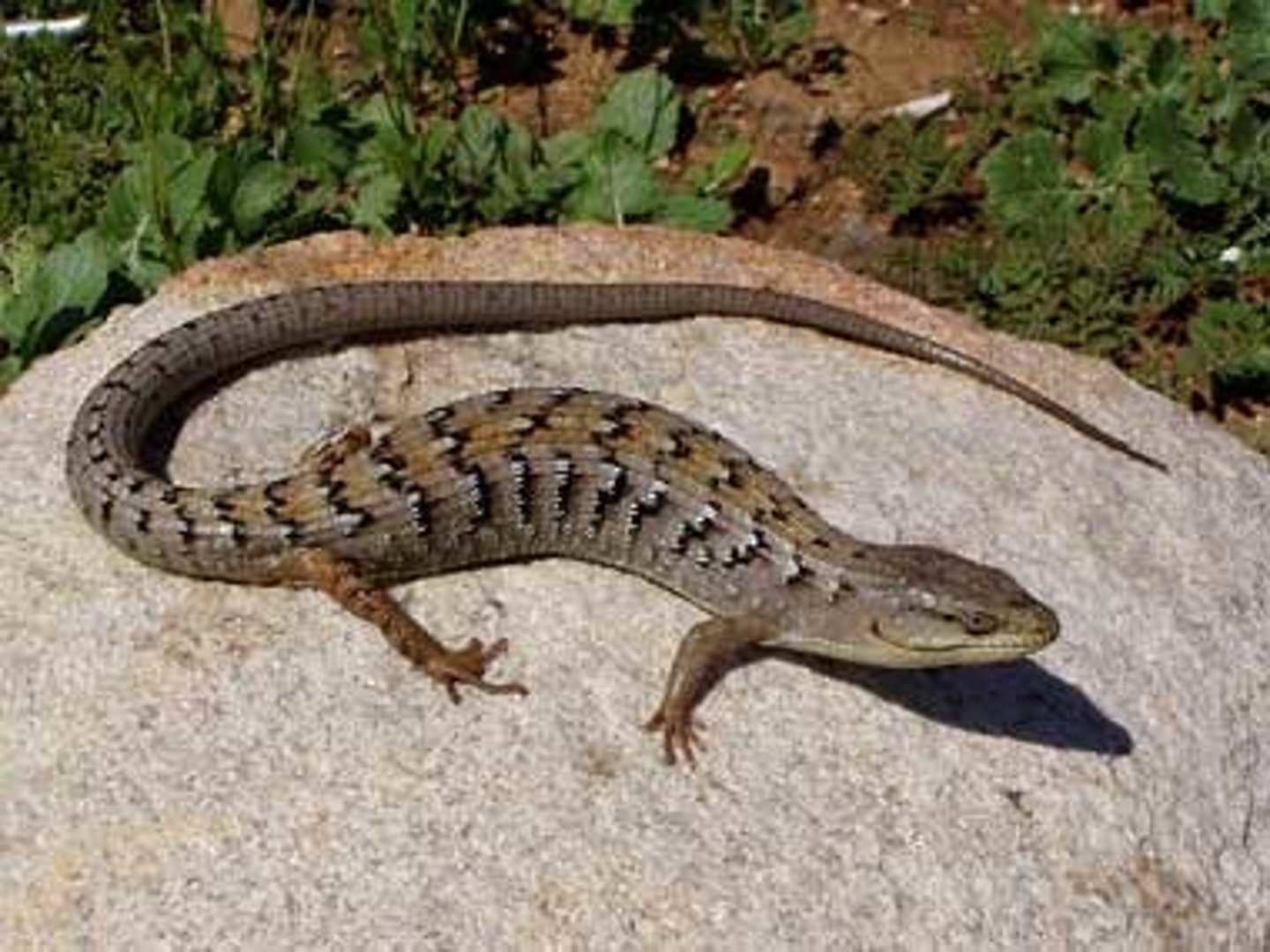
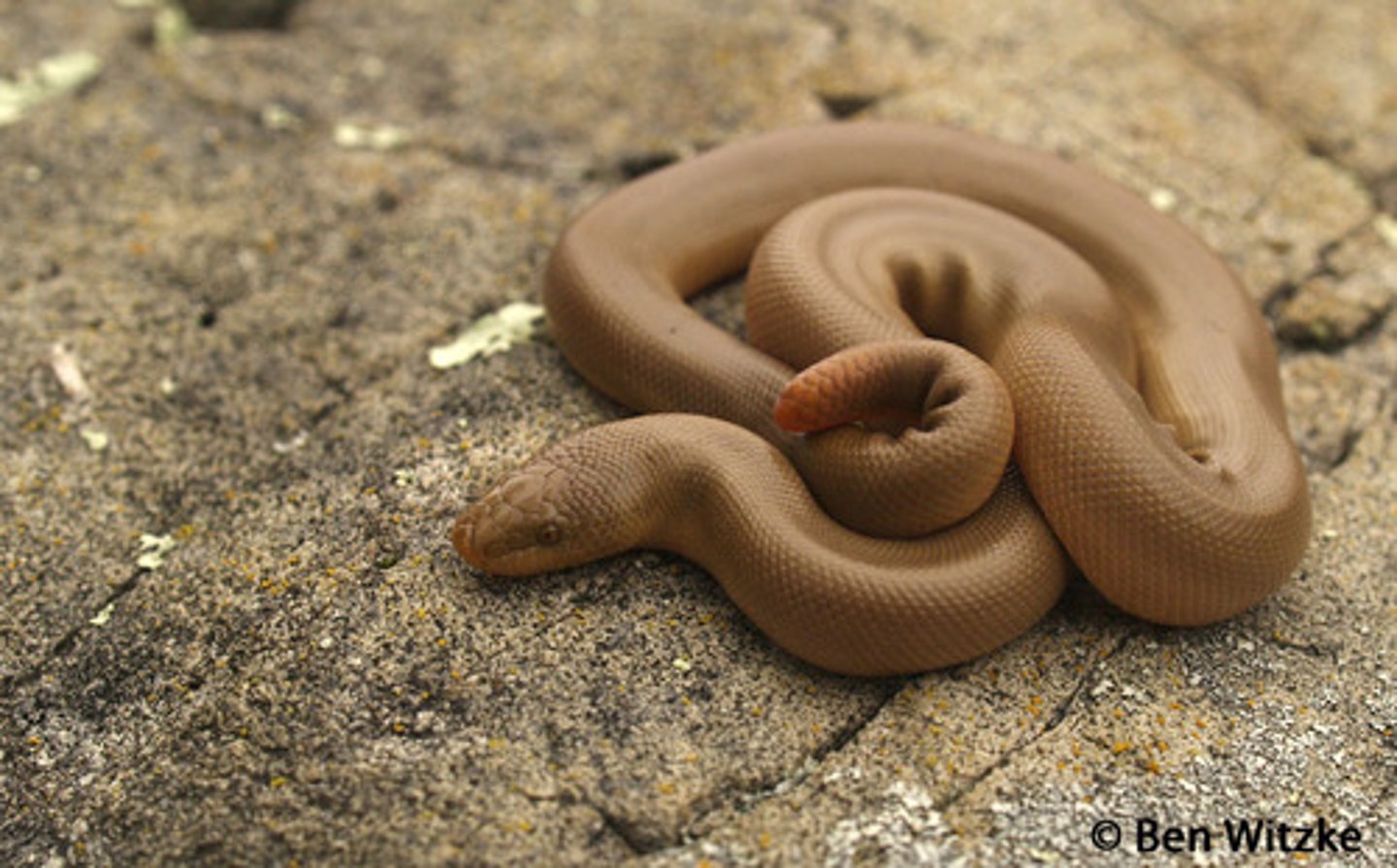
Northern Rubber Boa
Reptilia
Serpentes
Boidae
NH: Found in a range of ecosystems, typically with trees or chaparral with plenty of sunlight; secretive, and active mostly at dawn and dusk; burrows in leaves
Common Name:
Class:
Order:
Family:
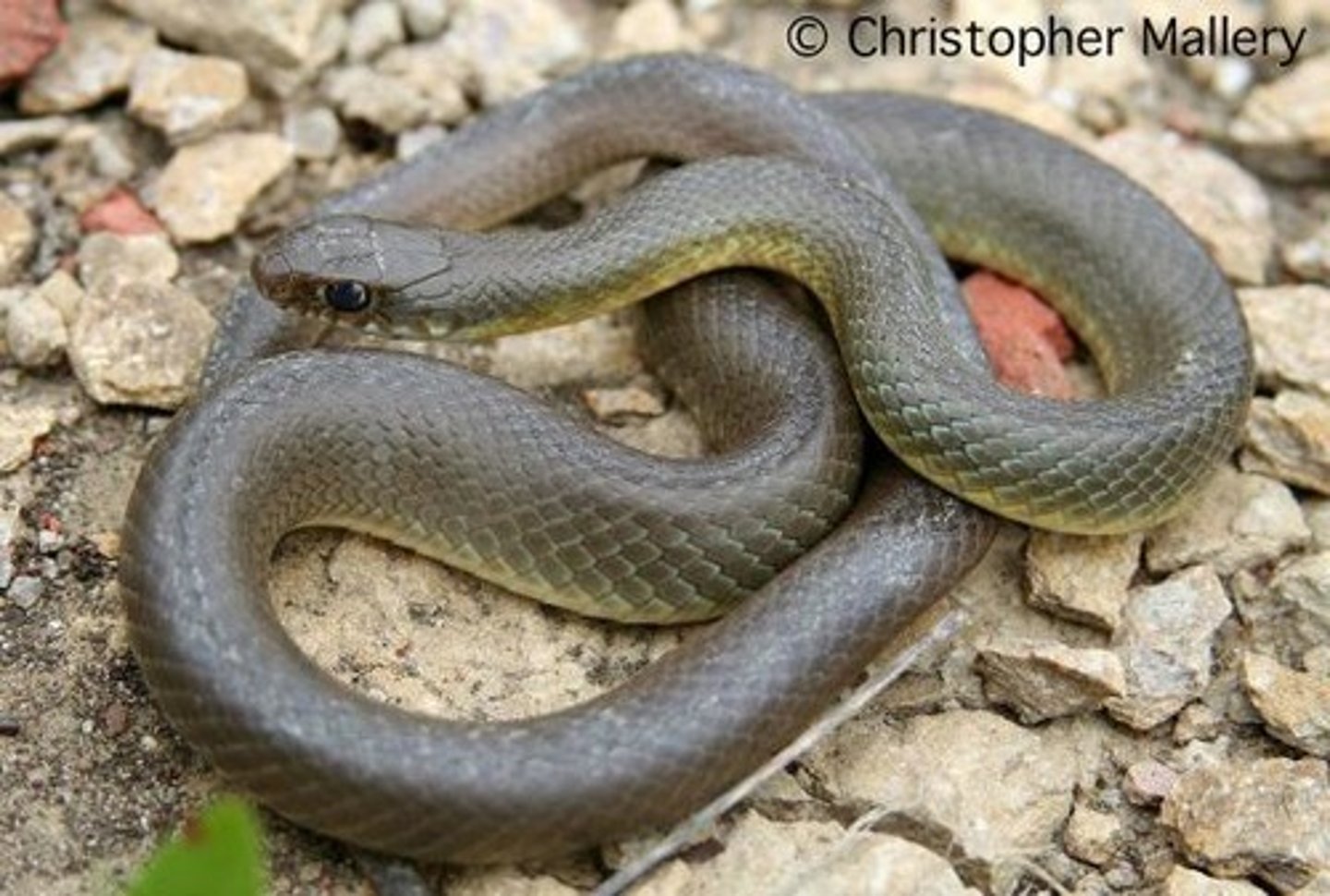
North American Racer
Reptilia
Serpentes
Colubridae
NH: Fast-moving diurnal predator that targets rodents, snakes, frogs, and birds; keen eyesight and swiftness make it difficult to capture
Common Name:
Class:
Order:
Family:
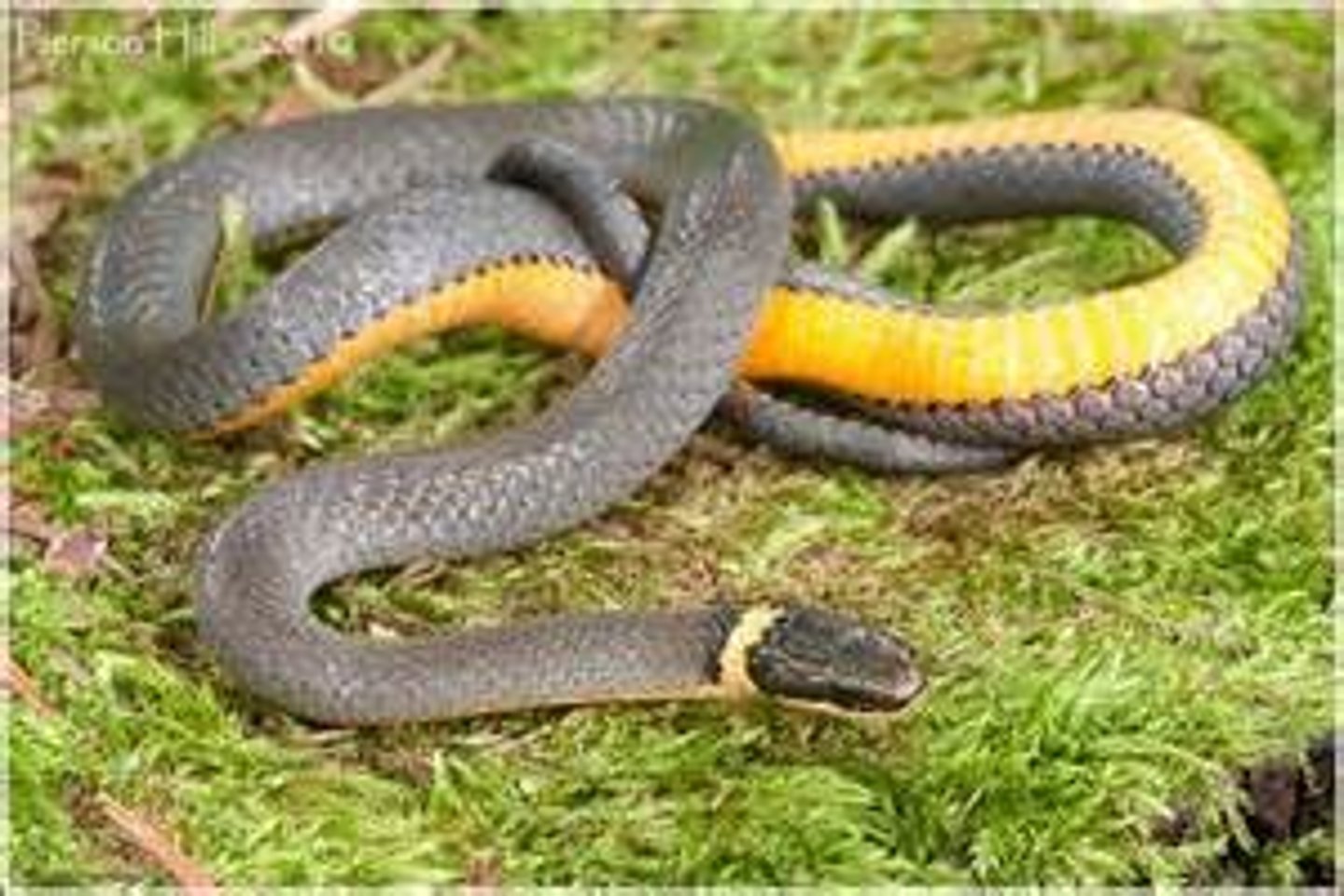
Ring-necked Snake
Reptilia
Serpentes
Colubridae
NH: Found in mixed oak and conifer woodland; in arid areas it becomes restricted to moist riparian areas; take range of insects and small vertebrates as prey
Common Name:
Class:
Order:
Family:
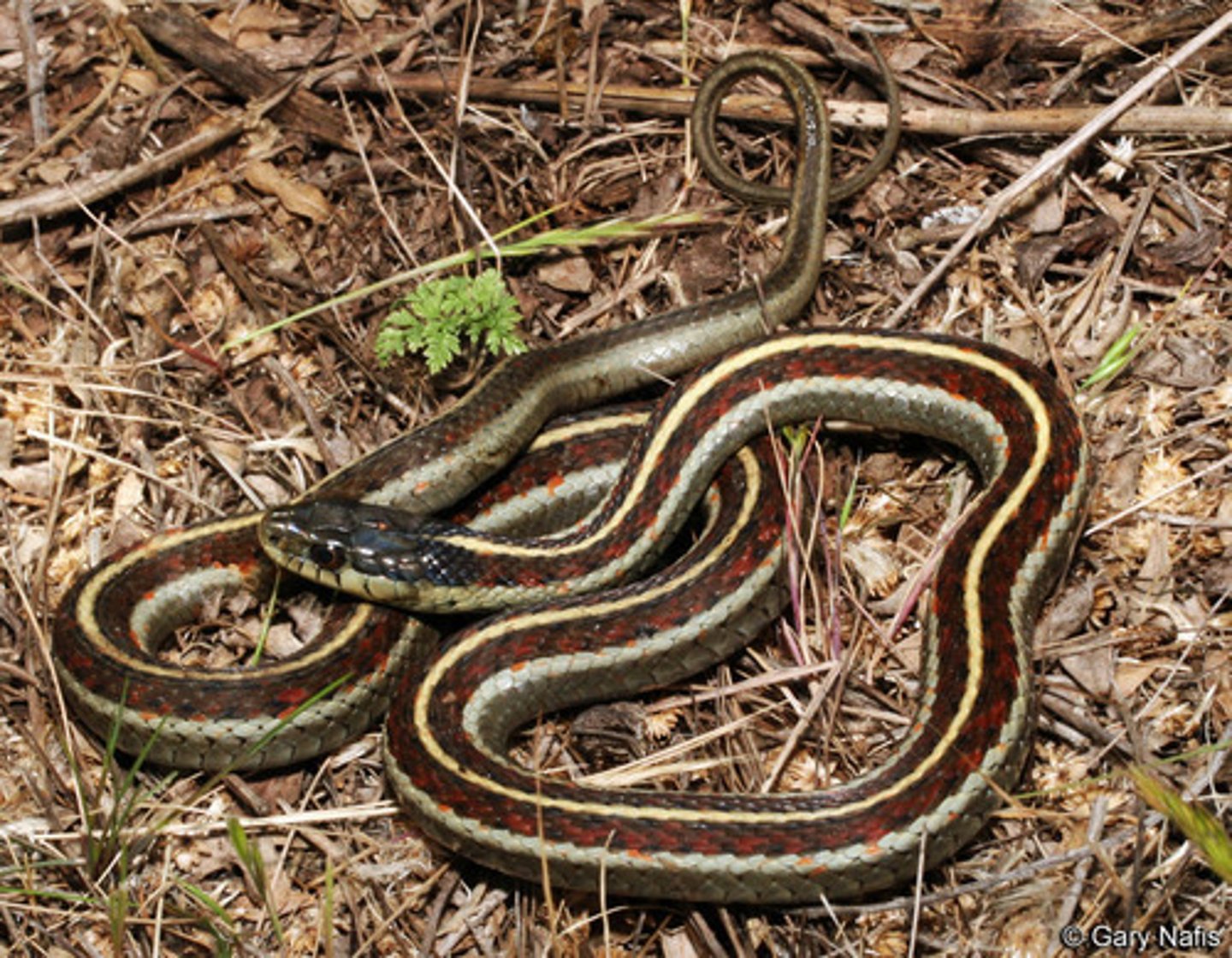
Common Garter Snake
Reptilia
Serpentes
Colubridae
NH: Typically found near aquatic areas, such as creeks, riparian zones, and marshes; juveniles eat earthworms, adults eat fish, amphibians, and larvae
Common Name:
Class:
Order:
Family:
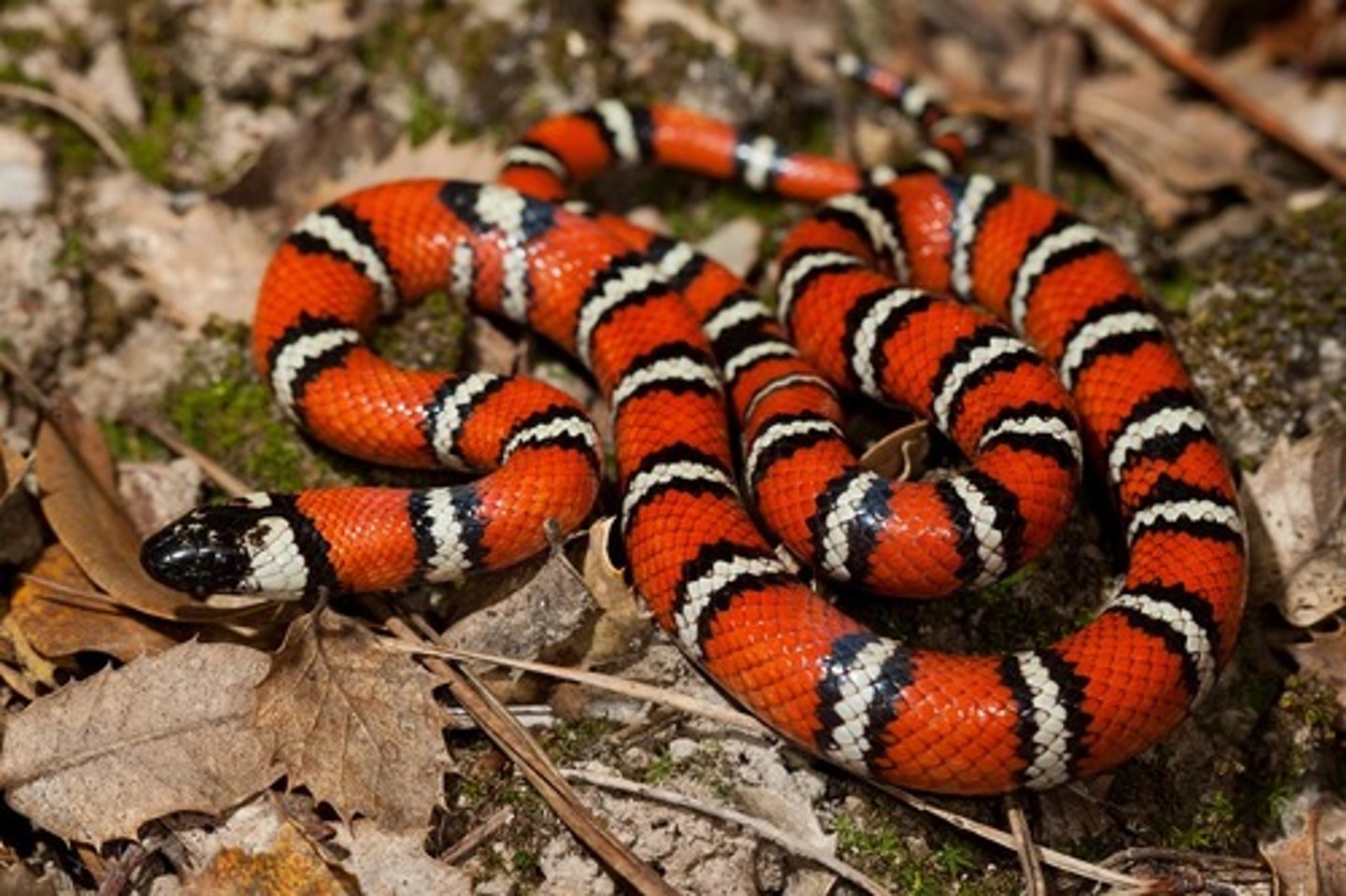
California Mountain Kingsnake
Reptilia
Serpentes
Colubridae
NH: Prefers open oak/pine woodlands and brushy chaparral areas; infrequently seen, often hidden in rock crevices and rotting logs; eats lizards, small mammals, bird eggs/chicks, and smaller snakes
Common Name:
Class:
Order:
Family:
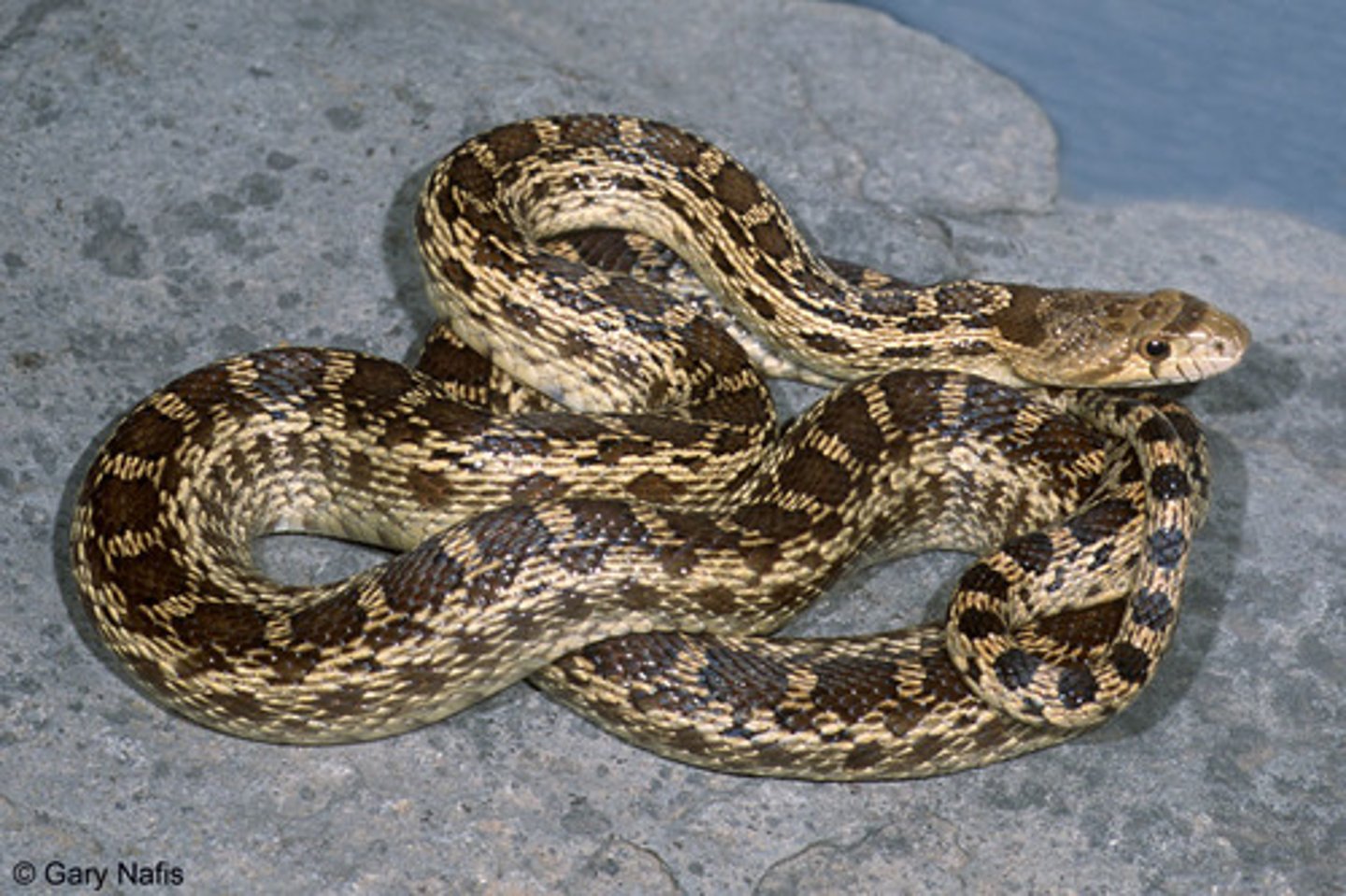
Gopher Snake
Reptilia
Serpentes
Colubridae
NH: Inhabits dry, open terrain such as oak savannas and brushy chaparral; primarily eats small mammals and rabbits; can coil, hiss, and vibrate tail to mimic a rattlesnake when encountered by a predator
Common Name:
Class:
Order:
Family:
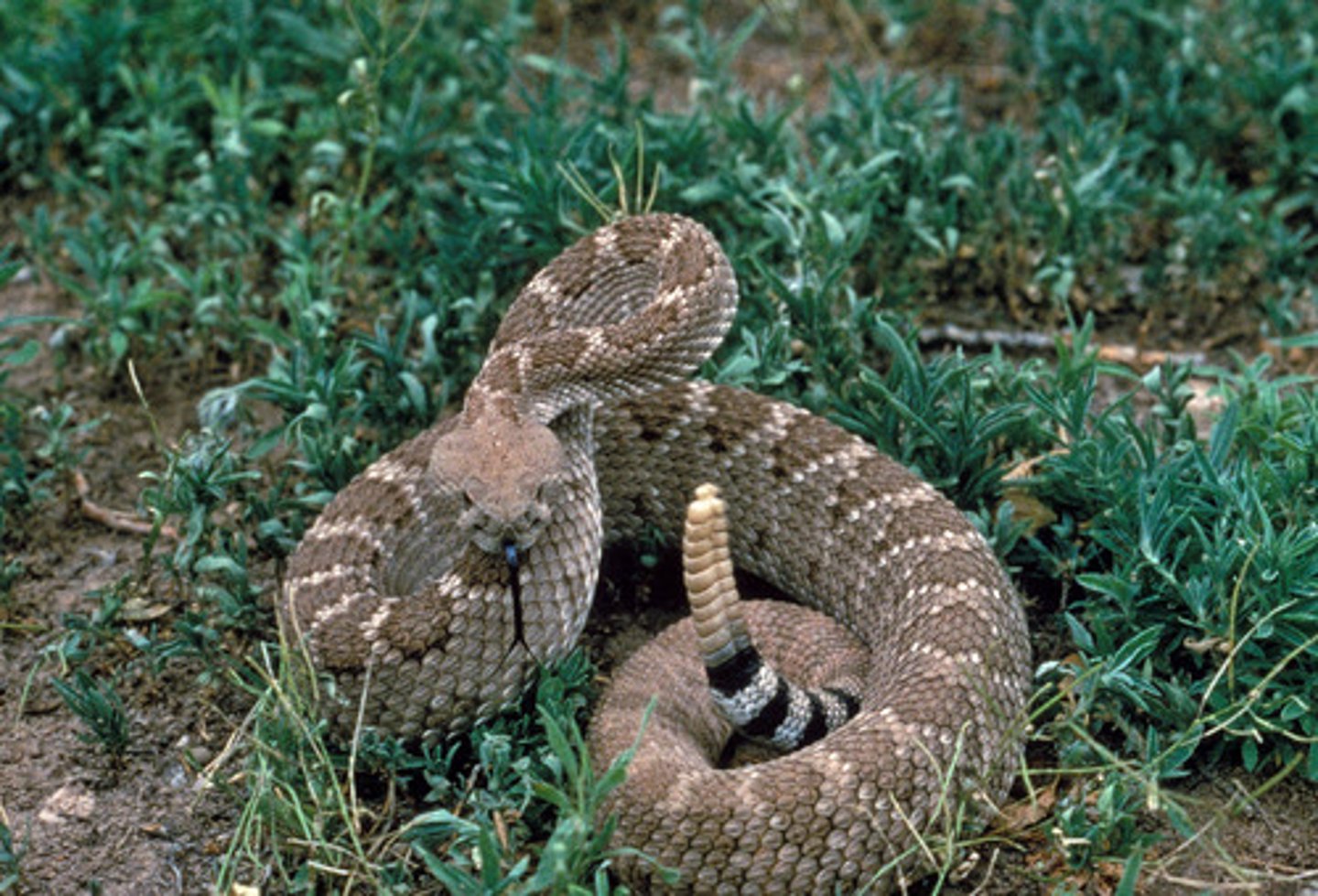
Western Rattlesnake
Reptilia
Serpentes
Viperidae
NH: Venomous; typically found in dry, rocky, brushy locations; primary prey are small mammals and rabbits, which it hunts by ambush
Common Name:
Class:
Order:
Family:
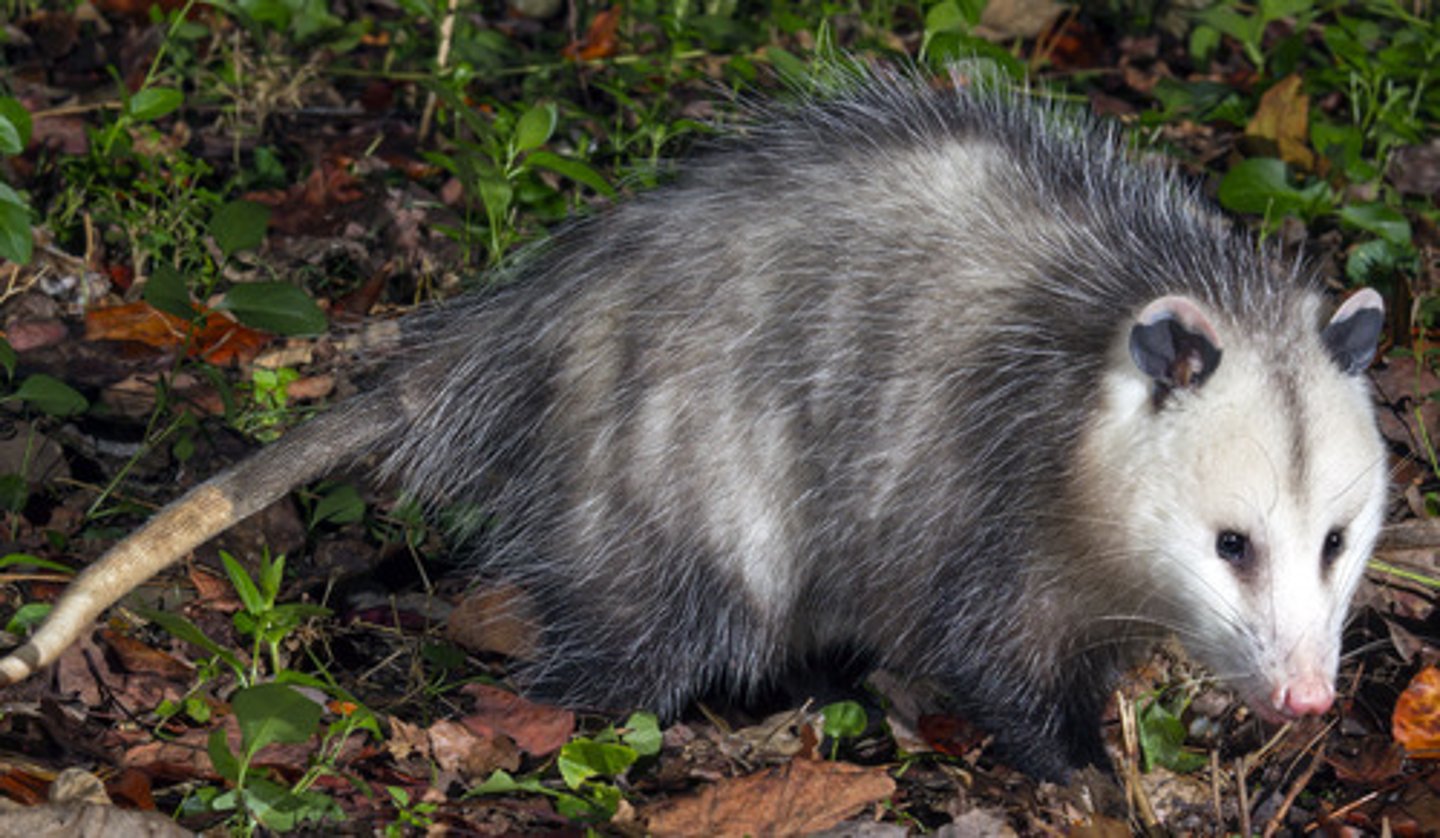
Virginia Opossum
Mammalia
Didelphimorphia
Didelphidae
NH: Only widespread marsupial in N. America; prehensile tail used to aid in climbing; omnivorous; can respond to predators by feigning death
Common Name:
Class:
Order:
Family:
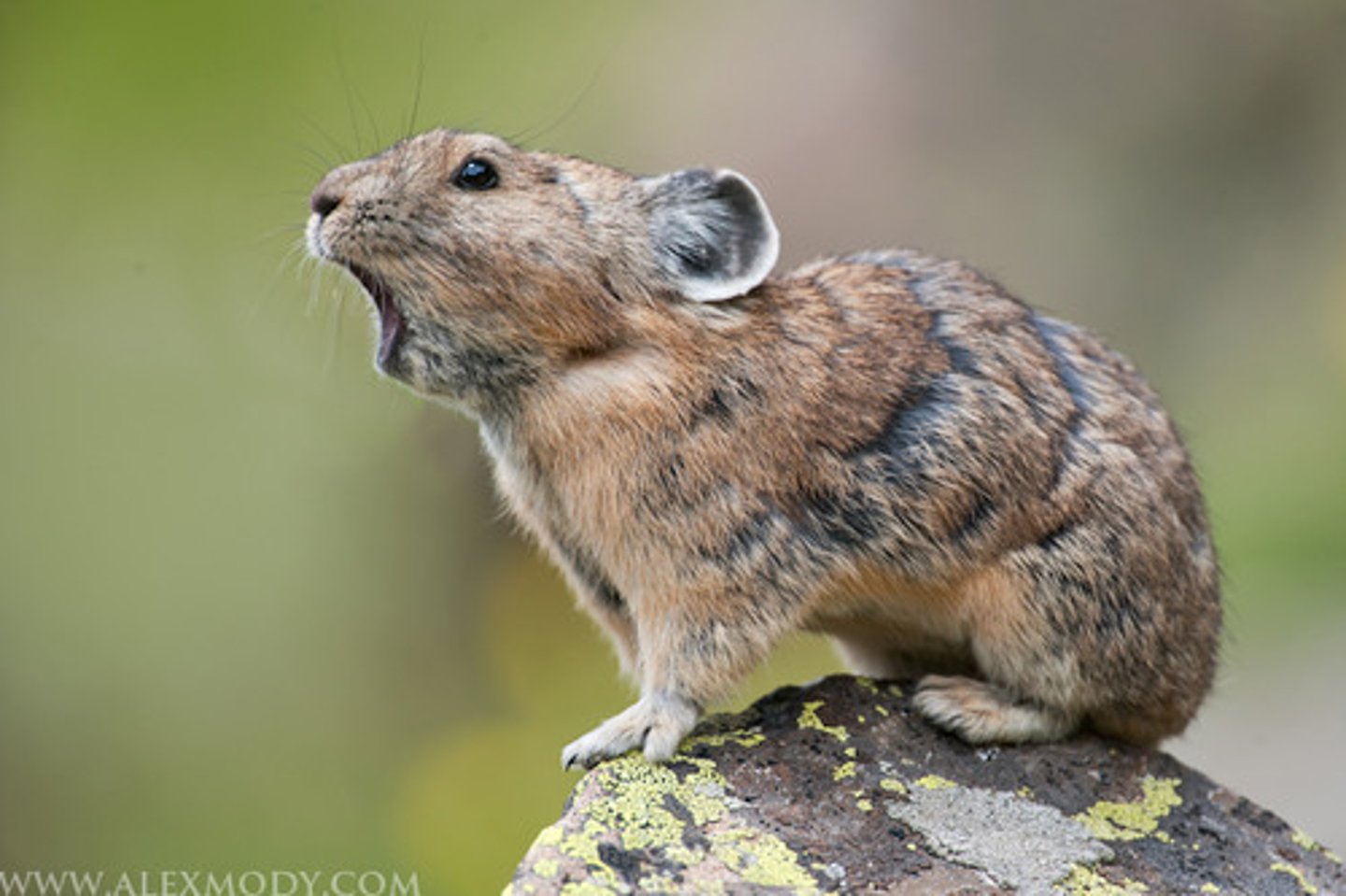
American Pika
Mammalia
Lagomorpha
Ochotonidae
NH: Uses rocky, talus slopes often near meadows; does not hibernate but instead lives off vegetation under snow cover; vocalizes from rock perche
Common Name:
Class:
Order:
Family:
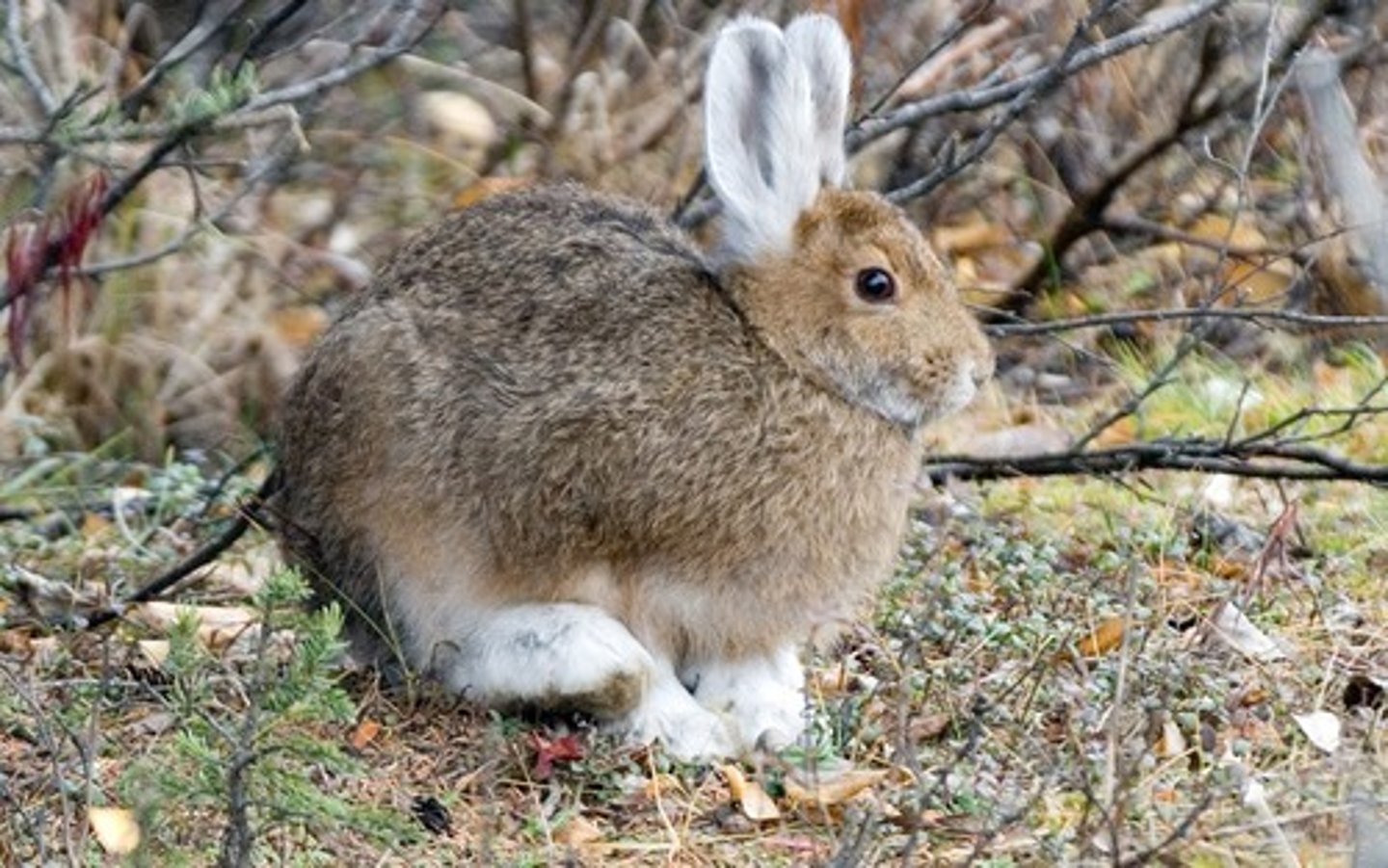
Snowshoe Hare
Mammalia
Lagomorpha
Leporidae
NH: Enormous hind feet aid in moving about in snow; changes coat color between seasons; young born furred and able to locomote; undergoes regular population cycles
Common Name:
Class:
Order:
Family:
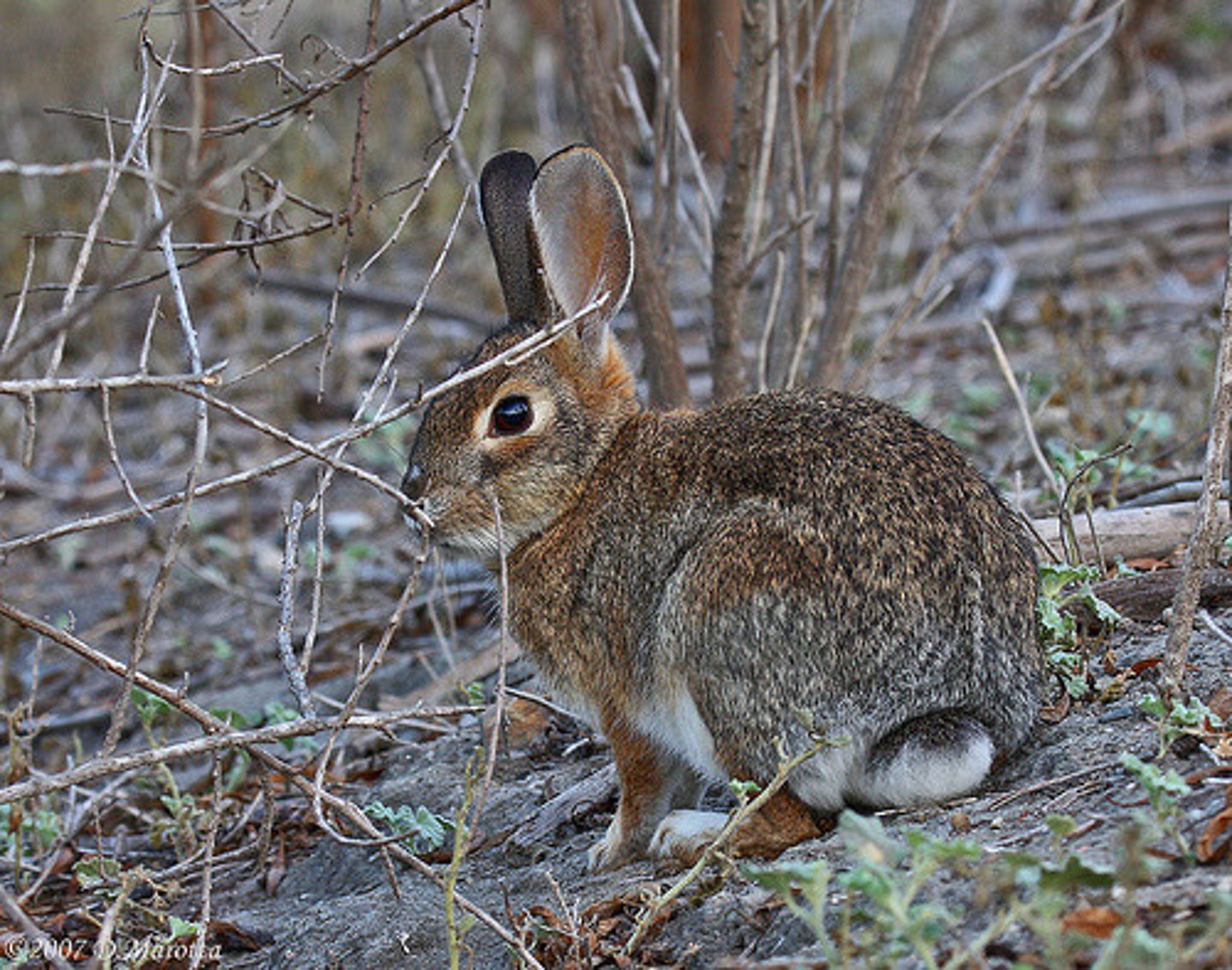
Brush Rabbit
Mammalia
Lagomorpha
Leporidae
NH: Young are born in nest unfurred and blind; rarely ventures more than 1 m from cover; eats grasses, forbs, and browses on shrubs
Common Name:
Class:
Order:
Family:
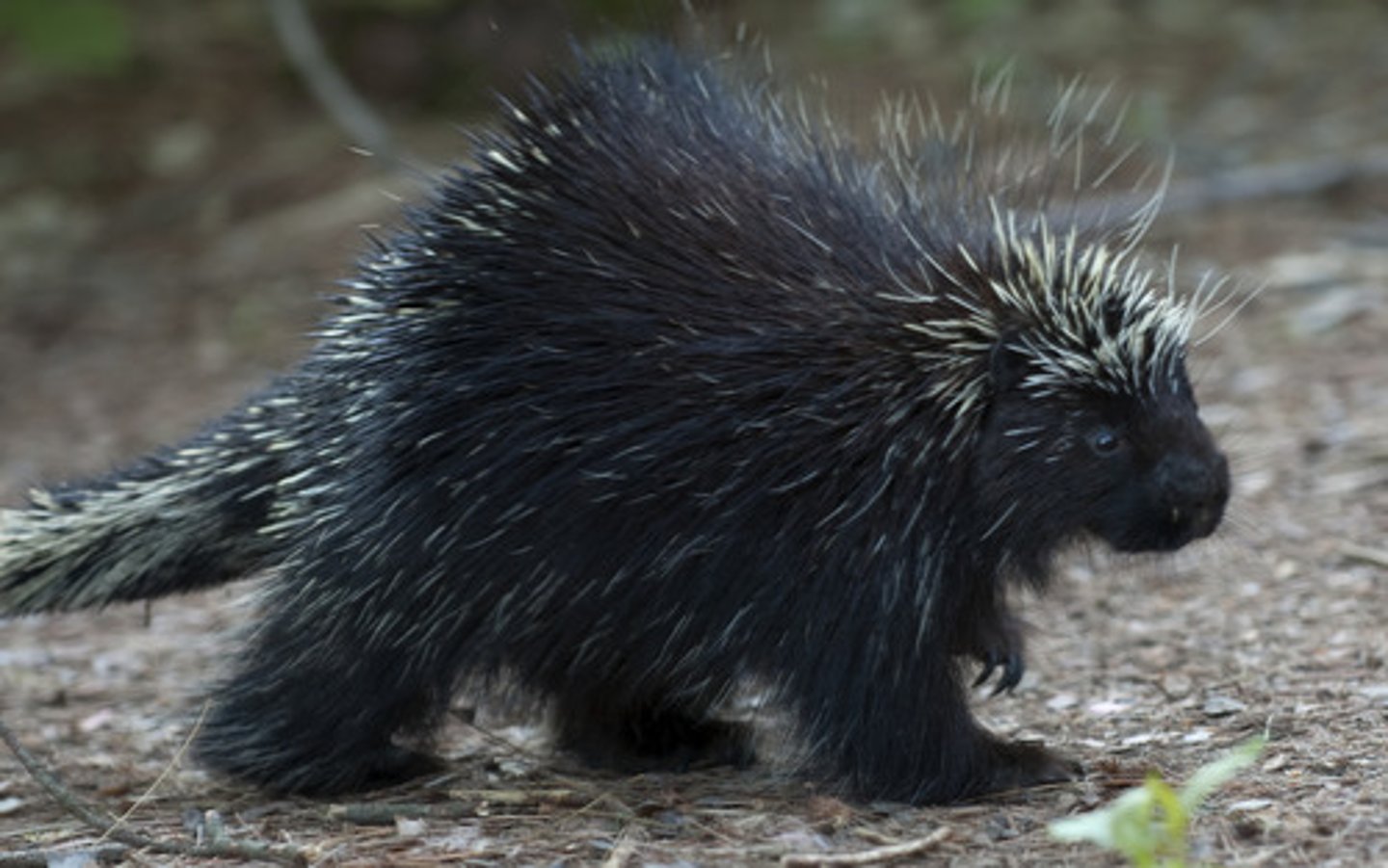
North American Porcupine
Mammalia
Rodentia
Erethizontidae
NH: Only mammal in N. America with quills (modified hairs); defends itself by erecting (not throwing) quills and thrashing tail; prefers to eat cambium of conifers
Common Name:
Class:
Order:
Family:
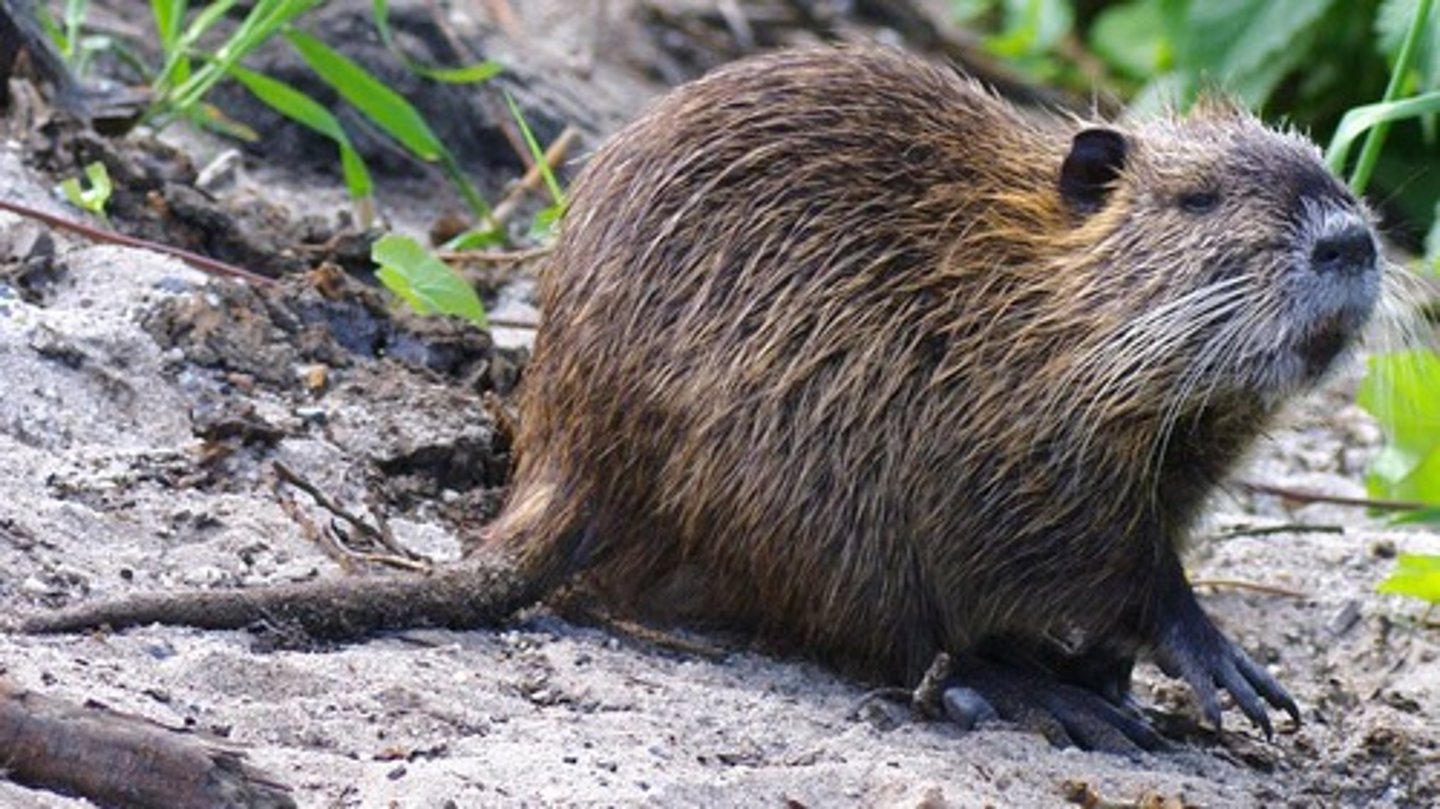
Coypu
Mammalia
Rodentia
Echimyidae
NH: Aquatic; introduced from S. America; burrows into banks and rests on vegetative mats in water; feeds on plants in and near water
Common Name:
Class:
Order:
Family:
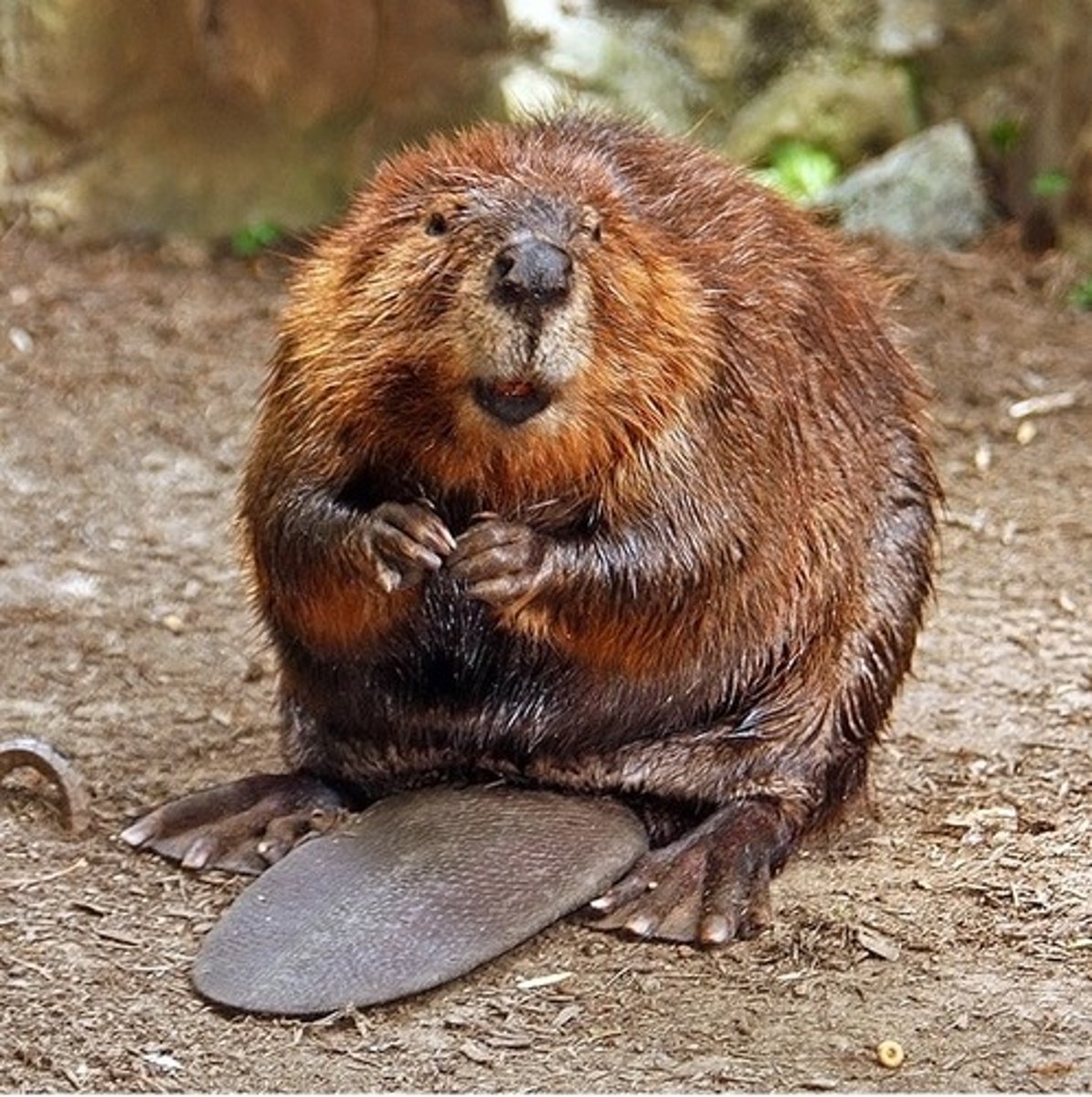
North American Beaver
Mammalia
Rodentia
Castoridae
NH: Largest N. American rodent; paddle-shaped tail; can build dams to create standing areas of water; feeds on leaves and bark of trees and shrubs; builds dens
Common Name:
Class:
Order:
Family:
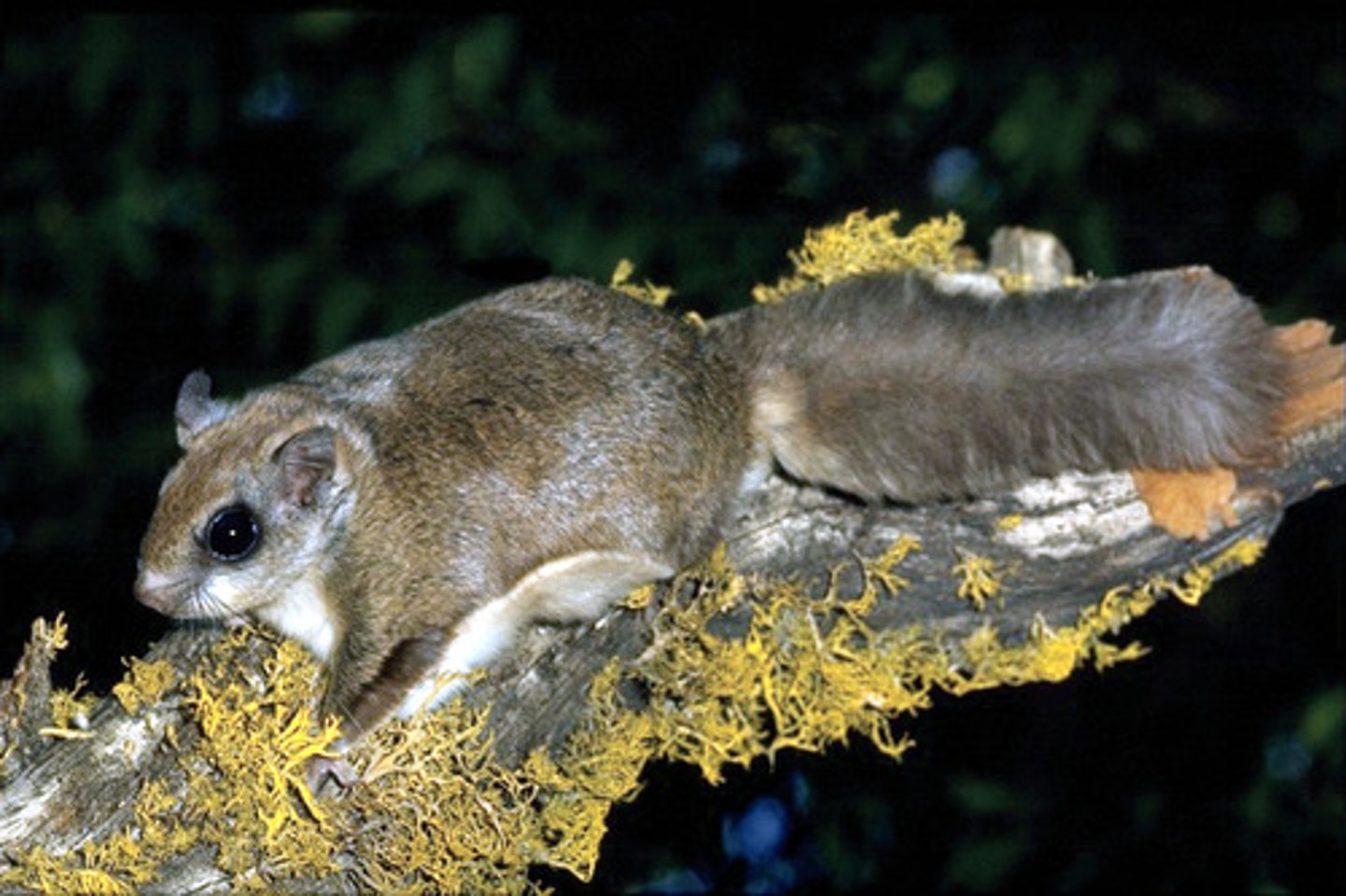
Northern Flying Squirrel
Mammalia
Rodentia
Scuiridae
NH: Nocturnal; secondary cavity nester; has patagium (skin) between legs used to glide (not fly) between trees; important disperser of mycorrhizal fungi
Common Name:
Class:
Order:
Family:
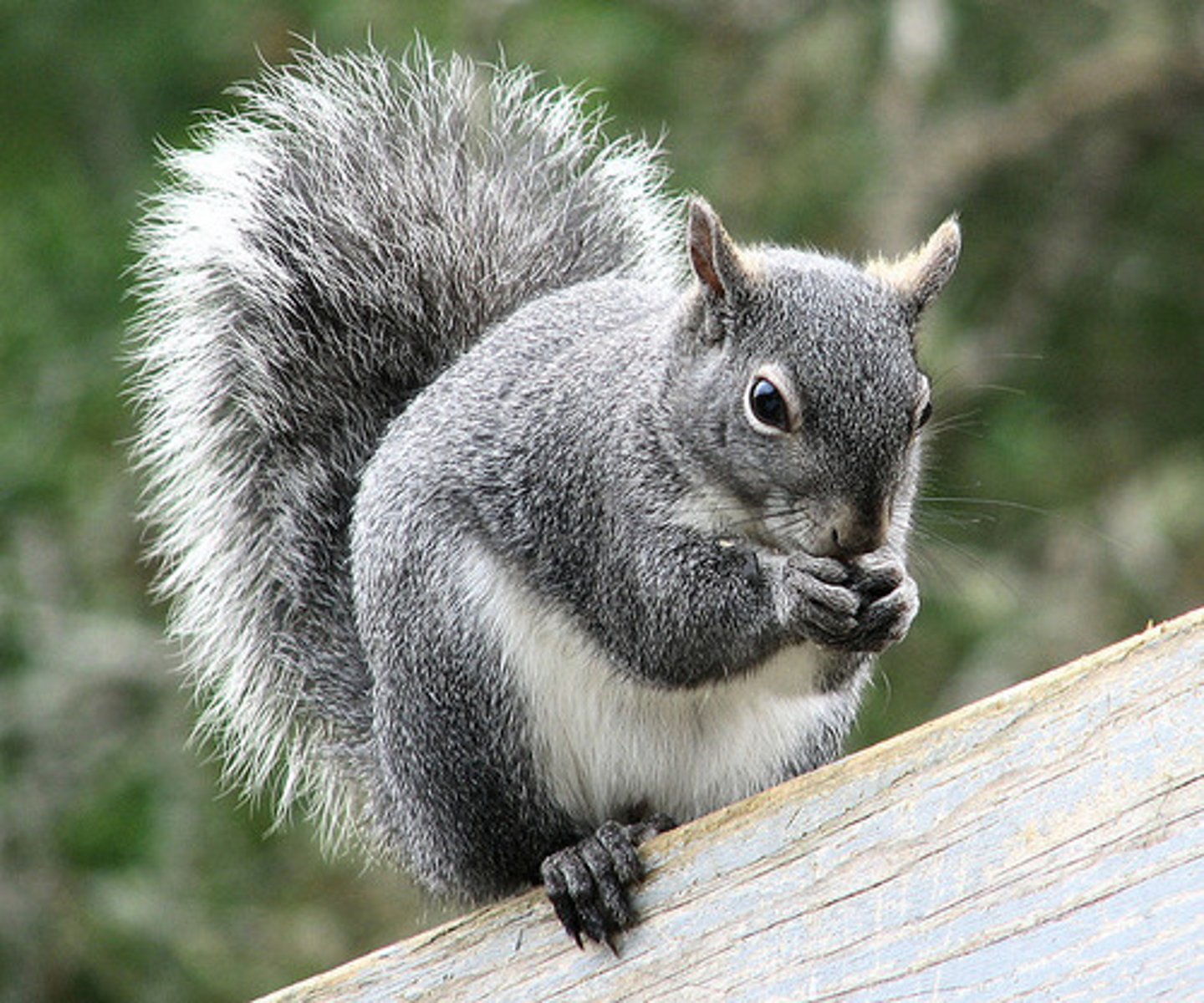
Western Gray Squirrel
Mammalia
Rodentia
Sciuridae
NH: Diurnal; builds leaf nests; often found near oaks and in\ suburban areas; listed in WA as Threatened, and potentially impacted by introduced squirrels in PNW
Common Name:
Class:
Order:
Family:
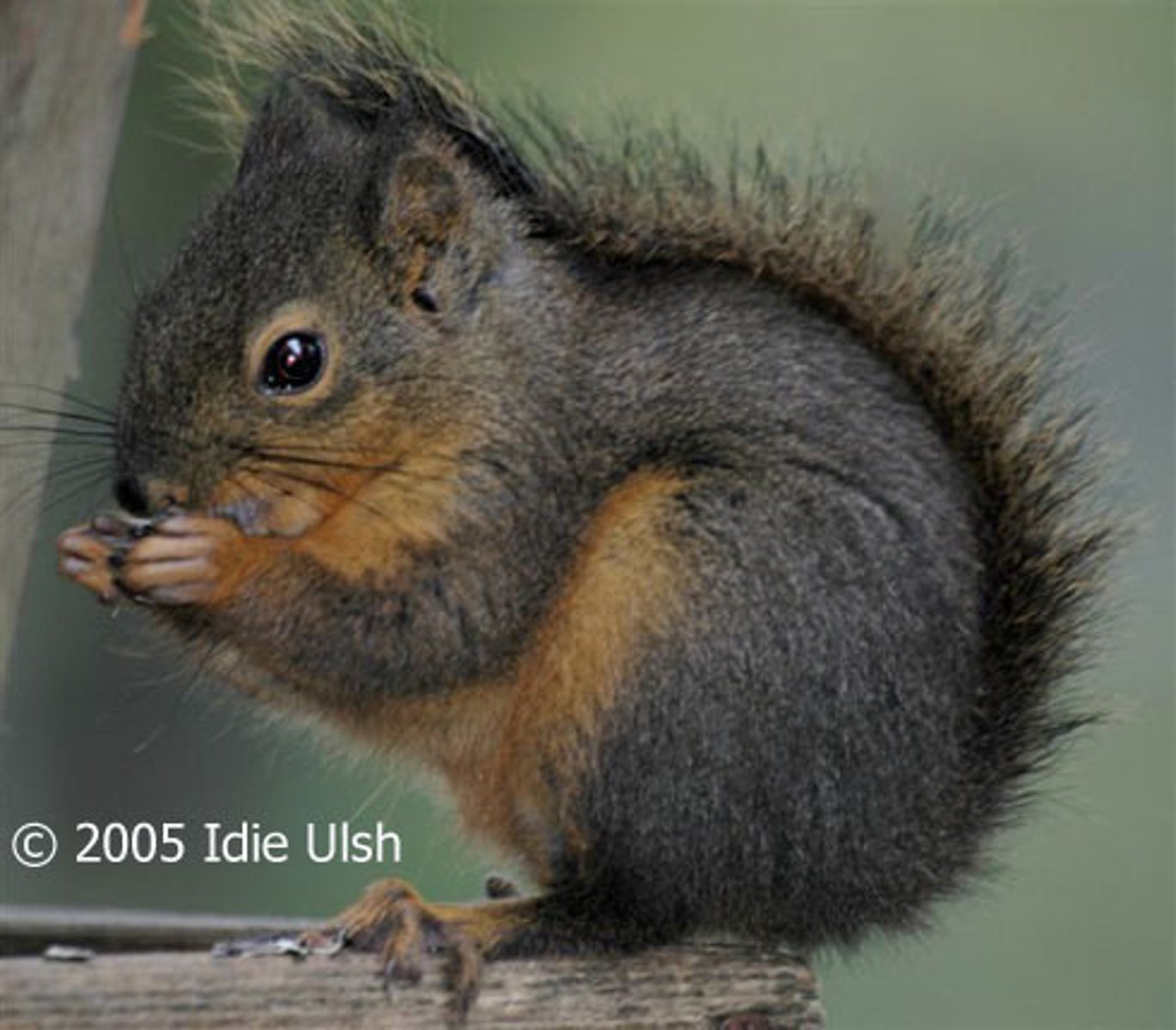
Douglas's Squirrel
Mammalia
Rodentia
Sciuridae
NH: Diurnal; discards conifer cones under favored perches, creating middens; typical of conifer forests; vocalizations often mistaken for a woodpecker
Common Name:
Class:
Order:
Family:
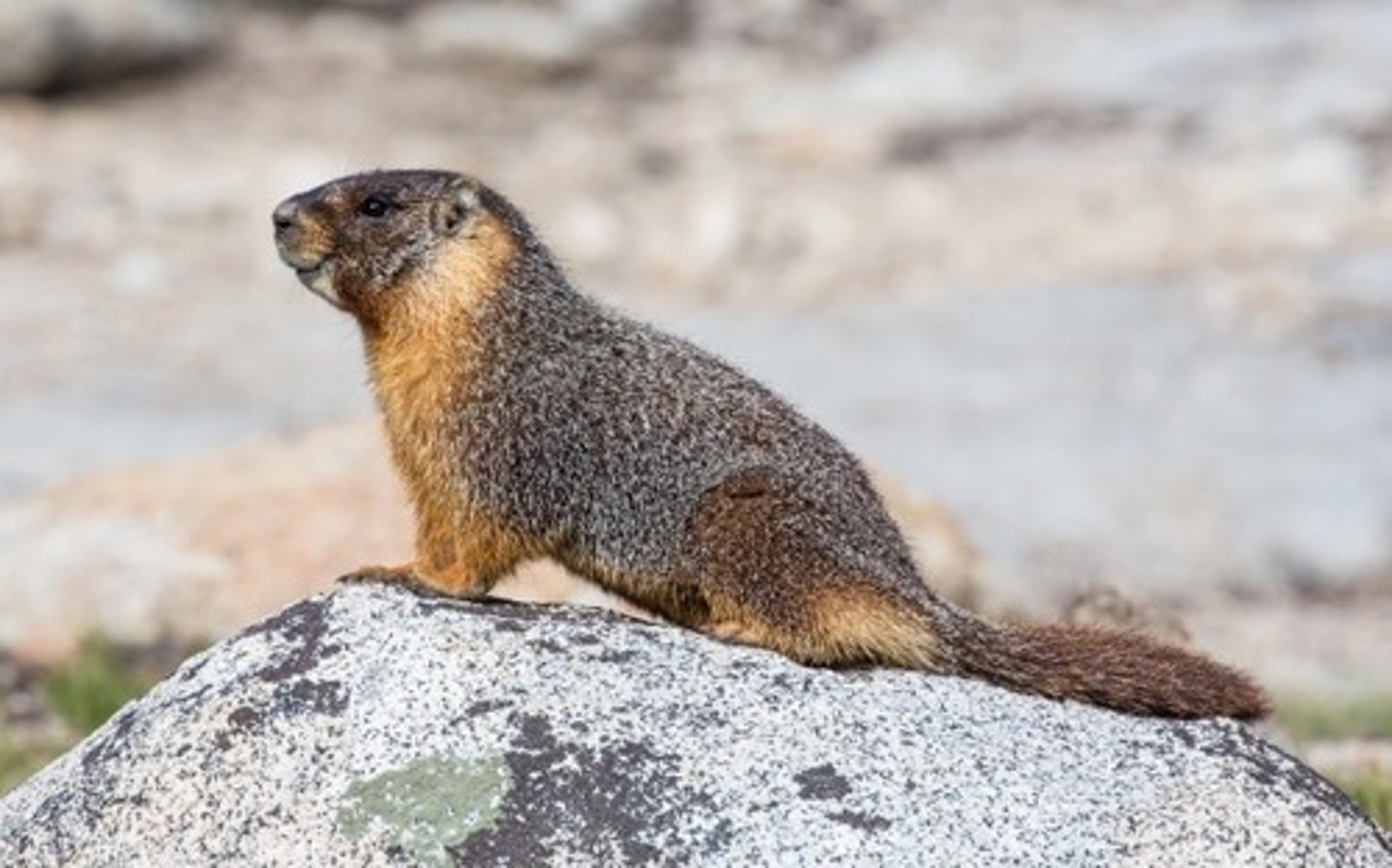
Yellow-bellied Marmot
Mammalia
Rodentia
Sciuridae
NH: Diurnal; found in open, grassy areas adjacent to rocky areas and talus slopes; retreat to burrows when disturbed; hibernates to avoid cold and snow
Common Name:
Class:
Order:
Family:
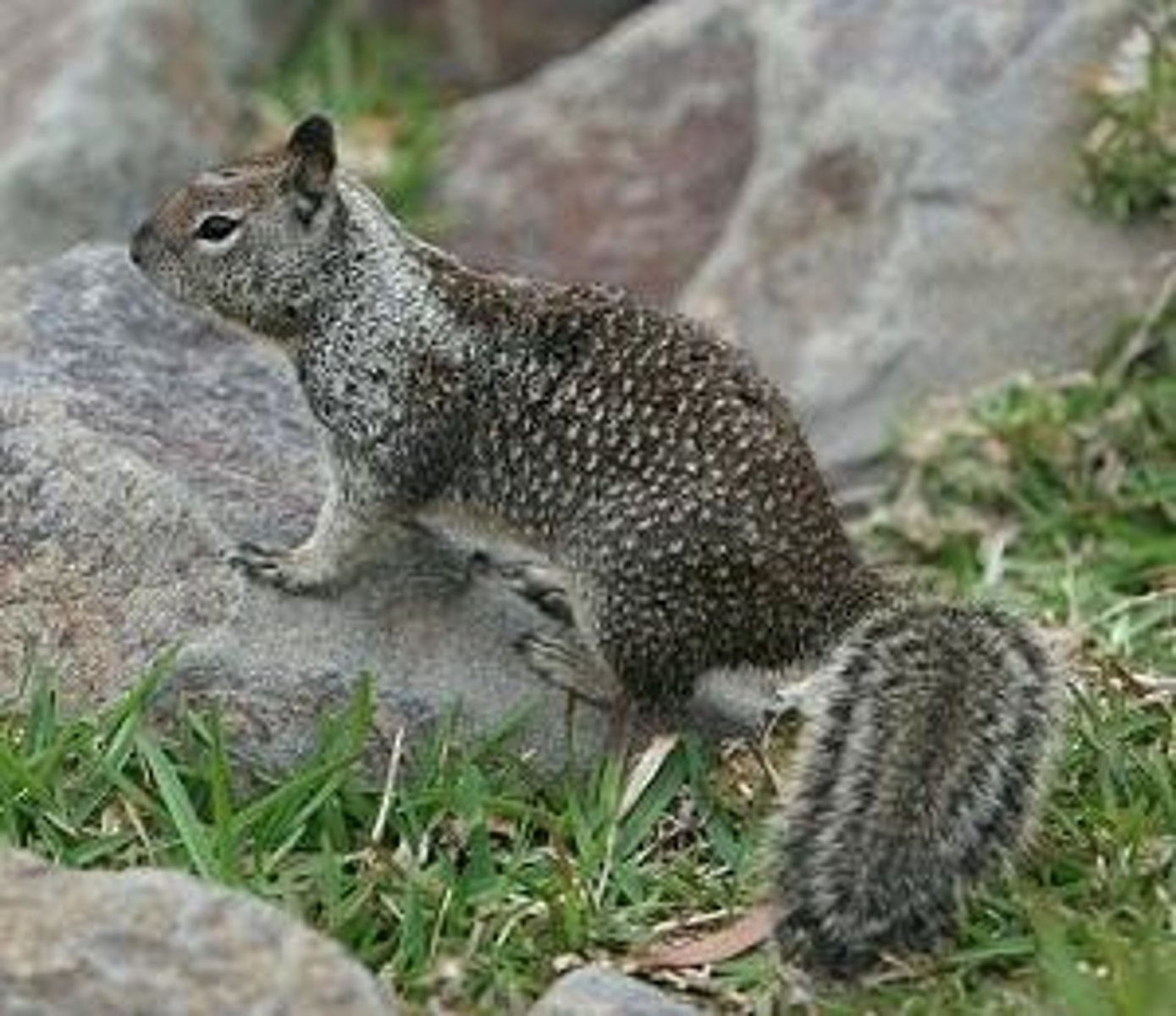
California Ground Squirrel
Mammalia
Rodentia
Sciuridae
NH: Diurnal; can hibernate to avoid cold and snow; retreats to underground burrow when disturbed; found in open areas, roadsides, rocky areas
Common Name:
Class:
Order:
Family:
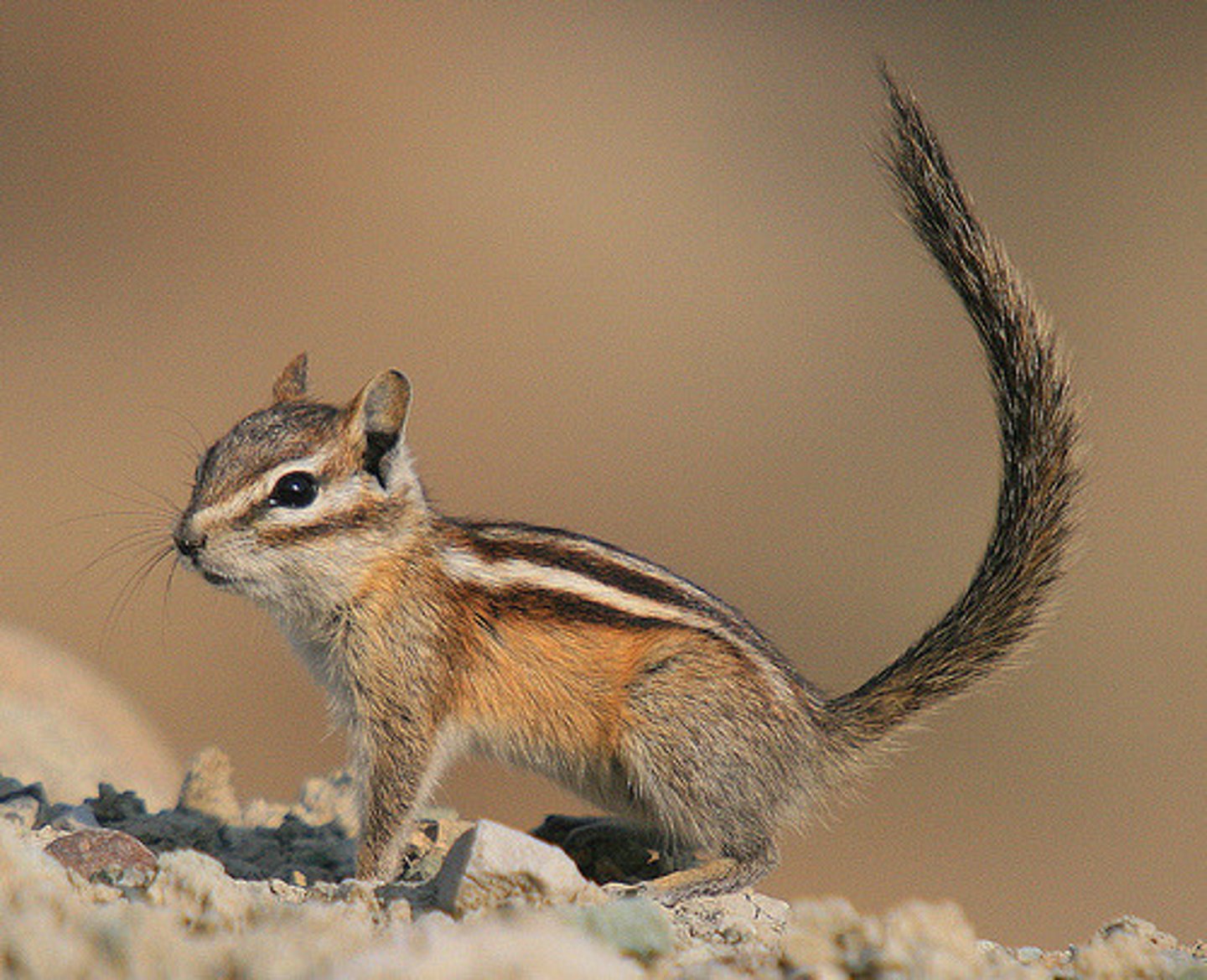
Townsend's Chipmunk
Mammalia
Rodentia
Sciuridae
NH: One of several closely related species, but only species on coast in OR and WA; retreats underground when disturbed; eats seeds, fruit, fungi
Common Name:
Class:
Order:
Family:
Northern Pocket Gopher
Mammalia
Rodentia
Geomyidae
NH: Fossorial, and rarely seen; digs tunnels with its front teeth; has conspicuous burrow systems with exposed soil mounds; found in variety of open ecosystems
Common Name:
Class:
Order:
Family:
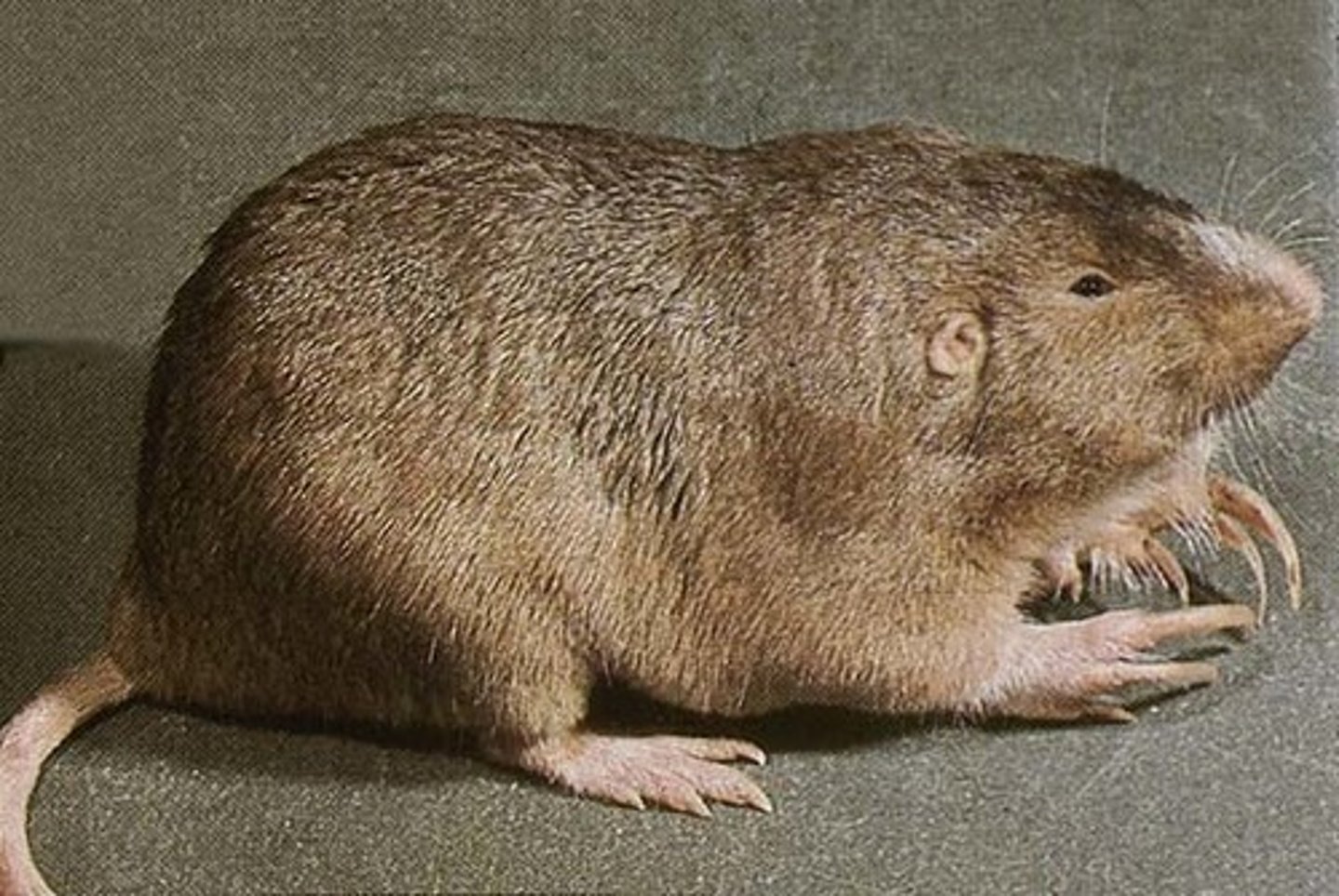
Ord's Kangaroo Rat
Mammalia
Rodentia
Heteromyidae
NH: Nocturnal; huge hind feet and tiny front feet; found in semiarid grasslands, mixed grassland, and scrublands; eats seeds and transports them in cheek pouches
Common Name:
Class:
Order:
Family:
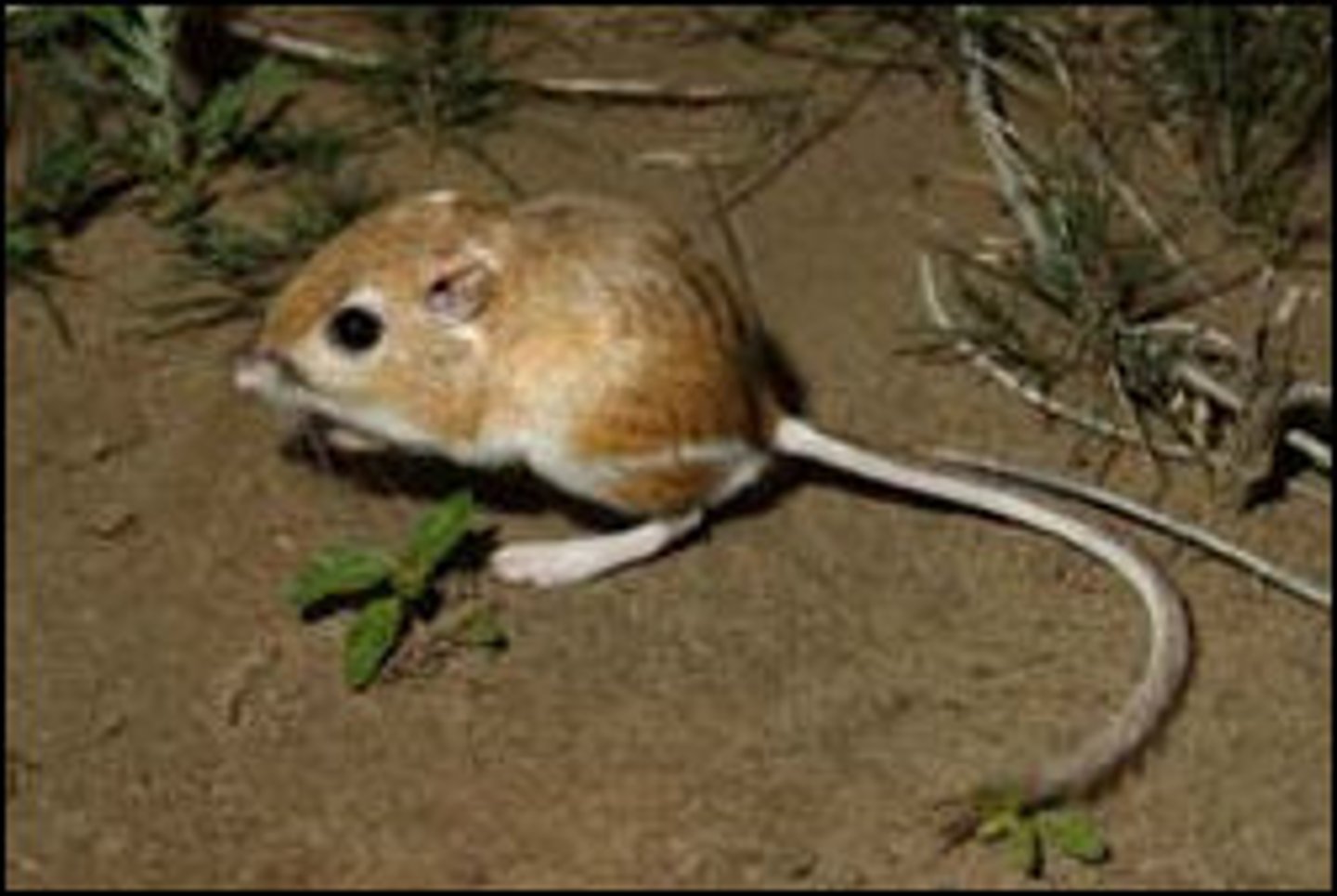
Roof Rat
Mammalia
Rodentia
Muridae
NH: Nocturnal; exotic from Europe; human commensal; scaly, sparsely haired tail that is longer than head and body length; often found in urban and suburban settings
Common Name:
Class:
Order:
Family:
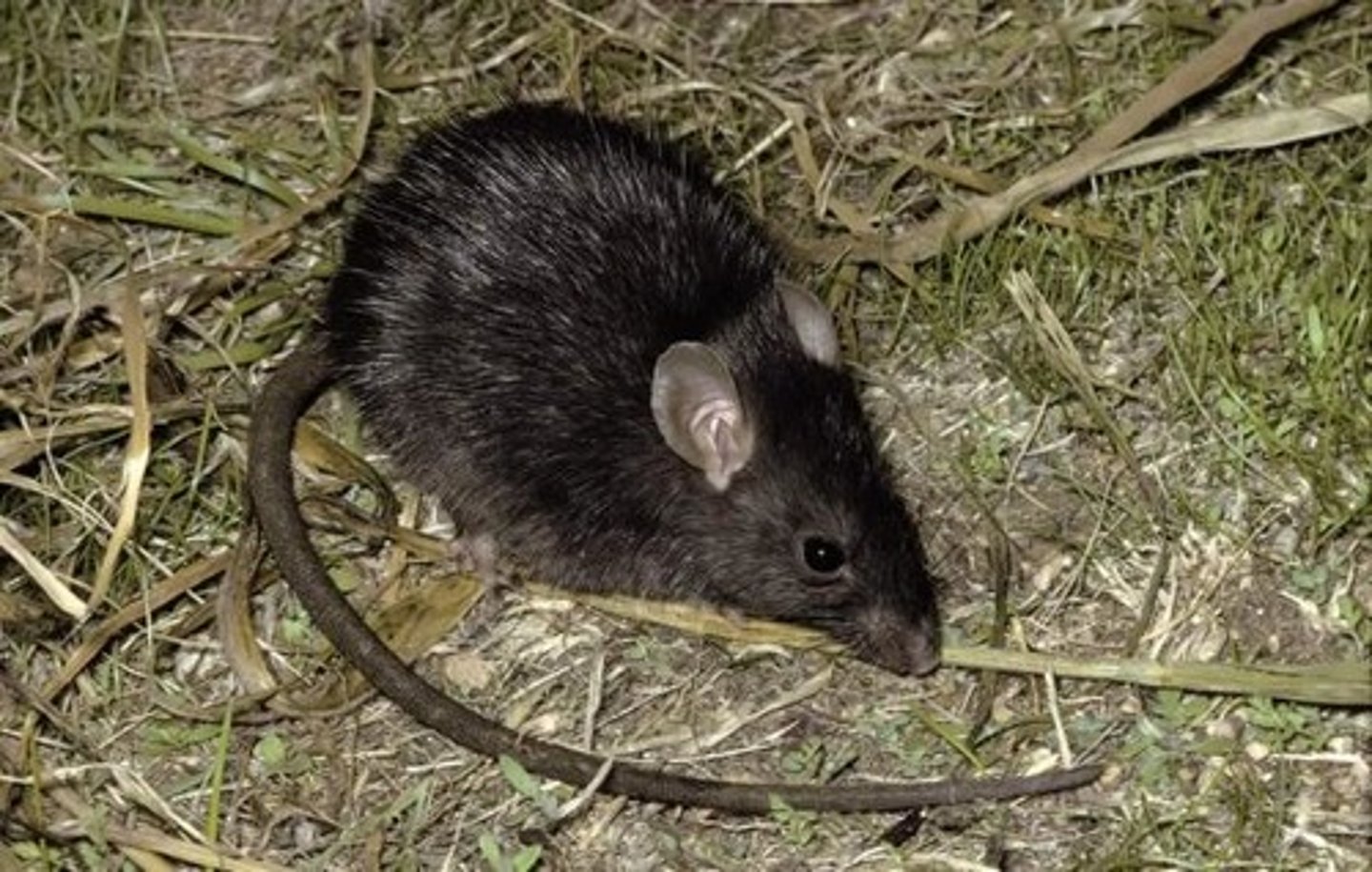
Red Tree Vole
Mammalia
Rodentia
Cricetidae
NH: Arboreal; nocturnal; spend almost entire lives in canopy of conifer trees; eat Douglas-fir needles; home range can be as small as a single tree
Common Name:
Class:
Order:
Family:
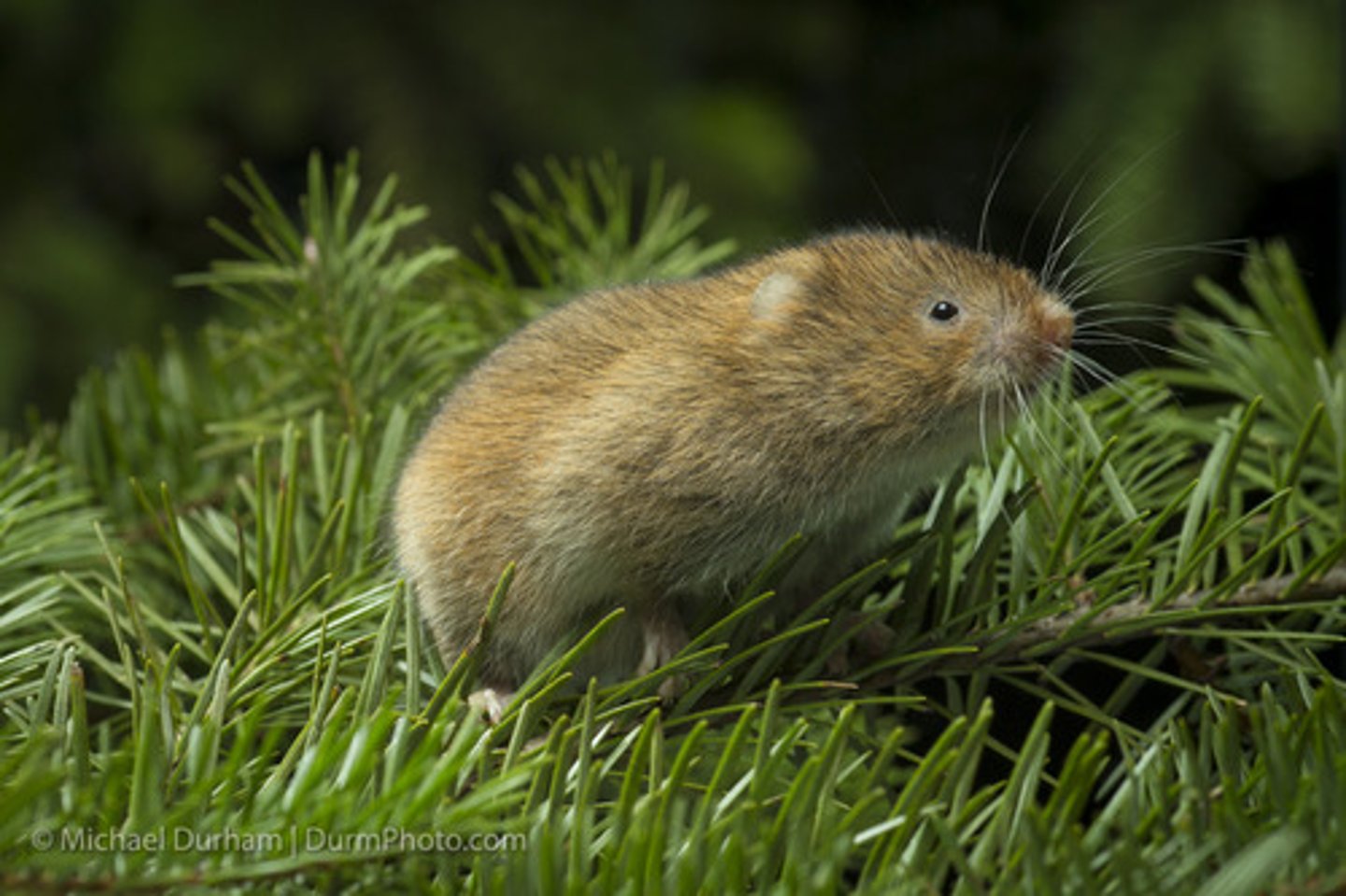
Dusky-footed Woodrat
Mammalia
Rodentia
Cricetidae
NH: Nocturnal; build large nests of sticks, rocks, and other materials on ground or in vegetation; typical of scrub and woodland ecosystems
Common Name:
Class:
Order:
Family:
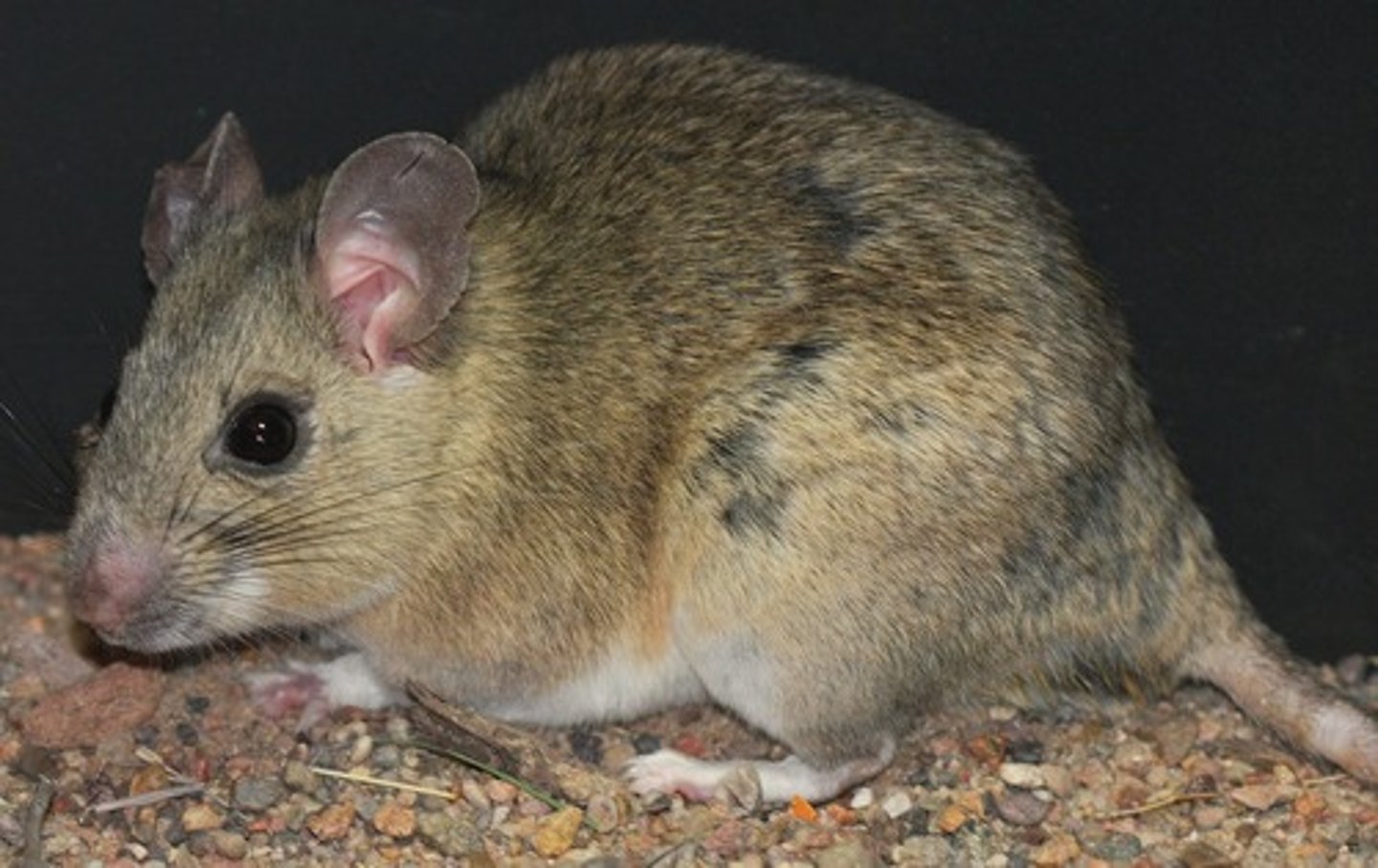
Western Deermouse
Mammalia
Rodentia
Cricetidae
NH: Nocturnal; large eyes and ears, naked ears are characteristic of the genus; found in a wide range of ecosystems
Common Name:
Class:
Order:
Family:
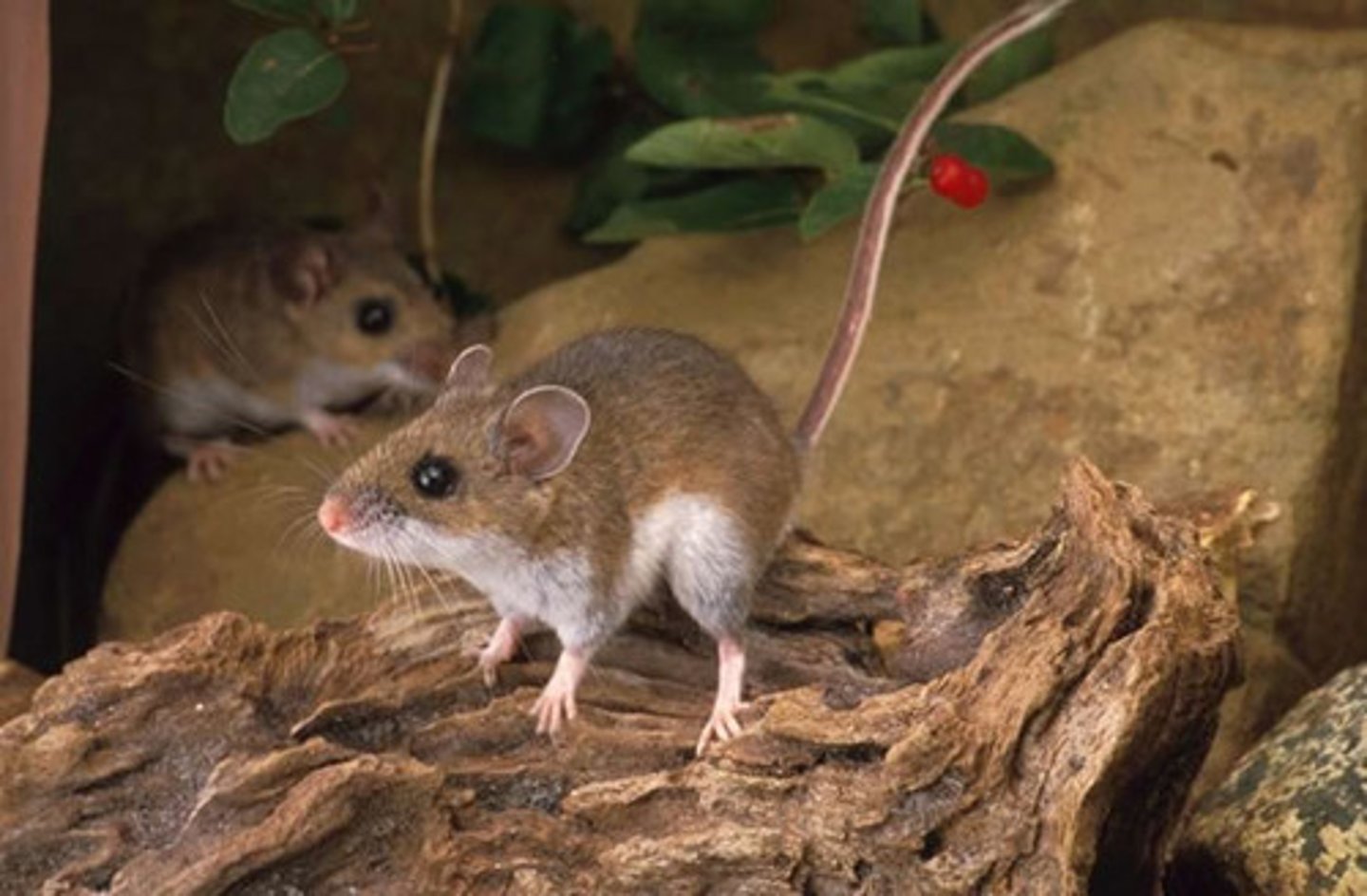
Vagrant Shrew
Mammalia
Eulipotyphia
Soricidae
NH: Tiny (3-8 grams); insect-eating; rarely encountered; prefers moist areas
Common Name:
Class:
Order:
Family:
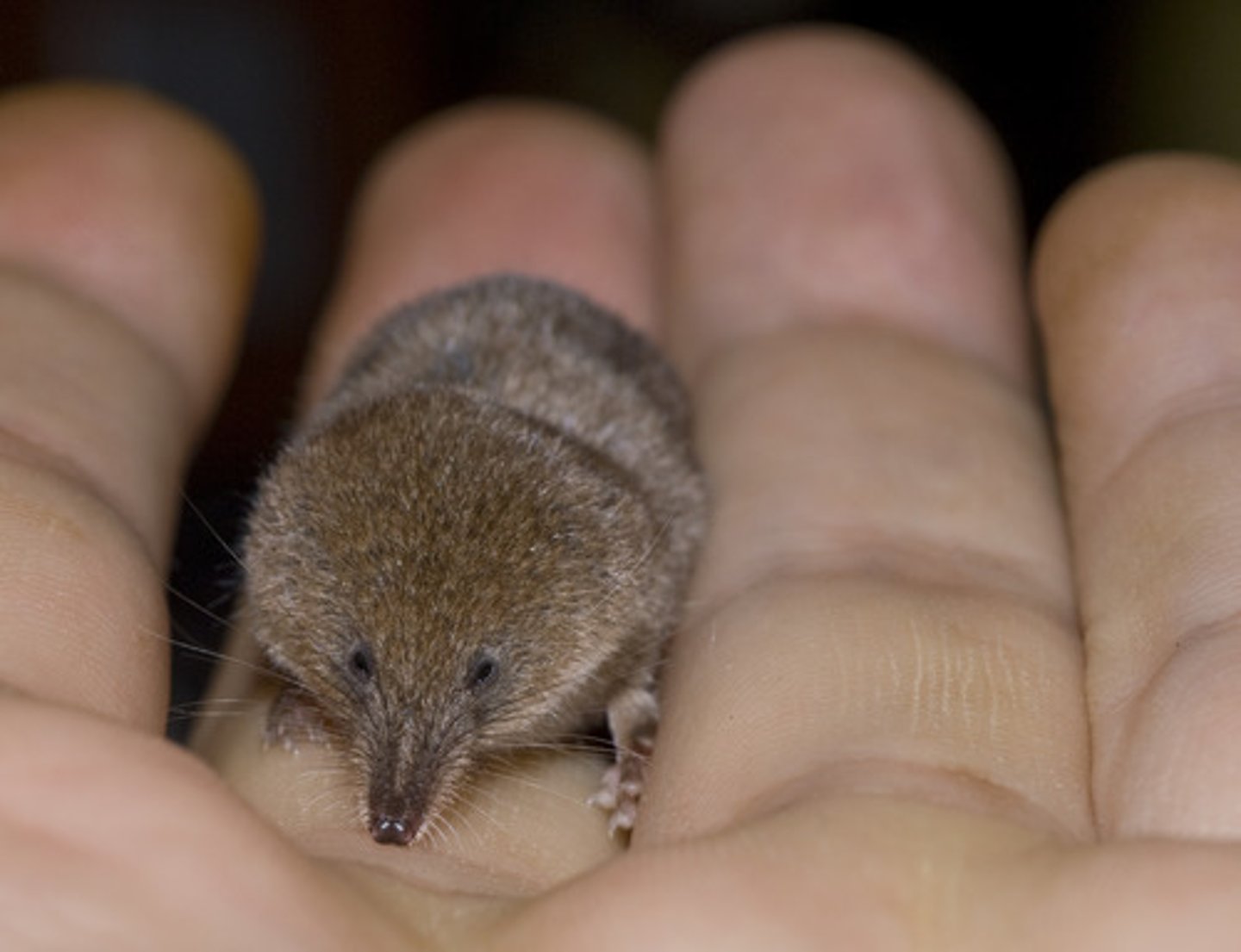
Townsend's Mole
Mammalia
Eulipotyphia
Talpidae
NH: Fossorial; rarely seen; eats insects and worms; has broad forepaws used for digging; elaborate tunnel system with piles of dirt excavated above entrances
Common Name:
Class:
Order:
Family:
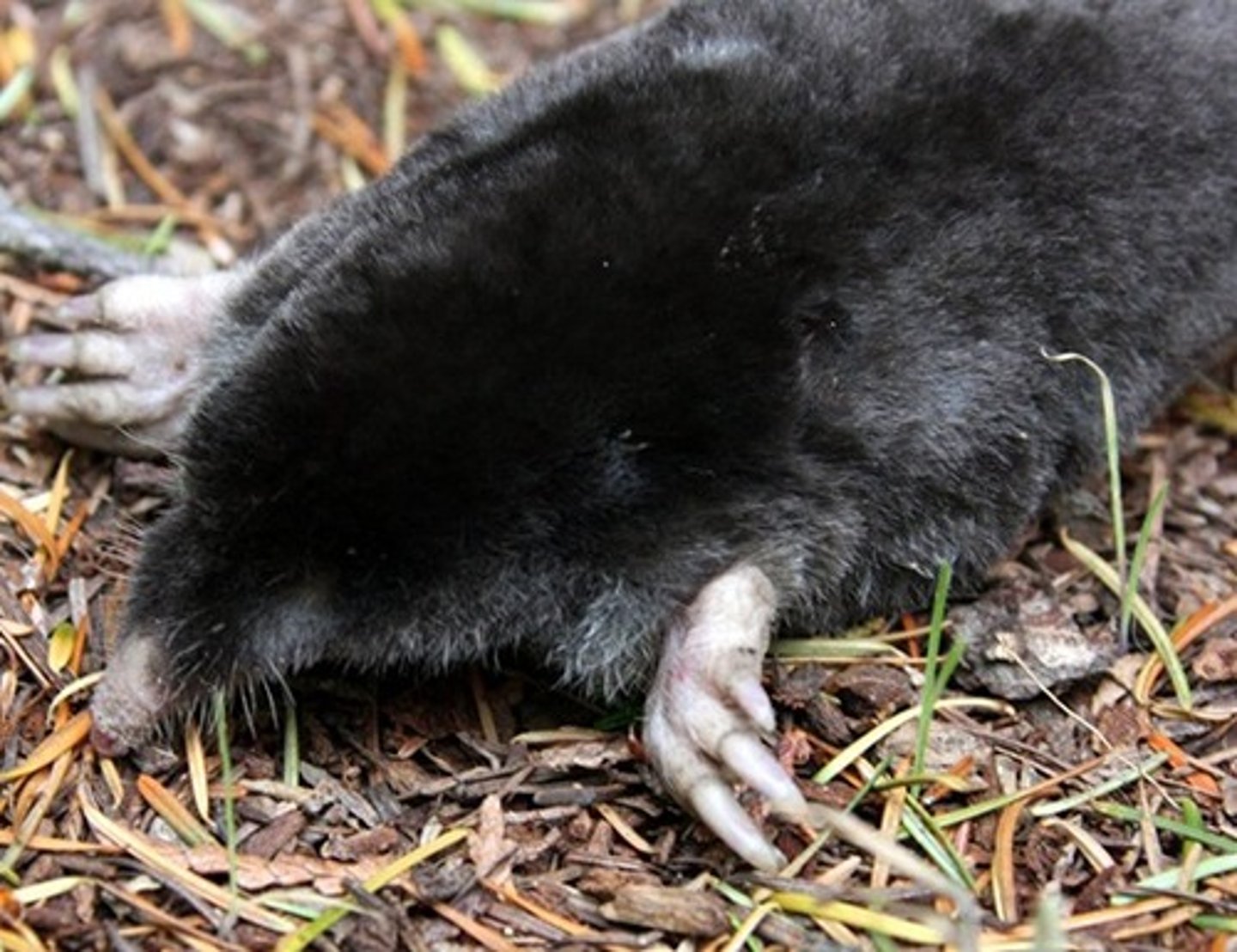
Eastern Little Brown Myotis
Mammalia
Chiroptera
Vespertilionidae
NH: Nocturnal, and uses echolocation to capture insect prey; small- bodied; roosts in colonies; migratory; hibernates in caves and mines; roosts in buildings in summer
Common Name:
Class:
Order:
Family:
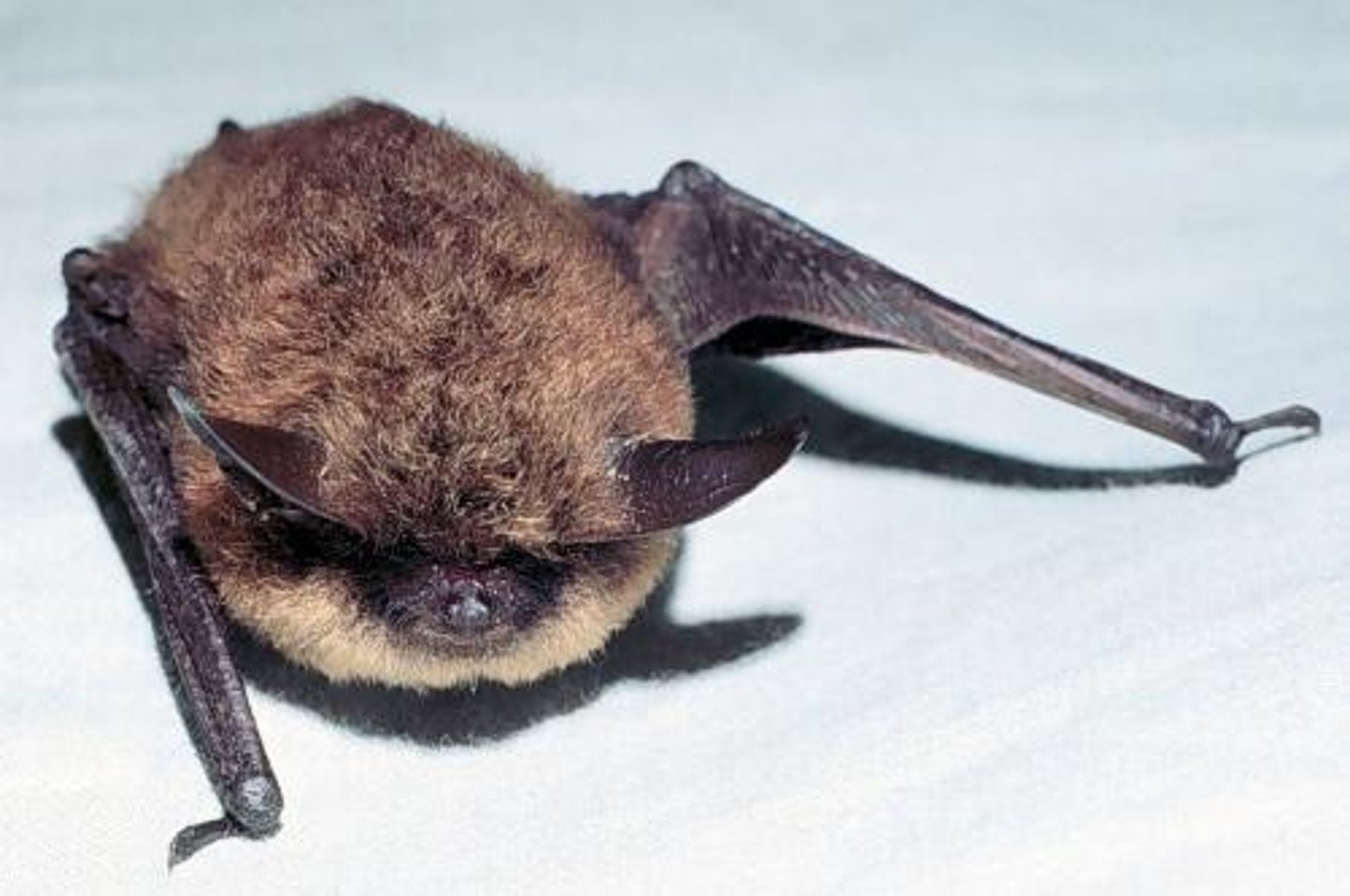
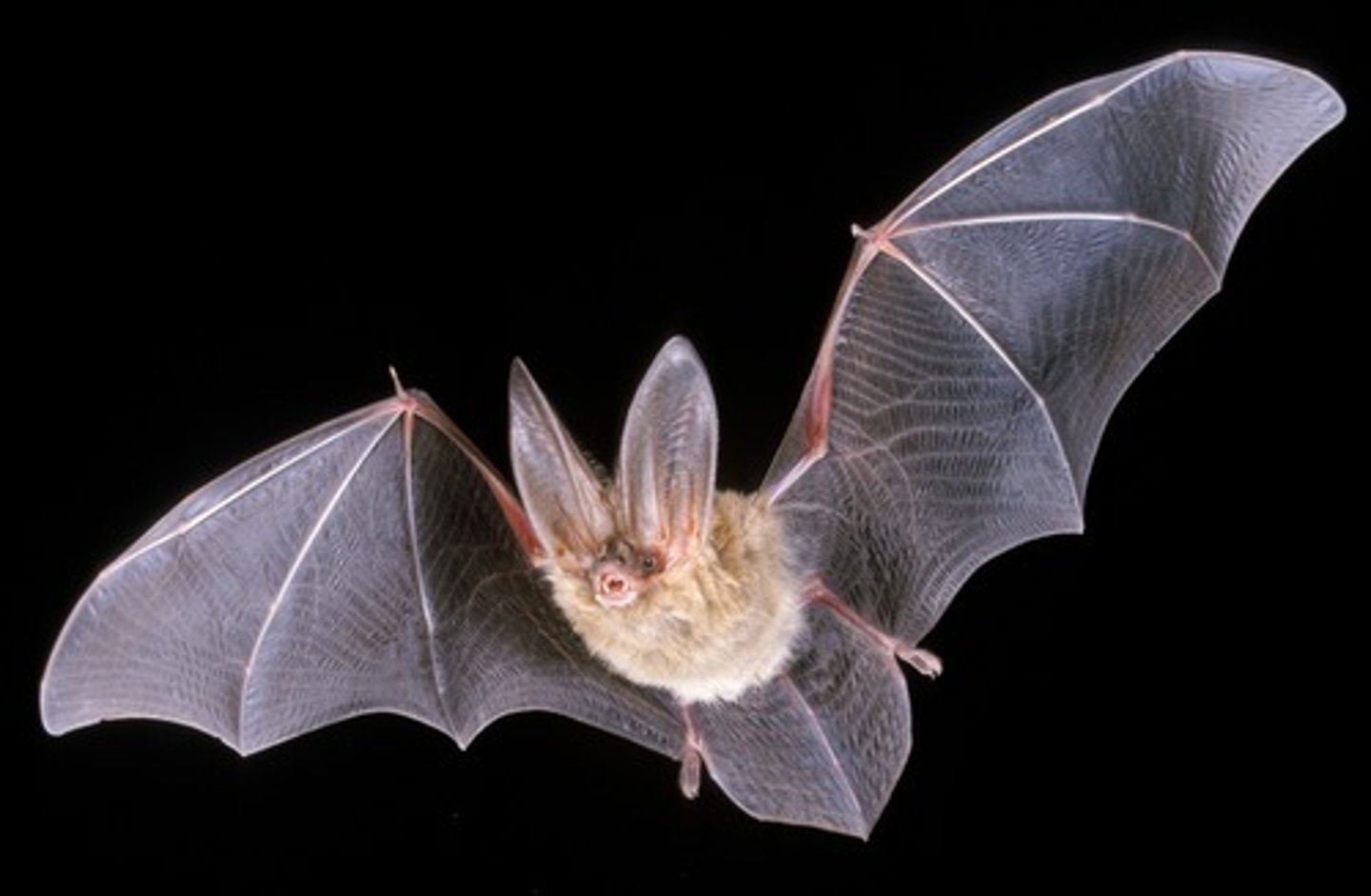
Townsend's Big-eared Bat
Mammalia
Chiroptera
Vespertilionidae
NH: Nocturnal, but forages late at night; often hunts at edge between forest and open areas; typically solitary
Common Name:
Class:
Order:
Family:
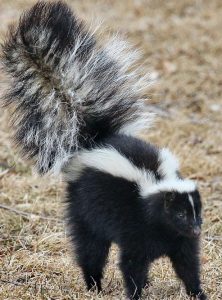
Striped Skunk
Mammalia
Carnivora
Mephitidae
NH: Nocturnal; unmistakable due to unique color pattern and foul odor; omnivorous; typically stomps feet and raises tail before spraying; found in many ecosystems
Common Name:
Class:
Order:
Family:
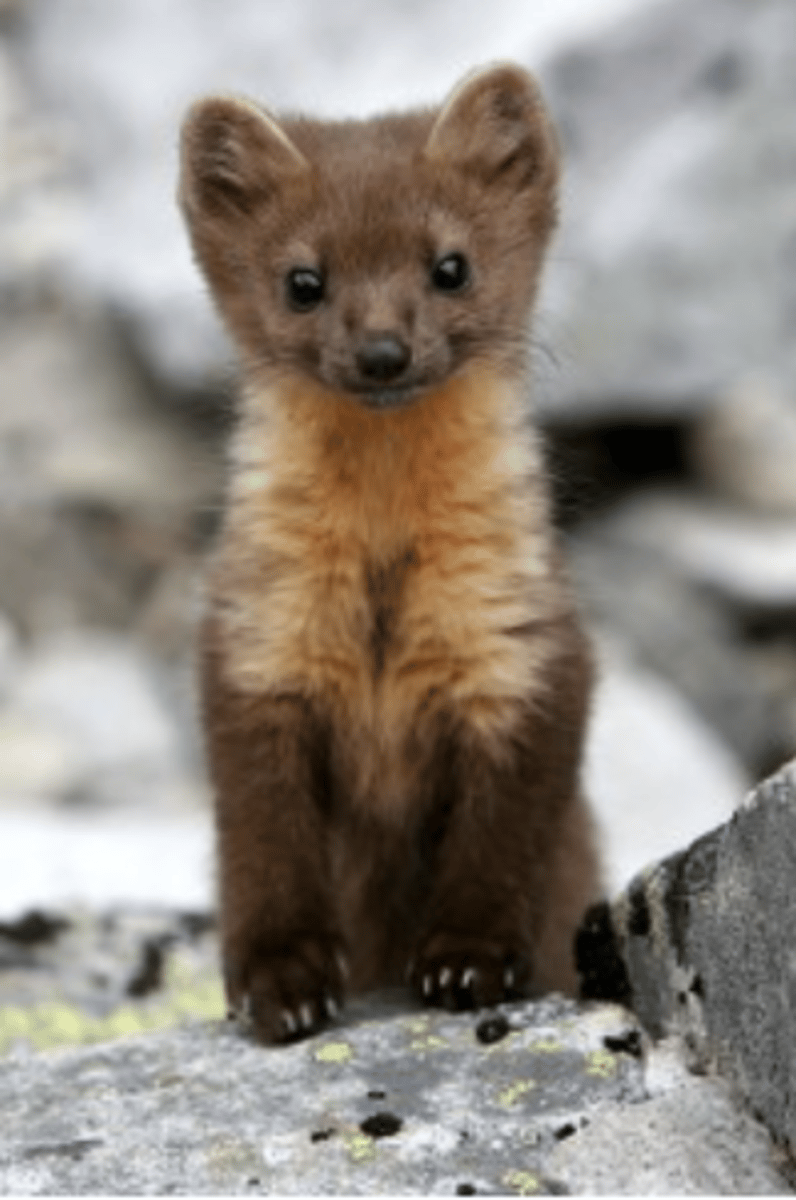
Pacific Marten
Mammalia
Carnivora
Mustelidae
NH: Peak activity around dusk and dawn; uses snags and logs as den sites; active climber; eats small mammals, berries, fruit; found in coniferous forests
Common Name:
Class:
Order:
Family:
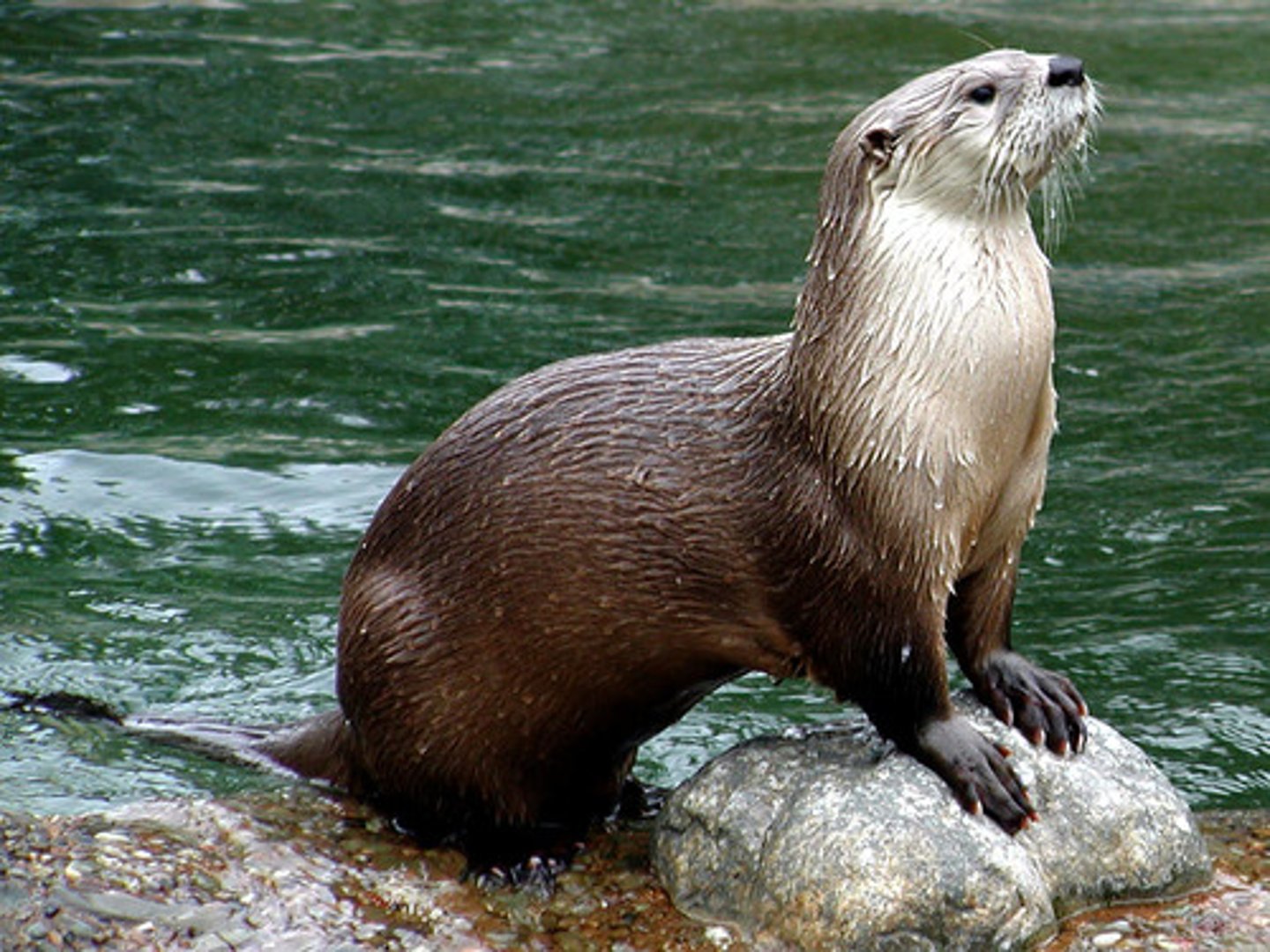
North American River Otter
Mammalia
Carnivora
Mustelidae
Mostly nocturnal; aquatic; eats fish, crawfish, and other aquatic items; uses dens from other animals; can be found in social groups
Common Name:
Class:
Order:
Family:
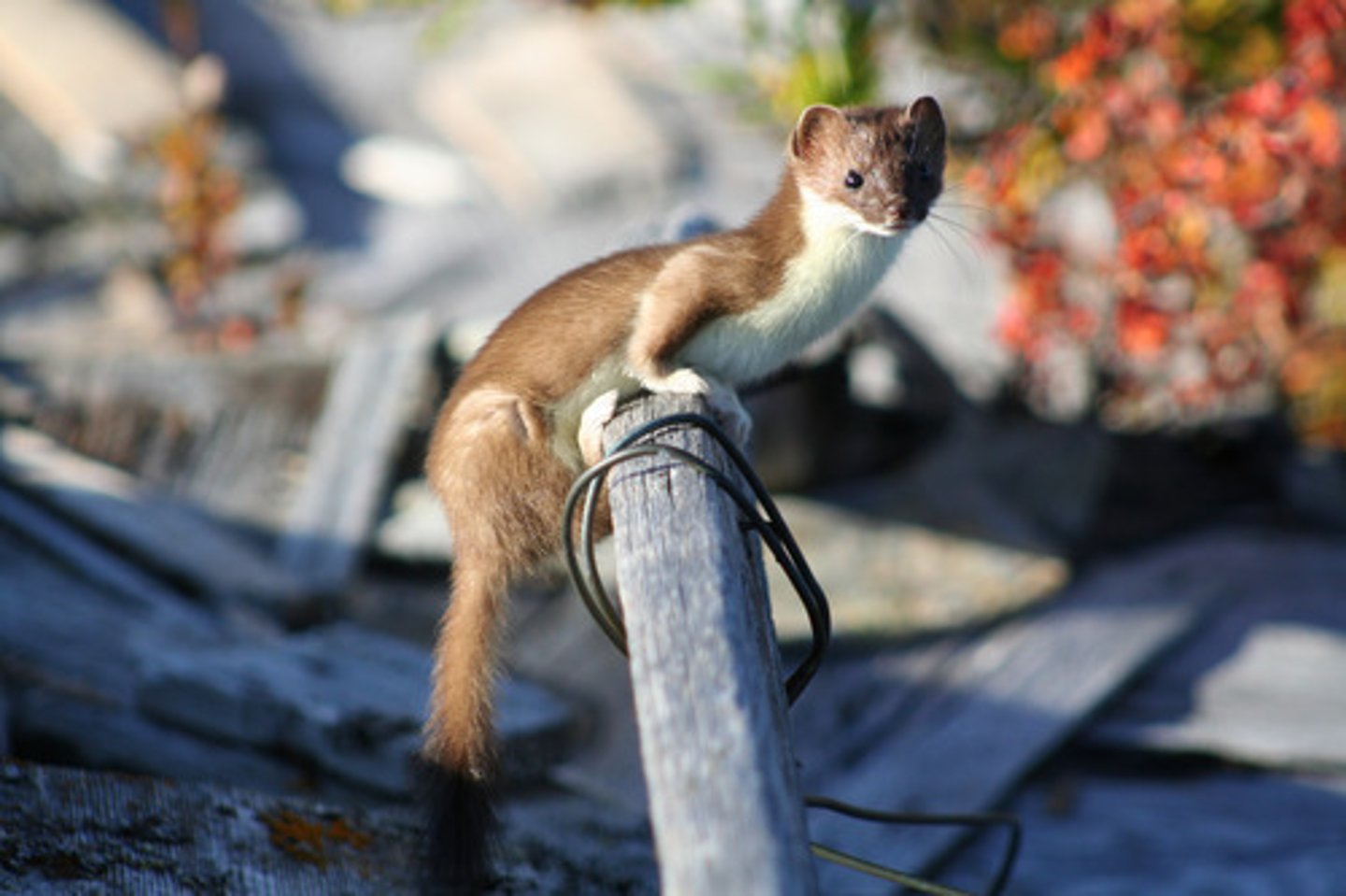
Long-tailed Weasel
Mammalia
Carnivora
Mustelidae
NH: Northern populations molt into white winter coat; hunts small
mammals and rabbits; uses range of ecosystem types
Common Name:
Class:
Order:
Family:
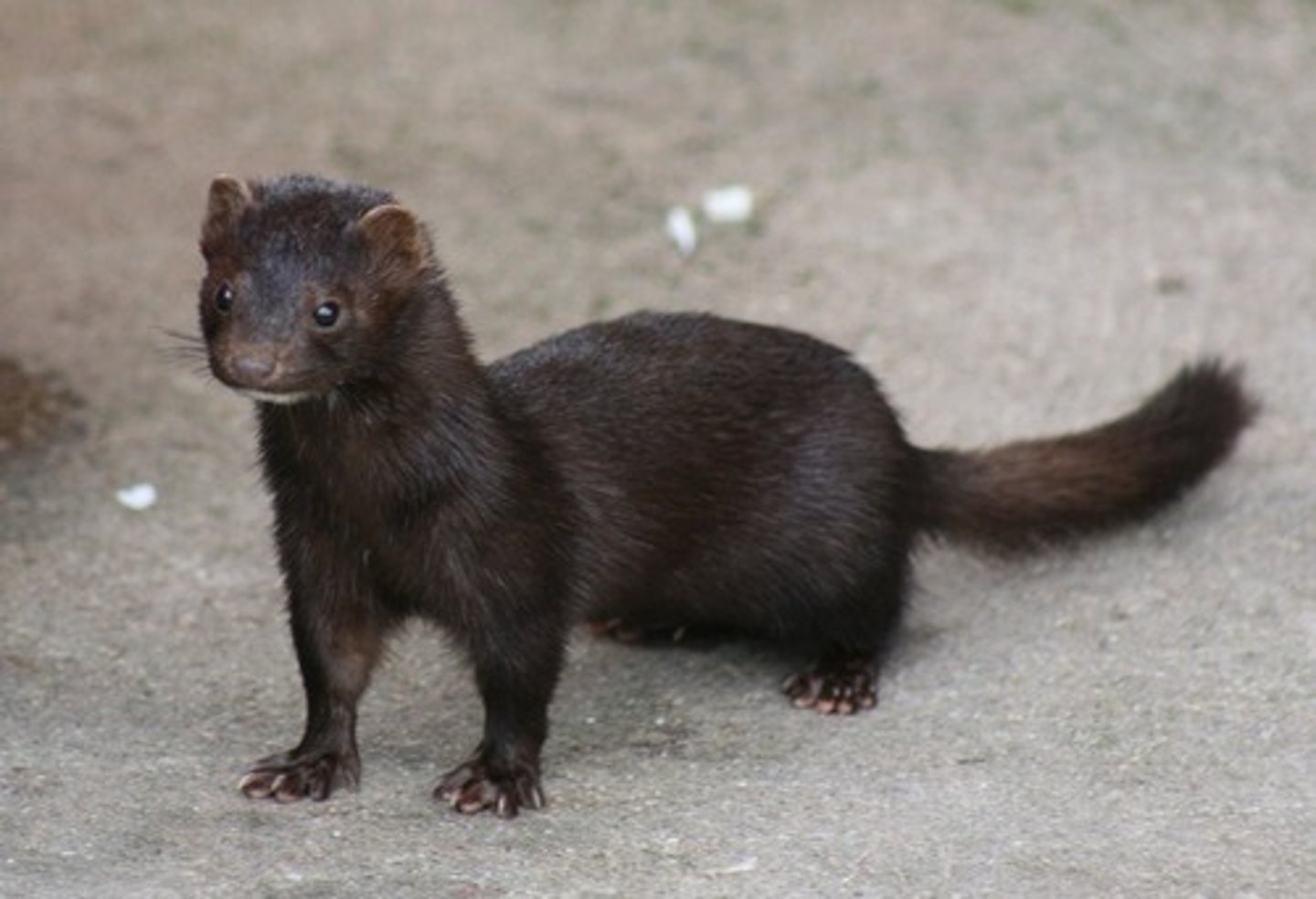
American Mink
Mammalia
Carnivora
Mustelidae
NH: Semi-aquatic; characteristic white chin patch; hind toes slightly webbed; eats birds, mammals, fish, frogs; dens in banks of streams, under tree roots
Common Name:
Class:
Order:
Family:
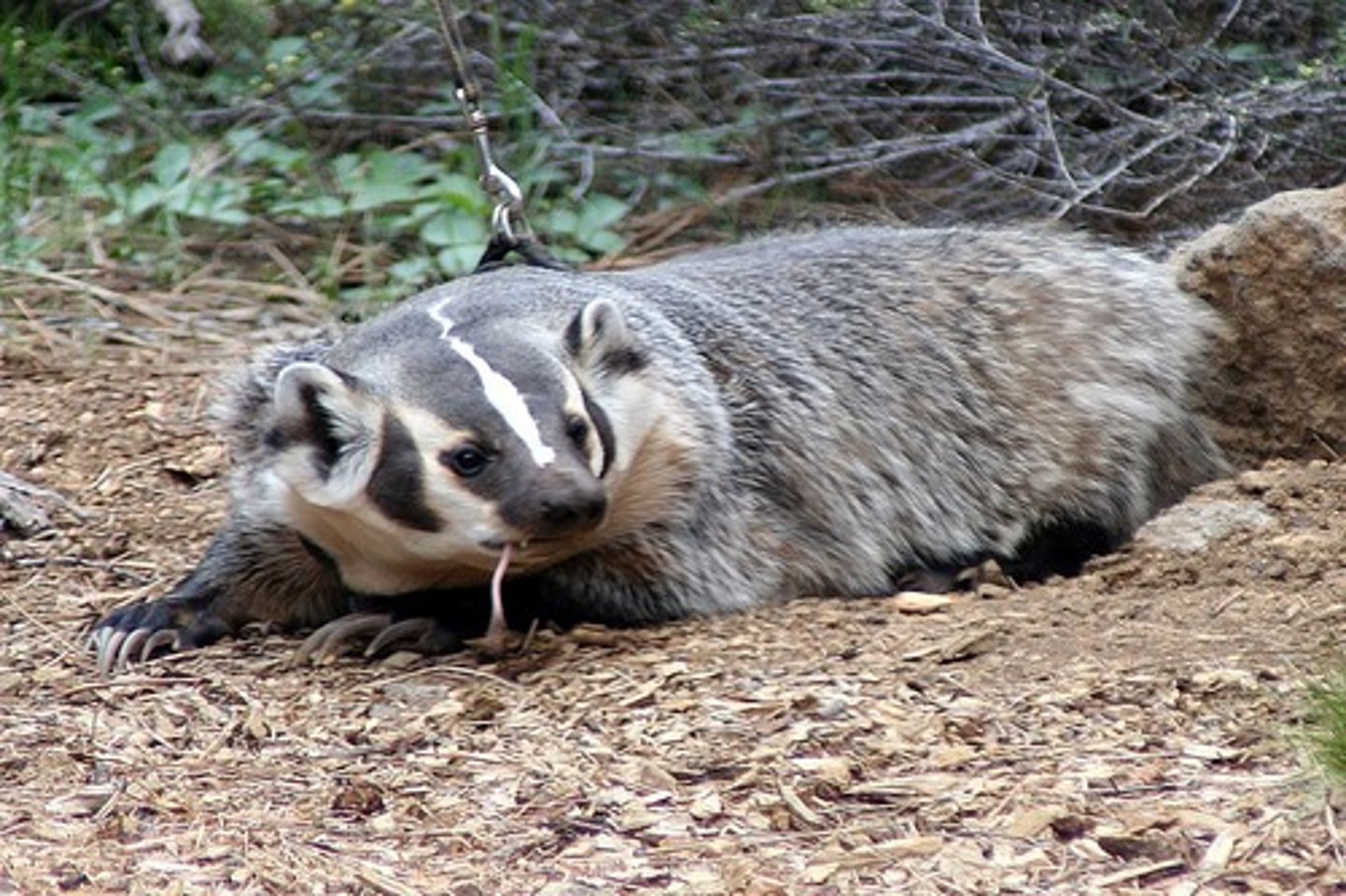
American Badger
Mammalia
Carnivora
Mustelidae
NH: White striped face; short legs, stocky; long claws and robust forelimbs for digging; found in grasslands, deserts, open areas; fiercely defensive; mostly carnivorous
Common Name:
Class:
Order:
Family:
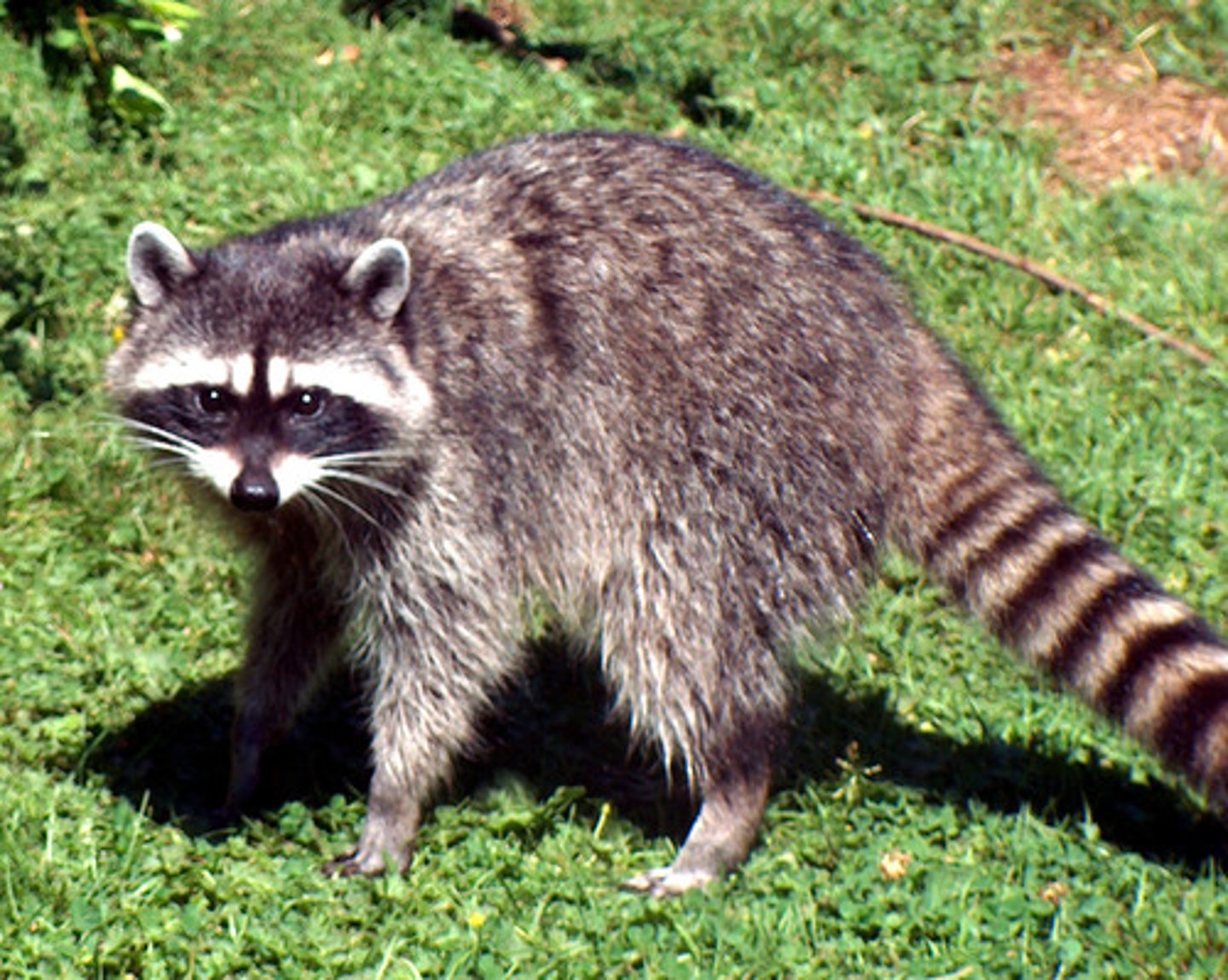
Northern Raccoon
Mammalia
Carnivora
Procyonidae
NH: Nocturnal; omnivorous; good climber; black mask and ringed tail; often found near water sources; highly dexterous hands; do well in human-dominated areas
Common Name:
Class:
Order:
Family:
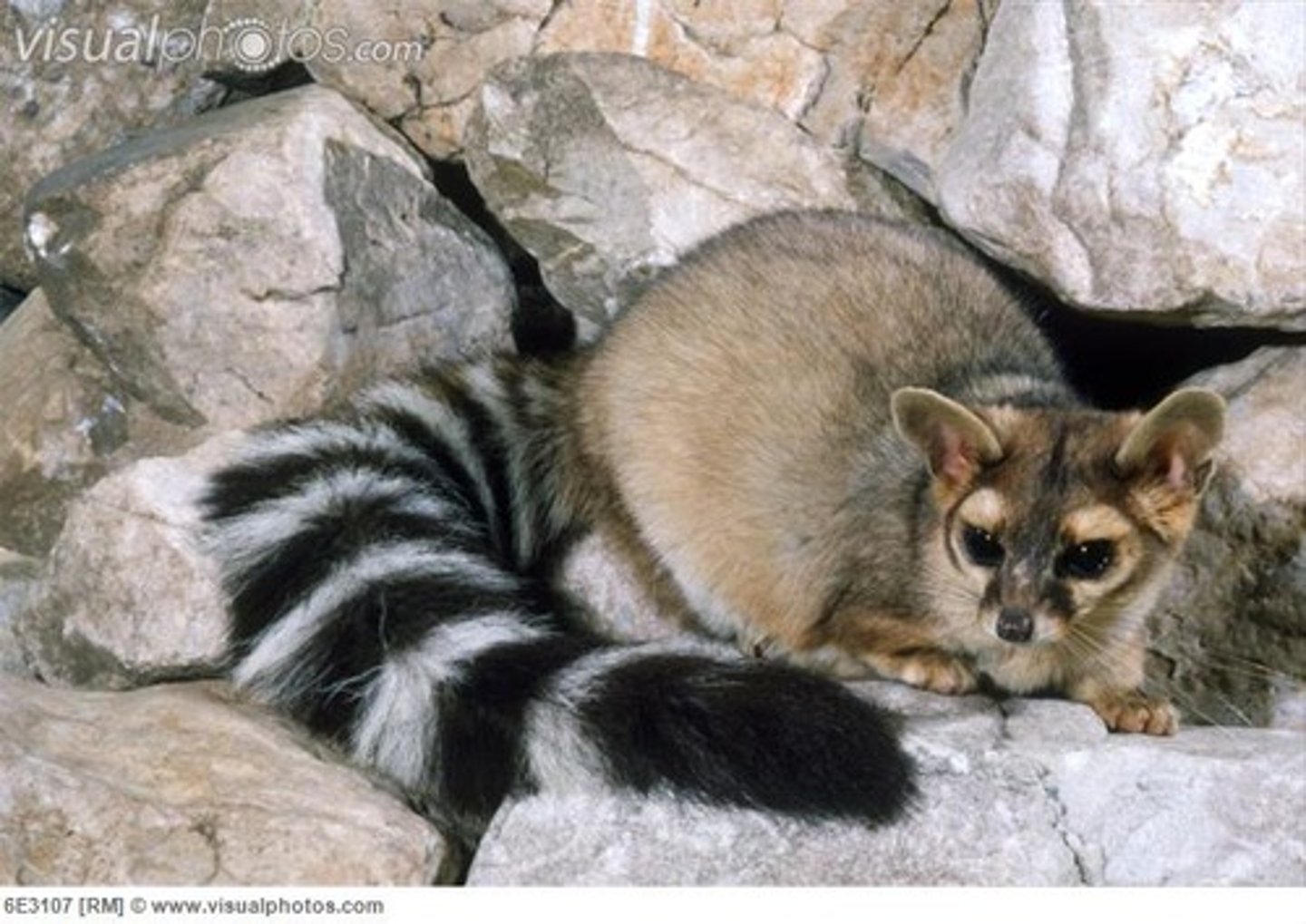
Ringtail
Mammalia
Carnivora
Procyonidae
NH: Nocturnal; good climber; typical of rocky outcroppings, canyons, talus slopes in dry ecosystems; eats fruit, mice, and other small prey
Common Name:
Class:
Order:
Family:
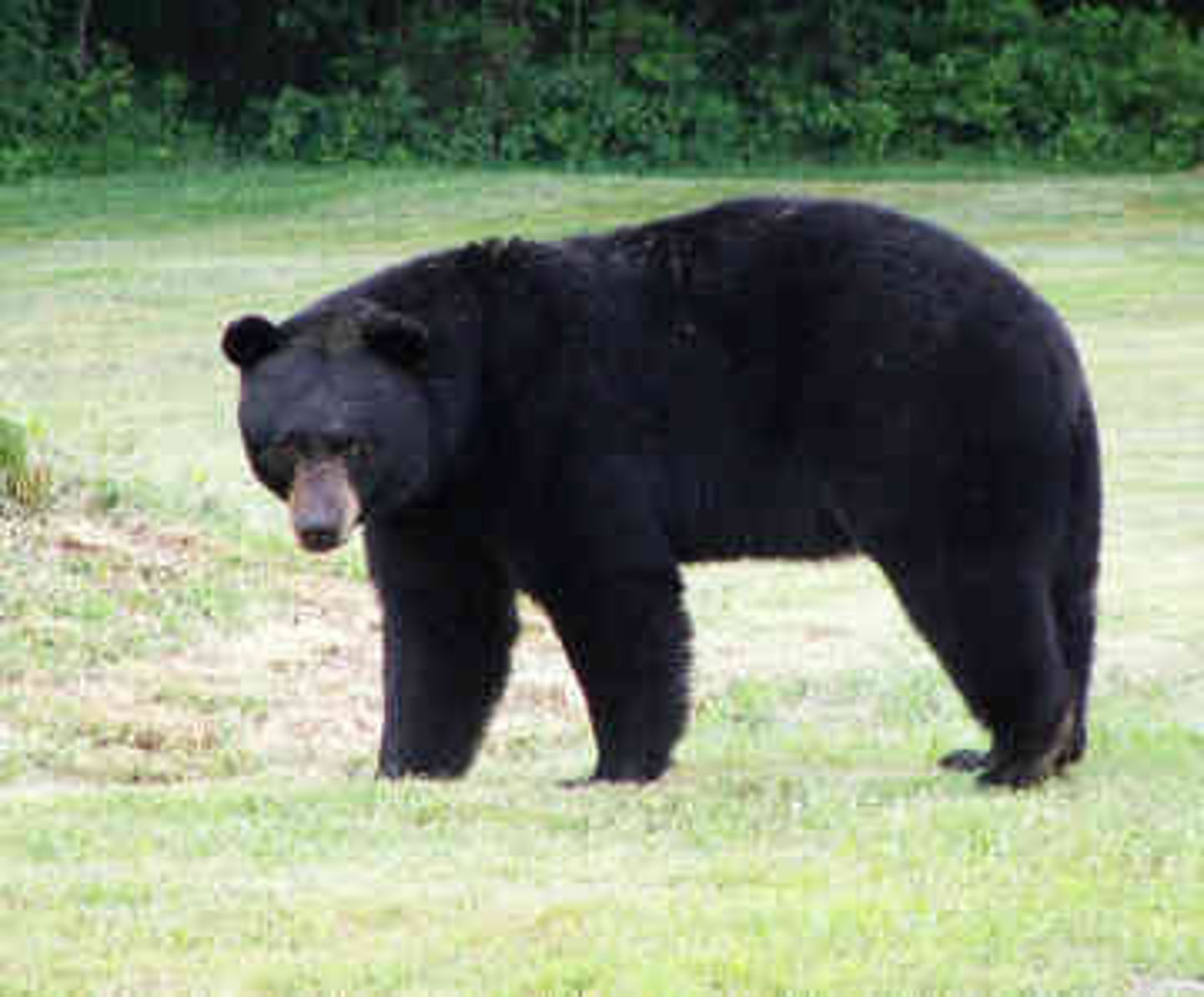
American Black Bear
Mammalia
Carnivora
Ursidae
NH: Omnivorous; wide variation in color; good climber; den sites in hollow trees, rocky outcroppings, root wads; hibernate in\ northern part of range
Common Name:
Class:
Order:
Family:
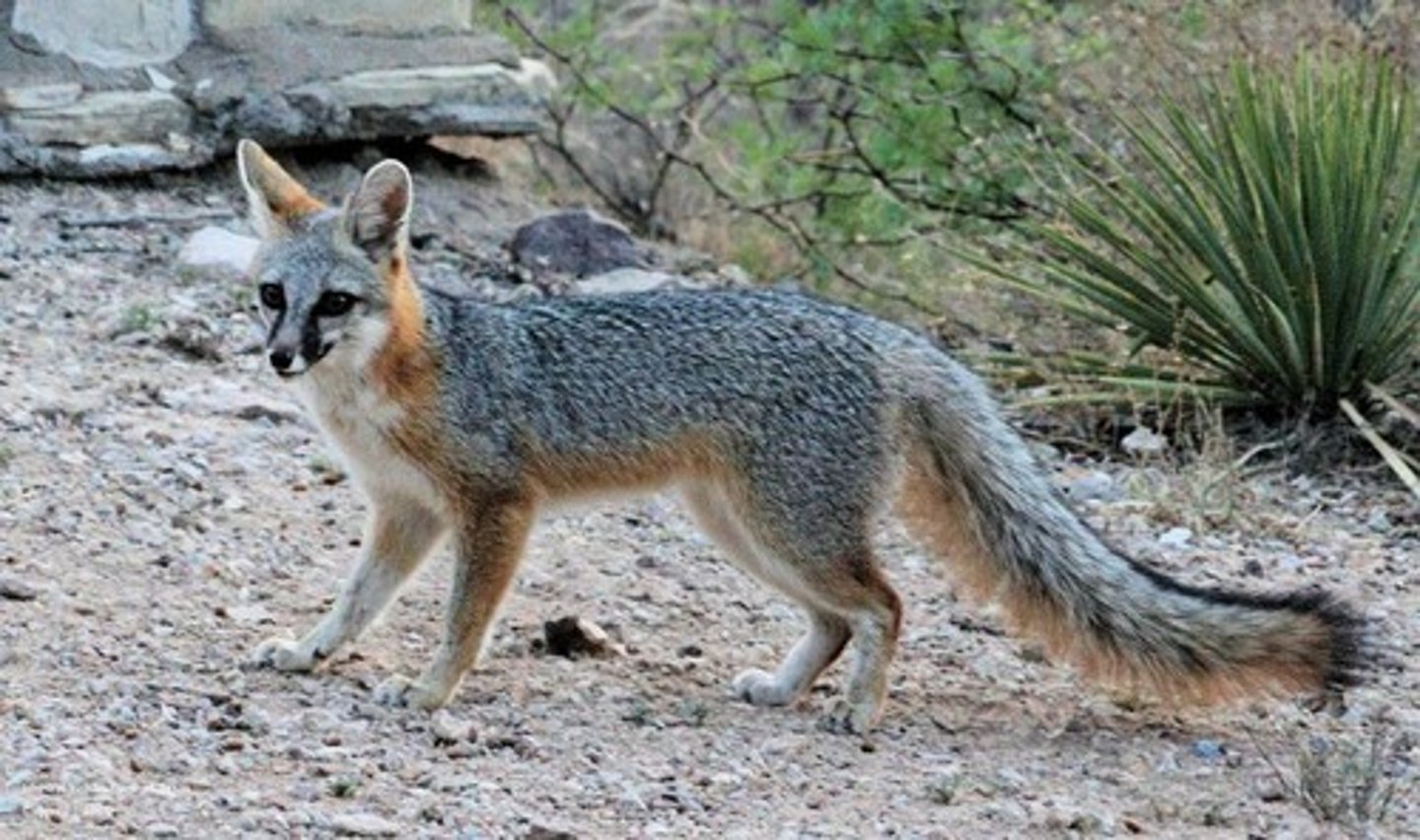
Northern Gray Fox
Mammalia
Carnivora
Canidae
NH: Nocturnal; often climbs tall trees; dens in rocky outcroppings, logs, brush; omnivorous; often found in riparian areas and forests with hardwood trees
Common Name:
Class:
Order:
Family:
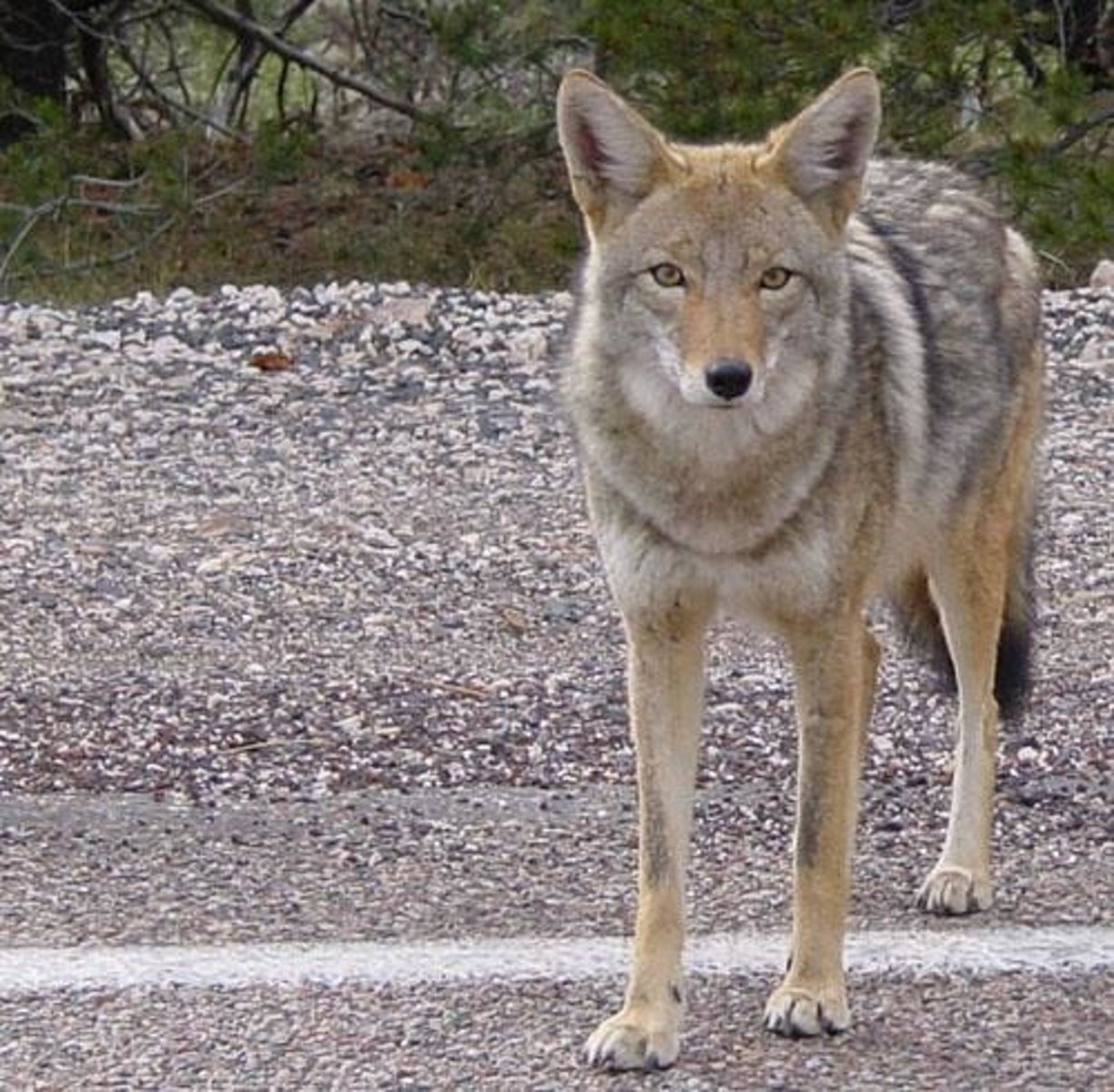
Coyote
Mammalia
Carnivora
Canidae
NH: Relatively longer ears than wolf and holds tail down when running; can get into packs; feed on small- to medium-sized prey; found in all natural ecosystems
Common Name:
Class:
Order:
Family:
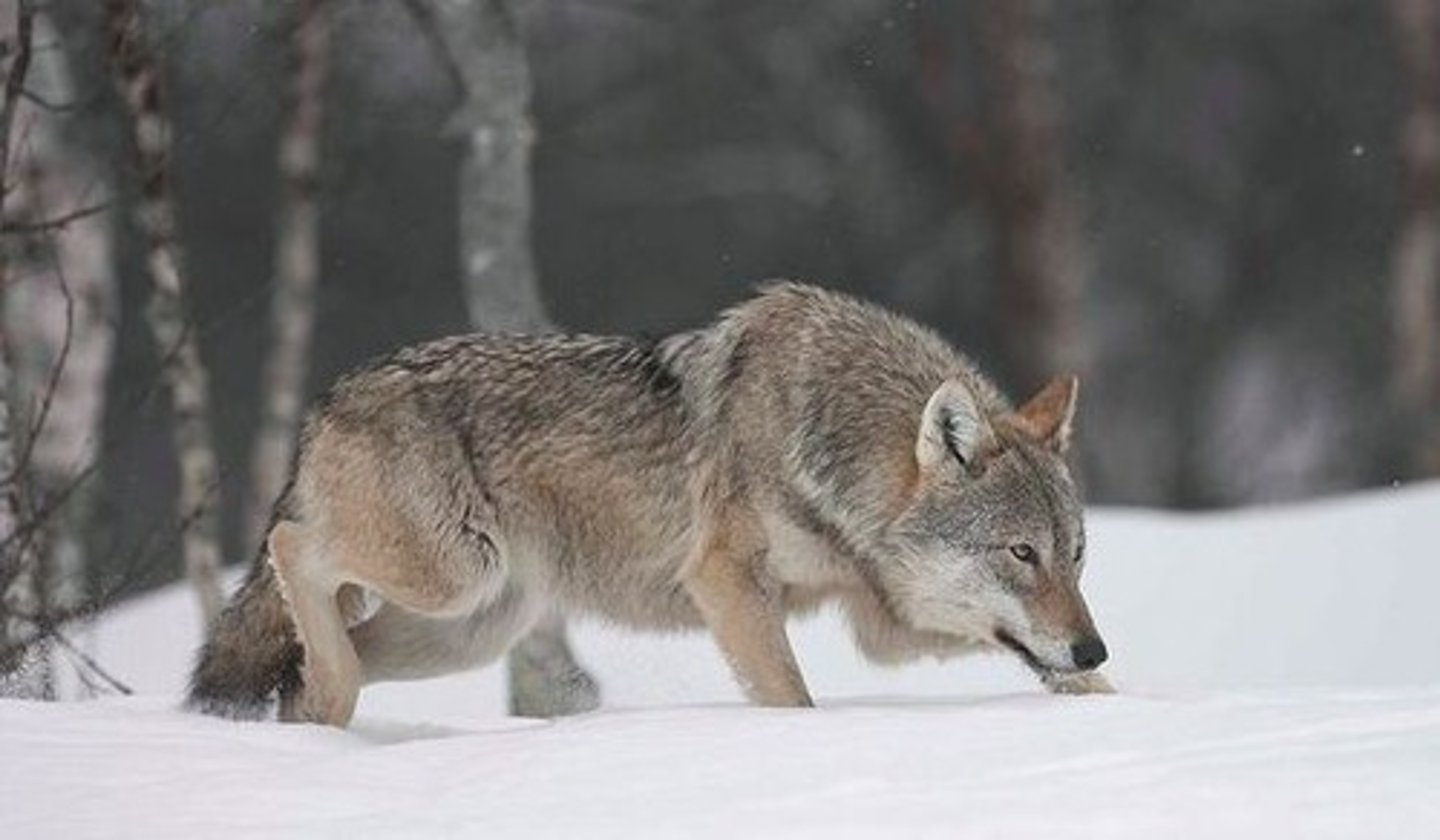
Gray Wolf
Mammalia
Carnivora
Canidae
NH: Largest canid; relatively shorter ears than coyote and often holds tail horizontally when running; pack with 5-10 members; uses medium- to large-sized prey
Common Name:
Class:
Order:
Family:
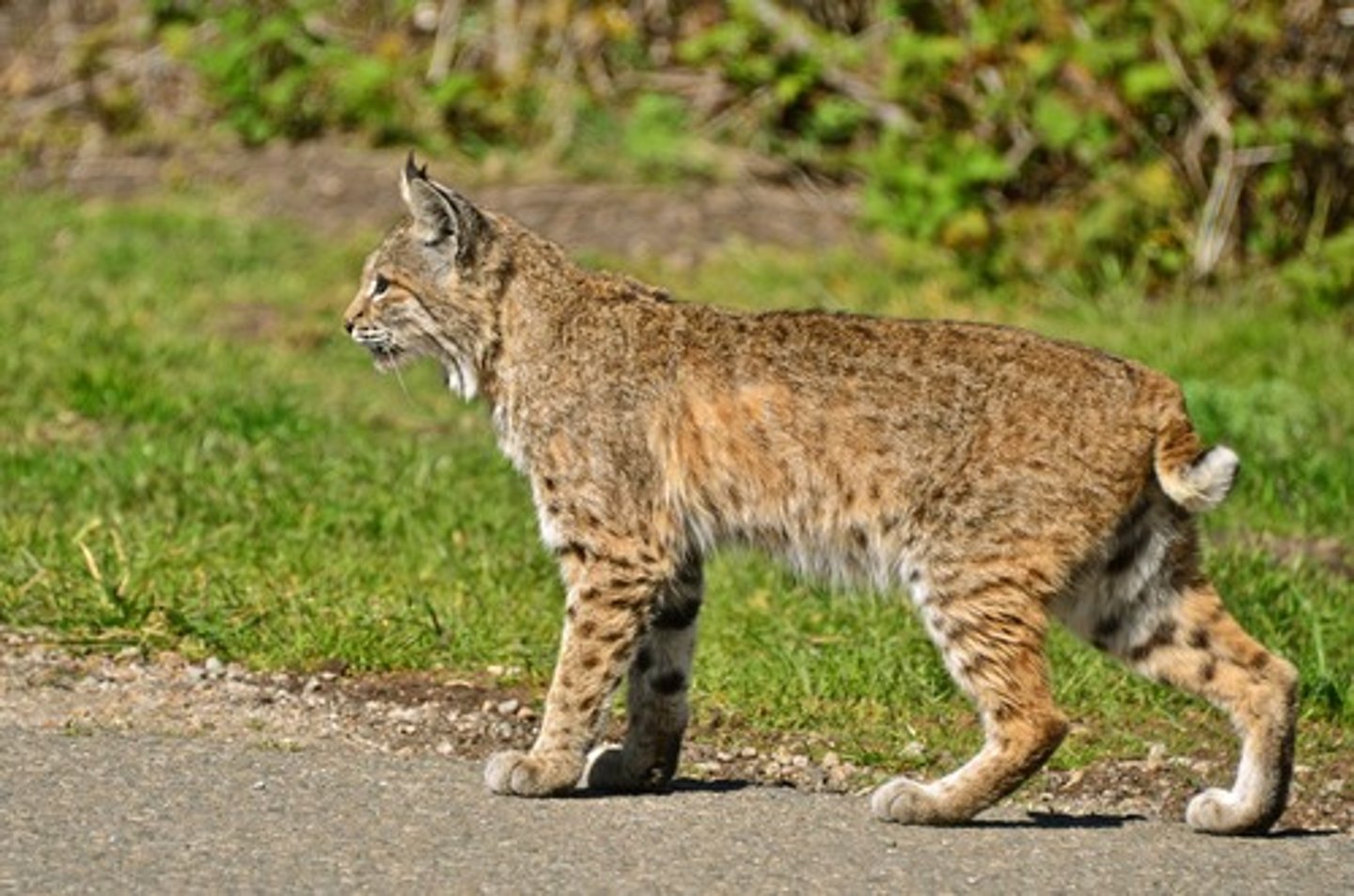
Bobcat
Mammalia
Carnivora
Felidae
NH: Active throughout day; take prey from mice to deer, but often take rabbits at night; solitary; found in wide range of ecosystems
Common Name:
Class:
Order:
Family:
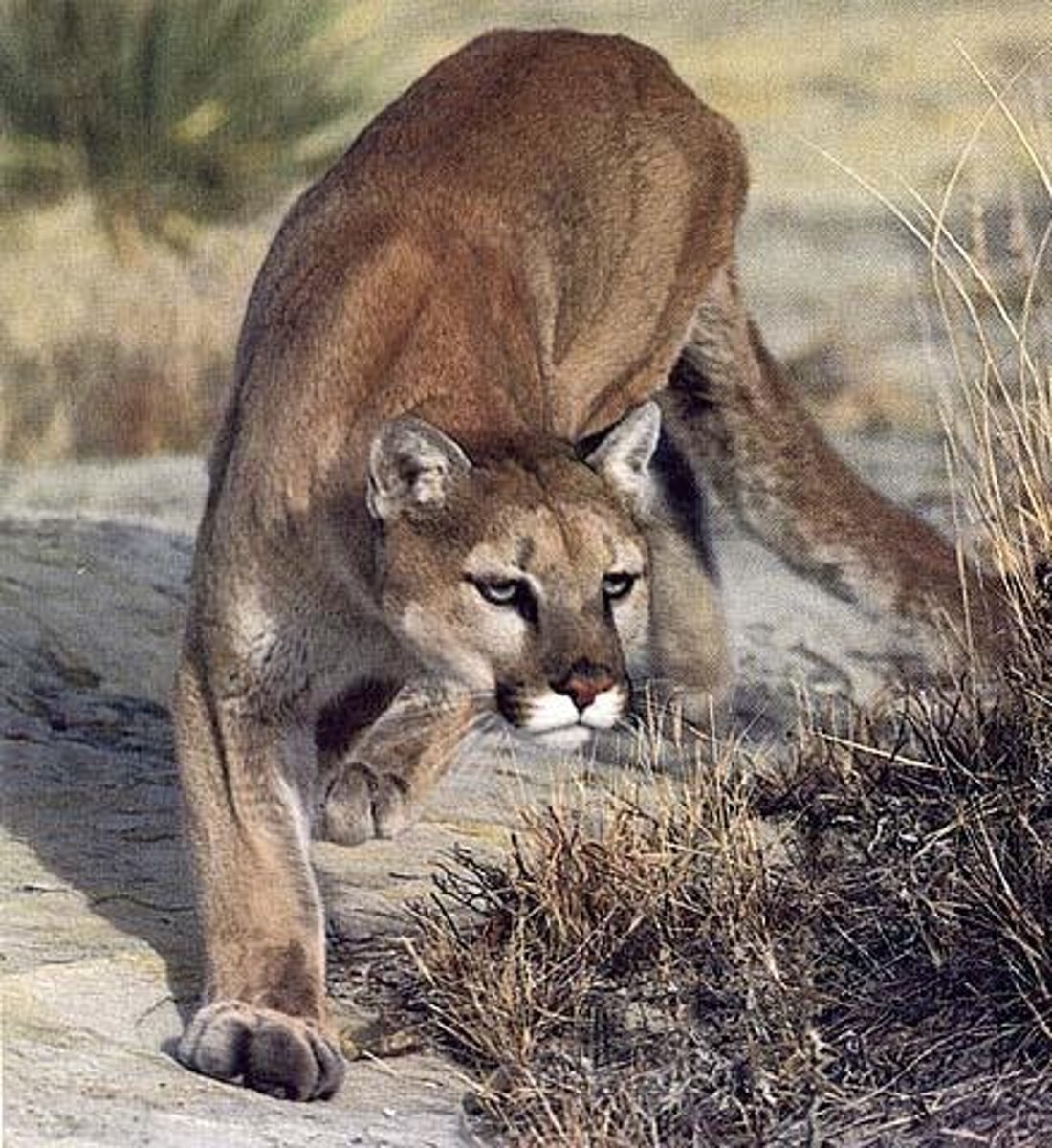
Puma
Mammalia
Carnivora
Felidae
NH: Takes medium- and large-sized prey; cache prey under brush for later consumption; found in wide range of ecosystems; solitary
Common Name:
Class:
Order:
Family:
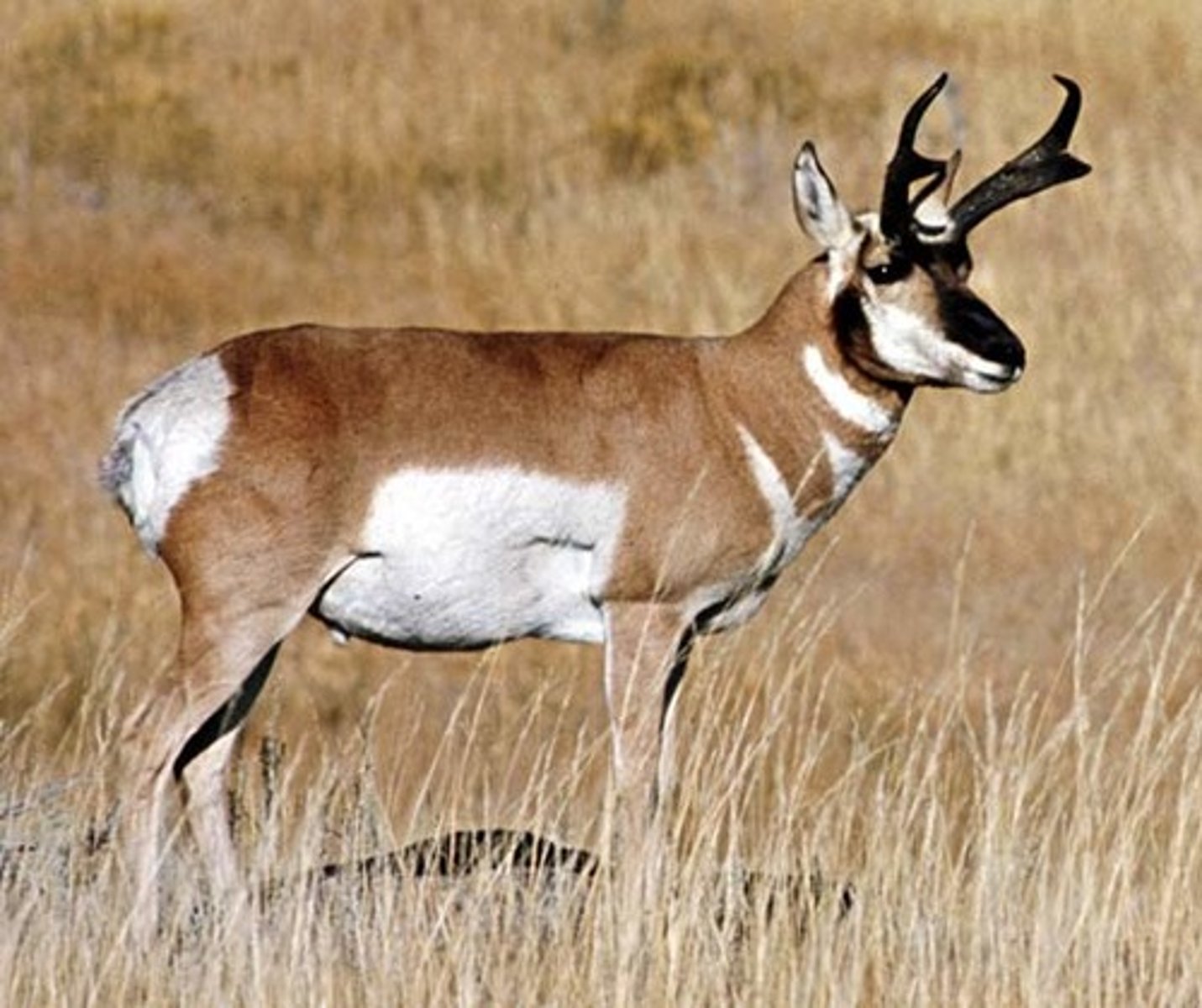
Pronghorn
Mammalia
Artiodactyla
Antilocapridae
NH: Short, black horns; have excellent vision and can run >72 km/h; use open grasslands and sagebrush areas; found in social groups
Common Name:
Class:
Order:
Family:
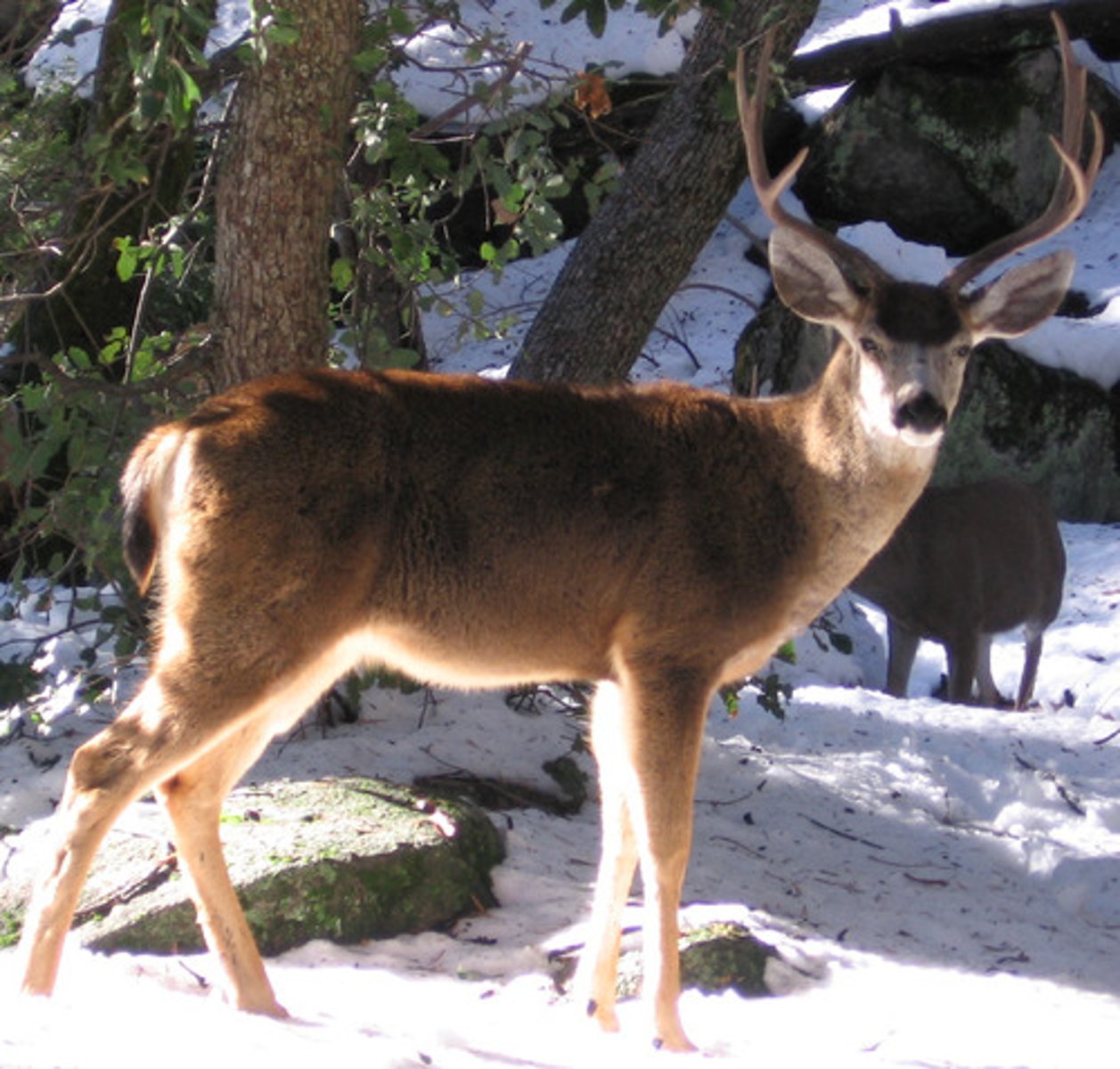
Mule Deer
Mammalia
Artiodactyla
Cervidae
NH: Males have dichotomously branching antlers; bound away from danger in a stot where all 4 feet hit the ground together; prefer open areas and ecotones
Common Name:
Class:
Order:
Family:
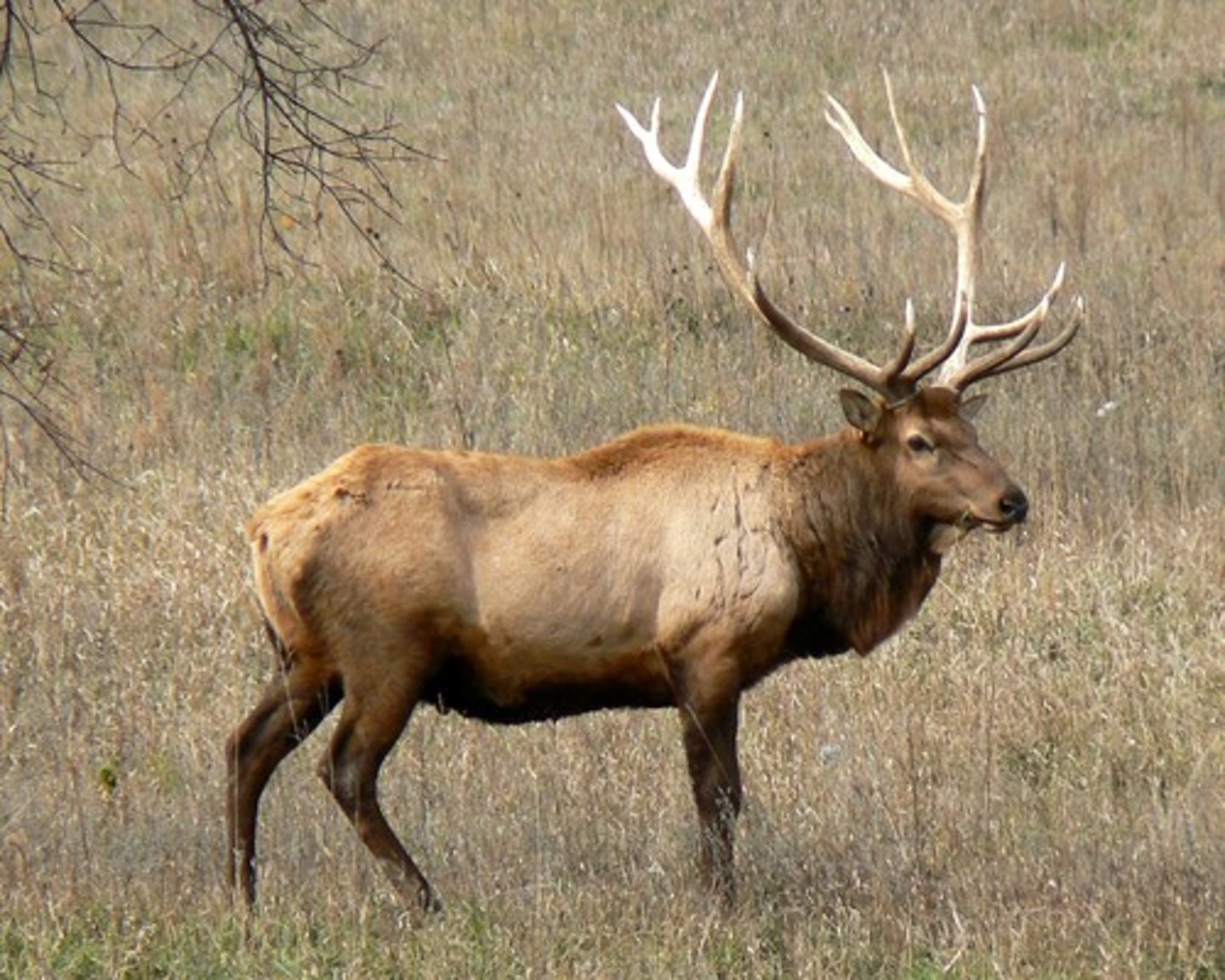
Wapiti
Mammalia
Artiodactyla
Cervidae
NH: Male has enormous antlers; during rut males give “bugle” vocalization; browses and grazes on range of plants; prefers open and brush areas, as well as forest
Common Name:
Class:
Order:
Family: