AP World History Unit 3: Land-Based Empires
 Call Kai
 Learn
Learn Practice Test
 Spaced Repetition
 Match
Match Flashcards
 Knowt Play
1/132

There's no tags or description
Looks like no tags are added yet.
Name | Mastery | Learn | Test | Matching | Spaced | Call with Kai |
|---|
No analytics yet
Send a link to your students to track their progress
133 Terms
Qing Dynasty
The last imperial dynasty of China, preceded by the Ming Dynasty and succeeded by the People's Republic. Formed the territorial base for the modern Chinese state. Founded in 1644 by the Manchus and ruled China for more than 260 years, until 1912. Expanded China's borders to include Taiwan, Tibet, Chinese Central Asia, and Mongolia.
Manchus
Northeast Asian peoples who defeated the Ming Dynasty and founded the Qing Dynasty in 1644, which was the last of China's imperial dynasties.
Mughal Empire
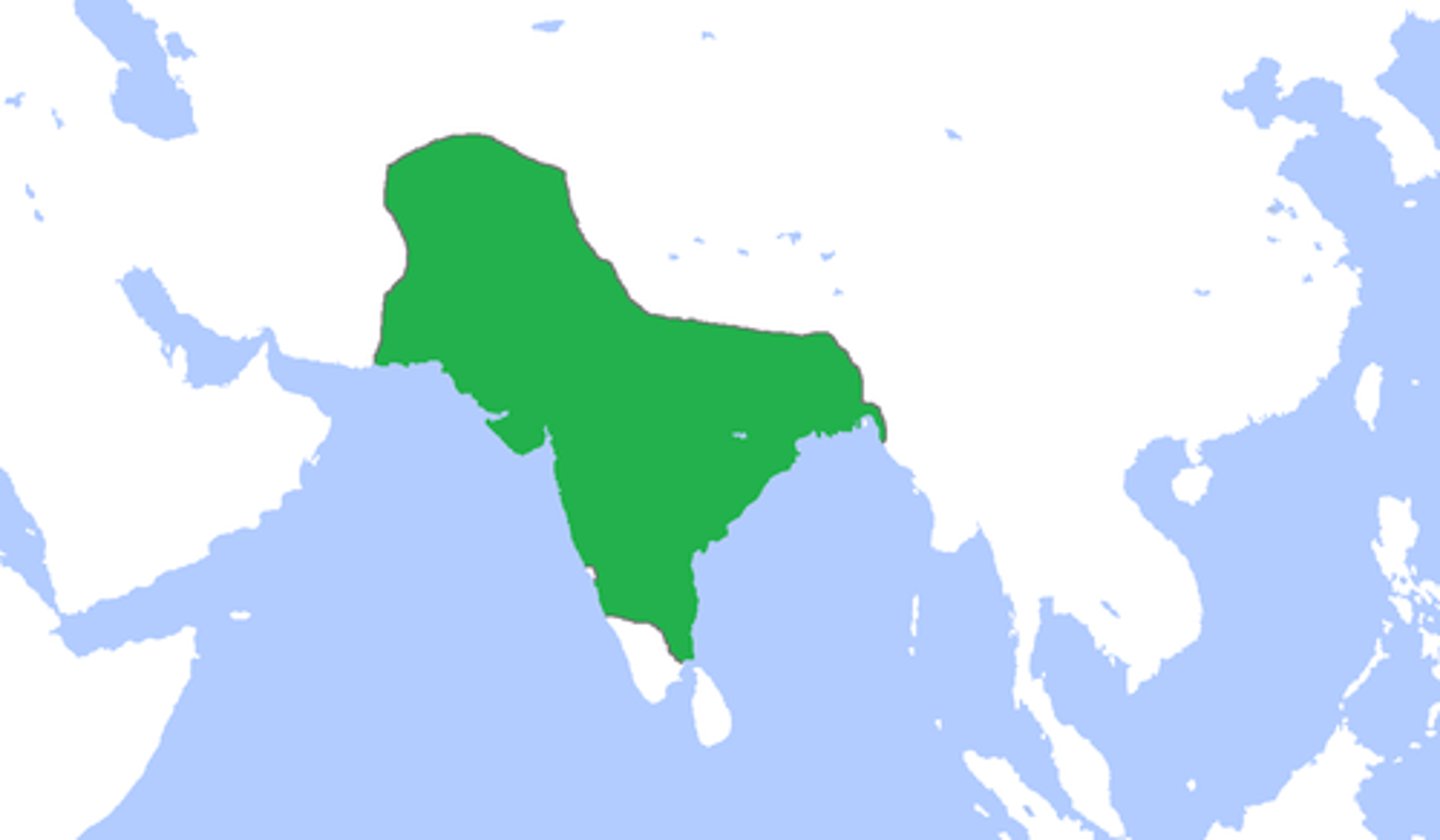
Muslim state (1526-1857) exercising dominion over most of India in the sixteenth and seventeenth centuries.
Ottoman Empire
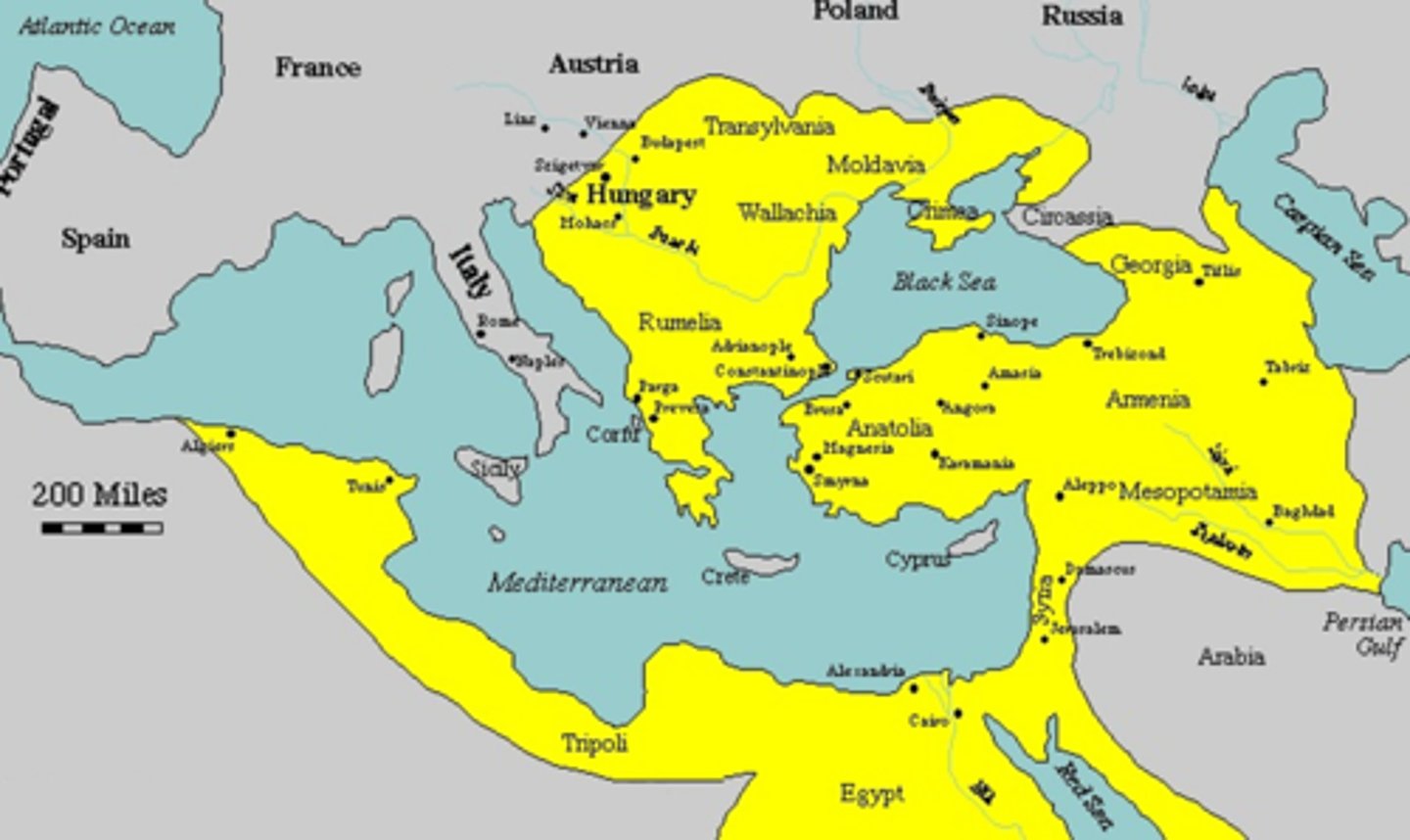
Islamic state founded by Osman in northwestern Anatolia. After the fall of the Byzantine Empire, the Ottoman Empire was based at Istanbul (formerly Constantinople) from 1453-1922. It encompassed lands in the Middle East, North Africa, the Caucasus, and eastern Europe.
Safavids
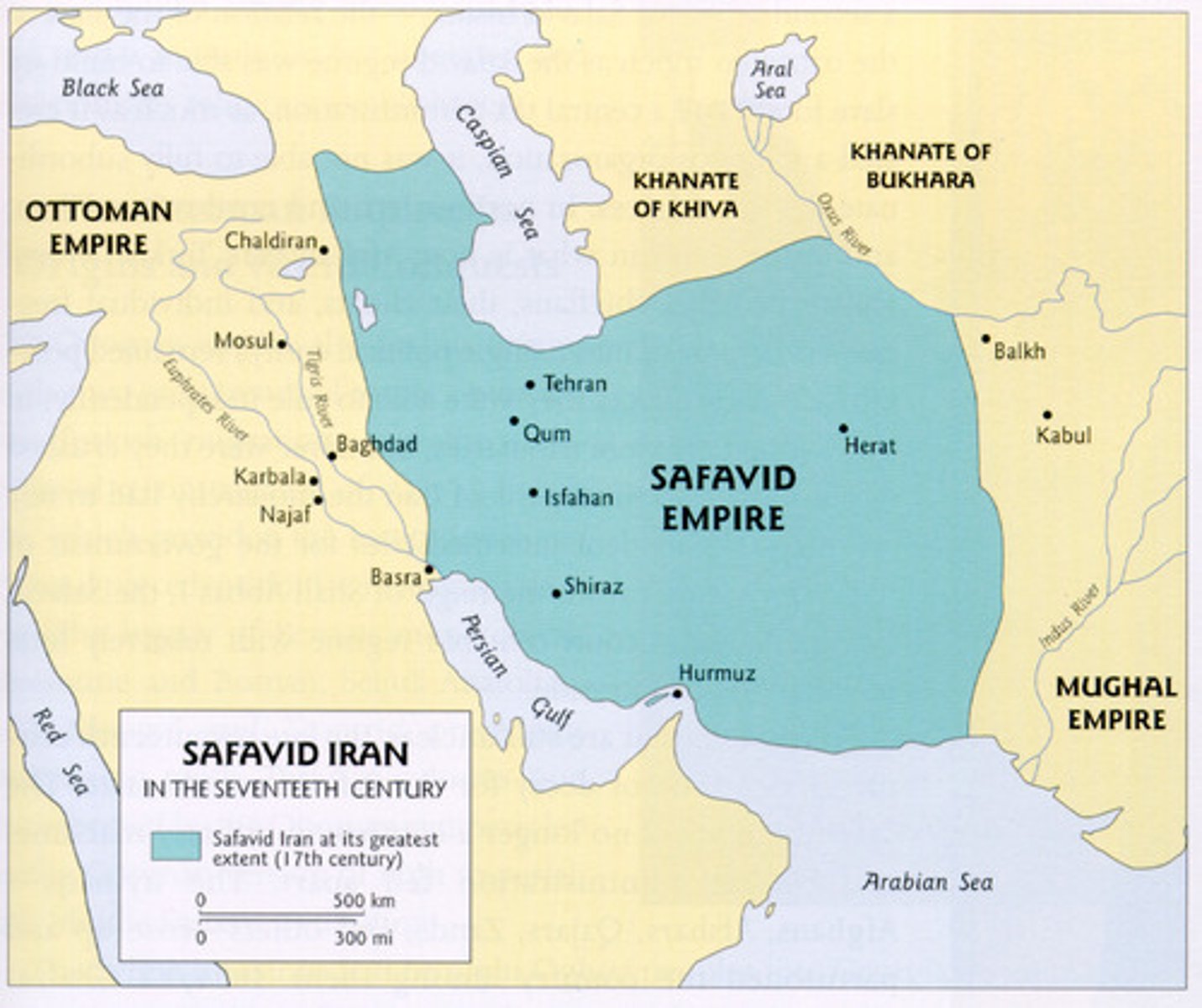
A Shi'ite Muslim dynasty that ruled in Persia (Iran and parts of Iraq) from the 16th-18th centuries that had a mixed culture of the Persians, Ottomans and Arabs.
Songhai
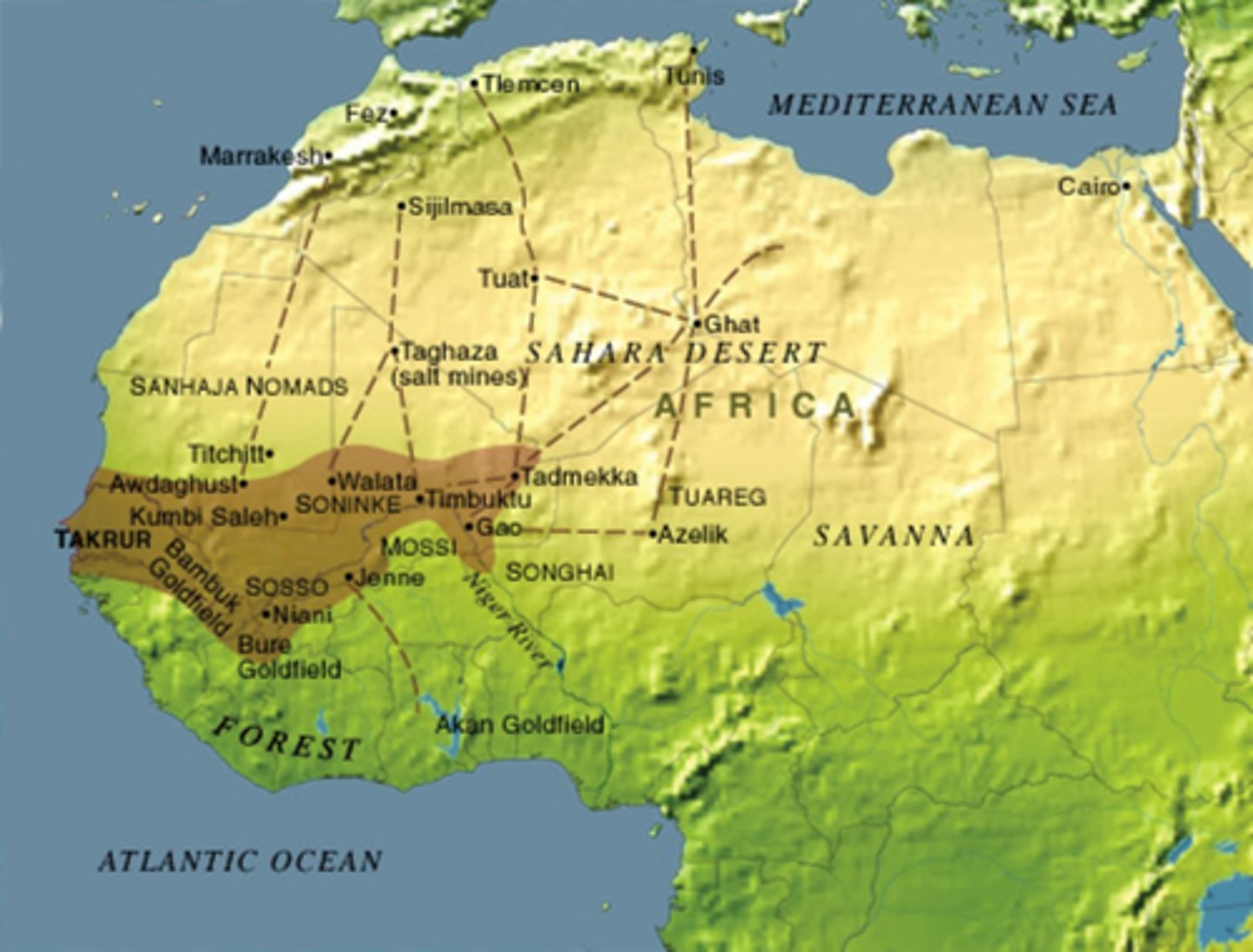
a West African empire that conquered Mali and controlled trade from the into the 16th century; eventually defeated by the Moroccans who were broke after fighting with Portugal
Devshirme
'Selection' in Turkish. The system by which boys from Christian communities were taken by the Ottoman state to serve as Janissaries (elite military units utilized by the Ottomans)
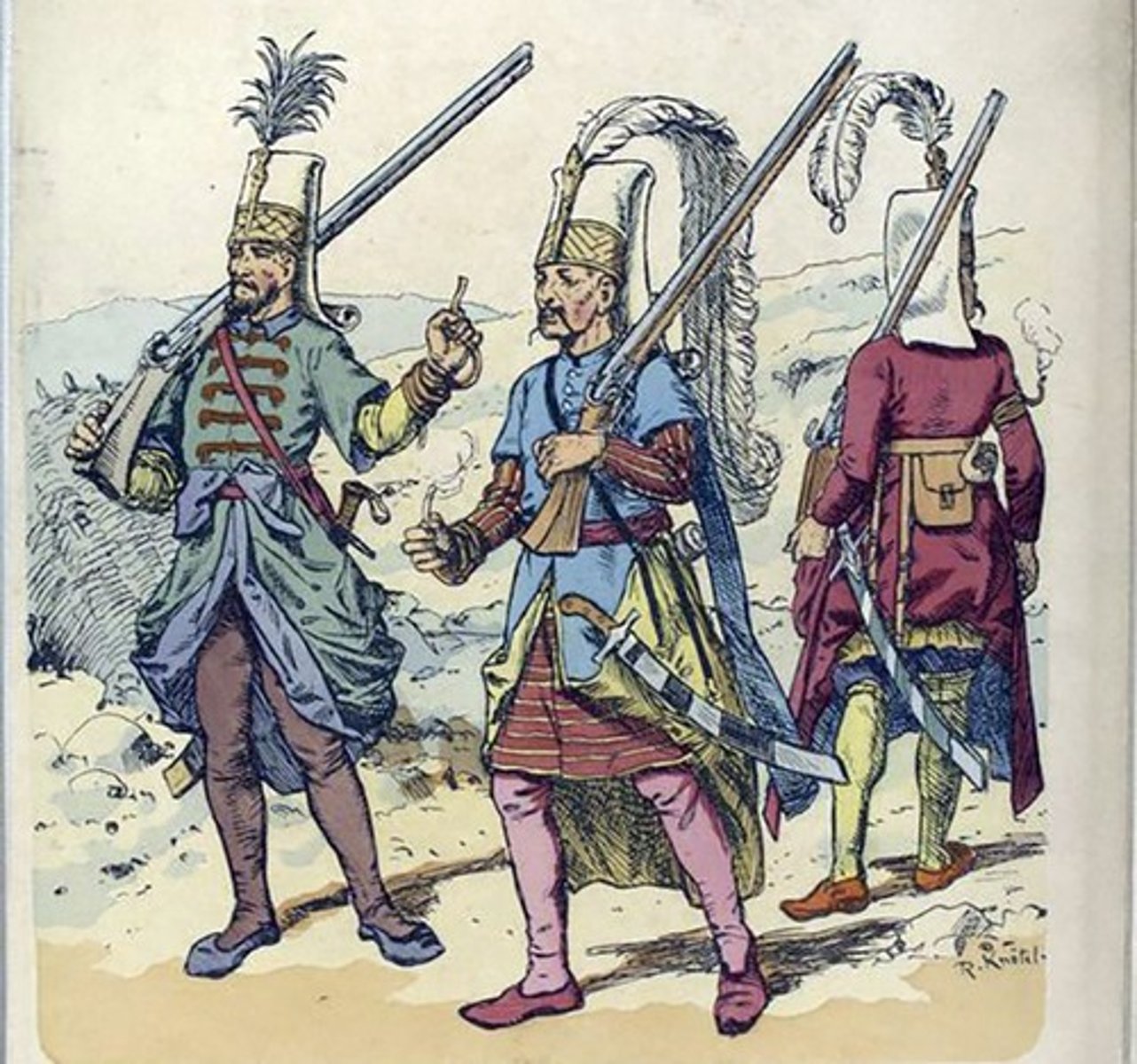
Janissary
elite Ottoman guard (trained as foot soldiers or administrators) recruited from the Christian population through the devshirme system, that often converted to Islam
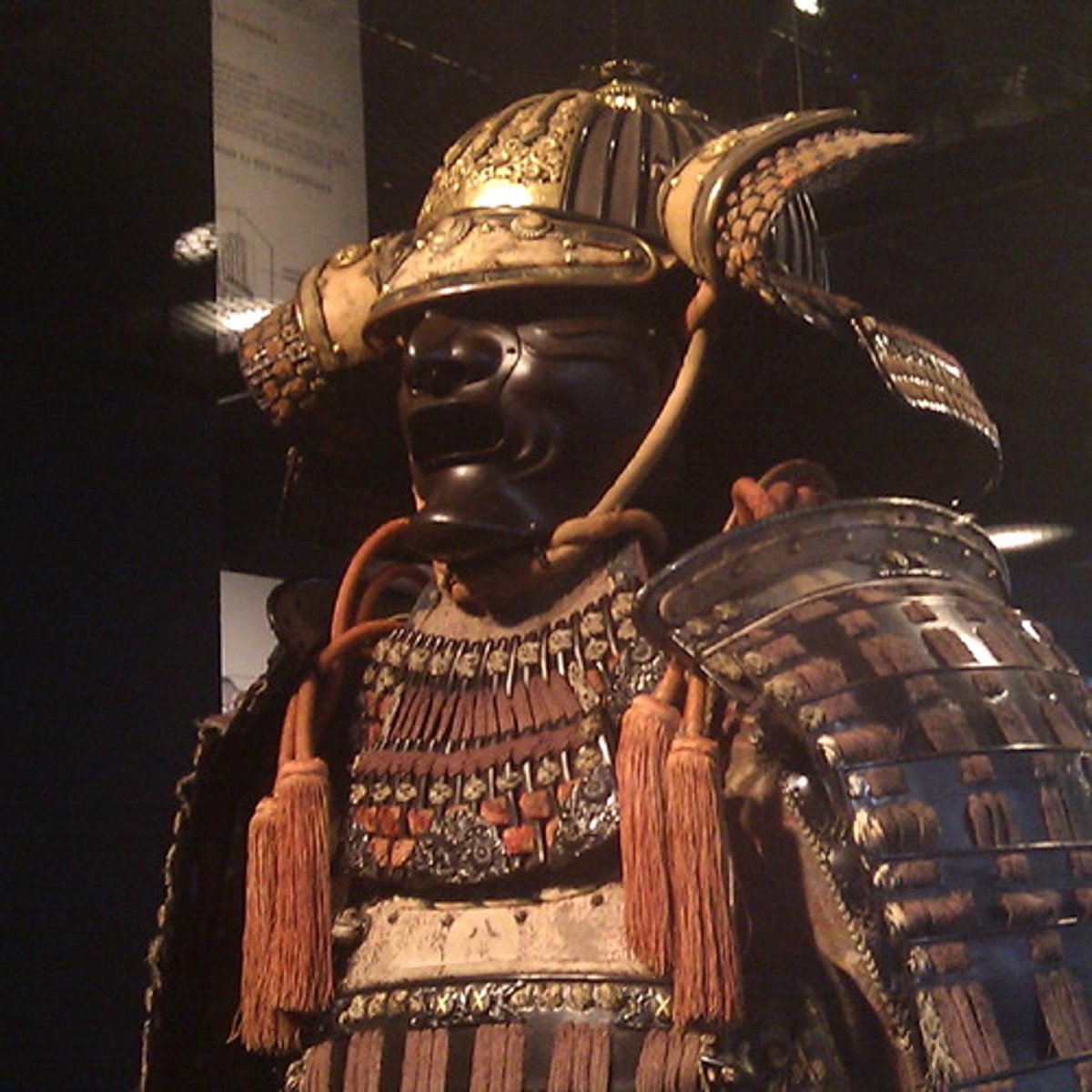
Samurai
Class of warriors in feudal Japan who pledged loyalty to a noble in return for land.
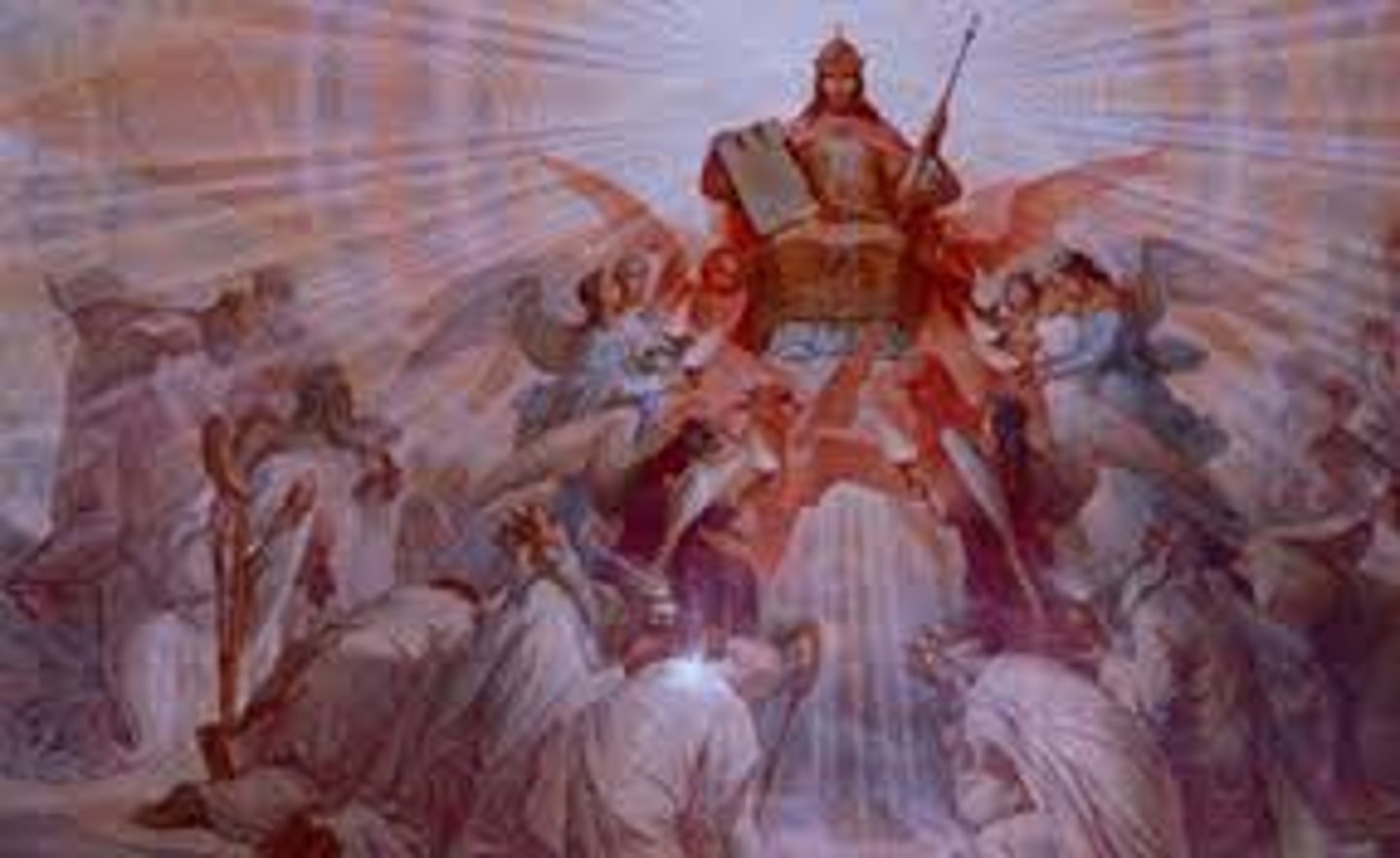
Divine Right
the idea that monarchs are God's representatives on earth and are therefore answerable only to God.
Absolute Monarchy
A system of government in which the head of state is a hereditary position and the king or queen has almost complete power
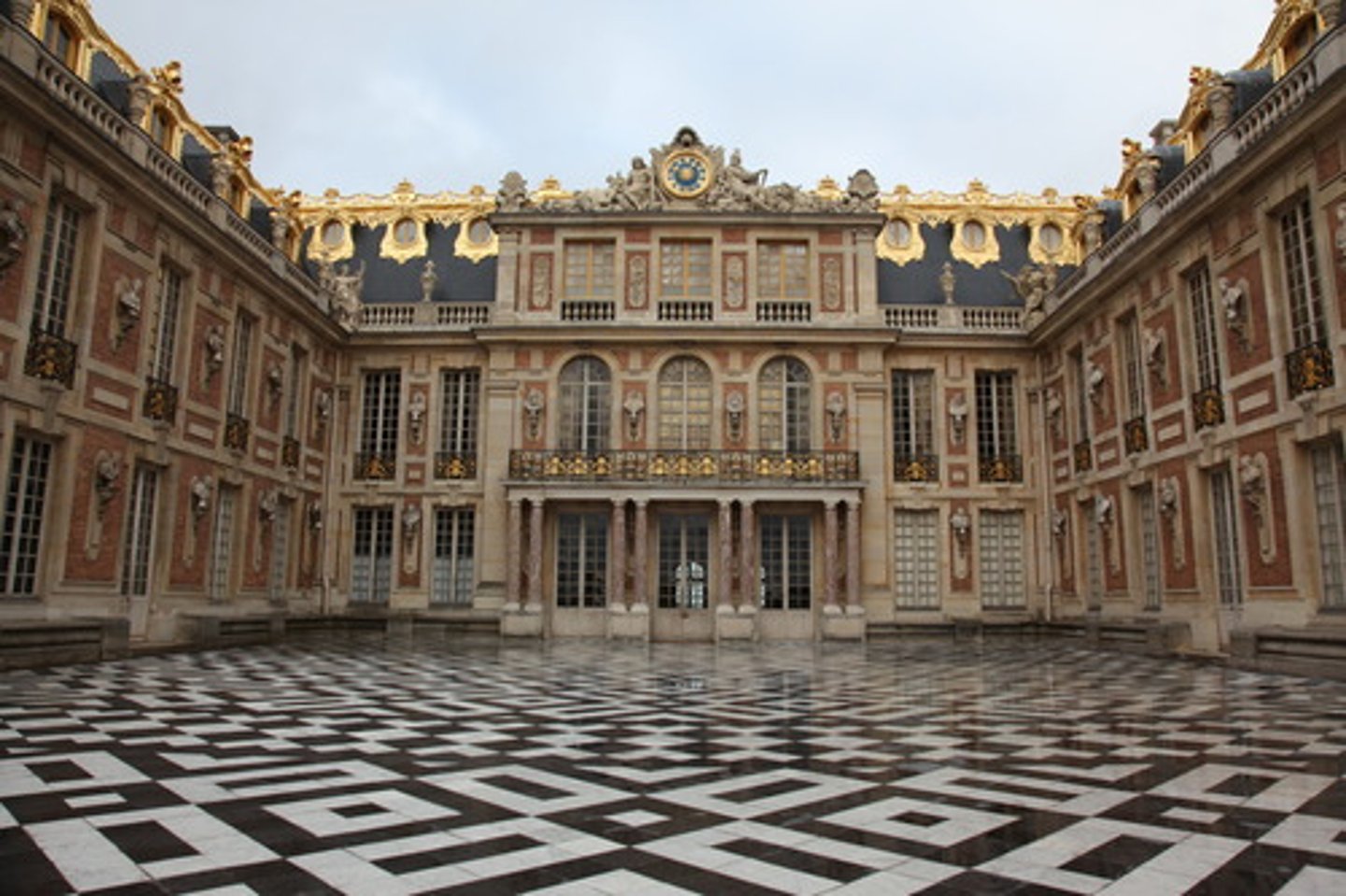
Versailles
Palace constructed by Louis XIV outside of Paris to glorify his rule and subdue the nobility.
Zamindars
Archaic tax system of the Mughal empire where decentralized lords collected tribute for the emperor.
Taj Mahal
beautiful mausoleum (tomb) at Agra (India) built by the Mughal emperor Shah Jahan (completed in 1649) in memory of his favorite wife; illustrates syncretic blend between Indian and Arabic architectural styles
Tax farming
To generate money for territorial expansion Ottoman rulers used this tax-collection system. Under this system the government hires private individuals to go out and collect taxes for them.
Protestant Reformation
Religious reform movement begun by Catholic monk Martin Luther who began to question the practices of the Latin Christian Church beginning in 1519. It spit the Roman Catholic Church and resulted in the 'protesters' forming several new Christian denominations, including the Lutheran, Calvinist, and Anglican Churches, among many others.
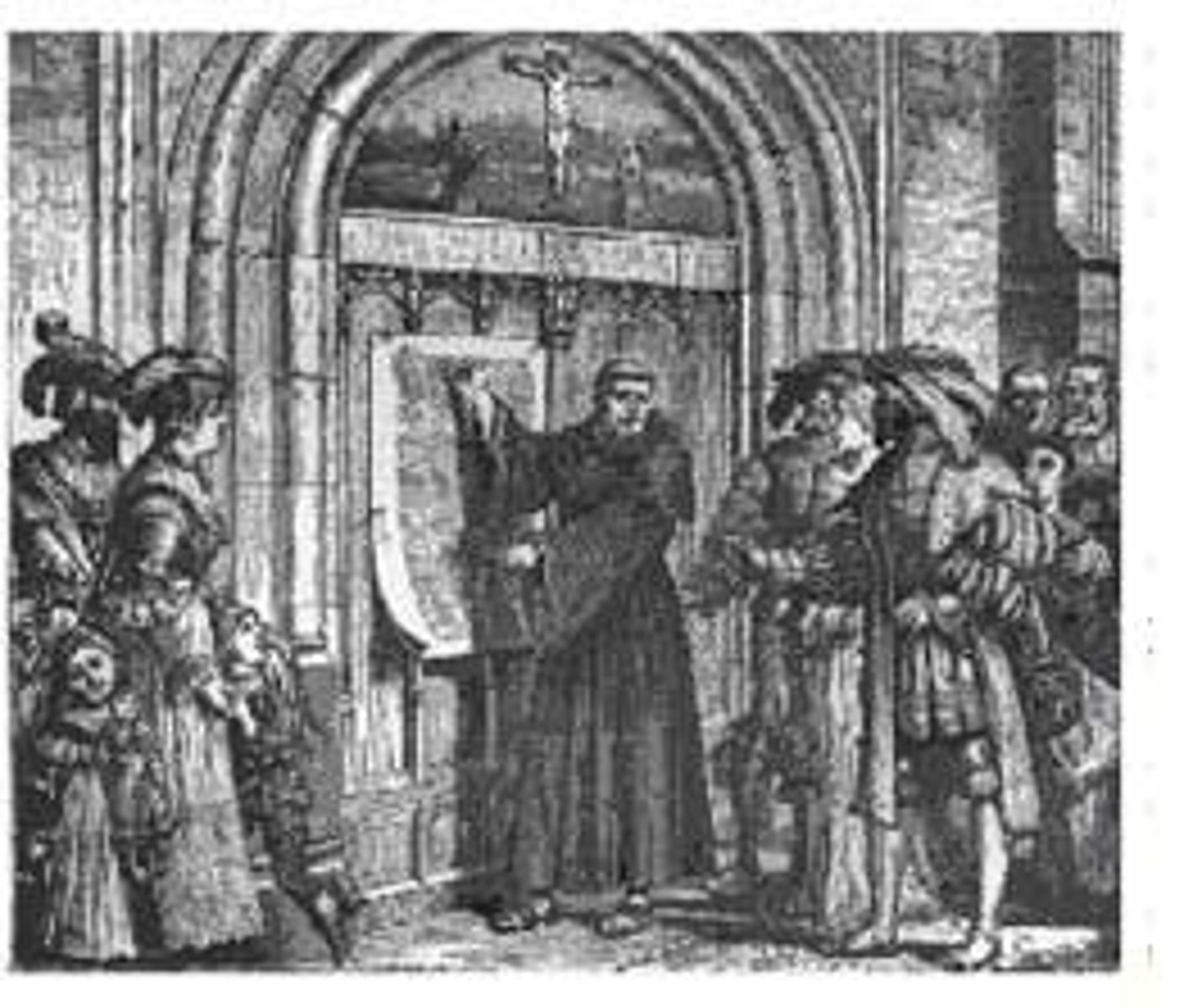
95 Theses
Arguments written by Martin Luther against the Catholic church. They were posted on October 31, 1517; ultimately led to Martin Luther's excommunication
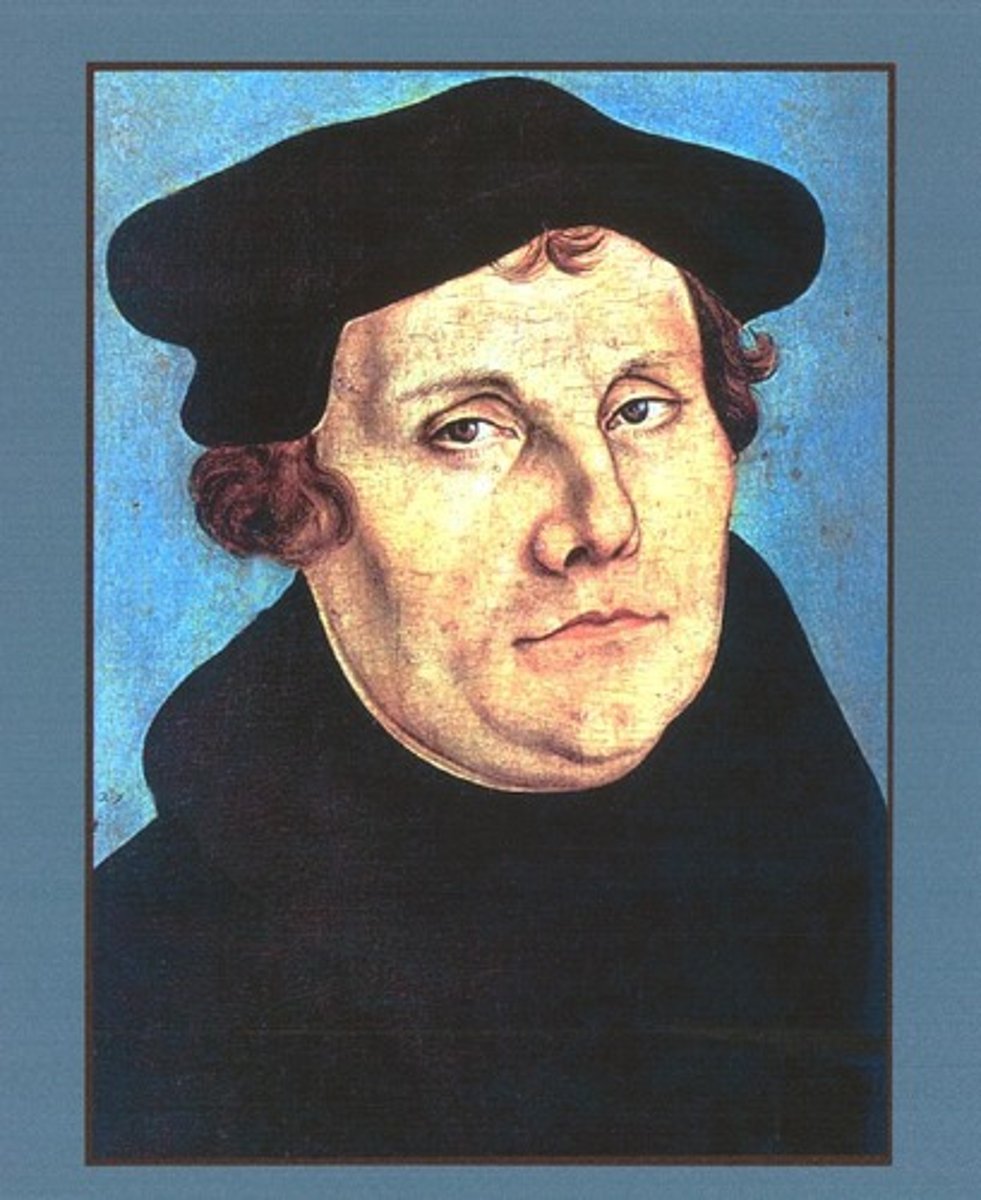
Martin Luther
a German monk who became one of the most famous critics of the Roman Catholic Church. In 1517, he wrote 95 theses, or statements of belief attacking the church practices. Began the Protestant Reformation
Counter or Catholic Reformation
the reaction of the Roman Catholic Church to the Reformation reaffirming the veneration of saints and the authority of the Pope (to which Protestants objected), ended sale of indulgences and simony, created Jesuits, but also the Inquisition
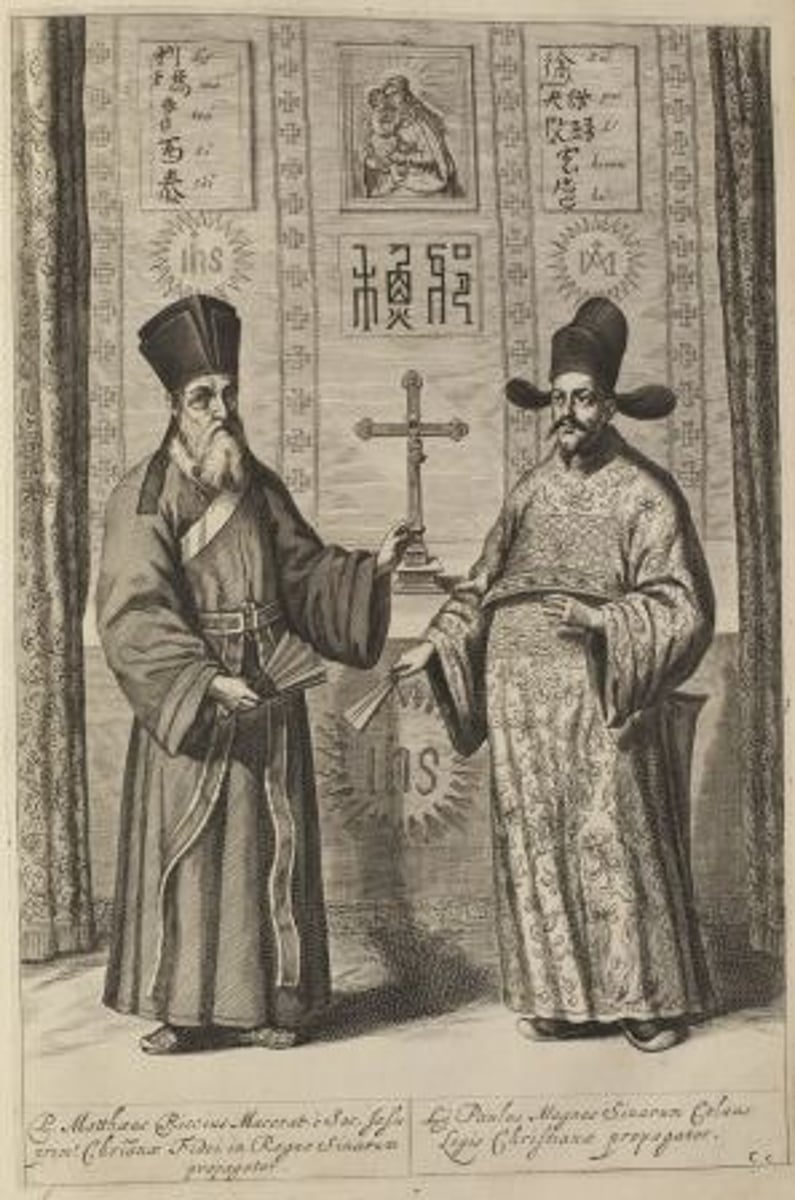
Jesuits
Also known as the Society of Jesus; founded by Ignatius Loyola (1491-1556) as a teaching and missionary order to resist the spread of Protestantism (a result of the Counter Reformation); were often sent to China, Japan, and around the world to gain Catholic converts
Indulgence
A pardon given by the Roman Catholic Church in return for repentance for sins
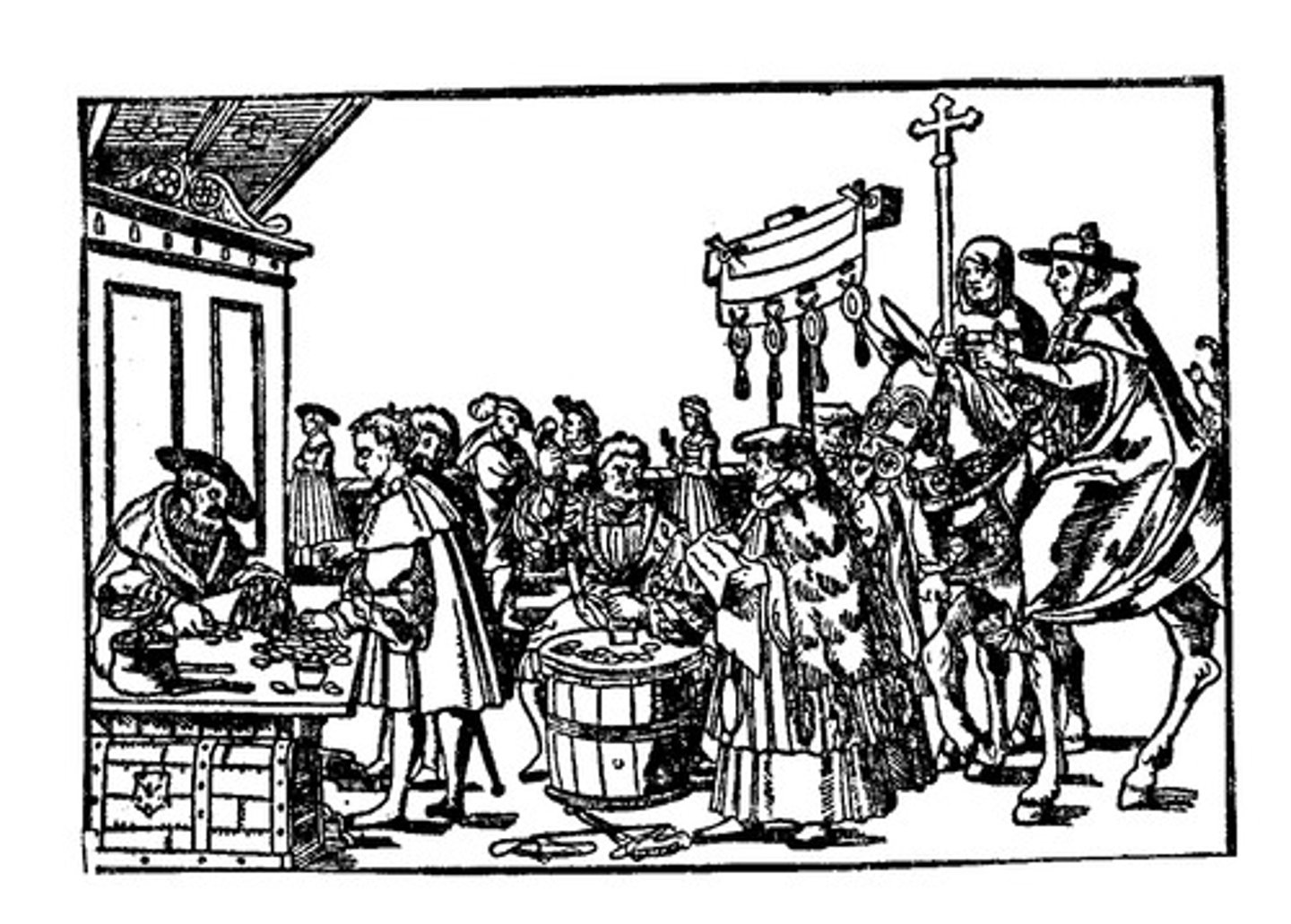
Simony
the buying and selling of church offices
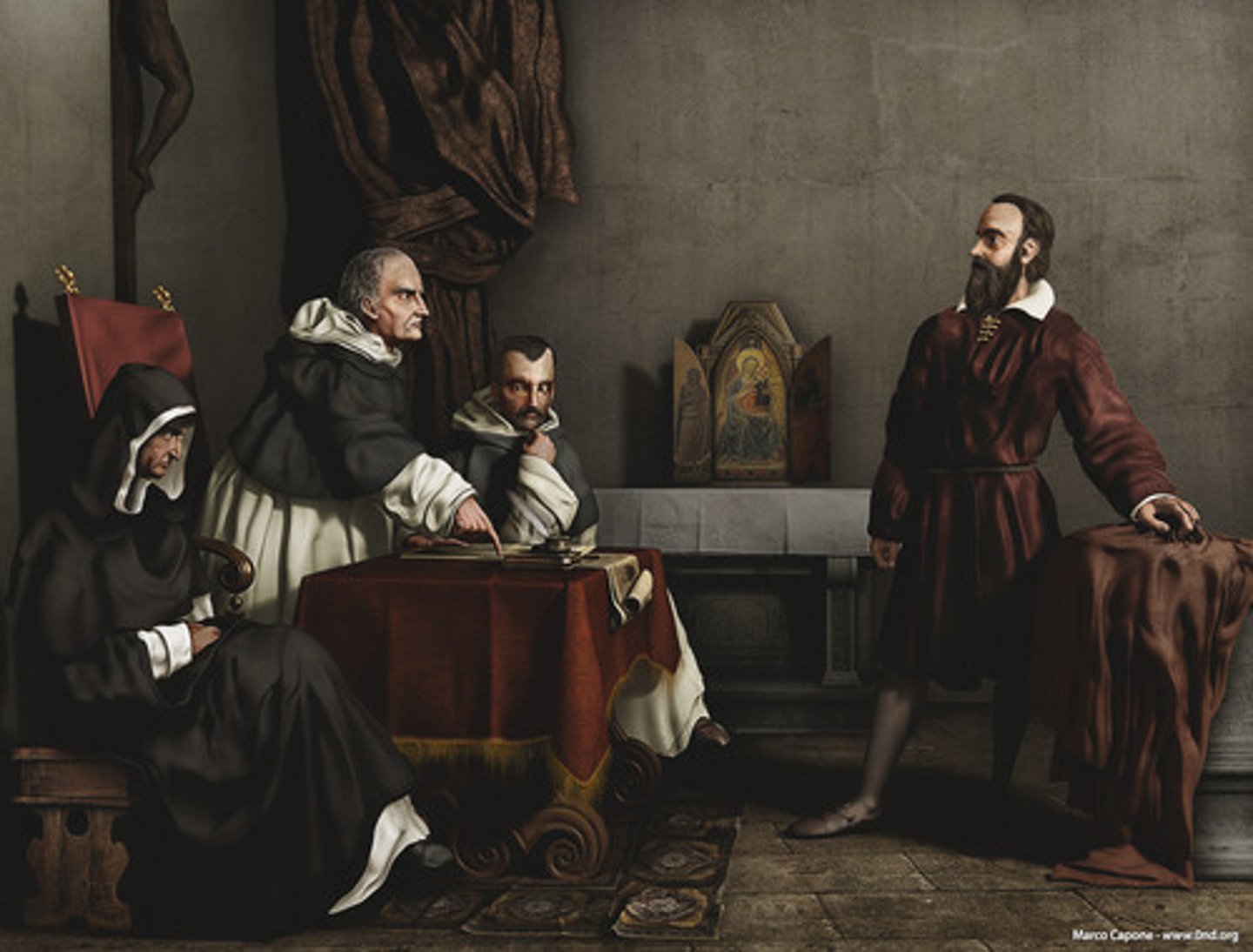
Inquisition
A Roman Catholic tribunal for investigating and prosecuting charges of heresy, a reaction to the Protestant Reformation
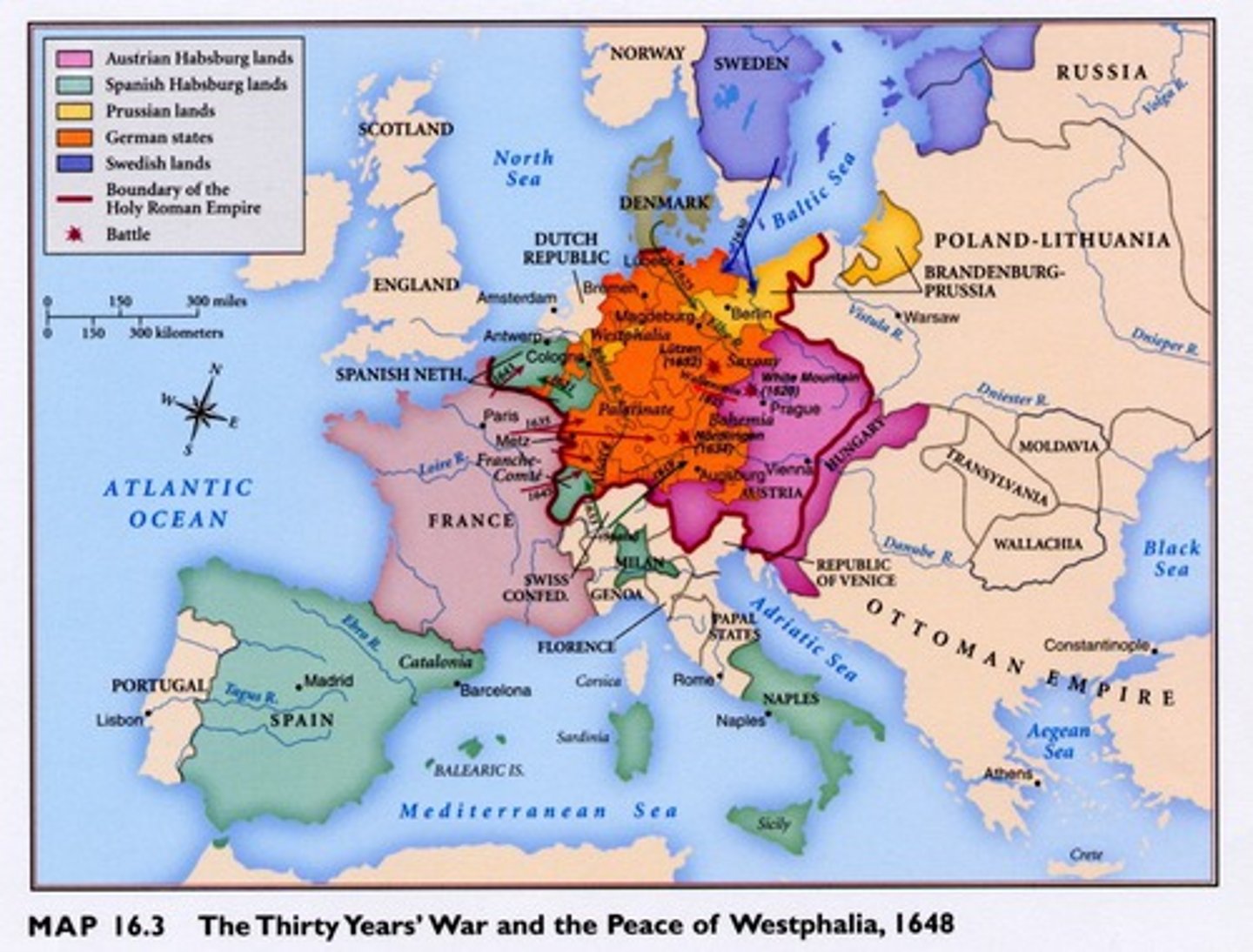
Thirty Years War
(1618-1648 CE) War within the Holy Roman Empire between German Protestants and their allies (Sweden, Denmark, France) and the emperor and his ally, Spain who supported Roman Catholicism; ended in 1648 after great destruction with Treaty of Westphalia; indicates the effects of the Protestant Reformation
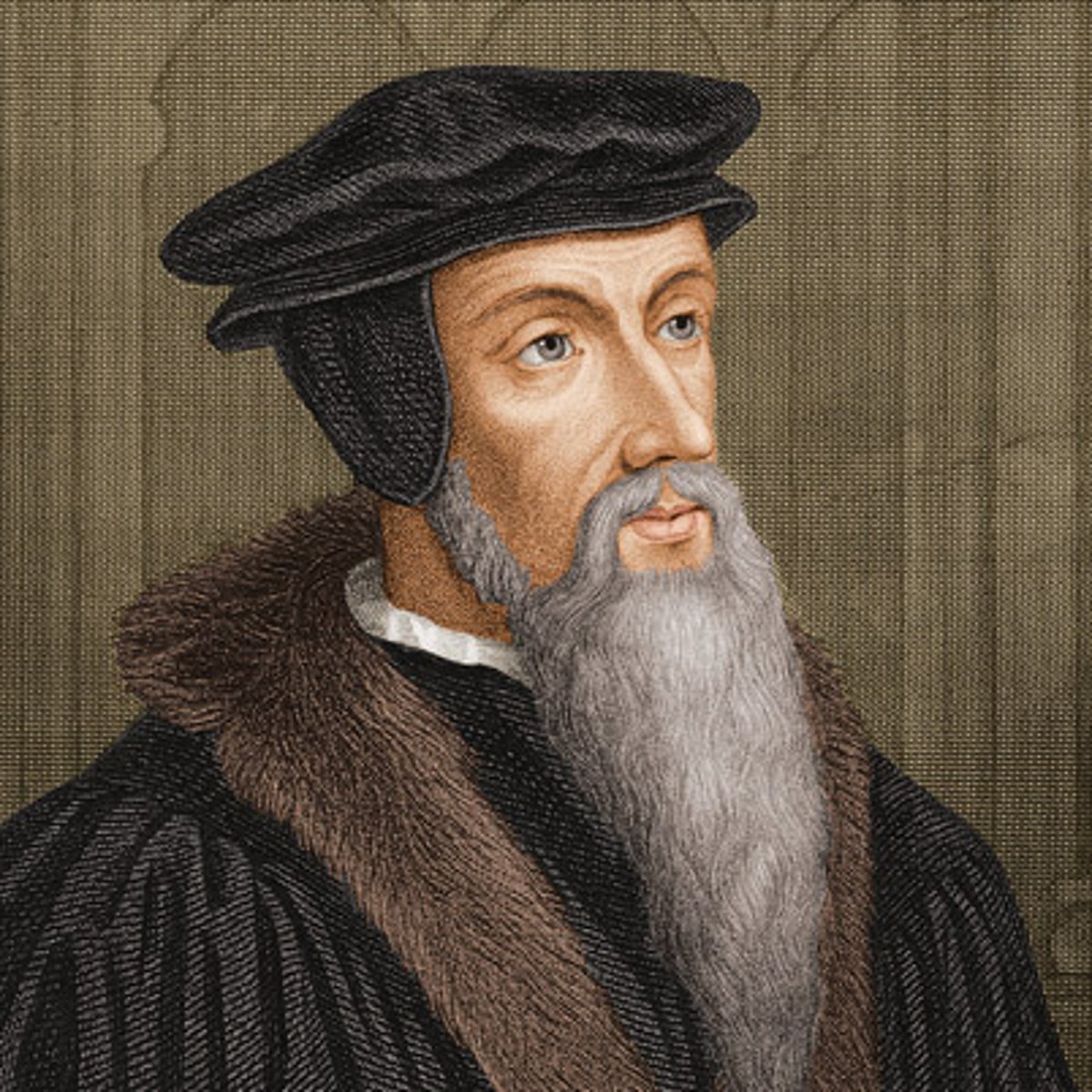
John Calvin
1509-1564. French theologian. Developed the Christian theology known as Calvinism. Attracted Protestant followers with his teachings; believed in predestination
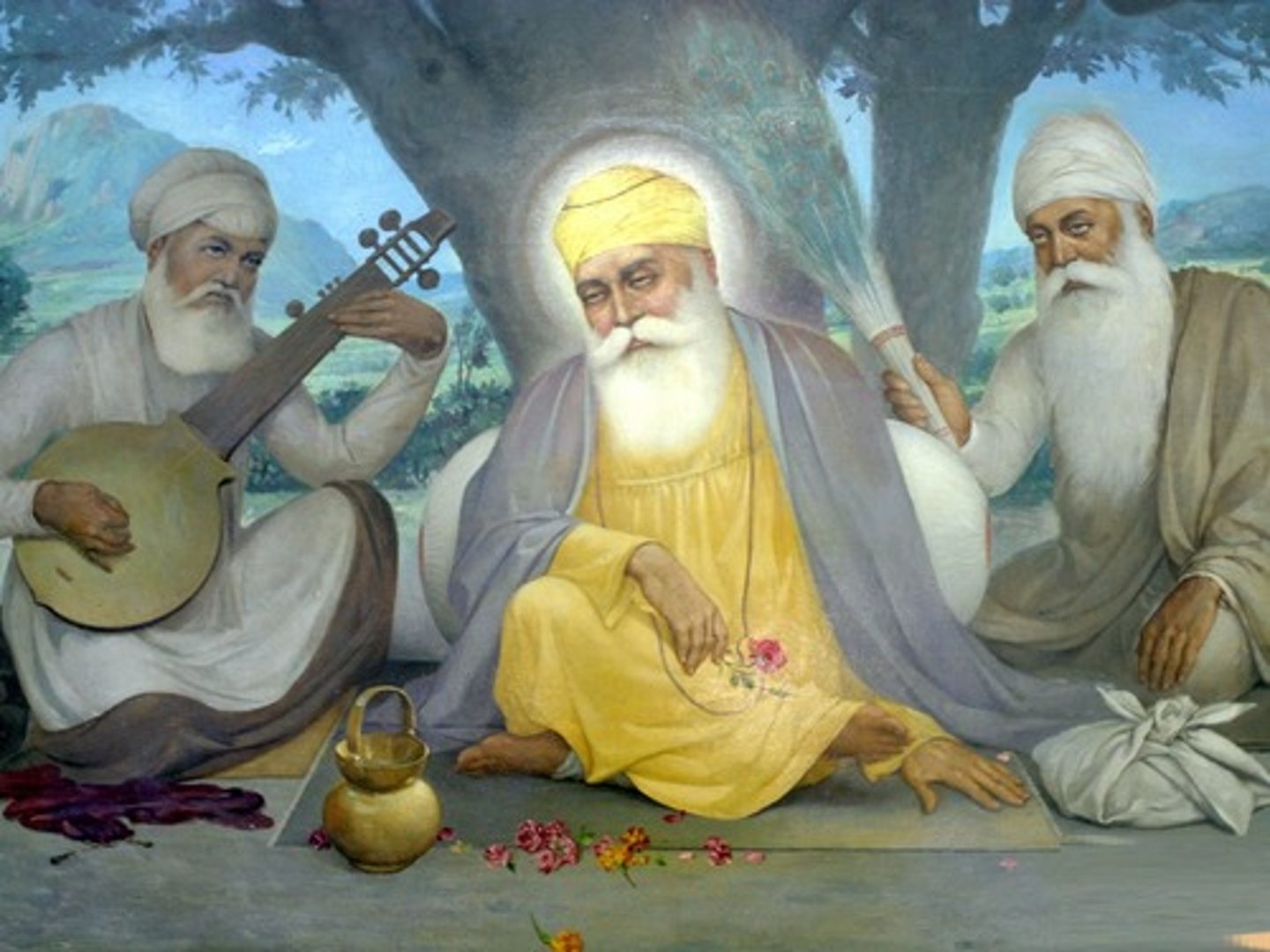
Sikhism
the doctrines of a monotheistic religion founded in northern India in the 16th century by Guru Nanak and combining elements of Hinduism and Islam; a result of the presence of the Mughal Empire in India
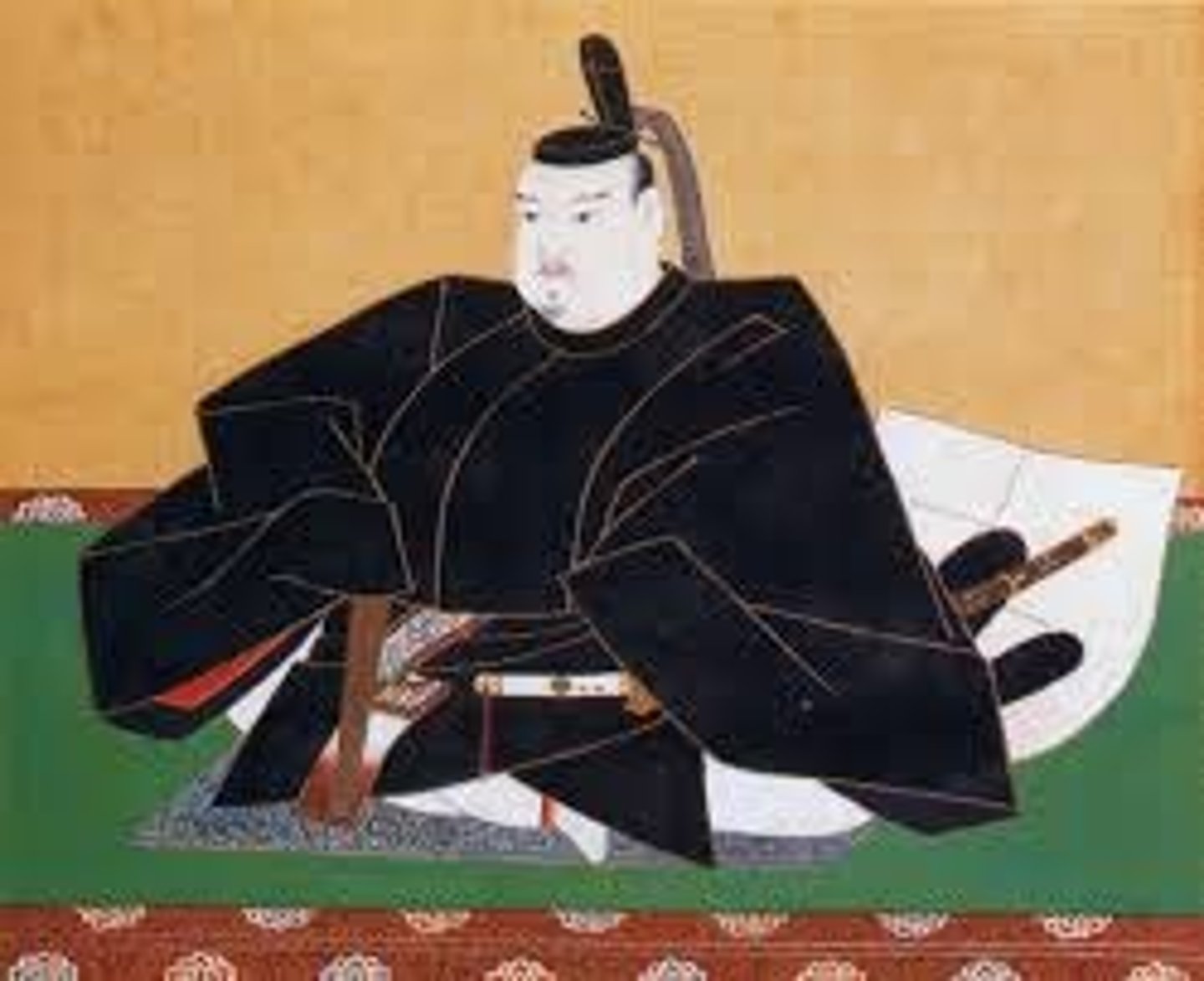
Shogunate
The Japanese system of government under a shogun (military warlord), who exercised actual power while the emperor was reduced to a figurehead.
Gutenberg Press
this invention helped to promote the Reformation and increased European literacy
Ivan IV
the Terrible, beat the Mongols, Tartars, and the Poles, forced nobles into service, first ruler to take the title tsar
Volga River
The longest river in Europe and Russia's most important commercial river.
Ming Dynasty
Chinese dynasty (1368-1644) that succeeded the Yuan dynasty of the Mongols; noted for its return to traditional Chinese ways and restoration of the land after the destructiveness of the Mongols.
Kangxi
Qing emperor (r. 1662-1722). He oversaw the greatest expansion of the Qing Empire.
Qianlong Emperor
the fifth emperor of the Manchu-led Qing Dynasty (r. 1736-1795), in what was considered China's "Golden Age". In the mid-18th century received pressure to allow for more trade with Europe. Visited by George Macartney, who refused to perform the kowtow and bow to the emperor.
Tamerlane
Mongol leader who conquered Persia and Mesopotamia
Ghazi ideal
a model for warrior life that blended the cooperative values of nomadic culture with the willingness to serve as a holy fighter for Islam
Mehmed II
Ottoman sultan called the "Conqueror"; responsible for conquest of Constantinople in 1453; destroyed what remained of Byzantine Empire.
Suleiman I
The leader of the Ottoman Turk Empire during the high Renaissance.
Shah
Persian word for king
Safavid Empire
Turkish-ruled Iranian kingdom (1502-1722) established by Ismail Safavi, who declared Iran a Shi'ite state.
Shah Abbas I
Shah of Iran (r. 1587-1629). The most illustrious ruler of the Safavid Empire, he moved the imperial capital to Isfahan in 1598, where he erected many palaces, mosques, and public buildings.
Akbar
The most famous Muslim ruler of India during the period of Mughal rule. Famous for his religious tolerance, his investment in rich cultural feats, and the creation of a centralized governmental administration, which was not typical of ancient and post-classical India.
caste
a rigid and hereditary social class
Divine Right of Kings
Doctrine that states that the right of ruling comes from God and not people's consent
English Bill of Rights
1689 laws protecting the rights of English subjects and Parliament
Absolutism
A form of government in which the ruler is an absolute dictator (not restricted by a constitution or laws or opposition etc.)
tax farmers
Agents who purchased from the crown the rights to collect taxes in a particular district.
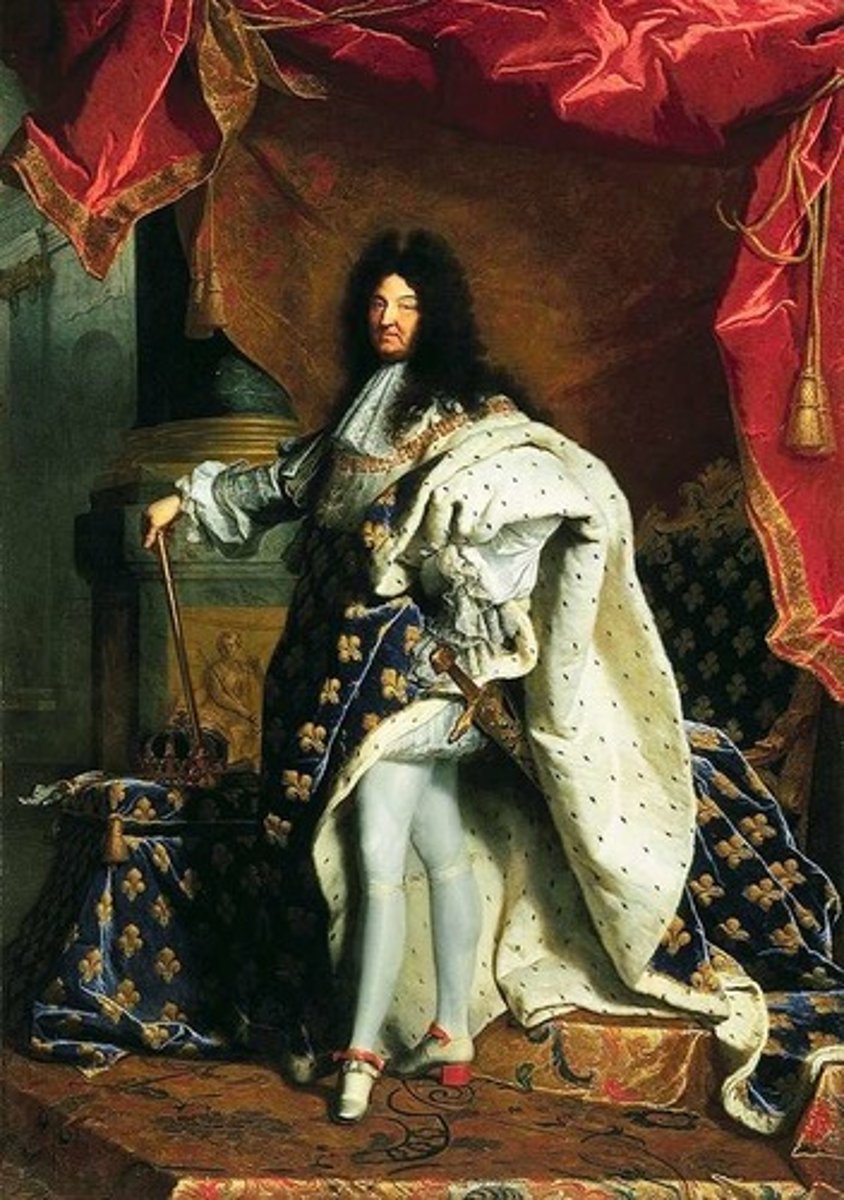
Louis XIV
(1638-1715) Known as the Sun King, he was an absolute monarch that completely controlled France. One of his greatest accomplishments was the building of the palace at Versailles.
Boyars
Russian nobles. Peter will try to "westernize" them.
serfdom
A type of labor commonly used in feudal systems in which the laborers work the land in return for protection but they are bound to the land. This was common in early Medieval Europe as well as in Russia until the mid 19th century.
Romanov Dynasty
Dynasty elected in 1613 at end of Time of Troubles; ruled Russia until 1917
Janisaries
Drafted young christian/Jewish boys in the Ottoman Empire. soldier
Daimyo
A Japanese feudal lord who commanded a private army of samurai
Period of Great Peace
The Tokugawa Shogunate created this period in Japan known as the Edo Period by adopting a policy of isolation
Tokugawa Shogunate
was a semi-feudal government of Japan in which one of the shoguns unified the country under his family's rule. They moved the capital to Edo, which now is called Tokyo. This family ruled from Edo 1868, when it was abolished during the Meiji Restoration.
indulgences
pardon sold by catholic church to reduce one's punishment
simony
the buying and selling of church offices
"The Elect"
In Calvinist doctrine, those who have been chosen by God for salvation.
Puritans
Protestant sect in England hoping to "purify" the Anglican church of Roman Catholic traces in practice and organization.
Council of Trent
Called by Pope Paul III to reform the church and secure reconciliation with the Protestants. Lutherans and Calvinists did not attend.
Peace of Augsburg
1555 agreement declaring that the religion of each German state would be decided by its ruler
Edict of Nantes
1598 - Granted the Huguenots liberty of conscience and worship.
Sharia
Body of Islamic law that includes interpretation of the Quran and applies Islamic principles to everyday life
Empiricism
the view that knowledge originates in experience and that science should, therefore, rely on observation and experimentation
Sacraments
Sacred rituals of the Roman Catholic Church
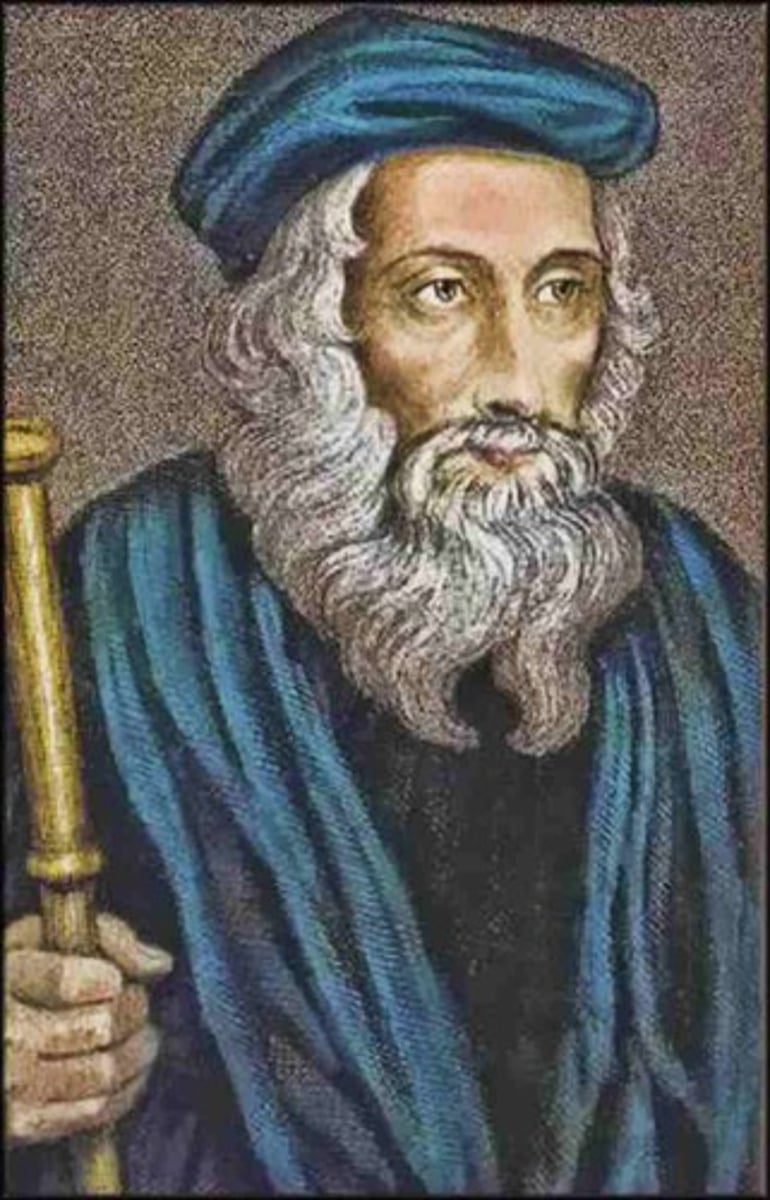
John Wycliffe
(c.1328-1384) Forerunner to the Reformation, early theologian. Directed an English translation of the Bible. Created English Lollardy. Attacked the corruption of the clergy, and questioned the power of the pope.
Tsar
The Russian term for ruler or king; taken from the Roman word caesar.
Humanism
A Renaissance intellectual movement in which thinkers studied classical texts and focused on human potential and achievements
Khanzada Begum
Timurid princess who represented her brother (babur) at the Uzbek court
Zhu Yanzhang
The Hongwu Emperor, also known by his given name Zhu Yuanzhang and his temple name Ming Taizu, was the founder and first emperor of the Ming Dynasty of China. His era name Hongwu means "vastly martial."
Romanovs
Russian family that came to power in 1613 and ruled for three centuries. Claimed a religious right to rule Russia due to the support of the Russian Orthodox church.
Mamluk Sultanate
A political unit in Egypt. Did not set up a consistent, hereditary line of succession.Failed to adapt to new warfare and were eventually defeated by the Ottomans.
Selim I
consolidated Turkish control over Mesopotamia and then turned his attention to the Mamluks in Egypt.
Catholic Church
Branch of Christianity established in 1054 and establishes itself in Western Europe. Noted for its separation from the political sphere, celibacy in its clergy, and instance of the bishop of Rome, or pope, as its ultimate authority in Christian belief and practice.
Shah Jahan
Shihab-ud Din Muhammad Khurrah; Mogul emperor of India during whose reign the finest monuments of Mogul architecture were built (including the Taj Mahal at Agra) (1592-1666)
Hostage System
alliances were formed by taking the child of a Daimyo, and giving him (usually boys) to another Daimyo. This forced both sides to be trusting and honorable, for the other side had the others son. This perpetuated the alliances, but to strengthen the alliance further, the Daimyo would train and educate the boy(s).
Ulama
Muslim religious scholars. From the ninth century onward, the primary interpreters of Islamic law and the social core of Muslim urban societies.
Mansabdari
a non-hereditary system of military-style rankings or gradings within the Mughal bureaucracy.
Sapahi
militaristic leaders that owned land in the Ottoman Empire
Babur
founder of Mughal dynasty in India; descended from Turkic warriors; first led invasion of India in 1526; died in 1530.
Shahjahanabad
(Abode of Shah Jahan): City founded by Shah Jahan 1639, otherwise known as Old Delhi, Jama Masjid was built within the city, also home to the Red Fort where Shah Jahan was ultimately kept prisoner until his death by his son Aurangzeb. Walled city of Delhi, capital of Mughal Empire.
Aurangzeb
Mughal emperor in India and great-grandson of Akbar 'the Great', under whom the empire reached its greatest extent, only to collapse after his death.
tariffs
Taxes on imported goods
Timars
administrative and tax collecting grants handed out by the sultan. Charged with administrative duties upon collecting.
Edo
Tokugawa capital city; modern-day Tokyo; center of the Tokugawa shogunate.
Edo Period
The period in Japanese history between 1600 and 1853; also known as the Tokugawa period
Caliph
A supreme political and religious leader in a Muslim government
Sultan
"holder of power"; the military and political head of state under the Seljuk Turks and the Ottomans
Omani Empire
Started out as a loose collection of ports and once having encounters with Europeans they were able to reinvent themselves as an empire. Covered most of the southeast corner of the Arabian Peninsula, parts of the coast of what today is known as Iran and Pakistan, and extended down into East Africa, from the northern tip of the Somali Coast all the way down into what today's known as Mozambique. Challenged the Portuguese who set up forts in their coast.
Tokaido
the 300-mile-long road that connected Edo and Kyoto during the 1700's
Shogun
In feudal Japan, a noble similar to a duke. They were the military commanders and the actual rulers of Japan for many centuries while the Emperor was a powerless spiritual figure.
Toyotomi Hideyori
Son and successor of Hideyoshi; was under the protection of Tokugawa Ieyasu who viewed him as a threat.
diplomat
a person appointed by a national government or society to conduct official negotiations and maintain political, economic, and social relations with other countries.
artisans
a worker in a skilled trade, especially one that involves making things by hand.
decentralization
the distribution or transfer of administrative powers or of a central authority over a less concentrated area
siege
the act or process of surrounding and attacking a fortified place in such a way to isolate it from help and or supplies, for the purpose of lessening the resistance of the defenders.
Philip IV
taxed clergy to pay for a war; after much conflict with the Pope, he called the Estates General to request support
seminaries
an institute providing religious theolegy and history primarly to
prepare students to become a priest or minister. They began as part of the Catholic Reformation as a way to train priests in their religious duties to reclaim legitimacy.
monasteries
Religious community where Christians called monks gave up their possessions and devoted their lives to serving God.
clergy
A body of officials who perform religious services, such as priests, ministers or rabbis.
provinces
Administrative divisions of a country