Pharmacognosy 2: Lecture 1: Family Lamiaceae
 Call Kai
 Learn
Learn Practice Test
 Spaced Repetition
 Match
Match Flashcards
 Knowt Play
1/57

Earn XP
Description and Tags
يا بتاع النعناع يا منعنع
Name | Mastery | Learn | Test | Matching | Spaced | Call with Kai |
|---|
No analytics yet
Send a link to your students to track their progress
58 Terms
Greek word for "remedy" and partial origin of the word pharmacognosy
Pharmakon
Science of nature derived pharmaceuticals and poisons
Pharmacognosy
Foods with additional health benefits
Nutraceuticals
Phytopharmaceutical
1- High-concentration garlic extracts for reducing high blood pressure
2- Standardized turmeric (curcumin) for severe inflammation
3- St. John's Wort for depression.
Use of plants or plant extracts—including leaves, roots, flowers, and seeds—to prevent/treat diseases and enhance health; considered a type of alternative medicine and can come in various forms such as teas, capsules, powders, or extracts
Herbal medicine/Phytomedicine
Chemopreventive agent
1- Curcumin
2- Green tea polyphenols
3- Tamoxifen
Dietary supplements
- Vitamins (e.g., Vitamin D, B12)
- Minerals (e.g., calcium, iron)
- Herbs (e.g., echinacea)
- Botanicals (e.g., ginger)
- Amino acids
- Enzymes
Holistic, integrative system combining conventional medicine with anthroposophical therapies (art therapy, rhythmic massage) to treat the whole person—body, soul, and spirit; focuses on stimulating self-healing mechanisms and uses individualized treatments based on natural substance
Anthroposophical Medicine
Mainly of mono and sesquiterpenes and simple phenylpropanoid aromatics, which are isolated either by steam distillation or via non-polar solvent extraction
Volatile oil
Triglycerides of fatty acids with lipid soluble constituents, extracted by cold expression (either scarification or sponge method)
Fixed oil
Glycosides
1- Cardiac glycosides
2- Saponins
3- Flavonoids
4- Anthraquinones
Done by pouring boiling water and standing for 10-15 minutes; suitable for most leaves, flowers, fruits and herbal drugs of soft tissues, and for thermo-stable constituents
Infusion
Done by boiling water together with the herb for a range of 5-10 minutes; used for herbal drugs composed of hard tissues such as woods and barks or for materials containing sparingly soluble active principles (e.g. tannins, mucilage containing herbs)
Decoction
Factors affecting extraction efficiency
1- Solvent:Solid ratio
2- Solvent polarity
3- Temperature
4- Degree of comminution
Herbal remedy affected by light
1- Ergot alkaloids
Family Lamiaceae: Common Microscopic Features:
1- Diacytic stomata
2- Labiaceous glandular hair with unicellular stalk and 8 celled head
3- Multicellular uniseriate non-glandular trichome
Mint leaves (Peppermint leaf): Macroscopic Features
1- Thin Brittle Leaves
2- Violet venation
3- Yellow-brown punctuation on lower surface (Labiatea hair)
4- Characteristic odor
Mint leaves (Peppermint leaf): Uses
1- Antispasmodic
2- Sedative (+Melissa)
3- Carminative
4- Cholagogue
5- Decongestant
6- Rubifacient
Melissa Leaves (Lemon balm leaf): Scienticfic Name
Melissa officinalis
Melissa Leaves (Lemon balm leaf): Macroscopic Features
1- Thin crumpled leaves
2- Dark green upper surface
3- Light green lower surface with punctuation
4- Lemon like odor
Melissa Leaves (Lemon balm leaf): Unique Microscopic Features
1- Tooth-like unicellular trichome
Melissa Leaves (Lemon balm leaf): Active Constituents
- Volatile oil: citral
- Hydroxycinnamic acid derivatives and oxidation
products of caffeic acid mainly rosemarinic acid
Melissa Leaves (Lemon balm leaf): Uses
- Antispasmodic
- Sedative
- Antiviral: HSV
- Lower Skin inflammation
Sage leaves: Scientific Name
Salvia officinalis
Sage leaves: Macroscopic Features
1- Lanceolate leaves
2- Depressed Veins
3- Hairy on both upper and lower surfaces
Sage leaves: Unique Microscopic Features
- Multicellular wooly hair
Sage leaves: Active Constituents
- Volatile oils: Thujone (30-60%) and Camphor (20-35%).
- Hydroxycinnamic acid derivatives and oxidation products of
caffeic acid mainly rosmarinic acid
- Glycosides: Fructoside and Apioside
- Bitter principles: Carnesol and Rosmanol
Sage leaves: Uses
Externally:
1- Anti-inflammatory: Gargles
2- Topically: Seborrhea
Internally (Vet medicine ONLY!!):
3- Flatulence/Diarrhea
Nutraceuticals
1- Curcumin
Study of the active constituents of medicinal plants in respect to: extraction, analysis, chemical structure, activity, relationships, as well as biosynthesis and means of production
Phytochemistry
Complex mixture derived from plant sources that is used as a medicine or drug; considered the best 'Alternative Medicine'
Phytopharmaceutical
Curing ability using bioactive plant-derived medication
(Phytopharmaceuticals)
Phytotherapy
Natural or synthetic substances that prevent or delay cancer development
Chemopreventive Agent
(Nutraceuticals, Functional Foods, and Health Food Supplements) Products intended to enhance the diet, containing ingredients like vitamins, minerals, herbs, and amino acids in forms such as tablets, capsules, powders, or liquids; they are not intended to treat, cure, or prevent diseases or replace meals
Dietary Supplements
A theory based on an assumption that plants can be used in very dilute forms to treat illnesses associated with symptoms produced by their high doses
Homeopathy
Homeopathy
1- Allium cepa (red onion) for a cold with a runny nose and watery, irritated eyes
It's fruit capsules produce powerful drugs, while its seeds are almost alkaloid free
Opium Poppy
Plant parts use for the following:
- Senna
- Hibiscus
- Vanilla
- Peppermint
- Linseed
- Leaves (Senna)
- Flowers (Hibiscus)
- Fruits (Vanilla)
- Aerial parts (Herb) (Peppermint)
- Seeds ( Linseed)
Basic, nitrogen-containing natural products that are of limited distribution and possessing a significant physiological activity
Alkaloids
Non-sugar part (aglycone), linked with a sugar by a glycosidic or acetal bond
Glycosides
Non-sugar part of glycosides
Aglycone
Organic compounds made of carbon, hydrogen, and oxygen, typically in a 1:2:1 empirical formula ratio (CH2O).
Carbohydrate
Naturally occurring micronutrients with potential antioxidant activity; their structures have at least one aromatic ring and one or more hydroxyl substituents
Polyphenols
Constituents characterized by a strong bitter taste, which stimulate digestive secretions and improve appetite
Bitter Principles
Natural, often antiseptic, substances exuded by plants (typically in response to injury) that harden upon exposure to air
Resins (and Gums)
Done for several hours or overnight with occasional shaking (on cold), for water soluble constituents to be separated; preferred for herbs containing mucilage, suitable for thermo-labile constituents
Maceration
Factors affecting herbal remedy stability
1- Light
2- Storage container
3- Humidity
4- Temperature
Commonly known as the "Mint family" and is one of the largest and most significant plant families; comprises 236 genera and more than 7000 species; used extensively for their antioxidant, anti-inflammatory and antimicrobial activity; major source of essential oils used in perfume, cosmetics and the flavoring industry.
Family Lamiaceae
Family Lamiaceae: Popular culinary/Aromatic herbs:
1- Basil
2- Mint
3- Rosemary
4- Thyme
5- Oregano
6- Lavender
7- Lemon Balm.
Family Lamiaceae: Common Active Constituents:
- Glycosides: Rosmarinic and Caffeic acids
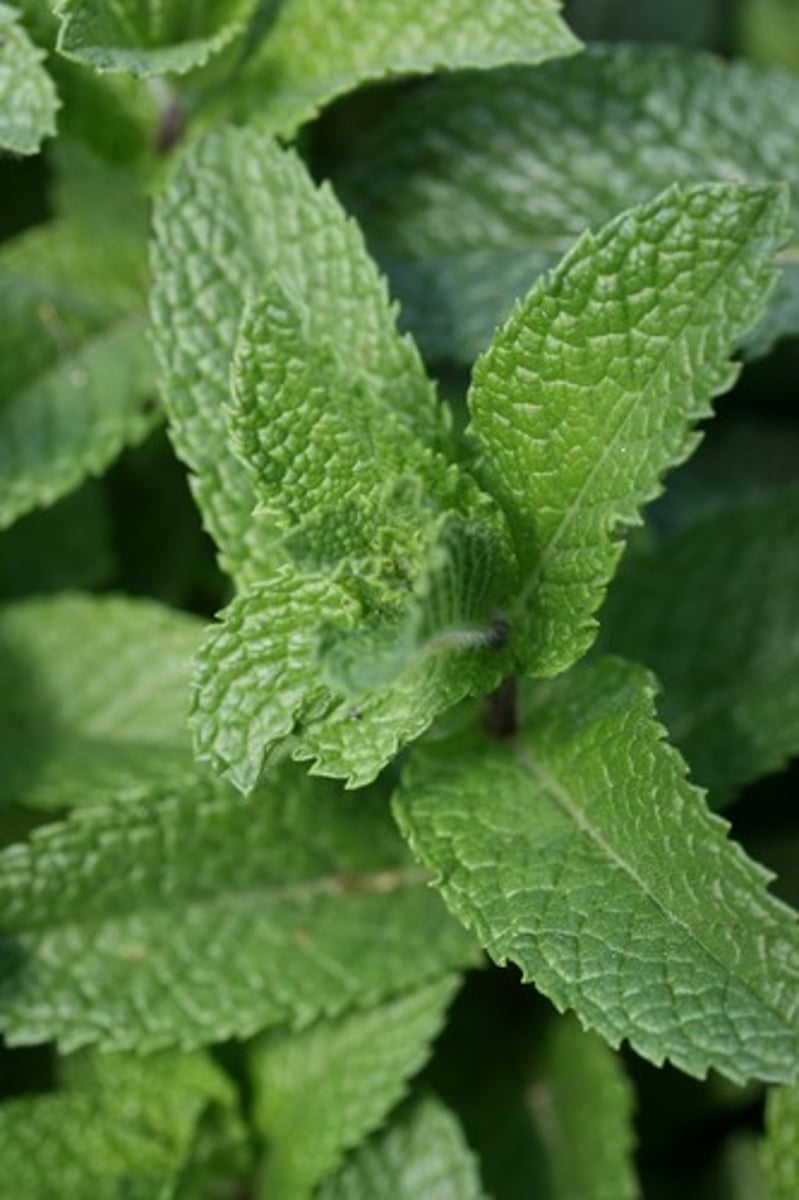
Identify:
Mint leaves (Peppermint leaf)
Mint leaves (Peppermint leaf): Scientific Name
Mentha piperita
Mint leaves (Peppermint leaf): Active Constituents
- Volatile Oil: Menthol (0.5-4%)
- Glycosides: Rosmarinic and Caffeic acids
Mint leaves (Peppermint leaf): Contraindications
1- Biliary Obstruction
2- Newborn Infants
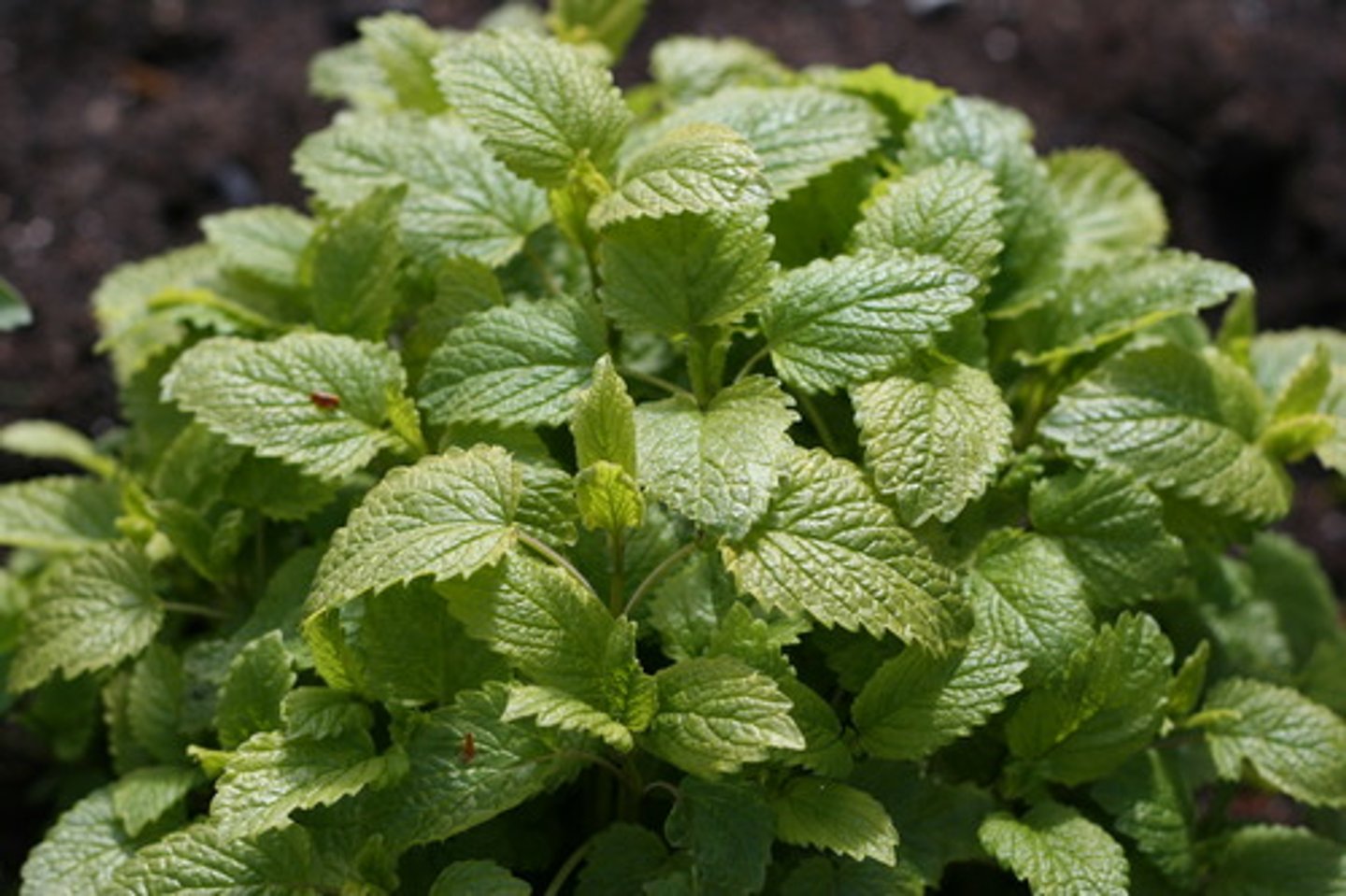
Identify
Melissa Leaves (Lemon balm leaf)
Mixture between cis and trans isomers: Neral, Geranial and Citronellal
Citral V.oil
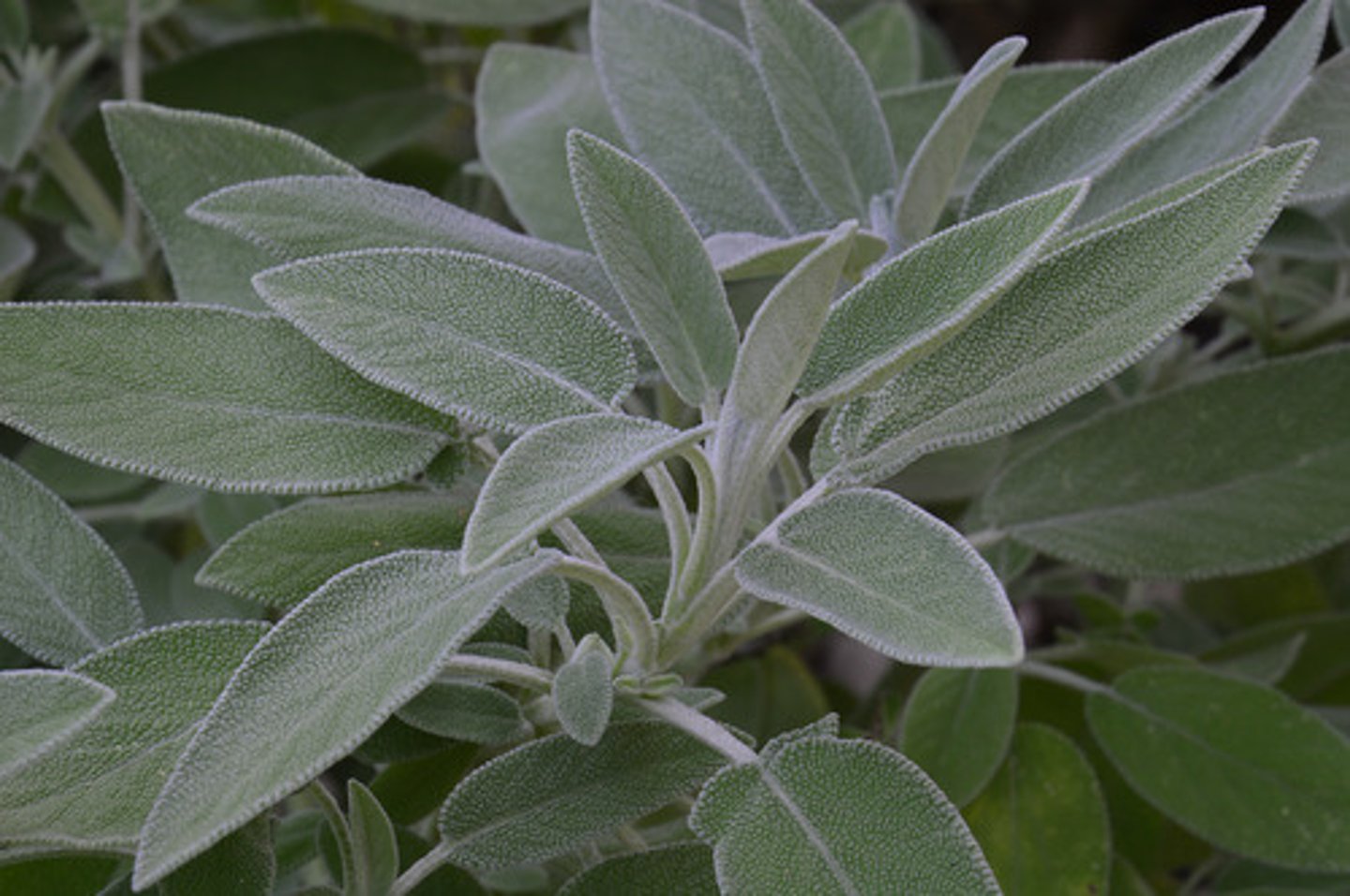
Identify:
Sage Leaves
Sage leaves: Side effects and Contraindications
1- Neurotoxic (causing Convulsions/Hallucination)
2- Pregnancy