UIV BIOLOGY SUMMER EXAMS
 Call Kai
 Learn
Learn Practice Test
 Spaced Repetition
 Match
Match Flashcards
 Knowt Play
1/238

There's no tags or description
Looks like no tags are added yet.
Name | Mastery | Learn | Test | Matching | Spaced | Call with Kai |
|---|
No analytics yet
Send a link to your students to track their progress
239 Terms
What is amniotic fluid?
inside amniotic sac, protects baby from physical bumps
What is the umbilical cord?
connects embryo to placenta
What is MRS C GREN?
8 characteristics that all living things have in common
What does MRS C GREN stand for?
movement, reproduction, sensitivity, control, growth, respiration, excretion, nutrition
What is movement?
ability to move, happens in all living things, animals use muscles + skeleton, plants grow
What is reproduction?
production of new organisms
What is sensitivity?
responding to changes in the environment (stimulus)
Give an example of sensitivity
plants growing towards light
What is control?
maintenance of stable internal environment (homeostasis)
What is growth?
permanent increase in size
What is growth caused by?
increase in size or number of cells
What is respiration?
releasing energy from food, stored as chemical (ATP)
What is the equation for respiration?
glucose + oxygen -> water + Carbon dioxide
What is excretion
removal of cellular or metabolic waste (frequently toxic)
What are some examples of excretion?
CO2 (produced in cells) from respiration, urea found in urine
What is nutrition?
taking in substances that can be used as energy or for growth
What are structures inside cells called?
organelles
Are animals multicellular?
Yes
What are the features of animal cells?
no cell wall, most have nervous system
Are plants multicellular?
Yes
What are the features of plant cells?
cell walls made of cellulose, chloroplasts for photosynthesis
Are fungi multicellular?
most are
What are the features of fungi?
cell walls made of chitin, do not have chloroplasts
What is an example of a multicellular fungi?
mucor- mould found on bread
What is an example of a single celled fungi?
yeast used to make beer
Are protoctists multicellular?
most are not
What are the features of protoctists?
very mixed (some look like animal cells, some like plant cells)
What is an example of a protoctist that looks like an animal cell?
amoeba
What is an example of a protoctist that looks like an plant cell?
chlorella
What is another example of a protoctist?
plasmodium (carried by mosquitos, causes malaria)
What is a eukaryote?a
cell with a nucleus
What are some examples of eukaryotes?
animal cells, plant cells, fungi cells, protoctist cells
Is bacteria multicellular?
no
What are the features of bacteria?
very small, no nucleus
What are some examples of bacteria?
lactobacillus (make yogurt), salmonella (food poisoning)
What is bacteria an example of?
prokaryotes
What are prokaryotes?
cells that dont have a nucleus
Do viruses carry out MRS C GREN?
no
What does the nucleus do?
contain DNA (genetic materials), controls actions of cell
What does the cytoplasm do?
site of chemical reactions in the cell (mostly water)
What does the cell membrane do?
outside of animal cell, controls what enters and leaves
What does the mitochondria do?
releases energy from food during respiration
What does the ribosomes do?
involved in protein synthesis
What does the cell wall do?
made of cellulose, provides structural support to plant cell
What does the chloroplasts do?
site of photosynthesis (produces glucose from sunlight)
What does the vacuole do?
supports plant and contains cell sap (mostly water)
How to stem cells become specialised cells?
differentiation- change shape depending on function
What are stem cells?
cells in early embryo- have not differentiated, look identical, simple structure
What are the adaptions of ciliated epithelial cells?
extensions (cilia)
What is the function of cilia in ciliated epithelial cells?
in airways- cilia waft mucus away from lungs, in oviducts- cilia waft egg from ovary to uterus
What are the adaptations and uses of adaptions of red blood cells?
biconcave shape (maximise surface area + flexible in capillaries), no nucleus (more space to carry o2), red colour (molecule called haemoglobin)
What are the adaptations and uses of adaptions of sperm cells?
head (contains 1/2 normal amount of DNA), midpiece (contains mitochondria for energy to swim to egg), tail (swim to egg), acrosome (contain enzymes to digest egg membrane)
What are the adaptations and uses of adaptions of nerve cells?
axons and dendrons- long extensions (cells reach all parts of body to send electrical messages)
What are the adaptations and uses of adaptions of palisade mesophyll cells?
tall cells (upright to catch as much sunlight as possible), very green (many chloroplast for photosynthesis)
What are the adaptations and uses of adaptions of root hair cells?
long extension called root hair (maximises surface area to absorb water + mineral ions)
What is an organelle?
small structure inside cell
What is a tissue?
group of similar cells with same function
What are some examples of tissues?
muscle, blood etc
What is an organ?
collection of several tissues carrying out particular function
What is an organ system?
different organs working together
What is the formula for magnification?
actual image= image size/ magnification
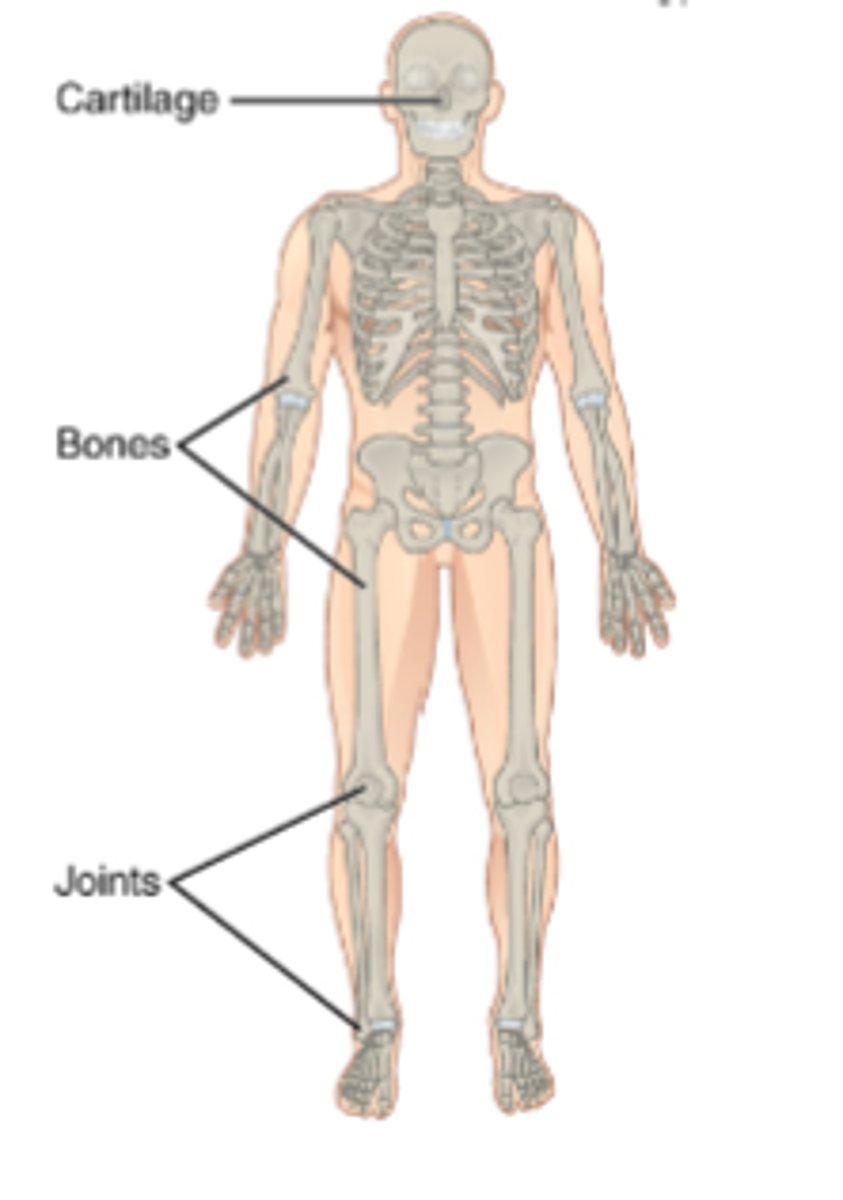
What is the function of the skeletal system?
movement of limbs
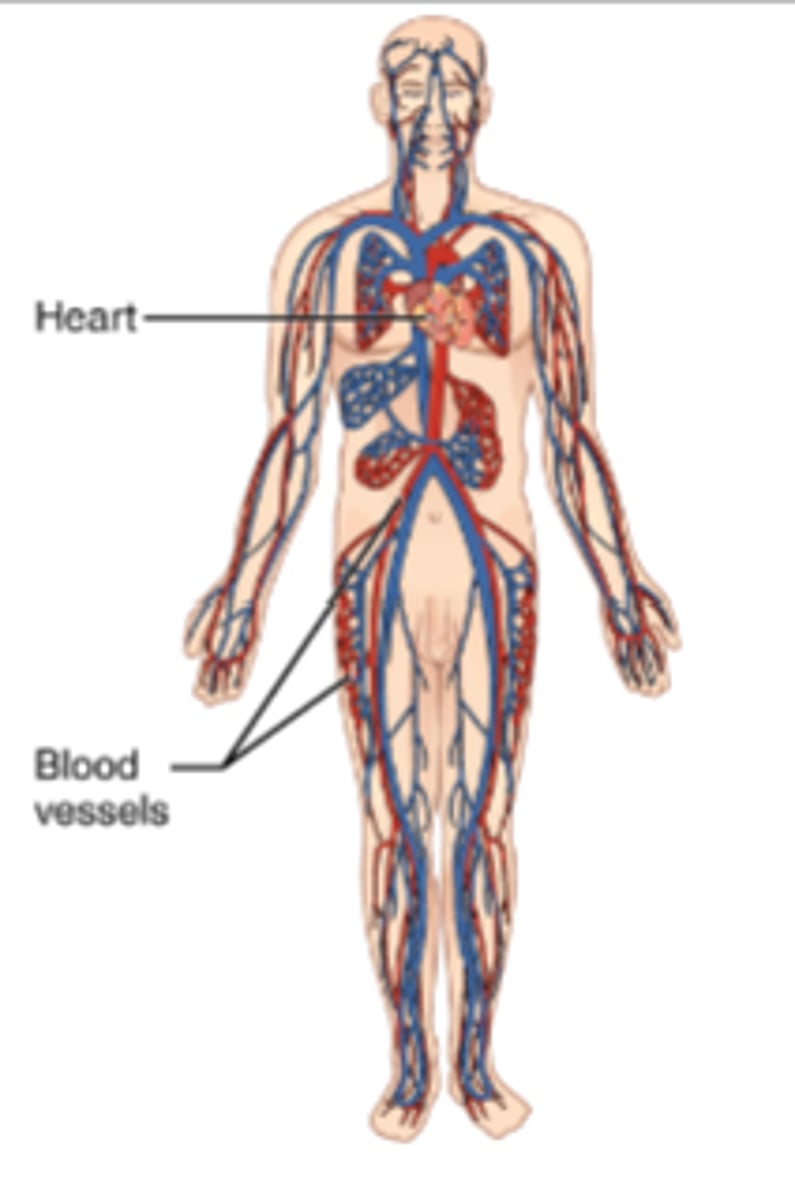
What is the function of the circulatory system?
moves blood around body to deliver o2 cells for respiration
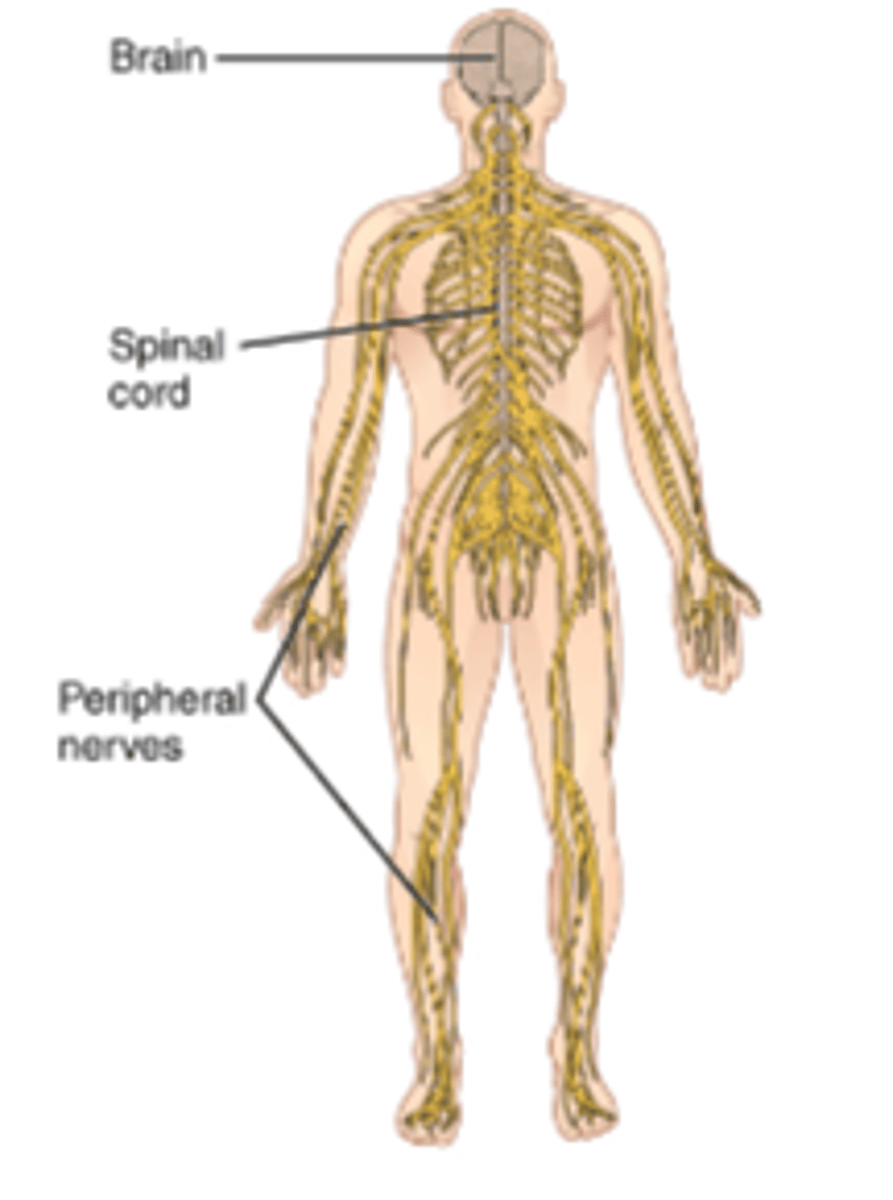
What is the function of the nervous system?
send messages around body to coordinate actions
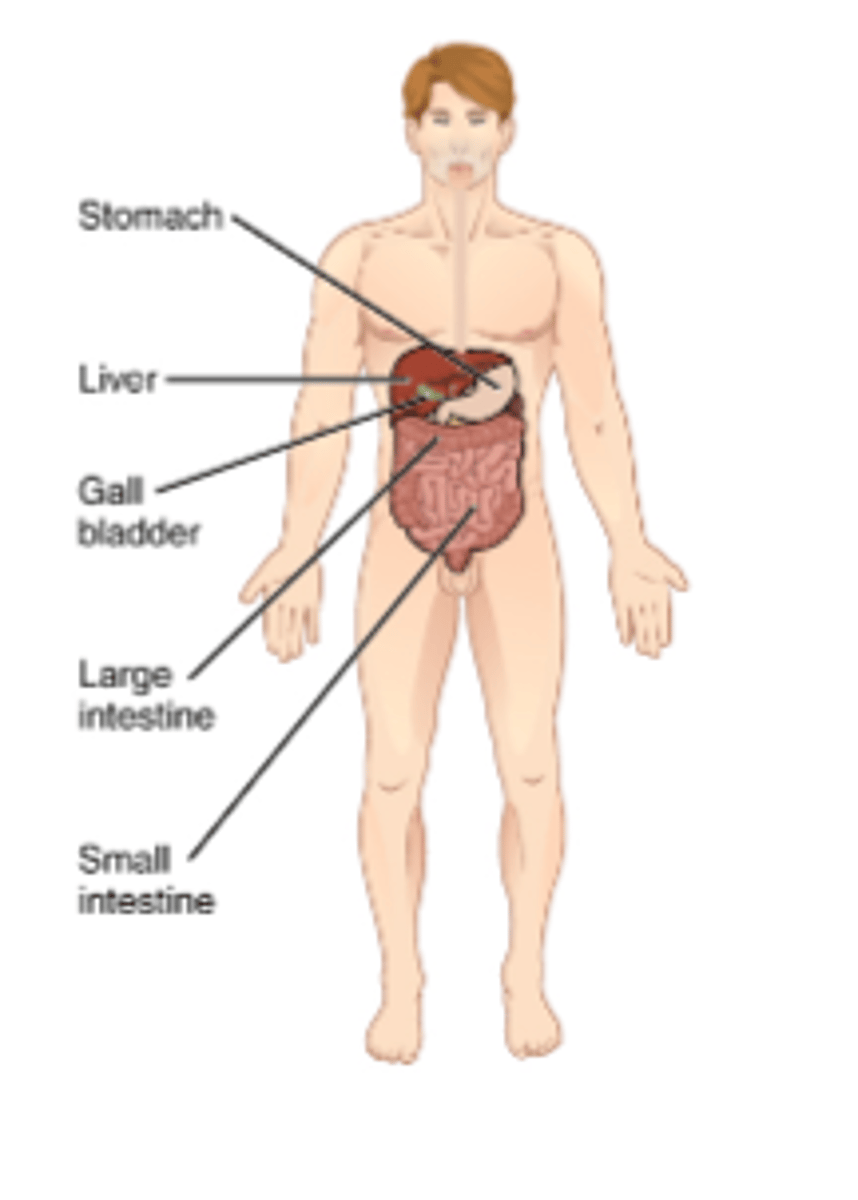
What is the function of the digestive system?
breaks down large molecules into small ones
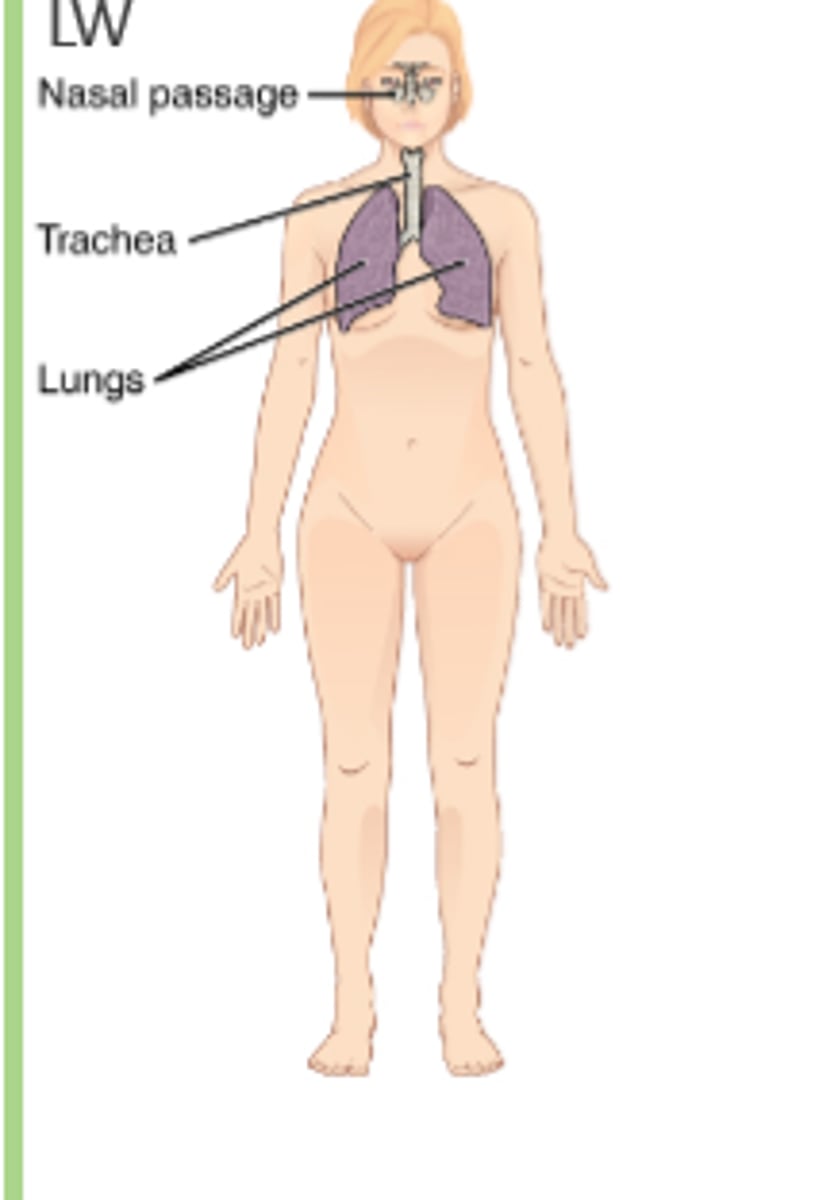
What is the function of the respiratory system?
takes in oxygen to send to cells for respiration
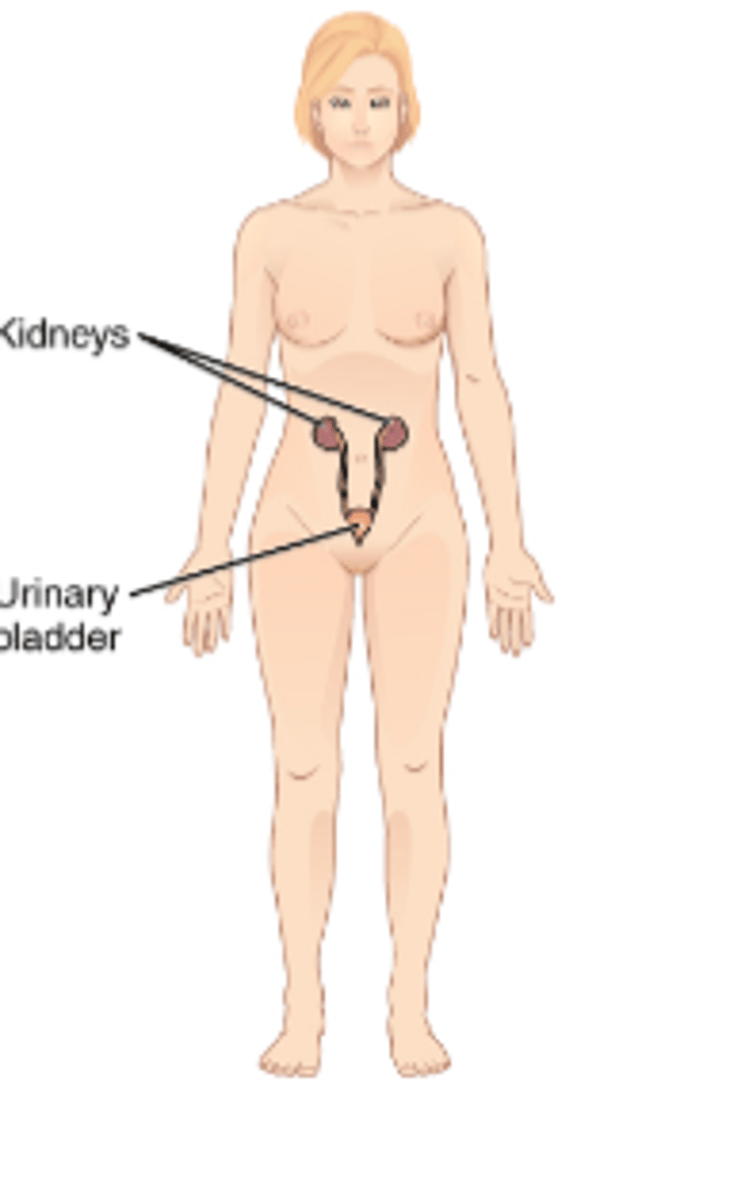
What is the function of the excretory system?
remove metalic waste from body (eg urea)
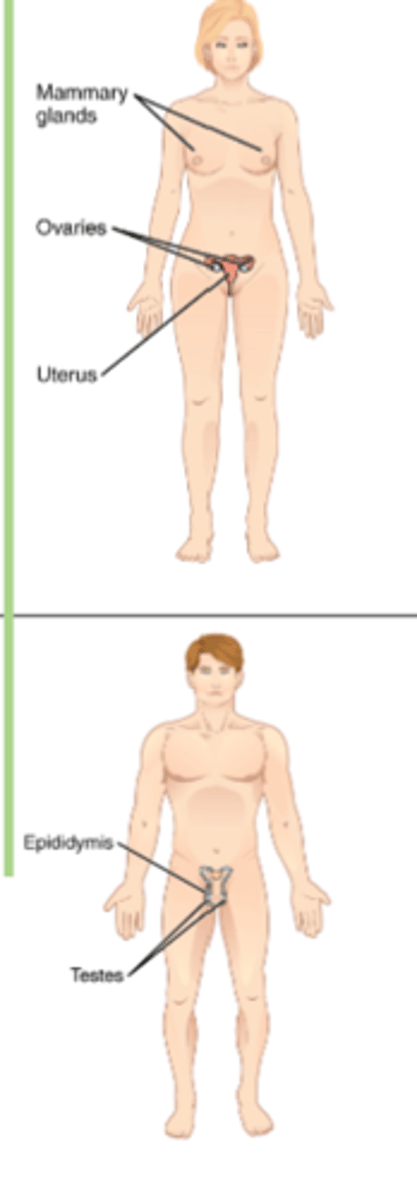
What is the function of the female/ male reproductive system
produce offspring
Is a a leaf an organ?
yes (leaves stems a roots all are plant organs)
What is the name of the female gamete (sex cell)?
egg cell
What is the name of the cells that transport oxygen around the body?
red blood cells
What is the name of the cells that carry out electrical impulses around the body?
nerve cells/ neurons
What is the name of the male reproductive cell?
sperm cell
What are the parts of the female reproductive system?
cervix, fallopian tube/ oviduct, uterus, vagina, ovaries
What does the ovary produce?
female gamete (egg), oestrogen, progesterone
What is the function of the oviducts?
lead from ovaries to uterus
What are the properties of the uterus?
thick walls (muscle + elastic), small but stretch during pregnancy, good blood supply
What is the cervix?
narrow opening at uterus base, size of pinhead, leads to vagina, closed by ring of muscle
What does the cervix do?
produces watery mucus for sperm to swim through uterus
What is the vagina?
birth canal, tube that leads to outside
Where are the eggs made and stored?
ovaries
What happens once the menstrual cycle begins?
a single egg develops per month and released into the oviduct (ovulation)
What is a follicle
what eggs develop inside. moves to edge of ovary and bursts, releasing egg into oviduct
How big is the egg cell?
largest human cell (0.1mm diametes approx)
What does the egg cell contain?
many nutrients which embryo use to grown until placenta forms
What are the parts of the male reproductive system?
bladder, spermduct, glands, bladder, ureter, testes, penis, urethra
What do the testes make?
male gametes (sperm), testosterone
Where are the testes and why?
outside the body as sperm develops better at cooler temperatures (sperm production stops if tubules too hot)
What is the function of the sperm duct (vas deferens)?
carry sperm away from testes
What is the function of the glands and prostate?
make fluid (semen) to transport sperm
How often is an ovum released into the oviduct?
28 days approx
Where does fertilisation normally happen?
oviducts
What is fertilisation?
fusion of male and female gamete nucleus to produce zygote
What is the fertilised egg called?
zygote
What does the zygote do?
cell division as it travels towards uterus, becomes ball of cells called embryo, reaches uterus and imbeds itself into the lining
Why does the embryo imbed itself into the uterus lining?
uterus lining has rich blood supply
What is the placenta?
specialised organ where substances can move between blood supply of mother and baby
What is the amniotic sac?
surrounds the foetus, filled with amniotic fluid
What is a foetus?
unborn baby, grown embryo
What substances pass from the mother to the foetus?
glucose, oxygen, drugs/ alcohol