Y10 SEM1: PES EXAM
 Call Kai
 Learn
Learn Practice Test
 Spaced Repetition
 Match
Match Flashcards
 Knowt Play
1/118

There's no tags or description
Looks like no tags are added yet.
Name | Mastery | Learn | Test | Matching | Spaced | Call with Kai |
|---|
No analytics yet
Send a link to your students to track their progress
119 Terms
what is classification of motor skills?
used to group skills according to particular characteristics that need to be taken into account in their performance
what are the five (5) classifications of skills?
complexity
muscle involvement
continuity
environmental impact
pacing
what is simple complexity?
requires one or two of the middle elements
e.g. running
what are the elements of complexity?
number of cues
number of decisions
amount of information
what is complex complexity?
requires high levels of all or most of the middle elements
e.g. volleyball spike
what is fine muscle involvement?
small amount of force exerted by the muscles
use of smaller muscle groups
precise movement
e.g. throwing a dart
what is gross muscle involvement?
large amount of force exerted by the muscles
use of larger muscle groups
whole body movements
e.g. bowling in cricket
what is discrete continuity?
has a clear beginning and end
skill can be repeated
single, specific skill
e.g. soccer penalty kick
what is serial continuity?
made up of several discrete movements
more complex movements
e.g. basketball lay up
what is continuous continuity?
no obvious beginning or end
can be continued as long as they wish
same movement over and over
e.g. swimming
what is closed environmental impact?
performed in a stable, predictable environment
no uncertainty in conditions
e.g. free throw in basketball
what is open environmental impact?
where the performer is required to adapt
to a changing environment or time pressure
e.g. surfing
what is self-paced pacing?
the timing and execution are determined by the performer
e.g. volleyball serve
what is externally-paced pacing?
the timing and execution are determined by uncontrollable factors
e.g. sailing
what are the four (4) stages in the information processing model?
perceiving
deciding
acting
evaluating
stage 1 - perceiving
data is received by the brain from cues/senses (sight, hearing, touch)
e.g. when learning how to kick a soccer: watch the coach, hear the coach, hold a ball
stage 2 - deciding (information processing model)
the brain processes the data it has received
it then formulates an appropriate movement response
three (3) mechanisms are involved
perceptual mechanism
organises and interprets the sensory information
decision-making mechanism
decisions are made for the most appropriate physical response
effector mechanism
organises, initiates, and controls the selected movement response
stage 3 - acting (information processing model)
once the brain has processed and decided a movement
it signals the neuromuscular system to respond,
in order to perform the necessary movements
stage 4 - evaluating (information processing model)
after the movement → performer receives feedback on their performance (if they were successful)
adjustments are made in following attempts
three (3) phases of learning - fitts & posner
cognitive
associative
autonomous
cognitive phase of learning
understanding
movements
guidance
focus
the learner is new to the skill
slow, inconsistent errors
lots of guidance/demonstrations (coach)
focus trying to understand what to do
associative phase of learning
understanding
movements
guidance
focus
has a basic understanding; improving accuracy
smoother, consistent movements
correcting their own mistakes
what to do → how to do it better
autonomous phase of learning
understanding
movements
guidance
focus
skill becomes automatic (little thought)
smooth, efficient movements
less guidance from coaches
focus on strategy, reading the game
four (4) stages of teaching a skill
introduce
demonstrate
practice
feedback
process of teaching a skill - introduction
enthusiasm; positive learning environment
e.g arranging athletes away from the sun, getting their attention
process of teaching a skill - demonstration/explanation
visual understanding of what is required
e.g. showing/explaining the skill, relating to past skills, check for understanding
process of teaching a skill - practice
athletes begin practicing the skill ASAP after
e.g. maximise participation, fair complexity of skill, experience some success
process of teaching a skill - feedback
for training to be effective, collect two types of feedback:
how to change an incorrect performance
how the completed performance compares with the desired performance
learning error
new to learning the skill and messing up (doesn’t know the skill)
performance error
really good at the skill but keeps messing up (does know the skill)
seven (7) components of a training session
introduction
warm up
fitness training
skill development
culmination
cool down
evaluation
leadership style - autocratic
leader makes decisions quickly with no group input
clear expectations and strict control over tasks/behaviour
works well in high-pressure or time-sensitive situations
leadership style - democratic
leader involves the group in decision-making & values input
encourages teamwork, communication, shared responsibility
increases motivation and commitment from team members
leadership style - laissez faire
leader provides minimal guidance & allows group to self-manage
works best with highly skilled, independent individuals
leads to creativity, but can cause confusion without structure
internal feedback
information regarding how the movement is kinaesthetically felt
relayed from the muscles, tendons, joints
external feedback
information that assists in performance
can be seen, felt or heard by sensory organs in the body
types of extrinsic feedback
terminal: given after the performance
concurrent: given during the performance
verbal: given through speech / instructions
non-verbal: given through body language / gestures
five (5) main functions of bones
1. protect vital organs: individual bones protect specific vital organs
2. framework: gives the body its shape
3. support & attachment: allows bones to act as levers to produce movement
4. produce red blood cells: comes from bone marrow in long bones
5. stores essential minerals: such as calcium, giving bones its strength
functions of different shapes of bones
1. long bones: produce red blood cells
2. short bones: provide stability
3. flat bones: protect vital organs
4. irregular bones: provide strength in complex areas
examples of different shapes of bones
1. long bones: femur, humerus, radius
2. short bones: carpals, tarsals
3. flat bones: scapula, cranium
4. irregular bones: vertebrae
axial skeleton
- central structure to support the skeleton, protects vital organs
- cranium, ribs, vertebral column, sacrum, sternum
appendicular skeleton
- assists with movement & includes all major limbs
- clavicle, scapula, humerus, ulna, radius, pelvis, femur, tibia, fibula
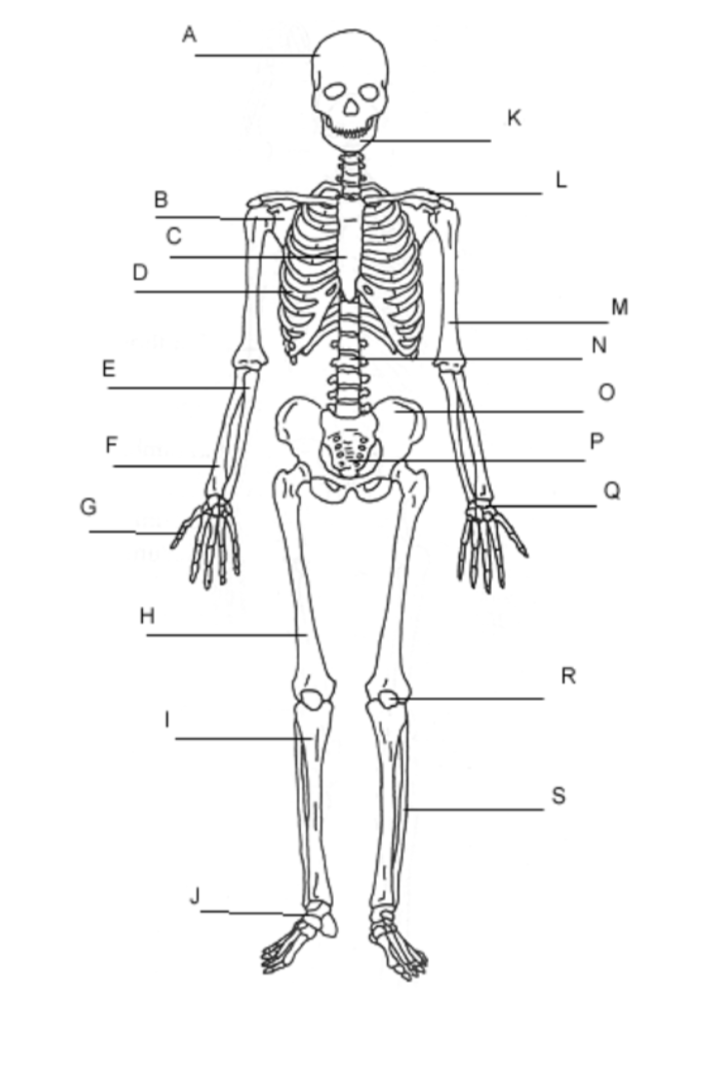
name the bones
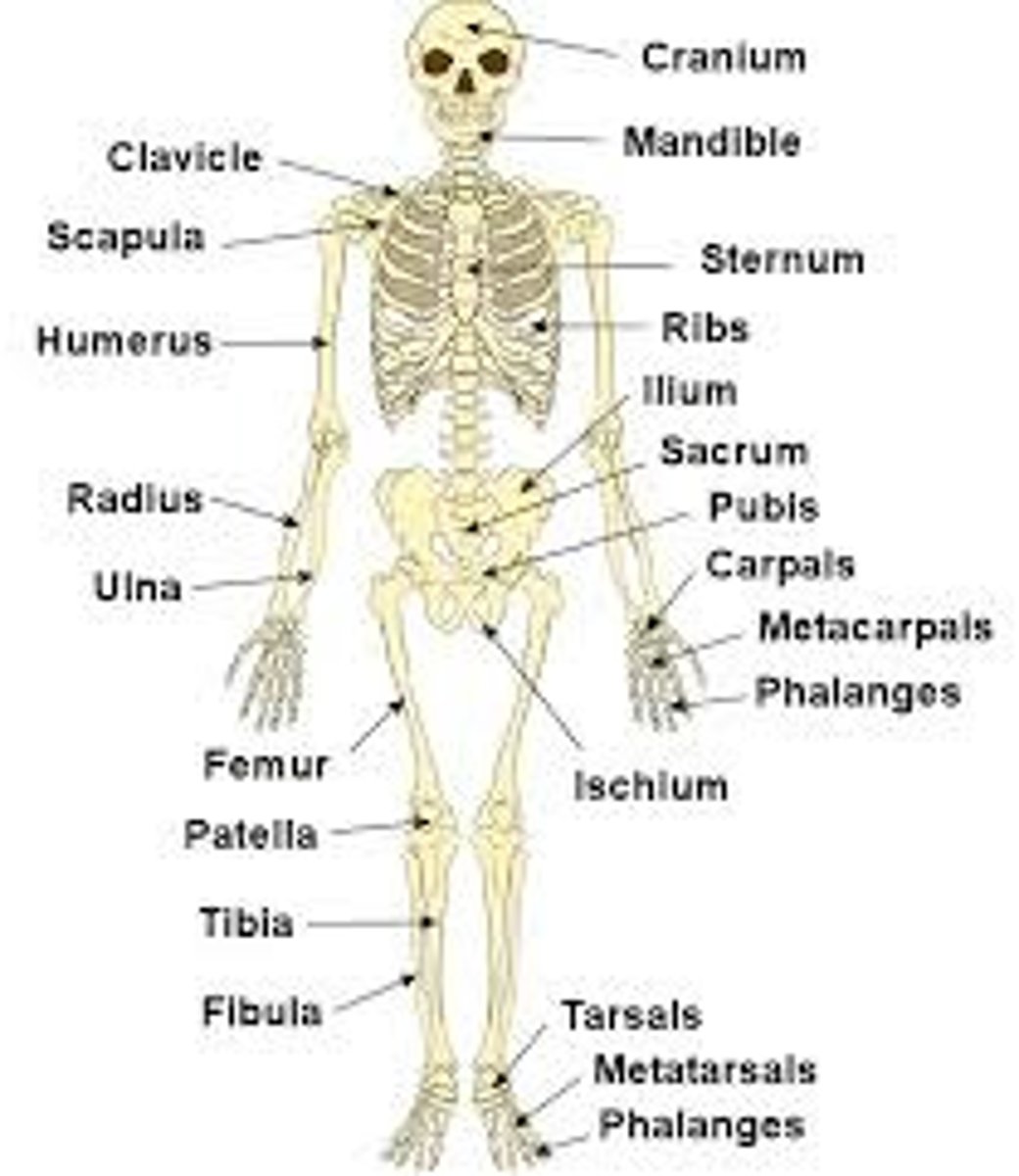
flexion/extension
flexion: decreasing the angle between two body parts
e.g. curling your biceps
extension: increasing the angle between two body parts
e.g. straightening the elbow
abduction/adduction
abduction: moving a body part away from the midline of the body
e.g. lifting arms out to the sides
adduction: moving a body part closer to the midline of the body
e.g. lowering your arms back down to touch your side
supination/pronation
supination: moving the bones of a forearm so the palm is facing up
e.g. holding a bowl of soup
pronation: moving the bones of a forearm so the palm is facing down
e.g. pouring out a drink
rotation
turning a body part towards your body
e.g. turning your head
circumduction
where a limb moves in a circular motion
e.g. windmilling your arm
dorsi-flexion/plantar-flexion
dorsi-flexion: lifting the top of your foot upwards
e.g. your foot pushing off the ground
plantar-flexion: pointing your foot downwards
e.g. your foot landing on the ground
anterior/posterior
anterior: closer to the front of the body
e.g. your toes are anterior to your heels
posterior: closer to the back of the body
e.g. your heels are posterior to your toes
medial/lateral
medial: closer to the midline of the body
e.g. the nose is medial to the eyes
lateral: farther away from the midline of the body
e.g. the eyes are lateral to the nose
superior/inferior
superior: closer to the head or above
e.g. the nose is superior to the mouth
inferior: closer to the feet or below
e.g. the knee is inferior to the hip
proximal/distal
proximal: closer to the trunk of the body
e.g. the knee is proximal to the toes
distal: farther away from the trunk of the body
e.g. your eyes are distal to your chin
superficial/deep
superficial: closer to the surface of the body
e.g. the skin is superficial to the muscles
deep: farther away from the surface of the body
e.g. the bones are deep to the muscles
sagittal plane
divides the body into: left and right sections
e.g. doing a lunge
frontal plane
divides the body into: front and back sections
e.g. jumping jacks
transverse plane
divides the body into: upper and lower sections
e.g. spinning in a circle
what are muscles?
vital tissues in our bodies that enable movement by contracting (shortening) and relaxing (lengthening)
four (4) main functions of muscles
movement: create movement as skeletal muscles pull on bones
posture: through contraction of appropriate muscles
maintain bodily functions: e.g. heart muscle = blood circulation
joint stability: muscle tendons stretch over joints
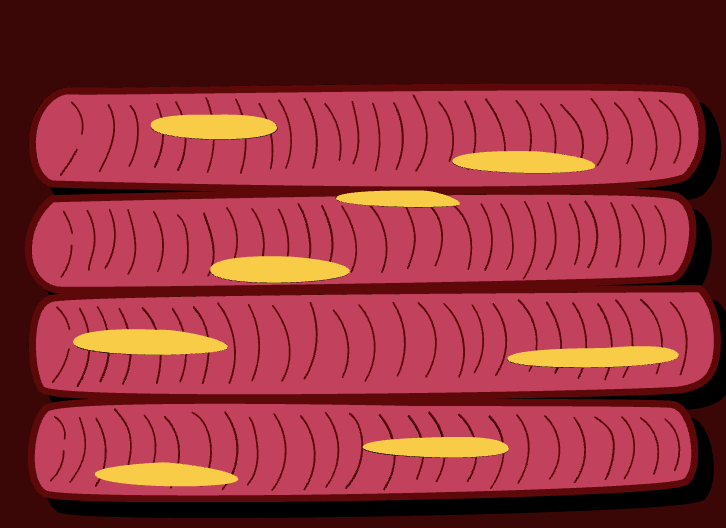
skeletal muscle
striated
voluntary - can consciously control them
these muscles attach to bones in the body, enabling us to move
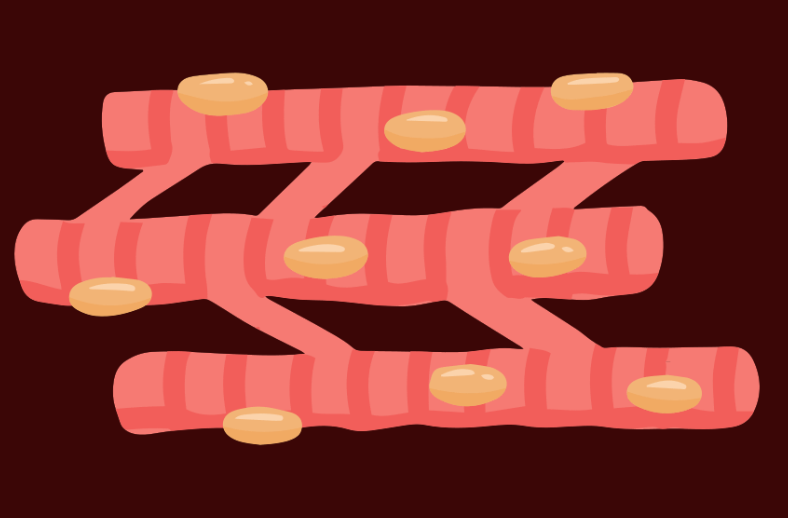
cardiac muscle
striated, branched & interconnected
involuntary - work on their own
these muscles continuously contract to pump blood through the heart
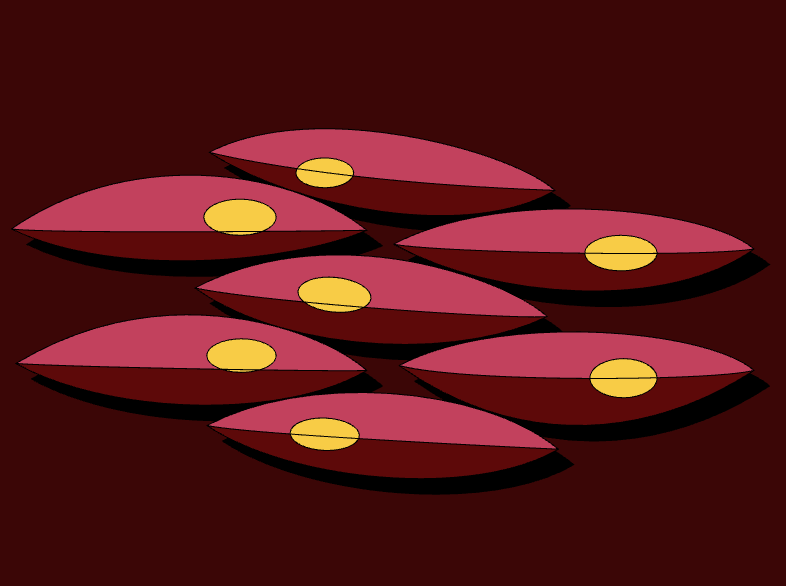
smooth muscle
not striated
involuntary - work on their own
these muscles help move substances through hollow organs (stomach)
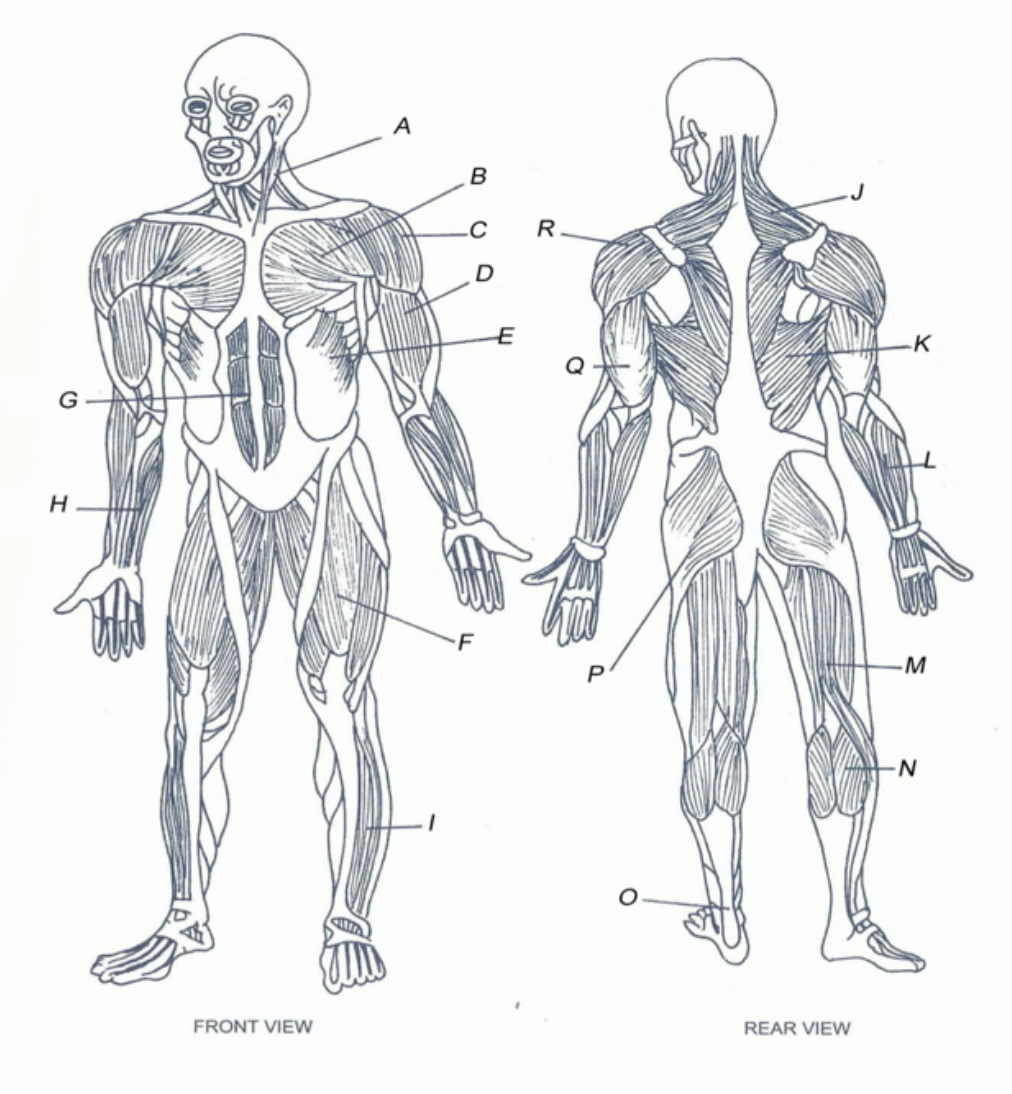
name the muscles
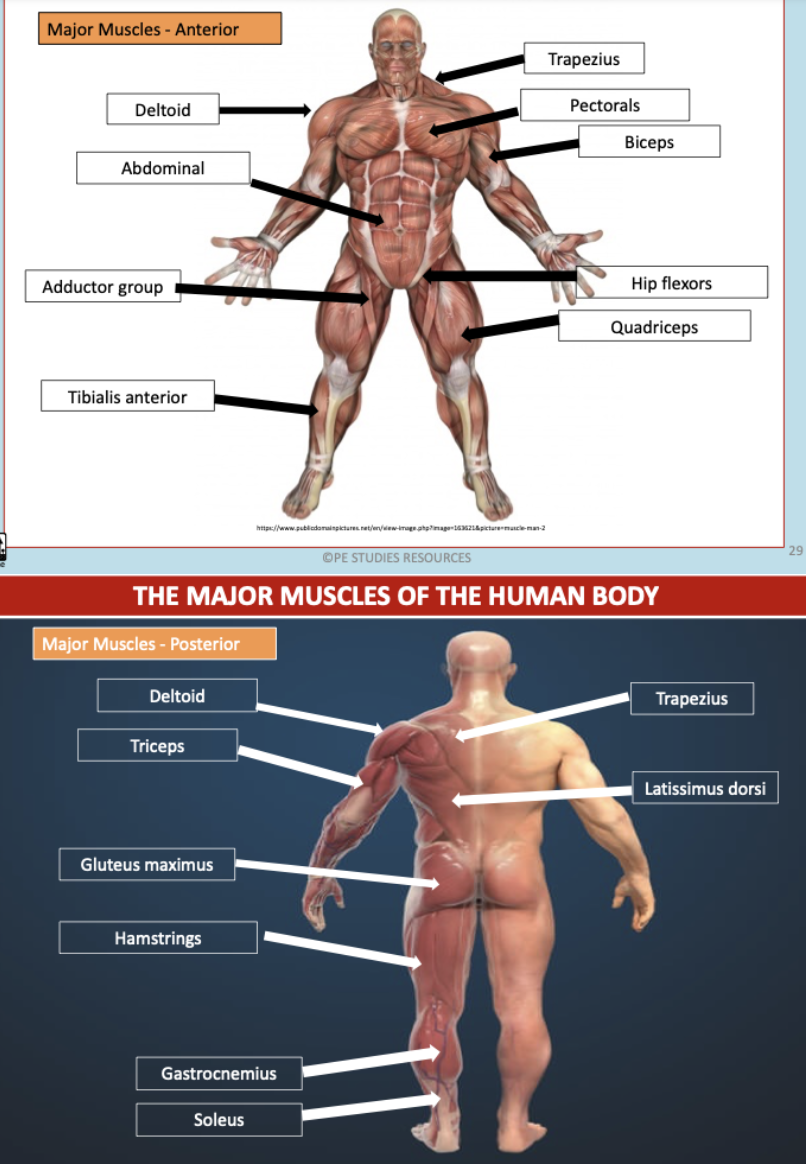
antagonistic pairs
pairs of muscles which work together by one contracting (shortening) and one relaxing (lengthening).
contracting muscle = agonist
relaxing muscle = antagonist
attachment points
origin: doesn’t move during contraction, located on the stationary bone
insertion: does move during contraction, located on the moving bone
joints
any place where adjacent bones and cartilage come together to form a connection
allow for movement and stability
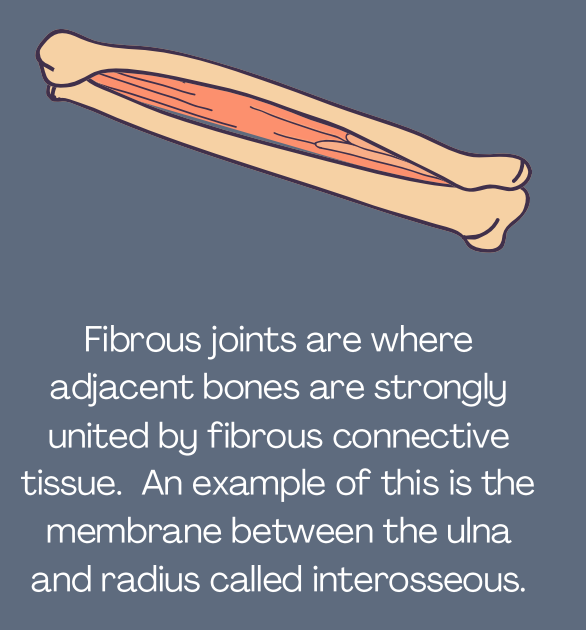
fibrous joints
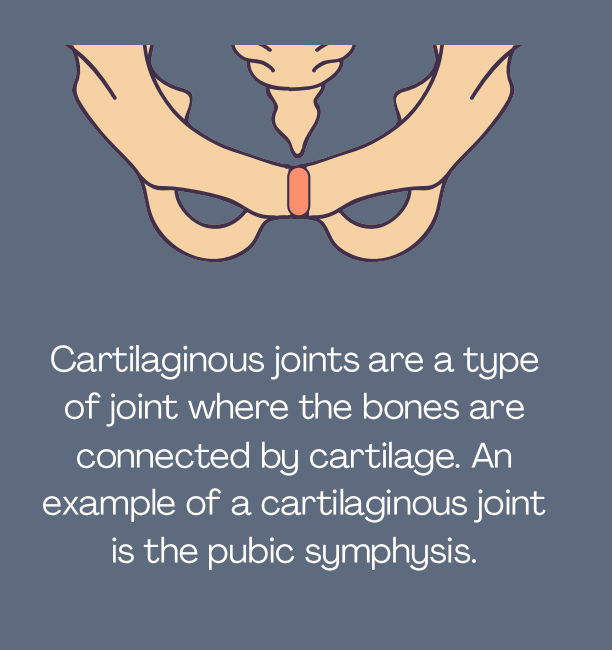
cartilaginous joints
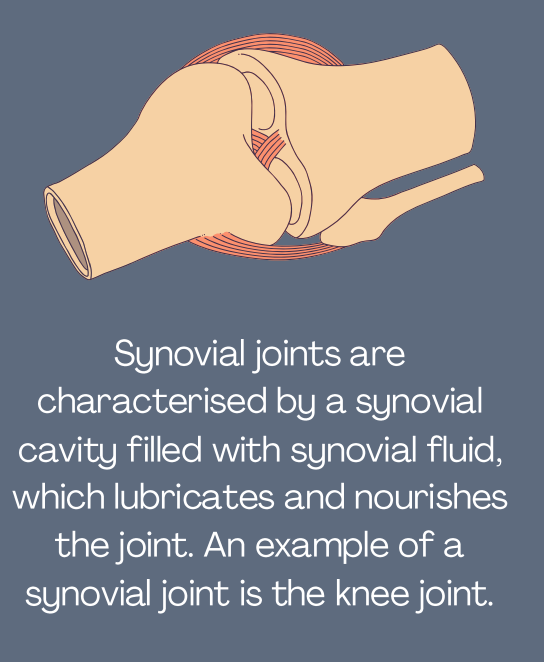
synovial joints
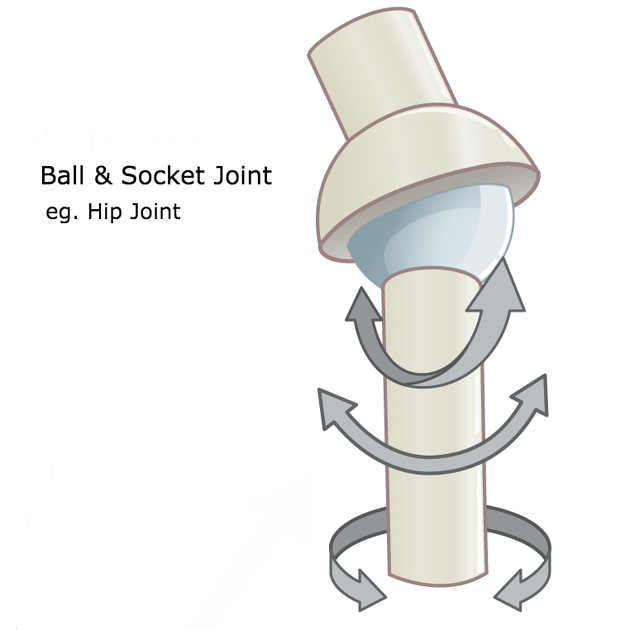
ball and socket joints
Allows movement in all directions, including rotation
Most mobile type of joint
e.g. shoulder, hip
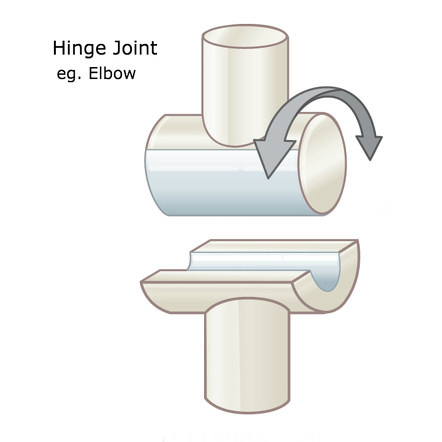
hinge joints
Allows flexion and extension only
Movement in one plane
e.g. elbow, knee
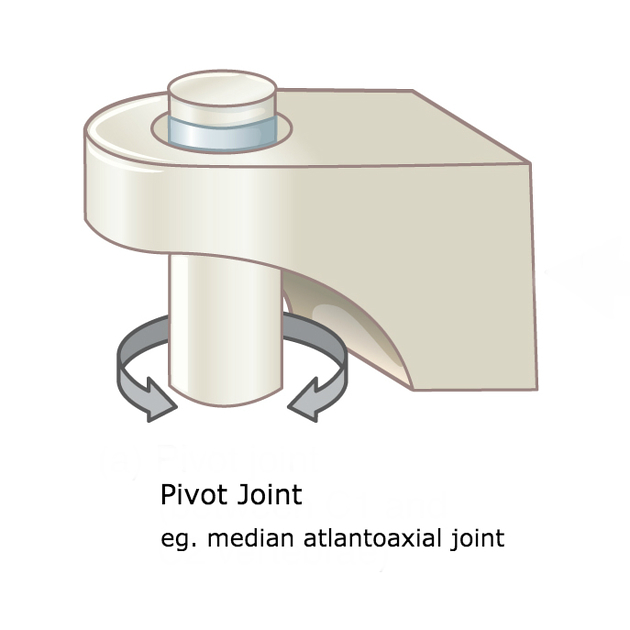
pivot joints
Allows rotation
One bone rotates around another
e.g. neck, forearm
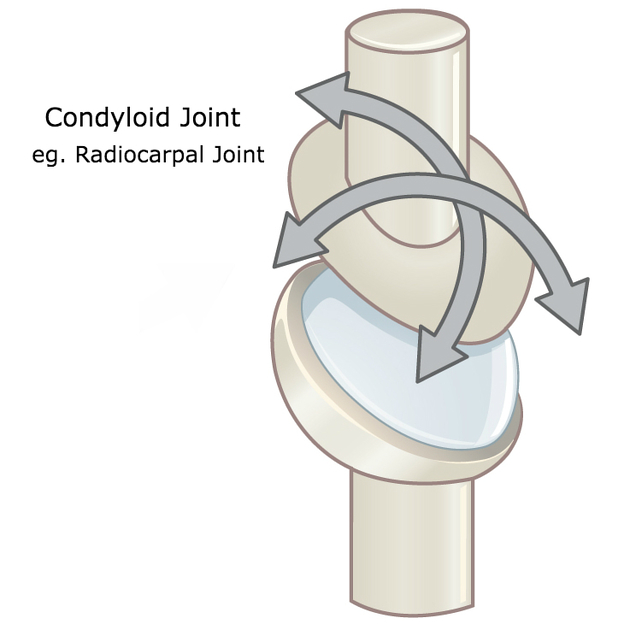
condyloid joints
Allows movement in two directions
Movements: flexion, extension, abduction, adduction
e.g. wrist
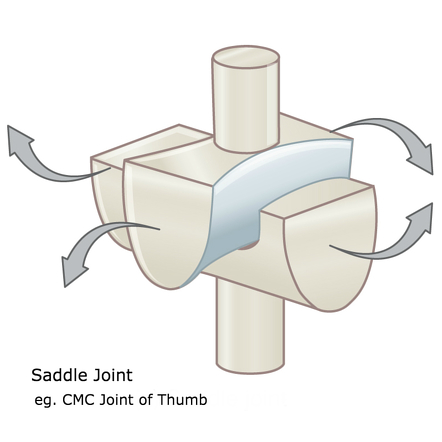
saddle joints
Allows movement in two directions
Movements: flexion, extension, abduction, adduction
Allows greater movement than condyloid
e.g. thumb
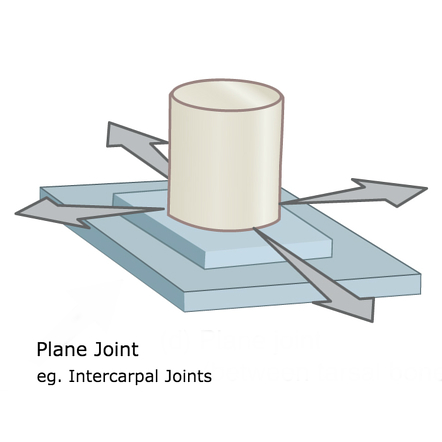
gliding joints
Allows small sliding movements
Bones slide past each other
e.g. wrist, ankle
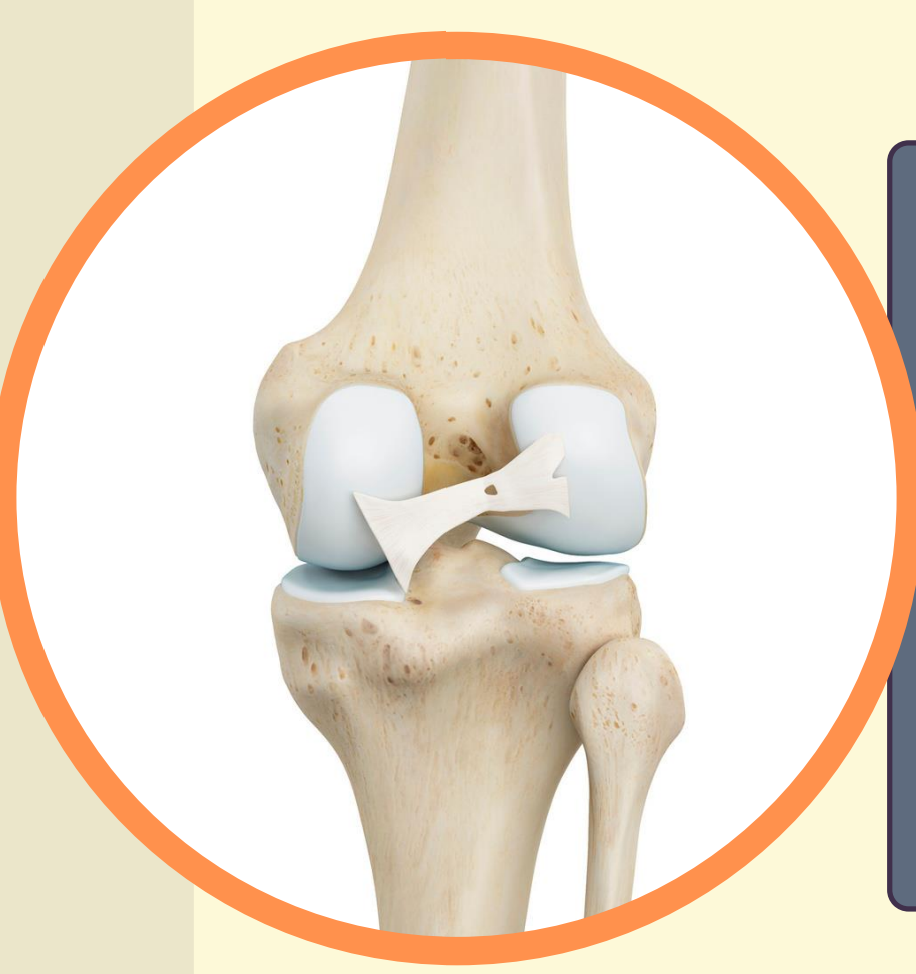
ligaments
strong bands of tissue that connect bones to other bones
help stabilise joints and prevent excessive movement
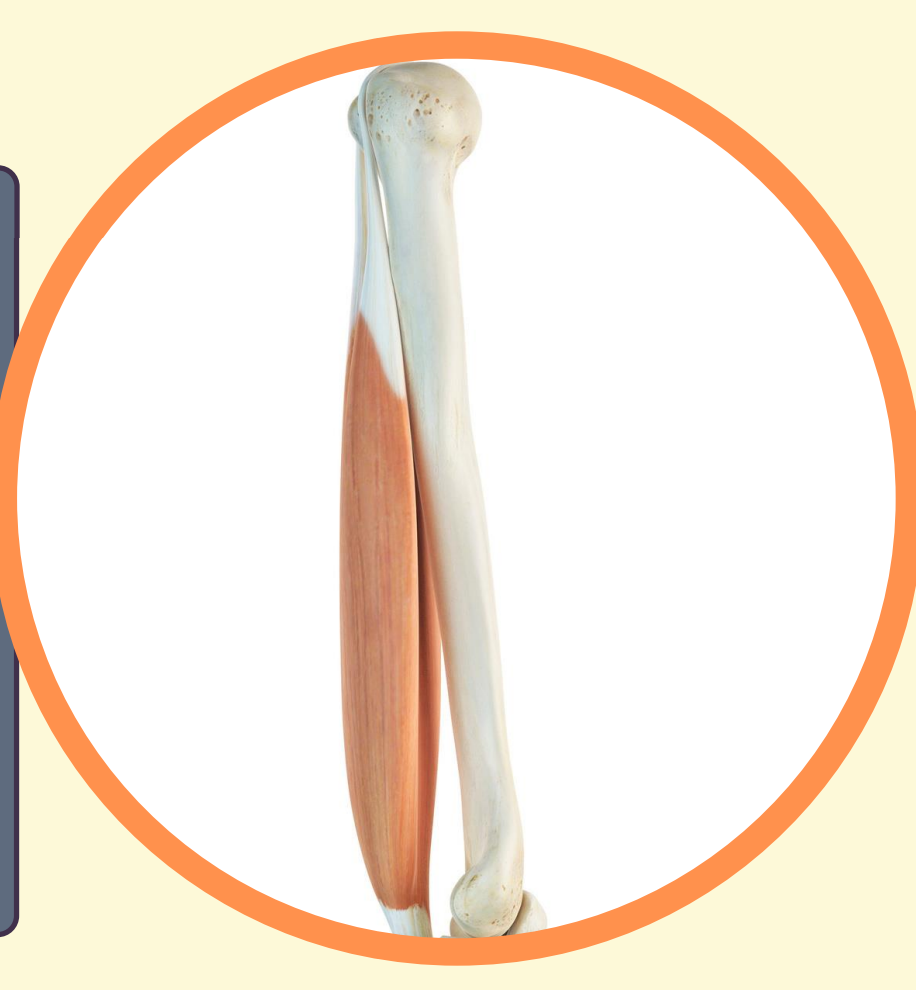
tendons
strong bands of tissue that connect muscles to bones
when muscles contract, they pull on the tendons, causing movement
ectomorph
naturally thin and narrow shoulders and hips
fast metabolism - finds it hard to gain weight/muscle
mesomorph
naturally muscular with broad shoulders and V shape body
gains muscle and strength easily
endomorph
wider hips and a rounder body shape
finds it harder to lose weight but can build muscle well
circulatory system
the body’s transport system
moves blood to carry oxygen + nutrients
removes waste like CO2
the lungs ________ blood
and removes ___ when __________
the lungs oxygenates blood
and removes CO2 when we breathe out
heart
a strong muscle that pumps blood
pushes blood to the rest of the body
blood (3 major functions)
delivers oxygen + nutrients from lungs to body cells
regulates body temperature
fights off diseases and infections
blood vessels
transport blood around the body
delivers oxygen + nutrients to vital tissues
removes waste from cells
types of blood vessels
artery
vein
capillary
arteries
type of blood and where
walls
valves
pressure
example
carry blood away from the heart (oxygenated, except pulmonary arteries)
thick, muscular walls to handle pressure
no valves
high blood pressure
e.g. aorta (to the body)
veins
type of blood and where
walls
valves
pressure
example
carry blood to the heart (deoxygenated, except pulmonary veins)
thin, less muscular walls
valves to prevent backflow
low blood pressure
e.g. vena cava (to the heart)
capillaries
what it does
what it exchanges
walls
pressure
example
connects arteries and veins
exchanges oxygen, nutrients, waste
very thin walls (one cell thick)
very low blood pressure
e.g. capillaries around alveoli (lungs)
components of blood
red blood cells
white blood cells
plasma
platelets
red blood cells
role and function
description
percentage
carry oxygen from the lungs to the body
small, round, flexible
44% of the blood
white blood cells
role and function
description
percentage
fight off pathogenic diseases and infections
do not have a fixed shape
<1% of the blood
plasma
role and function
description
percentage
carries red/white blood cells, and platelets around the body
pale yellow liquid
55% of the blood
platelets
role and function
description
percentage
form scabs to stop cuts from bleeding
small, colourless
<1% of the blood
role of the heart
pump blood around the body
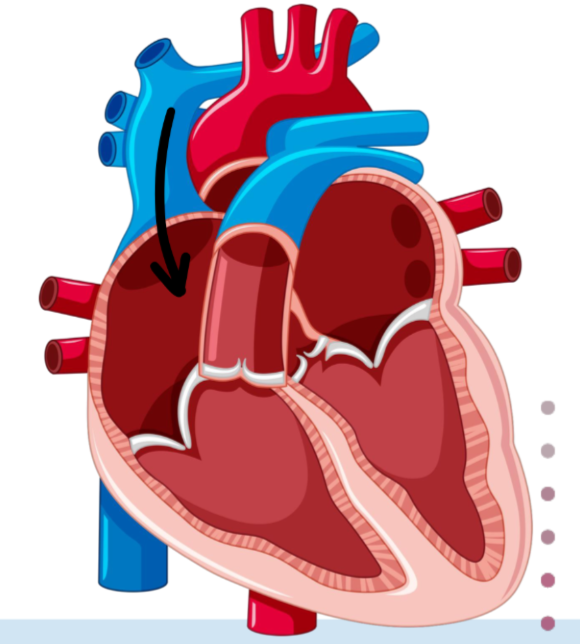
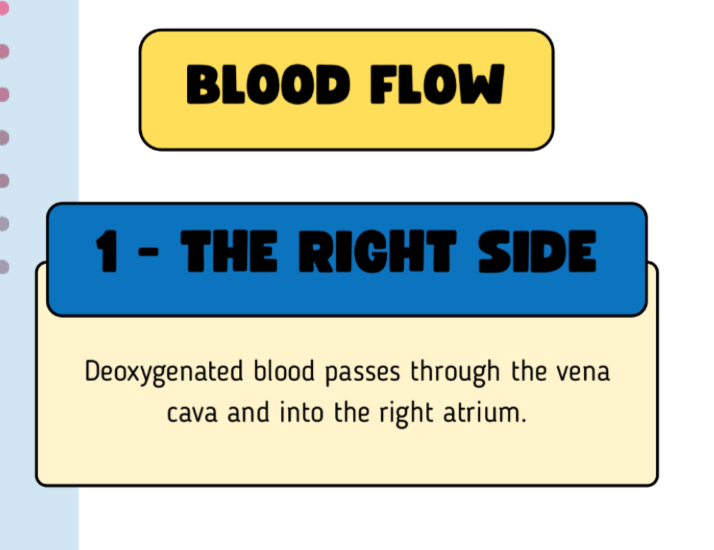
right side = deoxygenated → lungs
left side = oxygenated → body
valves → prevent backflow
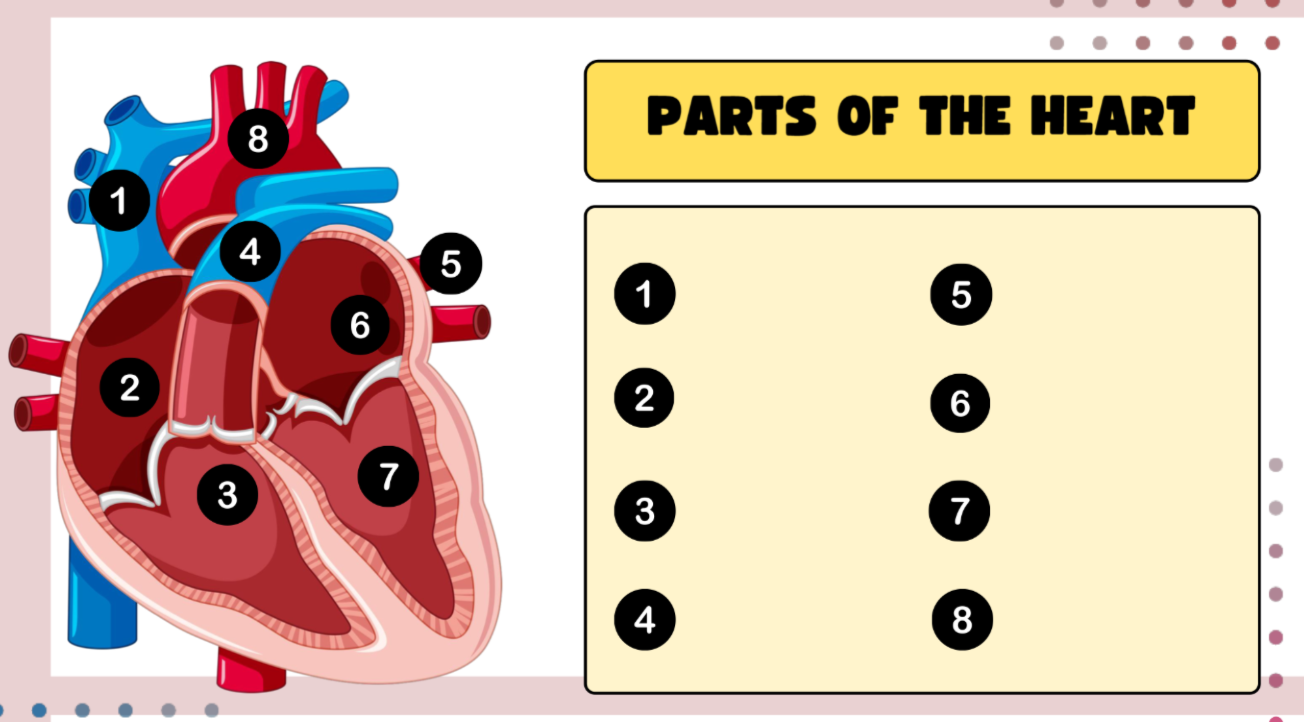
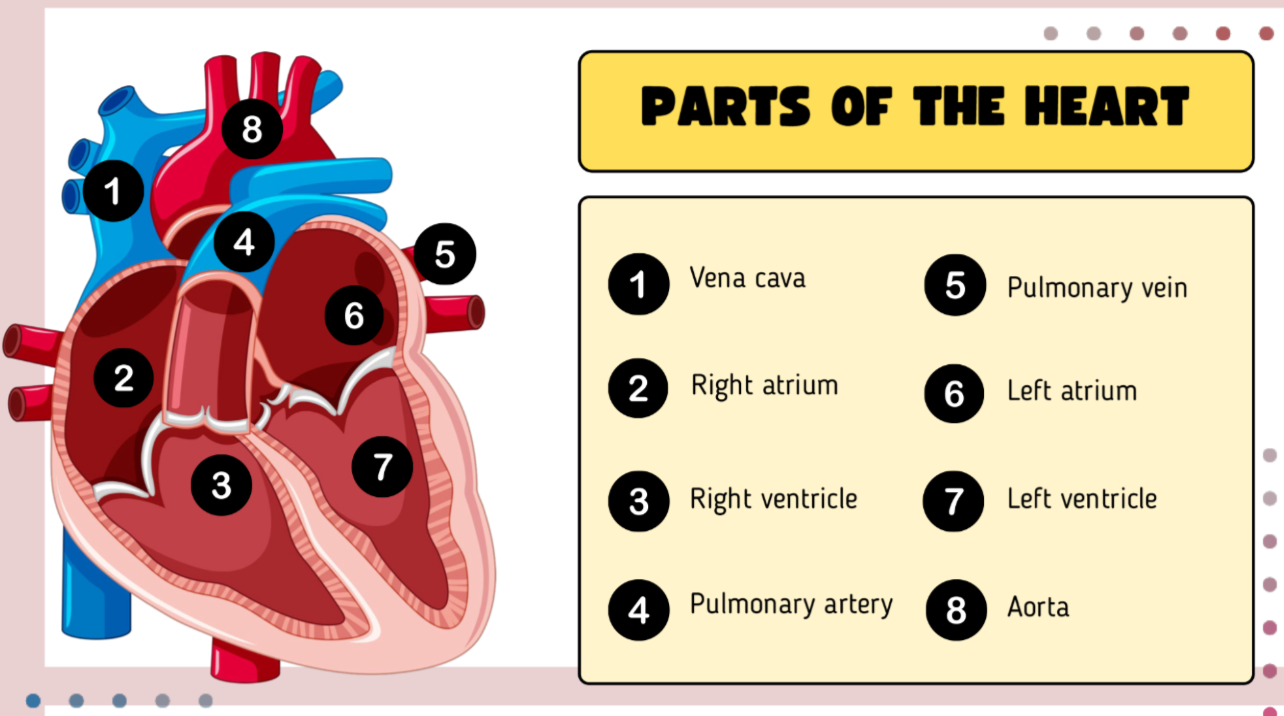
label the parts of the heart