cal eco 2
 Call Kai
 Learn
Learn Practice Test
 Spaced Repetition
 Match
Match Flashcards
 Knowt Play
1/28

There's no tags or description
Looks like no tags are added yet.
Name | Mastery | Learn | Test | Matching | Spaced | Call with Kai |
|---|
No analytics yet
Send a link to your students to track their progress
29 Terms
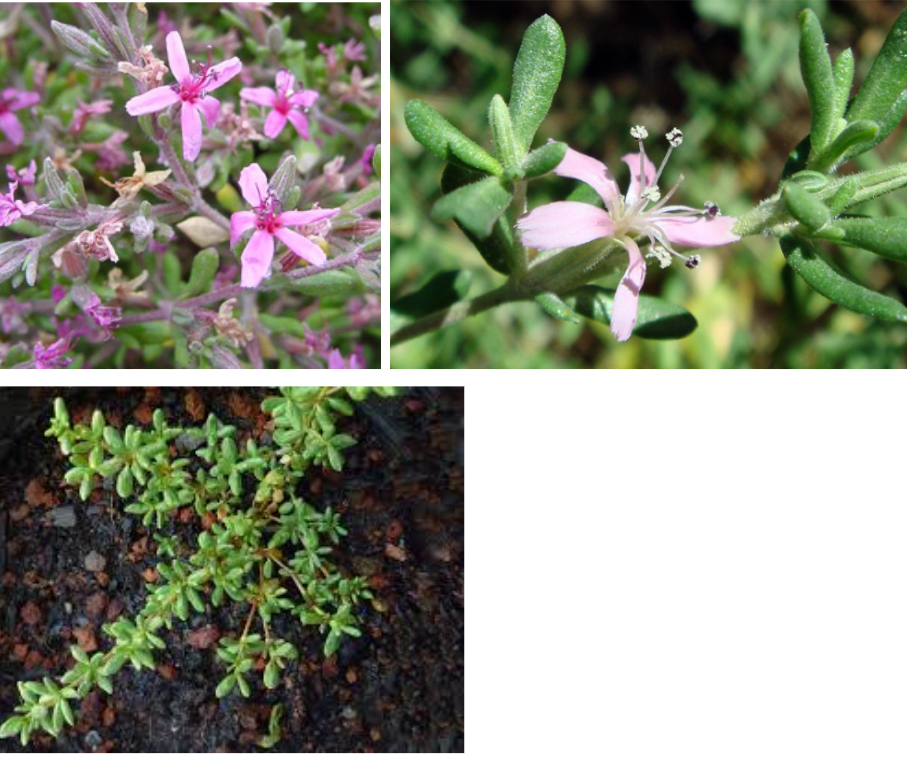
Alkali Heath (Frankenia salina)
grows along the California coast and is sometimes found in Nevada and Mexico. It grows in alkaline soils, mountain habitats, valleys and salt marshes
This perennial herb forms thickets of semi-succulent leaves with white or pink flowers that appear between April and October. It grows 0.3 m tall, excretes salt and spreads by rhizomes. This plant contains tannins and can be used as an astringent for congestion.
This plant supports butterflies and insects. It is also a host plant for the parasitic Cuscuta salina plant.
ALKALI WEED (Cressa truxillensis)
Native to beaches and alkaline flats in the western U.S. and Mexico. It is also native to Ecuador, Chile and Argentina.
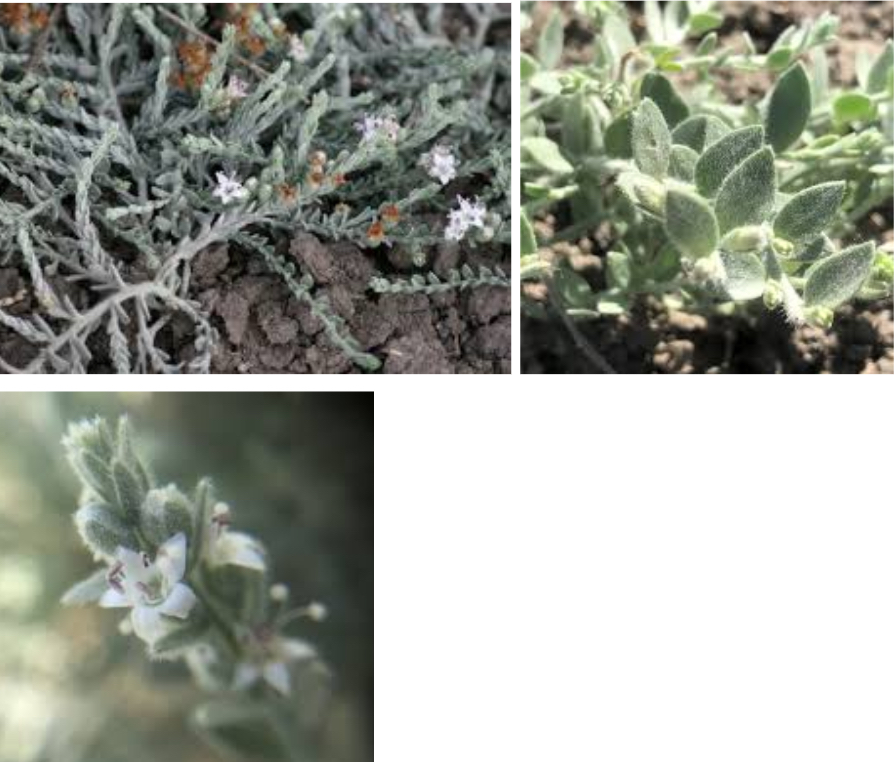
This perennial herb that forms fuzzy oval leaves and stems up to 25 cm tall. White, five-pointed flowers form at the end of stems in April through September. Each flower produces one seed, and plants need full sun and low moisture.
ARROYO WILLOW (Salix lasiolepis)
This plant grows in marshes and oak woodland areas in Northern, Central and Southern California.
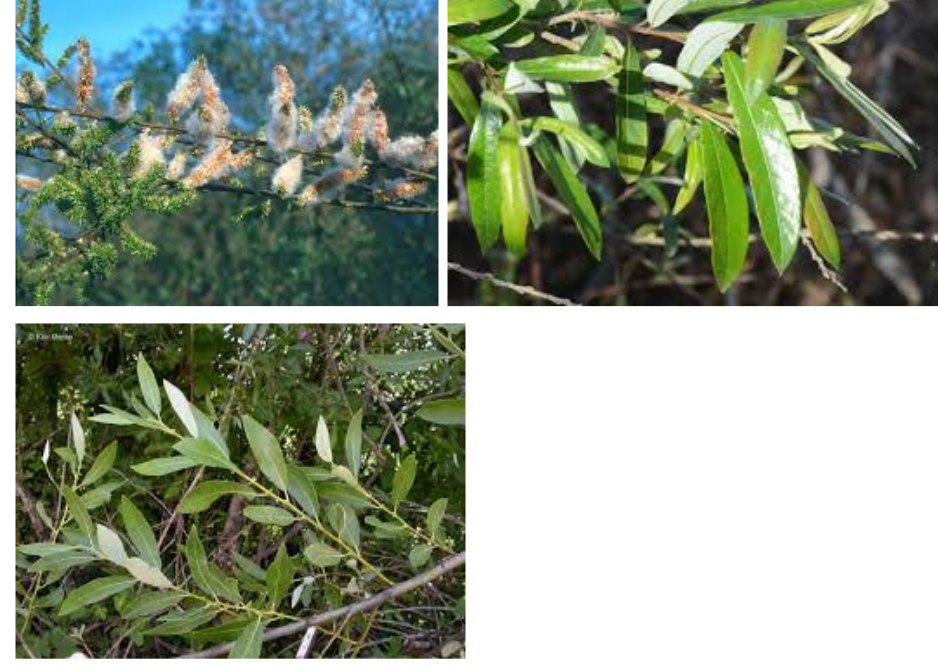
This deciduous tree can grow up to 10 m tall and produces spiny, long fuzzy catkins with tiny yellow flowers. Willow leaves and bark contain salicin, which is the active ingredient in aspirin. Arroyo willows need a constant source of freshwater. Leaves are oblong and may contain reddish galls that host Sawfly larvae, or parasitic wasp larvae.
support many birds, amphibians, mammals and insects including the Western Tussock Moth caterpillar, Lourquin’s admiral, Mourning Cloak, and Tiger Swallowtail butterflies.
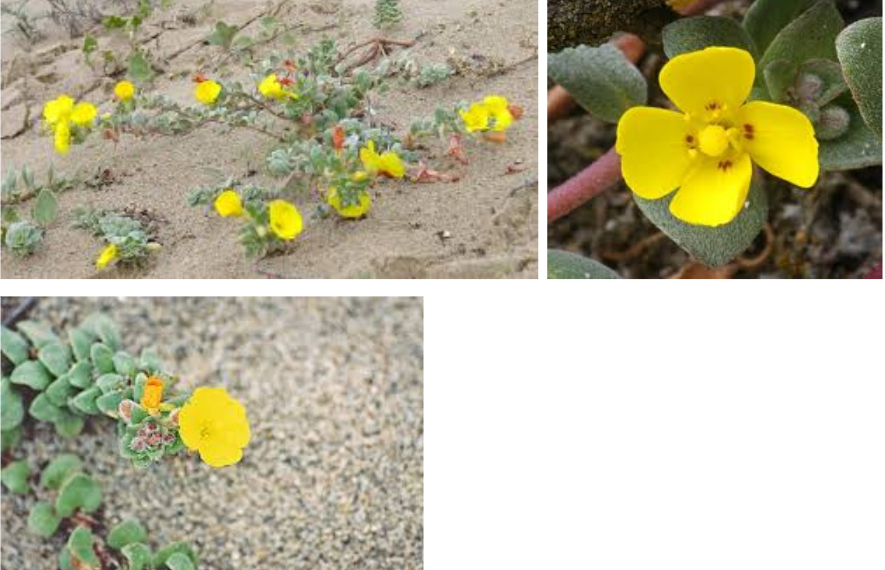
BEACH EVENING PRIMROSE (Camissoniopsis cheiranthifolia)
This plant forms mats in coastal dunes and sandy soils in California and Oregon
This perennial shrub forms mats of silver-green leaves with bright yellow flowers. Flowers have four petals and fade to red. This plant does well in windy, sandy conditions.
Supports birds and butterflies, including the Pacific Green Sphinx Moth and Phaeton Primrose Sphinx Moth.
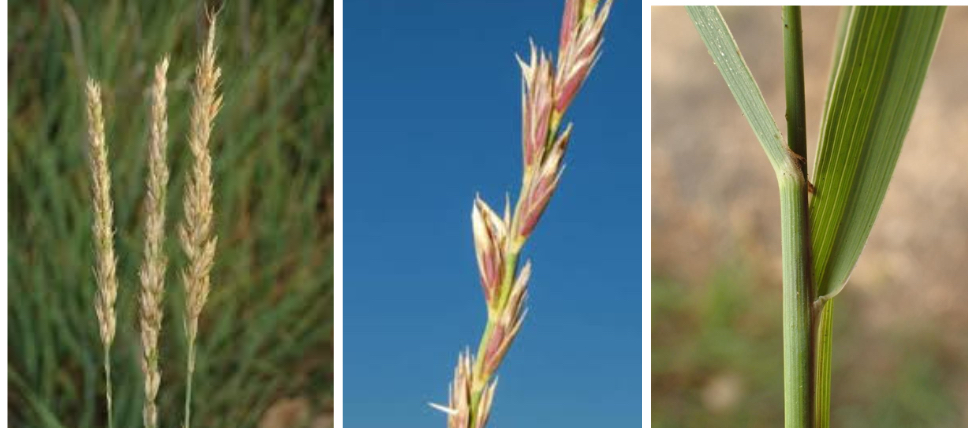
BEARDLESS WILD RYE (Elymus triticoides)
This plant is native to wet habitats in the Western U.S. and Canada, and it is sometimes planted in rangelands
This plant creates an extensive root system that prevents erosion. It grows up to 1.3 m high, has blue-green leaves that project from the stems and flower stalks that grow up to 20 cm long.
This plant is important for the Woodland Skipper Butterfly, as well as the Nevada Skipper Butterfly, the Armyworm Moth, and Bronzed Cutworm
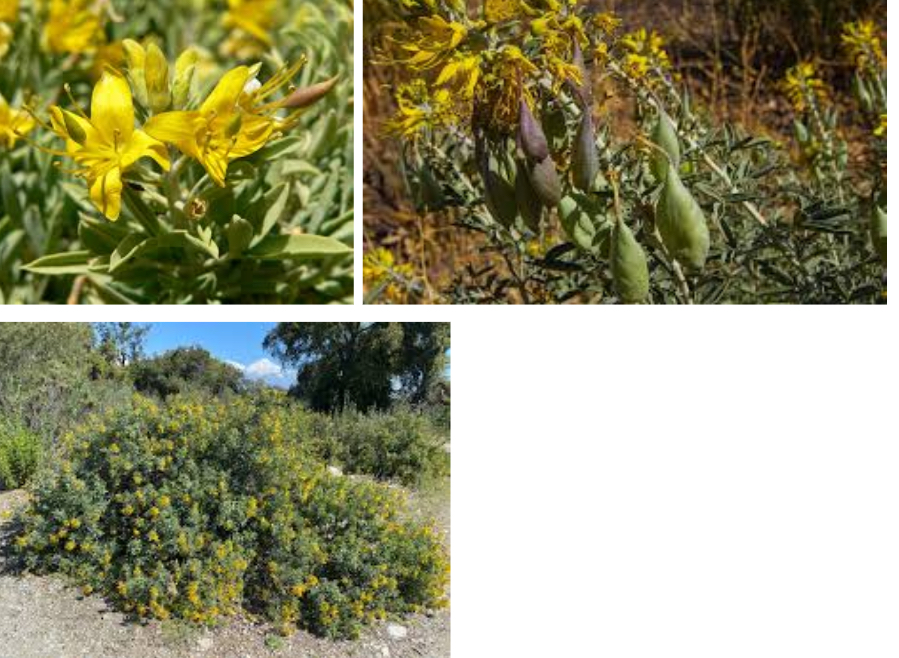
BLADDERPOD (Peritoma arborea)
This plant is native to Southern California and Baja California, where it grows in coastal dune and desert areas.
This perennial shrub forms mats of silver-green leaves with bright yellow flowers. Flowers have four petals and fade to red. This plant does well in windy, sandy conditions.
Attracts harlequin bugs, birds, and butterflies including the Checkered White, Becker’s White and Western White butterflies.
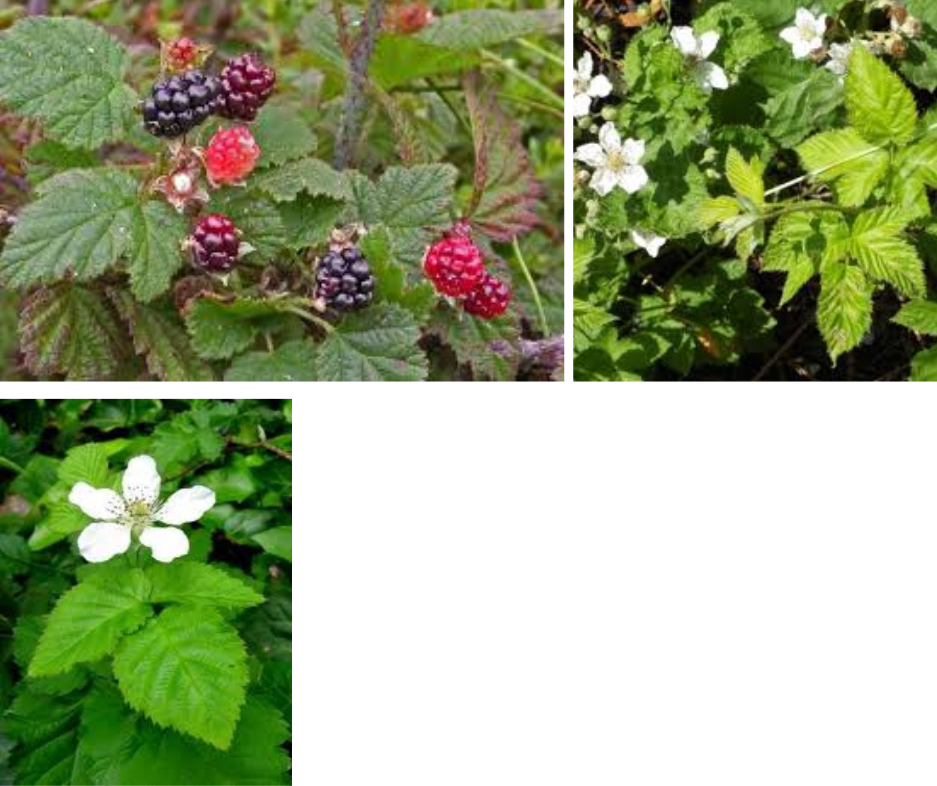
California Blackberry (Rubus ursinus)
Also known as Pacific Blackberry, evergreen shrub or vine grows in moist soil from Canada to Baja California and from the coastline to the Rocky Mountains
Grows up to 2 m tall with thorny branches, white flowers and dark purple mature fruits. The compound berries are edible and seeds form from within the different ‘cells’ of the fruit. Leaves grow in groups of three and have jagged edges. The name ursinus refers to the beans' affinity for this fruit.
This plant supports small mammals, bears, birds, insects, and butterflies including the Blackberry Skeletonizer Moth
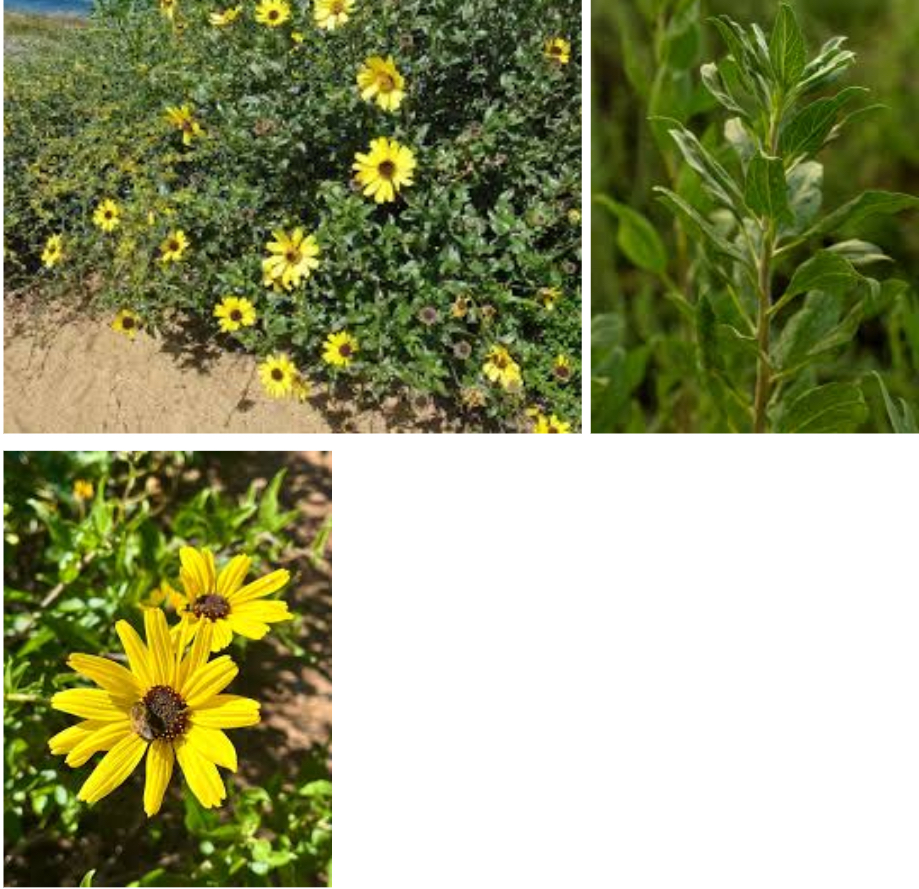
California Bush Sunflower (Encelia californica)
This plant is found in Southern California and Baja California coastal brush
Grows up to 1.5 m tall, has rounded diamond shaped leaves and bright yellow daisy-type flowers. This shrub is drought tolerant but goes dormant in Summer and blooms in February to June. Spreads easily!
This plant supports small birds like goldfinches, insects, bees and butterflies, including the Fatal Metalmark, Orange Torix Moth and Dawny Wave
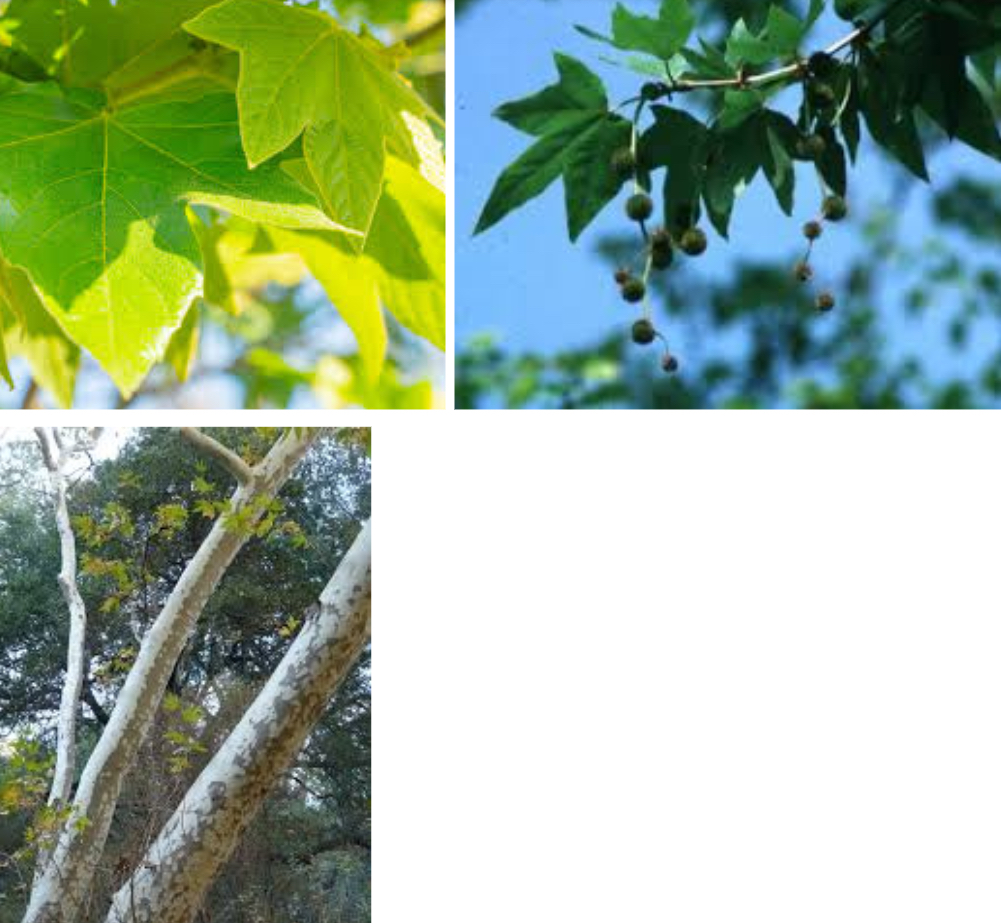
California Sycamore (Plantanus racemosa)
This tree is native to canyons, floodplains and wetland areas of California and Baja California
It grows up to 35m tall and 1m wide. The trunk may branch into smaller trunks and the light green leaves resemble maple leaves. The bark appears streaked with white, grey, pink and beige. Male and female flower stalks form in February through April and are pollinated by wind. Seeds are spiny. This deciduous tree requires a lot of water, but is often planted in urban areas because the roots grow down into the soil.
California sycamore trees are important for birds, hummingbirds, the Western Tiger Swallowtail butterfly and insects like the Sycamore Borer Moth
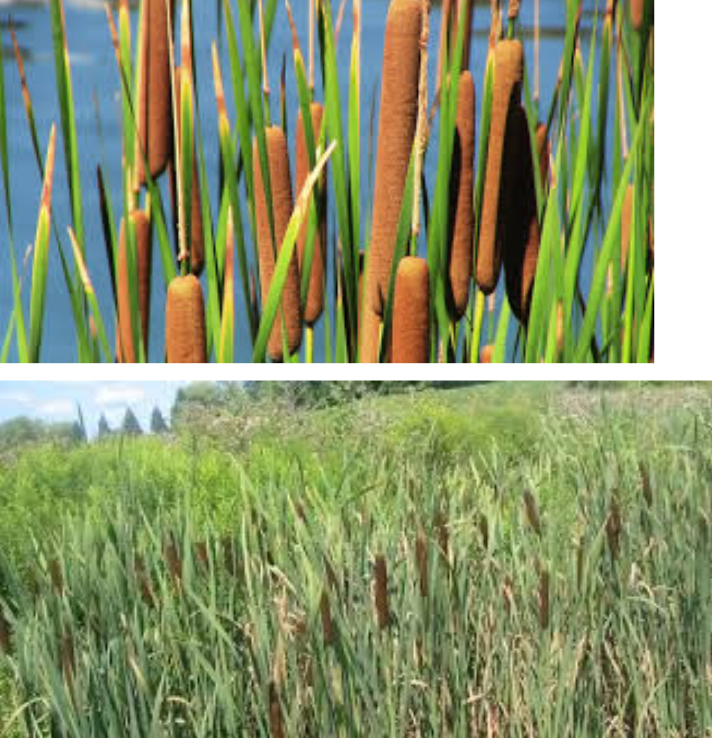
Cattail (Typha angustifolia)
These grow in marsh areas of Northern, Central, and Southern California. It is native to much of North America
Perennial herb that grows ⅕ m tall and grows in sandy or clay-based soils. Flowers grow on stalks that later produce brown seeds dispersed by wind. It may hybridize with Typha latifolia
Cattails are important food for waterfowl butterflies and moths. Muskrats use this material for their dens
Mule Fat (Baccharis salicifolia)
Grows in deserts, washes and sandy habitats in Southwestern US, Mexico, and South America.
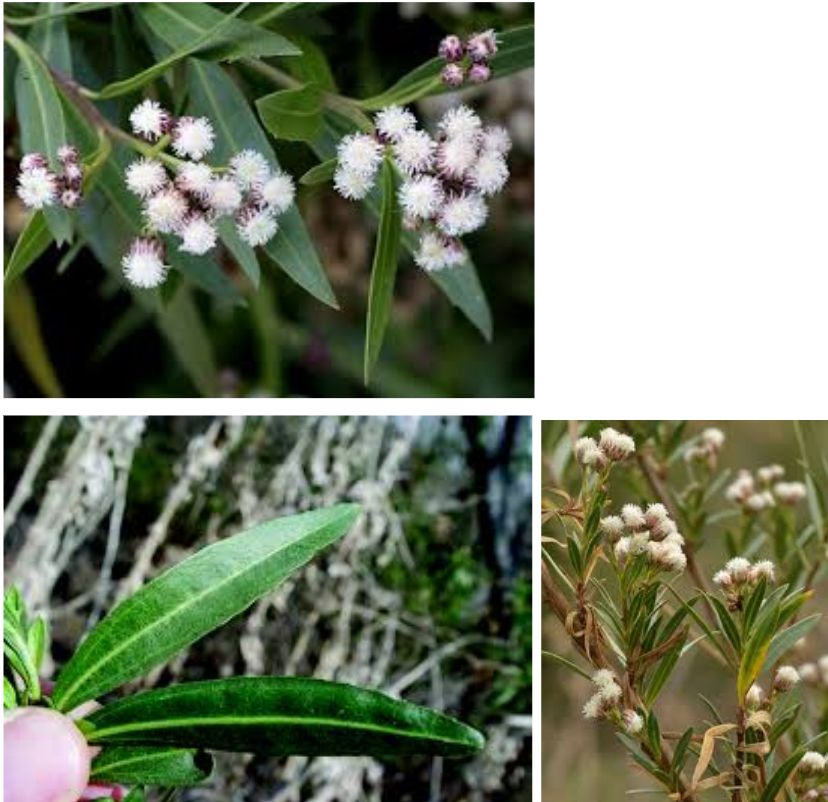
Evergreen shrub that grows near sources of fresh water and produces sticky leaves with fuzzy white flowers that grow year-round. This plant looks similar to the Arroyo Willow, but can be distinguished by its three parallel leaf veins, (willows only have on parallel vein)
Mulefats galls host tiny mites, and this plant supports birds, bees and insects including the Fatal metalmark and Coyote Brush Gall Moth
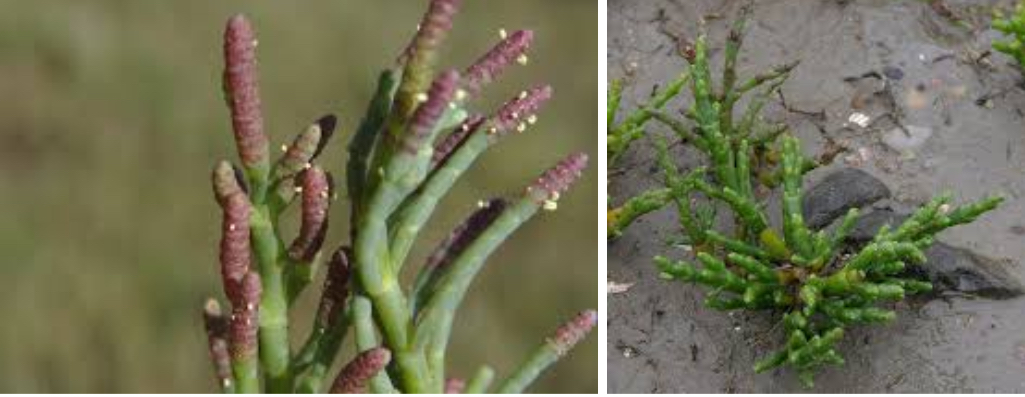
Pickleweed (Salicornia pacifica)
This herb grows in salt marshes in Northern, Central and Southern California as well as along the West Coast from Alaska to Mexico. It grows along the Eastern Coast of the US and the Gulf of Mexico.
It is an edible perennial plant that grows from branching bright green or purple-red nodes. Flowers and leaves on this plant are very small, and may be hidden in nodes. It has a salty taste. It accumulates salt in vacuoles and this causes parts of the plant to turn red and fall off
It supports the Pygmy Blue butterfly and birds such as the endangered Belding’s Savannah Sparrow, which lives in it
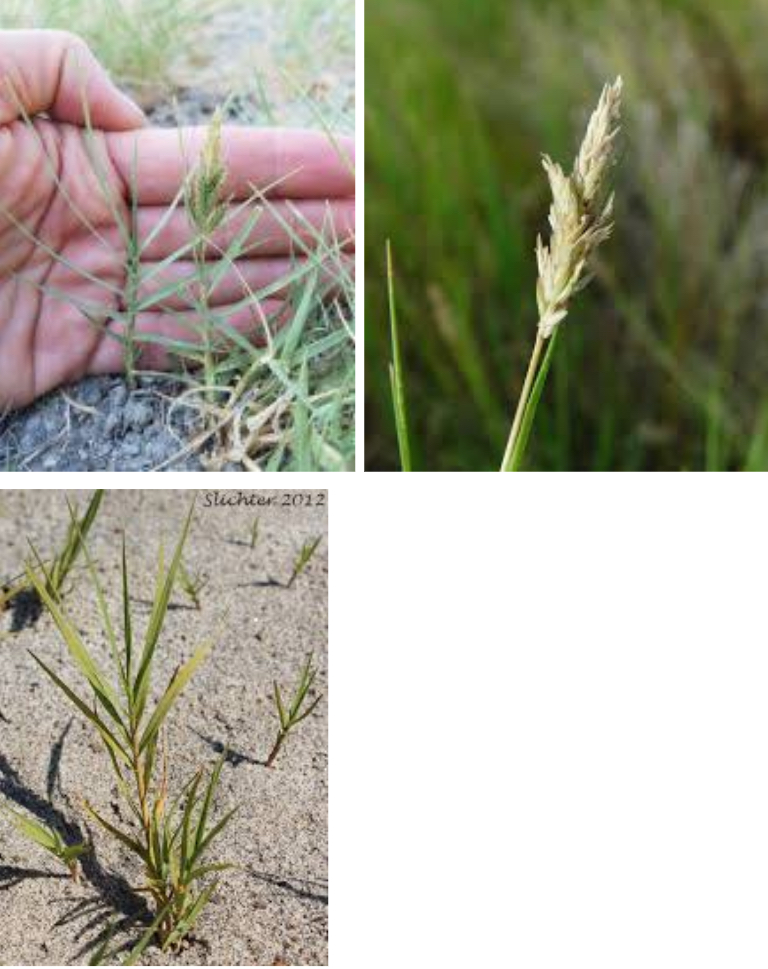
Saltgrass (Distichlis spicata)
This is native to saline areas of the US and very common in California. It is also found in Canada, Northern Mexico, and parts of South America, and has been naturalized in other areas.
Usually 0.3m tall, but can grow up to 1m tall. It is spiny and survives in saline environments because it excretes salt via salt glands. Flowers can be ;ink or purple, and seeds form together on a spike. It also reproduces via rhizome systems
It is important for skipper butterflies, birds and small mammals
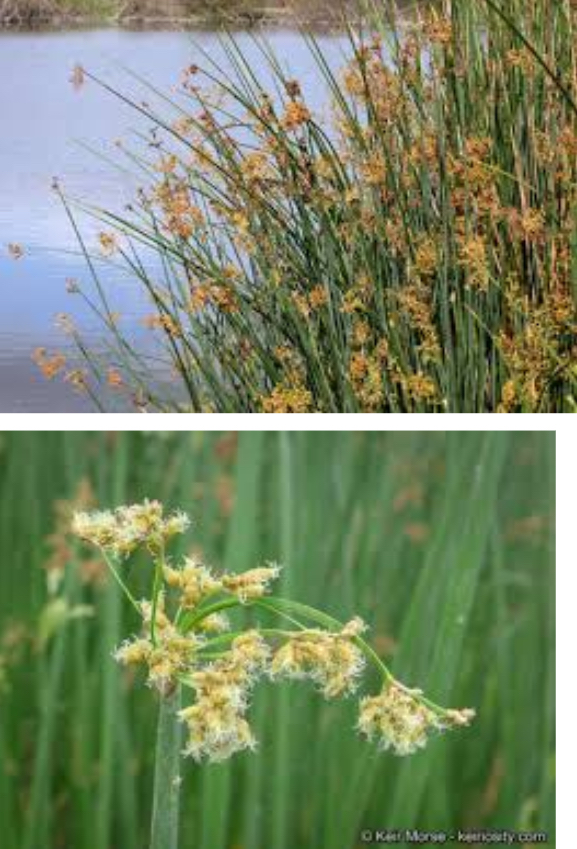
Tule/California Bulbrush (Schoenoplectus californicus)
This perennial sedge is a definitive species of freshwater and brackish marshes throughout California. Can also be found in Oregon and the southern US, between North Carolina and Florida
It is a grass-like species that grows up to 3.7 m tall and grows densely along shorelines, mudflats, or in open water. It produces tan or brown flower structures from thin, dark-green triangular stems and spreads rapidly via rhizomes. The Tongva primarily used this plant to thatch their homes, known as kiiys. Helps control erosion!
Various butterflies and moths, and many species of birds
Tule/California Bulrush (Schoenoplectus californicus) pic
Saltgrass (Distichilis spicata) pic
Pickleweed (Salicornia pacifica) pic
Mule Fat (Buccharis salicifolia) pic
Cattail (Typha angustifolia) pic
California Sycamore (Plantanus racemosa) pic
California Bush Sunflower (Encelia californica) pic
California Blackberry (Rubus ursinus) pic
Bladderpod (Peritoma arborea) pic
Beardless Wild Rye (Elymus triticoides) pic
Beach Evening Primrose (Camissioniopsis cheiranthifolia) pic
Arroyo Willow (Salix lasiolepis) pic
Alkali Weed (Cressa truxillensis) pic
Alkali Heath (Frankenia salina) pic