4.3 - Communicable Diseases
 Call Kai
 Learn
Learn Practice Test
 Spaced Repetition
 Match
Match Flashcards
 Knowt Play
1/44

There's no tags or description
Looks like no tags are added yet.
Name | Mastery | Learn | Test | Matching | Spaced | Call with Kai |
|---|
No analytics yet
Send a link to your students to track their progress
45 Terms
Types of pathogens
Bacteria
Produce toxins that damage body cells
Viruses
Use host cells to replicate before bursting out and destroying cells
Protists
Take over cells and break them open
Fungi
Digest living cells to destroy them
Can produce toxins
Modes of transmission
Direct transmission
Airborne droplets
Sneezing or coughing mucus or saliva onto someone
Direct contact
Skin-to-skin, kissing
Indirect transmission
Food and drinking water
Vectors
Contaminated objects
Risk factors that worsen transmission
Living conditions - overcrowded areas
Climate - warmer temperatures allow mosquitoes to breed and transmit malaria
Social factors - lack of health education
Bacterial diseases
TB
Affects: humans, cows, pigs and badgers
Effects: damages lungs and suppresses immune system
Transmission: airborne droplets, contaminated food
Ring rot
Affects: potatoes
Effects: cheese-like ooze and internal hollowing, necrosis
Transmission: direct contact, contaminated equipment of surfaces
Viral
HIV/AIDS
Affects: humans and primates
Effects: destroys immune system
Transmission: exchange of bodily fluids
Influenza
Affects: mammals
Effects: kills ciliated epithelial cells in the gas exchange system
Transmission: airborne droplets, contamination
Tobacco mosaic virus
Affects: tobacco, tomatoes, peppers
Effects: discolouration, stunted growth
Transmission: direct contact, contamination
Protists
Malaria
Affects: humans, mammals, reptiles and birds
Effects: damages the RBC, liver and brain
Transmission: vector (anopheles mosquito)
Blight - fungus like microorganism
Affects: plants (potatoes)
Effects: wilting and death of plant tissue
Transmission: airborne, contamination
Fungi
Black sigatoka
Affects: bananas
Effects: yellow streaks, necrosis
Transmission: airborne
Athlete's foot
Affects: humans
Effects: causes the cracking and scaling of skin between the toes
Transmission: contamination
Modes of transmission 2
Direct
Healthy plant touches unhealthy plant
Indirect
Soil contamination
Vectors
Wind, water, animals, humans
Risk factor
Crop variety - some crops are more susceptible to disease
Overcrowding - likelihood of direct contact
Mineral nutrition - poor nutrition reduces resistance of plants
Climate change - increased rainfall and wind increase spread of disease
Plant physical defences
Waxy cuticle
Provides a physical barrier against pathogens
Cell walls
Plant cells are surrounded by cell wall that forms a physical barrier
Callose production
When plants are attacked they produce polysaccharide callose
Is deposited between the cell wall and membrane to make it harder for pathogens to enter cell
Chemical plant defences
Insect repellents
Reduce number of insects feeding on plants to prevent pathogen transmission
Insecticides
Kill insects to prevent transmission
Antibacterial substances
Chemicals such as antibiotics are produced to kill bacteria or inhibit growth
Toxins
Some plants produce chemicals that break down into cyanide when plant cells are attacked
Animal defences
Non-specific
Act quickly to defend the body, but respond in the same way for all pathogens
Specific
Slower to defend the body but produce a specific response for each pathogen
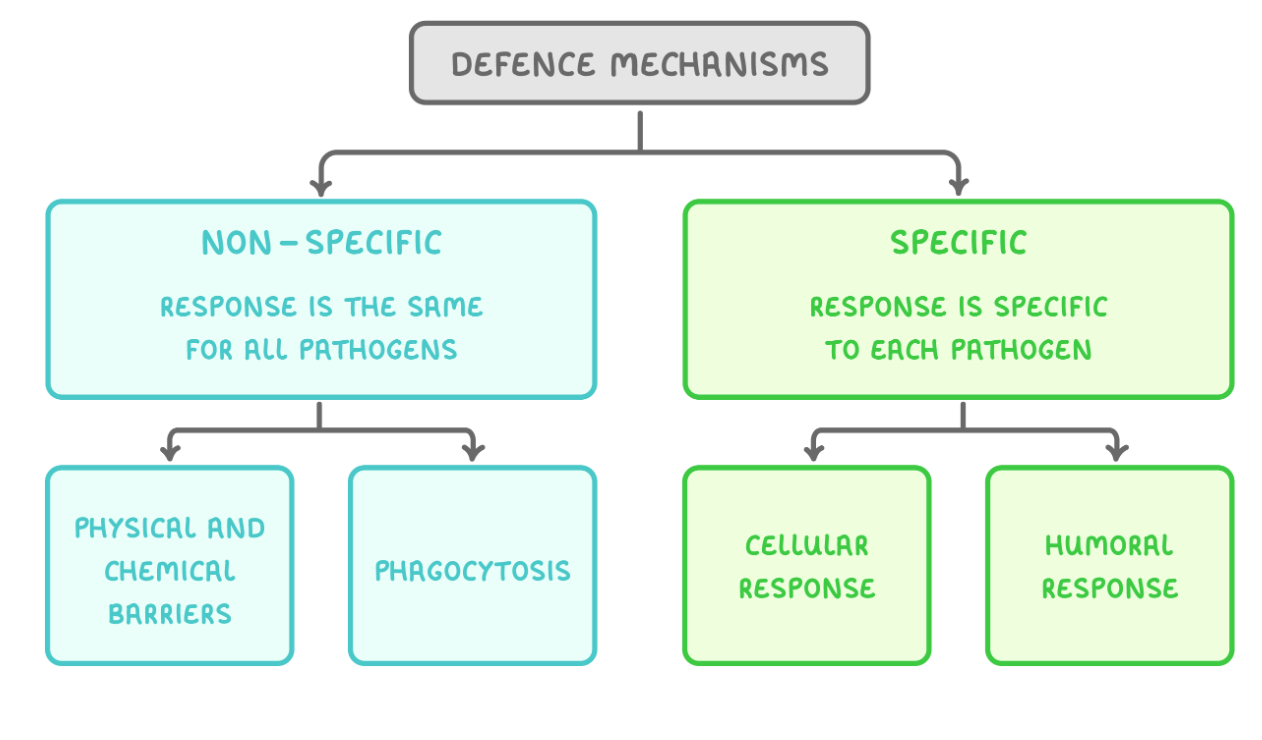
Physical and chemical animal defences (skin, mucous membranes, expulsive reflexes)
Skin
Physical barrier to block pathogens from entering
Acts a chemical barrier by producing sebum
Oily, antimicrobial substance that lowers pH to inhibit the growth of pathogens
Mucous membranes
Parts of ear, nose, throat and digestive tract are lined by mucous membrane
Secrete mucus to trap pathogens and use lysozymes to destroy them
Expulsive reflexes
Coughing and sneezing are methods for expelling foreign objects from gas exchange system
Vomiting and diarrhoea expel the contents of the gut along with any pathogens present
Physical and chemical animal defences (blood clotting, inflammation)
Blood clotting and wound repair
A cut to the skin provides a possible entry for pathogens
Blood clots act to seal any wounds
Clot dries out to form a scab that blocks entry to the body
After it forms the skin is capable of repairing itself to reform its physical barrier
Epidermal cells underneath the scab divide while damaged blood vessels regrow
Collagen fibres are used to provide strength
Once epidermis is thick enough, scab breaks off
Inflammation
Consists of
Swelling and heat
Redness and pain
Triggers by damaged tissues that release chemicals
Affect the blood vessels by:
Causing blood vessels to dilate which increases blood flow to the area making it hotter
Prevents pathogens from reproducing
Blood vessel walls become more permeable so they leak tissue fluid
Causes swelling and isolates any pathogens in the damaged tissues
Antigens
Allow immune system to distinguish between body cells and foreign cells
Identification
Pathogens
Immune system recognises antigens as being foreign and activates cells to destroy the pathogens
Abnormal body cells
Cancerous or infected cells display abnormal antigens and trigger an immune response
Toxins
Antigen molecules themselves and can be recognised by immune system
Cells from other organisms of the same species
Can cause rejection of transplanted organs
Non-specific: phagocytes
White blood cells that engulf and destroy pathogens
Neutrophils
Engulf and destroy pathogens at the site of infection
Macrophages
Engulf and digest pathogens but also present the pathogen's antigens on the cell surface to active lymphocytes
Phagocytosis
Pathogens releases chemicals that attract a phagocyte
Phagocyte recognises pathogen's antigens as non-self
Phagocyte binds to pathogen
Engulfs the pathogen
Pathogen is now contained within a vesicle (phagosome)
Lysosome, containing hydrolytic enzymes called lysozymes, fuse with the phagosomes to form a phagolysosome
Lysozymes digest and destroy the pathogens
Phagocyte presents the pathogen's antigens on its surface to activate other cells in immune system
Is now referred as APC
Cytokines
Chemicals released by phagocytes after pathogen engulfed
Act as cell-signalling molecules to trigger the movement of other phagocytes to infection
Also trigger an increase in body temperature
Inhibits pathogen reproduction
Opsonins
Chemicals that bind to pathogens
Make them easily recognisable by phagocytes
Contain receptors on cell-surface which bind to common opsonin
Make it easier for phagocyte to bind to pathogens and destroy it
Lymphocytes
T cells
Mature in the thymus gland
Cellular response where they respond to antigens
B cells
Mature in bone marrow
Involved in humoral response
T helper cells
Cells have receptors on their cell-surface that bind to complementary antigens on antigen-presenting cells
Produce interleukin (a type of cytokine) which stimulates B cells
Can also transform into memory cells or T killer cells
T Killer cells
Kill abnormal and foreign cells using perforin (protein)
Protein makes holes in the cell-surface membrane which makes it become freely permeable and causes cell death
T regulator cells
Suppress the immune system after pathogens have been destroyed
Helps prevent IS from attacking body cells
T memory cells
Long-term immunity against specific pathogens
Provide a rapid response if body is re-infected
Cellular respiration
Macrophage engulf pathogens and display their antigens on the cell-surface
Now antigen-presenting
T helper cells with complementary receptors bind to these antigens
On binding, the T helper cell is activated to divide by mitosis to form clones
Cloned T cells then
Develop into memory cells
Develop into T cells
Stimulate phagocytosis (produce interleukins)
Stimulates divisions of B cells (interleukins)
How do antibiotics work
Drugs that kill or inhibit growth of bacteria
Target bacterial enzymes and ribosomes in metabolic reactions
Do not damage human cells
Affect bacteria by
Preventing synthesis of bacterial cell walls
Disrupting protein activity in cell membrane
Disrupting enzyme action
Preventing DNA and protein synthesis
Do not work on viruses
Do not have cell structures
Cannot be disrupted by antibiotics
Antibiotic resistance
Genetic mutations occur which make some bacteria resistance to antibiotics
Resistant bacteria can survive antibiotics
Pass this on to their offspring
Often occurs on plasmids, meaning that they can also be transferred
Impact of antibiotic resistance
Bacteria with many resistances
MRSA
Cause wound infections and are resistance to multiple antibiotics
C difficile
Infects digestive system and can reproduce in presence of many antibiotics
How to prevent
Choosing appropriate antibiotics
Using antibiotics when needed
Avoiding wide-spectrum antibiotics
Ensuring patients complete their course
Avoiding use of antibiotics in farming
Source of medicines
Examples
Penicillin - mould
Aspirin - willow bark
Prialt - pain-killing drug derived from venom of cone snail
Future medicines
Personalised medicines
Tailored to individual's DNA
Analysis of genome so can see what would be more effective and less likely to cause side effects
Synthetic biology
Genetic engineering to develop artificial proteins, cells and microorganisms
Humoral response cells
B cells
Cells have antibodies on their cell-surface membrane
Bind to complimentary antigens
Engulf the antigens and display them on their surface to become antigen-presenting cells
Once activated, B cells can divide into plasma and memory cells
Plasma cells
These are types of B cells that can produce and secrete antibodies against a specific antigen
Short lifespan of only a few day
Memory cells
Type of B cell that provides long-term immunity against specific pathogens
Longer lifespan than plasma
Divide rapidly into plasma cells if re-infected
Helper T cells
Bind to antigen presenting cells to activate the division of B cells
Humoral response
B cell with a complementary antibody binds to antigen on pathogen
B cell engulfs pathogen
Presents antigens on cell surface to become APC
Clonal selection
Activated T helper cells bind to B cell causing activation of this B cell
Clonal expansion
Activated B cell divides by mitosis to form plasma and memory cell clones
Cloned plasma cells produce and secrete the specific antibody which is complementary to antigen
Antibodies attach to antigens on pathogens and destroy them
Memory cells circulate the blood and tissue fluid, ready to divide if the body is re-infected by the same pathogen
Primary and secondary immune response
Depends on whether the specific pathogen has been encountered before or not
Primary
Takes place when the body is exposed to a pathogen for the first time
Response is slow
Infected individual experiences symptoms of the disease
Secondary
Takes place when the body has been exposed to the same pathogen before
Faster and stronger and no symptoms
Primary response
Production of antibodies si slow after exposure to the pathogen (longer lag phase)
Concentration of antibodies increases slowly
Very few B cells that are specific to the pathogen's antigens
Takes time for the B cells to divide into plasma cells to produce the correct antibody
Symptoms occur
B cells divide into memory cells to make the individual immune to this disease
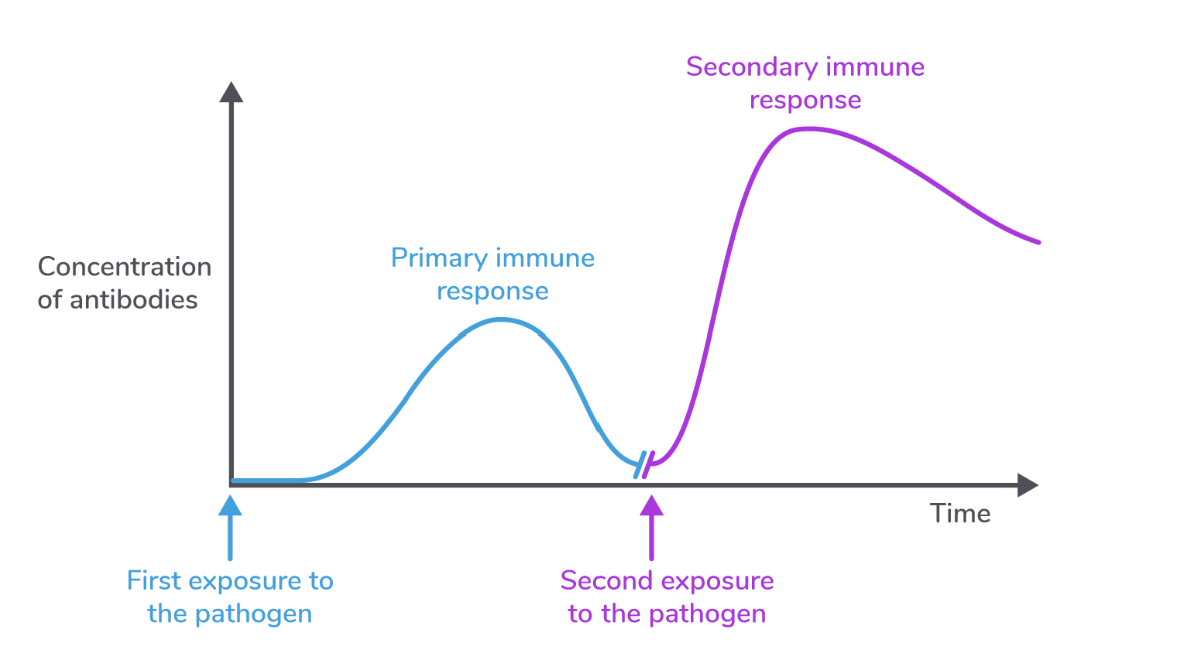
Secondary response
Production of antibodies is much quicker after exposure to the pathogen
Concentration of antibodies increases quickly
Because memory B cells recognise the pathogen's antigens
Divide quickly into plasma cells
They secrete more antibodies to quickly destroy the pathogen
No symptoms
Memory T cells activated to divide into T killer cells to destroy pathogen
Comparison
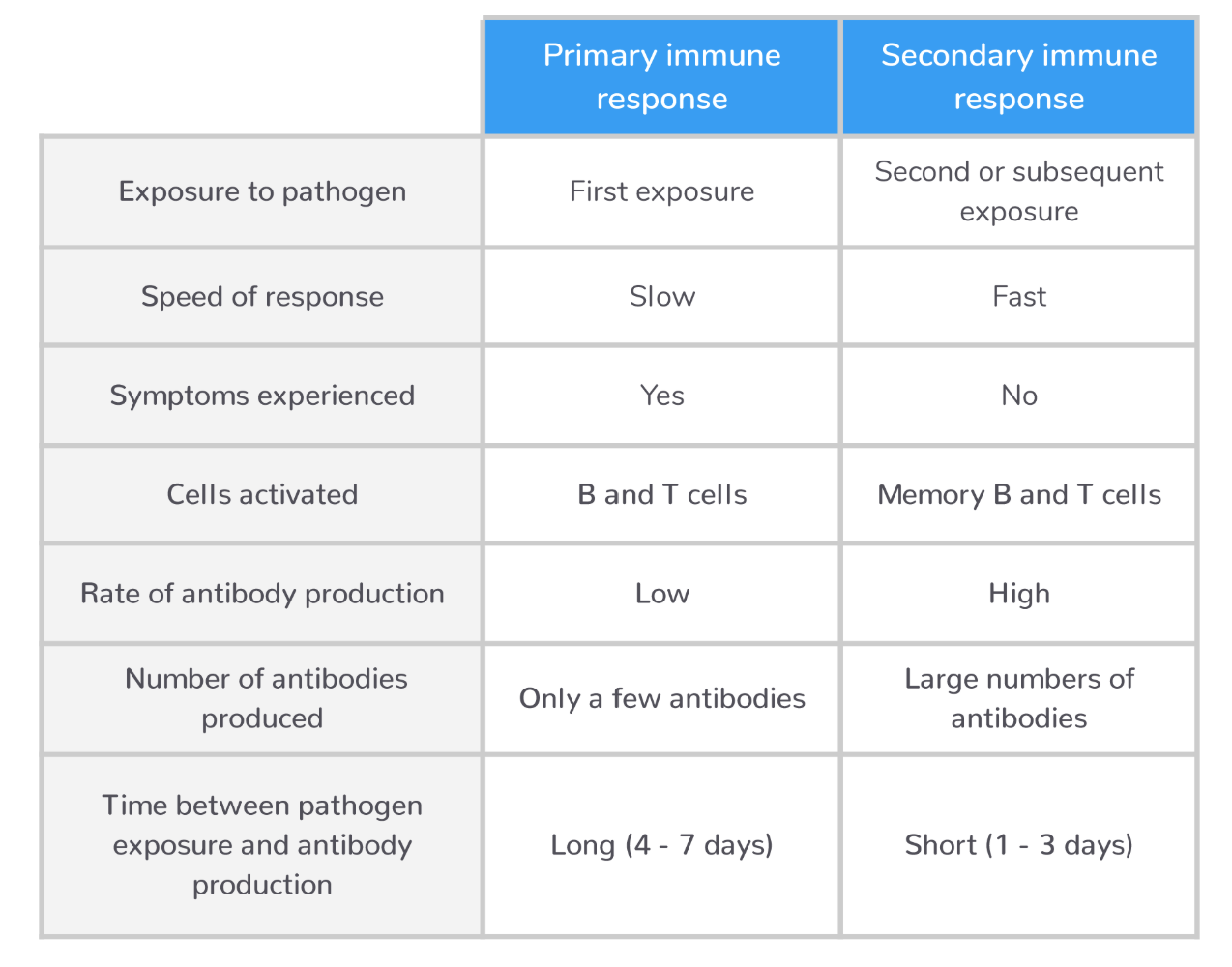
Autoimmune diseases
Immune system cannot recognise self antigens and attacks them
Examples
Type 1 diabetes
Lupus
Connective tissues
Rheumatoid arthritis
Attacks cells in the joints
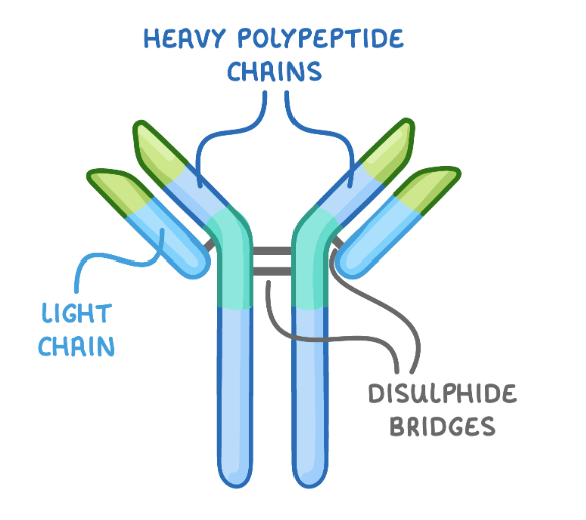
Antibodies structure
Y shaped glycoproteins
Made of four polypeptide chains
2 heavy and 2 light chains
Held together via disulphide bridges
Made up of various regions
Constant region
Same for all antibodies and binds to receptors on cells such as B cells
Variable region
Different for each antibody
Complimentary to specific antigen
Hinger region
Flexible so can bind to multiple antigens at once
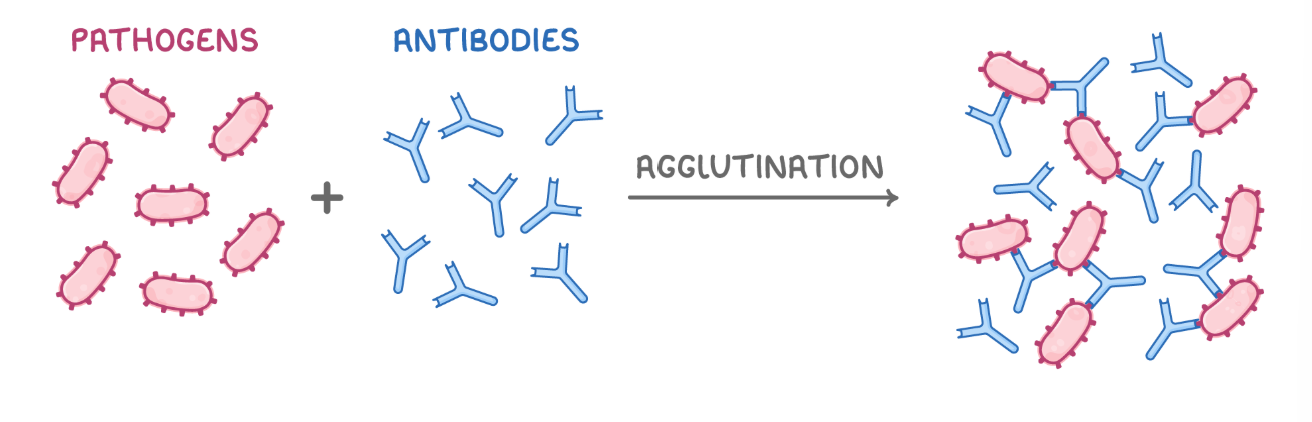
Agglutination of pathogen
Clumping pathogens together to enable easier phagocytosis
Can engulf a number of pathogens at once
Antibodies also act as opsonins which makes pathogens easily recognisable by phagocytes
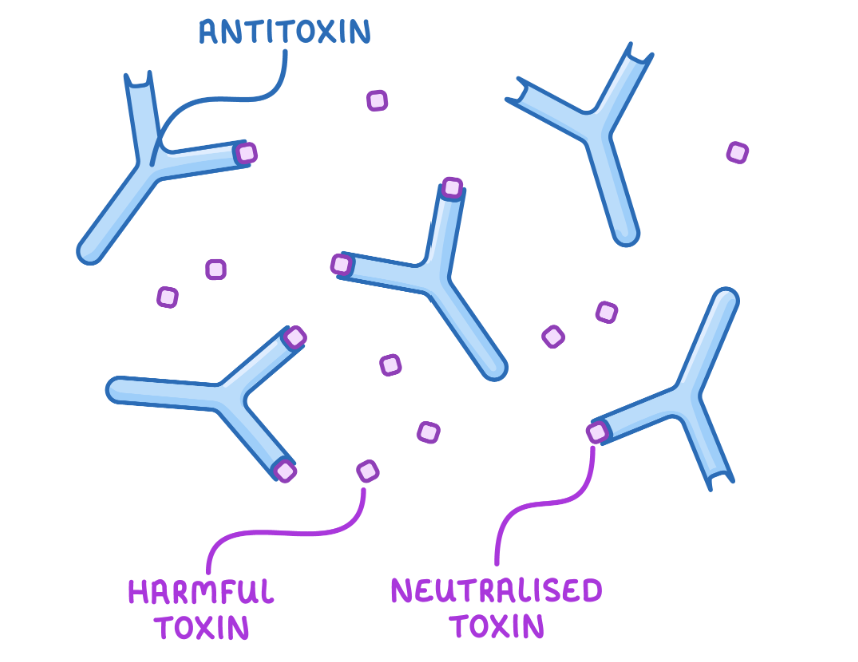
Neutralisation of toxins
Antibodies bind to inactivate toxins
Neutralises the toxins to prevent them damaging body cells
Preventing the pathogen from binding
To stop them from infecting body cells
Block cell-surface receptors needed to bind to host cells
Types of immunity
Active immunity
Develops when the immune system makes its own antibodies after exposure to antigens
Takes a while but its long term protection (memory cells)
Passive
An individual gets antibodies made by a different organism
Provides immediate immunity
Short-term as the antibodies are broken down and memory cells are not produced
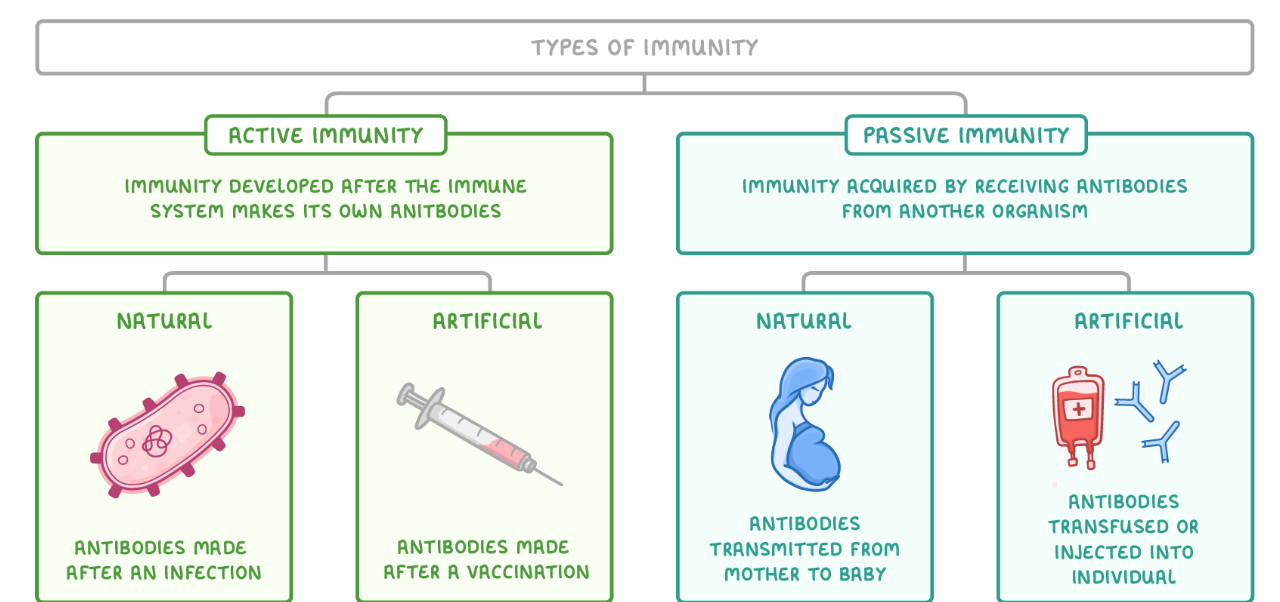
Vaccinations
Involves introduction of antigens into body
Stimulates immune response - artificial active immunity
May contain
Dead/inactivated pathogens
Weakened pathogen strains
Harmless version of toxin
Isolated antigens from pathogen
Genetically engineered antigens
How is immunity provided
The vaccine, containing antigens, is injected into the blood.
This stimulates the primary immune response to produce antibodies against the pathogen.
Memory cells, capable of recognising these antigens, are produced.
On second exposure to this pathogen, memory cells rapidly divide into plasma cells.
Plasma cells rapidly produce antibodies against the pathogen.
The pathogen is destroyed before any symptoms are experienced.
Criteria for successful vaccination
Availability
Affordable and available in large amounts for mass immunisation
Minimal side effects
Infrastructure
Necessary storing, transporting and production
Herd immunity
Vaccinate the majority of the population
Can provide protection to those not vaccinated
Most of population is immune and cannot transmit pathogen
Reduces likelihood of non-vaccinated individuals coming into contact with the pathogen
Why might vaccines not work
Individual immunity failures
People with weak immunity may not be able to withstand vaccines
Pre-immunity infection
Some individuals may contract disease post vaccination before immunity occurs
Pathogen mutation
Rapid antigenic changes due to frequent mutations can make vaccines ineffective
Pathogen variety
Variants can make universally effective vaccines nearly impossible
Pathogen hidings
Some pathogens can evade immune system by 'hiding inside cells or inhabiting hard-to-reach body regions
Vaccine objections
Misinformation, religion, ethics
Antigenic variety
Relies on introducing a pathogen's antigens into the body to stimulate an immune response
Some pathogens can change their antigens
Means its hard to develop vaccines against some pathogens