AP Psychology: Topic 5.1 - Introduction to Health Psychology
 Call Kai
 Learn
Learn Practice Test
 Spaced Repetition
 Match
Match Flashcards
 Knowt Play
1/15

There's no tags or description
Looks like no tags are added yet.
Name | Mastery | Learn | Test | Matching | Spaced | Call with Kai |
|---|
No analytics yet
Send a link to your students to track their progress
16 Terms
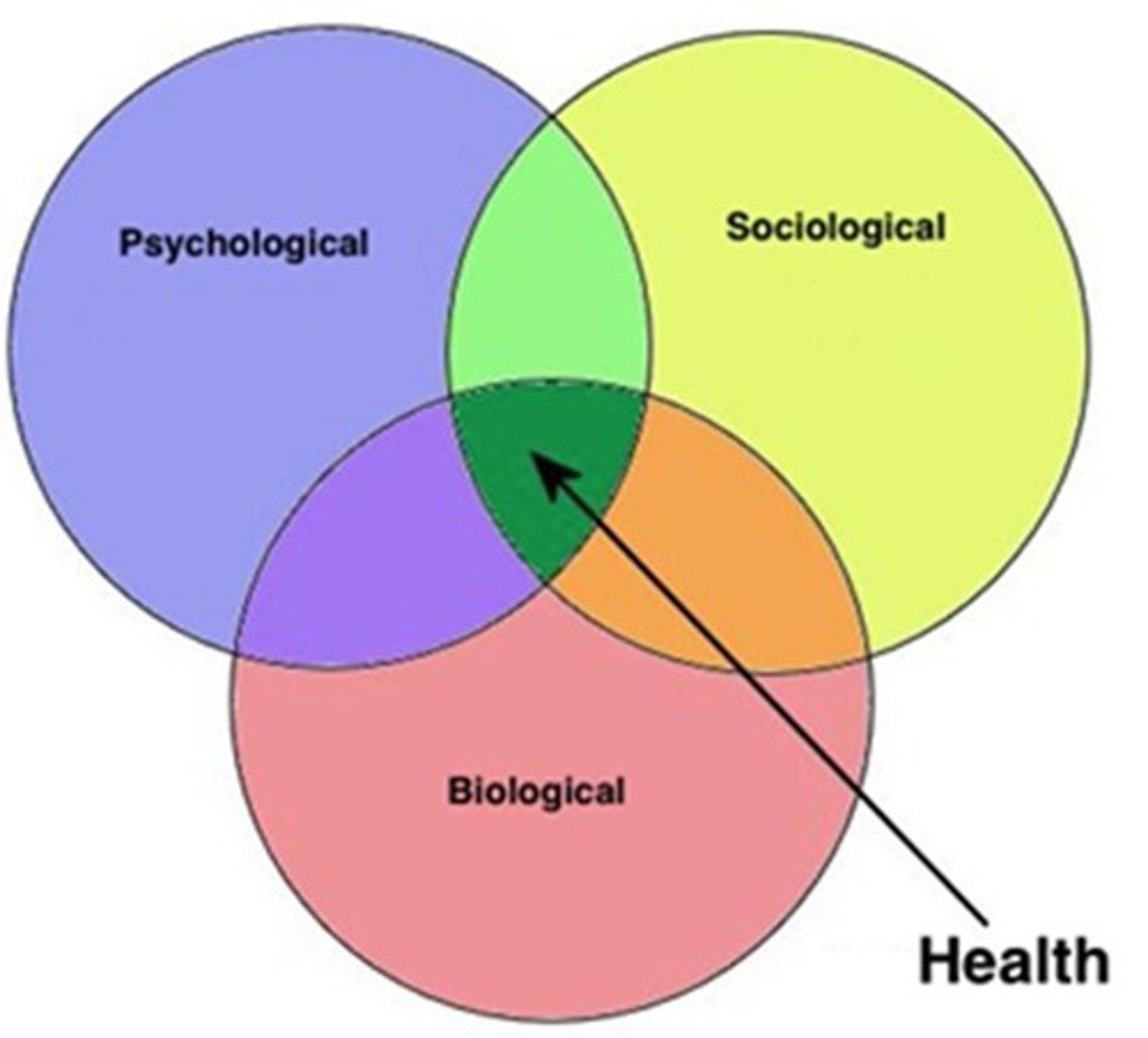
Health psychology
the study of how physical health
and wellness apply to behavior and mental processes
Stress
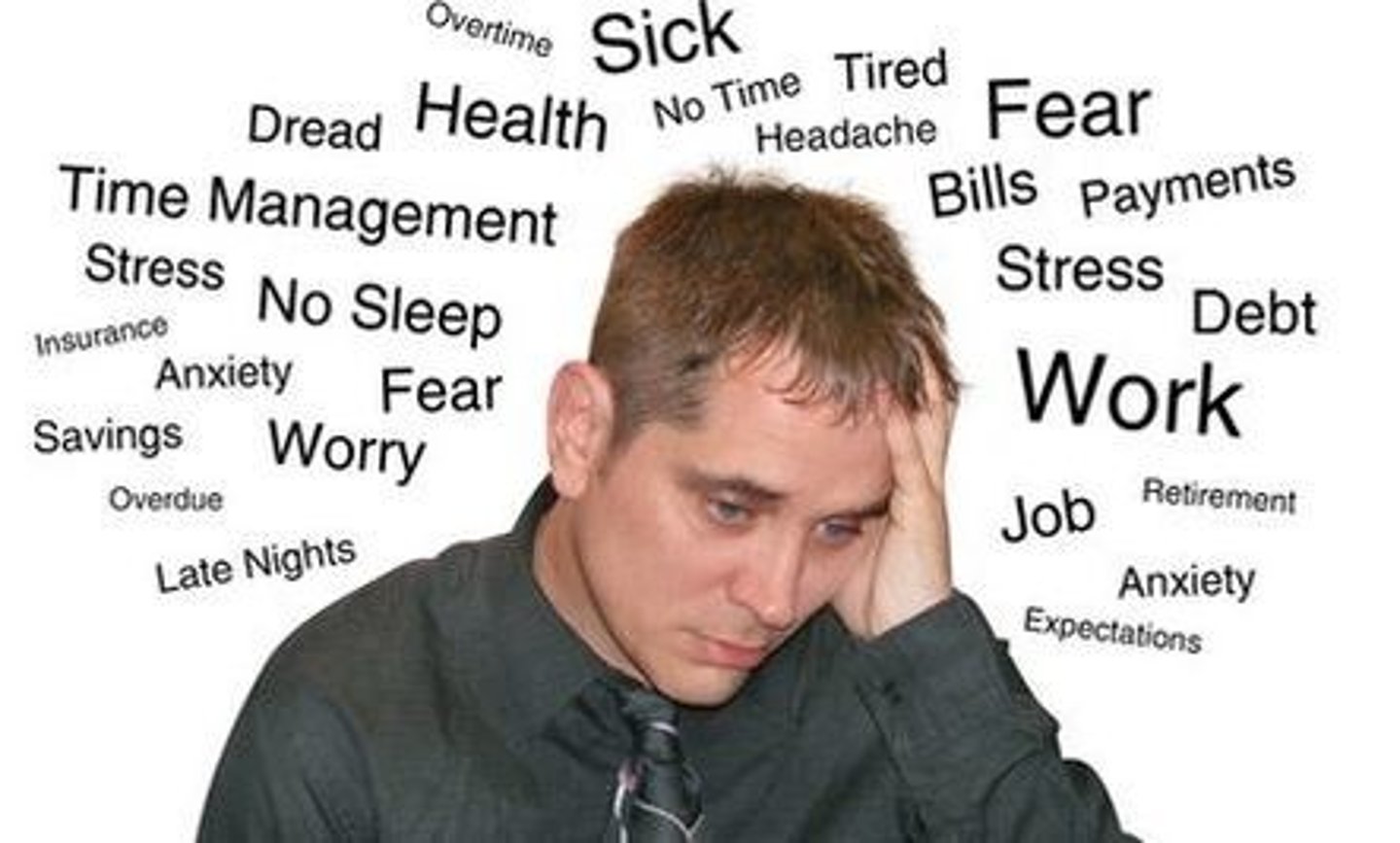
a state of tension caused by any thought or event that makes someone feel frustrated, angry, or nervous (can lead to disorders and disease)
Hypertension
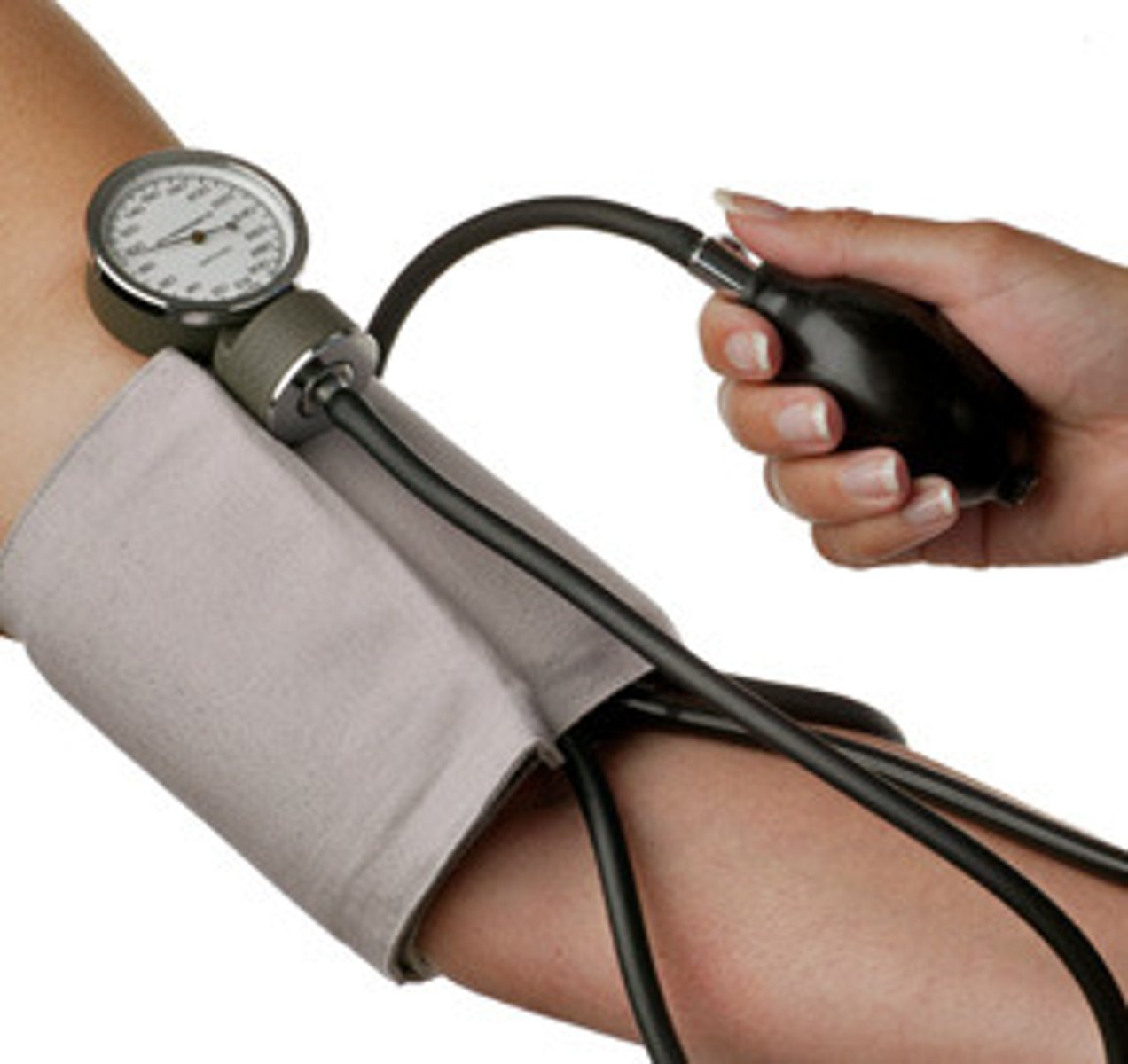
a combination of high blood pressure and high psychological stress (also known as high blood pressure)
Immune suppression
when the immune system is unable to respond to infections and diseases as well as it normally would (can be caused by stress)
Stressors
specific events or chronic pressures that place demands on a person or threaten their well-being

Eustress
a positive (motivating) stress response that can be beneficial to a person's well-being
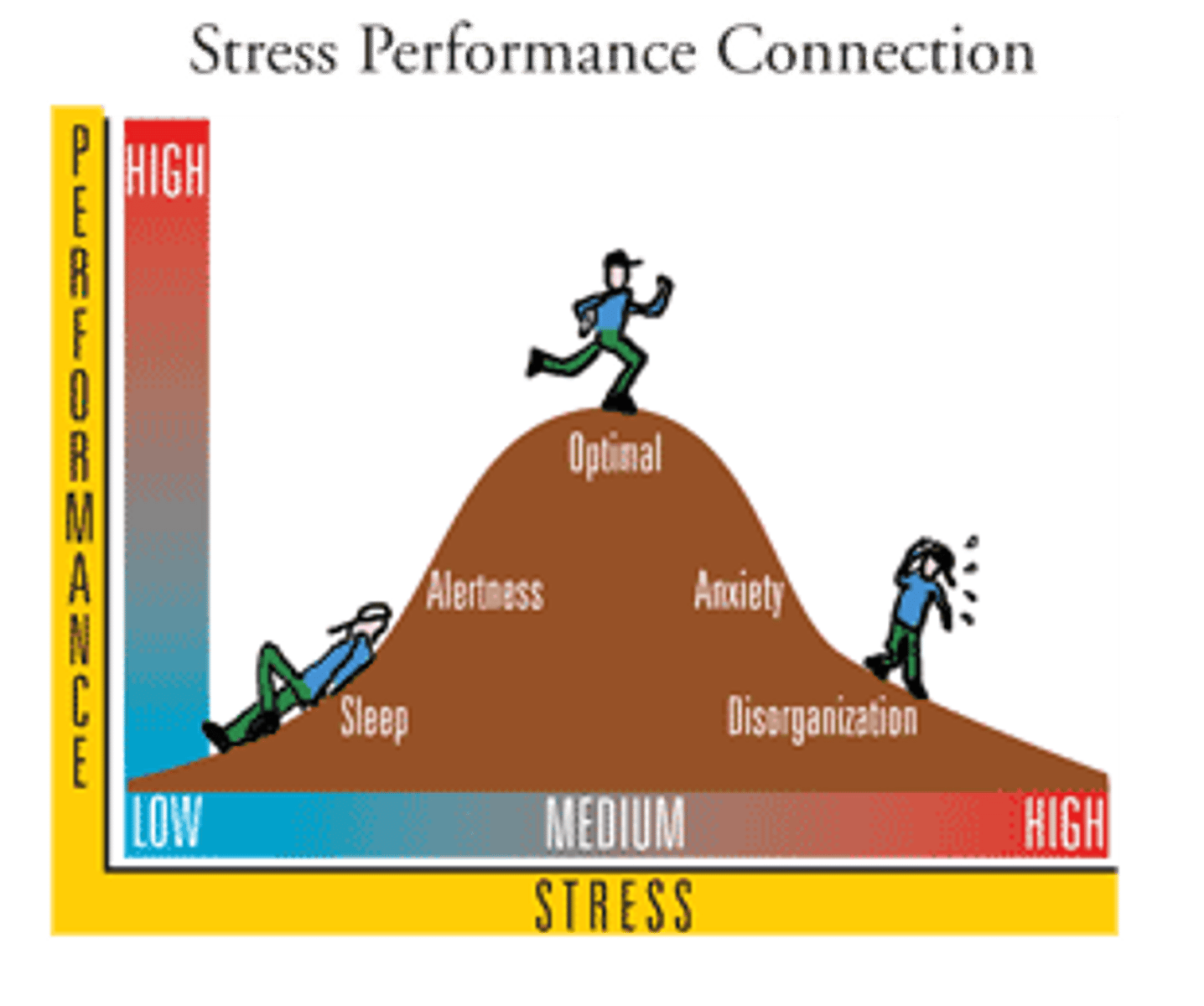
Distress
a negative (debilitating) type of stress that can cause unpleasant feelings, anxiety, and decreased performance

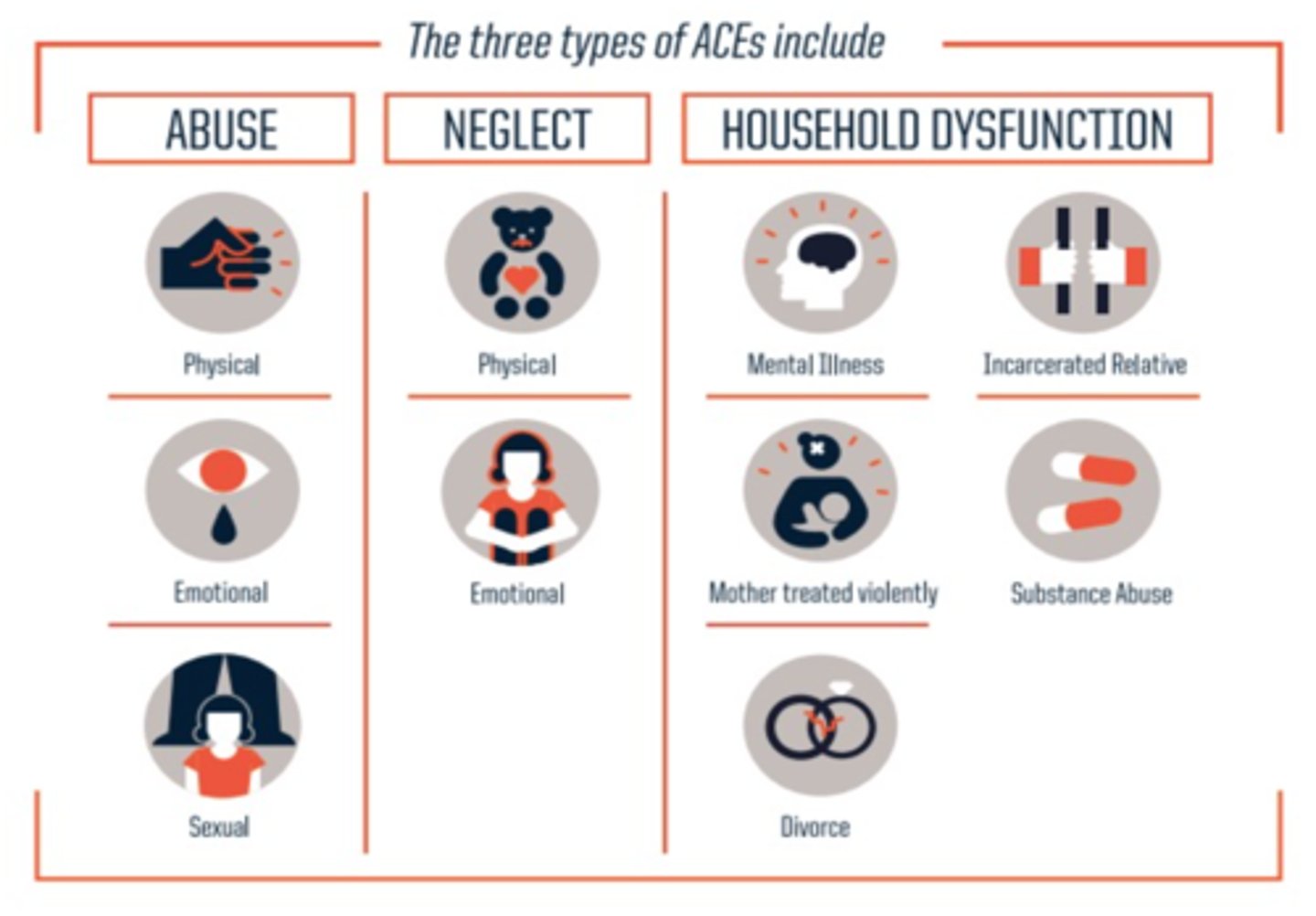
Adverse childhood experiences (ACEs)
traumatic childhood experiences, such as abuse, neglect, violence exposure, or death of a parent, that are linked to mental and physical health problems later in life
General adaptation syndrome (GAS)
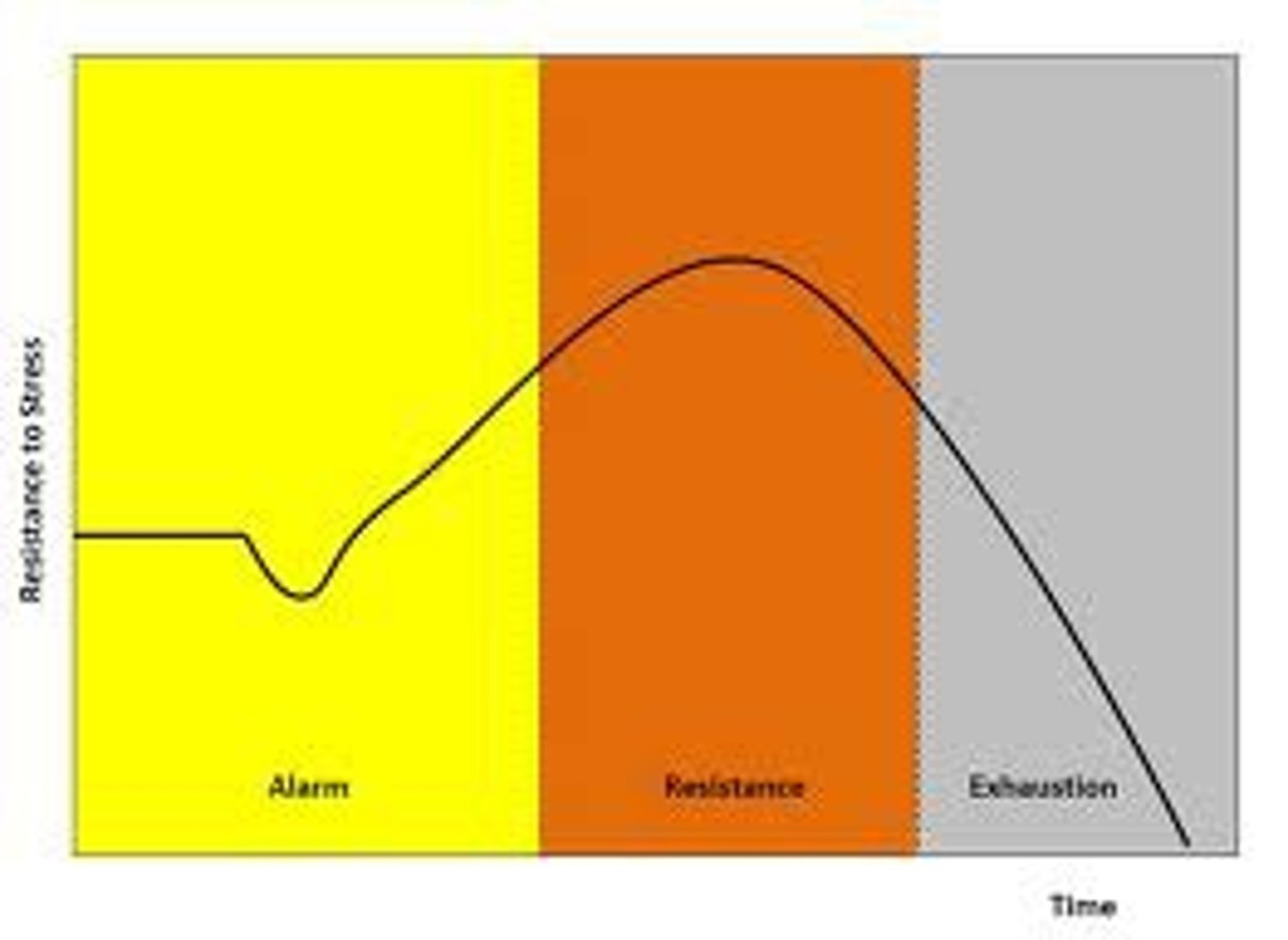
describes a three-stage process the body goes through when exposed to any kind of stress, positive or negative
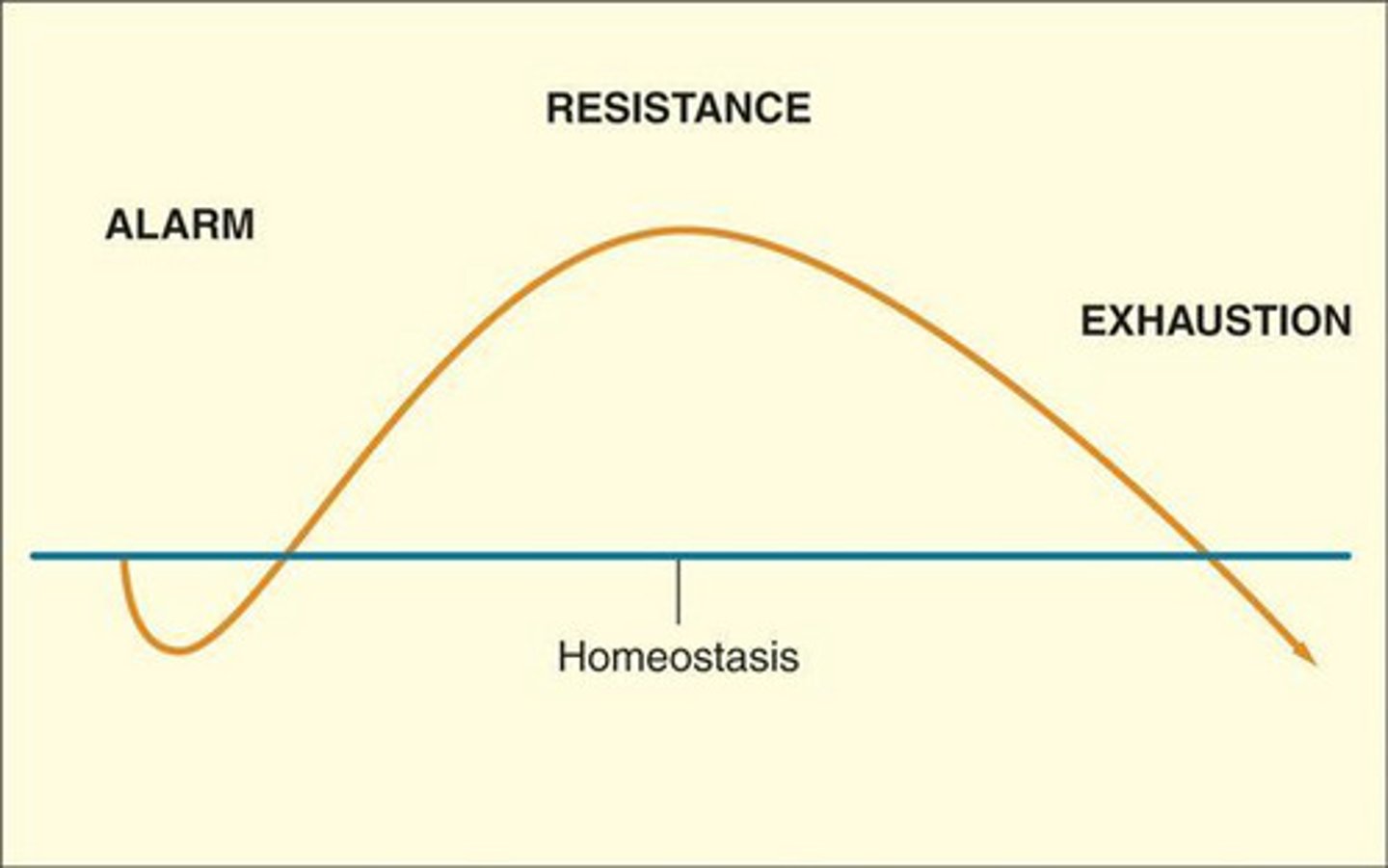
Alarm reaction phase
the first stage of GAS when the body reacts to a stressor with protective processes (fight-or-flight response)
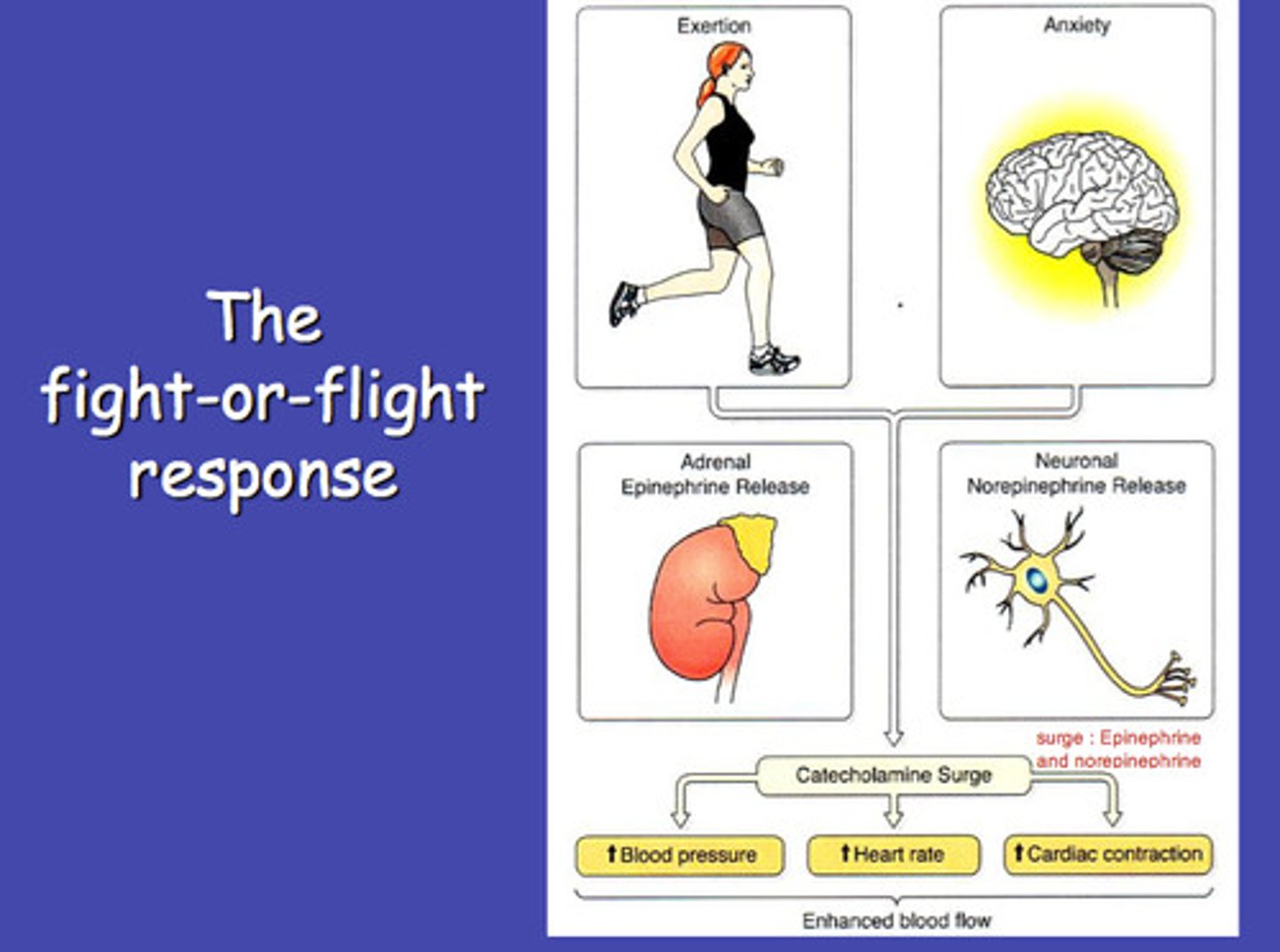
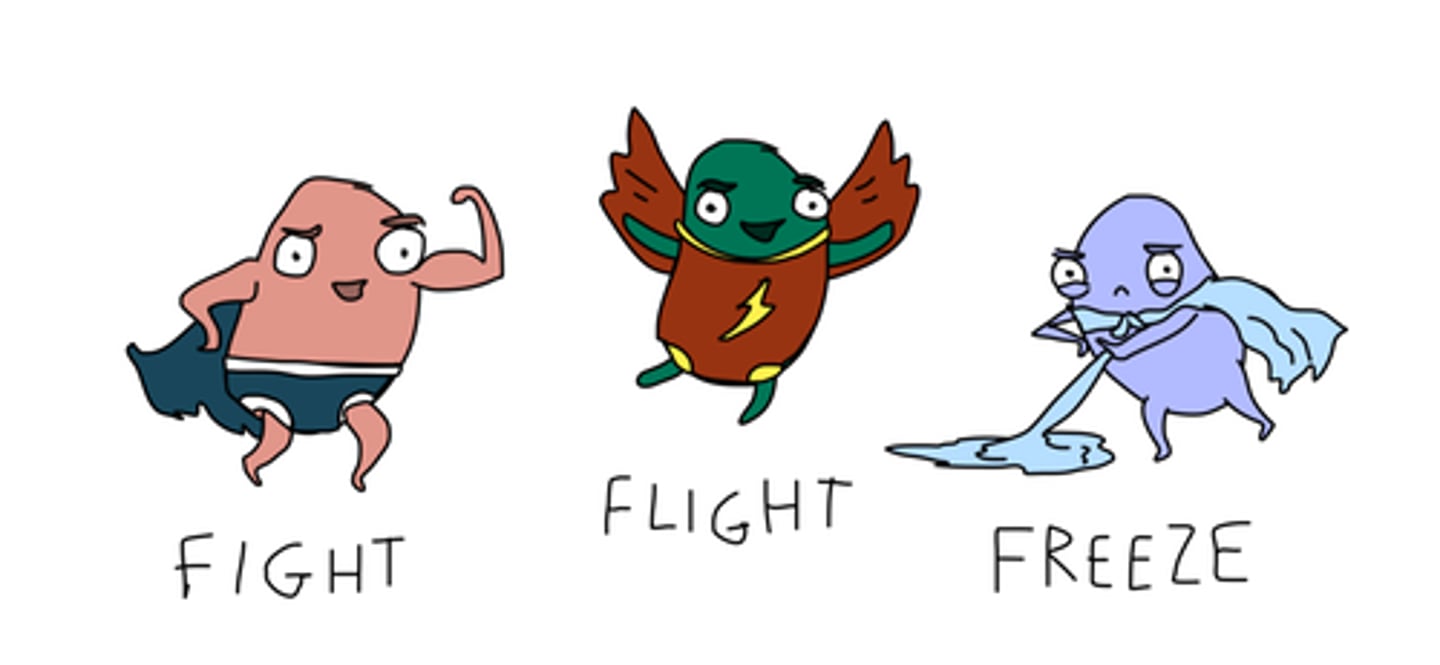
Flight-flight-freeze response
an involuntary, physical response to a sudden and immediate stressor that results in fight (facing a threat aggressively), flight (fleeing danger), or freeze (inability to move or act against a threat)
Resistance phase
the second stage of GAS when the body attempts to resist or adapt to the stressor through continued activation of physiological responses
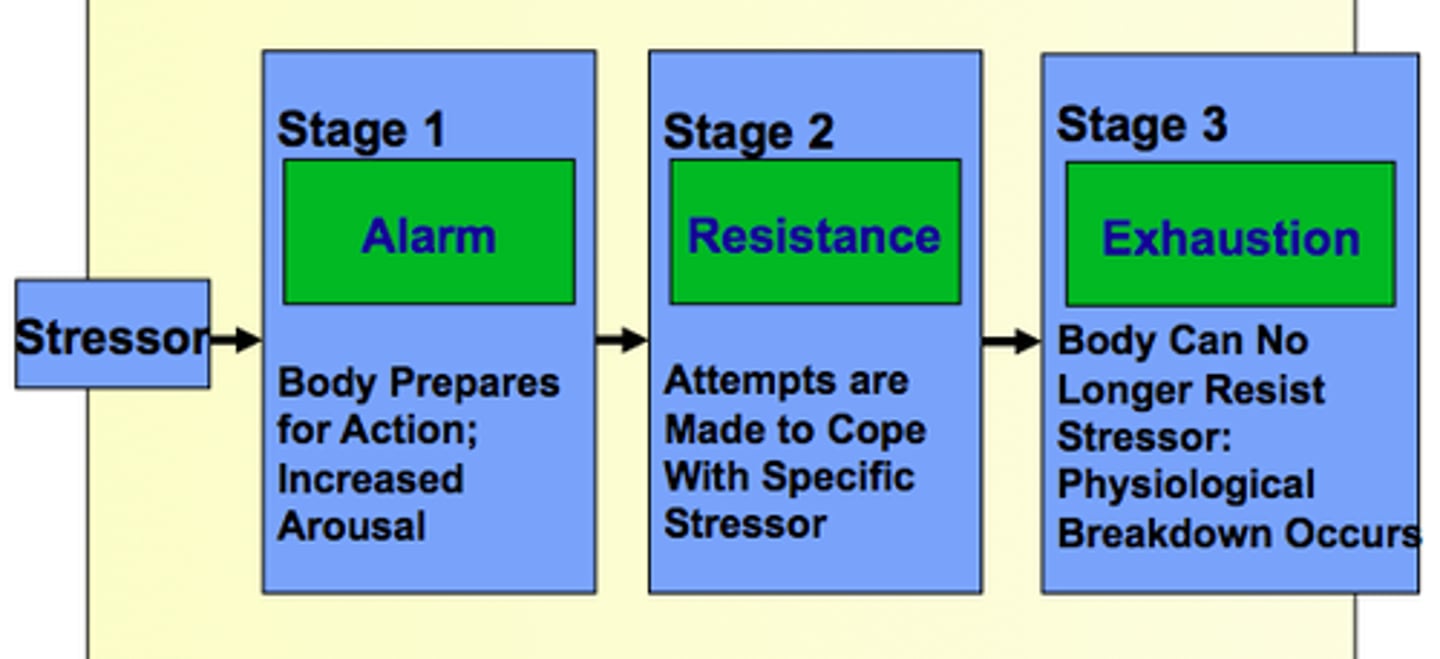
Exhaustion phase
the 3rd stage of GAS when the body has depleted its resources and is unable to cope with stress (often results in fatigue, lethargy, irritability, decreased eating or sleeping, depression, anxiety)
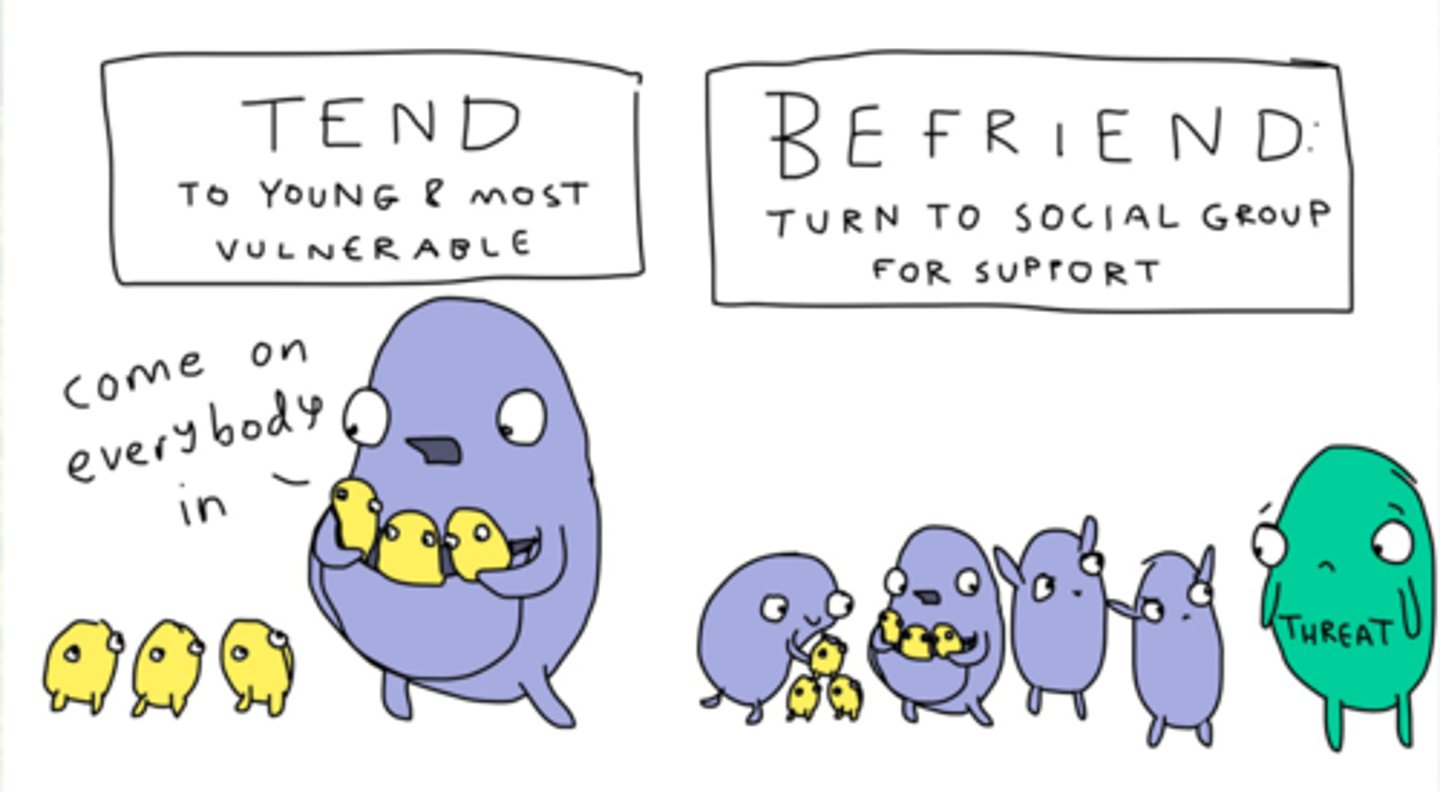
Tend-and-befriend theory
a theory that humans, especially females, cope with stressors by nurturing others and self (tending) and seeking social support (befriending)
Problem-focused coping
a technique that directly addresses a problem in order to eliminate or reduce its impact (actively working to change the situation that's causing stress)
Emotion-focused coping
a technique that manages negative emotions in response to a stressor, rather than trying to change the stressor itself (often used when the problem can't be changed or addressed)