Domain-Specific Computer Architecture
 Call Kai
 Learn
Learn Practice Test
 Spaced Repetition
 Match
Match Flashcards
 Knowt Play
1/19

Earn XP
Description and Tags
The Decision Process used in defining computer architectures to support specific needs.
Name | Mastery | Learn | Test | Matching | Spaced | Call with Kai |
|---|
No analytics yet
Send a link to your students to track their progress
20 Terms
Architecting computer systems to meet unique requirements
Every digital device is designed to perform a particular function or collection of functions.
SMARTPHONE ARCHITECTURE
this pertains to the architectural design that has the following characteristics. Small size, long battery life an very high processing performance.
Smartphone Architecture: IPhone 13 Pro Max
The iPhone 13 Pro Max was released in September 2021. The iPhone 13 Pro Max was Apple’s flagship smartphone at the time of its release and contained some of the most advanced technologies on the market.
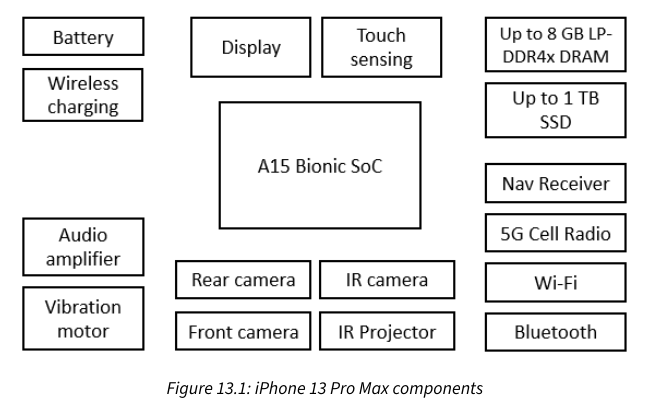
iPhone 13 Pro Max Components
The computational architecture of the iPhone 13 Pro Max is centered on the Apple A15 Bionic SoC, an ARMv8 six-core processor constructed with 15 billion CMOS transistors.
PERSONAL COMPUTER ARCHITECTURE
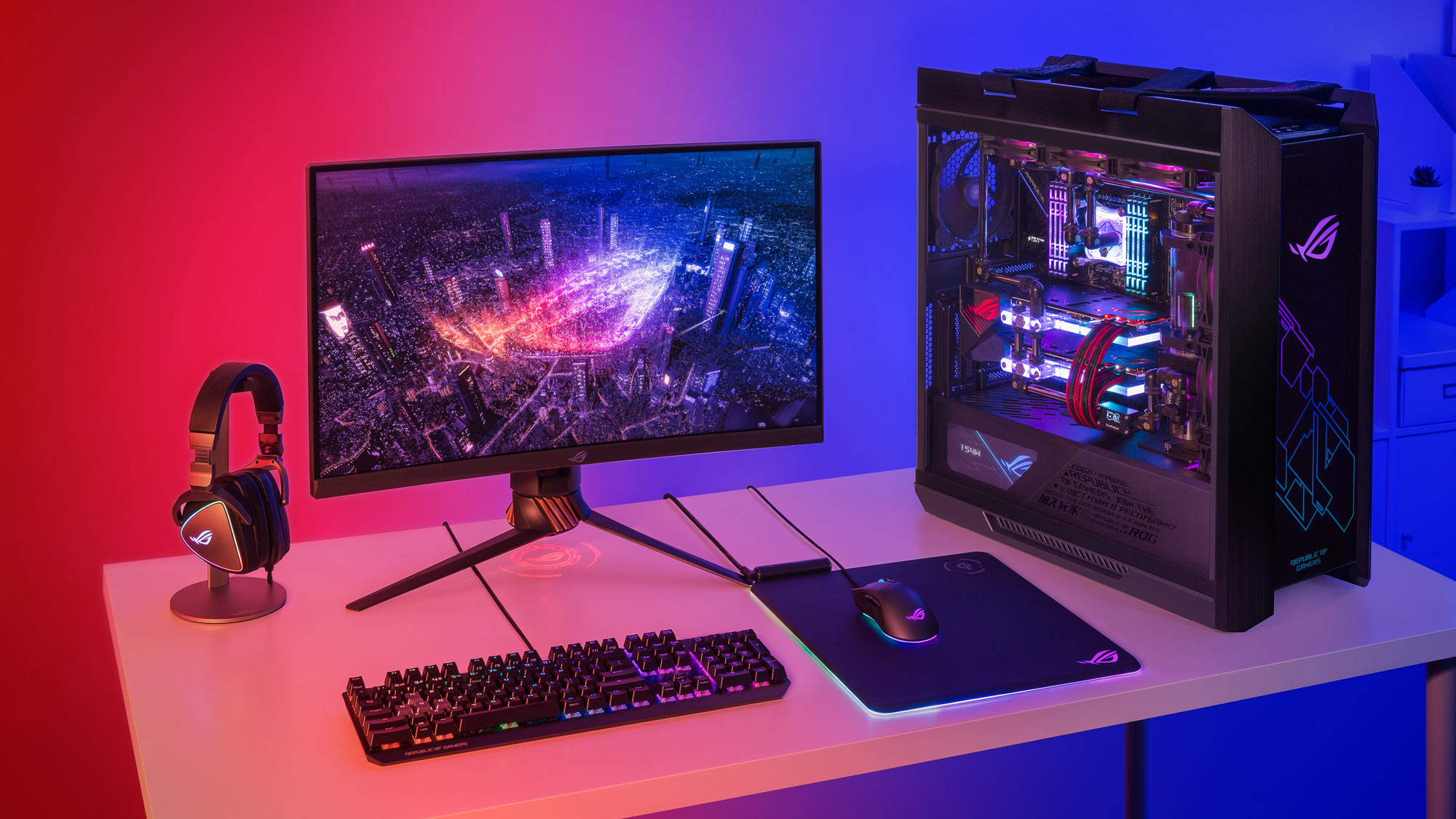
Alienware Aurora Ryzen Edition R10 gaming desktop
Ryzen 9 5950X branch prediction
Nvidia GeForce RTX 3090 GPU
Alienware Aurora Ryzen Edition R10 gaming desktop
The Alienware Aurora Ryzen Edition R10 desktop PC offers top-tier performance tailored for gaming, integrating cutting-edge components like the AMD Ryzen 9 5950X processor. Despite its high cost exceeding $4,000, its appeal may be limited, but it boasts significant advancements such as a 19% increase in instructions per clock compared to its predecessor, the Zen 2 microarchitecture.
Ryzen 9 5950X branch prediction
The Zen 3 architecture integrates a sophisticated branch prediction unit utilizing machine learning, specifically perceptrons, to enhance prediction accuracy by analyzing both individual branches and recent branch correlations. This innovation reduces performance degradation from pipeline bubbles and minimizes unnecessary speculative execution, contributing to overall system efficiency and speed.
Nvidia GeForce RTX 3090 GPU
The Nvidia GeForce RTX 3090 GPU, available as an option in the Aurora Ryzen Edition R10, offers top-tier graphical performance with dedicated cores for raytracing and machine learning. Leveraging its machine learning capabilities, it enhances image resolution through intelligent application of antialiasing and sharpening effects, making scenes appear rendered at higher resolutions without the computational expense.
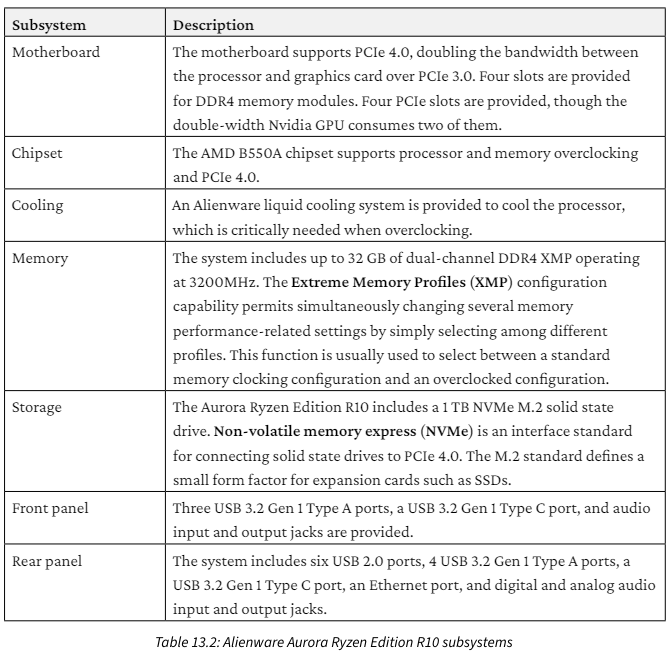
AURORA Subsystems
The Alienware Aurora Ryzen Edition R10 gaming desktop integrates the most advanced technology available at the time of its introduction in terms of the raw speed of its processor, memory, GPU, and storage, as well as its use of machine learning to improve instruction execution performance.

Warehouse-scale computing architecture
Large-scale computing providers serve diverse entities like governments and corporations by aggregating thousands of computers into buildings. These warehouse-scale computing environments operate as single, massively parallel systems, illustrating an evolution from early room-sized computers to today's expansive data centers, indicating a future trend towards smaller yet powerful computing systems and a shift towards centralized server systems for application processing.
WSC hardware
Warehouse-Scale Computing (WSC) hardware refers to the infrastructure and components used in large-scale data centers that aggregate thousands of computing resources in a single facility. This hardware includes servers, networking equipment, storage devices, and other supporting infrastructure required to operate and manage the immense computational power and data processing capabilities of these facilities. The design and architecture of WSC hardware prioritize scalability, reliability, and efficiency to meet the demanding requirements of modern computing tasks at a massive scale.
Rack-based servers
Warehouse-Scale Computing (WSC) servers are typically housed in racks, with each server occupying a 1U slot measuring 19 inches wide and 1.75 inches high, with a rack accommodating up to 40 servers. Each server comprises a complete system with a processor, RAM, disk drive, and network interface, primarily operating in a headless mode where interaction occurs over the network rather than through direct connections like displays or keyboards.
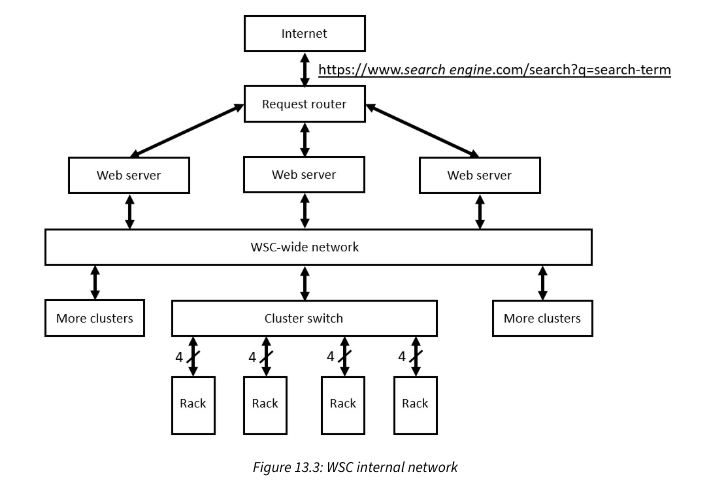
WSC Internal Network
In the Warehouse-Scale Computing (WSC) configuration depicted in Figure 13.3, user requests are initially routed to available web servers responsible for handling search processes and sending responses. Multiple web servers ensure load sharing and redundancy, with the system distributing index lookup requests to appropriate index servers across rack clusters, necessitating multiple copies of index databases for efficient and reliable operation across various levels of the WSC infrastructure.

Hardware fault management
In Warehouse-Scale Computing (WSC) environments, hardware failures are anticipated due to the sheer scale of computer systems, despite efforts to enhance reliability. Each server in the system must monitor the responsiveness and accuracy of lower-level systems it interacts with, rerouting requests if necessary, while transient errors are typically resolved without intervention. However, persistent issues prompt maintenance requests to troubleshoot and repair faulty systems, potentially involving the deployment of replacement servers from a backup pool to ensure uninterrupted service.
Electrical power consumption
In a Warehouse-Scale Computing (WSC) environment, minimizing electrical power consumption is crucial due to its significant cost. To achieve this, servers and networking devices are only powered on when needed, as traffic loads fluctuate, necessitating the ability to quickly power up or down servers based on workload demands to optimize efficiency and maintain quality of service.
The WSC as a multilevel information cache
In the pursuit of optimal performance for web services like search engines, a caching strategy akin to the multilevel cache architecture in modern processors is crucial. This involves maintaining a substantial subset of index data in an in-memory database, strategically selected based on historical usage patterns and recent search trends. The effectiveness of this strategy depends on factors such as the amount of DRAM installed in each server, balanced against the cost of additional servers, with further optimization considerations extending to the search hierarchy from DRAM to local disks, other servers within the same rack, across racks, and finally across clusters within the Warehouse-Scale Computing (WSC) environment.
Deploying a cloud application
By deploying to the Azure environment, our application takes full advantage of Azure cloud platform capabilities that provide performance, scalability, and security. Azure is a cloud computing platform provided by Microsoft, offering a wide range of services including computing, storage, networking, and analytics. It enables businesses to build, deploy, and manage applications and services through Microsoft-managed data centers distributed globally. Azure provides scalability, reliability, and flexibility, allowing organizations to leverage cloud resources efficiently and securely for various IT needs.

Neural networks and machine learning architectures
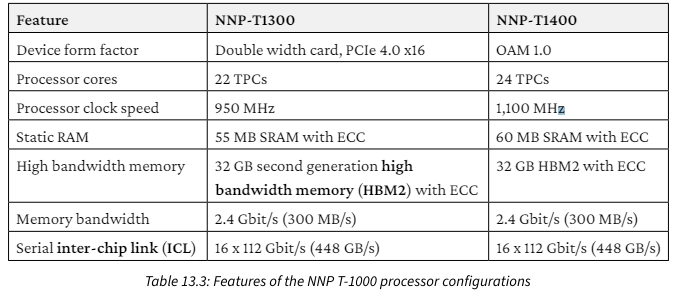
Intel Nervana neural network processor
Intel introduced a pair of processors optimized for neural network tasks in 2019: the Nervana neural network processor for training (NNP-T) and the Nervana neural network processor for inference. The NNP-T is designed as a miniature supercomputer tailored for training neural networks, available in two configurations: the NNP-T1300, a PCIe card suitable for standard PCs, and the NNP-T1400, a mezzanine card for use in Open Compute Project (OCP) accelerator modules (OAM). These processors excel in natural language processing (NLP) and machine vision tasks, utilizing specialized floating-point formats like bfloat16 and operating on tensors, with high-bandwidth memory and tensor processor clusters enabling efficient tensor operations.
Summary
This chapter delves into various computer system architectures tailored to specific user needs, covering smartphones, gaming PCs, warehouse-scale computing, and neural networks. By exploring these examples, readers gain a practical understanding of how computer architectures are designed to meet specific requirements, bridging theoretical discussions with real-world implementations of high-performance computing systems.