6.8. Physiology: Endocrine system and endocrine organs.
 Call Kai
 Learn
Learn Practice Test
 Spaced Repetition
 Match
Match Flashcards
 Knowt Play
1/69

There's no tags or description
Looks like no tags are added yet.
Name | Mastery | Learn | Test | Matching | Spaced | Call with Kai |
|---|
No analytics yet
Send a link to your students to track their progress
70 Terms
1. The osmolarity is an important homeostatic parameter. A solution contains 150 mM NaCl, 5 mM CaCl₂, and 5 mM glucose. Complete dissociation is assumed without considering correction factors.
What is the calculated osmolarity (mOsm/L) of this solution?
A. 160
B. 305
C. 310
D. 315
E. 320
E. 320
2. The application of the Fick principle allows the determination of the mean stroke volume (SV) of the heart from the measurement of oxygen uptake (V̇O₂), arterial (Ca) and mixed-venous (Cv) oxygen concentration, given the heart rate (HR).
Which relationship between stroke volume and the above-mentioned measured variables represents the Fick principle?
A. SV = V̇O₂ · (HR · (Ca - Cv))
B. SV = V̇O₂ / (HR · (Ca - Cv))
C. SV = V̇O₂ · (HR / (Ca - Cv))
D. SV = V̇O₂ · ((Ca - Cv) / HR)
E. SV = HR · ((Ca - Cv) / V̇O₂)
B. SV = V̇O₂ / (HR · (Ca - Cv))
3. A neurophysiologist is investigating the molecular cause of a maternally transmitted mental retardation syndrome. This is caused by a deficiency of ion channels that are mainly responsible for generating the resting membrane potential in a neuron.
Which ion do the above-mentioned channels most likely allow to pass through the plasma membrane?
A. Ca²⁺
B. Cl⁻
C. K⁺
D. Mg²⁺
E. Na⁺
C. K⁺
4. In the context of cold acclimatization, the organism can produce heat not only through shivering but also through non-shivering thermogenesis.
Which of the following best characterizes heat production through non-shivering thermogenesis?
This type of heat production
A. Dominates heat production in adults
B. Occurs through ATP hydrolysis
C. Occurs in white adipose tissue
D. Occurs without oxygen consumption
E. Is stimulated by the sympathetic nervous system
E. Is stimulated by the sympathetic nervous system
5. A 50-year-old healthy office worker weighing 70 kg drinks 1 L of beer in the evening that contains 50 g of ethanol. The man’s daily energy expenditure is 10 MJ/day.
Approximately what percentage of this man’s daily energy requirement is covered by the amount of ethanol?
A. 0.3 – 0.4%
B. 1 – 2%
C. 3 – 4%
D. 14 – 20%
E. 30 – 40%
D. 14 – 20%
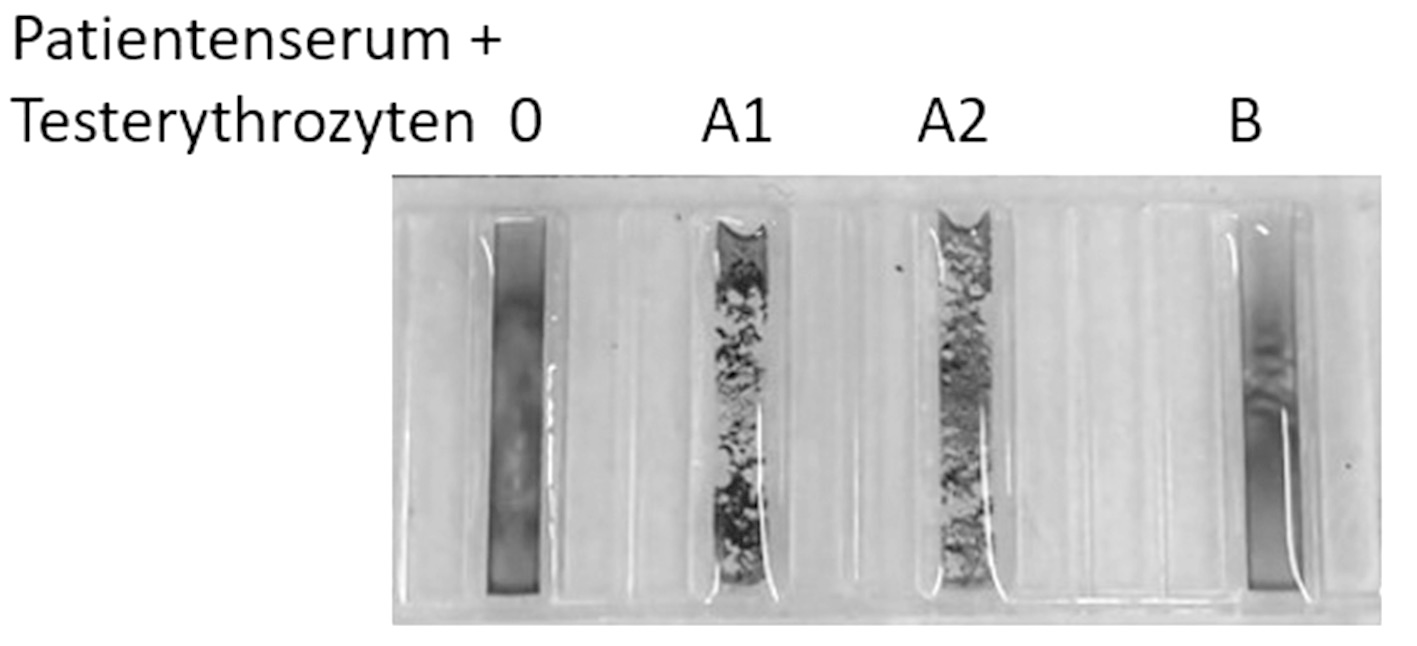
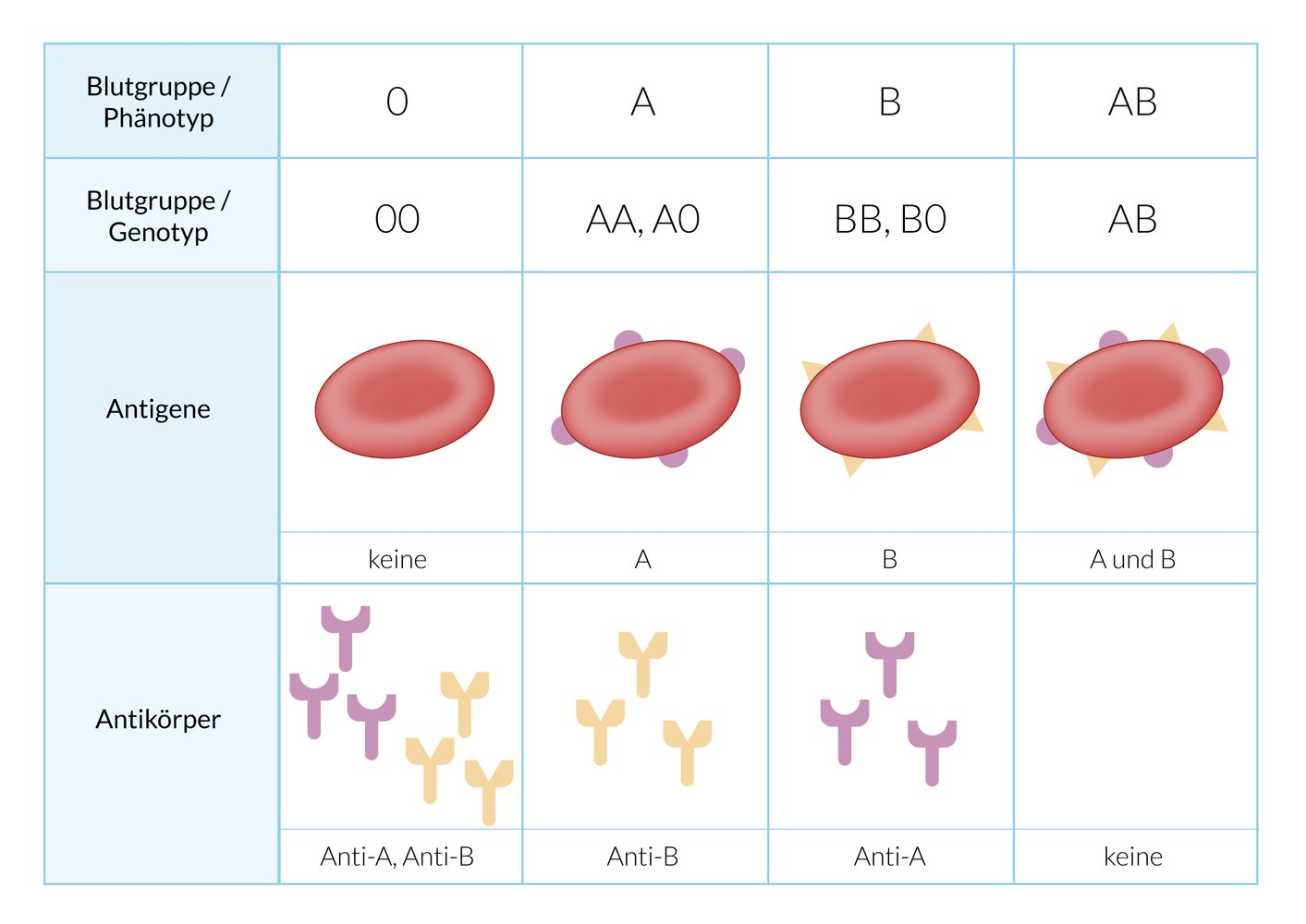
6. The figure shows the result of a blood group test. Test erythrocytes of blood groups A (A₁, A₂), B, and O were each added to the patient’s serum and tested for agglutination.
Which blood group do the patient’s erythrocytes most likely have?
A. A₁
B. A₂
C. A₁ and A₂
D. B
E. AB
D. B
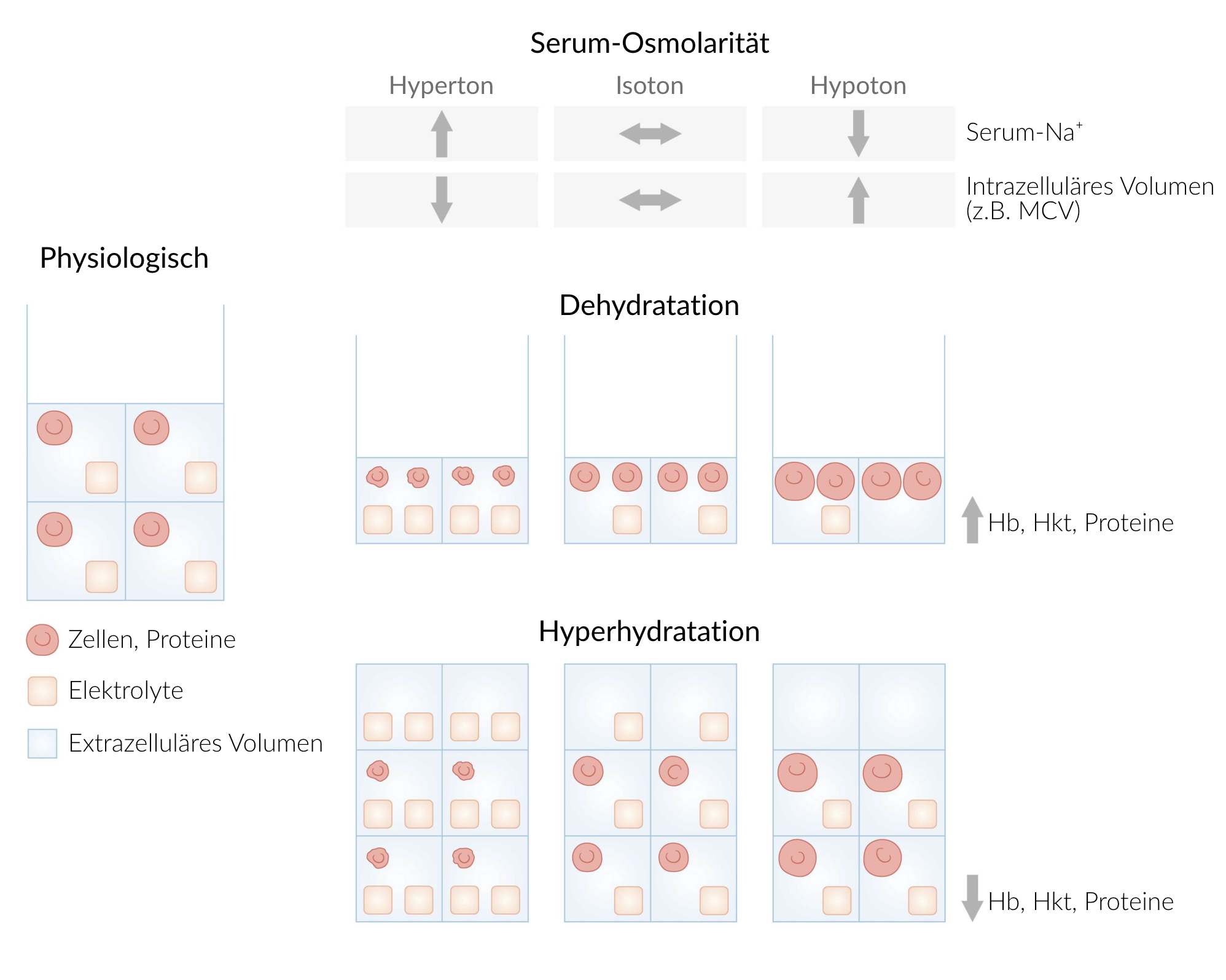
7. Acute excessive sweating causes pronounced hypertonic dehydration. Hemolysis is not present.
Which change in blood values is most likely to be expected in this situation compared to the physiological state?
A. Increased mean erythrocytic hemoglobin concentration
B. Increased mean corpuscular erythrocyte volume
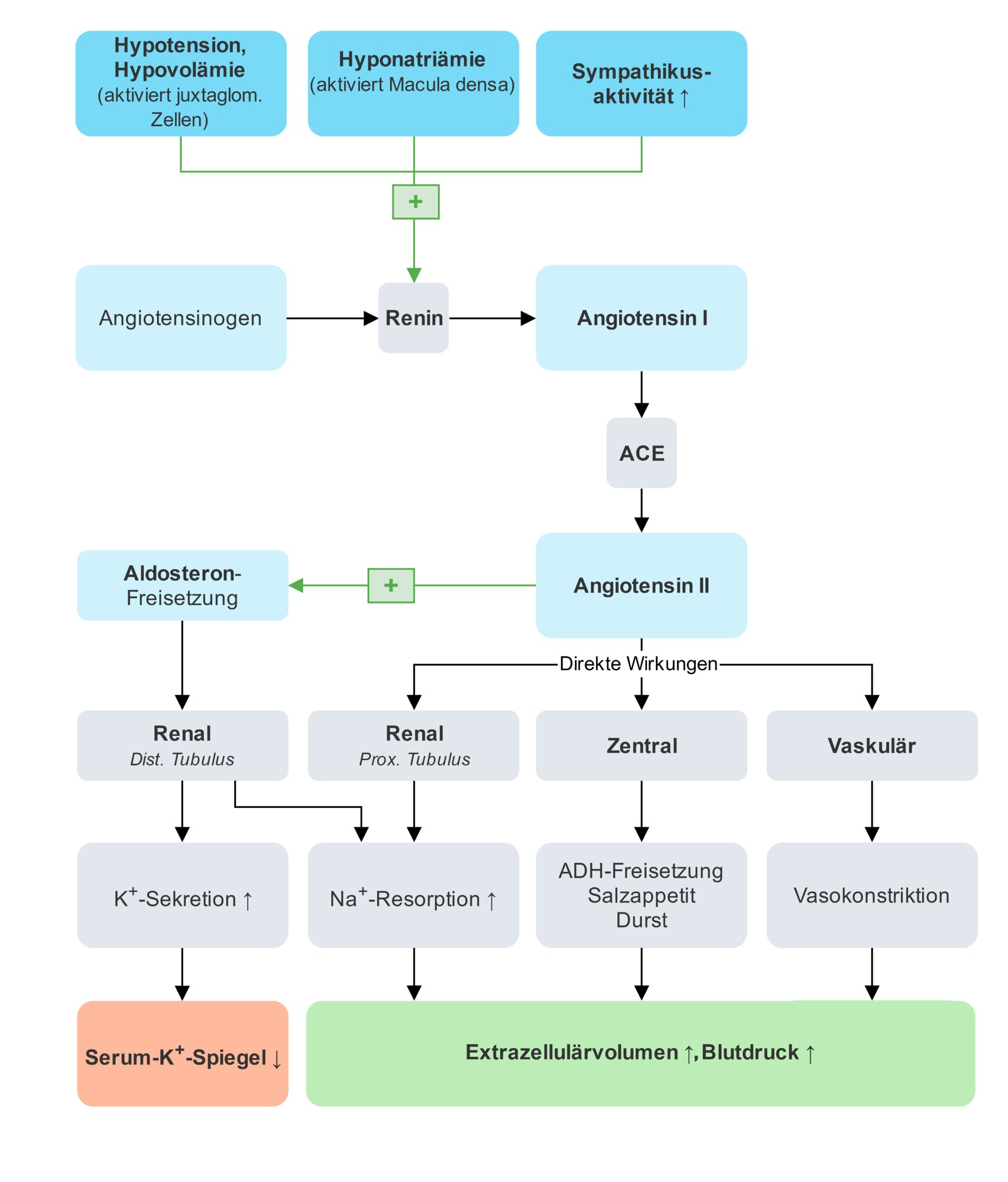
C. Reduced hemoglobin content of the blood
D. Reduced mean erythrocytic hemoglobin content
E. Reduced oxygen-binding capacity of the blood
A. Increased mean erythrocytic hemoglobin concentration
8. After a vascular injury, platelets adhere very quickly to exposed subendothelial collagen fibers.
Which of the following proteins most likely mediates this attachment (adhesion)?
A. Factor Xa
B. Fibrinogen
C. Glycoprotein IIb/IIIa
D. Thrombospondin
E. von Willebrand factor
E. von Willebrand factor
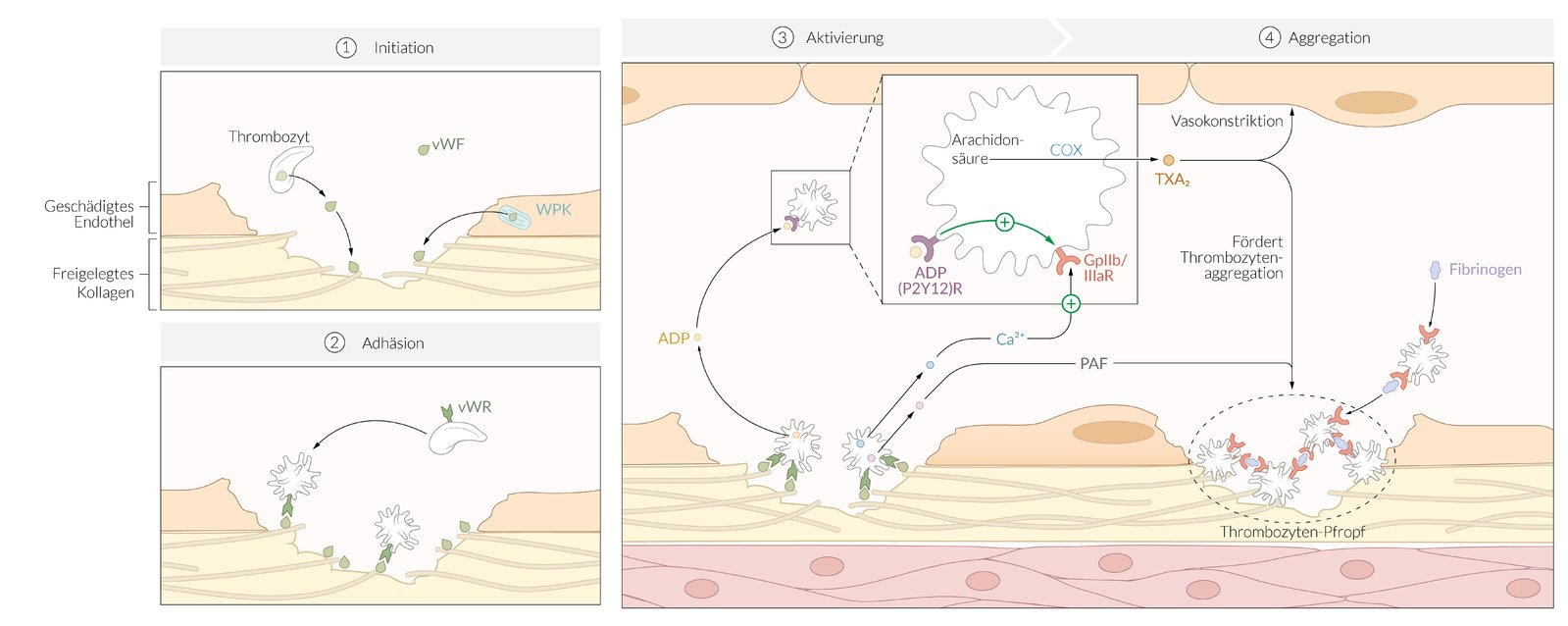
9. Functional relationships in the central nervous system (CNS) are very complex but follow a manageable number of principles.
Which functional principle of the CNS primarily serves contrast enhancement?
A. Facilitation
B. Divergence
C. Convergence
D. Lateral inhibition
E. Recurrent inhibition
D. Lateral inhibition
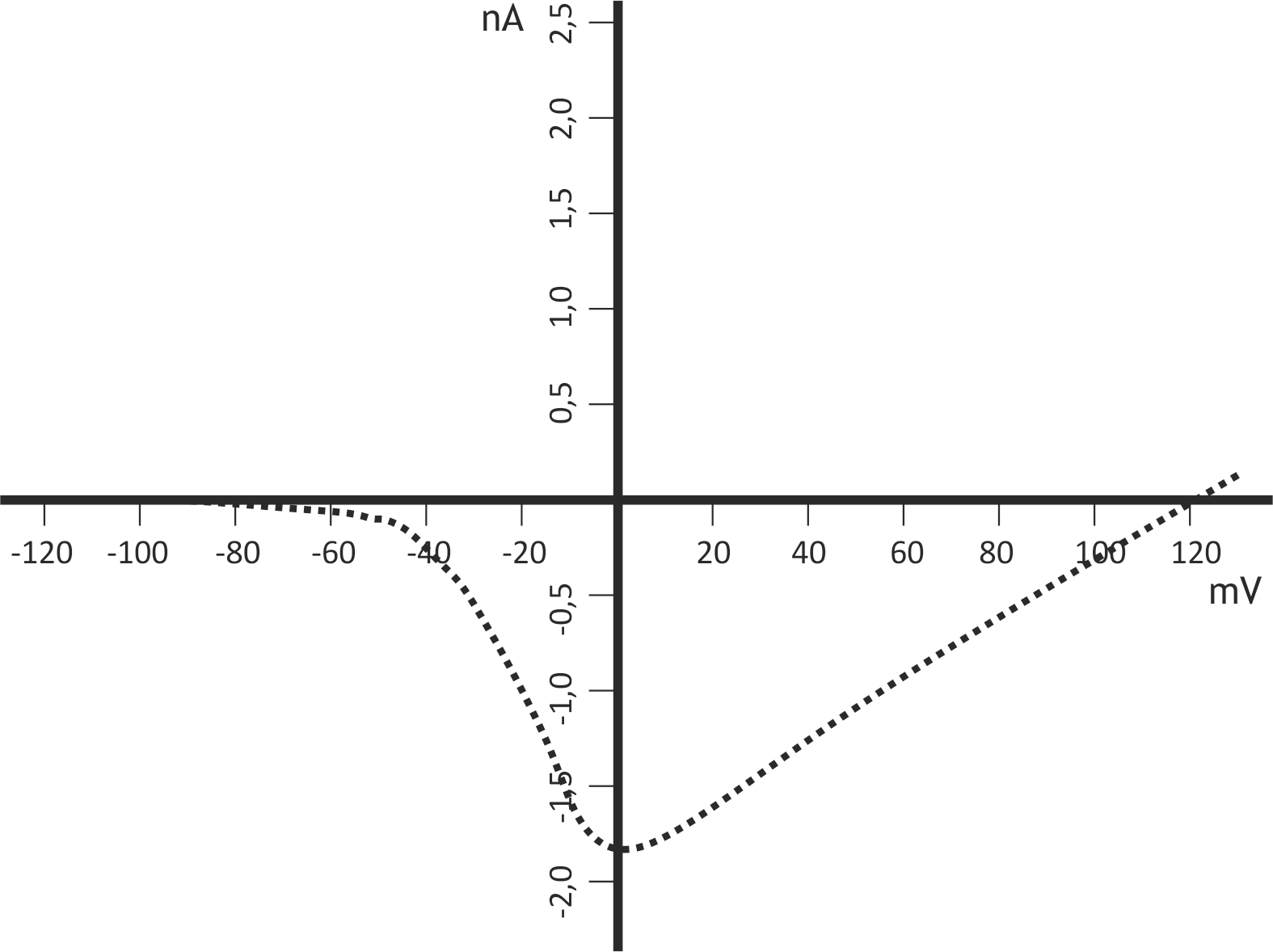
10. A neuroscientist experimentally measures a current in a warm-blooded neuron under physiological ion concentrations. Based on the properties of the ion and the voltage-dependent ion channel selective for this ion, the current–voltage relationship shown in the graph is obtained.
Which ion is most likely responsible for this current?
A. Ca²⁺
B. Cl⁻
C. HCO₃⁻
D. K⁺
E. Na⁺
A. Ca²⁺
11. The neurotransmitter acetylcholine causes a change in membrane potential in excitable target cells.
In which target cells does acetylcholine most likely produce a hyperpolarization?
A. Ganglion cells of the sympathetic chain
B. Renshaw cells of the spinal cord
C. Interstitial cells of Cajal in the gastrointestinal tract
D. Sinoatrial node cells of the heart
E. Skeletal muscle fibers (neuromuscular endplate)
D. Sinoatrial node cells of the heart
12. Cholinesterase inhibitors are important drugs but are also used as insecticides.
Which of the following findings can most likely be explained by the effect of cholinesterase inhibitors at parasympathetic synapses?
A. Bronchospasm
B. Urinary retention
C. Jaw muscle spasm (trismus)
D. Mydriasis
E. Tachycardia
A. Bronchospasm
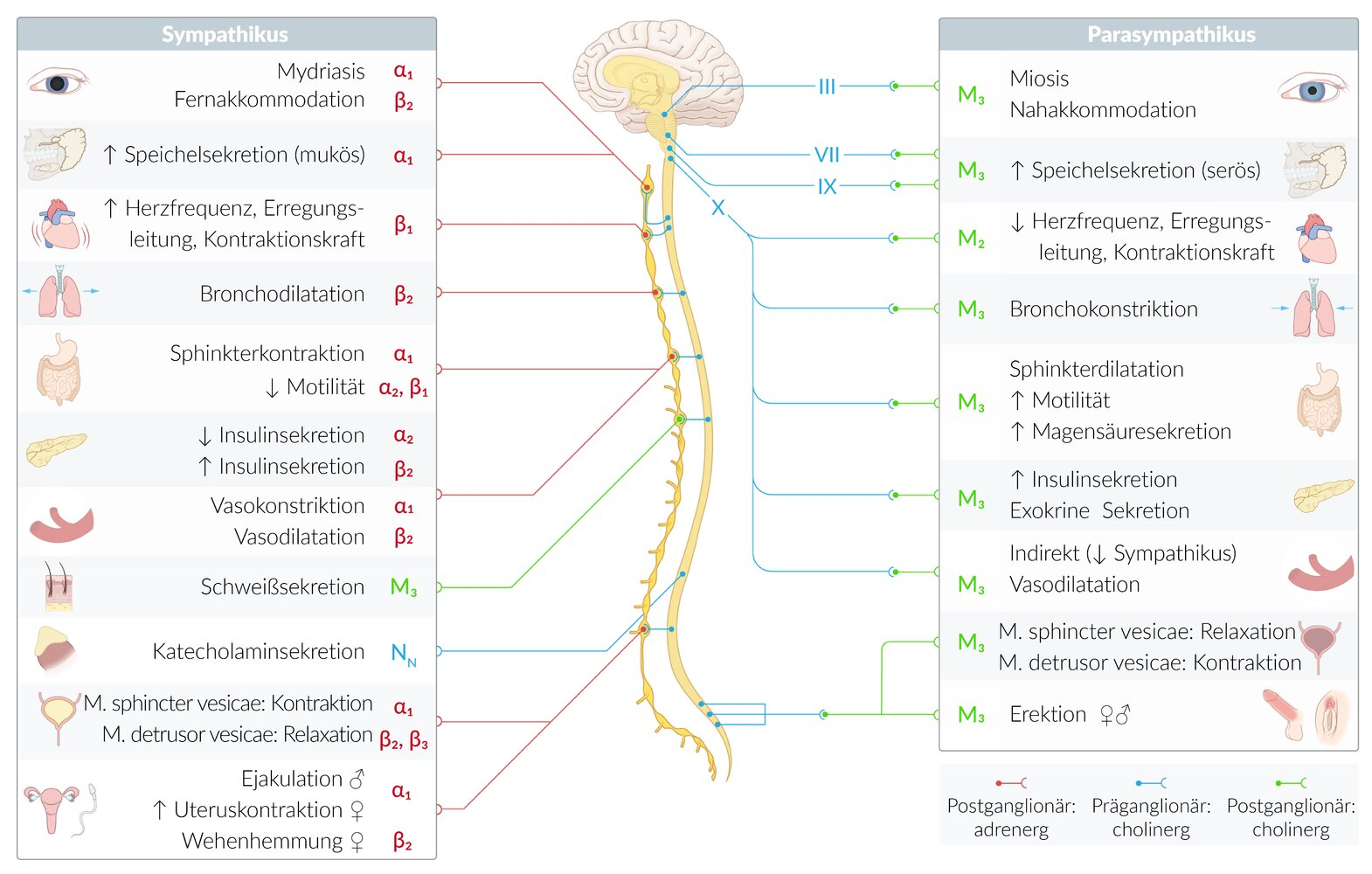
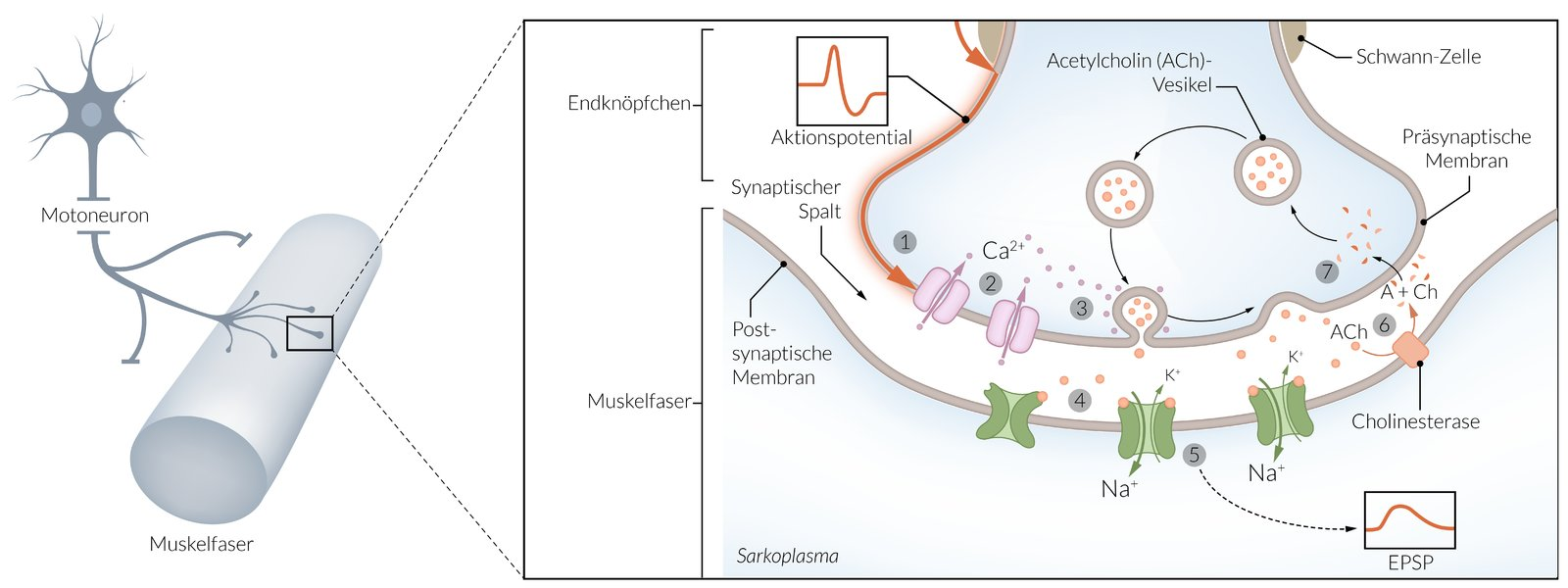
13. Lambert-Eaton myasthenic syndrome is an autoimmune disease characterized by muscle weakness. Affected patients show a reduced density of presynaptic voltage-gated Ca²⁺ channels at the neuromuscular junction.
The intake of a substance from which of the following drug classes would most likely counteract the muscle weakness in this situation?
A. Acetylcholinesterase inhibitor
B. α₁-adrenoceptor antagonist
C. Blocker of voltage-gated Na⁺ channels
D. β-adrenoceptor antagonist
E. Ca²⁺ channel blocker
A. Acetylcholinesterase inhibitor
14. At the afferent Aβ fiber of a slowly adapting (SA II) pressure mechanoreceptor in the skin, the electrical membrane potential is measured when a suprathreshold pressure is applied to the receptor.
Which change in the potential measurements is most likely to be expected with further increasing pressure on the receptor?
An increase in
A. Action potential frequency
B. Conduction velocity of action potentials
C. Mean action potential amplitude
D. Mean action potential duration
E. Refractory period of action potentials
A. Action potential frequency
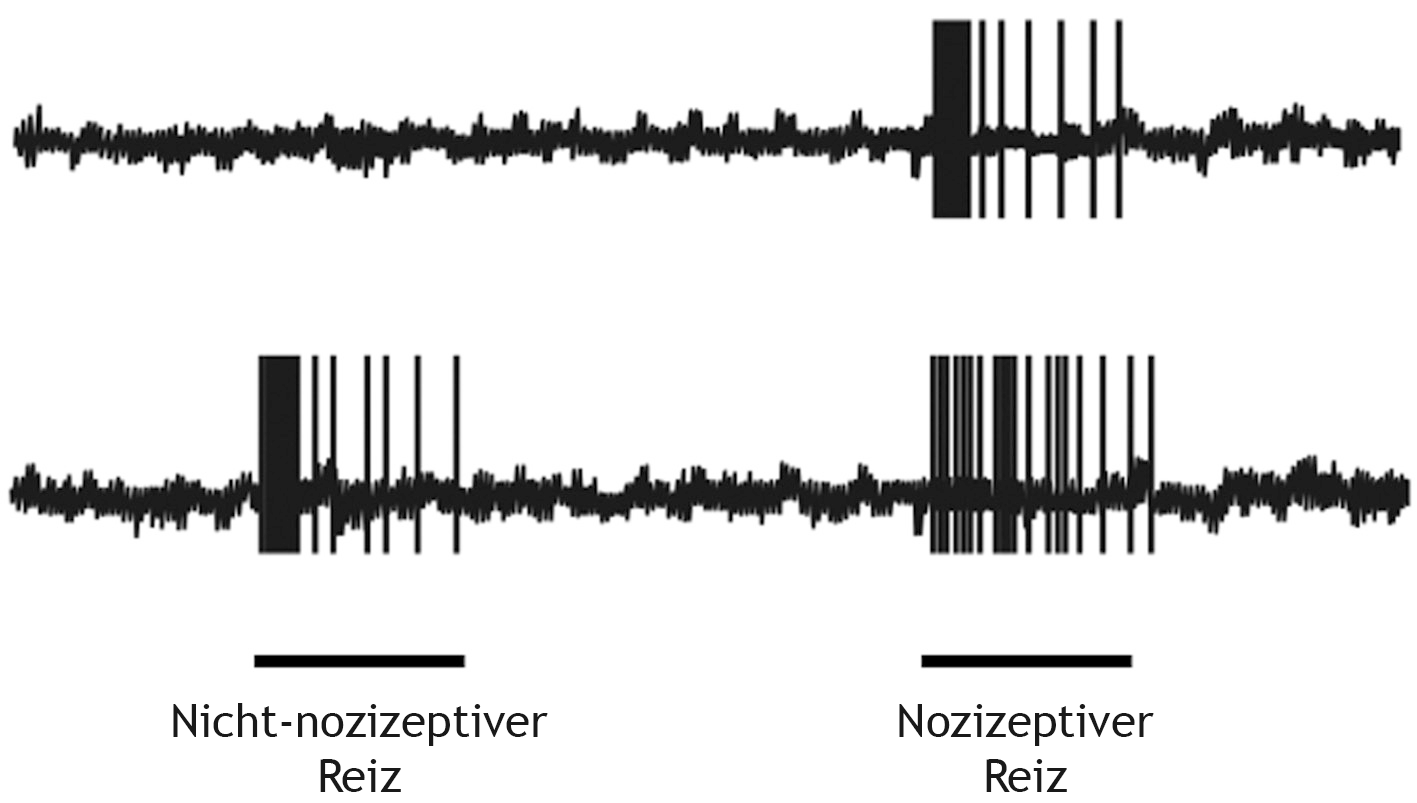
15. The response behavior of an isolated nociceptor is shown before (upper recording) and after (lower recording) application of substance X.
Which of the following best describes the effect of substance X in this experiment?
The effect of substance X shown in the figure
A. Increases the basal activity of the nociceptor
B. Is typical of a Na⁺ channel blocker
C. Is analgesic
D. Sensitizes the nociceptor
E. Is blocked by application of a cyclooxygenase inhibitor
D. Sensitizes the nociceptor
16. In the diagnostically used muscle stretch reflex, a phasic contraction of the corresponding muscle occurs after striking a tendon with a reflex hammer.
Which of the following most likely triggers the contraction after the initiation of a muscle stretch reflex?
A. Activation of the Golgi tendon organ and afferent transmission via Ib fibers
B. Activation of the Golgi tendon organ and afferent transmission via III fibers
C. Activation of the Golgi tendon organ and afferent transmission via IV fibers
D. Activation of the muscle spindle and afferent transmission via Ia fibers
E. Activation of the muscle spindle and afferent transmission via II fibers
D. Activation of the muscle spindle and afferent transmission via Ia fibers
17. Hyperreflexia occurs as a result of a supraspinal lesion, for example, after an ischemic stroke in the territory of the middle cerebral artery.
Which of the following mechanisms would most likely counteract hyperreflexia?
A. Activation of Ia afferents
B. Activation of interneurons involved in polysynaptic (foreign) reflexes
C. Activation of Renshaw cells
D. Inactivation of Ib afferents
E. Inactivation of interneurons of presynaptic inhibition
C. Activation of Renshaw cells
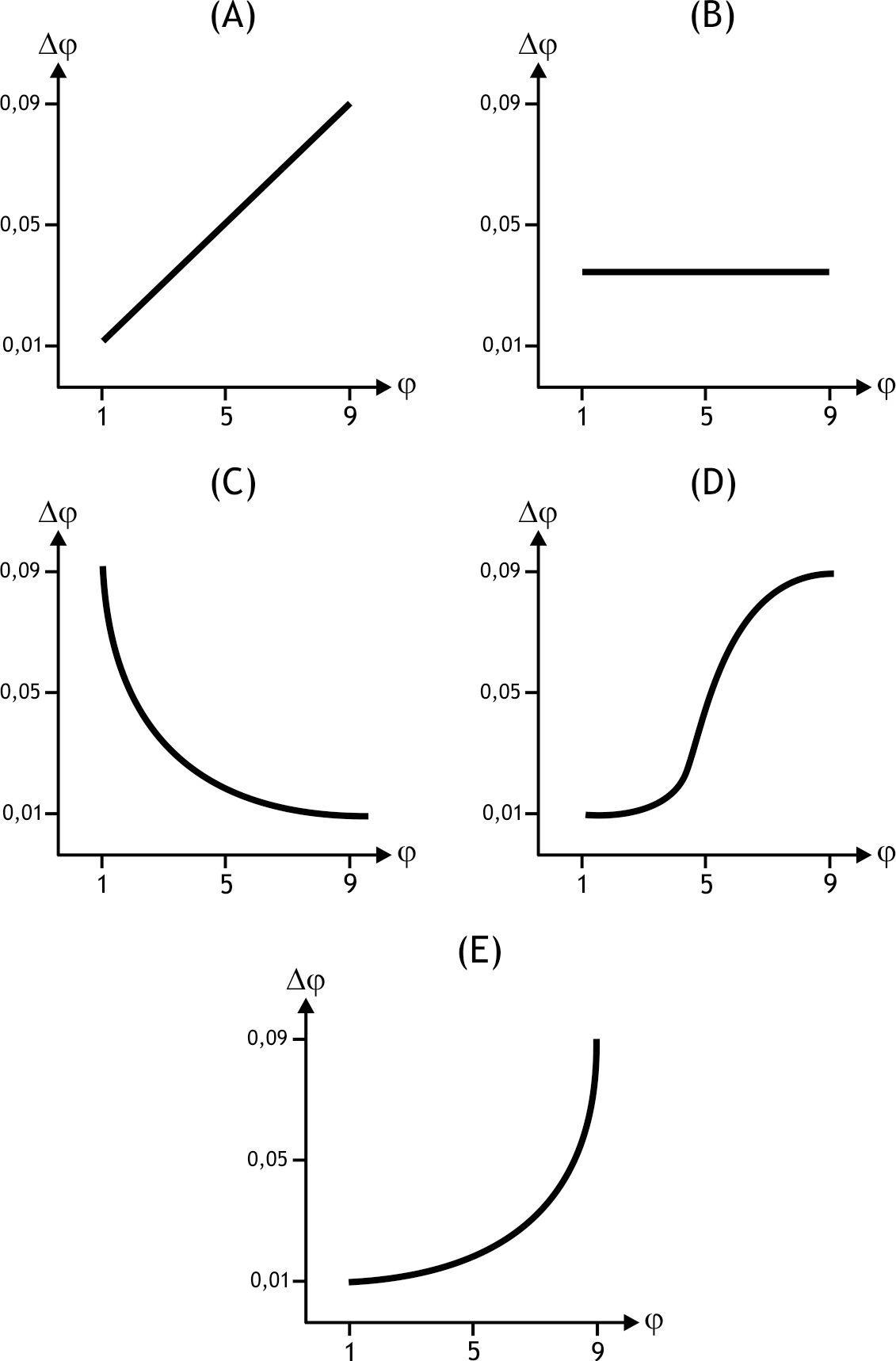
18. Knowledge of the relative sensitivity of sensory systems plays an important role in clinical diagnostics.
Which of the following figures best illustrates, in this context, the relationship between the required increase in stimulus intensity (Δφ) and the magnitude of the initial stimulus (φ) for successful stimulus discrimination?
A. (A)
B. (B)
C. (C)
D. (D)
E. (E)
A. (A)
19. A 67-year-old patient experiences an acute glaucoma attack. Among other goals, the acute treatment aims to keep the chamber angle as open as possible. For this purpose, a drug with an activating effect on the ciliary muscle should be prescribed.
Which of the following measures is most appropriate for this specific goal?
Local administration of
A. A blocker of the epithelial sodium channel (ENaC)
B. Parasympatholytics
C. Parasympathomimetics
D. Sympatholytics
E. Sympathomimetics
C. Parasympathomimetics
20. In some individuals, the function of the cones and rods of the retina is genetically absent. Nevertheless, a slow pupillary reflex can still be observed in these individuals. There are specialized cells that form a subgroup of a particular cell type and mediate this reflex in such cases.
These cells most likely belong to which cell type?
A. Amacrine cells
B. Bipolar cells
C. Ganglion cells
D. Müller cells
E. Pigment epithelial cells
C. Ganglion cells
21. To assess hearing ability in young children or individuals with cognitive impairments who may have limited cooperation, objective hearing tests are used. One such test is the measurement of evoked otoacoustic emissions.
By which mechanism are these generated?
A. Changes in tympanic membrane compliance during activation of the stapedius muscle
B. Pressure changes in the external auditory canal due to shortening of the outer hair cells
C. K⁺ currents of varying amplitude from supporting cells back to the stria vascularis
D. Na⁺ currents from the inner hair cells across the basilar membrane
E. Potential waves (traveling waves) in the region of the cochlear ganglion
B. Pressure changes in the external auditory canal due to shortening of the outer hair cells
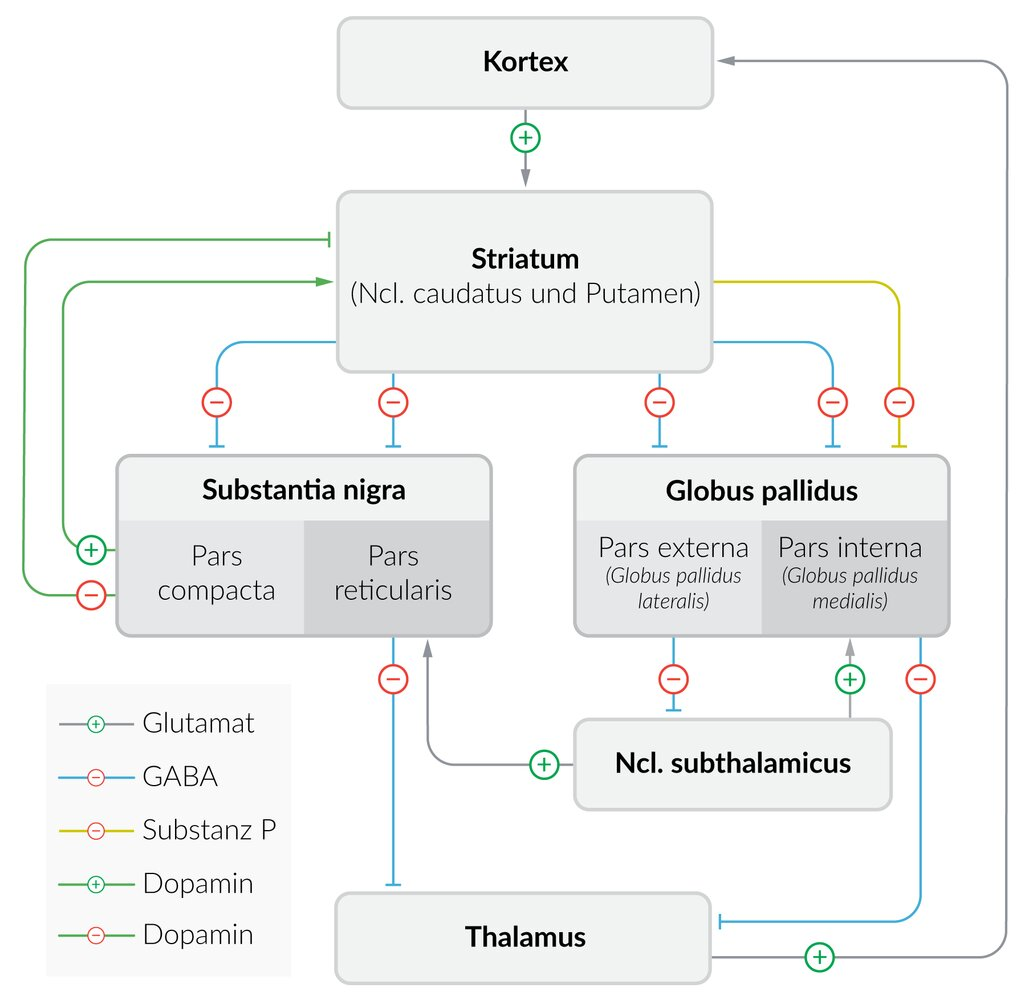
22. A 53-year-old train conductor presents to his primary care physician with a one-year history of progressive resting tremor in the hands. Clinical examination reveals bradykinesia and a shuffling gait with a stooped posture. A decision is made to initiate pharmacologic therapy.
Which effect is most likely therapeutically intended?
Activation of
A. Dopamine receptors in the corpus striatum
B. Dopamine receptors in the nucleus dentatus
C. GABA receptors in the nucleus dentatus
D. Serotonin receptors in the corpus striatum
E. Serotonin receptors in the nucleus dentatus
A. Dopamine receptors in the corpus striatum
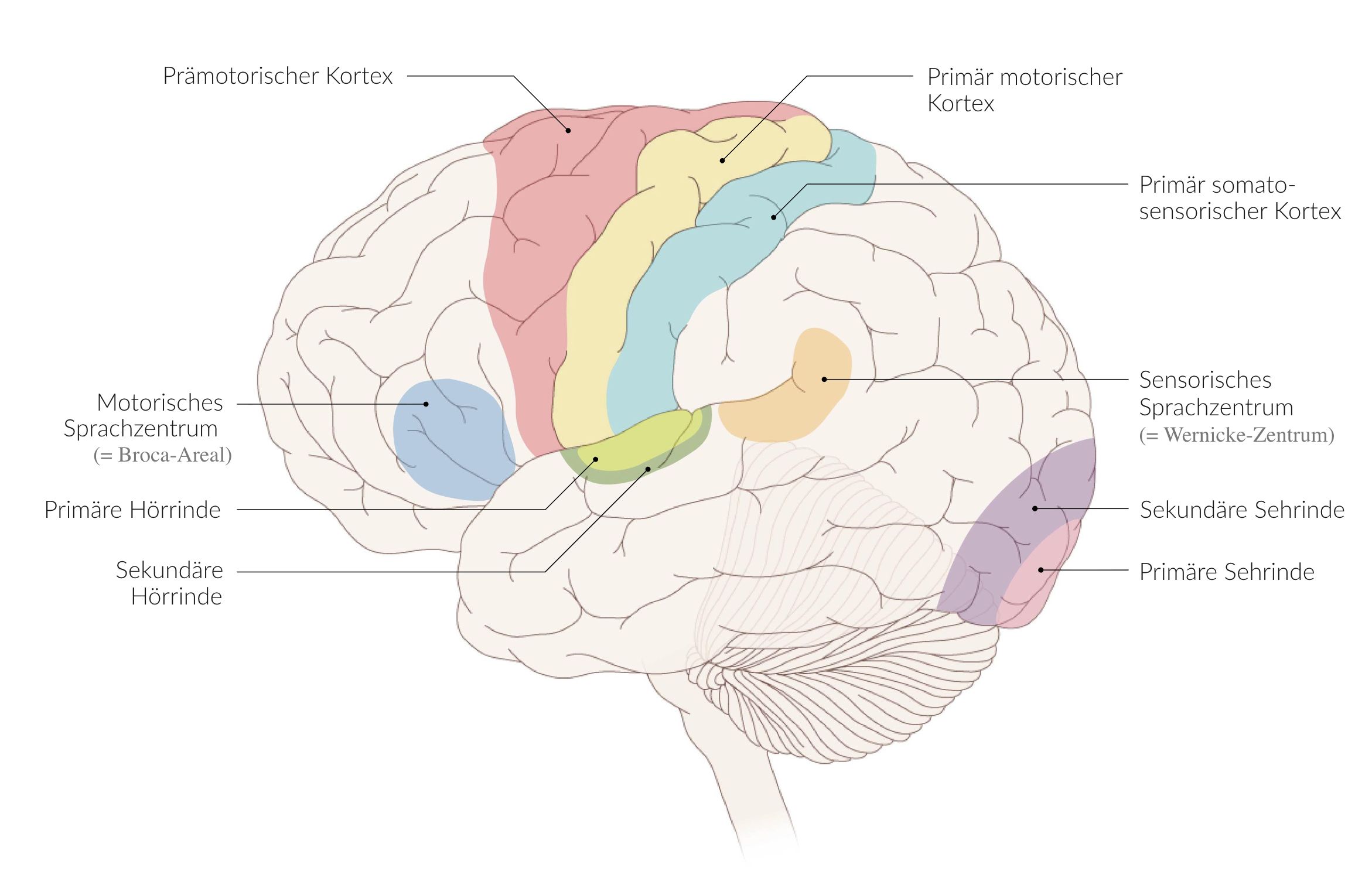
23. A 47-year-old right-handed man presents to the emergency department with suspected acute stroke. During the examination, his language comprehension is well preserved. His speech production is reduced, and word finding is effortful and slow. Later, aphasia is diagnosed.
Which of the following brain areas is most likely affected in this type of aphasia?
A. Anterior cingulate cortex
B. Broca’s area
C. Cerebellum
D. Left parietal association cortex
E. Wernicke’s area
B. Broca’s area
24. The hypothalamus is an important center of body homeostasis and is involved in regulating the sleep–wake cycle. One nucleus plays a key role as the primary endogenous oscillator (timekeeper or pacemaker).
Which nucleus is most likely involved?
A. Nucleus arcuatus
B. Nucleus paraventricularis
C. Nucleus suprachiasmaticus
D. Nucleus supraopticus
E. Periaqueductal gray matter
C. Nucleus suprachiasmaticus
25. The alternation between wakefulness and sleep determines our daily rhythm and performance.
Which of the following factors most likely contributes to the transition from wakefulness to sleep?
A. Decrease in homeostatic sleep pressure
B. Decrease in oscillatory thalamic activity
C. Increase in adenosine concentration in the CNS
D. Increase in the activity of aminergic neurons
E. Increase in the circadian activation level of the CNS
C. Increase in adenosine concentration in the CNS
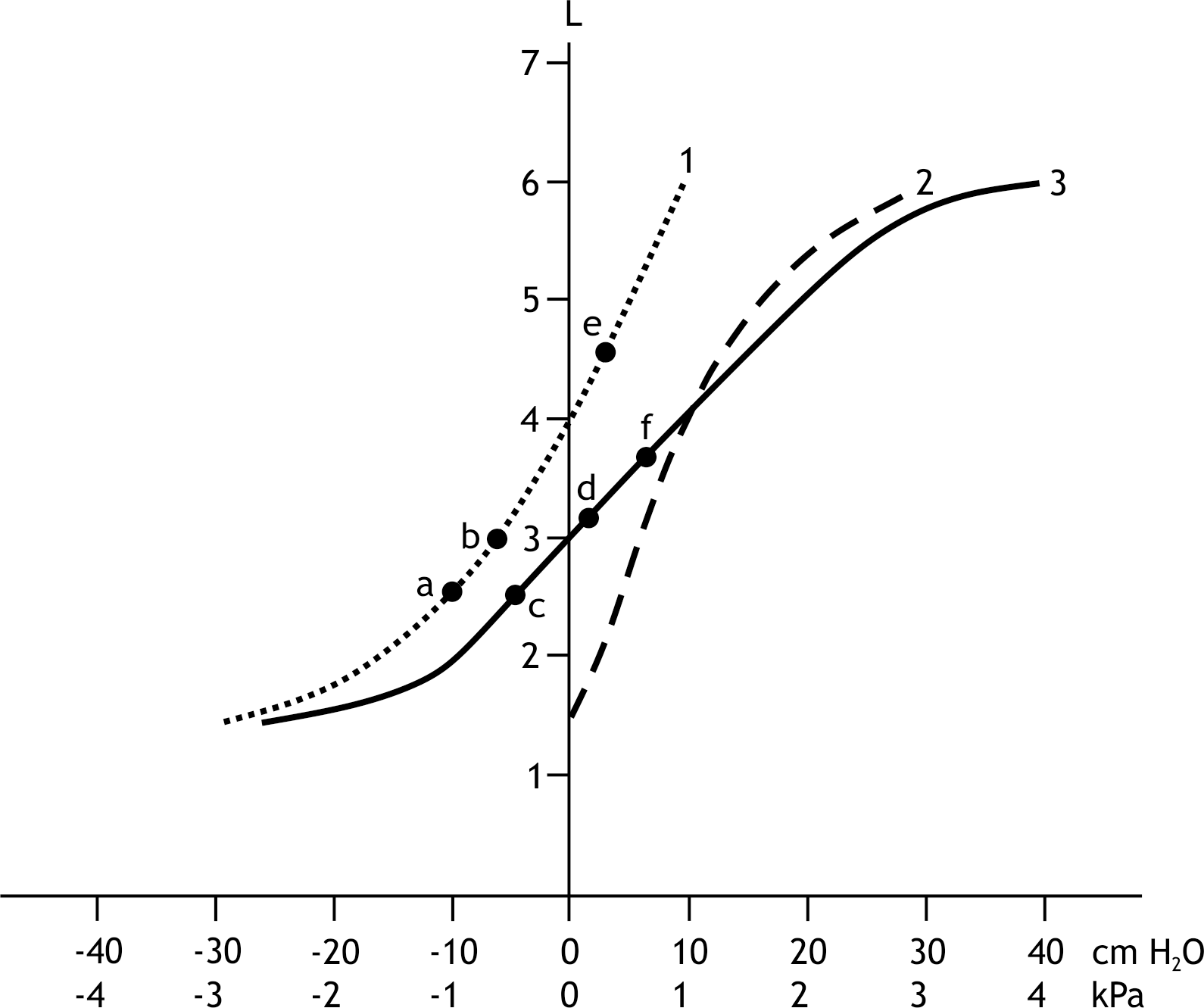
26. To successfully perform artificial ventilation on an intubated patient who is not breathing spontaneously, it is essential to understand the static compliance curves shown in the figure — of the thorax (curve 1), the lung (curve 2), and the total respiratory system (curve 3).
Between which two points a–f on the curves should the pressure–volume relationship during ventilation most likely lie?
A. a ↔ b
B. c ↔ d
C. d ↔ e
D. a ↔ c
E. d ↔ f
E. d ↔ f
27. In a patient with impaired lung function, the compliance (volume distensibility) of the lung, thorax, and the entire respiratory system is determined. For this purpose, at different lung volumes (VL) and with relaxed respiratory muscles, the corresponding intrapulmonary pressures (Ppul) and pleural pressures (Ppleu) are measured. Compliance is then calculated from the slope of the pressure–volume curve (ΔVL/Δp).
Which equation most accurately represents the calculation of lung compliance (CLung)?
A. CLung = ΔVL / Δppul
B. CLung = ΔVL / Δppleu
C. CLung = ΔVL / –Δppleu
D. CLung = ΔVL / Δ(ppul – ppleu)
E. CLung =ΔVL / Δ(ppul + ppleu)
D. CLung = ΔVL / Δ(ppul – ppleu)
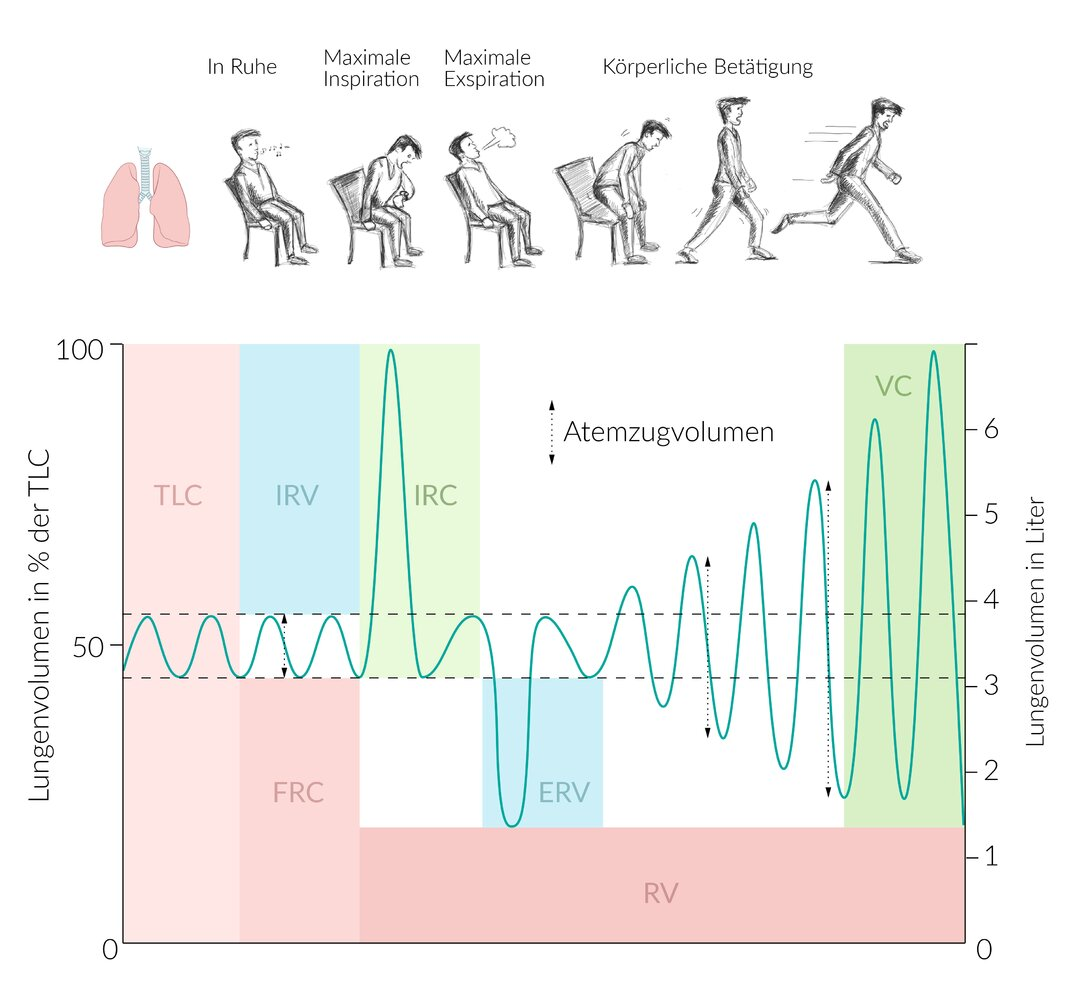
28. A 25-year-old athlete (height 1.80 m) frequently suffers from acute coughing in early summer during periods of high pollen count and fails to achieve his usual training performance. To confirm the suspected diagnosis of obstructive allergic bronchial asthma, various pulmonary function tests are performed.
Which of the following findings most strongly supports the suspected diagnosis?
A. The inspiratory reserve volume is increased by 20%.
B. The residual volume is decreased.
C. The maximal voluntary ventilation (MVV) is measured at 40 L/min.
D. The forced expiratory volume in 1 second (FEV₁) is increased.
E. The functional residual capacity is 50% of the total lung capacity.
C. The maximal voluntary ventilation (MVV) is measured at 40 L/min.
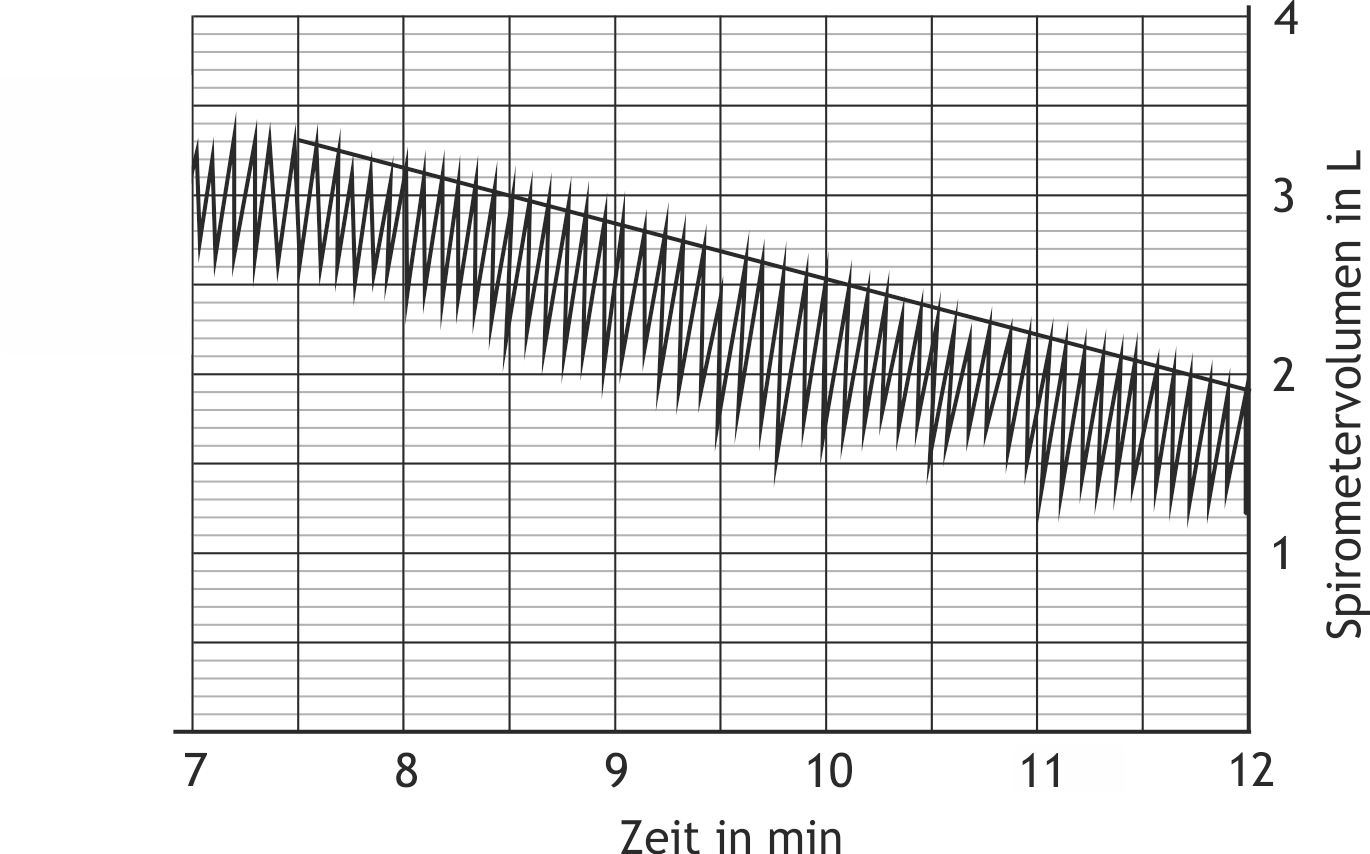
29. A subject (weighing 90 kg and 1.85 m tall) breathes from a closed system (spirometer) initially filled with pure O₂, in which the CO₂ exhaled by the subject is absorbed by soda lime. The diagram shows spirometer volume in liters (L) plotted against time in minutes (min).
Which conclusion can most likely be drawn from the described measurement?
A. The minute ventilation is 20 L/min.
B. The arterial CO₂ partial pressure is greatly increased.
C. The measurement was performed at rest.
D. The respiratory quotient (RQ) is 1.
E. The O₂ uptake is approximately 0.7 L/min.
C. The measurement was performed at rest.
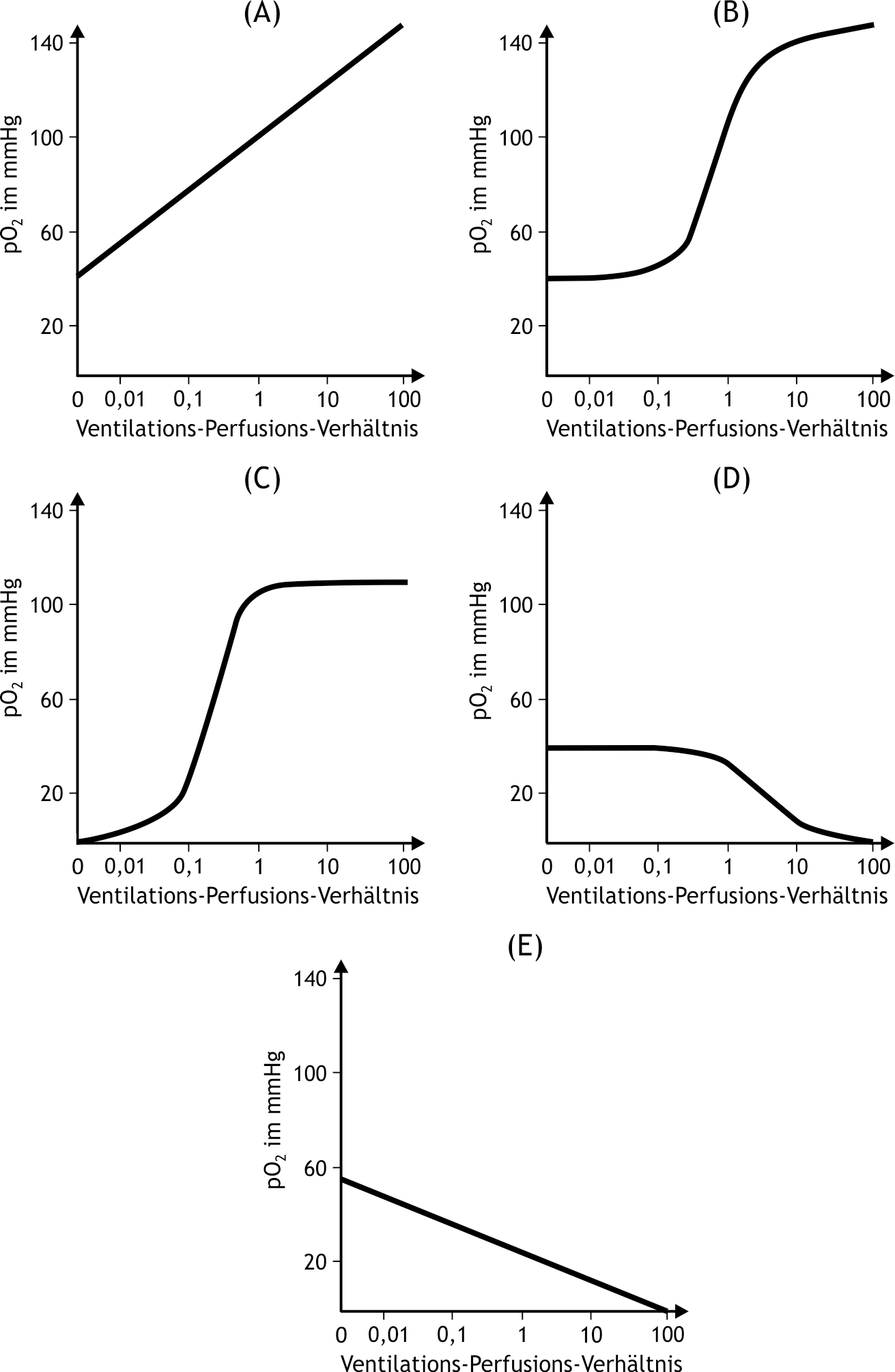
30. The ventilation–perfusion ratio (V̇A/Q̇) in an alveolus is a key determinant of the end-capillary oxygen partial pressure (pO₂) and thus of oxygen exchange in the lung.
Which of the curves (A–E) most likely represents the relationship between the end-capillary pO₂ and the ventilation–perfusion ratio for a single alveolus in an otherwise normally ventilated and perfused lung?
A. (A)
B. (B)
C. (C)
D. (D)
E. (E)
B. (B)
31. A patient is admitted to the intensive care unit through the emergency department with respiratory distress. Mechanical ventilation is not yet being performed. Viral testing and computed tomography (CT) confirm the diagnosis of severe pneumonia due to SARS-CoV-2 infection.
Which of the following findings is most likely to be expected in this situation?
A. The O₂ partial pressure in pulmonary venous blood is decreased.
B. The respiratory quotient is 0.6.
C. The respiratory rate is 10–12 breaths per minute.
D. Lung compliance is increased.
E. The central arterial O₂ saturation of the blood is 97%.
A. The O₂ partial pressure in pulmonary venous blood is decreased.
32. Depending on the underlying cause, respiratory and non-respiratory disturbances of acid–base balance can be distinguished.
Which of the following conditions most likely causes a respiratory alkalosis?
A. Depression of the respiratory center
B. Stay at high altitude (3,500 m)
C. Obstructive ventilatory disorder
D. Restrictive ventilatory disorder
E. Weakening of the respiratory muscles
B. Stay at high altitude (3,500 m)
33. The maximal force that the cardiac muscle can develop during an action potential depends, among other factors, on its preload. This relationship was first described by Otto Frank and Ernest H. Starling and is therefore called the Frank–Starling mechanism.
On which physiological basis does this mechanism most likely depend?
A. Increased Ca²⁺ sensitivity of the myofilaments with increasing preload
B. Increased compliance of the cardiac muscle with increasing stretch
C. Increased myosin ATPase activity with increasing stretch
D. Increased stretch-dependent opening of mechanosensitive Ca²⁺ channels
E. Decreased passive extensibility of the cardiac muscle with increasing preload
A. Increased Ca²⁺ sensitivity of the myofilaments with increasing preload
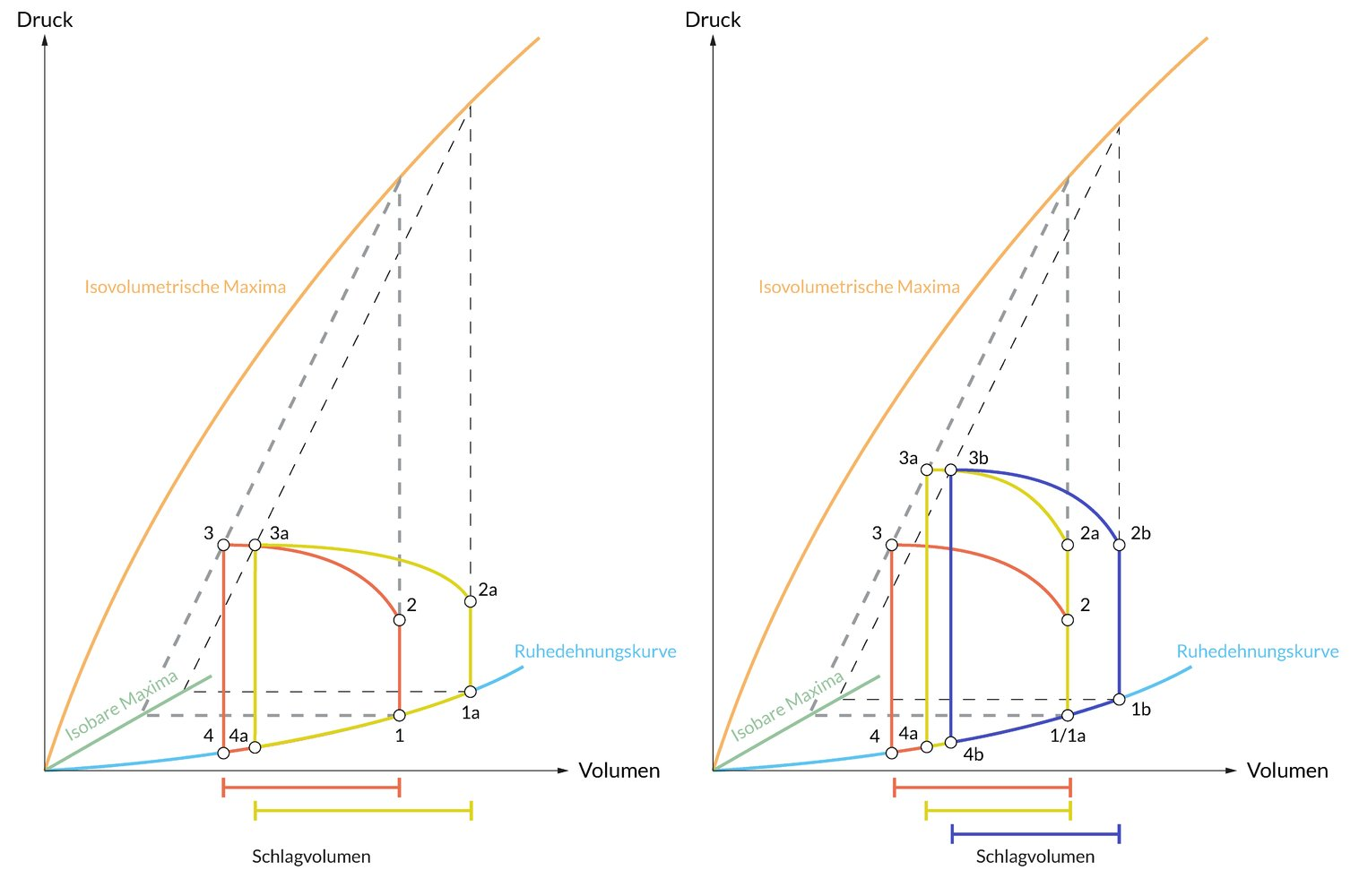
34. Despite only a slightly reduced ejection fraction, a patient shows signs of heart failure (so-called heart failure with preserved ejection fraction, HFpEF). One cause of this dysfunction is impaired diastolic relaxation of the ventricle, which can hinder filling.
Which of the following changes most likely explains this finding?
A. Decreased expression of the L-type calcium channel
B. Decreased extracellular Ca²⁺ concentration
C. Decreased function of the sarcoplasmic Ca²⁺-ATPase (SERCA)
D. Decreased function of the ryanodine receptor
E. Decreased cytosolic Na⁺ concentration
C. Decreased function of the sarcoplasmic Ca²⁺-ATPase (SERCA)
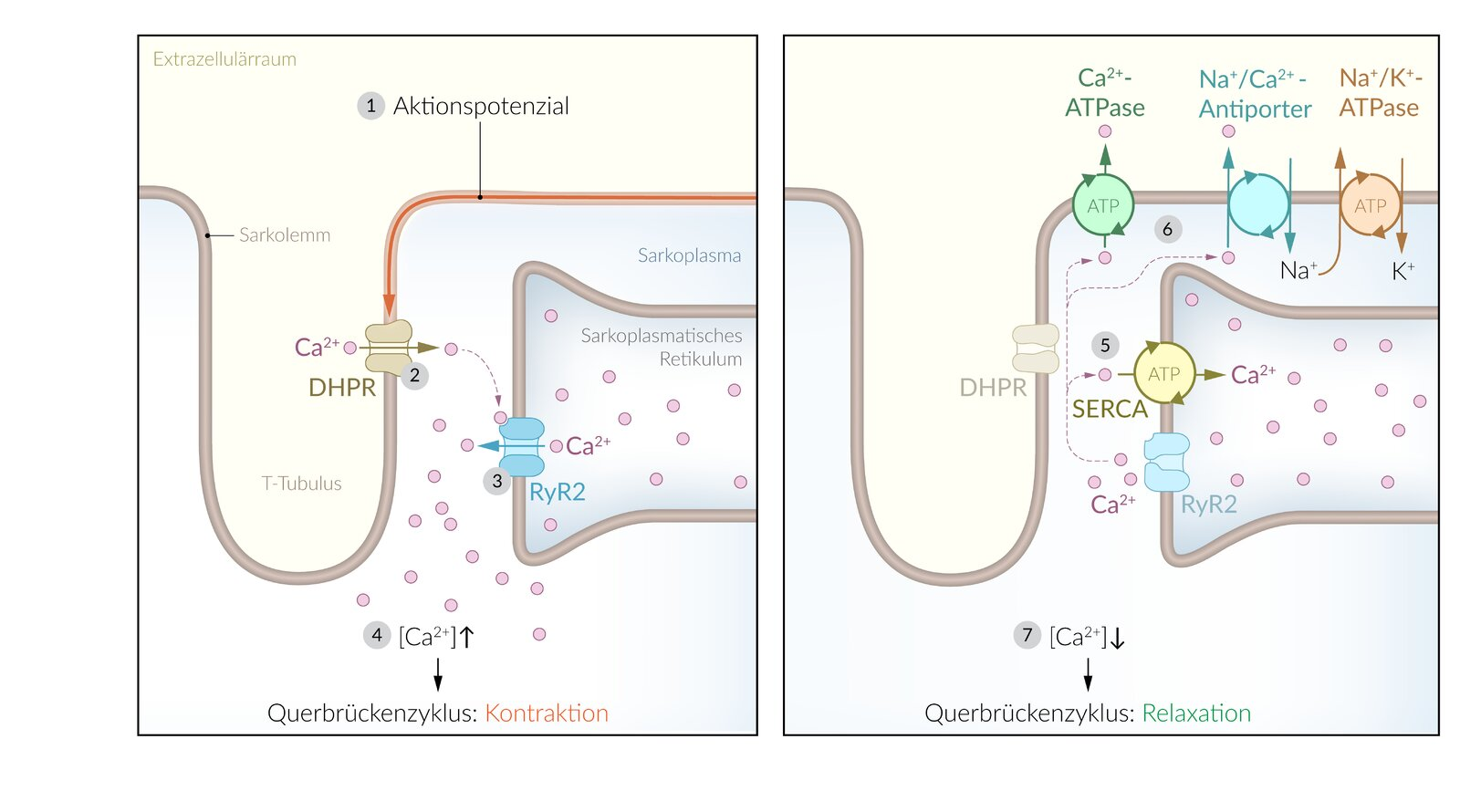
35. Mutations of a protein that serves as the calcium sensor of the heart have been associated with dilated and hypertrophic cardiomyopathies. Calcium sensors are important for regulating the cyclic activity of cross-bridges in striated muscle according to Ca²⁺ concentration.
Which protein functions as the calcium sensor in cardiac muscle cells?
A. Caldesmon
B. Calmodulin
C. Myosin-binding protein C
D. Troponin C
E. Tropomyosin
D. Troponin C
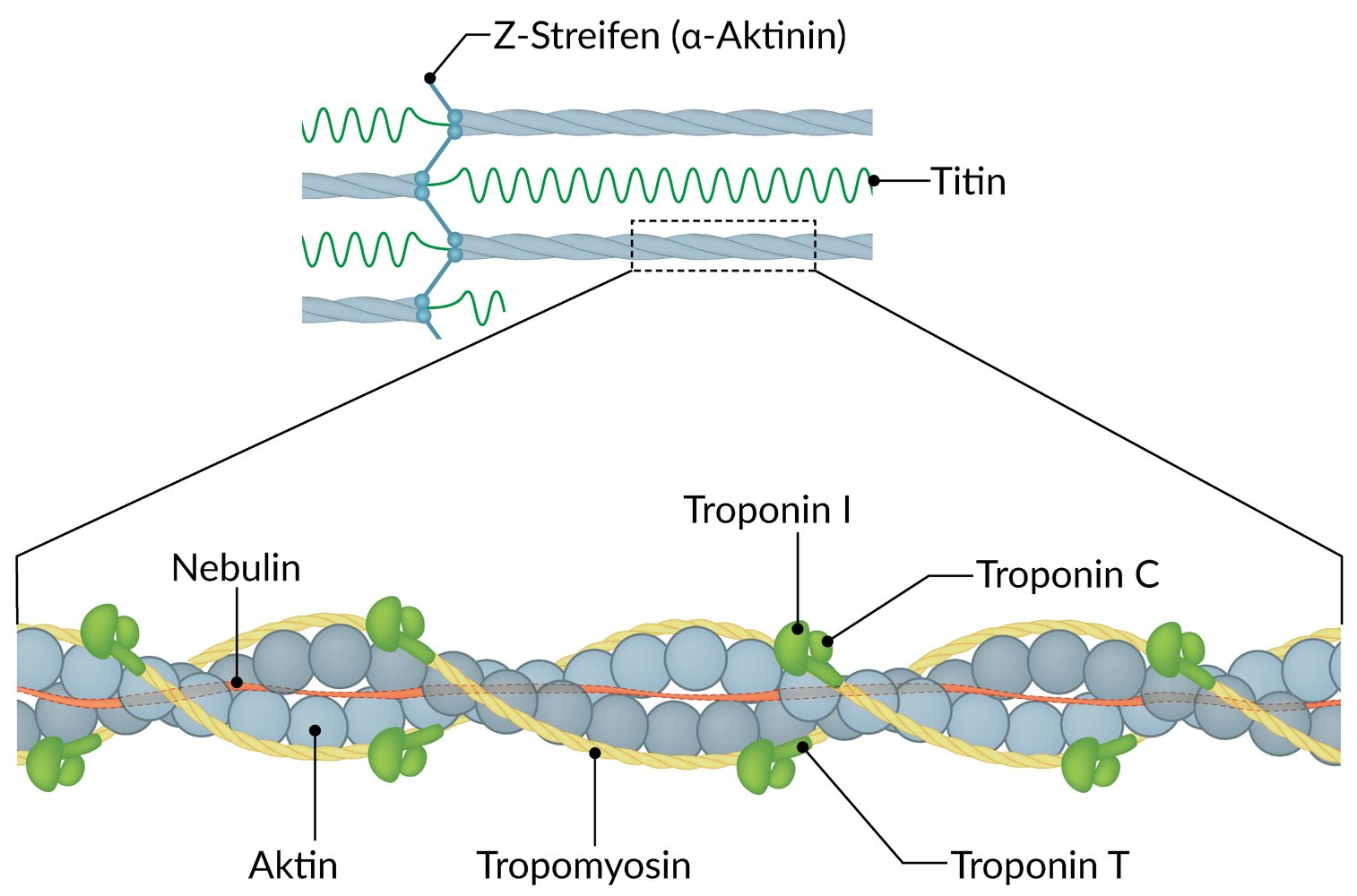
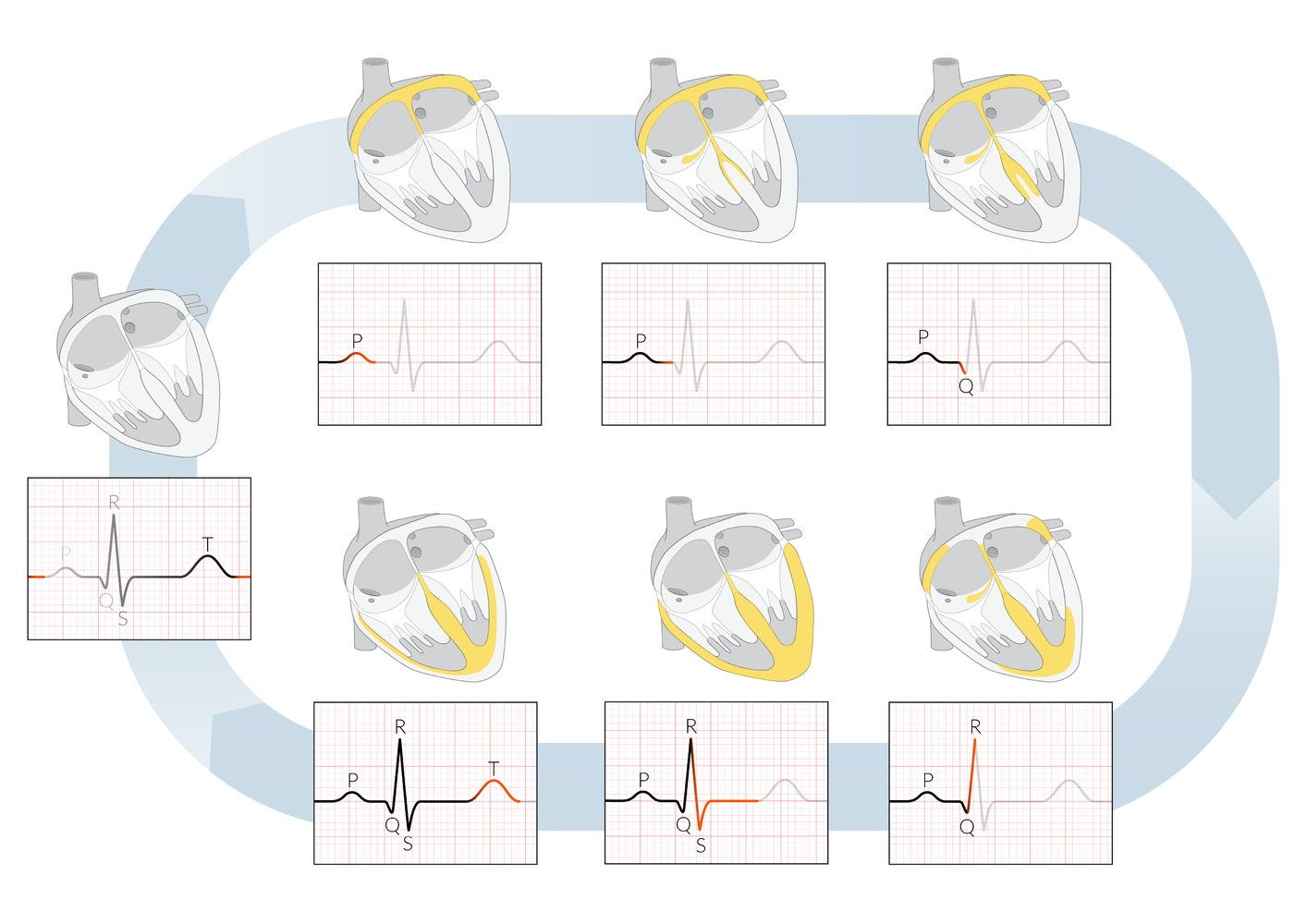
36. The ECG is one of the most important instrumental methods for diagnosing heart diseases.
What is directly recorded by the ECG?
A. Action potentials of the working myocardial cells
B. The contraction phase of the heart
C. The relaxation phase of the heart
D. Extracellular potential differences
E. Postsynaptic potentials of autonomic nerve endings
D. Extracellular potential differences
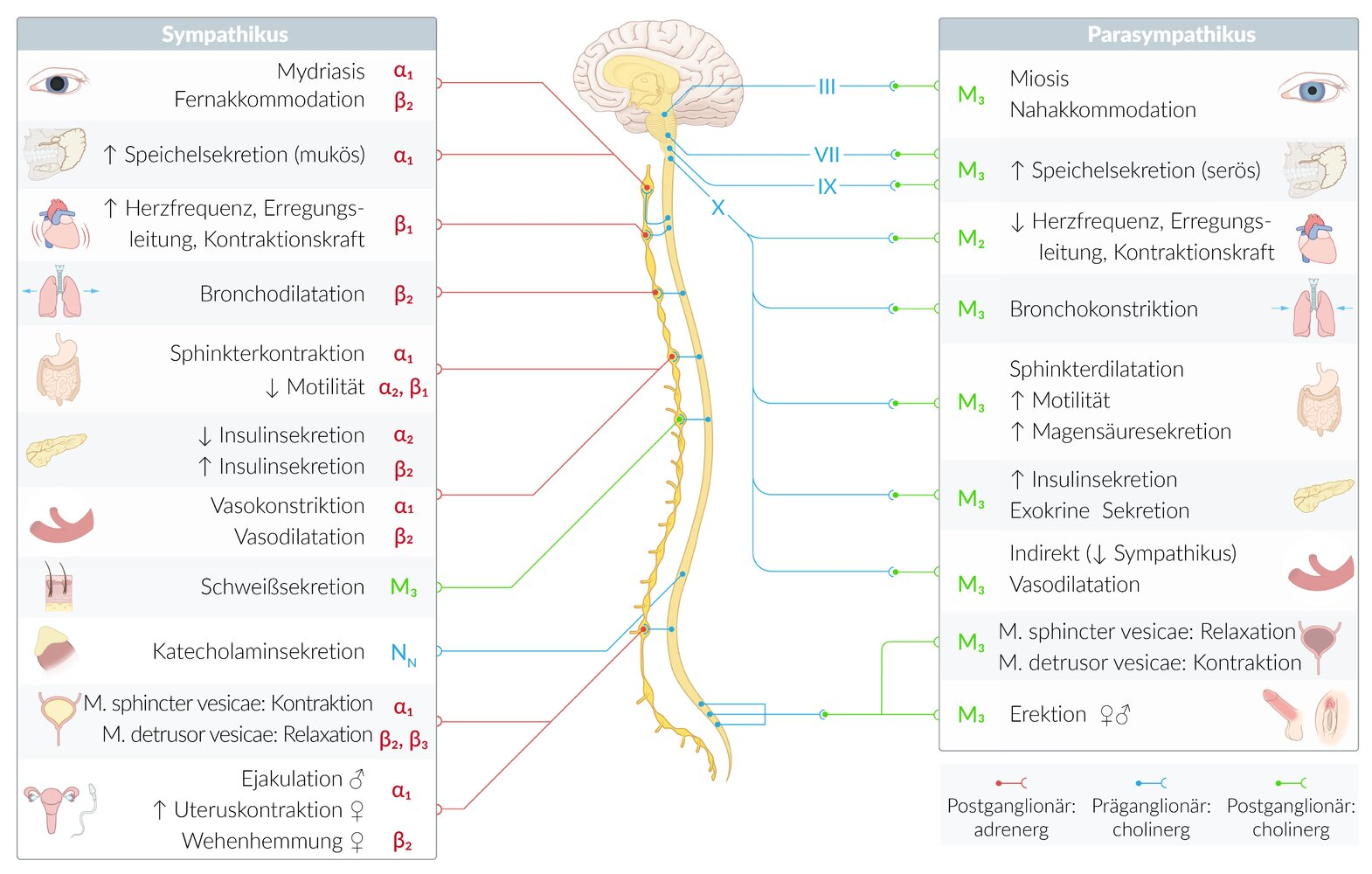
37. The heart’s function is influenced by autonomic nerves.
Which of the following changes is most likely caused by activation of β₁-adrenoceptors in the heart?
A. Decrease in the maximal systolic rate of rise of ventricular pressure (ΔP/Δt)
B. Prolongation of the PQ interval in the ECG
C. Increase in action potential duration
D. Increase in the duration of diastole
E. Increase in the rate of relaxation
E. Increase in the rate of relaxation
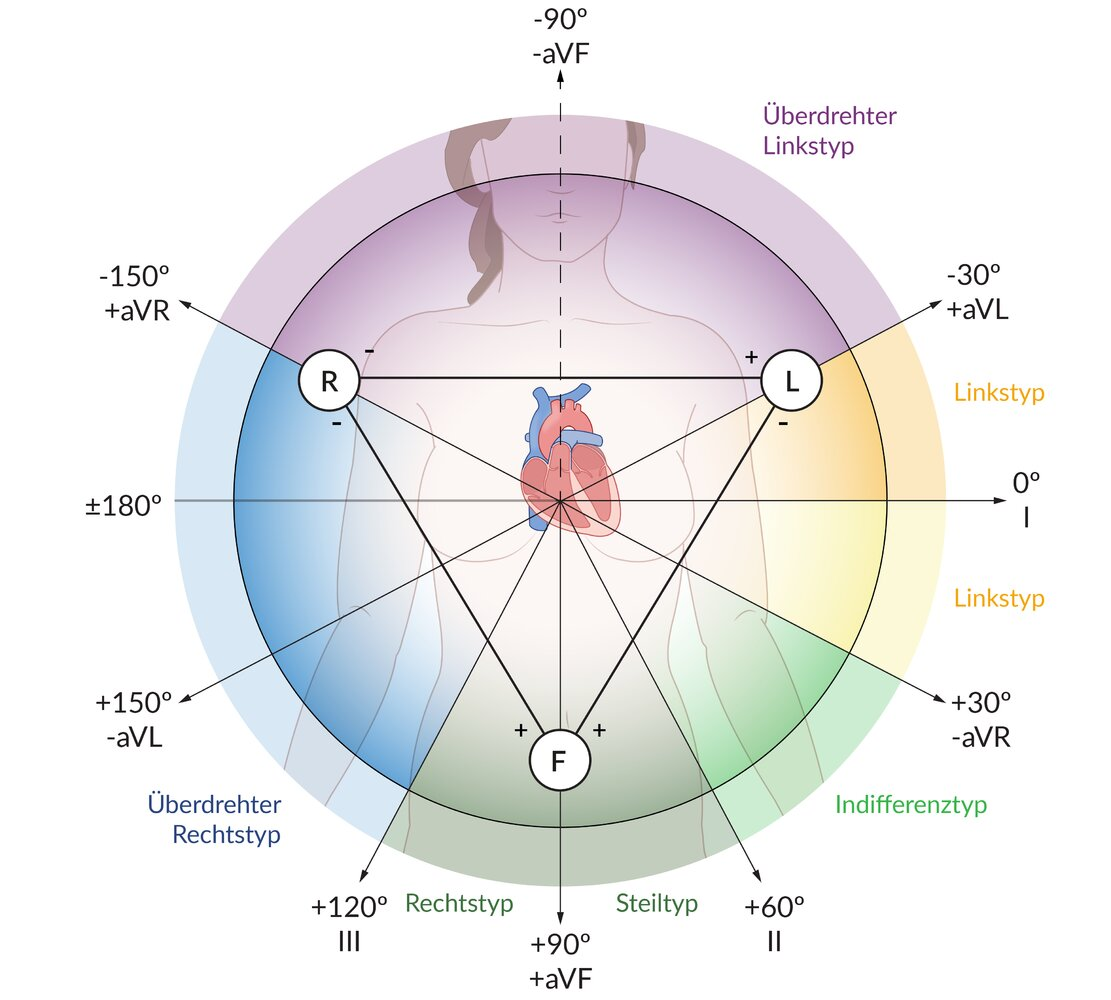
38. In a 52-year-old man, an ECG shows a change in the electrical heart axis from a vertical type to a right-axis deviation compared with an examination 5 years earlier.
Which of the following changes is most likely the cause of this shift in the cardiac axis?
A. Severe aortic valve insufficiency
B. Block of atrioventricular conduction
C. Chronically increased flow resistance in the pulmonary arteries
D. Development of arterial hypertension
E. Compensated aortic valve stenosis
C. Chronically increased flow resistance in the pulmonary arteries
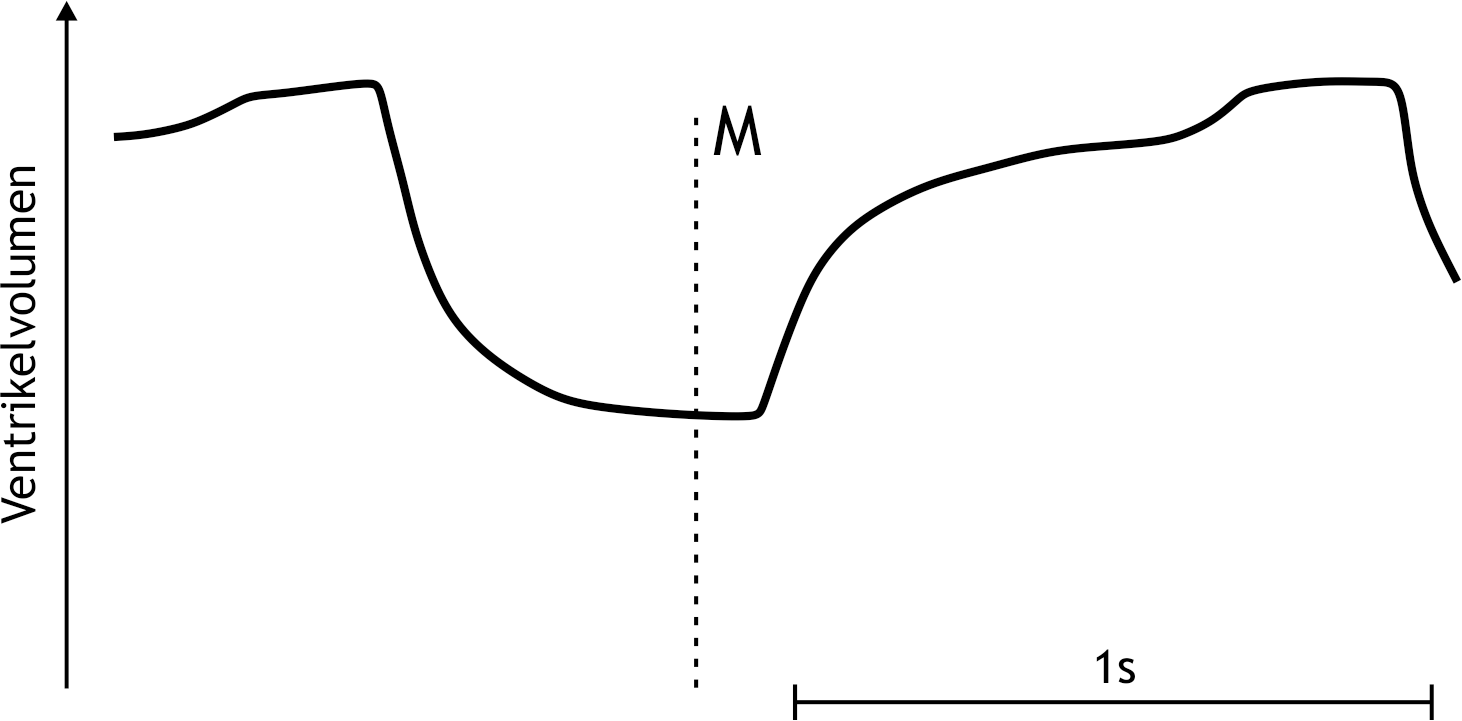
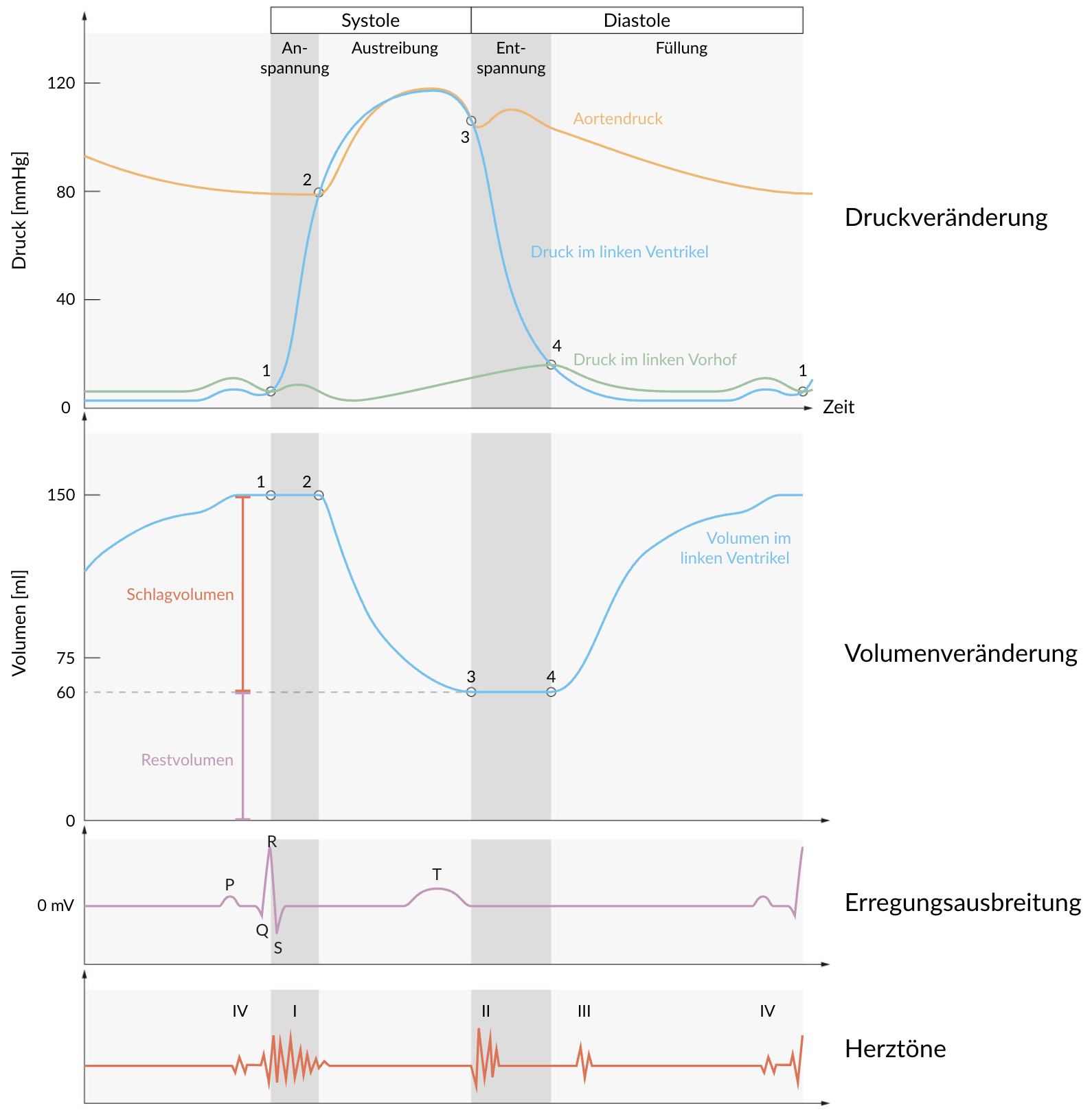
39. Echocardiography is one of the most common noninvasive diagnostic methods used to assess cardiac function. During such an echocardiographic examination, the volume change of the left ventricle over time was recorded.
The position of the time marker M (dashed line) most likely coincides with:
A. Atrial contraction
B. The first heart sound
C. The beginning of isovolumetric contraction of the left ventricle
D. The end of the T wave in the ECG
E. The end of isovolumetric relaxation of the left ventricle
D. The end of the T wave in the ECG
40. The resistance in the coronary vessels influences coronary blood flow and thus the oxygen supply to the myocardium.
An increase in resistance in the coronary vessels is most likely caused by:
A. A decrease in intravascular O₂ partial pressure
B. An increase in local extracellular K⁺ concentration by 4 mmol/L
C. An increase in intravascular CO₂ partial pressure to 60 mmHg
D. Release of thromboxane A₂ from platelets
E. Increase in extracellular adenosine concentration
D. Release of thromboxane A₂ from platelets
41. A 26-year-old woman reports experiencing dizziness when standing up quickly. Therefore, an orthostatic test is performed. The patient is asked to rest on a couch for 10 minutes, then to stand up quickly and remain still beside the couch.
Which of the following cardiovascular reactions, immediately after standing compared with lying down, most likely represents a normal finding?
A. Cardiac output increases
B. Heart rate decreases
C. Total peripheral resistance increases
D. Tone of the capacitance vessels decreases
E. Pressure in the jugular vein increases
C. Total peripheral resistance increases
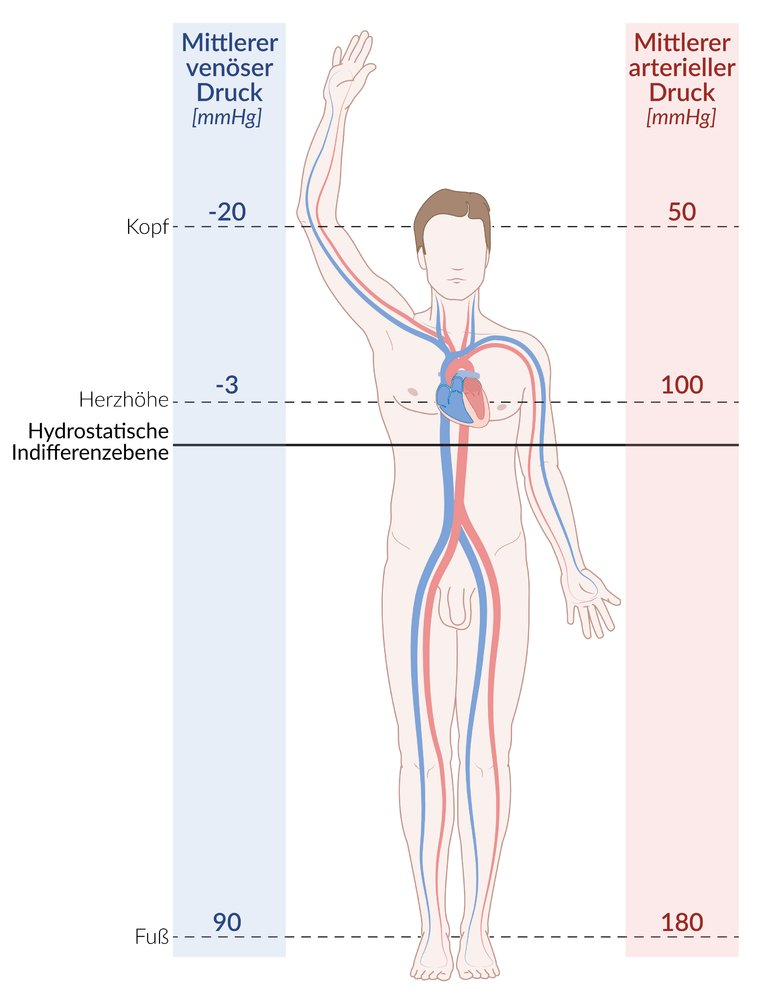
42. When moving from a lying to a standing position, blood pressure above the hydrostatic indifference level decreases. The superior sagittal sinus lies about 50 cm above this level in the standing person. Nevertheless, the blood pressure in the superior sagittal sinus decreases only from about +10 mmHg to –10 mmHg during this change in posture.
The most likely cause of this small drop in blood pressure when moving from lying to standing is:
A. Decrease in vasoconstrictive effects of sympathetic vascular nerves
B. Autoregulation of cerebral vessels
C. High wall stiffness of intracranial venous sinuses
D. Collapse of extracranial veins when pressure falls below atmospheric
E. Increase in cerebral blood flow due to metabolic vasodilation
D. Collapse of extracranial veins when pressure falls below atmospheric
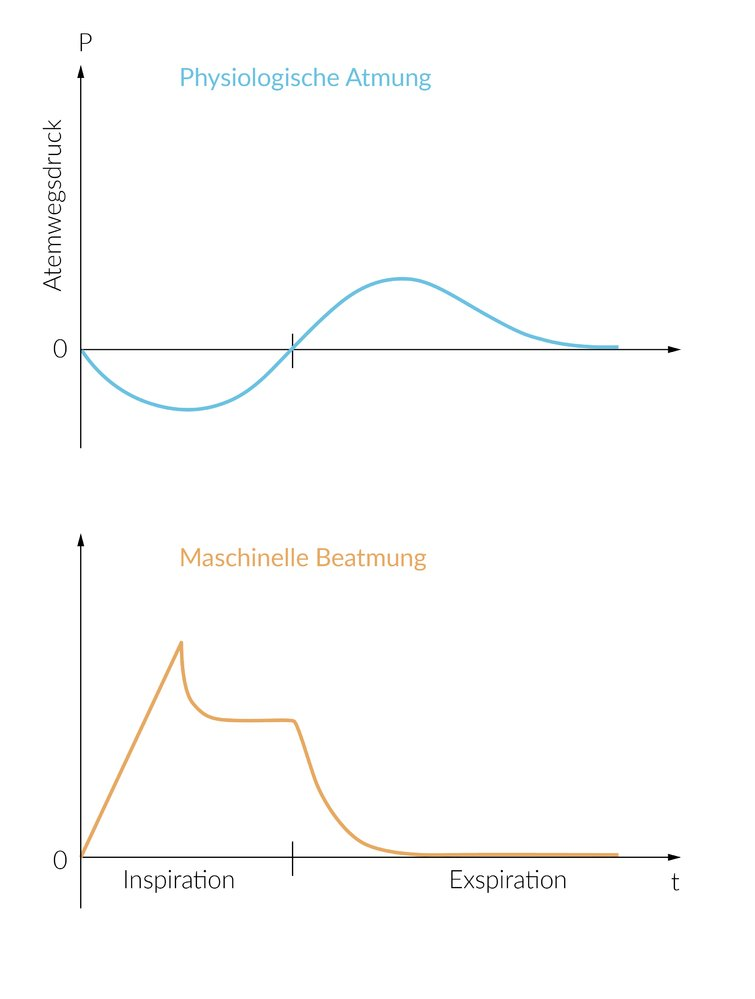
43. Breathing influences cardiac and circulatory hemodynamics by changing pressures in the thoracic and abdominal cavities.
Which of the following hemodynamic changes is most likely to occur during a deep inspiration?
A. Decrease in venous return to the right heart
B. Increase in filling of the left ventricle
C. Increase in end-systolic volume of the left ventricle
D. Increase in stroke volume of the right heart
E. Increase in systolic blood pressure in the aorta
D. Increase in stroke volume of the right heart
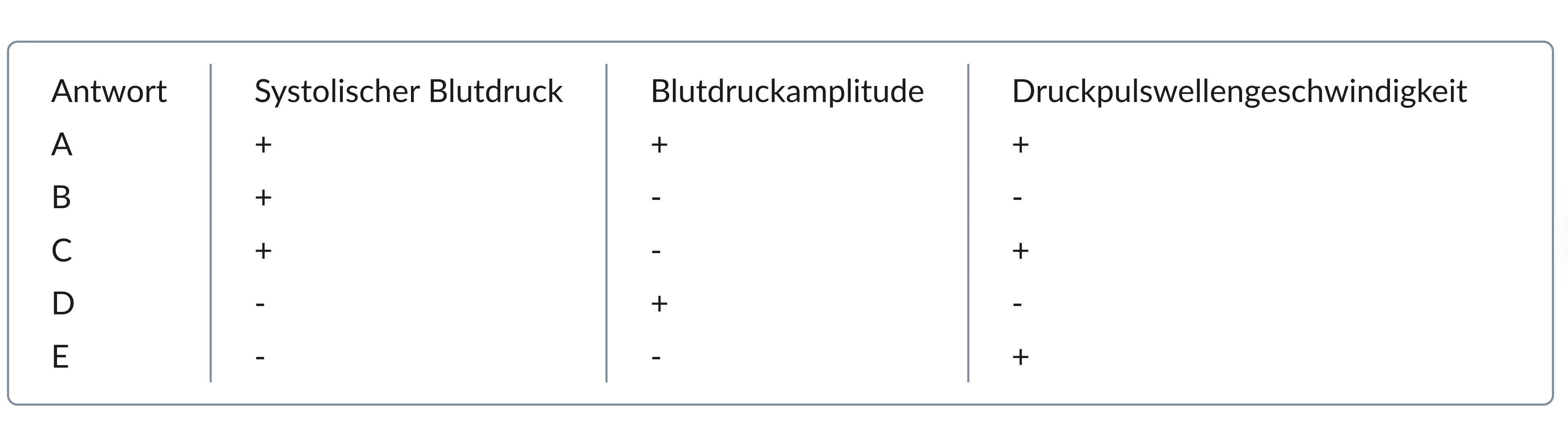
44. The biophysical properties of blood vessels, together with the cyclic action of the heart, produce characteristic pressure and flow pulses in the arteries. As part of the normal aging process, the compliance (volume distensibility) of the large arteries decreases.
Which of the combinations in the table most likely represents the changes resulting from the age-related decrease in arterial compliance compared with a young person?
(+): increased
(−): decreased
A. (A)
B. (B)
C. (C)
D. (D)
E. (E)
A. (A)
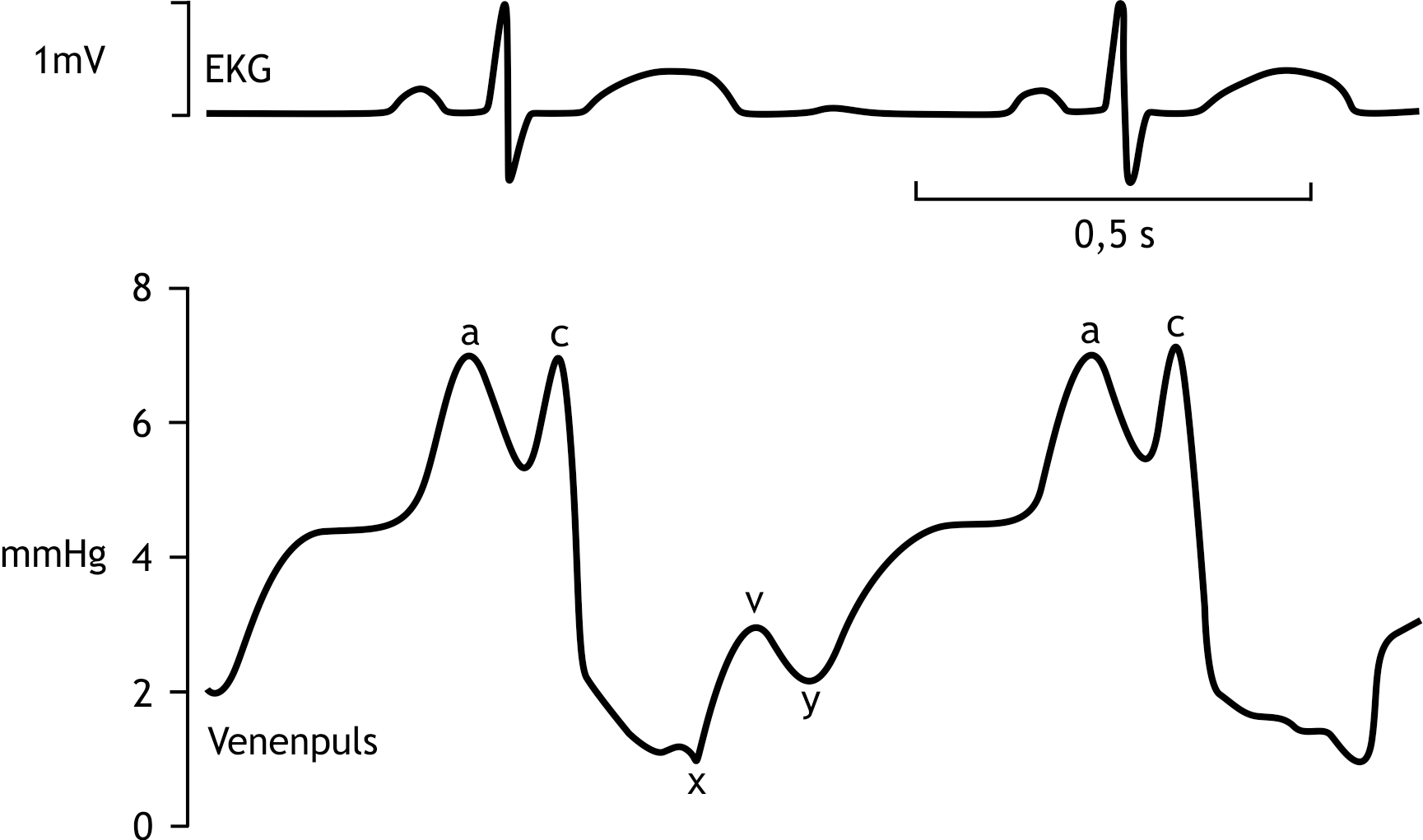
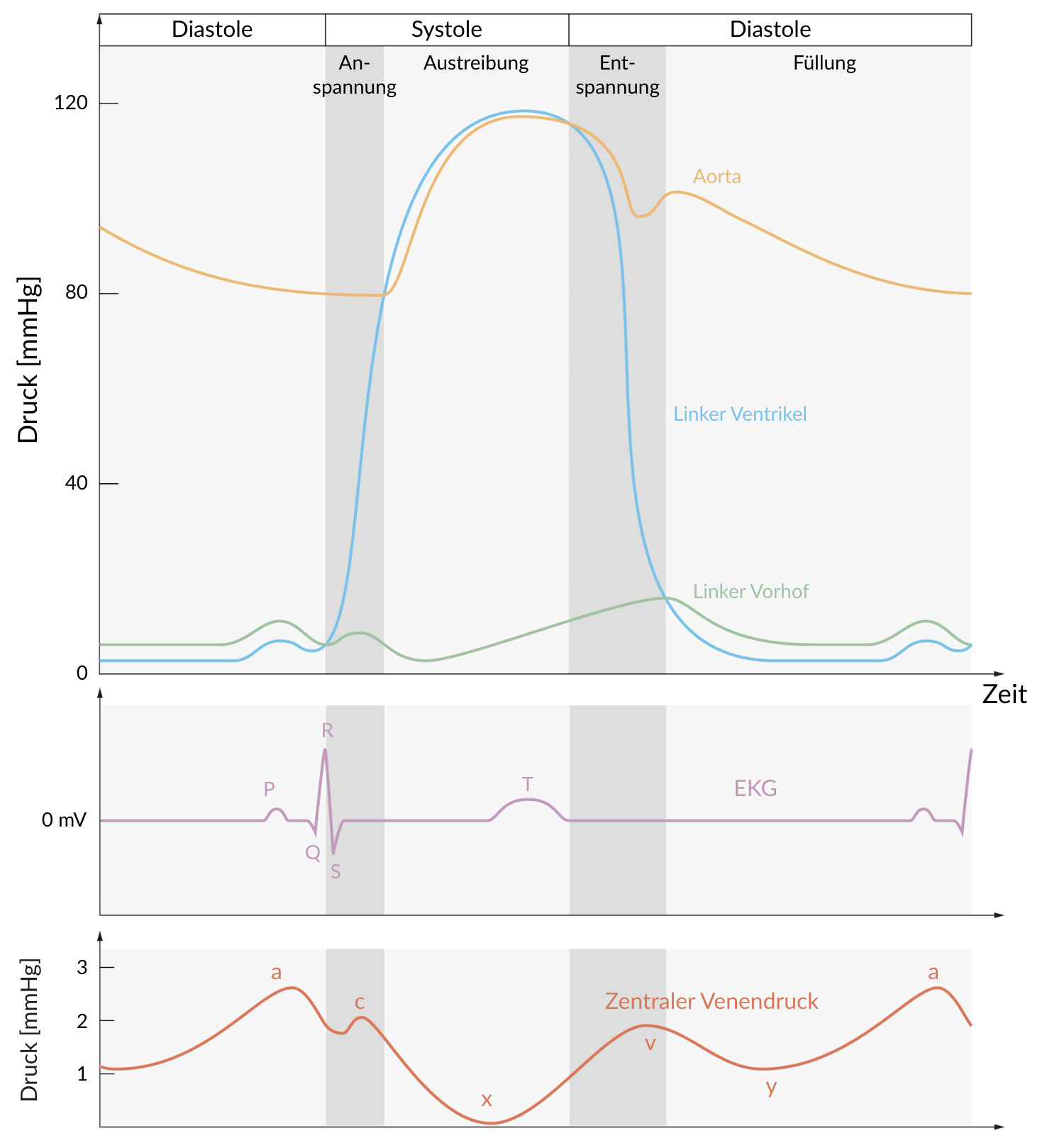
45. In a supine person, the ECG and the pulse of a central vein are recorded simultaneously. The venous pulse roughly corresponds to the pressure curve in the right atrium, although the pressure changes show a slight delay due to transmission time to the pressure sensor.
Which part of the venous pulse curve most clearly demonstrates that the heart functions not only as a pressure pump but also as a suction pump for blood transport?
A. The course from c to x
B. The course from y to a
C. The a wave
D. The v wave
E. The y descent
A. The course from c to x
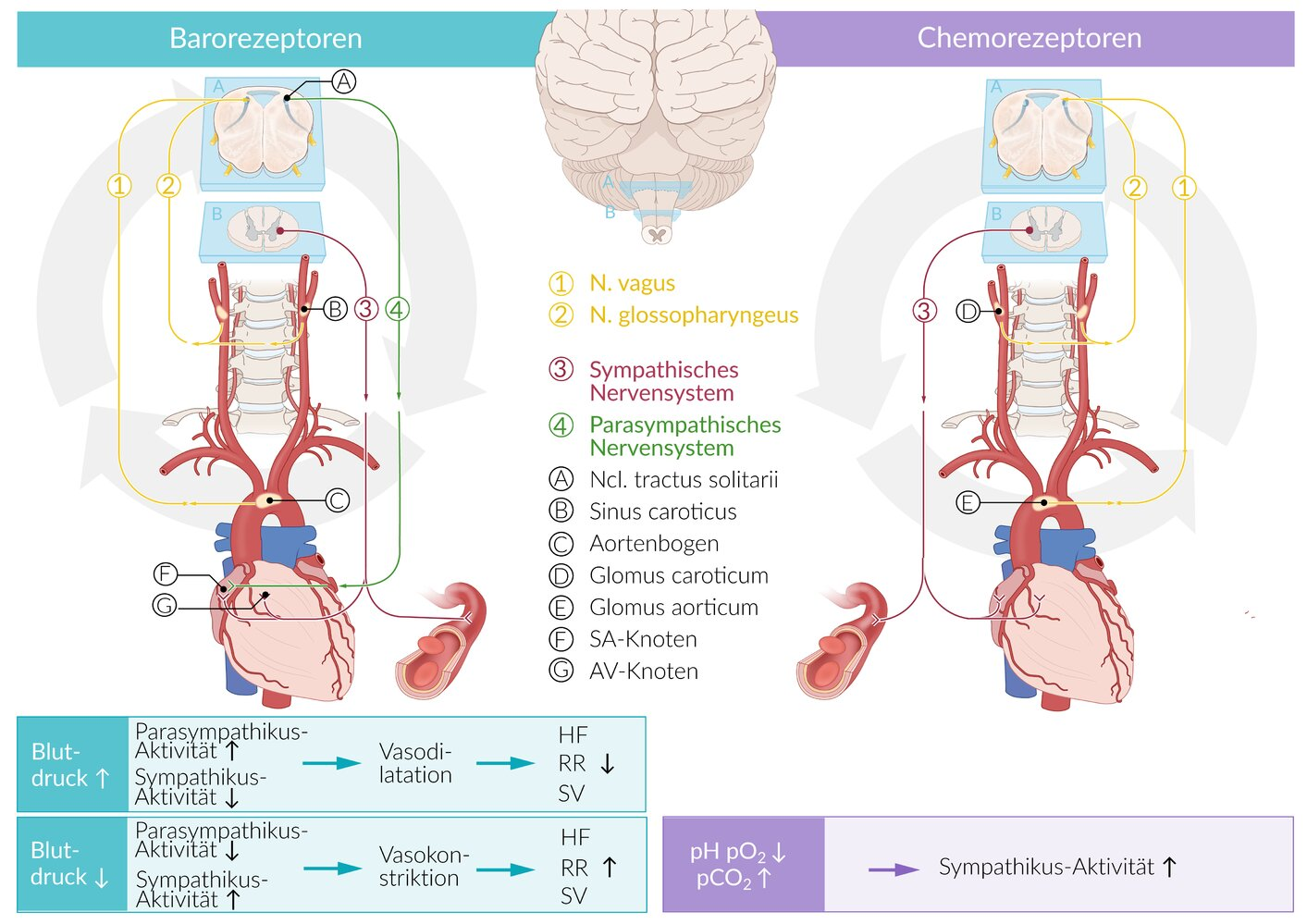
46. A 53-year-old patient develops hypovolemic shock following a car accident with a pelvic fracture.
Which of the following mechanisms most likely acts as a compensatory response in hypovolemic shock?
A. C-fiber–mediated vasodilation
B. Frank–Starling mechanism of the heart
C. Myogenic autoregulation of small vessels
D. Nitric oxide release from the endothelium
E. Transient fluid absorption into the capillaries
E. Transient fluid absorption into the capillaries
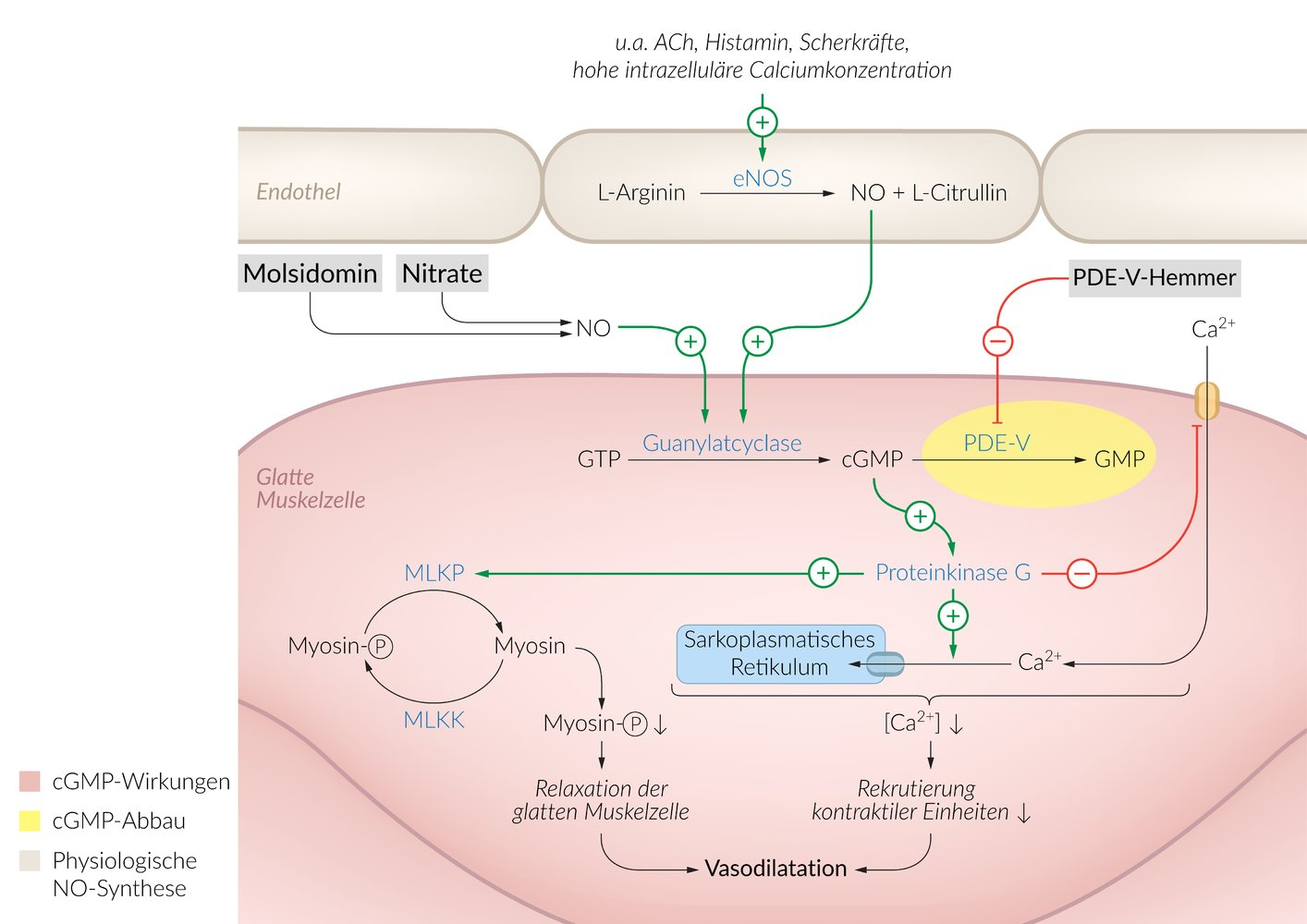
47. In a 30-year-old patient, pulmonary arterial hypertension is diagnosed. Treatment with a phosphodiesterase inhibitor is indicated.
Through which of the following mechanisms do phosphodiesterase inhibitors most likely act on vascular smooth muscle cells?
A. Decrease in cytosolic Ca²⁺ concentration and thereby activation of myosin light-chain kinase
B. Decrease in cytosolic cAMP concentration and thereby activation of K⁺ channels
C. Decrease in cytosolic diacylglycerol concentration and thereby activation of Rho kinase
D. Increase in cytosolic cGMP concentration and thereby activation of myosin light-chain phosphatase
E. Increase in cytosolic inositol trisphosphate concentration and thereby deactivation of Na⁺ channels
D. Increase in cytosolic cGMP concentration and thereby activation of myosin light-chain phosphatase
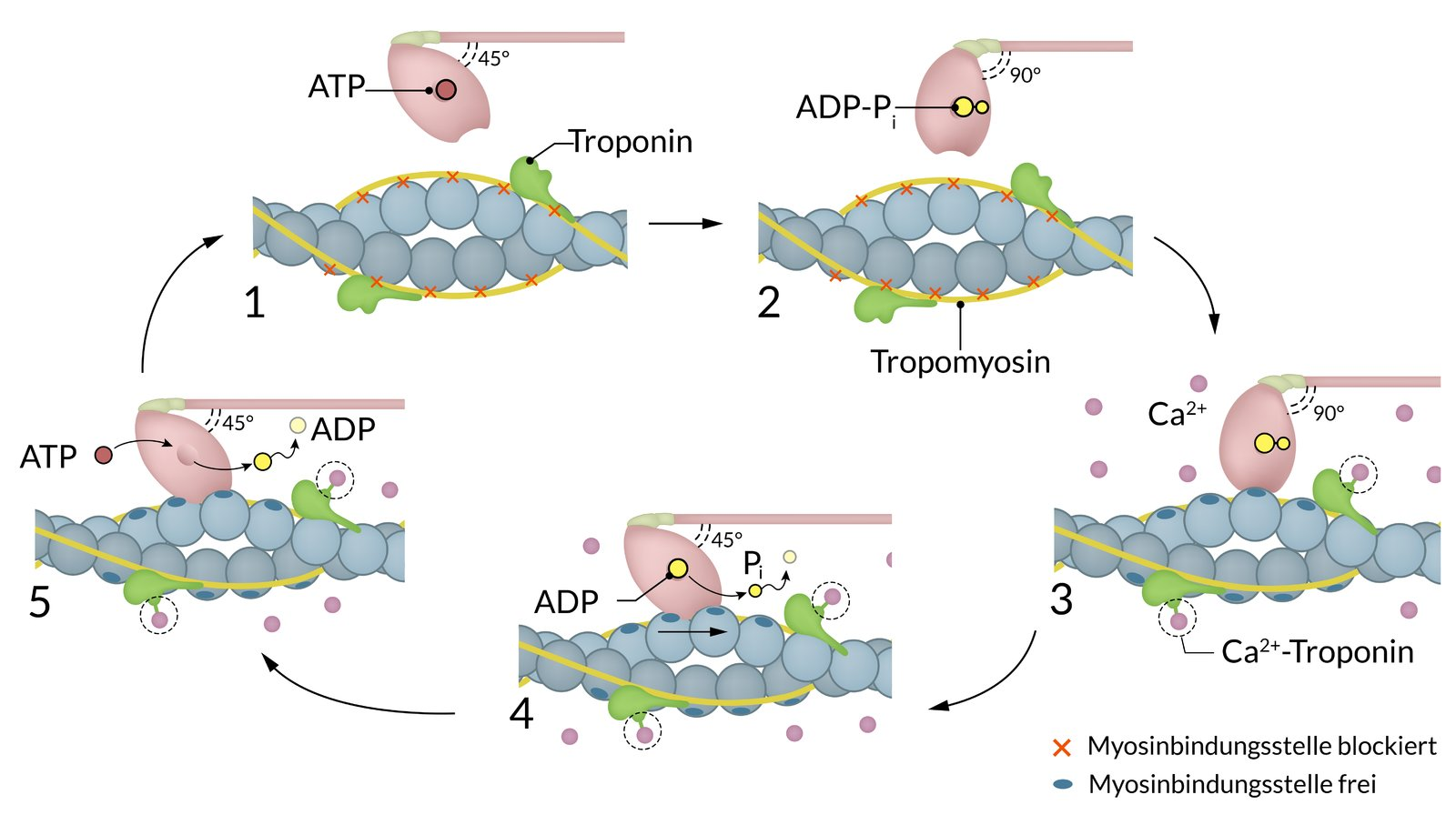
48. The various types of skeletal muscle fibers differ, among other things, in their contraction speed. For example, elite sprinters often have only about 20% slow type I fibers in the m. gastrocnemius, whereas marathon runners may have more than 80%.
Which of the following characteristics has the greatest significance for the difference in contraction speed of skeletal muscle fibers?
A. Different ATPase activity of the sarcoplasmic Ca²⁺-ATPase
B. Different ATPase activity of myosin
C. Different expression of calcium-binding proteins (calmodulin, troponin C)
D. Different expression of Ca²⁺ channels
E. Different expression of Na⁺ channels
B. Different ATPase activity of myosin
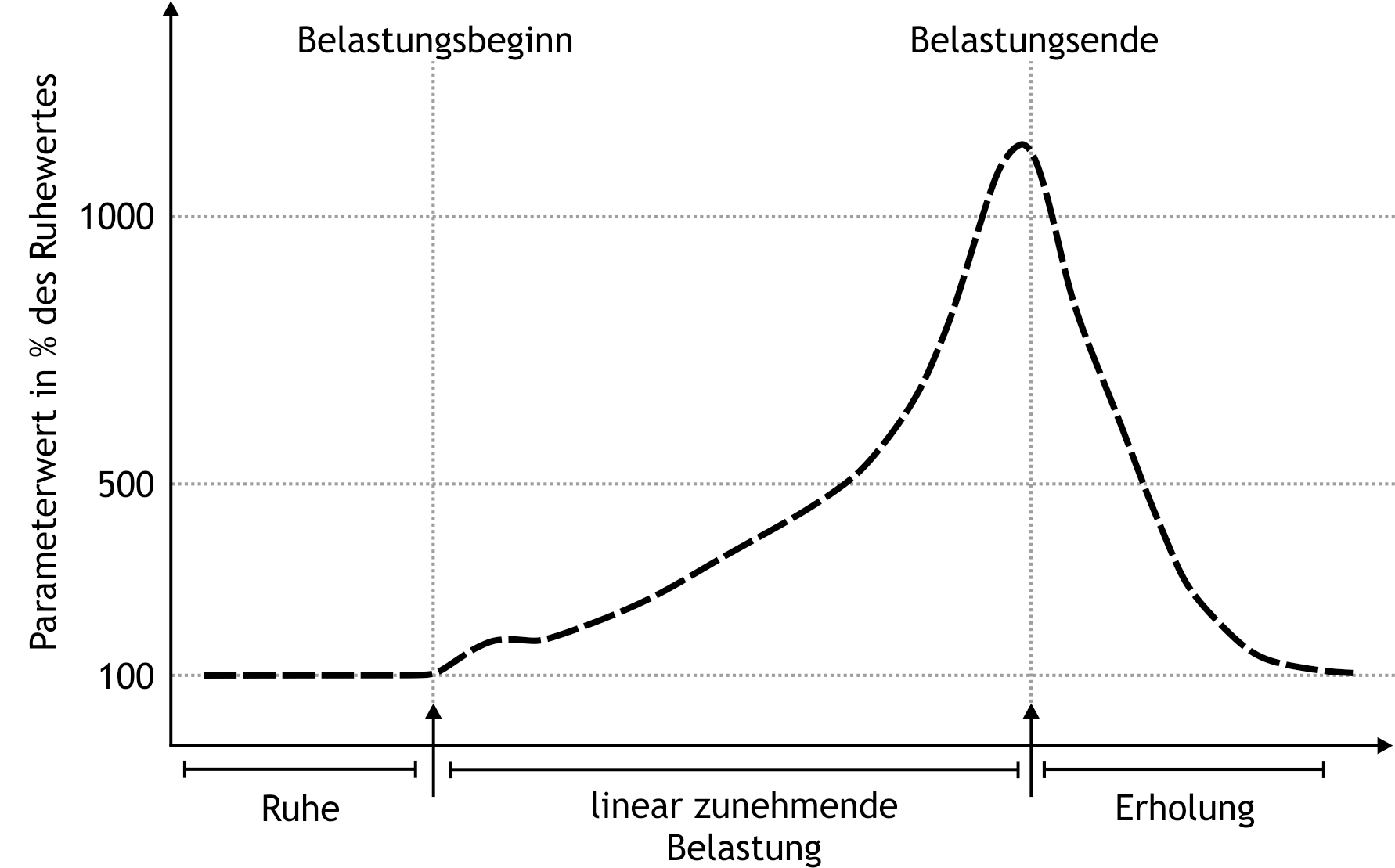
49. In an untrained 30-year-old woman (65 kg), a bicycle ergometer stress test is performed. Cardiopulmonary function values are first measured at rest, then the workload is gradually increased to the subject’s maximum performance (160 W). Heart rate, respiratory rate, cardiac output, respiratory minute volume, and oxygen uptake are recorded. The curve shows the time course of one of these parameters, with measurements given relative to the resting phase.
Which parameter most likely follows the time course of the curve?
A. Respiratory rate
B. Respiratory minute volume
C. Heart rate
D. Cardiac output
E. Oxygen uptake
B. Respiratory minute volume
50. The gastrointestinal tract exhibits rhythmic oscillations of the membrane potential of smooth muscle (so-called slow waves).
What most likely triggers these slow waves?
A. Activity of the interstitial cells of Cajal
B. Activity of the parasympathetic nervous system
C. Activity of the sympathetic nervous system
D. Activity of gastrointestinal hormones
E. Activity of prostaglandins from smooth muscle cells
A. Activity of the interstitial cells of Cajal
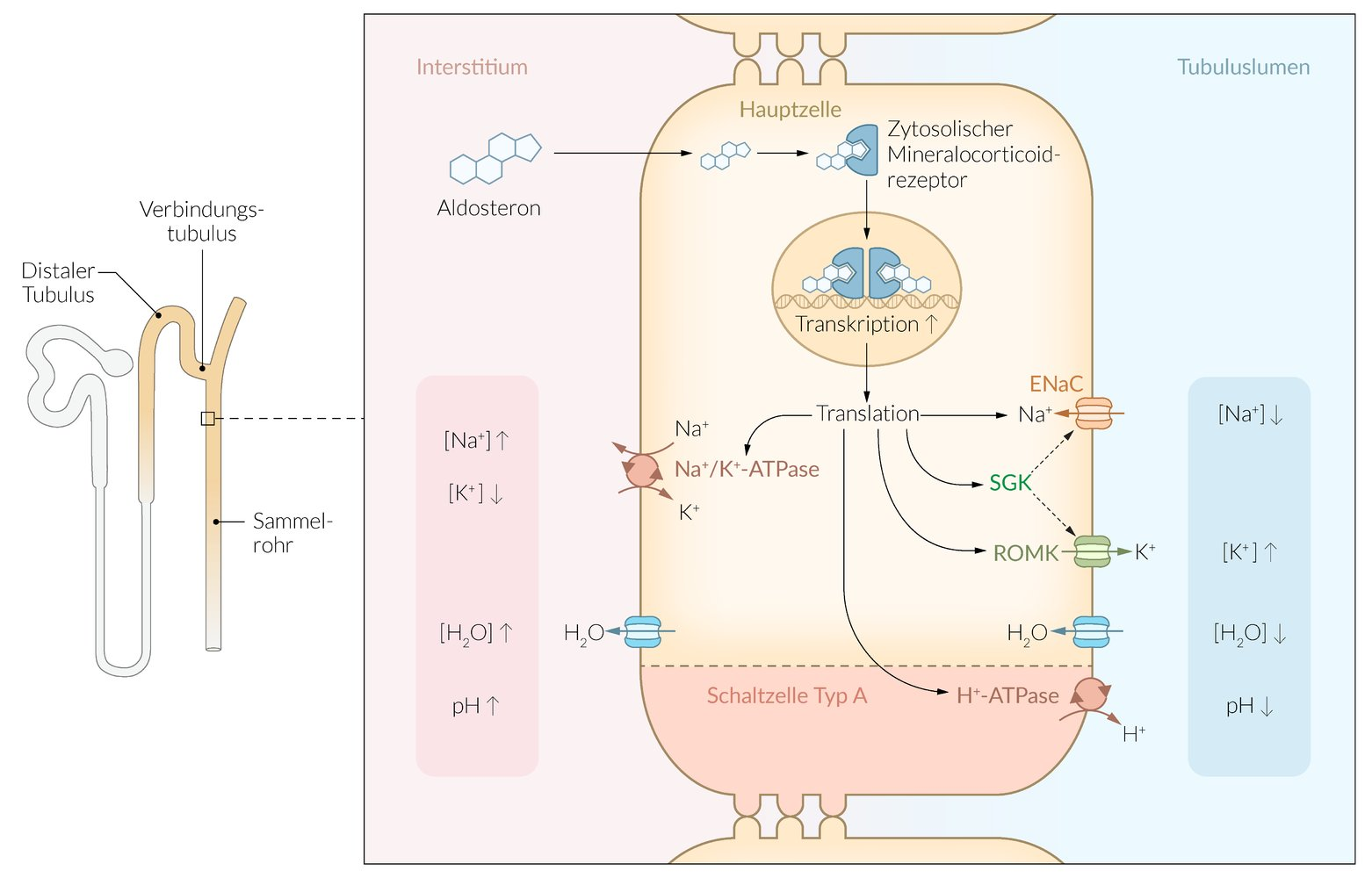
51. In a general practice, a 75-year-old patient with coronary artery disease, diabetes mellitus, and impaired cardiac function is prescribed a medication. At the 14-day follow-up, the patient presents with fatigue and weakness. A serum potassium concentration of 5.6 mmol/L is measured.
Administration of a drug from which of the following substance classes (or which substance) most likely explains this serum potassium concentration?
A. Blockers of the epithelial Na⁺ channel (ENaC)
B. Glucocorticoids in high doses
C. Inhibitors of the Na⁺,Cl⁻ symporter (NCC)
D. Inhibitors of the Na⁺,K⁺,2Cl⁻ symporter (NKCC)
E. Insulin in high doses
A. Blockers of the epithelial Na⁺ channel (ENaC)
52. In a 48-year-old moderately obese patient, laboratory tests are performed to investigate elevated blood pressure, yielding the following results:
Glucose in urine: not detectable
Protein in urine: not detectable
Urine flow rate: 1.5 L/day (≈1 mL/min)
Serum creatinine: 10 mg/L
Urine creatinine: 1,300 mg/L (1.95 g/24 h)
What can most likely be concluded from these findings?
A. The glomerular filter is defective.
B. The patient has renal artery stenosis.
C. The glomerular filtration rate is decreased.
D. Hyperglycemia can be excluded.
E. The findings indicate normal renal function.
E. The findings indicate normal renal function.
53. Bicarbonate (hydrogencarbonate, HCO₃⁻) is freely filtered in the glomeruli, and a large portion is reabsorbed by the kidneys—an important process in acid–base regulation.
Which of the following mechanisms is most important for HCO₃⁻ reabsorption in the proximal tubule?
A. Reabsorption of HCO₃⁻ in exchange for Cl⁻ at the luminal side of the tubular cell
B. Reabsorption of HCO₃⁻ via a carrier at the luminal side of the tubular cell
C. Reabsorption of protons at the basolateral side of the tubular cell
D. Secretion of HCO₃⁻ in exchange for Cl⁻ at the basolateral side of the tubular cell
E. Secretion of protons into the lumen of the proximal tubule
E. Secretion of protons into the lumen of the proximal tubule
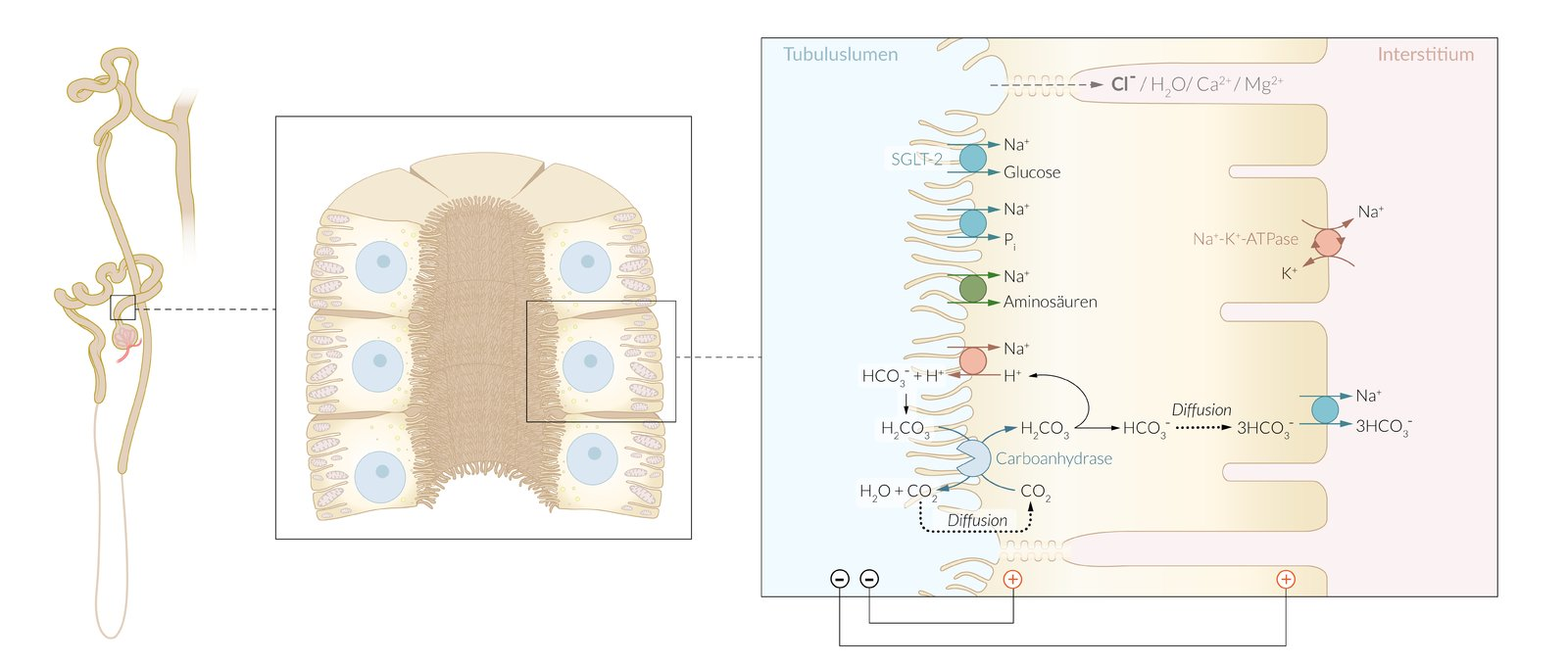
54. Some loop diuretics inhibit the Na⁺,K⁺,2Cl⁻ symporter (NKCC) and are used in the treatment of hypertension.
Which tissue or which of the following cells also possesses an NKCC, the inhibition of which would significantly impair its function?
A. Excretory duct of the pancreas
B. Parietal cells of the stomach
C. Intestinal epithelium of the ileum
D. Erythrocytes
E. Stria vascularis of the inner ear
E. Stria vascularis of the inner ear
55. Antidiuretic hormone (ADH) plays a central role in regulating plasma osmolarity and thus cell volume.
Which of the following disturbances is most likely to occur with an acute loss of ADH production?
A. Hypertonic overhydration
B. Hypertonic dehydration
C. Hypotonic dehydration
D. Isotonic overhydration
E. Isotonic dehydration
B. Hypertonic dehydration
56. Hormones are synthesized in many tissues and often reach their target cells via the bloodstream. Many of these hormones are bound to transport proteins during transport in the blood.
Which of the following is most likely a consequence of hormone binding to its transport proteins?
A. Increased half-life of the hormone in the blood
B. Increased internalization of the hormone–receptor complex
C. Improved passage through the blood–brain barrier
D. Enhanced hormone binding to its receptor
E. Enhanced inactivation of the hormone
A. Increased half-life of the hormone in the blood
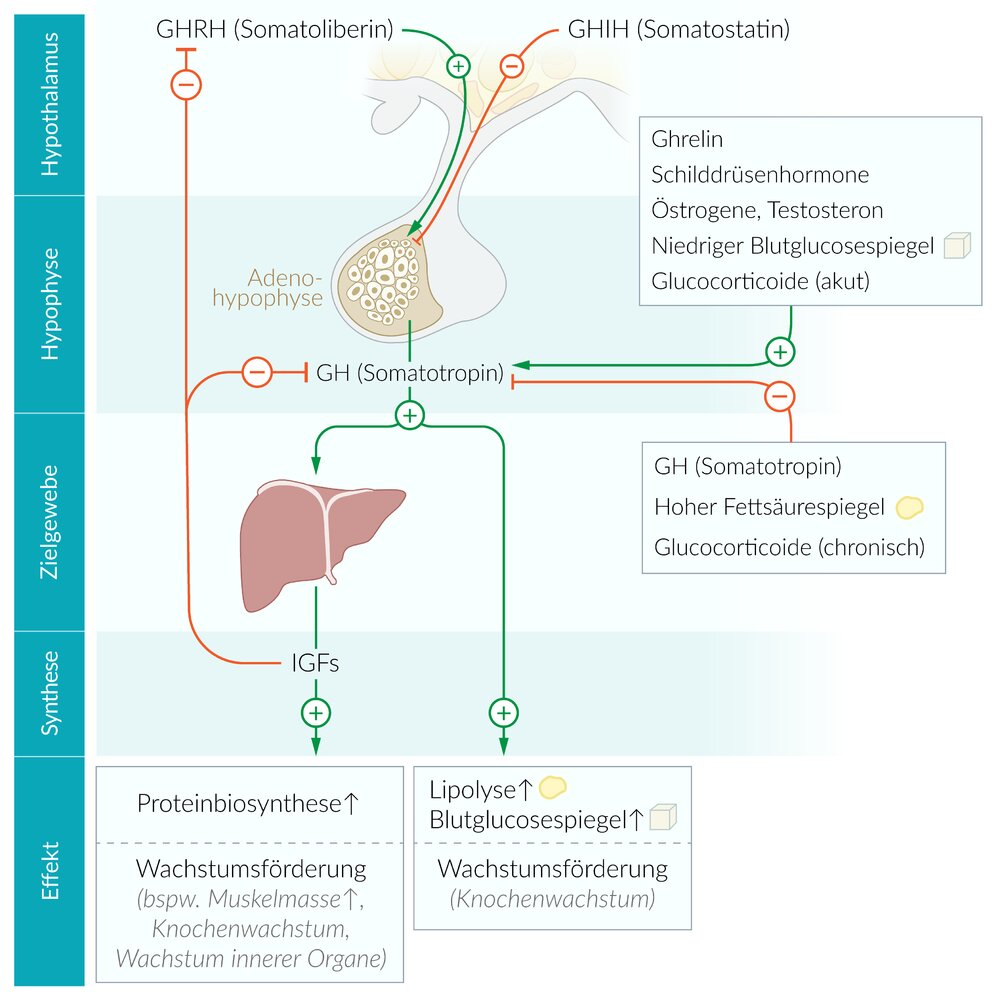
57. During the 1-year preventive check-up (U6), a boy is noted to be short in stature (smaller than 97% of peers). As a newborn, he had normal weight. Current laboratory tests show normal transaminase activities (ALAT, ASAT [GPT, GOT]) and normal serum concentrations of T₃ and T₄, but a decreased serum level of IGF-1.
Which of the following causes most likely explains this finding?
A. Failure of the entire adenohypophysis
B. Increased production of somatostatin
C. Liver insufficiency
D. Somatotropin receptor defect
E. Overproduction of testosterone
D. Somatotropin receptor defect
58. In a 44-year-old woman with a desire to conceive, a blood test is performed to assess the ovarian follicle reserve. The goal is to measure the concentration of an endocrine factor that is secreted by follicular granulosa cells into the bloodstream largely independent of the menstrual cycle.
This factor is most likely:
A. Anti-Müllerian hormone
B. Human chorionic gonadotropin (hCG)
C. Inhibin
D. Estradiol
E. Progesterone
A. Anti-Müllerian hormone
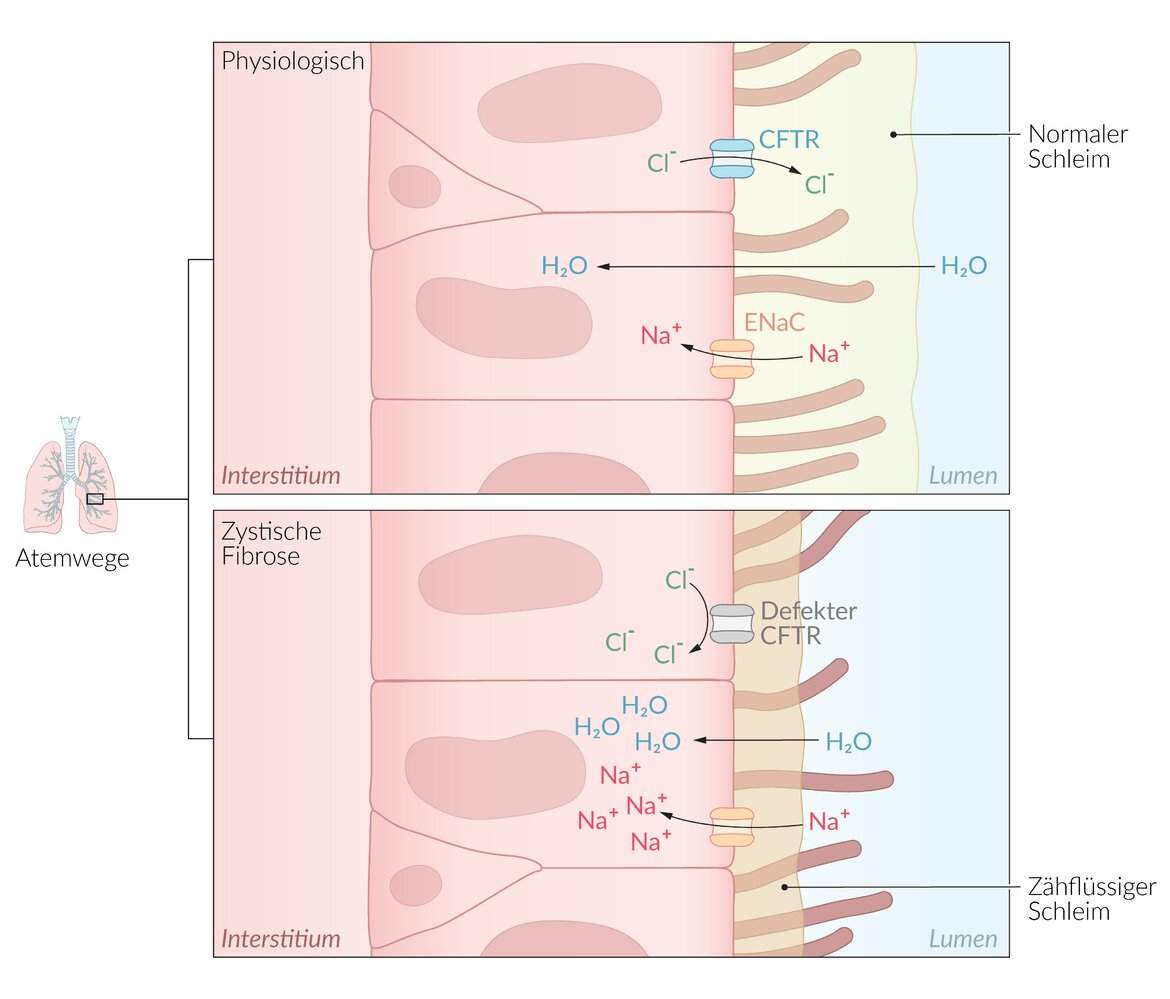
59. Cystic fibrosis is a genetic disease that, among other effects, causes the secretions of the exocrine cells of the lung epithelium to become more viscous.
Which of the following effects most likely results from this change?
A. Increased susceptibility to infections
B. Increased mucociliary clearance
C. Increased lung compliance
D. Increased ventilation–perfusion ratio
E. Increased diffusion capacity
A. Increased susceptibility to infections
60. The regulation of breathing is controlled by various respiratory stimuli that can either stimulate or inhibit the respiratory center in the medulla oblongata.
Which of the following changes most likely has a direct stimulating effect on the respiratory drive?
A. Metabolic acidosis
B. Hypothyroidism
C. Hyperglycemia
D. Progesterone deficiency
E. Hypocapnia
A. Metabolic acidosis
61. Which of the following is not a common feature of the eye lens and the cornea?
A. Supplied by diffusion
B. Transparency
C. Function of light refraction
D. Contain collagen fibers
E. Involved in accommodation
E. Involved in accommodation
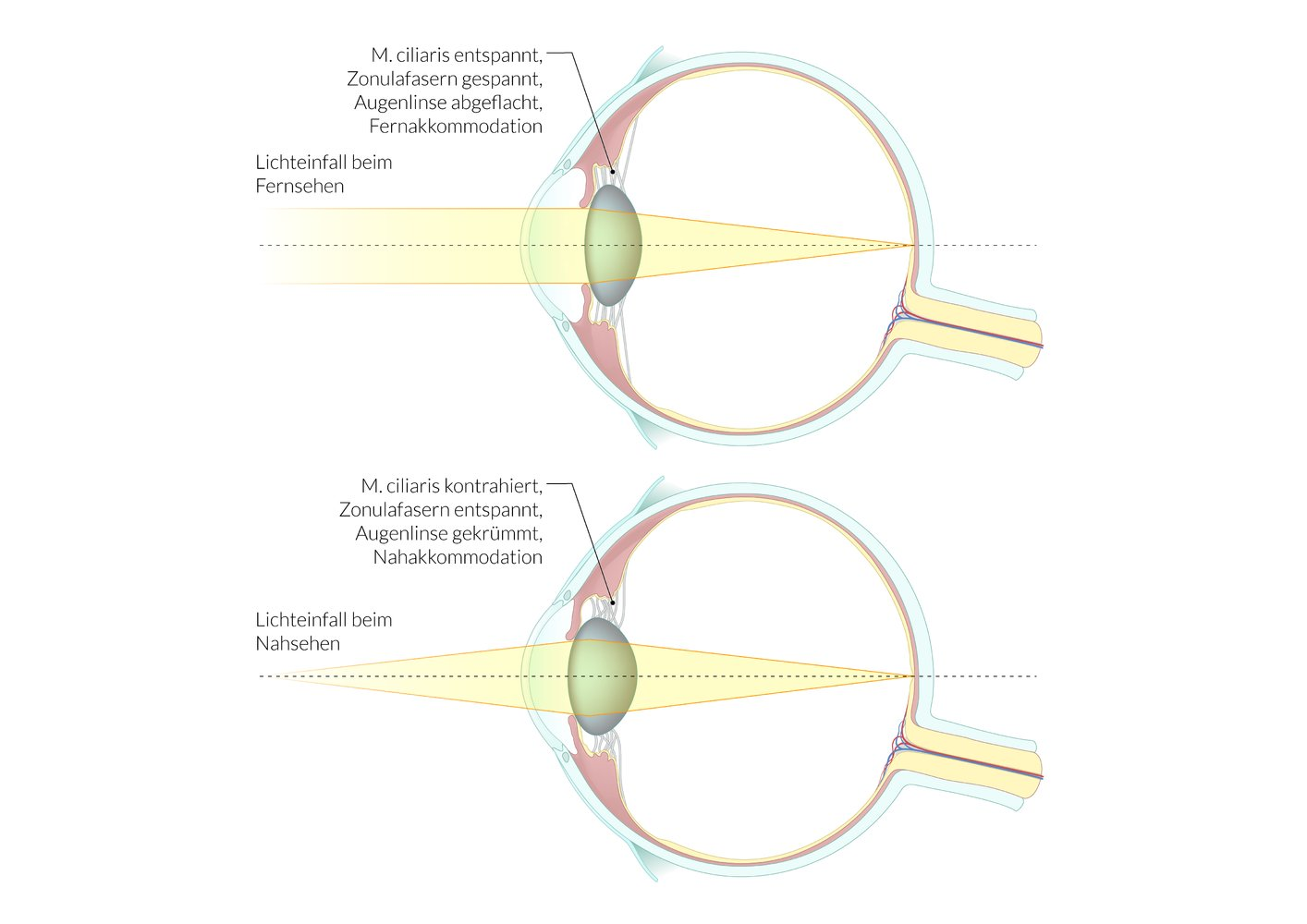
62. The ability of the eye to focus sharply on both near and distant objects is primarily determined by its accommodation function.
Which maximum total refractive power can most likely be achieved in healthy young individuals through contraction of the ciliary muscle and relaxation of the zonular fibers?
A. 59 diopters
B. 84 diopters
C. 73 diopters
D. 45 diopters
E. 64 diopters
C. 73 diopters
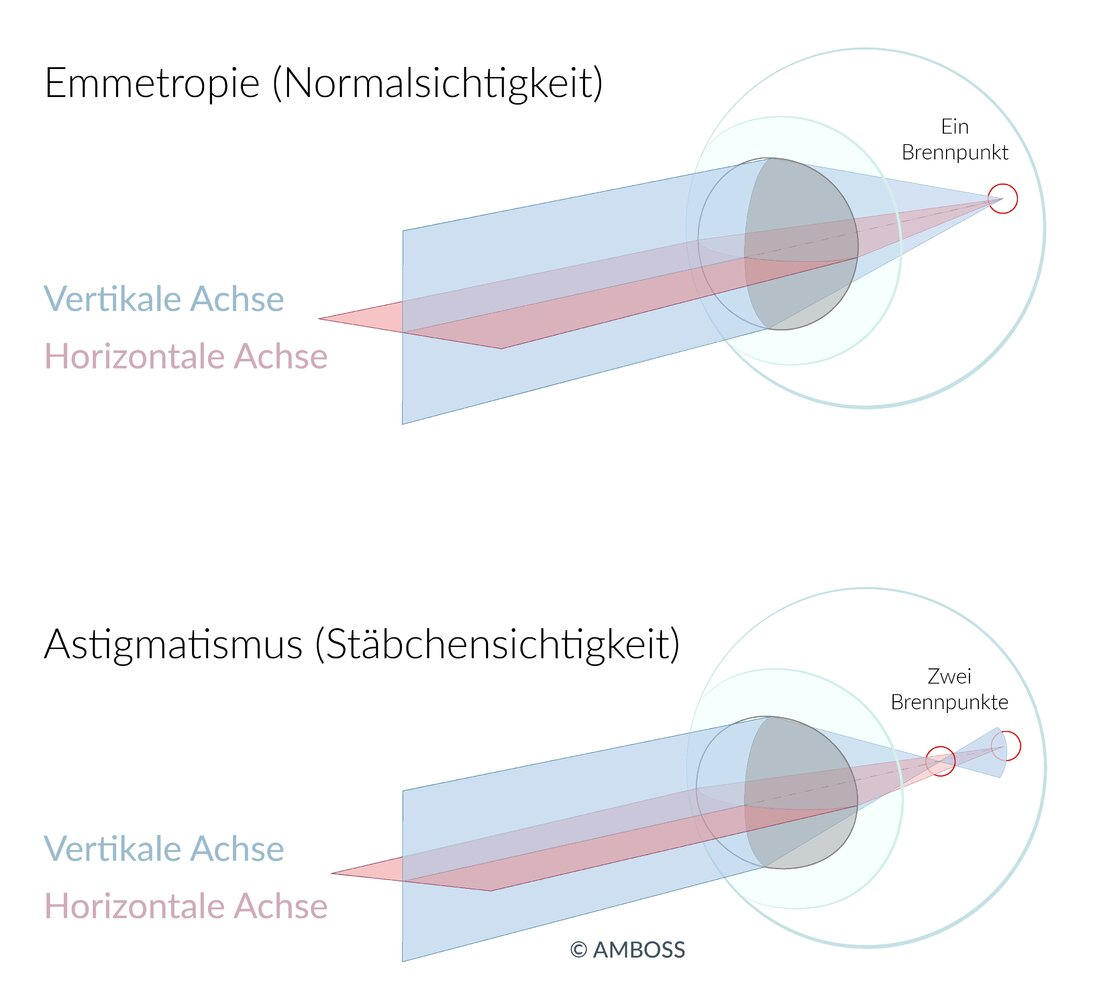
63. Refractive errors are often based on various forms of refractive anomalies.
Which of the following statements about astigmatism is most likely correct?
A. The refractive power of the eye is too weak.
B. About 65% of the German population is affected.
C. It does not occur together with other refractive anomalies.
D. It is usually corrected with convex lenses.
E. The curvature of the cornea is irregular.
E. The curvature of the cornea is irregular.
64. The cones and rods are located exclusively in the light-sensitive part of the retina.
Which of the following changes is most likely promoted by activation of the center of the receptive fields in the fovea centralis?
A. Accommodation
B. Increase in visual acuity
C. Activation of off-center ganglion cells
D. Mydriasis
E. Increase in rhodopsin concentration
B. Increase in visual acuity
65. The ability to perceive colors in a differentiated way is due to the presence of different types of cones.
Which of the following statements about color vision is most likely correct?
A. The absorption maximum of M-cones is around 565 nm.
B. Long-wavelength light (e.g., red) is refracted more strongly than short-wavelength light.
C. Color vision disorders mostly affect biologically female individuals.
D. To focus on long-wavelength light, the eye must accommodate more strongly.
E. The absorption maximum of rods lies between that of M- and L-cones.
D. To focus on long-wavelength light, the eye must accommodate more strongly.
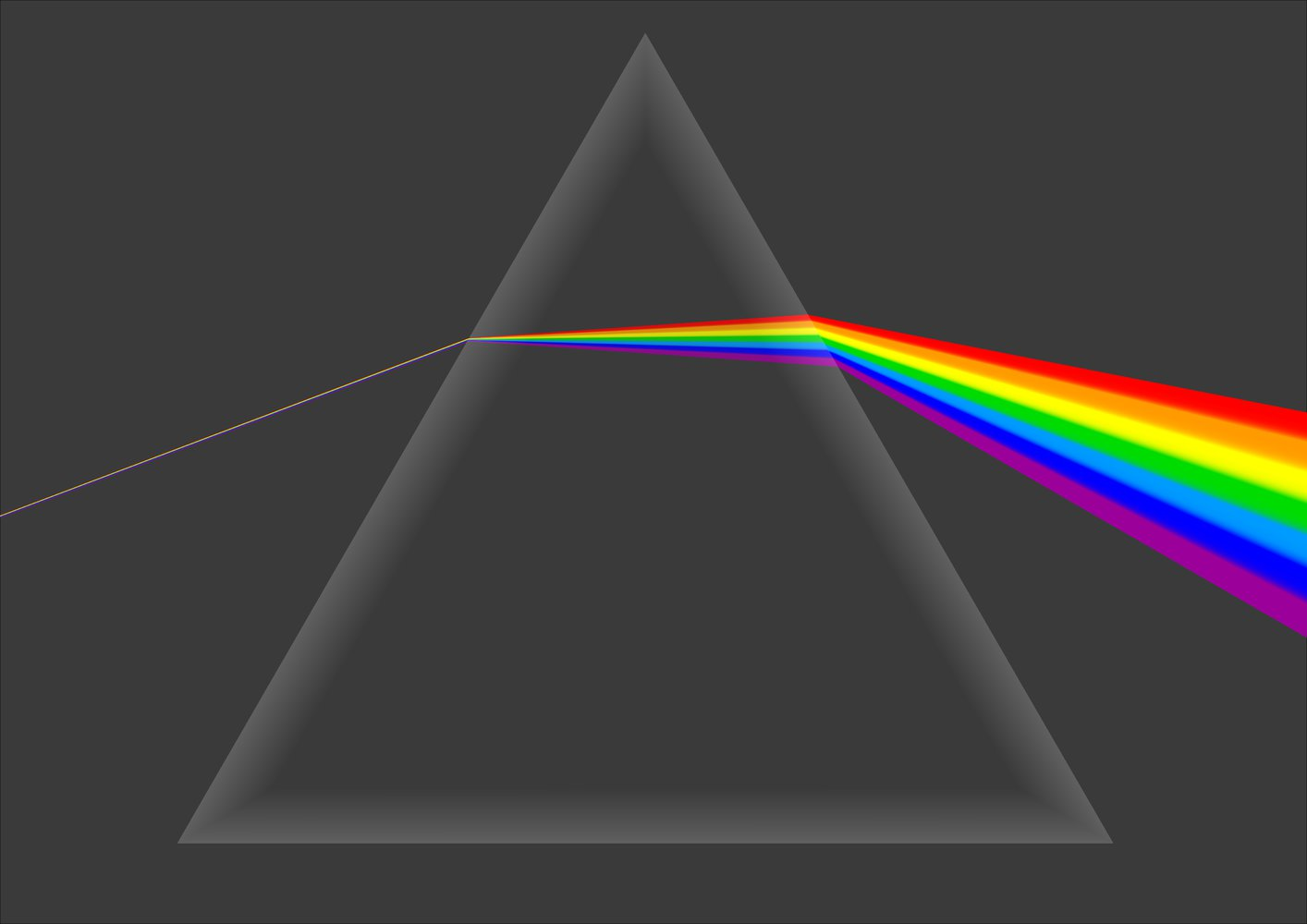
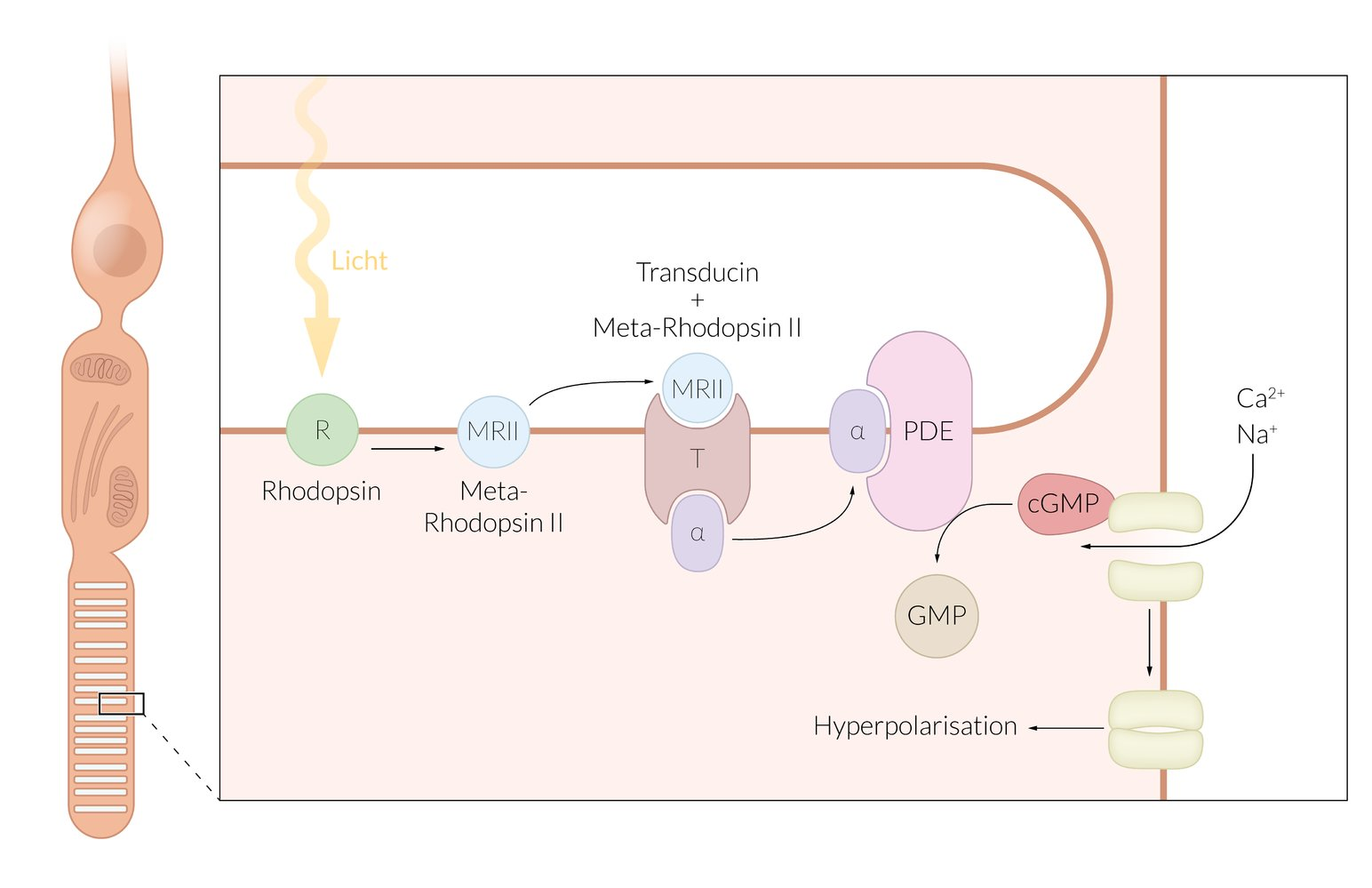
66. Which of the following processes is most likely involved in signal transduction within photoreceptors upon exposure to light?
A. Exchange of GDP for GTP on transducin
B. Binding of arrestin to all-trans-retinal
C. Isomerization of all-trans-retinal to 11-cis-retinal
D. Depolarization of photoreceptors
E. Conversion of metarhodopsin II to rhodopsin
A. Exchange of GDP for GTP on transducin
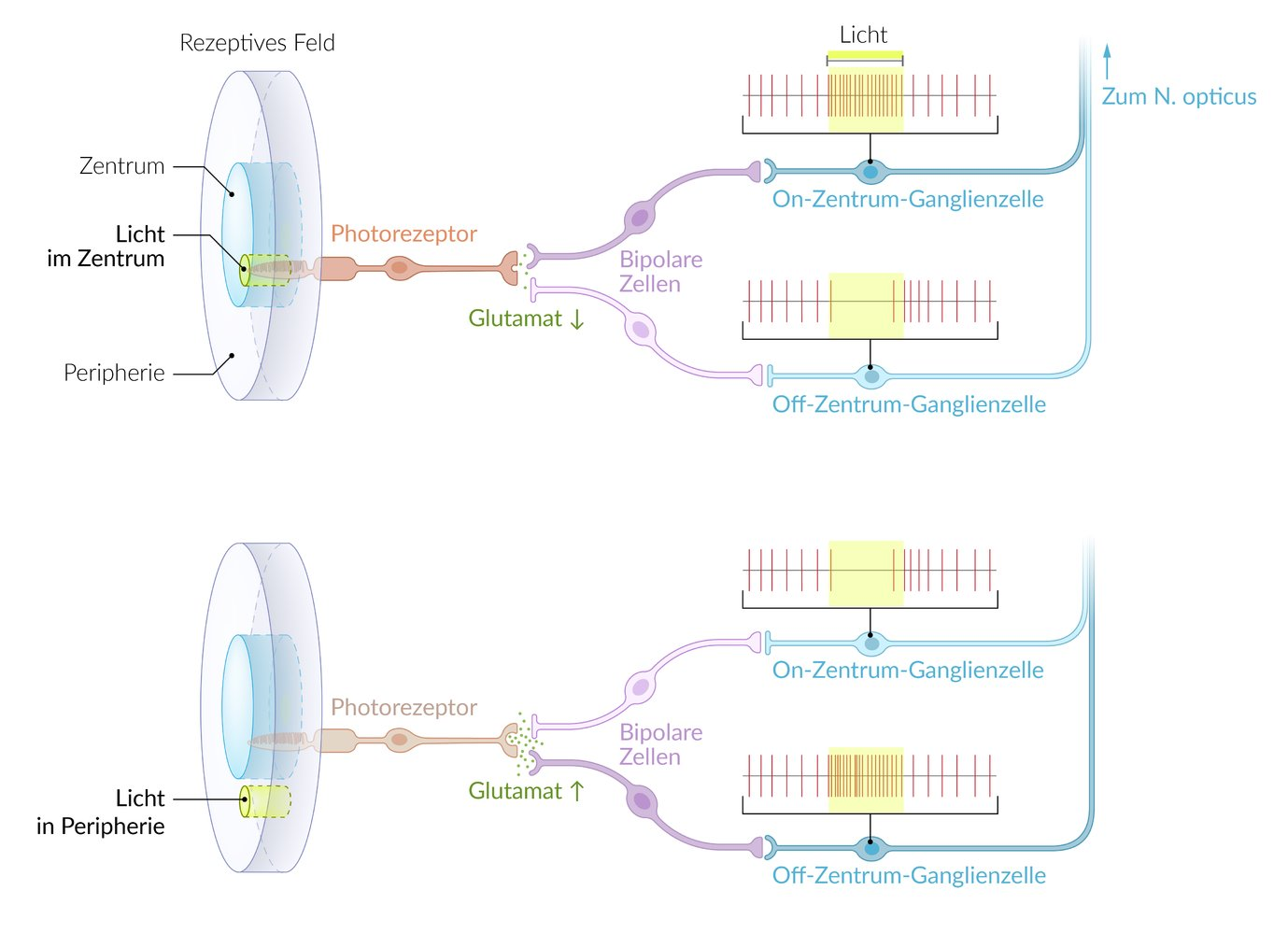
67. Which of the following statements about the visual pathway is most likely correct?
A. A pituitary tumor usually leads to a homonymous hemianopia.
B. Signal transmission to the off-bipolar cells occurs via ionotropic glutamate receptors.
C. The 4th neuron of the visual pathway originates in the medial geniculate body.
D. The photoreceptor cells form the innermost layer of all retinal cells.
E. Stimuli perceived on the lower part of the retina are transmitted in the upper part of the optic nerve.
B. Signal transmission to the off-bipolar cells occurs via ionotropic glutamate receptors.
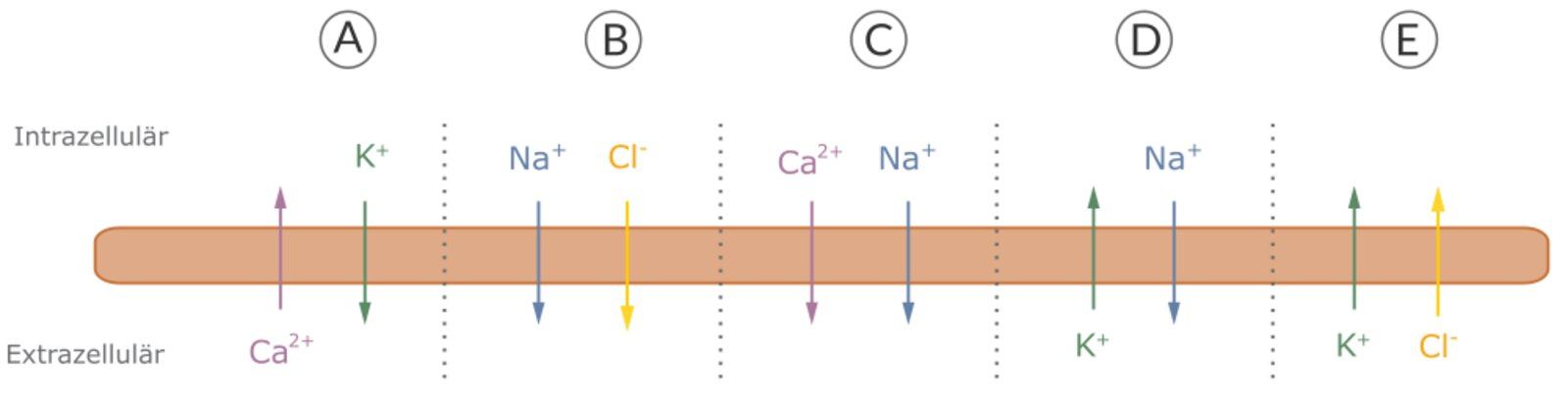
68. The cortical spreading depolarization plays, among other things, a role in the development of the migraine aura. It is a process in which neurons of the brain are rapidly and almost completely depolarized. This depolarization can last about one minute and suppress brain electrical activity for several minutes.
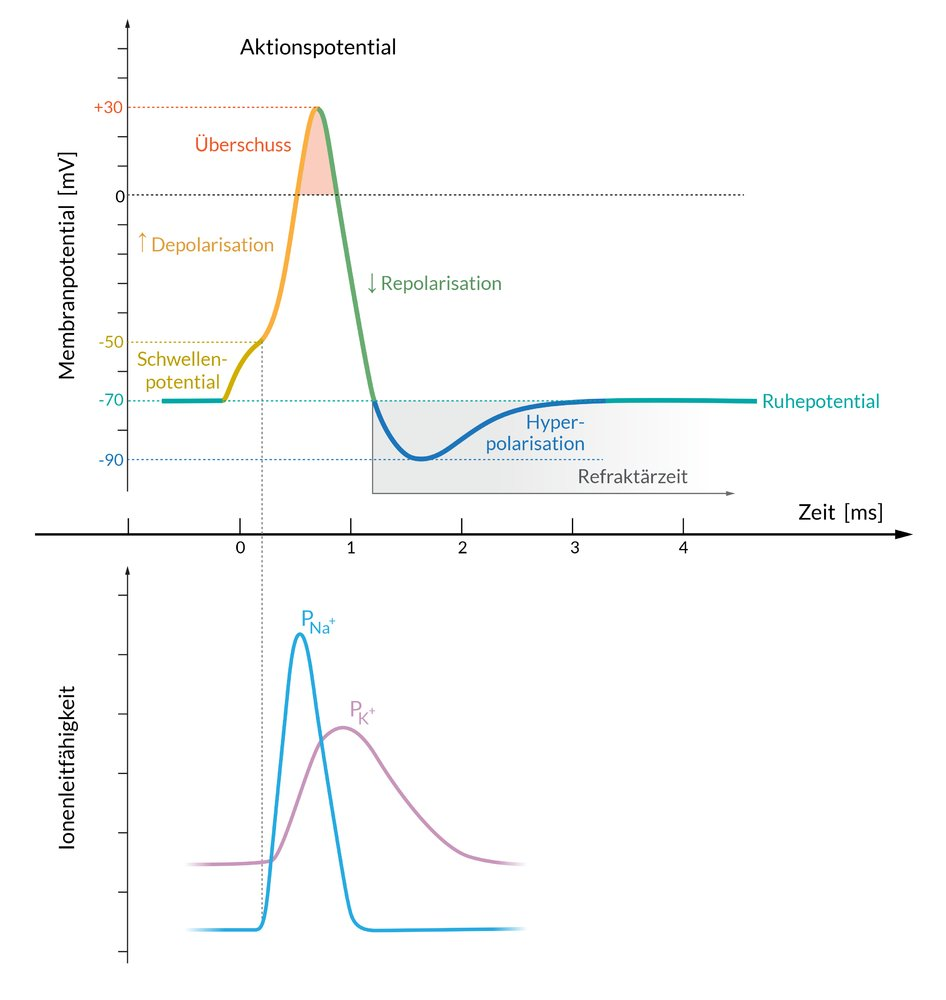
Which of the ion movements shown here is, based on your knowledge of the ion currents during the formation of an action potential, most likely responsible for the suppression of brain activity?
A. (A)
B. (B)
C. (C)
D. (D)
E. (E)
A. (A)
69. A 41-year-old man is admitted to the emergency department after a traffic accident. His pulse is 130/min and blood pressure is 70/40 mmHg. Ultrasound shows signs of intra-abdominal bleeding.
Which of the following reactions of the kidney is most likely in this situation?
A. Secretion of protons ↓
B. Secretion of potassium ↓
C. Reabsorption of sodium ↑
D. Reabsorption of urea ↓
E. Reabsorption of creatinine ↑
C. Reabsorption of sodium ↑
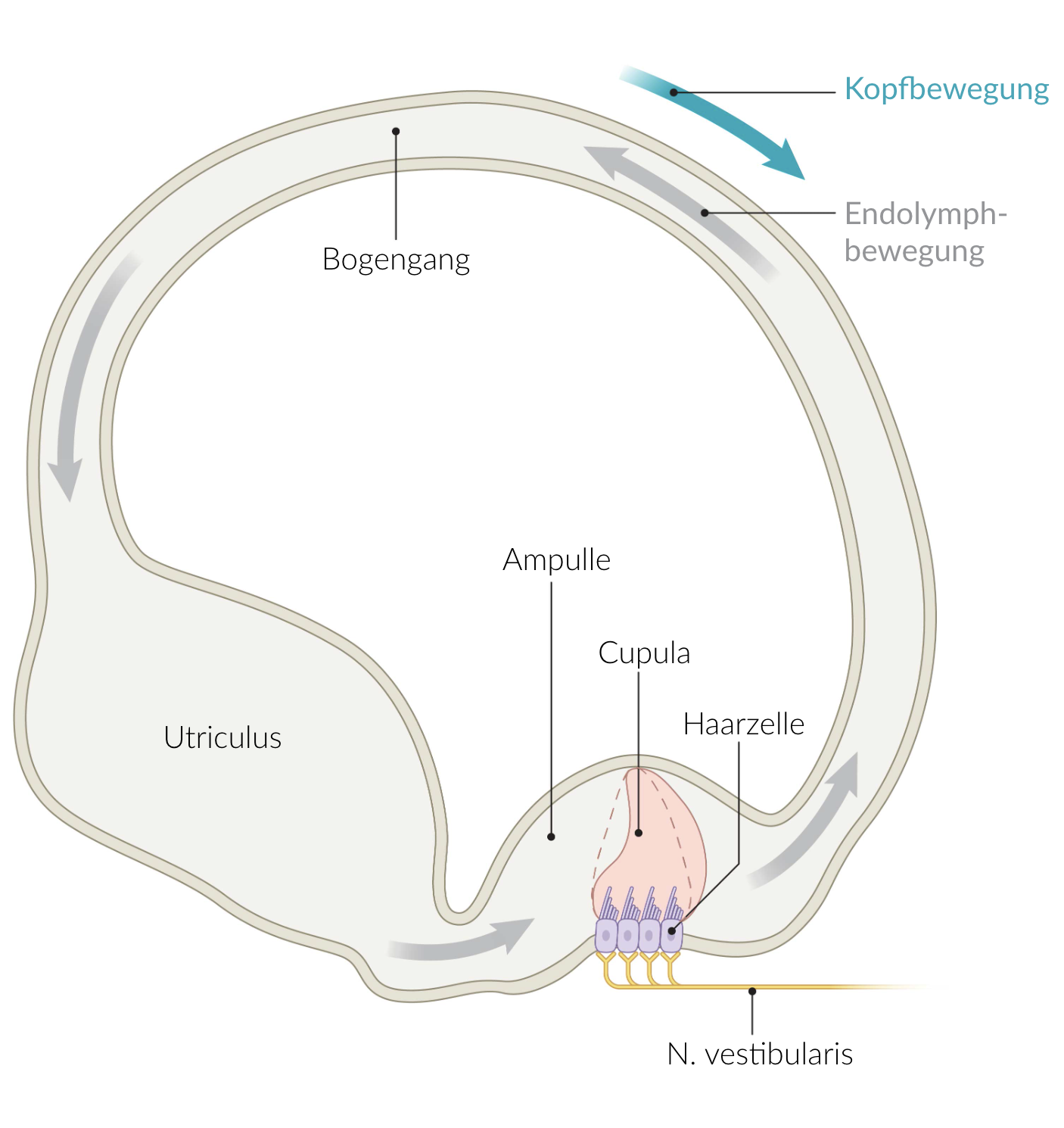
70. Which statement about the peripheral vestibular system is correct?
A. Cupula and endolymph have the same density.
B. The cupula is weighted by otoliths.
C. The hair cells have calcium channels on their stereocilia.
D. The hair cells are depolarized by sodium influx.
E. The neurotransmitter GABA is released through depolarization of the hair cells.
A. Cupula and endolymph have the same density.