Chem final exam
 Call Kai
 Learn
Learn Practice Test
 Spaced Repetition
 Match
Match Flashcards
 Knowt Play
1/36

There's no tags or description
Looks like no tags are added yet.
Name | Mastery | Learn | Test | Matching | Spaced | Call with Kai |
|---|
No analytics yet
Send a link to your students to track their progress
37 Terms
What is the periodic law
when elements are arranged in order of increasing atomic number, the properties of the elements repeat periodically (in a set pattern)
What is the octet rule
All elements tend to lose, gain, or share electrons to get 8 valence electrons so that they can be stable like a noble gas
How is Mendeleev’s table similar to our current table?
mendeleev’s table has the same physical and chemical properties as the current table
how is mendeleev’s periodic table different from our current table?
the current table is organized in atomic number instead of increasing atomic mass like mendeleev’s.
what is a valence electron?
electrons in the outermost energy level of an atom
what happens to electrons when an ionic bond forms
the electrons are being transferred so that each atom has the stable octet (zero or 8 valence electrons)
what happens with electrons when a covalent bond forms
they are being shared by atoms to try and get 8 valence electrons like a normal gas
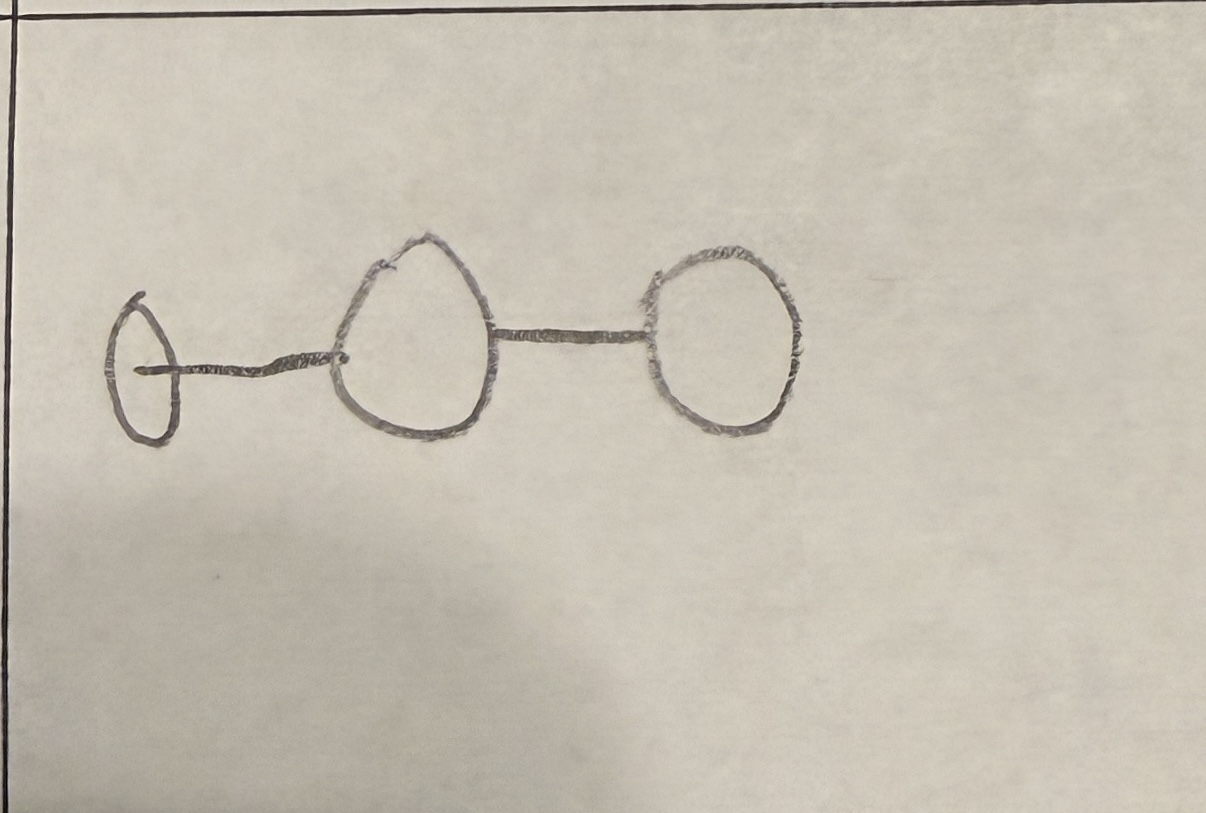
which 3d sketch is this?
linear
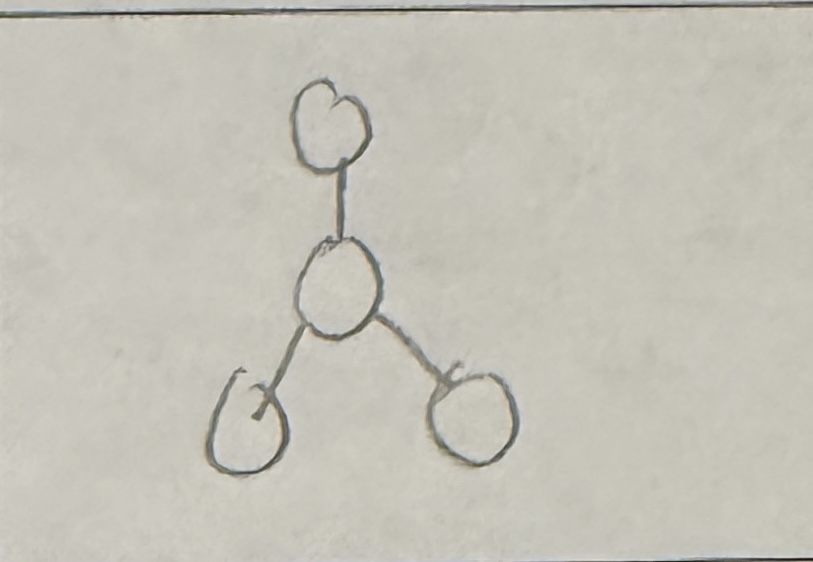
which 3d sketch is this?
trigonal planar
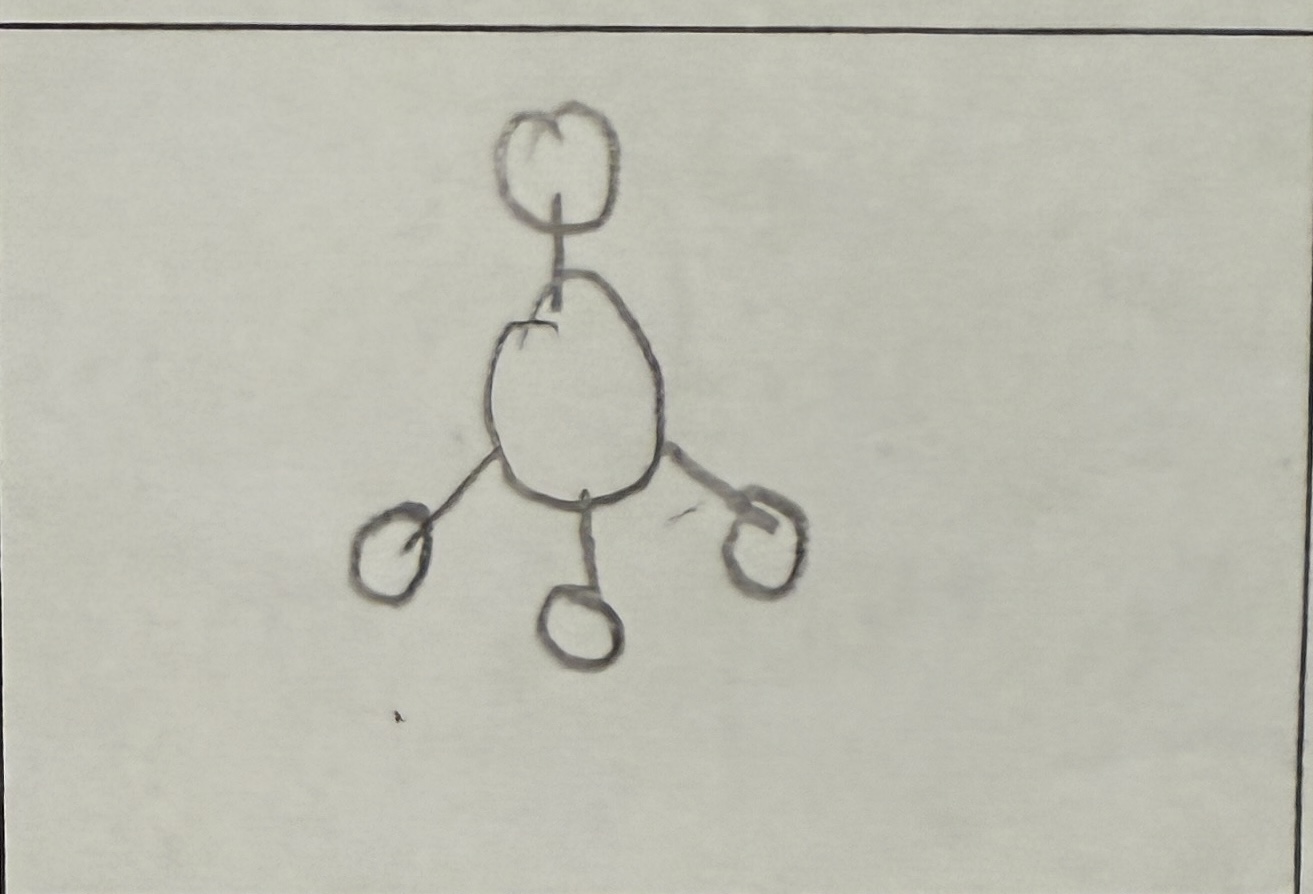
which 3d sketch is this?
tetrahedral
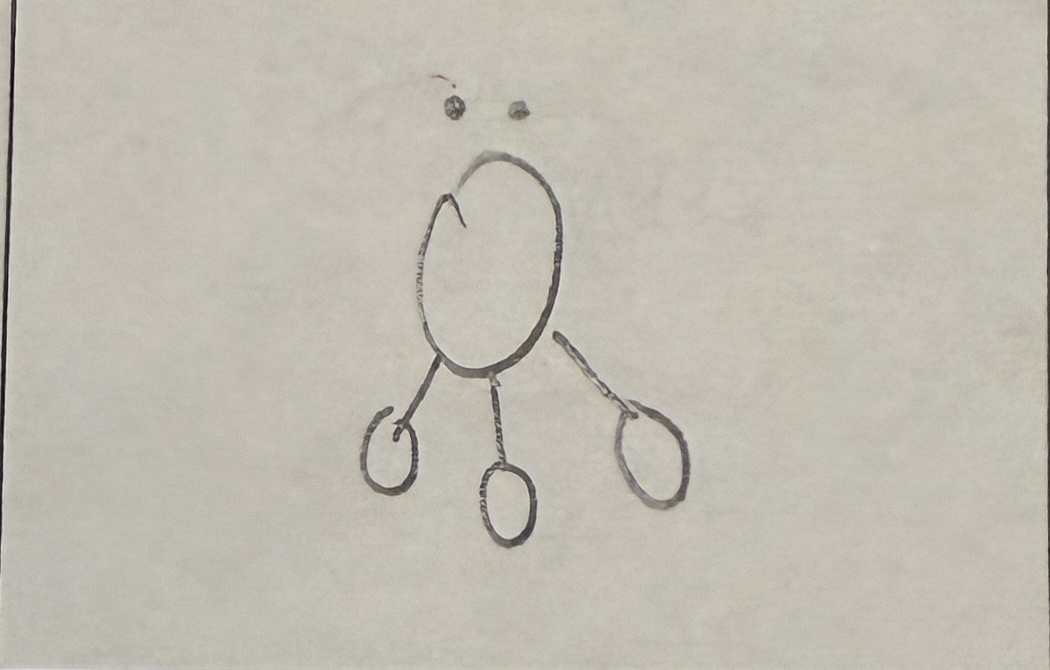
which 3d sketch is this?
trigonal pyramidal
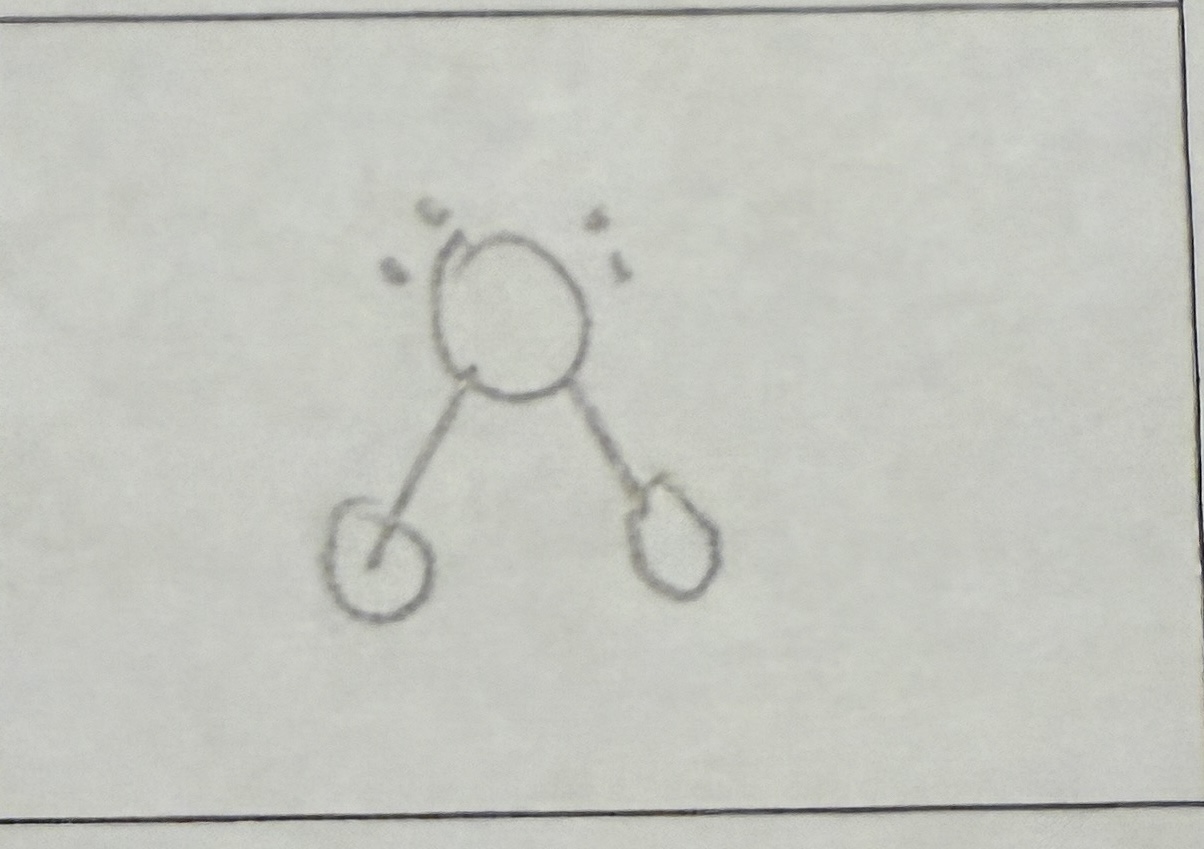
which 3d sketch is this?
bent
what are kinetics?
the rate at which reactions occur
what is a mechanism?
a set of steps that can occur to produce a chemical reaction
what is an intermediate?
a substance formed in one step of a mechanism but used up in another step
what is activation energy?
the minimum amount of energy necessary for a reaction to occur
what is a catalyst?
a substance that can change the rate of a reaction without being consumed in the reaction
what are the two characteristics a collision needs to have in order to produce a reaction?
enough energy and the correct orientation
how does surface area affect the rate of a chemical reaction?
increases the surface area of the solid and increasing the rate
how does temperature affect the rate of a chemical reaction?
increases the kinetic energy of the particles, moving faster and colliding more often
how does concentration affect the rate of a chemical reaction?
more particles will be available to collide with, meaning collisions will be more successful and the reaction rate will increase.
how does a catalyst affect the rate of a chemical reaction?
reduces activation energy, providing alternate reaction mechanisms
what is a chemical equilibrium
a dynamic state (constantly changing) in which two opposing reactions are happening in the same container at the same rate
what does lechatelier’s principle say?
if an equilibrium system is subjected to a stress, the equilibrium will shift to relieve the stress
what is the difference between forward and reverse reactions?
forward begins rapidly, decreases until equilibrium, reactants turn into products
reverse begins at zero, increases until equilibrium, products turn into reactants
what is a solution?
a mixture that is the same throughout
what is the difference between a solute and a solvent?
solute dissolves in a substance, there is less of it
solvent is the solution the solute dissolves in, there is more of it
what is a saturated solution?
the maximum amount of dissolved solute the solvent can hold under the given conditions
how is a unsaturated solution different from a saturated solution?
less than the maximum amount of dissolved solute
how is a superaturated solution different from a saturated solution?
supersaturated has more than the maximum amount of dissolved solute
what would happen if you added an extra crystal of solute to a saturated solution?
it would sink to the bottom but not dissolve
what would happen if you added an extra crystal of solute to a supersaturated solution?
extra crystals will appear
what kind of compounds are electrolytes?
ionic compounds
what do electrolytes do in water?
break apart into separate ions or atoms and conduct electricty
what kind of compounds are nonelectrolytes?
they don’t break apart into separate ions or atoms and they don’t conduct electricity
how can you tell if an object is in motion?
if its distance from another object is changing
what is the difference between average and instantaneous speed
average