BSC 117: Final Practical Study Guide
 Call Kai
 Learn
Learn Practice Test
 Spaced Repetition
 Match
Match Flashcards
 Knowt Play
1/31

There's no tags or description
Looks like no tags are added yet.
Name | Mastery | Learn | Test | Matching | Spaced | Call with Kai |
|---|
No analytics yet
Send a link to your students to track their progress
32 Terms
What is the null hypothesis (H0)?
A statement in which there is no relationship between two variables
What is the alternative hypothesis (Ha)?
A statement in which there is some statistical significance between two measured phenomena
When would you use a chi-squared test?
you compare an observed set of numbers to an expected set
When would you use a t-test?
2 populations, 1 variable is changed; the independent variable is either present (with) or absent (without)
What are the two types of t-test?
Type 1 (paired): the same subjects are used in “without” and “with” groups
Type 2: different subjects are used in the “without” and “with” groups, but the variances of the two groups are equal
What are the two tail types for a t-test?
1-tailed: directional
2-tailed: non-directional
What formula would you use for a t-test?
=t.test (B4:B13, C4:C13, 2, 2)
What formula would you use for a chi-squared test?
=chisq.test (C3:C8, D3:D8)
If the p-value is (x), what would you conclude about the hypothesis?
p-value ≤ 0.05 reject H0 (null hypothesis); there is a low probability that both datasets come from the same population
p-value > 0.05 fail to reject H0; there is a high probability that both datasets come from the same population
What is the best way to graph this data?
Scatterplot
What is the control group?
the group used to show what happens under normal conditions, without the experimental manipulation
What is the experimental group?
the group in an experiment that receives the treatment, manipulation, or independent variable you are testing
What are the controls of the experiment?
the variables you keep constant on purpose so they do not influence your results
Gram positive
(purple) there is a cytoplasmic membrane surrounded by a very thick cell wall composed of many layers of peptidoglycan that are heavily cross-linked; typically less resistant to antibiotics
Gram negative
(pink) there is a cytoplasmic membrane, a periplasmic space, a thin cell wall composed of only a few layers of peptidoglycan that are partially cross-linked and enclosed by an outer membrane; typically more resistant to antibiotics
Xylem
moves water and minerals from roots up the plant; lignified cell walls look thick with a diameter is larger than tracheids
Phloem
moves sugars (glucose, sucrose) and organic molecules; living cells containing peripheral cytoplasm, but not a nucleus; thin-walled and usually smaller diameter (not lignified)
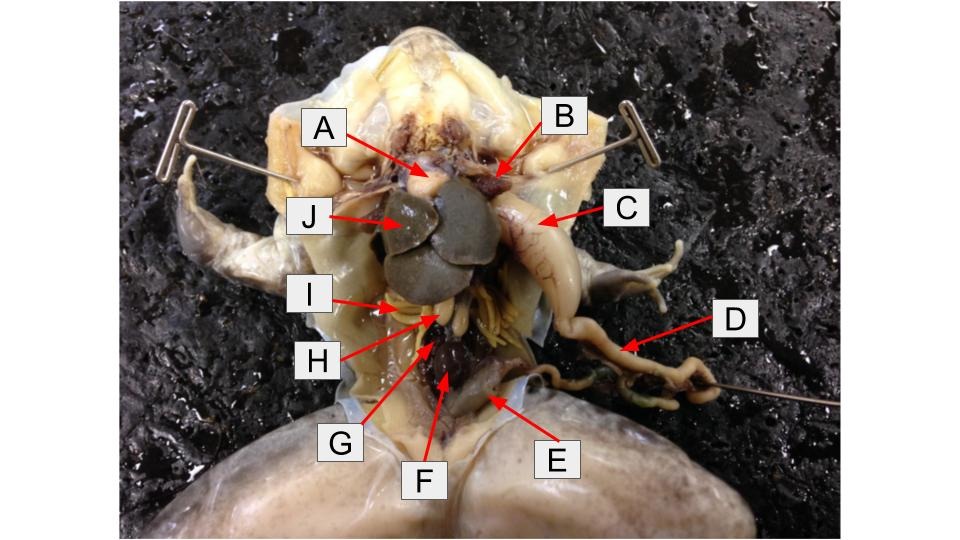
What is A?
Frog heart
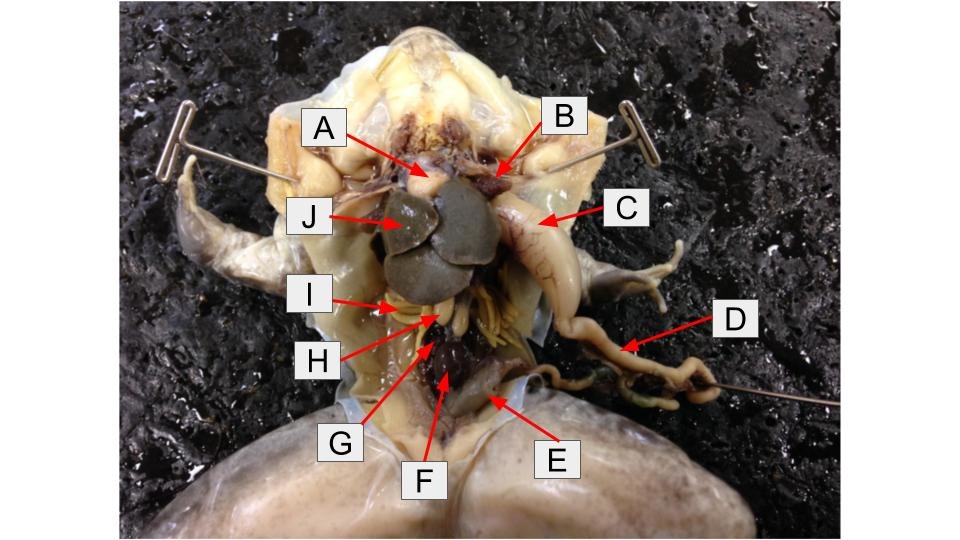
What is B?
Frog lung
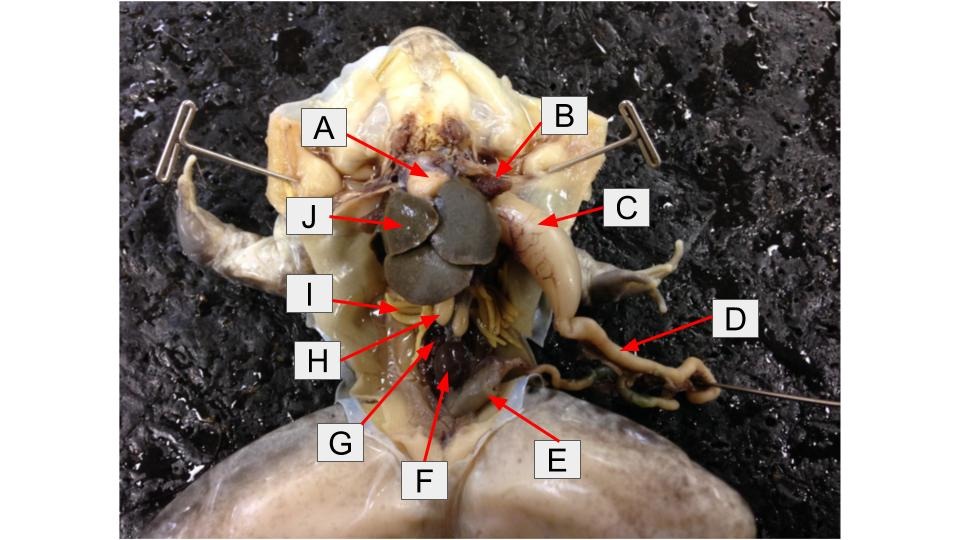
What is J?
Frog liver
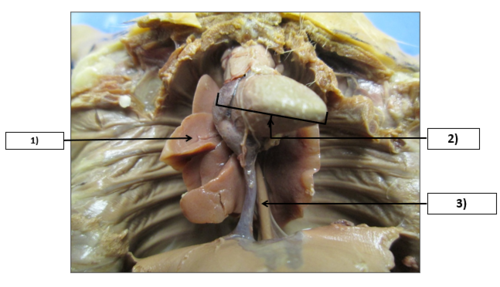
What is 2?
Rat heart
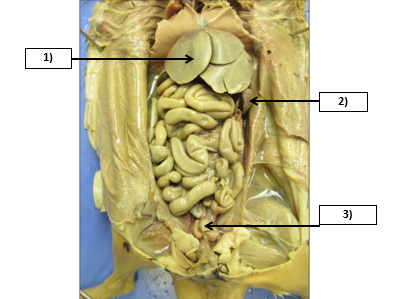
What is 1?
Rat liver
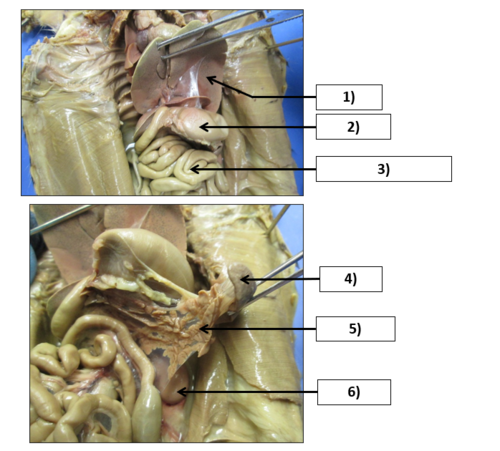
What is 6?
Rat kidney
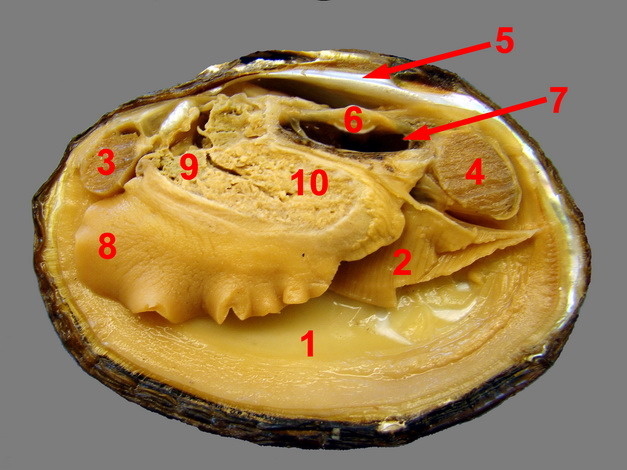
What is 2?
Mussel gills
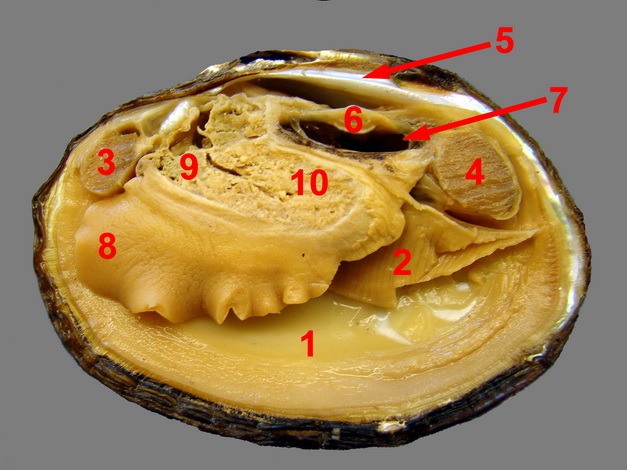
What is 8?
Mussel foot
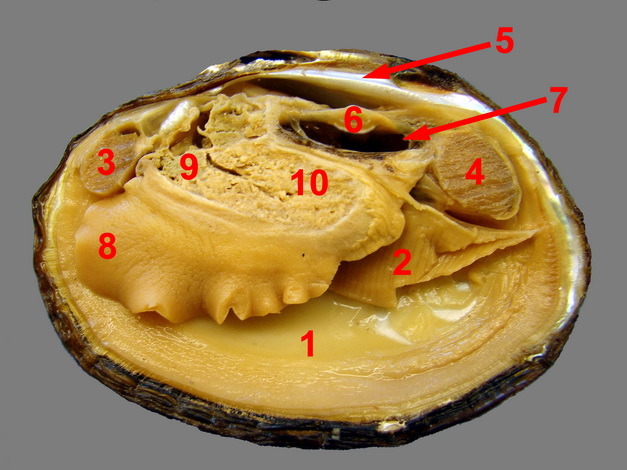
What is 1?
Mussel mantle
Look at two locations and know which is probably more biodiverse
The location with more species and a more even spread of those species is more biodiverse. More habitat complexity (forest, wetland) = higher biodiversity
Which of two locations has lower species richness?
The location with fewer different species has lower species richness
In detail, how would you collect data on species richness?
To collect data on species richness, you sample each location in a standardized way (quadrants/transects), list all different species found, and compare the total number of species between locations
In detail, how would you estimate population size?
To estimate population size, you sample part of the population (mark-recapture), calculate density or proportion, and then scale up using a formula to estimate the total number of individuals.
Know how to read the flow chart from the endocrinology lab
an increase in organ size means look up the pathway, and decrease in organ size means look down the pathway