Envirothon Forestry 2026 || Ohio Area II
 Call Kai
 Learn
Learn Practice Test
 Spaced Repetition
 Match
Match Flashcards
 Knowt Play
1/122

Earn XP
Name | Mastery | Learn | Test | Matching | Spaced | Call with Kai |
|---|
No analytics yet
Send a link to your students to track their progress
123 Terms
Clear Cutting
A harvesting technique where all trees are cut, regardless of age, size, or location.
Impacts of Clear Cutting
Habitat Destruction/Loss of Biodiversity - Forests provide homes for many Plants, Animals, Fungi, and Bacteria. Along with this, many prey animals use the forest as cover from predators and will experience population declines if they cannot quickly migrate to a new location. Invasive plants, if in the area, can also rapidly grow into the new blank space and prevent slower-growing native species from properly regrowing.
Soil Erosion - Roots from trees and other forest plants that may die out from the loss of trees hold the soil in place. When these roots are removed and/or die, the soil is free to be blown or washed away.
Water Quality Degradation - Trees provide shade for nearby bodies of water, and the loss of this cover can cause spikes in temperature. This pushes many aquatic species outside of their range of tolerance. Without Roots from nearby trees or plants, excess nutrients can also more easily enter waterways and cause Eutrophication. Combined with the excess sunlight, Algae can very quickly grow and demolish aquatic ecosystems.
High Grading
A harvesting technique in which only the most profitable trees are cut. This leaves behind young, small, decaying, and dead trees.
this is better than Clearcutting, but still NOT GOOD.
Shelterwood Harvesting
A harvesting technique in which only trees 10-15 years of age or older are cut down, leaving the young trees to continue growing.
Seed-Tree Harvesting
A type of clear cutting in which only a few, mature trees are left in an area to provide seeds for future regrowth.
Selective Harvest
A type of harvesting in which only a few, certain trees are cut down to prioritize the ecosystem. This harvesting method keeps the environment in mind when making any changes to a forest, and is by far the best harvesting technique out of our current methods. Despite this, Selective Harvests can still cause damage over long periods of time.
List all Wood Harvesting Techniques, from Least to Most environmentally damaging.
Selective Harvest (Least), Shelter wood, High Grading, Seed-Tree, Clearcutting (Most)
Edge-Feathering
Cutting down a small amount of trees on the edge of a forest in order to make a smooth, transitional zone for wildlife.
Snags
Free-standing dead trees. Provides habitats for over 100 native species, and are vital to forest ecosystems.
Hardwood Forests
Forests that are primarily broad-leaved, deciduous trees. (Maples, Birches, Beeches, Oaks, Cherries, exc.)
Conifer Forests
Forests that are primarily cone bearing, needle-leaved trees. (Pines, Spruces, Fir)
Deciduous Trees
Trees that lose their leaves in the winter
Evergreen Trees
Trees that keep their leaves year round
What percent of Ohio Forests are Hardwood? What percent are Conifer?
Hardwood - 96%
Conifer - 4%
This is percent of total FOREST, not total land
What are the three components of the wildfire triangle?
Fuel - What is burning: dry, highly flammable wood will cause wildfires to spread faster and grow larger
Weather - What it’s like when it’s burning: hot, dry weather increases wildfire growth and speed.
Topography - Hills and slopes of the land: Fire moves faster uphill, and wildfires heading south will burn faster than northern ones.
True or False: All wildfires are bad.
False
Smaller and/or controlled wildfires can increase forest resilience, as well as restoring nutrients to the soil
What is the #1 cause of wildfires in Ohio?
The burning of Waste
What are the measurements of a board foot?
1 ft x 1 ft x 1 in
How many feet is one board log?
16 feet
DBH
Diameter Breast Height
How many feet off the ground should DBH be measured at?
4.5 Feet
What percent of Ohio forested land is private? What percent is public?
Private - 85%
Public - 15%
Roughly how many acres of forested land does Ohio have?
About 8,000,000 acres
What Percent of Ohio Land is Forested?
31%
Cuticle + Upper Epidermis
The protective, topmost layer of a leaf.
The Cuticle is a thin and waxy main protective layer, while the Upper Epidermis is thicker and prevents water/nutrient loss
Palisade Mesophyll
The topmost Mesophyll layer. Contains high amounts of chlorophyll. The Site of Photosynthesis in a leaf.
Spongy Mesophyll
The bottom layer of the Mesophyll. Consists of irregularly shaped cells to allow gases to move throughout the leaf
Xylem
Moves water and minerals into the leaf through the roots and trunk/stem of the plant. It only transports into the leaf, not out of.
Phloem
Carries Sugar and other “food” into / out of the leaf and through the rest of the plant. Can go both ways.
Lower Epidermis
A bottom protective layer that prevents damage as well as water + nutrient loss. Contains Stomata.
Stomata
Pores in the bottom of a leaf that allow gases ( CO2 , O2 , H2O ) to exit the leaf. Guard cells open and close these.
Petiole
The stalk of a leaf blade that connects it to a stem.
Lamina
The leaf part of a leaf— connects to a petiole to a stem
Leaflet
A leaf-like separate leaf blade found on compound leaves
Palmately Compound Leaves vs Pinnately Compound Leaves
Palmate - Multiple leaflets all connected to ONE petiole. Think of your palm!
Pinnate - Multiple leaflets arranged on both sides of one central stalk (Rachis). Resembles a feather!
Rachis
The long, central stalk of a Pinnately Compound Leaf
What makes Parapinnate and Imparapinnate leaves different?
Imparapinnate leaves have a terminal leaf at the end of the Rachis. Parapinnate leaves do not.
Lobe
Rounded or Pointed projection on a leaf. STICKS OUT!
Sinus
Rounded or Pointed recess on a leaf. GOES IN!
Opposite Leaf Arrangement
Leaves are directly across from one another on a stem.
Alternate Leaf Arrangement
Leaves alternate between each side of the stem— most trees in Ohio have this.
Whorled Leaf Arrangement
Leaves wrap around all sides of a stem. The Northern Catalpa is the only tree in Ohio to have this arrangement.
Trees in Ohio with Opposite leaf arrangement
Maple
Ash
Dogwood
Buckeye
(MADBuck)
How does the Emerald Ash Borer harm Ash Trees?
Bores into their bark, disrupting nutrient transport. Lays eggs inside of the tree, and the larvae will further disrupt nutrient transport. The tree will eventually die without enough energy to sustain itself.
99% of Ash Trees have died.
Emergent Layer
Optional Topmost Layer of a forest. Consists of the few, tallest trees that poke out above the canopy.
Canopy
Top layer of a forest. A dense, consistent layer made up of crowns from various trees that is exposed to more sunlight, but also exposed to more weather (Wind, Rain, Exc.) A vital source of habitat, nesting ground, and food (nuts).
Subcanopy
A layer directly under the canopy, mostly consisting of smaller, shade tolerant trees. Plants here only receive about 5% of the sunlight the canopy receives. Much less susceptible to weather, but very humid.
Understory
A layer growing between the Canopy and the forest floor, consisting of younger, growing trees and shrubs.
Shrub Layer
Right above the forest floor— shorter, woody plants like bushes and shrubs
Forest Floor
Consists of the Herb Layer and Decaying organic matter. Fungi, Worms, Bacteria, and other decomposers break down and recycle nutrients back into the environment
Herb Layer
Part of the Forest Floor— Grass, Flowers, Ground Cover Vegetation
Rhizosphere
Bottommost layer of the forest— under the soil, contains roots
Common name of Quercus
Oak
Common name of Carya
Hickory
Common name of Acer
Maple
Common name of Fraxinus
Ash
Common name of Fagus
Beech
Common name of Prunus
Cherry
Common name of Ulmus
Elm
Common name of Picea
Pine
Allelopathy
A phenomenon in which plants release chemicals into the soil that affects the growth from neighboring plants.
This invasive plant, native to China, was introduced to the U.S. to be used as decoration. When its leaves or branches are crushed, this plant emits a rotting peanut smell. It is also the host plant of the Spotted Laternfly.
Tree of Heaven— Ailanthus Altissima
This invasive plant, native to Asia, was brought to the U.S. for medical, culinary, and erosion control purposes. When its leaves are crushed, it emits a garlic smell. It releases chemicals that harm native fungi.
Garlic Mustard— Alliaria Petiolata
This invasive plant, native to Asia, was brought to the U.S. for ornamental and erosion control purposes. It creates red berries with silver dots, and produces over 200,000 seeds a year. Its nitrogen fixing root nodules make it easy to grow anywhere, and it kills native plants through blocking the sunlight and allelopathy.
Autumn Olive— Elaeagnus umbellata
This invasive plant, native to Eastern Asia, was brought to the U.S. for ornamental and erosion and control purposes. It can produce up to 500,000 seeds in a single year, and forms dense, thorny, and impenetrable thickets, choking out native vegetation
Multiflora Rose— Rosa Multiflora
This invasive plant, native to Asia, was brought to the U.S. to host silkworms, has rapidly been out competing its native counterpart. It does so by hybridizing with it, completely eliminating the original’s genetic integrity. The tree also has shallow roots, which damage other plants and nearby sidewalks / infrastructure
White Mulberry— Morus Alba
Native counterpart is the Red Mulberry— Morus Rubra
This invasive plant, native to Asia, was brought to the U.S. for erosion protection purposes. It is extremely resistant to most conditions, and grows incredibly quickly. It out-competes native species, and is also resistant to Dutch Elm disease, which has wiped out most of its native counterparts.
Siberian Elm— Ulmus Pumila
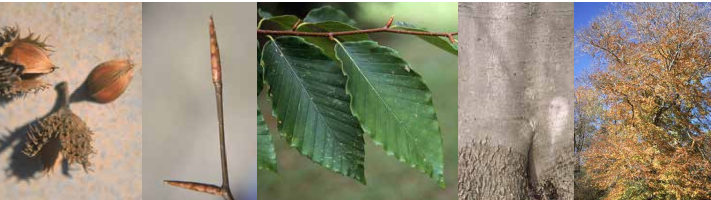
Identify this tree:
NATIVE: American Beech— Fagus Grandifolia
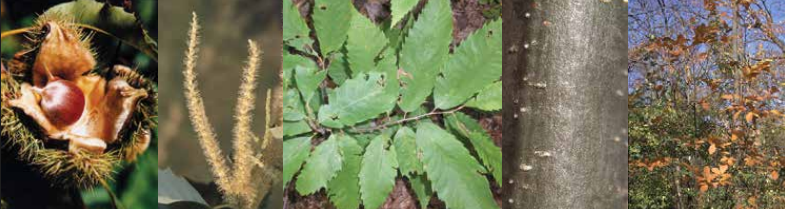
Identify this tree:
NATIVE: American Chestnut— Castanea Dentata
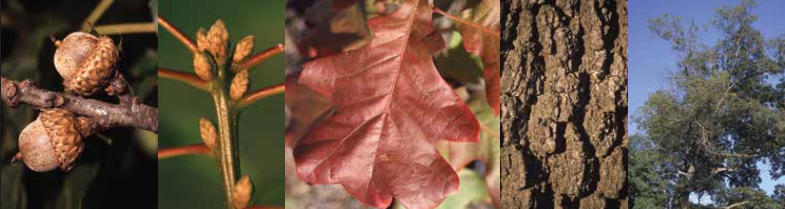
Identify this tree:
NATIVE: Black Oak— Quercus Velutina
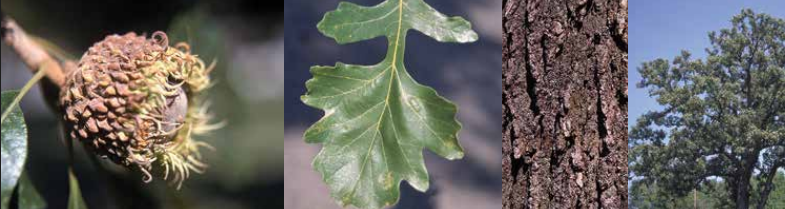
Identify this tree:
NATIVE: Bur Oak— Quercus Marcocarpa
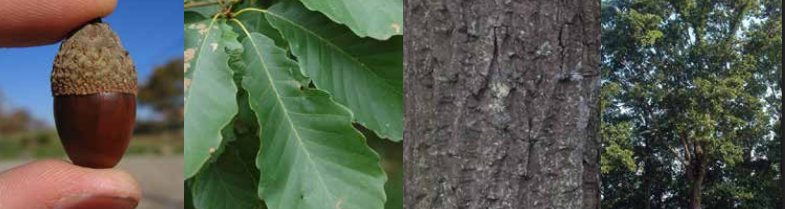
Identify this tree:
NATIVE: Chestnut Oak— Quercus Montana
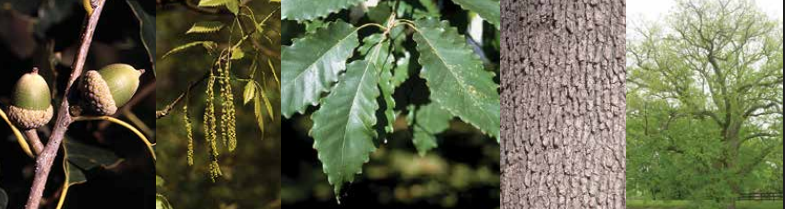
Identify this tree:
NATIVE: Chinkapin Oak— Quercus Muehlenberghii
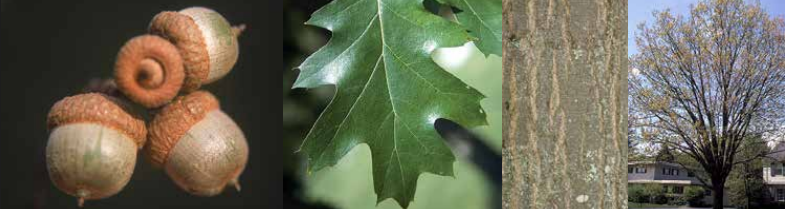
Identify this tree:
NATIVE: Northern Red Oak— Quercus Rubra
The most common tree in Ohio
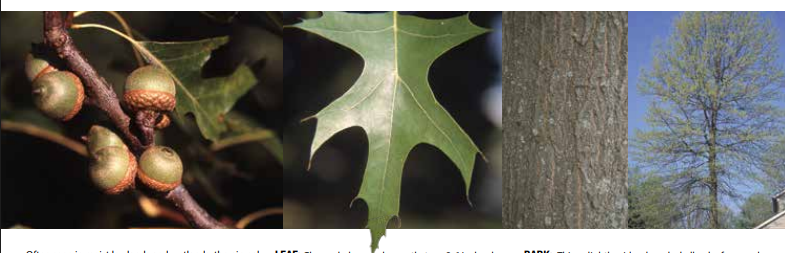
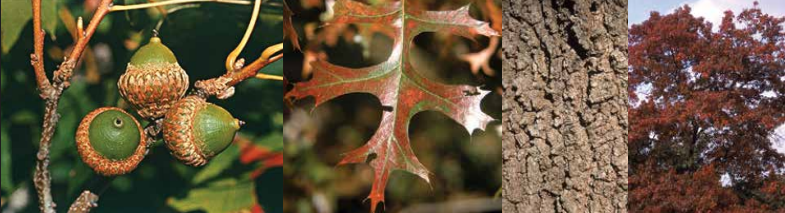
Identify this tree:
NATIVE: Pin Oak— Quercus Palustris
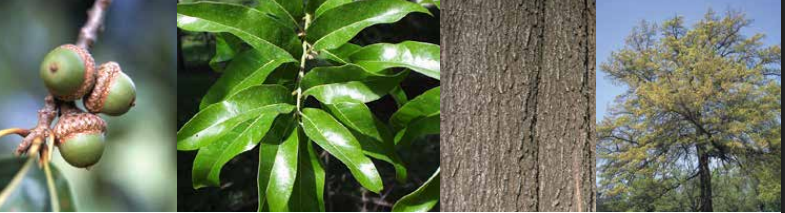
Identify this tree:
NATIVE: Scarlet Oak— Quercus Coccinea
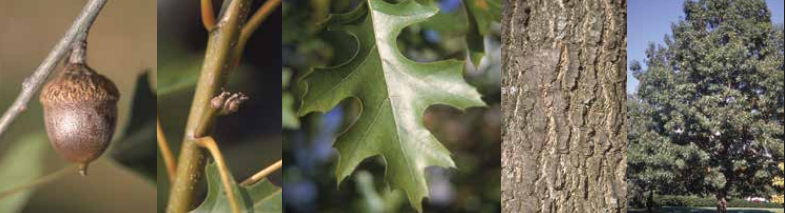
Identify this tree:
NATIVE: Shingle Oak— Quercus Imbricarla
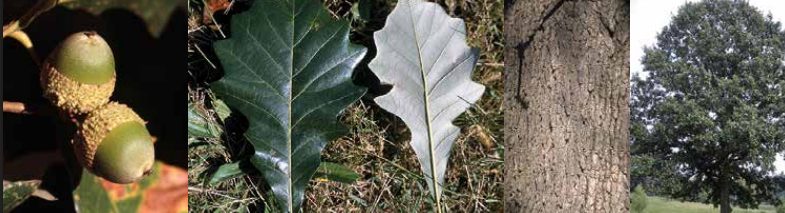
Identify this tree:
NATIVE: Shumard Oak— Quercus Shumardii
Identify this tree:
NATIVE: Swamp White Oak— Quercus Bicolor
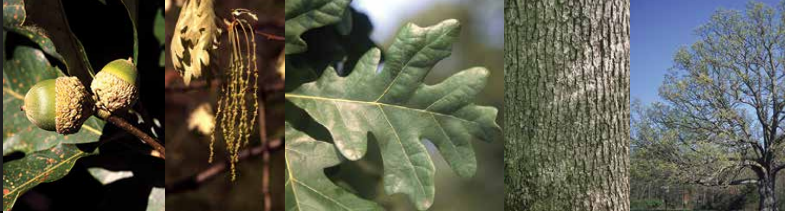
Identify this tree:
NATIVE: White Oak— Quercus Alba
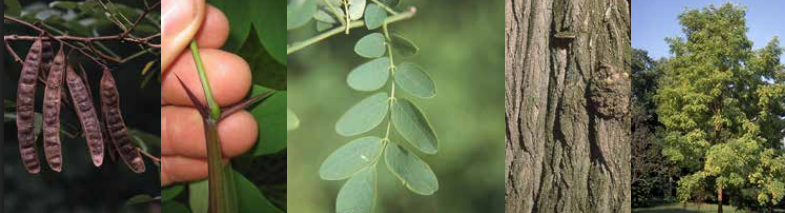
Identify this tree:
NATIVE: Black Locust— Robinia Pseudocacia
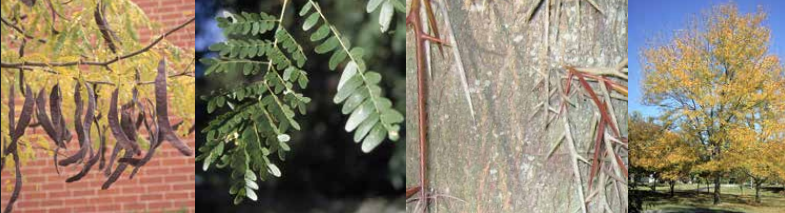
Identify this tree:
NATIVE: Honey Locust— Gleditsia Triacanthos
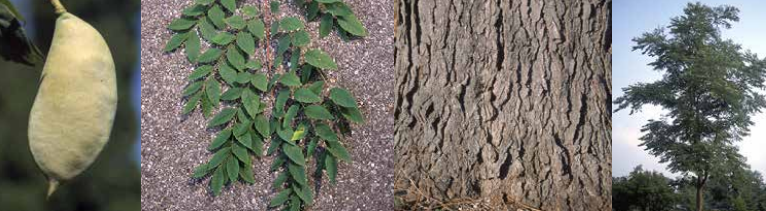
Identify this tree:
NATIVE: Kentucky Coffeetree— Gymnocladus Dioicus
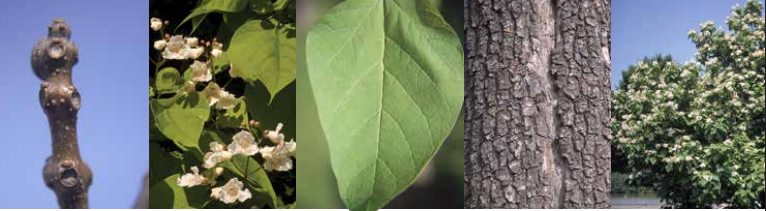
Identify this tree:
NATIVE: Northern Catalpa— Catalpa Speclose
Only Ohio tree with whorled arrangement!!
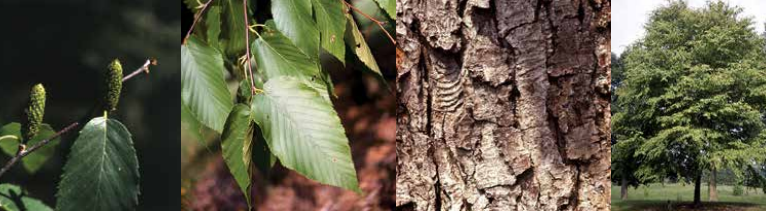
Identify this tree:
NATIVE: Black Birch— Betula Lenta
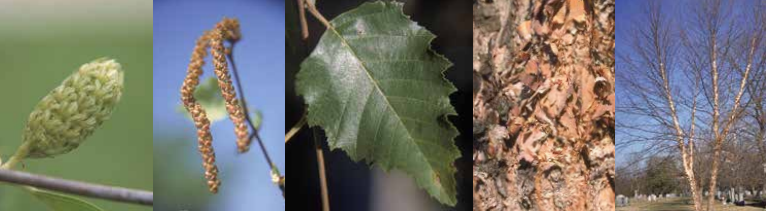
Identify this tree:
NATIVE: River Birch— Betula Nigra
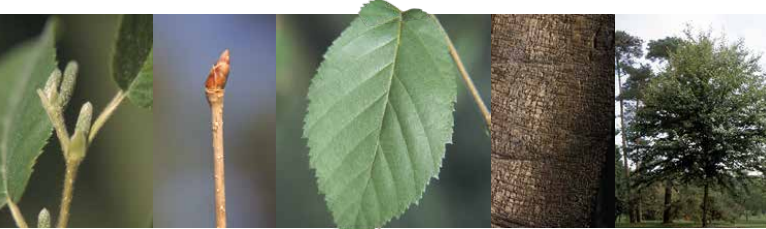
Identify this tree:
NATIVE: Yellow Birch— Betula Allghanlensis
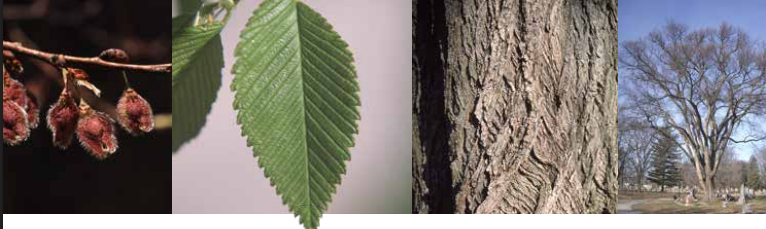
Identify this tree:
NATIVE: American Elm— Ulmus Americana
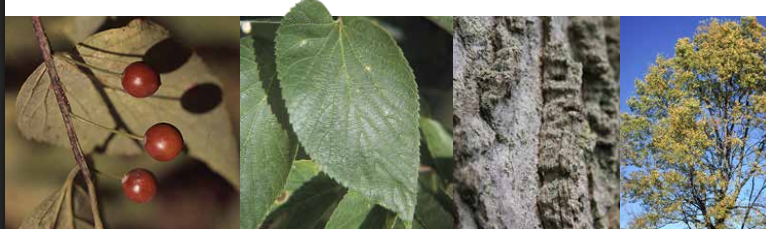
Identify this tree:
NATIVE: Hackberry- Celtis Occidentalis
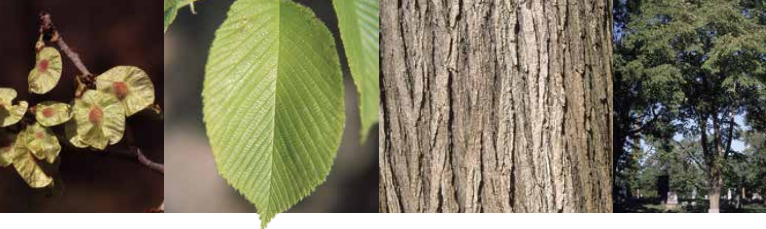
Identify this tree:
NATIVE: Slippery Elm— Ulmus Rubra
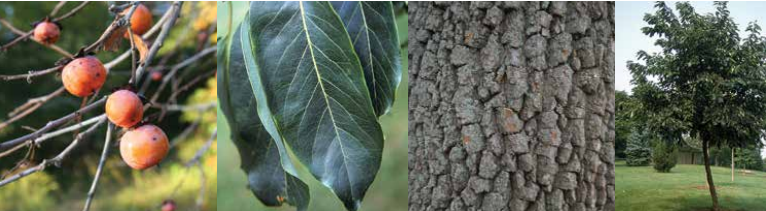
Identify this tree:
NATIVE: Persimmon— Diospyros Virginiana
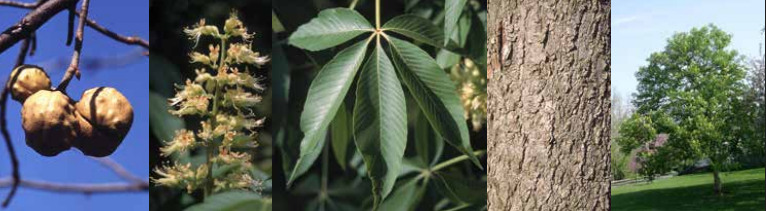
Identify this tree:
NATIVE: Ohio Buckeye— Aesculus Glabra
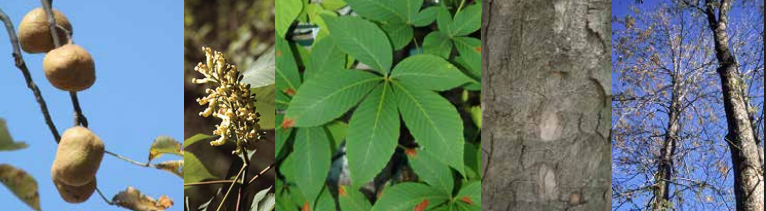
Identify this tree:
NATIVE: Yellow Buckeye— Aesculus Flava
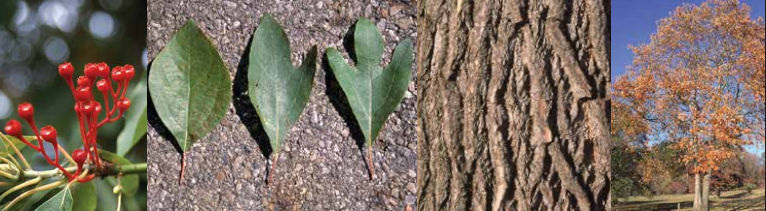
Identify this tree:
NATIVE: Sassafras— Sassafras Albidum
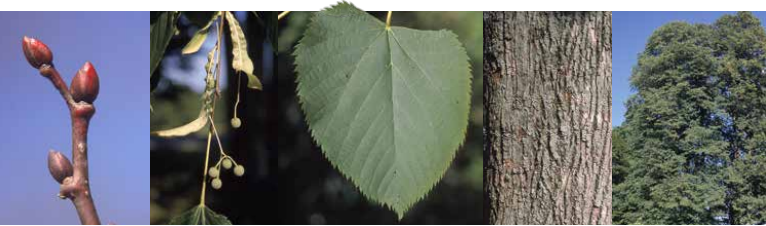
Identify this tree:
NATIVE: American Basswood— Tilla Americana
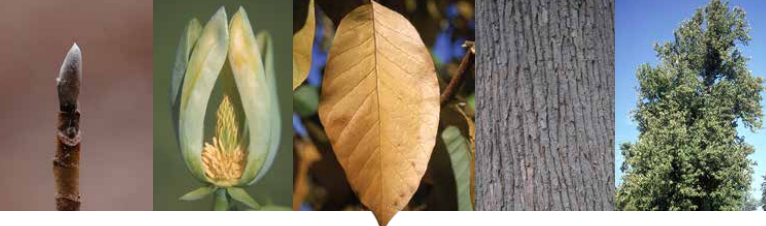
Identify this tree:
NATIVE: Cucumber Tree— Magnolia Acuminata
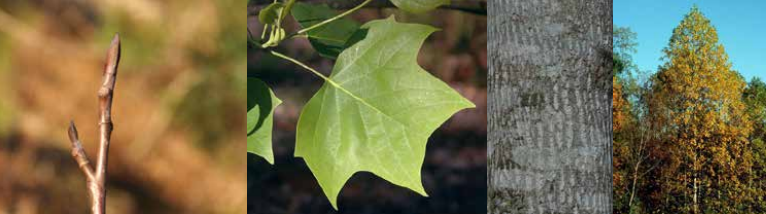
Identify this tree:
NATIVE: Yellow Poplar— Liriodendron Tulipifera
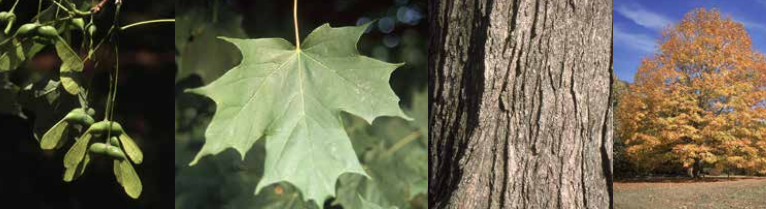
Identify this tree:
NATIVE: Sugar Maple— Acer Saccharum
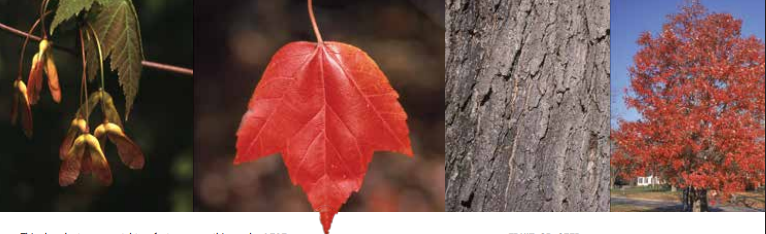
Identify this tree:
NATIVE: Red Maple— Acer Rubrum
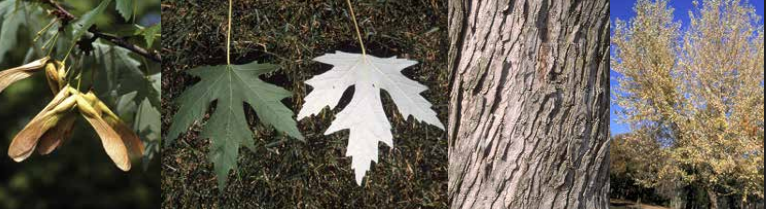
Identify this tree:
NATIVE: Silver Maple— Acer Saccharinum