Lecture 14: Macroevolution & Phylogenies
 Call Kai
 Learn
Learn Practice Test
 Spaced Repetition
 Match
Match Flashcards
 Knowt Play
1/38

Earn XP
Description and Tags
KRAMER - UH
Name | Mastery | Learn | Test | Matching | Spaced | Call with Kai |
|---|
No analytics yet
Send a link to your students to track their progress
39 Terms
macroevolution
evolutionary changes that result in new species
speciation
the process by which one ancestral species splits into two or more unique species
3 ways to classify an organism as a unique species
Morphological Features
Biological (Reproductive isolation)
Molecular Features
Morphological species concept
classification based on physical traits (shape, size and form)
species
a population that can interbreed in their natural habitat and share morphological and genetic/molecular similarities
convergent evolution
Two different species from different lineages show similar characteristics because they occupy similar environments
analogy
similar environmental pressures resulted in similar features evolving separately from each other
Reproductive Isolation
set of mechanisms that prevent different species from interbreeding and producing viable offspring
Prezygotic Barriers
Block Fertilization from occurring; factors that impede members of two species from interbreeding
Habitat isolation
members of different species never come in contact with each other when breeding
Temporal isolation
species reproduce at different times of the year.
Behavioral isolation
mating behavior differs
Mechanical isolation
morphological features are incompatible
Gametic Isolation
two species attempt to interbreed but gametes fail in successful fertilization
Postzygotic Barriers
Developmental errors or post birth problems that decrease the chance of surviving long enough to reproduce
Hybrid inviability
egg from one species is fertilized by the sperm of another, but the fertilized egg may not develop past embryonic stages
Hybrid sterility
an interspecies hybrid survives but it is sterile
Hybrid breakdown
the F1 interspecies is viable and fertile, but succeeding generations become increasingly inviable
Allopatric Speciation
population forms a new species while geographically isolated from its parent population
Sympatric Speciation
subset of a population forms a new species without geographic separation
adaptive Radiation
a single ancestral species gives rise to a wide array of descendant species.
Binomial Nomenclature
A Latinized two- name system used to classify organisms by their genus and species
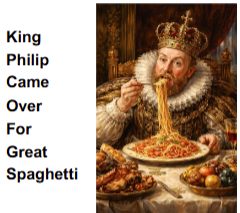
Taxonomic group (from broad to narrow)
Domain (largest)
Kingdom
Phylum
Class
Order
Family
Genus
Species (smallest)
Phylogeny
evolutionary history of a species or group of species
Phylogenetic tree
a diagram that describes the evolutionary relationships among various species, based on the information available
Anagenesis
single species evolves into a different species
Cladogenesis
a species diverges into two or more species
Paraphyletic group
Contains a common ancestor and some, but not all, of its descendants
Monophyletic group
Includes an ancestral species and all of its descendants
Polyphyletic group
Consists of members of several evolutionary lines and without the common ancestor