7. Conformity
 Call Kai
 Learn
Learn Practice Test
 Spaced Repetition
 Match
Match Flashcards
 Knowt Play
1/56

There's no tags or description
Looks like no tags are added yet.
Name | Mastery | Learn | Test | Matching | Spaced | Call with Kai |
|---|
No analytics yet
Send a link to your students to track their progress
57 Terms
Conformity
___________: the tendency for an individual to align their attitudes, beliefs, and behaviors with those of the people around them. We do it constantly in everyday life, its always operating (e.g., social norms, traffic rules)
Social Power (French & Raven 1950s)
There are five (maybe 6) forms of ___________
Reward
Coercive
Expert
Referent
Legitimate
Informational
Reward power
5 Forms of Social Power
___________: ability to provide rewards (money, approval)
“Vote for me and I’ll give you a tax break”
Requires monitoring, power disappears if reward stops
Don’t have to be smart, just need the reward
Coercive power
5 Forms of Social Power
___________: Ability to punish or threaten punishment (parking tickets, detention), don’t have to give it a lot of thought
Also requires monitoring, power weakens when authority is absent
Expert power
5 Forms of Social Power
___________: Influence based on perceived expertise (doctors, specialists, professionals)
Takes a lot of time to become one
Limited to a specific area
Others must recognize/accept you as the expert
Referent power
5 Forms of Social Power
___________: Influence based on admiration
“I want to be like them”
Ex. Nephew, unlimited supply of quarters wanting to grow up to be like him. Had control.
Ex. Celebrities
Legitimate power
5 Forms of Social Power
___________: Power derived from a role or title
“Doctor” power is by the title, suggesting his power is legit
Informational Power (added later by Raven)
5 Forms of Social Power
___________: Influence based on the quality of the argument/message.
Does not depend on status or expertise
If the message is persuasive, change can be long-lasting
High Status Influencers
__________________:can often influence behaviour, but compliance is often temporary
The doctor tells you to do something, you do it for a while then stop
Given antibiotic says you must take it for 10 days, people only take it for 5
Part of it is the communication, their knowledge is too advanced, you don’t know what’s wrong or what the order is
Doctor-Patient Relationship (Hofling)
High Status Influencers
__________________: Fake doctor called nurses
Ordered them to give 20mg of a drug (maximum allowed was 10mg)
21 of 22 nurses complied
Milgram Study (1963)
High Status Influencers
__________________: Participants told to administer electric shocks (50-60% went to max)
Yale University—a legitimate form of power
Experimenter in lab coat--Expert power
Some participants say coercive power
Peer Influences
__________________: A lot of influence comes not from above, but from our peers
Asch Study
Peer Influences
__________________:Participants judged which line matched a target line
Situation was unambiguous, confederates gave wrong answers
He didn’t see this as a study of conformity; he saw it as a study of independence.
Some people never conformed, but 75% did at least once
37% of responses were conforming
If you had two naïve subjects
If two naïve ss stuck together, few errors
If confederate joins ss then departs, ss joins group
If confederate joins ss eventually, ss no errors (ex. You win someone over, if you feel you are right)
Group size effects peak at 3 to 4 (don’t need 20 people all telling you it’s line a)
Normative influence
Peer Influences
__________________: We want to fit in with the group, so the group has influence on you (think of high school)
Decreases when:
Anonymity is present (private responses reduce pressure)
You are high-status in the group (unless you’re the leader)
Increases when:
Group attractiveness is high (you really want to belong)
Task is cooperative (you depend on the group)
You are low status in the group (unless you’re not invested)
Informational Influence
Peer Influences
__________________: people have information we need to make correct decisions
Ex. Law students sharing notes from different classes, relying on knowledgeable classmates or experts
Increases when:
Task is difficult
Situation is ambiguous
More difficult the class the more we need each other
Decreases when:
You have high self-esteem
You have high task skill
Low Status Influencers
__________________: Can Low-Status or Minority members influence us?
Usually we think it’s a one-way street
Down with Wayne, what could Wayne possibly do
Minority Advantages, Style of Dissenter
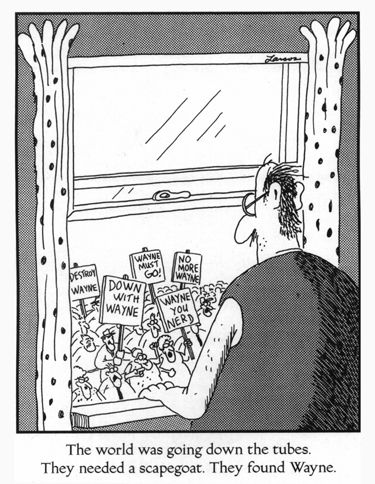
Minority Advantages
Low Status Influencers
__________________: people smaller in number and or status, have some advantages
Being the focus of attention: The dissenter stands out
Ex. 12 Angry Men movie, 1 juror disagrees with 11 others. The lone dissenter becomes central to discussion
Strong distortional traits: We assume they are confident and convicted, making internal attributions to them. They’re not going along with the situation
Presents a novel viewpoint: They disrupt the consensus, forcing reconsideration.Everyone thought he was guilty,
Being the focus of attention:
Minority Advantages
__________________:A lone dissenter stands out and draws the group’s attention.
Strong distortional traits
Minority Advantages
__________________:People assume dissenters are confident and strongly committed to their belief
Presents a novel viewpoint
Minority Advantages
__________________:The minority introduces new ideas that force the group to reconsider the consensus.
Style of Dissenter
Low Status Influencers
__________________: Minority influence depends heavily on how dissent is expressed, they must show:
Investment in the task, commitment: must be willing to stay and argue
Autonomy, independence in face of pressure: 11 people saying he’s guilty you must be independent
Consistent, logical, rational position: can’t yell not going to persuade anyone, must present a rational position,
Openminded, some concession to majority:
Investment and Commitment to the task
Style of Dissenter
__________________:The dissenter shows dedication by staying involved and continuing to argue their point.
Autonomy and Independence
Style of Dissenter
__________________: The dissenter maintains their view despite pressure from the majority.
Consistent logical Position
Style of Dissenter
__________________: The dissenter presents their argument calmly and rationally.
Openmindedness
Style of Dissenter
__________________: The dissenter is willing to consider the majority’s views and make small concessions.
In Defense of Troublemakers (Charlan Nemeth)
__________________: argues we need dissent to improve group decision-making, when we are exposed to consensus, our thinking narrows
The majority shapes the way we think whether we agree or not. If a group makes a decision very quickly, we immediately think it’s probably wrong. No conflict is the worst advice possible
While the majority is often right, it is not always true
Ex. asking people to weigh the cow, individually are wrong but the average is close
“Good decision making at its heart is divergent thinking. We think in multiple directions, seek information, consider factors on all sides of the issues and think about the cons as well as the pros.”
“Even when dissent is wrong, it stimulates thinking that is more divergent and less biased”
Ex. Like checking a math problem in multiple times can help you catch errors you wouldn’t have otherwise caught
“Never doubt a small group of thoughtful, committed citizens can change the world. Indeed, it’s the only thing that ever has”
Everything begins with one or two people disagreeing, most of the time people want to keep their heads down.
Nickelback: If everyone cared
Moscovici’s Minority Influence Study
__________________: Minorities influence through consistency. Reversed the Asch paradigm
Participants judged slide colors (blue vs. green)
2 confederates (minority) consistently said “green” when it was blue
Results:
If minority was consistent→9% of the time people agreed
If they sometimes said blue but other times green → no influence
In a control nobody said green
Persuasion
__________________: deliberate attempt to change attitudes, someone intentionally tries to convince you of something
Yale Attitude Change Approach
__________________: 1940s—US government wanted to know “how do we persuade citizens to support the war?”
Research at Yale University by Carl Hovland and others
“Who says what to whom?”
Who says what to whom: (The source)
Yale Attitude Change Approach
__________________: Research looking at what kind of argument is persuasive
One vs. Two-Sided Messages:
One-Sided: Only presents your side. Works best when the audience already agrees. “We are all in need of a break”
Two-sided: Acknowledge the other side first, then refute it. More persuasive when audience disagrees.
Suggested you must read the audience
Who says what to whom (the message)
Yale Attitude Change Approach
________: fear is often used, but it doesn’t work often. It works best when the threat is severe, or you’re getting people to respond quickly
It often leads to short term changes. Its simplistic and doesn’t do what you want people to do
People freeze (not fight or flight). But you want people to do something
Ex. Plane crash survivor, flying afterwards he actually listened to the safety speech and knew what to do next time, didn’t freeze
Ex. Your brain on drugs commercials
Who says what to whom (The audience)
Yale Attitude Change Approach
___________: The young are most easily persuaded.
Central vs. Peripheral Routes to Persuasion
___________: Ideally you have both working together. Strong arguments matter but appearance and presentation also influence persuasion
Central Routes
Peripheral Routes
Central Routes
___________: focus on the quality of the argument, careful thinking
Ex. Before television, presidential debates were on the radio, which captures argument quality
In 1960, Radio listeners thought Nixon won (stronger arguments)
Peripheral Routes
___________: Focus on appearance, confidence
In 1960, TV viewers overwhelmingly thought Kennedy won, Nixon did not have a good appearance. Which shouldn’t matter but it did.
But it also doesn’t matter how good you’re looking if you have terrible arguments
Attitude Inoculation
___________: Give weak arguments against a belief, builds resistance to stronger future persuasion
protect people from being persuaded like a vaccination for attitudes
Ex. Give children weak arguments for brushing their teeth (“toothbrushes are fun to play with”), and later when confronted with more difficult arguments were able to counter them. Same with smoking.
Influence: The Psychology of Persuasion (New School)
___________: One of the best-selling psychology books ever written, studied persuasion in real-world setting and identified Six “Weapons of Influence”
Prefaced with Fixed Action Patterns (Click Whirr)
The 6 Weapons of Influence
Fixed Action Patterns (Click Whirr)
___________: Humans often respond automatically, like instinctual animal responses
Excuse me, I have five pages. May I use the copier?
No reason → 65% effective
Excuse me, I have five pages. May I use the copier because I’m in a rush?
95% effective
Excuse me, I have five pages. May I use the copier because I have to make some copies?
94% effective
People listen for the word “because”, then they stop listening. People are mindless, it doesn’t really matter what they say after that. We respond automatically to cues
The 6 Weapons of Influence
Reciprocation
Door in the Face Technique
Commitment and Consistency
Foot in the Door Technique
Social Proof
Liking
Authority
Scarcity
Reciprocation
The Six Weapons of Influence
___________: we feel obligated to return favors
Ex. Sending Christmas cards to strangers → many sent cards back
Painting Study
Confederate leaves and returns with either nothing or a Coca-Cola
Later asks participants to buy raffle tickets
Those given Coke bought tickets
Coke costs 5¢, tickets cost 50¢-$1
People often spent more than the gift was worth, the only way they can reciprocate is by losing
It didn’t even matter if they liked or disliked the person
Krishna movement
Gave flowers in airports, people felt obligated to give money, flowers were thrown away and reused
Amway Products
Leave products at your house, they will pick up what you don’t use. People feel pressure to buy.
Door in the face technique
Door in The Face Technique
Reciprocation—The Six Weapons of Influence
___________: Ask for something huge, get rejected, then ask for something smaller. People feel you’ve made a concession—they reciprocate
Ask a two-year commitment to take kids to the zoo, they say no. You ask to just chaperone today, they say yes. In a sense they owe you.
Commitment and Consistency
The Six Weapons of Influence
___________: We want to appear consistent with prior commitments
Horse Betting Study--Knox & Inkster
Before placing bet -> low confidence
After placing bet > confidence increases
Commitment strengthens belief
Marriage Proposals, hard to back down after saying yes
Beach study:
Ask someone to watch your belongings
Later someone tries to steal them
If they agreed earlier, they intervene
Foot in the door Technique
Foot in The Door Technique
Commitment & Consistency—The Six Weapons of Influence
___________: Small request first, later large request.
Ex. Asking to put a little sticker in your window, then later can we stick a huge sign in your front lawn? 50% agreed, because they’ve made a commitment to safe driving
Often used in cult recruitment
Social Proof
The Six Weapons of Influence
___________: We look to others to decide what is correct behaviour. If others are doing it, it must be right.
Ex. Have you ever seen an empty tip jar? That something is what they’re expecting you to do
Ex. All in The Family show, didn’t use a laugh track. Thought you need to tell people when it was funny so filmed in front of a live studio audience.
“Professional Shoppers”: hired to fill a store
Liking
The Six Weapons of Influence
___________: We are more persuaded by people we like, or want to buy from people we like
Ex. Car salespeople find similarities with you
Tupperware parties—hosted by your friends
Authority
The Six Weapons of Influence
___________: We obey perceived experts or authority figures
Ex. Mechanics telling you repairs are needed
People in uniform telling you to put money in a parking meter
Resubmitted academic papers:
When labeled from “Harvard” → Accepted
When labelled from "Tri-Valley Center for Human Potential” → 11/12 rejected
Scarcity
The Six Weapons of Influence
___________: We value things more when they are limited
Ex. New Coke, getting rid of the Old Coke
Concorde crash → crashed in Paris in the city and stopped flying. The final month of flights every seat was booked
Taylor Swift tickets—if she had a concert every night, the sales wouldn’t be so high
Pre-suasion
___________: Said persuasion depends heavily on what happens before the message, the moment before matters (kind of like Priming)
Men stopped and asked “Do you know where Valentine/Central Street is”
Later an attractive woman approached them and asked for help dealing with men bothering her.
Priming with “Valentine” activated behaviour
This book is not great
Persuasion from a Theory of Planned Behaviour Perspective (TPB)
____________: Why people do or do not perform a behaviour. If someone is not doing what you want, why aren’t people already doing what I want it usually comes down to:
Attitudes
Subjective Norms
Perceived Behaivoural Control
Behavioural Intention
Effective persuasion depends on diagnosing why someone is not persuaded.
If they think it’s a good idea but don’t know how, then make it easier. Talk to a different set of friends
Attitudes
___________:They don’t think the behaviour is a good idea!
Ex. I don’t need a new phone, mine works fine
Subjective Norms
___________: They believe important others disapprove of the behaviour
Ex. My friends think upgrading is a waste of money
Perceived Behavioural Control
___________: They feel unable or unsure about performing the behaviour.
Ex. You don’t know how to go and get a new phone
Behavioural Intention
___________: Good intentions are not translated into action
Ex. you won’t get around to buying a new one, even if they intend to
The Art of Great Speeches
________: Public speaking has been a persuasive tool for thousands of years (dating back to classical rhetoric in Ancient Greece). Effective speeches depend heavily on understanding the audience. Aristotle identified:
Emotion (Pathos)
Character (Ethos)
Logic & Evidence (Logos)
People think of the Gettysburg Address when thinking of the Great Speeches. It was short but powerful.
Emotion (Pathos)
____________: Appeals to feelings. Can inspire, move, anger or motivate an audience, most effective when aligned with the audiences’ values. Not every speech aims for strong emotion (ex. A math lecture)
Ex. Harry Smiths goal was to invoke _________
Character (Ethos)
____________: The speakers perceived credibility, authority, and moral character. Can come from age, experience, shared identity.
Ex. Harry Smith was older; you’re supposed to listen to your elders. Gives him the “right” to speak
Logic and Evidence (Logos)
____________: Use of reasoning, facts, statistics, and structured arguments