Friday 11/13 Quiz 31: Drug addiction
 Multiple Choice & FRQ
 Call Kai
1/14

Earn XP
15 Terms
Psychoactive Drugs
Chemicals that change the chemistry of the brain (and the rest of the body) and induce an altered state of consciousness
Drugs gradually alter the natural levels of neurotransmitters in the brain- the brain will produce less of a specific neurotransmitter if it is being artificially supplied by THESE

Expectations and Drug Use
The behavior of and experience of drugs can depend on the expectations of the user
Similar to the placebo effect
If someone thinks a drug will make them feel or act a certain way, then those expectations can become reality

Tolerance
The brain will produce less of a specific neurotransmitter if it is being artificially supplied by a psychoactive drug
The physiological change produces THIS, a need for MORE of the same drug in order to achieve the SAME effect
Will eventually cause withdrawal symptoms in users

drug dependence (addiction)
THIS can be psychological, physical, or both
Psychologically dependent individuals feel an intense desire for the drug; they are convinced they need it in order to perform or feel a certain way
Physically dependent individuals have a tolerance for the drug, experience THESE symptoms without it, and need the drug to avoid the withdrawal symptoms

Withdrawal
the physical discomfort and distress that follow discontinuing the use of an addictive drug
Symptoms vary from drug to drug
For example, heroin addicts will become "dope-sick" with flu-like-symptoms for two days upon quitting the drug, but coffee addicts will get a headache upon quitting caffeine

pleasure center of the brain
"HYPE DOPE": Located in hypothalamus- "The Dopamine Reward Center"
Reward center gives pleasure rewards for eating, drinking, and sex
These rewards centers can also be the reason why gambling, drugs like cocaine and opiates, and checking your phone is so addictive
DRUGS will artificially supply dopamine so ADDICTS will then have the body produce LESS actual dopamine - so an addict becomes unhappy and unmotivated without the drug
Addicts have trouble enjoying life because of the drug damages this system

agonists
drugs which mimic the activity of a particular neurotransmitters

antagonists
drugs that block the function of a particular neurotransmitter

reuptake inhibitors
Drugs that interfere with the reuptake of neurotransmitters so that a greater amount of this same neurotransmitter remains to be used again, increasing the effect of the neurotransmitter
Opioids
Category of drug that are prescribed as pain killers, these drugs elevate ENDORPHIN levels and activate the pleasure of DOPAMINE.
Drugs examples: heroin and Oxycontin
EXTREMELY physically addictive drugs
Extreme withdrawal "dope-sick" symptoms - violently ill for days with muscles aches, stomach pains, fever, and vomiting
People addicted to these drugs aren't necessarily doing the drugs to get high anymore, but are using the drug to avoid being "dope-sick"
HIGHLY ADDICTIVE AND HIGH RISK FOR OVERDOSE

When you see someone overdosing
Call 911 immediately.
You will NOT get arrested.
You might save a life.

Depressants
Category of drugs that cause DECREASED neural activity- Slow down body processes, activates PARASYMPATHETIC nervous system and slows our reactions and judgement, by slowing down brain processes
Drug example: Alcohol
Euphoria accompanies the depressing effects of depressants, and continued use leads to tolerance and withdrawal symptoms

Stimulants
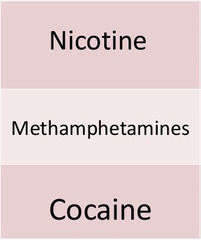
Category of drugs that cause INCREASED neural activity- Speed up body processes, including SYMPATHETIC nervous system functions such as heart and respiration rate - also highly addictive
Drug examples: Caffeine, cocaine, nicotine
All THESE produce tolerance, withdrawal effects, and other side effects (disturbed sleep, reduced appetite, increased anxiety, and heart problems)
Hallucinogens
Cause distortions in perception and/or cognition - changes in perceptions of reality, including sensory hallucinations, loss of identity, and vivid fantasies
Drug examples: marijuana and psilocybin mushrooms
hallucinations
false sensory experiences, such as seeing something in the absence of an external visual stimulus.
Can be caused by drugs, mental disorders, or even falling asleep