7-1: Introduction to War in International Relations: Types, Causes, and Theories
 Call Kai
 Learn
Learn Practice Test
 Spaced Repetition
 Match
Match Flashcards
 Knowt Play
1/24

There's no tags or description
Looks like no tags are added yet.
Name | Mastery | Learn | Test | Matching | Spaced | Call with Kai |
|---|
No analytics yet
Send a link to your students to track their progress
25 Terms
What is the definition of war?
An event involving the organized use of military force by at least two parties that reaches a minimum threshold of severity.
What are the three important components of war?
1. Organized use of military force, 2. At least two parties, 3. Minimum threshold of severity (often at least 1,000 battle deaths).
What distinguishes interstate war from civil war?
Interstate war involves states as main participants, while civil war involves participants within the same state.
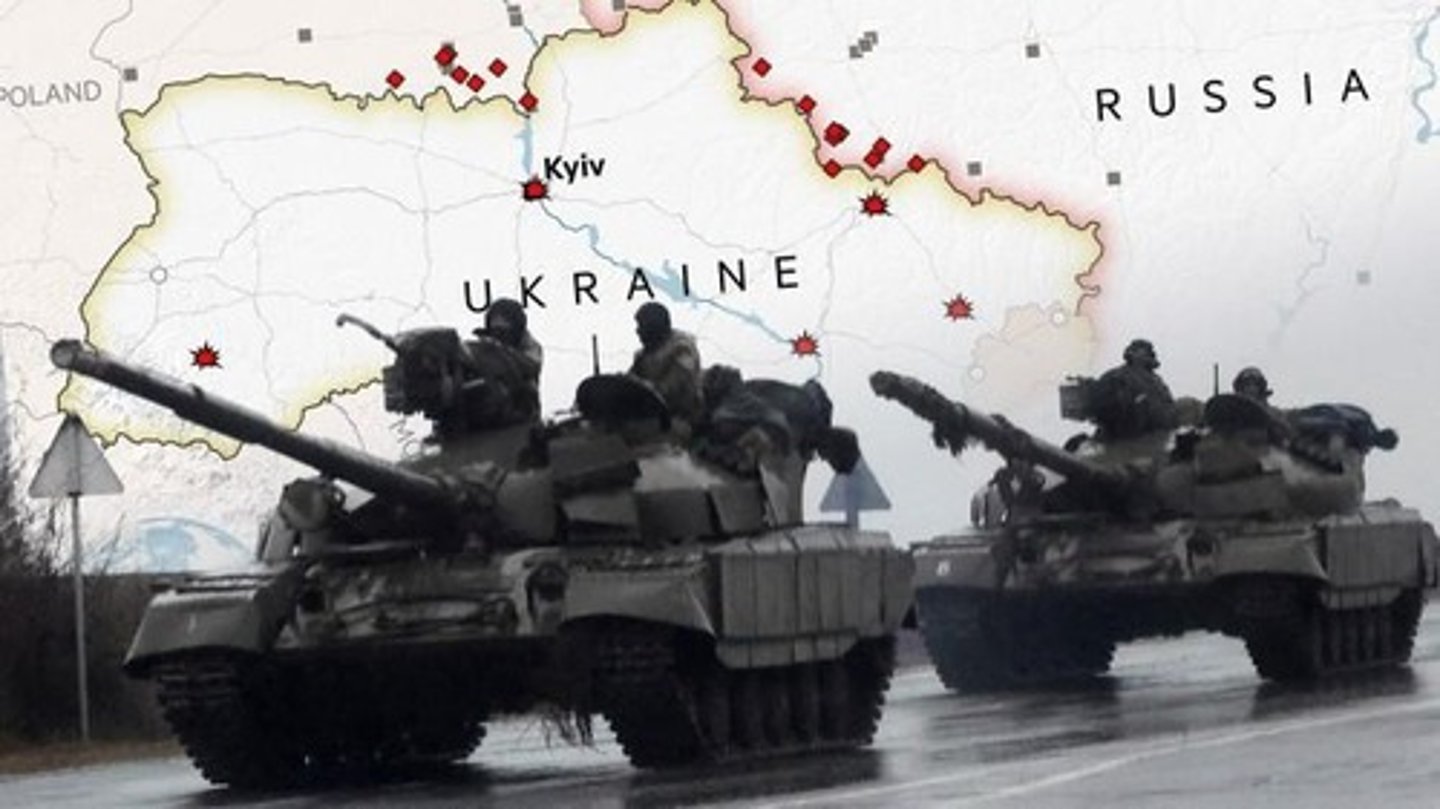
What is an example of interstate war?
The Russia-Ukraine War or World War I and II.
What is an example of civil war?
The Chinese Civil War or the Syrian Civil War.
What does (Neo)realism suggest about why states engage in war?
It suggests that states engage in war due to anarchy, security dilemmas, misperceptions, and domestic actors' interests.
What is the security dilemma?
An increase in one state's security measures may make other states feel insecure, potentially triggering an arms race.
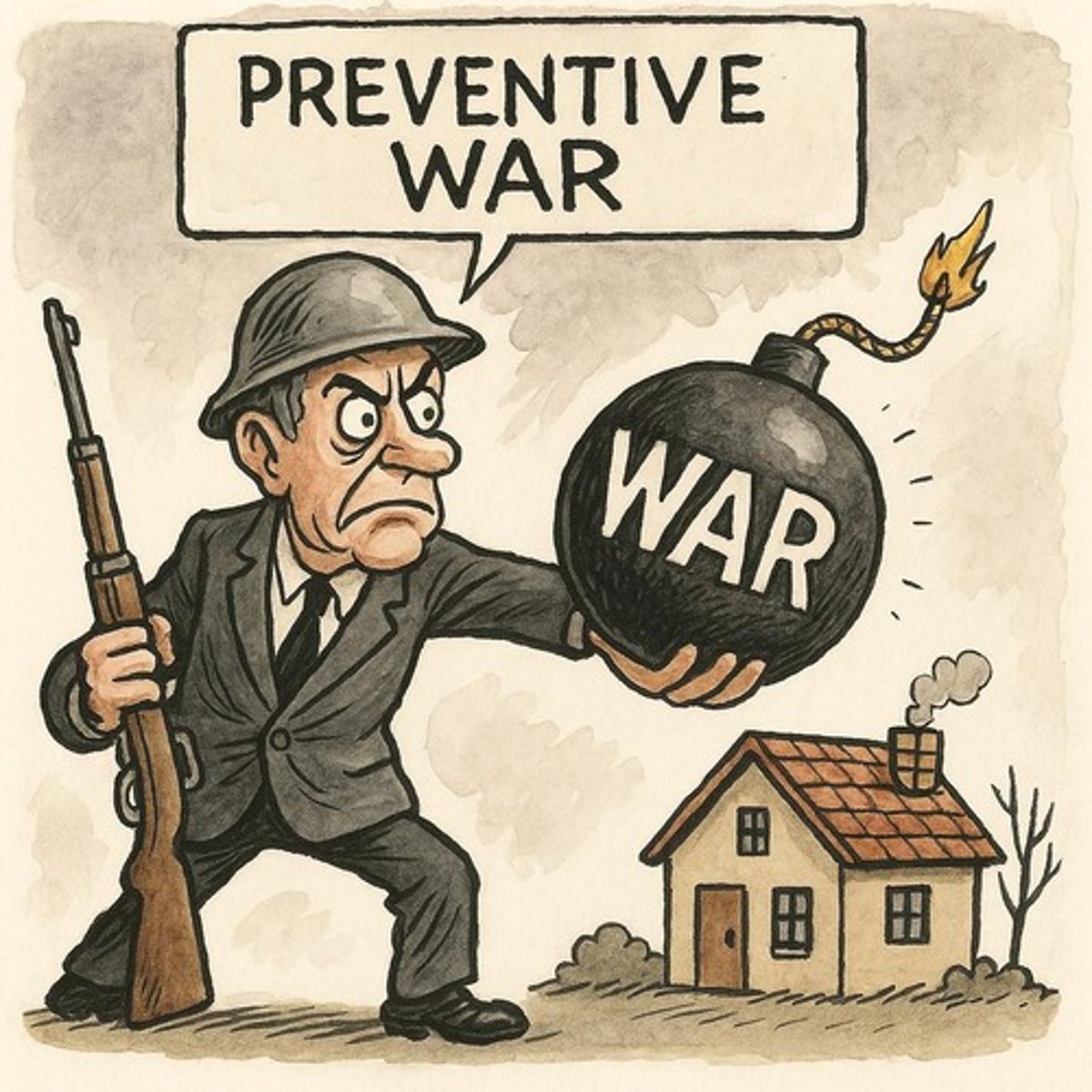
What is the difference between preemptive and preventive war?
Preemptive war is fought under the anticipation of an imminent attack, while preventive war is initiated to neutralize a perceived future threat.
What is a preemptive war?
A war fought under the anticipation that an attack by the adversary is imminent, often justified under international law.
What is a preventive war?
A war initiated to neutralize a perceived future threat, often lacking immediate justification.
What was the rationale behind the Iraq War (2003)?
The U.S. led the invasion based on the belief that Iraq could develop weapons of mass destruction and become a future threat.
What is the 'rally effect' in the context of war?
The tendency for people to become more supportive of their government in response to dramatic international events, such as crises or wars.
What role do domestic actors play in the decision to go to war?
Wars can serve the interests of domestic actors like politicians, corporations, and the military, often without bearing the costs themselves.
What is a common misperception that can lead to war?
Decision makers may inaccurately estimate their chances of winning or the costs of war, leading to conflict.
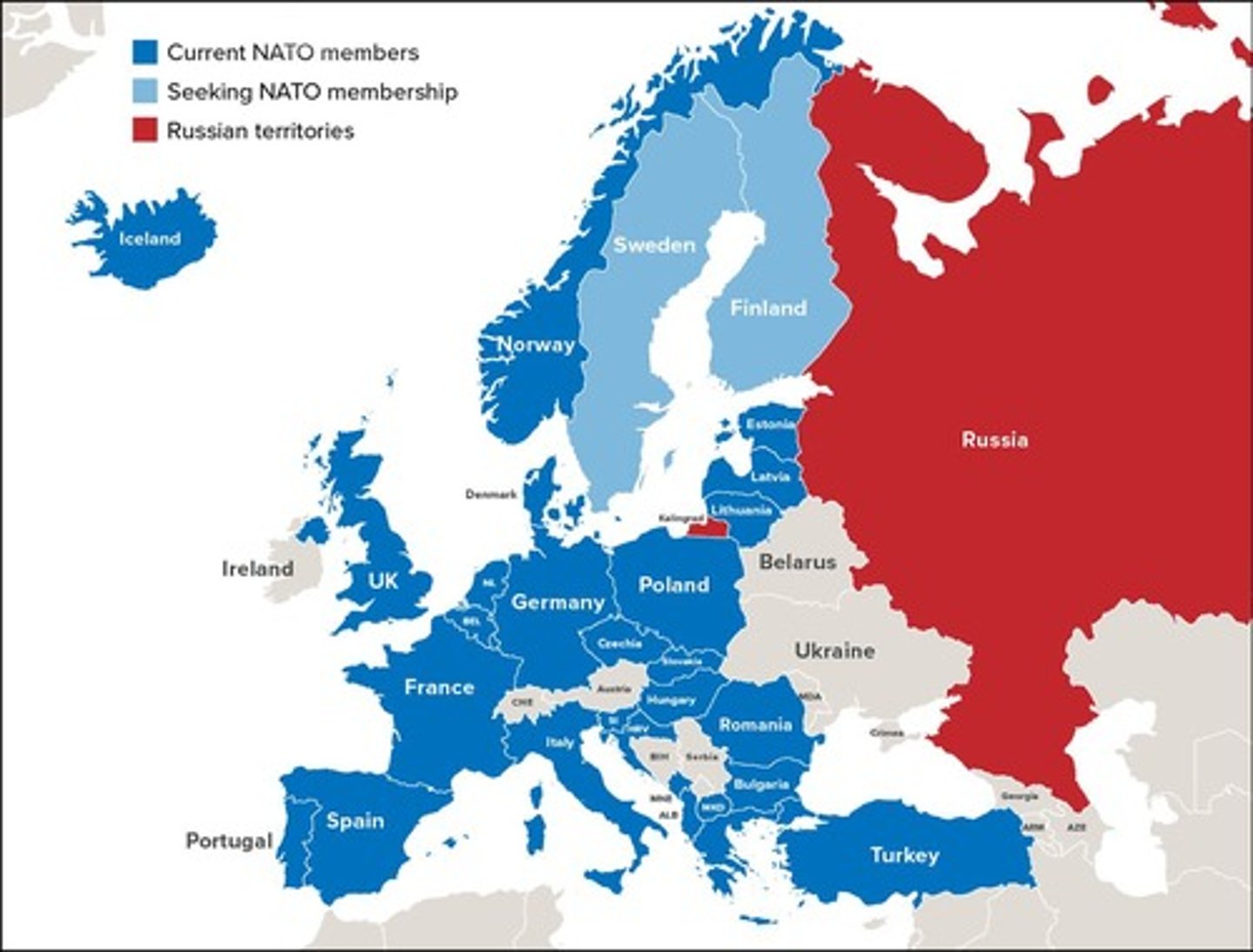
What did John Mearsheimer argue about the West's role in the Russia-Ukraine conflict?
He claimed that the West, particularly the U.S., is principally responsible for the crisis due to NATO's eastward expansion and relations with Ukraine.
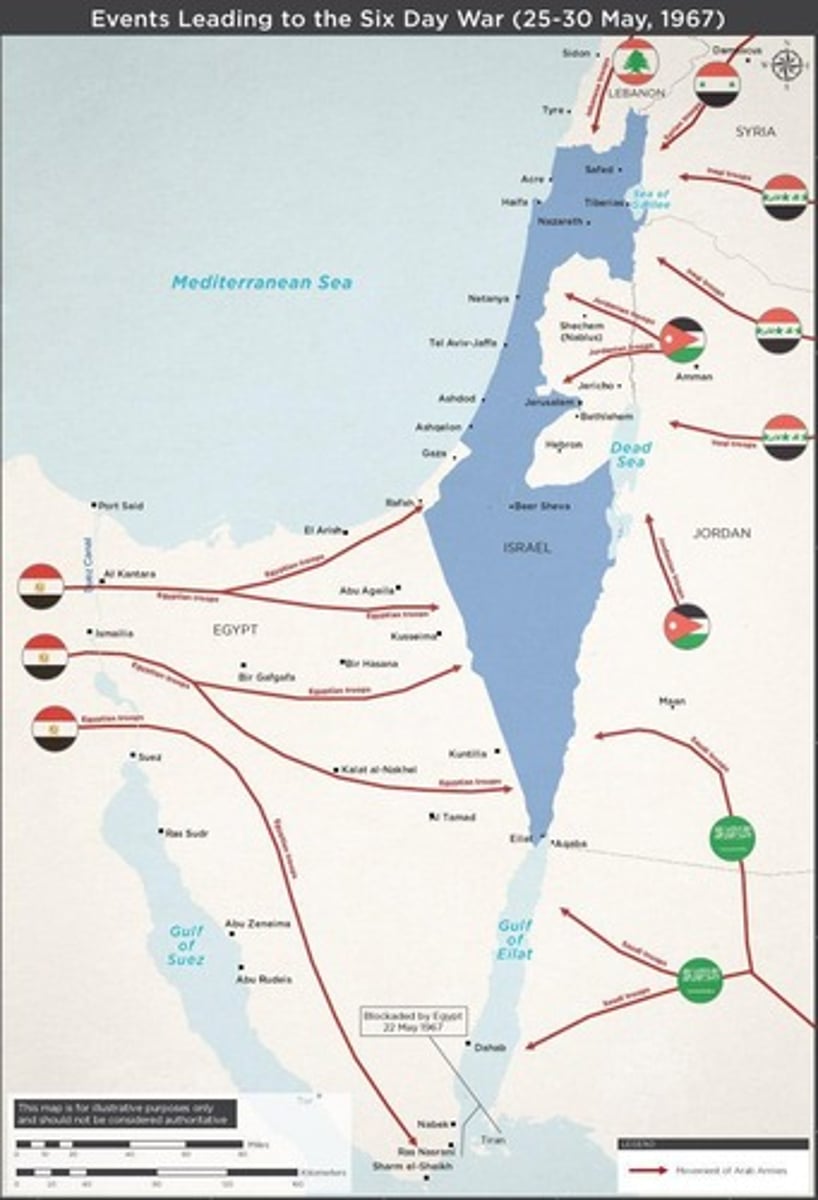
What was the outcome of the Six-Day War (1967)?
Israel launched airstrikes against Egypt, believing an attack was imminent due to military buildup at the border.
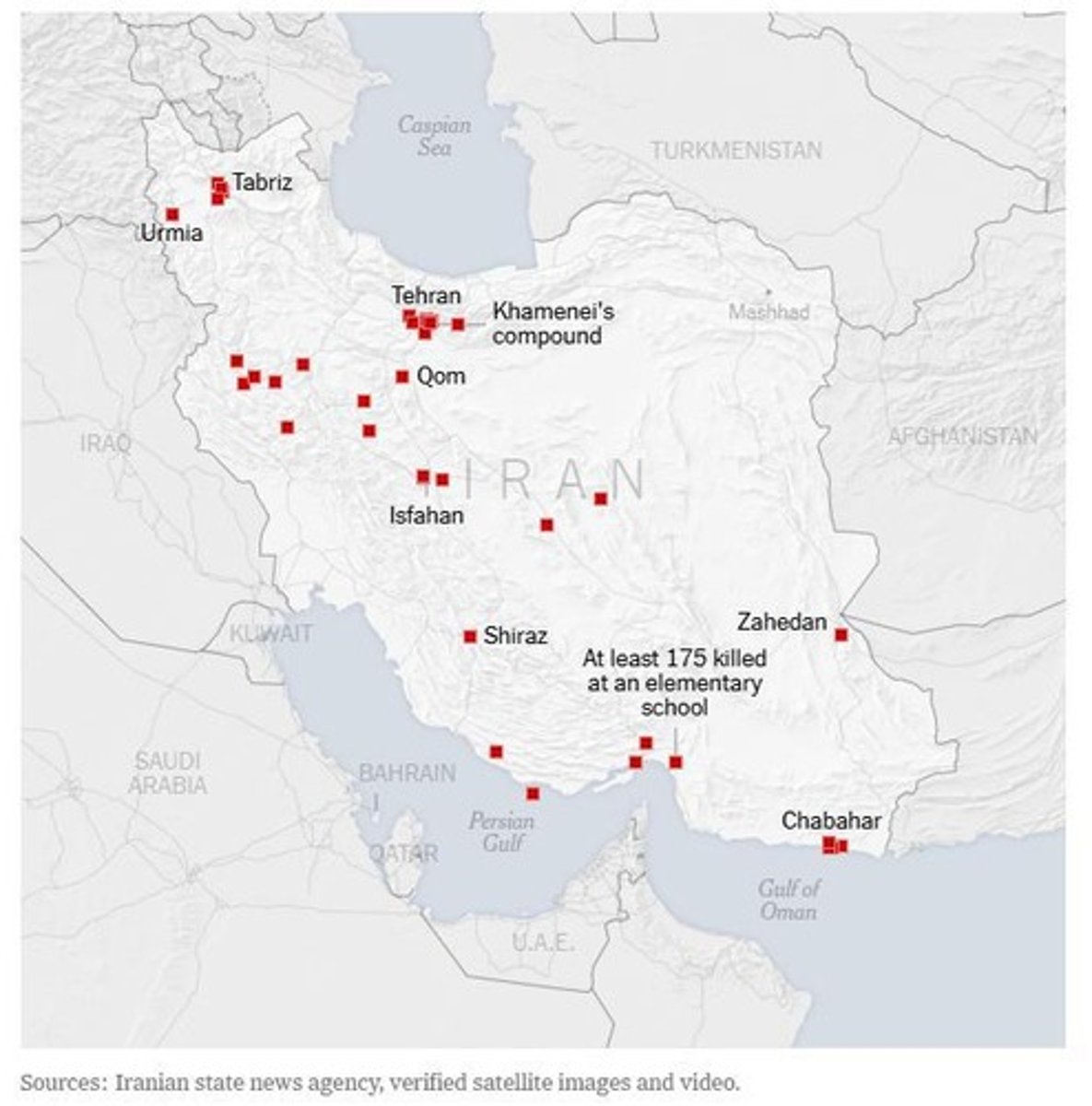
What is the significance of the 2026 attack on Iran by the U.S. and Israel?
It raises the question of whether it was a preemptive or preventive strike aimed at halting Iran's nuclear program.
What is the minimum threshold of severity for an event to be classified as war?
Typically, at least 1,000 battle deaths are required.
What is the primary focus of the course on war in international relations?
The course focuses on interstate war.
What is an example of a misperception leading to war?
The U.S. invasion of Iraq in 2003 based on the mistaken belief that Saddam Hussein possessed weapons of mass destruction.
What does the term 'anarchy' refer to in (Neo)realism?
The absence of a central governing authority on the international stage, leading states to rely on self-help.
What is the concept of 'balance of power' in defensive realism?
States seek to maximize their security by balancing against other states to prevent power imbalances.
What is the cognitive psychology perspective on decision-making in war?
People often struggle to weigh risks accurately and may fall prey to wishful thinking.
What is the significance of the term 'organized use of military force'?
It distinguishes war from spontaneous violence, such as riots.
What does the term 'mass killings' refer to in the context of war?
Violence perpetrated by a government against a group not fighting back, which is not classified as war.