Human Anatomy & Physiology I: Key Concepts and Systems Review
 Call Kai
 Learn
Learn Practice Test
 Spaced Repetition
 Match
Match Flashcards
 Knowt Play
1/23

There's no tags or description
Looks like no tags are added yet.
Name | Mastery | Learn | Test | Matching | Spaced | Call with Kai |
|---|
No analytics yet
Send a link to your students to track their progress
24 Terms
Anatomy
The study of structure and location of body parts.
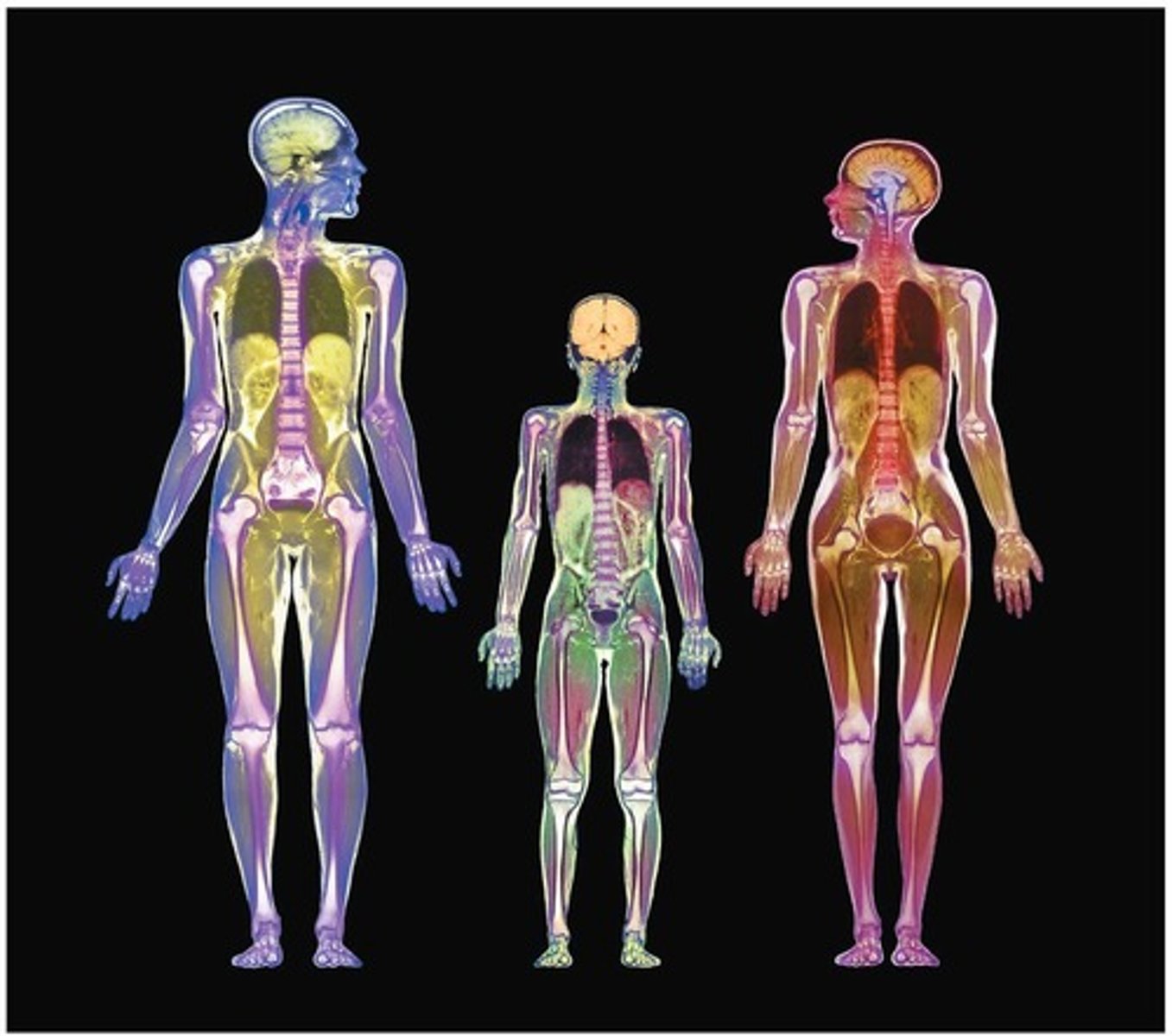
Physiology
The study of function of body parts.
Homeostasis
The maintenance of a stable internal environment in the body.
Macromolecules
Large molecules essential for life, including proteins, carbohydrates, nucleic acids, and lipids.
Covalent bond
A chemical bond formed by the sharing of electrons between atoms.
Ionic bond
A chemical bond formed through the transfer of electrons from one atom to another, resulting in charged ions.
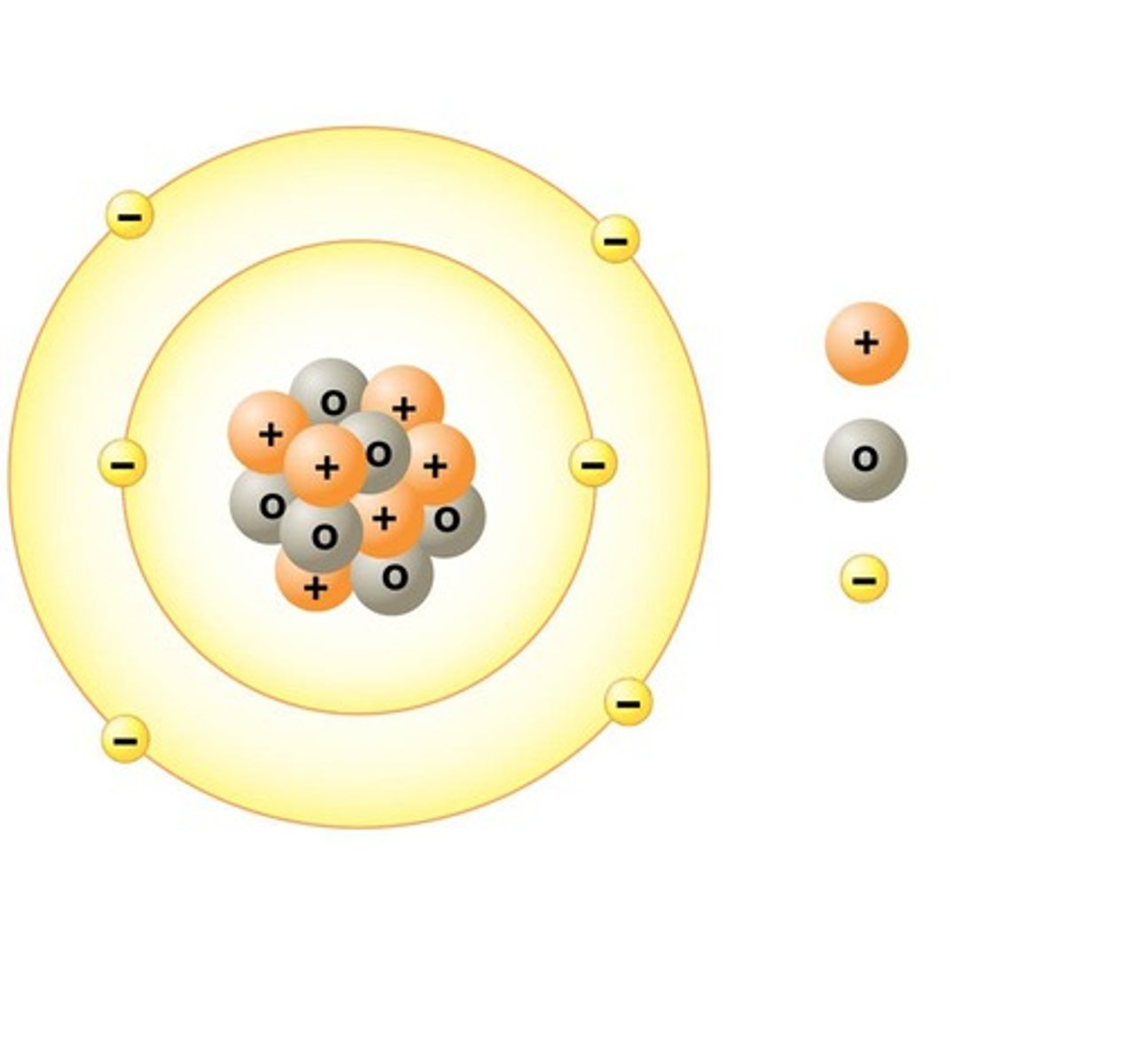
Proton
A positively charged particle found in the nucleus of an atom.
Neutron
A neutrally charged particle found in the nucleus of an atom.
Electron
A negatively charged particle that orbits the nucleus of an atom.
Cellular respiration
The process by which cells convert glucose and oxygen into energy, carbon dioxide, and water.
Transcription
The process of copying a segment of DNA into RNA.
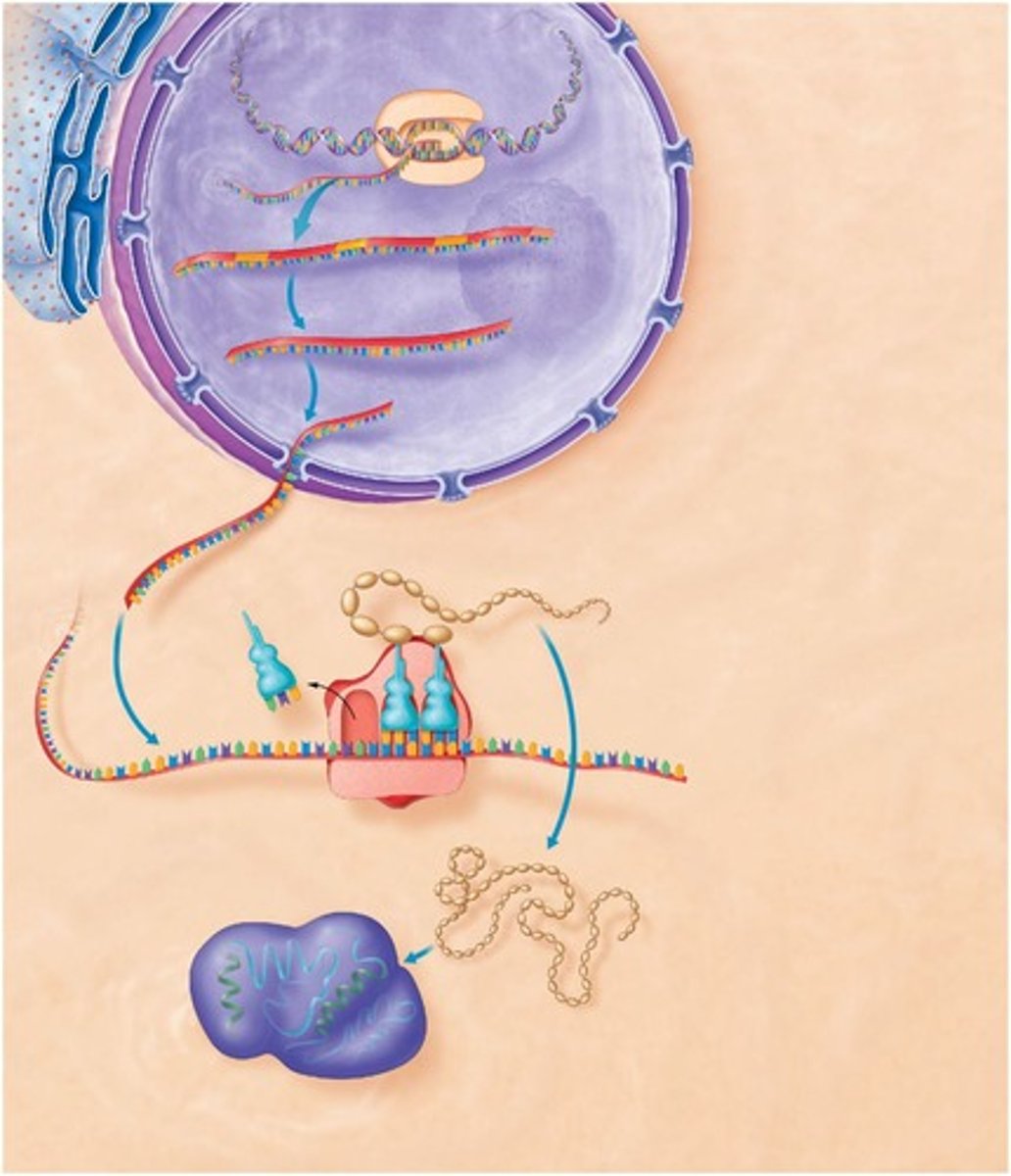
Translation
The process of synthesizing proteins from RNA.
Mitosis
A type of cell division that results in two identical daughter cells.
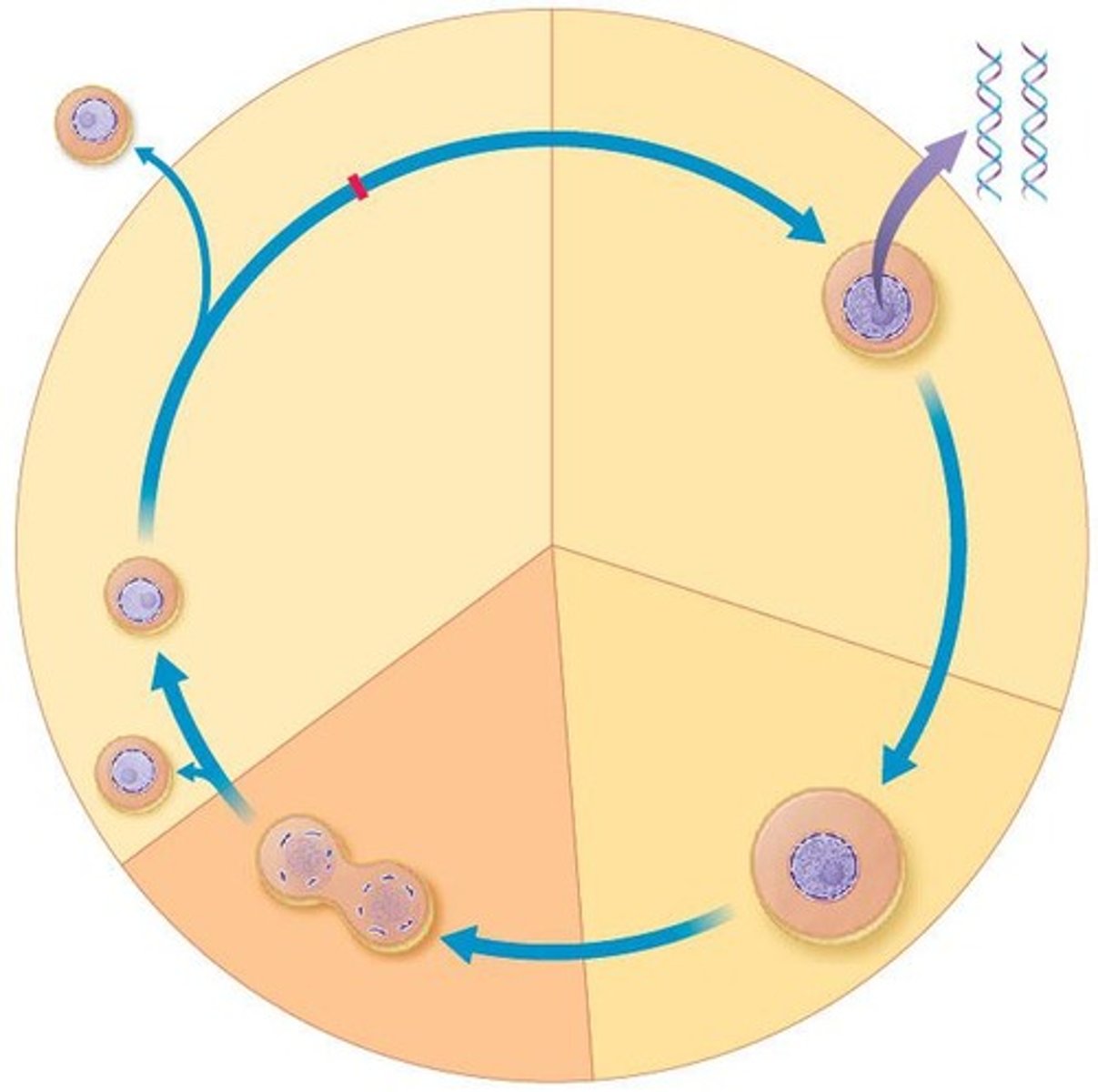
Meiosis
A type of cell division that reduces the chromosome number by half, producing gametes.
Tissue
A group of cells that work together to perform a specific function.
Organ
A structure composed of different types of tissues that work together to perform specific functions.
Organ system
A group of organs that work together to perform complex functions.
Extracellular fluid (ECF)
The fluid outside of cells that provides a medium for cellular processes.
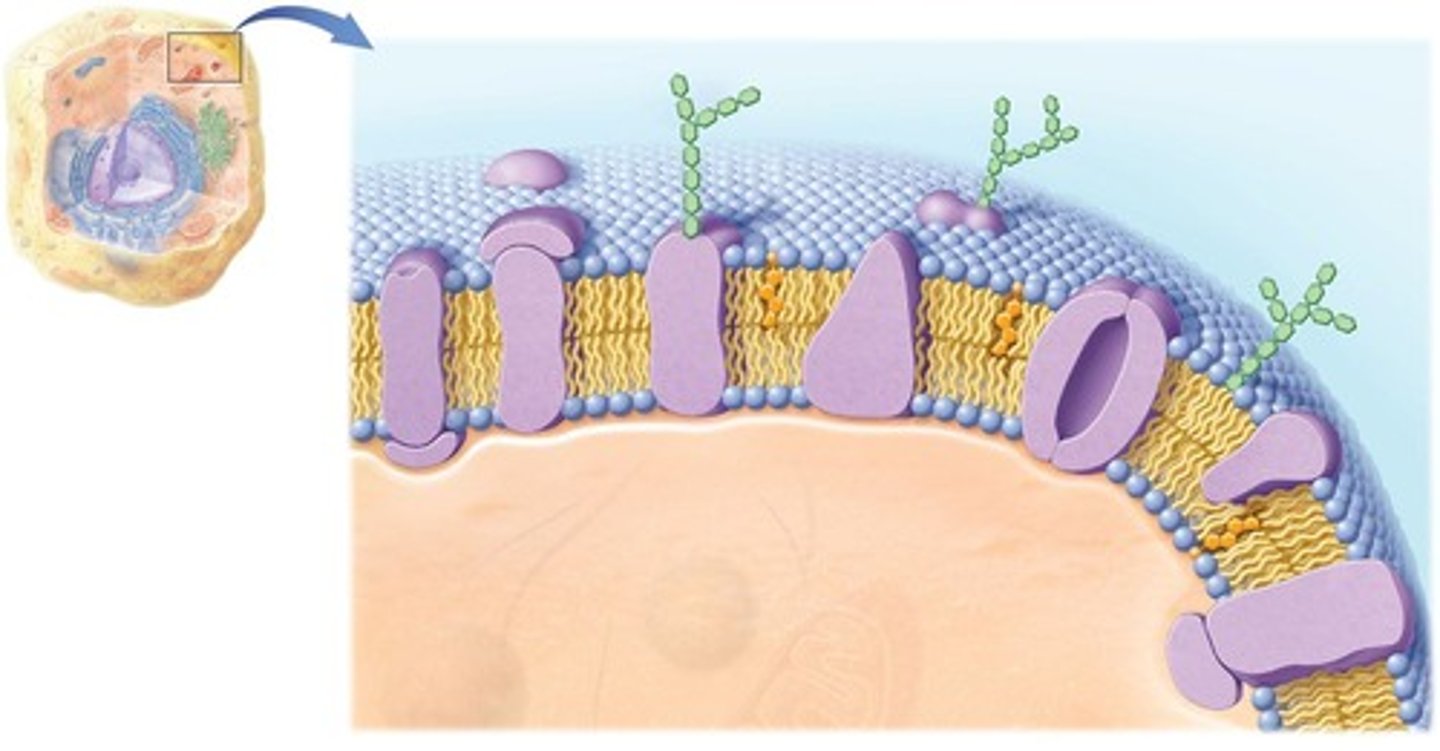
Plasma membrane
The membrane that surrounds and protects the cell, controlling the movement of substances in and out.
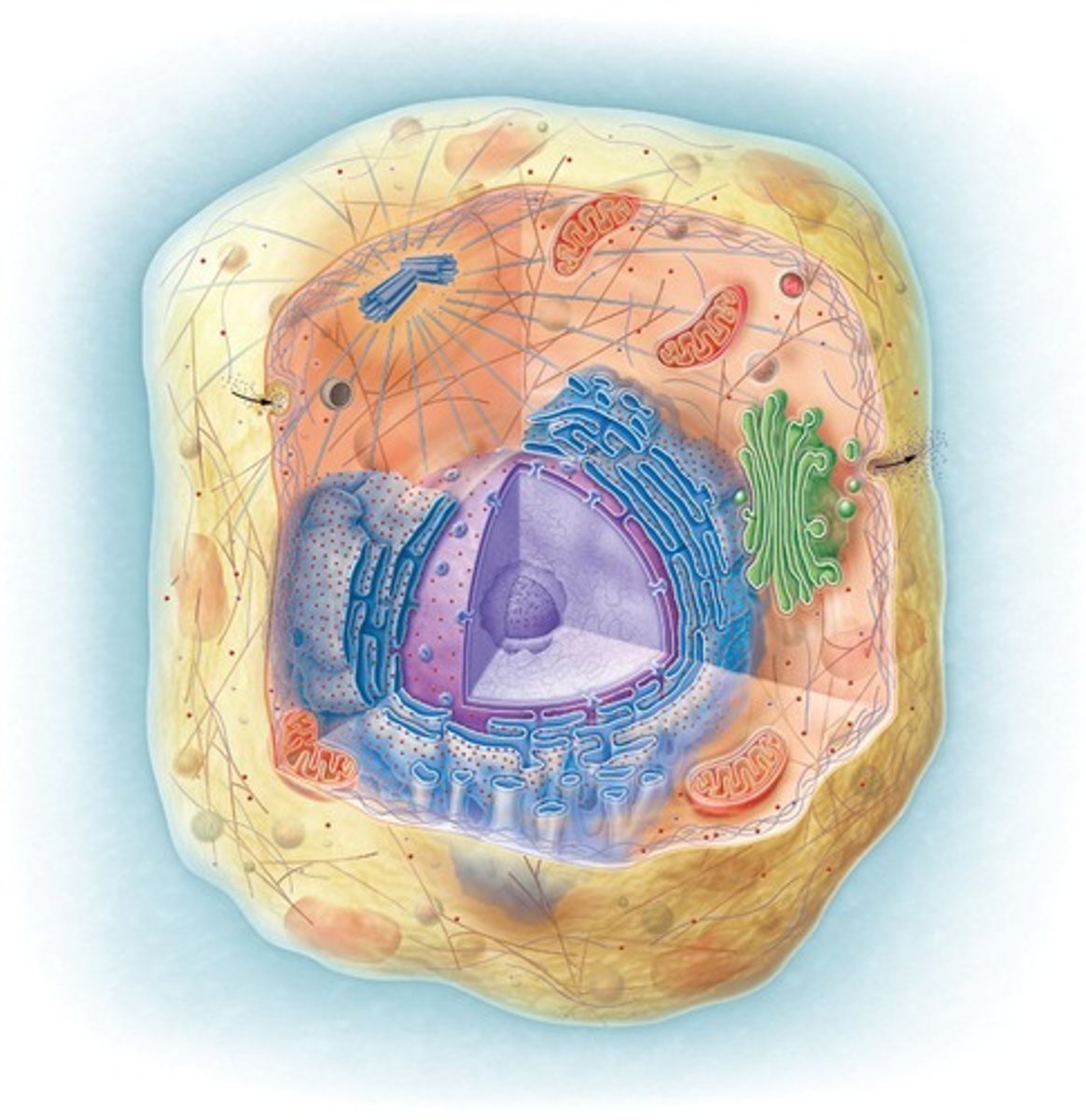
Cytoplasm
The jelly-like substance within a cell that contains organelles and is the site of many cellular processes.
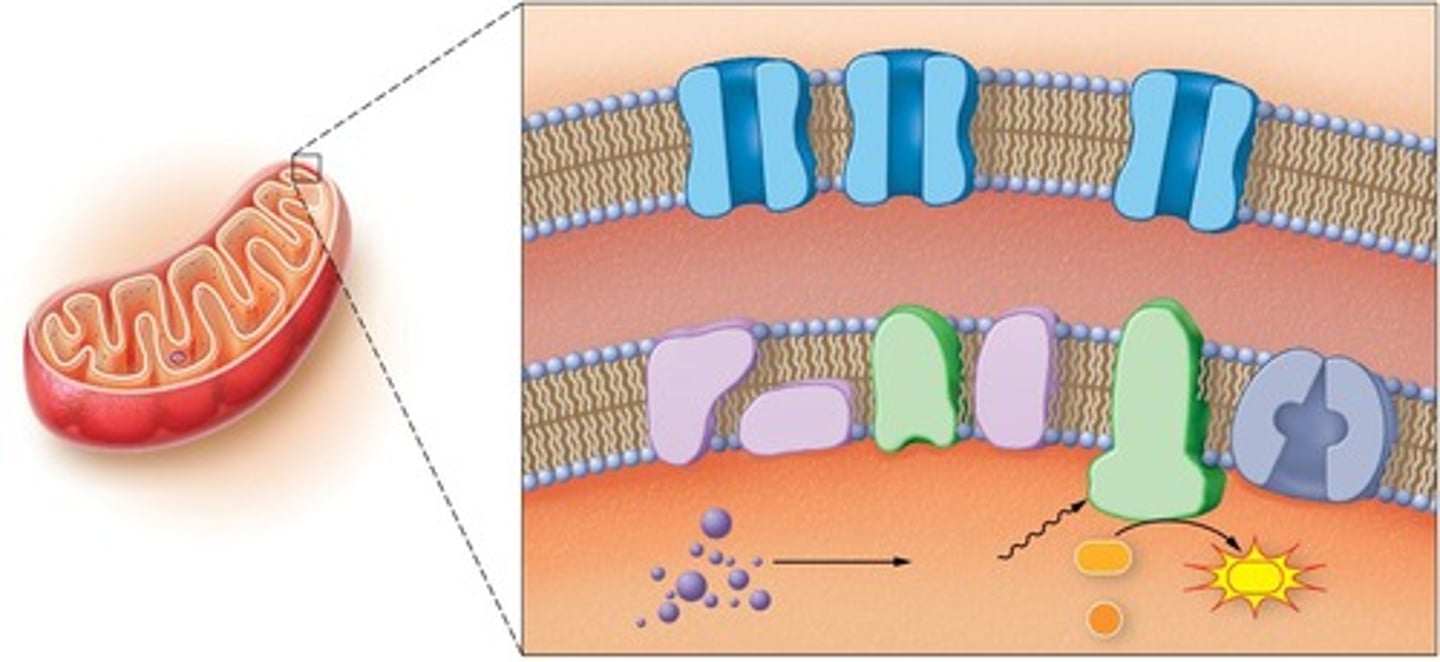
Mitochondrion
An organelle that produces ATP through cellular respiration.
Negative feedback
A control mechanism that counteracts a change to maintain homeostasis.
Core concepts of anatomy and physiology
Fundamental principles that guide the understanding of the structure and function of the human body.
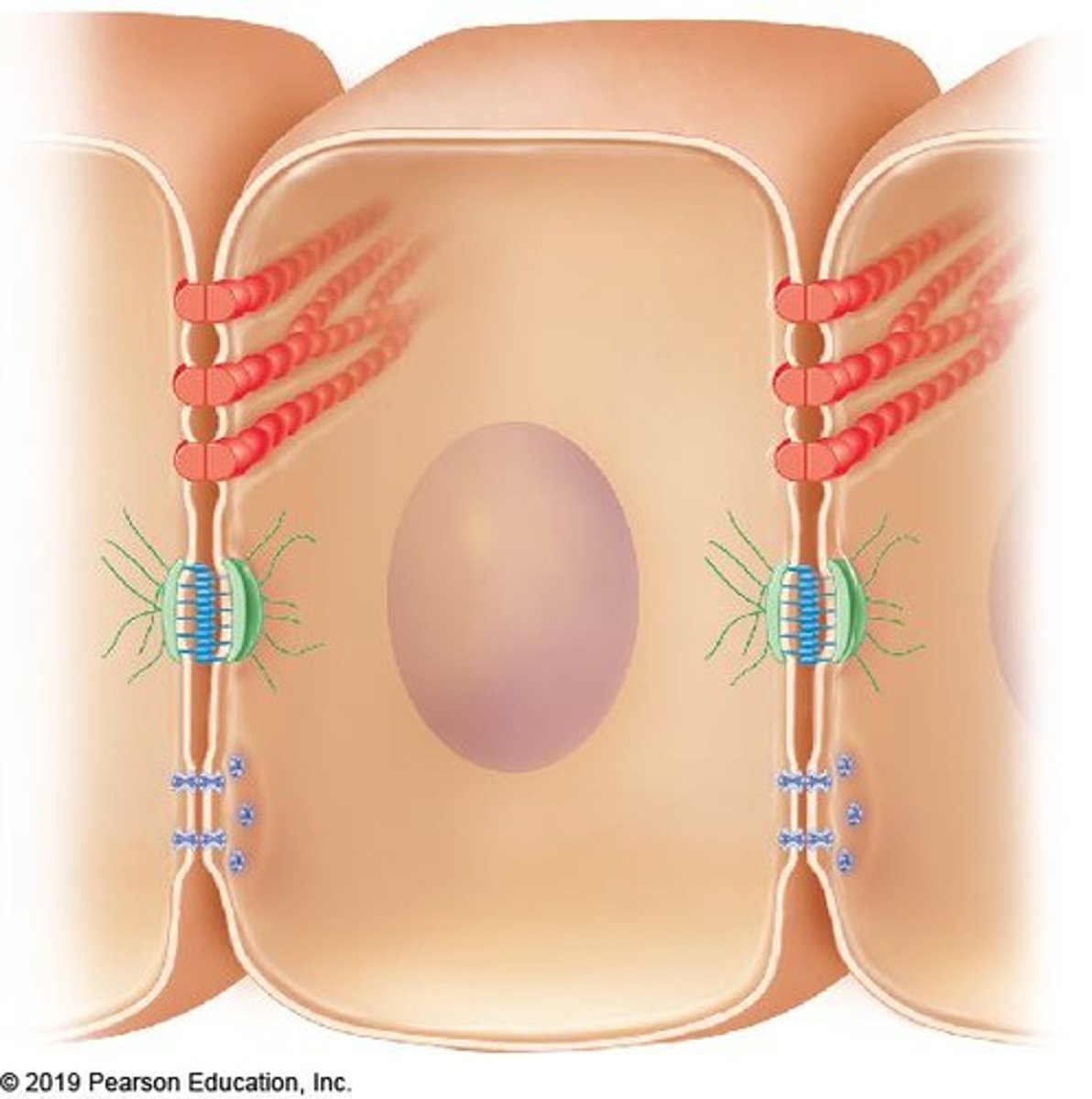
Cell-cell junctions
Structures that connect cells together, facilitating communication and adhesion.