Psychology- The Brain
 Call Kai
 Learn
Learn Practice Test
 Spaced Repetition
 Match
Match Flashcards
 Knowt Play
1/35

There's no tags or description
Looks like no tags are added yet.
Name | Mastery | Learn | Test | Matching | Spaced | Call with Kai |
|---|
No analytics yet
Send a link to your students to track their progress
36 Terms
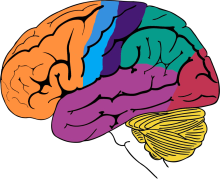
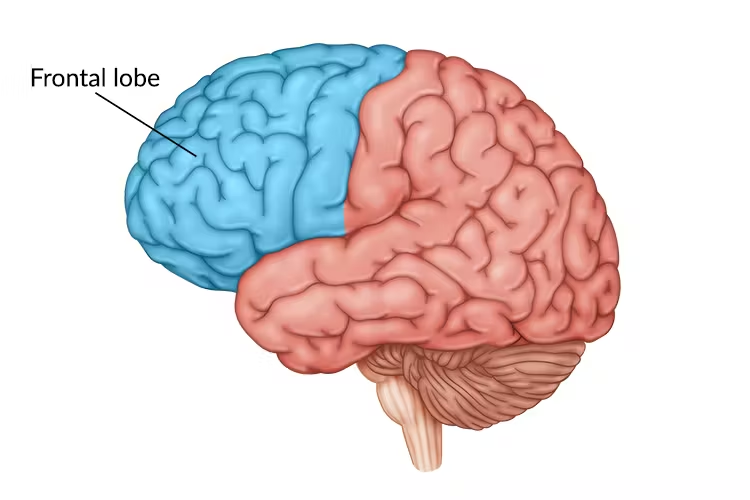
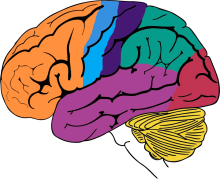
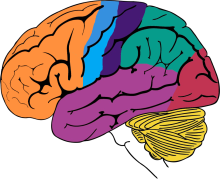
Frontal lobe, locate and describe function
Controls voluntary body movements, higher order mental processes, personality and emotions
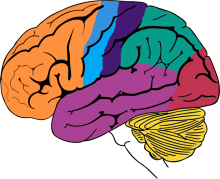
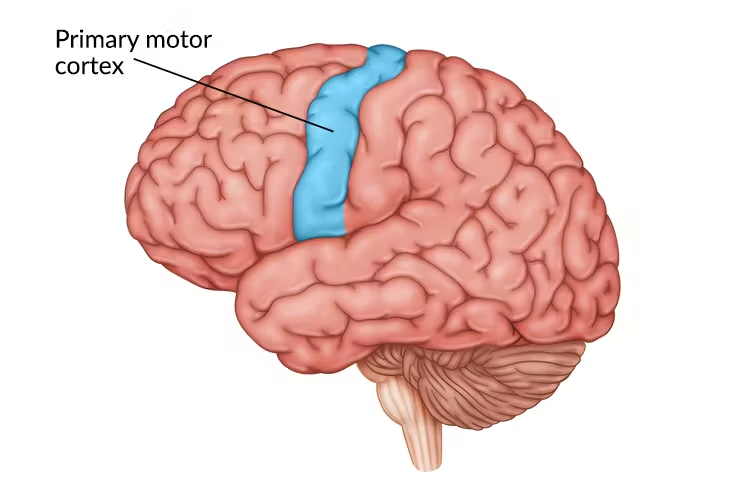
Frontal lobe: Primary motor cortex
Controls voluntary movements
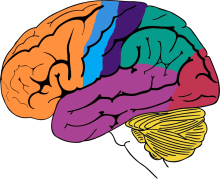
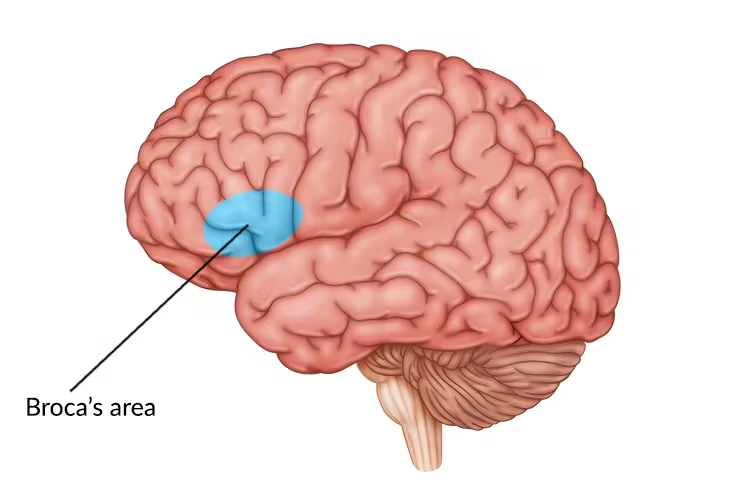
Frontal lobe: Broca’s area
Production of speech and coordinates muscles
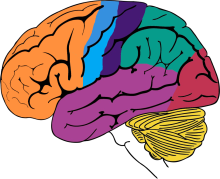
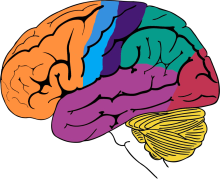
Parietal lobe
Body sensations, spatial awareness
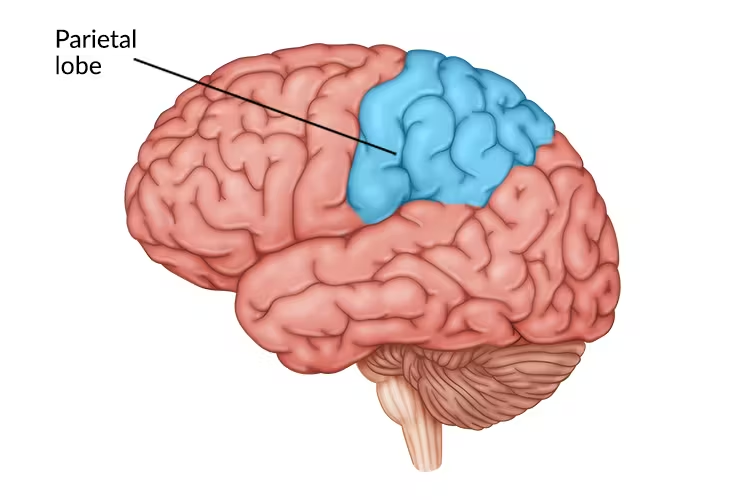
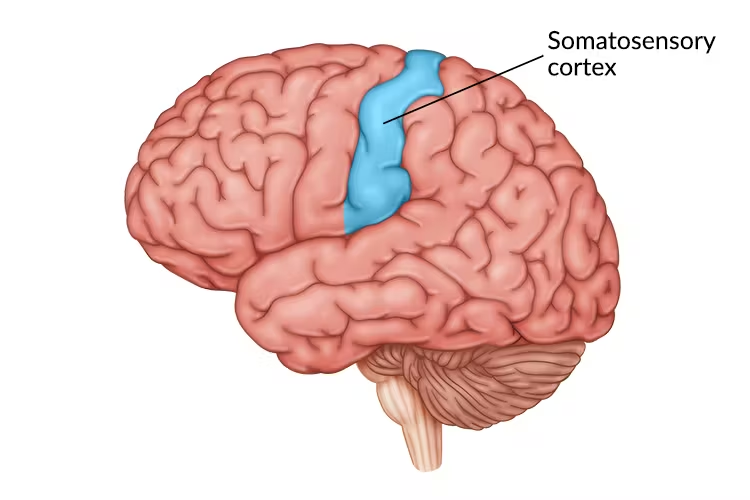
Parietal lobe: Primary somatosesnsory cortex
Receives sensory information from body parts
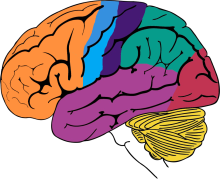
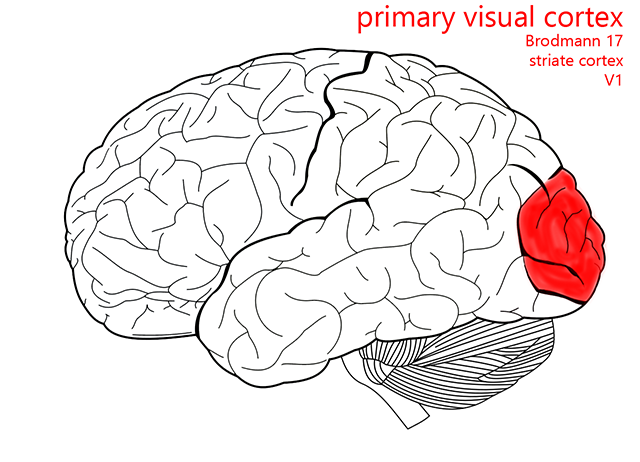
Occipital lobe
Receives and processes visual information
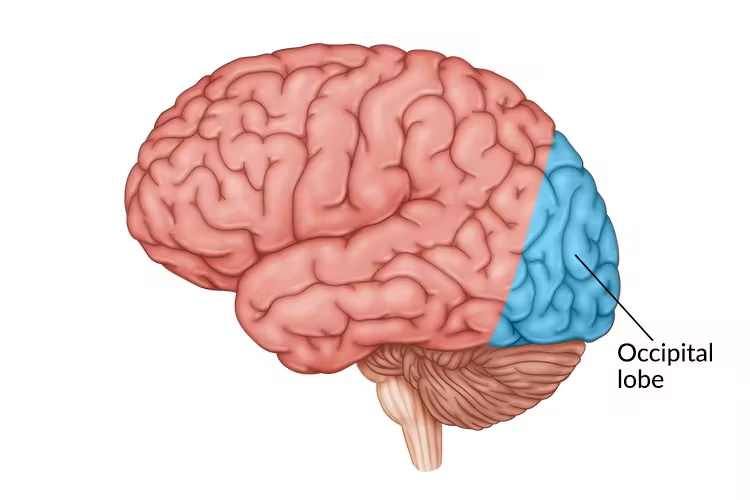
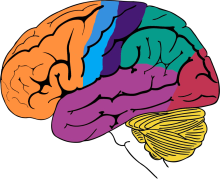
Occipital lobe: Primary visual cortex
Sensory receptors located on the retina of the eyes, receive visual info from visual field and processes
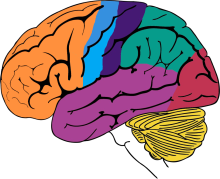
Temporal lobe
Receives and processes auditory information and memory formation
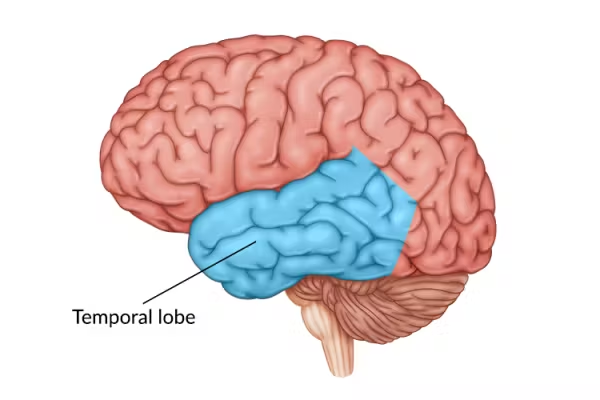
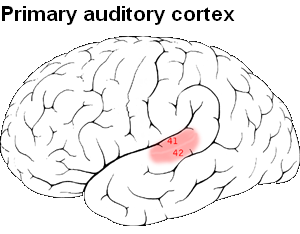
Temporal lobe: Primary auditory cortex
Receives and processes from both ears to identify types of sounds
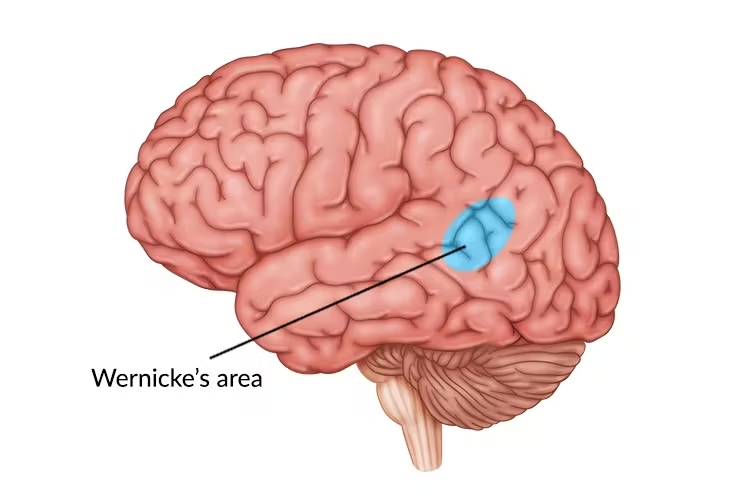
Temporal lobe: Wernicke’s area
Involved in production of coherent speech and crucial role in comprehension of speech
LTM: Explicit memory
Easy to state
LTM: Explicit Semantic
facts you know
LTM: Explicit Episodic
Life events
LTM: Implicit
Hard to state and generally need to do or show
LTM: Implicit Procedural
Knowing how to do motor movements
LTM: Implicit Classically Conditioned memory
Emotions and reflexes
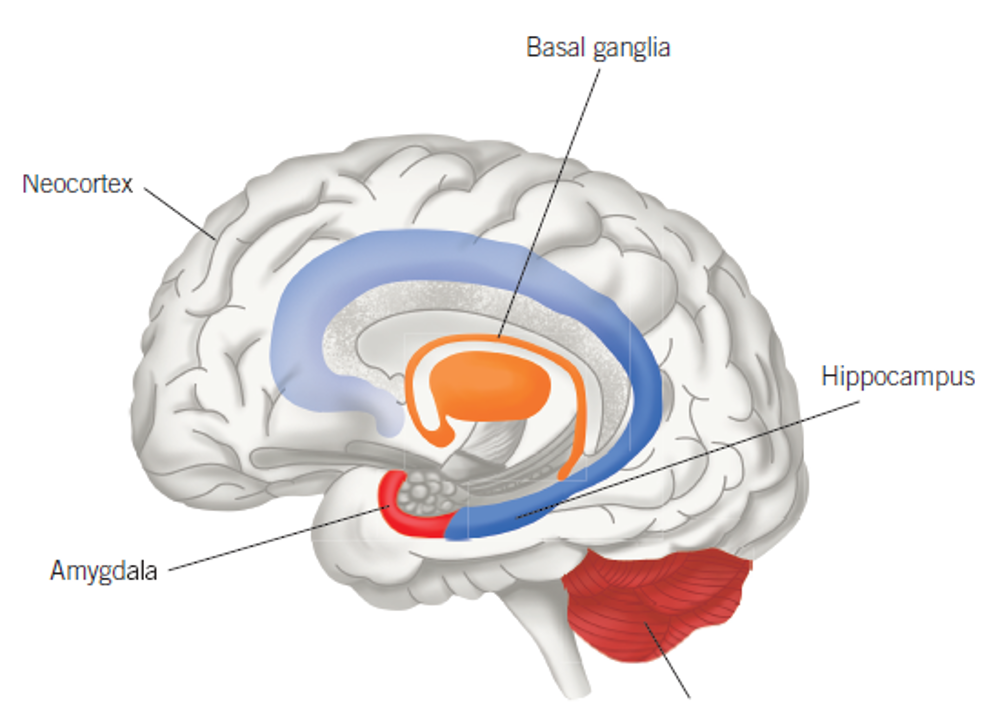
Hippocampus
Consolidates and retrieves explicit memories
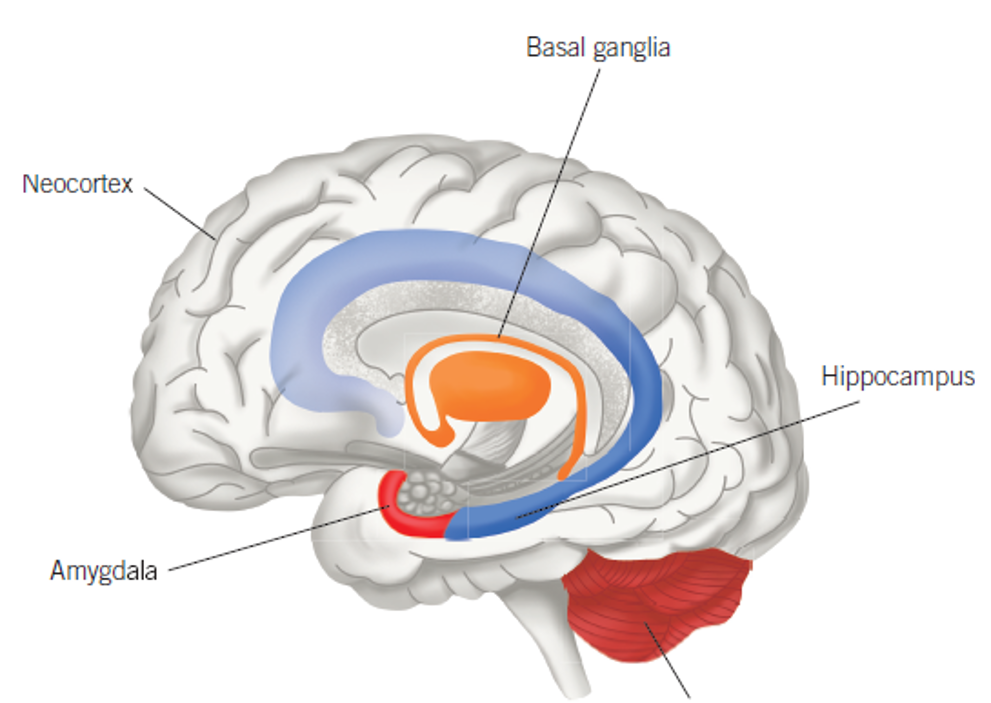
Amygdala
Regulates emotions
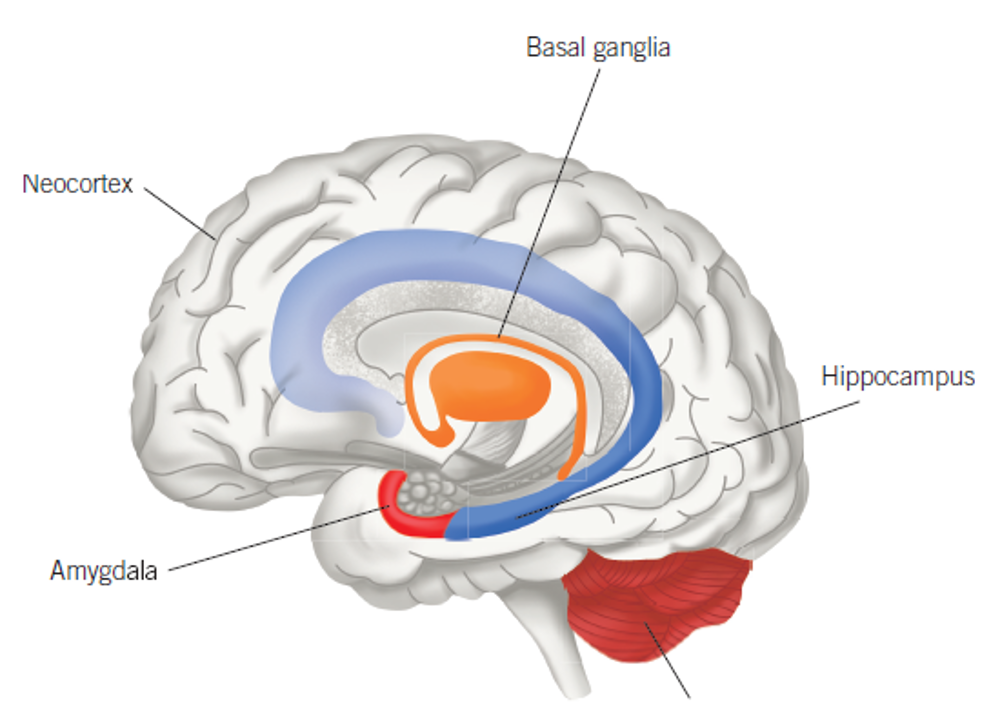
Cerebellum
Stores temporary storage of implicit procedural memories
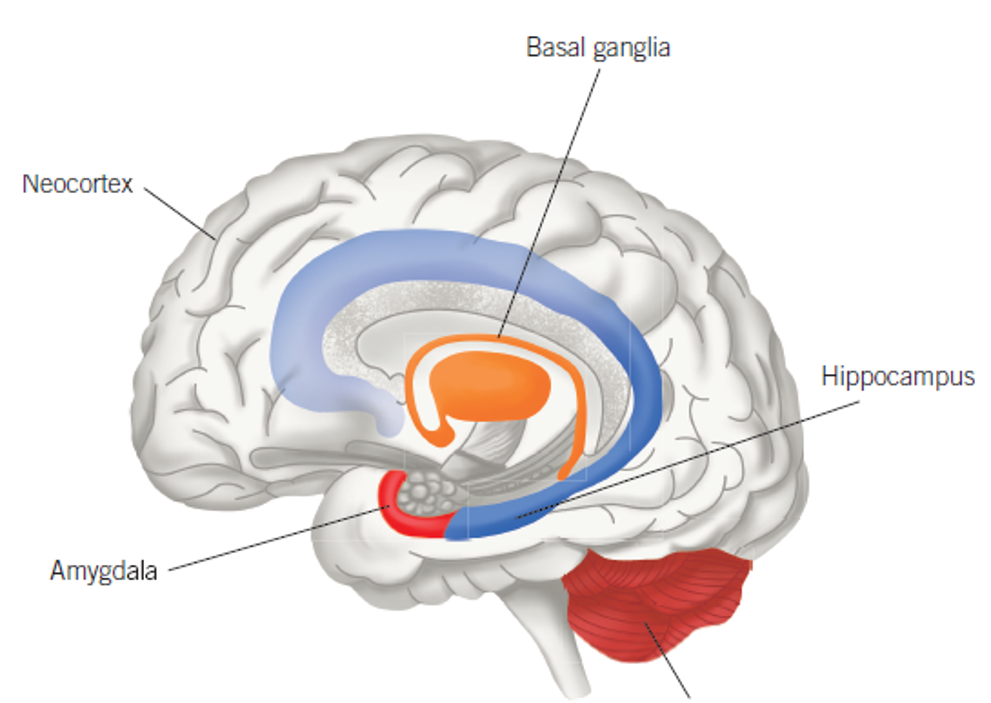
Basal Ganglia
Responsible for habits
Neurons
nerve cell that receives and transmits info
Direction of transmission
left to right
Synapse
The gap including the axon terminals (pre) and the dendrites (post)
Synaptic gap
space between the presynaptic neuron and the postsynaptic neuron
Neurochemicals
Produced by neurons in nervous system, excitatory or inhibitory
Synaptic transmission step 1
neurochemical released from axon terminal of presynaptic neuron into synaptic gap
Synaptic transmission step 2
It binds to receptors of corresponding shape, on the dendrites of the postsynaptic neuron
Synaptic transmission step 3
Then unlocks a response in the post synaptic neuron (either making it fire an action potential or not fire an action potential
Neuroplasticity
Ability of brain to change in response to experience or environmental stimulation
Developmental plasticity
Learning associated with maturation
Adaptive plasticity
To adapt after a traumatic brain injury and restore adequate functioning
Synaptogenesis
formation of synapses between neurons as they grow
Synaptic pruning
elimination of underused synapses
Myelination
Formation of myelin around axon of neuron
Sprouting
Ability of neurons to develop new branches on dendrites or axons
Rerouting/Rewiring
Form new connections with another undamaged neuron