Behavioral Sciences MCAT
 Call Kai
 Learn
Learn Practice Test
 Spaced Repetition
 Match
Match Flashcards
 Knowt Play
1/486

There's no tags or description
Looks like no tags are added yet.
Name | Mastery | Learn | Test | Matching | Spaced | Call with Kai |
|---|
No analytics yet
Send a link to your students to track their progress
487 Terms
Franz Gall
Developed phrenology which, although a pseudoscience, led to important research on brain areas and brain function.
Pierre Flourens
First person to study the major parts of the brain by extirpation/ablation.
William James
Founder of American Psychology and functionalism, he studied how the mind adapted to its environment.
John Dewey
Was a functionalist who believed that reactions to stimuli shouldn't be studied as parts but as a whole.
Paul Broca
Examined the behavioral deficits of people as a result of brain damage.
Herman Von Helmholtz
First person to measure the speed of a nerve impulse. He merged the fields of psychology and physiology, changing psychology into a quantitative, natural science and not a branch of philosophy.
Sir Charles Sherrington
Discovered the synapse
Jean Piaget
Known for his theory of cognitive development in children
Sigmund Freud
Austrian physician whose work focused on the unconscious causes of behavior and personality formation; founded psychoanalysis.
Phrenology
A pseudoscience that claimed that the ares of the brain that were most used and developed would grow in size like a muscle.
Extirpation/Ablation
When parts of the brain are surgically removed and the resulting deficiencies are recorded.
Functionalism
A school of psychology that focused on how our mental and behavioral processes function, and how they enable us to adapt, survive, and flourish.
Afferent Neurons
Affect the brain/go towards it
Efferent Neurons
Effect of the brain/go away from it
3 types of neurons:
Sensory/Afferent, Motor/Efferent, and Interneurons
Interneurons
Most abundant found mostly in the brain/spine and control reflexive behavior w/ reflex arcs
Reflex Arc
Circuit of sensory and interneurons that bypass the need for the brain to send out a motor signal in times of instant response to stimuli (ex- stepping on nail, hand on hot stove)
Nervous System
the network of nerve cells and fibers that transmits nerve impulses between parts of the body.
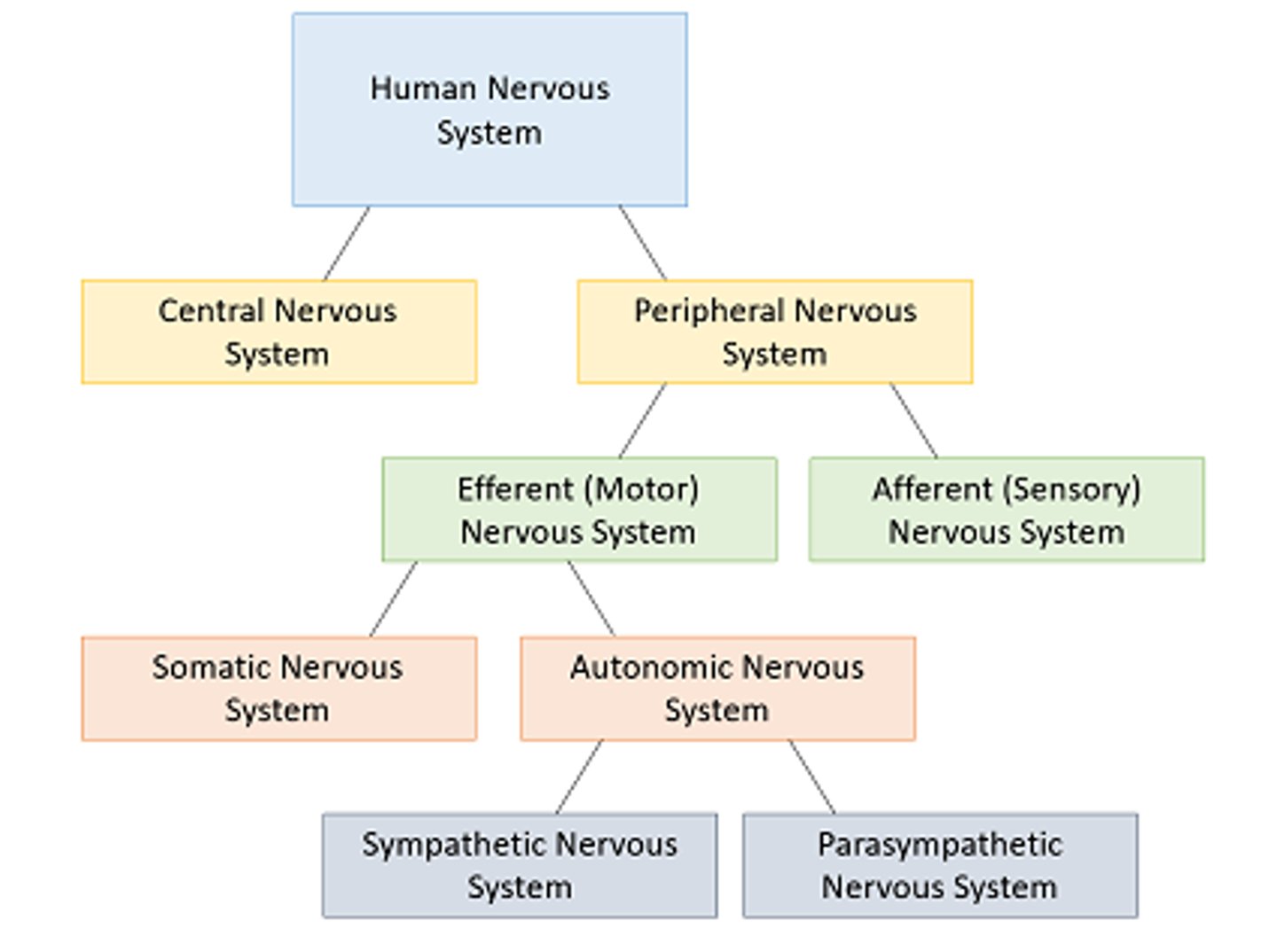
Central Nervous System (CNS)
Brain and Spinal Cord
Peripheral Nervous System (PNS)
Literally everything else such as the 31 spinal nerves and 12 cranial nerves. Splits into the somatic and autonomic NS
Somatic Nervous System (SNS)
Consists of sensory and motor neurons, mostly controlled consciously
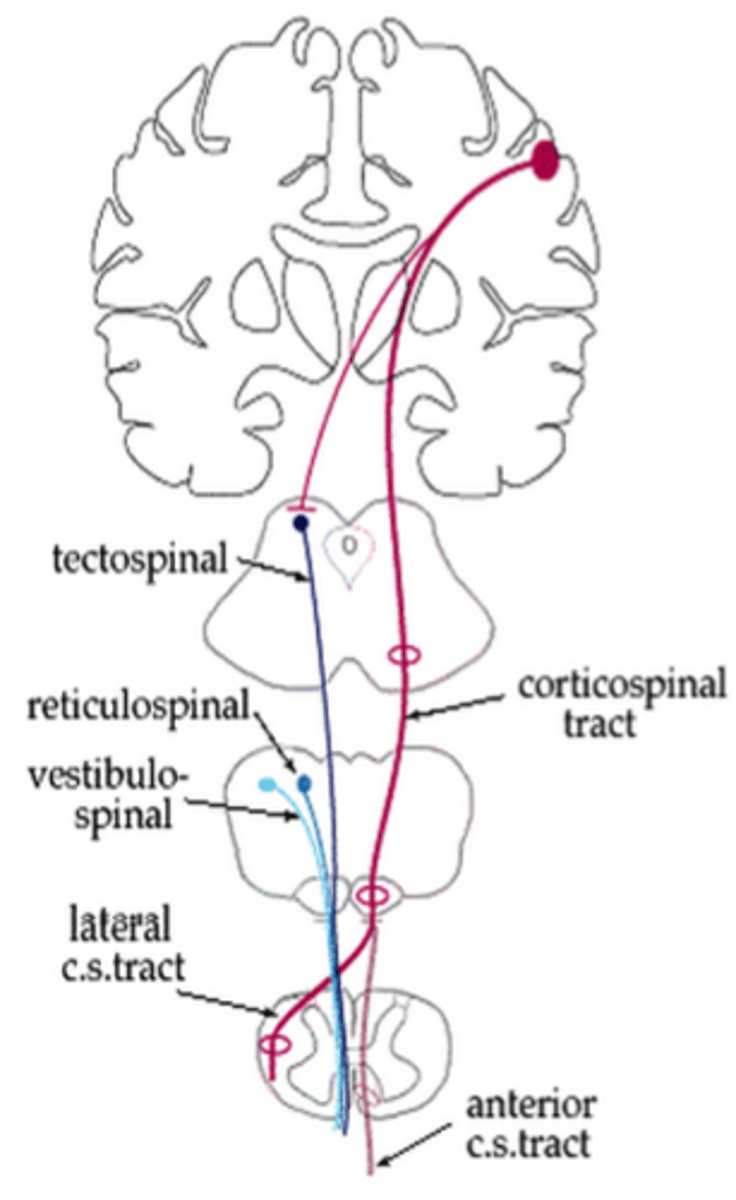
Corticospinal Tract
This is the main tract that relays voluntary motor information
Autonomic Nervous System (ANS)
Consists of involuntary functions such as heartbeat, respiration, digestion, and secretion
Parasympathetic Nervous System
Rest and digest, conserves energy. Acetylcholine (ACh) is the main NT used
Sympathetic Nervous System
Fight or flight, uses its of energy in times of dire need. Epinephrine (Epi) or Norephinepherine (NE) are the main NTs used
Meninges
3 layer sheath of tissue the covers the brain and connects it to the skull, it also minimizes movement of the brain in the skull and helps in cerebrospinal fluid reabsorption
Cerebrospinal Fluid
Fluid in the space between the meninges that acts as a shock absorber that protects the central nervous system and provides nourishment.
3 sections of the brain
Hindbrain, Midbrain, Forebrain
As you go from hindbrain to forebrain...
Neural complexity increases as most base/vital functions are mostly in hindbrain and the more cognitive ones are in the forebrain
Hindbrain complexity/function
Breathing - Arousal/Alertness - Heart/Vital Reflexes - Refined Motor Movement
Midbrain complexity/function
Sensorimotor functions (interpret audial and visual stimuli)
Forebrain complexity/function
Hunger/Thirst - Sensory Relay - Limbic - Ideas of Movement - Complex Cognition
Prenatal Brain
Neural tube with 3 bulges that become the three regions of the brain, but becomes 5 when the hind and fore split
Prenatal Hindbrain
Rhombencephalon
Rhombencephalon divides into
myelencephalon and metencephalon
Prenatal Midbrain
Mesencephalon
Prenatal forebrain
Prosencephalon
Prosencephalon divides into
telencephalon and diencephalon
Neuropsychology
The study of functions and behaviors associated with specific regions of the brain.
Electroencephalogram (EEG)
Records electrical activity produced by groups of neurons
Regional Cerebral Blood Flow (rCBF)
Determines levels of brain activity in a specific area based on the amount of blood flow the region is receiving
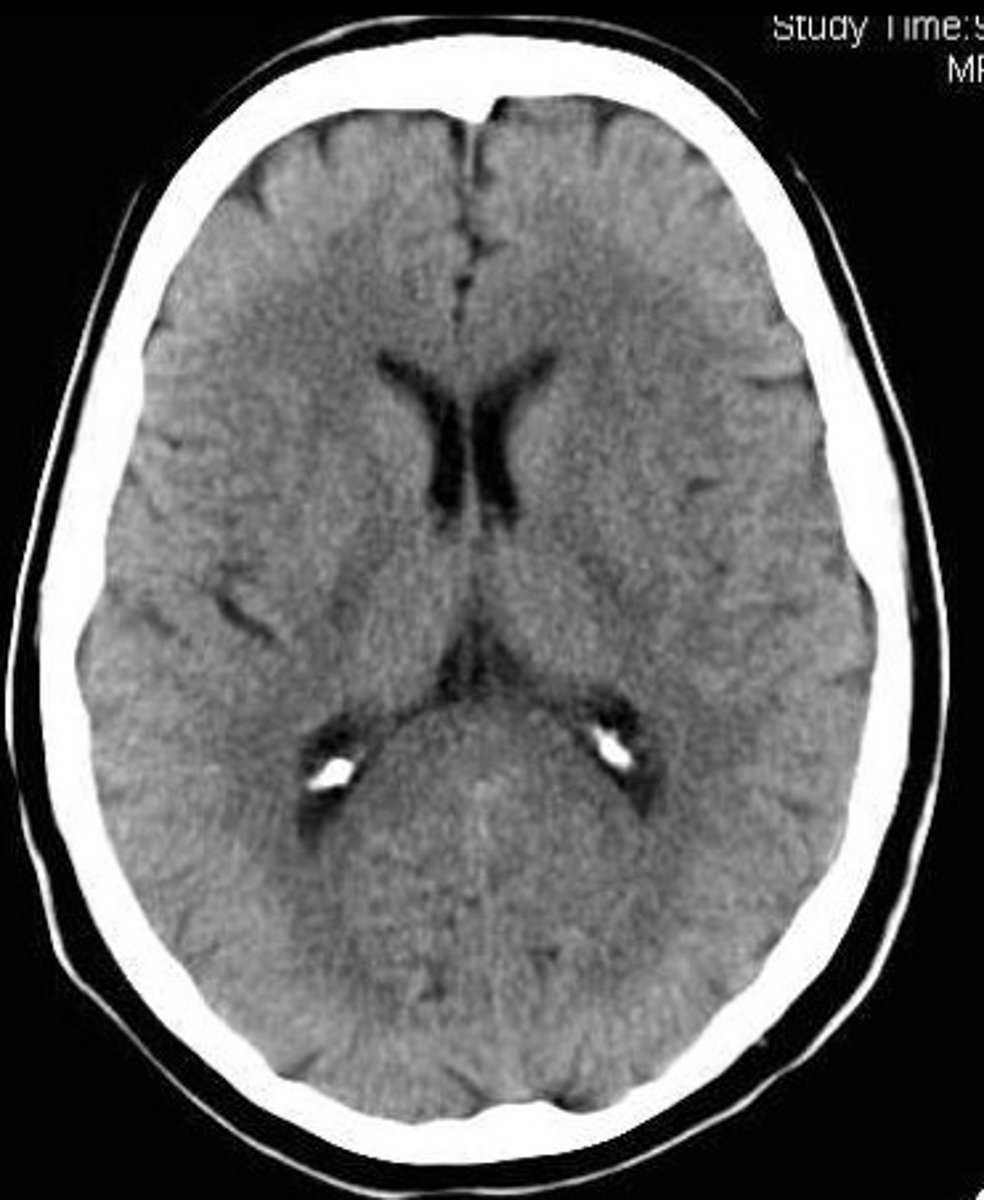
Computed (Axial) Tomography (CT/CAT) Scan
Uses multiple X-rays taken from different angles to produce a cross sectional view of the brain
Positron Emission Tomography (PET) Scan
Uses a radioactive sugar where its dispersion and uptake in target tissues is imaged
Magnetic Resonance Imaging (MRI)
Uses magnetic fields to measure the density and location of brain material and creates a detailed image of the brain using Hydrogens reactivity to magnetism
functional (fMRI)
Uses the same base technique as MRI but maps out regions of high blood flow and helps with rCBF imaging
Thalamus
Relay station for receiving almost all sensory info (minus smell) and transmitting it to the appropriate places in the cerebral cortex.
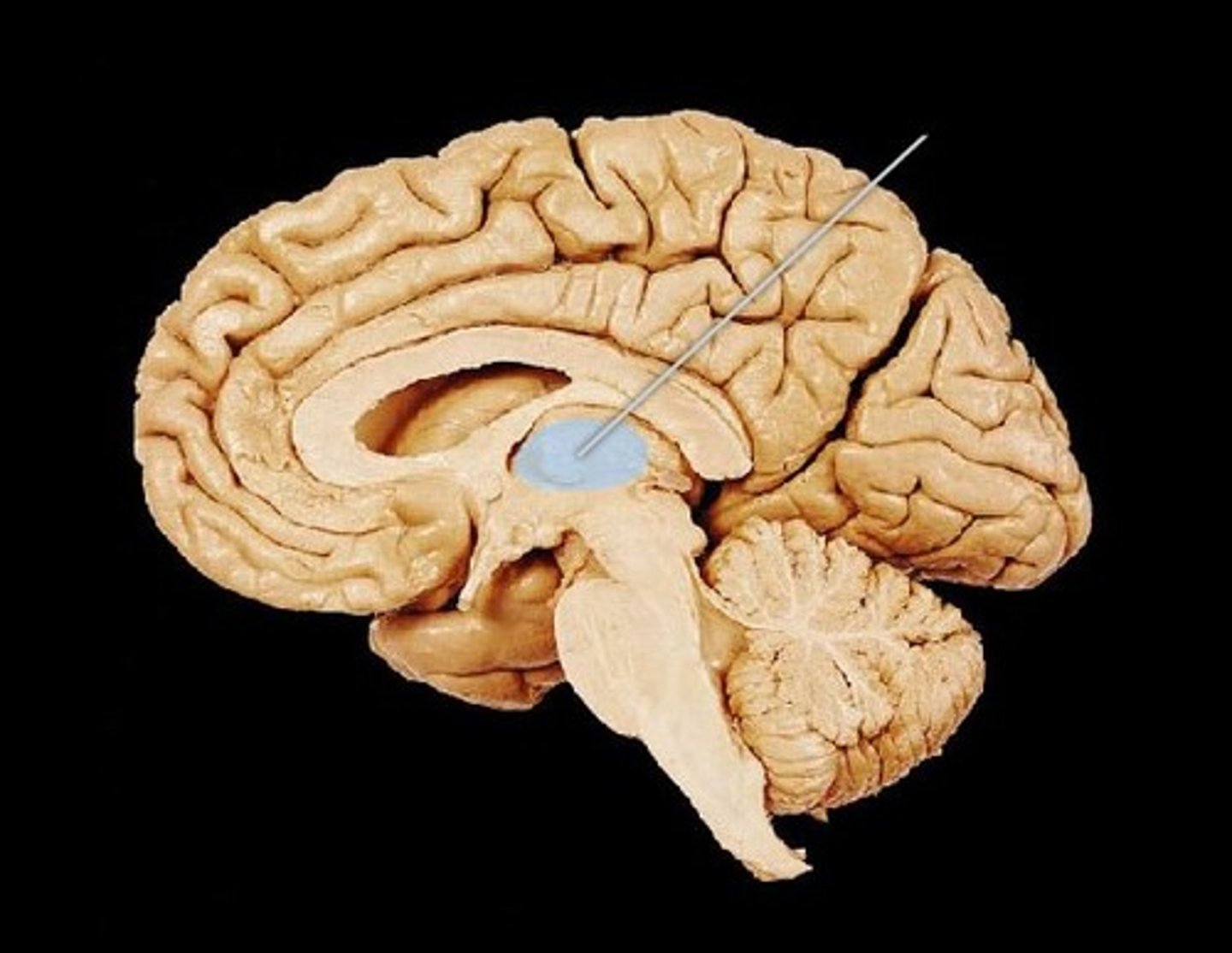
Hypothalamus
Serves many homeostatic functions like regulating metabolism, water balance, and body temp. Involved in the autonomic NS as well as the endocrine system (via HPA) and is active during aggressive and sexual behaviors.
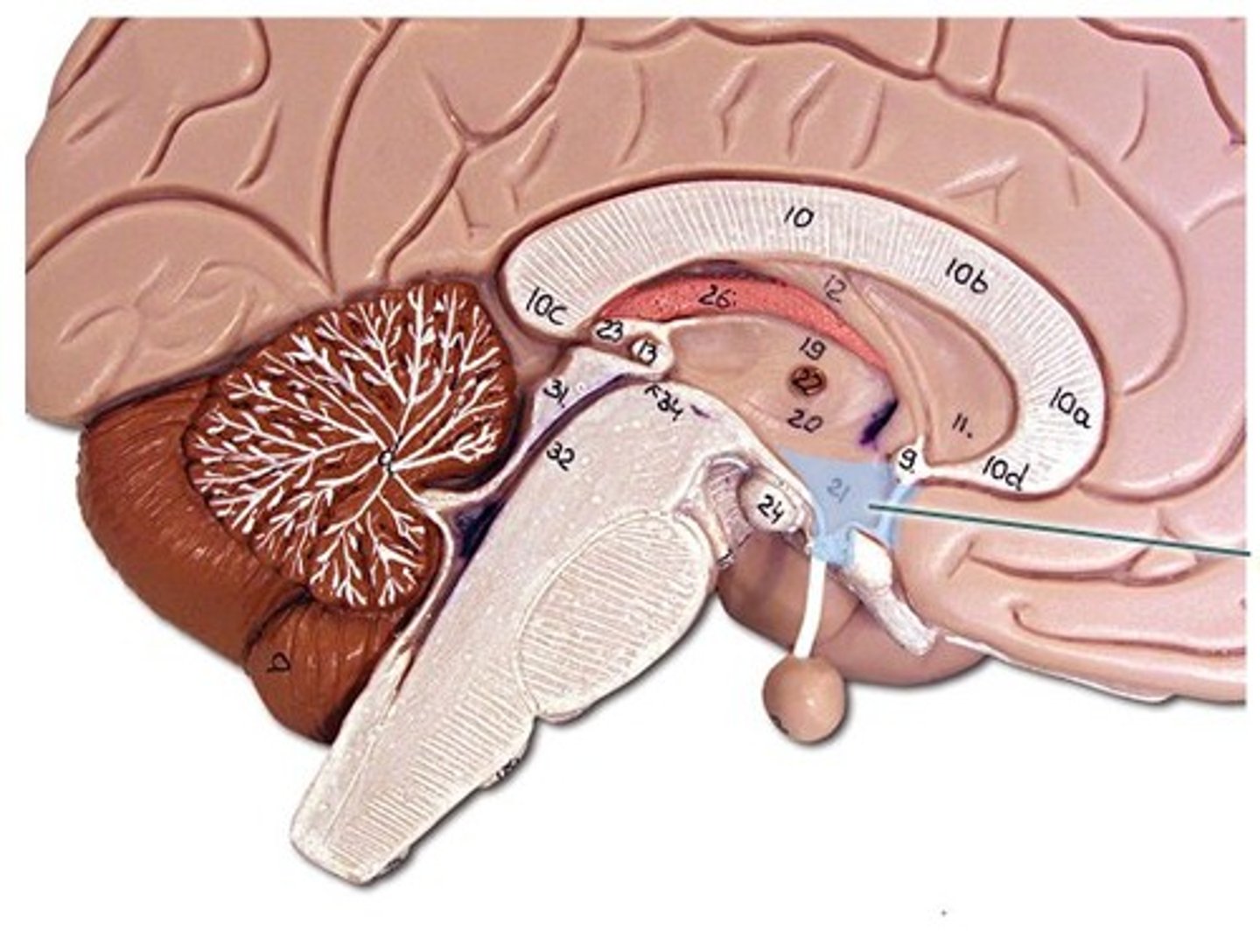
Hypothalamus 3 sections
Lateral (LH), ventromedial (VMH), and anterior (AH)
Lateral Hypothalamus (LH)
Controls the feelings of hunger and thirst. When this part is damaged, you will Lack Hunger
Ventromedial Hypothalamus (VMH)
This is where the signal to stop eating comes from when you're full. Damage to this leads to obesity as you will be Very Much Hungry
Anterior Hypothalamus (AH)
This is the sex center and damage to this removes sexual feelings
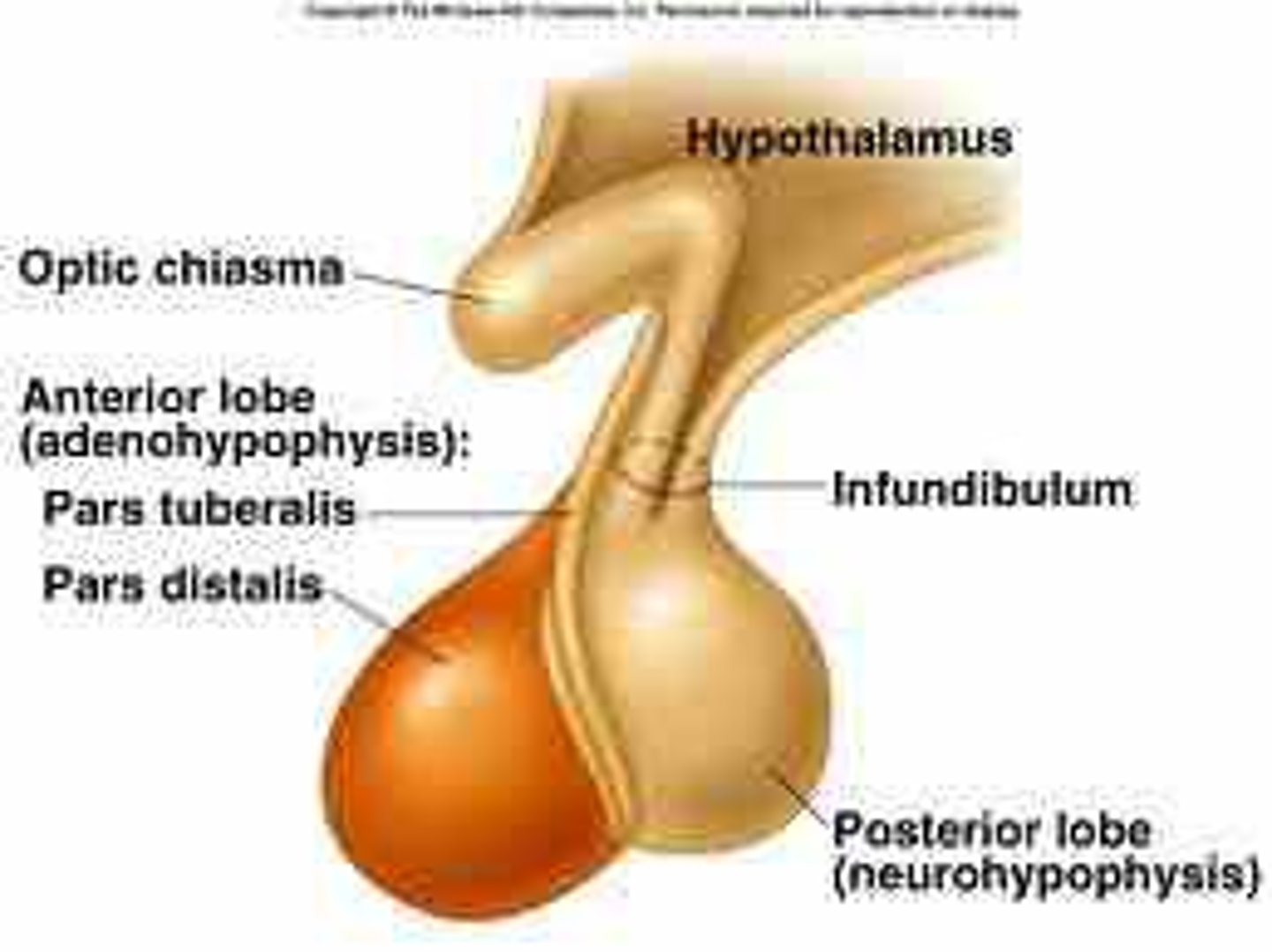
Posterior Pituitary
This is the part of the Pituitary gland that is part of the nervous system. It produces hormones like ADH/Vasopressin and oxycontin.
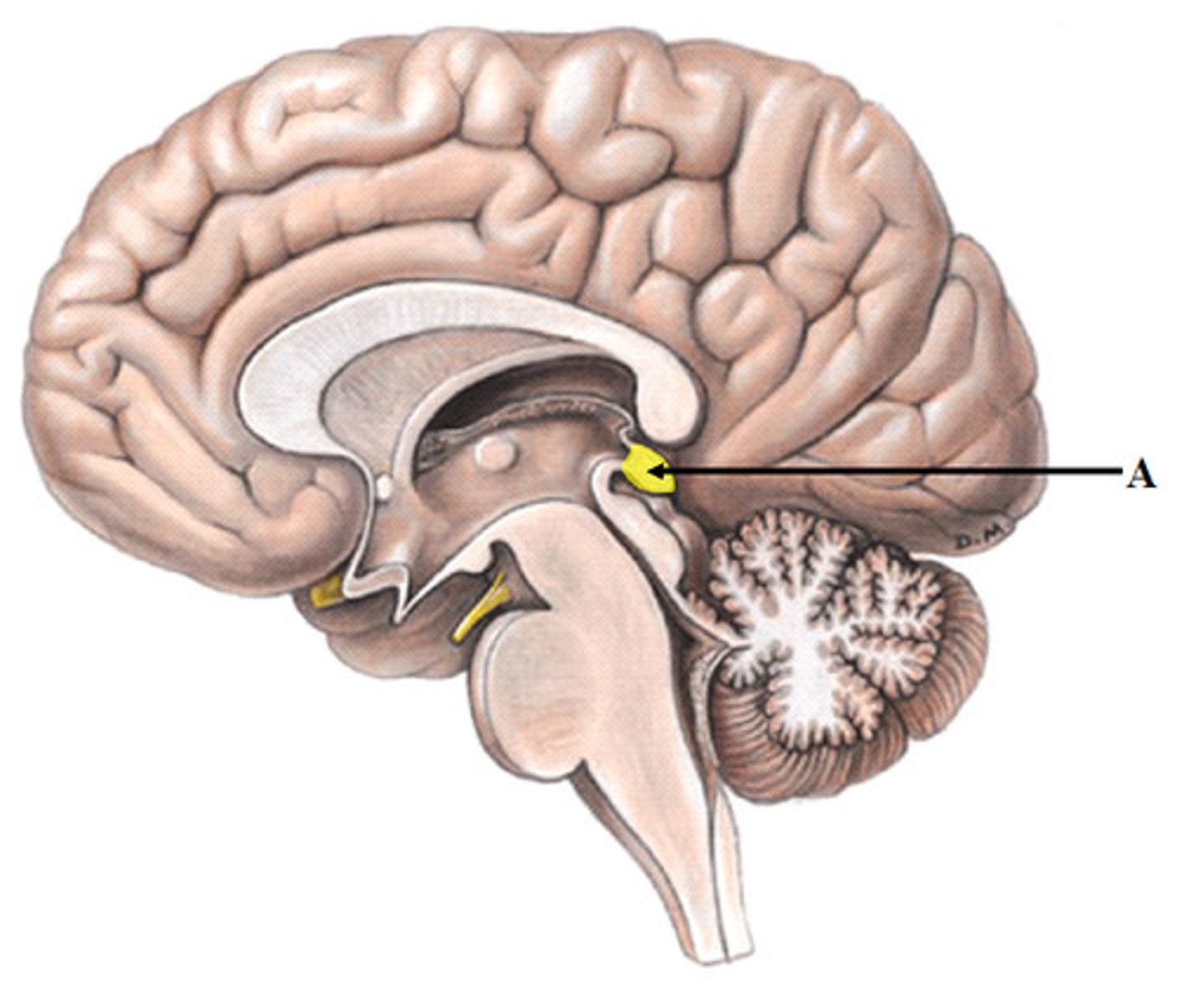
Pineal Gland
Secretes melatonin to control sleep cycles
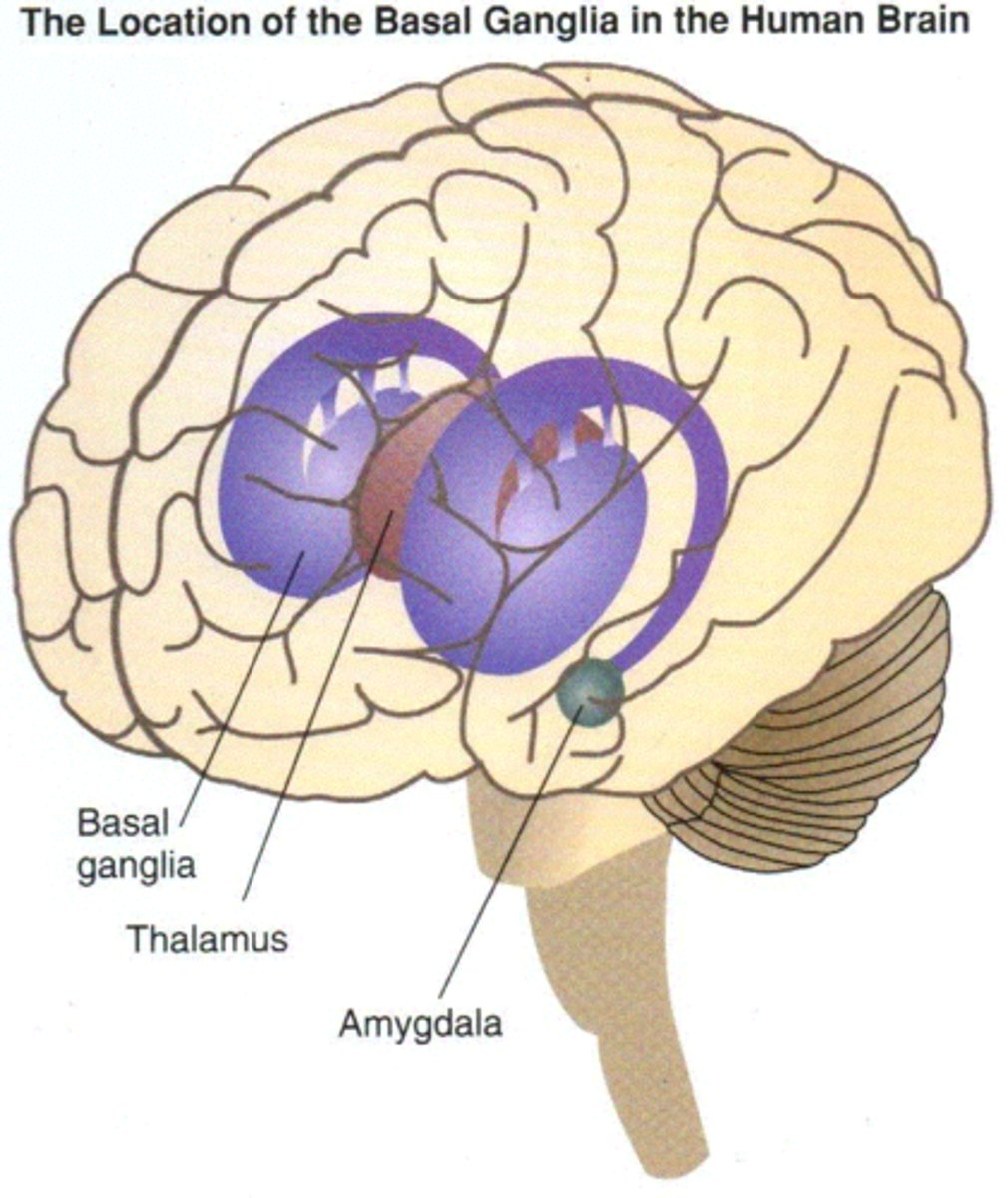
Basal Ganglia
Coordinates muscle movements as it receives information from the cortex and extrapyramidal system. Damage results in Parkinson's
Extrapyramidal System
gathers information about body position and carries this information to the central nervous system but does not function directly through motor neurons
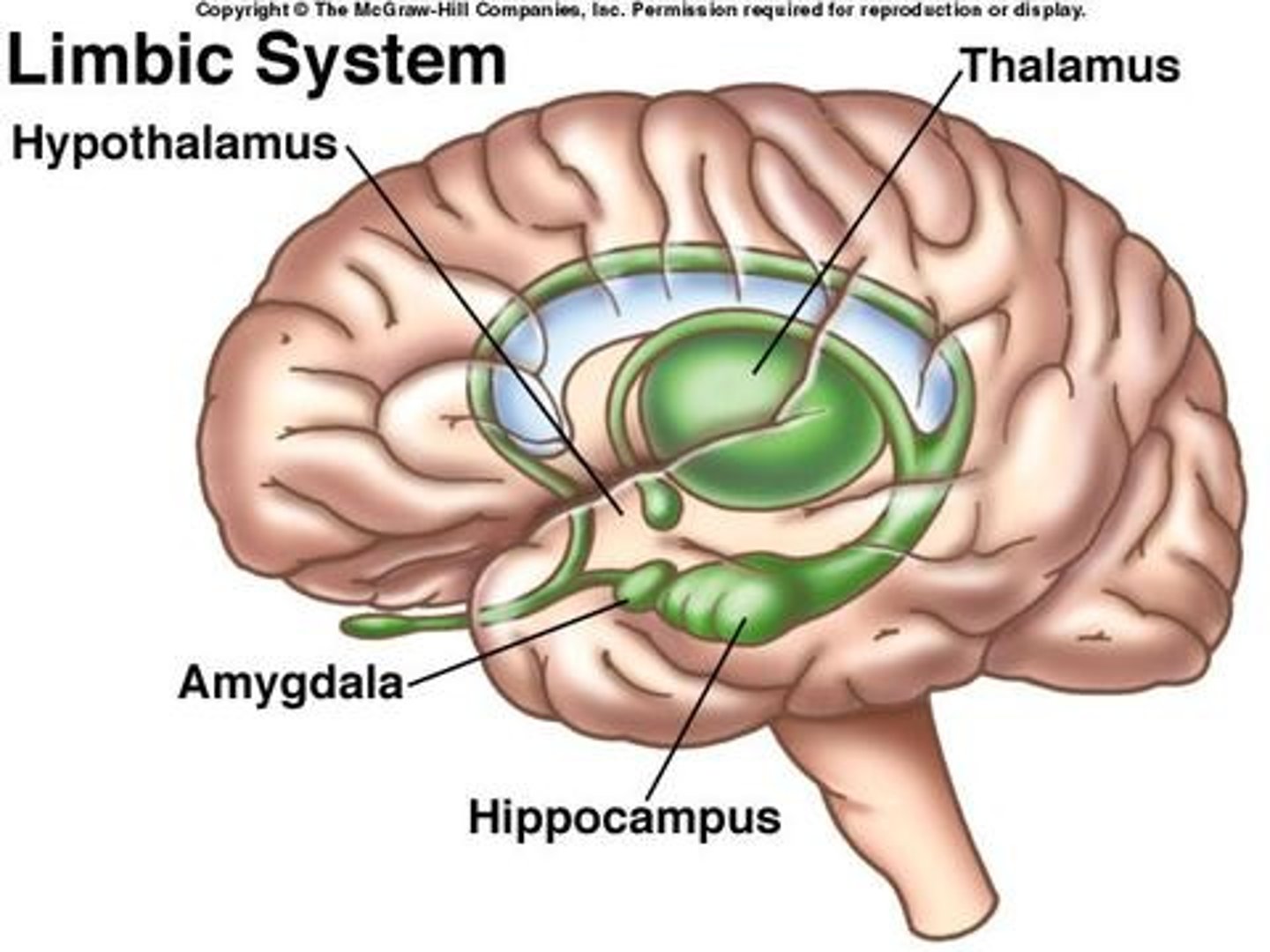
Limbic System
Associated with memory and emotion, parts include septal nuclei, amygdala, hippocampus, and anterior cingulate cortex.
Septal Nuclei
The primary pleasure center, stimulation feels good and we often crave this stimulation. This part of the brain is most associated with addiction.
Amygdala
Defensive and aggressive behavior center.
Hippocampus
Plays vital role in learning and long-term memory, contains the fornix
Fornix
A long projection from the hippocampus that connects to other nuclei in the limbic system.
Anterograde Amnesia
Not being able to form new memories after a traumatic brain injury
Retrograde Amnesia
Losing all memory before a traumatic brain injury
Anterior Cingulate Cortex
Functions in higher order cognition; monitors our actions for errors, impulse control, motivation, and decision making
Cerebral Cortex (or Neocortex)
The outer, folded, gray matter that is divided into two hemispheres and 4 lobes
Gyri
Are the ridges and bumps of the brain
Sulci
Are the ridges and grooves of the brain
F-POT
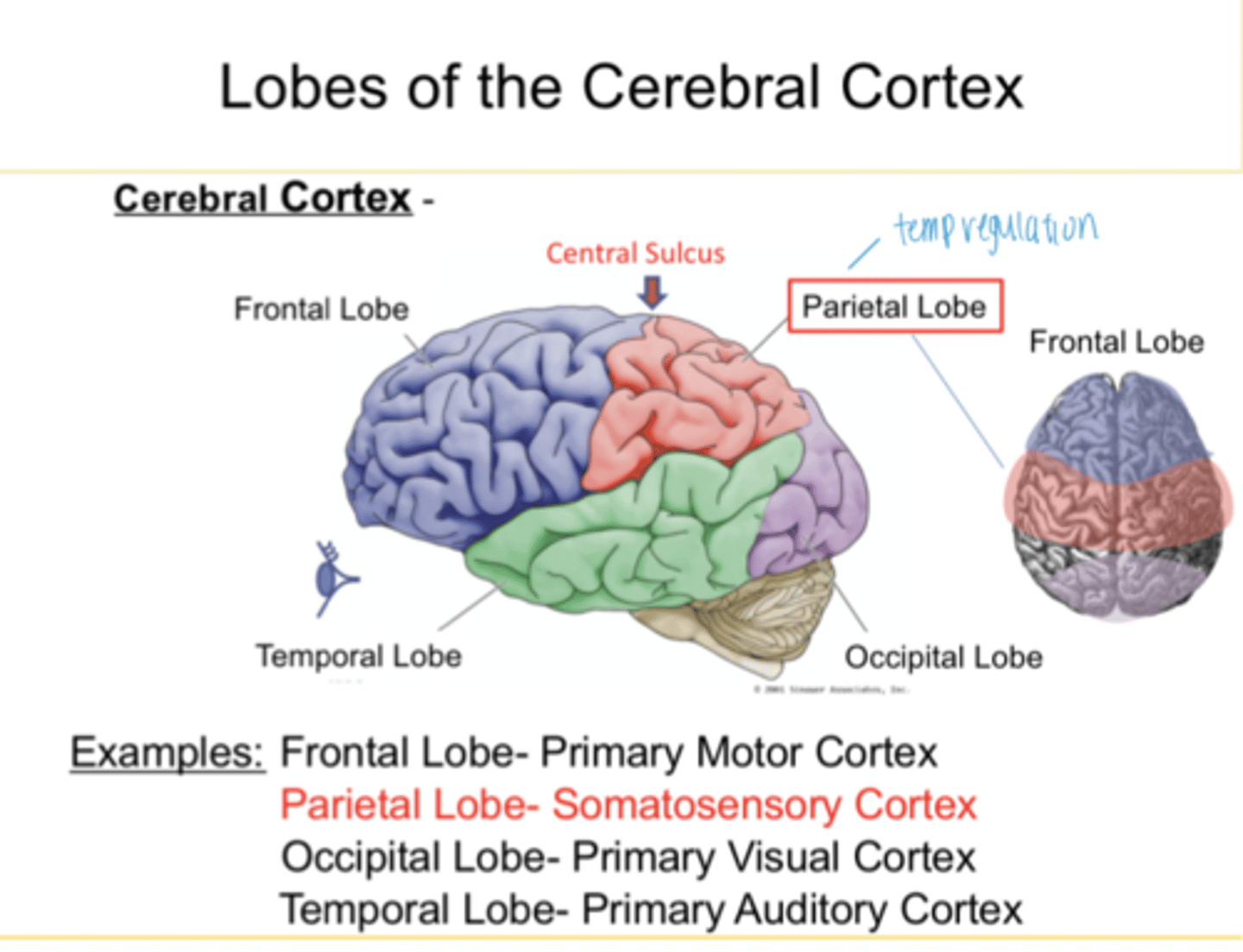
Frontal, Parietal, Occipital, Temporal
Frontal Lobe
Contains the prefrontal cortex and the primary motor cortex. Important functions are executive function, impulse control, speech, and motor
Prefrontal Cortex
part of frontal lobe responsible for thinking, planning, and language
Primary Motor Cortex
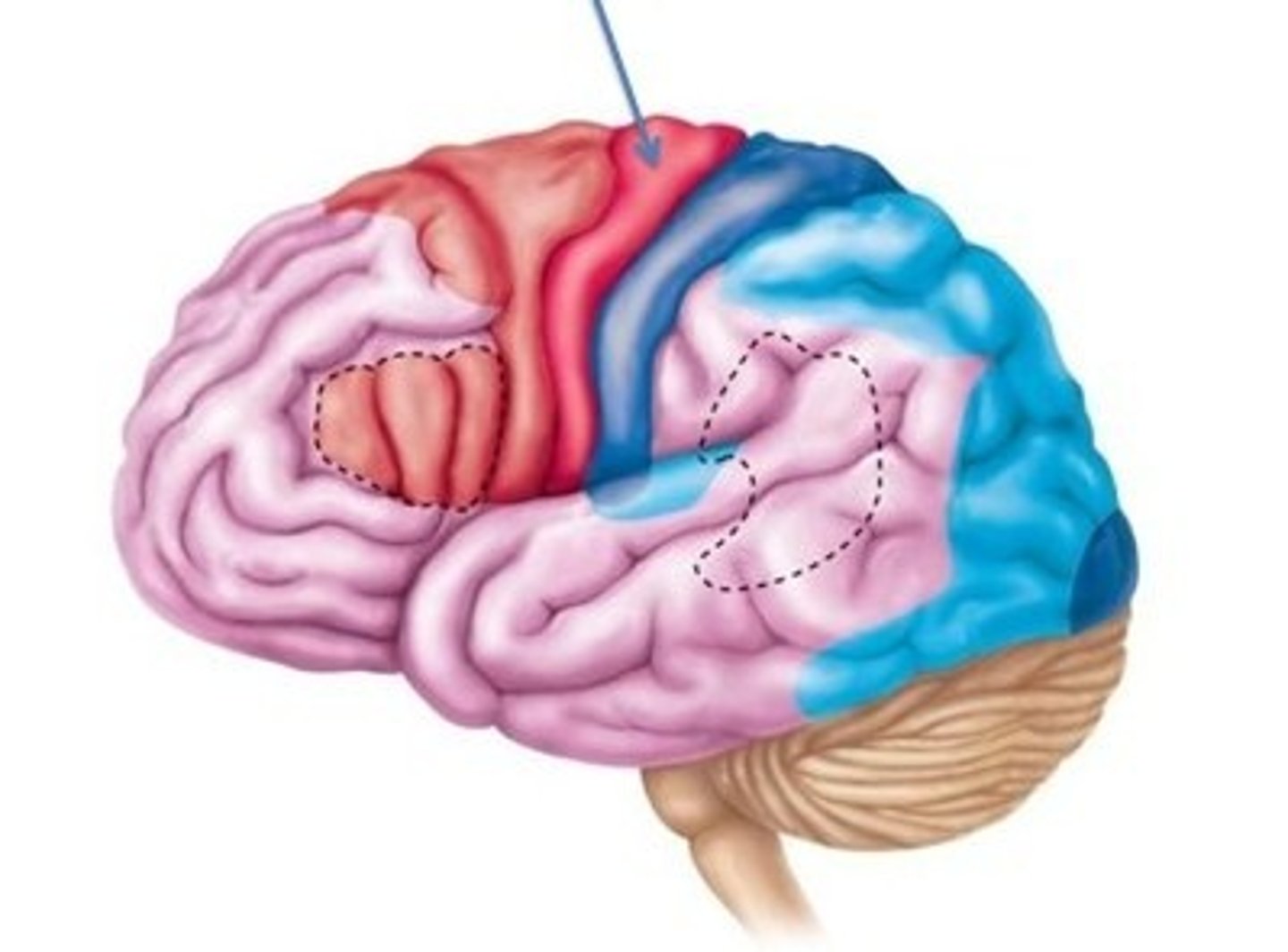
Located in the precentral gyrus right before the central sulcus, this is the section of the frontal lobe responsible for voluntary movement
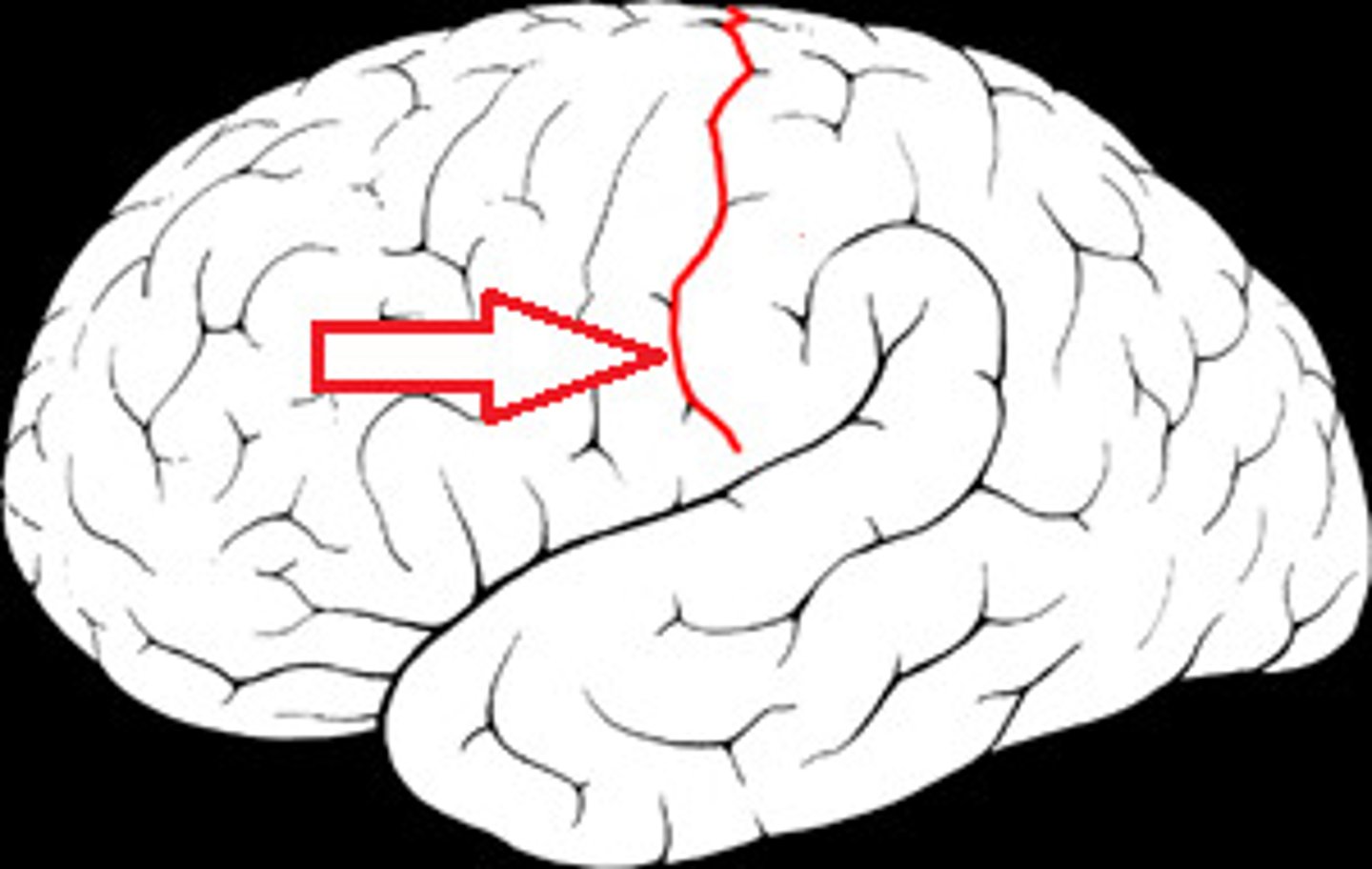
Central Sulcus
The groove that separates the frontal and parietal lobes and is flanked by the pre and post central gyri
Parietal Lobe
Contains the somatosensory cortex in the post central gyrus. Functions are touch, pressure, external temp, pain, and spatial processing
Occipital Lobe
Contains visual cortex for vision, located in the back of the brain
Temporal lobe
Contains auditory cortex and Wernicke's area. Functions are sound, speech perception, memory, and emtotion
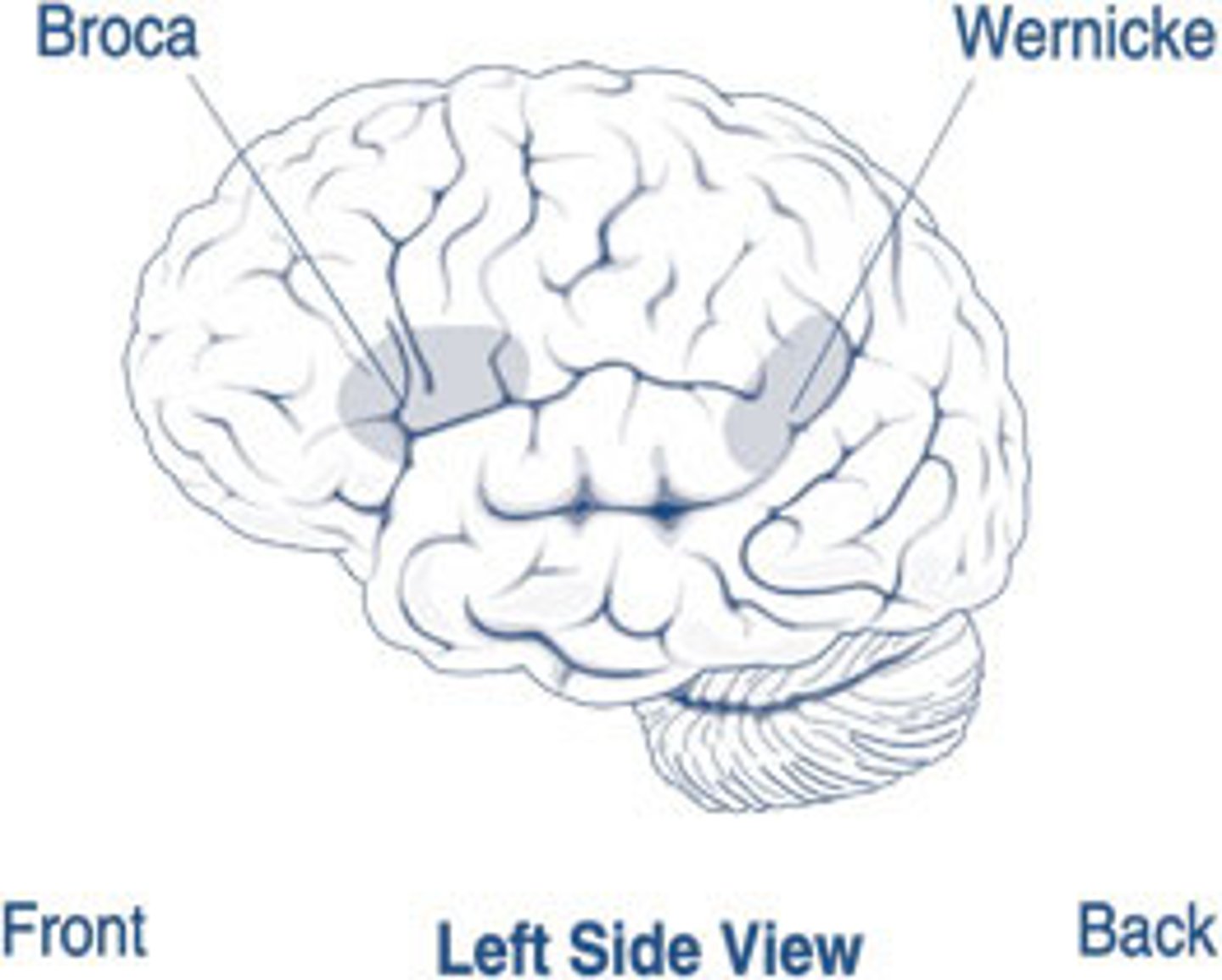
Wernicke's and Broca's Area
control language reception - a brain area involved in language comprehension and expression; usually in the left temporal lobe
Contralateral Communication
This is how the left side of the brain communes with motor neurons on the right side of the body and vice versa
Ipsilateral Communication
For when the right hemisphere communes with a neuron on the right side of the body and vice versa
Dominant Hemisphere
Usually the left hemisphere, the dominant hemisphere is primarily for analytics and logic such as language comprehension and math skills
Non-dominant Hemisphere
The more creative, musically inclined, and good at sports lobe
Acetylcholine (ACh)
A NT used by the SNS for motor neurons, CNS, and parasympathetic NS. Primarily for "business as usual" neuron functions
Dopamine
A catecholamine NT with multiple forms but the most abundant form helps maintain steady movements and good posture. Oversensitivity to ALL kinds of dopamine can lead to schizophrenia.
Endorphines
A neuropeptide NT, this is the bodies natural painkiller
Epinephrine (Epi)
A catecholamine, maintains wakefulness and controls the fight or flight/sympathetic NS. Acts more as a hormone than NE
Norepinephrine (NE)
A catecholamine, very similar to NE except it acts more like an NT
GABA
An inhibitory NT, acting as a stabilizer for the brain's negative feedback loops
Glycine
An inhibitory NT, acting as a stabilizer for the brain's negative feedback loops
Glutamate
An excitatory NT
Serotonin
Modulates mood, sleep, eating, and dreaming
Cortisol
Stress hormone released from the adrenal cortex
Testosterone
The primarily male steroid sex hormone that mediates libido and aggressive behaviors. Produced in gonads and released by adrenal cortex
Estrogen
The primarily female steroid sex hormone that mediates libido. Produced in gonads and released by adrenal cortex
To determine the extent of genetics' effect on behavior, there are 3 kinds of studies...
Family studies, twin studies, and adoption studies
Monozygotic Twins
Identical
Dizygotic Twins
Fraternal
Primitive reflexes
reflexes, controlled by "primitive" parts of the brain, that disappear during the first year of life
Rooting reflex
Turns head towards auditory or pressure stimulus. Tests the health of the brain stem and the baby's ability to initiate feeding and the ability to hear
Moro reflex
Extends arms out in response to a falling sensation. Tests CNS formation and motor pathways
Babinski reflex
Toes expand and fan out in response to the brushing of the foot. Tests the corticospinal tract integrity.
Grasping reflex
Hands grasp onto anything that is placed in them.
Parallel Play
Children of age two can play next to each other but have no real social affect on one another