Life on Earth - Biosphere, Populations, Ecology, Ecosystems - Review.pdf
 Call Kai
 Learn
Learn Practice Test
 Spaced Repetition
 Match
Match Flashcards
 Knowt Play
1/37

There's no tags or description
Looks like no tags are added yet.
Name | Mastery | Learn | Test | Matching | Spaced | Call with Kai |
|---|
No analytics yet
Send a link to your students to track their progress
38 Terms
What is the term for the natural progression of
communities/ecosystems over time that eventually
leads to a “climax community”?
ECOLOGICAL SUCCESSION!
What is the term for the zones of transition found
between two adjacent ecosystems?
ECOTONES!
Why are there different climate zones
on earth?
Climate zones are the result of different light
intensities found at different latitudes due to the
spherical shape of the
earth.
Why are there seasons?
Seasons are the result of the tilt of the earth’s axis of
rotation.
What causes wind?
Global wind patterns are associated
with differential heating of the
earth’s surface, and are modified
by the rotation of the earth.
What direction do ocean surface currents in the
northern hemisphere generally circulate?
Clockwise!
What direction do tropical cyclones
(hurricanes) in the northern hemisphere
circulate?
Counterclockwise
What is 1 general type of autotrophs
(producers)?
Most autotrophs utilize photosynthesis to harvest energy.
Plants and algae are well known examples. They are
referred to as photoautotrophs.
What is 2 general type of autotrophs
(producers)?
Others, such as some bacteria, glean energy from
chemical reactions in the environment. They are known
as chemoautotrophs
What are the 2 general
types of heterotrophs?
Heterotrophs: Consumers
and Decomposers.
What generally limits the number of trophic levels in
ecosystems, and the amount of biomass that can be
produced at successive trophic levels?
Energy loss limits the amount
of biomass that can be produced
at successive trophic levels. On
average, only about 10% of the
energy at one trophic level is
passed to the next trophic level
What is the “unifying” concept of how abiotic factors move
through ecosystems, that distinctly differentiates it from how
energy moves through ecosystems?
Cycles
The most common element in our atmosphere.
NITROGEN
- Enters ecosystems primarily through photosynthesis.
CARBON
Enters ecosystems primarily from the soil (weathered rocks).
PHOSPHORUS
- Important component of cellular energy (ATP) but not
normally found in simple carbohydrates, lipids, and proteins
Phosphorus
The “framework” or “scaffold” element for many biological molecules.
CARBON
- Is an important component of the hydrophilic “heads” of molecules that make up most of the
cell’s membrane, but not normally found in simple carbohydrates, lipids, and proteins.
PHOSPHORUS
“Usable” forms synthesized by bacteria mutualistic with roots of legumes.
NITROGEN
- Important component of proteins but not found in simple carbohydrates or lipids.
NITROGEN
Found in all carbohydrates, lipids, and proteins.
CARBON, HYDROGEN, OXYGEN
Increase population size?
Biotic Potential
Decrease population size?
Environmental Resistance
Factors
Intraspecific
Intraspecific competition is within a
species.
Interspecific
Interspecific competition is between
different species.
What is “carrying capacity”?
to the
maximum
number of
individuals
that can be
supported by
the ecosystem
over the long
term, without
significant
long-lasting
damage to the
ecosystem.
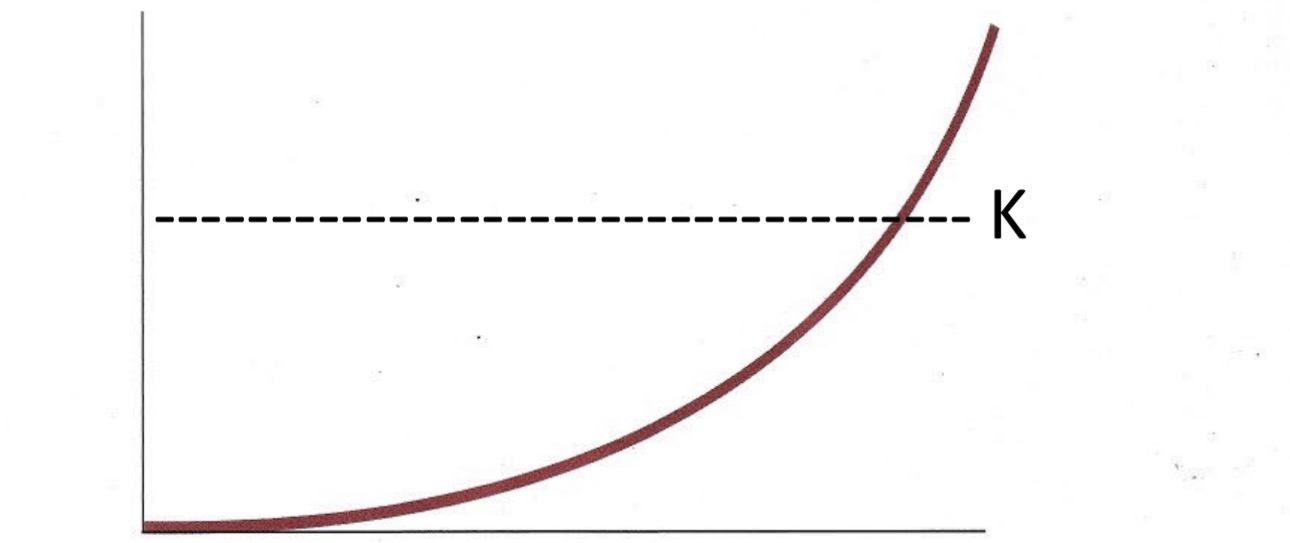
Exponential (“J-shaped”) Growth
Population growing
near biotic potential and overshooting carrying capacity.
This population will rapidly decrease.
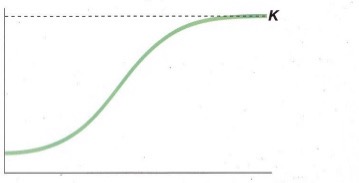
Logistic (“S-shaped”) Growth:
Population reaches a
“balance” with carrying capacity, with minor fluctuations
around it.
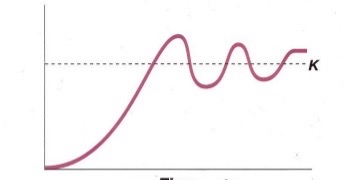
More Complex:
Between the other two, and most
common. Population fluctuates above and below carrying
capacity, but not nearly as extreme as seen with “Boom-
or-Bust” populations.
GENERALIST
An organism that tends to have wide zones of
tolerance.
SPECIALIST
: An organism that tends to have narrow zones of
tolerance
HOME RANGE:
The area
encompassed in normal
daily activities.
TERRITORY
: That
portion of the home
range that is defended,
especially against
conspecifics.
Mutualism
Gains+gains
Commensalism
Gains - is unaffected
Altruism
When an organism puts itself in danger (possibly reduces its
reproductive potential) to benefit another organism.
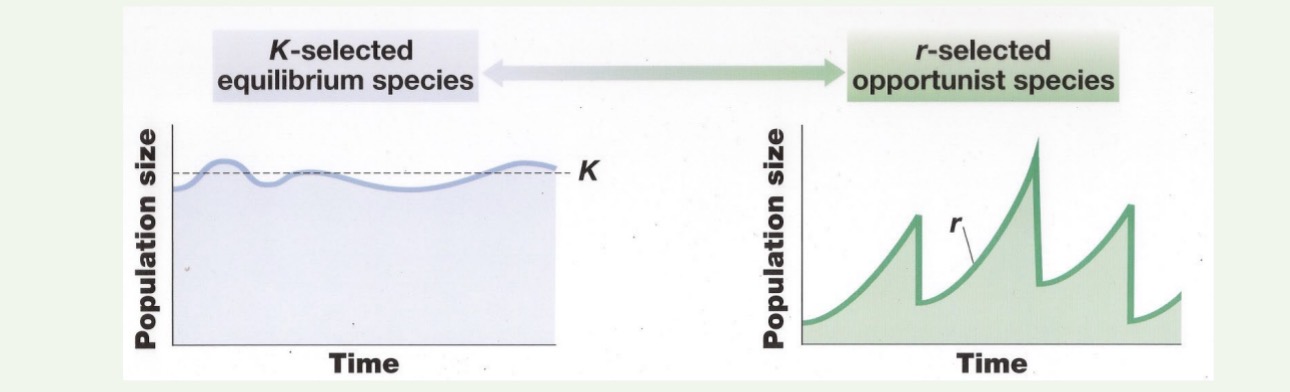
Can you list several examples of
differences between
“r”
versus
“K”
strategists???
K: Organisms:
larger, long lived
produce fewer offspring
provide greater care for offspring
r:
smaller, short lived
produce many offspring
provide no care for offspring
What are the 3 main types of biodiversity?
Genetics, Species, Community/Ecosystem