SCB 203 bone practical
 Call Kai
 Learn
Learn Practice Test
 Spaced Repetition
 Match
Match Flashcards
 Knowt Play
1/191

There's no tags or description
Looks like no tags are added yet.
Name | Mastery | Learn | Test | Matching | Spaced | Call with Kai |
|---|
No analytics yet
Send a link to your students to track their progress
192 Terms
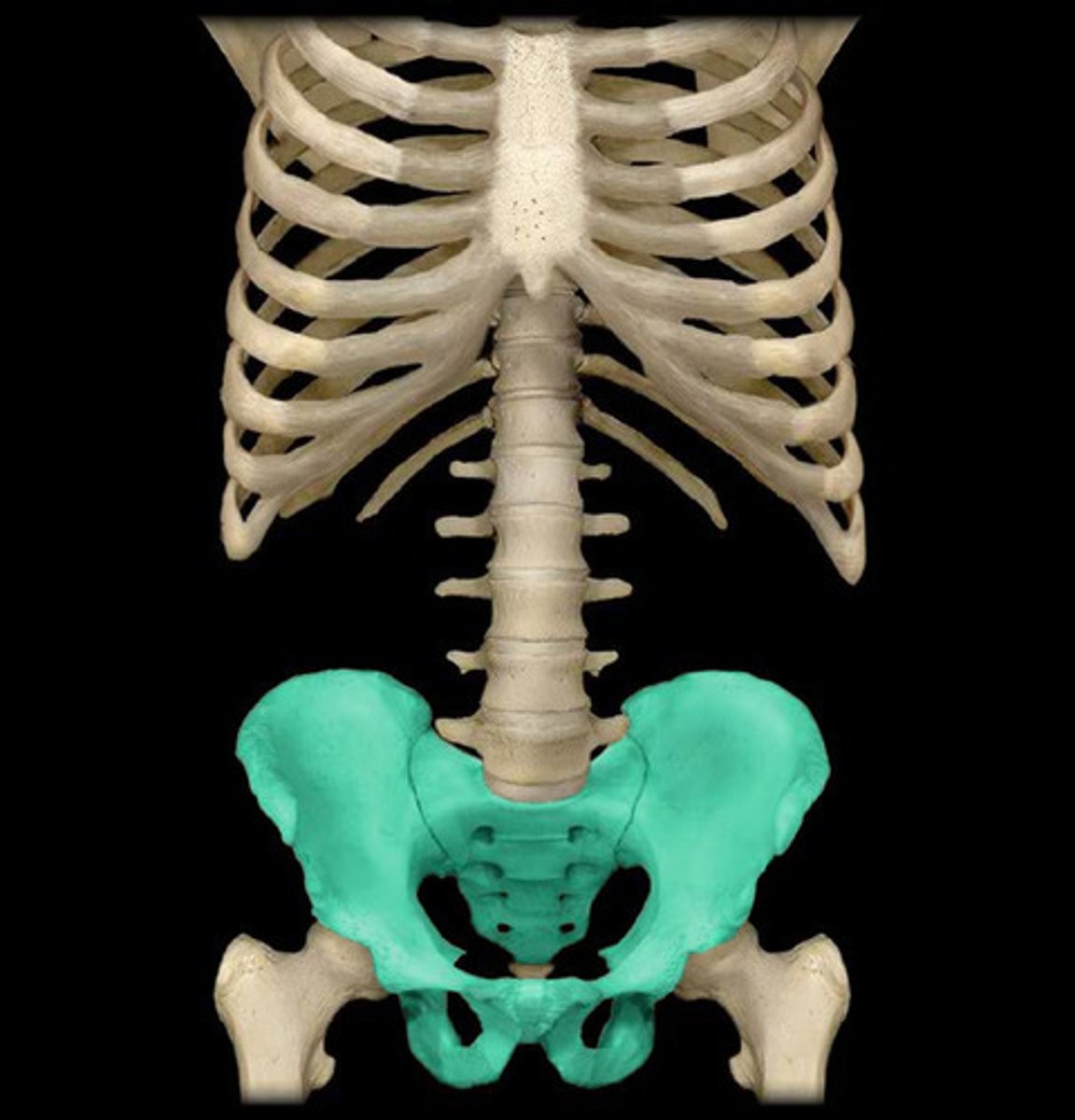
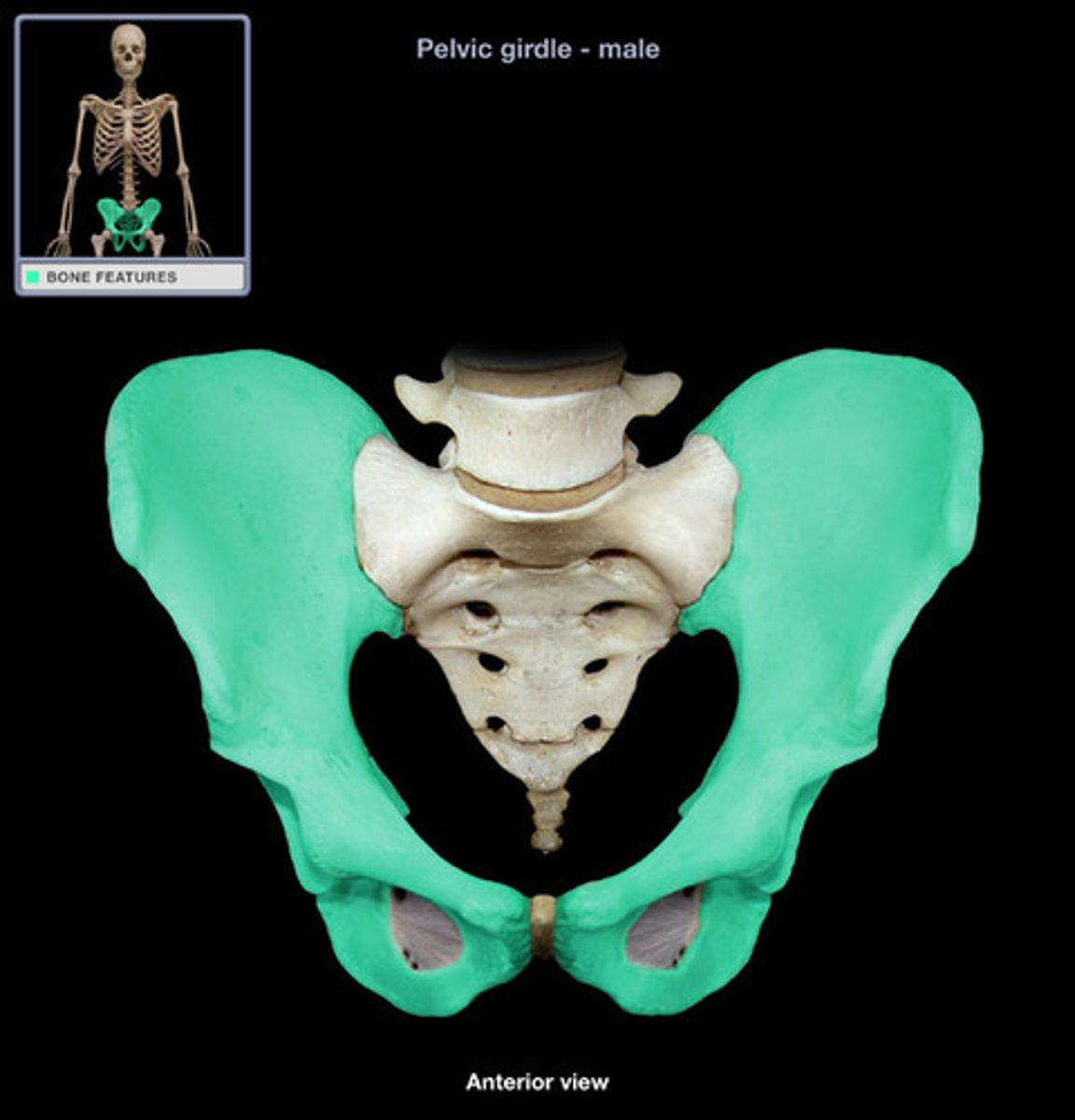
pelvic girdle
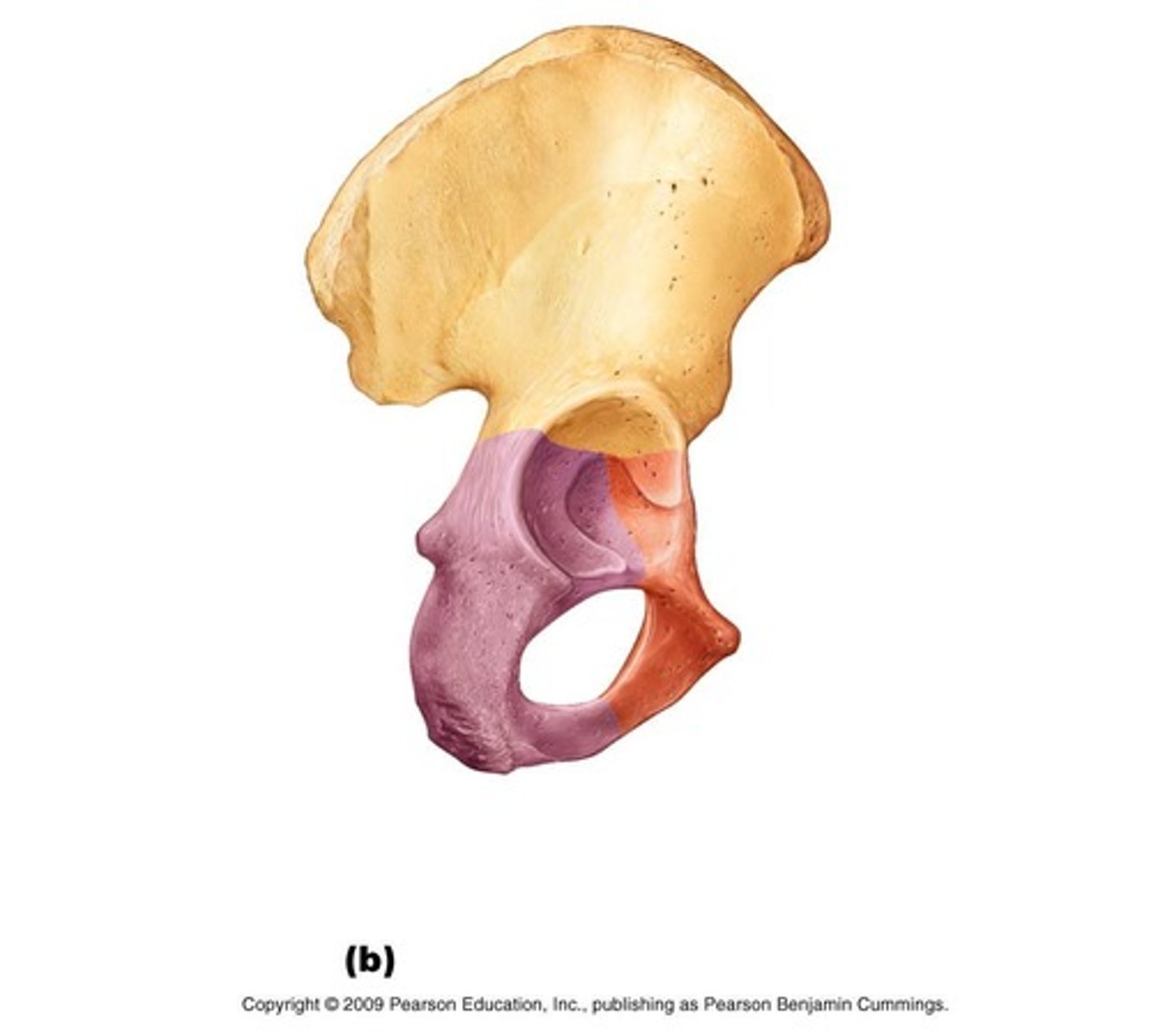
ilium
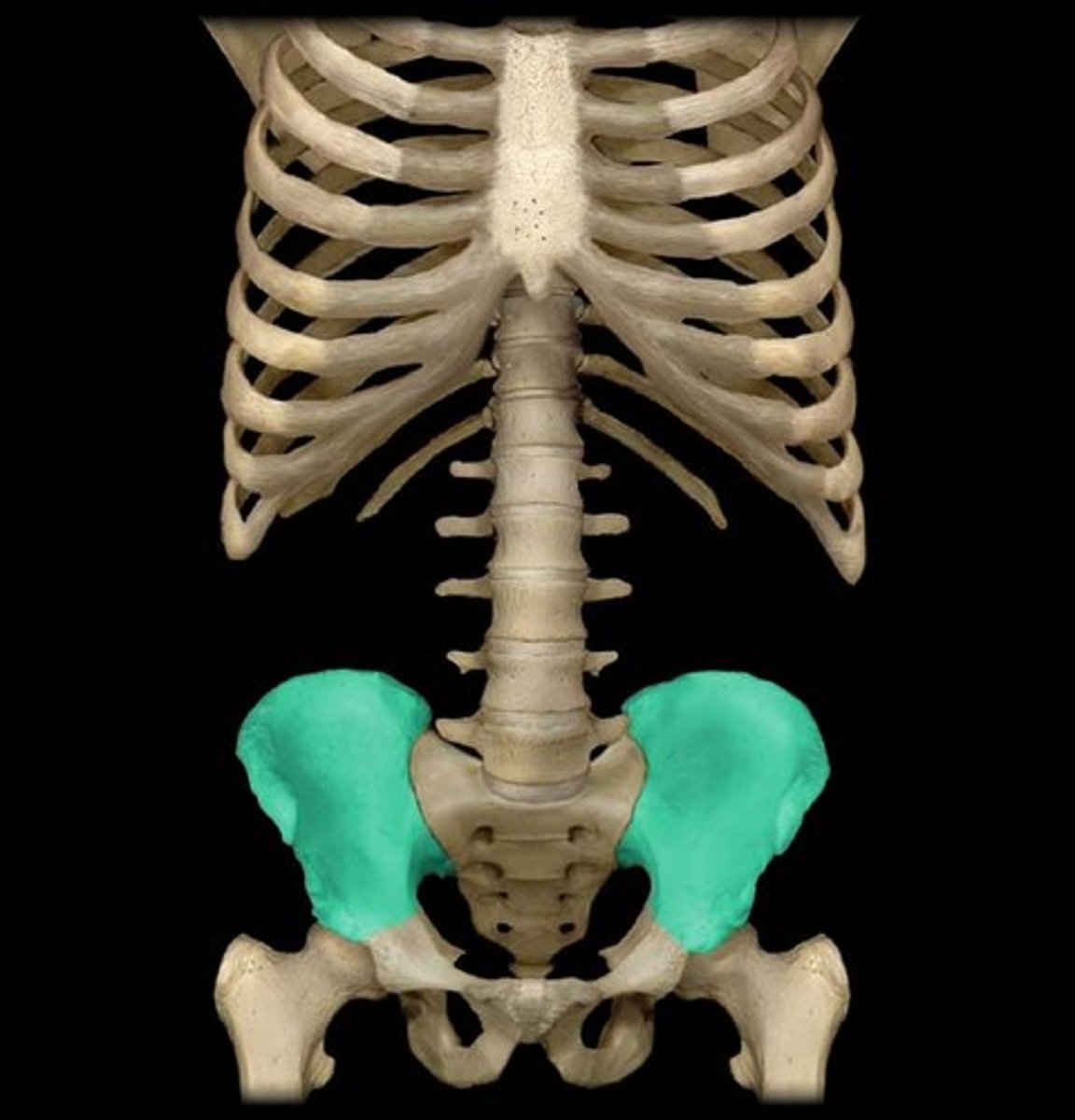
ilium
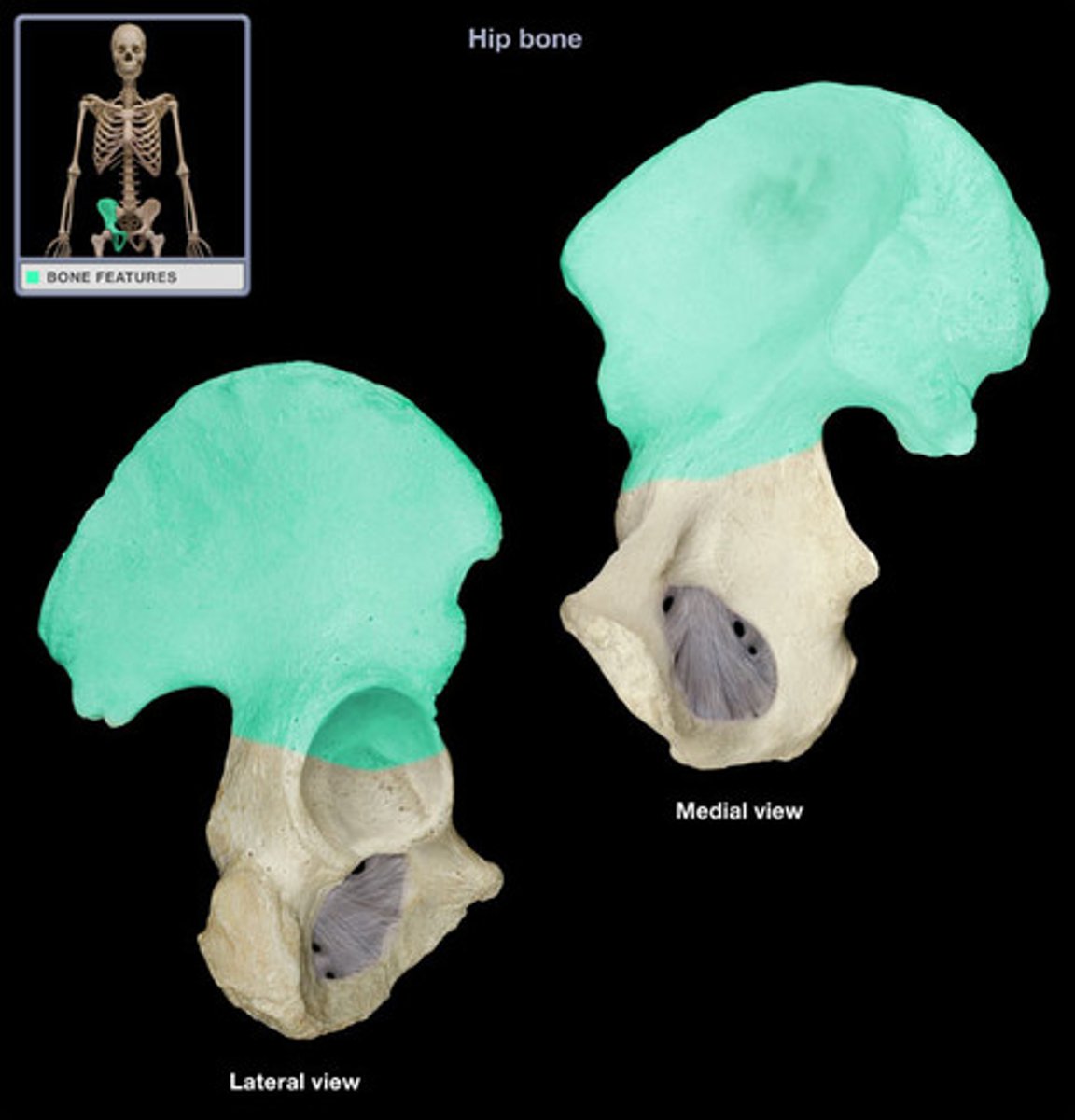
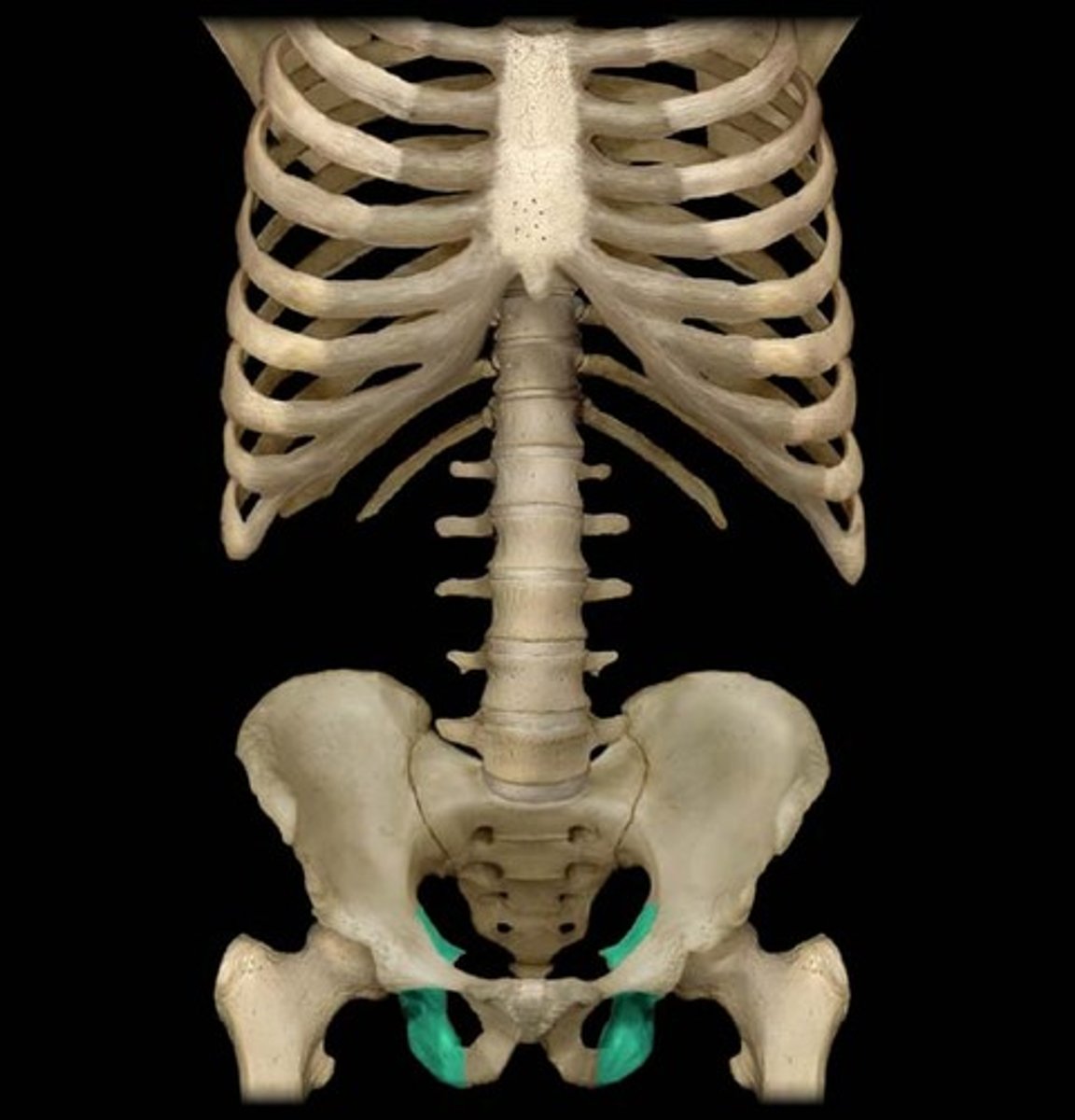
pubis
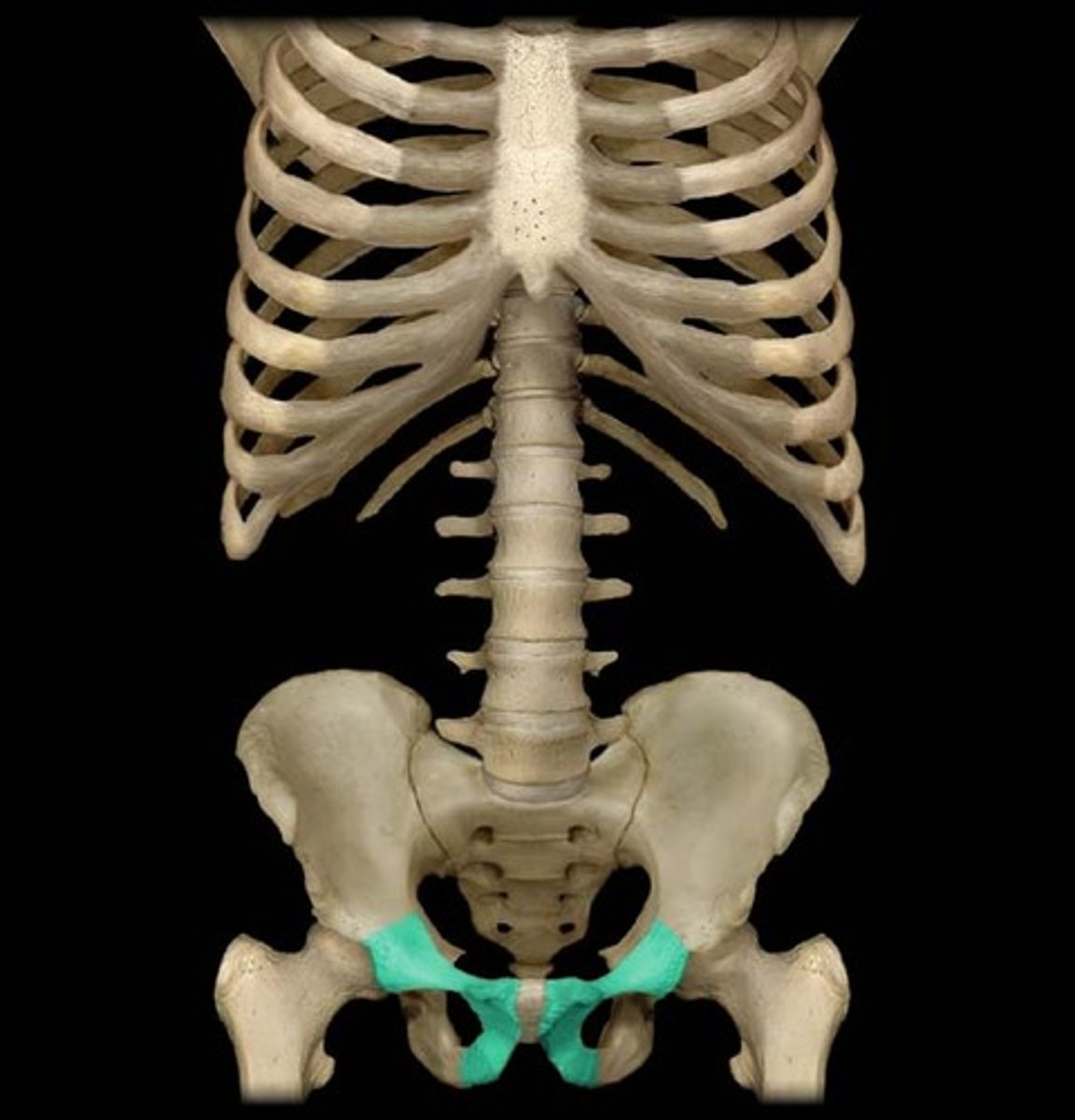
Pubis
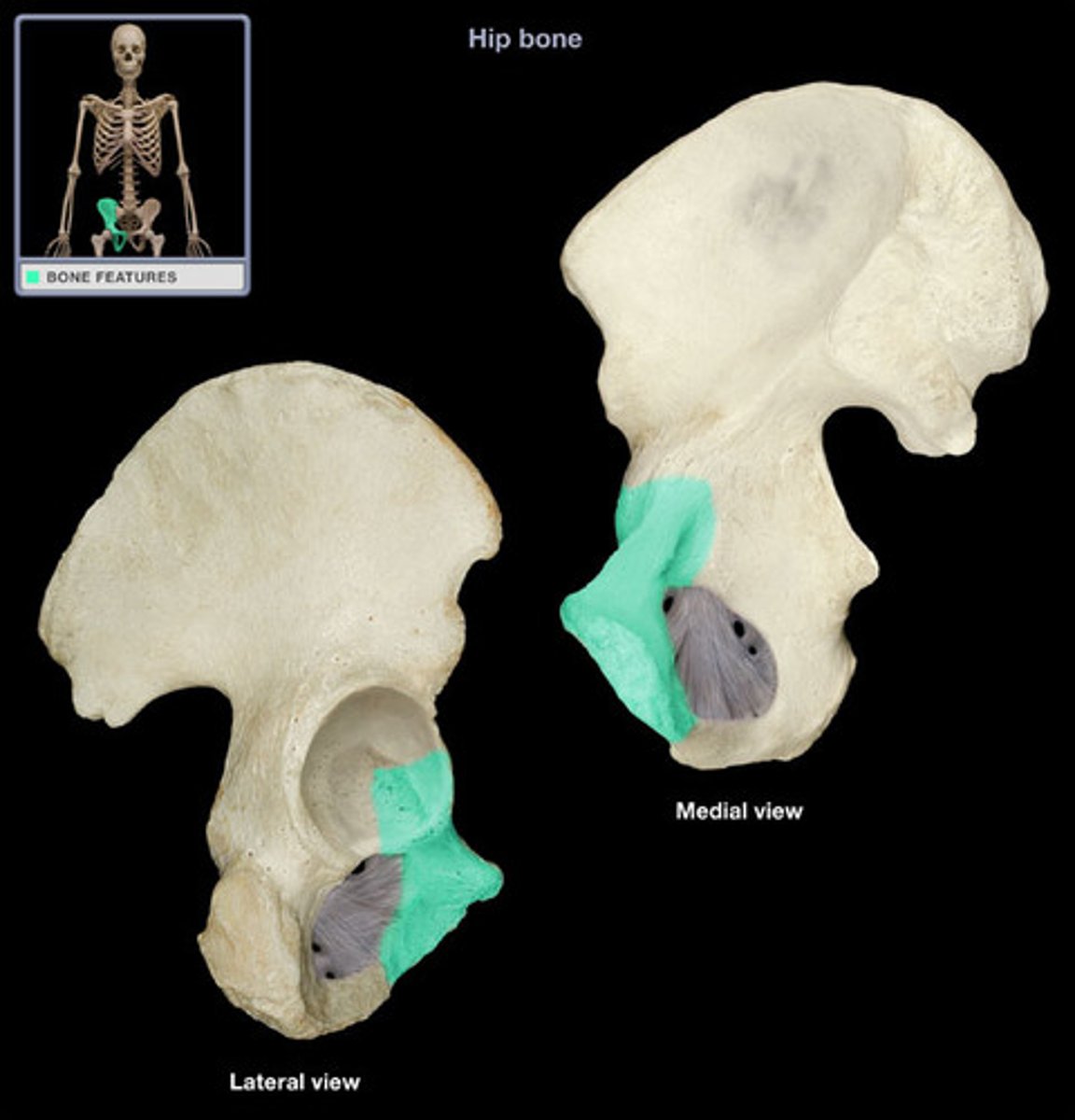
coxal (os coxa)
coxal (os coxa)
symphysis pubis
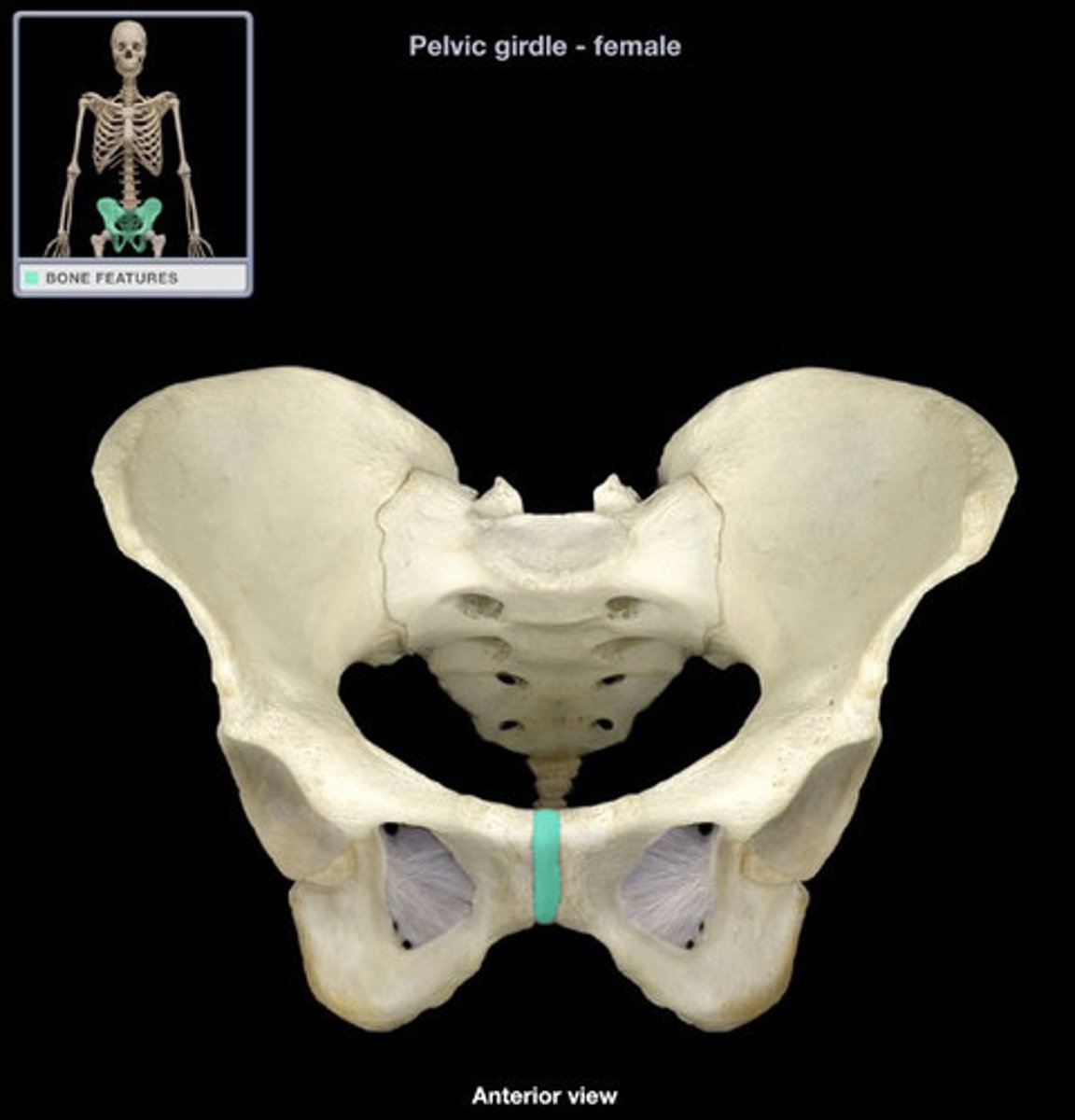
symphysis pubis
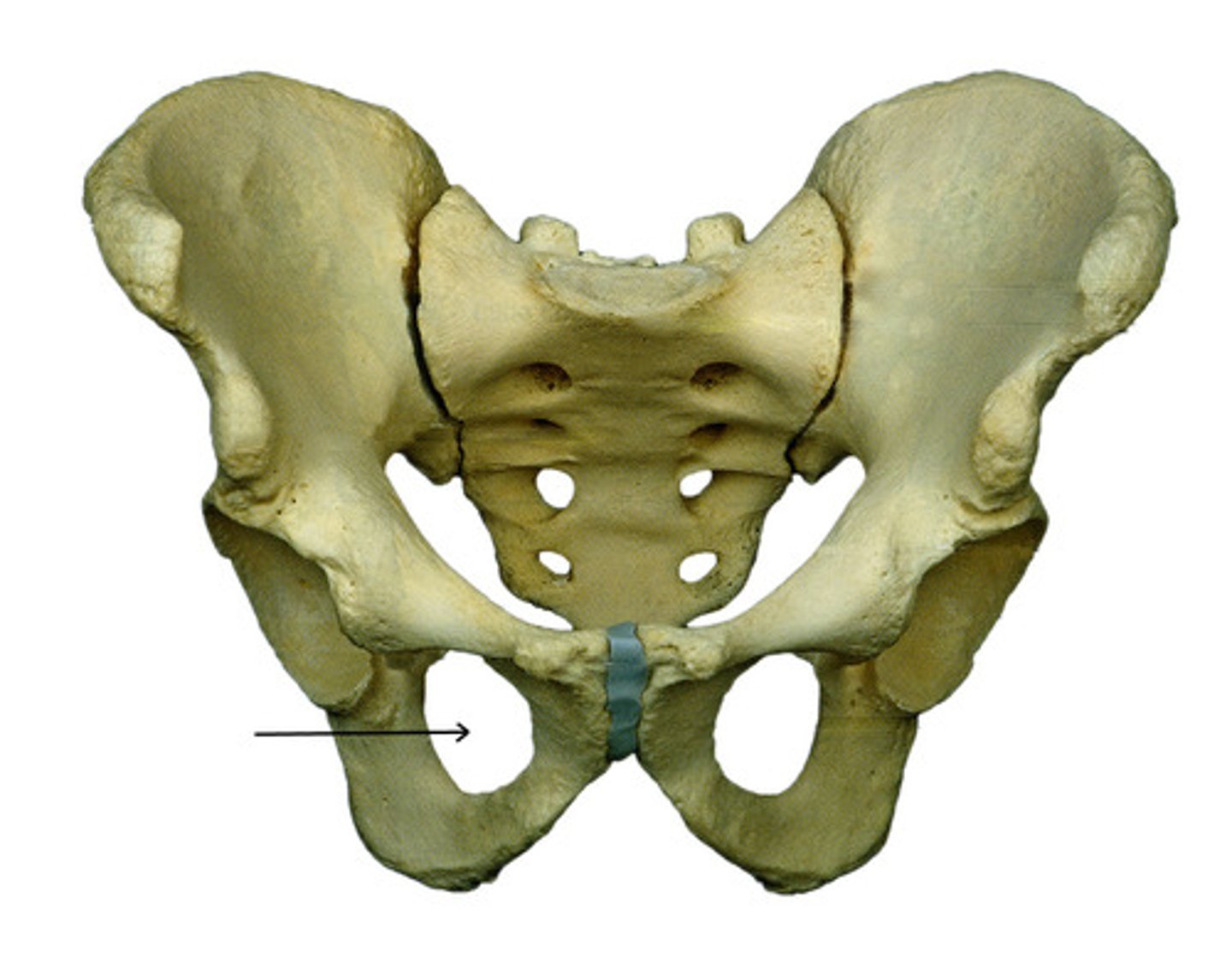
obturator foramen
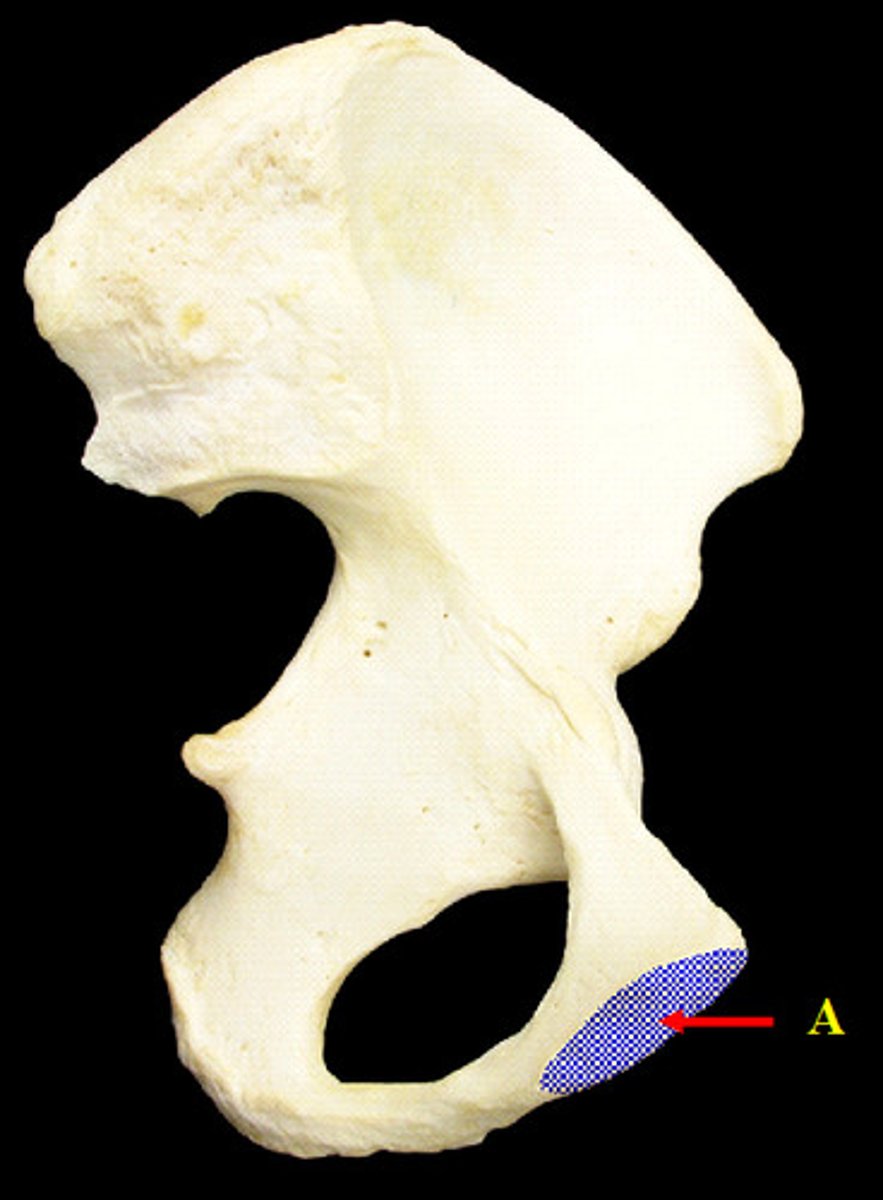
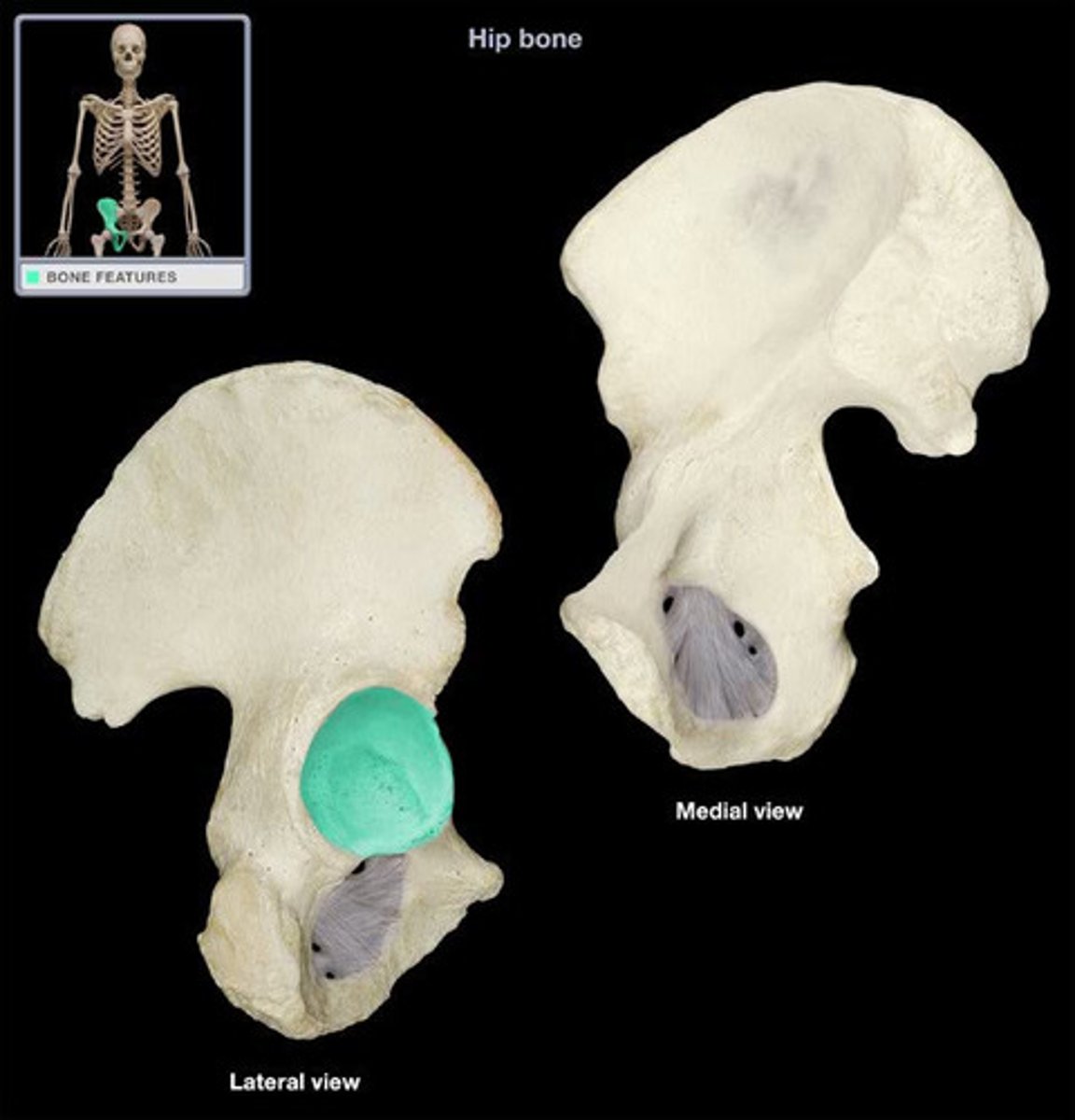
Acetabulum
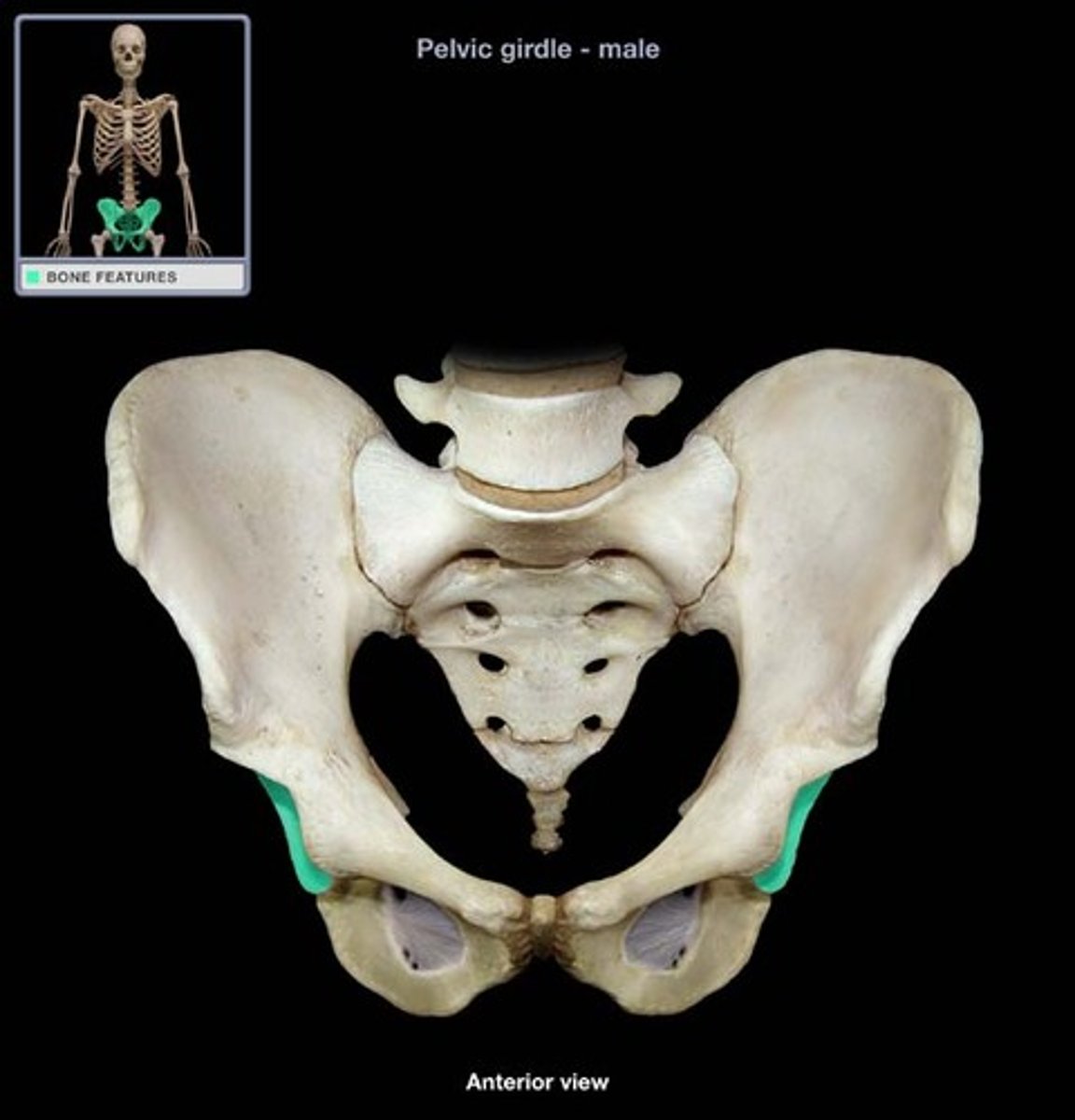
Acetabulum
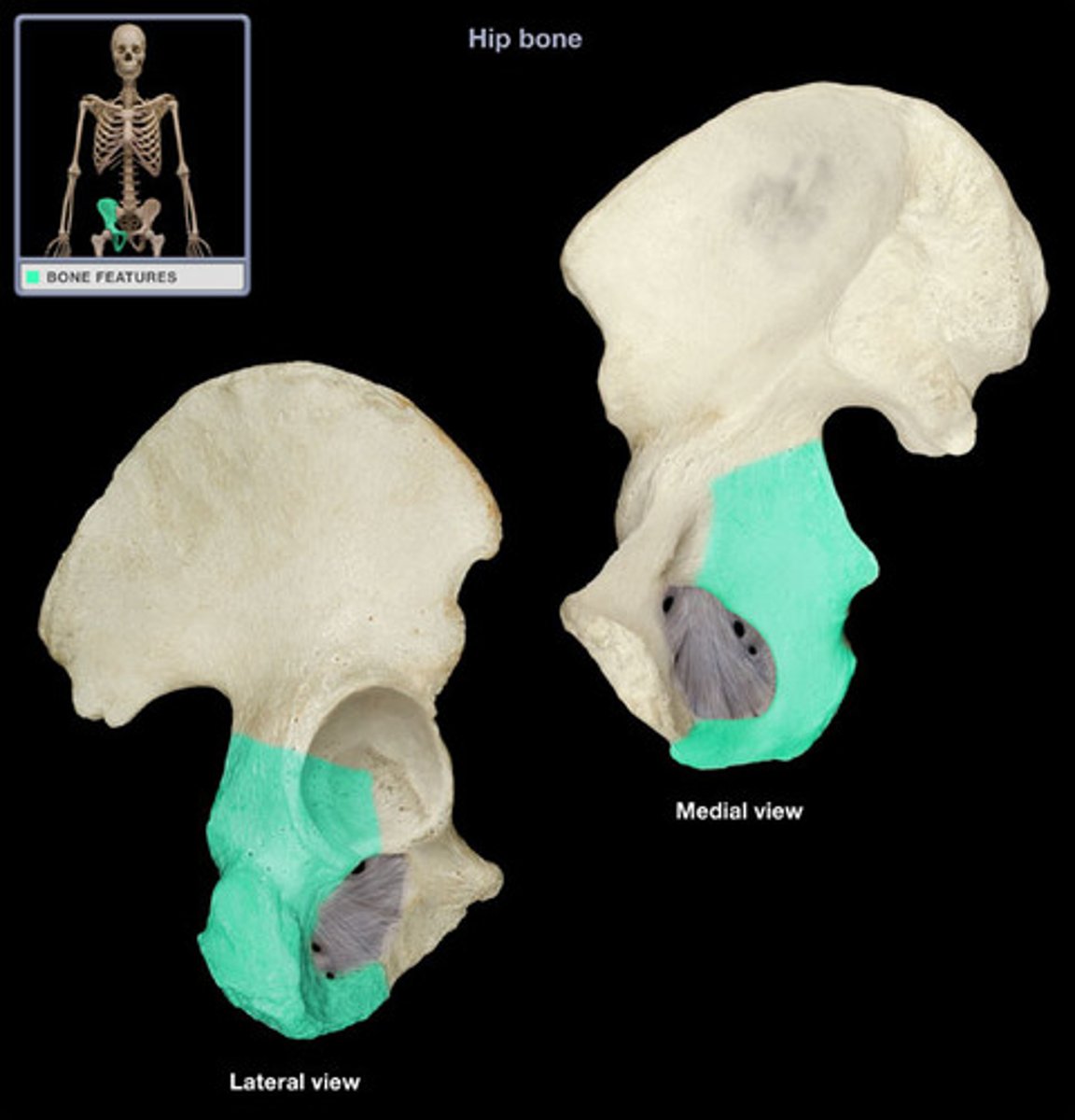
ischium
ischium
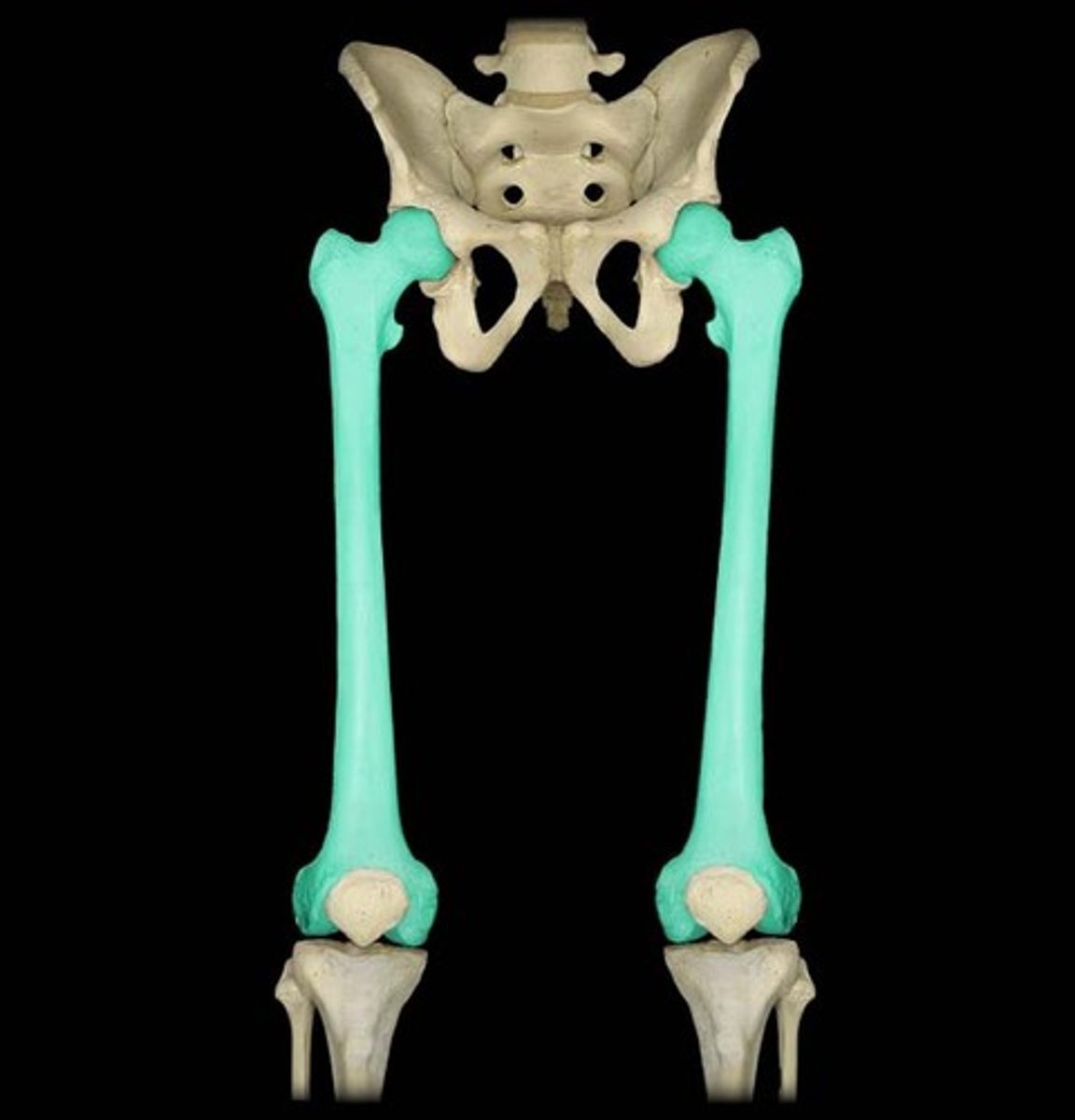
femur
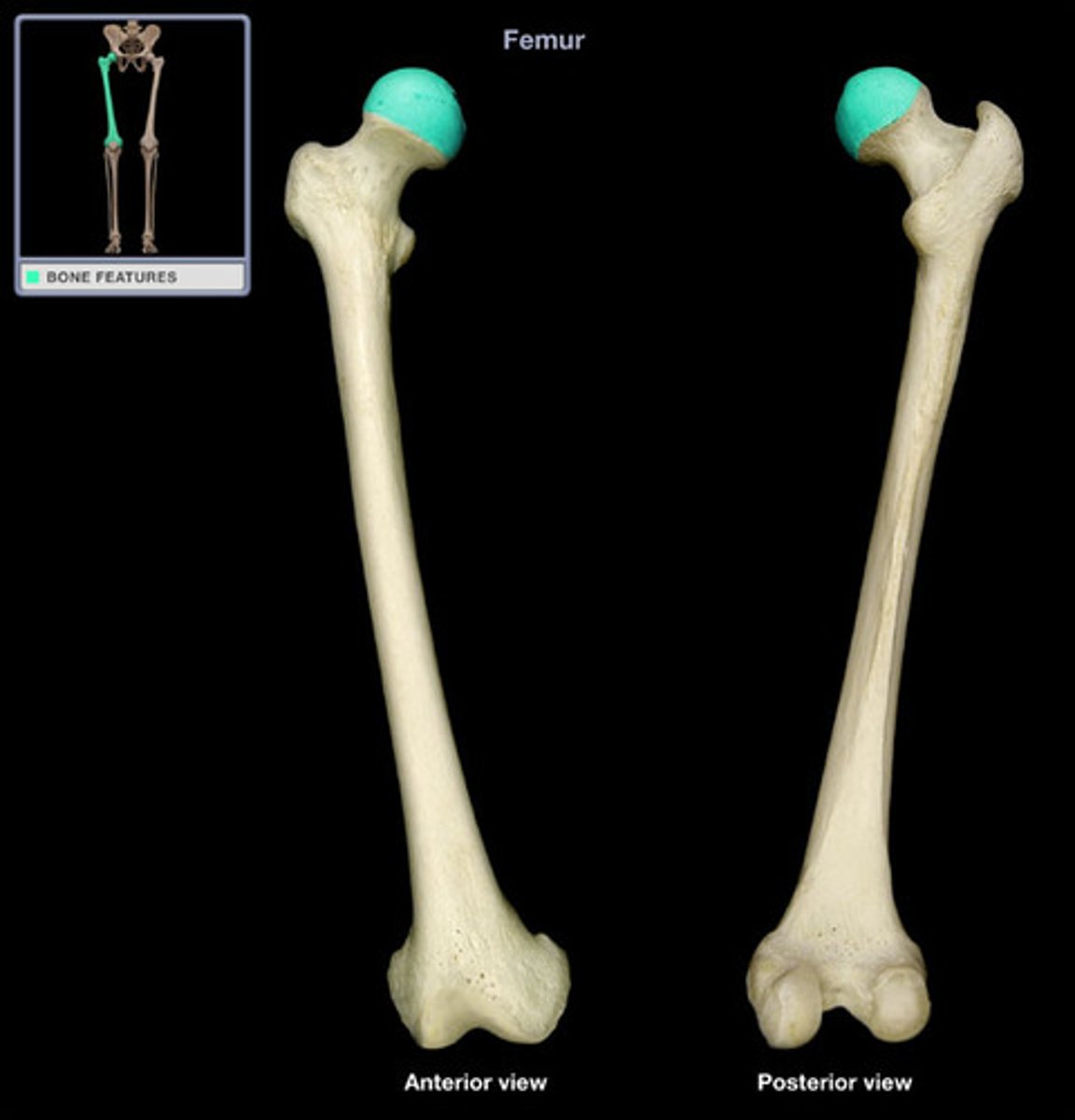
femur head
smooth, rounded proximal end of the femur; articulates with acetabulum
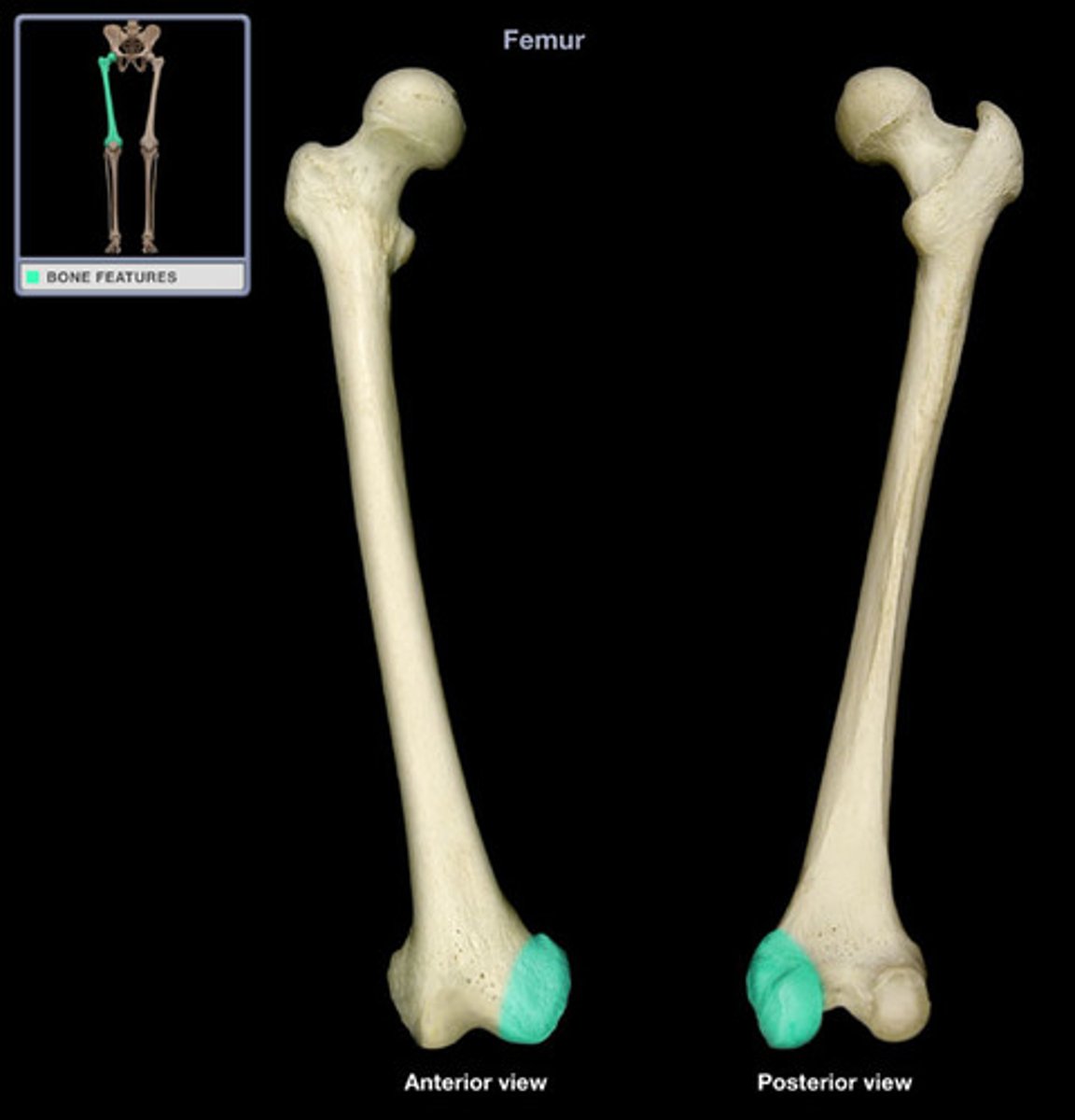
medial condyle of femur
articulates with the medial condyle of the tibia
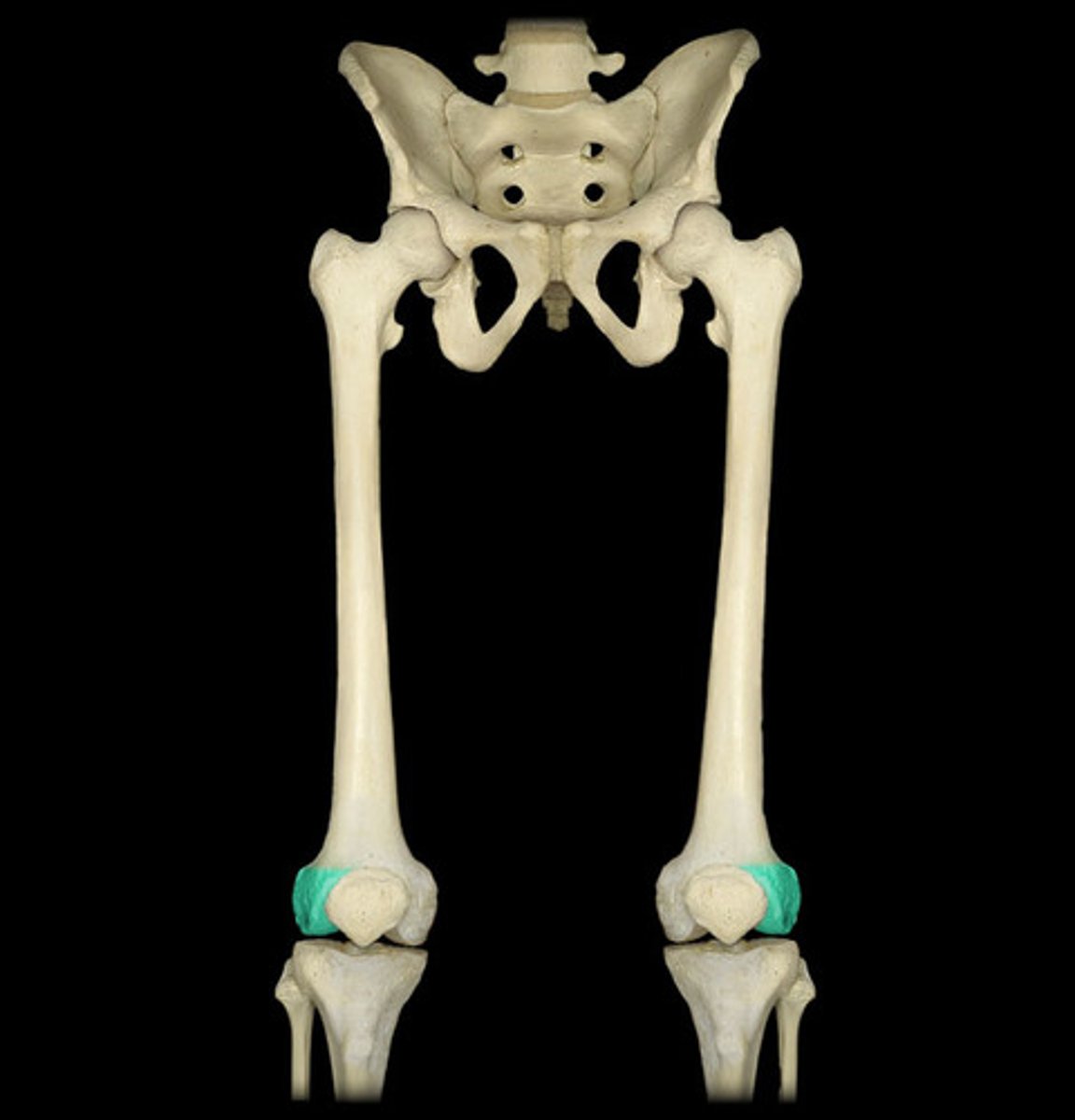
lateral condyle of femur
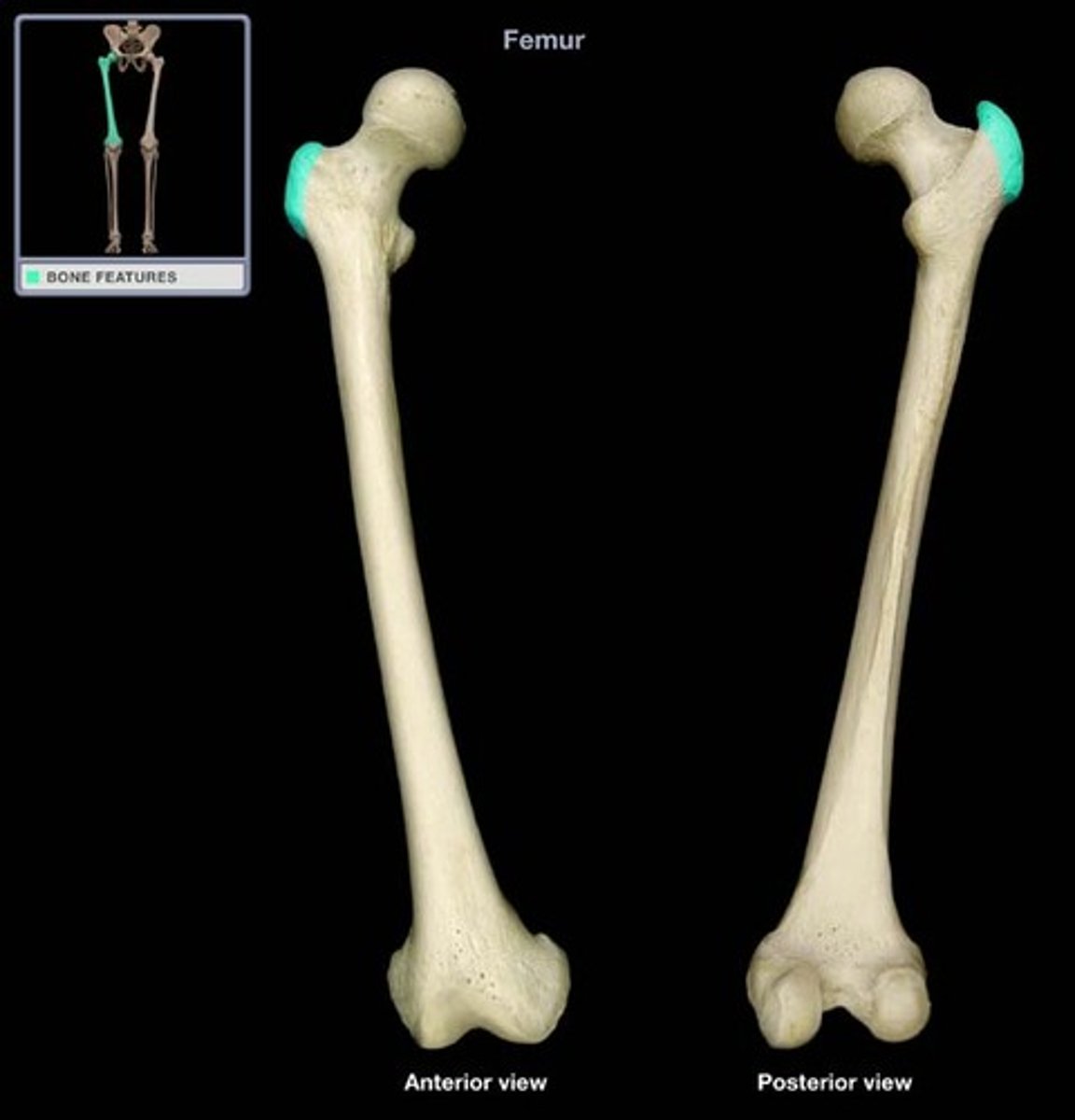
greater trochanter of femur
lesser trochanter of femur
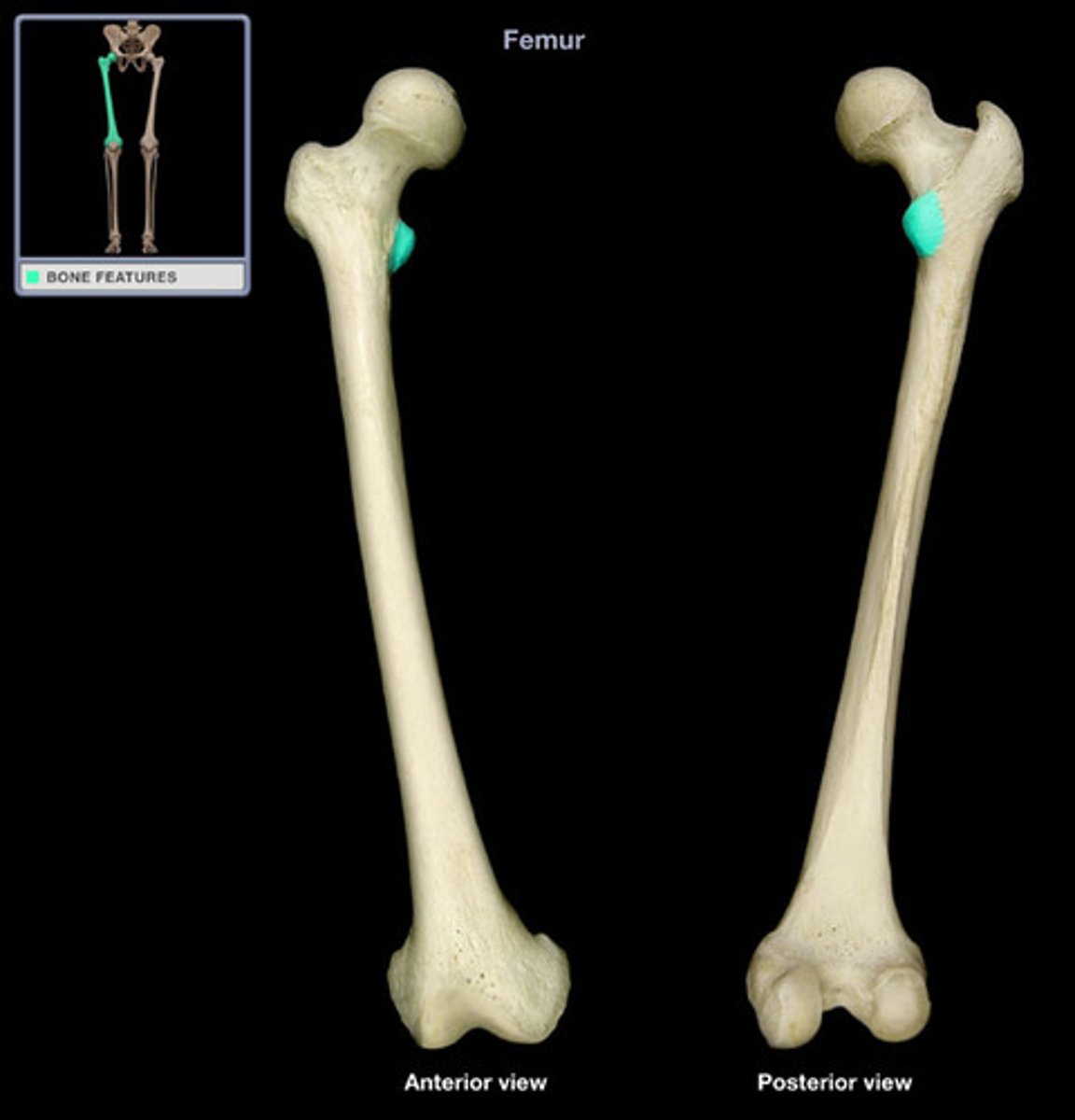
medial epicondyle of femur
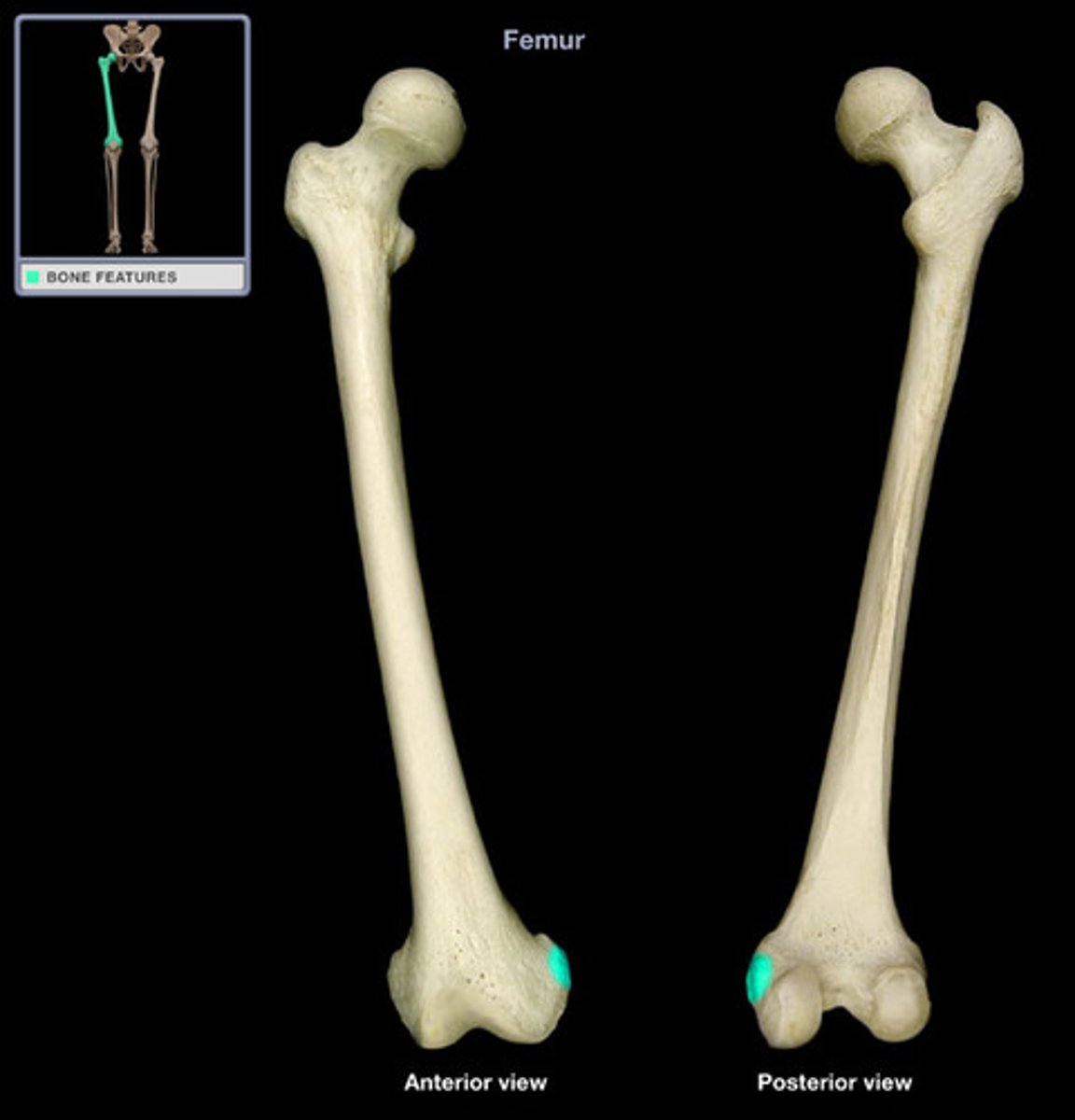
lateral epicondyle of femur
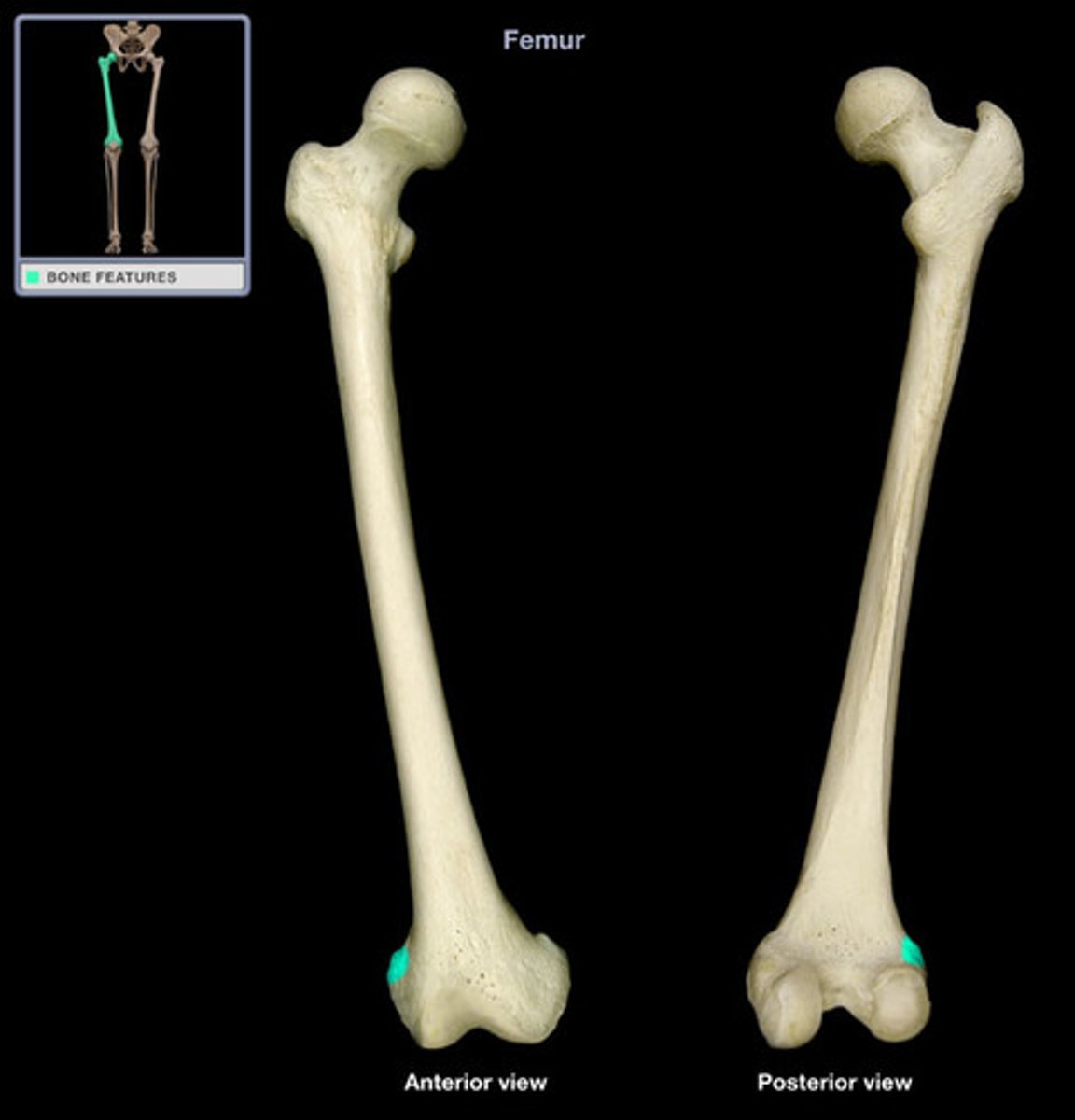
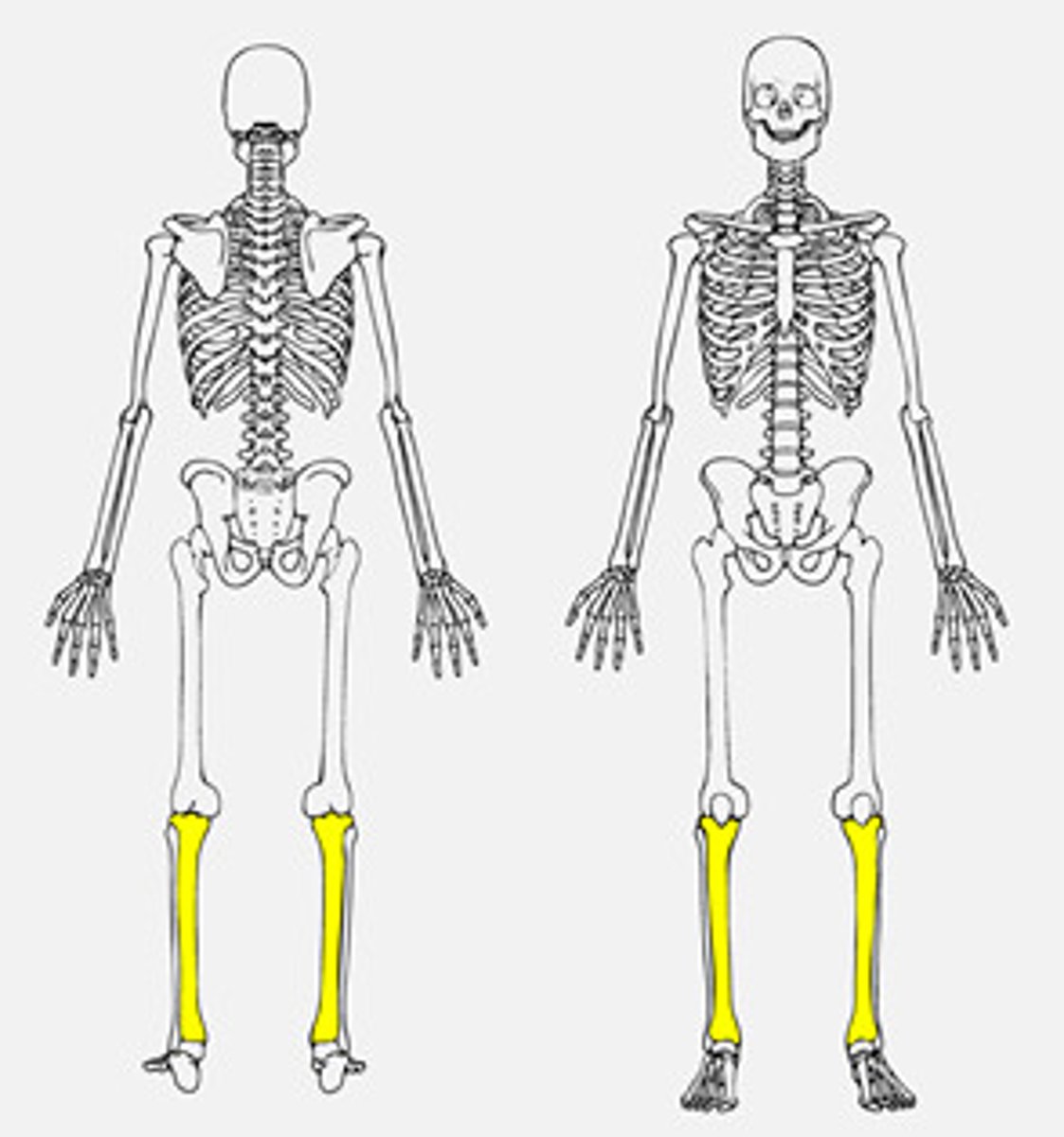
Tibia
the medial and larger bone of the lower leg
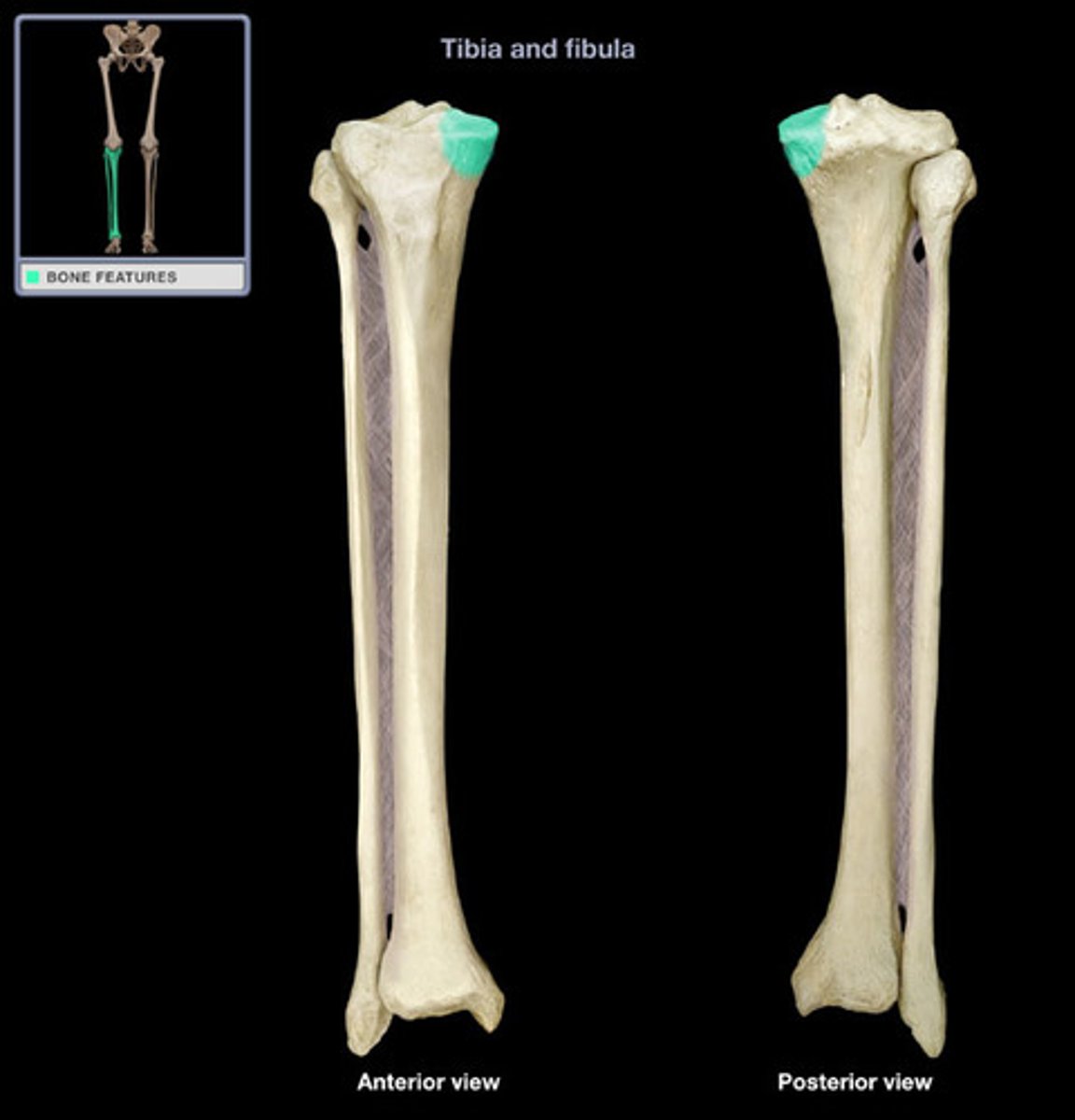
lateral condyle of tibia
articulates with lateral condyle of femur
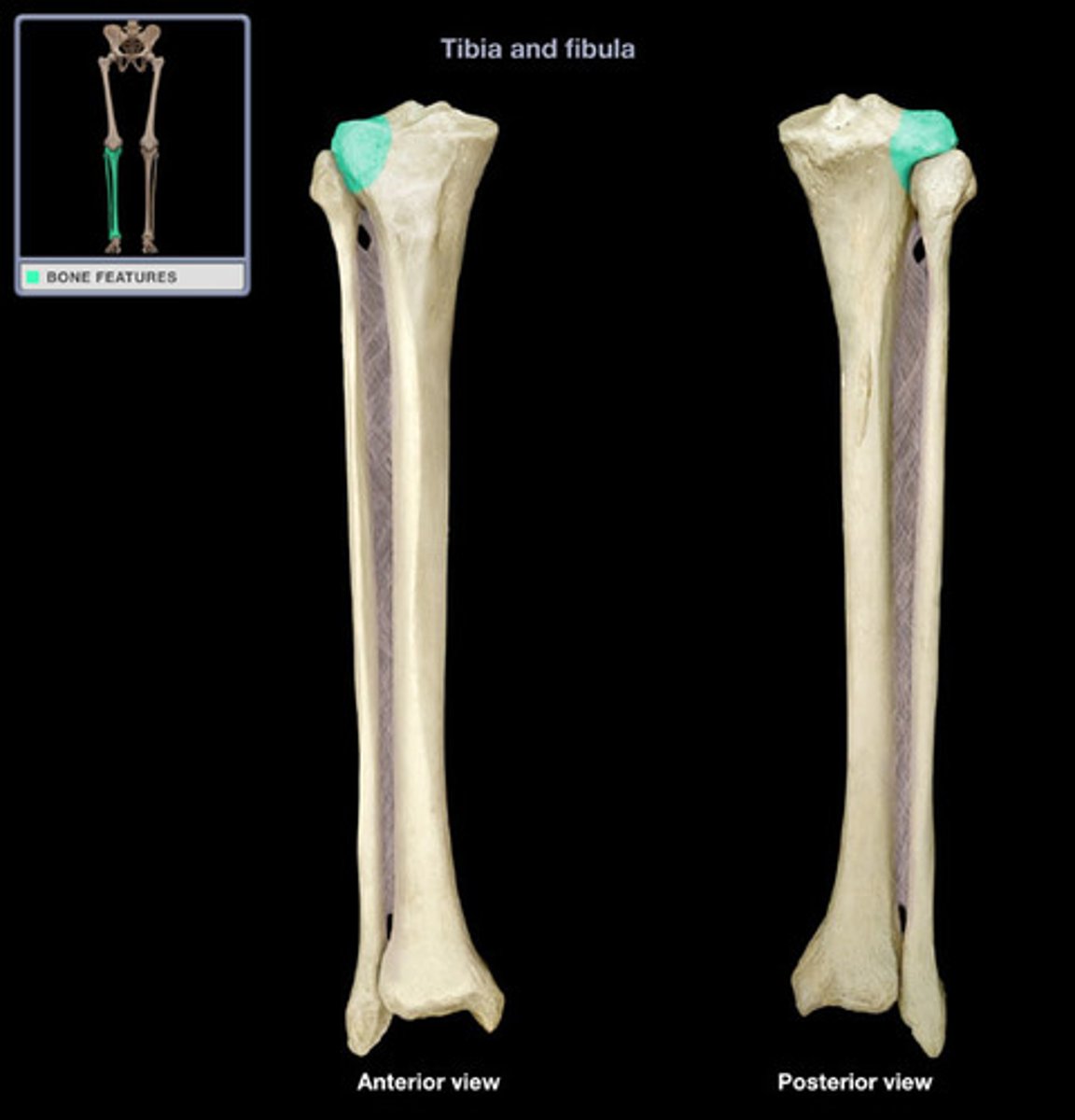
medial condyle of tibia
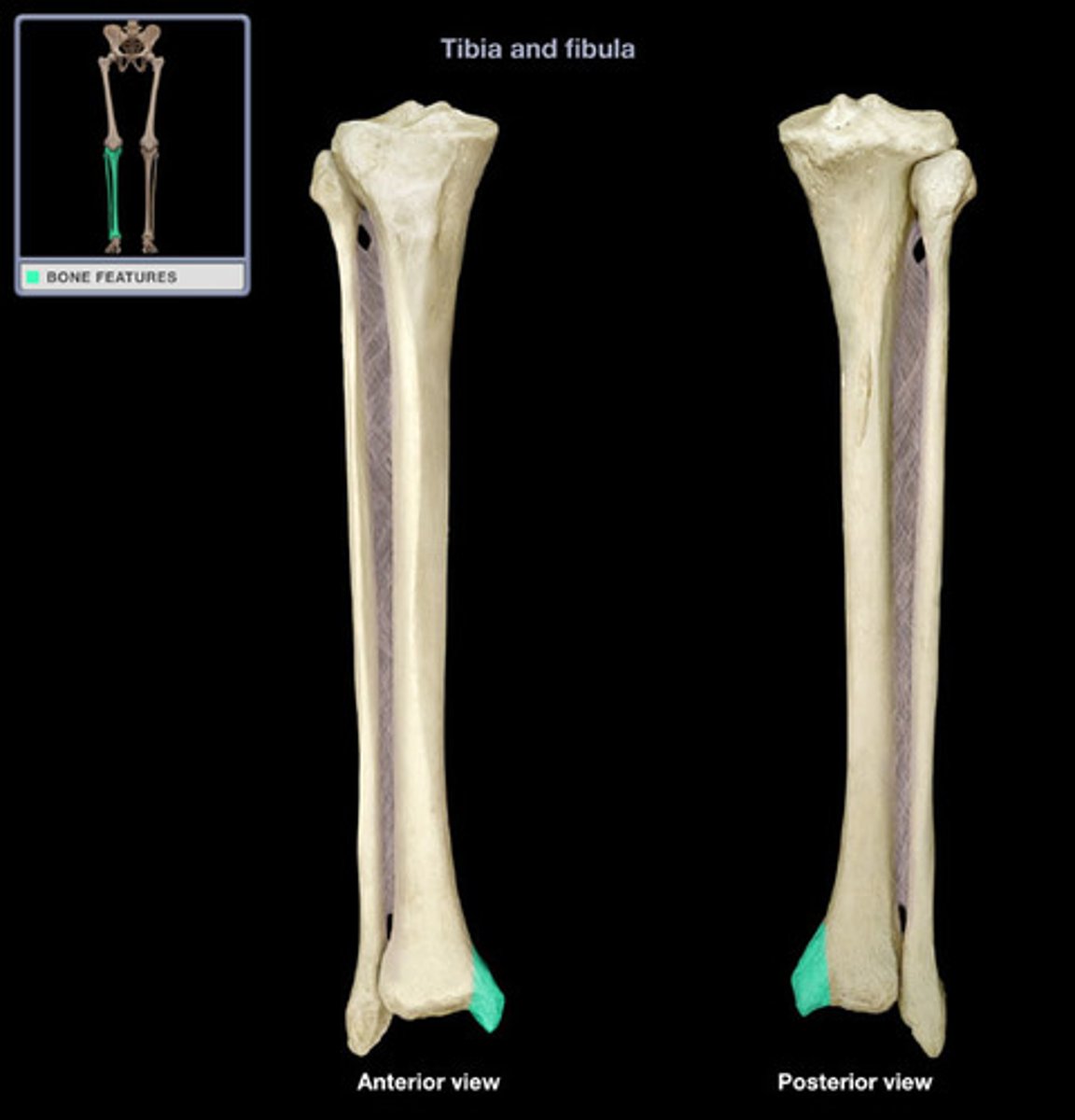
medial malleolus of tibia
medial process on distal end, forms medial bump of ankle
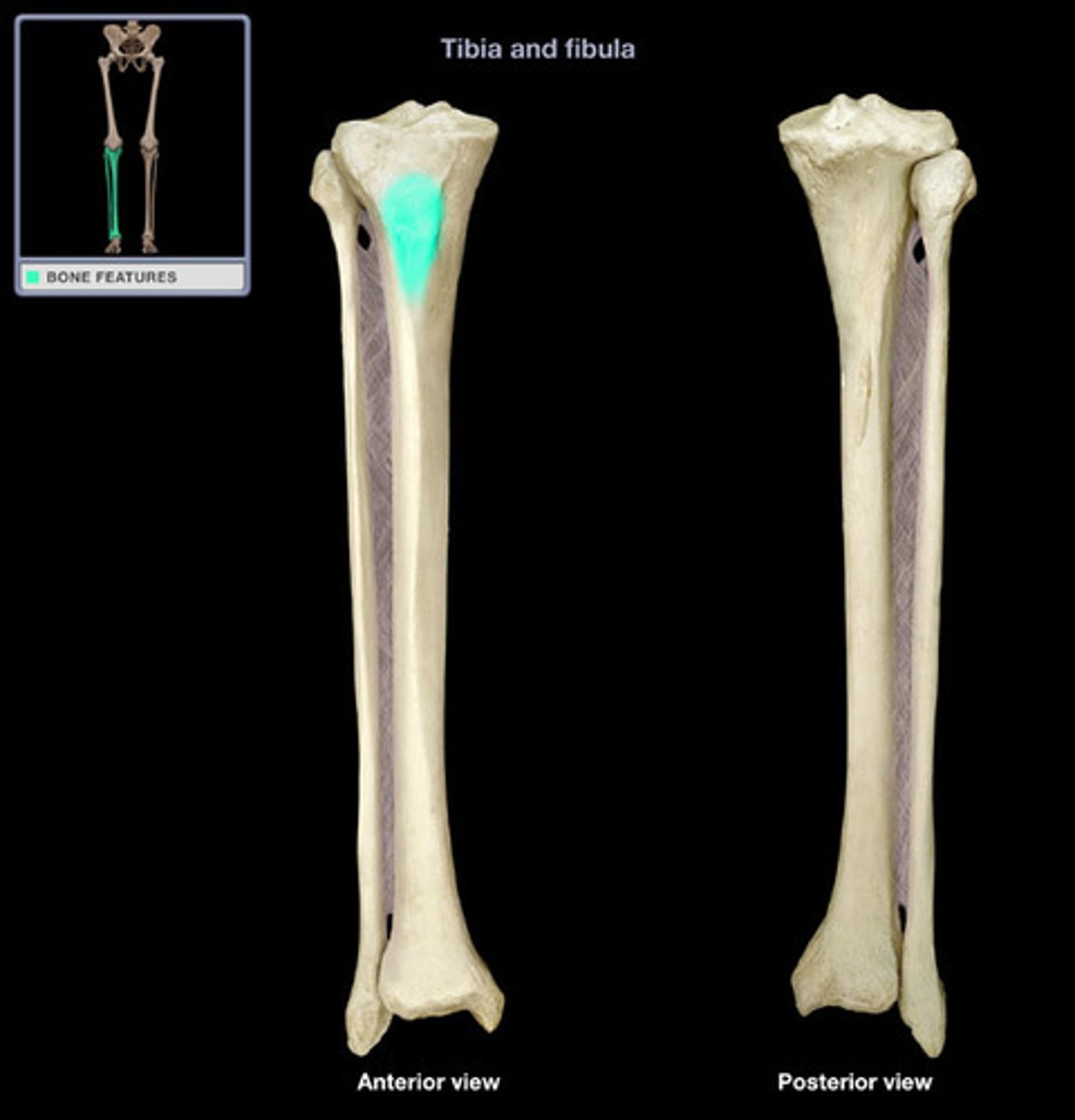
tibial tuberosity of tibia
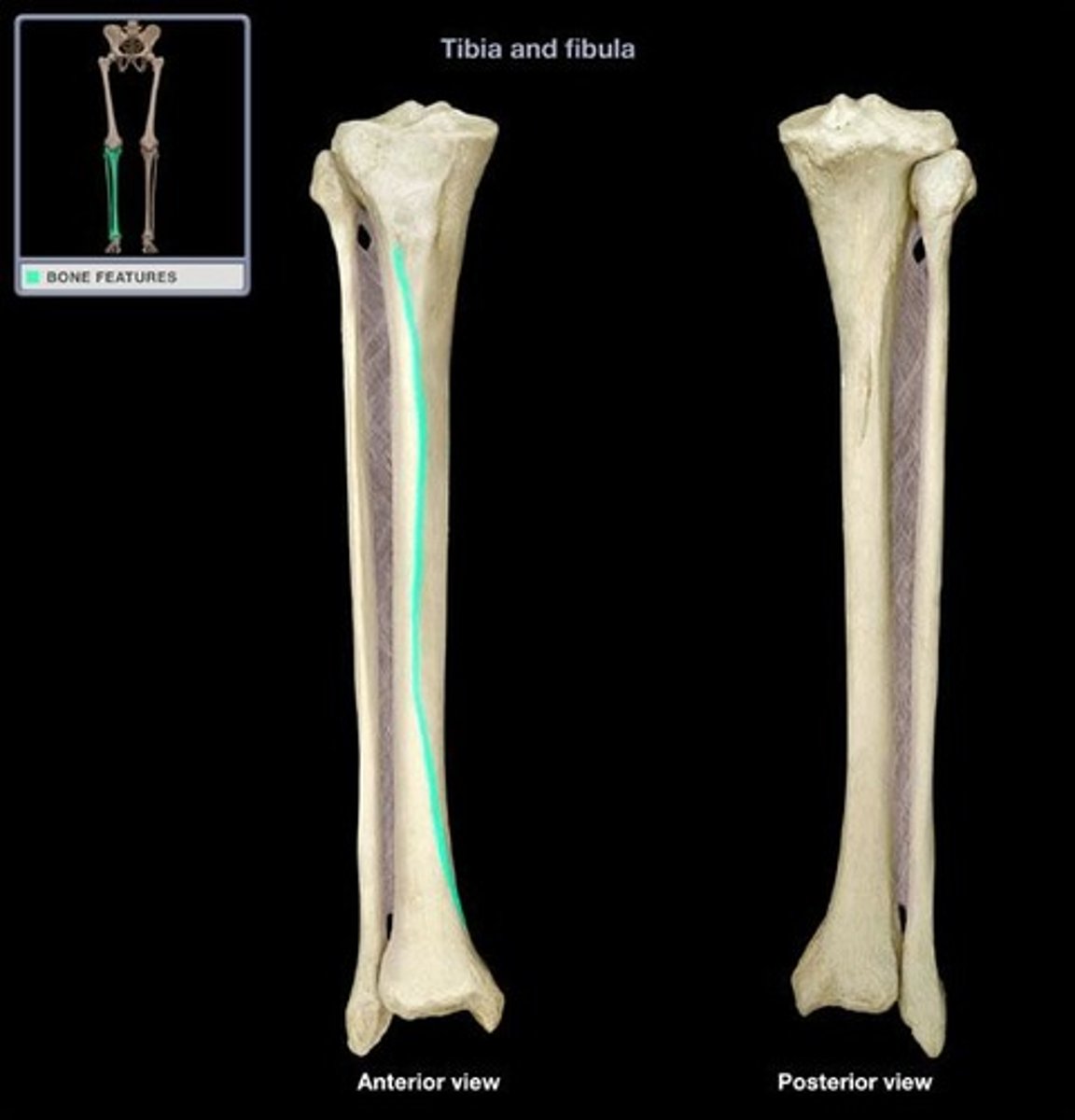
anterior crest of tibia
shin
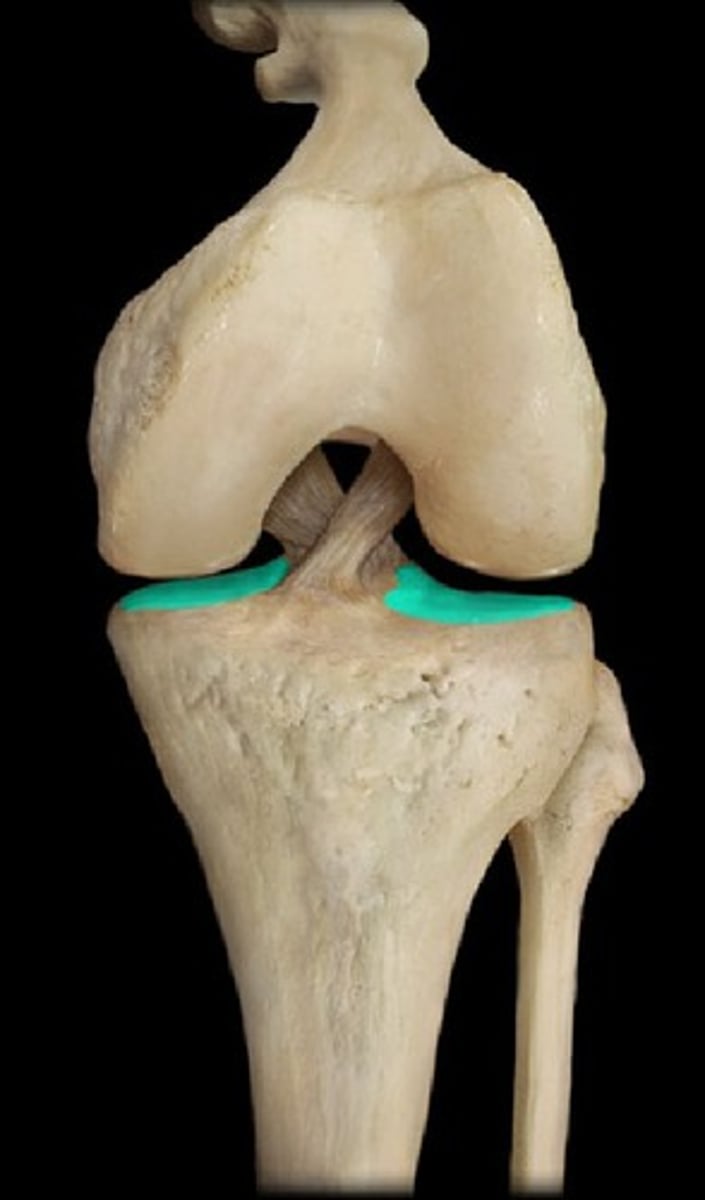
tibial plateau
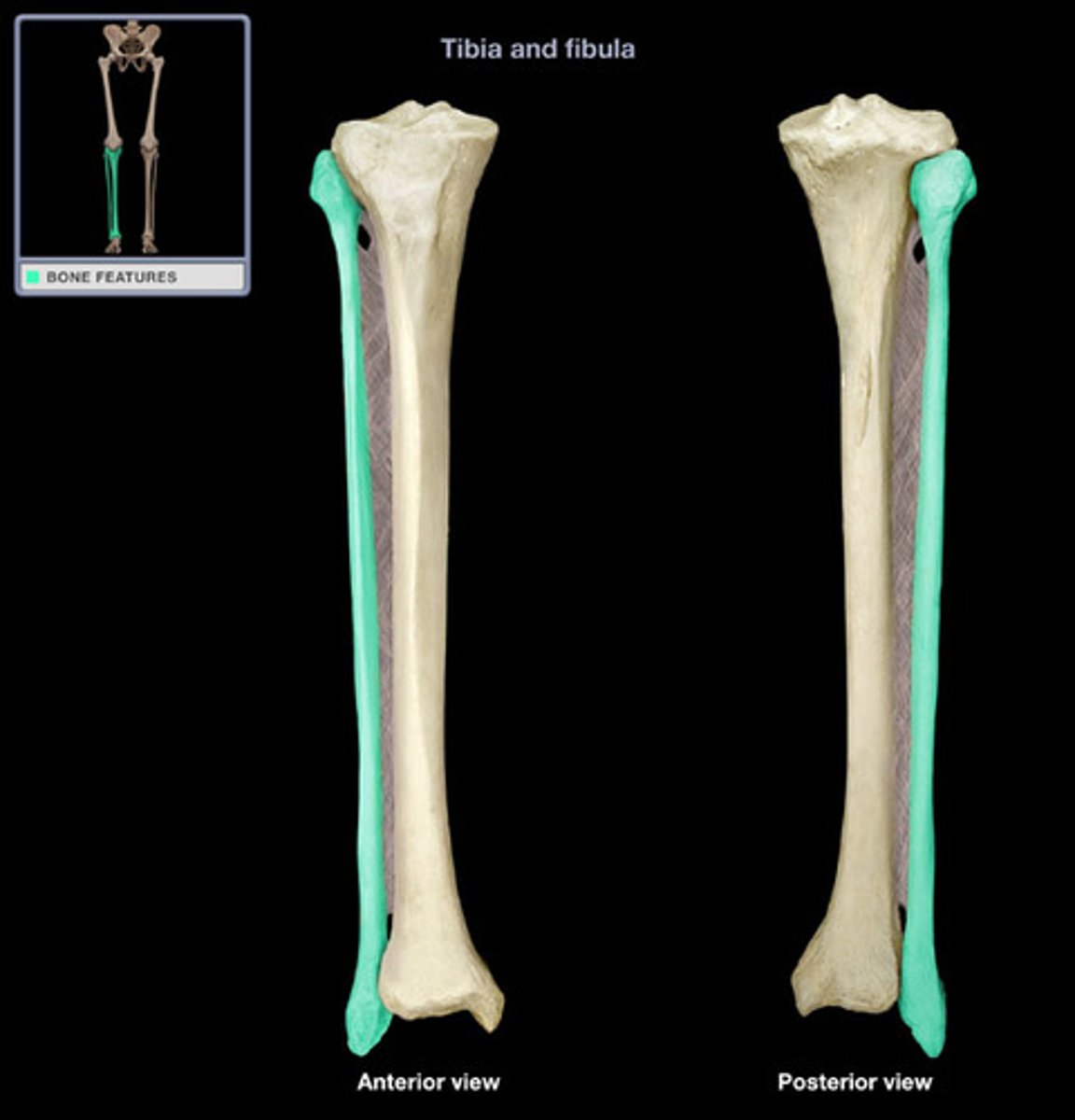
Fibula
The lateral and smaller bone of the lower leg
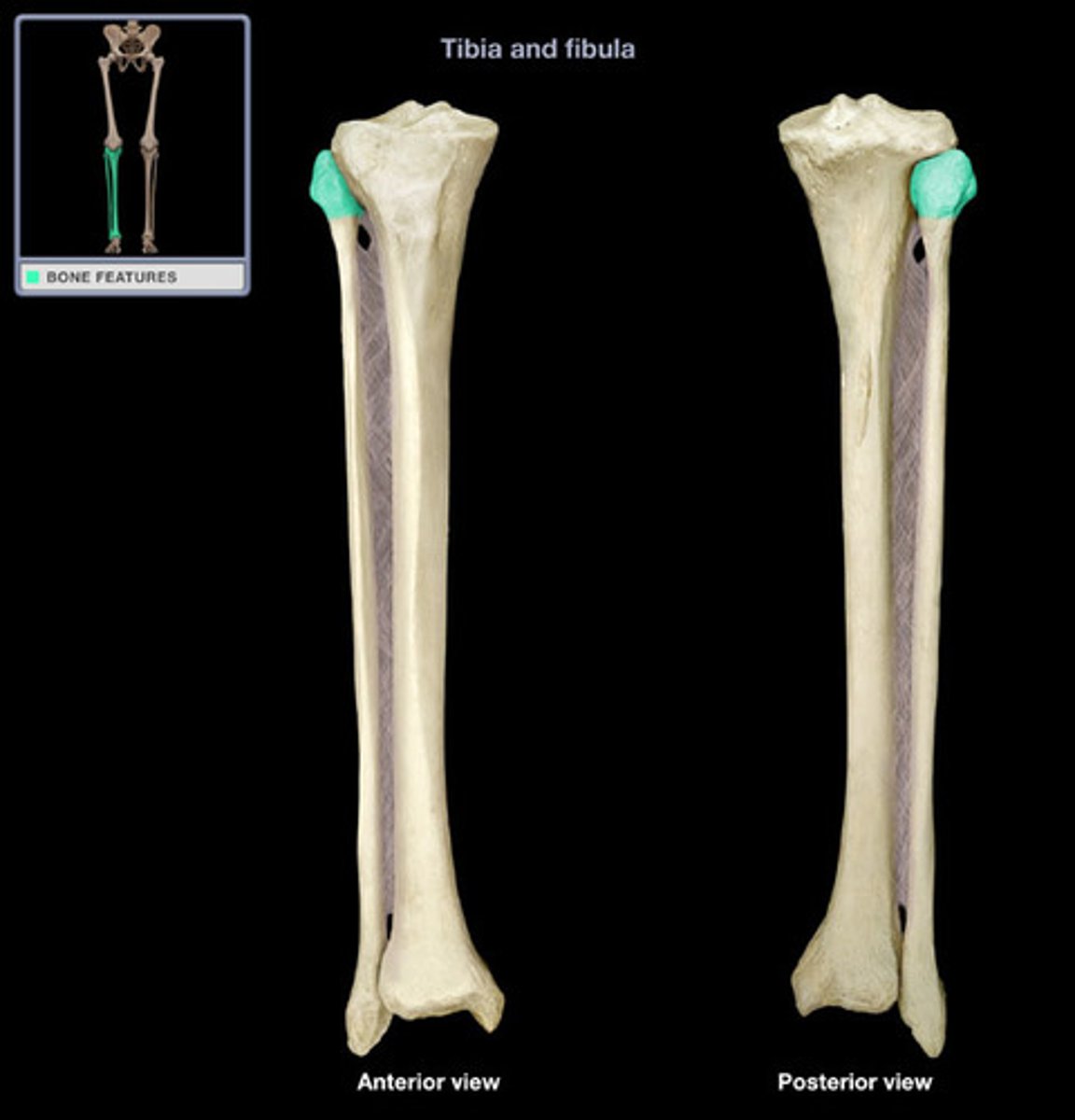
head of fibula
lateral malleolus of fibula
forms the lateral bulge of the ankle and articulates with the talus
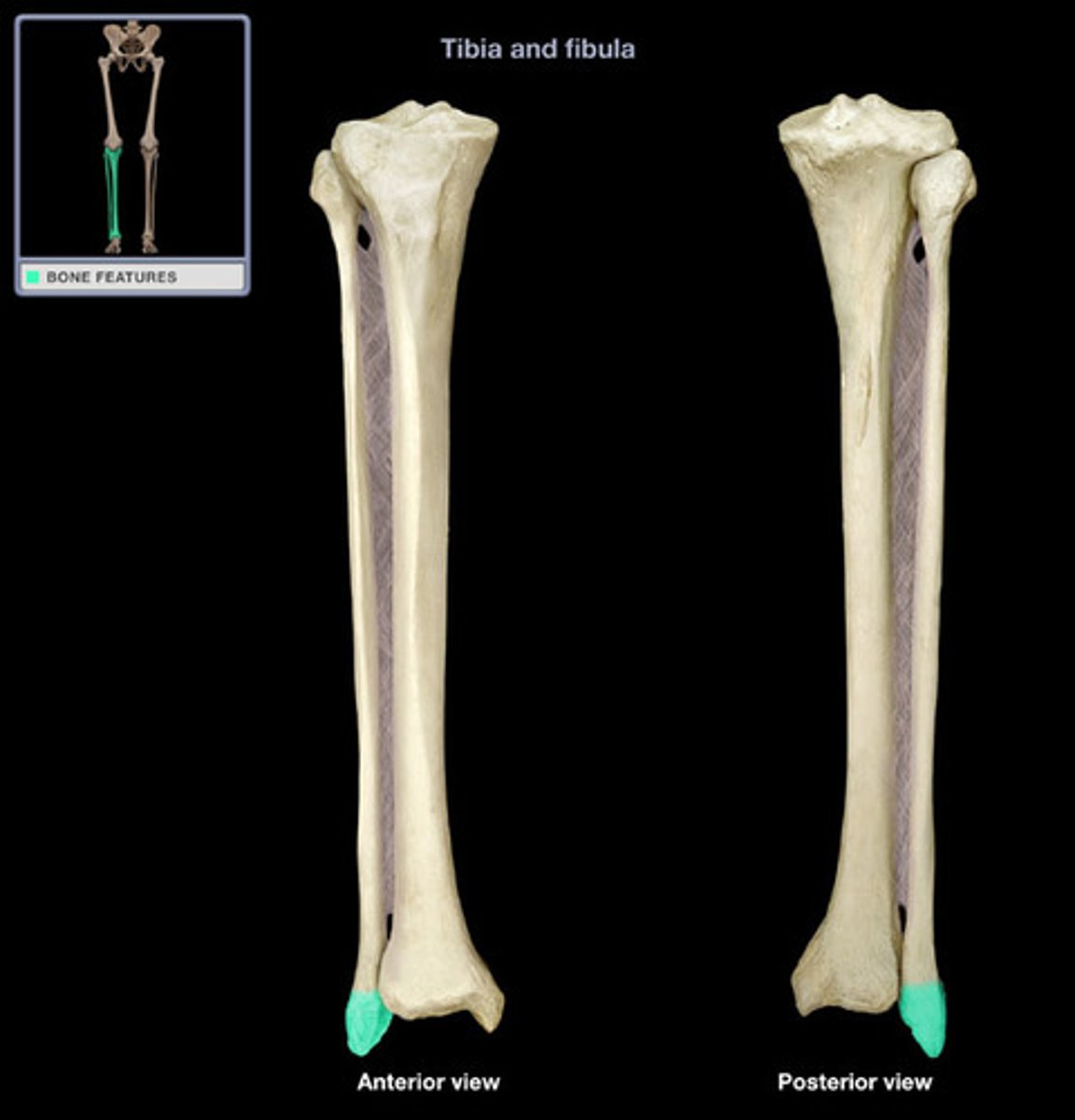
Tarsals
bones of the ankle
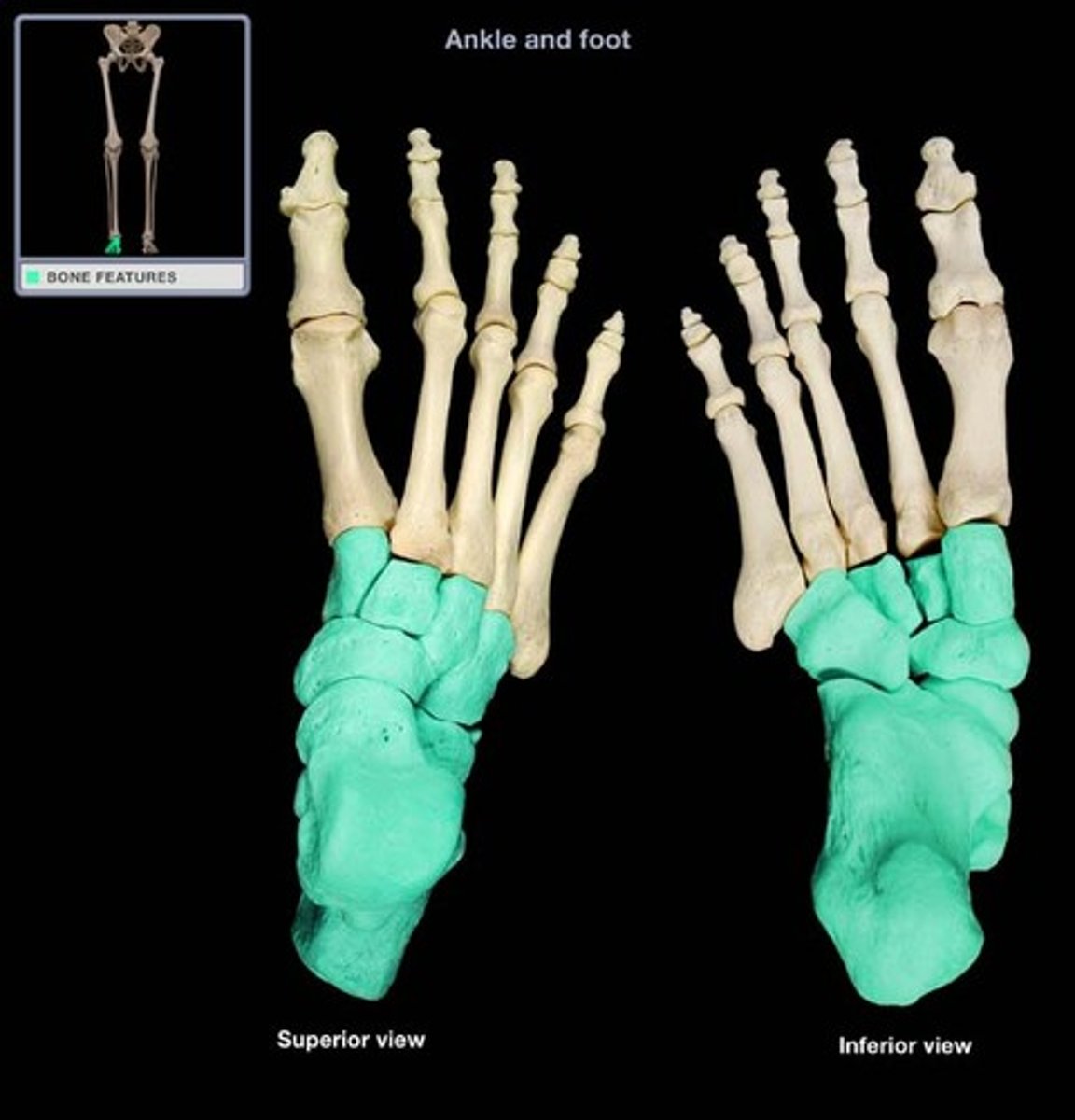
calcaneus
heel bone; largest of the tarsal bones
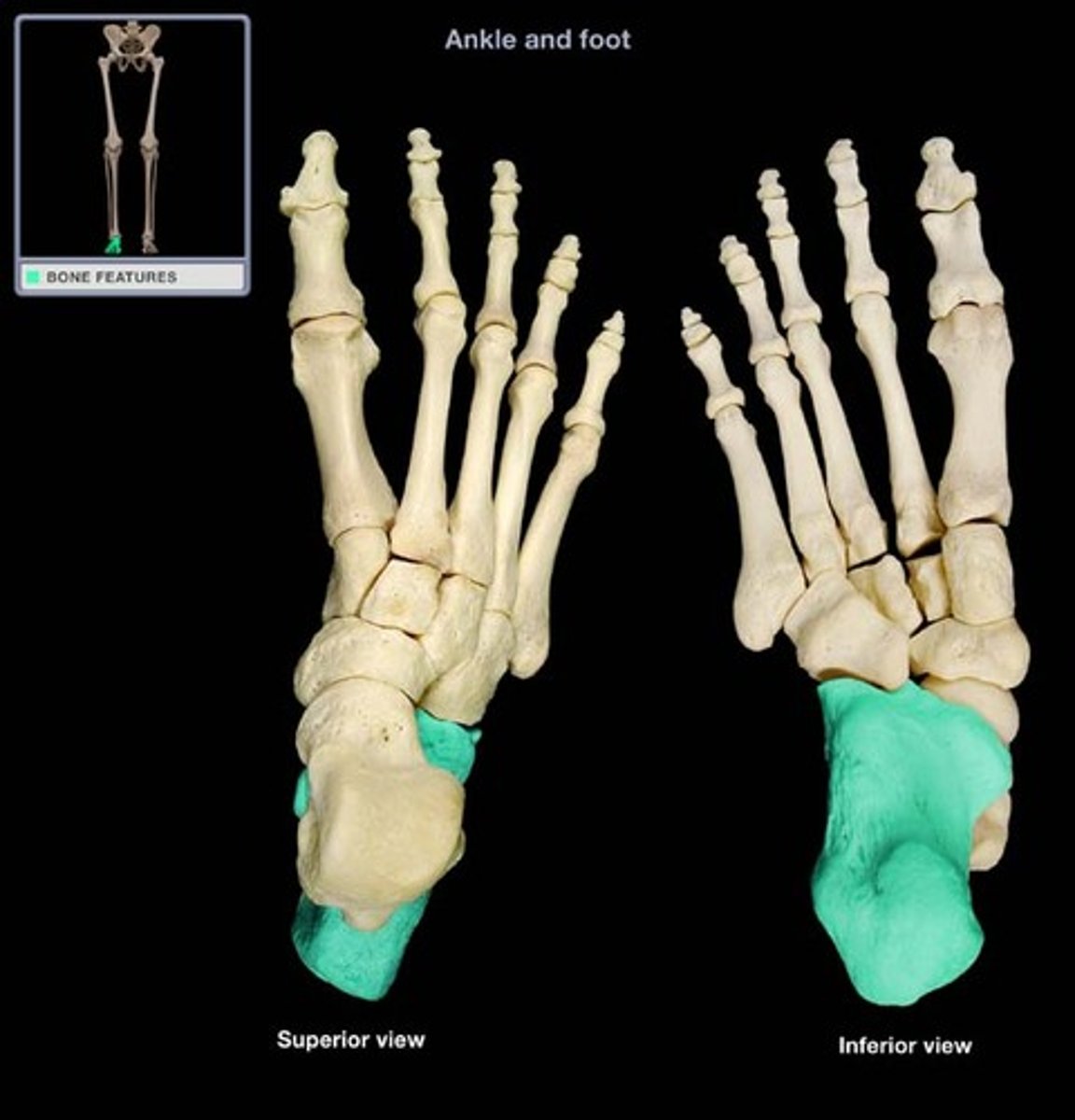
Talus
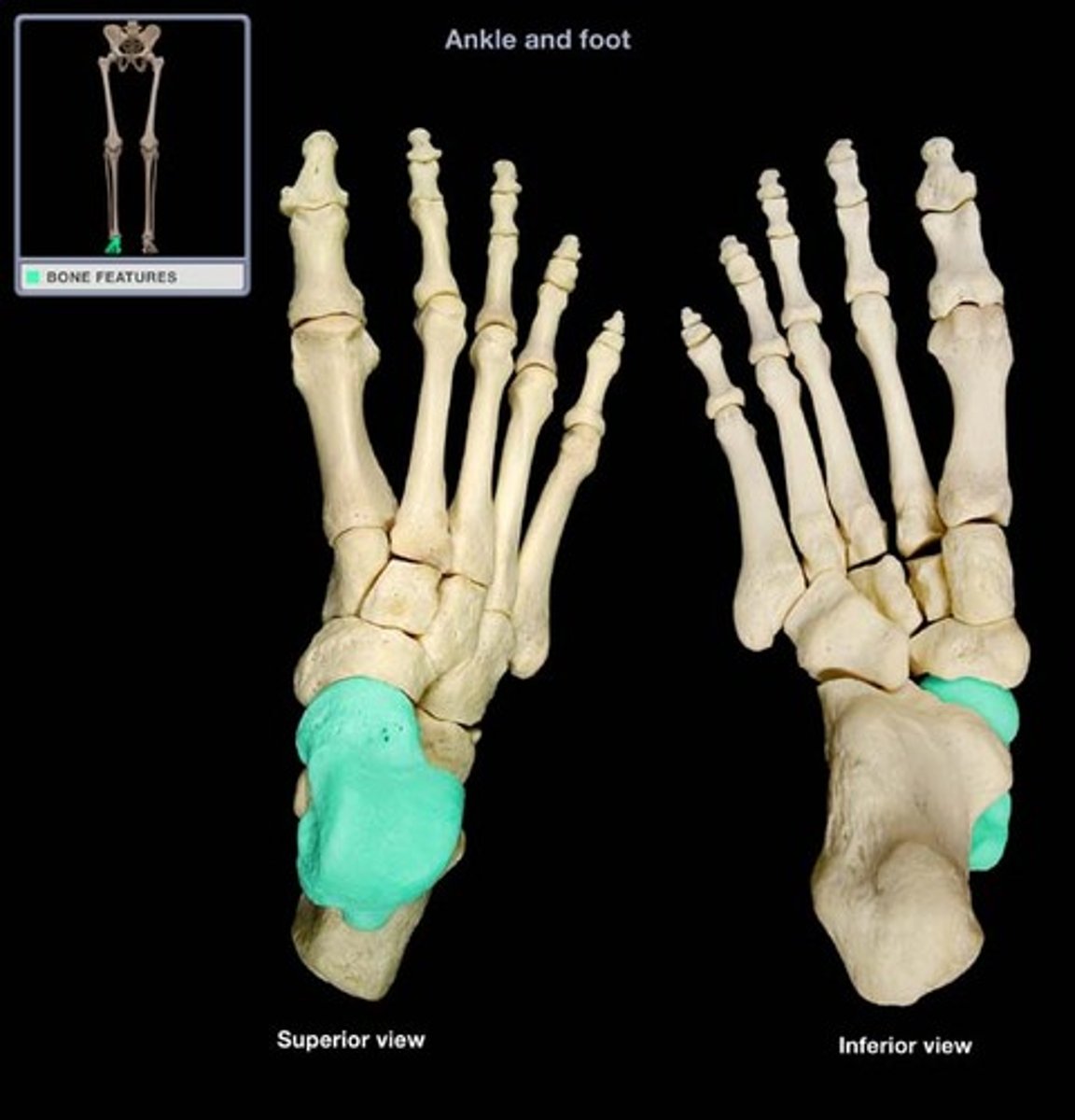
Cuboid
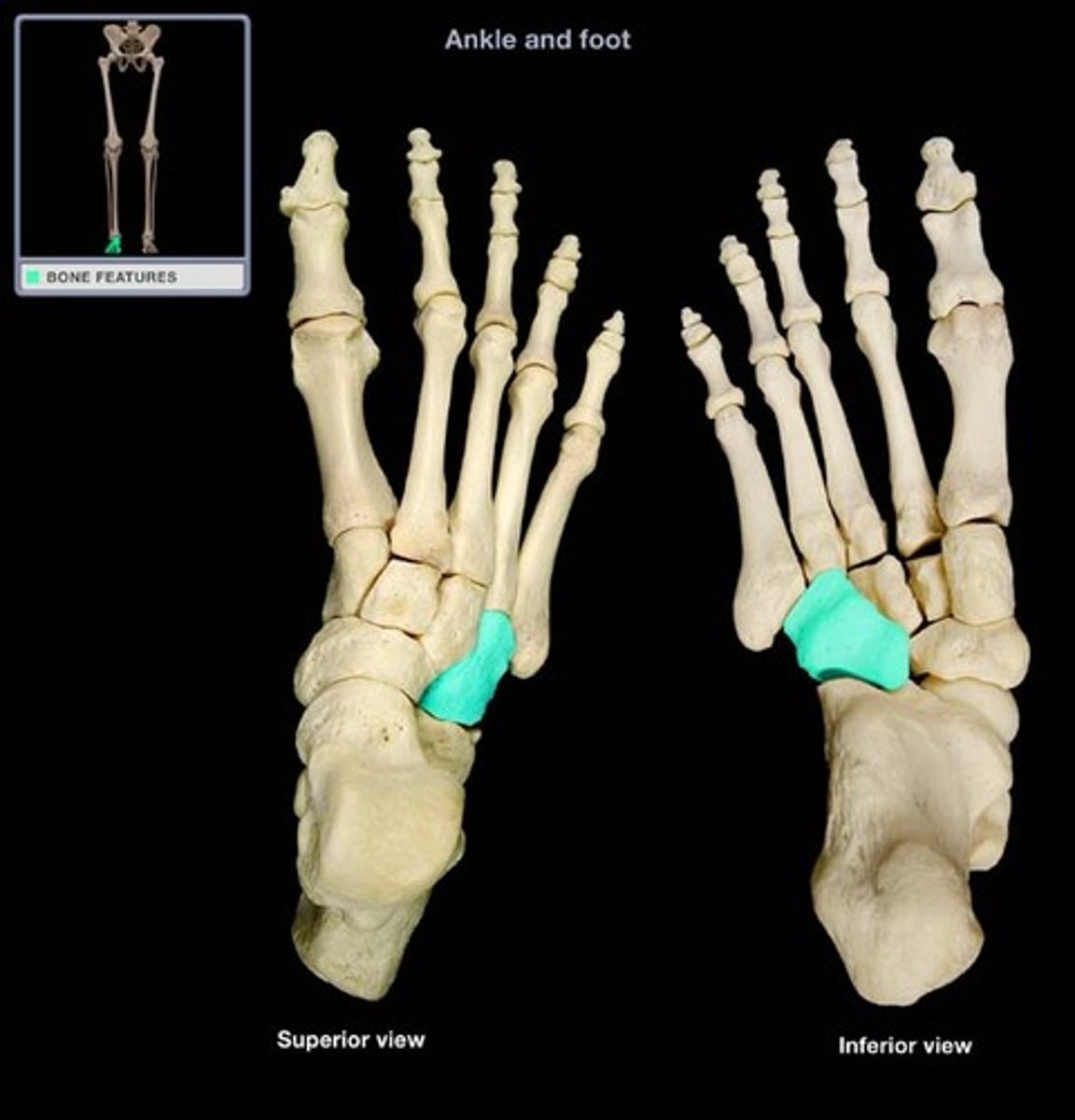
Navicular
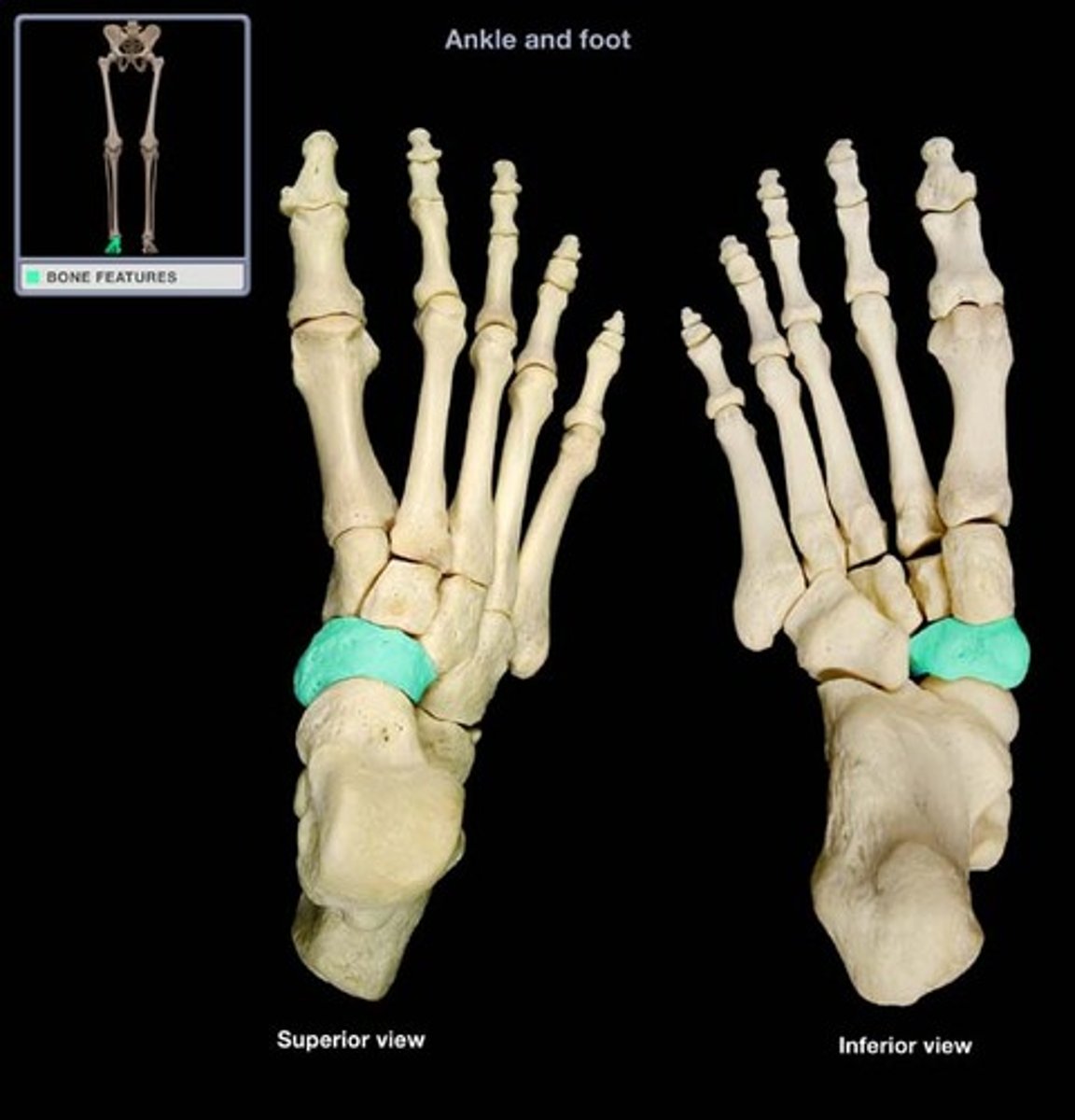
Cuneiform
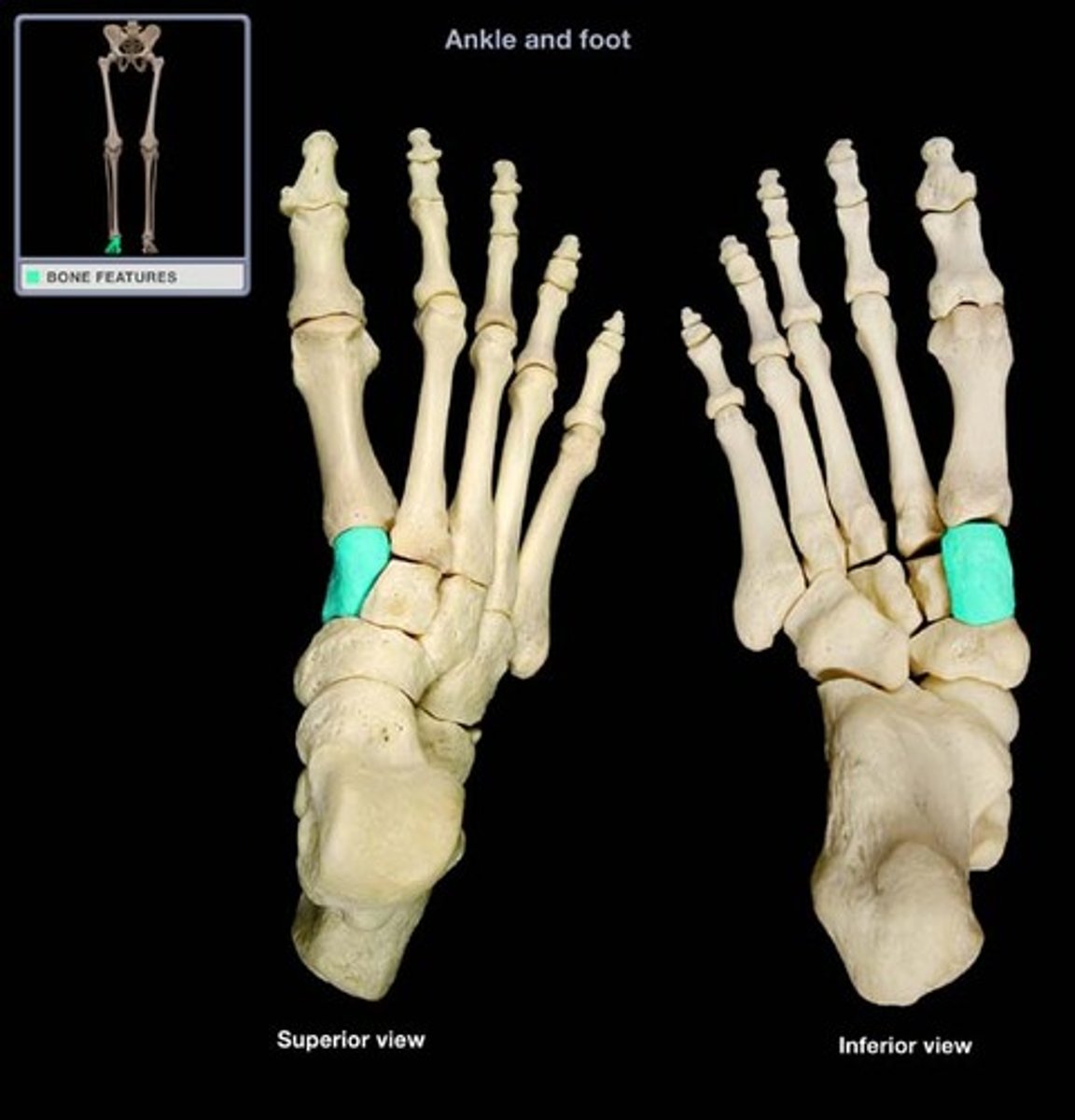
Metatarsals
bones of the foot between ankle and toes
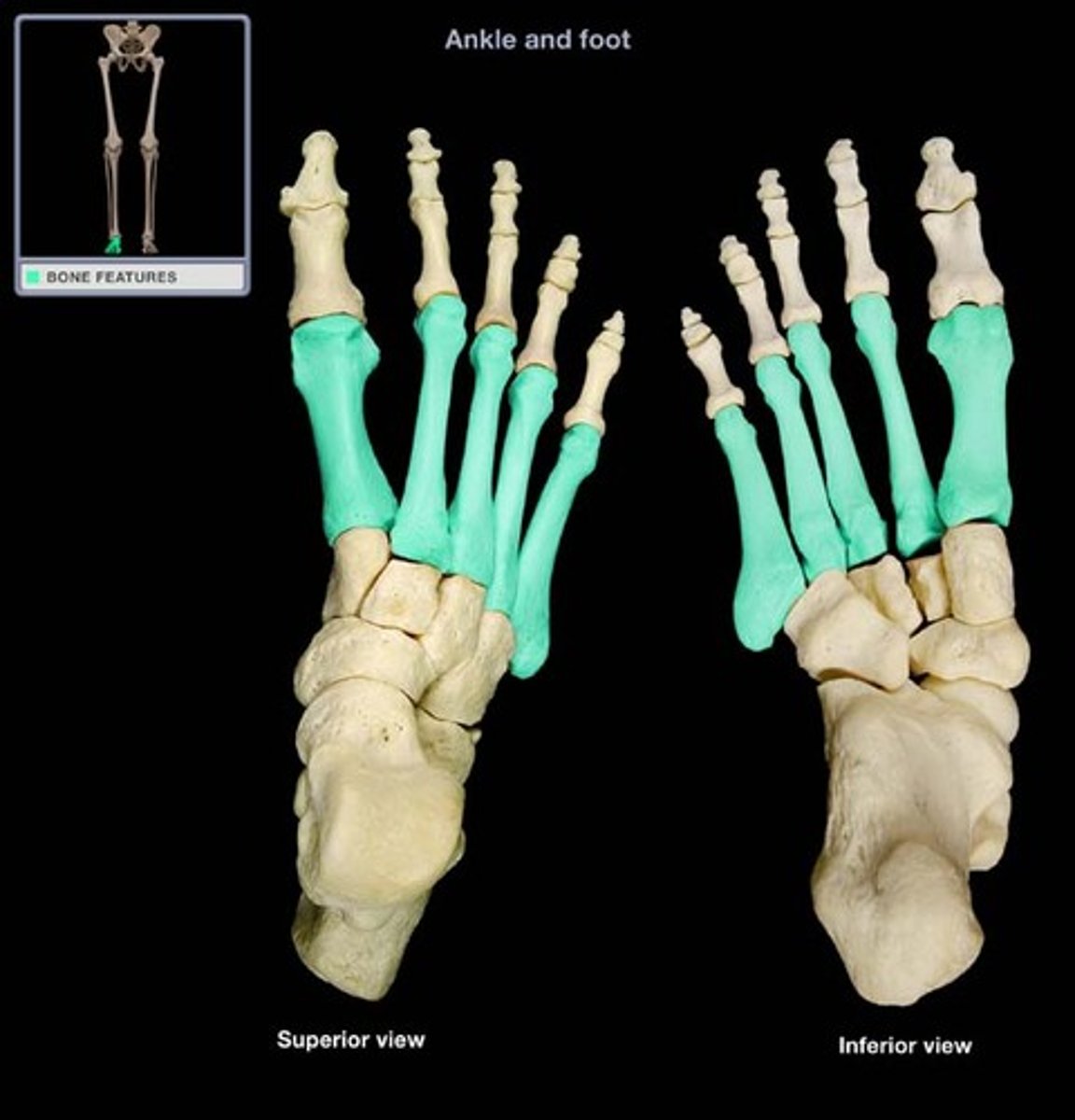
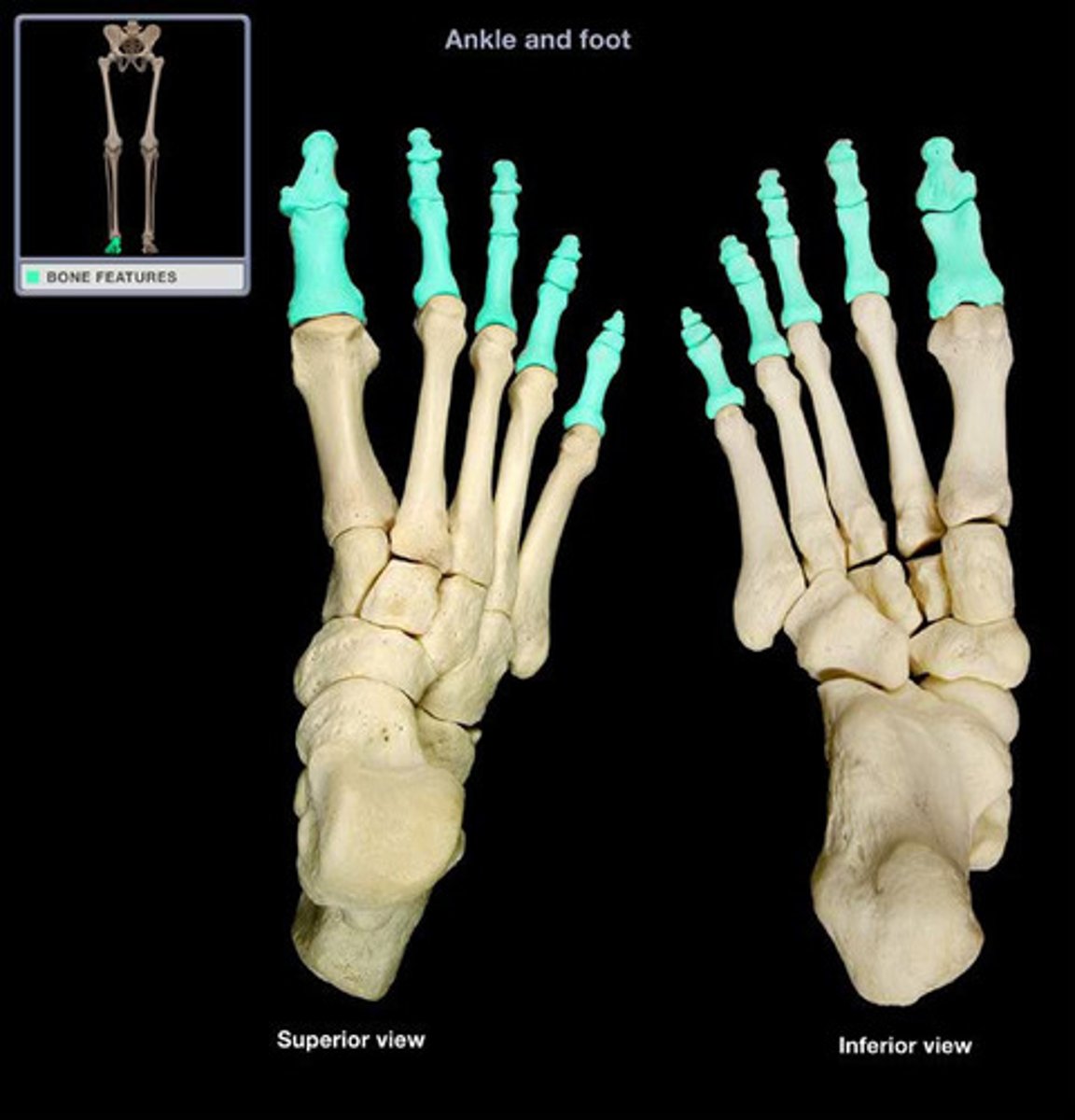
Phalanges (foot)
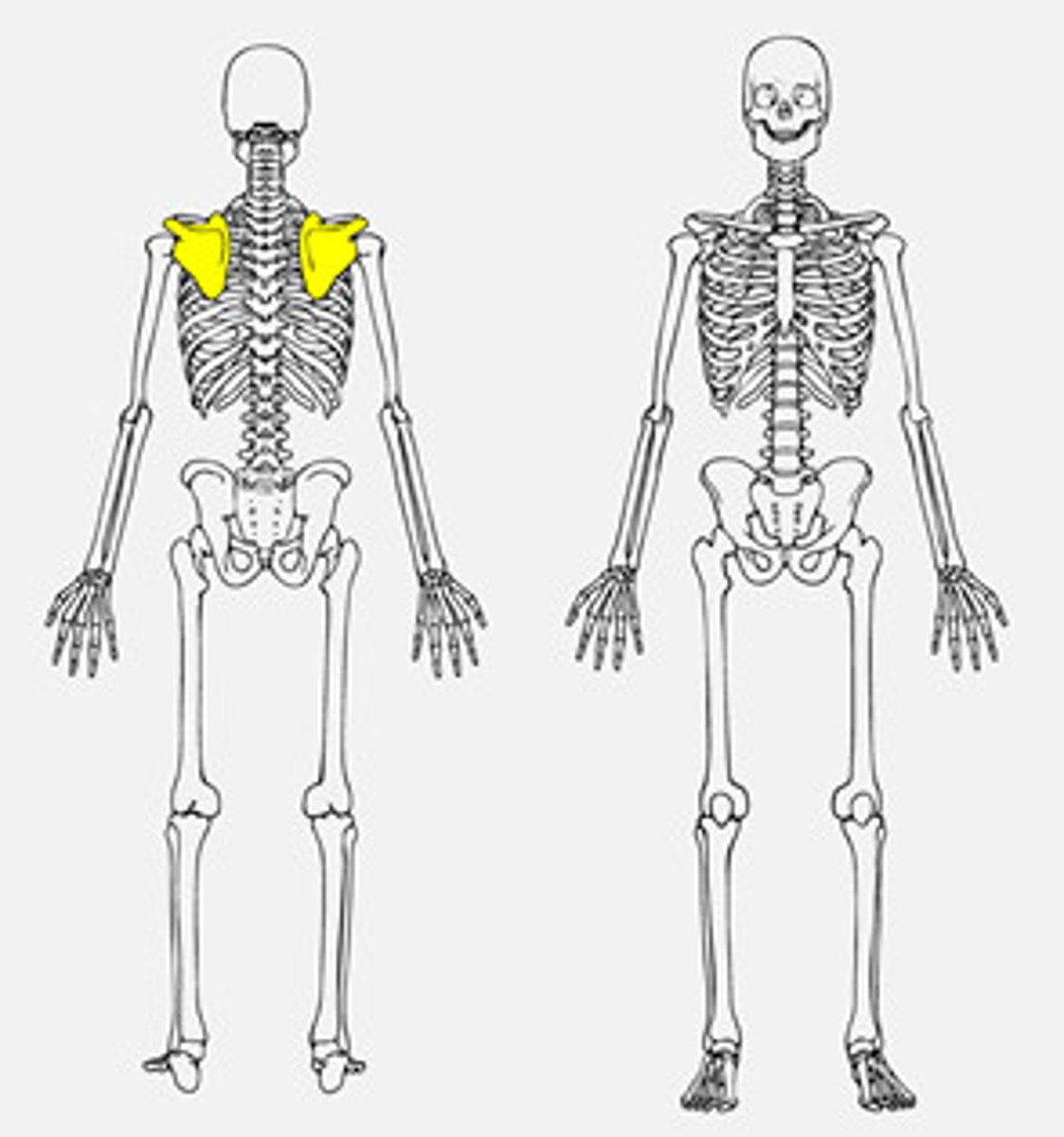
scapula
shoulder blade
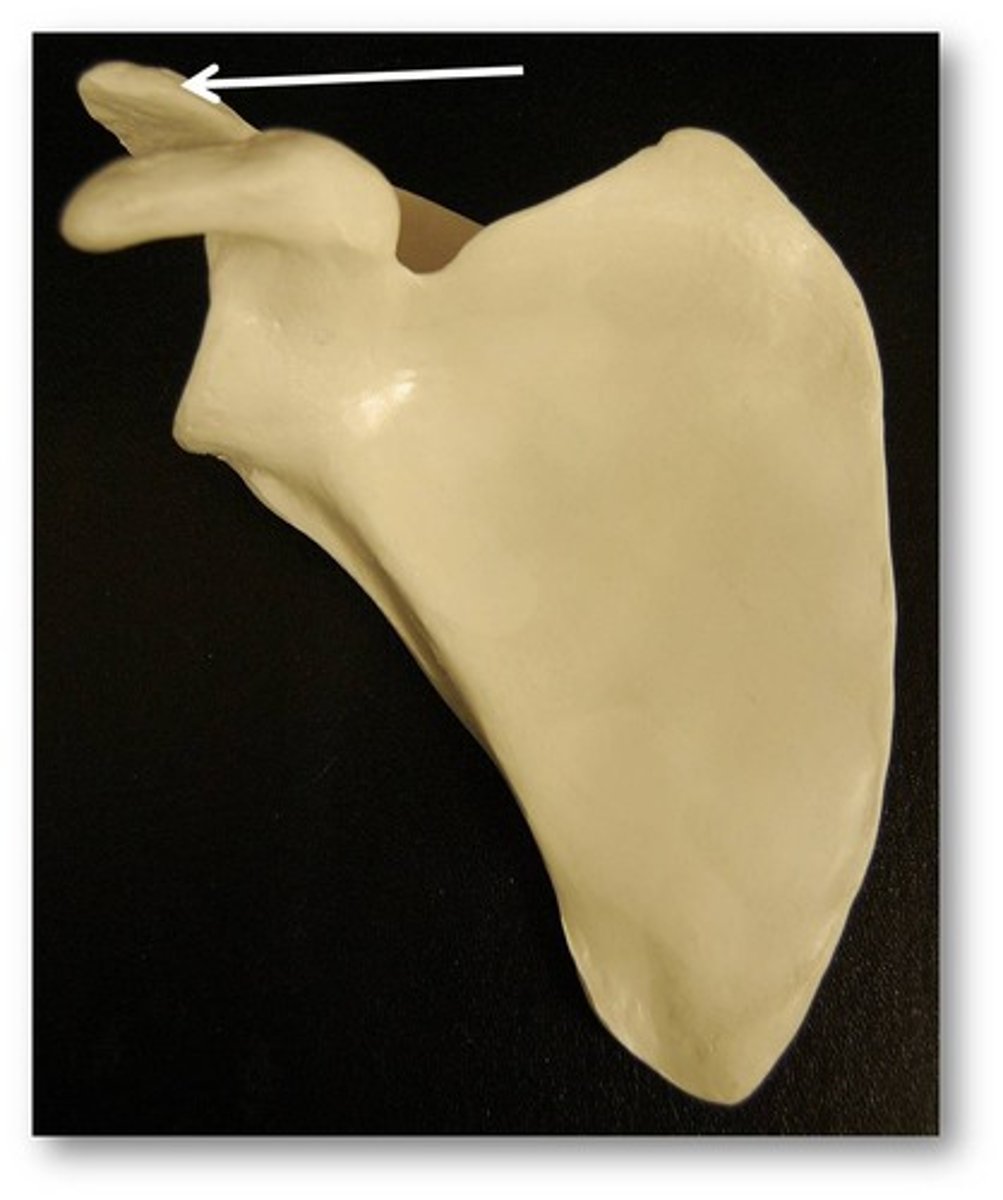
Acromion
Outward extension of the shoulder blade forming the point of the shoulder.
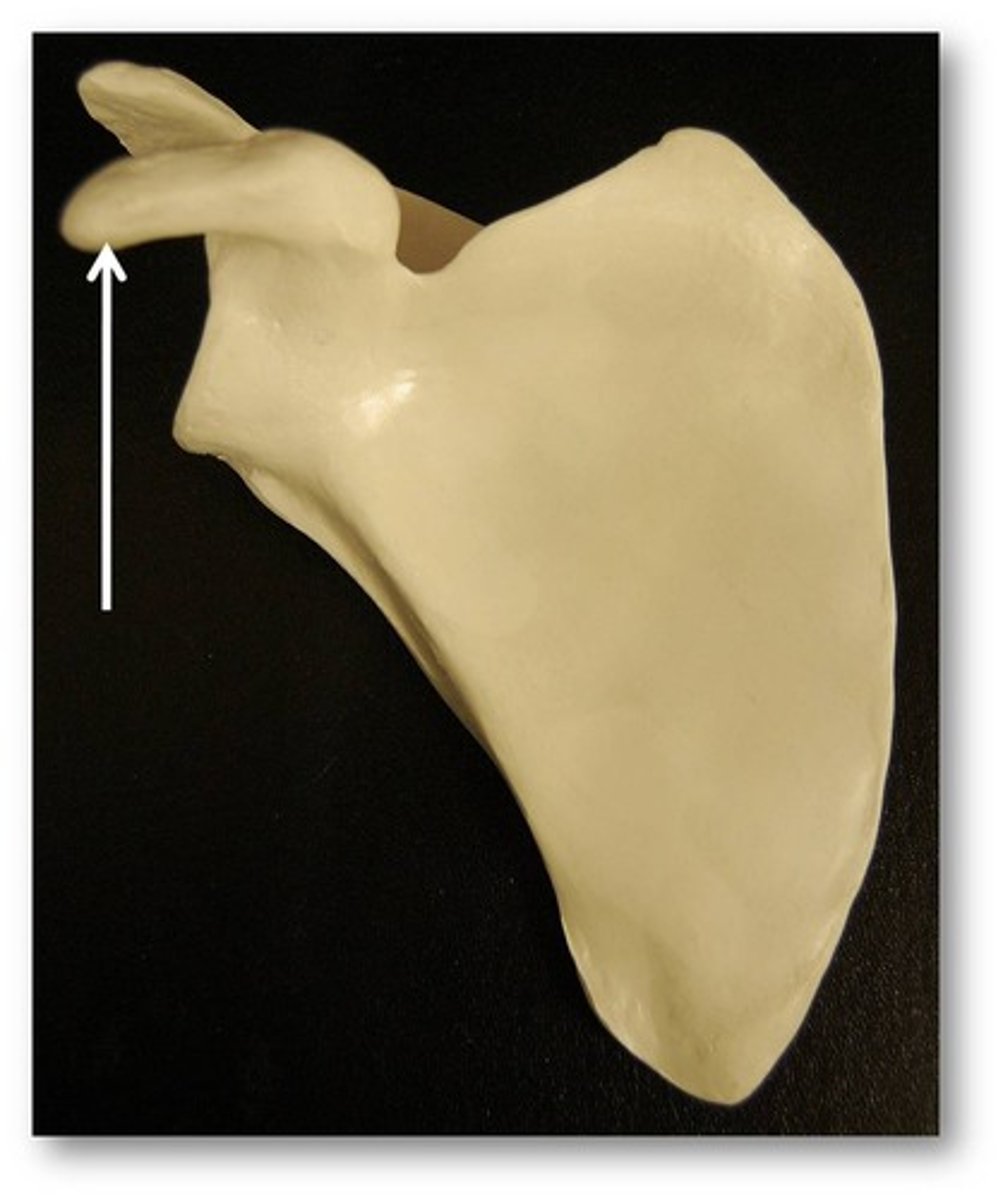
coracoid process
process above the glenoid cavity that permits muscle attachment
spine of scapula
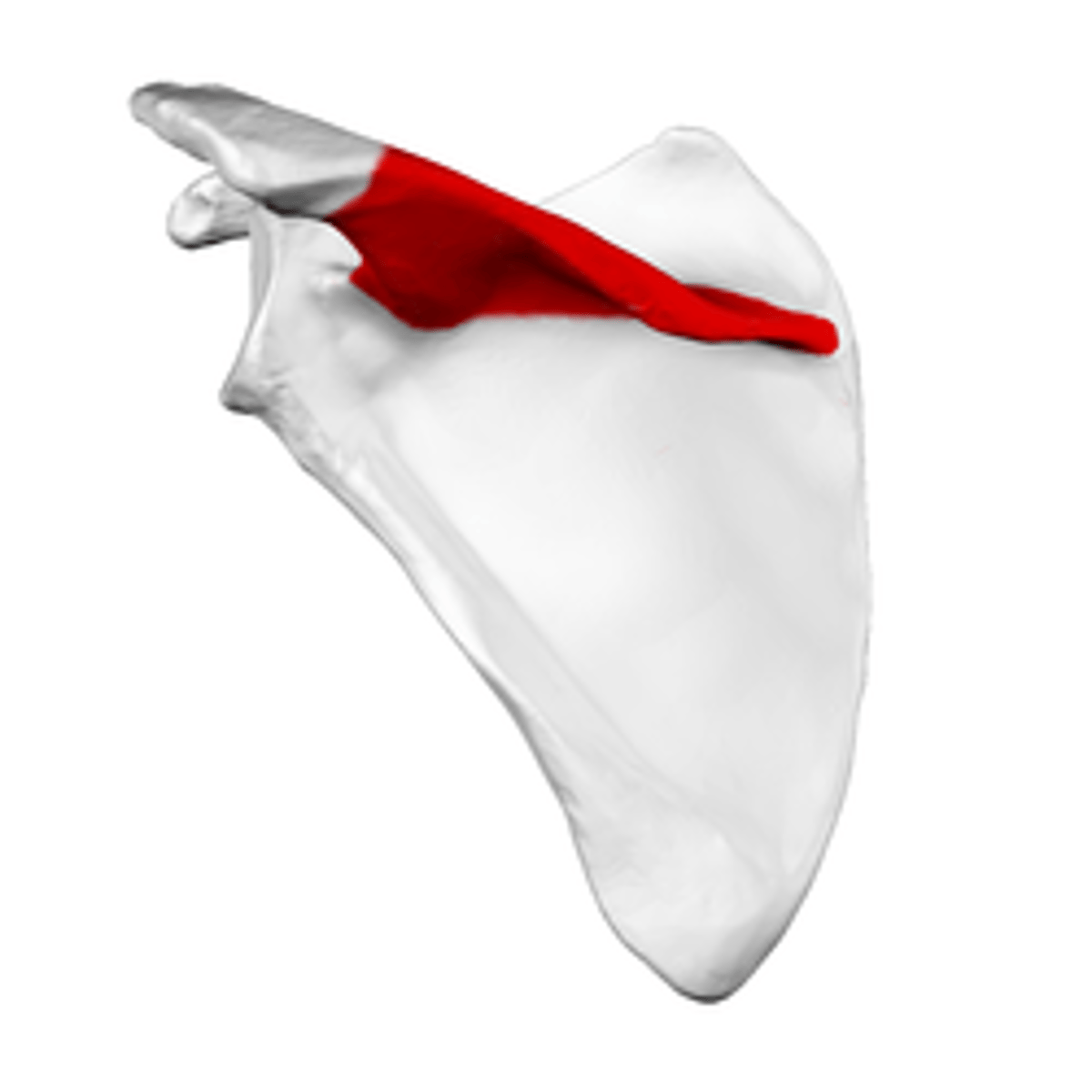
glenoid cavity (fossa)
lateral aspect of scapula which serves as point of articulation with the humerus
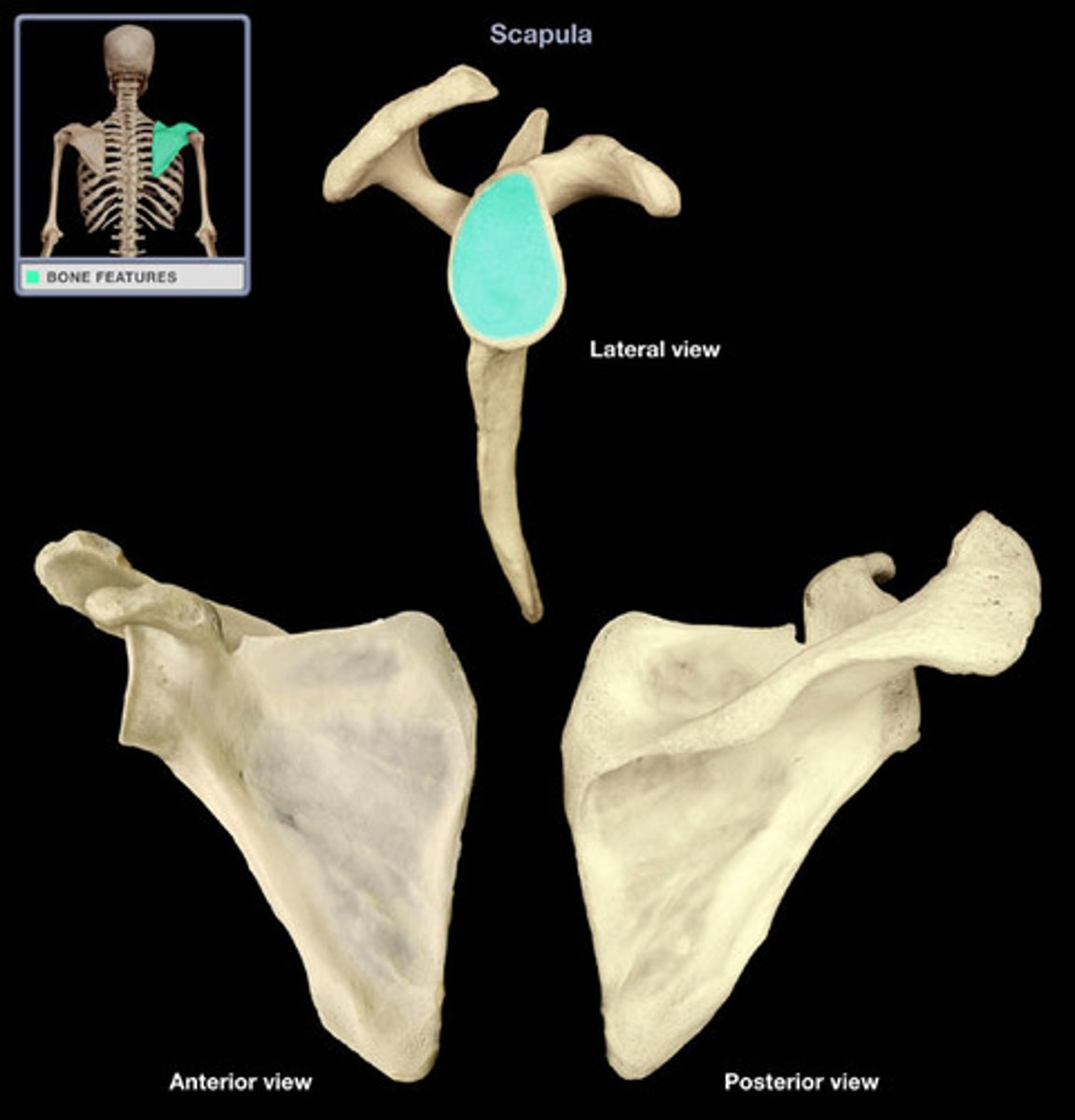
Humerus
upper arm bone
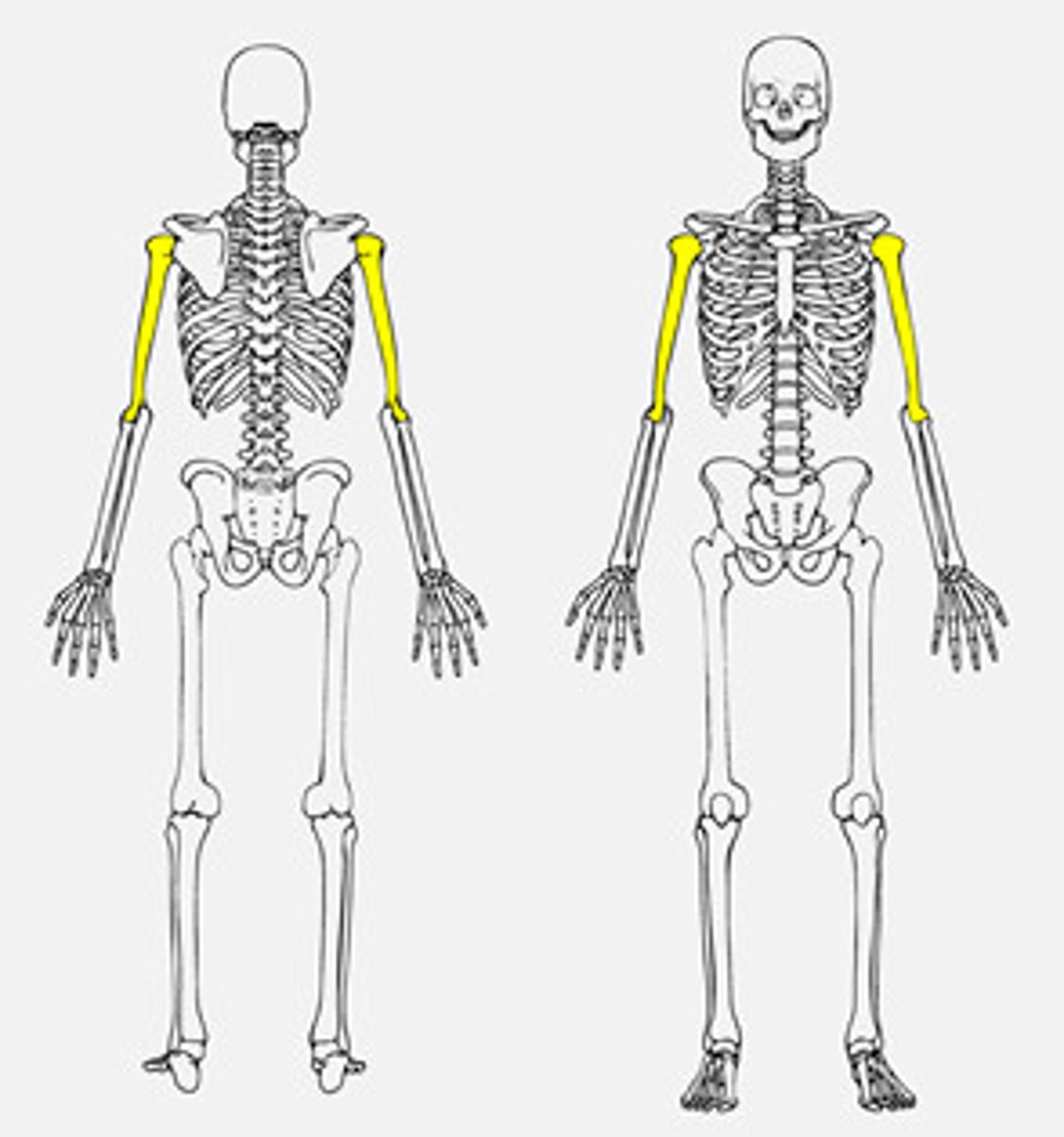
greater tubercle of humerus
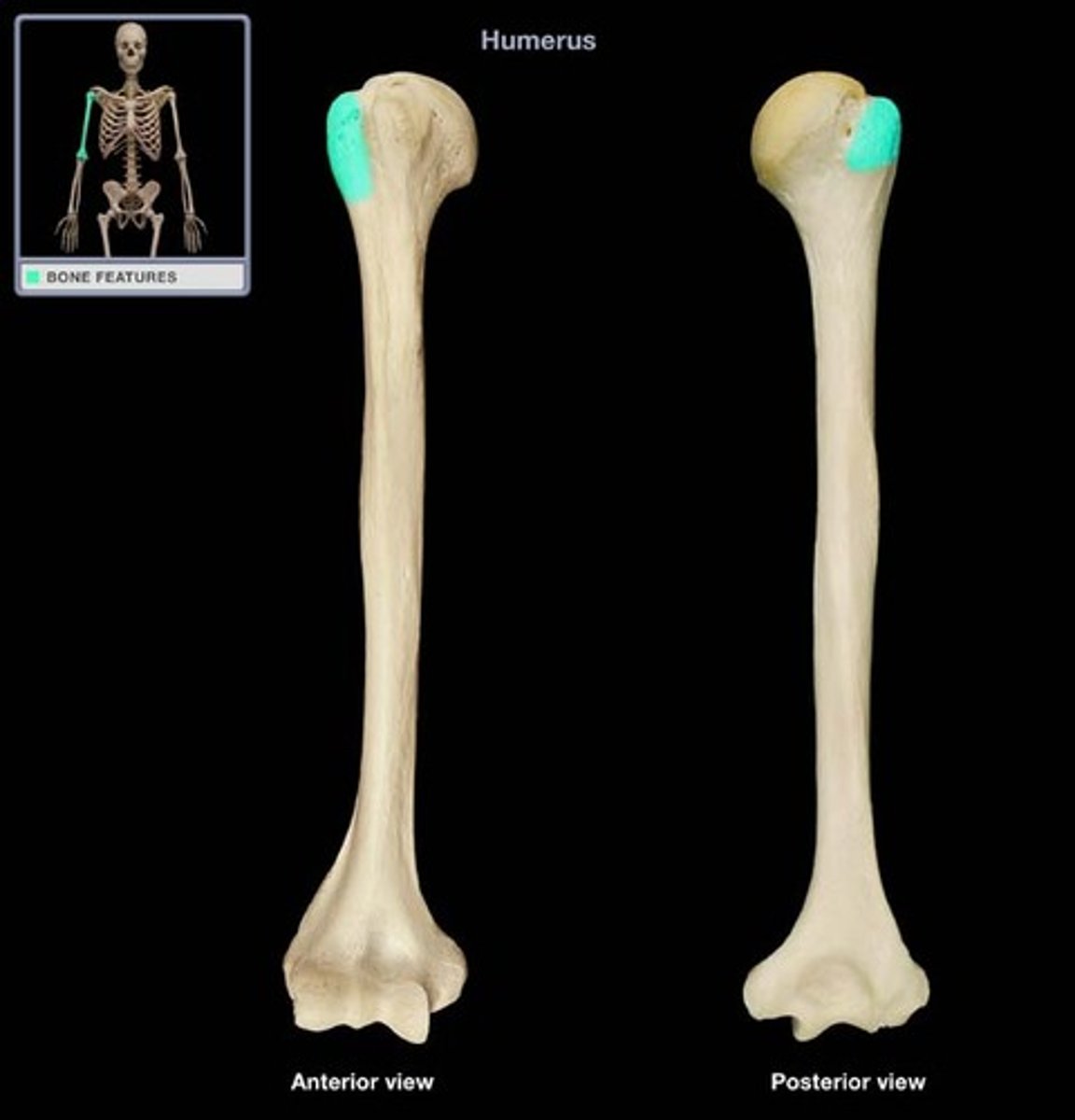
lesser tubercle of humerus
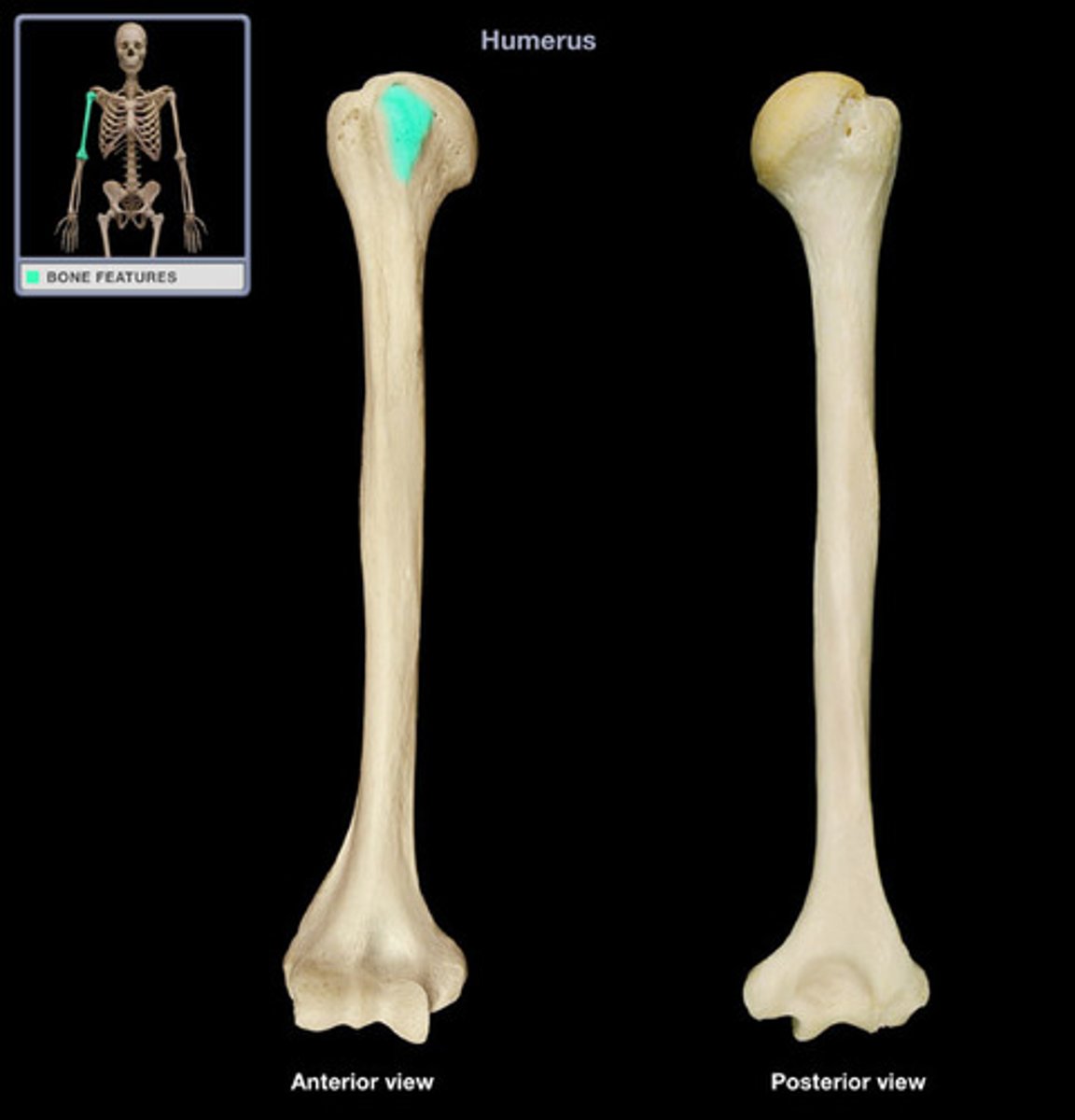
capitulum
articulates with head of radius
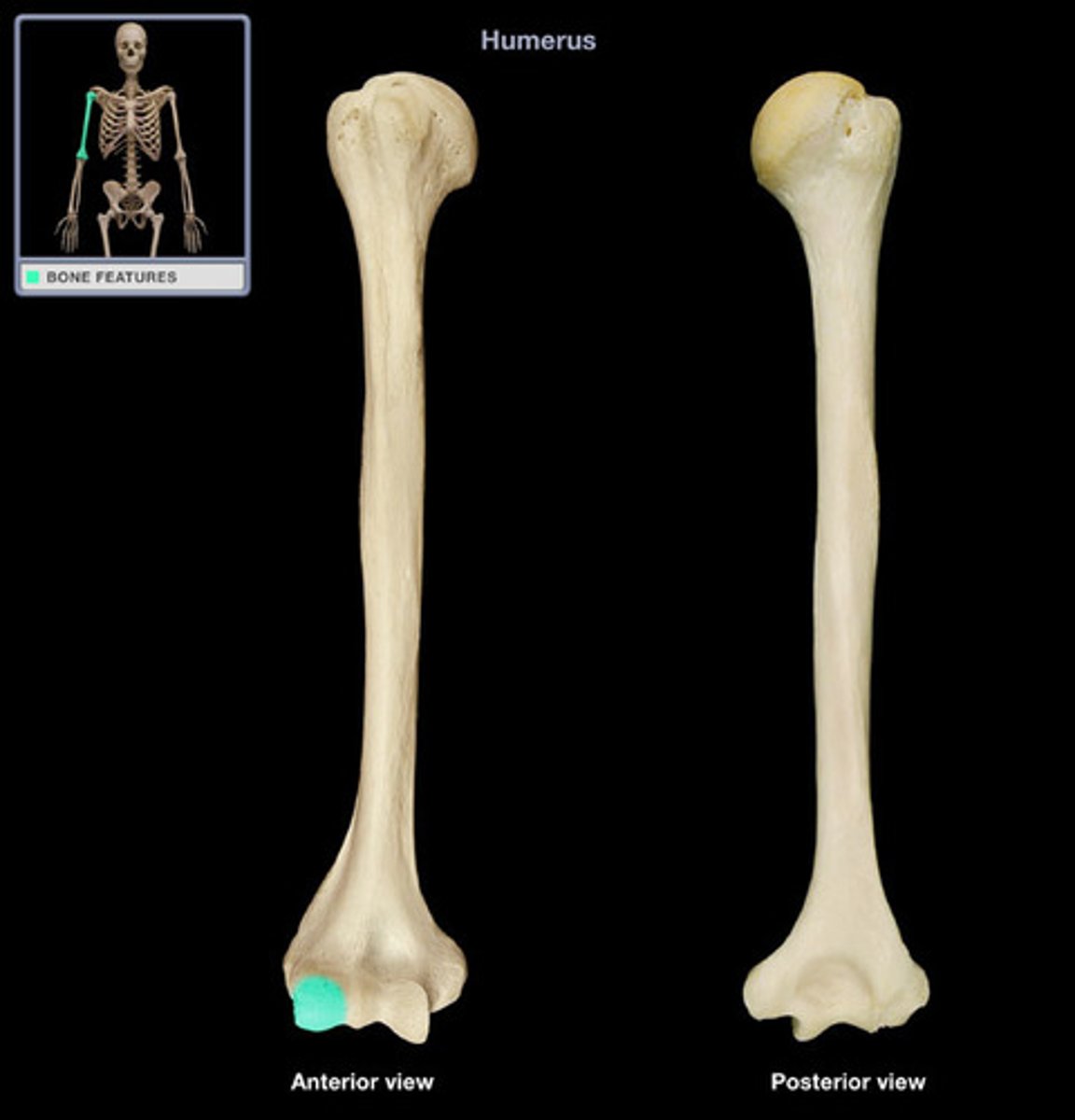
lateral epicondyle of humerus
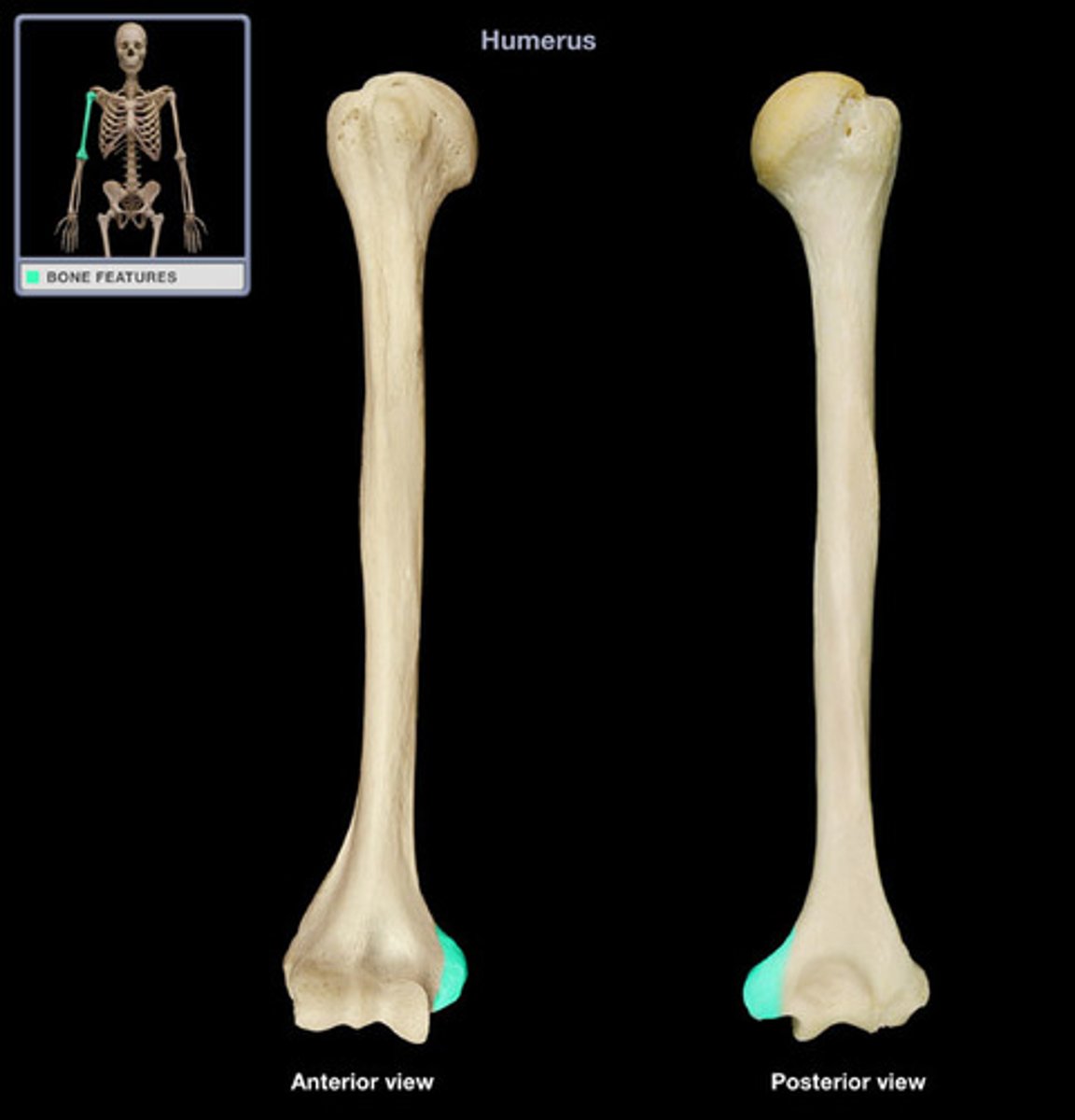
medial epicondyle of humerus
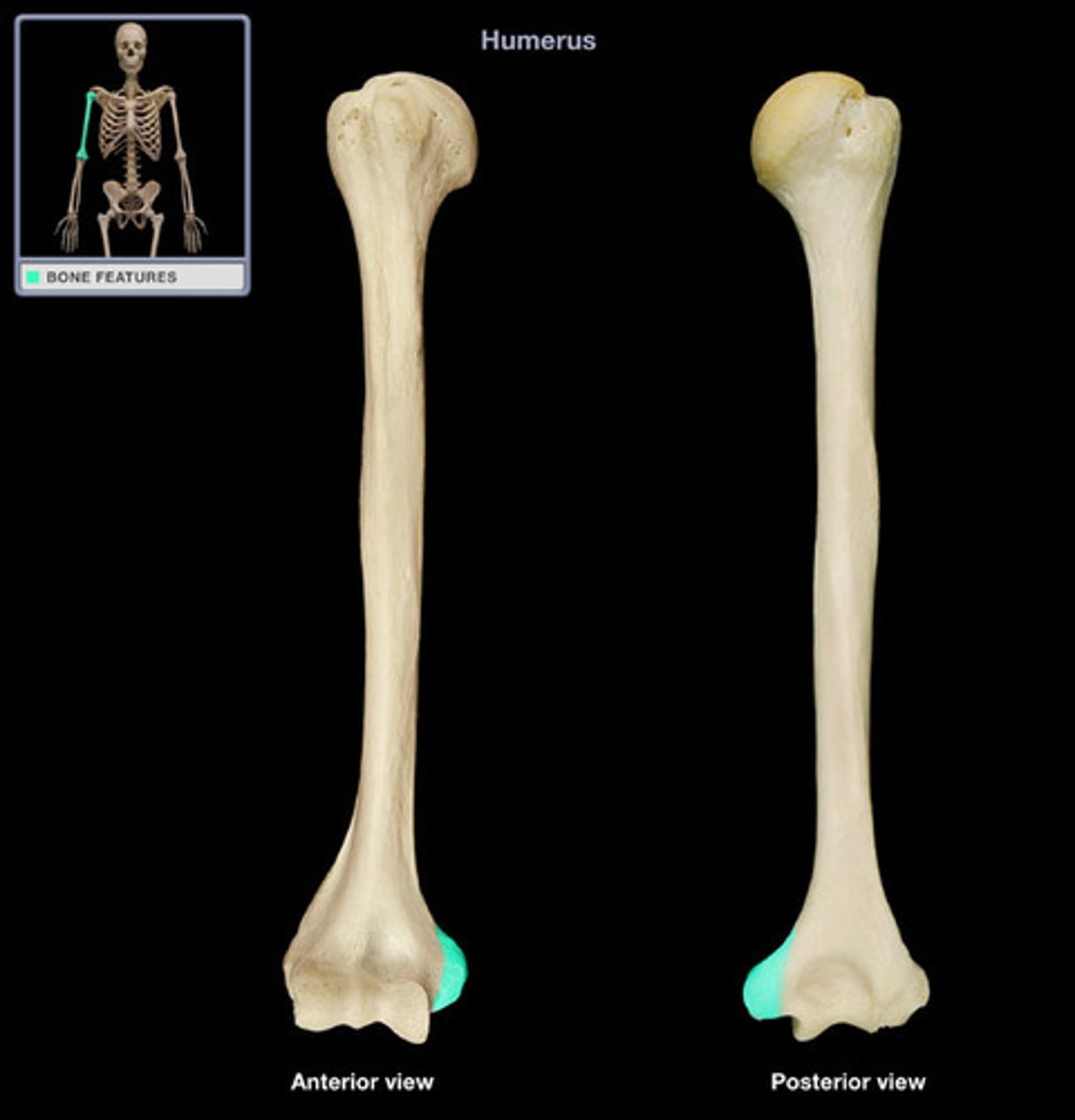
Trochlea
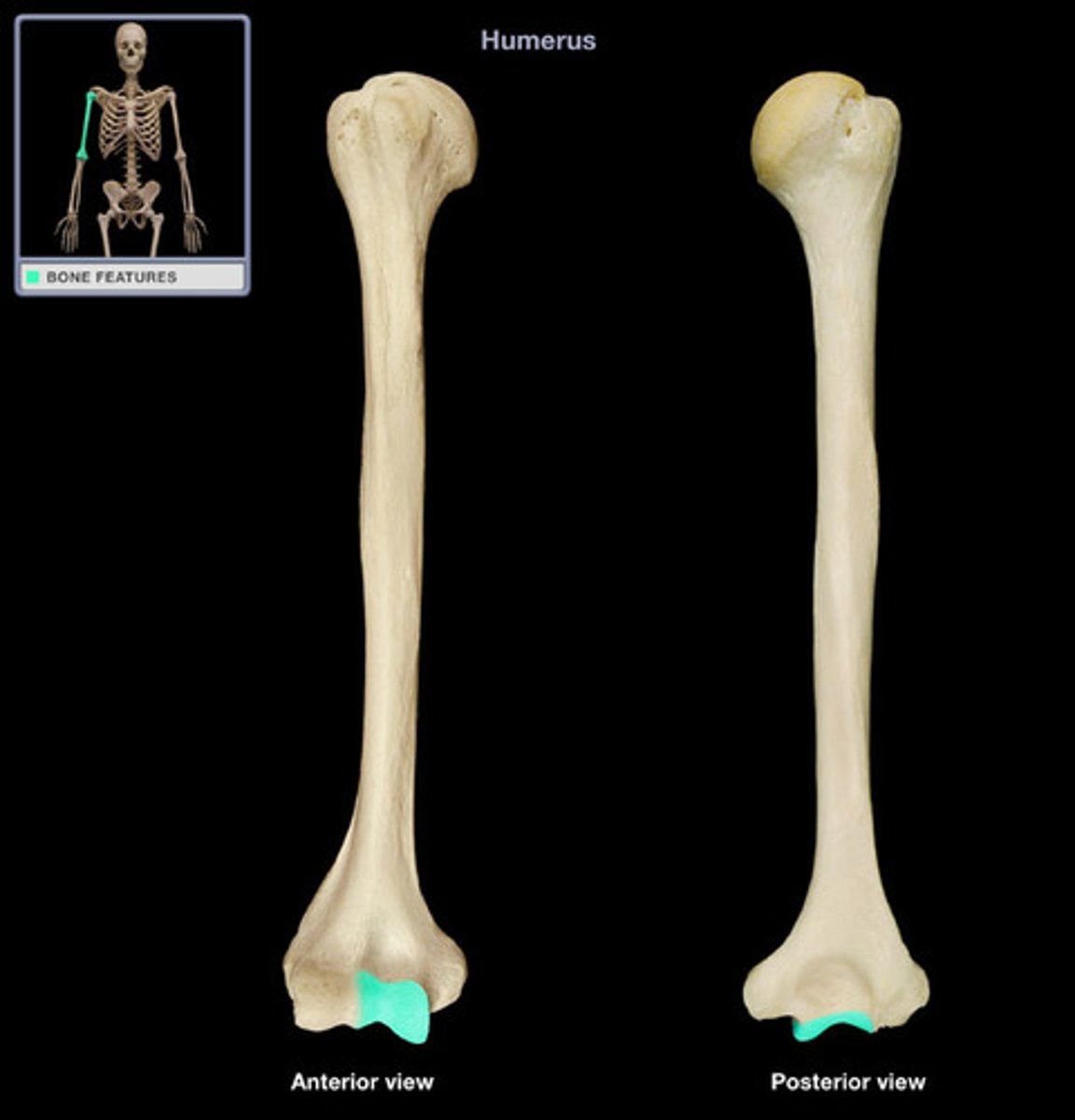
olecranon fossa
located on the posterior side of the distal end of the humerus superior to the trochlea and articulates with the olecranon process of the ulna
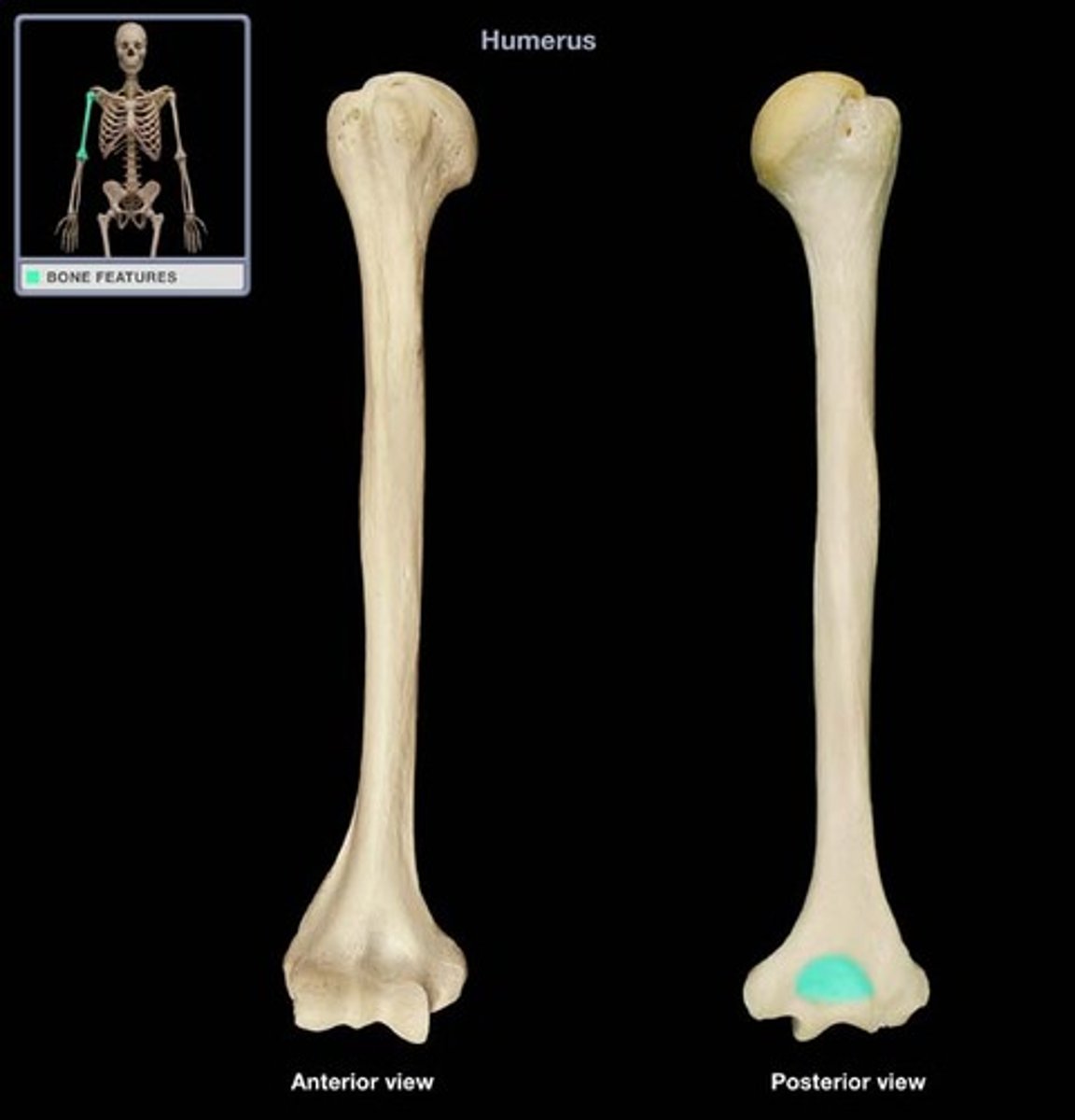
coronoid fossa
anterior depression that receives the coronoid process of the ulna during forearm flexion
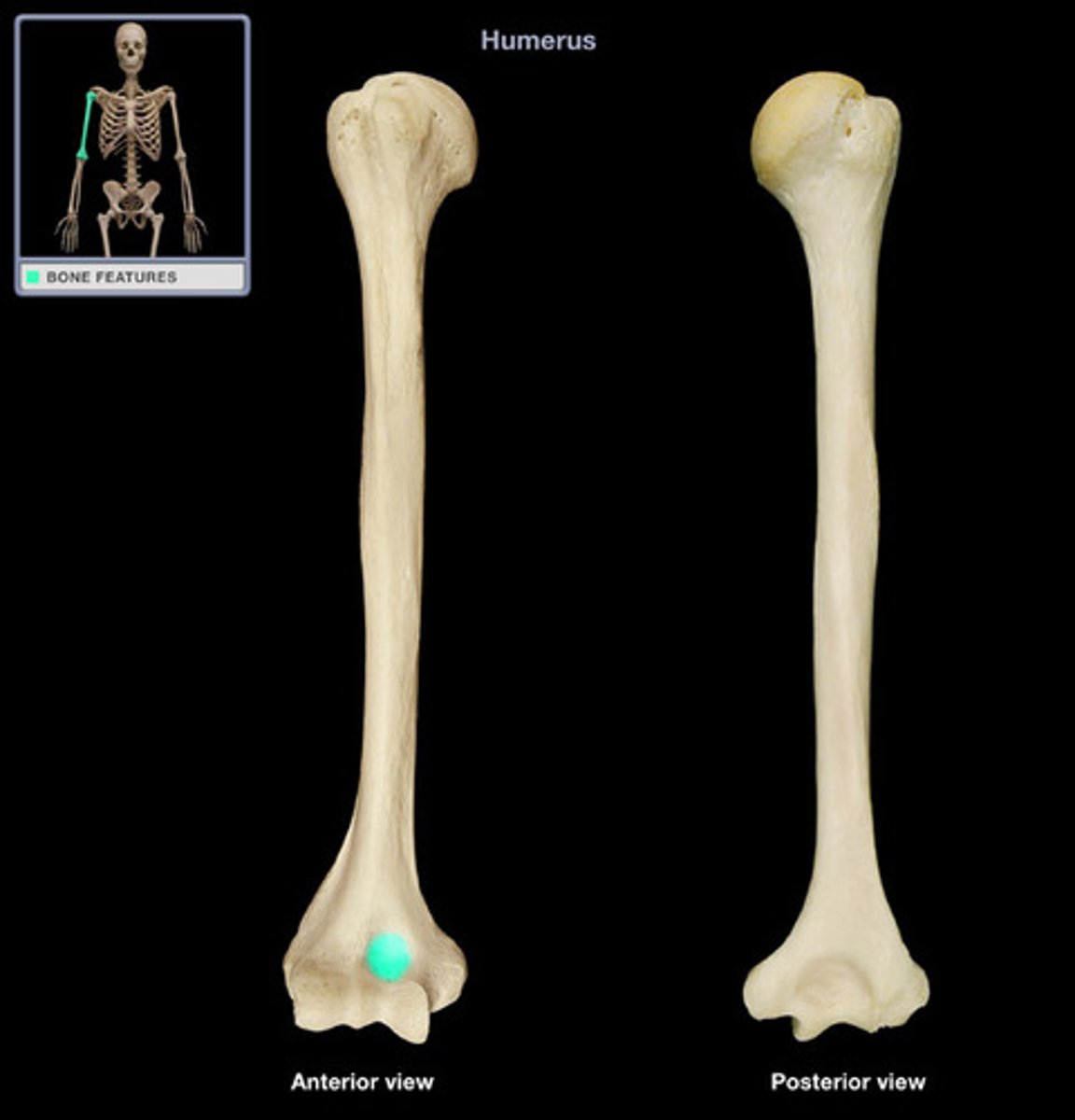
Radius
lateral bone of the forearm (thumb side)
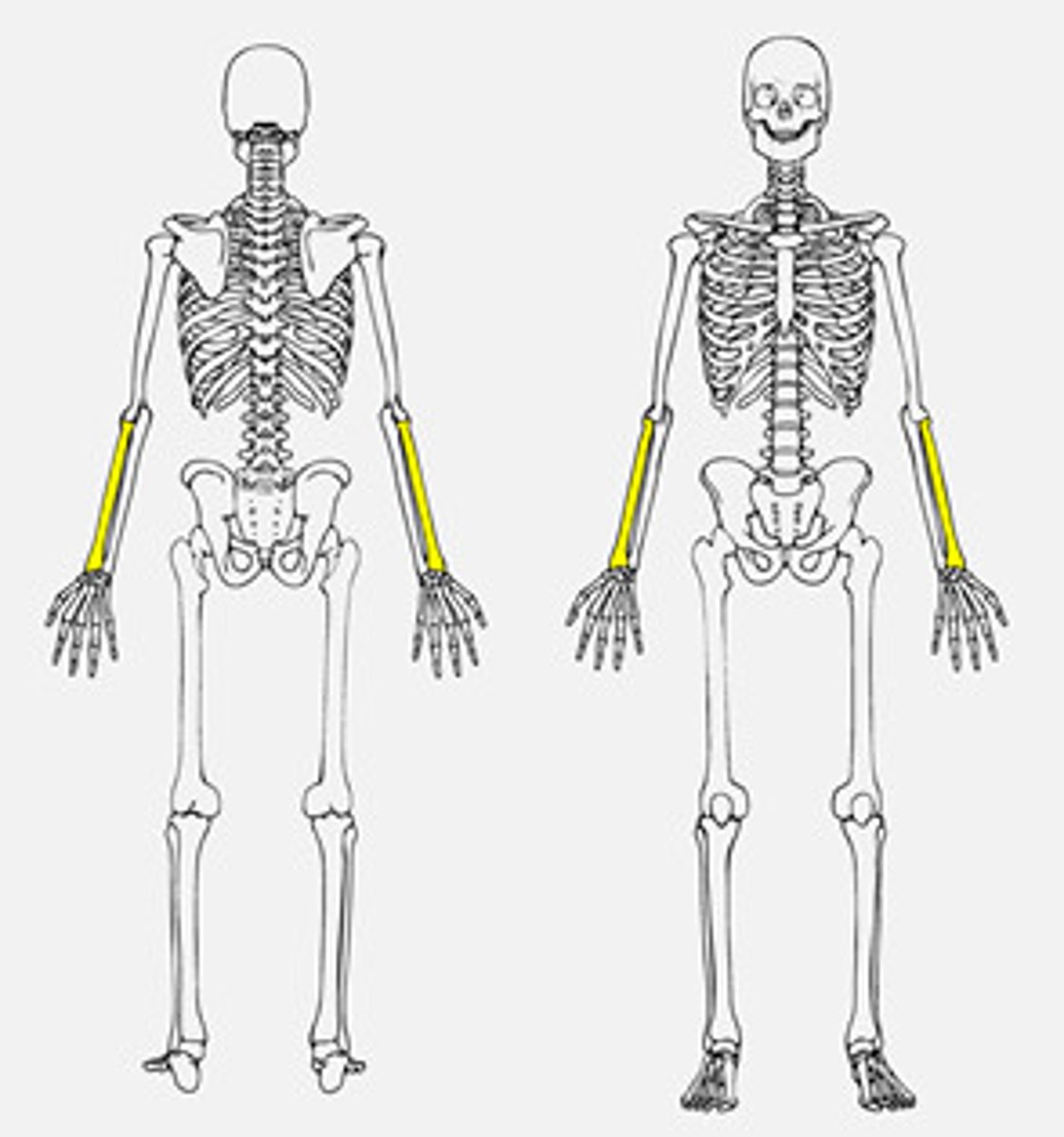
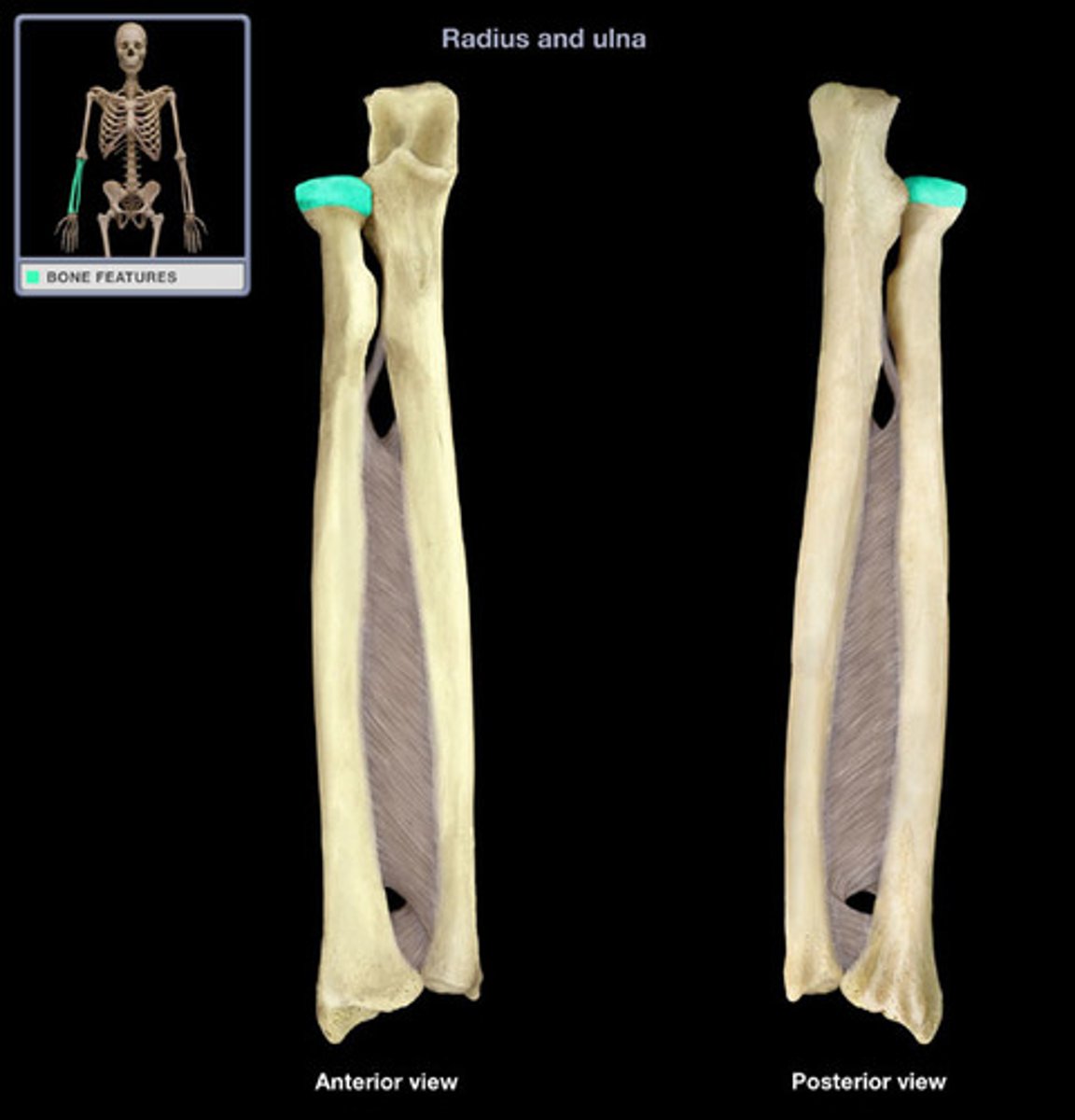
head of radius
articulates with the capitulum and radial notch
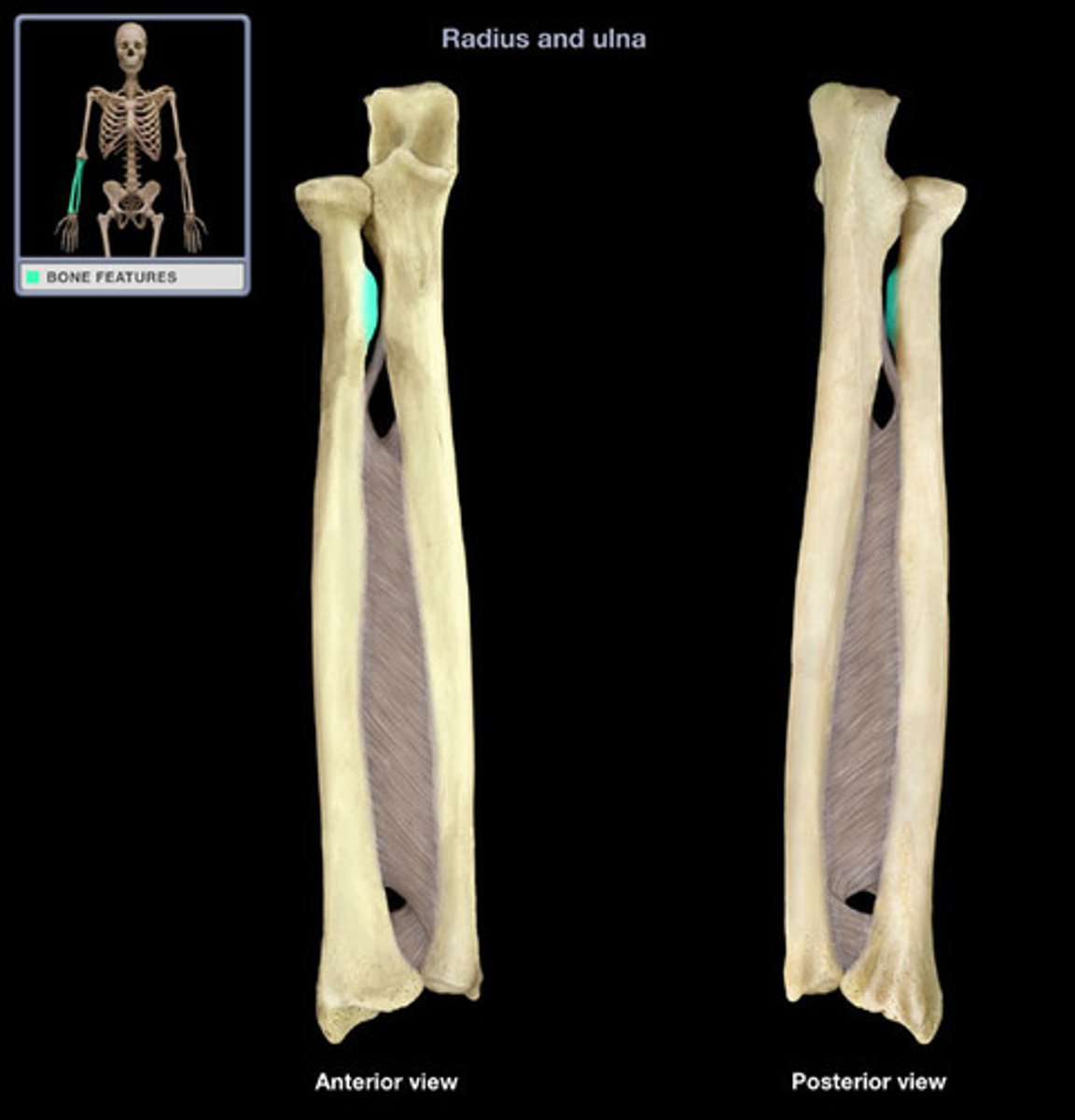
radial tuberosity
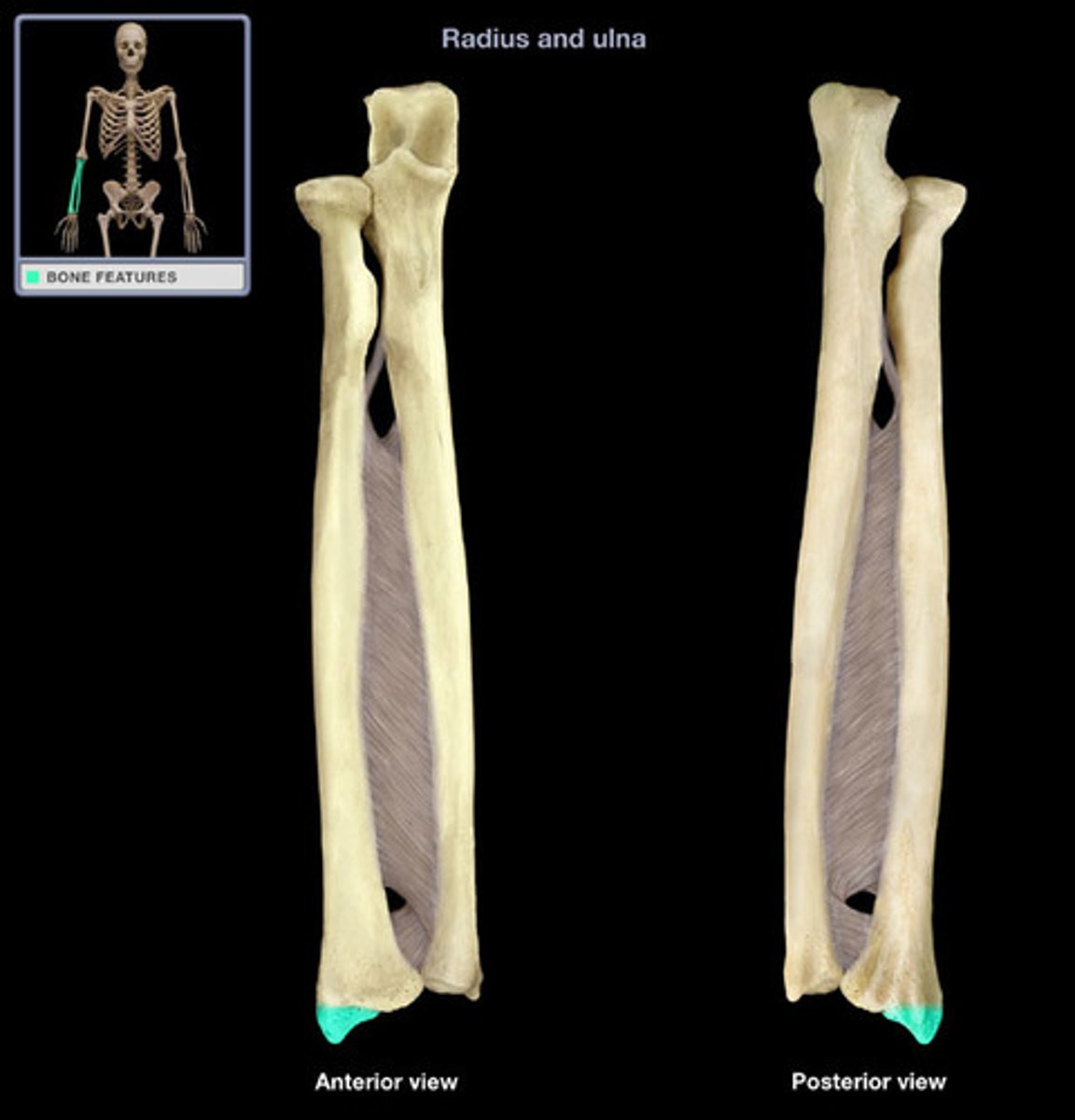
styloid process of radius
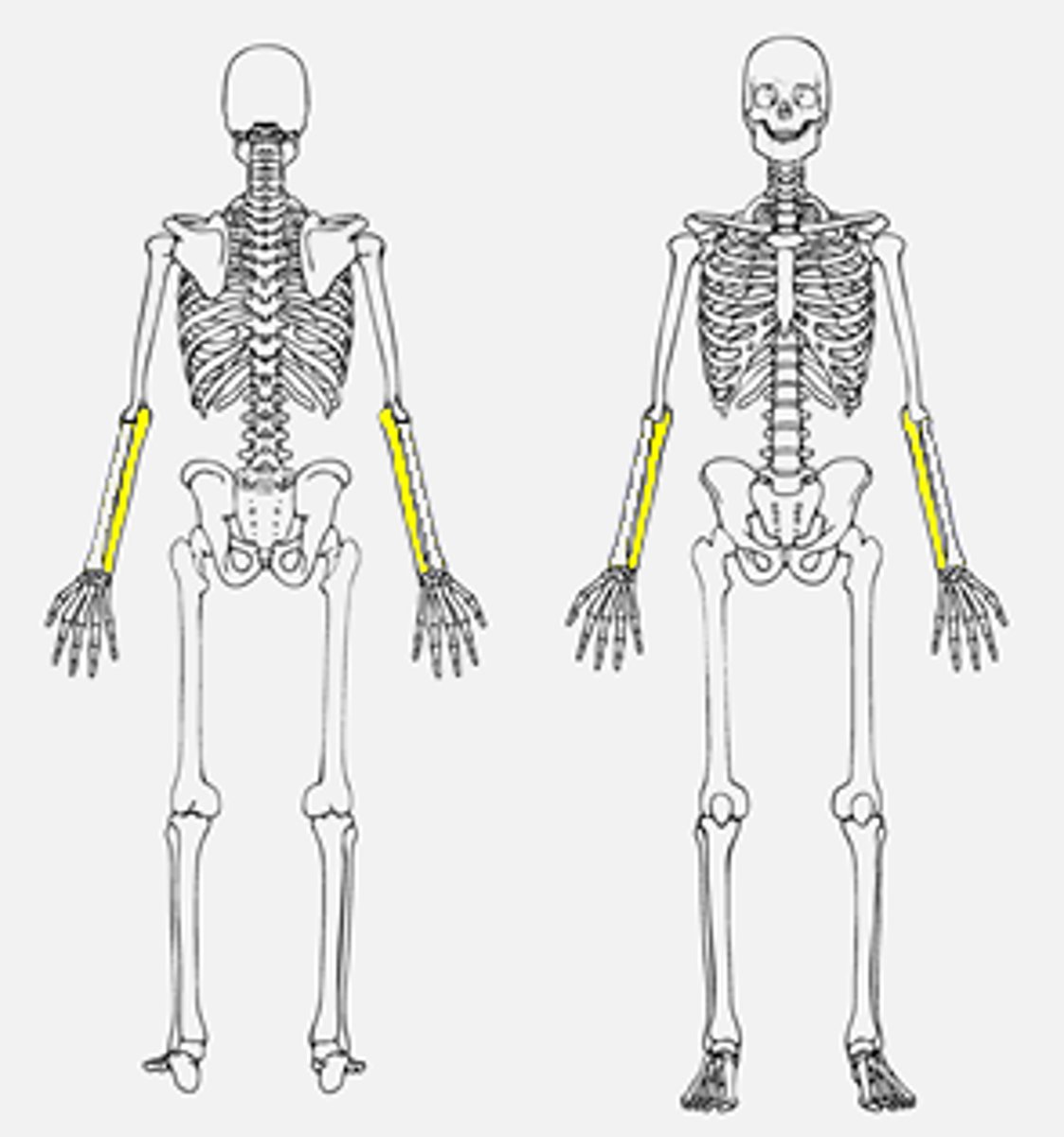
Ulna
Inner and larger bone of the forearm, attached to the wrist and located on the side of the little finger.
coronoid process of ulna
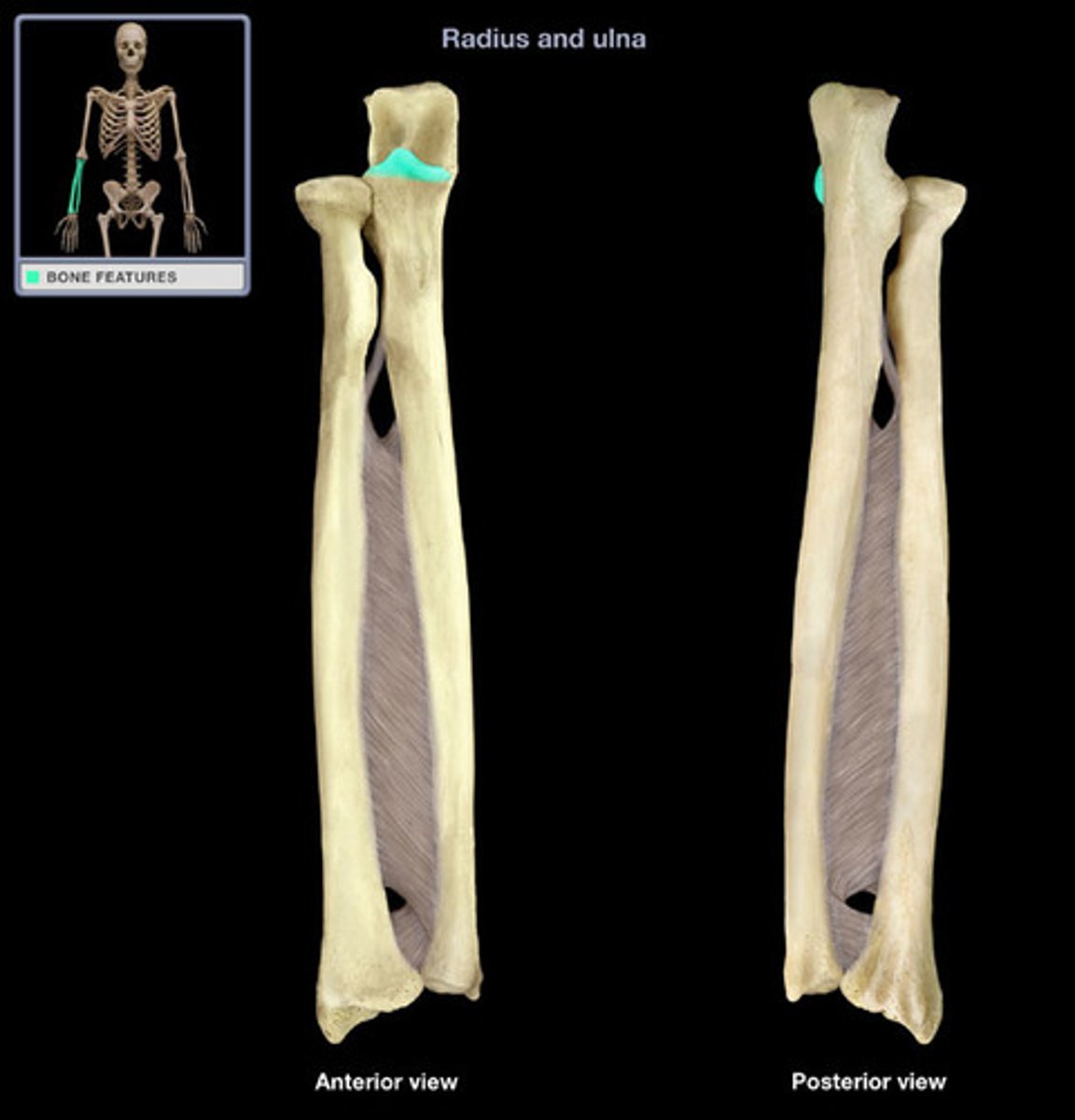
olecranon process of ulna
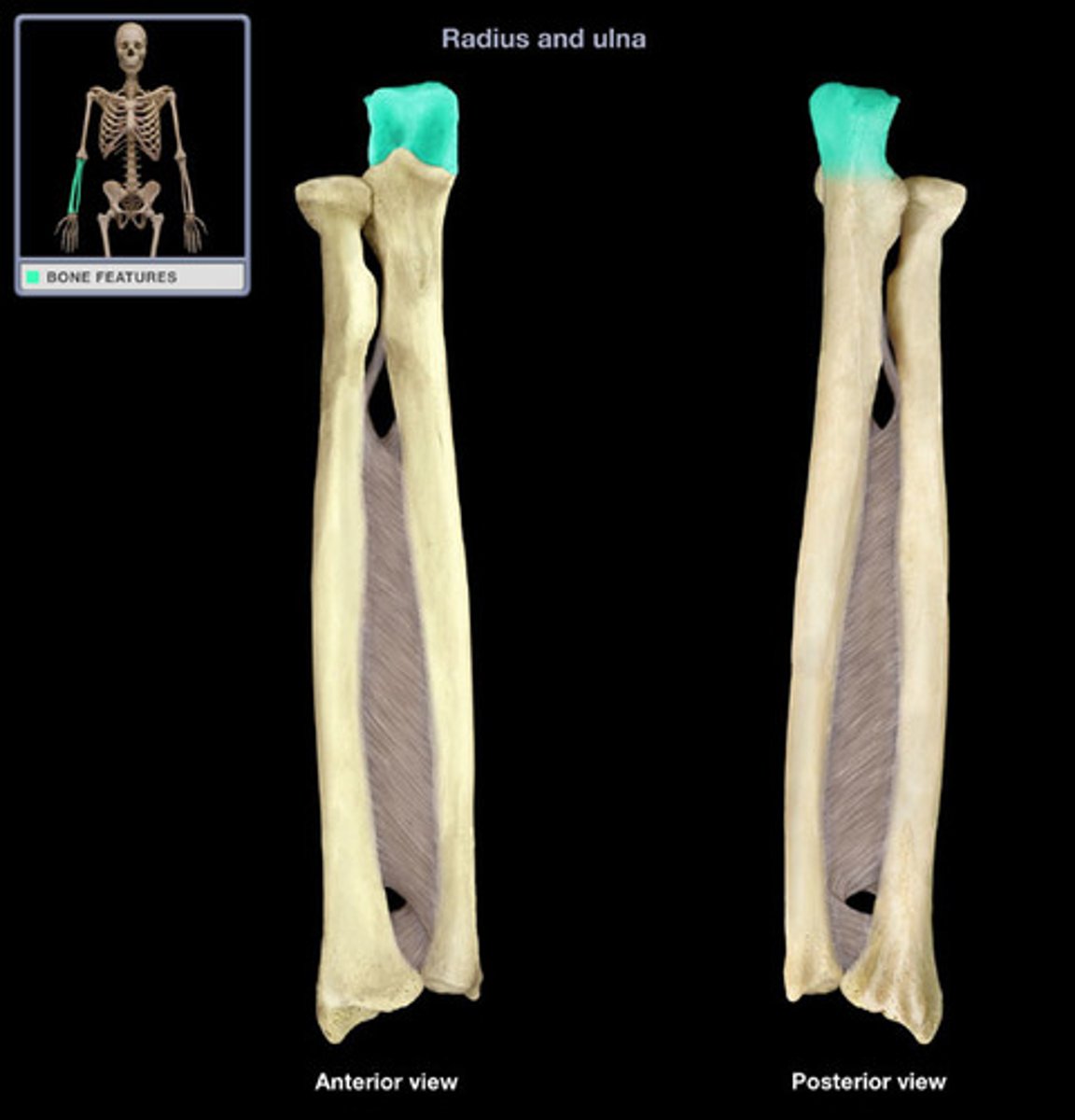
styloid process of ulna
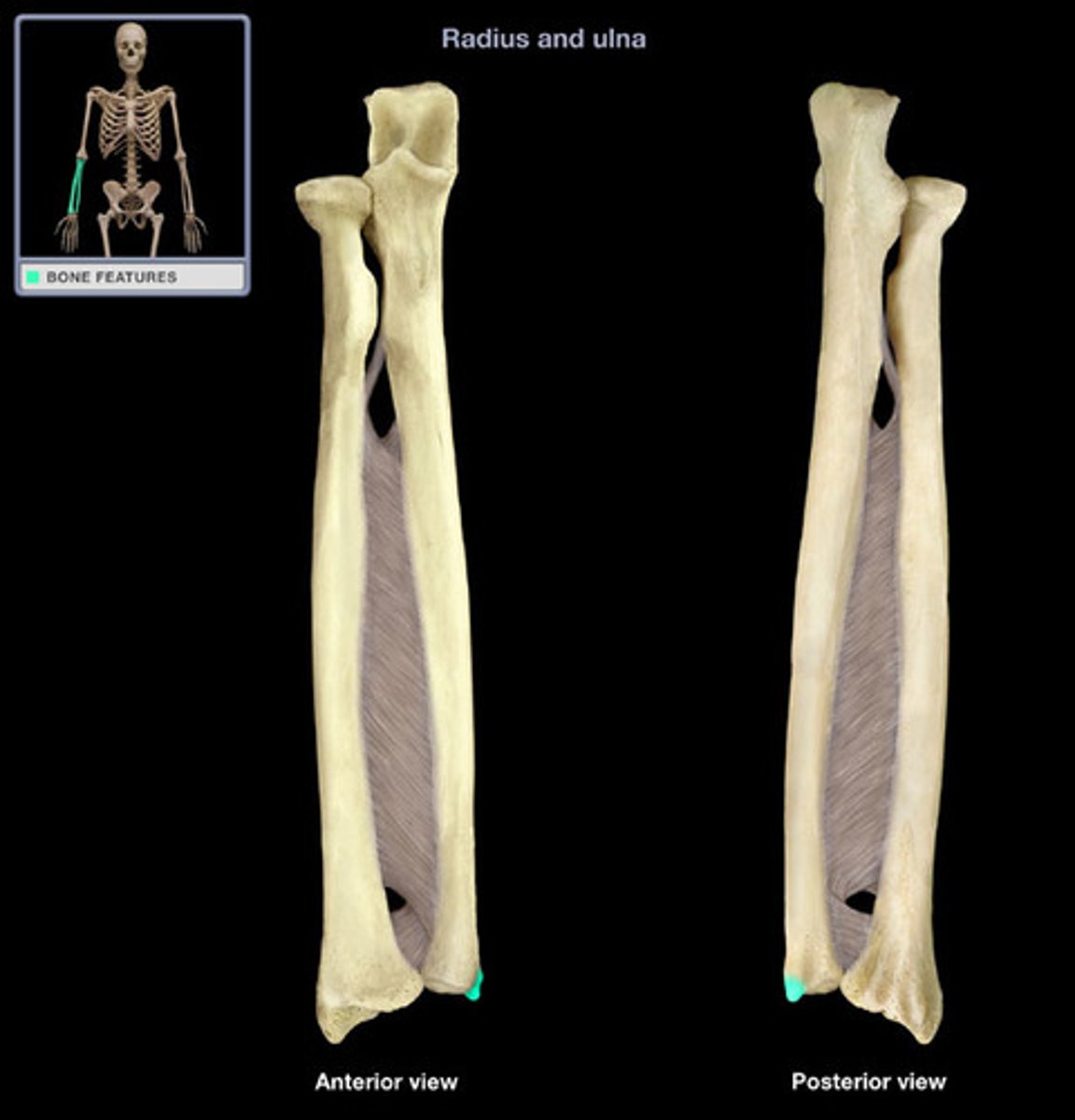
radial notch
articulates with head of radius
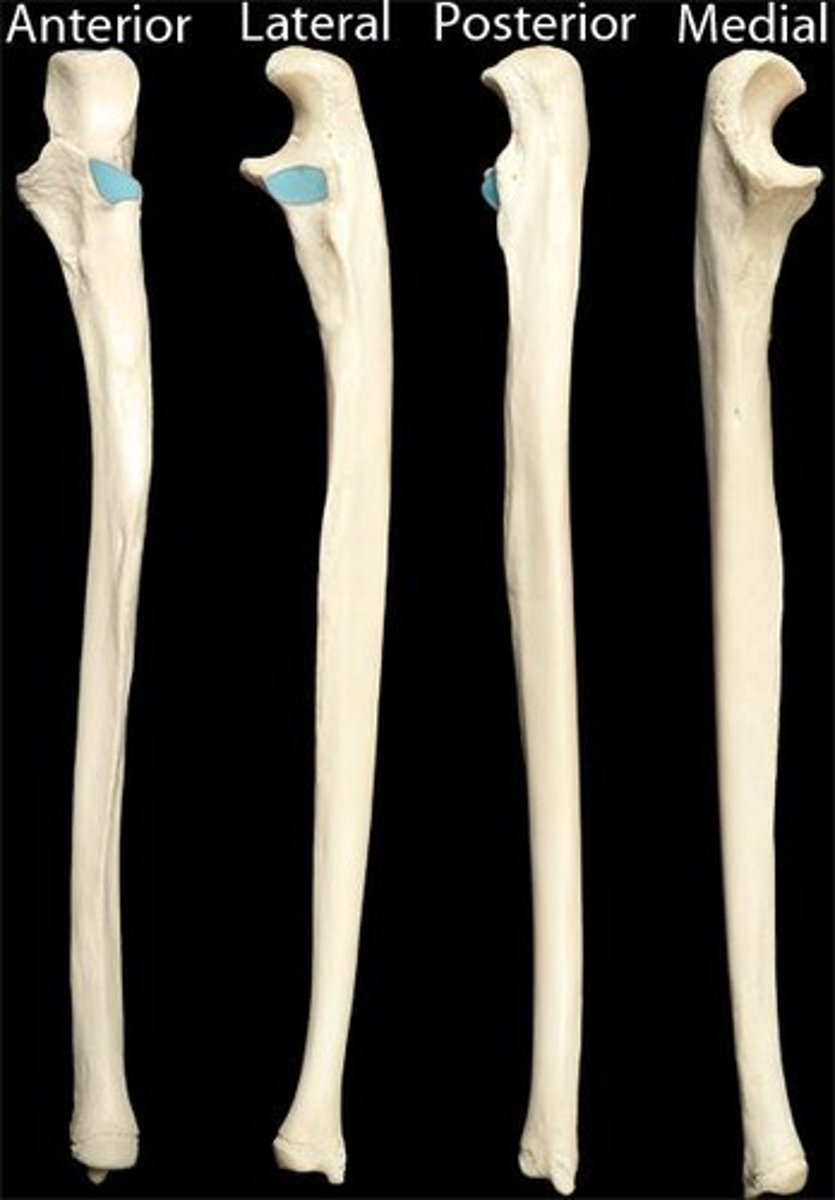
trochlear notch of ulna
articulates with the trochlea of humerus; makes up anterior surface of proximal end
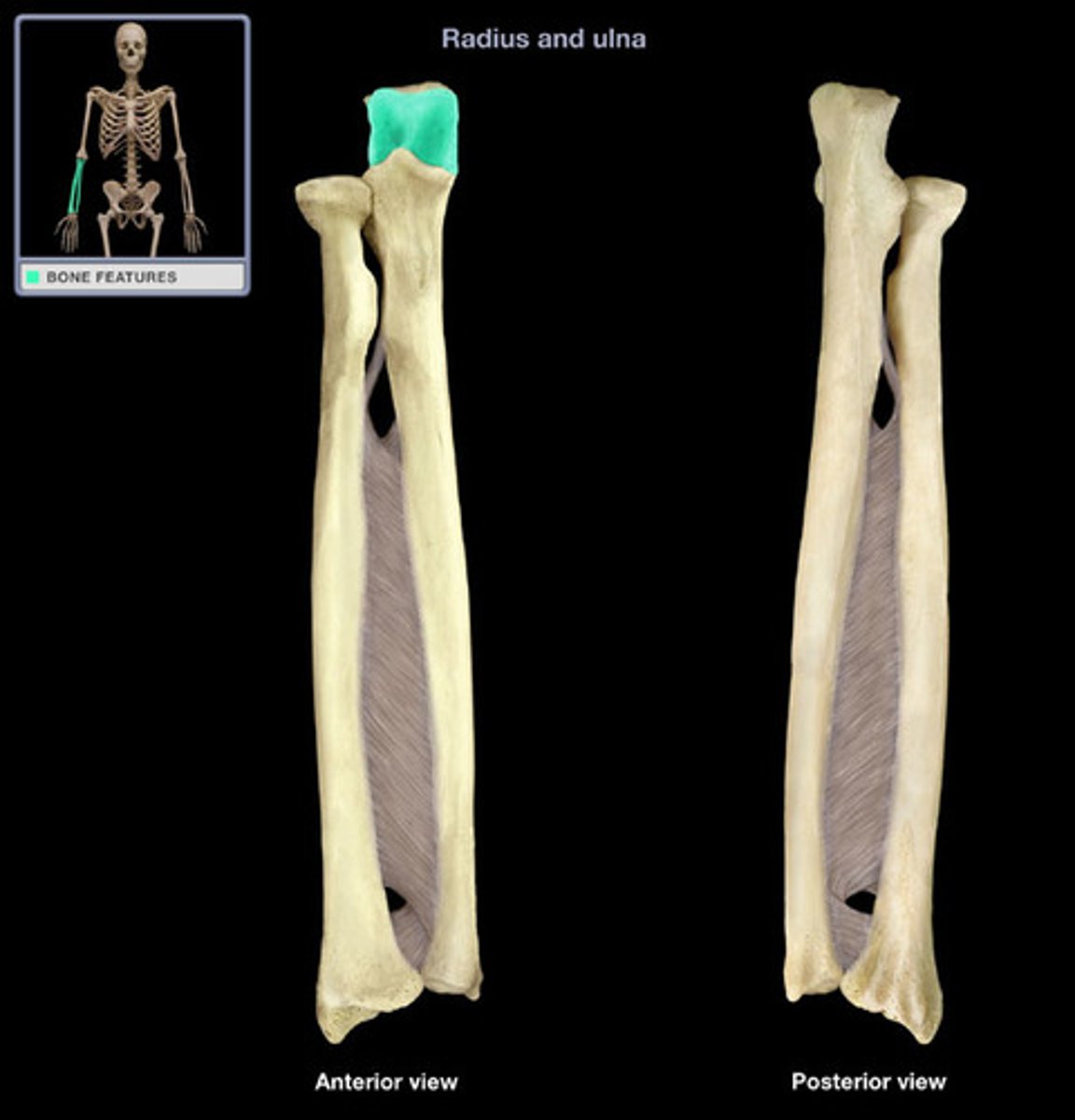
carpals
bones of the wrist
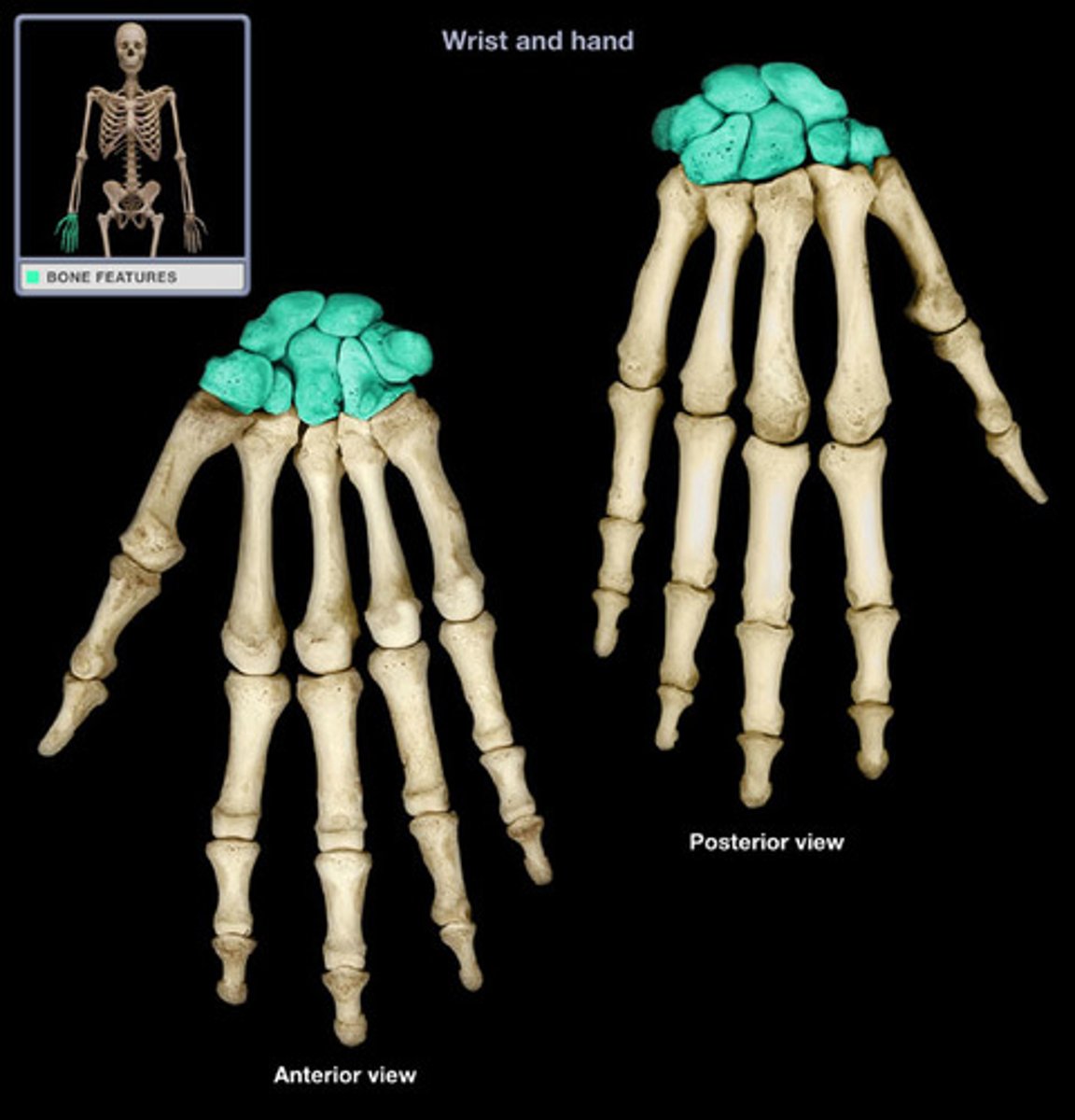
scaphoid (navicular)
This carpal bone is in the proximal row and it is the most lateral carpal of that row.
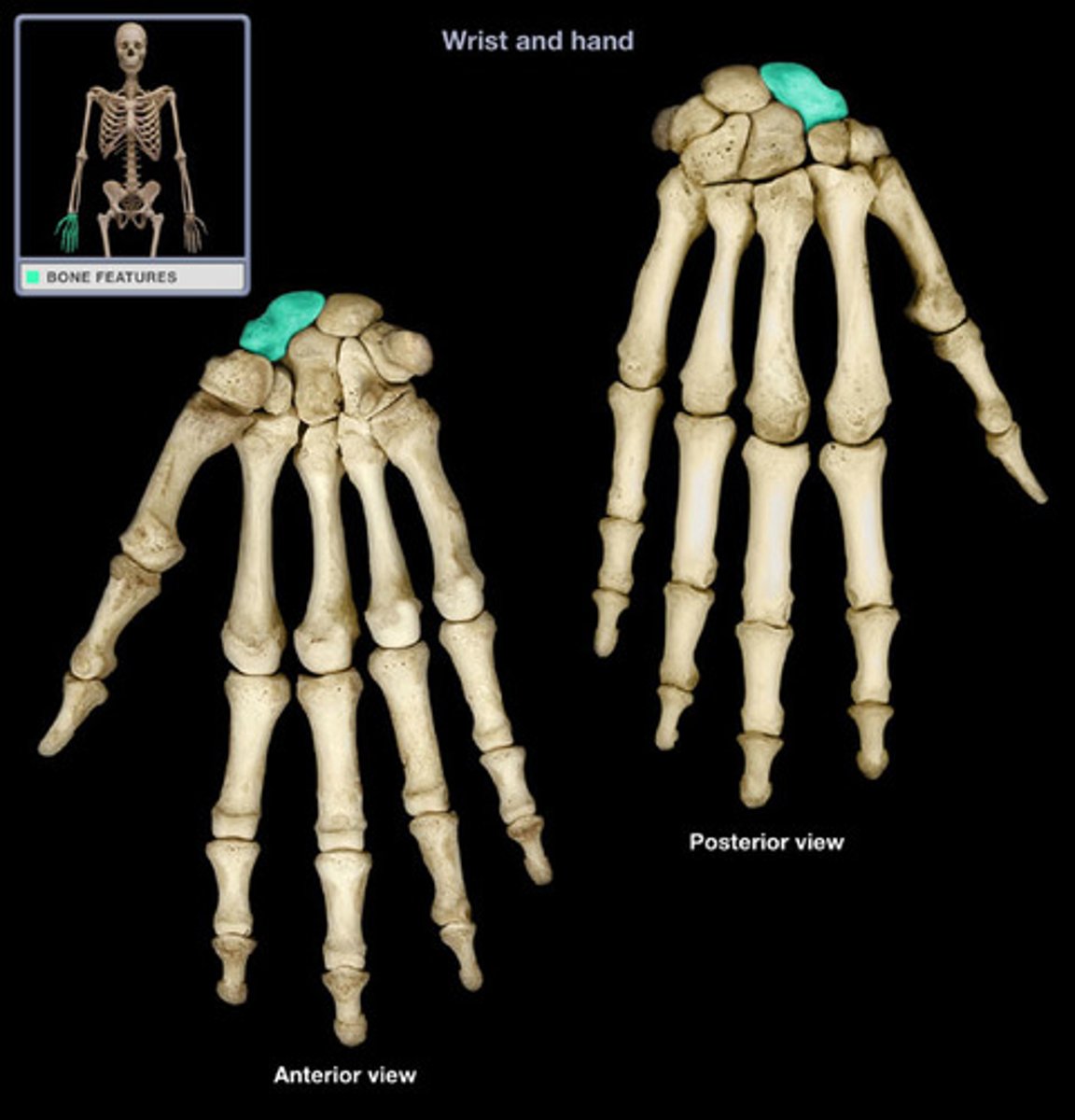
Lunate
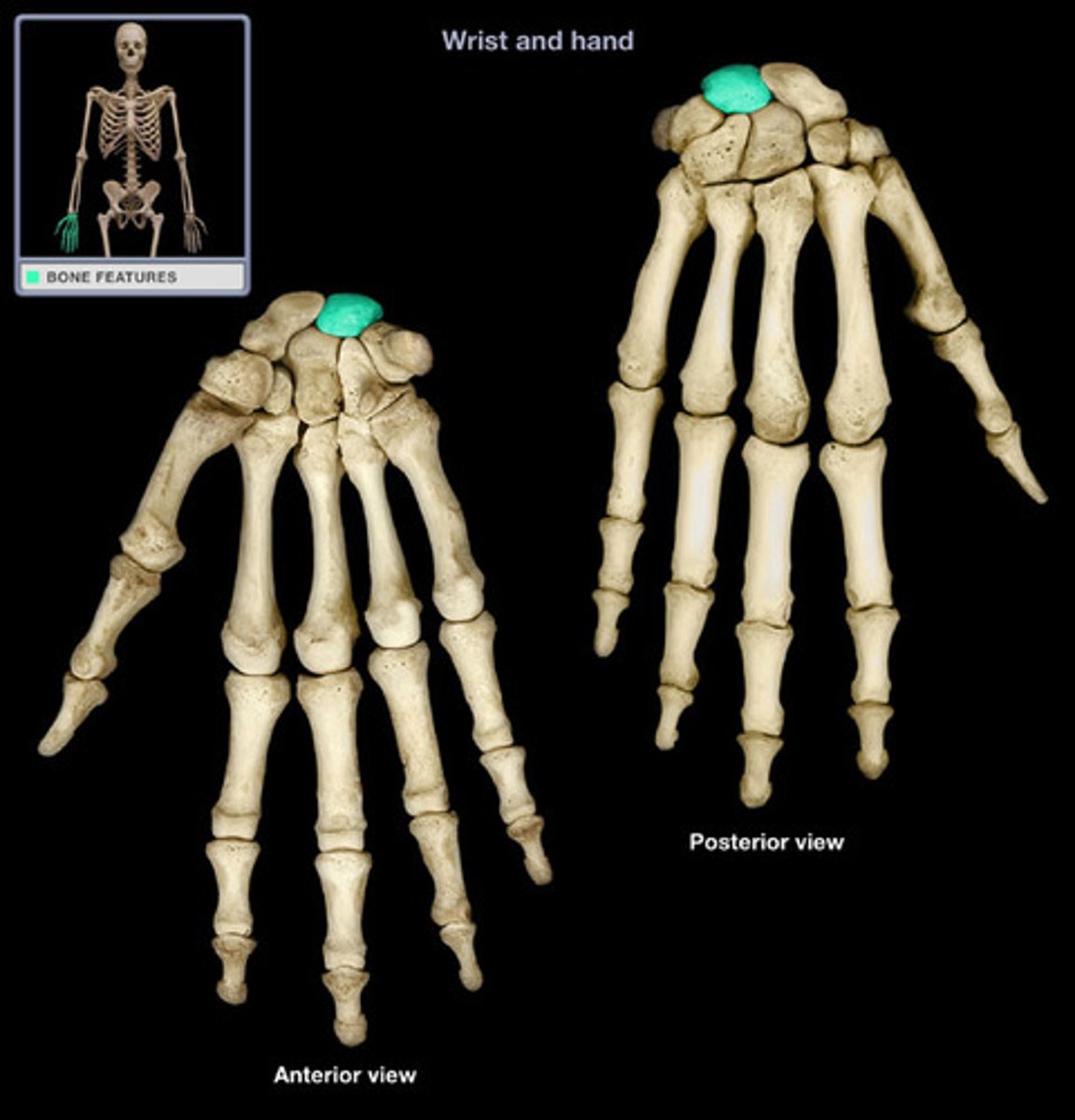
Trapezoid
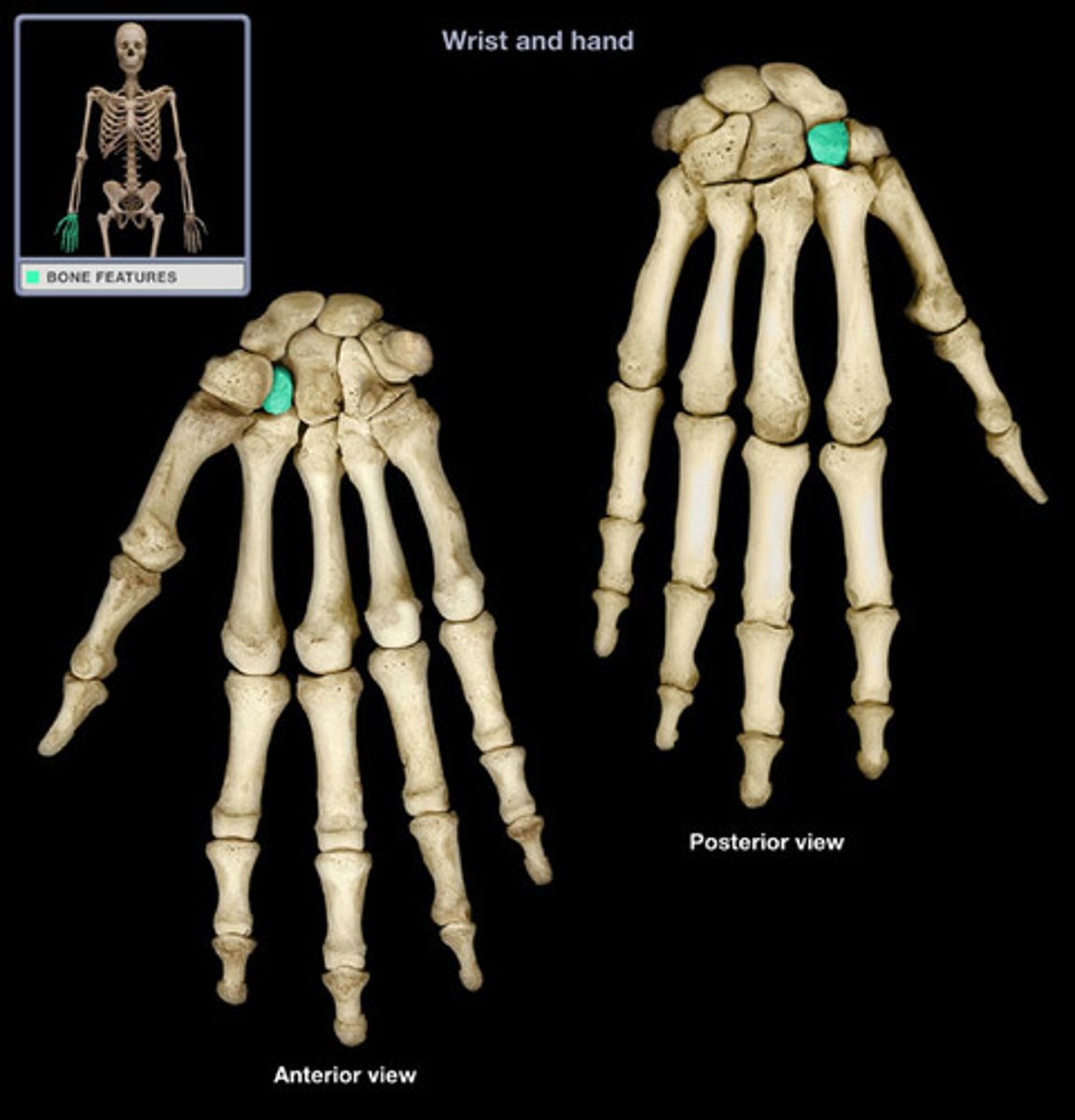
Pisiform
can only see from back of hand (palm facing up)
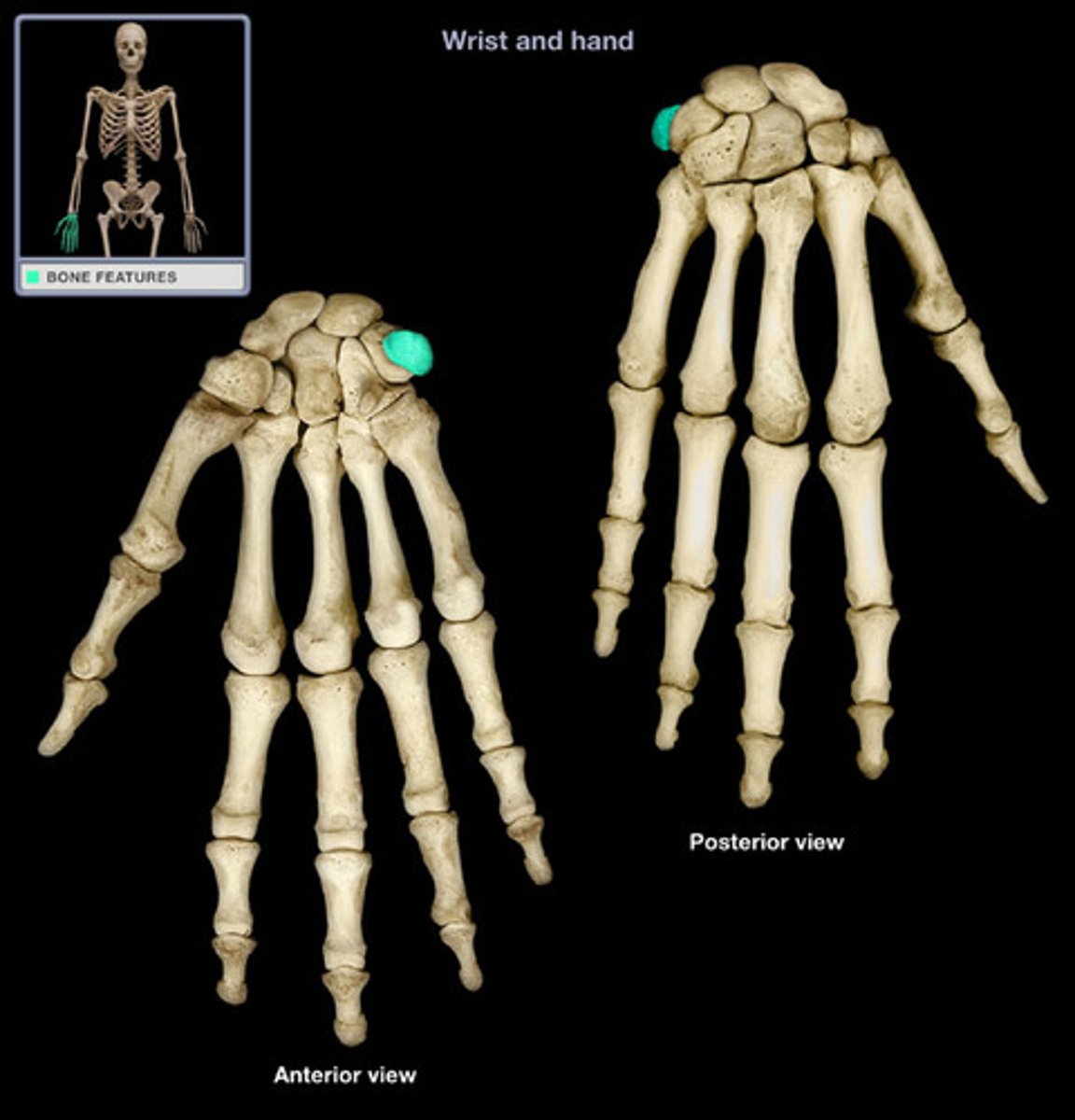
hamate
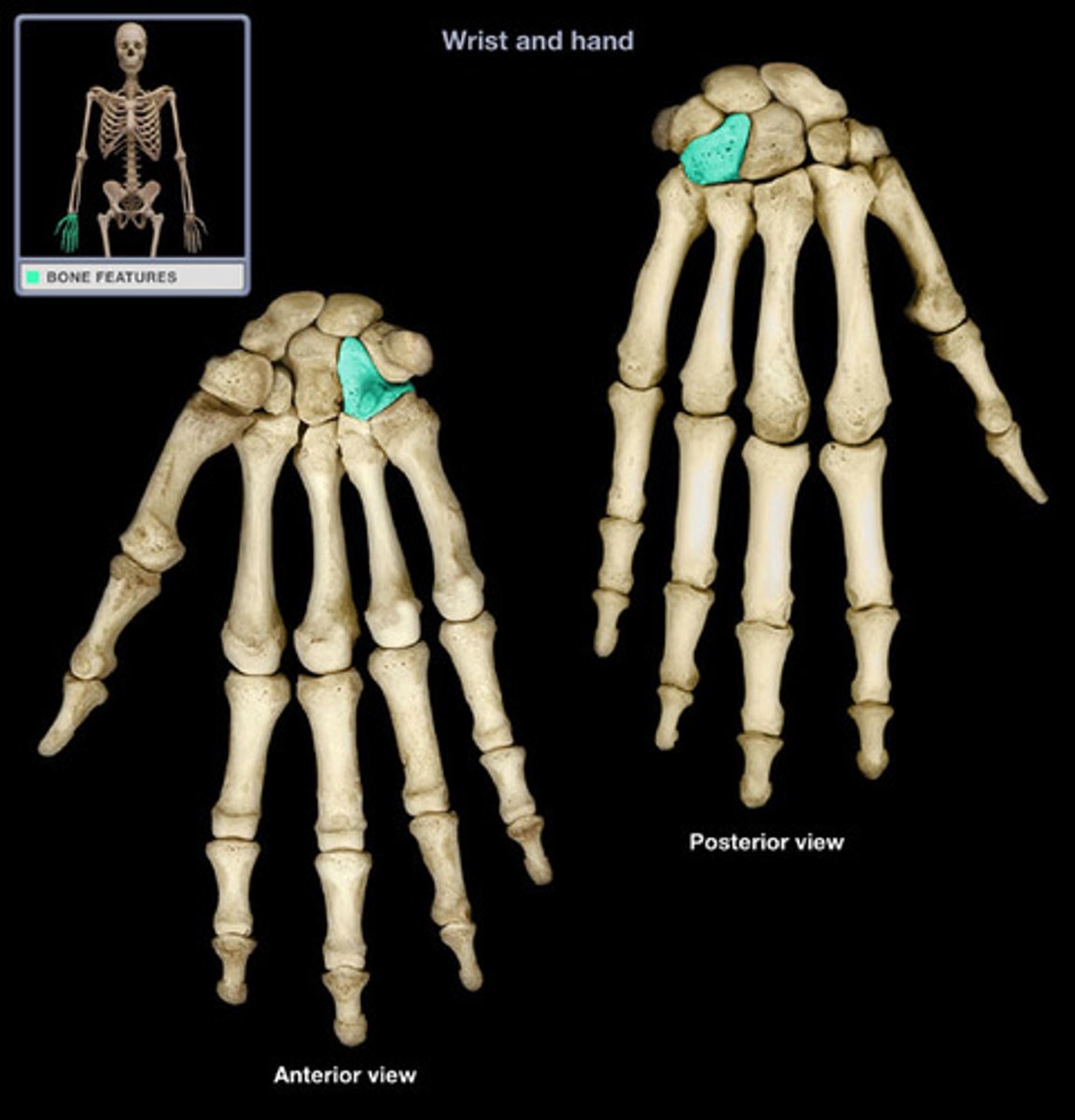
capitate
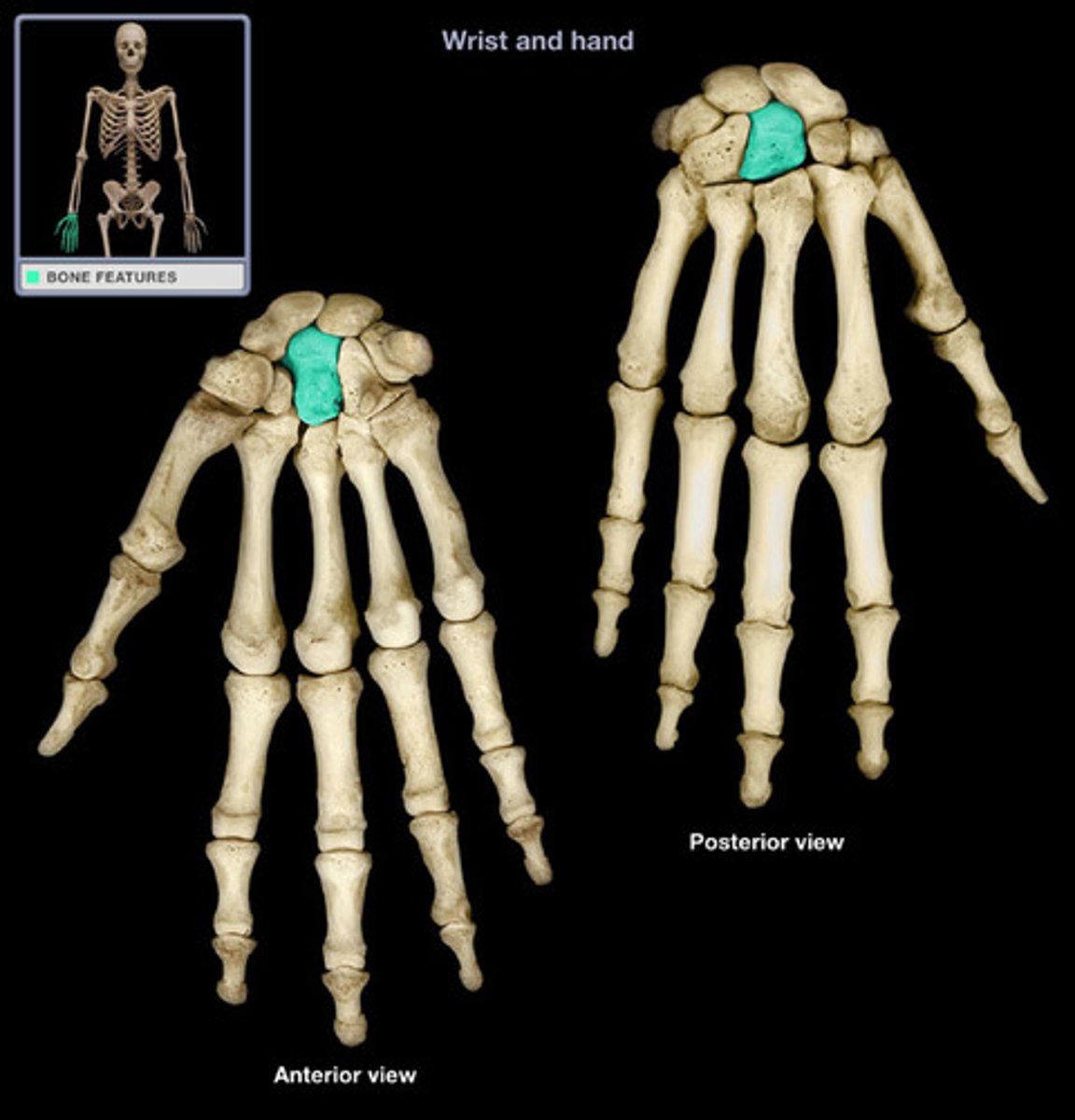
Triquetrum (Triangular)
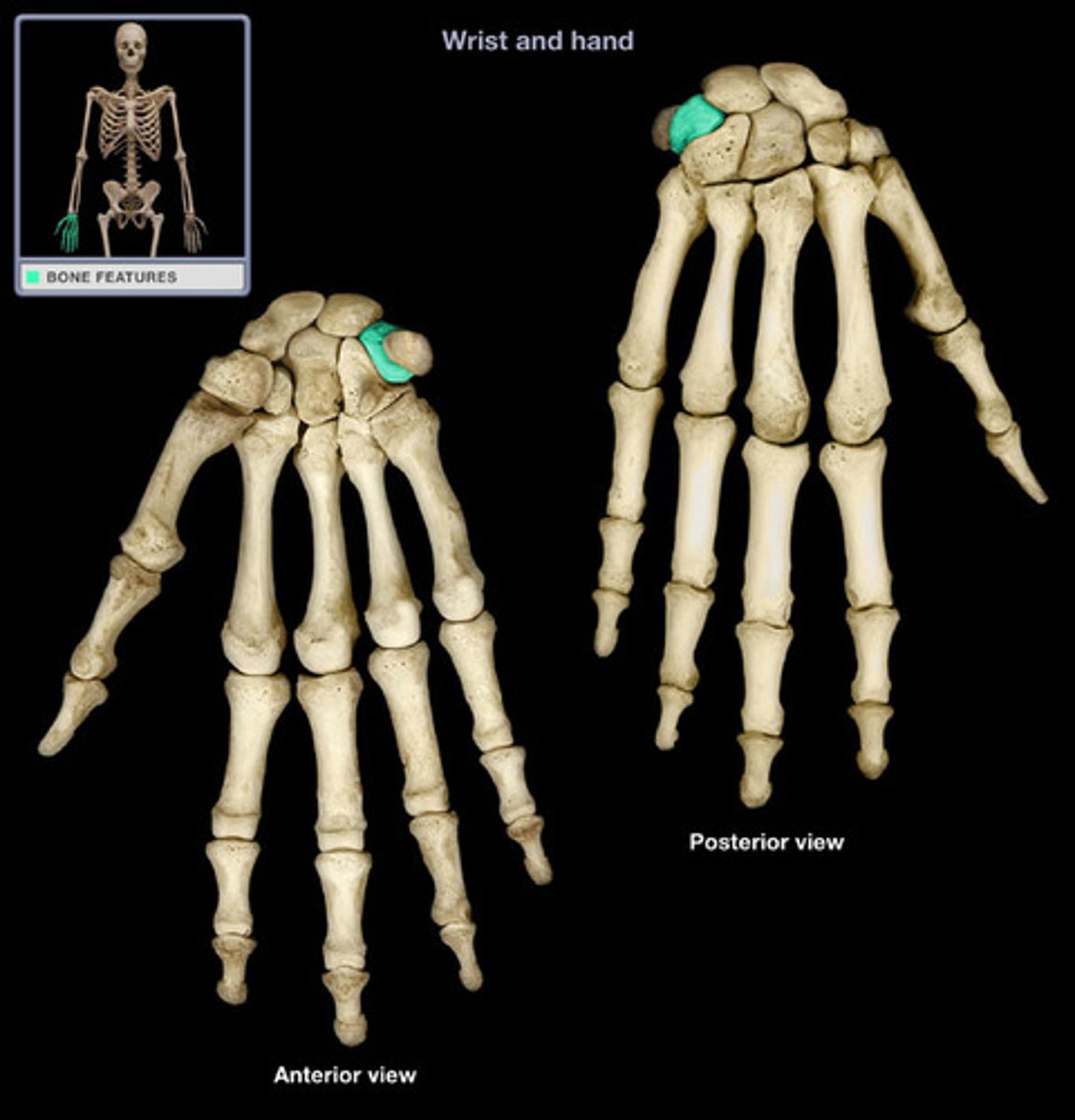
trapezium
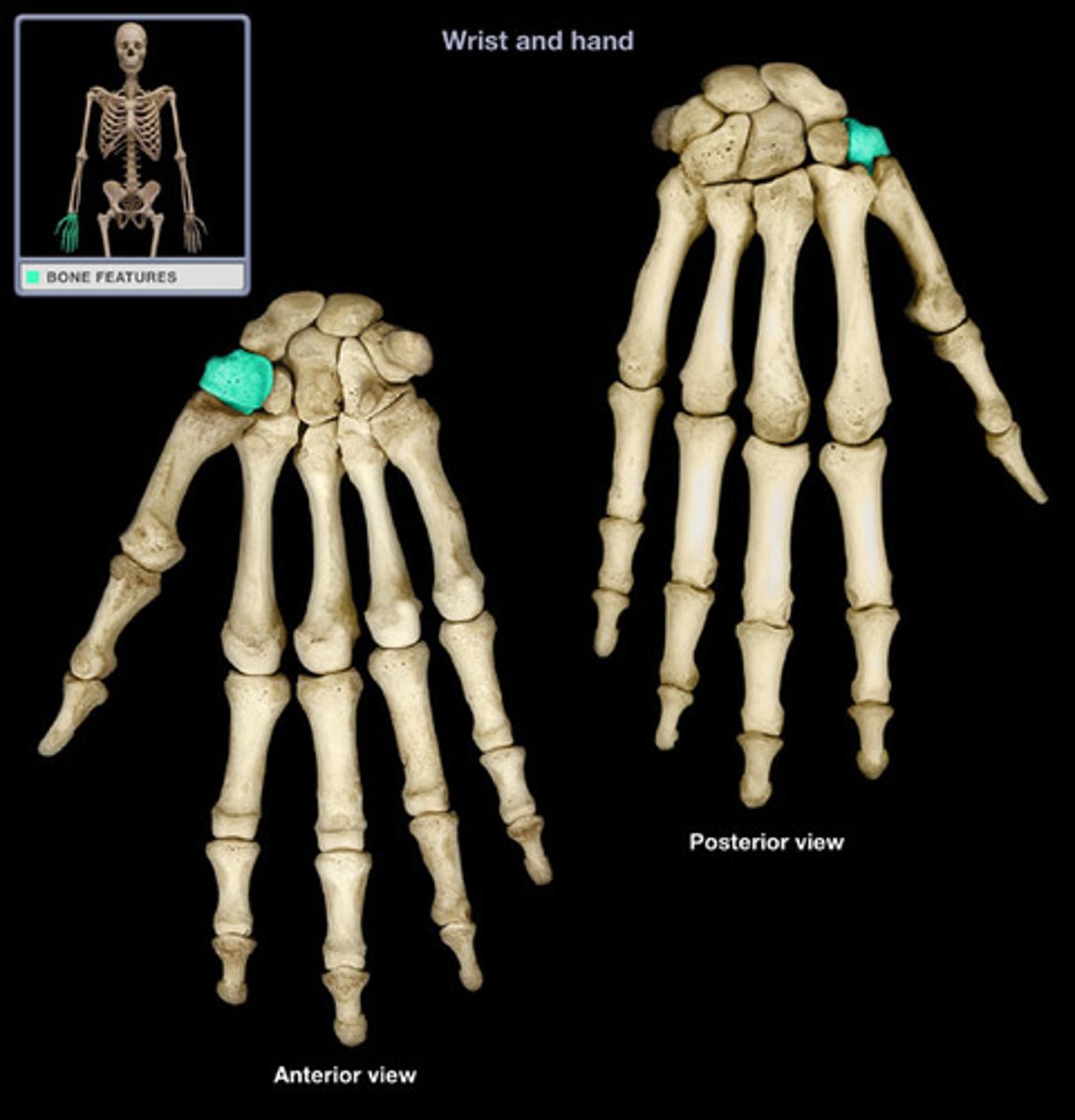
Metacarpals
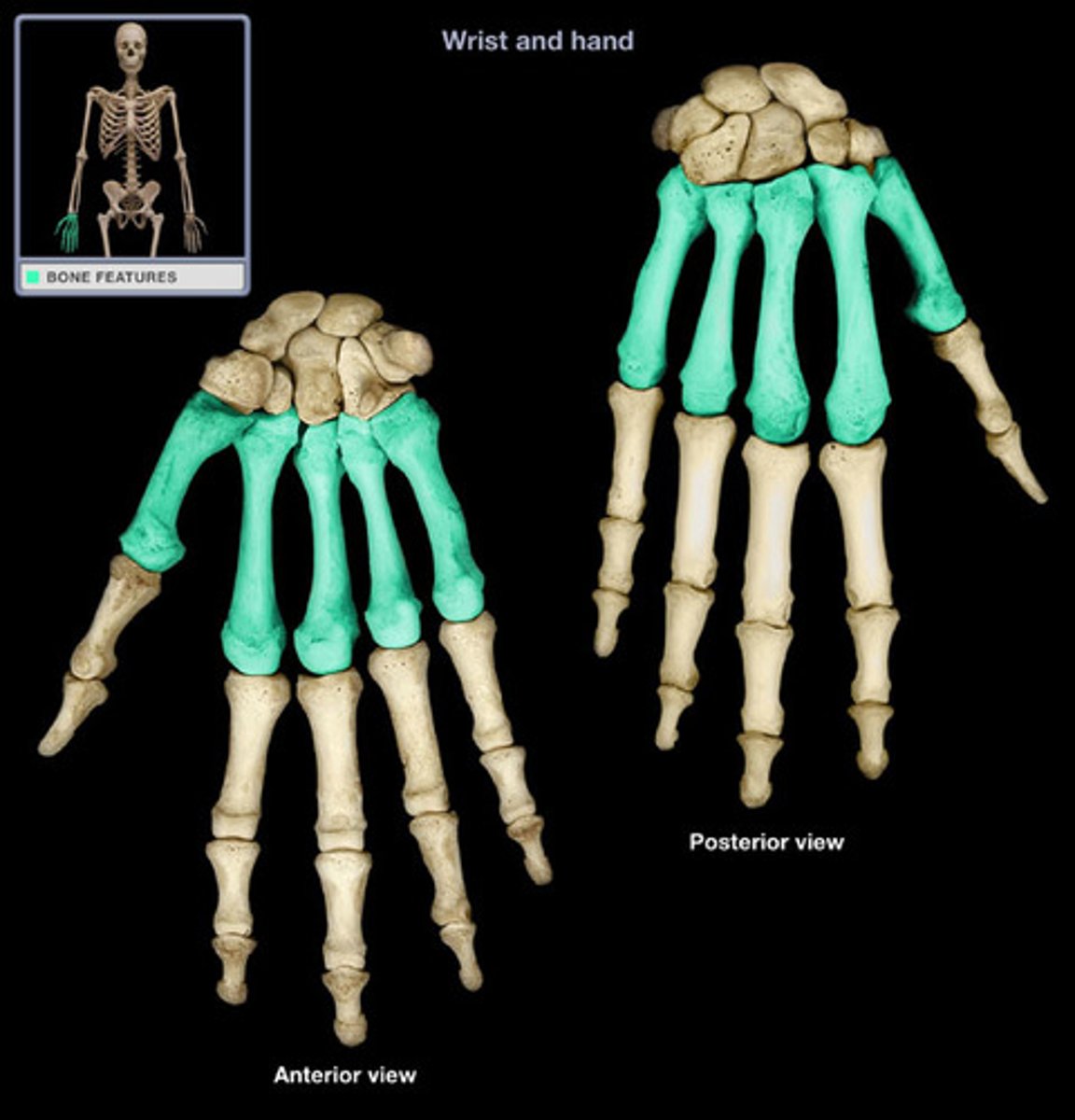
Phalanges (hand)
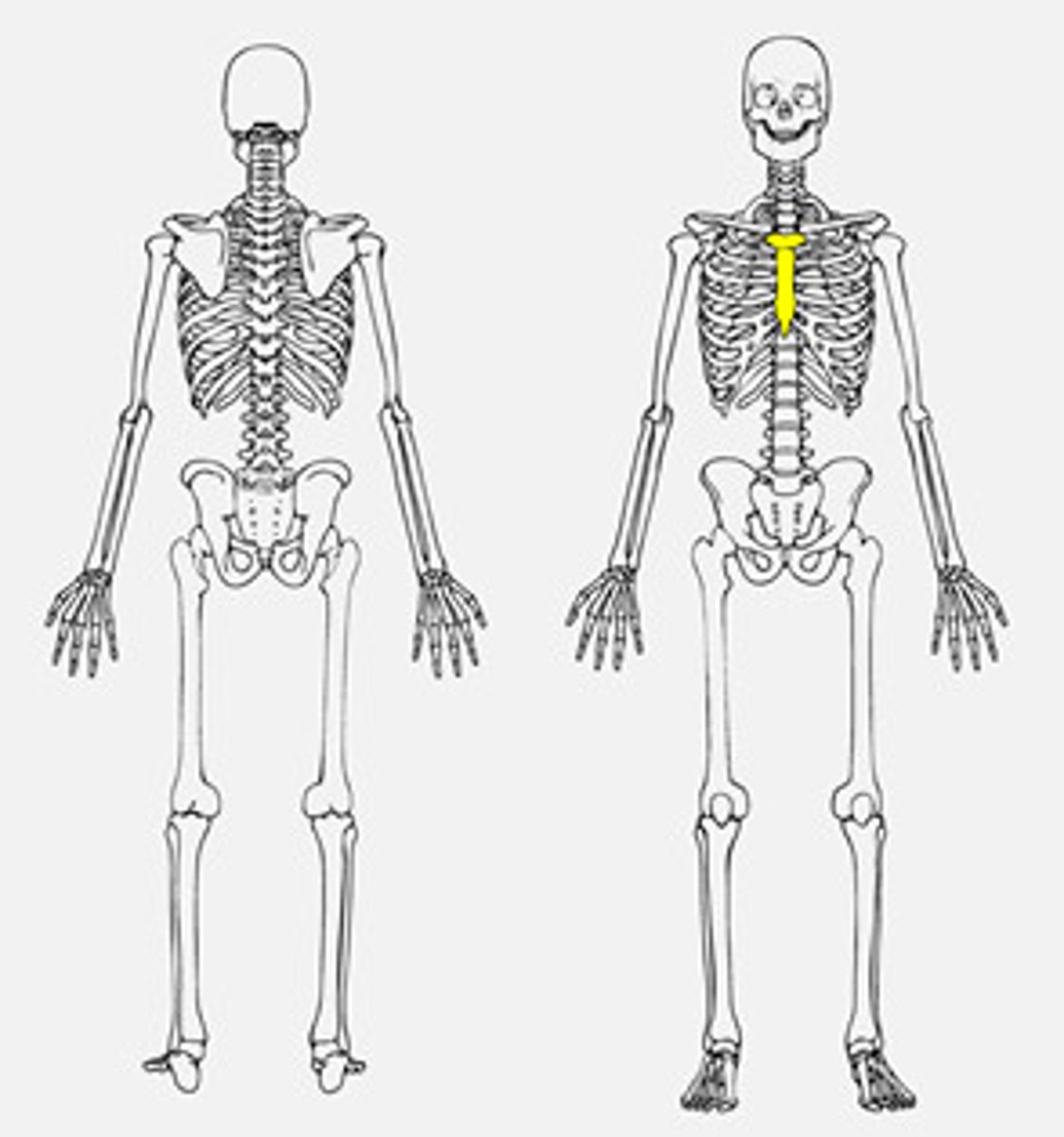
Sternum
breastbone
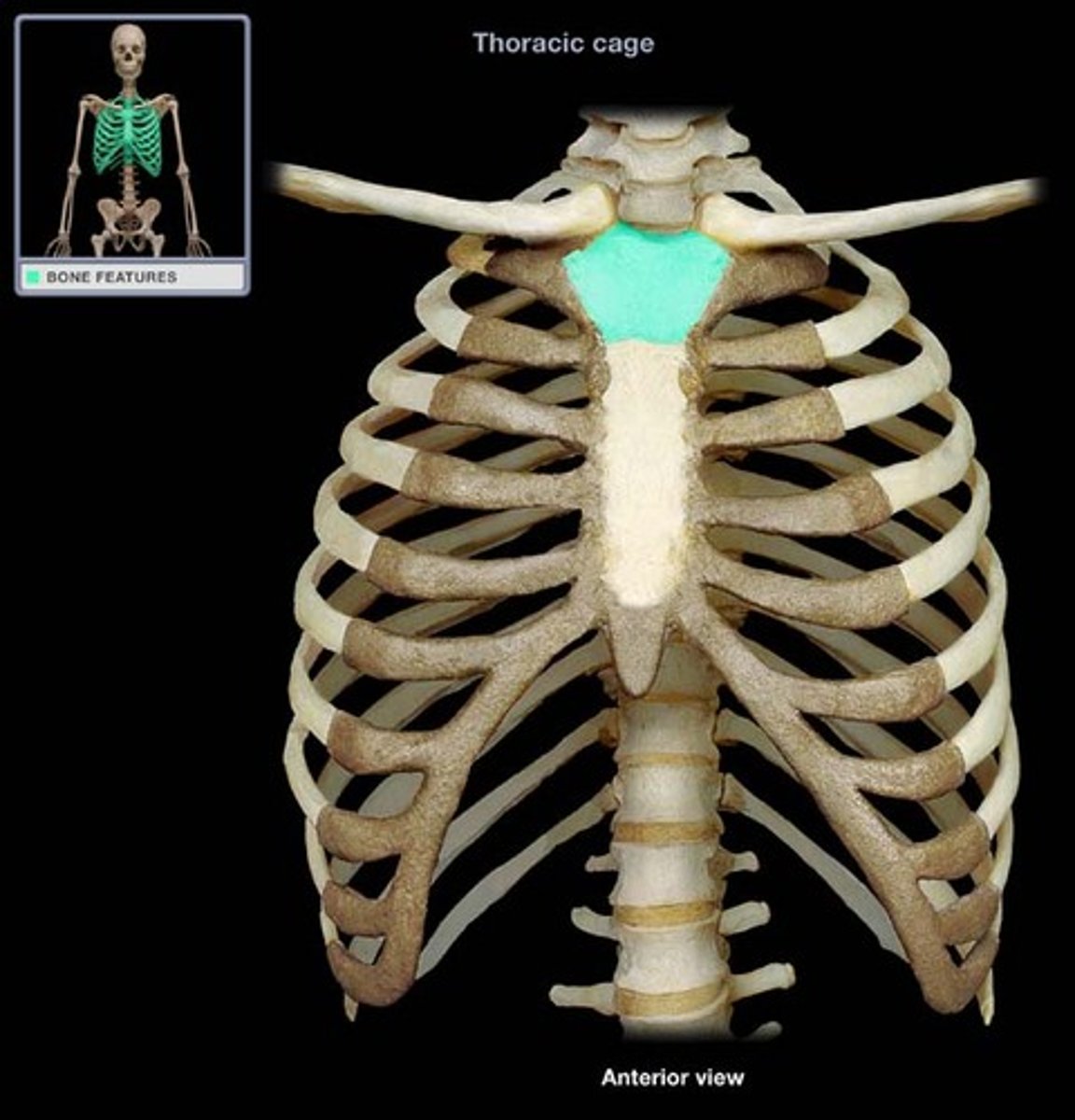
manubrium
superior portion of the sternum that articulates with the clavicle at its clavicular notch
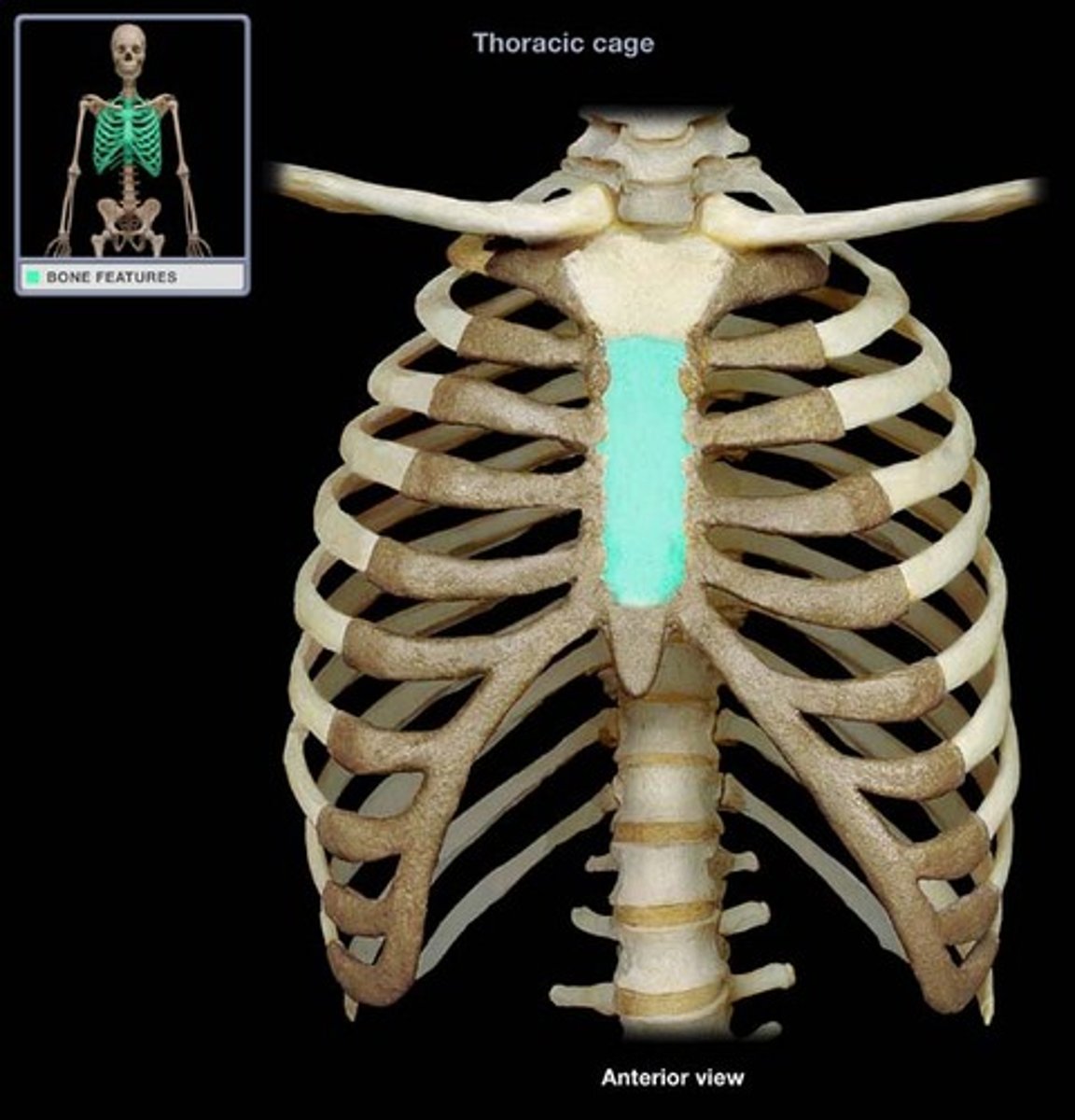
body of sternum
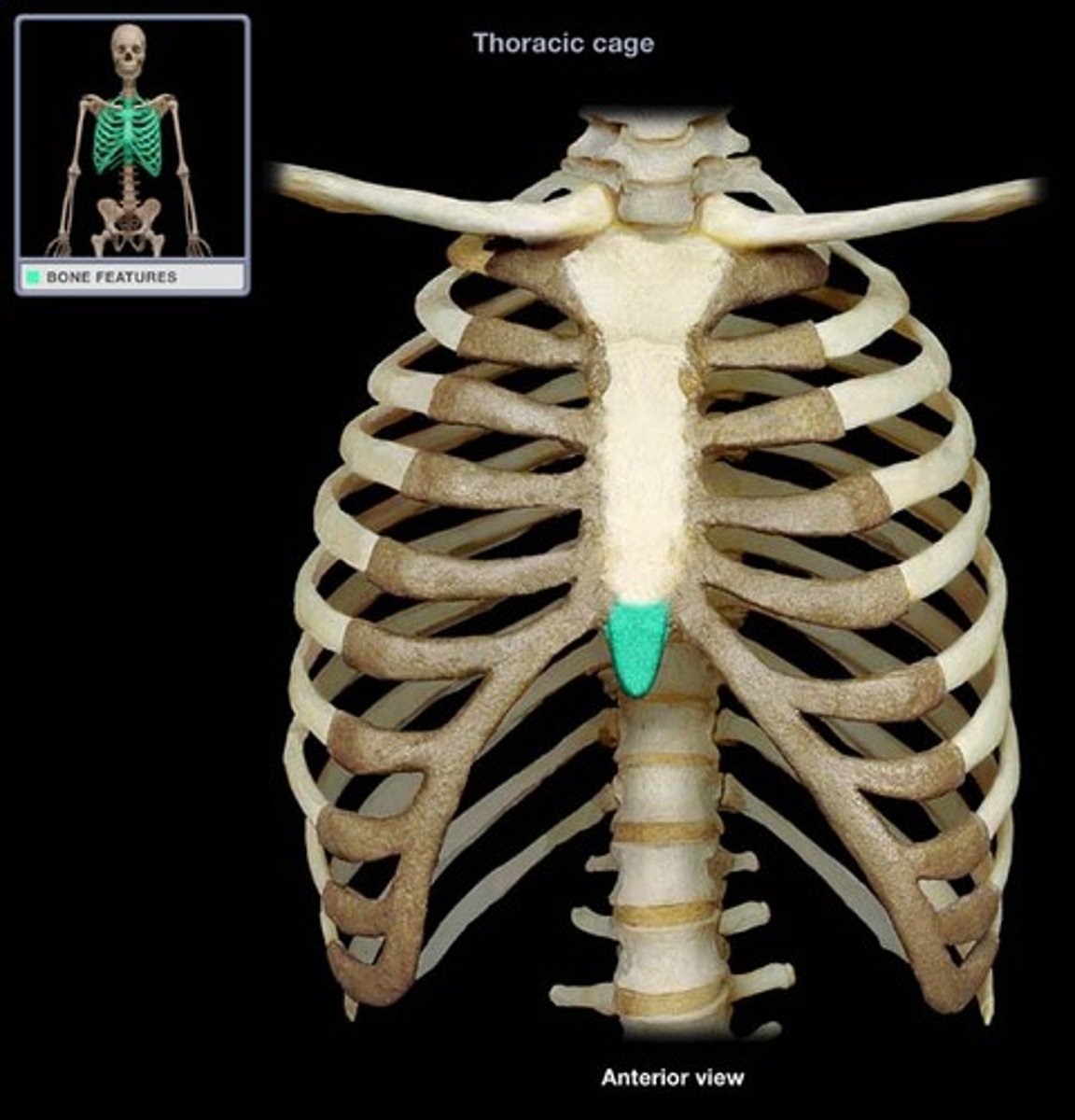
xiphoid process
lower, narrow portion of the sternum
True ribs (1-7)
have a direct attachment to the sternum via cartilage
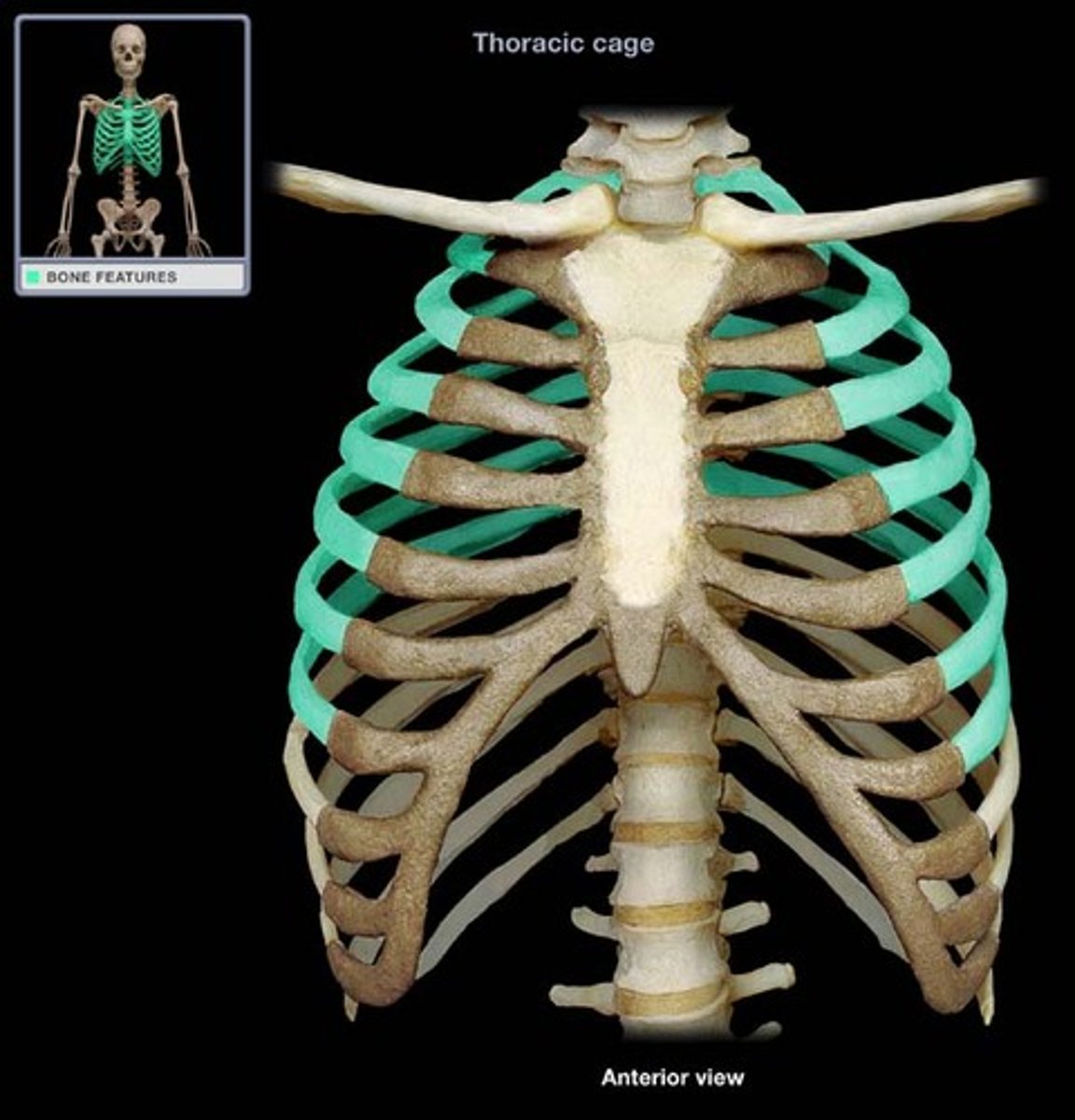
false ribs (8-12)
The false ribs have an indirect attachment to the sternum via
the cartilage of rib 7 or they don"t have any cartilaginous attachment to the
sternum (floating ribs).
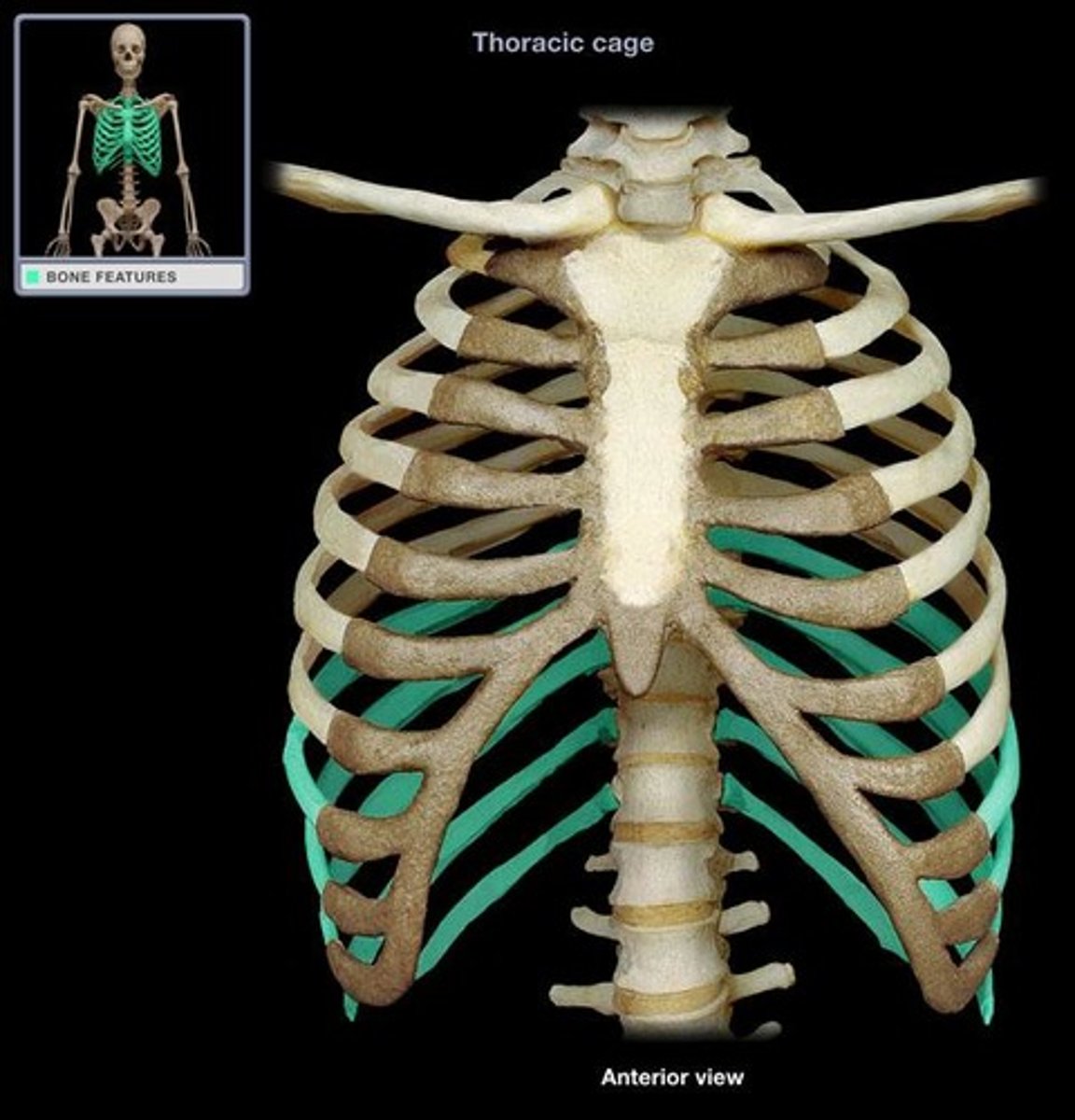
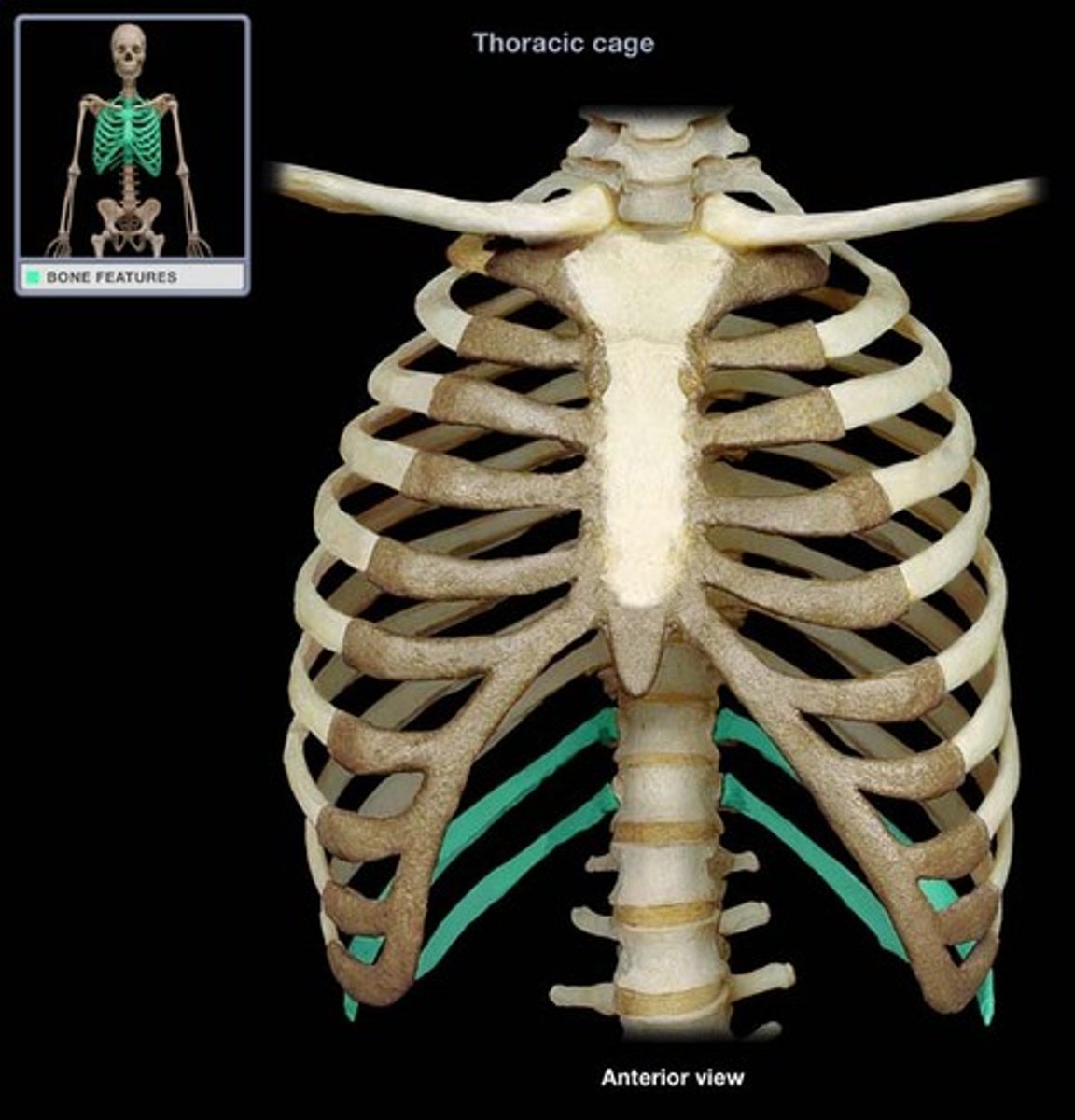
floating ribs
last two pairs of ribs; do not attach to sternum
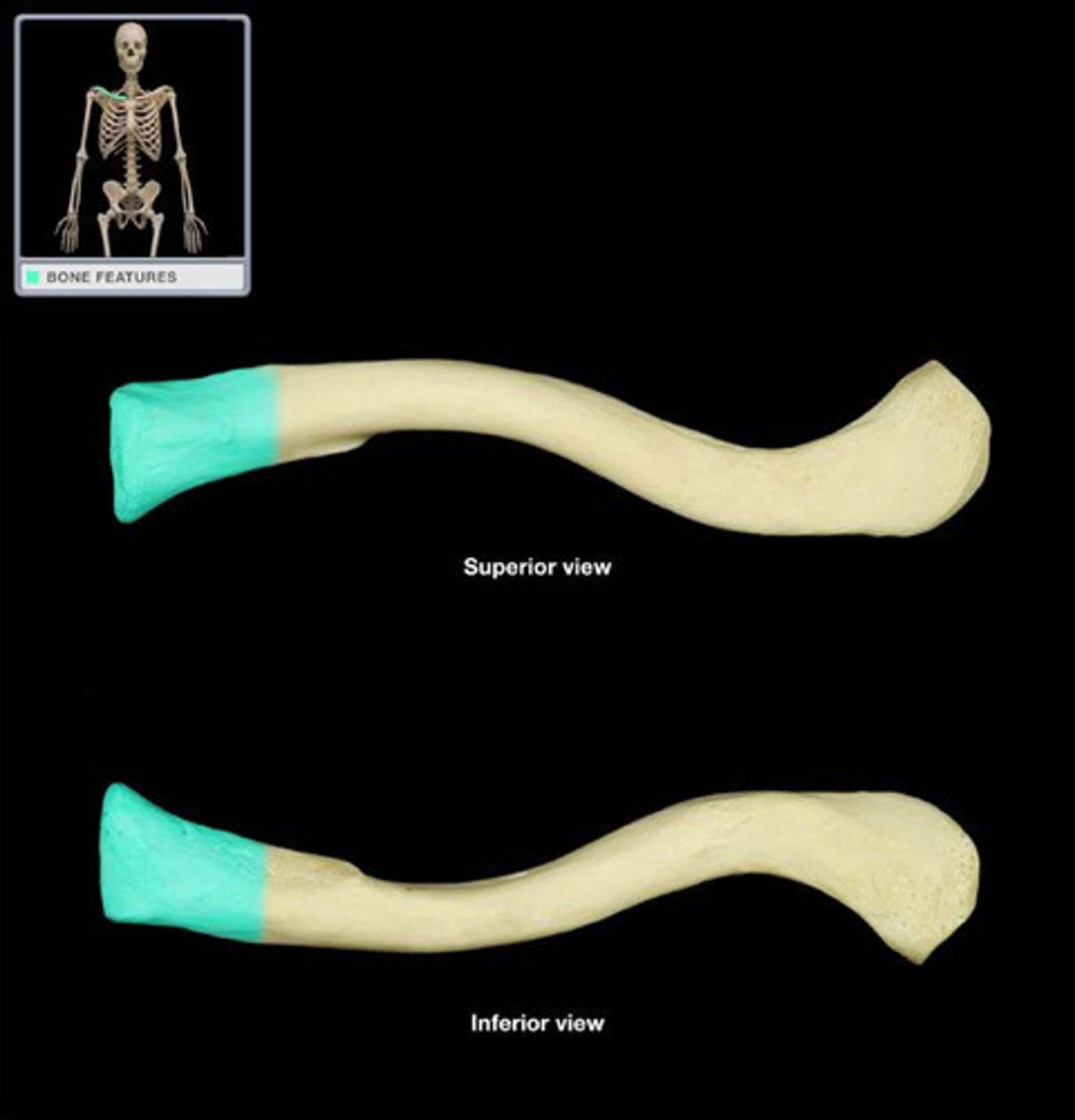
Clavicle
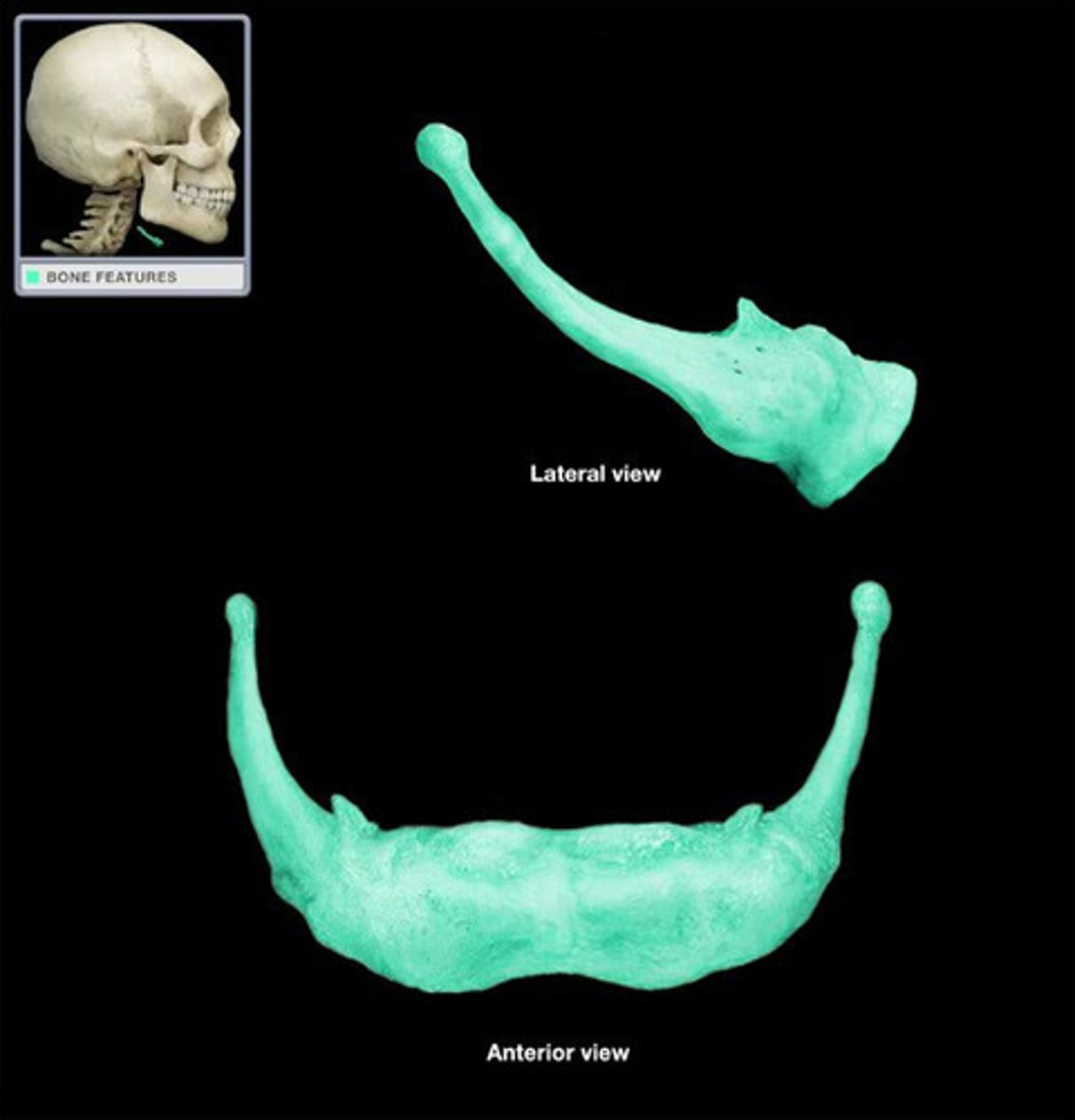
Hyoid
a U-shaped bone in the neck that supports the tongue.
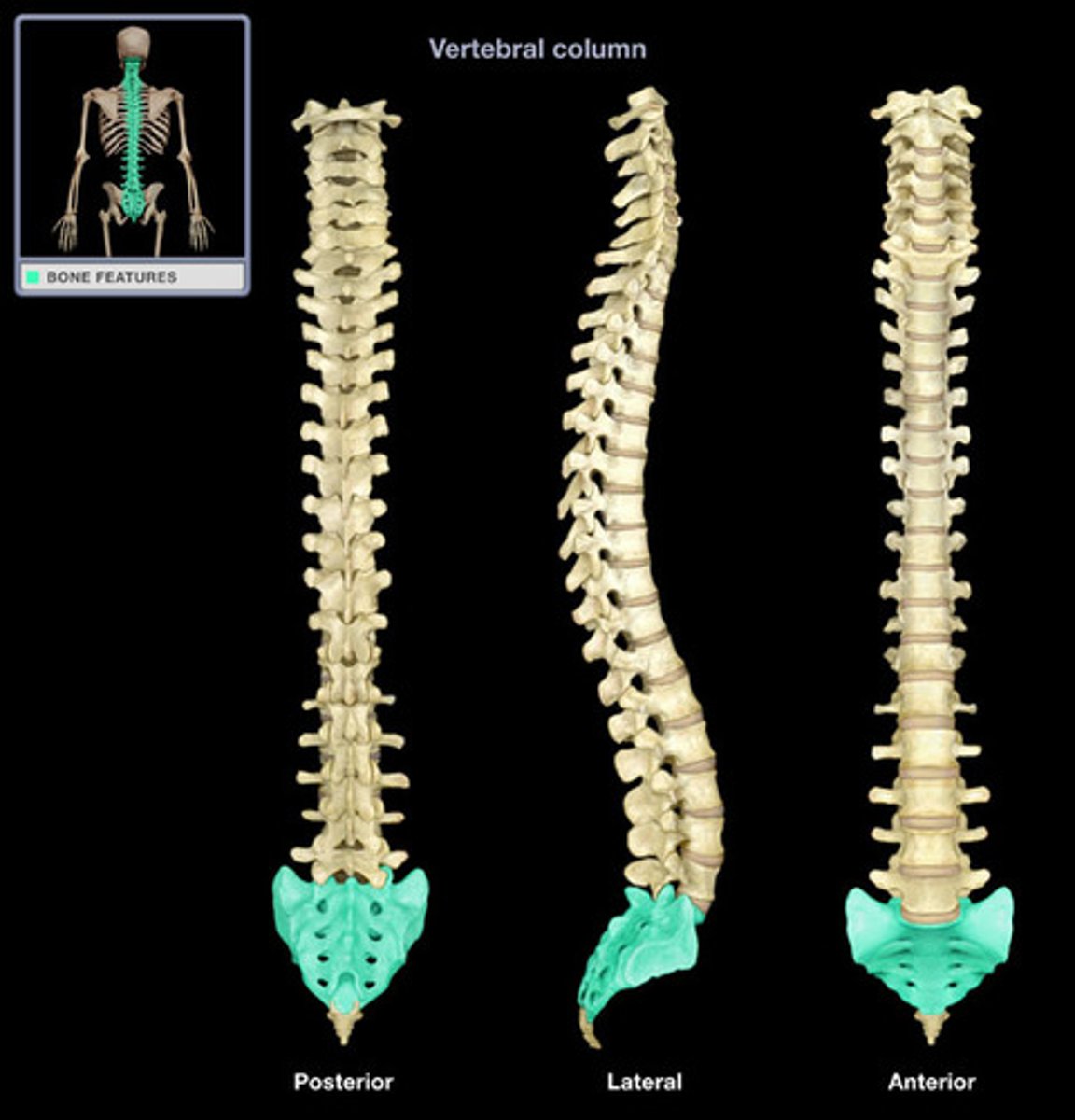
Sacrum
bone formed from five vertebrae fused together near the base of the spinal column
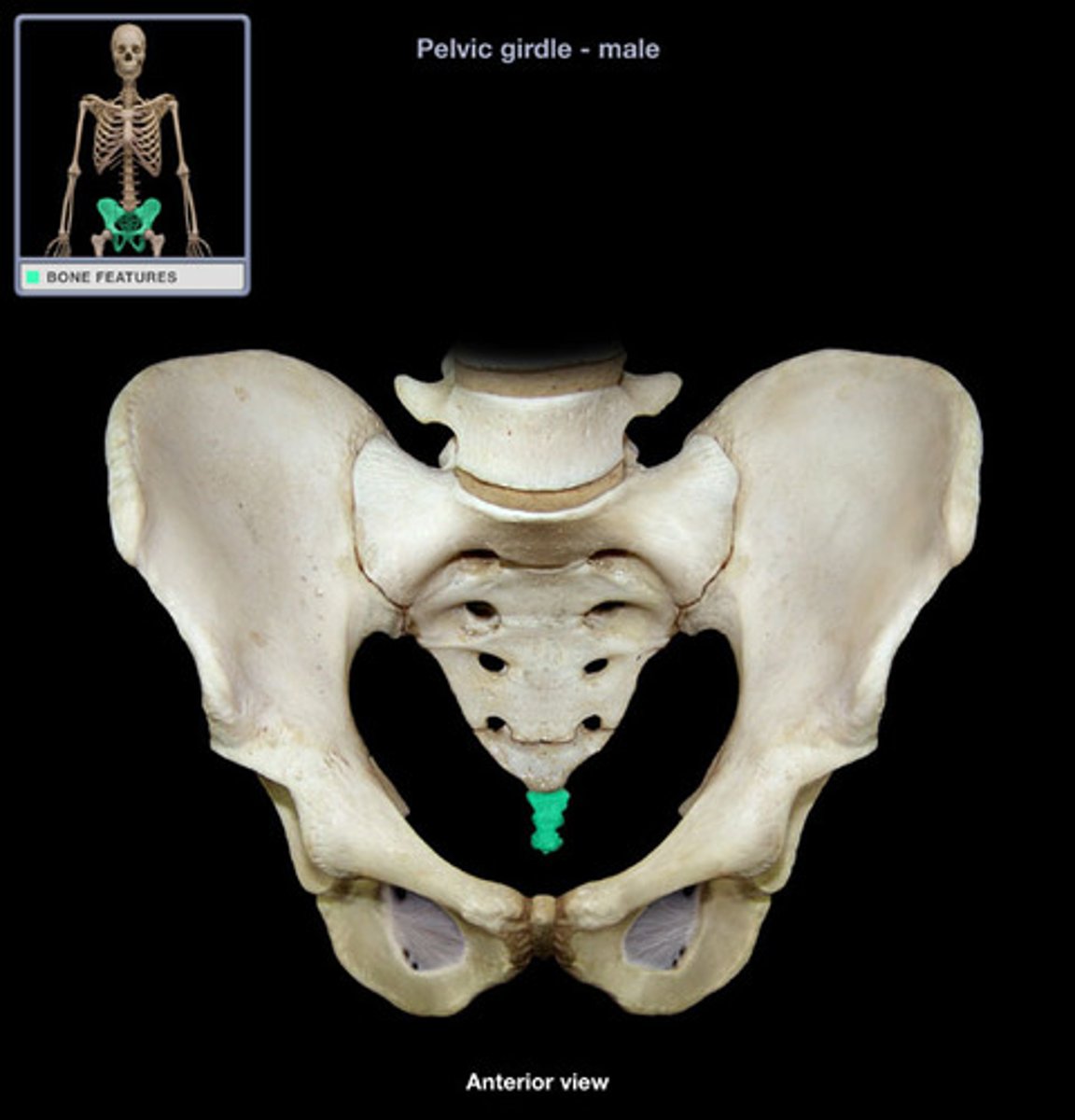
Coccyx
four vertebrae fused together to form the tailbone
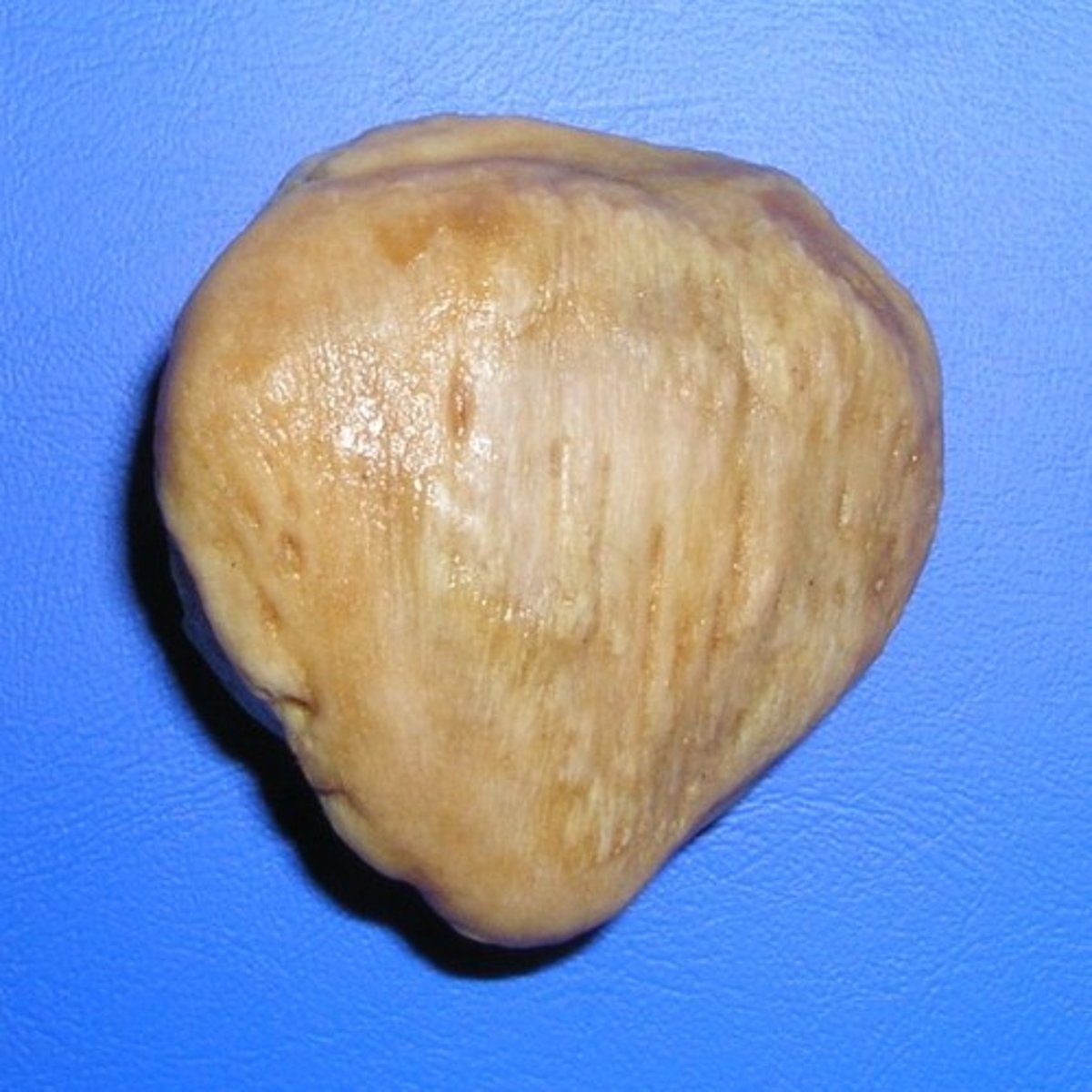
Patella
kneecap
frontal bone
forehead bone; protects cranium
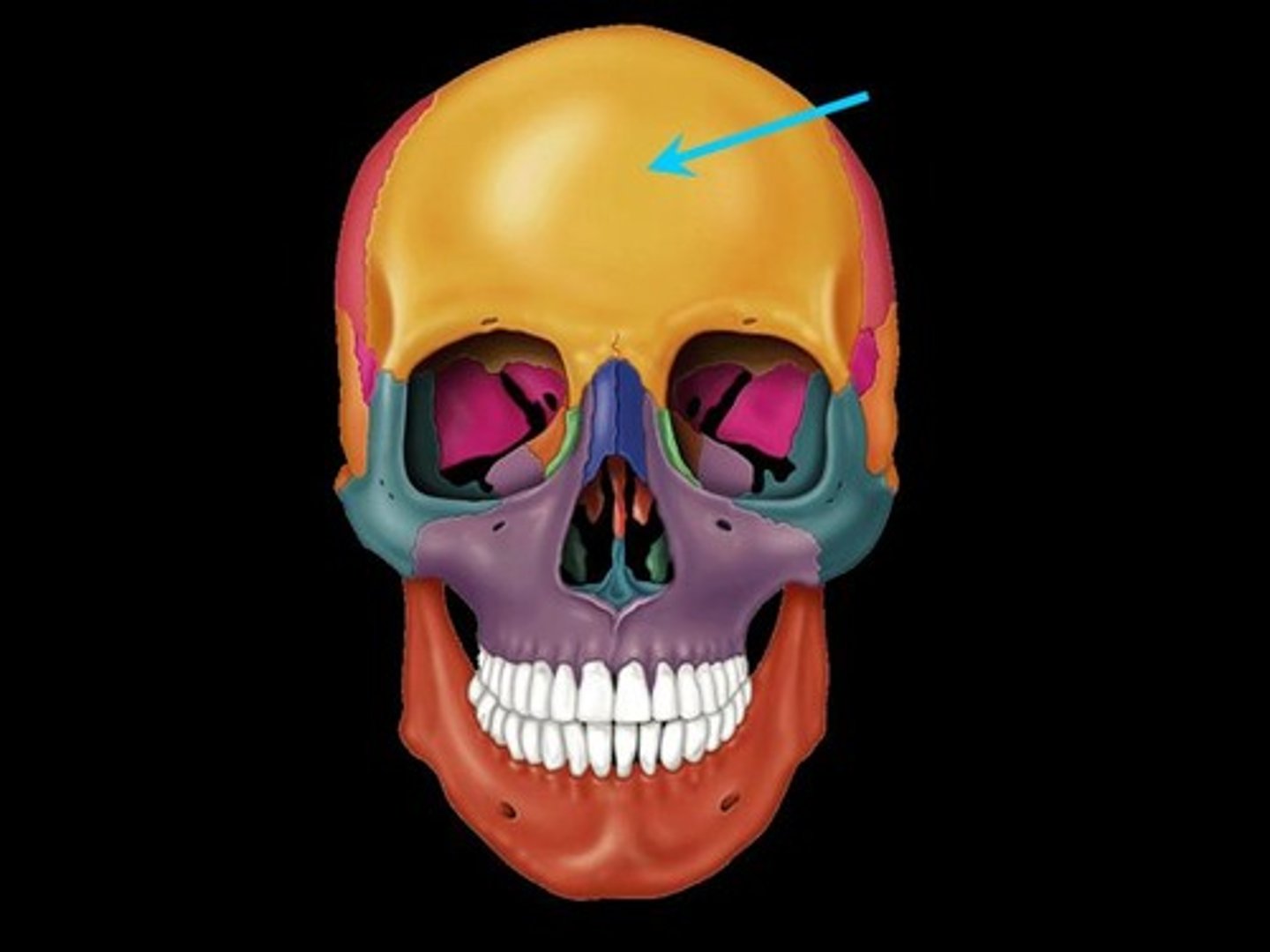
frontal bone
forehead bone
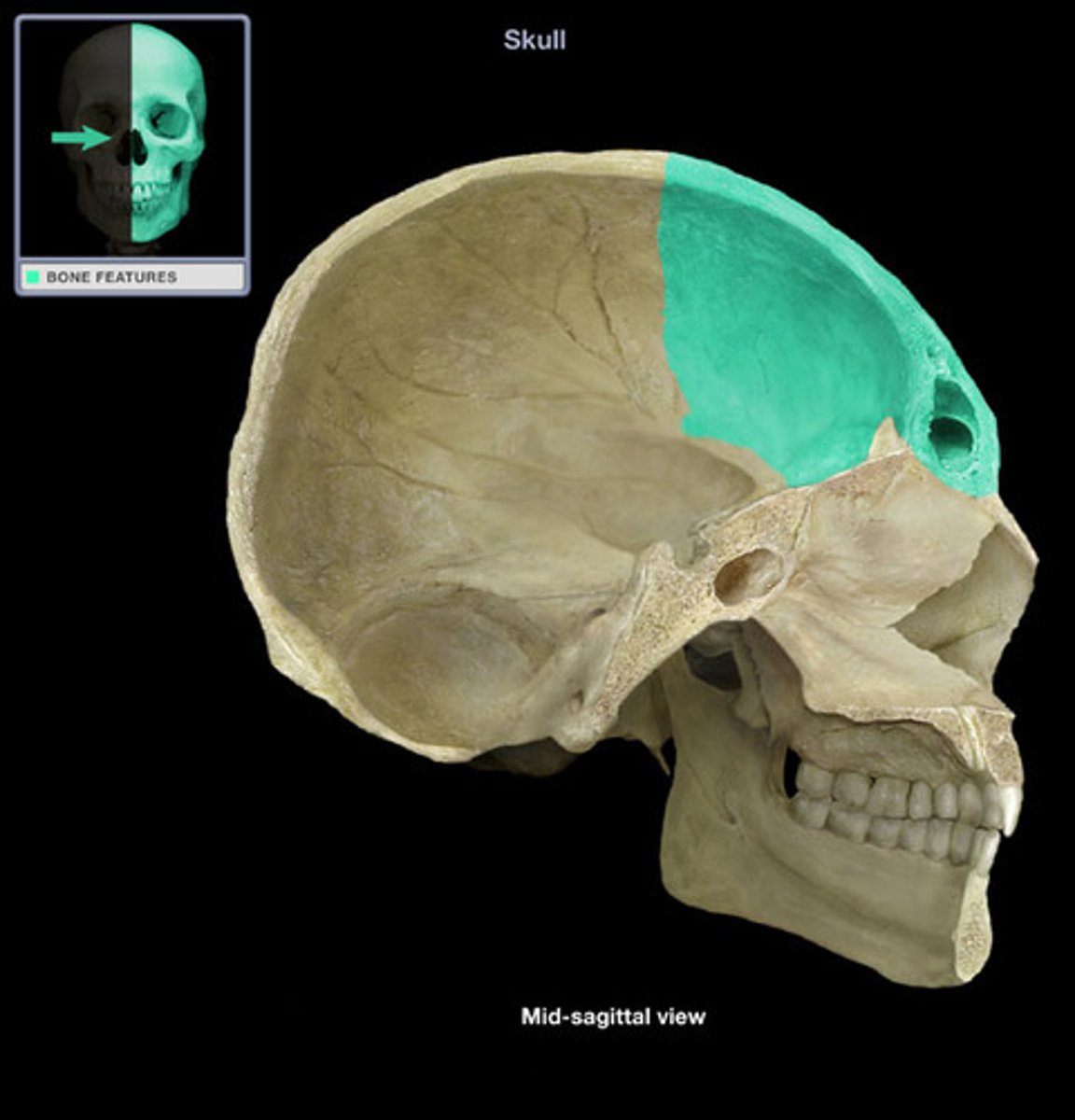
Parietal
top of head
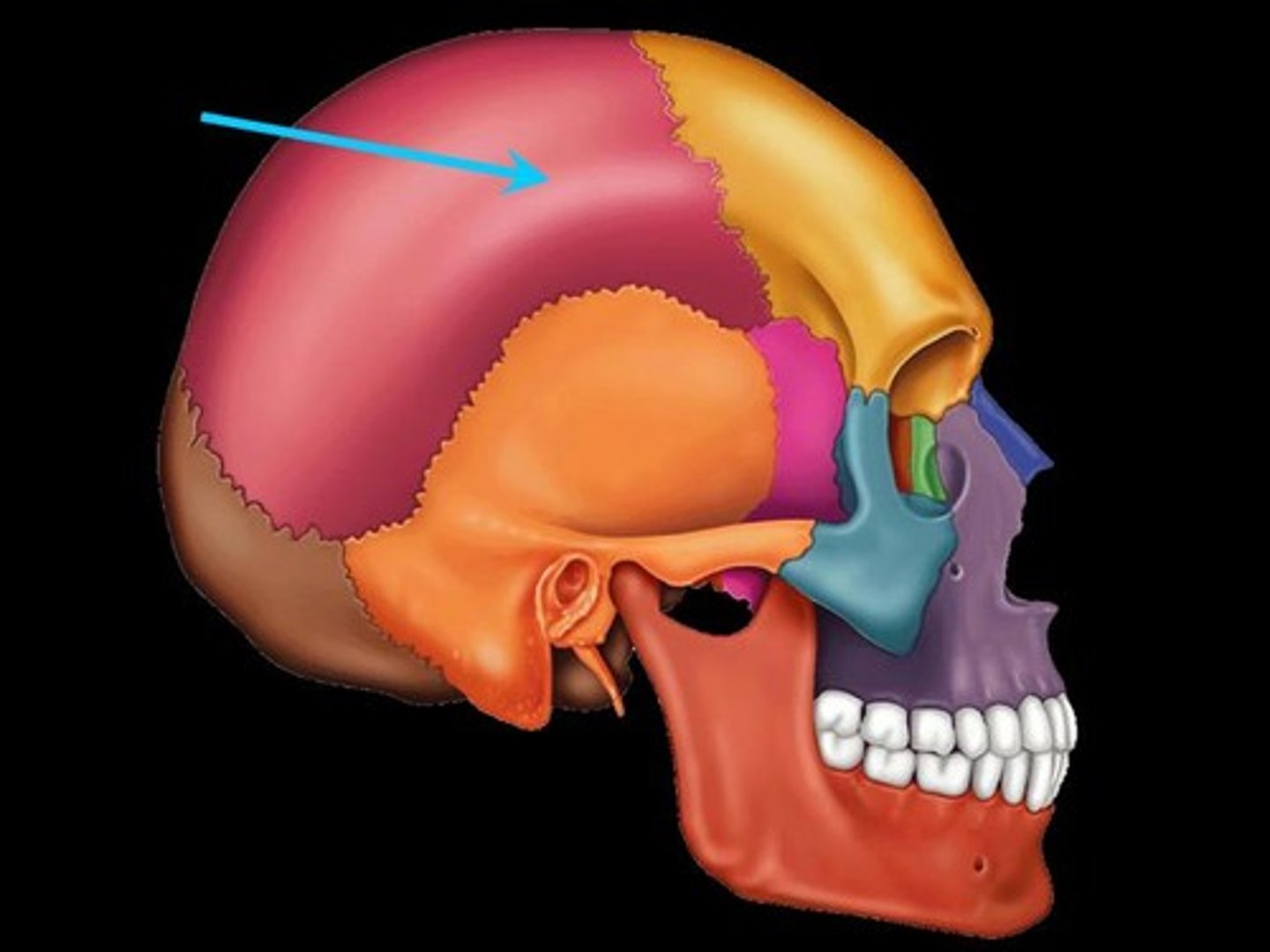
Parietal
top of head
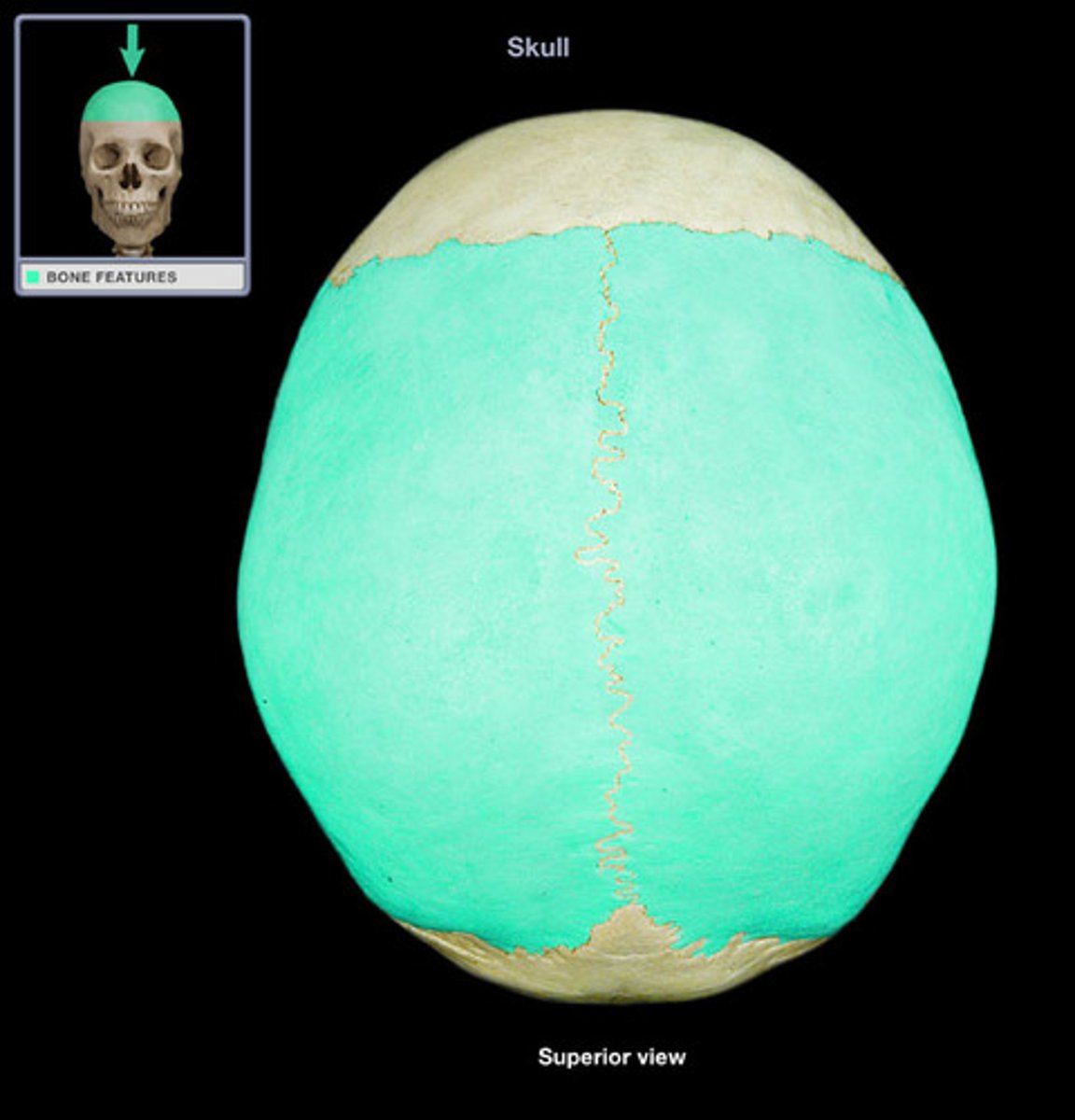
Parietal
top of head
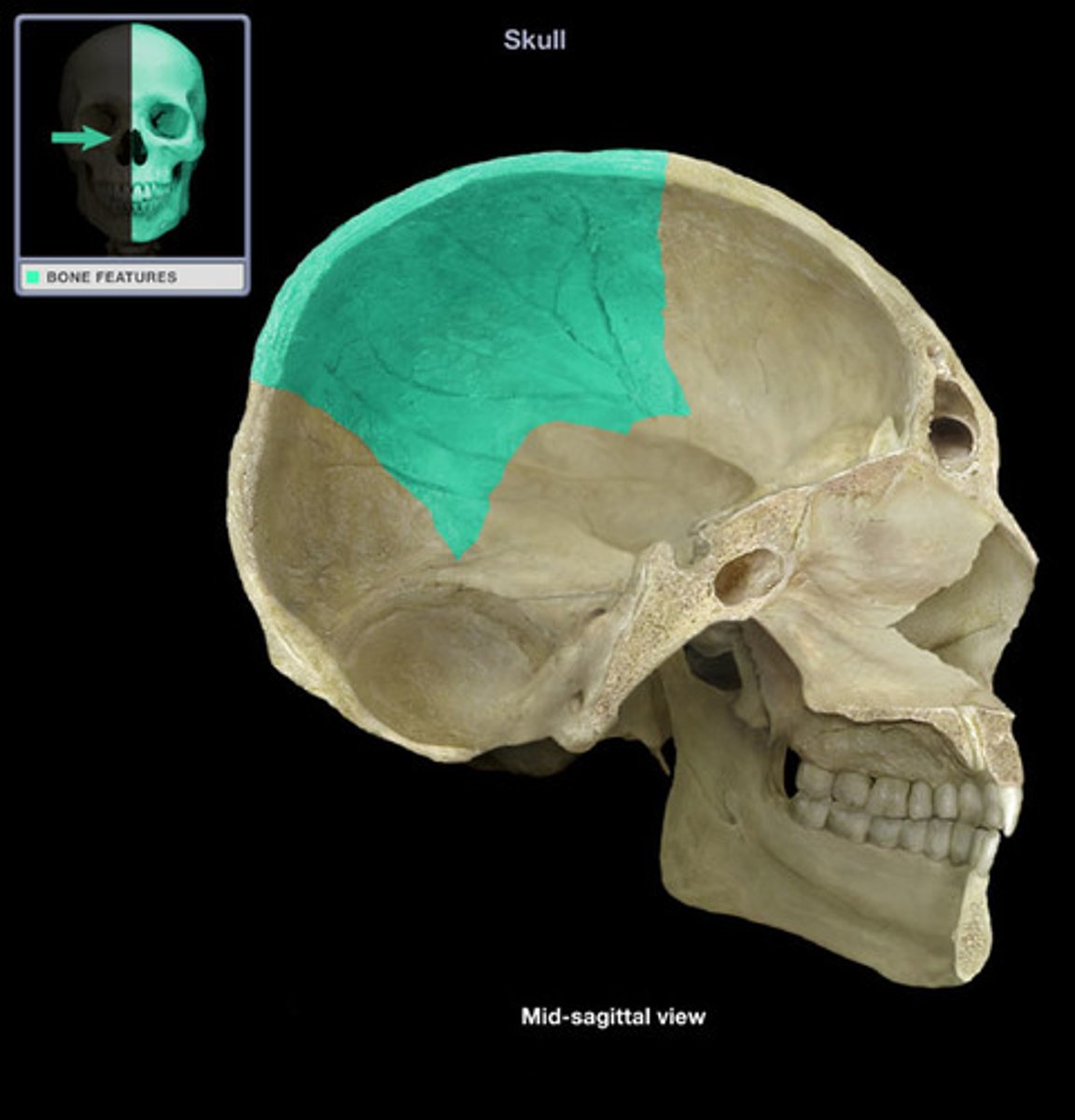
Occipital
base of skull
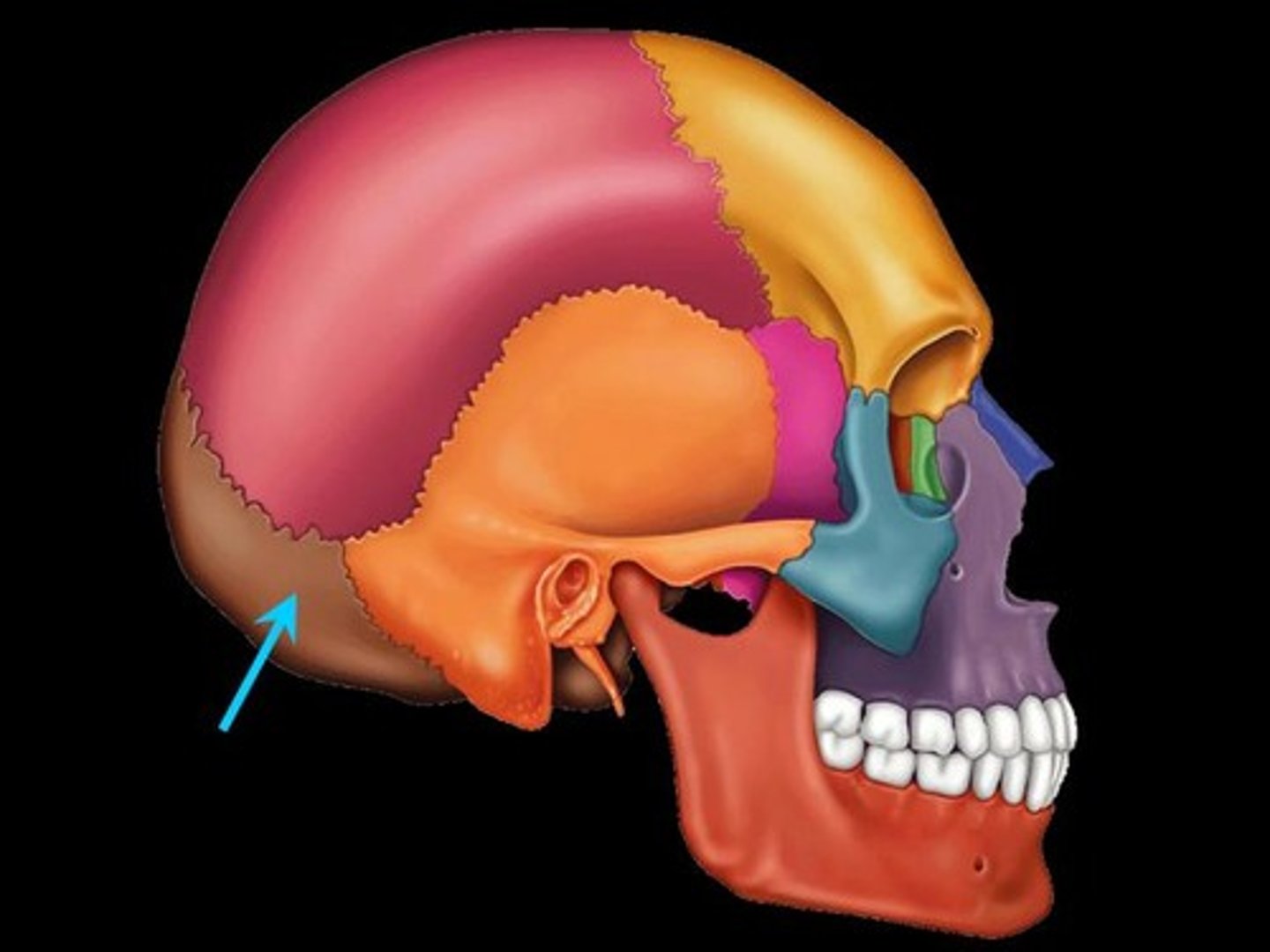
occpital
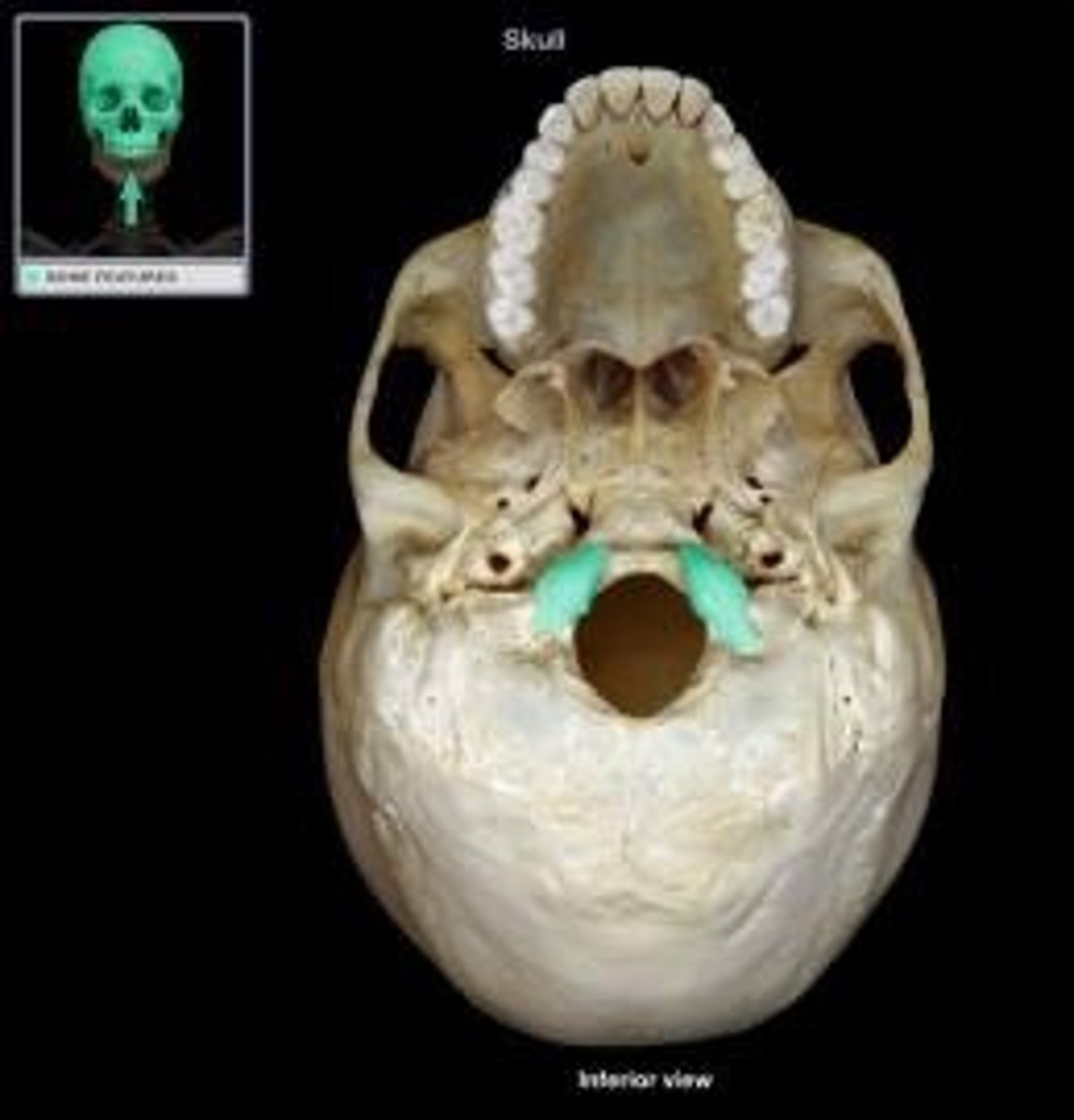
occipital
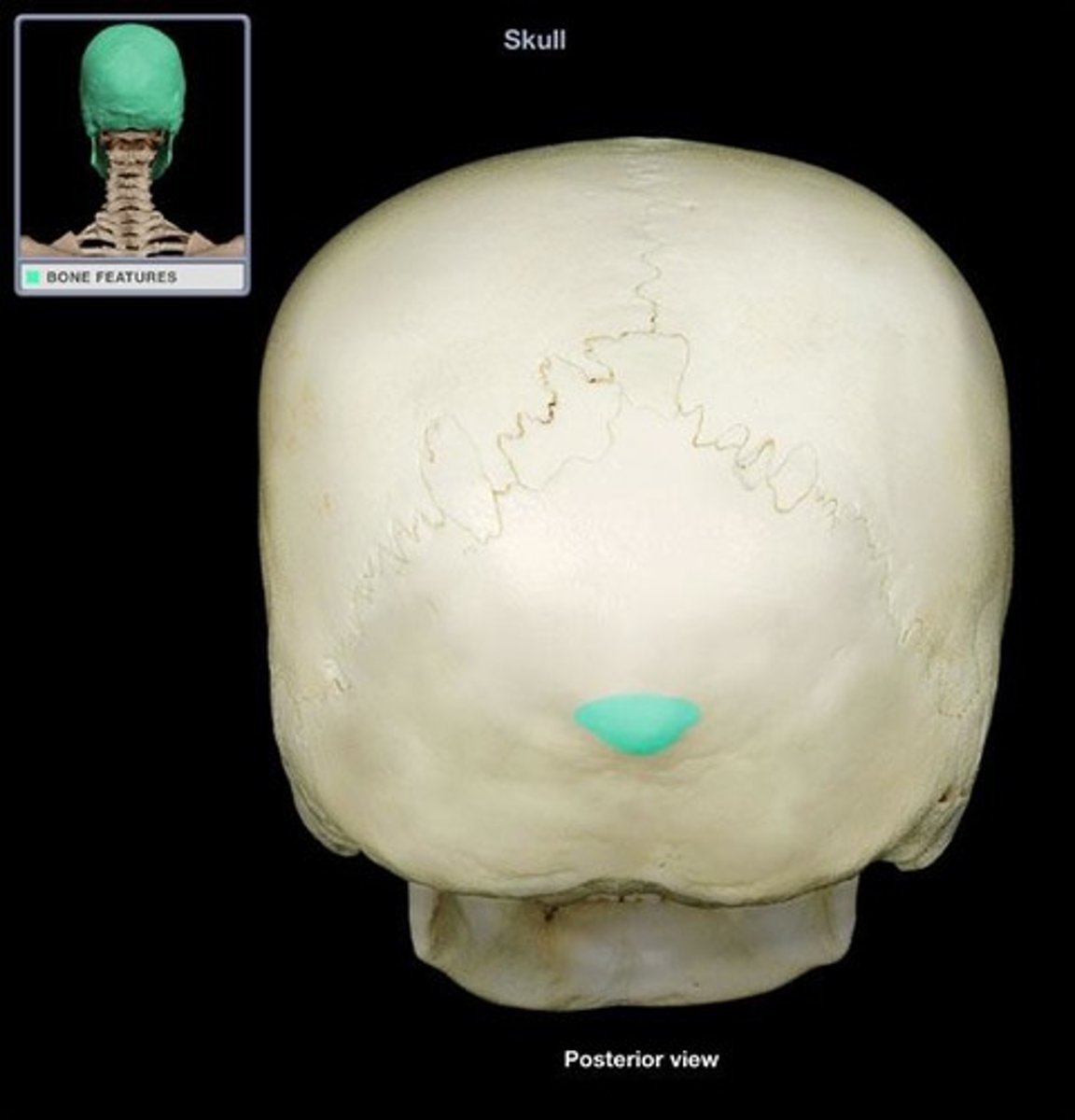
temporal
temple
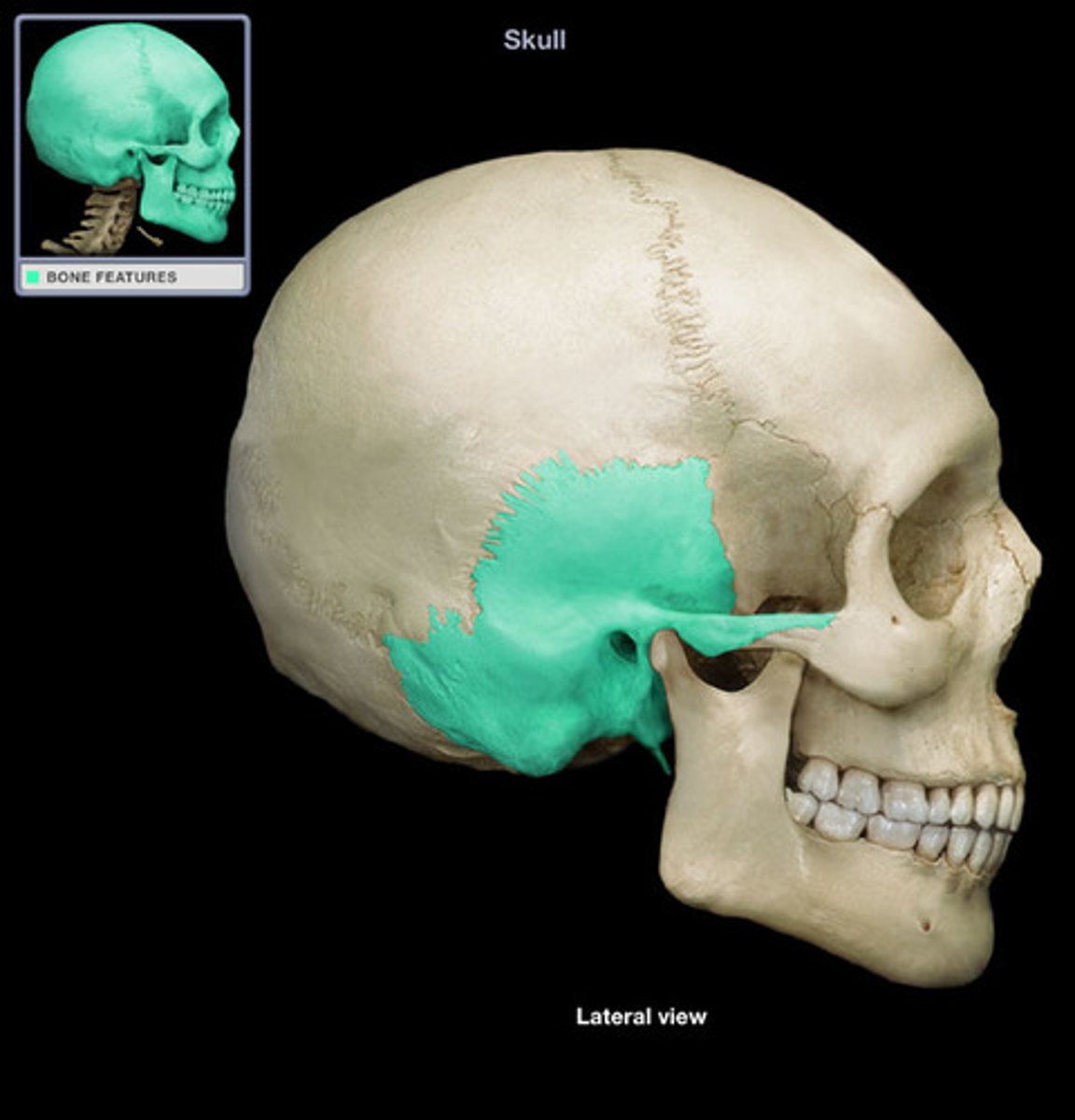
temporal
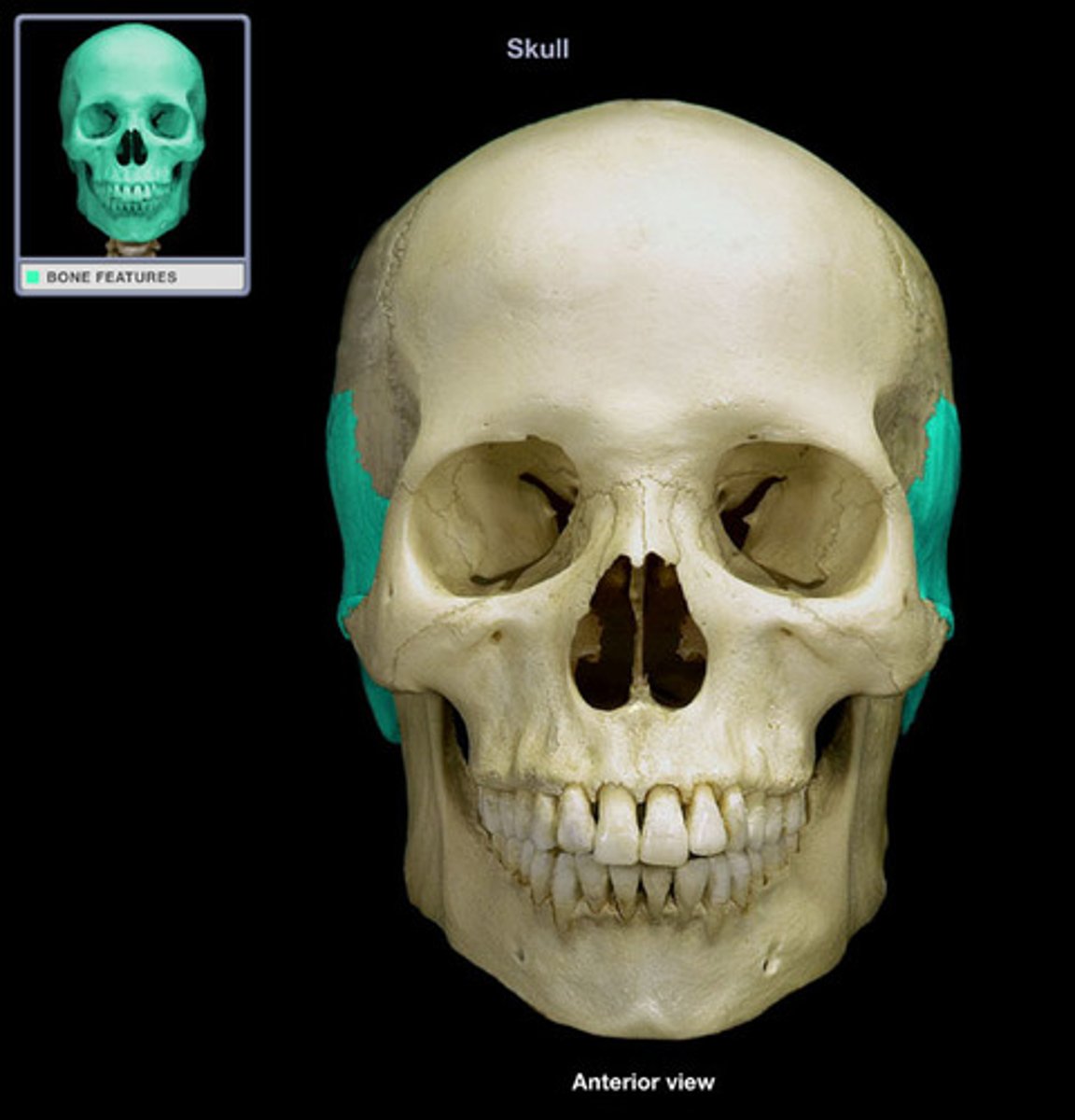
temporal
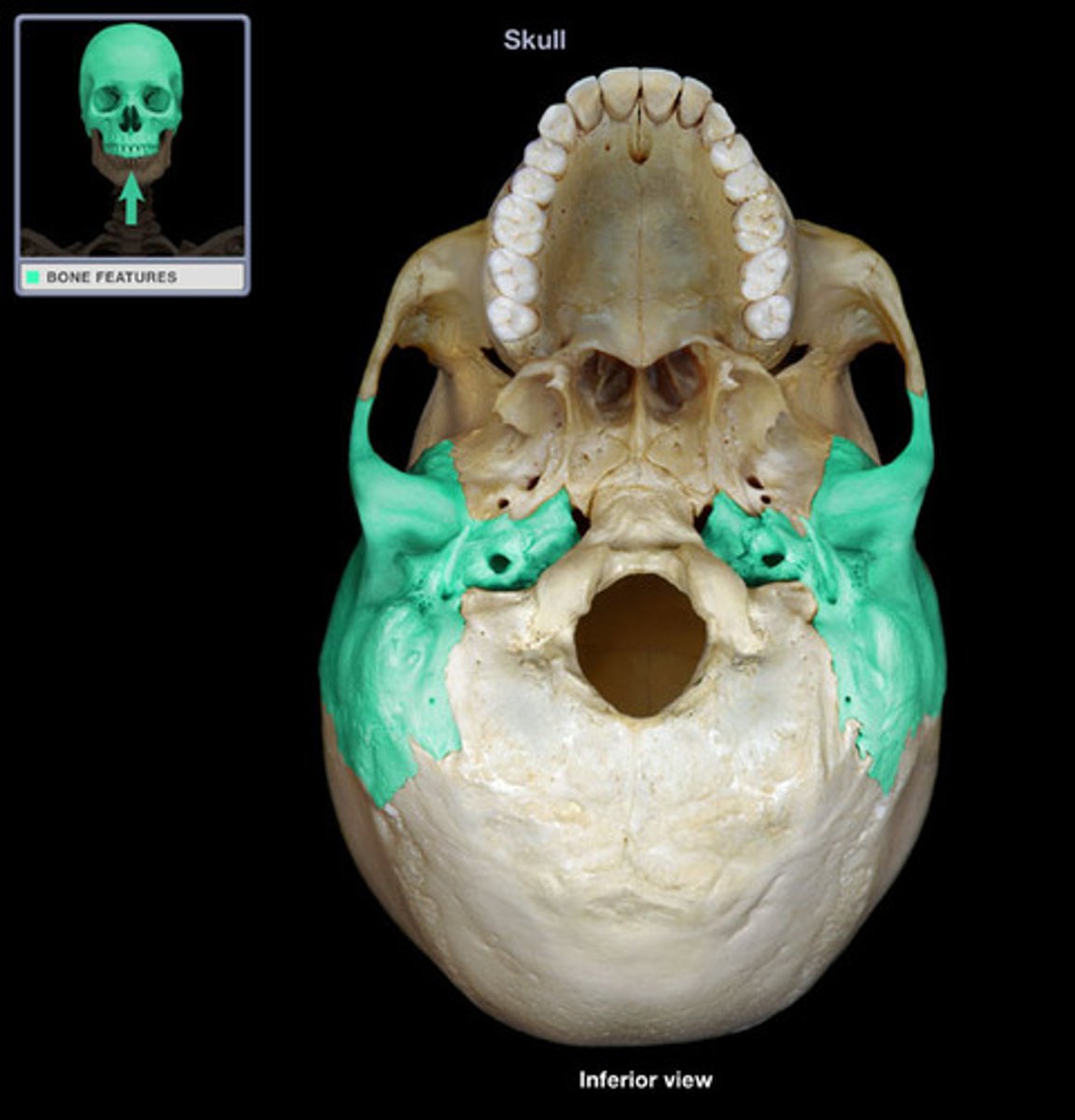
temporal
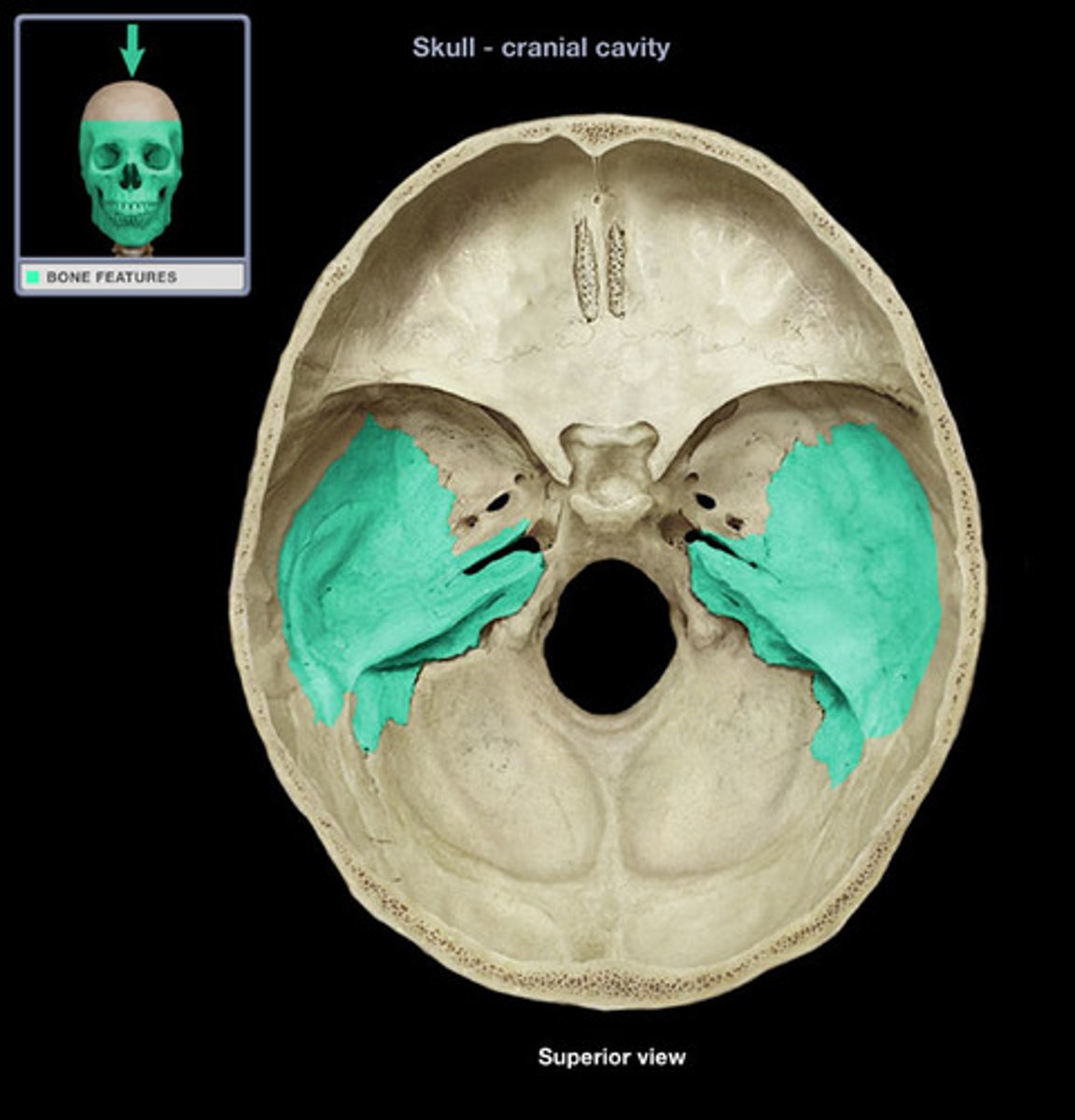
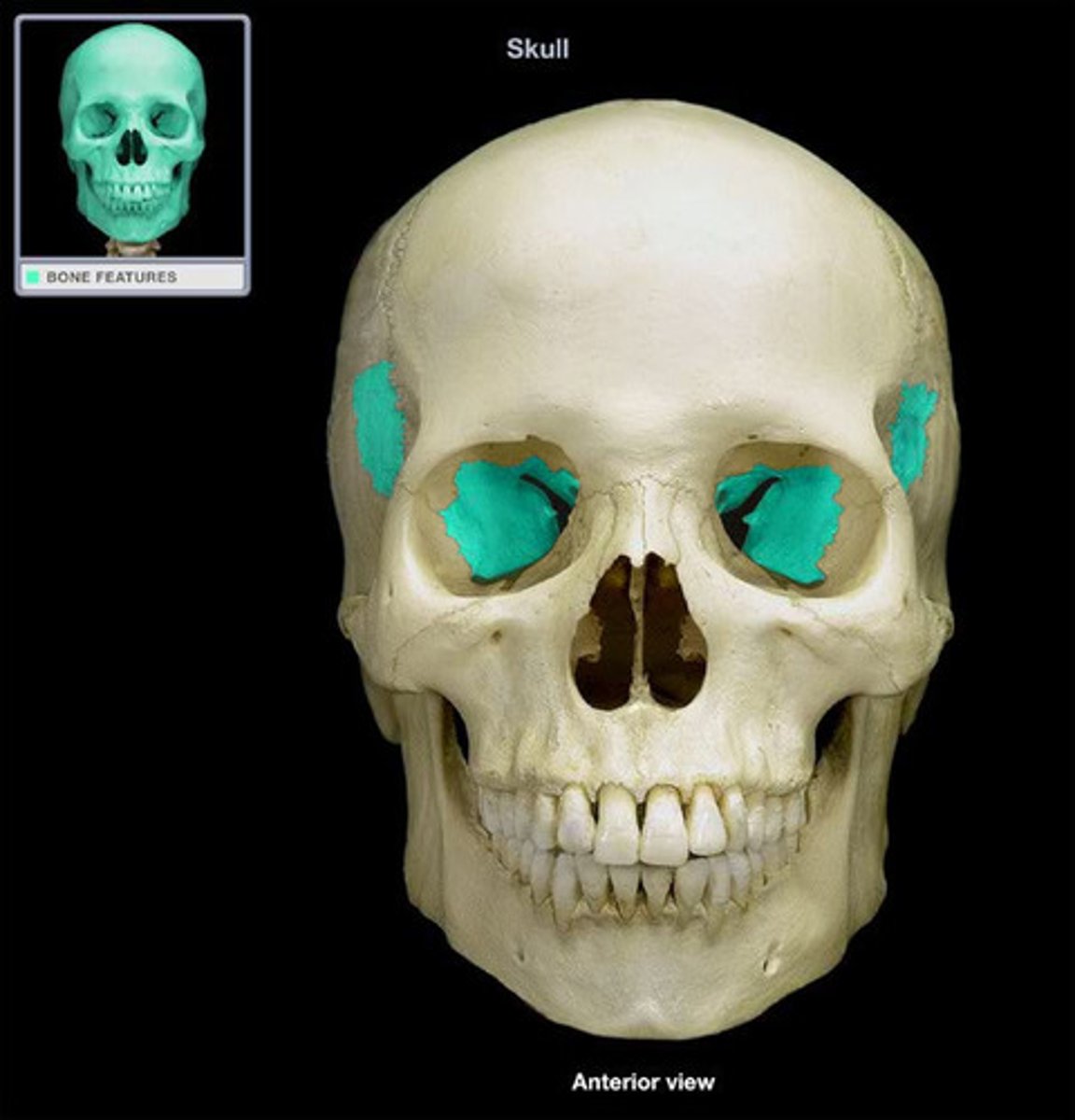
Sphenoid