Meiosis, Sexual Reproduction, and Gene Regulation in Eukaryotes
 Call Kai
 Learn
Learn Practice Test
 Spaced Repetition
 Match
Match Flashcards
 Knowt Play
1/104

There's no tags or description
Looks like no tags are added yet.
Name | Mastery | Learn | Test | Matching | Spaced | Call with Kai | Chat |
|---|
No analytics yet
Send a link to your students to track their progress
105 Terms
What is sexual reproduction?
A process where offspring arise from two parents and inherit genes from both.
What is asexual reproduction?
A process that produces genetically identical copies of a parent (clones).
What is one advantage of sexual reproduction?
An adaptive trait can spread more quickly through a sexually reproducing population.
What does meiosis do?
It is a nuclear division mechanism that halves the diploid number of chromosomes to produce haploid gametes.
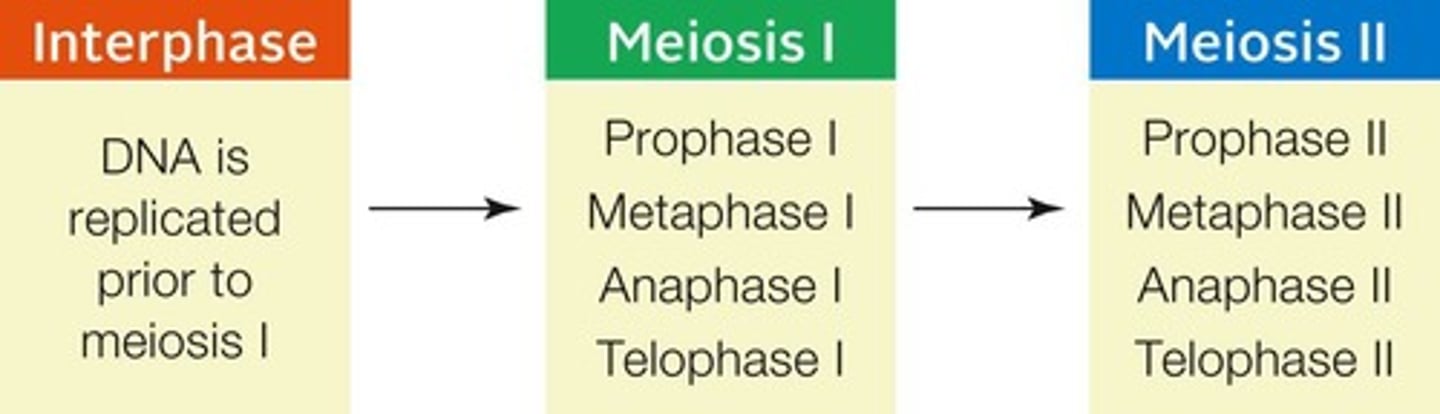
What is the diploid number of chromosomes in humans?
Humans have 23 pairs of homologous chromosomes, totaling 46 chromosomes.
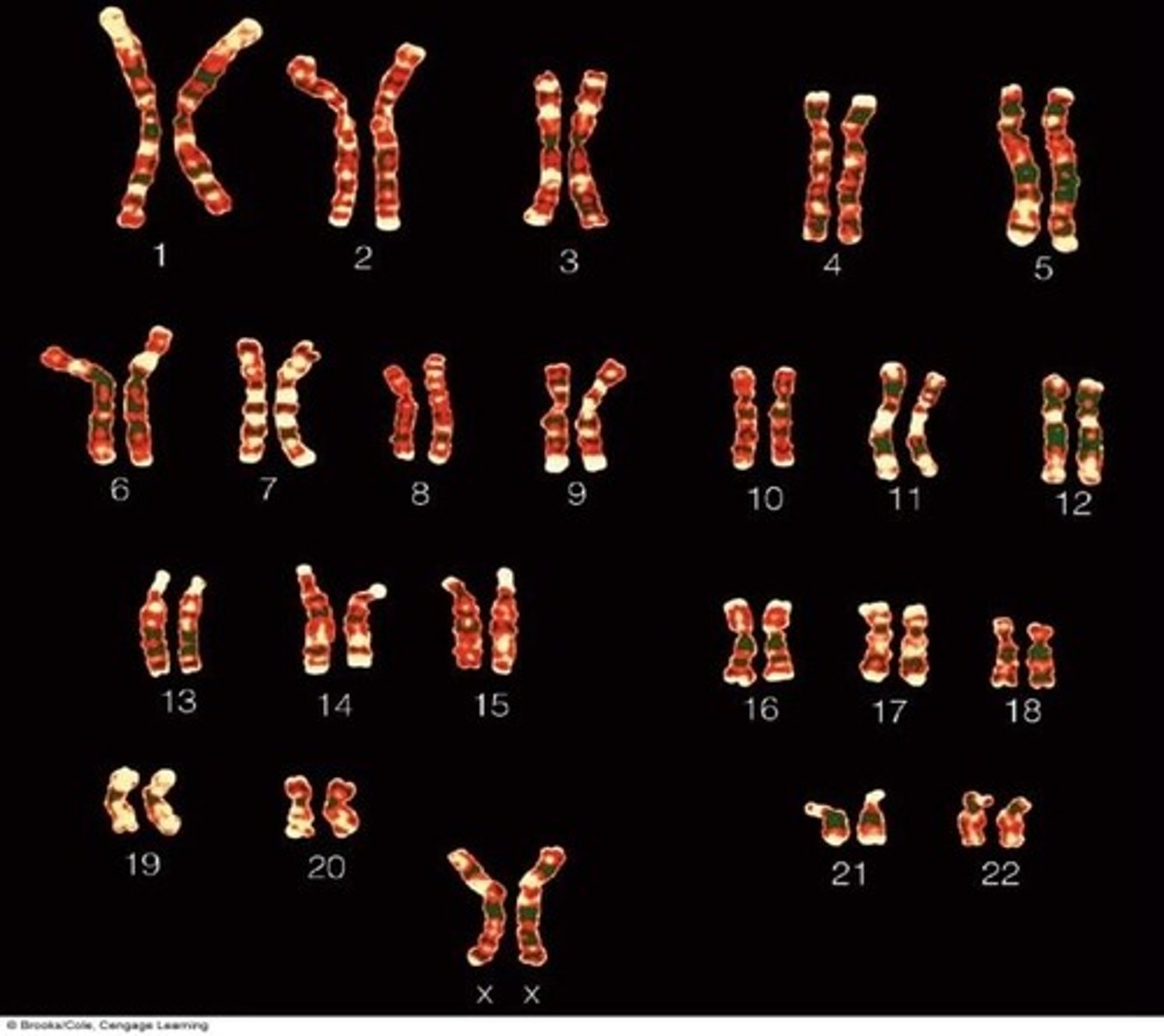
What are gametes?
Reproductive cells (eggs and sperm) that are haploid and fuse during fertilization.
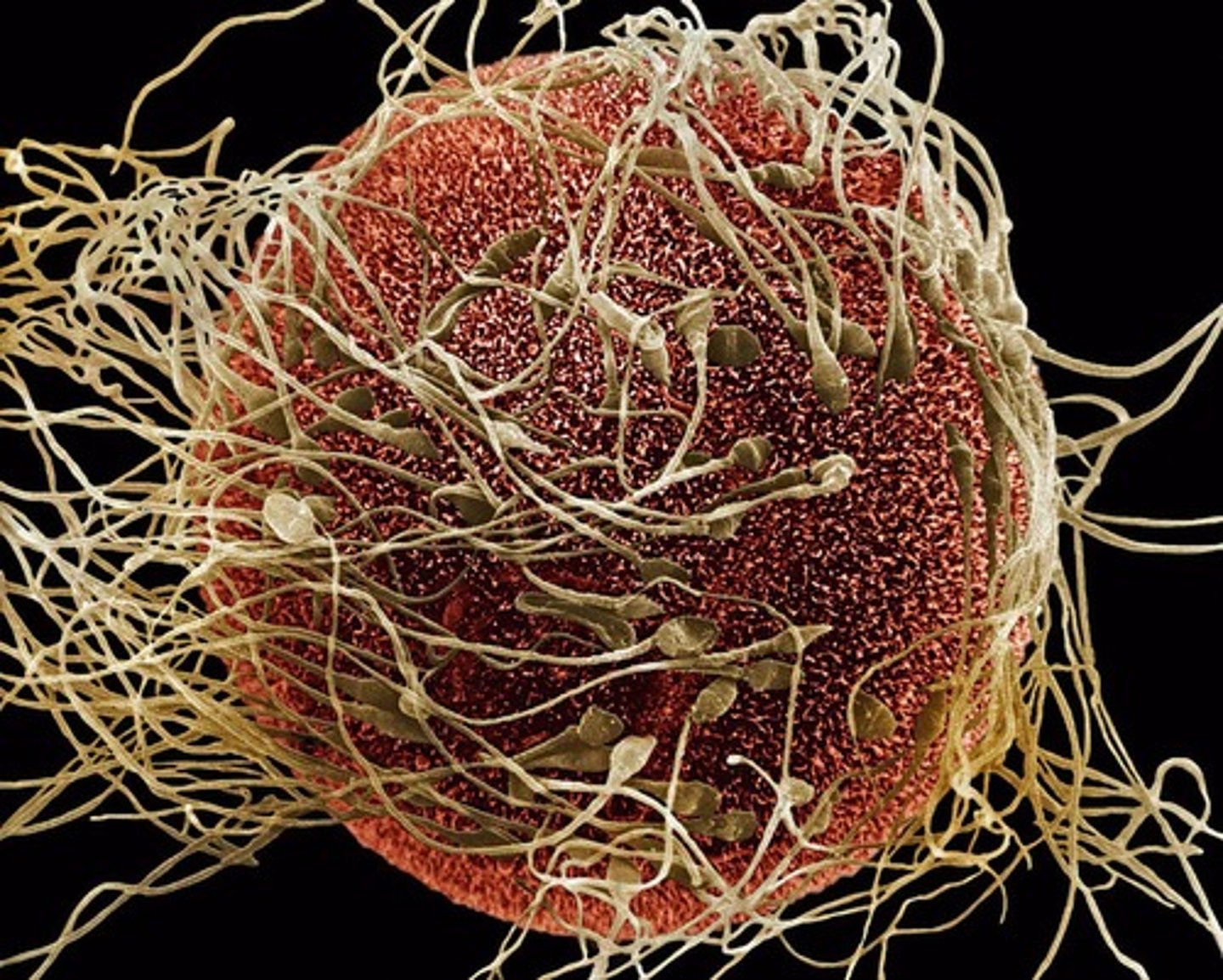
What is the haploid number of chromosomes in human gametes?
23 unpaired chromosomes.
What is the role of meiosis in sexual reproduction?
Meiosis generates new combinations of traits by mixing alleles from two parents.
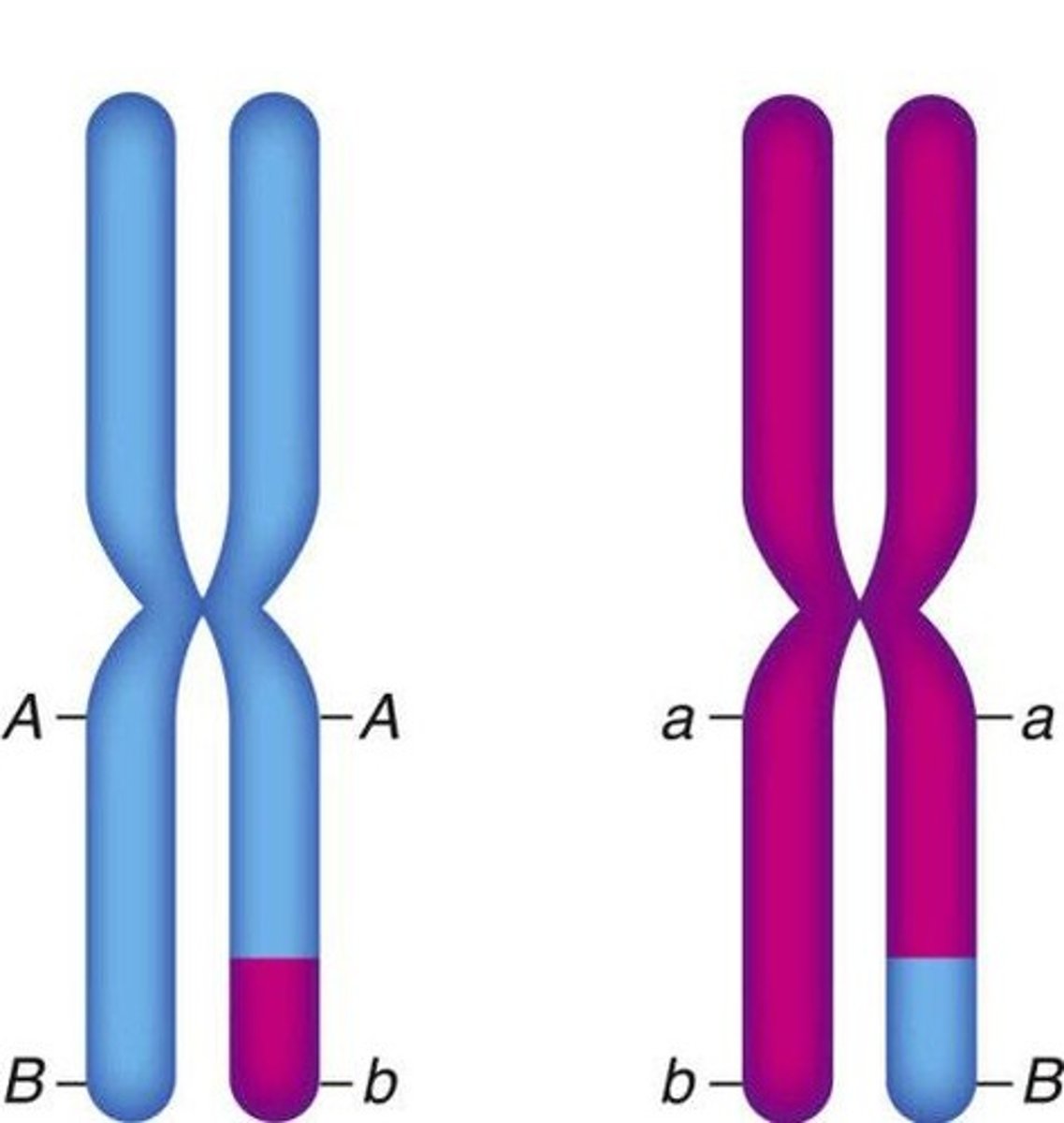
What are homologous chromosomes?
Chromosomes that carry the same set of genes, one from each parent.
What are alleles?
Different forms of the same gene that can be inherited from each parent.
What happens during meiosis I?
Homologous chromosomes are separated into two haploid nuclei.
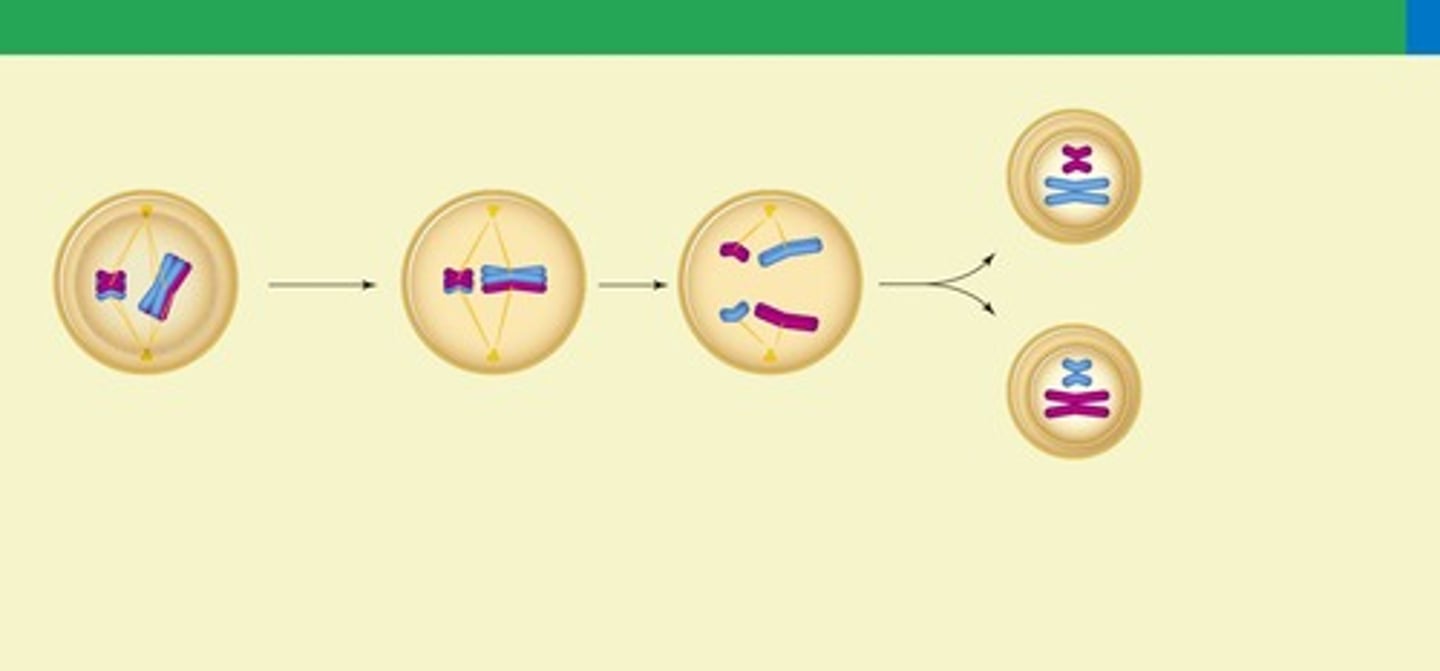
What happens during meiosis II?
Sister chromatids are separated into four haploid nuclei.
What restores the diploid number of chromosomes?
Fertilization, when two haploid gametes fuse to form a zygote.
What is a zygote?
The first cell of a new individual formed by the fusion of an egg and sperm.
What is the difference between diploid and haploid cells?
Diploid cells have two copies of each chromosome, while haploid cells have one copy.
What are germ cells?
Immature reproductive cells that undergo meiosis to form gametes.
What is the significance of chromosome recombination?
It increases genetic diversity among offspring.
How does sexual reproduction compare to asexual reproduction in terms of genetic variation?
Sexual reproduction generates more genetic variation in fewer generations.
What is the role of pollen in flowering plants?
Pollen grains carry male gametes to the ovary where female gametes are located.
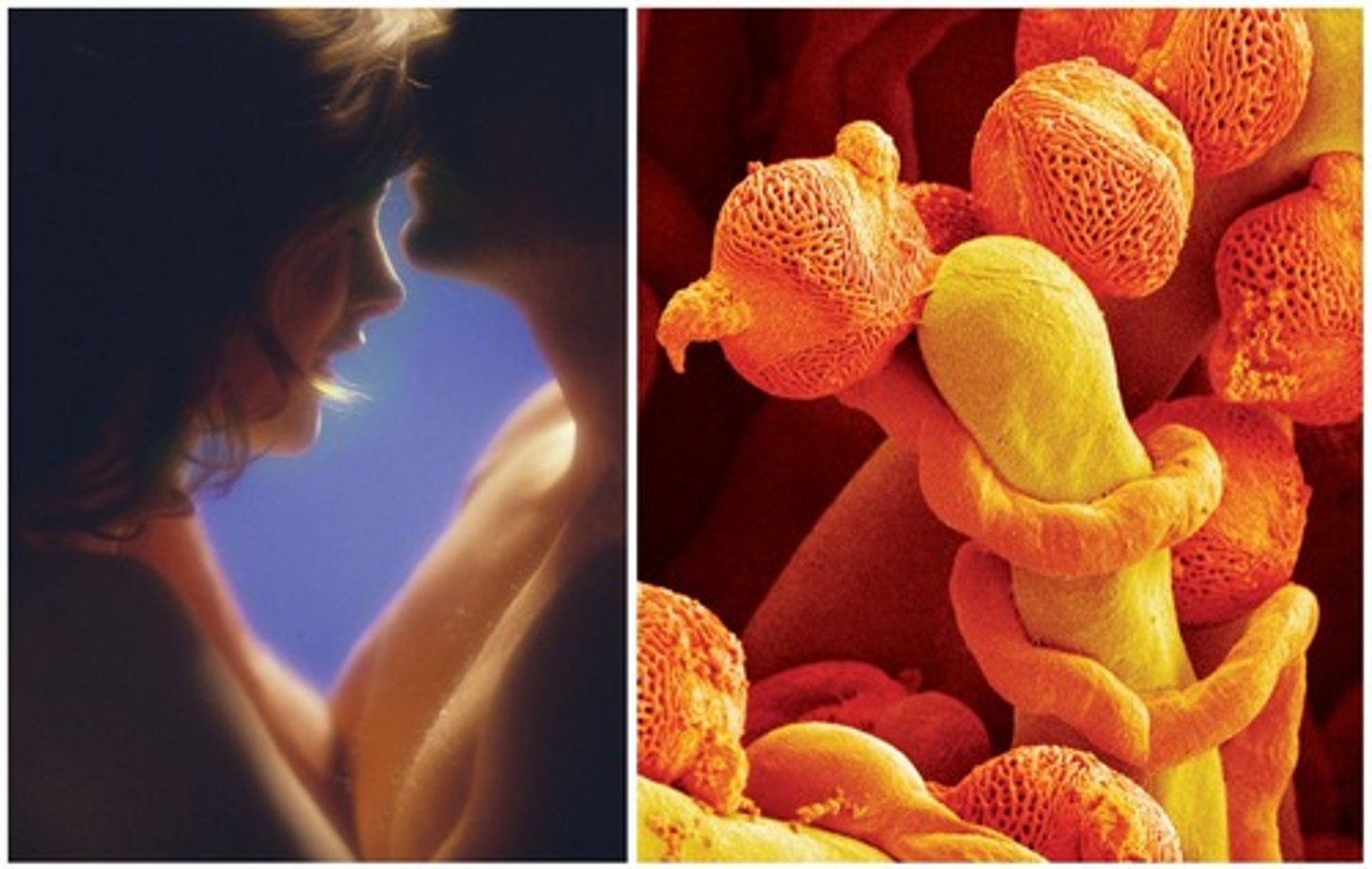
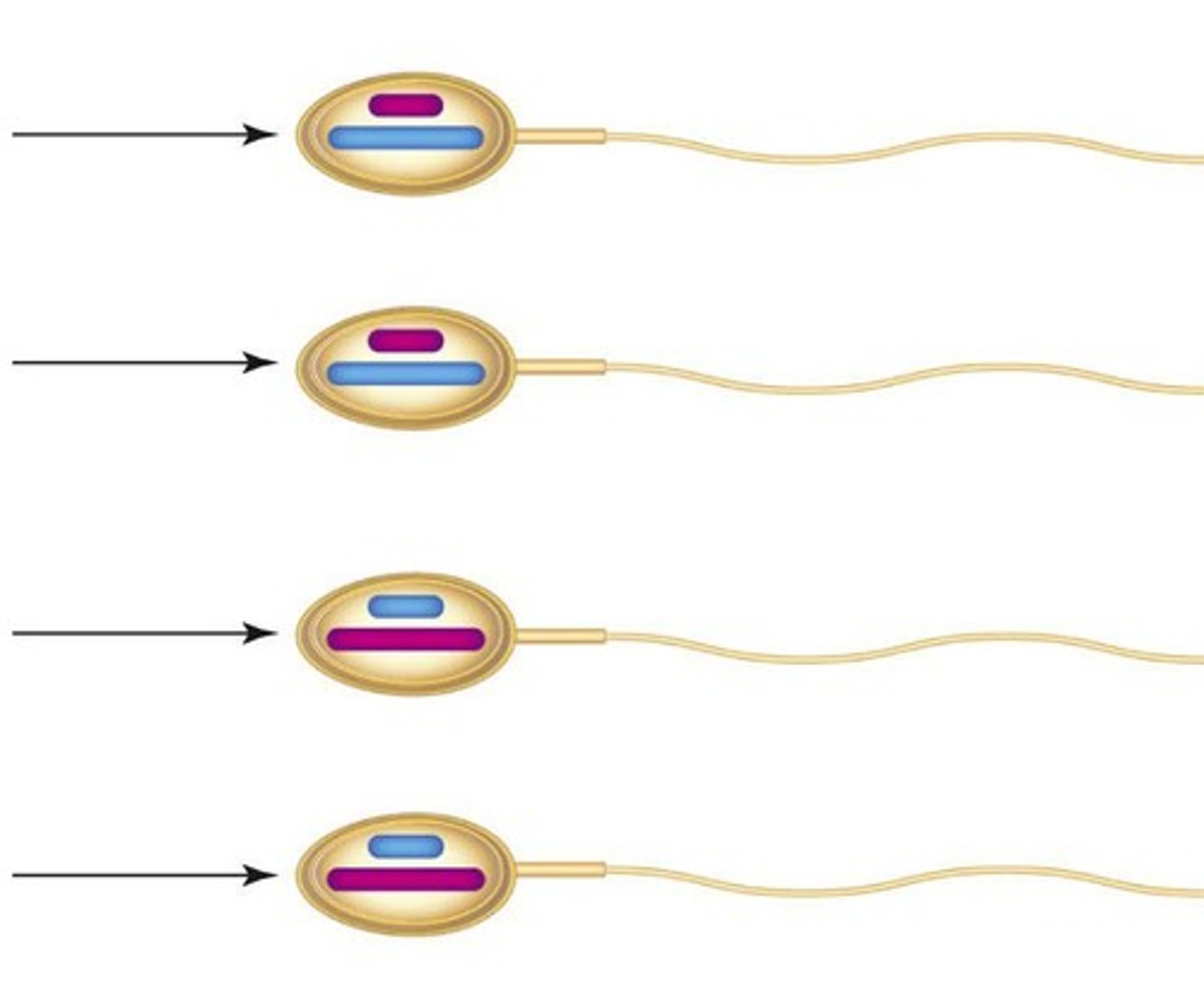
What is the outcome of meiosis in animal germ cells?
It produces eggs (female gametes) or sperm (male gametes).
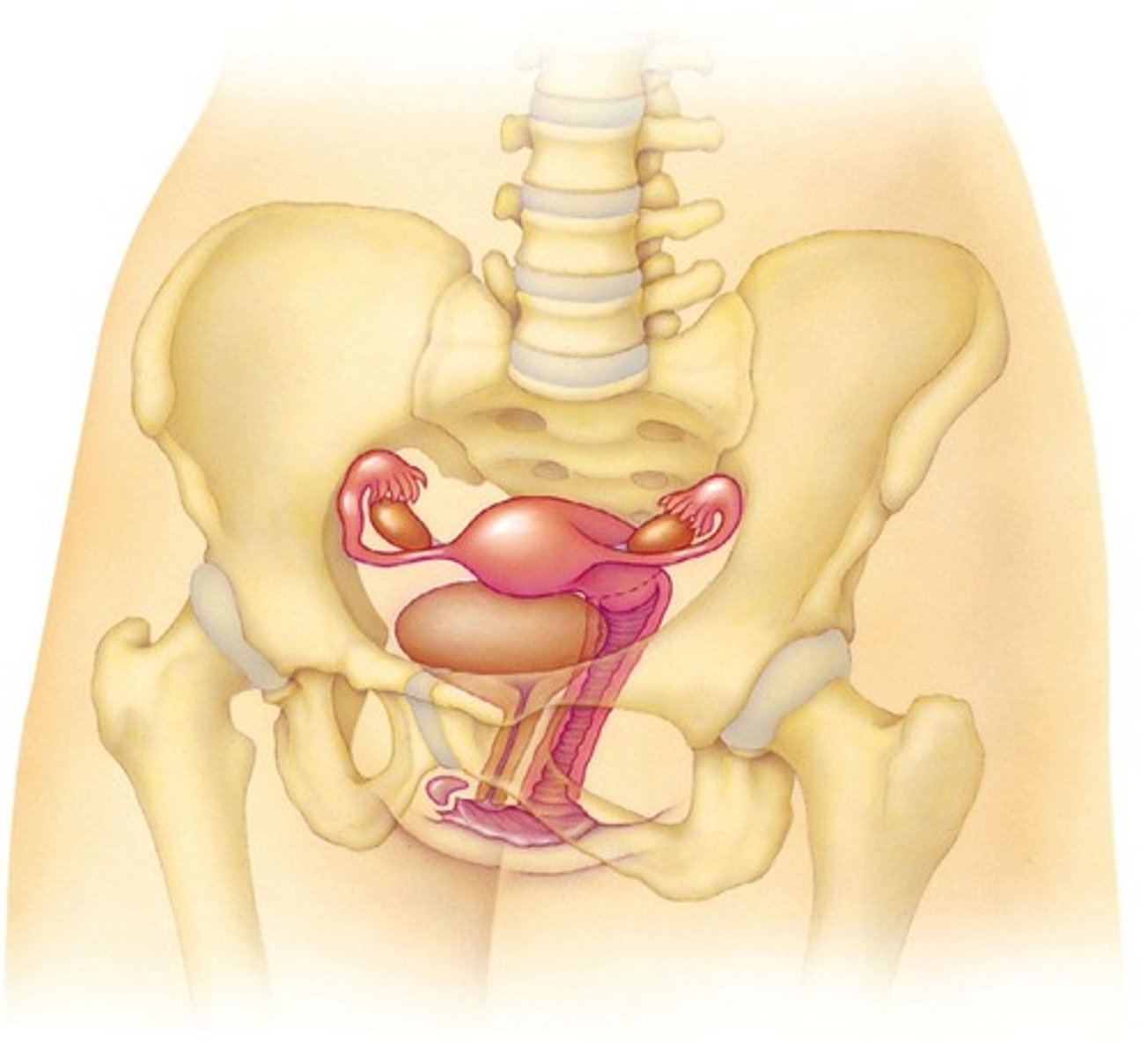
What is the function of reproductive organs in humans?
They produce gametes through meiosis in germ cells.
What is the difference between somatic cells and germ cells?
Somatic cells are diploid body cells, while germ cells are specialized for reproduction.
What is the significance of genetic material mixing in sexual reproduction?
It leads to new combinations of traits and increases the likelihood of survival against mutations.
What is the process of fertilization?
The fusion of an egg and sperm to restore the diploid chromosome number.
What is the role of meiosis in plants?
Meiosis produces haploid spores that give rise to gametes by mitosis.
What are the stages of meiosis?
Meiosis consists of two divisions: meiosis I and meiosis II.
How does meiosis contribute to evolution?
By generating genetic diversity, it allows populations to adapt to changing environments.
What is the outcome of Meiosis I?
One diploid nucleus divides into two haploid nuclei.
What occurs during Telophase I of meiosis?
Two clusters of chromosomes reach the spindle poles, and a new nuclear envelope forms around each cluster.
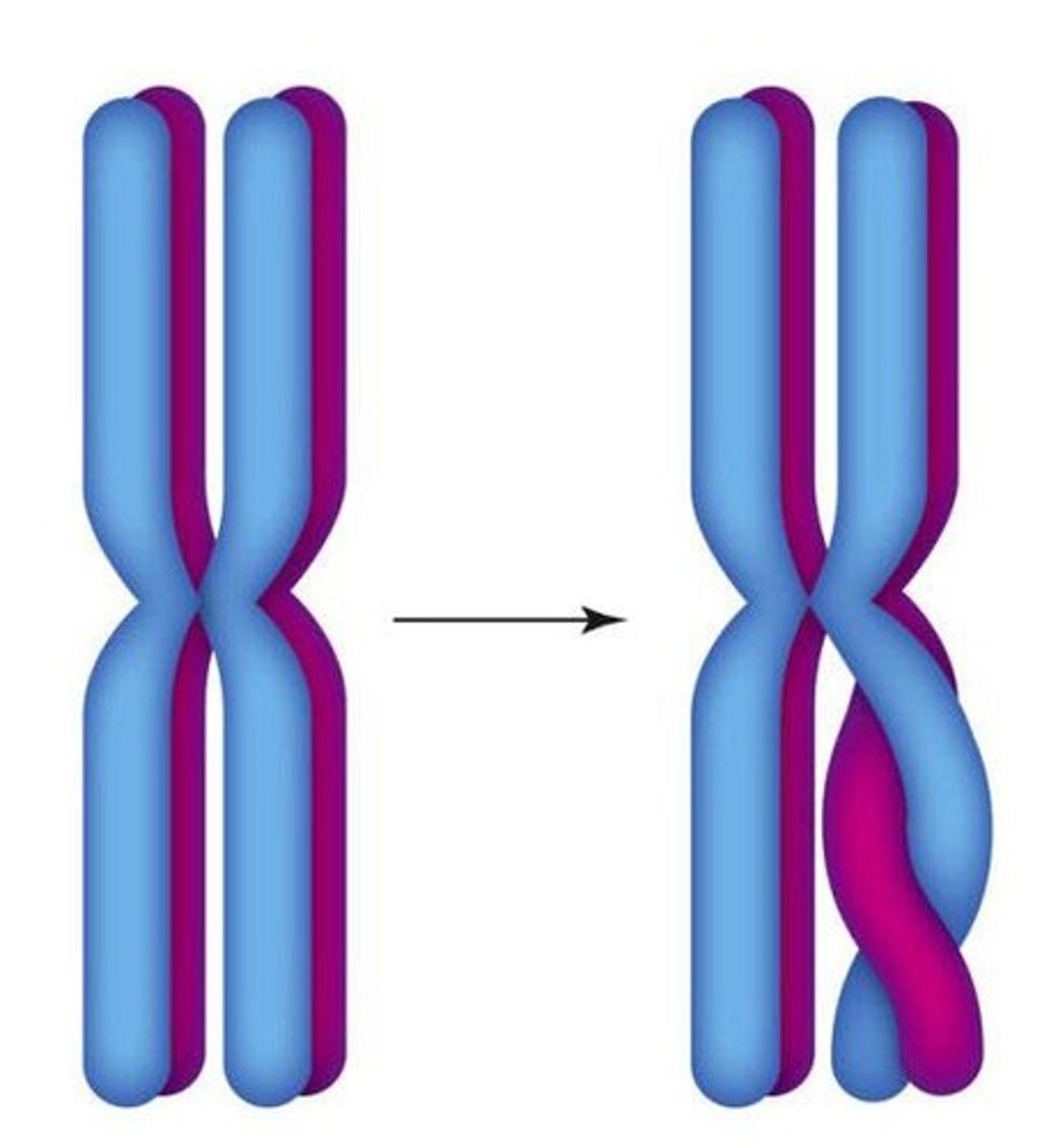
What is the role of crossing over in Prophase I?
Crossing over allows homologous chromosomes to exchange heritable information, increasing genetic diversity.
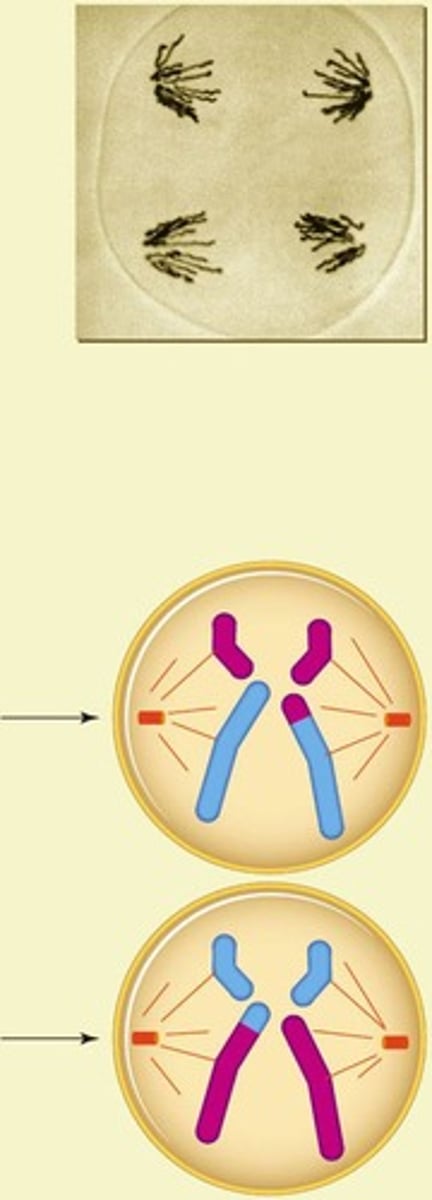
What happens during Anaphase II?
Sister chromatids separate and move toward opposite spindle poles.
What is the result of Meiosis II?
Two haploid nuclei divide to form four haploid nuclei.
What is the significance of random assortment during meiosis?
It produces a variety of combinations of maternal and paternal chromosomes, contributing to genetic diversity.
What is the difference between gametophytes and sporophytes in plants?
Sporophytes are diploid bodies that form spores, while gametophytes are multicelled haploid bodies that produce gametes.
How do male gametes form in animals?
Meiosis of primary spermatocytes produces four haploid spermatids that mature into sperm.
What is the process of egg formation in animals?
Meiosis of a primary oocyte results in a secondary oocyte and a polar body; the secondary oocyte matures into an ovum.
What is fertilization?
The fusion of two haploid gametes (sperm and egg) resulting in a diploid zygote.
What happens during Prophase II of meiosis?
Chromosomes condense, and spindle microtubules attach to each sister chromatid as the nuclear envelope breaks up.
What is the main difference between mitosis and meiosis?
Mitosis results in two diploid nuclei, while meiosis results in four haploid nuclei.
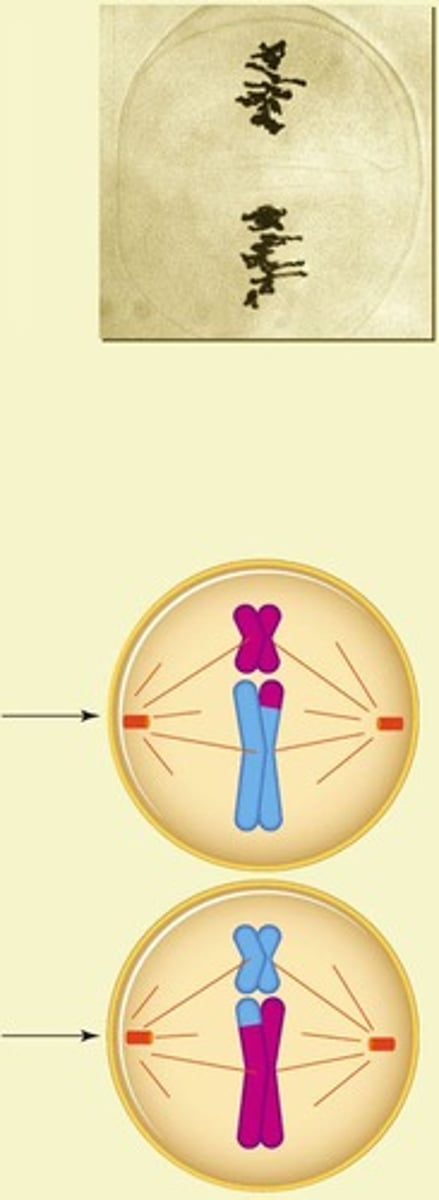
What occurs during Metaphase II?
Duplicated chromosomes align midway between the poles of the spindle.
What is the role of the nuclear envelope during meiosis?
The nuclear envelope breaks up to allow chromosome segregation and reforms around the new nuclei after telophase.
What is the significance of the polar bodies formed during oocyte development?
Polar bodies are smaller cells that typically degenerate and do not develop into ova.
How does meiosis contribute to genetic variation?
Through crossing over and random assortment of chromosomes during gamete formation.
What is the result of unequal cytoplasmic division in egg formation?
It produces one large ovum and smaller polar bodies that usually degenerate.
What is the function of spindle microtubules during meiosis?
They attach to chromosomes to facilitate their movement toward the spindle poles during cell division.
What happens to homologous chromosomes during Anaphase I?
Homologous chromosomes separate and move toward opposite spindle poles.
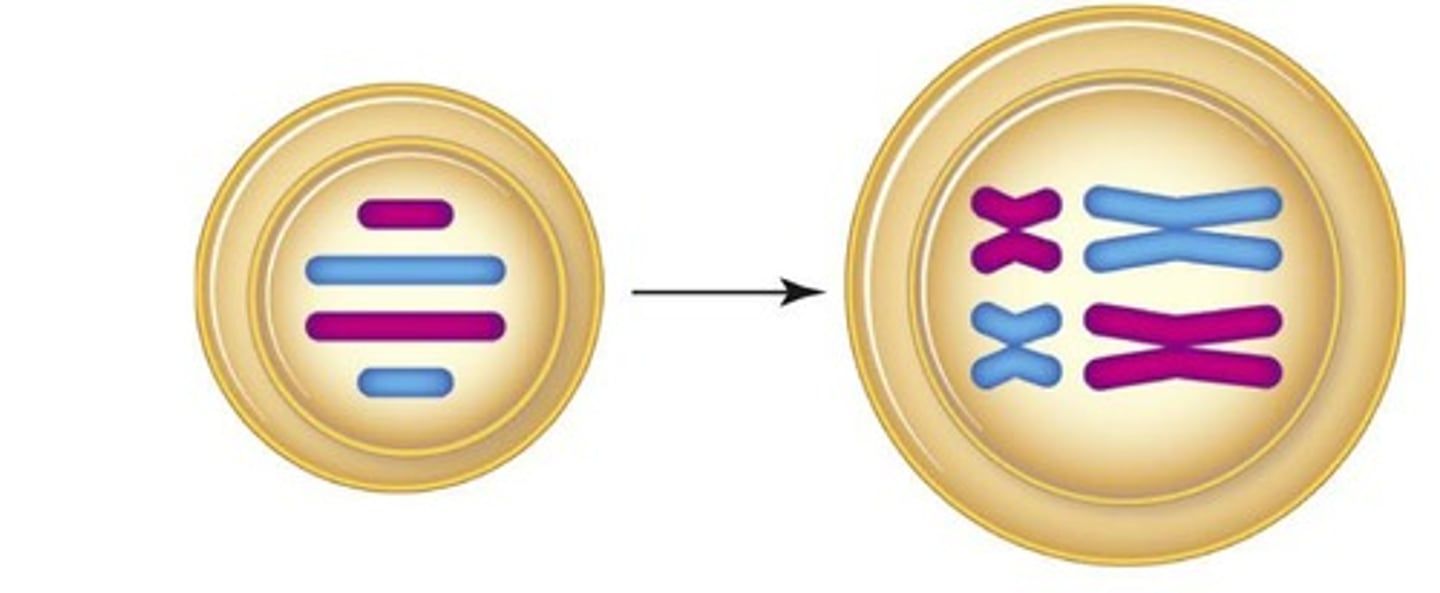
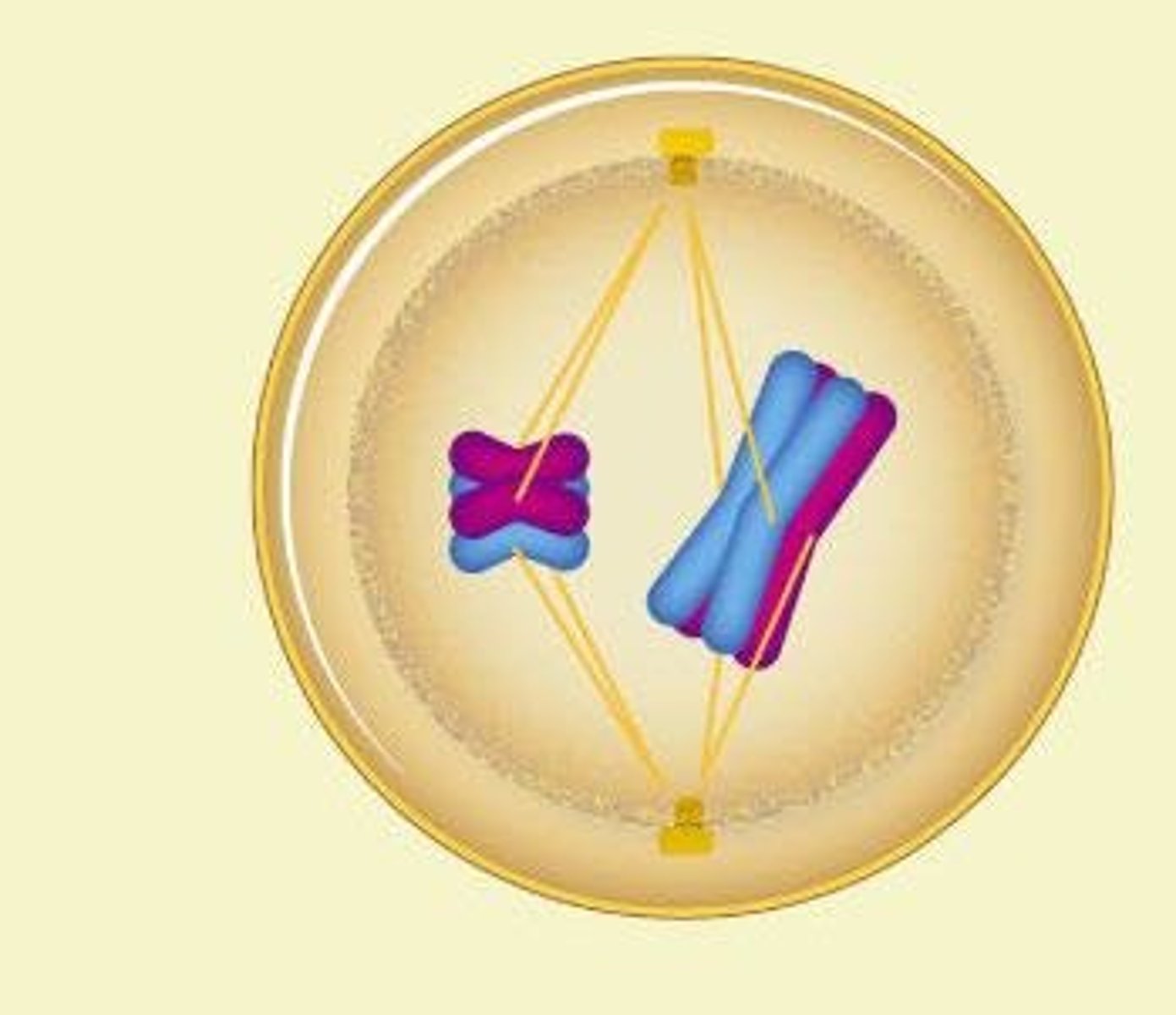
What are the four possible alignments of chromosomes at Metaphase I?
Different combinations of maternal and paternal chromosomes can align at the spindle equator.
What is the relationship between mitosis and meiosis?
Meiosis may have evolved from the remodeling of existing mechanisms of mitosis.
What is the significance of the haploid state in gametes?
Haploid gametes ensure that when they fuse during fertilization, the resulting zygote is diploid.
What occurs during Telophase II?
Chromosome clusters reach the spindle poles, and new nuclear envelopes form around each cluster.
What is the purpose of meiosis in sexual reproduction?
To produce gametes with half the number of chromosomes, ensuring genetic diversity.
What is cancer described as in terms of cell behavior?
Cancer is a multistep process in which cells grow and divide abnormally, disrupting physical and metabolic functions.
How many new cases of breast cancer are diagnosed in the US each year?
More than 200,000 new cases.
What is the role of mutations in cancer development?
Mutations in genes that control cell growth and division predispose individuals to develop certain kinds of cancer.
What is differentiation in multicellular organisms?
The process by which cells become specialized by expressing a unique subset of their genes.
What governs the kinds and amounts of substances in a cell?
Gene controls.
What are transcription factors?
Regulatory proteins that affect the rate of transcription by binding to specific nucleotide sequences in DNA.
What do activators do in transcription?
Activators speed up transcription when bound to a promoter or bind to distant enhancers.
What is the effect of repressors on transcription?
Repressors slow or stop transcription.
How do chemical modifications affect transcription?
Enzymes that acetylate histones encourage transcription, while adding a methyl group to a histone prevents transcription.
What is mRNA processing?
The control of products of translation through DNA splicing.
What factors affect mRNA stability?
Base sequence, length of poly-A tail, and attached proteins.
What is RNA interference?
The expression of a microRNA complementary to a gene inhibits the expression of that gene.
What are master genes?
Genes that govern the development of a complex, multicelled body and encode products that affect the expression of many other genes.
What is pattern formation in embryonic development?
The process by which a complex body forms from local processes in an embryo.
What do homeotic genes control?
Differentiation of specific tissues and body parts in an embryo.
What is the function of the homeodomain in transcription factors?
It binds to a promoter to control development.
What is the significance of knockout experiments?
Researchers inactivate a gene to compare differences with normal individuals and similar genes in humans.
What happens to a fruit fly with a mutation in its eyeless gene?
It develops without eyes.
What is X chromosome inactivation?
In female mammals, either the maternal or paternal X chromosome is randomly condensed and inactive, resulting in mosaic gene expression.
What is the role of the XIST gene in X inactivation?
It transcribes an RNA molecule that coats the chromosome, causing it to condense and form a Barr body.
What is dosage compensation?
The theory that X chromosome inactivation equalizes expression of X chromosome genes between the sexes.
What is the significance of polytene chromosomes?
They increase transcription rates in some organisms.
What is the relationship between transcription factors and master genes?
Transcription factors are the protein products of maternal mRNAs that regulate the expression of master genes.
What is the outcome of mutations in PAX6?
They cause eyes to develop without an iris, a condition called aniridia.
What is the process of mRNA localization?
The delivery of mRNA transcripts within the cytoplasm.
What is the effect of histone acetylation on transcription?
It encourages transcription by making DNA more accessible.
What is the role of enhancers in gene expression?
They bind molecules that affect the rate of transcription of the gene.
What causes black and orange fur patches in cats?
Black fur arises from X chromosome genes from one parent, and orange fur from the other parent's X chromosome genes.
What is the role of the SRY gene?
The SRY gene on the Y chromosome triggers the formation of testes.
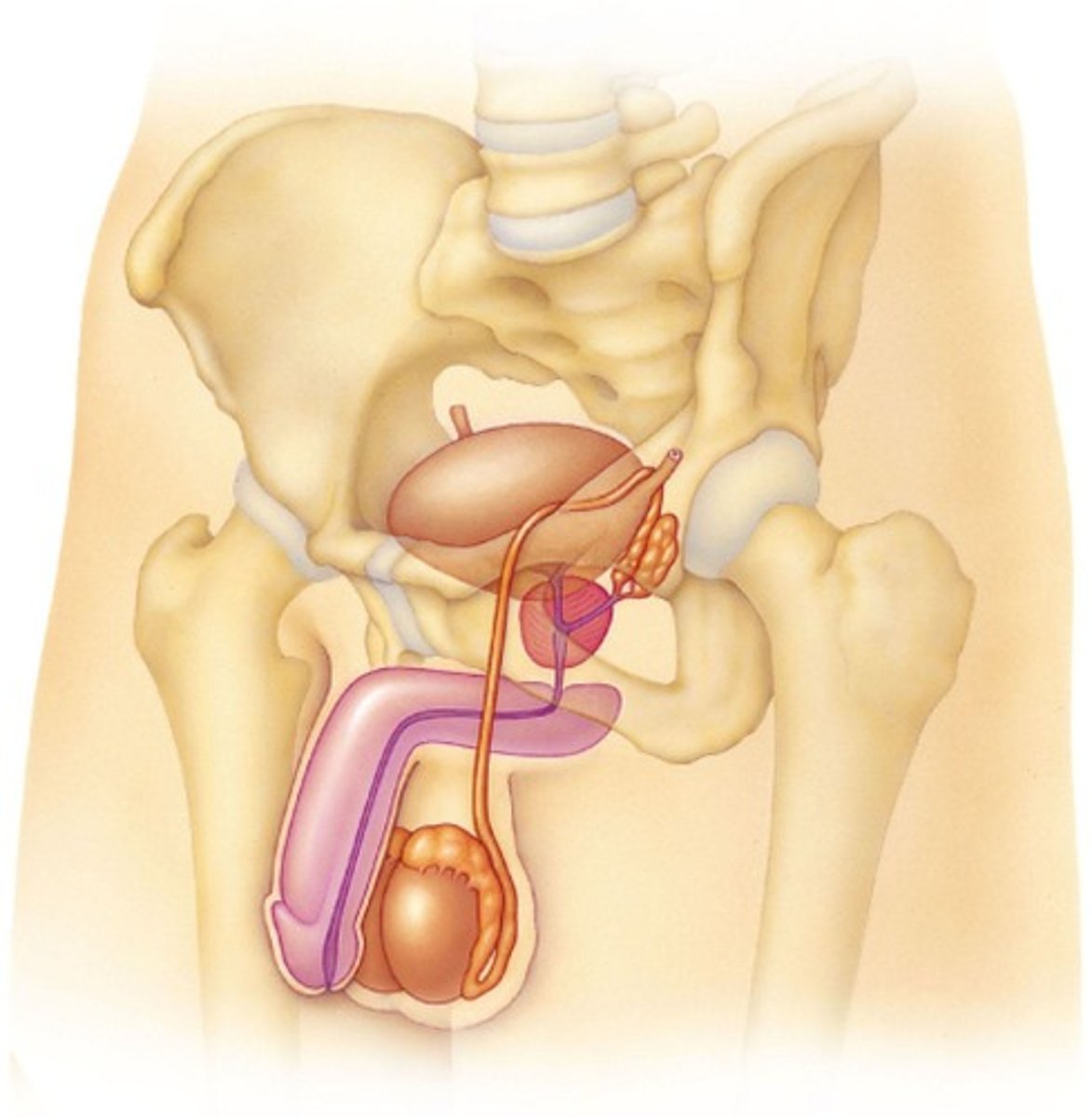
What do testes produce that influences male genitalia formation?
Testes produce testosterone.
What happens in the absence of testosterone during development?
Female genitalia form.
What is the ABC model in flower formation?
It describes how three sets of master genes (A, B, C) initiate cascades of gene expression for flower formation.
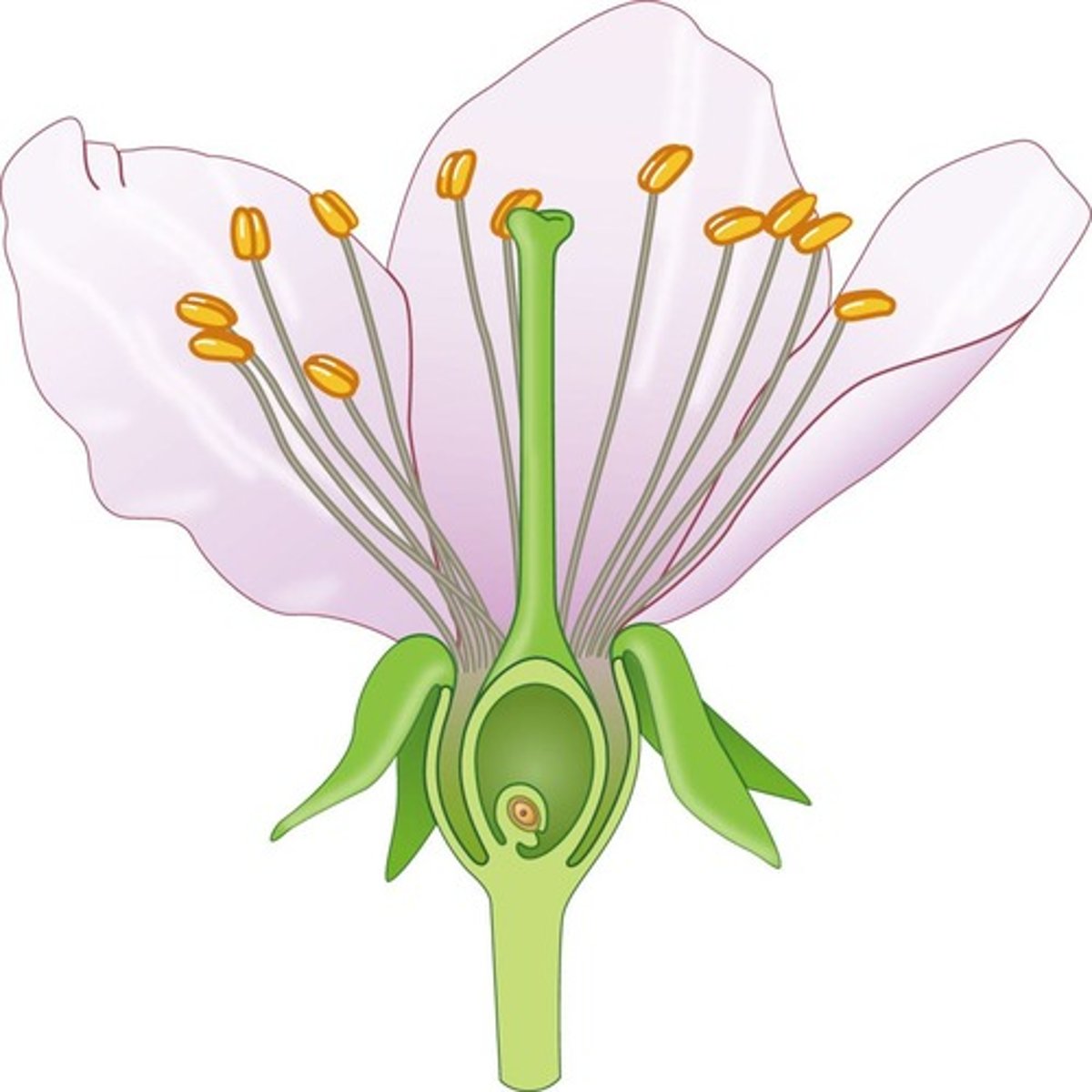
How are master genes in flower formation activated?
They are switched on by environmental cues such as day length.
What floral structures do the four whorls of tissue produce?
Sepals, petals, stamens, and carpels.
What is an operon in prokaryotes?
An operon is a promoter and one or more operators that control transcription of multiple genes.
What is the function of operators in an operon?
Operators are DNA regions that serve as binding sites for a repressor.
What occurs in the lac operon when lactose is absent?
A repressor binds to the operators, preventing transcription of the operon genes.
What happens to the repressor when lactose is present?
Lactose binds to the repressor, changing its shape and allowing transcription to proceed.
What is lactose intolerance?
It is the inability to produce lactase, leading to difficulty digesting lactose.
What are riboswitches?
Riboswitches are RNA sequences that bind to target molecules and can regulate their own translation.
What is epigenetic inheritance?
It refers to heritable changes in gene expression that do not involve changes in the DNA sequence.
What is the significance of DNA methylation?
Methylation can regulate gene expression and may provide a survival advantage.
How does DNA methylation typically behave in cell descendants?
Once a base is methylated, it usually remains methylated in all of the cell's descendants.
What can epigenetic inheritance adapt offspring to?
It can help offspring adapt to environmental stressors more quickly than evolutionary processes.
What is a consequence of environmental stressors on epigenetic marks?
Epigenetic marks may persist for generations after the stressor has faded.
How do lifestyle factors of ancestors affect descendants in epigenetic inheritance?
Boys are affected by the lifestyle of male ancestors; girls by individuals in the maternal line.
What are the challenges of gene control research in eukaryotes compared to prokaryotes?
Gene control research is more complex in eukaryotes due to their intricate regulatory mechanisms.
What are potential benefits of alterations in DNA structure?
Alterations can be beneficial by providing new traits that enhance survival.
What are potential harms of alterations in DNA structure?
Alterations can lead to harmful mutations that disrupt normal gene function.