Unit 5 Vocab
 Call Kai
 Learn
Learn Practice Test
 Spaced Repetition
 Match
Match Flashcards
 Knowt Play
1/46

There's no tags or description
Looks like no tags are added yet.
Name | Mastery | Learn | Test | Matching | Spaced | Call with Kai |
|---|
No analytics yet
Send a link to your students to track their progress
47 Terms
Cyclically adjusted budget balance
a budget philosophy calling for budget deficits during recessions to be financed by budget surpluses during expansions
Fiscal year
the 12-month period a government or business uses for accounting and budgeting
Public debt
federal government debt held by individuals and institutions outside the government
Debt-GDP
Government debt as percentage to the GDP. Used as a measure of the government's ability to pay its debt.
Implicit Liabilities
money that the government has promised to pay in the future
Target Federal Funds rate
the interest rate at which banks lend reserve balances to other depository institutions overnight
Expansionary Monetary Policy
tool to increase money supply during a recession to decrease interest
Contractionary Monetary policy
tool to decrease money supply during inflation to increase interest
Taylor rule for monetary policy
sets a target nominal interest rate based on inflation and economic activity
inflation target
sets a target nominal interest rate based on inflation and economic activity
monetary neutrality
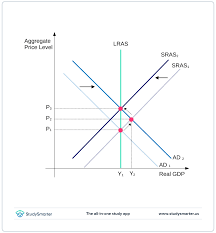
any increase in the money supply will eventually lead to a proportional increase in price levels
classical model of the price level
inflation tax
reduces the purchasing power of money, acting as a transfer of wealth from citizens to the government as the government prints more money
cost-push inflation
when rising production costs force businesses to raise prices
demand-pull inflation
when aggregate demand for goods and services outpaces aggregate supply
short-run Phillips curve
Shows the inverse relationship between inflation
and unemployment
nonaccelerating inflation rate of unemployment (NAIRU)
the rate of unemployment at which inflation stabilizes
Long-run Philips Curve
a vertical line representing the belief that there is no permanent trade-off between inflation and unemployment.
Debt Inflation
elevated federal debt increases the risk of inflationary pressure
zero bound
a constraint occurring when central banks reduce short-term nominal interest rates to zero or near-zero
liquidty trap
despite extremely low-interest rates, monetary policy fails to stimulate economic growth because households and businesses hoard cash rather than spending or investing
macroeconomic policy activism
the deliberate use of monetary and fiscal policies by governments and central banks to stabilize the economy, aiming to reduce the severity of business cycles, such as recessions and booms
monetarism
an economic theory developed by Milton Friedman that emphasizes the money supply as the primary determinant of nominal GDP and inflation
discretionary budget
part of the U.S. federal budget that is not mandatory for spending
monetary policy rule
the Federal Reserve managing the money supply and interest rates to achieve maximum employment and price stability
quantity theory of money
general price level of goods and services is directly proportional to the amount of money in circulation
velocity of money
the rate at which one unit of currency is used to purchase domestically produced goods and services within a given period
natural rate hypothesis
when an economy is in a steady state of full employment, is the proportion of the workforce who are unemployed
political business cycle
occurs when policymakers, such as the president or congress, manipulate economic policies to influence voter behavior
new classical macroeconomics
a school of economic thought originating in the 1970s that emphasizes rational expectations, microfoundations (individual maximizing behavior), and continuous market clearing
rational expectations
an economic theory stating that people make decisions based on all available information, past experience, and future expectations, rather than just past trends
new Keynesian experience
a modern school of macroeconomics that provides microeconomic foundations
real business cycle theory
posits that economic fluctuations (booms and busts) are caused by real, non-monetary shocks
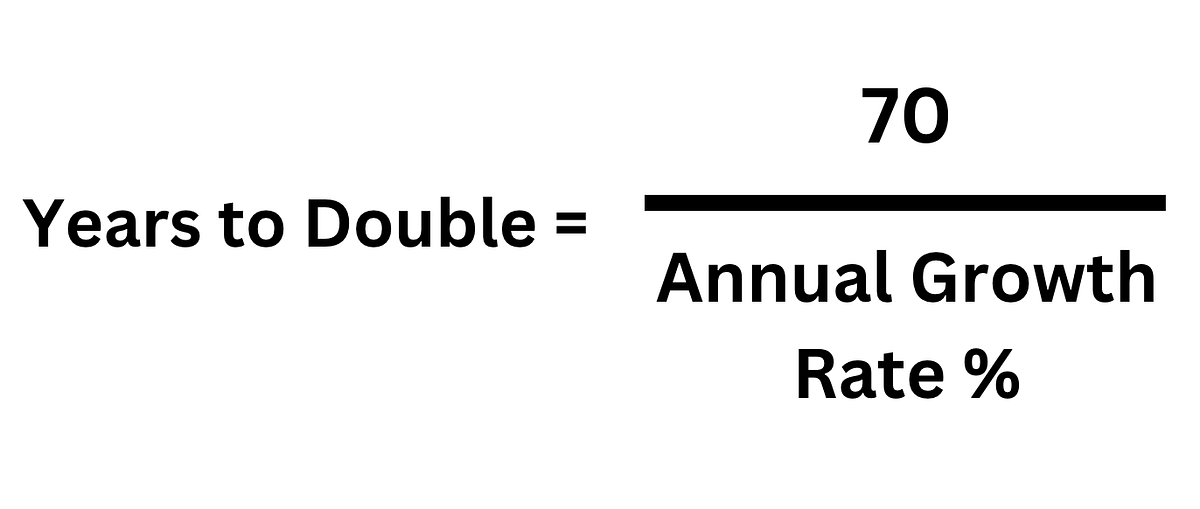
rule of 70
labor productivity
how much economic output is generated per unit of labor
Physical capital
tangible assets
human capital
workers
technology
advancements that increase production
aggregate production function
as capital input increase, capital output increases
diminishing returns to physical capital
occurs when adding more machinery or infrastructure (capital) per worker produces progressively smaller increases in output, assuming technology and human capital remain constant
growth accounts
technique used to measure the contribution of different factors
total factor productivity
measures the efficiency and intensity with which inputs, such as labor and capital, are utilized in production
convergence hypothesis
an economic theory stating that poorer economies' per capita incomes tend to grow faster than richer ones, allowing them to close the income gap over time
research and development (R&D)
investment to create new knowledge, products, or technologies for later benefits
Infrastructure
investments for buisnesses to produce more products
Sustainable
meeting needs without compromising materials for the future
Depreciation
the loss of value over time