DK Ching VD - Electricity
 Call Kai
 Learn
Learn Practice Test
 Spaced Repetition
 Match
Match Flashcards
 Knowt Play
1/139

There's no tags or description
Looks like no tags are added yet.
Name | Mastery | Learn | Test | Matching | Spaced | Call with Kai |
|---|
No analytics yet
Send a link to your students to track their progress
140 Terms
electricity
the science of dealing with the physical phenomena arising from the existence and interaction of electric charges
electric charge
the intrinsic property of matter giving rise to all electric phenomena
coulomb
SI unit of electric charge
electromotive force
the energy per unit charge available for conversion from a chemical, mechanical, or other form of energy into electrical energy
potential difference
the voltage difference between two points that represents the work involved in the transfer of a unit charge from one point to the other
electrode
a conductor through which a current enters or leaves a nonmetallic medium
anode
the negative terminal of a primary cell or storage
cathode
the positive terminal of a primary cell or storage battery
voltage
potential difference or electromotive force expressed in volts; analogous to pressure in water flow
volt
the SI unit of potential difference and electromotive force, defined as the difference of electric potential between two points of a conductor carrying a constant current of one ampere, when the power dissipated between the points is equal to one watt
circuit
the complete path of an electric current, including the source of electric energy
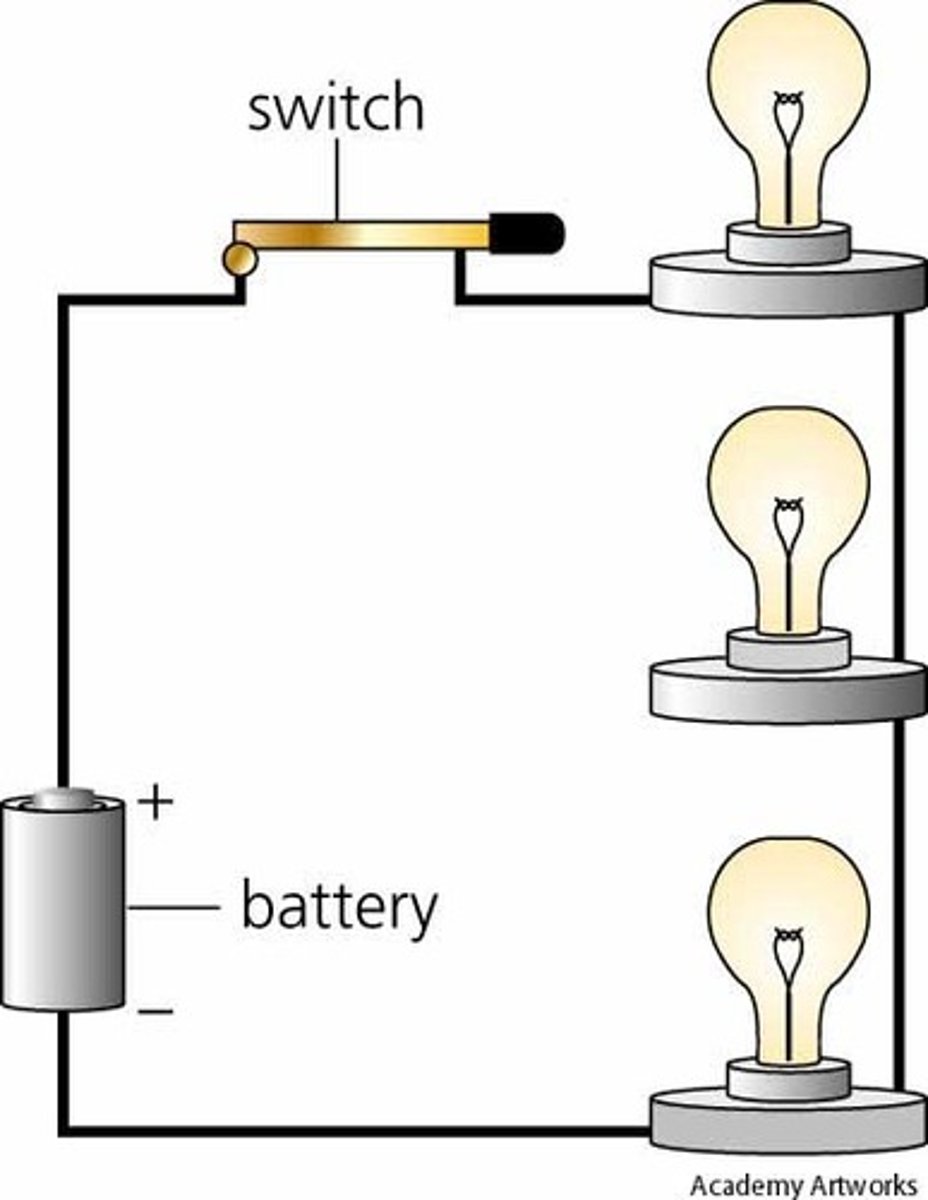
series
an arrangement of components in an electric circuit in which the same current flows through each component in turn without branching
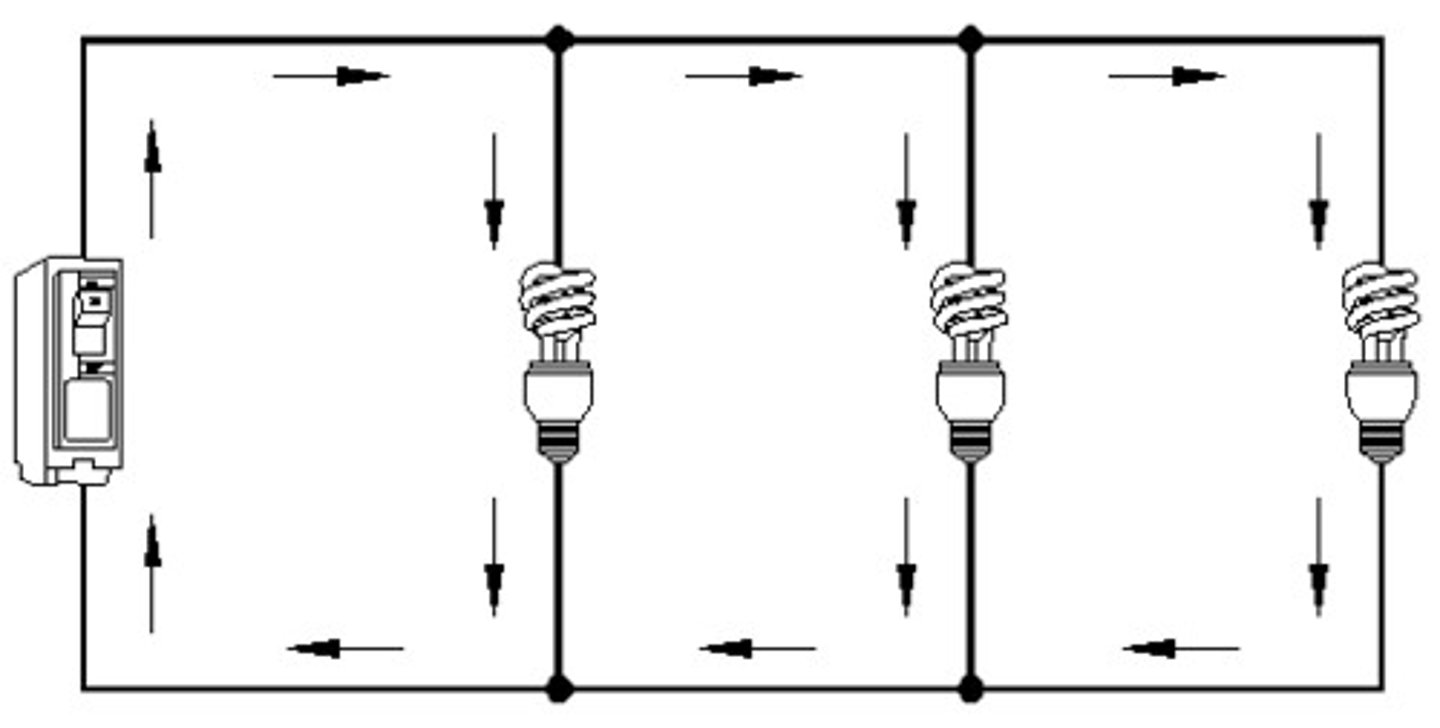
parallel
an arrangement of components in an electric circuit in which all positive terminals are connected to one conductor and all negative terminals are connected to a second conductor, the same voltage being applied to each component
power
the product of potential difference and current in a direct-current circuit
watt
the SI unit of power, equal to one joule per second
wattage
an amount of power
current
the rate of flow of electric charge in a circuit per unit time, measured in amperes
ampere
the basic SI unit of electric current
amperage
the strength of an electric current measured or expressed in amperes, analogous to the rate of water flow
resistance
the opposition of a conductor to the flow of current
ohm
the SI unit of electrical resistance
ohm's law
the law that for any circuit the electric current (I) is directly proportional to the voltage and inversely proportional to the resistance
joule's law
the principle that the rate of production of heat by a direct current is directly proportional to the resistance of the circuit and to the square of the current
generator
a machine that converts mechanical energy to electrical energy
alternator
a generator for producing alternating current
electric motor
a machine that converts electric power into mechanical energy
armature
the main current-carrying winding of a motor or generator in which electromotive force is induced
brush
a copper or carbon conductor serving to maintain electric contact between fixed and moving elements in a motor or generator
direct current
an electric current flowing in one direction only and having a magnitude that does not vary or varies only slightly
alternating current
an electric current that reverses direction at regularly recurring intervals, having a magnitude that varies in a sinusoidal manner
core
a mass of iron or other ferrous material in an electromagnet, induction coil, or transformer
coil
a conductor wound in a spiral form to introduce inductance into a circuit
transformer
an electric device consisting of two or more windings wound on the same core
step-up transformer
a transformer having fewer turns in the primary winding than in the secondary, serving to transform low voltage to high voltage
step-down transformer
a transformer having a greater number of turns in the primary winding than in the secondary, serving to transform high voltage to low voltage
line voltage
the voltage supplied by a power line
service conductor
any of several conductors extending from a main power line or transformer to the service equipment of a building
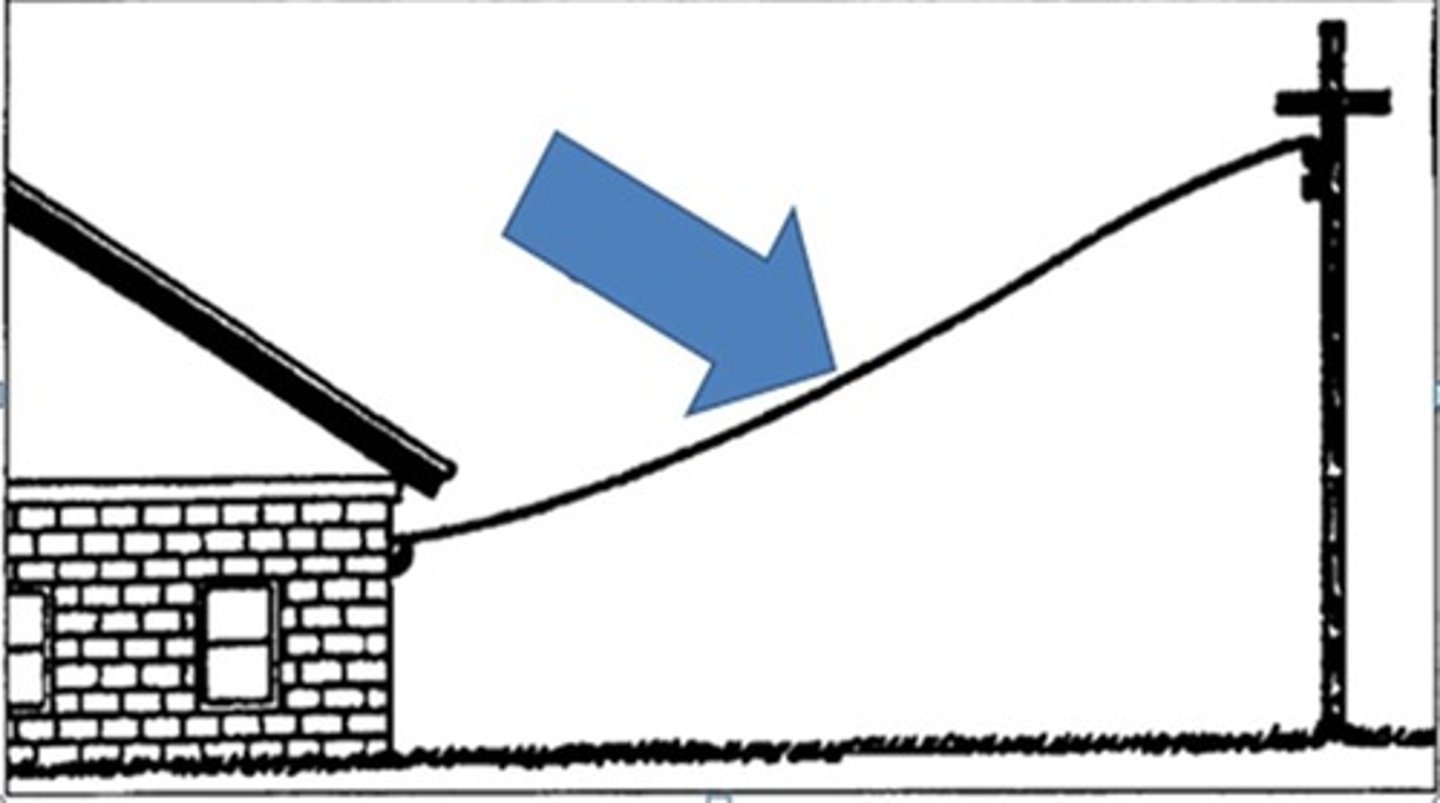
service drop
the overhead portion of service conductors extending from the nearest utility pole to a building
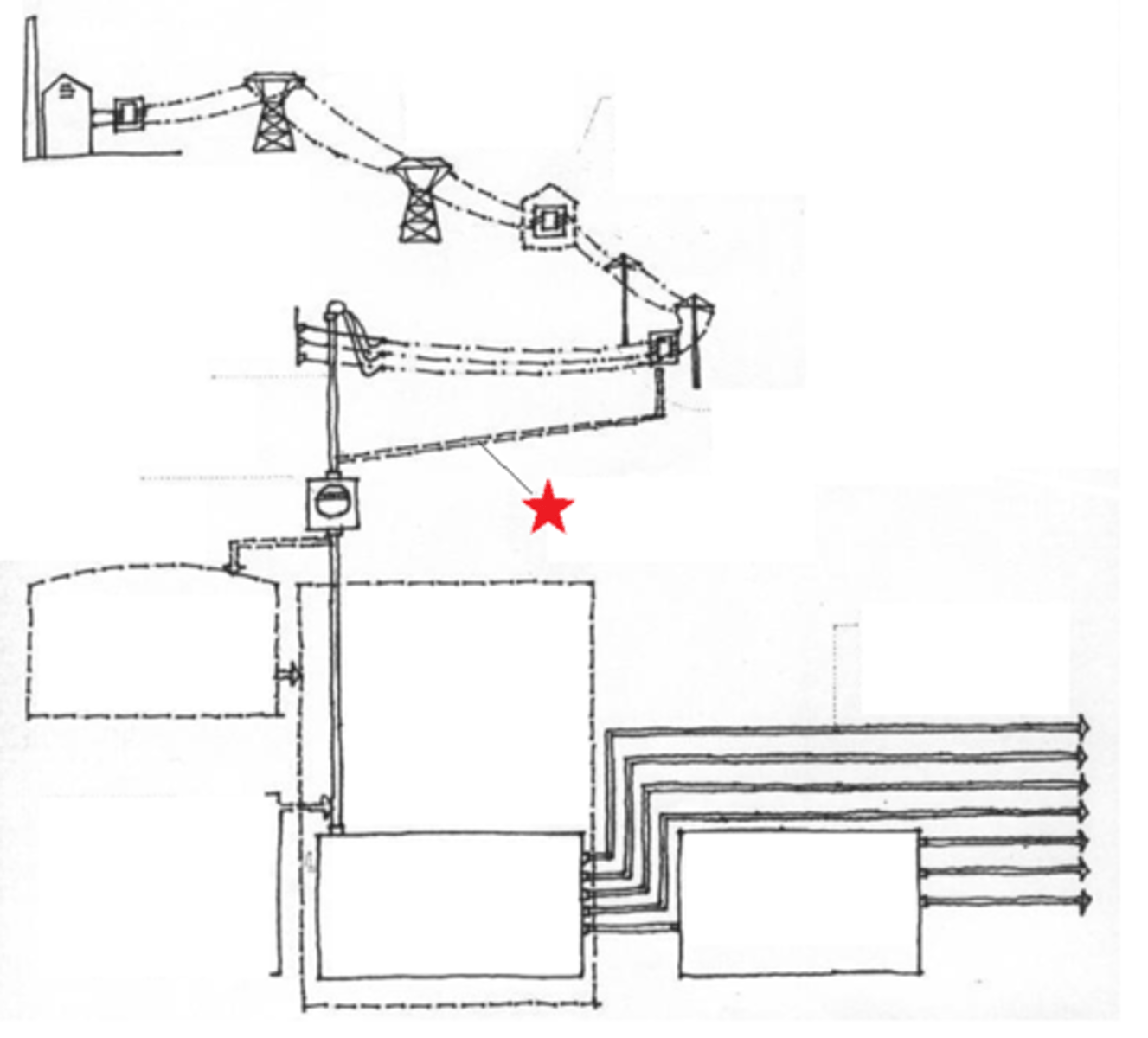
service lateral
the underground portion of service conductors extending from a main power line or transformer to a building
line drop
the decrease in voltage between two points on a power line, usually caused by resistance or leakage along the line
service entrance conductor
the portion of a service conductor extending from a service drop or service lateral to the service equipment of a building
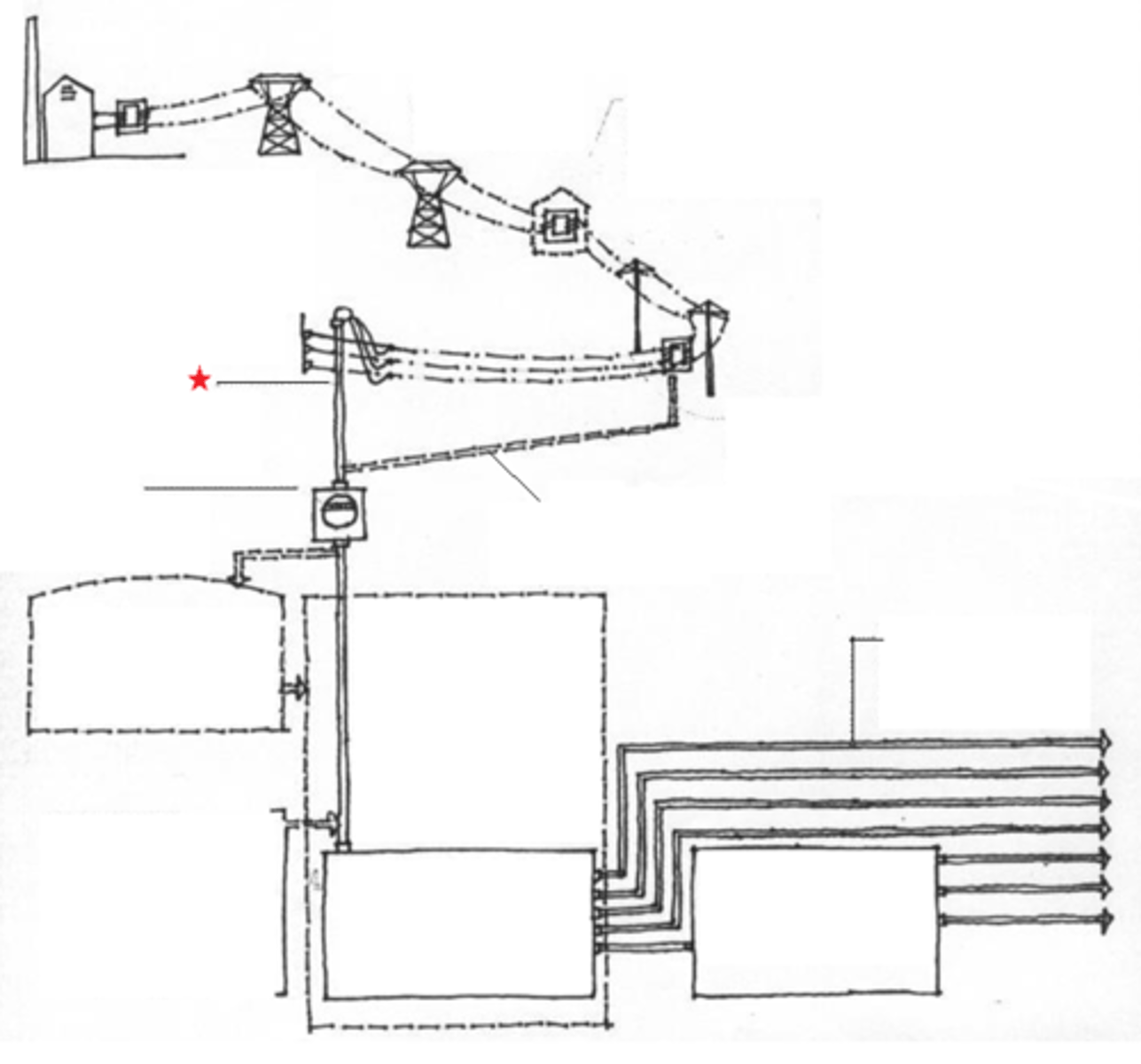
watt-hour meter
a meter for measuring and recording the quantity of electric power consumed with respect to time
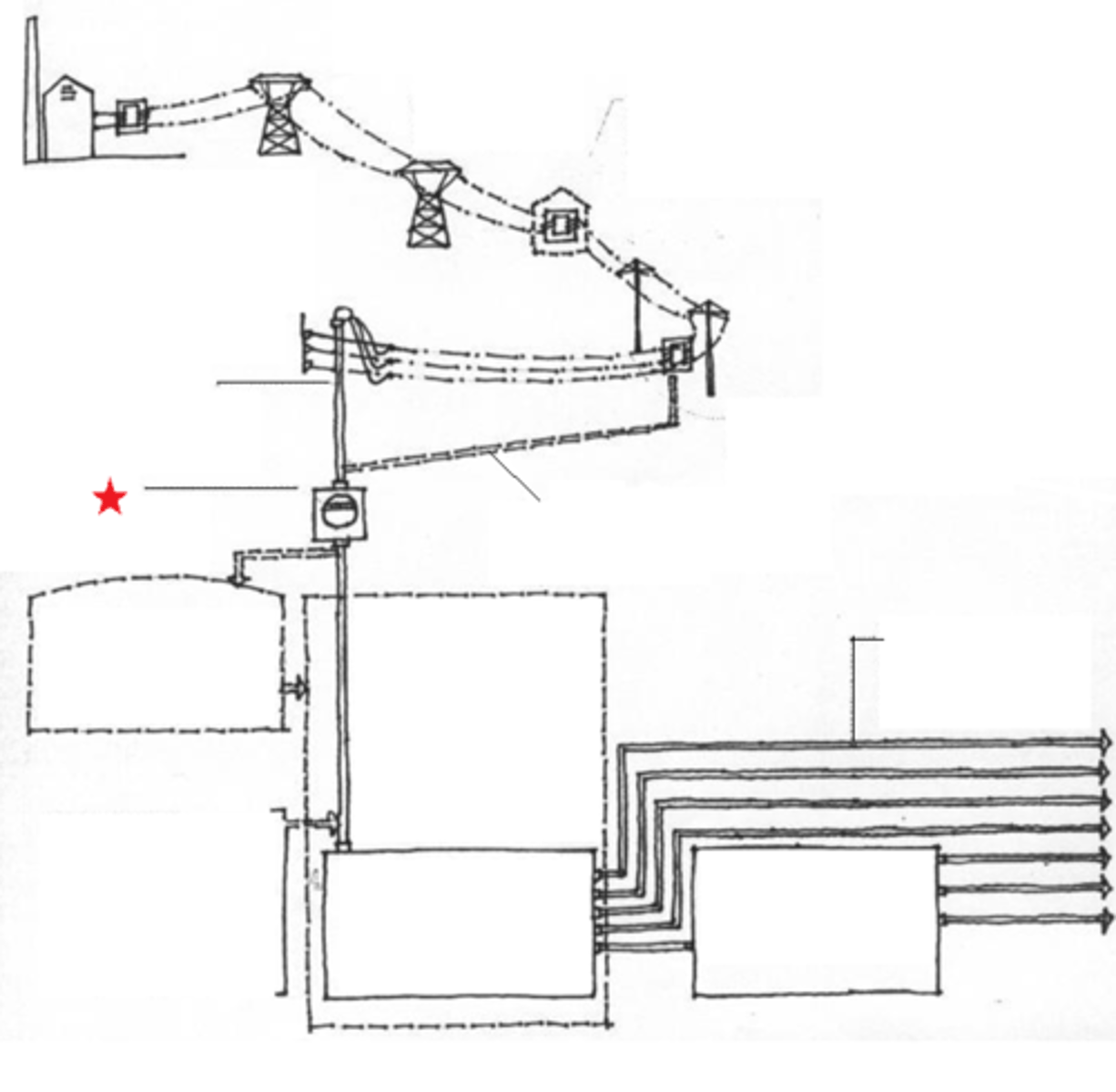
transformer vault
a fire-rated room housing a transformer and auxiliary equipment for a large building
standby generator
a generator for providing emergency power during a power outage
uninterruptible power supply
an emergency system designed to provide power automatically and instantaneously upon failure of the normal power supply
switchgear room
a room containing the service equipment for a building
service equipment
the equipment necessary for controlling, metering, and protecting the electric power supply to a building
switchboard
one or a group of panels on which are mounted switches, overcurrent devices, metering instruments, and buses for controlling and protecting a number of electric circuits
feeder
any of the conductors extending from the service equipment to various distribution points in a building
unit substation
a freestanding enclosure housing a disconnect switch, a step-down transformer, and switchgear for a number of electric circuits
ground
a conducting connection between an electric circuit or device and the earth or other point of zero potential
single-phase
of or pertaining to a circuit energized by an alternating current with one phase or with phases differing by 180 degrees
two-phase
of or pertaining to a circuit energized by two alternating current or voltages differing in phase by one quarter of a cycle or 90 degrees
three-phase
of or pertaining to a combination of three circuits energized by alternating currents or voltages differing in phase by one third of a cycle or 120 degrees
live
electrically connected to a source of voltage
dead
not electrically connected to a source of voltage
neutral
not electrically charged
fault
a local failure in the insulation or continuity of a conductor, or in the functioning of an electric system
short circuit
an abnormal, usually accidental condition of low resistance between two points in an electric circuit, resulting in a flow of excess current
fuse
a device containing a strip or wire of fusible metal that melts under the heat produced by excess current, thereby interrupting the circuit
plug fuse
a fuse housing a fusible link in a porcelain cup fitted with a threaded metal base
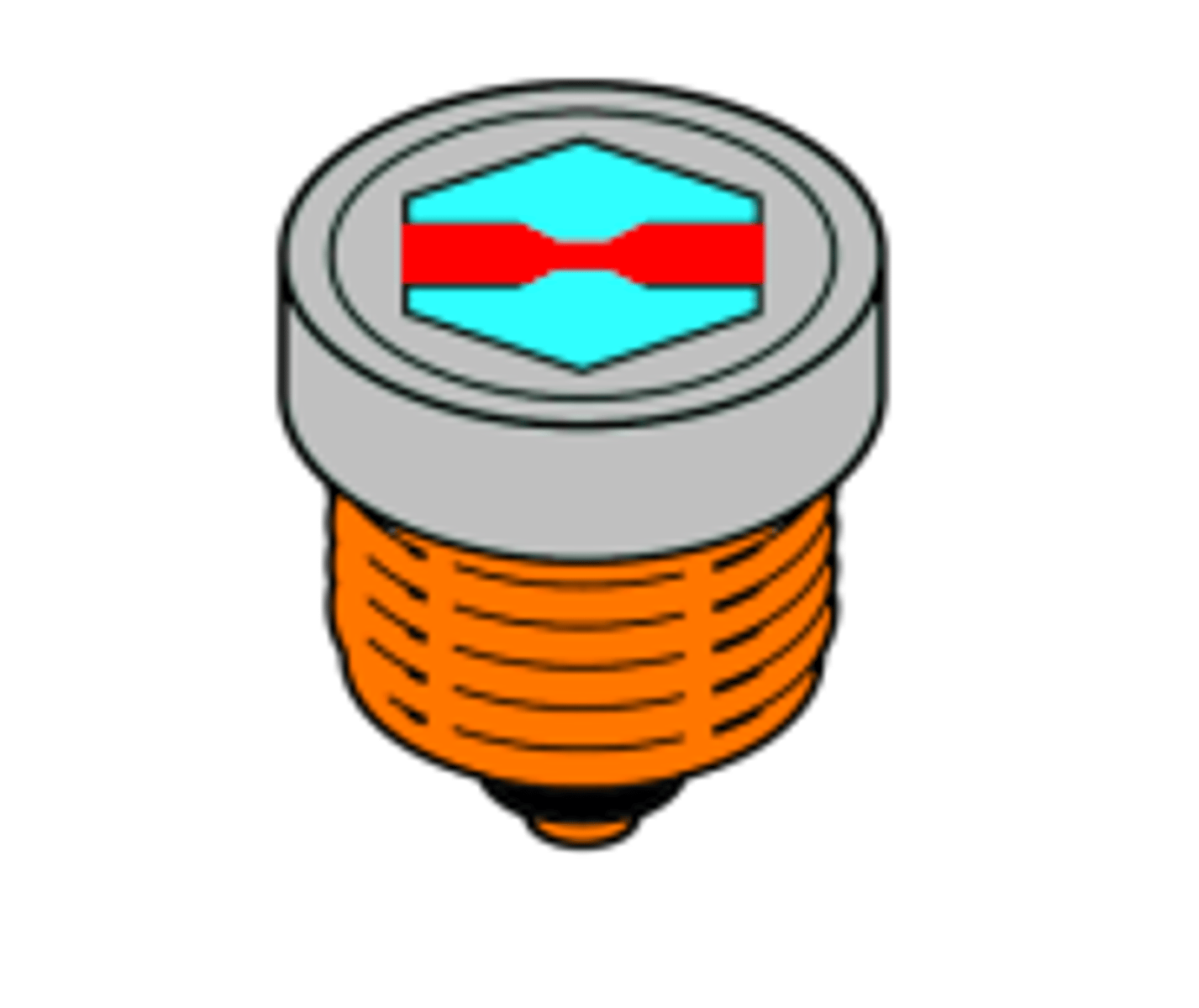
cartridge fuse
a fuse having a one-time or renewable fusible link enclosed in an insulating fiber tube
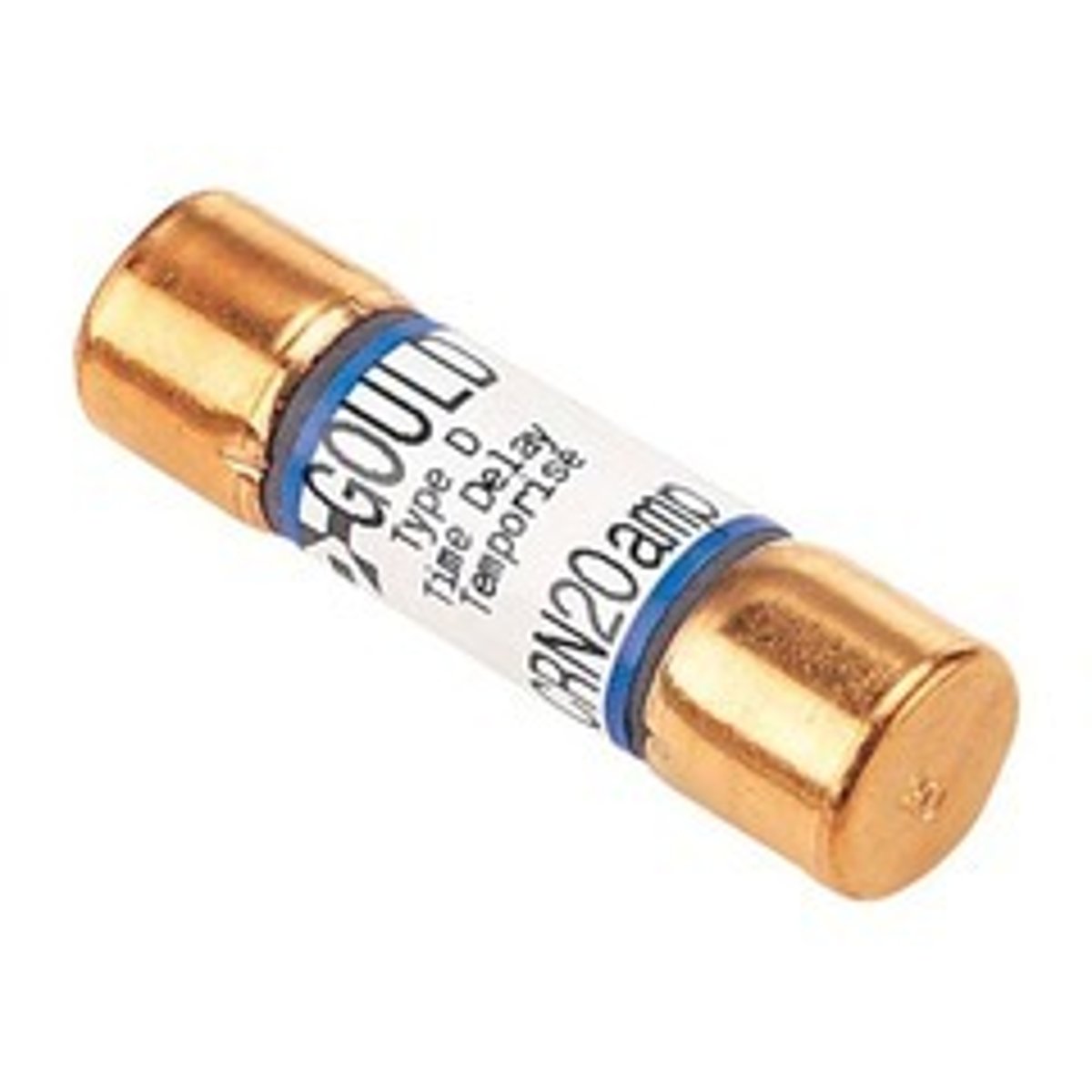
knife-blade fuse
a cartridge fuse having a metal blade at each end for making contact with the fusible link within
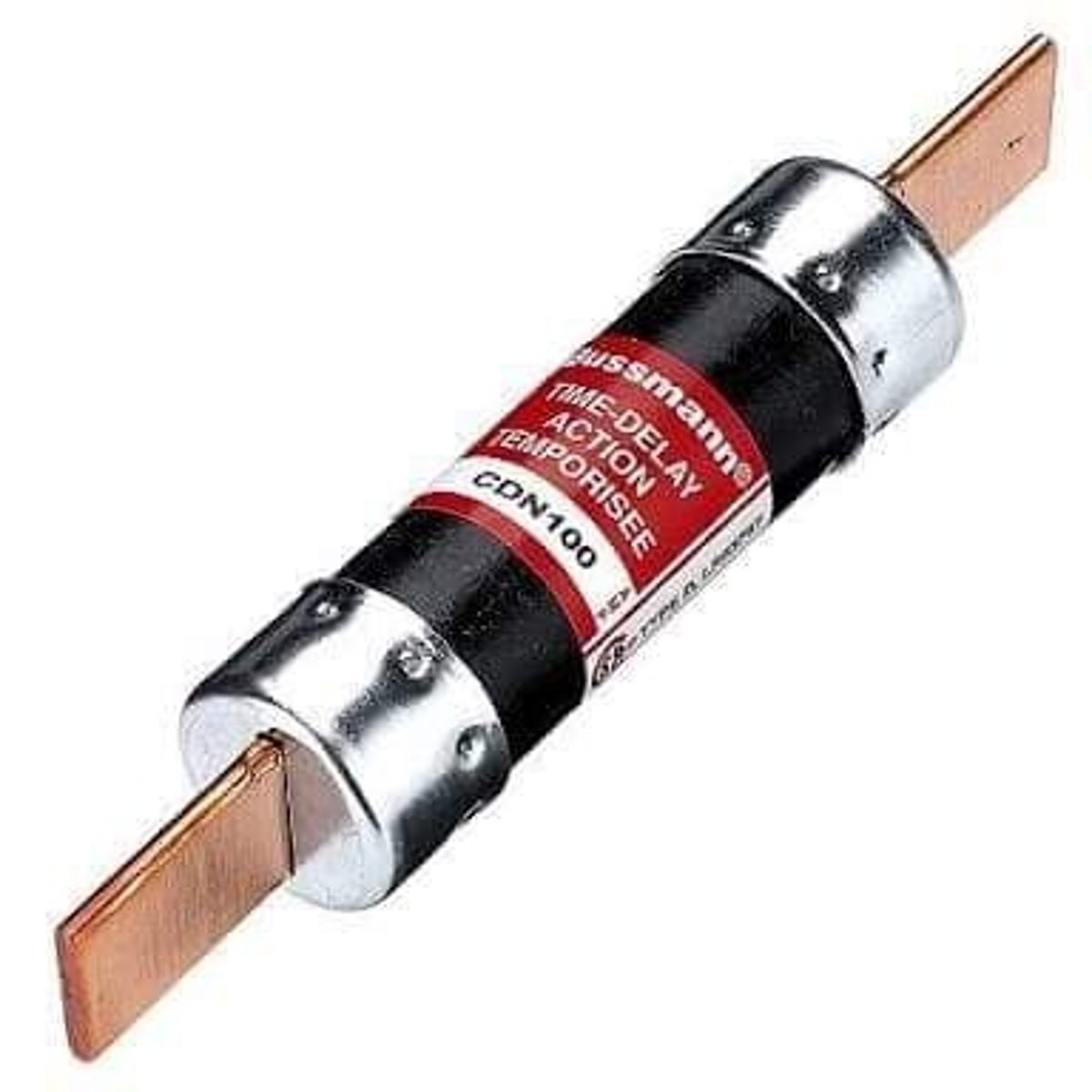
time-delay fuse
a fuse that delays opening to allow a short-term overload to pass, as when starting a motor
service switch
the main disconnect for the entire electrical system of a building, except for any emergency power systems
panel
a board on which are mounted the switches, fuses, and circuit breakers for controlling and protecting a number of similar branch circuits, installed in a cabinet and accessible from the front only
bus
a heavy conductor, usually in the form of a solid copper bar, used for collecting, carrying, and distributing large electric currents
grounded conductor
any conductor of an electrical system intentionally connected to a ground connection
grounding electrode
a conductor, such as a metal ground rod, ground plate, or cold-water pipe, firmly embedded in the earth to establish a ground connection
ground wire
a conductor connecting electric equipment or a circuit to a ground connection
circuit breaker
a switch that automatically interrupts an electric circuit to prevent excess current from damaging apparatus in the circuit or from causing a fire
ground-fault interrupter
a circuit breaker that senses currents caused by ground faults and instantaneously shuts off power before damage or injury can occur
load
the power delivered by a generator or transformer, or the power consumed by an appliance or device
connected load
the total load on an electrical system or circuit if all connected apparatus and equipment are energized simultaneously
maximum demand
the greatest load delivered to an electrical system or circuit over a specified interval of time
demand factor
the ratio of the maximum demand to the connected load of an electrical system
diversity factor
the ratio of the sum of the maximum demands on the various parts of an electrical system to the maximum demand on the whole
load factor
the ratio of the average load on an electrical system over a specific period of time to the peak load occurring in that period
lightning rod
any of several conducting rods installed at the top of a structure and grounded to divert lightning away from the structure
lightning arrester
a device for protecting electric equipment from damage by lightning or other high-voltage currents
spark gap
a space between two terminals or electrodes, across which a discharge of electricity may pass at a prescribed voltage
branch circuit
the portion of an electrical system extending from the final overcurrent device protecting a circuit to the outlets served by the circuit
distribution panel
a panel for distribution power to other panels or to motors and other heavy power consuming loads
general purpose circuit
a branch circuit that supplies current to a number of outlets for lighting and appliances
appliance circuit
a branch circuit that supplies current to one or more outlets specifically intended for appliances
individual circuit
a branch circuit that supplies current only to a single piece of electrical equipment
cable
a single insulated conductor or a bound or sheathed combination of conductors insulated from one another
armored cable / BX
electric cable consisting of two or more insulated conductors protected by a flexible, helically wound metal wrapping
mineral-insulated cable
electric cable consisting of a tubular copper sheath containing one or more conductors embedded in a highly compressed, insulating refractory mineral
nonmetallic sheathed cable / romex
electric cable consisting of two or more insulated conductors enclosed in a nonmetallic, moisture-resistant, flame-retardant sheath
coaxial cable
a cable for transmitting high-frequency telephone, digital, or television signals, consisting of an insulated conducting tube enclosing an insulated conducting core
shielded cable
an electric cable enclosed within a metallic sheath in order to reduce the effects of external electric or magnetic fields
wire
a pliable metallic strand or a twisted or woven assembly of such strands, often insulated with a dielectric material and used as a conductor of electricity
conductor
a substance, body, or device that conducts heat, sound, or electricity
insulator
a material that is a poor conductor of electricity, used for separating or supporting conductors to prevent the undesired flow of current
breakdown voltage
the minimum applied voltage at which a given insulator breaks down and permits current to pass
dielectric
a nonconducting substance
conduit
a tube, pipe, or duct for enclosing and protecting electric wires or cable
rigid metal conduit
heavy-walled, tubular steel conduit joined by screwing directly into a threaded hub with locknuts and bushing
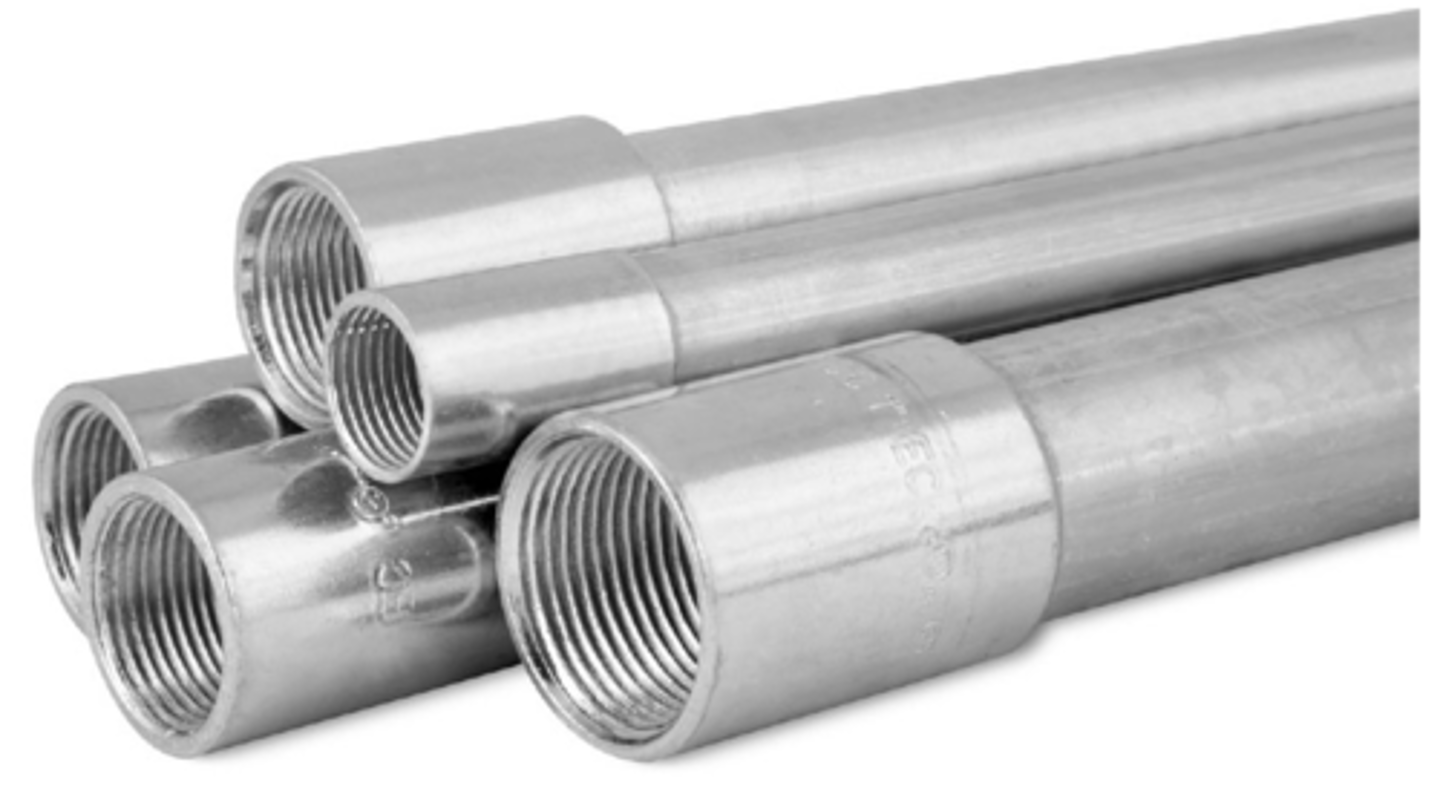
electrical metallic tubing
thin-walled, tubular steel conduit joined by compression or setscrew couplings