Edexcel A Level Politics: USA (Comparative Politics)
 Call Kai
 Learn
Learn Practice Test
 Spaced Repetition
 Match
Match Flashcards
 Knowt Play
1/90

There's no tags or description
Looks like no tags are added yet.
Name | Mastery | Learn | Test | Matching | Spaced | Call with Kai |
|---|
No analytics yet
Send a link to your students to track their progress
91 Terms
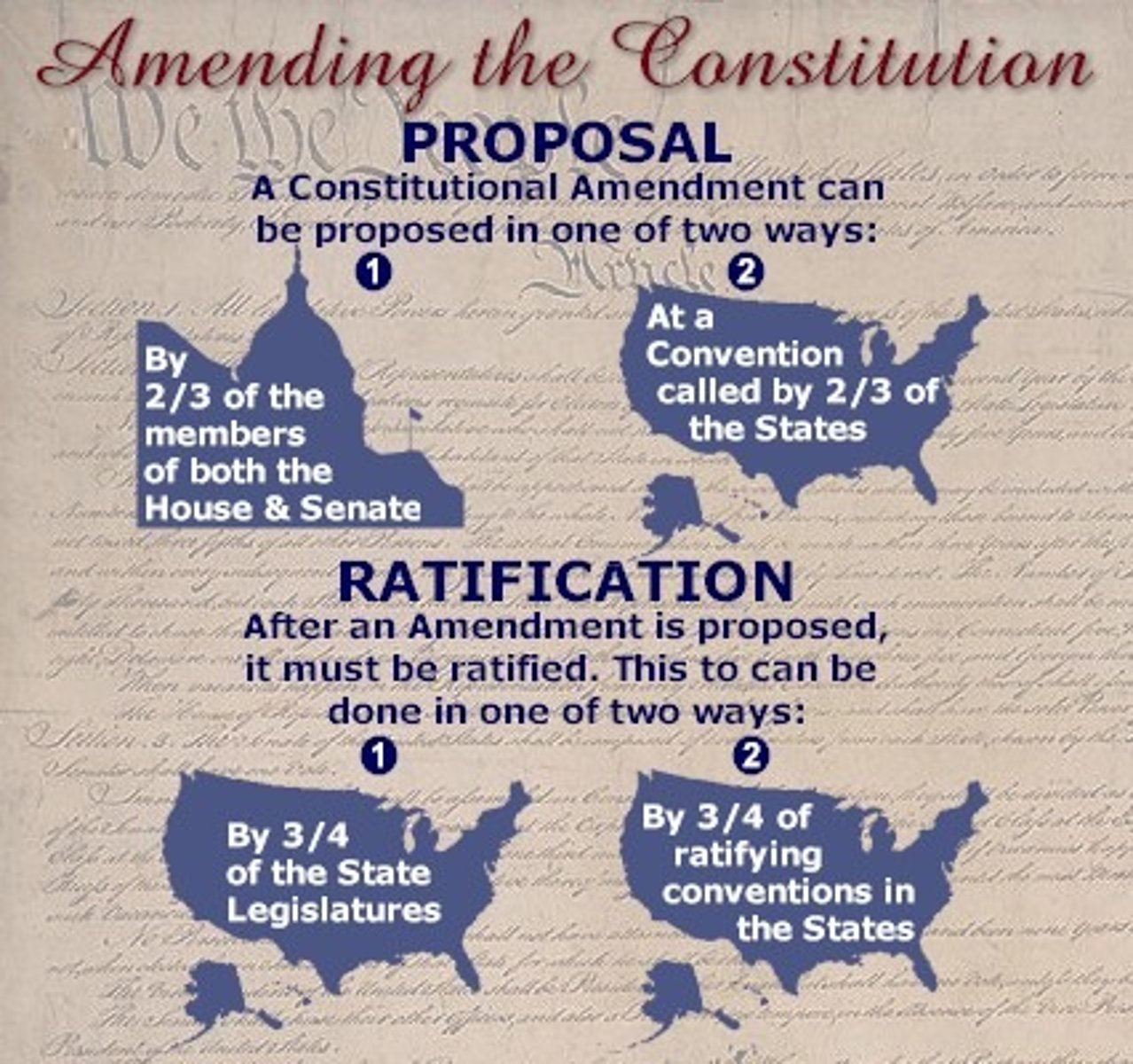
Ammendment Process
Step 1:
2/3rds of congress agree to propose an ammendment
or
Congress calls a constiutional convention following the application of 2/3rds of state legislatures
Step 2:
3/4 states ratifiy the ammendment
Reserved Powers
Powers not delegated or prohibited to the federal government, these are reserved for states.
Concurrent powers
Powers possessed by both the federal and the states
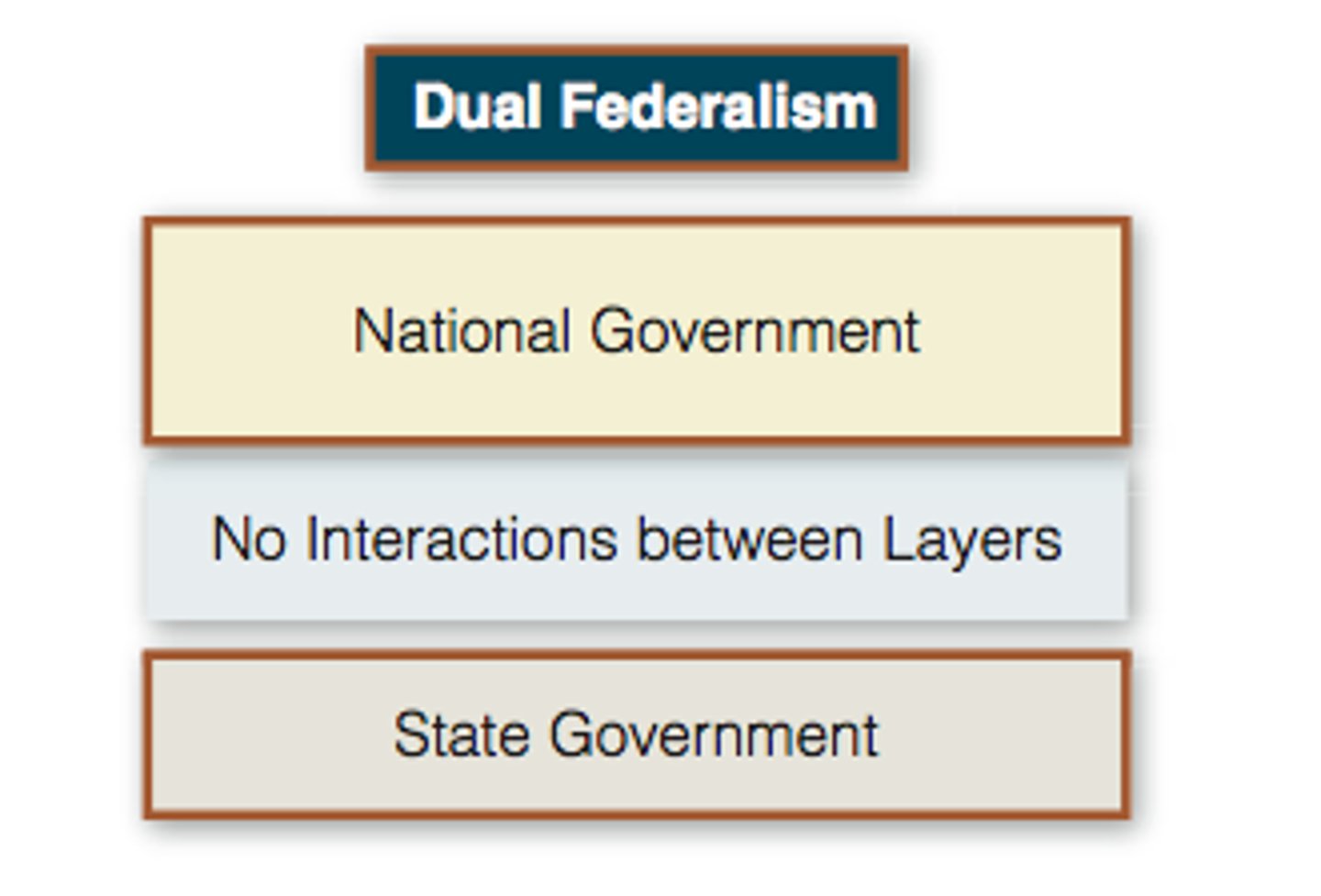
Dual Federalism
States and the government were equally as powerful and clear distinctions on what policies they govern.
Co-operative Federalism
The federal government is seen as supreme to the states and greater cooperation of policies between the federal and state government.
New federalism
Republican presidents after Nixon and also Clinton rolled back the involvement of the federal government
Limited Government
A government whereby the government would do what's essential, leaving citizens fundamental rights and freedoms untouched as possible.
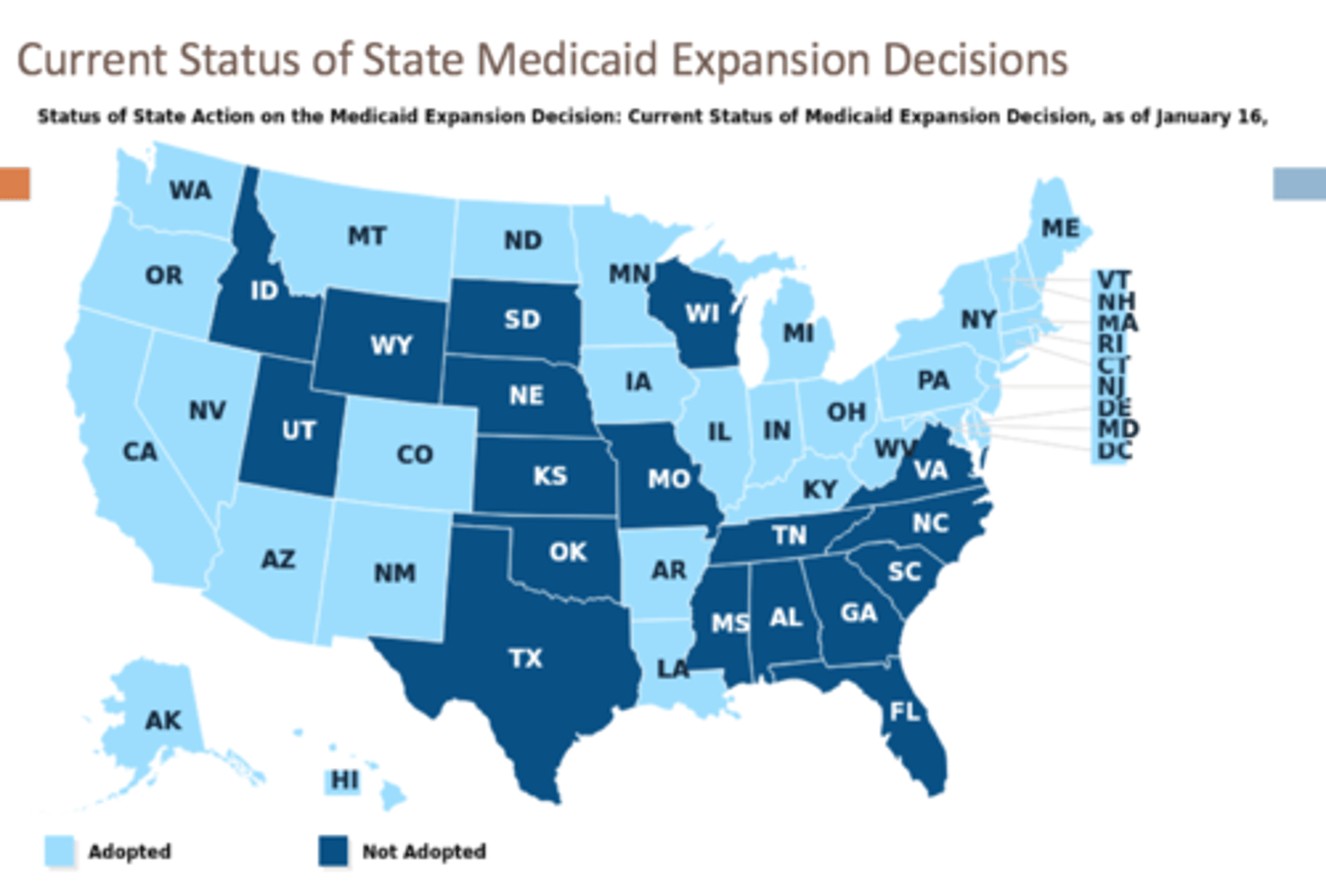
3 examples of when states retained sovereignty
- Federation of independent business v sebius (2012)
The supreme court blocked the expansion of a federal state Medicaid program where states would have to participate in the expansion or lose Medicaid funding.
- State government were able chose when to end covid lockdowns despite the federal government wanting to end lockdown early
- The Cole Memo, under Obama the US justice department said it would not enforce federal restriction on marijuana expect is certain circumstances
3 examples of the federal government reducing state sovereignty
- US Patriot Act (2001)
Gave the federal government new powers to detain people and hold information on them. The department of Homeland security was created instead of leaving home security to individual states.
- 'No child left behind act' mandated states test children annually
- 'America Rescue Plan' provided $1.9 trillion in stimulas from the federal government.
Cares Act 2020
- $2.2 trillion stimulation package
- Bipartisan
- Passed despite polarisation due to the crisis
- Democrats conceded to $150 billion for state governments instead of $750 billion
- Republicans conceded to have congressional oversight of over $500 billion worth of loans
Impact of divided government on checks and balances
- Increased scrutiny on legislation and treaties, the senate hasn't rejected a treaty by its own party since 1935
- Increased scrutiny on nominees
- Decreased legislative effectiveness, this has increased due to polarisation. For example: 116th congress (2019-21) only passed 344 laws making it one of the last productive congresses in history
US vs UK: Sources
US
- Codified into a single doc
- Entrenched
- Created following a revolution
UK
- Mix of statutes and conventions
- Unentrenched
- Evolving
US vs UK: Federalism
US
- Difficult to change level of federalism
UK
- Asymmetric
- Flexible powers
- Powers can be revoked by parliament
US vs UK: Sovereignty
US
- Sovereignty of states equal to federal government
- Sovereignty from constitution
UK
- Parliament is sovereign
US vs UK: Separation of Powers
US
- Clear separation of powers
UK
- Fusion of powers
US vs UK: Checks and balances
US
- 2 term presidential limit
- SCOTUS can strike down legislation
- Presidential veto
- House and Senate must agree to pass legislation
- Elections for congress every 2 years
UK
- HoL can delay commons legislation
- Whip system is a check on the commons by the PM
US vs UK: Protection of rights
US
- Entrenched protection of civil liberties (Bill of Rights)
UK
- HRA
- ECHR
- Unentrenched
US vs UK: Flexibility
US
- Entrenched constitution means little flexibility
- Fixed term elections
UK
- Easy to change constitution (unentrenched)
- Prime minister chooses election time
How does constituency make up influence a lawmakers decisions?
- Political leaning of the state will effect how they vote so they can get re-elected in both the primary and general election
- This is especially true in the HoR as the elections are every 2 years rather than the Senates 6 year terms.
For example Joe Manchine is a West Virginian democract but often votes against his party, especially on environmental and gun control issues.
How does partisianship/party influence lawmakers decisions?
- The amount of 'Party Votes' has increased on polarised issues such as gun control
- Cabinet members and the president will meet with lawmakers to convince them to vote on the party line
- Lawmakers can be removed via primaries if they disobey their party too much
Why did Liz Cheney lose her seat in the Senate?
She condemned Donald Trump for january 6th and accepted the election result.
This led to her being challenged in a primary and lost to a pro trump candidate.

How do US pressure groups influence lawmakers decisions
- Pressure groups directly contact the representives
- Hold rallies
- Fund candidates to support their cause
- Provide evidence to committees
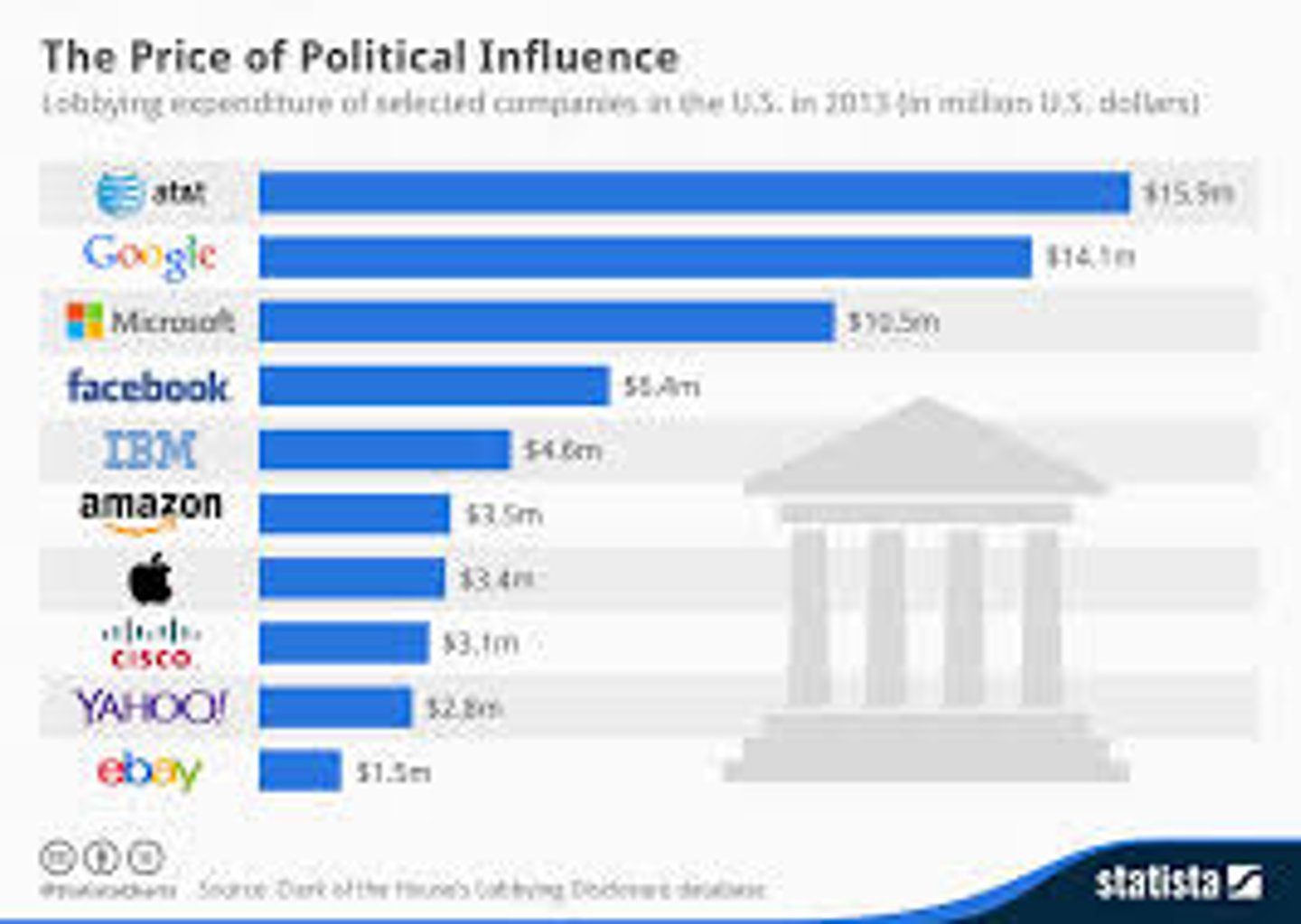
How much did the NRA spend in the 2019 election?
$1.6 Million
Similarities between Congress and Parliament
- Both use a bicameral structure, increasing scrutiny.
- Both have strong legislating powers
- Both legislators can remove the head of government. Via an impeachment in Congress and a vote of no confiedence in Parliament
Differences between Congress and Parliament
- HoL can only delay legislation for a year while the Senate is required to agree for legislation to pass
- US has a clear seperation of powers, this allows for divided government, while the UK has a fusion of powers meaning a government could not form without majority support in the legislator.
- Parliament is sovereign while US sovereignty comes from the Constitution. Meaning Congress is weaker than Parliament.
Enumerated Powers of the President
- Commander in Chief
- Negotiate treaties
- State of the union address
- Appointment of ambassadors, judges, officers of the USA
- Pardons
- Veto legislation
Implied powers of the President
- Establish a cabinet
- Executive agreements
- Executive orders
- Executive privilege
Factors that affect the relationship between congress and the president
- Divided vs United
- Election cycle point
- Crisis
- Popularity / presidential mandate
Arguements the president is the most powerful branch
- President has the power to pass executive orders, effectively giving the president legislative powers. This can only be challenged by SCOTUS on constitutional grounds
- Presidents nominate SCOTUS justices giving the president influence long past their terms in office as the justices are chosen to align with the president
- President has the power to veto legislation, and as it difficult to gain consensus in congress the president can stop legislation passing.
Arguements against the president being the most powerful branch
- Congress retains power of the purse, meaning with congressional support presidential programmes will be impossible to achieve.
- SCOTUS is not always dominated by presidential influence as SCOTUS is independent of political influence.
- All legislation must be proposed by congress and can override the presidential veto.
Differences between the president and prime minister
- Seperation of powers means the US president is no the direct head of government, while the UK is a fusion of powers. Meaning the PM has more direct influence on legislation as they head the dominant party
- US president requires the senate to approve their cabinet appointments while the PM doesnt. Giving the PM more flexiblity in chosing their cabinet but has to appoint members of parliament
- The US president has more influence over the judicary, as all federal and SCOTUS justices are nominated by the president. While in the UK appointments are in the hand of the inderpendent Judicial Appointments Commission
Judicial review
- The power to review laws by congress/president and to declare them unconstitutional
- Is not explicitly provided by the constitution but SCOTUS ruled it had judicial review in federal matters in 'Marbury v Maddison (1803)' and state matters in 'Fletcher v Peck (1810)'
- Requires states and the executive to enforce
SCOTUS appointment process
- Presidential nomination
- ABA rating - inderpendent advisory rating of the quality of the nominee
- Senate Judiciary Committee holds hearings, questions and votes on teh nominee
- Senate floor votes on the nominee with a simple majority required
SCOTUS political makeup
- 6 republican appointees
- 3 democrat appointees
- 3 appointmented by Trump
Obergefell v. Hodges (2015)
Ruled that the Fourteenth Amendment guarantees the right to marry as one of the fundamental liberties it protects, and it applies to same-sex couples in the same manner as it does to opposite-sex couples.
Roe v. Wade (1973)
Abortion rights fall within the privacy implied in the 14th amendment
DC v. Heller
The 2nd Amendment protects the right of individuals to possess a firearm for personal use; specifically, there is a constitutional right to keep a handgun in the home for self defense even outside of a millitia.
Dobbs v. Jackson
Overturned roe v wade
Examples of SCOTUS overruling the president or congress
- Ruled trump ending 'safe cities' via an executive order was unconstitutional
- Ruled Trump needed to release documents related to the January 6th insurrection
- Struck down the 'Defence of Marriage Act' in 'Obergefell v Hodges (2015)'
Arguements for a 'living constitution' interpretation
- Constitution will quickly become out of date if it is not interpreted in the light of modern development. E.g. slavery, LGBTQ rights, etc
- Prevents a tyranny of the minority from elected institutions
- Amendment process is too difficult to allow the development of the constition through elected branches
Arguements for a 'originalist' interpretation
- Interpreting the constitution makes SCOTUS political and undermines the democratic institutions
- Changes required can be left to the elected branches as they are accountable
- The amendment process exists and has been used sucessfully
'stare decisis'
Let the decision stand - past court cases should set precedents for current cases
Criticisms of judicial activism
- SCOTUS is unelected and therefore unaccountable
- SCOTUS striking down acts of congress and the executive, with few checks, violates the seperation of powers
- SCOTUS has overruled its own decisions, suggesting it is acting pollitically rather than neutrally. E.g. Dobbs v Jackson
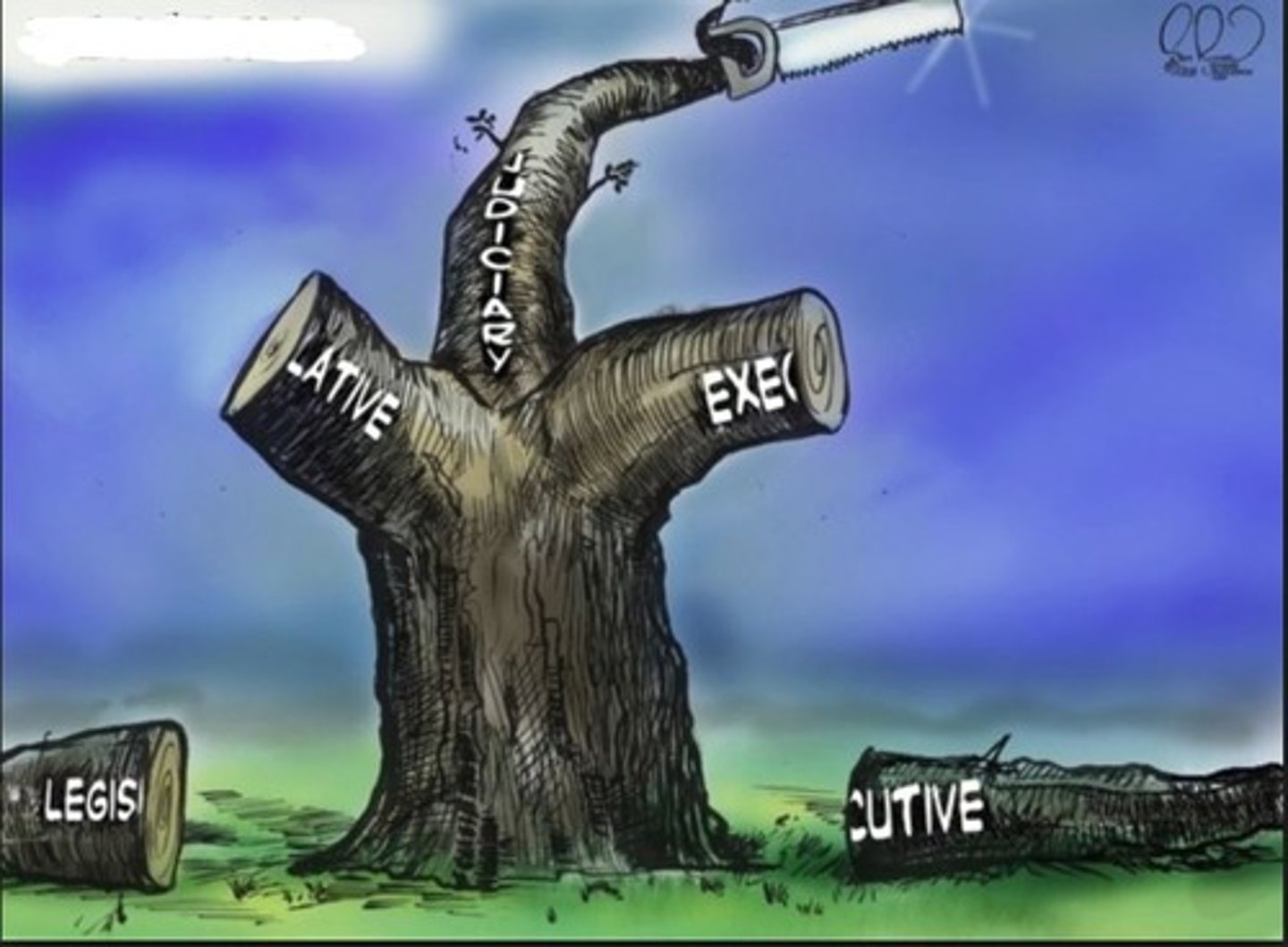
Criticisms of judicial restraint
- SCOTUS is the only branch that can deal with controversial issues and minority rights without fear of public reprisals
- The codified constitution would be outdated if SCOTUS were not willing to interpret it with reference to modern issues
- The founding fathers implied juducial review, therefore should act to limit the government as the founding father intended
Arguements SCOTUS is inderpendent
- Justices are appointed for life
- The senate must ratify SCOTUS nominee, reducing the presidents influence
- Congress cannot lower the pay of a justice during their term in office
- Vacancies only appear once a judge dies, retires or is impeached
Marby v. Madison
The 1803 case in which the Supreme Court asseeted its power to determine the meaning of the US Constitution. The decision established the courts power of the judicial review over acts of Congress.
Citizens United v. FEC
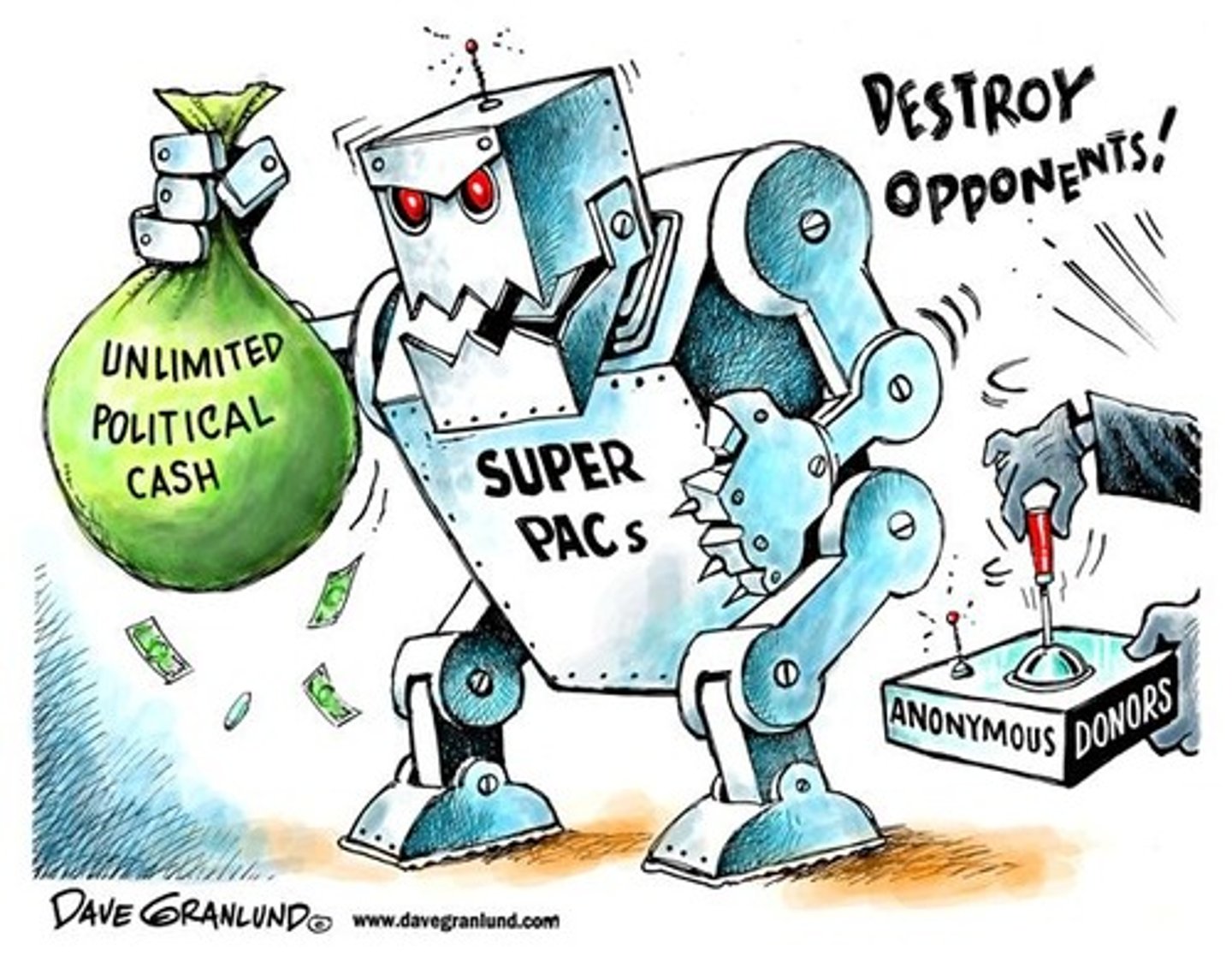
A 2010 decision by the United States Supreme Court holding that independent expenditures are free speech protected by the 1st Amendment and so cannot be limited by federal law. Leads to creation of SuperPACs & massive rise in amount of third party electioneering (Citizens for a Better Tomorrow, Tomorrow)
A good example of conservative activism
Arguments SCOTUS is an imperial judicary
Imperial - few effective checks and broadly unchecked
- Court is unelected, able to make huge decisions and yet is almost entirely unaccountable
- The only justice to be impeached was in 1805, and it failed
- The powers of judical review is very difficult to overturn as it would require an amendment, the last time this happend to overturn a SCOTUS decision was in 1913
Arguments against SCOTUS being an imperial judicary
Imperial - few effective checks and broadly unchecked
- SCOTUS has no way of enforcing its own rulings, reliant on the elected branches: the presidency and the states. This has not always been followed such as Texas ignoring SCOTUS's ruling to let US border control remove razor wire
- The threat of impeachment prevents justices from acting in a reckless manner
- Decisions must be routed in the constitution and ammendments to overrule SCOTUS can happen as shown with the 16th ammendment
Similarities between the UK and US supreme courts
- Both have the power of judicial review and rulings are generally accepted. For example 'Miller v Secretary of State for Exiting the European Union' forced the government to give the final say of Brexit to parliament
- Both judiciaries are inderpendent, with Justices appointed for life without interference from the legislator or executive
Differences between the UK and US supreme courts
- As Parliament is soveriegn, only a simple majority is required to overrule the supreme court. Such as with the Rwanda saftey bill. Meanwhile, to overrule SCOTUS would require a constitutional ammendment.
- SCOTUS has had a larger impact on US policy as SCOTUS is more political than the UK supreme court due to appointment process. Meaning justices are split between liberal and conservatives, while this is not the case in the UK.
Congresses foriegn policy powers
- Declaration of war
- Authorisation needed for military action lasting more than 60 days due to the WPA
- Power of the purse
- Ratification of treaties
President's foreign policy power
- Chief of armed forces (deployment of troops)
- Executive orders
- Executive agreements. E.g. Paris Climate Accords
- Head of state (diplomatic powers)
Adavances in non-white voting rights
- Voting Rights Act 1965 outlawed states discriminating against non-whites and minorites. Also outlawed literacy tests such as in Louisiana
- Voter registration drives has led to a massive increase in minorities registered to vote. Argubly one of the factors that allowed Biden to win Georgia in 2019
Setbacks in non-white voting rights
- Increased gerrymandering since 2020 by republicans
- Photo id laws
- Shelby v Holder ruled that the formular to calculate if a state needed needed permission for redistricting was outdated and so was unconstitutional, weakening the Voting Rights Act
Pros of affirmative action
- Decreases racial tensions due to different racial groups interacting with each other
- Has increased the number of black students in university
- Helps reverse historical discrimination
Cons of affirmative action
- Discriminatory due to selections making race a factor
- Helps some minorites but not other (asians)
- Can increase racial tensions from resentment
DACA
Policy that would provide deportation relief to those brought to this country as children; Deferred Action for Childhood Arrivals.
Single issue interest group
A group that is interested primarily in one area of public policy
NRA
National Rifle Association
- Is a single issue interest group
- Got small-issue carry laws and constitutional carry law passed across America
- Failed to get any gun legislation passed under the trump administration

Professional interest group
Advocates for people in a particular profession, such as doctors, lawyers, and teachers
AMA
American Medical Association
- Professional interest group
- Endorsed and successfully campaigned for the Affordable Care Act
- Challenges failed to stop Trumps ban on transgender soldiers
Policy interest group
An interest group that tries to influence a wide policy area
They might handle issues psych as the environment or foreign policy
ACLU
American Civil Liberties Union
- Policy group
- Won Obergefell v Hodges in 2015 which determined gay marriage was a constitutional right.
- Challenges failed to stop Trumps ban on transgender soldiers
Interest group resources
- Money
- Membership, most americans are members of an interest group.
- Access or support of a politician
How do Interest groups impact congress
- Interest groups directly contact members of congress to lobby them
- Interest groups will contact committees and target committee members as they rarley change are very influential due to the small size of committees
- Interest groups will organise constitunts to contact their member of congress to support or oppose a bill
- Interest groups will also endorse and advertise for aligned candidates
How do interest groups impact the executive
- Interest groups will seek to maintain strong ties with the executive, especially government departments
- Trump reducing the scope of the EPA was in part due to its close ties with the fossile fuel industry
How do interest groups impact the judicary
- Interest groups will endorse or condemn judicary appointments
- ABA is a professional interest group that rates nominees suitability
- Interest groups bring relavant cases to courts, especially important considering SCOTUS can not initiate judicial review
Arguements interest groups are positive for democracy
- Provides legislators with useful information, this is particulary important as legislators on committees will rarley have relavent expertise
- Increased opportunities for participation in a democracy. As the US is a 2 party system, many citizens are more inclined to support and get involved with a cause group. Therefore increasing opportunities for representation of minority views that would otherwise be lost in the big tent system
- Increases accountability for congress and the executive as any failure to support key legislation or fulfill campaign promises will be upon by interest groups, publicised to their supporters
Arguements interest groups are negative for democracy
- Advice and research from interest groups will be one-sided and seek to reinforce the groups policy.
- Not all interest groups are equal. Interest groups representing wealthy buissnes interests and professional bodies have more influence than groups representing lower-paid workers or consumers.
- Some powerful interest groups effecively write legisation to benefit their buisness or cause. For example a bill to weaken the Clean Water Act was written by a taskforce of lobbyists such as from Chemical Manufacturers Association.
Rational comparative theory
- Approach considers the government system from the perspectives of individuals operating within them
- E.g. an MP voting with their party in hope of a future promotion
Cultural comparative theory
Focusses on shared ideas within a political system or group.
e.g. Minorities voting for labour
Structural comparative theory
Focusses on the institutions within the political system and the outcomes determined by the process
E.g. UK parties fund their candidates' campaigns, increasing party control
Democrat party attitudes
- Progressive social attitudes informed by the principles of modern liberalism and equality of opportunity. E.g. Civil Rights Act, repeal of 'Dont ask, dont tell' in 2010.
- Greater government intervention in the economy based on the ideas of the modern liberalism enabling state and keynesianism. E.g. CARES Act, Dodd-Frank Act.
- Greater provision of social welfare based on modern liberalism and an enabling state with social welfare. E.g. ACA, DACA.
Democrat factions
- Progressives - On the left of the party and closer to socialist than modern liberal. E.g. Bernie Sanders, AOC.
- Moderates - On the centre of the party and tend have social liberal policies while more fiscally conservative. E.g. Charles Schumer
- Blue Dogs - On the right of the party and tend to be socially conservative and economically modern liberal. E.g. Joe Manchin
Republican party attitudes
- Conservative social attitudes influenced by the ideas of neo-conservatism and an interpretation of christian values. E.g. Trump banning transgender soldiers via an executive order.
- Restricted government intervention informed by the principles of neo-liberalism. E.g. Republicans voted against the 'American Recovery and Reinvestment Act' and withdrawed from the Paris Climate Accords
- Acceptence of social welfare but a preference for personal responsiblity influenced by the neo-liberal view of a state saftey net for the genuinely struggling but not those not taking individual responsiblity. E.g. Supported Medicaid, voted against ACA
Republican factions
- Moderates - liberal leaning views on rights while fiscally conservative, willing to be bipartisian. E.g. Susan Collins.
- Fiscal conservatives - Disinterested with social issues and fiscally conservative, influenced by classical liberalism / neo-liberalism. E.g. Ben Sasse.
- Social conservatives - Heavy influenced by neo-conservative and evangelical social and moral values while less interested in economic issues.
Arguments that their are bigger divisions between parties than in parties
- Democrats and republicans disagree deeply on gun control and abortion.
- Democrats are much more supportive of kenysian economics. No republicans voted for the IRA (2022) or the American Rescue Act 2021
- Democrats are much more supportive of welfare, equality of outcome and equality of opportunity. No republicans voted for the ACA, Joe biden signed an executive order for federal contractors to raise the minimum wage to $15
Arguments that their are bigger divisions inside parties than between parties
- Moderate republicans are supportive of gay marriage. E.g. Respect for Marriage Act 2022 passed with bipartisan support, it required state governments to recognise lawfully performed unions. Socially conservative republicans are vehemently against it.
- Bipartisian support for some economic stimulas packages. E.g. $1.2t Bipartisian Infrastrucure Law and the $230bn 'CHIPS and Science Act 2023'.
- Democrats are deeply divided over healthcare, with progressives like Bernie Sanders wanting universal healthcare. While the Blue Dogs forced the ACA to modify private healthcare rather than replace it.
Estimated cost of the 2020 elections
$14 billion
McCain-Fiengold Act
- Banned soft money
- Banned union and corporate money from being spent on broadcast ads that mentioned a cadidate within 60 days of a general election
- Candidates had to verbally endorse all their adds, to stop attack adds pretending to be from the candidate.
How does a primary in a presidential nominee election work
- Secret ballot
How does a caucus in a presidential nominee election work
- Candidates are debated in a town hall
- Candidates are voted on by standing in a group
- The side with the most people wins the caucus
The 3 major election during a presidential primary
- Iowa is the first state to select their candidate. This is done with a caucus
- New Hampshire goes next as the first state primary because their constitution says they must be the first primary
This gives Iowa and New Hampire very large influence on the primaries
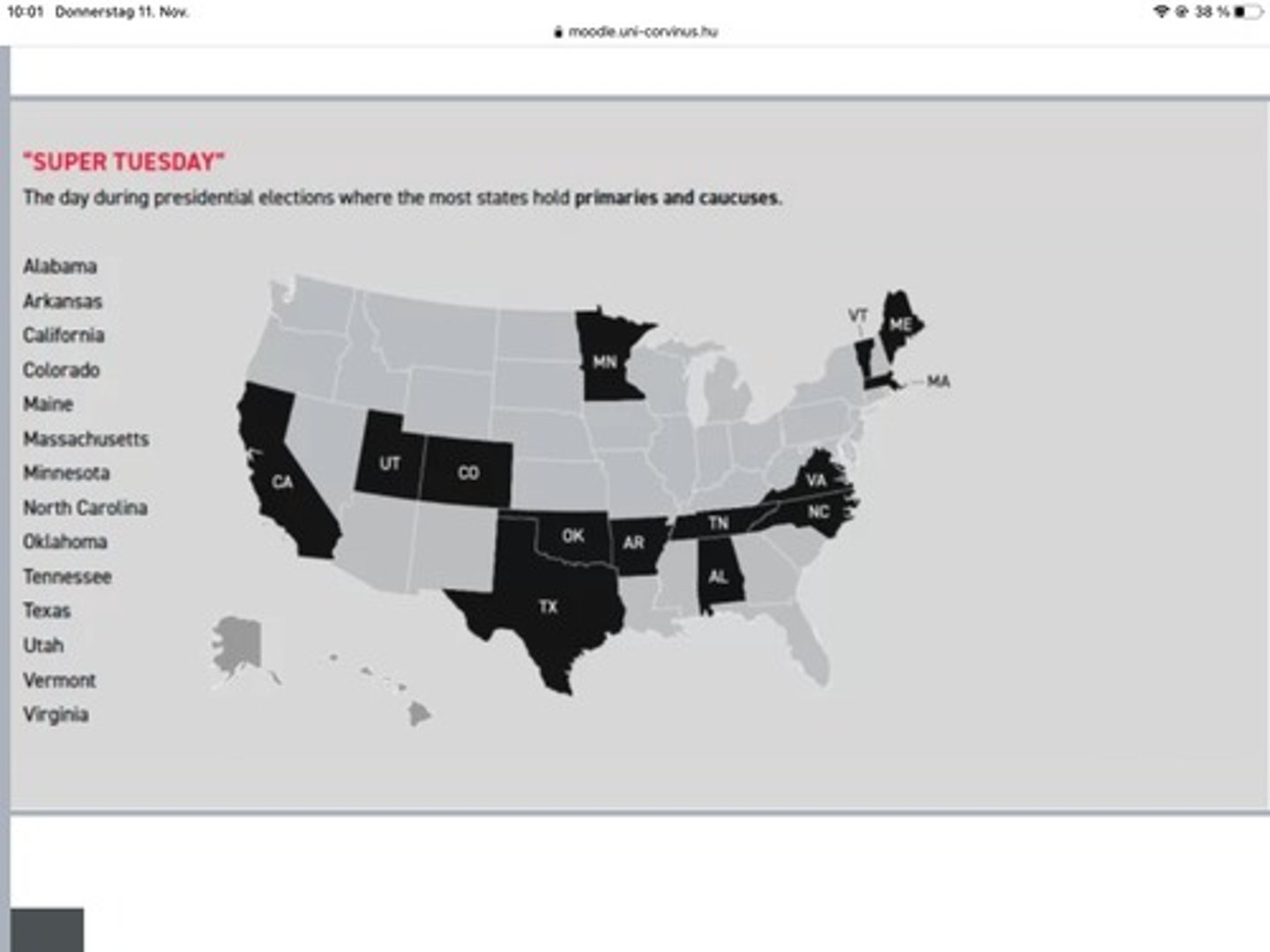
- Super Tuesday. Many states hold their primaries on this day, awarding 1/3rd of delegates
Advantages of the current staggered primaries
- Iowa and New Hampshire are accessable and easy to hold events in
- Costs of advertising in Iowa and New Hampshire is low
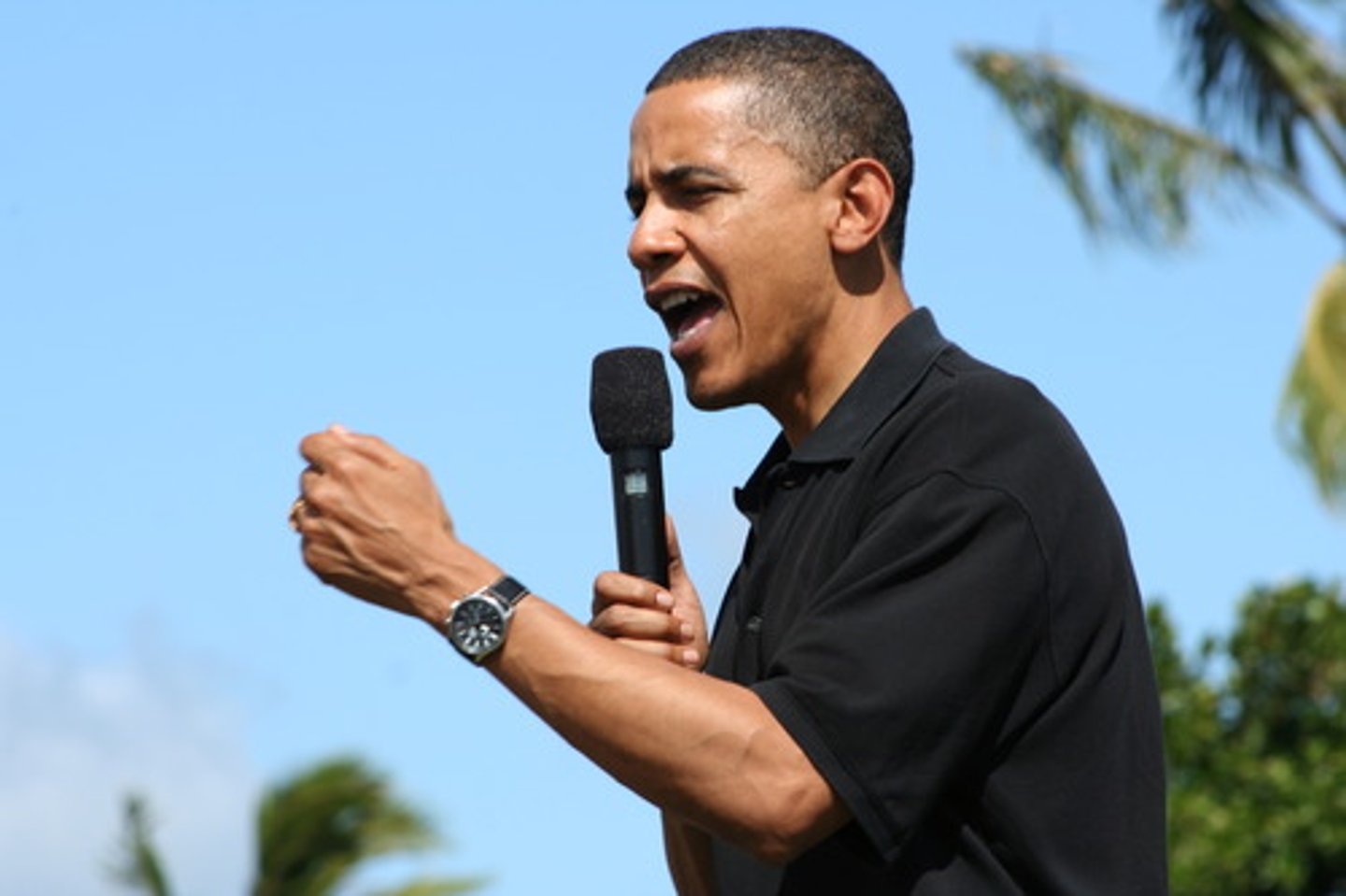
These allow for candidates with less name recognition and funding to raise their profile. Such as Obama who had gone from a long shot candidate to frontrunner following the Iowa caucus.
Disadvantages of the current staggered primaries
- Iowa and New hampshire are more important than voters in other states
- Iowa and New Hampshire are demographically unrepresentative of the US. With both states being over 90% white compared to the US wide 77%. Iowa is also the 42 most representative state for the democratic party
Potential reforms to primaries
- Have more demographically represenative states go first such as Illinois, Florida and Michigan which have an electorial represenation index of above 93% according to the Pew Research Centre
- Have more states hold their primaries in febuary to dilute the influence of Iowa and New Hampshire
These would keep the benefits of staggered primaries while reducing the downsides
- Rotate regions to hold their primaries first. This would allow voters to take turns in being the most important in an election and larger regions will lead to more representative results
- Hold a national primary. I.e every state votes at once. This eliminate the issues with the current primary system
However, these last two would mean primaries would be decided by name recognition and campaign finances. This would have prevented Obama for example winning the 2008 primary
Arguements the Electorial College should be reformed
- 2 of the last 5 election were won without the popular vote, undermining popular sovereignty. This is because smaller states are overrepresented which tend to vote republican.
- Bellweather seats are overrepresented as only they are likely to decide the election. For example, in the 2020 election 90% of campaign funds were spent in 'swing states'
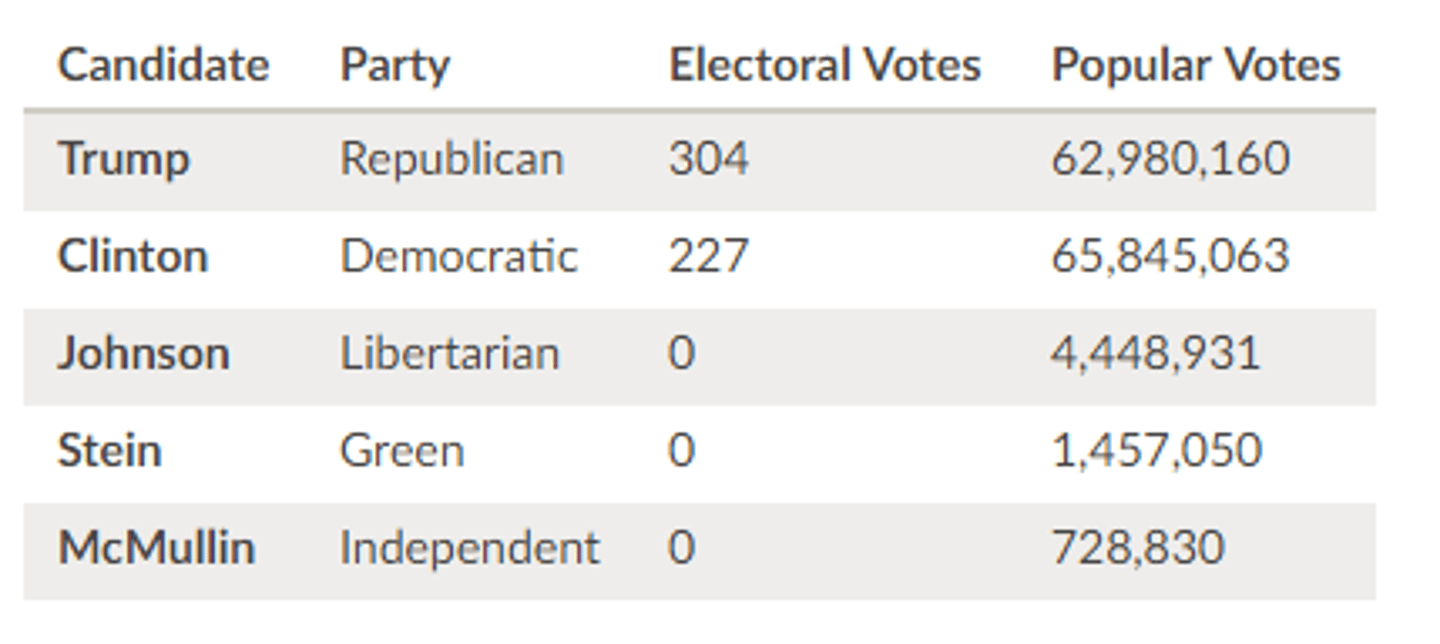
Arguements that the Electorial College doesnt need reform
- Only 5 presidential elections in the US's entire history were elected without the popular vote and only 2 in the last century
- The electorial college ensures states are represented in presidential elections. As with the US population heavily concentrated in a few big states they would be overlooked. Furthermore, this helps maintains federalism by allowing differing electorial precedures in each state
- There is no consensus on what to replace the electorial college with. From proportionally allocated in each state to its total abolition. Any changes to the electorial College would require consensus due to difficulties in passing an ammendment
Potential reforms to the Electorial College
- Abolition in favour of a national popular vote
- Proportionally allocated electorial college votes in each state
- National Popular Vote Interstate Compact. NPVIC is an existing interstate compact which pledges to give their electorial college votes to the candidate that won the popular vote regardless of the state's results if the NPVIC reaches 270 electorial college votes. Currently the NPVIC controls 205 Electors with 101 pending.
Percentage of African Americans who voted Biden in 2020
Swing in turnout of African Americans from 2016 to 2020
- 87% African Americans voted Biden
- 4% increase in turnout from African Americans, mostly from 18-24 year olds. This