biochem redacted exam 3
 Call Kai
 Learn
Learn Practice Test
 Spaced Repetition
 Match
Match Flashcards
 Knowt Play
1/27

There's no tags or description
Looks like no tags are added yet.
Name | Mastery | Learn | Test | Matching | Spaced | Call with Kai |
|---|
No analytics yet
Send a link to your students to track their progress
28 Terms
Uridine diphosphate glucose (UDPG) plays a role in:
glycogen synthesis or glycogenesis
Which two enzymes in the citric acid cycle perform oxidative decarboxylation?
Isocitrate Dehydrogenase
α-Ketoglutarate Dehydrogenase
When a monosaccharide, such as an aldose, cyclizes to form a ring structure, which of the following best describes the process?
Monosaccharides form ring structures through a chemical reaction where the carbonyl group (C=O) on one end of the sugar molecule reacts with a hydroxyl group (OH) on a different carbon atom within the same molecule, creating a cyclic hemiacetal (or hemiketal for ketoses) and forming a ring structure with an oxygen bridge between two carbon atoms
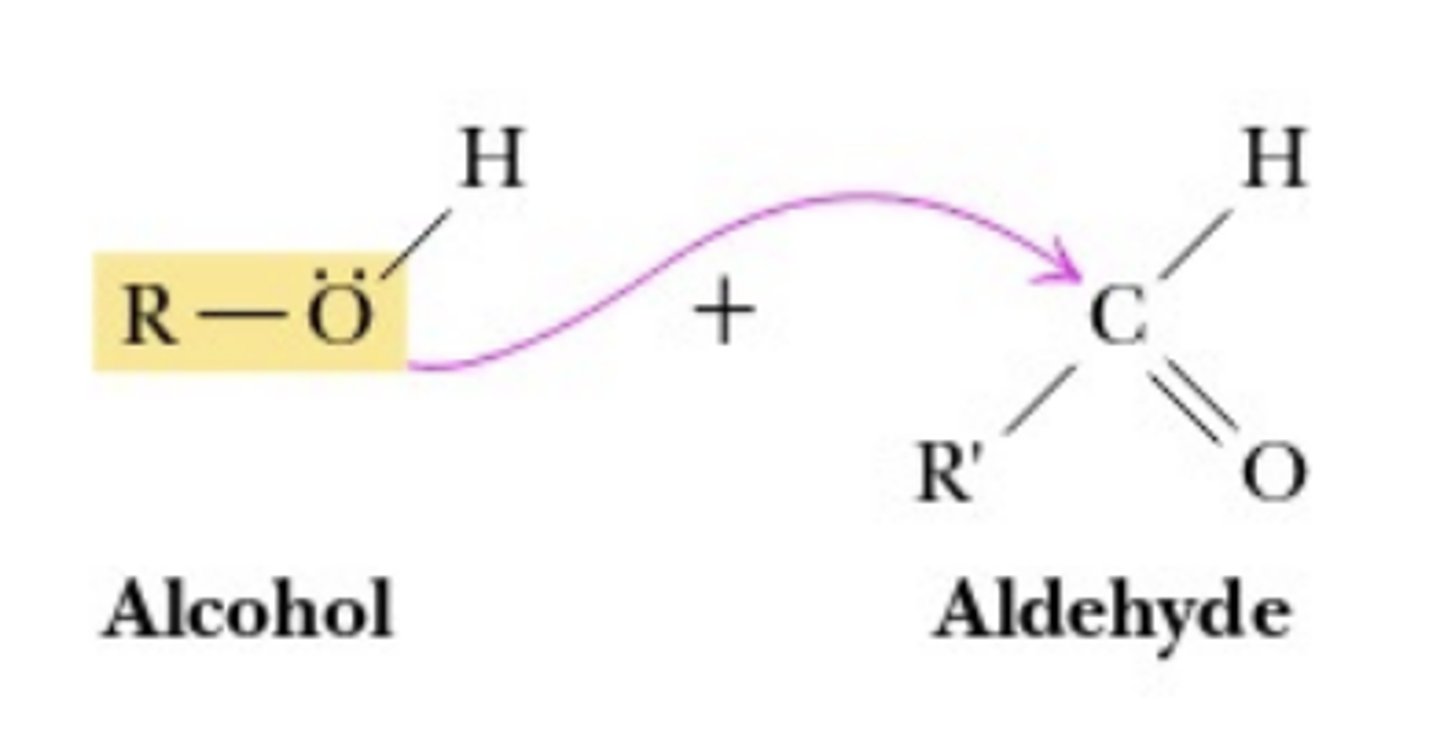
Cyclization of Monosaccharides
Nucleophilic addition between an alcohol and an aldehyde. The former carbonyl oxygen becomes a hydroxyl group. The hydroxyl group can be in an alpha or beta configuration (anomer).
For each turn of the citric acid cycle, how many molecules of [REDACTED] are produced?
CO2: 2 molecules
NADH: 3 molecules
FADH2: 1 molecule
GTP/ATP: 1 molecule
For glucose to be generated by gluconeogenesis, which glycolysis enzymes must be bypassed?
Pyruvate kinase (bypassed by pyruvate carboxylase + PEP carboxykinase)
Phosphofructokinase-1 (bypassed by fructose 1,6-bisphosphatase)
Hexokinase (bypassed by glucose-6-phosphatase)
Steps 1,3,10
Which of the following is NOT a polysaccharide?
Look for common monosaccharides (glucose, fructose, galactose) or disaccharides (sucrose, lactose, maltose, cellobiose)
Polysaccharides have large structures (cellulose, starch, glycogen)
Which of the following statements is not correct about NAD+:
-Act as a biological oxidizing agent
-Is a two electron oxidizing agent, and is reduced to NADH
-The structure of NAD+/NADH is comprised of a nicotinamide moiety which is derived from nicotinic acid(Niacin or Vitamin B3)
-Consists of two nucleotides (adenine and nicotinamide) joined by phosphate groups
prev quiz: riboflavin
The transition of glycogen phosphorylase is triggered by:
Phosphorylation (via phosphorylase kinase): Transition to A form
Dephosphorylation (via phosphoprotein phosphatase): Transition to B form
AMP: Transition to R form
Glucose: Transition to T form
ATP/Glucose 6-phosphate: Transition to T form
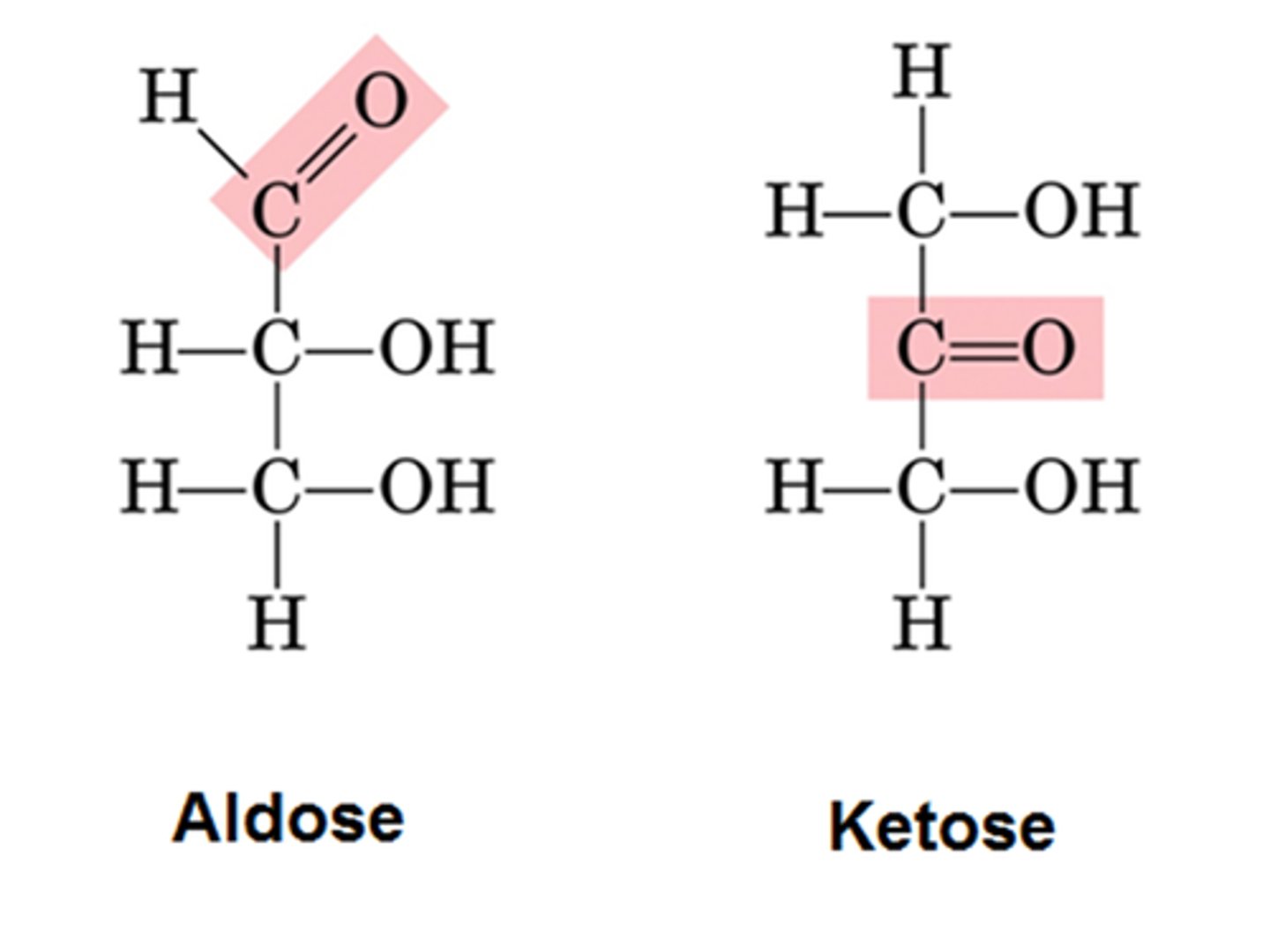
The following sugar can be described as an: [REDACTED structure]
- aldose (contains aldehyde) or ketose (contains ketone)
-# of carbons: Triose (3), tetrose (4), pentose (5), hexose (6)
-D vs L
D: OH farthest (usually at bottom) from carbonyl group on right
L: OH farthest (usually at bottom) from carbonyl group on left
[REDACTED] is an important coenzyme involved in redox reactions. During the oxidation process, what happens to this coenzyme?
there are two coenzymes NAD+ and FAD
NAD+: Accepts 2 electrons (reduced) and 1 H+ to become NADH
FAD: Accepts 2 electrons (reduced) and 2 H+ to become FADH2
Which of the following are correct about the citric acid cycle?
-Occurs in mitochondrial matrix
-Produces 2 CO2, 3 NADH, 1 FADH2, and 1 GTP
-Amphibolic
Catabolism: Oxidizes acetyl-CoA for energy
Anabolic: Produces intermediates for biosynthesis (citrate, alpha-ketoglutarate, oxaloacetate, malate)
-Rate-limiting step is isocitrate dehydrogenase
-Control Points
Citrate synthase (inhibited by ATP, NADH, succinyl-CoA)
Isocitrate
dehydrogenase (inhibited by ATP/NADH, activated by ADP, NAD+)
Alpha-ketoglutarate dehydrogenase (inhibited by ATP, NADH, succinyl-CoA)
Pyruvate Dehydrogenase (in pre step)
During glycolysis each molecule of glucose yields [REDACTED]
2 pyruvate, 2 NADH, 4 ATP (2 net), 2 H2O
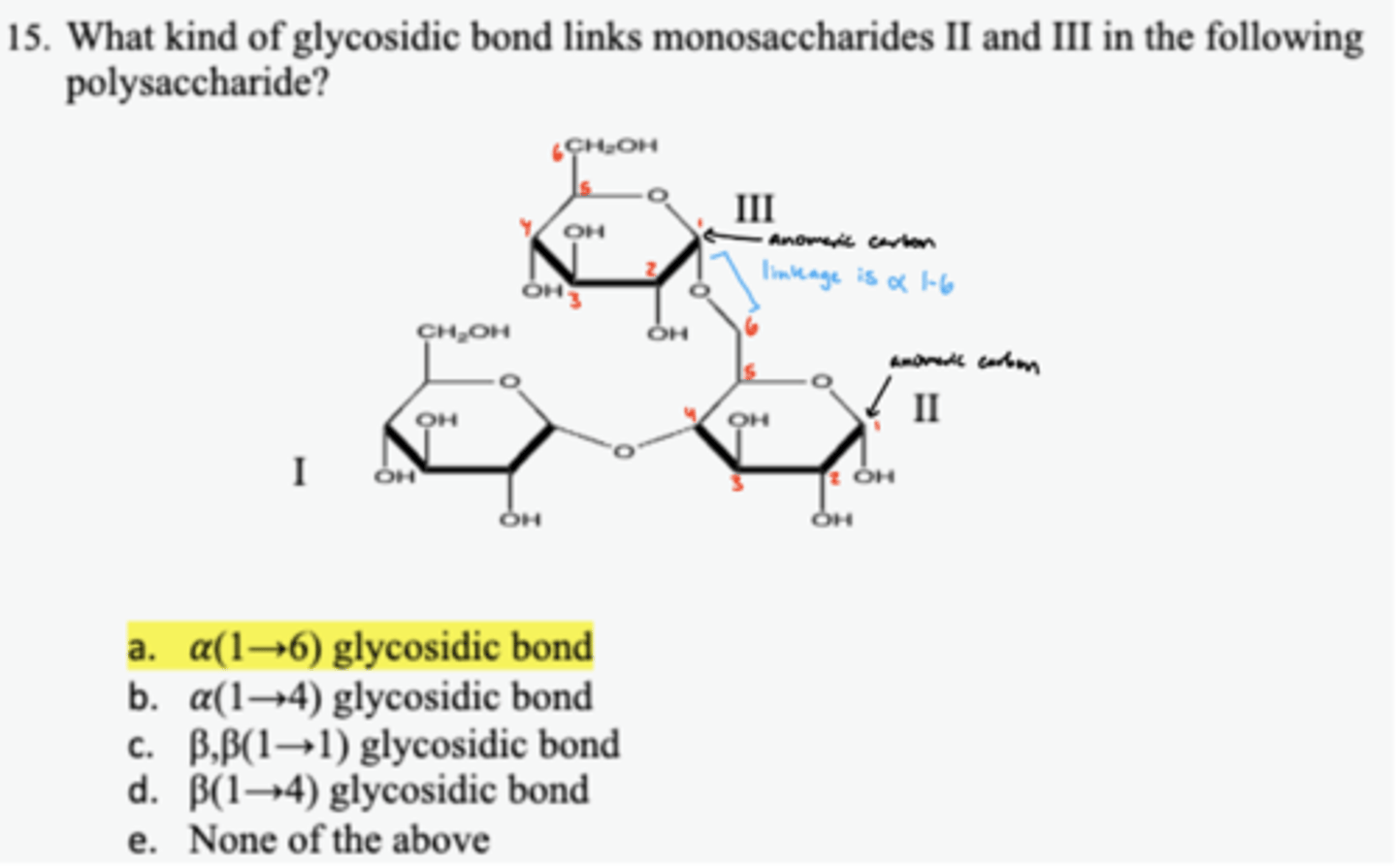
Identify the glycosidic bond linkage in the following sugar? [REDACTED structure, know how to number carbons, will NOT ask α vs. β glycosidic bond]
Always start numbering from the anomeric carbon. Go clockwise and then see which carbons are linked.
If [REDACTED molecule] is elevated in the cytosol of the cell, what is the effect on glycolysis?
High ATP: inhibits glycolysis
High AMP (signals low energy): accelerates glycolysis
High Acetyl CoA (overloaded TCA cycle): inhibits glycolysis
High Citrate (overloaded TCA cycle): inhibits glycolysis
High Fructose-2,6-bisphosphate (metabolite controlled by hormone levels insulin and glucagon): activates glycolysis
Which of the following is non-reducing sugar? [REDACTED]
Reducing sugars have an -OH on the anomeric carbon (C bonded to two O)
All linear sugars are reducing sugars as well
Which of the following best describes the function of the glycogen-branching enzyme?
past exam: cleaves an α-(1-4) band and transfers a block of glucose to an interior site via an α-(1-6)
The glycogen-branching enzyme functions by transferring a segment of α-1,4 linked glucose units from the end of a glycogen chain to create a new α-1,6 linkage, thus branching the glycogen molecule; essentially, it adds branches to the growing glycogen molecule during glycogen synthesis.
What is the rate limiting enzyme of the TCA cycle?
Isocitrate dehydrogenase
(inhibited by high levels of NADH & ATP
activated by ADP and NAD+)
Which of the following steps during glycolysis does not require or does not produce ATP?
Steps that Require ATP:
Glucose -> Glucose-6-phosphate (hexokinase, requires 1 ATP)
Fructose-6-phosphate -> Fructose 1,6-bisphosphate (phosphofructokinase-1, requires 1 ATP)
Steps that Produce ATP:
1,3-bisphosphoglycerate -> 3-phosphoglycerate (phosphoglycerate kinase, produces 2 ATP)
Phosphoenolpyruvate -> Pyruvate (pyruvate kinase, produces 2 ATP)
Which of the following is FALSE concerning the conversion of pyruvate to acetyl-CoA?
What IS true:
High energy bond
Thioester bond linking acetyl with sulfur
Hydrolysis of this releases about the same amount of energy as ATP hydrolysis
Used in the TCA to release energy and fatty acid metabolism to deliver of acetyl groups
Not in the inner mitochondrial membrane OR the cytosol
Completed w/ pyruvate dehydrogenase complex enzyme
Irreversible
[REDACTED] if malate is elevated. Which enzymatic failure could best explain this observation?
Citrate synthase
-Most likely about a failure in malate dehydrogenase, which would lead to an accumulation of malate
-This would lead to less oxaloacetate being produced, less NADH being produced, and a decrease in the rate of the pathway as oxaloacetate is recycled to reinitiate the TCA.
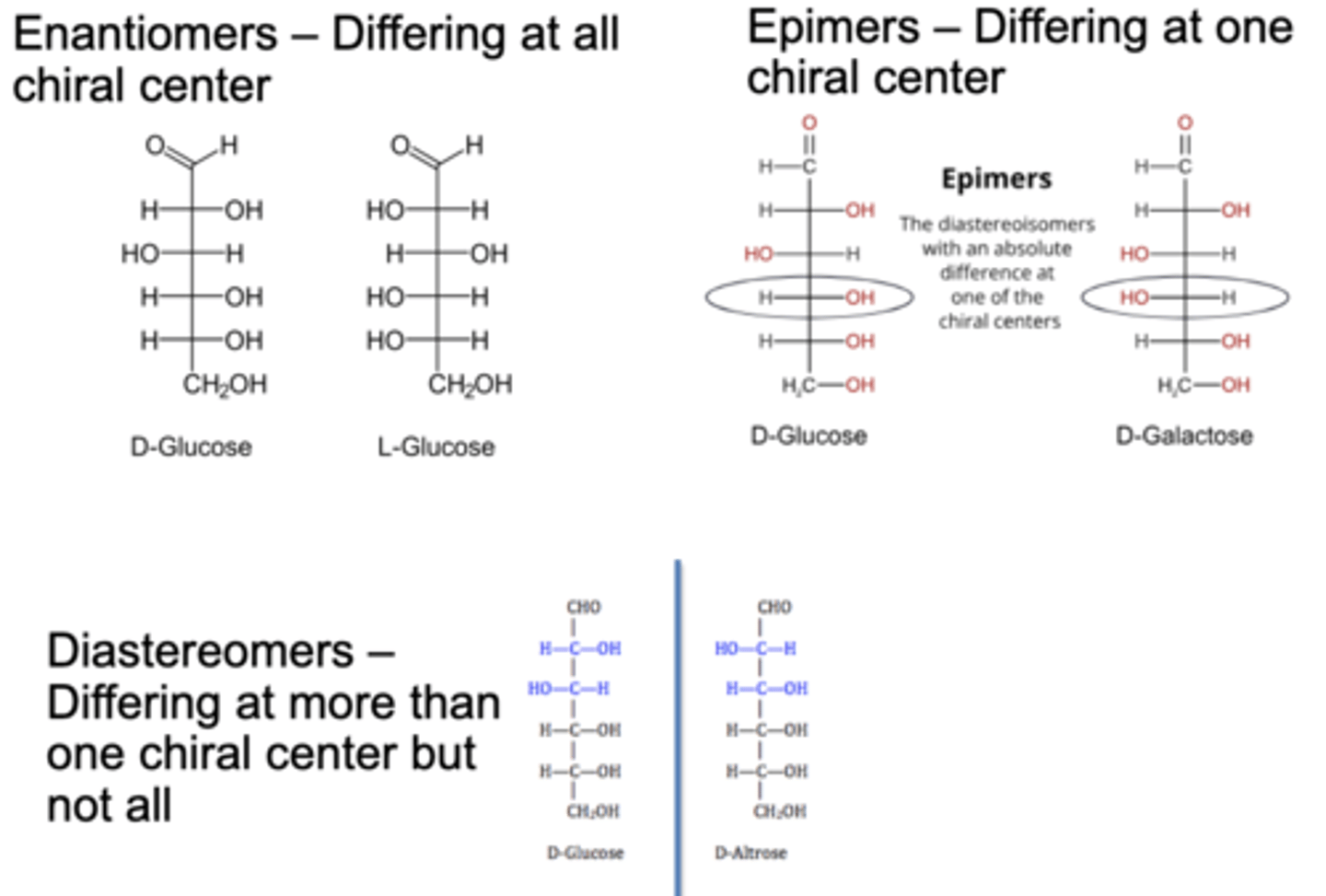
Which of the following is a [REDACTED (enantiomer, diastereomer, or epimer)]of sugar A?
Enantiomer= all chiral centers change
Diastereomer = Some (more than 1 but not all) chiral centers change
Epimer = only one chiral center changes
Consider the redox reaction of [REDACTED reaction]. How many of the following statements are true?
The reactant that loses e- is oxidized and is the reducing agent, meaning the other reactant is the oxidizing agent
Loss of e- = oxidation
Gain of e- = reduction
OIL RIG (Oxidation is Losing, Reduction is Gaining) in reference to electrons
Glycogenin is involved in the:
past exam: synthesis of a glycogen primer
Pathway: Glycogenesis, acts as a primer
Starts by transferring UDP-glucose to Tyr-194
Initiates glycogen chain formation by synthesizing first 7-8 glucose units before glycogen synthase kicks in
Stays permanently attached to glycogen
Think about it like winding a toy
An enzyme used in both glycolysis and gluconeogenesis is:
Any reversible enzyme outside of hexokinase, PFK-1, and pyruvate kinase is shared with gluconeogenesis. Gluconeogenesis is basically glycolysis in reverse, bypassing the irreversible steps.
.The citric acid cycle is referred to as amphibolic because:
It is both catabolic and anabolic in nature
Catabolic in that it breaks down Acetyl-CoA to make GTP, NADH, ect
Anabolic in that it makes biomolecules that are intermediates like oxaloacetate
What order of pathways can be used to convert glycogen → glucose → pyruvate?
1. Glycogenolysis (glycogen -> glucose-6-phosphate)
2. Hydrolysis (glucose-6-phosphate -> glucose)
3. Glycolysis (glucose -> pyruvate)
Which enzyme in the citric acid cycle converts GDP to GTP?
Succinyl-CoA synthetase (succinyl-CoA -> succinate)cicitric