Woodworking Tools and Supplies Study Guide
 Call Kai
 Learn
Learn Practice Test
 Spaced Repetition
 Match
Match Flashcards
1/55

There's no tags or description
Looks like no tags are added yet.
Name | Mastery | Learn | Test | Matching | Spaced | Call with Kai |
|---|
No analytics yet
Send a link to your students to track their progress
56 Terms
Cedar
Softwood known for natural decay resistance and distinctive aroma, commonly used for fencing and outdoor construction.
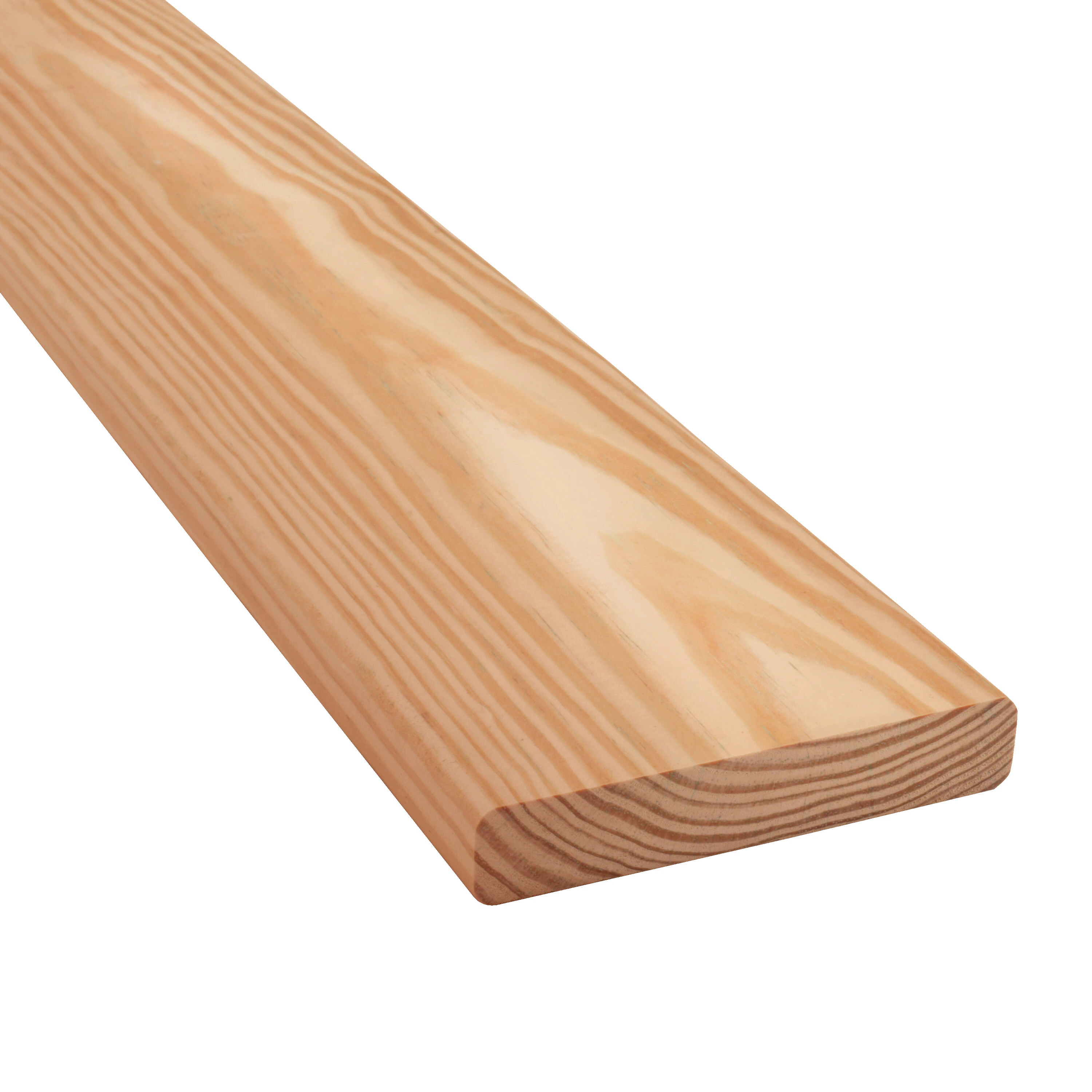
Birch
Hardwood with light color and fine, even grain, used for cabinets, doors, and veneers in solid or panel form.
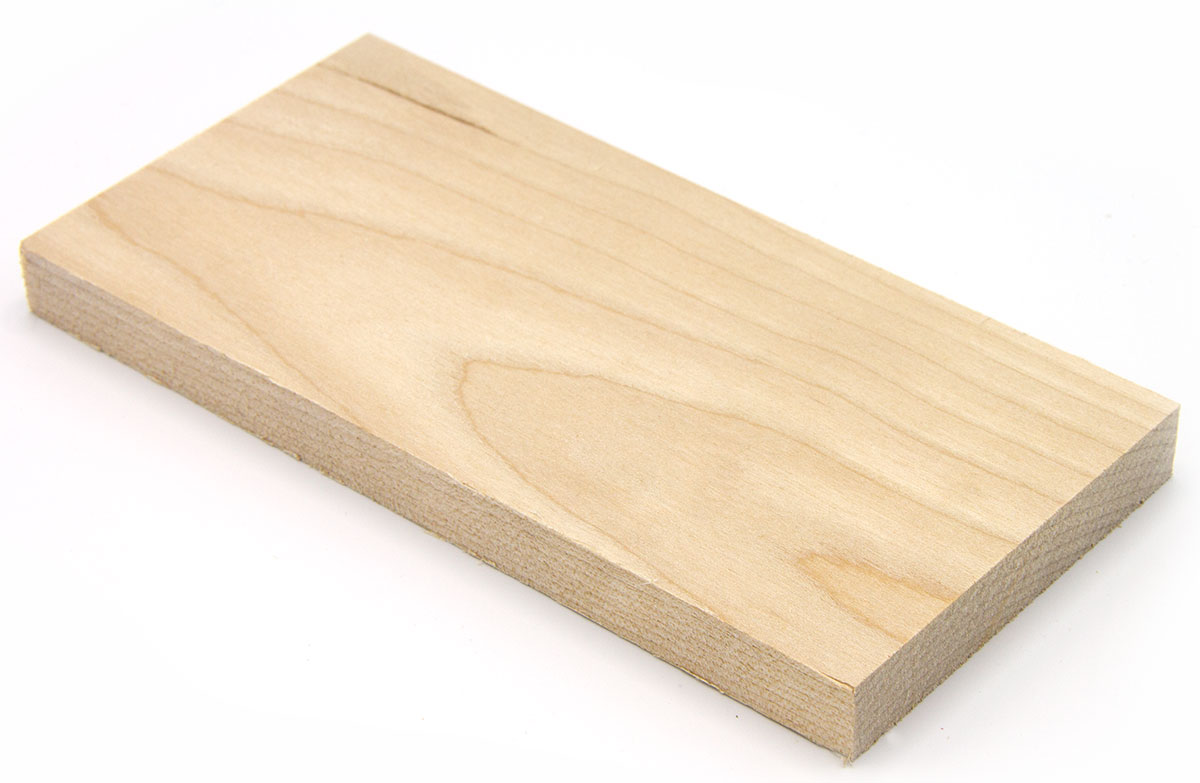
Douglass Fir
Strong softwood commonly used for structural framing, valued for its high strength and load-bearing capability.
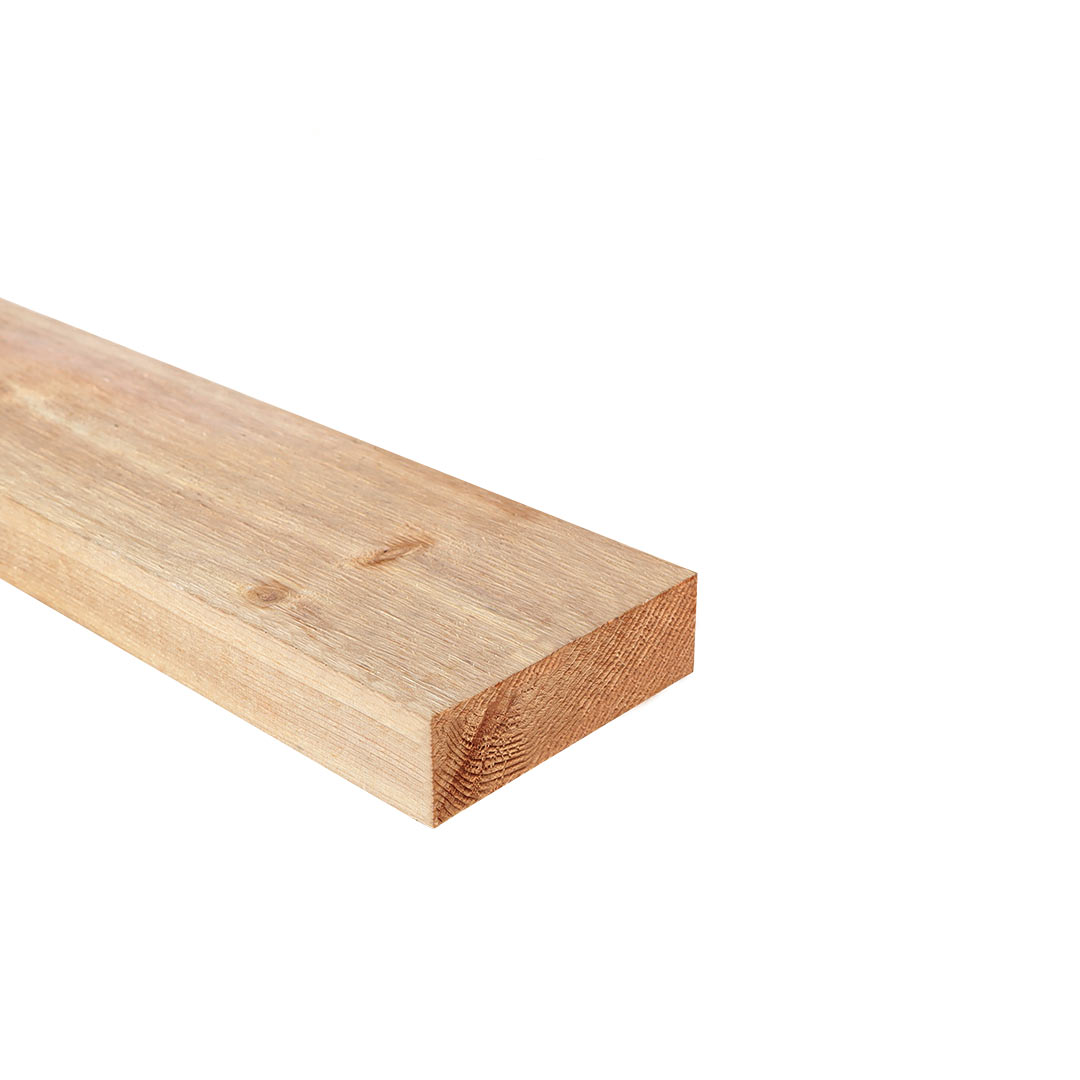
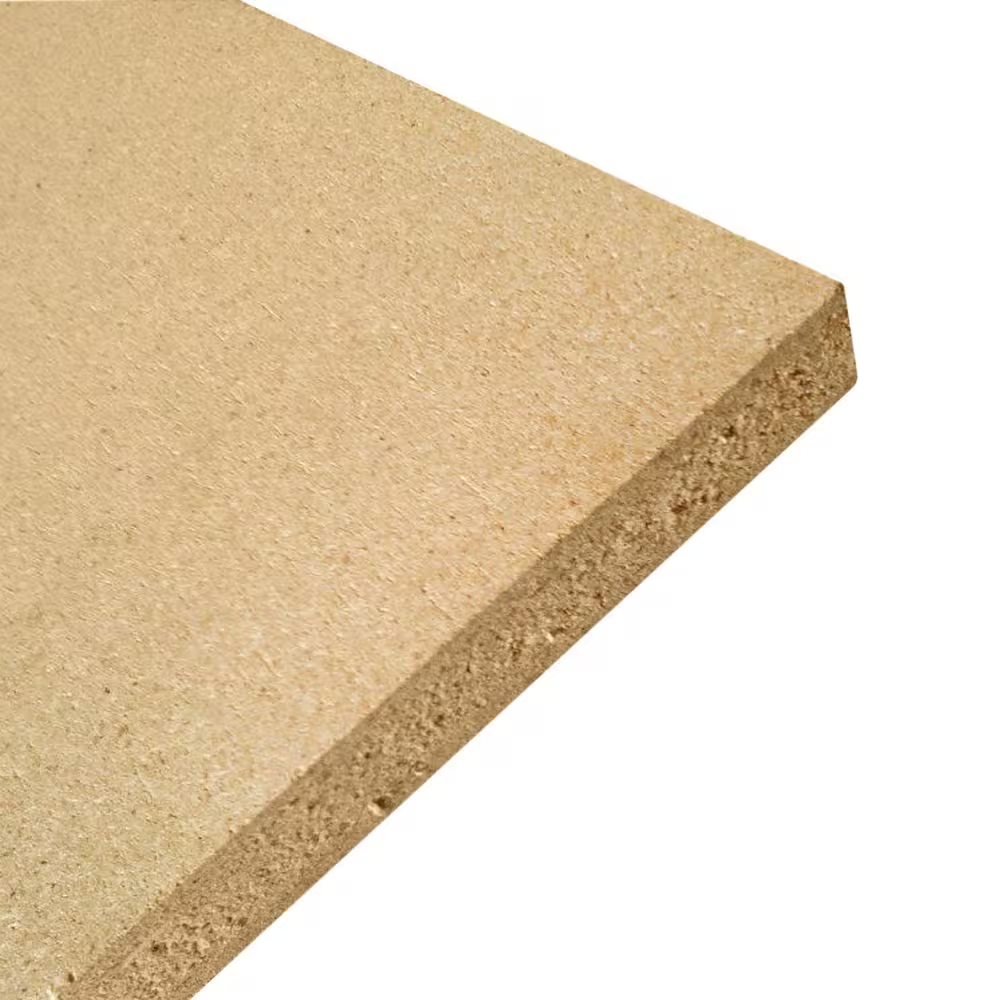
Particle Board
Engineered wood panel made from sawdust and resin, used for subflooring where high shear strength is not required.
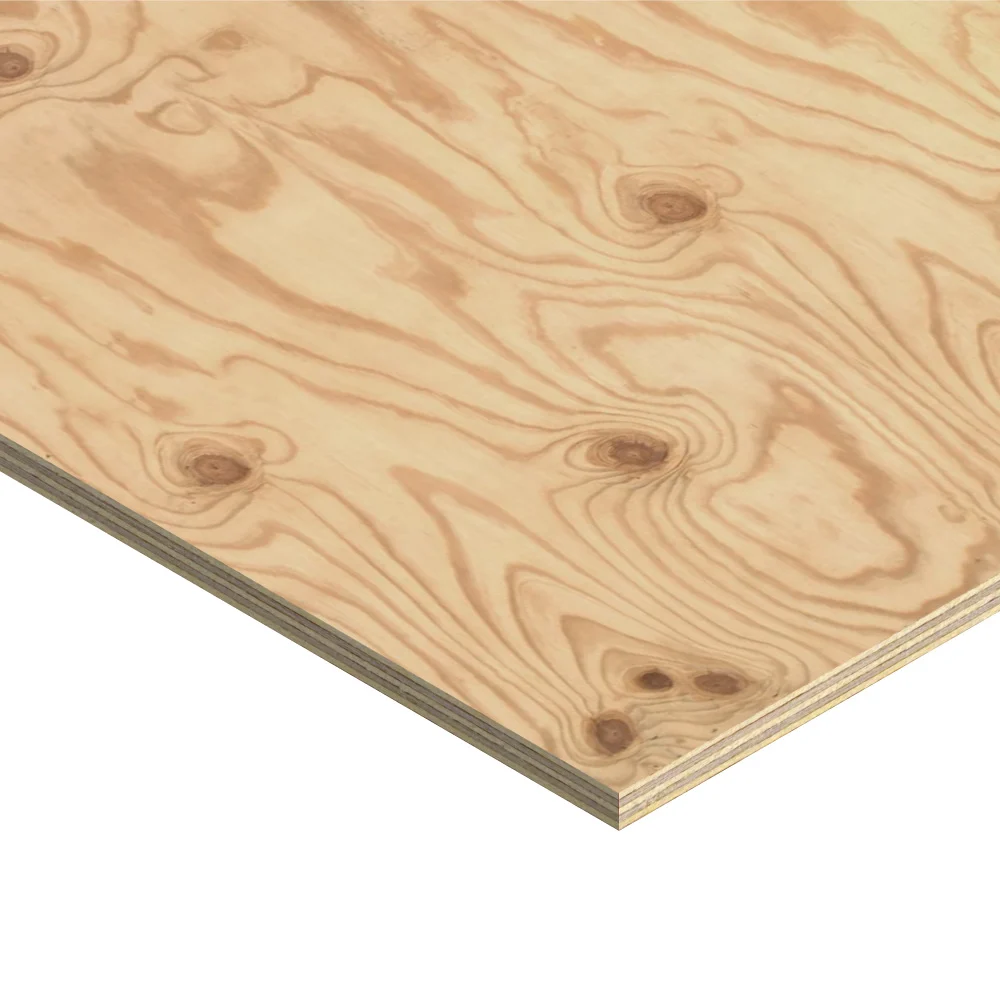
Plywood
Engineered wood made of cross-laminated sheets for strength, used in flooring, roofing, and shear walls, graded by face quality.
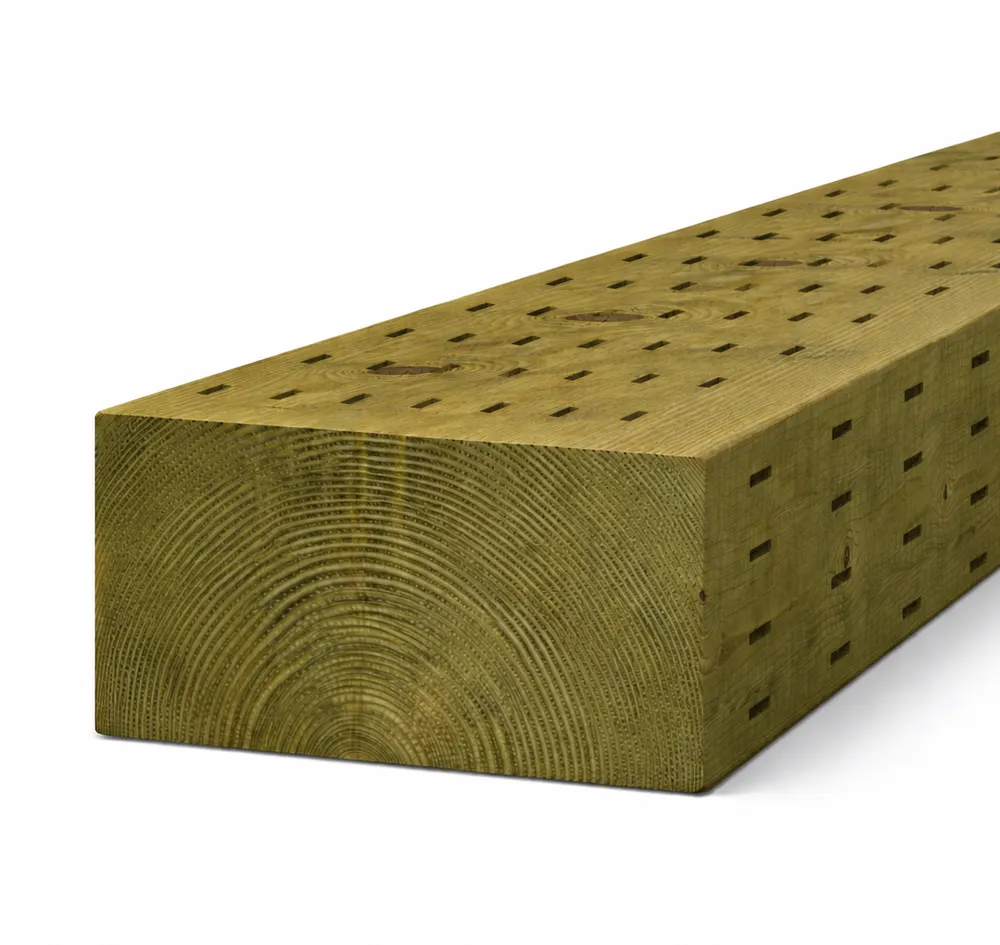
Pressure Treated Lumber
Decay-resistant lumber treated with chemicals, typically fir, identifiable by green tint and used for outdoor construction.
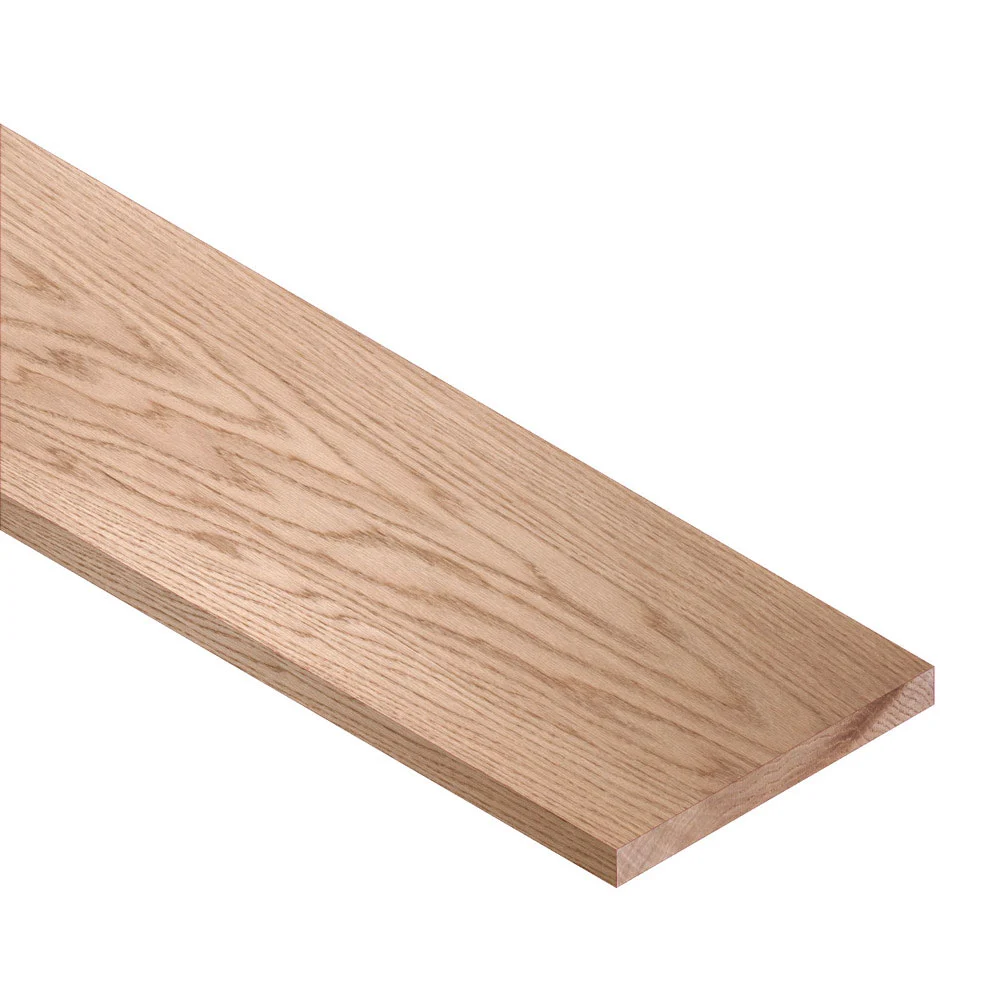
Oak
Hardwood with strong, open grain and prominent ray fleck patterns, commonly used for cabinets, furniture, and veneers.
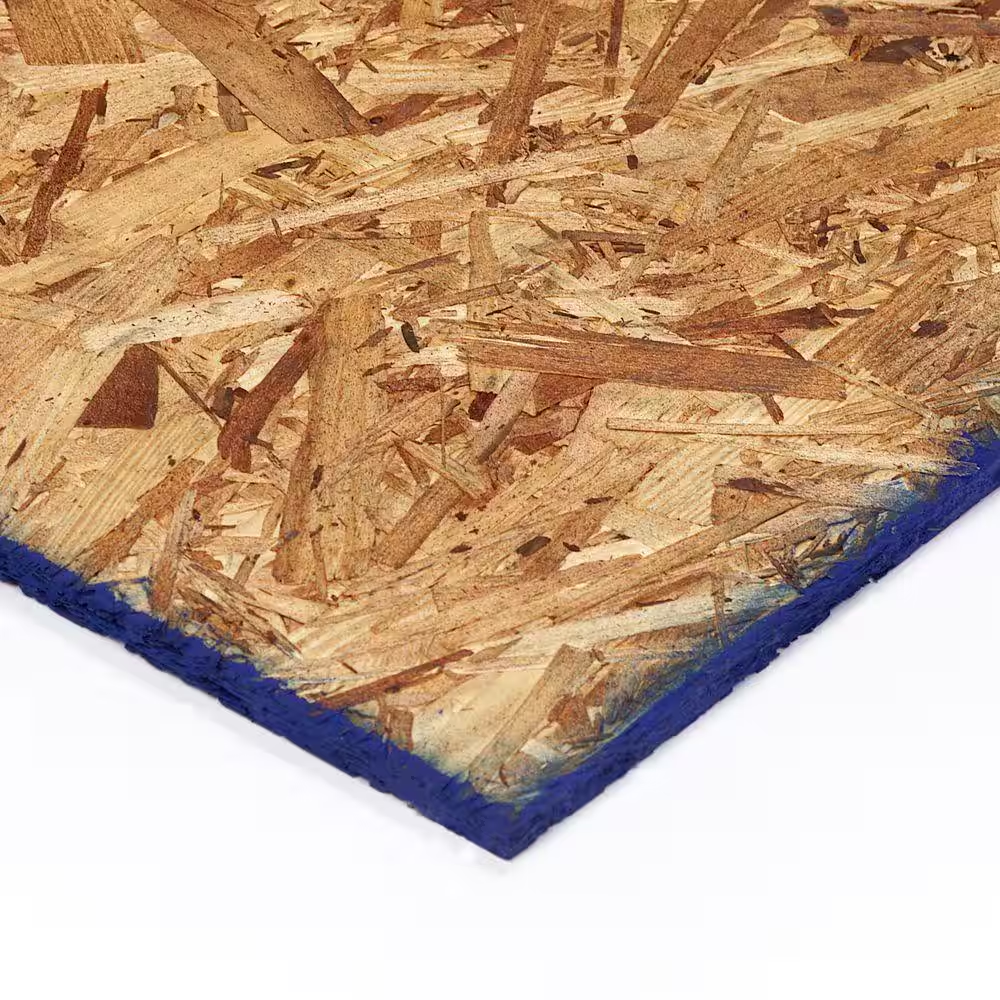
Oriented Strand Board (OSB)
Engineered wood panel made from compressed wood strands, used for shear walls and roof sheathing in construction.
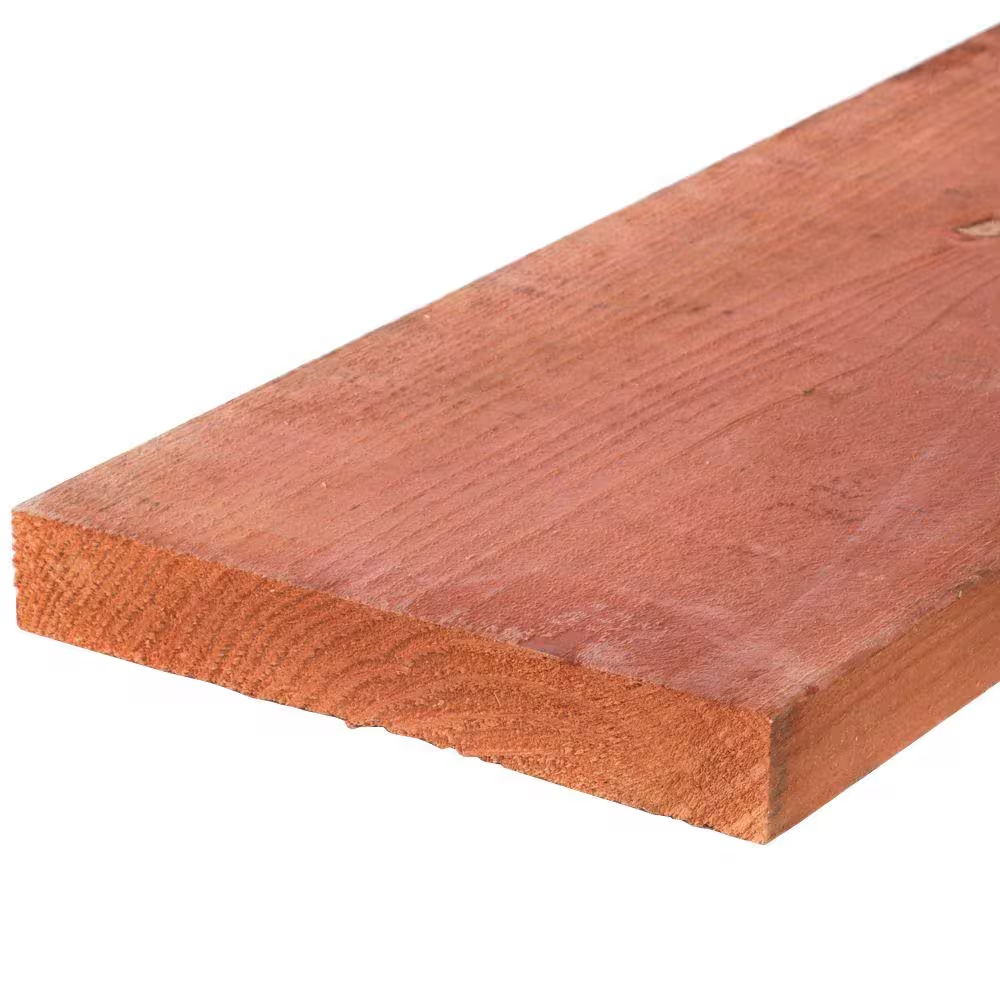
Redwood
Naturally decay-resistant wood with distinctive reddish-brown color and straight grain, commonly used for decking and landscaping.
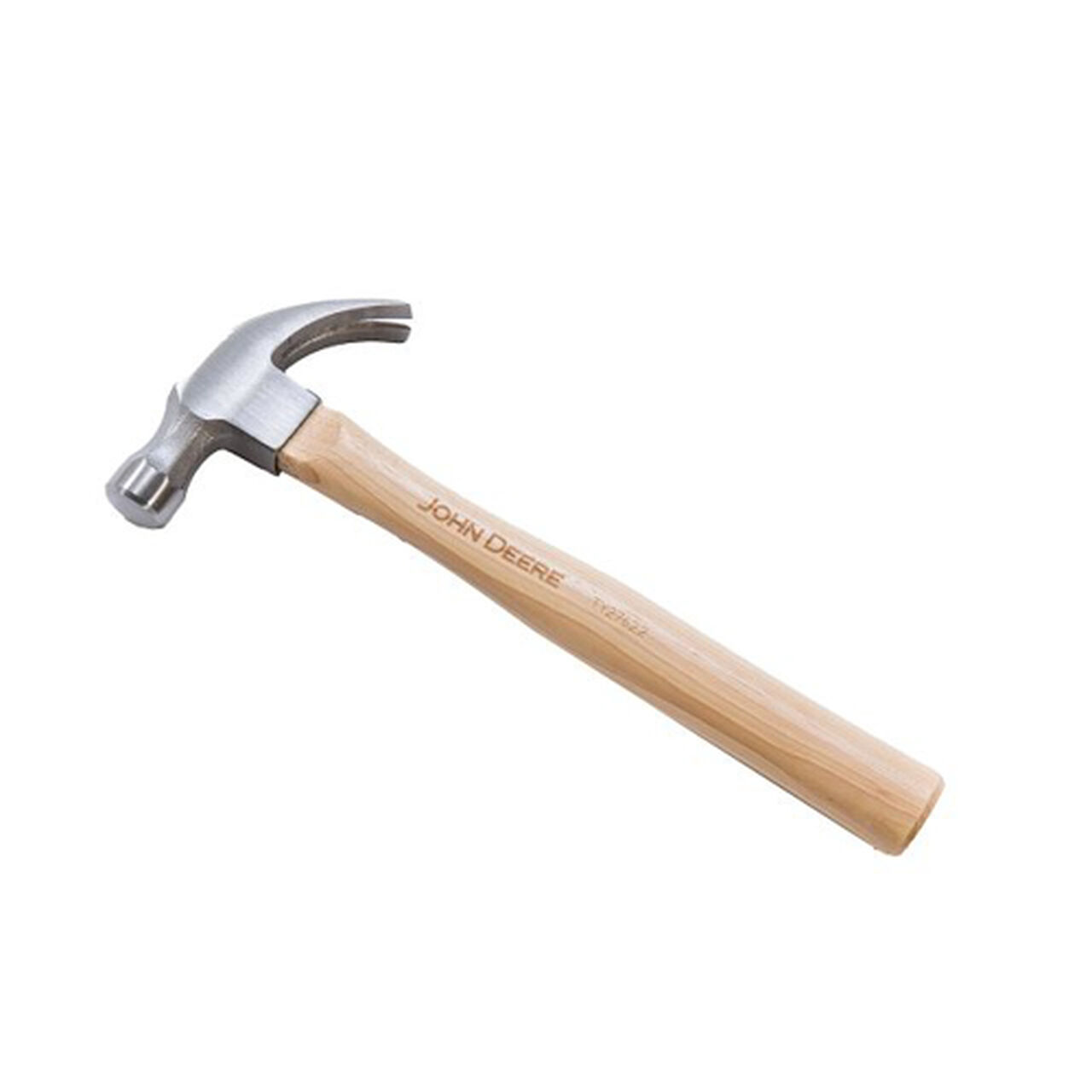
Curved Claw Hammer
Handheld carpentry hammer with a curved claw for driving and removing nails, a rounded striking face for finish work, and a typical weight of 13–16 oz.
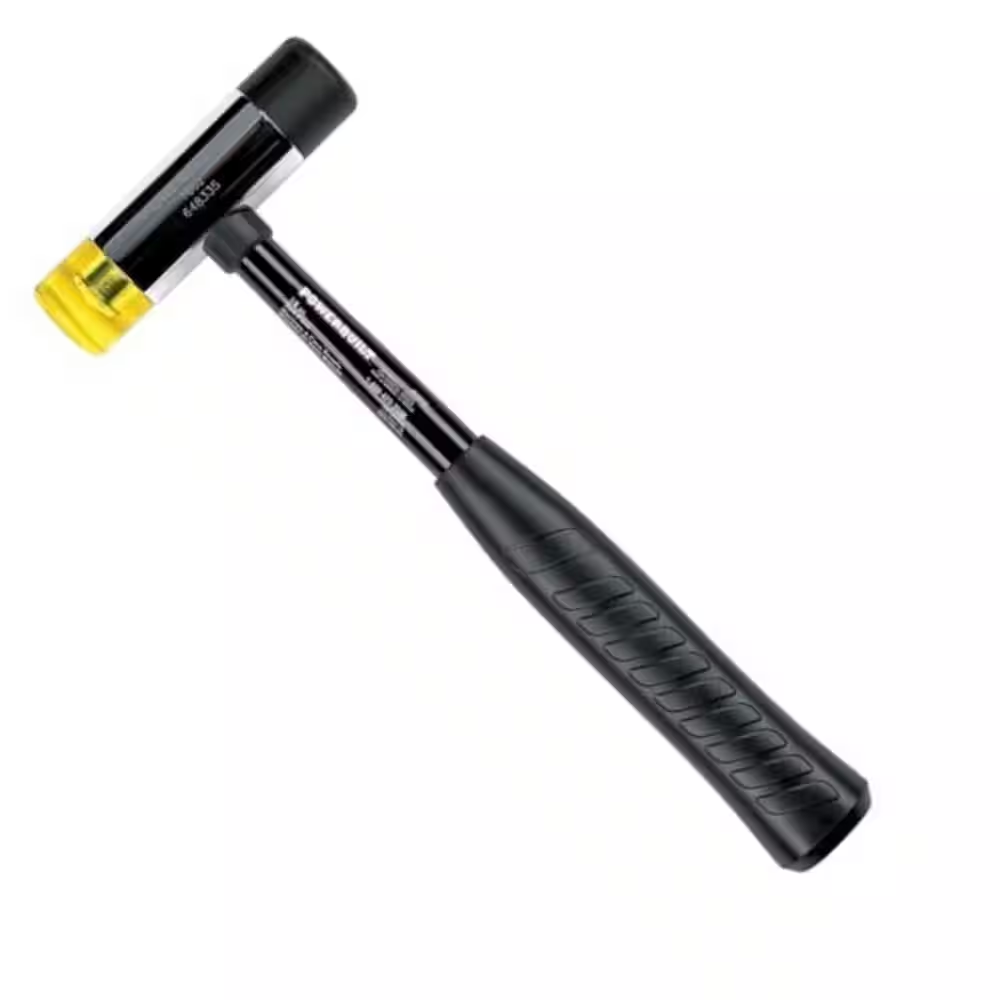
Mallet
Soft-face hammer with interchangeable heads made of wood, plastic, rawhide, or rubber, used to strike without damaging surfaces.
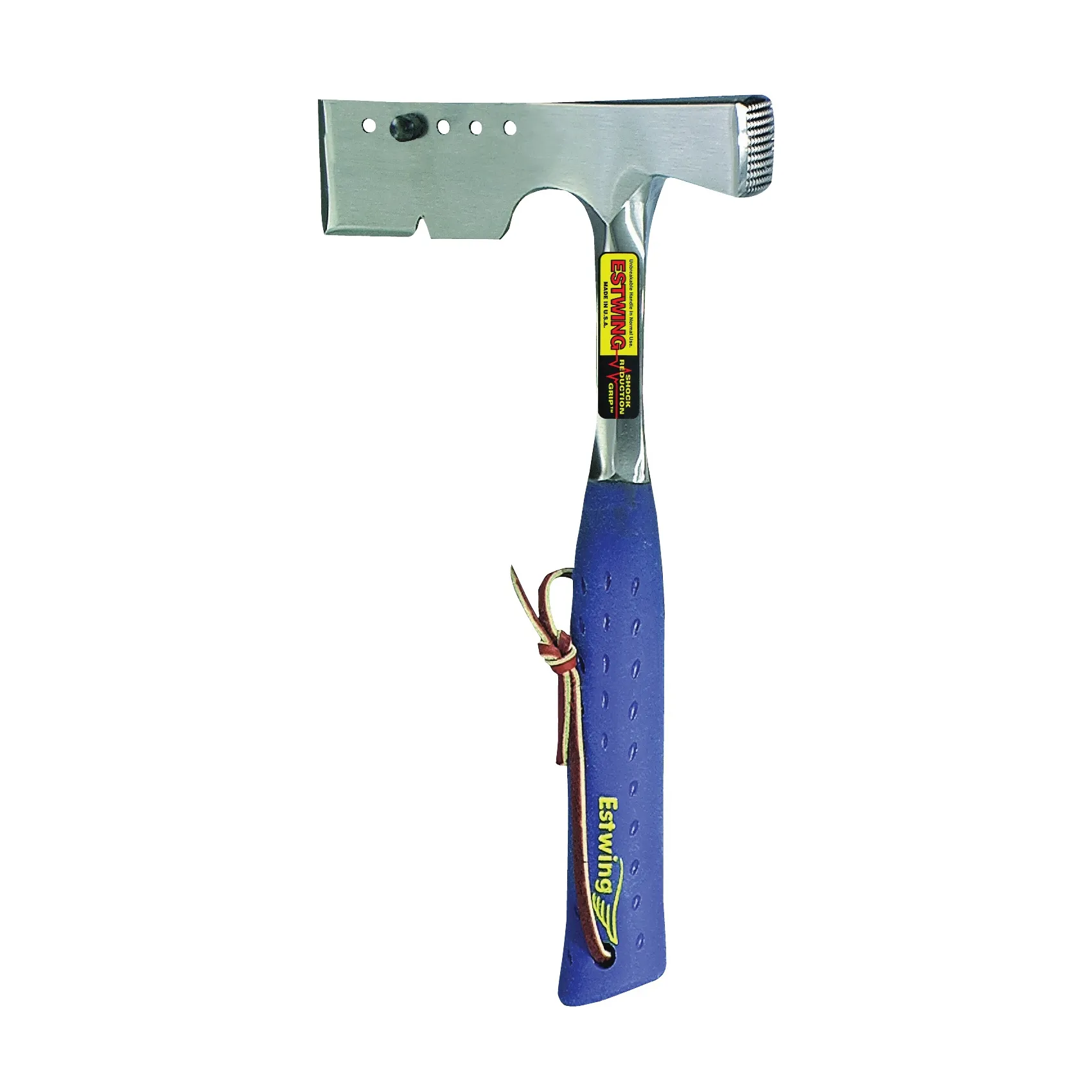
Shingler’s Hatchet
Roofing hand tool combining a hatchet and hammer with an adjustable gauge for shingle exposure and a nail-pulling slot, used for installing and trimming
roofing shingles.
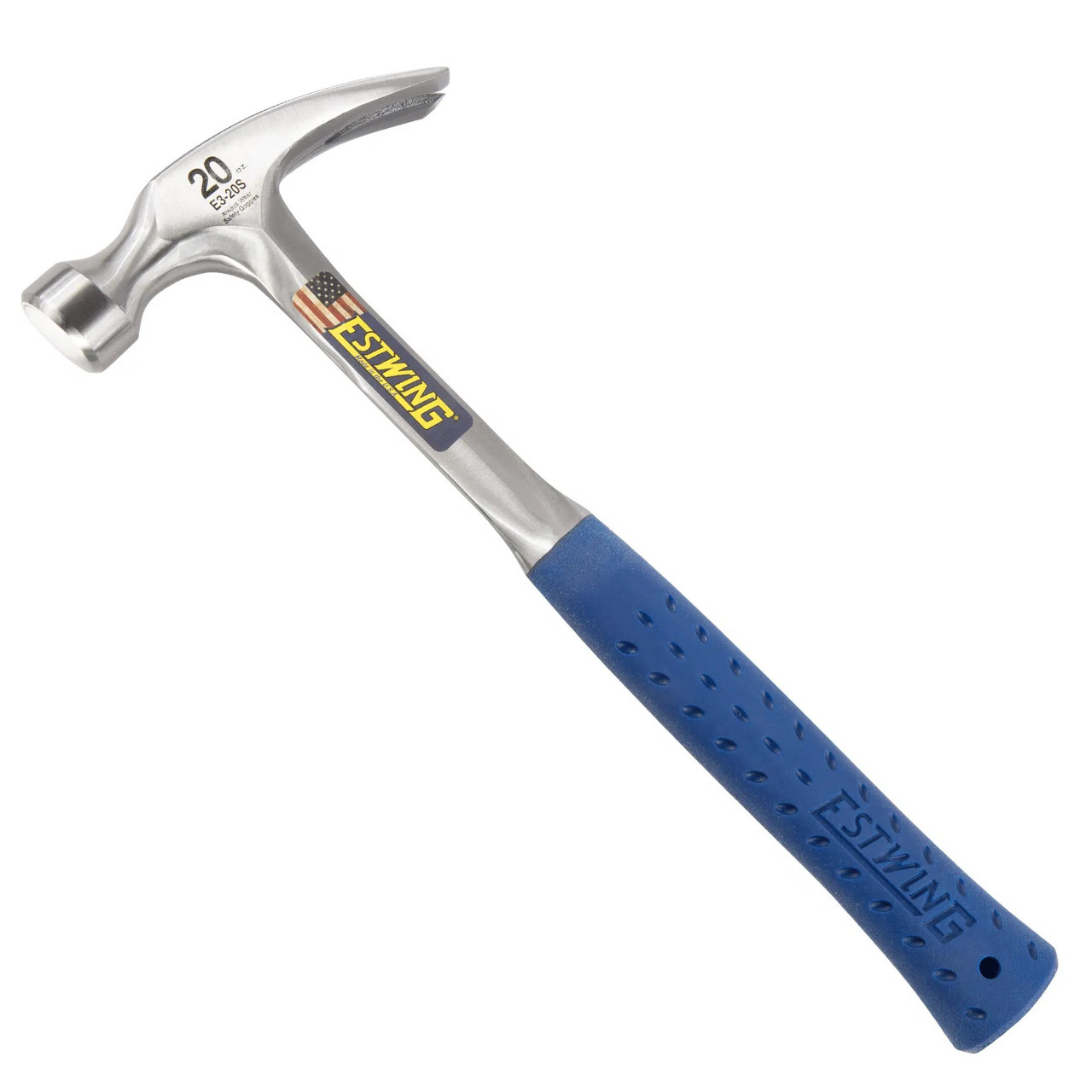
Straight Claw Hammer
Hammer with nearly straight claw , 16–28 oz head, used for pulling nails and framing work. Also called Ripping Hammer.
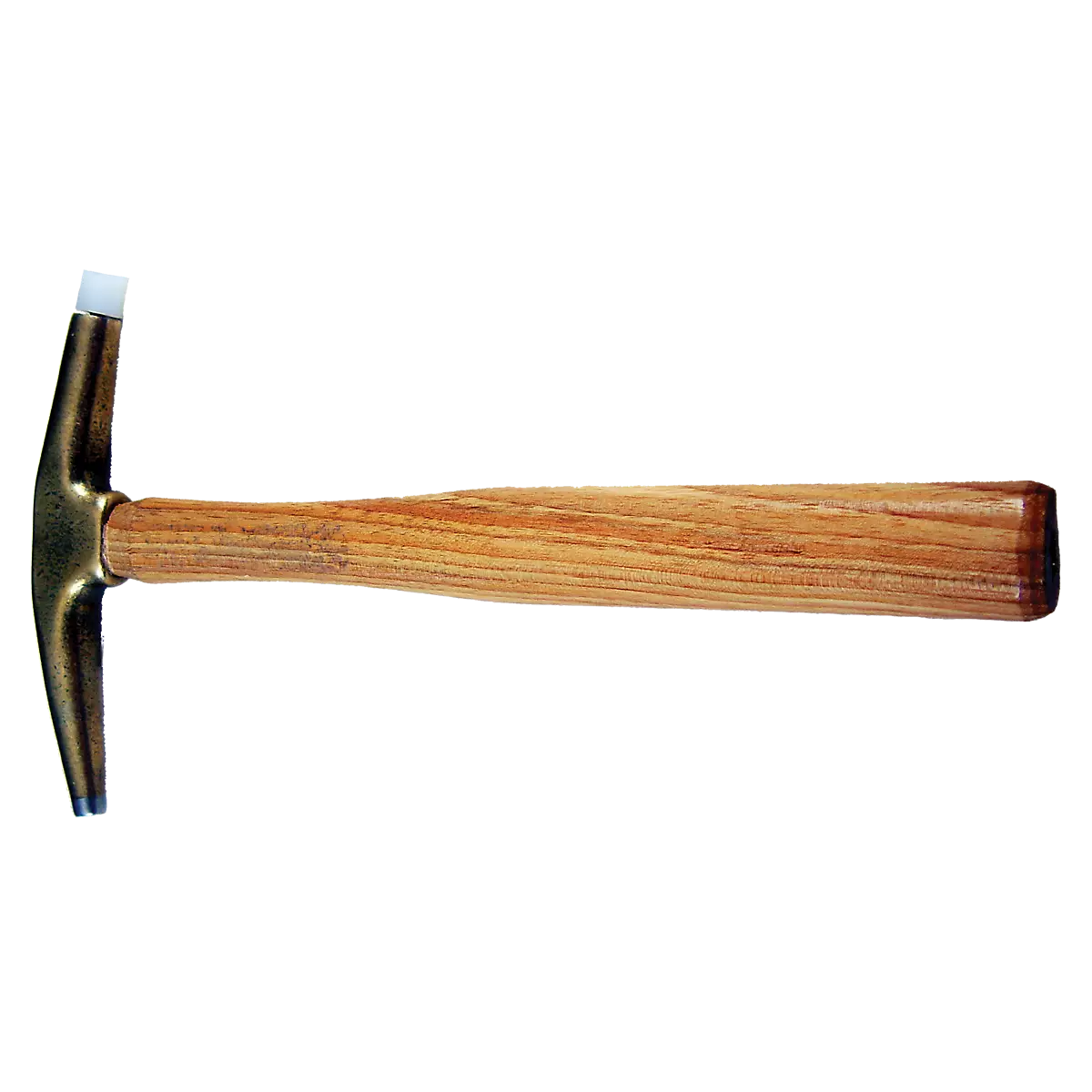
Tack Hammer
Lightweight hammer with a small magnetic face used to hold and start short tacks or nails.
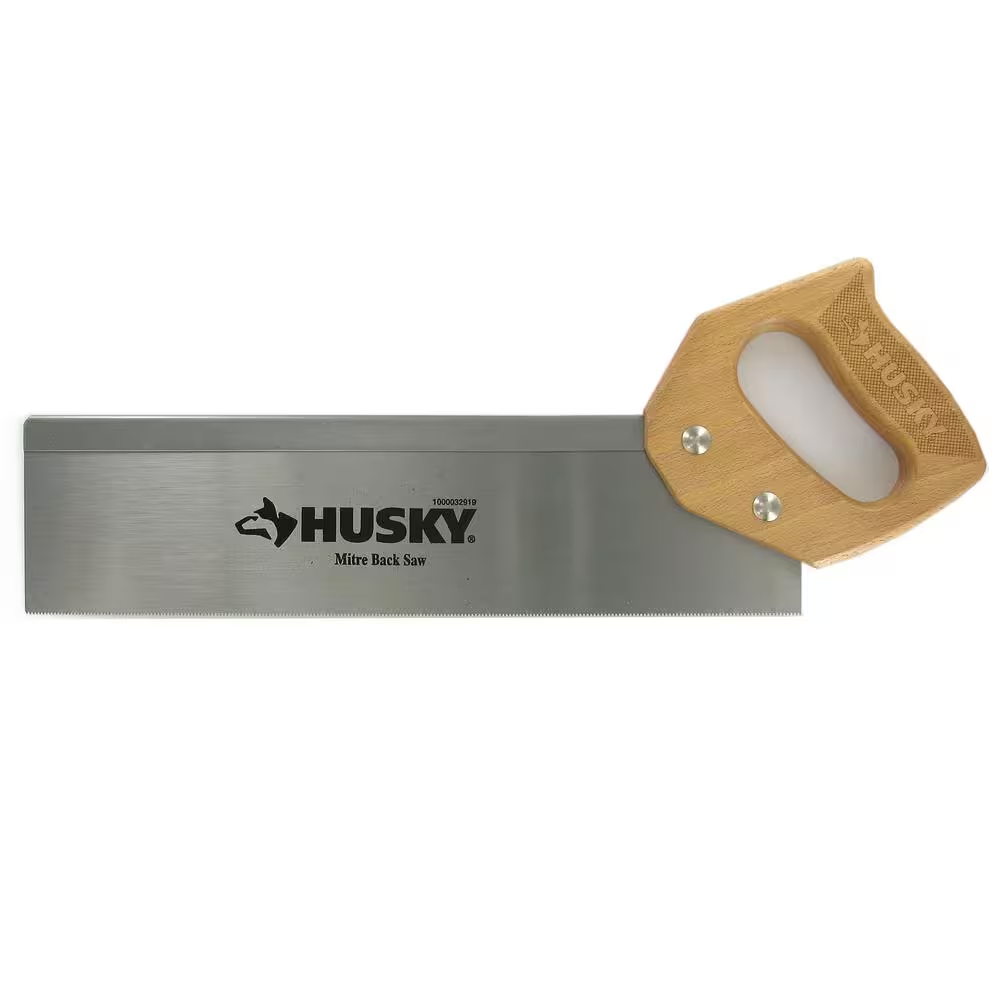
Back Saw
Fine-toothed saw with reinforced back, used in a horizontal position for precise woodworking cuts and joinery.
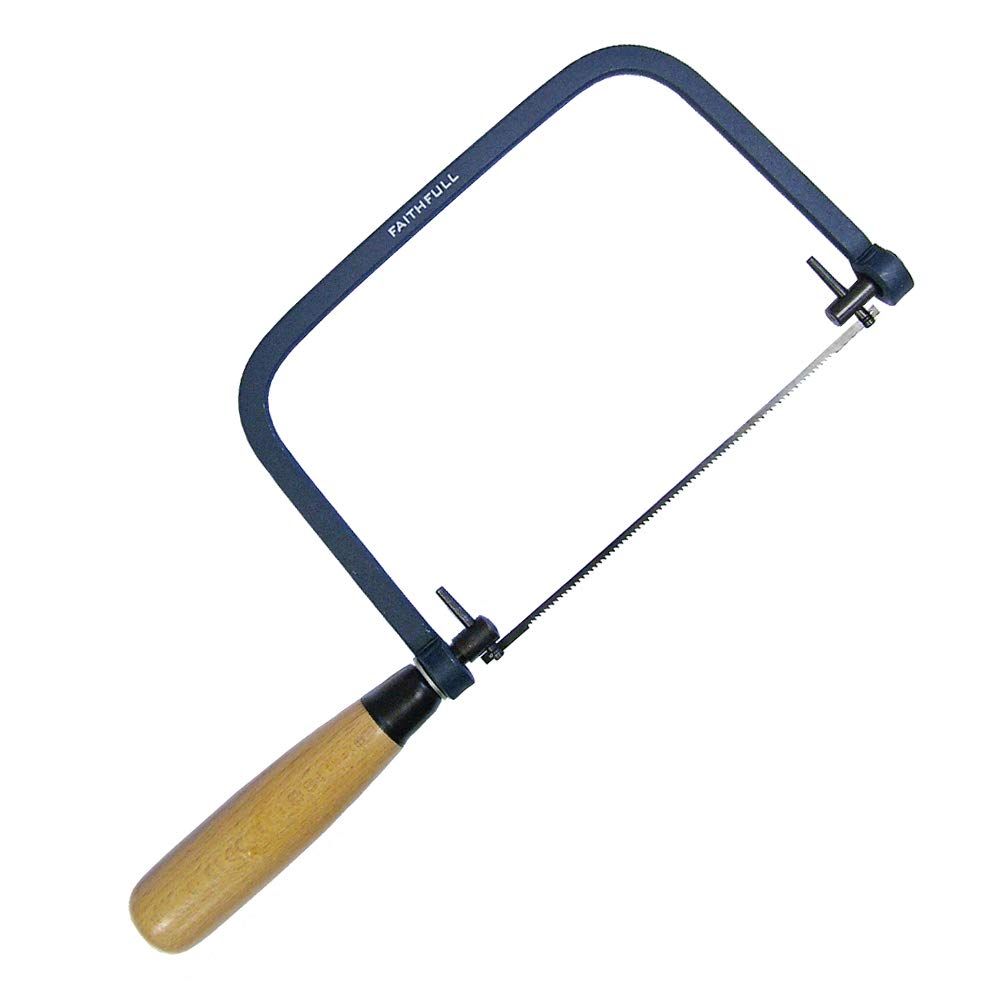
Coping Saw
Thin-bladed saw with a U-shaped frame, cutting on the pull stroke for detailed curved cuts in woodworking.
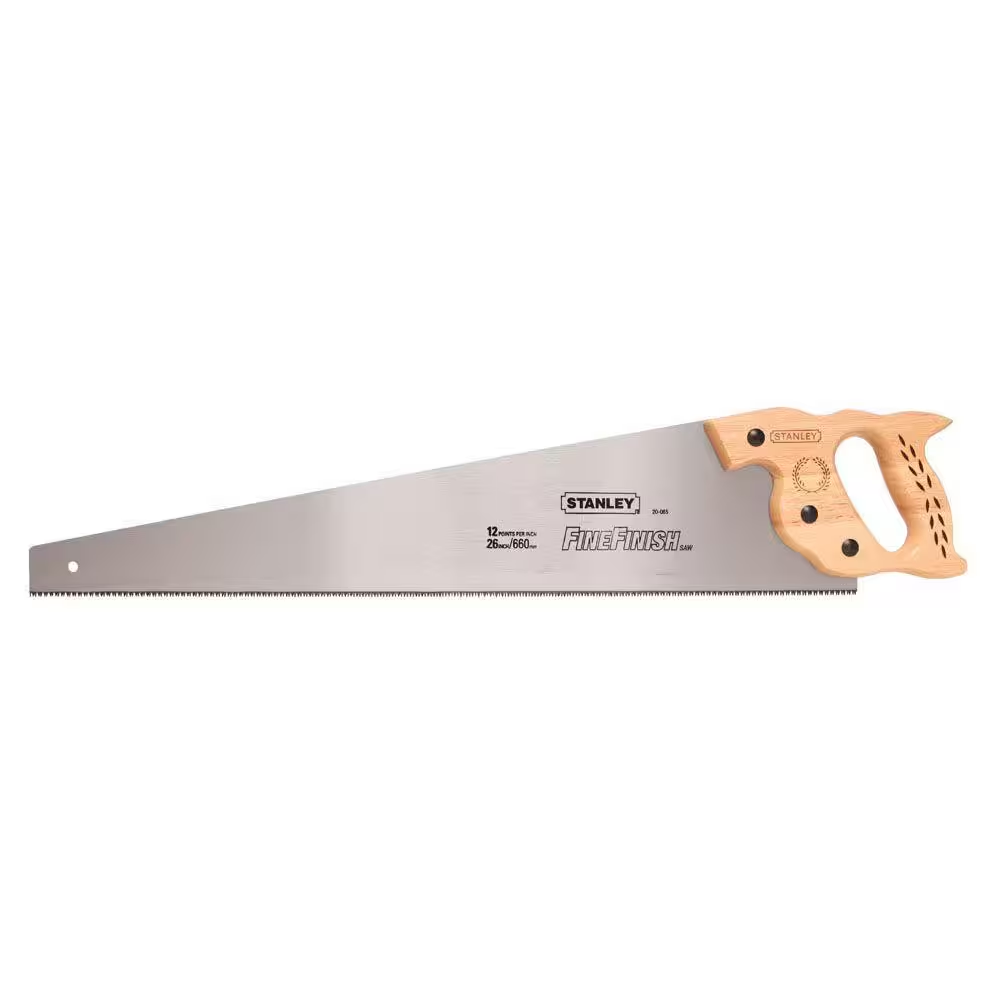
Hand Cross Cut Saw
Hand saw used for cutting across wood grain, typically 26 inches long with 8–12 teeth per inch for smoother crosscuts.
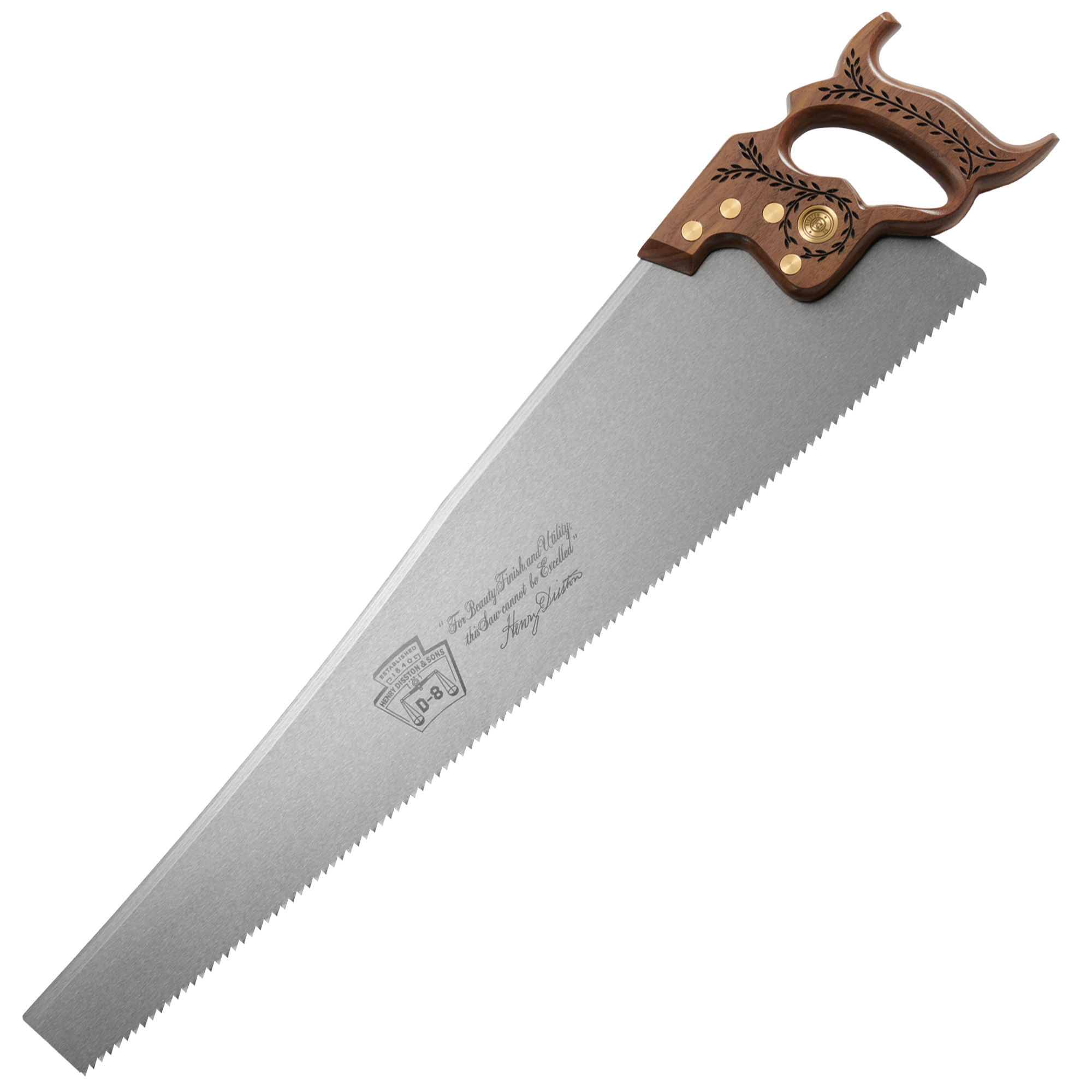
Hand Rip Saw
Hand saw used for cutting along wood grain, with chisel-shaped teeth and 4–7 teeth per inch for fast, aggressive cutting.
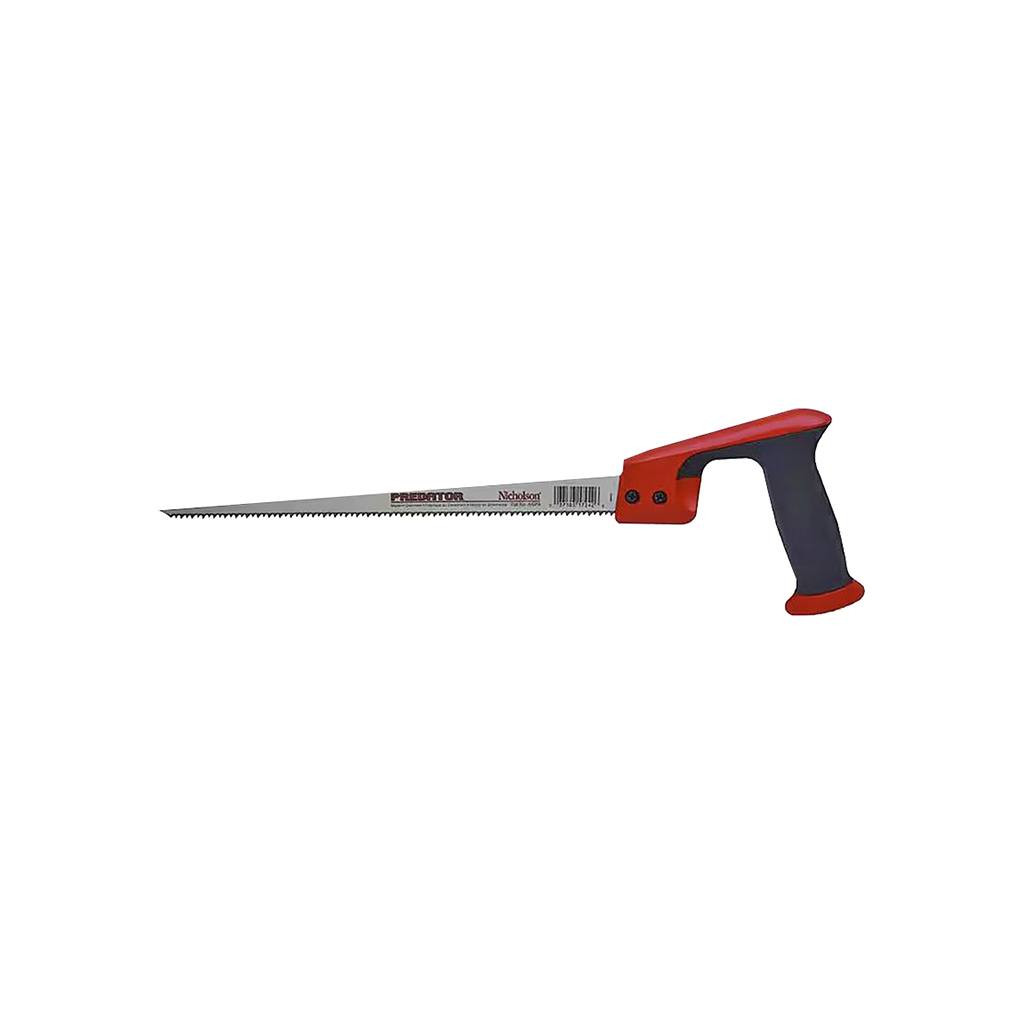
Keyhole or Compass Saw
Narrow-blade hand saw with a pointed tip and small teeth used for cutting curves and interior openings, often inserted into an auger-drilled hole to start cuts in tight spaces.
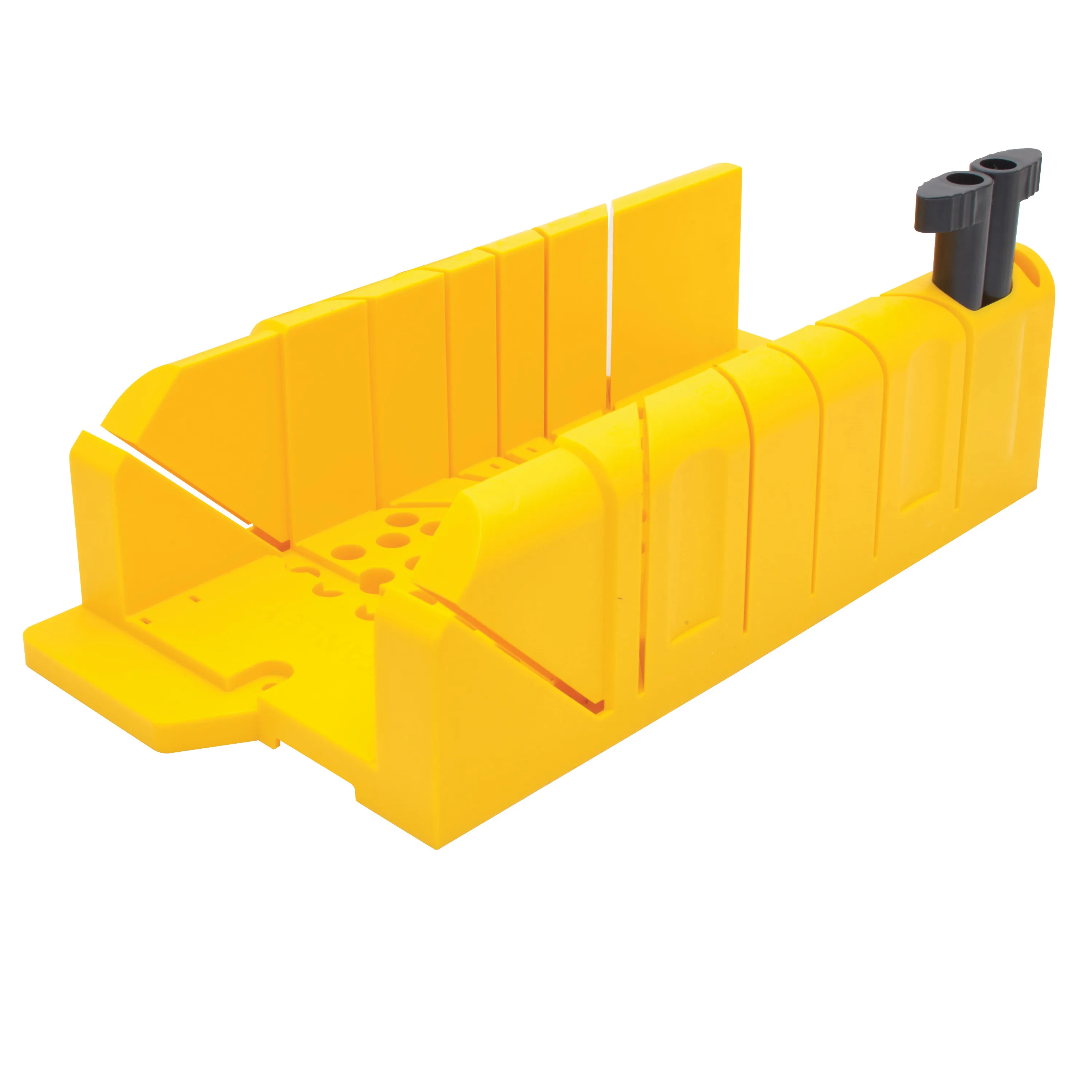
Mitre Box
Guided cutting frame, often made of wood or metal, that holds a workpiece steady while a saw is used to make precise angled cuts for trim and woodworking joints.
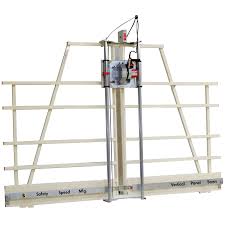
Panel Saw
Large woodworking saw used for cutting sheet goods like plywood and panels into smaller, manageable sections.
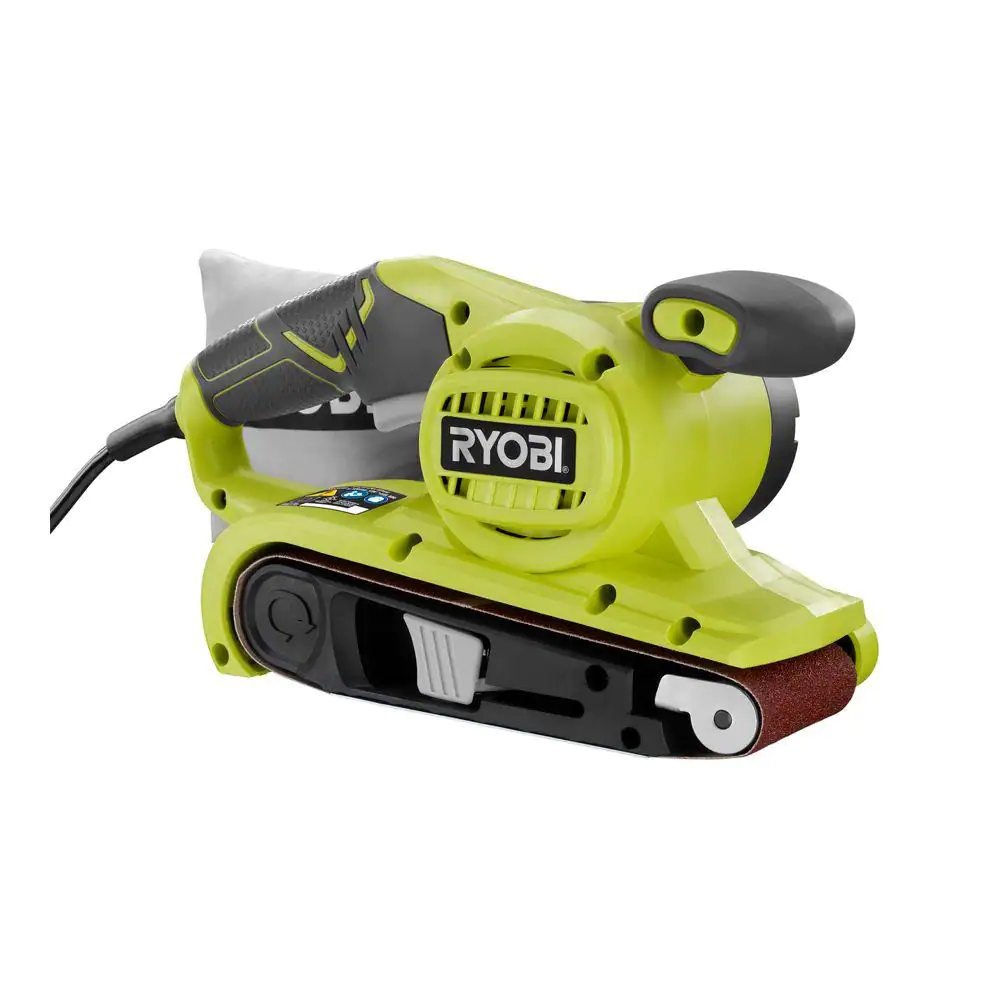
Belt Sander
Power tool that uses a continuous sanding belt for fast, coarse sanding and shaping of large surfaces.
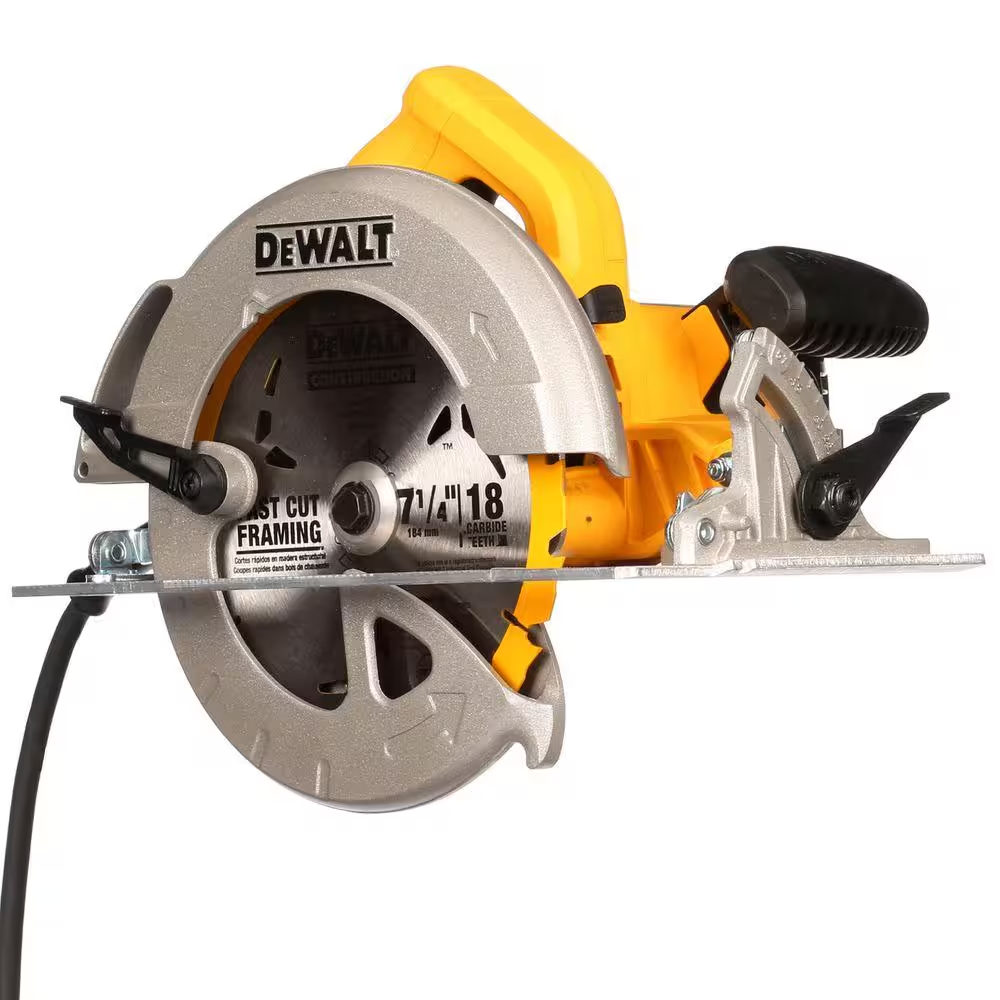
Circular Saw
Portable power saw with a rotating blade used primarily for cutting wood, with interchangeable blades for metal, stone, and other materials.
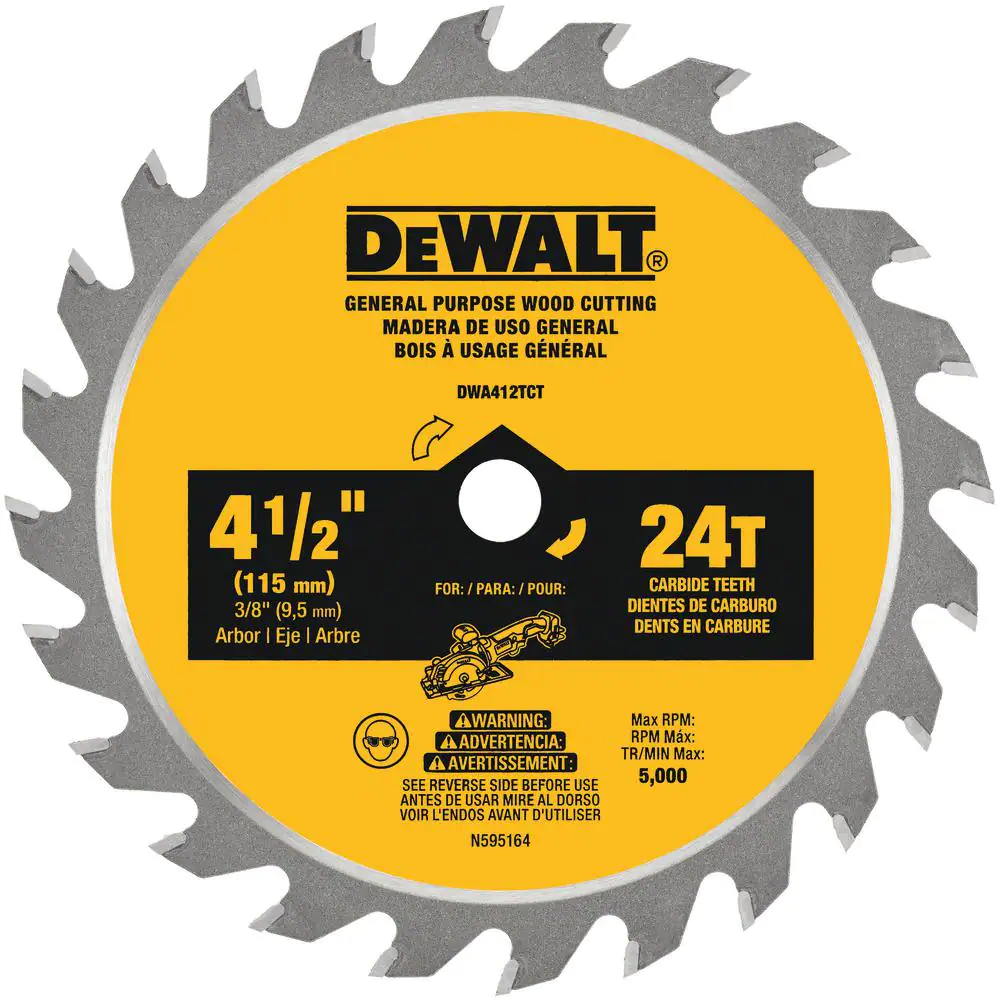
Circular Saw Blade
Circular cutting blade sized by diameter, used in saws for cutting wood, metal, and other materials.
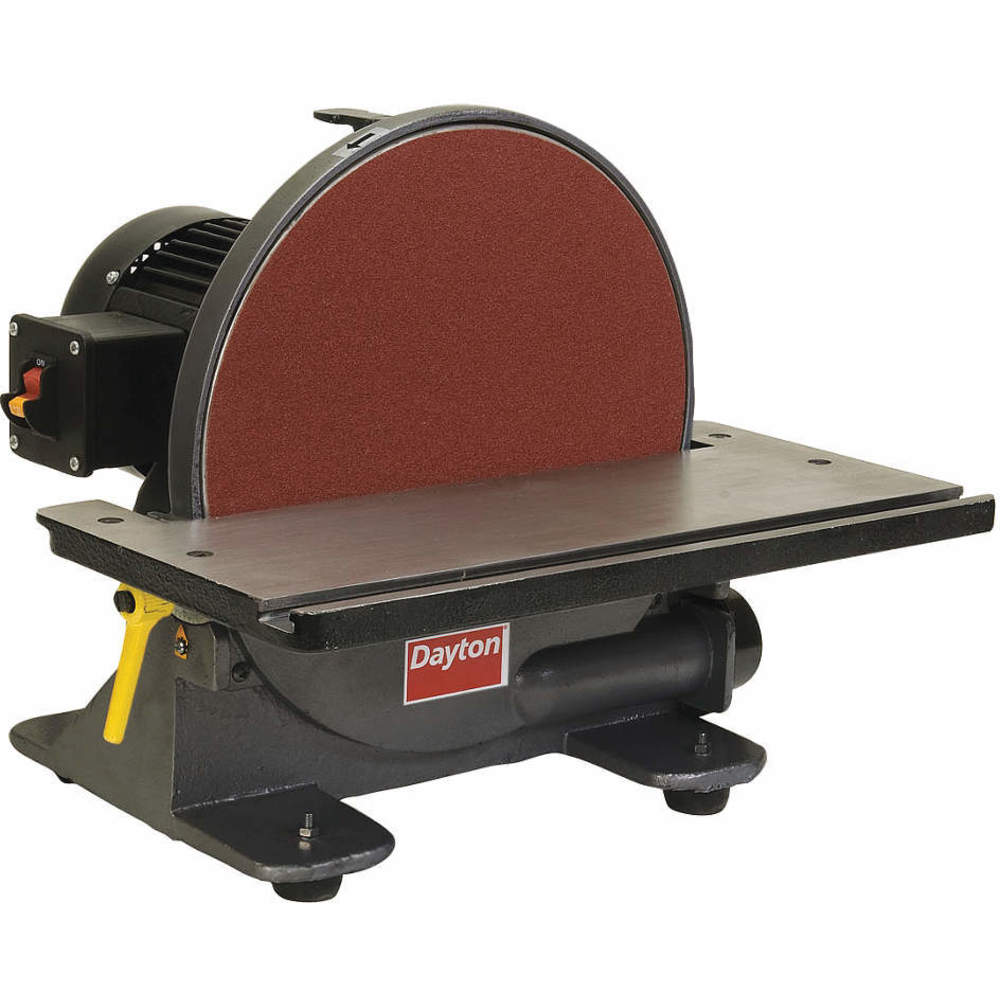
Disc Sander
Stationary power tool with a rotating 6–12 inch disc used for sanding and shaping wood surfaces.
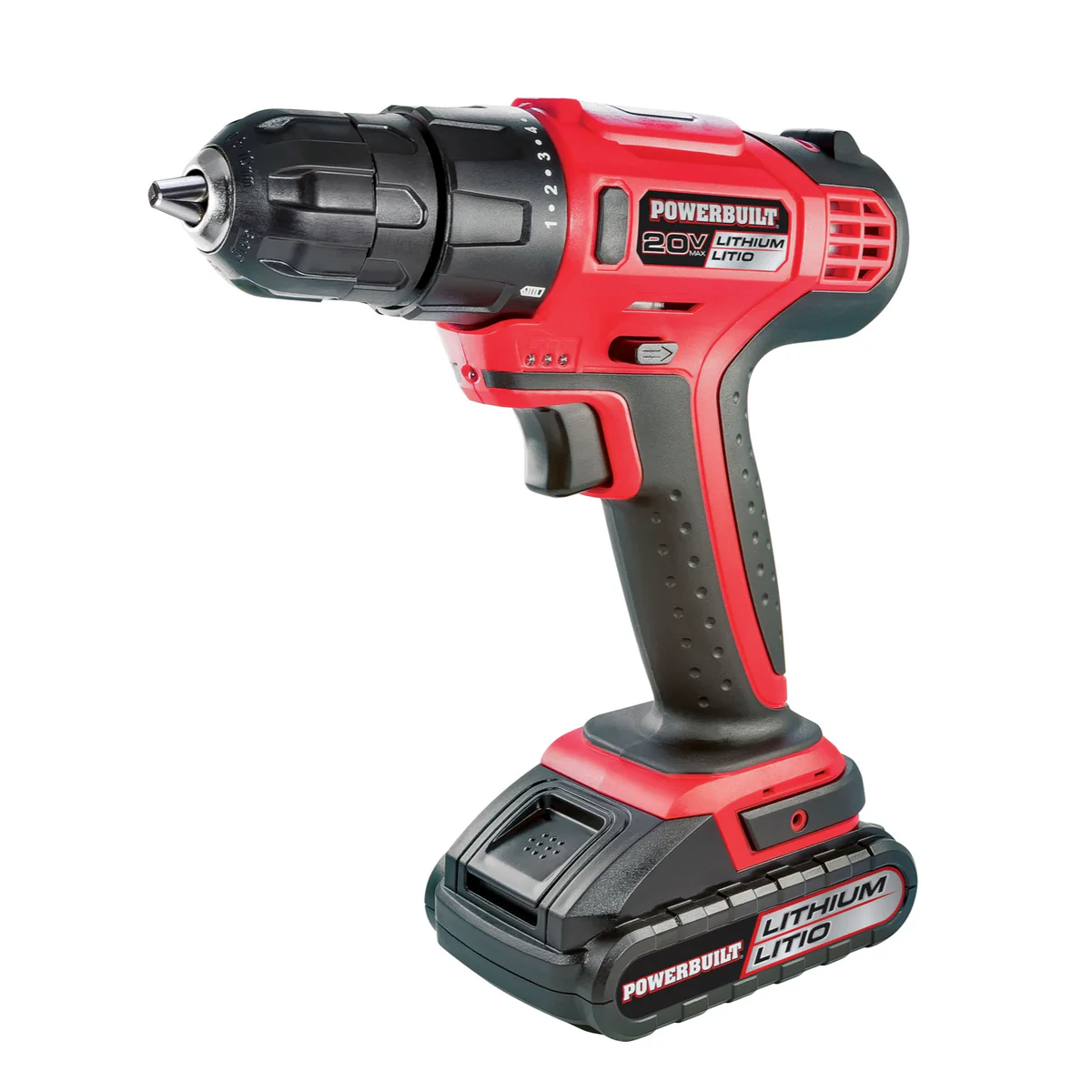
Electric Drill
Portable power tool used for drilling holes, often featuring variable speed control for wood, metal, and other materials.
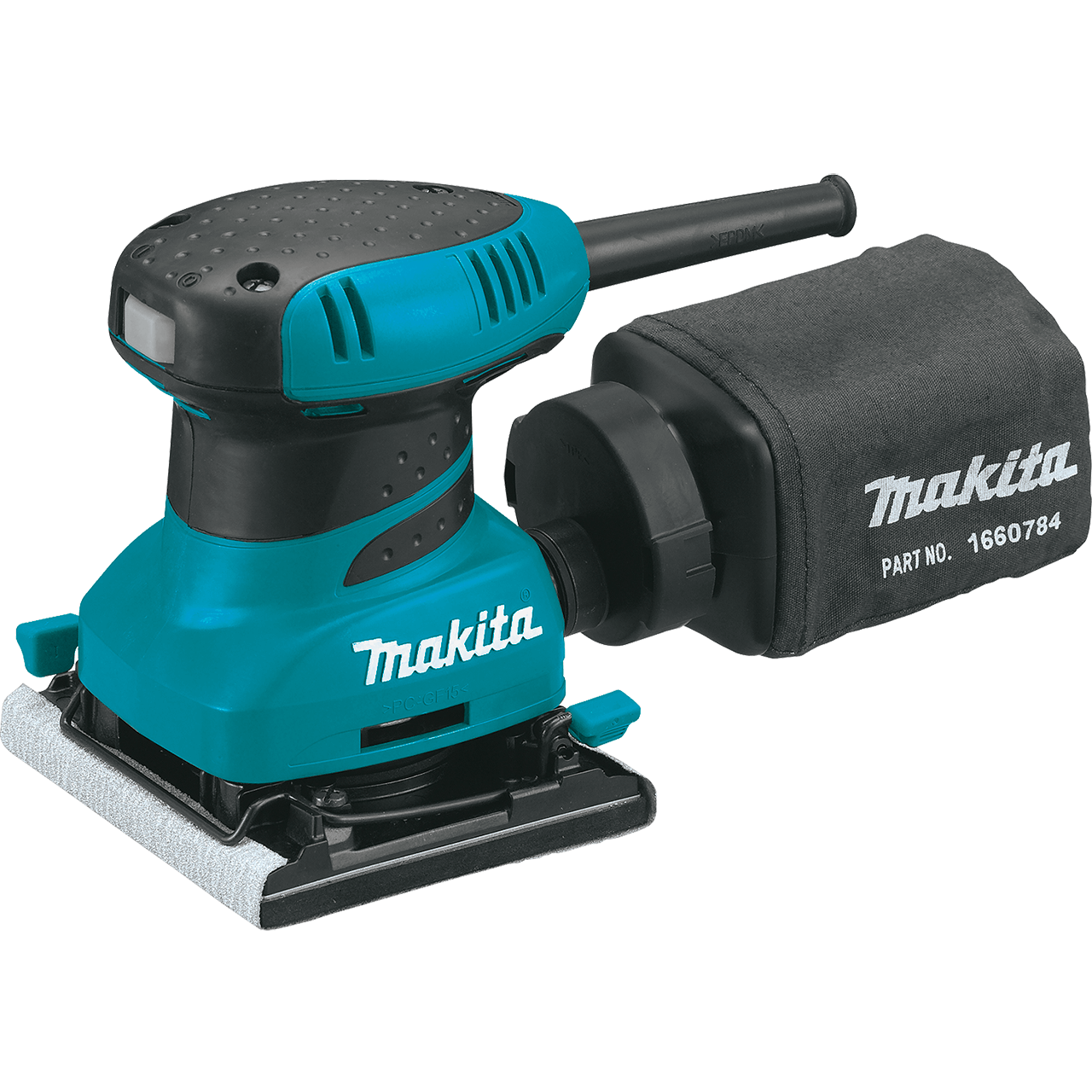
Finishing Sander
Power tool that sands surfaces using a vibrating motion for smooth finishing on wood and other materials.
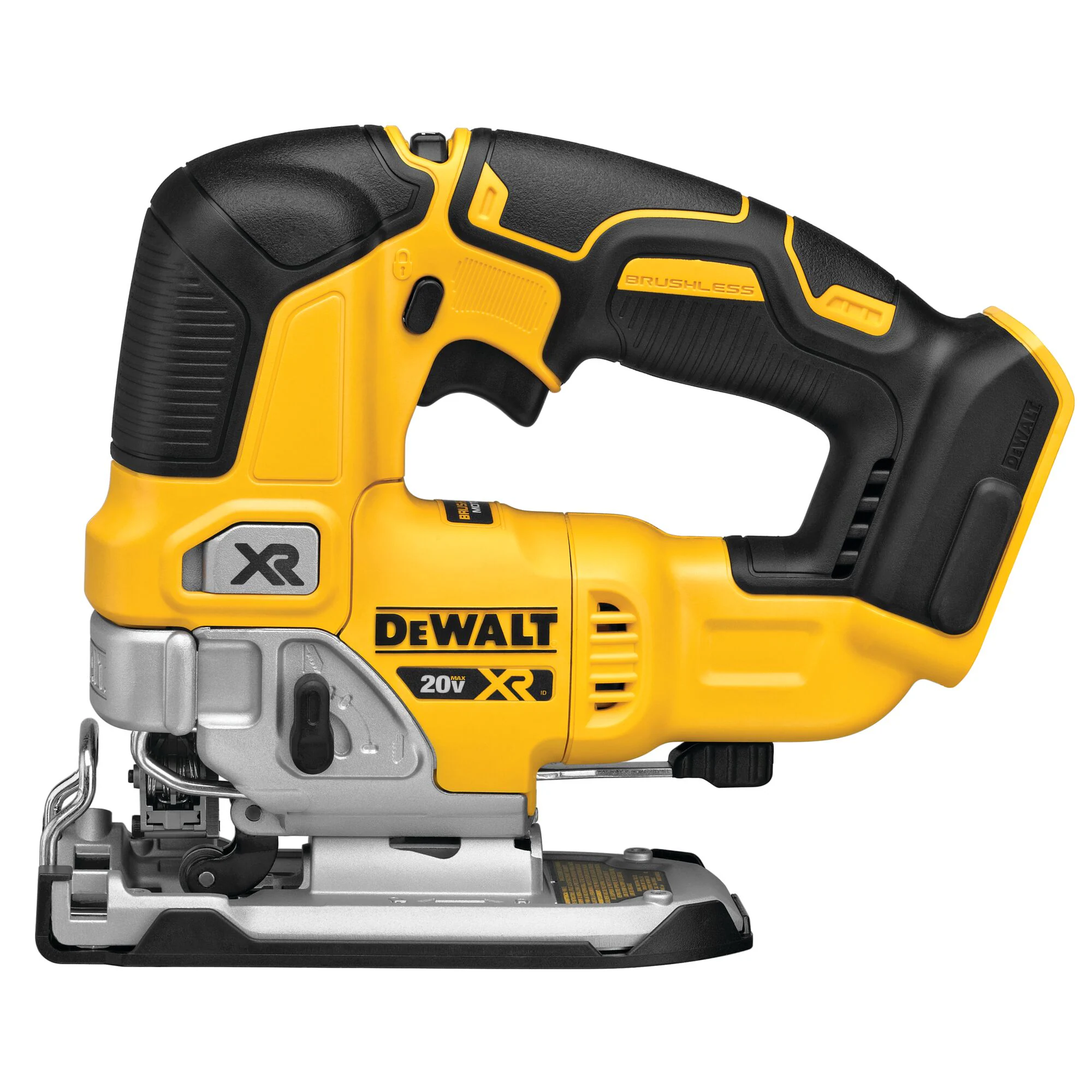
Jig Saw
Handheld power saw with reciprocating blade used for cutting curves and shapes in wood, plastic, and other soft materials. Also called a Saber Saw.
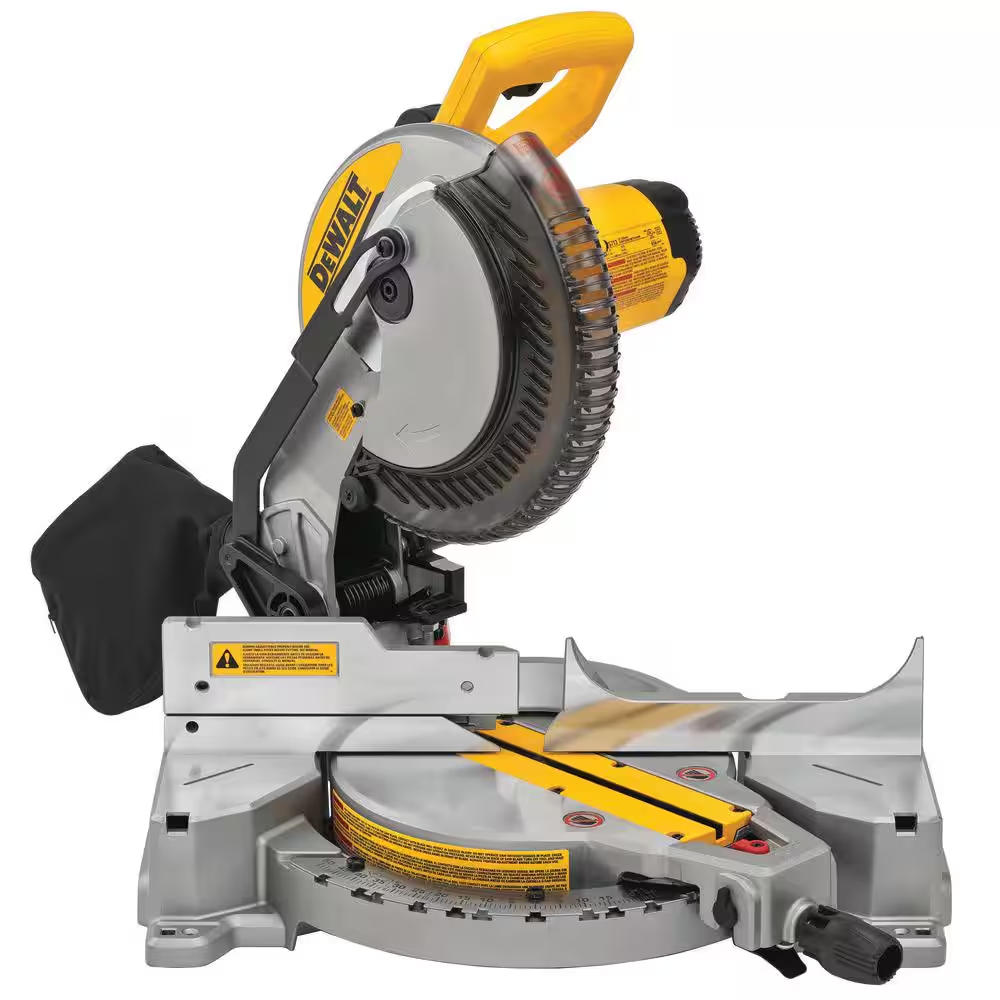
Miter Saw
Saw mounted on a pivoting base for cutting precise angled joints and various angles.
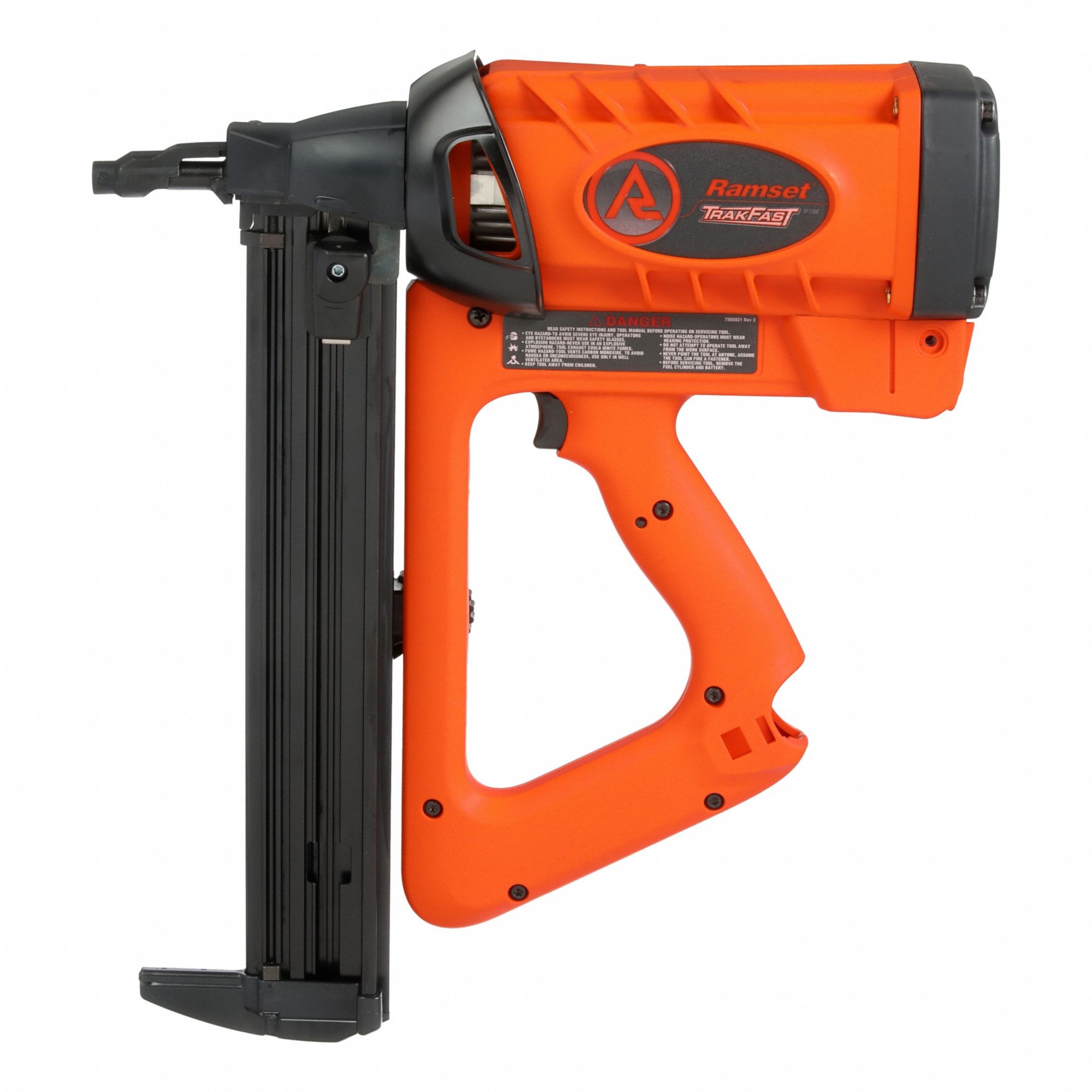
Nail Gun
Power tool used for rapidly driving nails into wood or other materials, where nails are automatically fed from a loading chamber and fired by pulling the trigger.
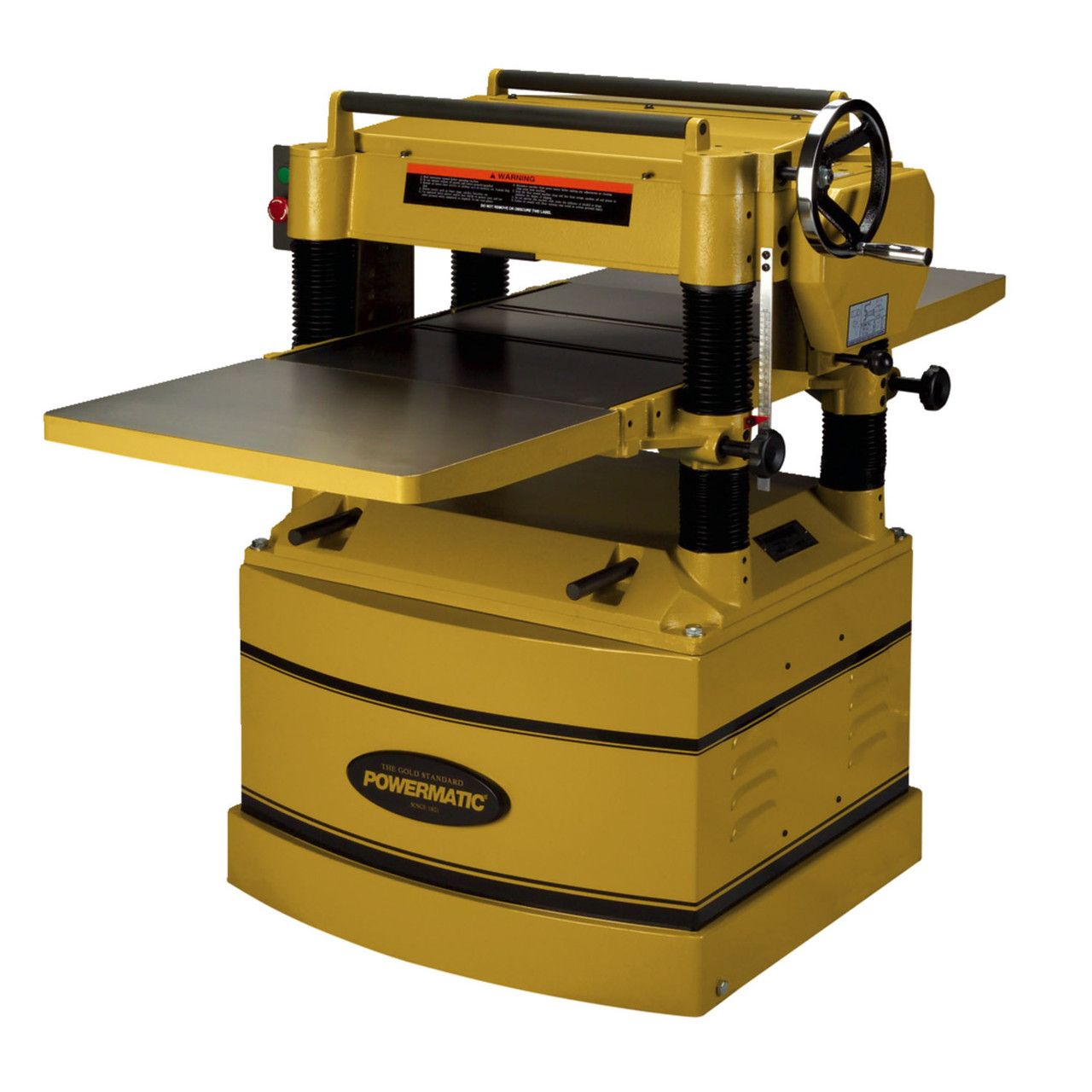
Planer
Used for planing wood surfaces. A portable power version of a hand plane.
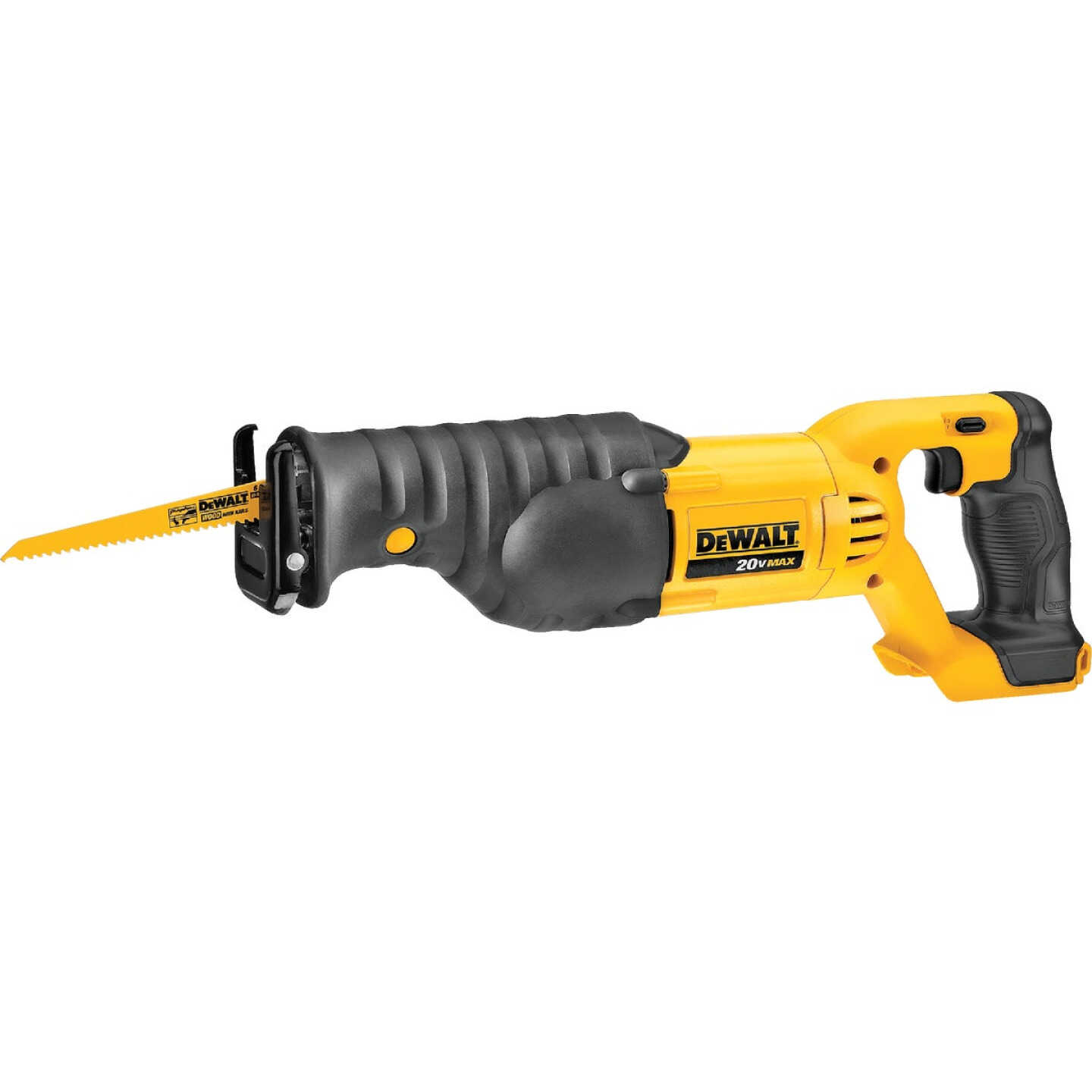
Reciprocating Saw
Heavy-duty power saw with back-and-forth blade motion, used for demolition and cutting wood, metal, and piping.
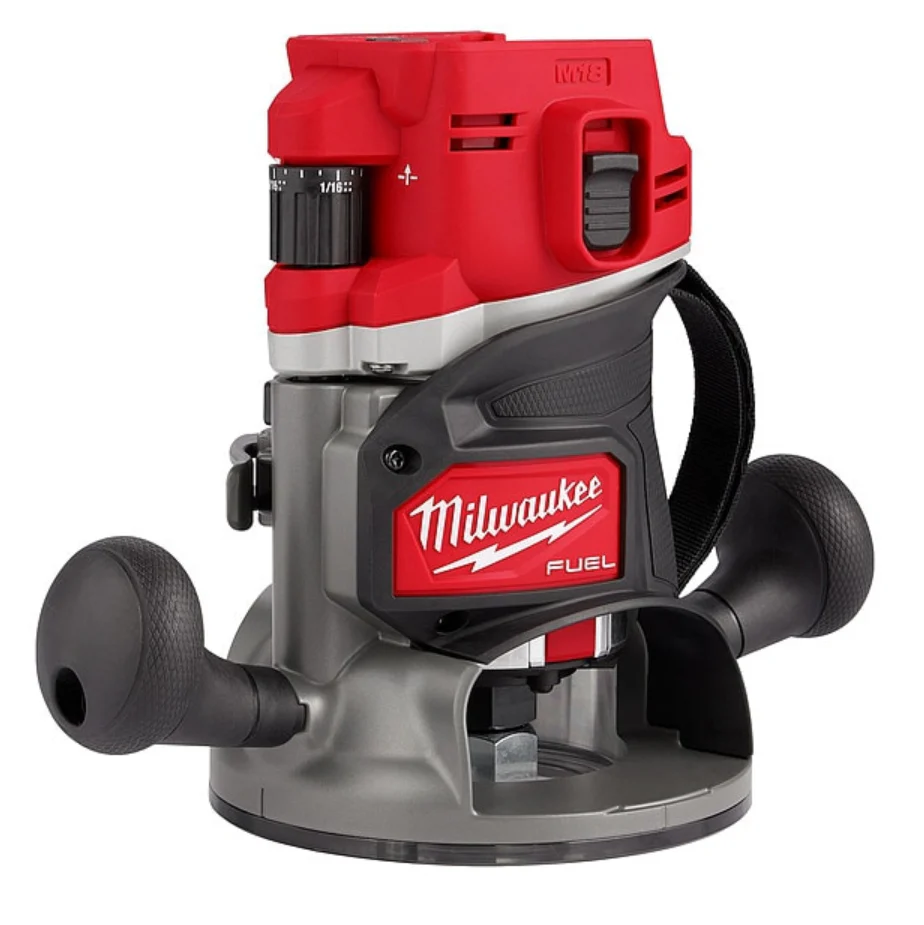
Router
Handheld or table-mounted power tool with a flat base, motor housing, and spinning bit that cuts wood edges, grooves, and decorative profiles with adjustable cutting depth.
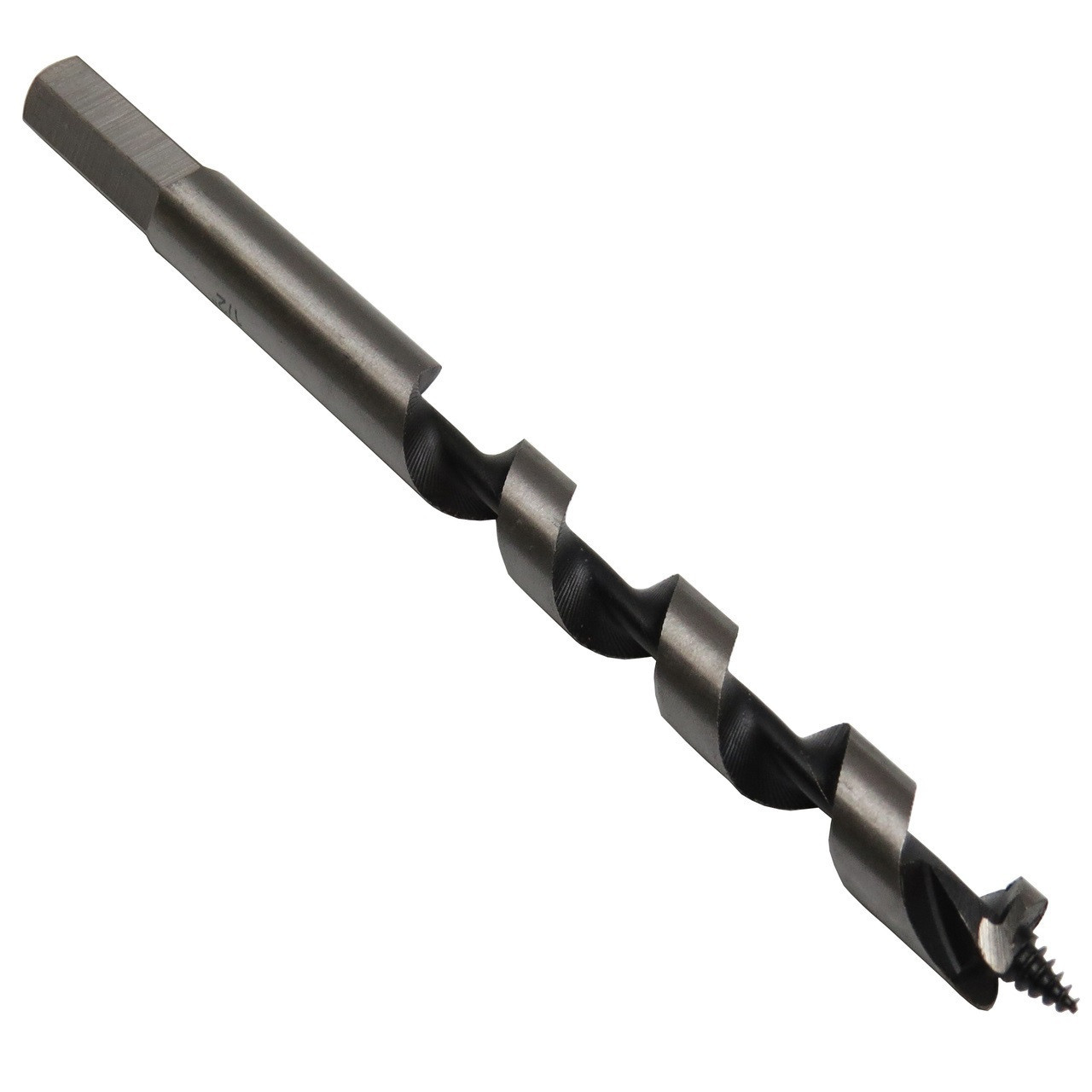
Auger Bit
Drill bit with a screw-like tip and straight round shank, used in power drills for fast, deep wood boring.
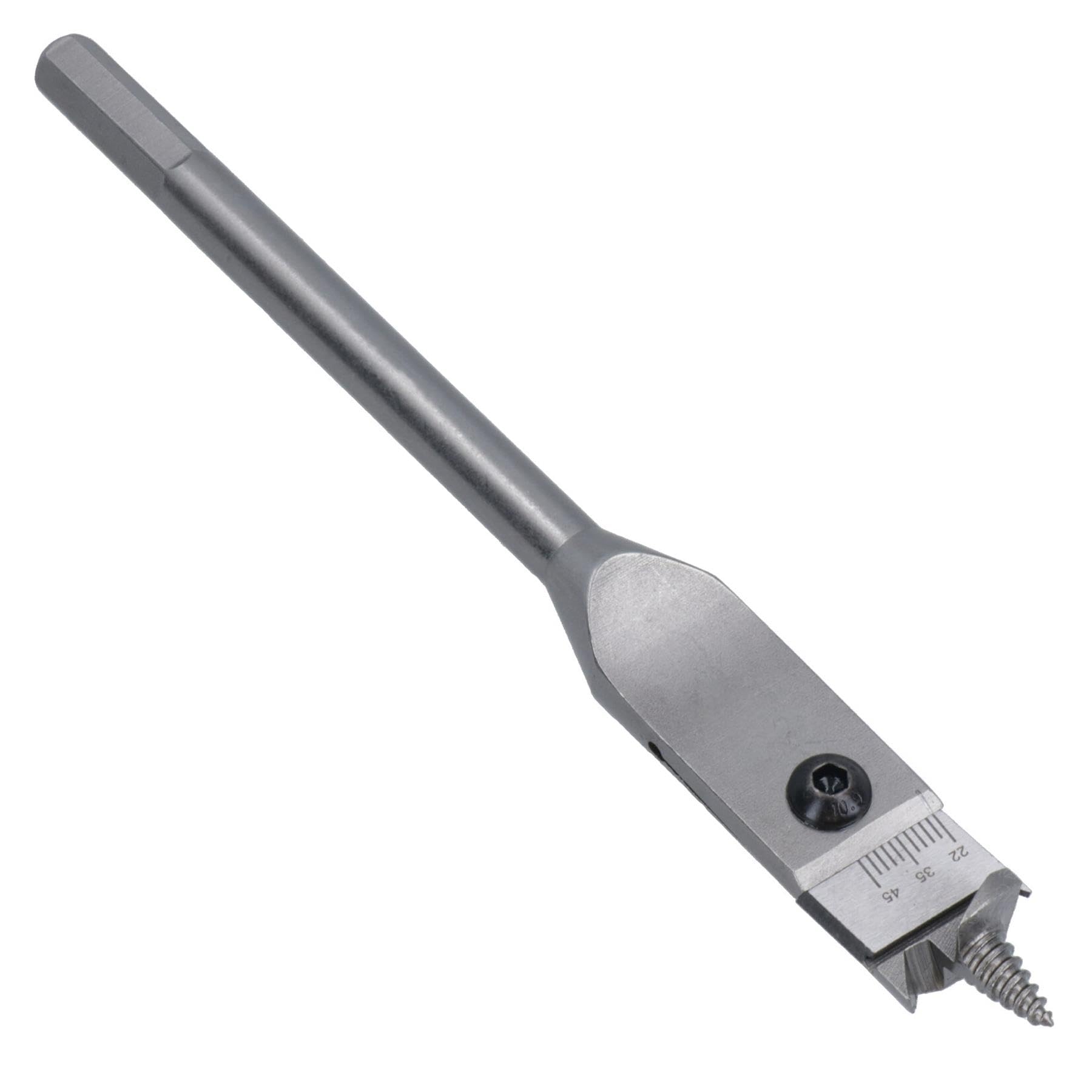
Expansive Bit
Adjustable woodworking drill bit with square taper shank for brace use, used to bore holes of varying diameters.
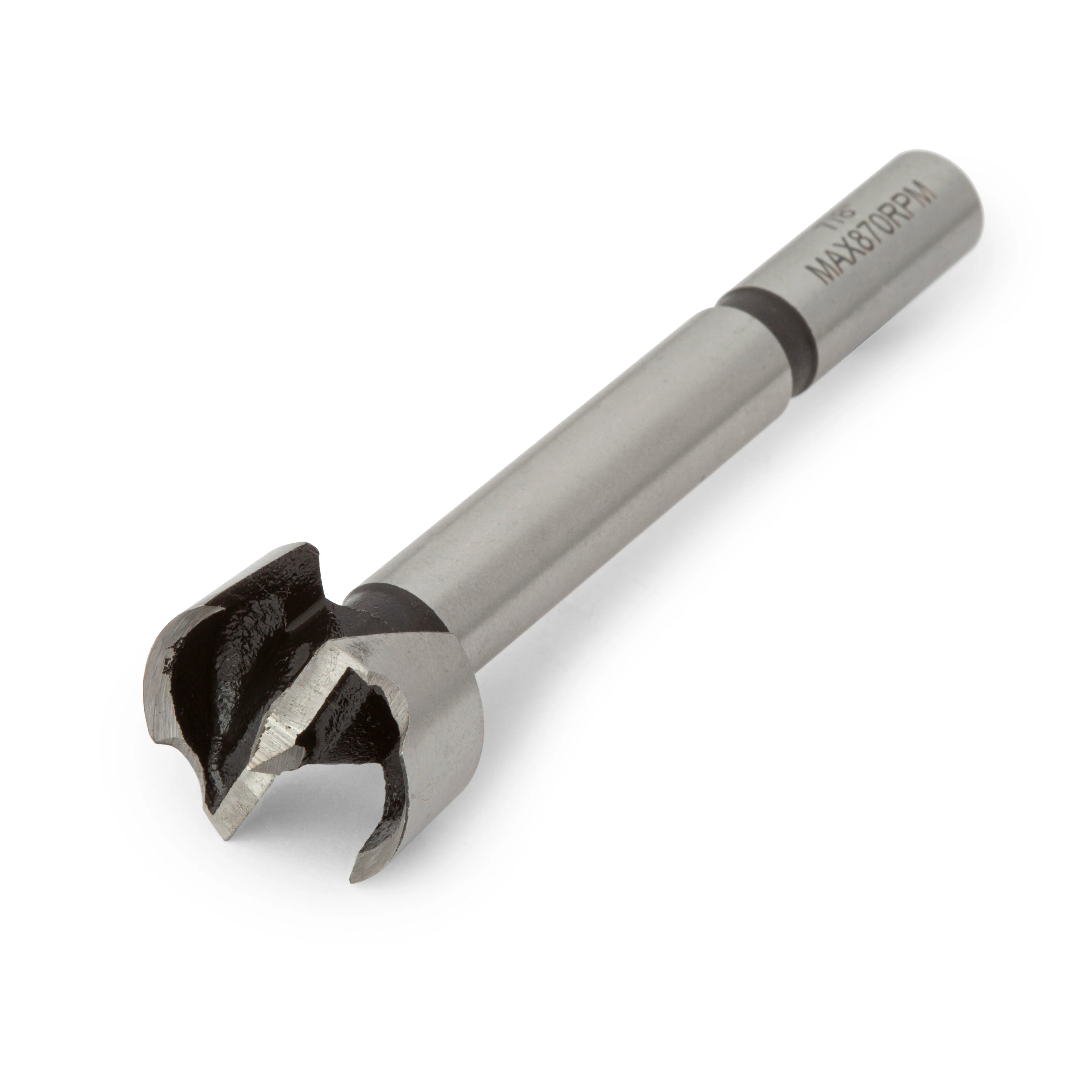
Forstner Bit
Wood drill bit with flat cutting face and rim used to bore clean, flat-bottomed holes, typically sized 3/8 to 2 inches in diameter.
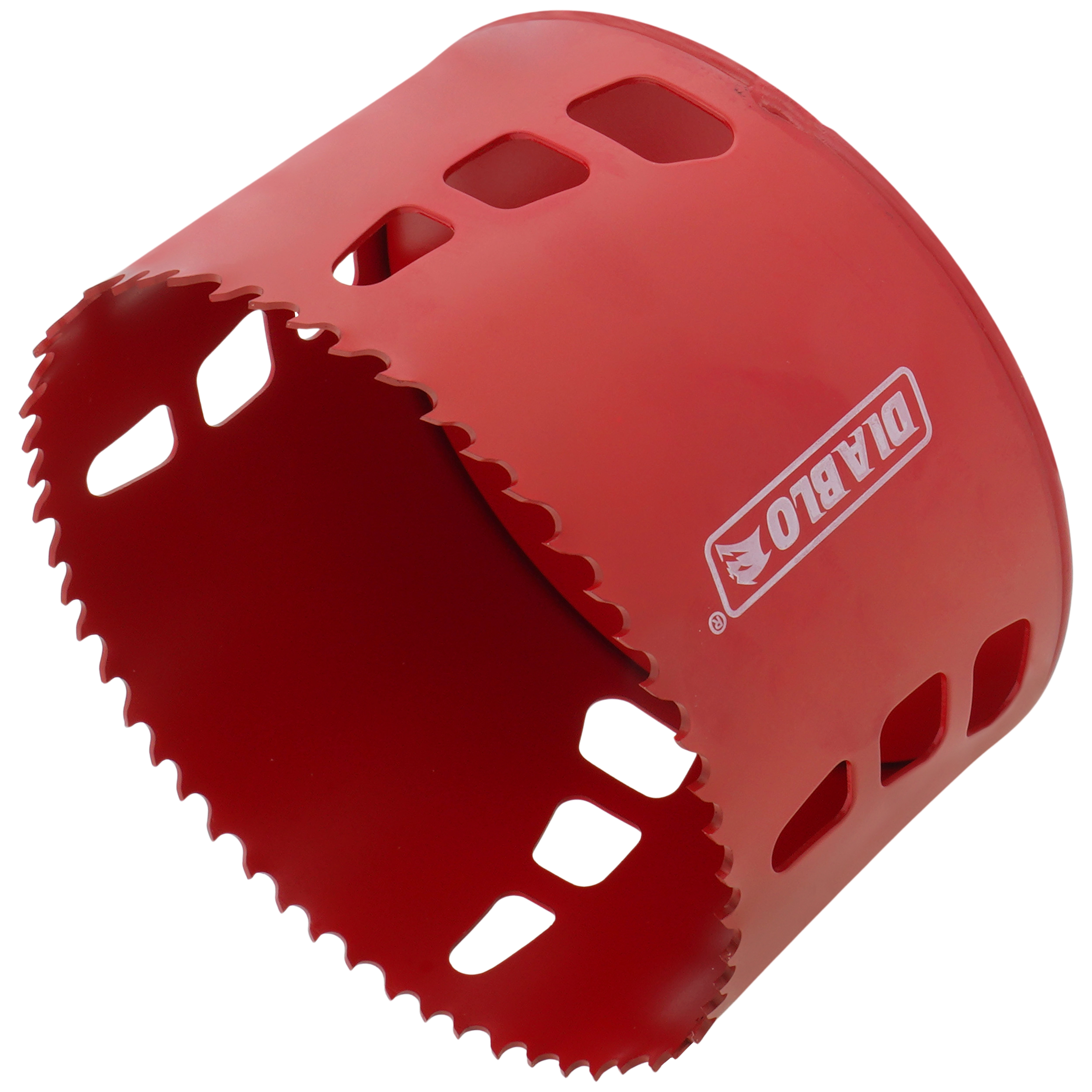
Hole Saw
Cylindrical cutting tool used in drills to cut round holes, typically 3/4 to 2 1/2 inches in diameter.
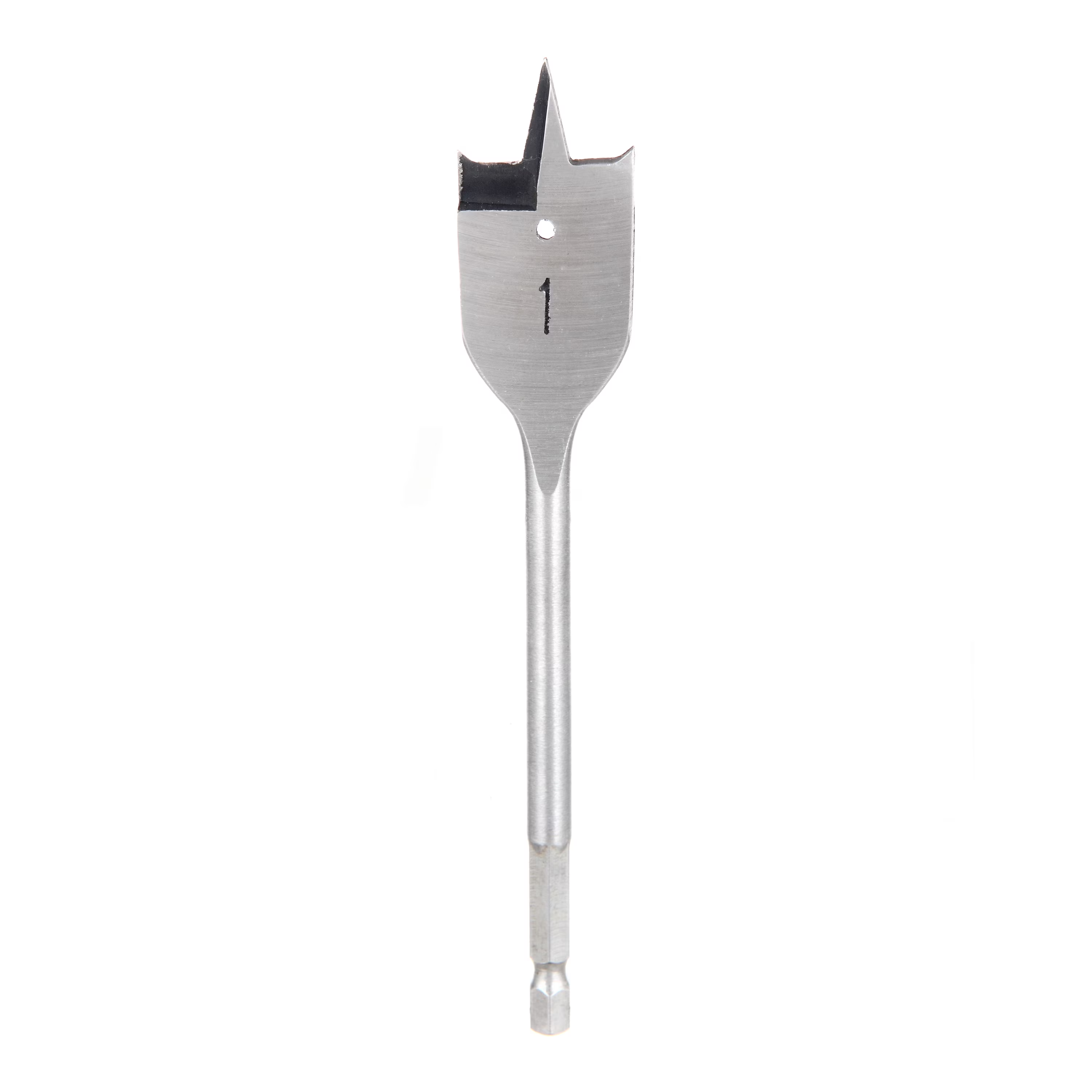
Spade Bit
Flat wood-boring drill bit with hex shaft, used in power drills or drill presses for fast hole cutting.
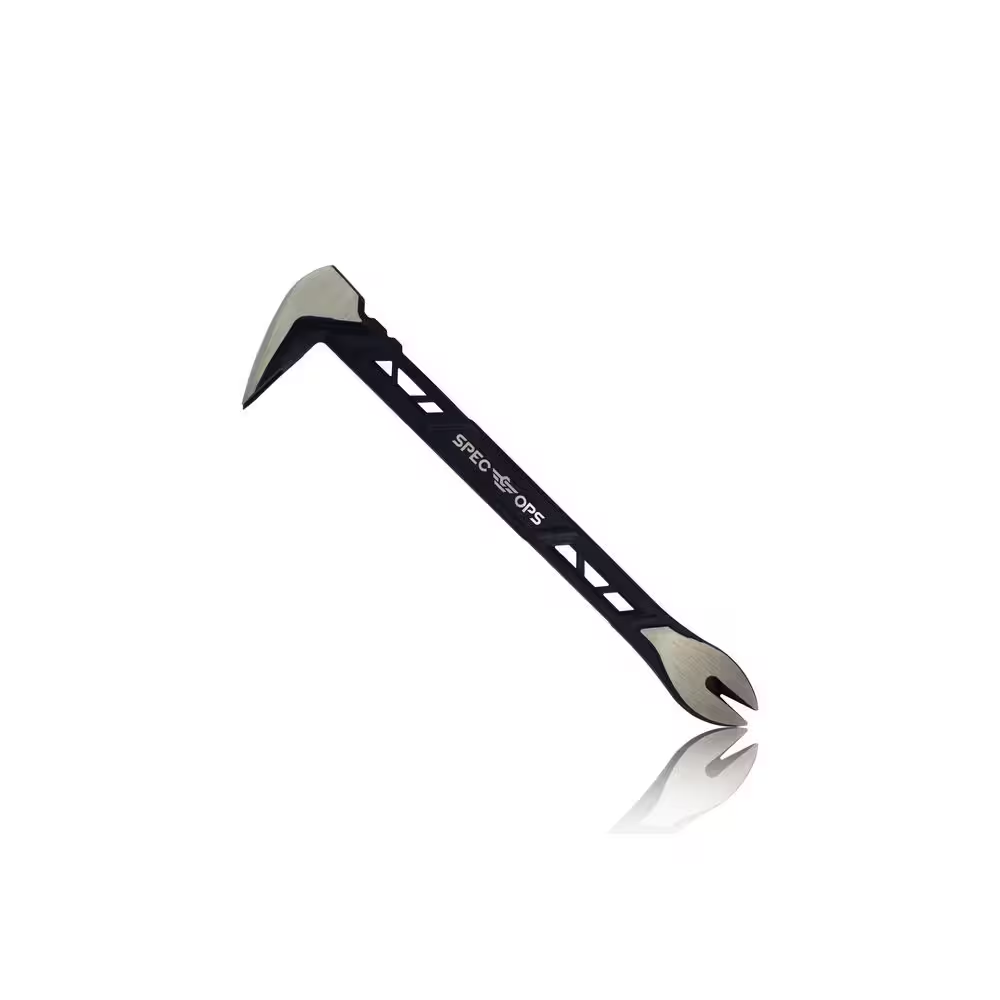
Cat’s Paw
Nail-pulling tool with curved, split claws for extracting embedded nails, also called a cat’s claw or nail bar.
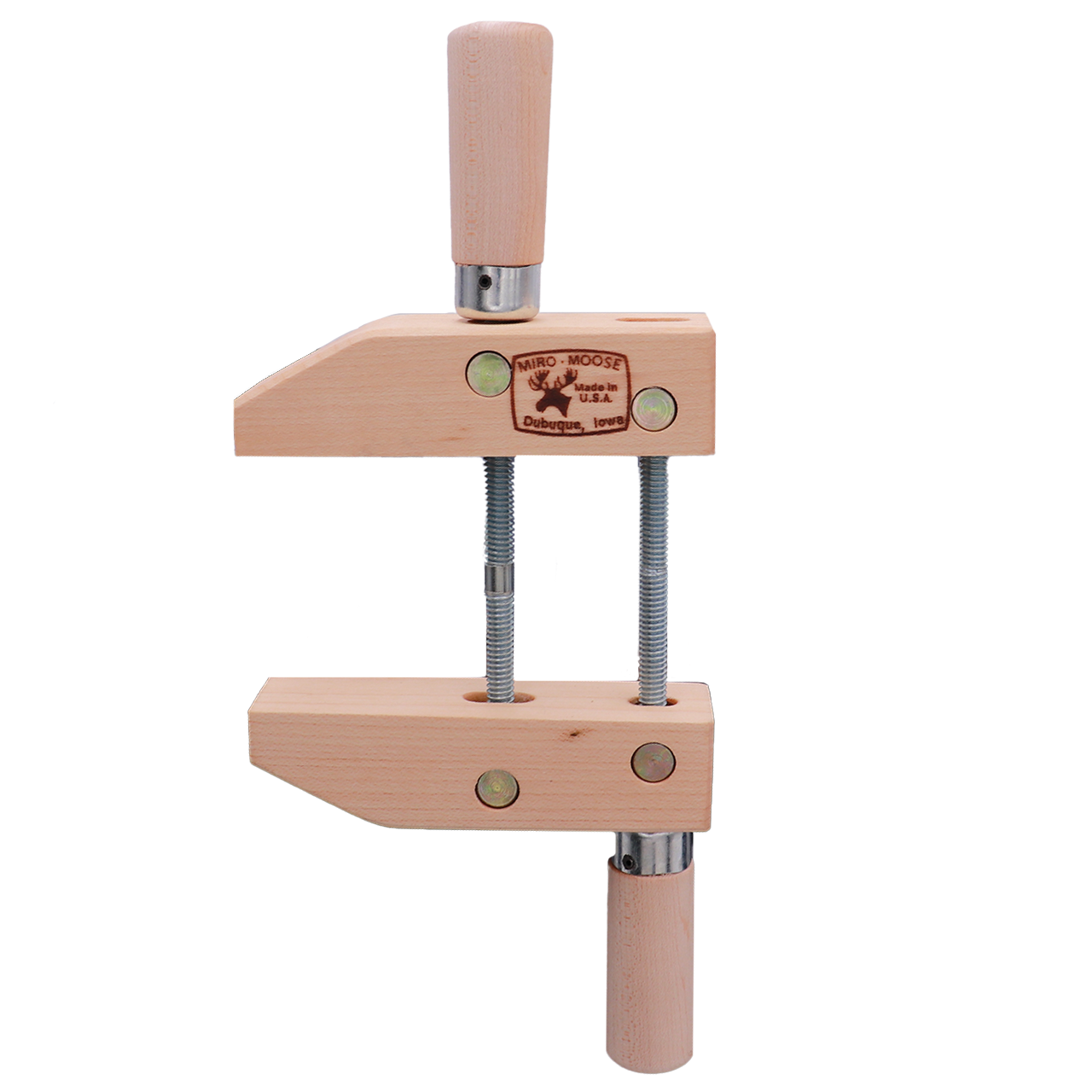
Hand Screw Clamp
Wooden clamp with opposing threaded handles used to securely hold and align workpieces during woodworking.
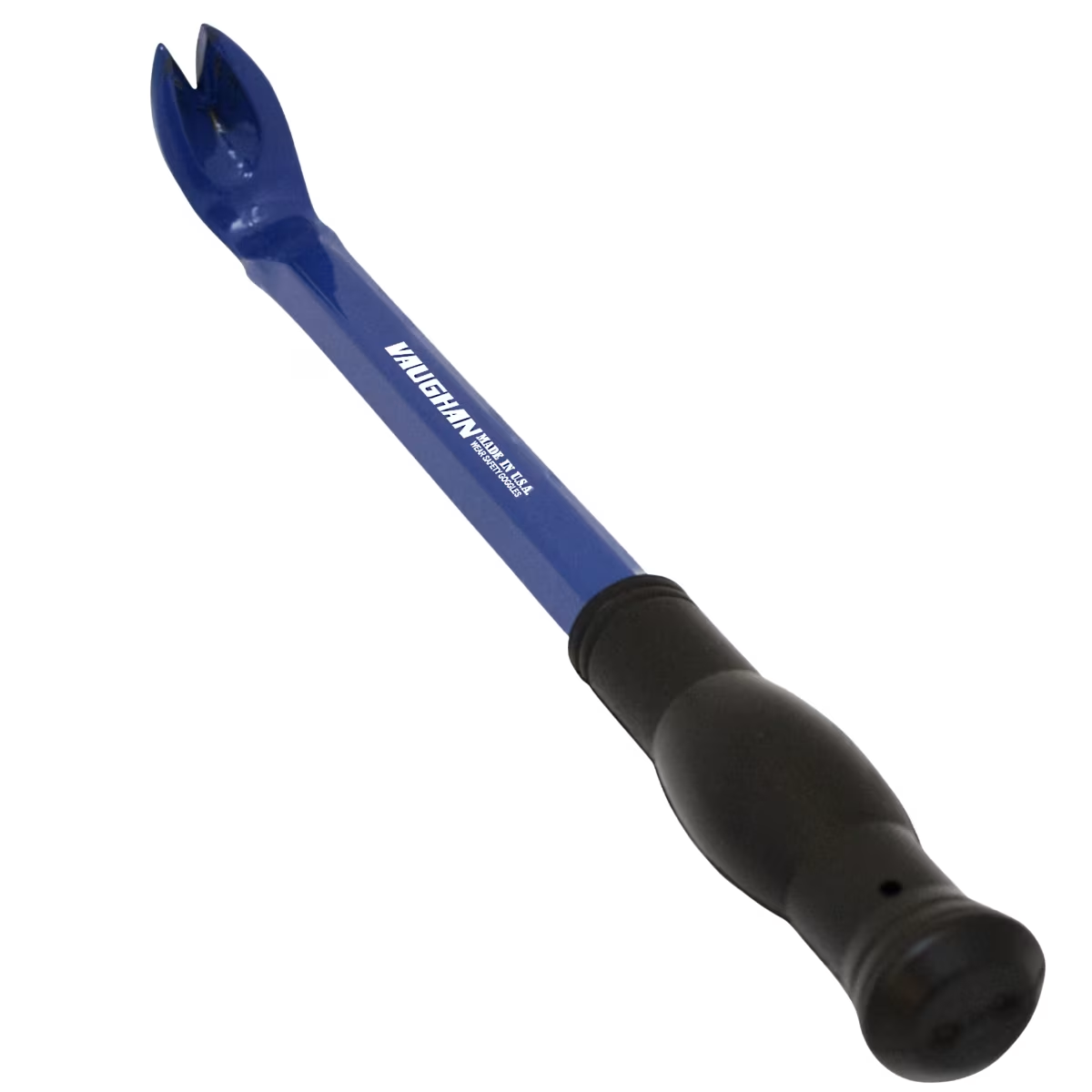
Nail Puller
Hand tool with a forked or clawed metal head and long handle designed to extract nails, staples, and brads from wood or drywall.
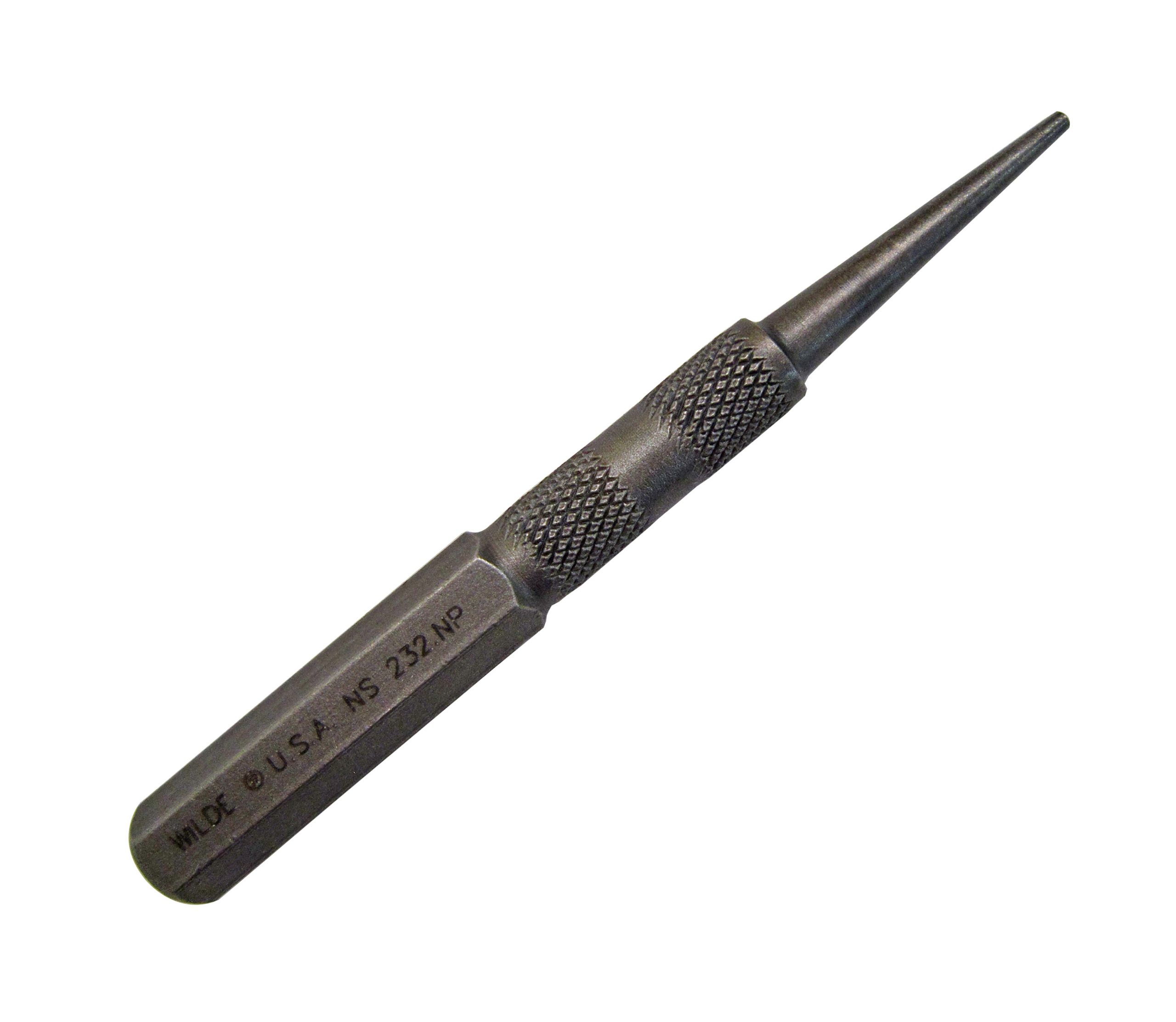
Nail Set
Small metal tool with a hollow tip used to drive nail heads below the wood surface for finishing work.
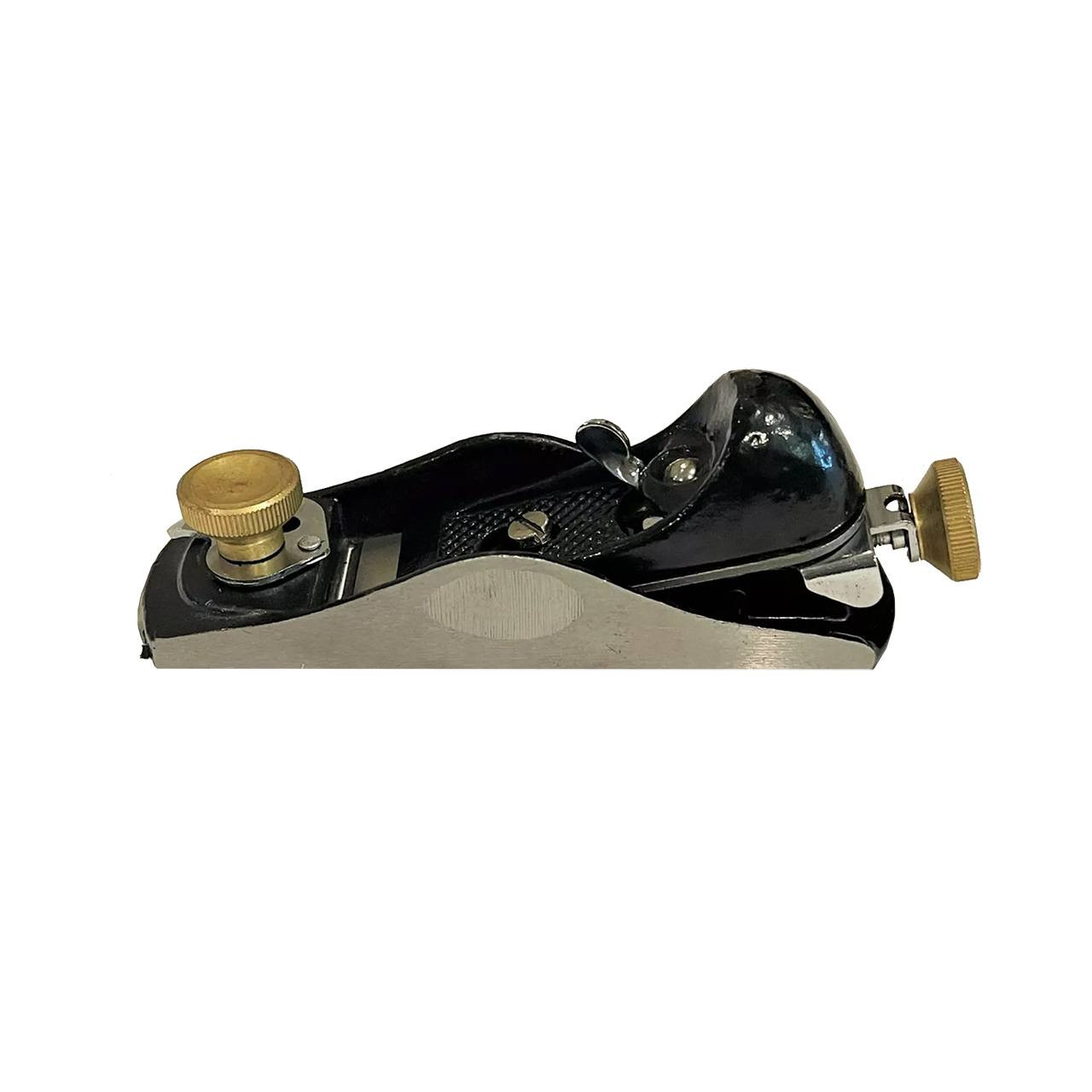
Block Plane
Small hand plane used for trimming end grain and fine woodworking, typically 5½–7 inches long for precise control.
Jack Plane
General-purpose hand plane used for rough shaping and smoothing wood along the grain. Note the tail behind the handle.
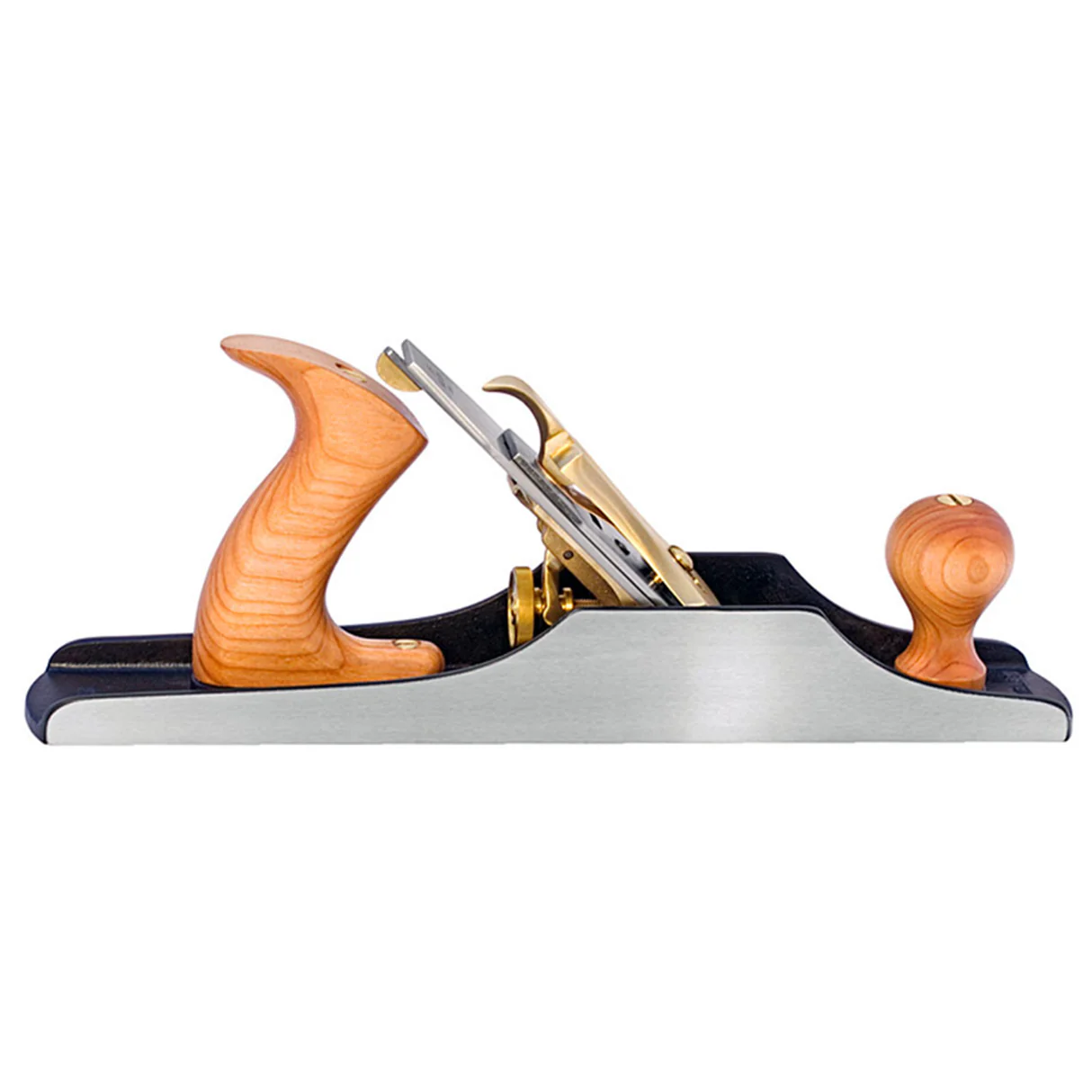
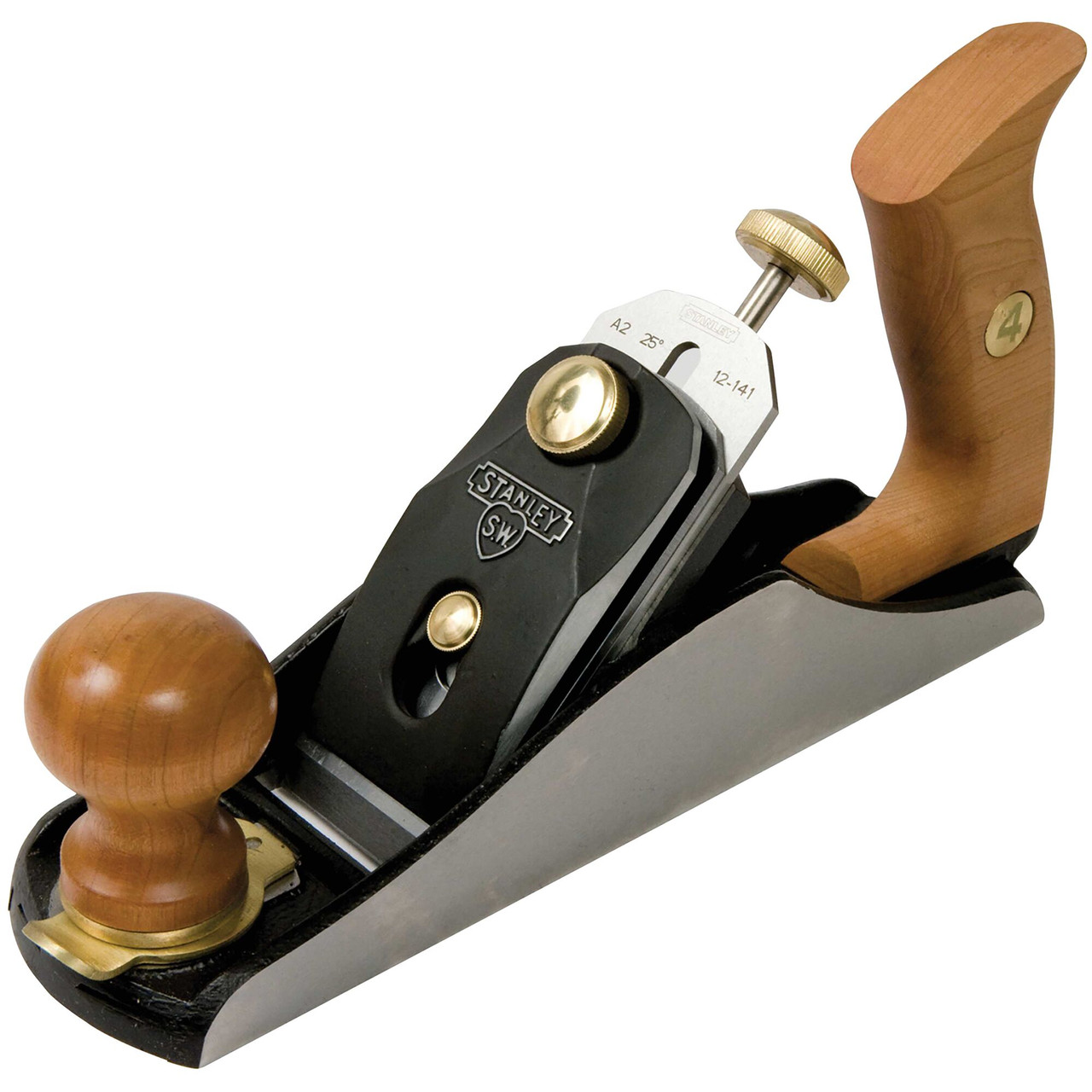
Smooth Plane
Handheld wood plane with a flat metal body and adjustable blade used to smooth and finish surfaces, typically 5½–10 inches long and 1¼–2⅜ inches wide.
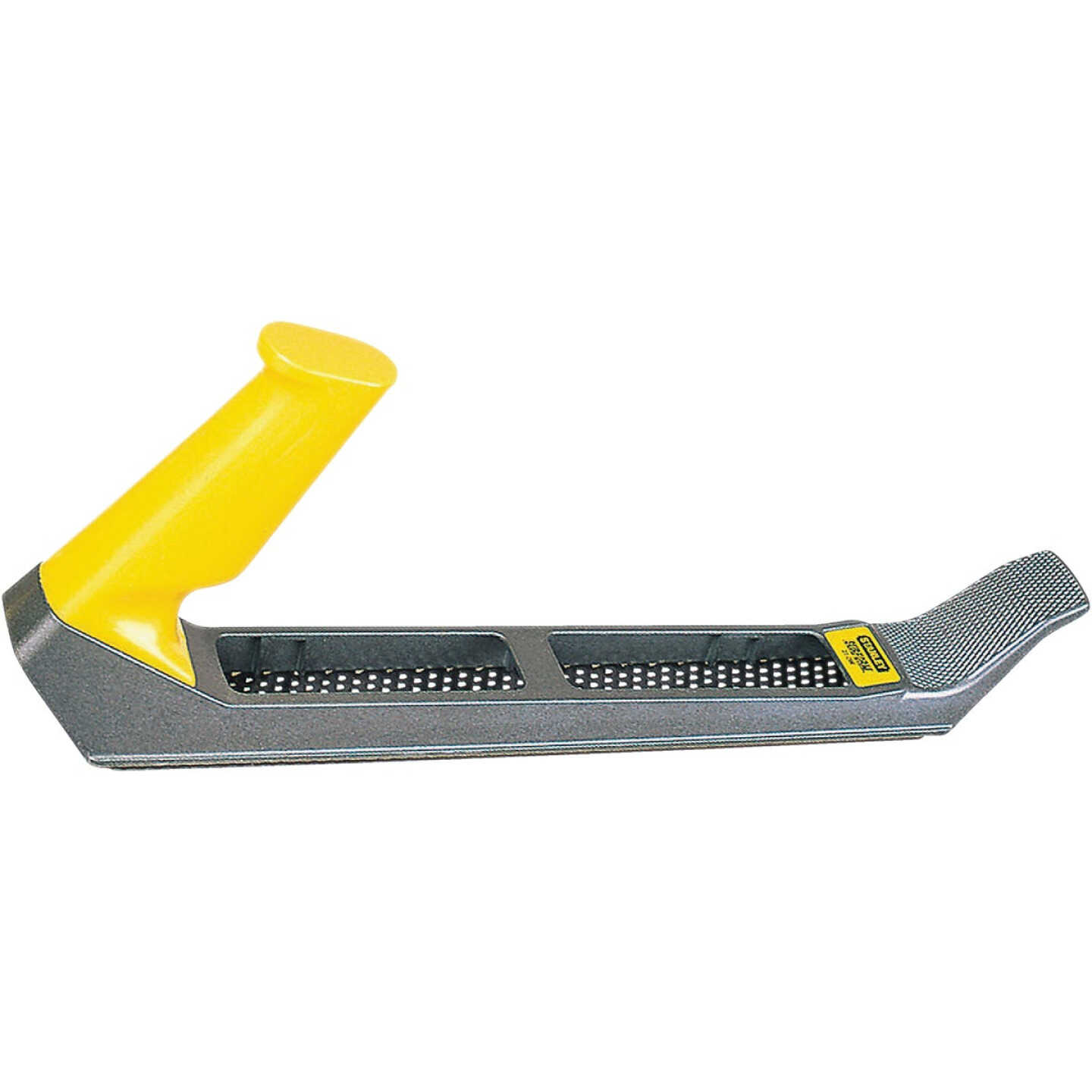
Surform Tool
Handheld rasp-like tool with a perforated blade used to shape and smooth material, available in flat, round, and half-round forms.
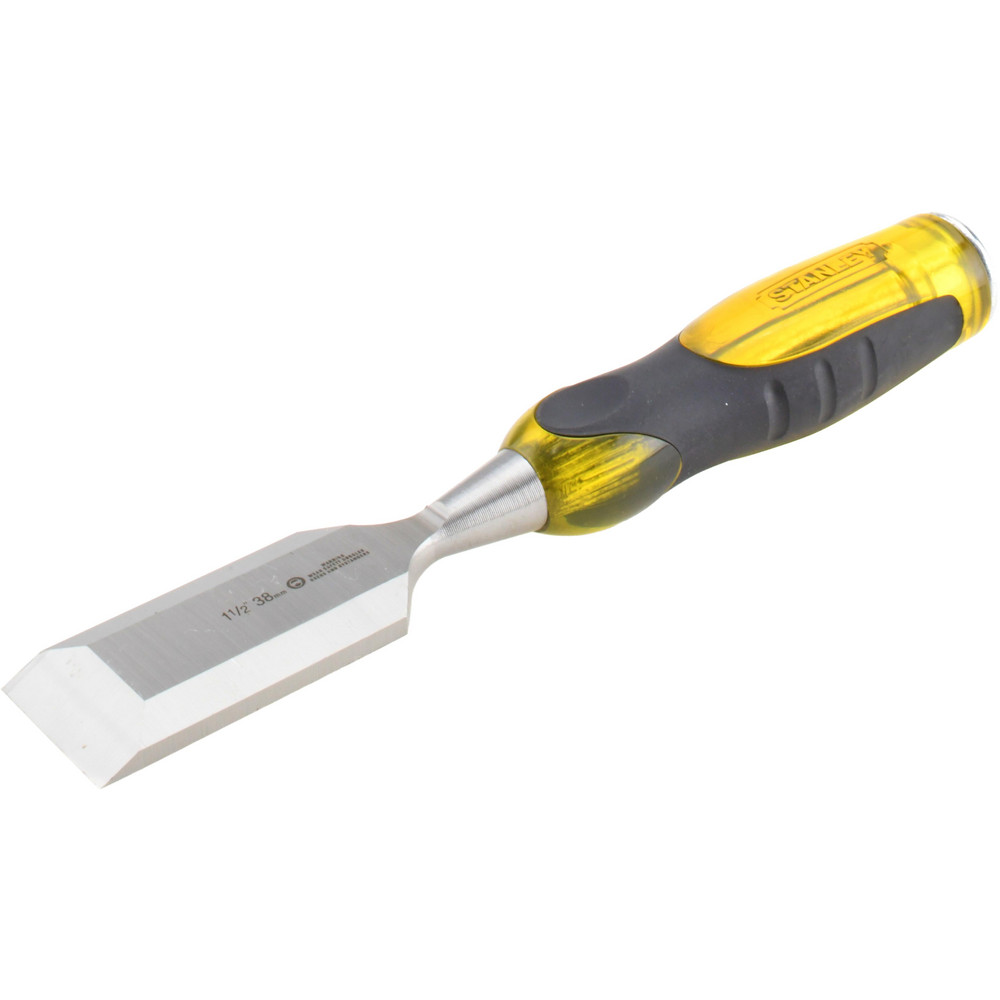
Wood Chisel
Hand tool with a single-beveled cutting edge sharpened to about 25–30 degrees, used for carving, shaping, and cutting wood.
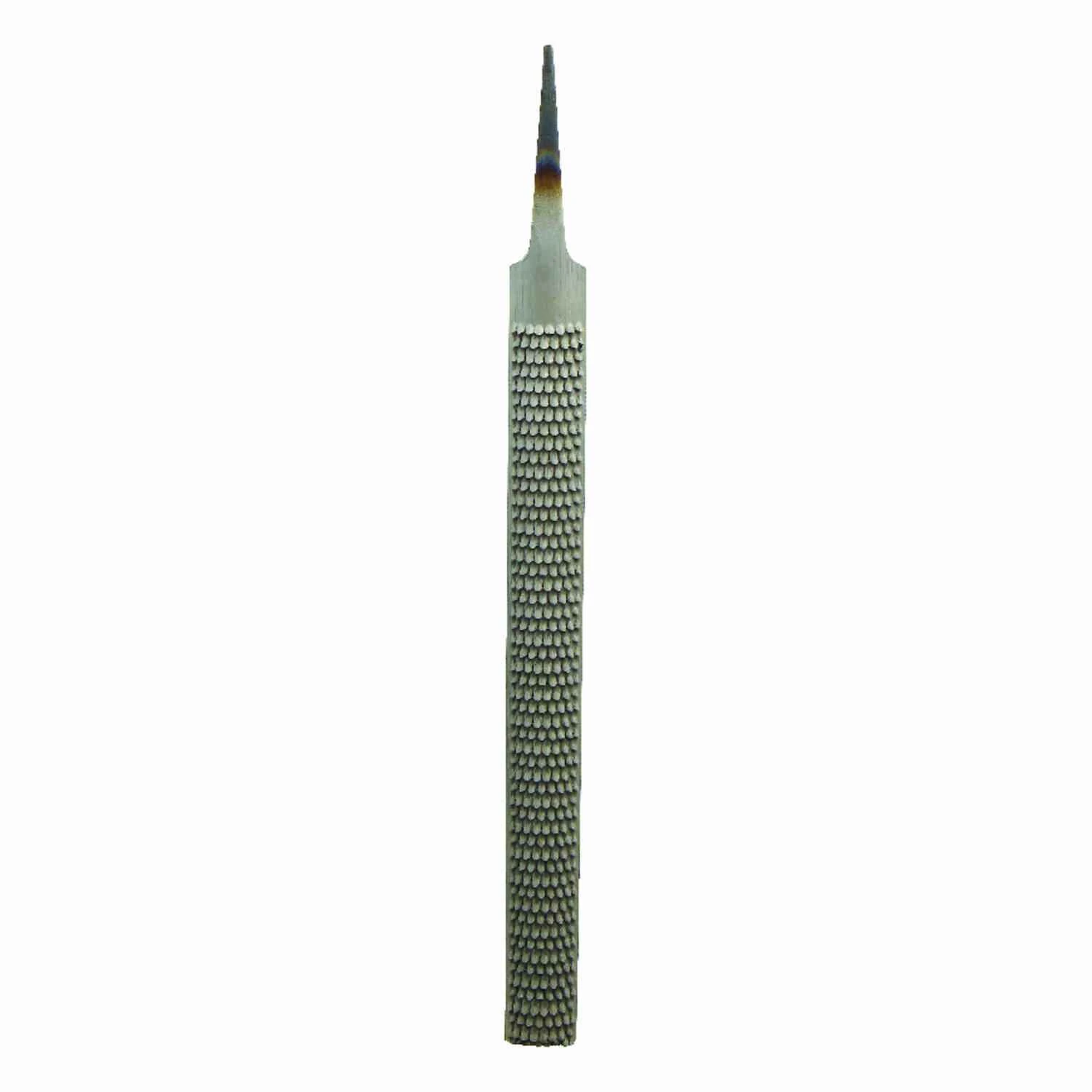
Wood Rasp
Coarse hand tool used to shape and smooth wood surfaces, available in types like 4-in-hand and horse rasps.
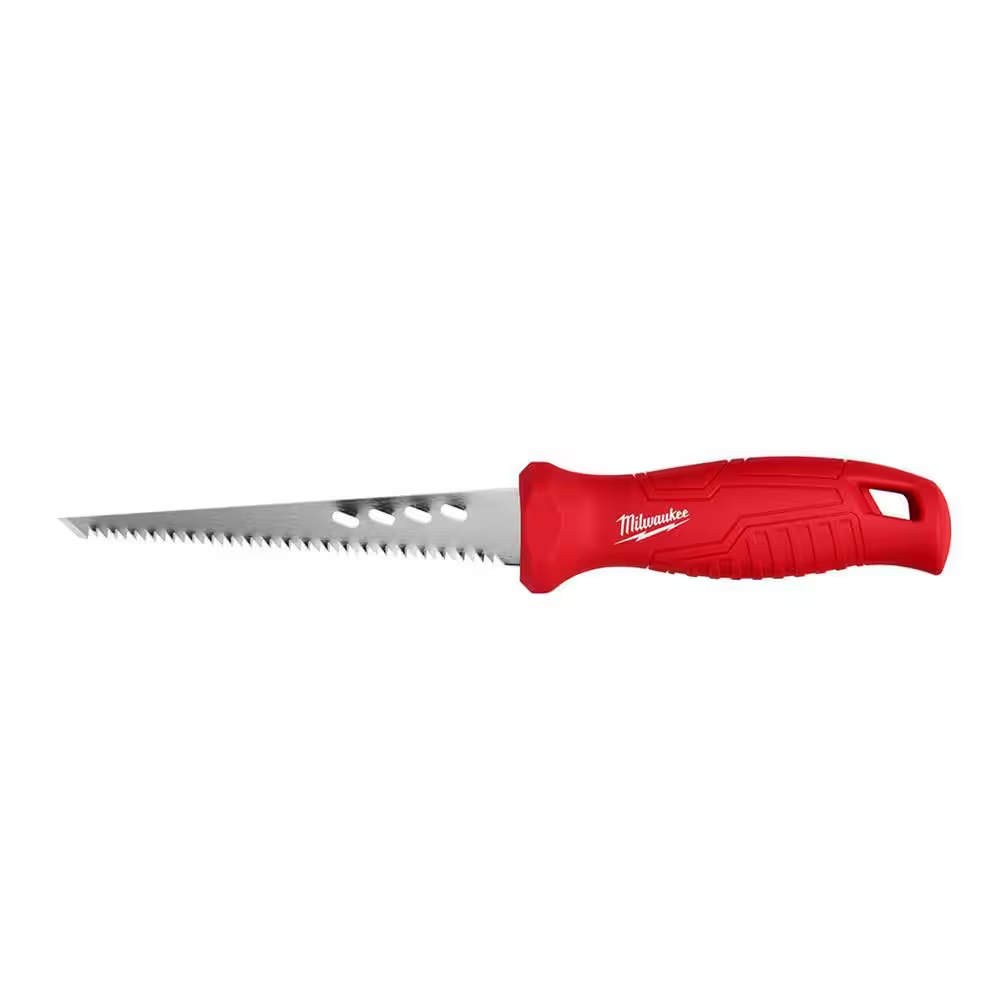
Drywall Saw
Tapered hand saw with pointed tip used for cutting drywall openings and shapes.
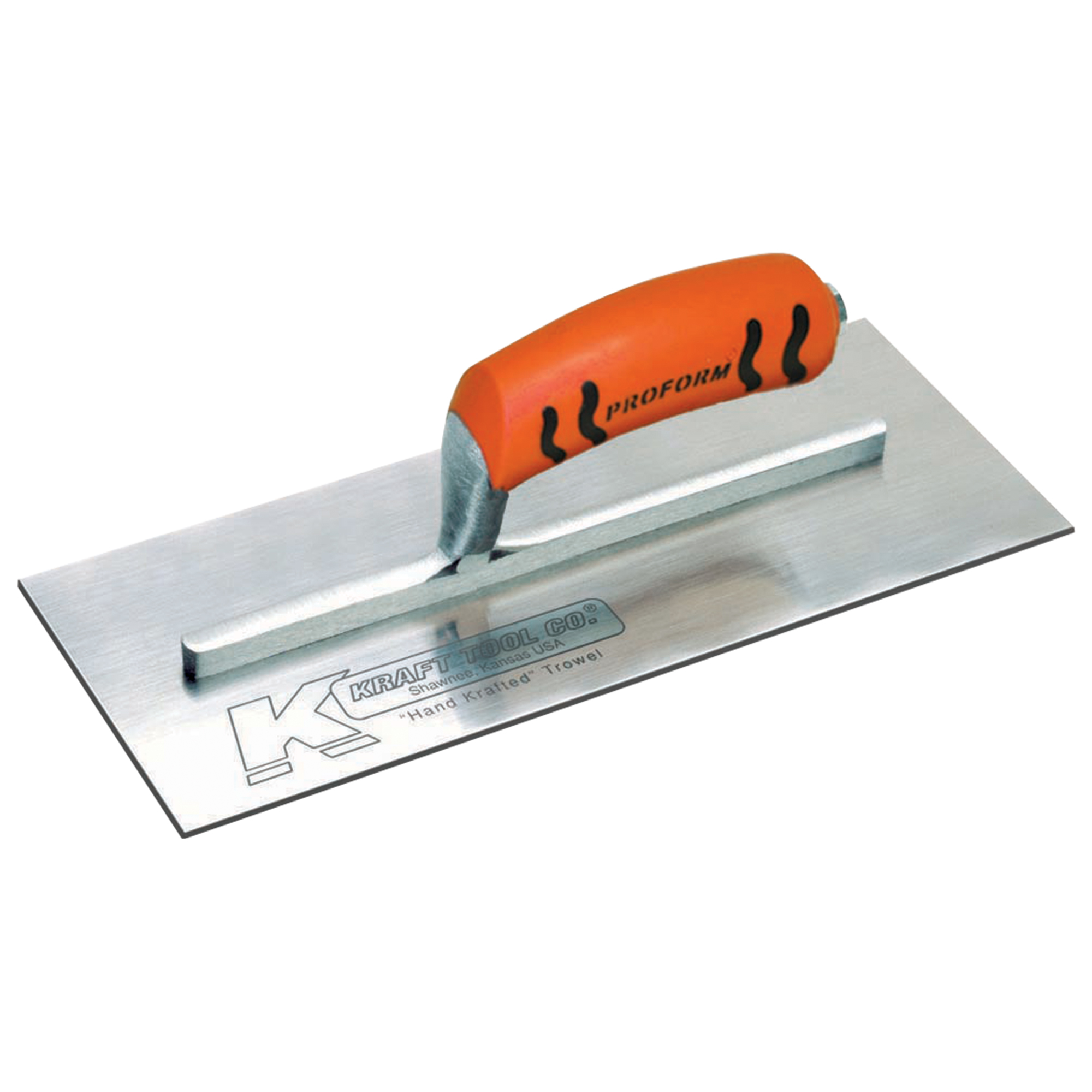
Drywall Trowel
Flexible flat metal blade with a handle, used to spread and smooth drywall compound and perform finishing passes.
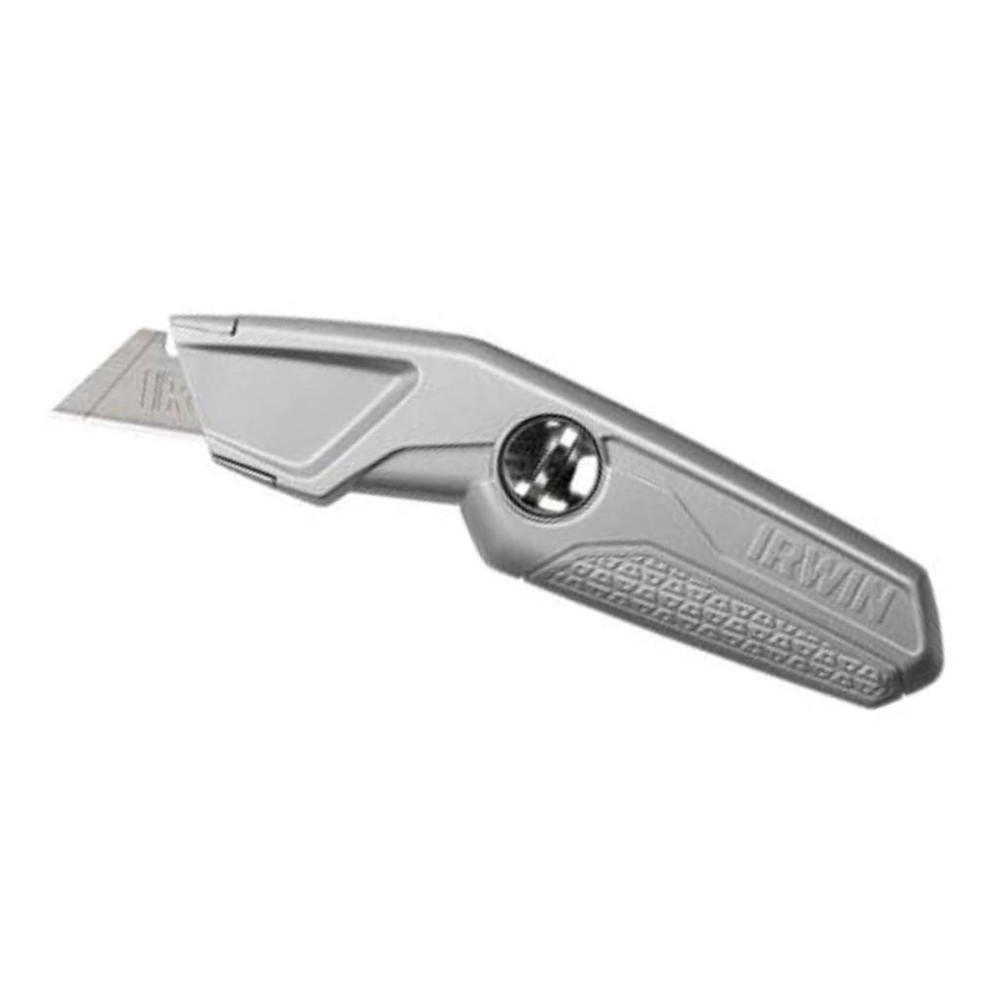
Utlility Knife
A sharp knife for cutting drywall, roofing felt, etc.
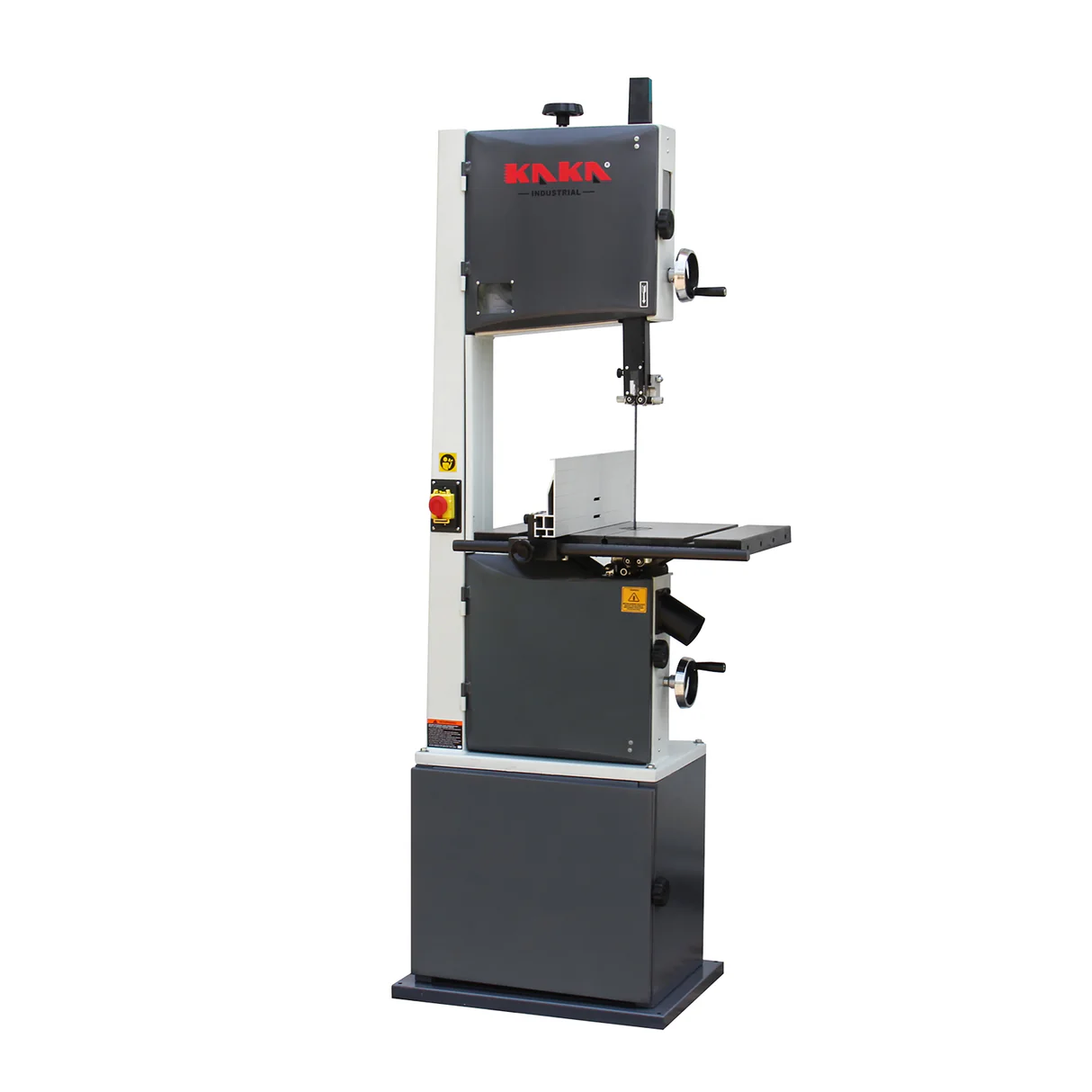
Band Saw
Stationary saw with continuous loop blade used for cutting curves and irregular shapes in wood and other materials.
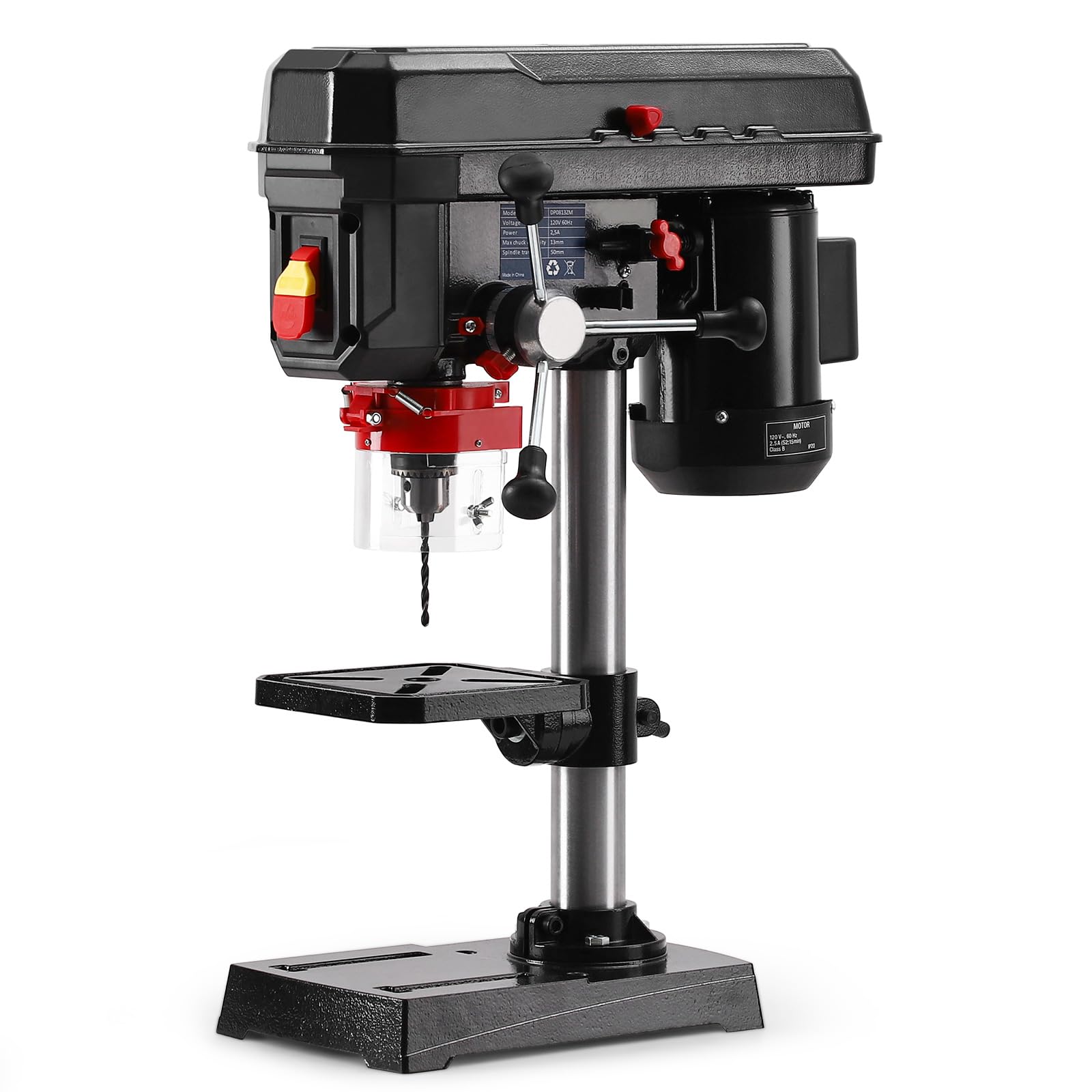
Drill Press
Stationary woodworking machine used for precise, vertical drilling of holes in wood with controlled depth and accuracy.
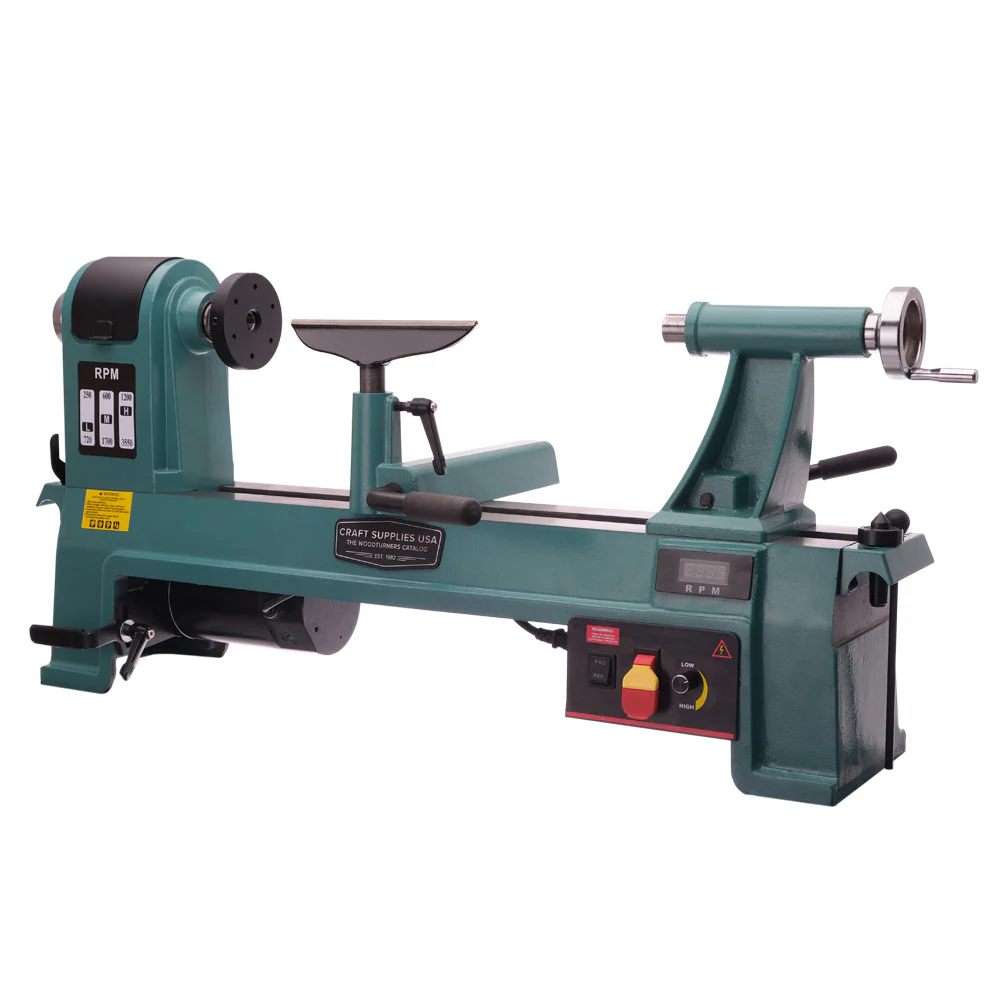
Lathe
Machine tool that rotates a workpiece around a central axis while a stationary cutting or shaping tool is applied to it.
Radial Arm Saw
Versatile woodworking saw with sliding arm, used for crosscuts, rip cuts, and compound angled cuts.
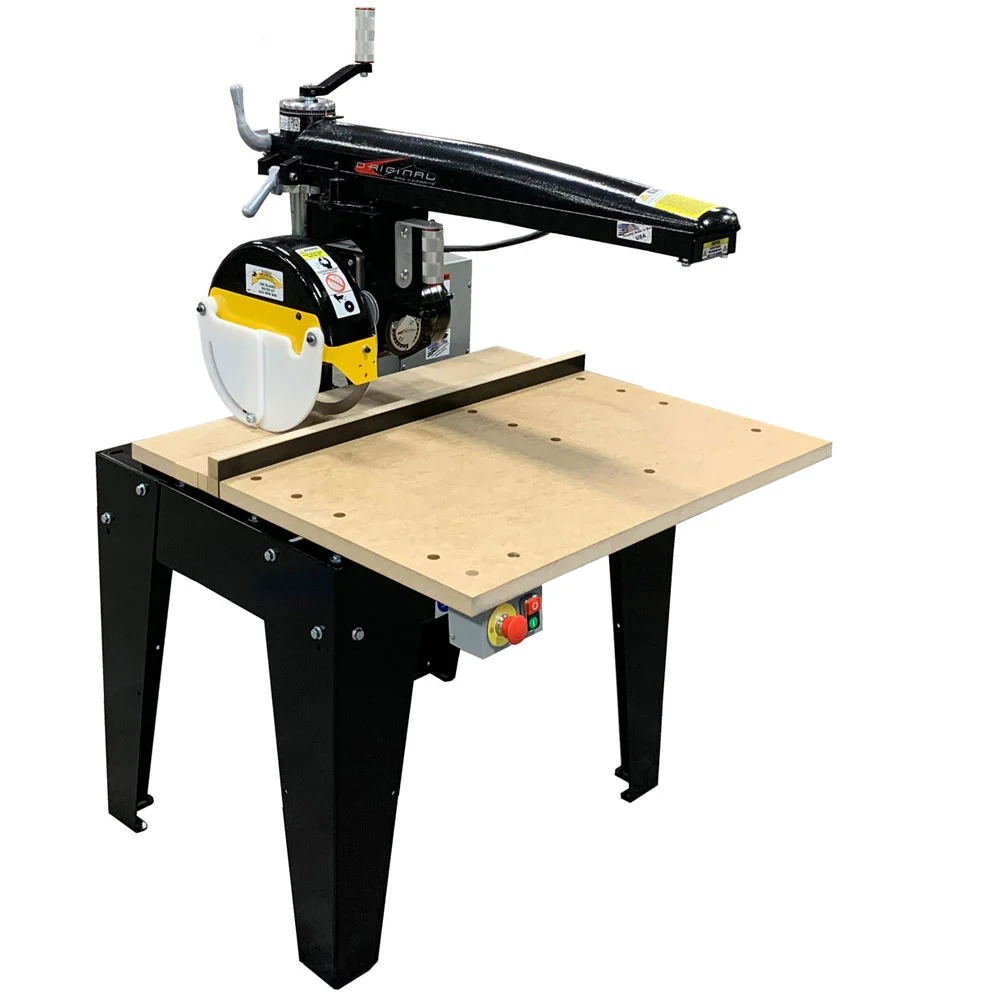
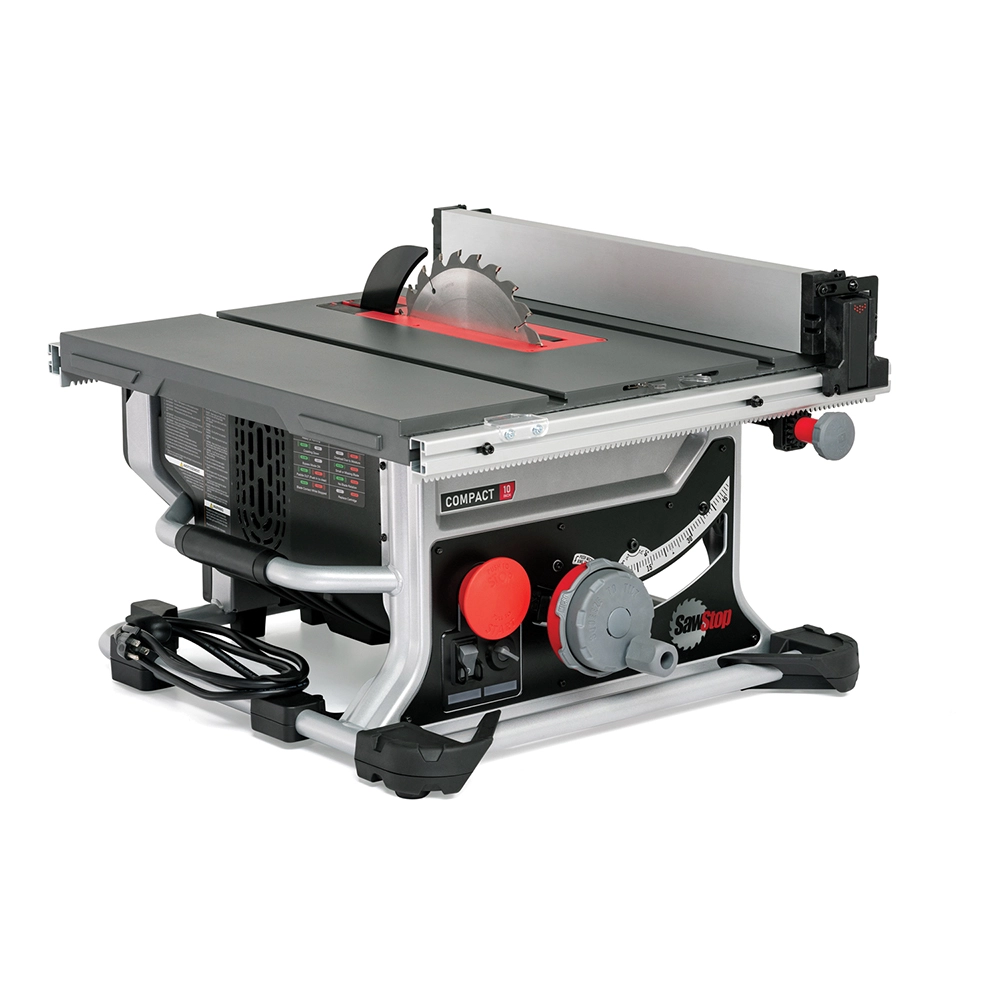
Table Saw
Stationary woodworking machine with a circular blade protruding through a flat table surface, used for accurately ripping lumber and cutting sheet materials.