APAH 7 & Mesopotamia
 Call Kai
 Learn
Learn Practice Test
 Spaced Repetition
 Match
Match Flashcards
 Knowt Play
1/28

There's no tags or description
Looks like no tags are added yet.
Name | Mastery | Learn | Test | Matching | Spaced | Call with Kai |
|---|
No analytics yet
Send a link to your students to track their progress
29 Terms
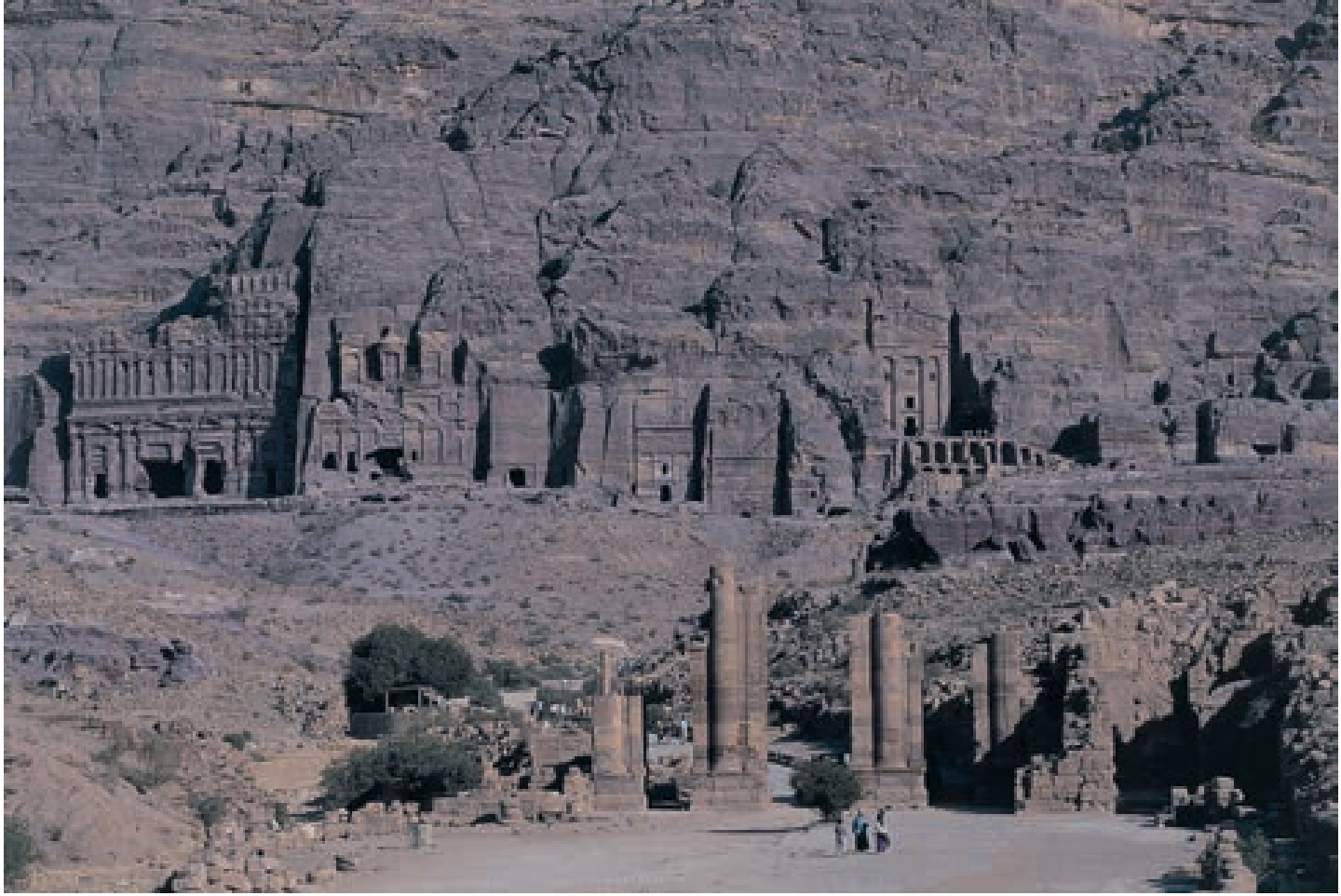
Petra - Petra Jordan: Treasury and Great Temple. Nabatean Ptolemaic and Roman. c. 400 BCE-100 CE. Cut rock.
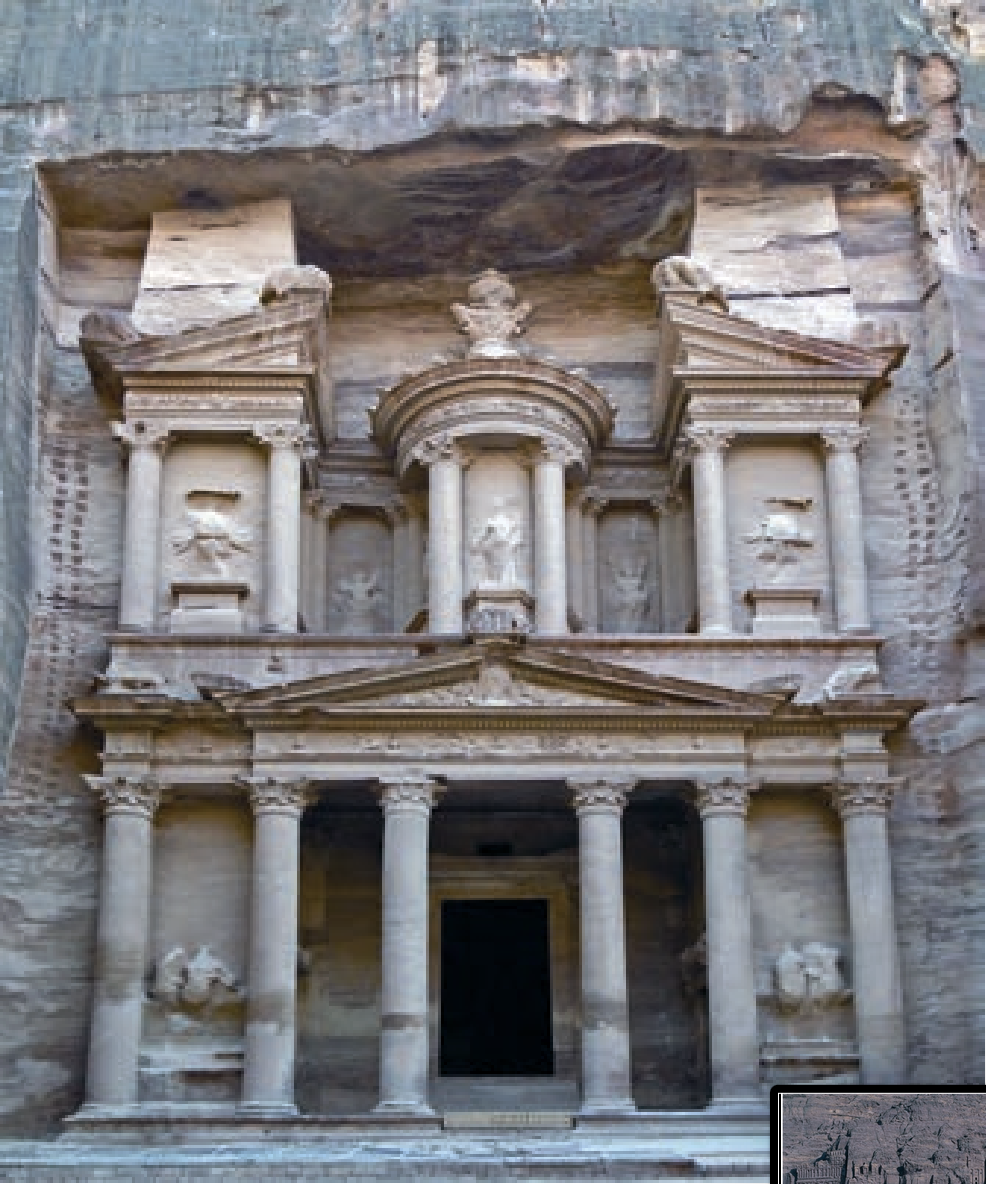
Treasury - Petra, Jordan: Treasury and Great Temple. Nabatean Ptolemaic and Roman. c. 400 BCE-100 CE. Cut rock.
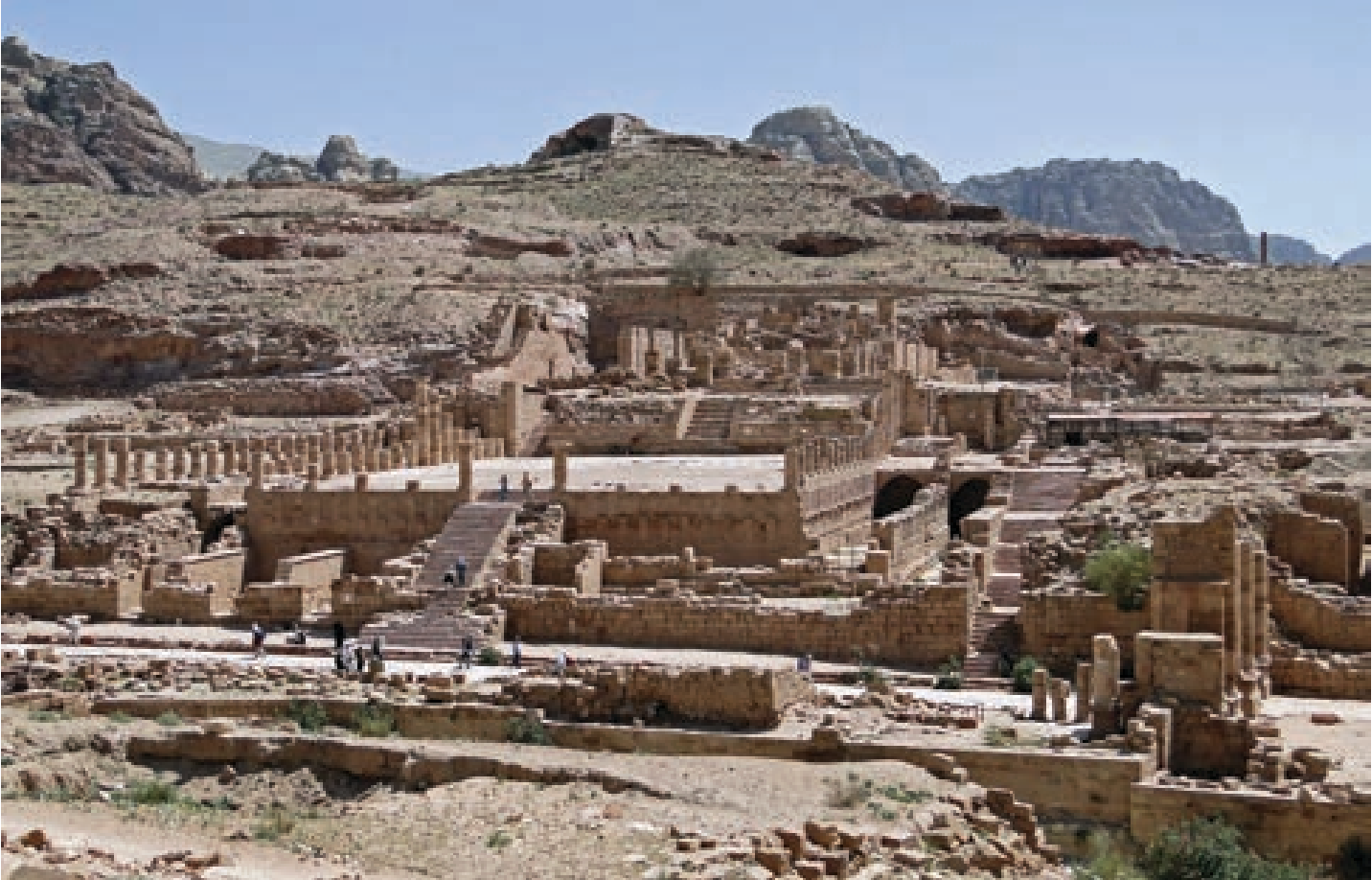
Great Temple - Petra, Jordan: Treasury and Great Temple. Nabatean Ptolemaic and Roman. c. 400 BCE-100 CE. Cut rock.
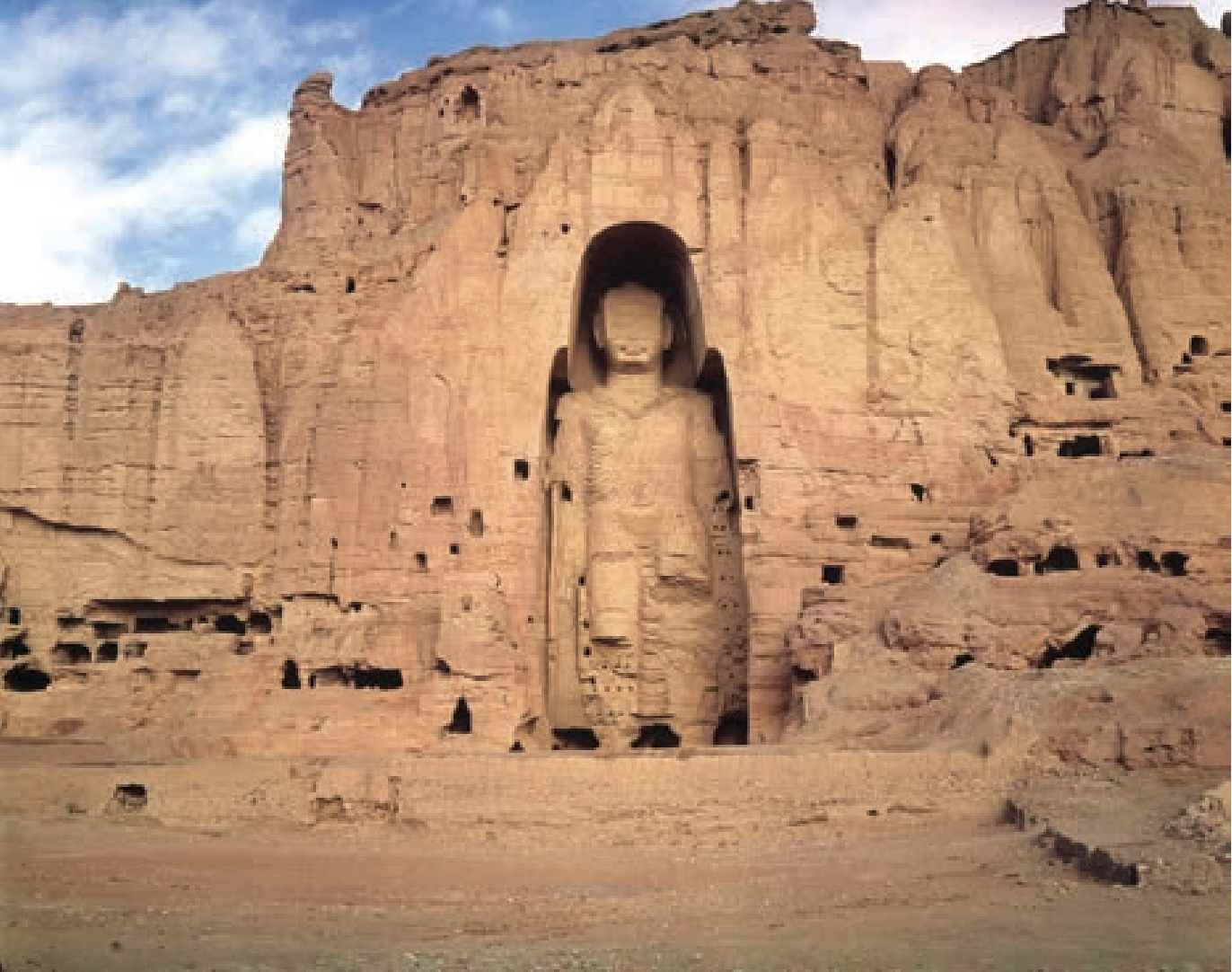
Buddha. Bamiyan, Afghanistan. Gandharan. c. 400-800 CE. (destroyed in 2011). Cut rock with plaster and polychrome paint.
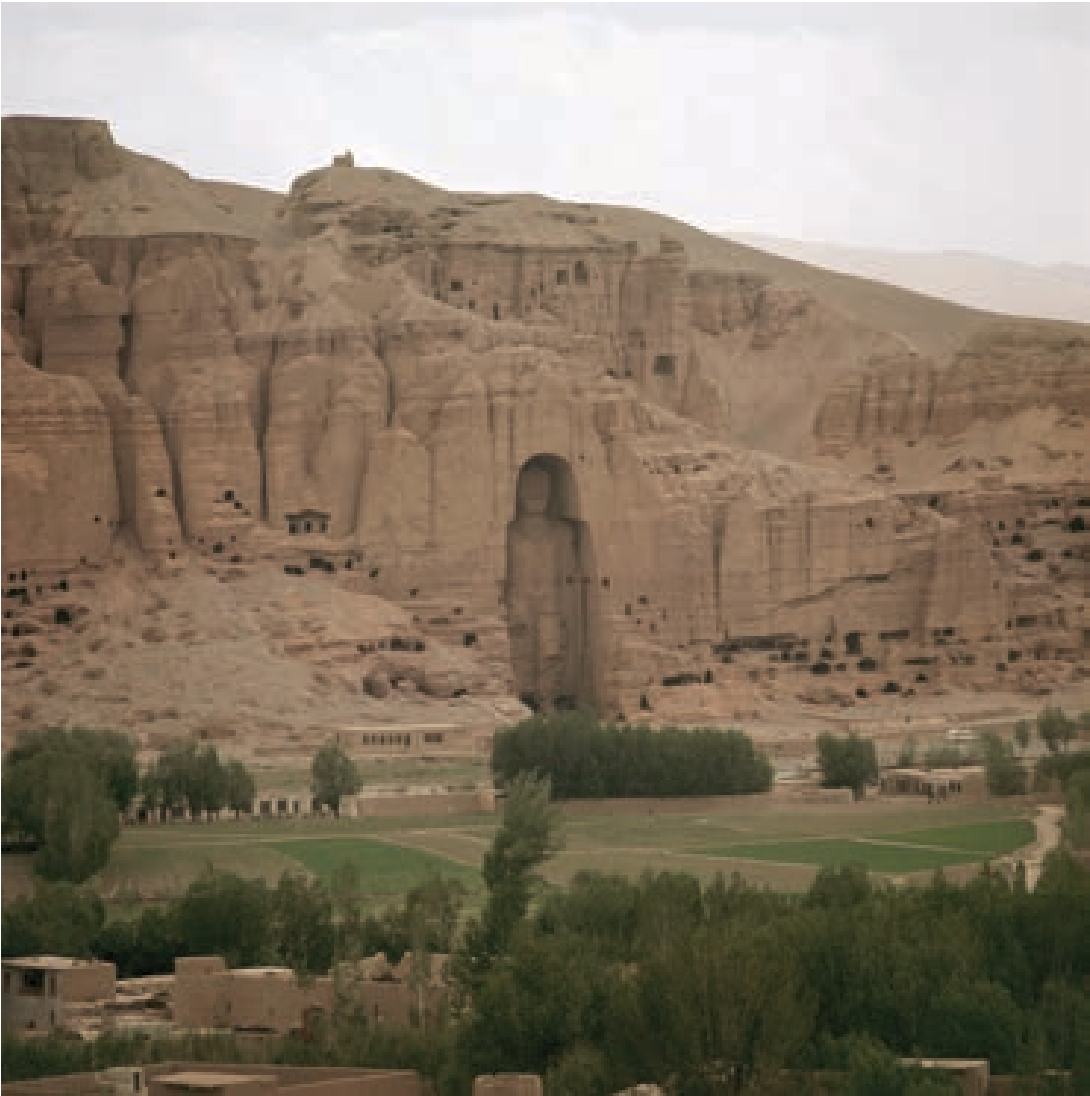
Buddha. Bamiyan, Afghanistan. Gandharan. c. 400-800 CE. (destroyed in 2011). Cut rock with plaster and polychrome paint.
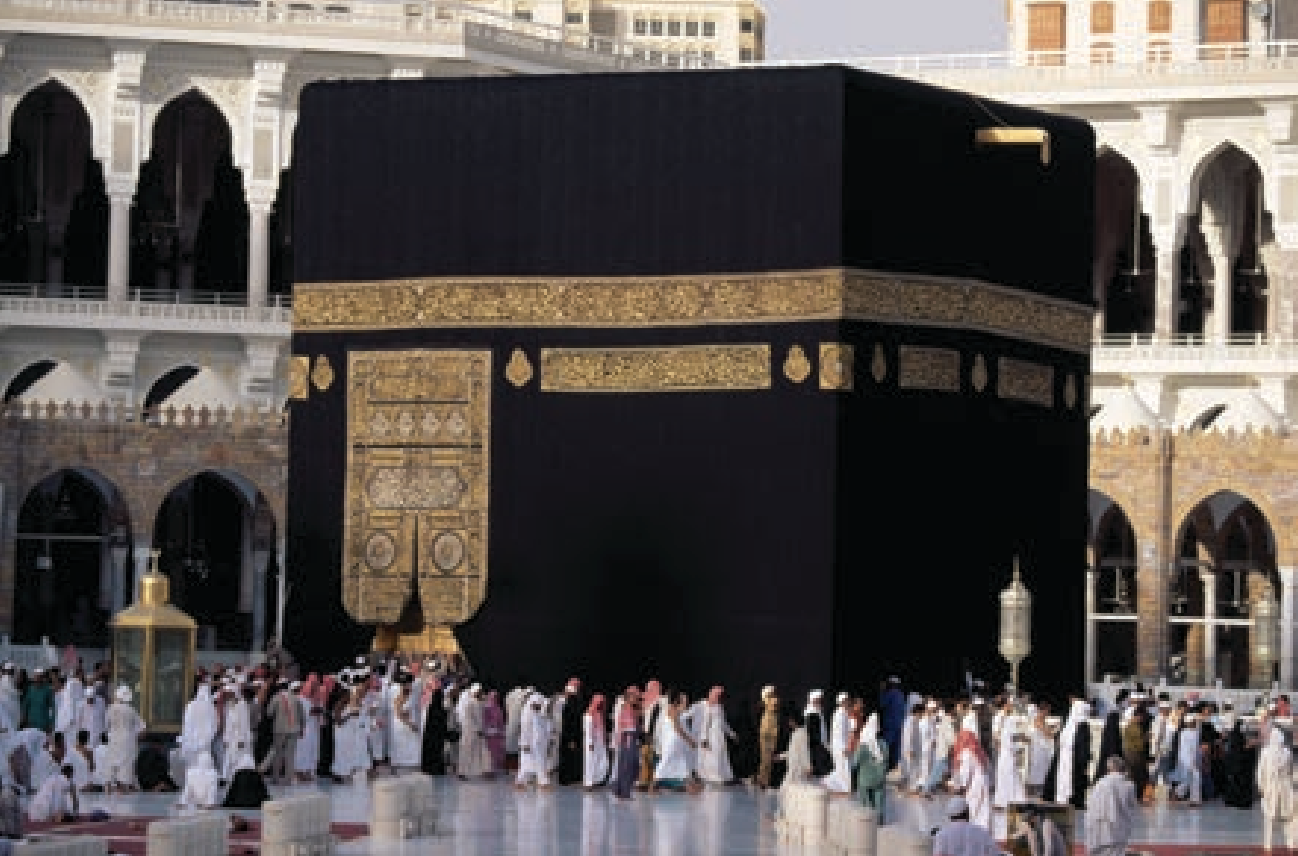
The Kaaba. Mecca, Saudi Arabia. Islamic. Pre-Islamic monument; rededicated by Muhammad in 631-632 CE; multiple renovations. Granite masonry, covered with silk curtain and calligraphy in gold and silver-wrapped thread.
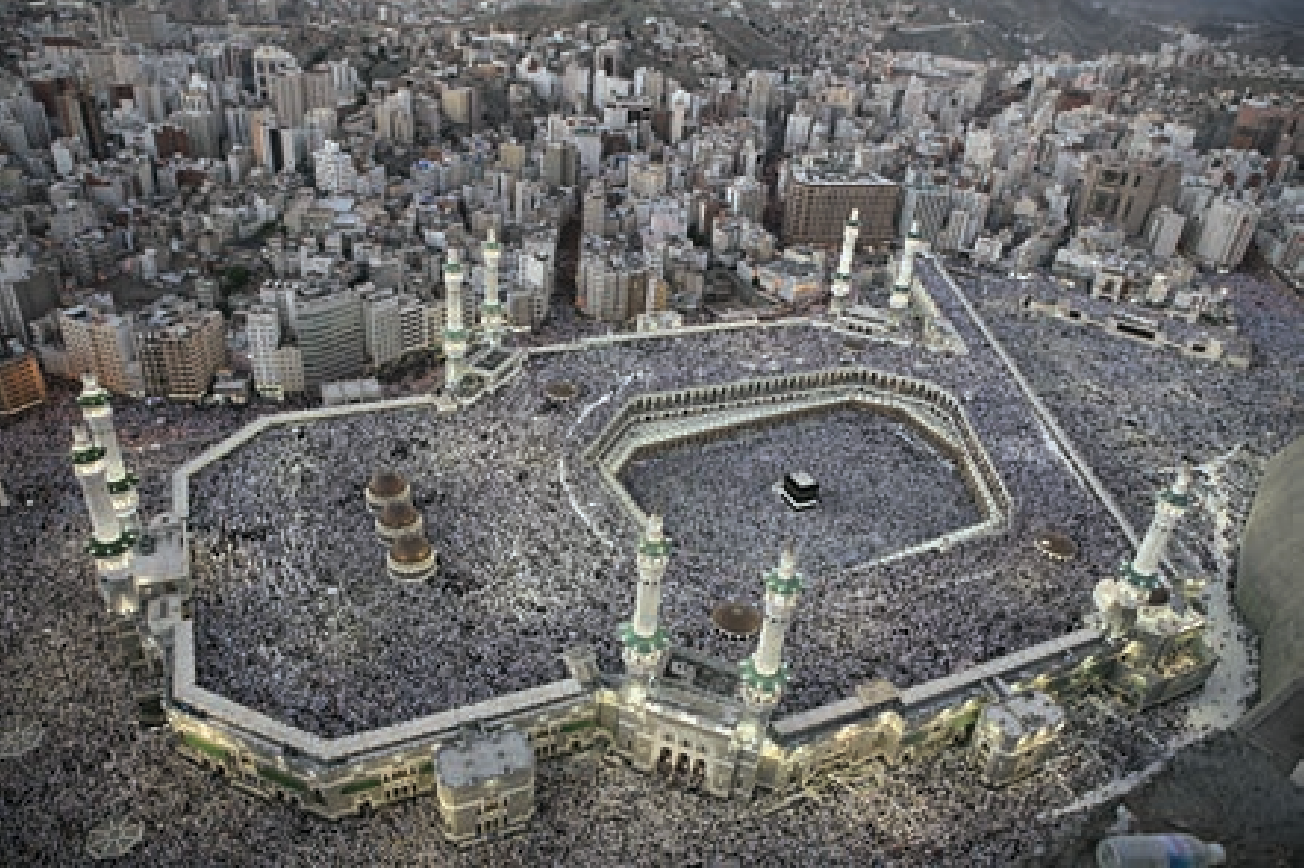
The Kaaba. Mecca, Suadi Arabia. Islamic. Pre-Islamic monument; rededicated by Muhammad in 631-632 CE; multiple renovations. Granite masonry, covered with silk curtain and calligraphy in gold and silver-wrapped thread.
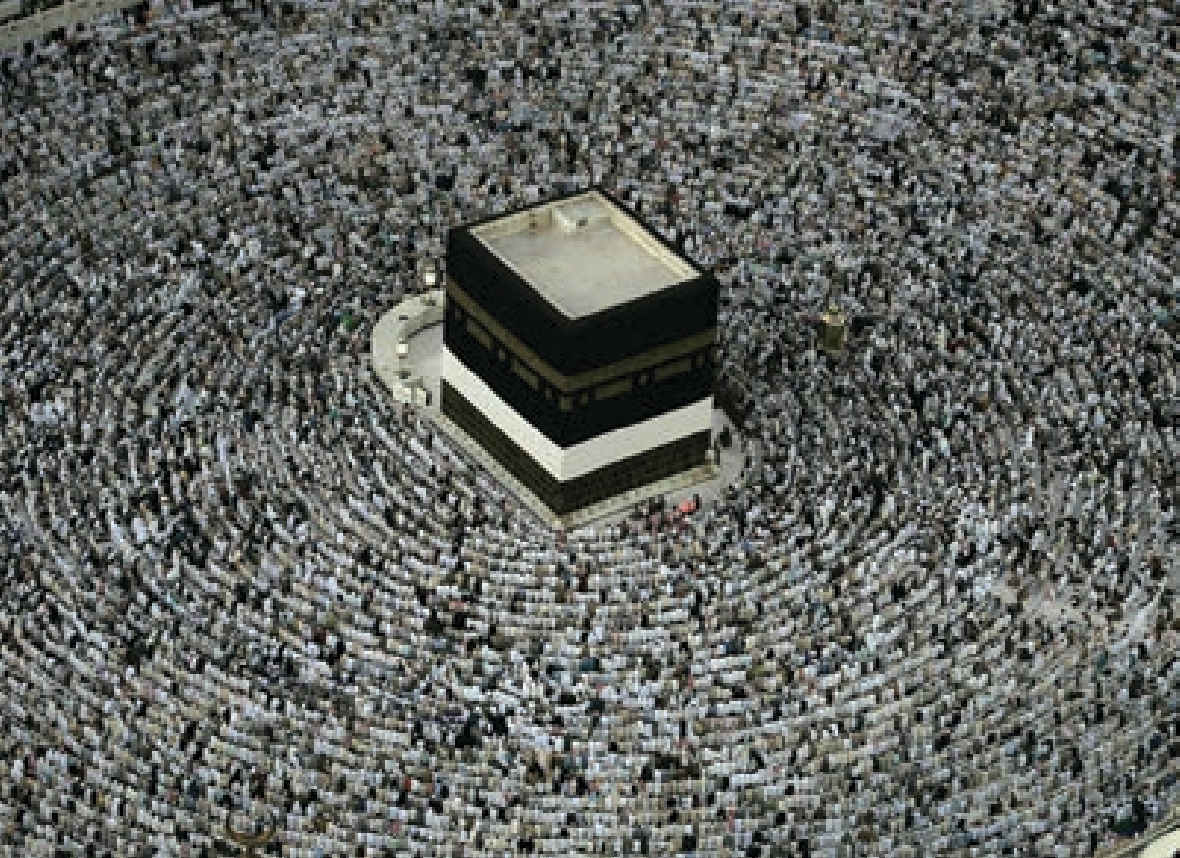
Kaaba. Mecca, Saudi Arabia, Islamic. Pre-Islamic Monument; rededicated by Muhammad in 631-632 CE; multiple renovations. Granite masonry, covered with silk curtain and calligraphy in gold and silver-wrapped thread.
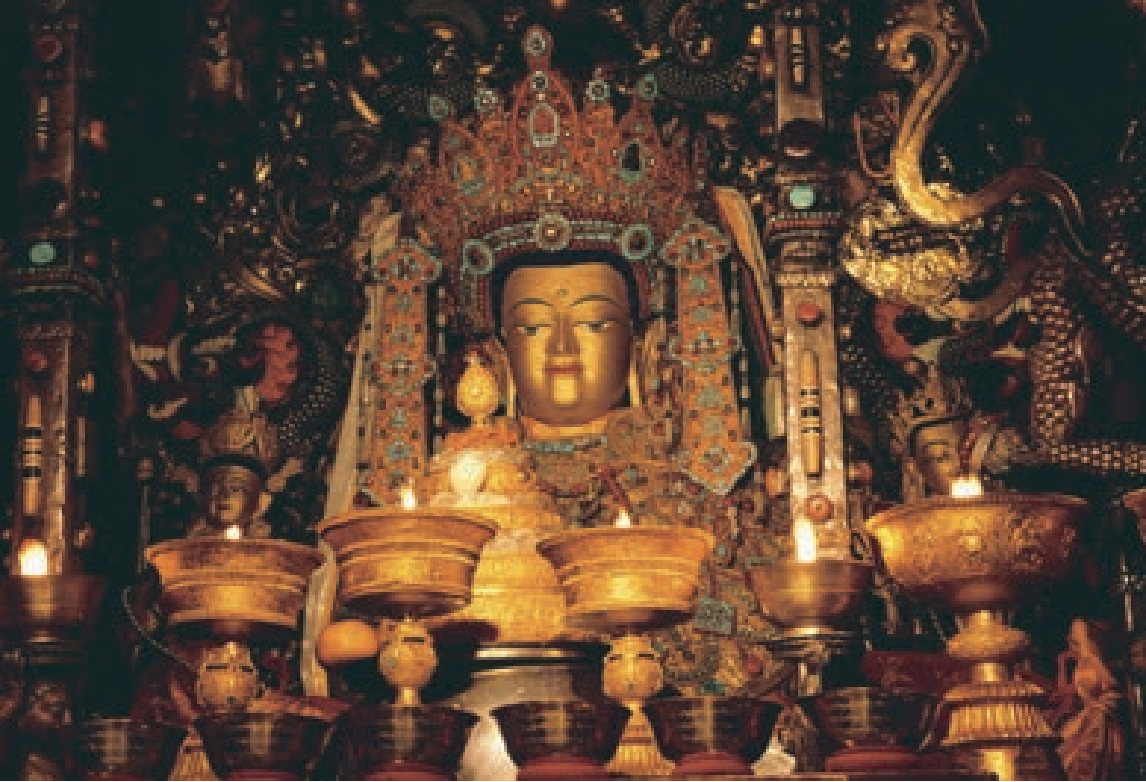
Jowo Rinpoche, enshrined in the Jokhang Temple. Lhasa, Tibet. Yarllung Dynasty Believed to have been brought to TIbet in 641 CE. Gilt metals with semiprecious, pearls, and paint; various offerings.
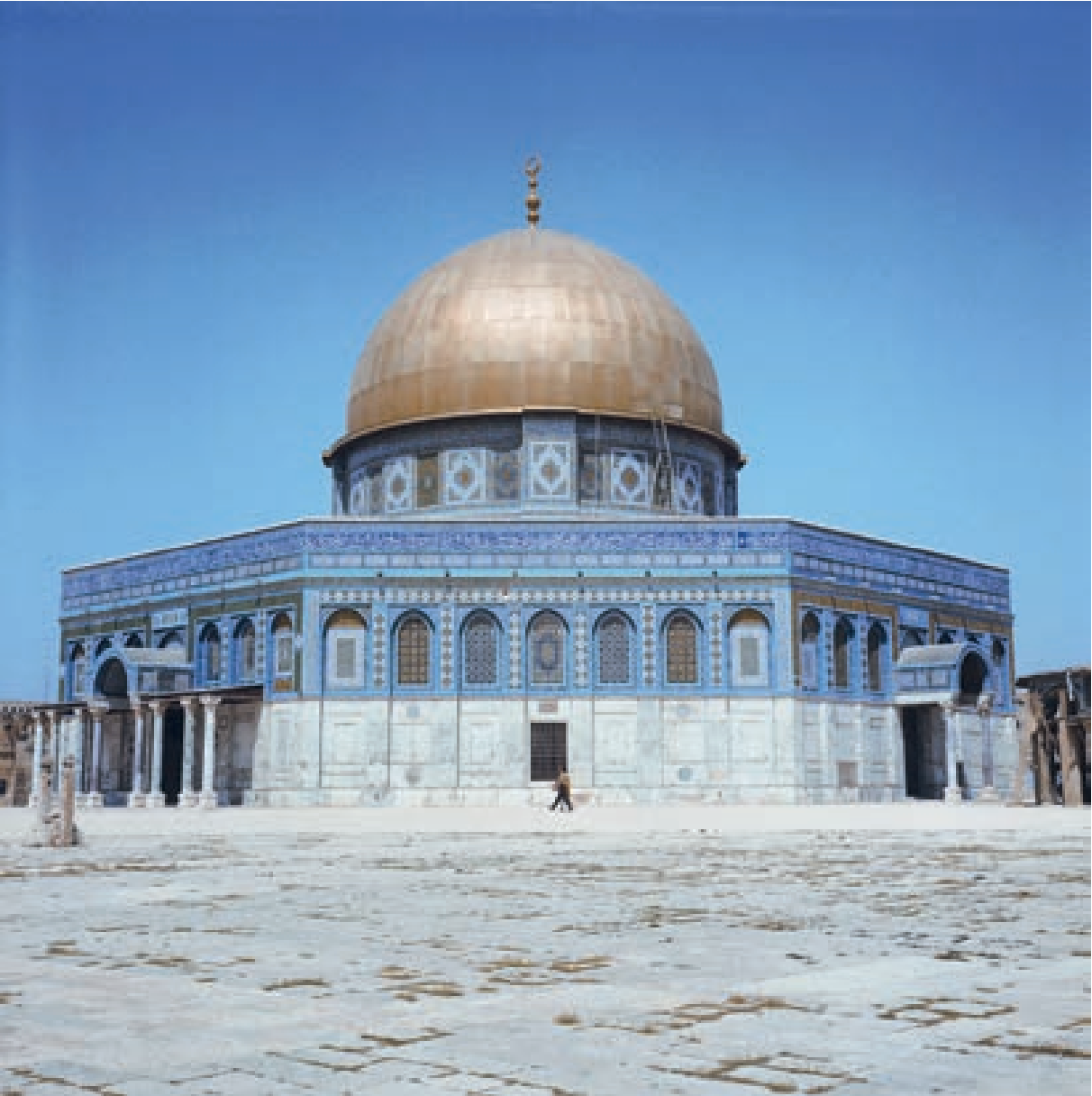
Dome of the Rock. Jerusalem. Islamic, Umayyad. 691-692 CE, with multiple renovations. Stone masonry and wooden roof decorated with glazed ceramic tile, mosaics and gilt aluminum and bronze dome.
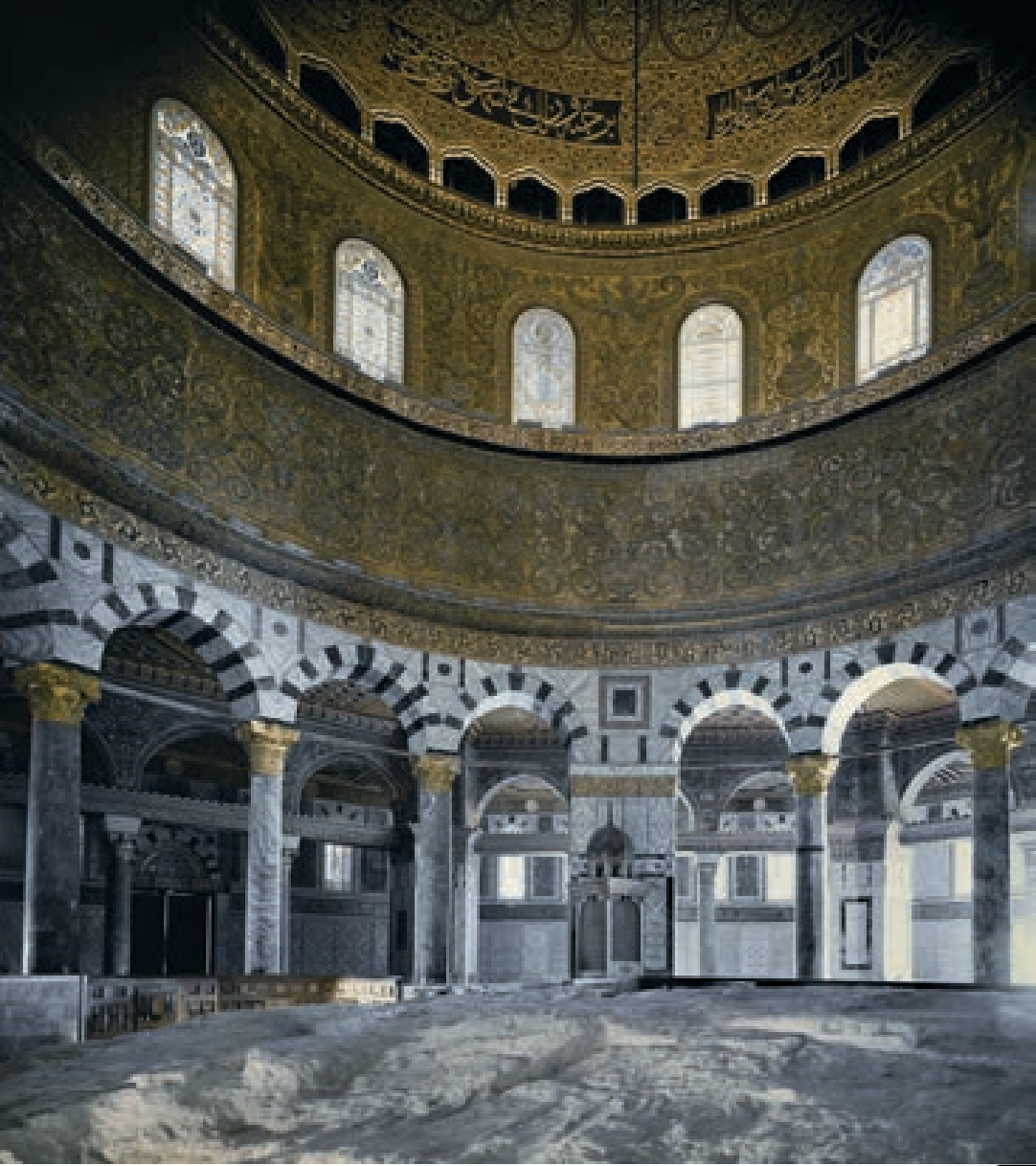
Dome of the Rock. Jerusalem. Islamic, Umayyad. 691-692 CE, with multiple renovations. Stone masonry and wooden roof decorated with glazed ceramic tile, mosaics and gilt aluminum and bronze dome.
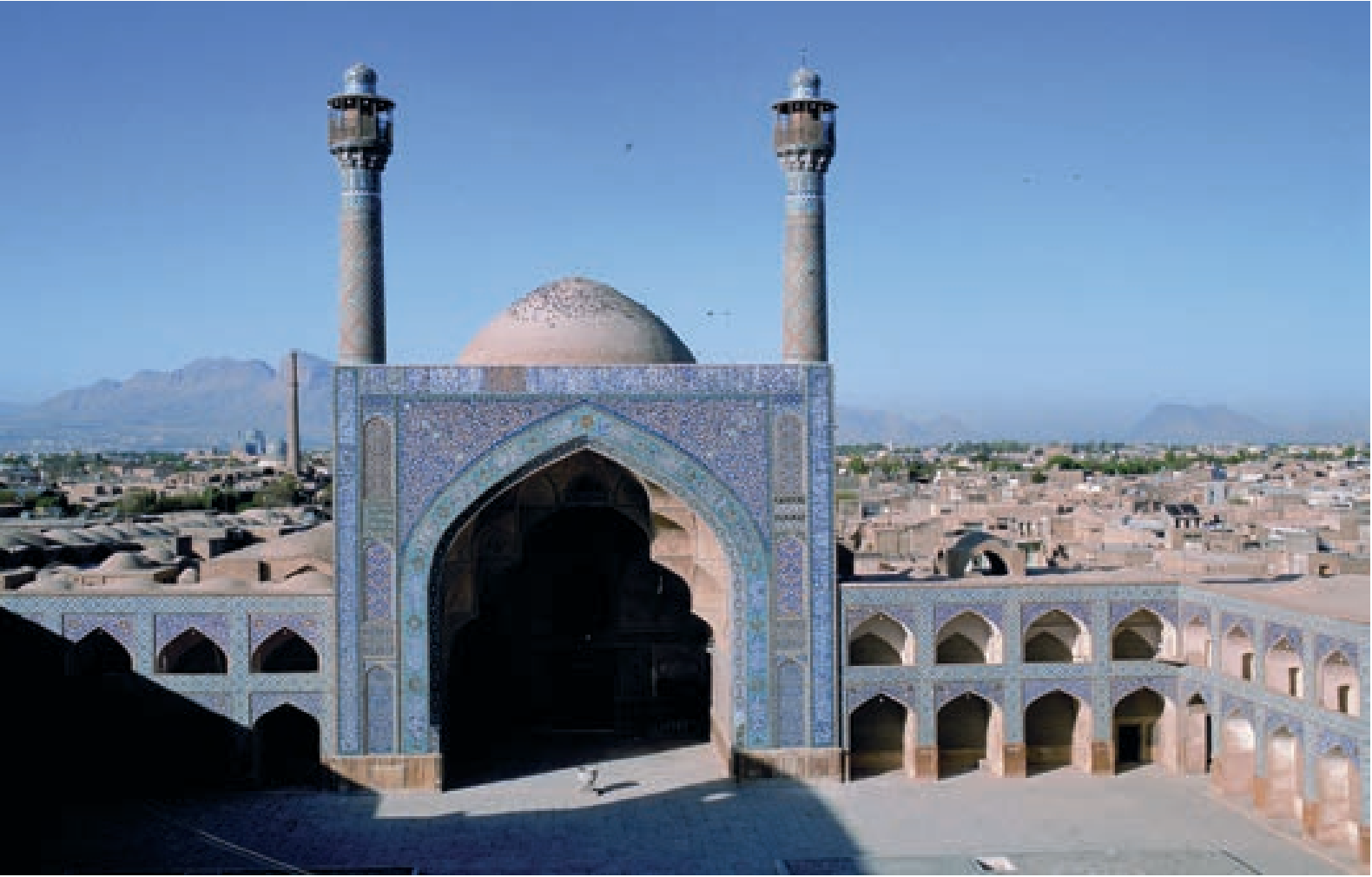
Great Mosque (Masjid-e Jameh). Isfahan, Iran. Islamic, Persian: Seljuk, Il-Khanid, Tirmurid and Safavid Dynasties. c. 700 CE; additions and restorations in the 14th, 18th, and 20th centuries CE. Stone, brick, wood, plaster, and glazed ceramic tile.
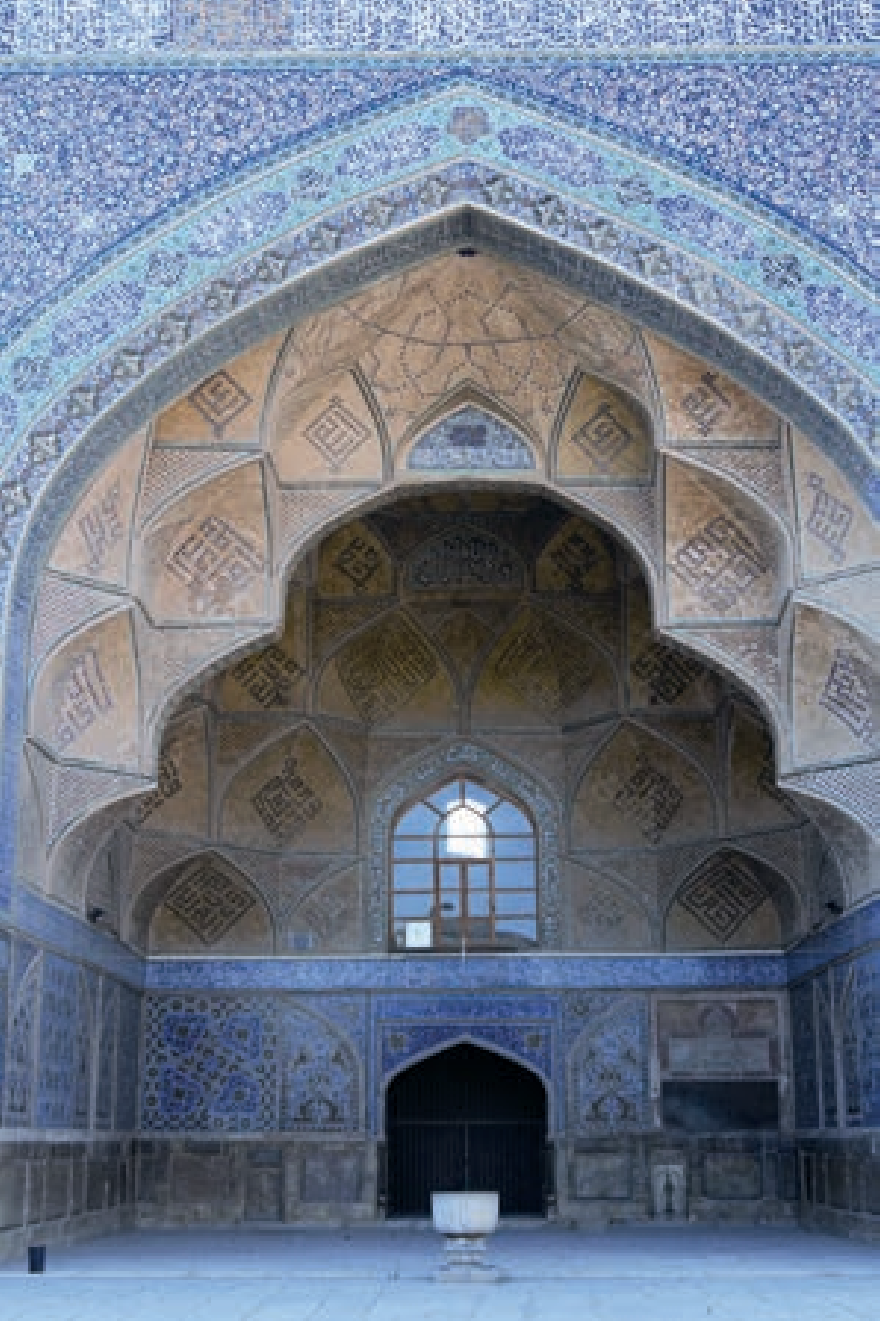
Detail - Great Mosque (Masjid-e Jameh). Isfahan, Iran. Islamic, Persian: Seljuk, Il-Khanid, Timurid, and Safavid Dynasties. c. 700 CE; additions made in the 14th, 18th, and 20th centuries CE. Stone, brick, wood, plaster, and glazed ceramic tile.
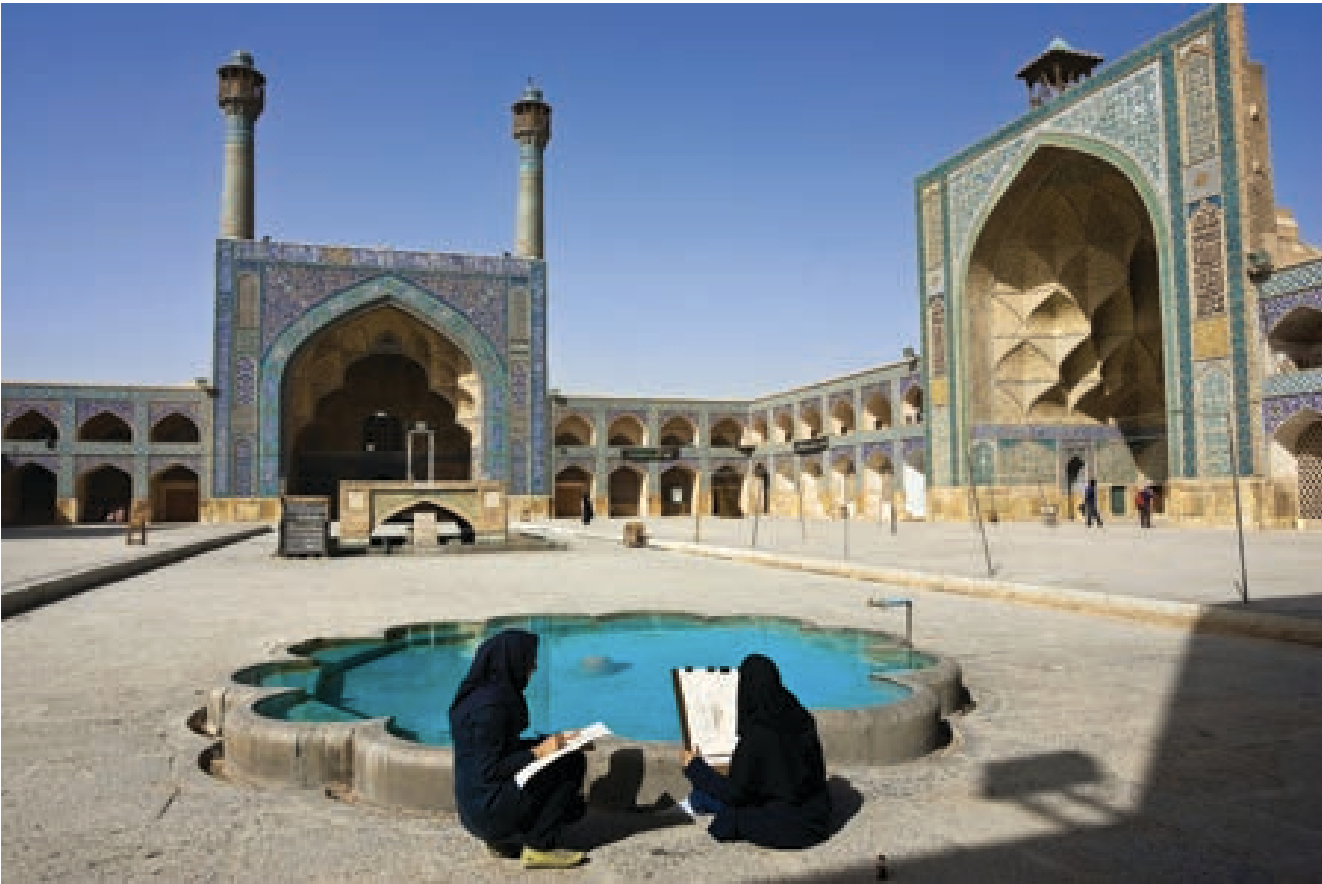
Courtyard - Great Mosque (Masjid-e Jameh). Isfahan, Iran. Islamic, Persian: Seljuk, Il-Khanid, Timurid, and Safavid Dynasties. c. 700 CE; additions and restorations in the 14th, 18th, and 20th centuries CE. Stone, brick, wood, plaster, and glazed ceramic tile.
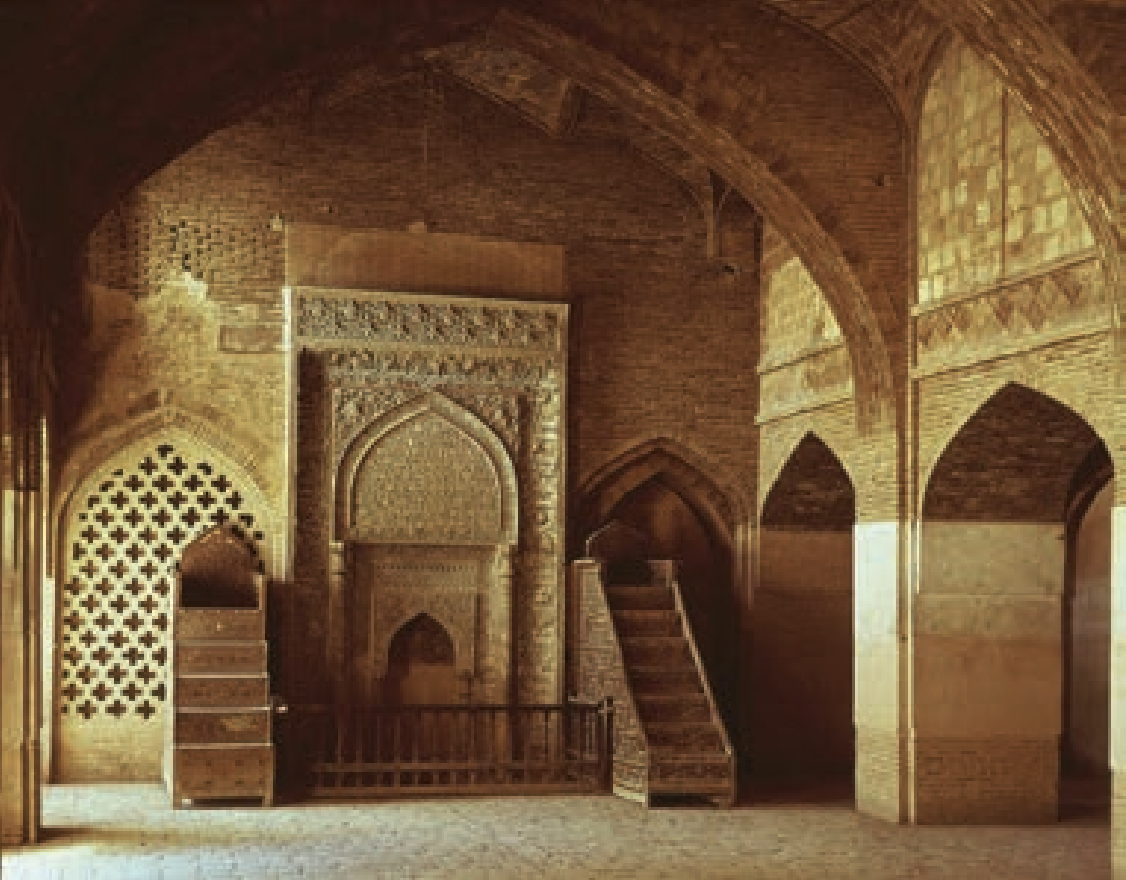
Mihrab (prayer room) - Great Mosque (Masjid-e Jameh). Isfahan, Iran. Islamic, Persian; Seljuk, Il-Khanid, Timurid, and Safavid Dynasties. c. 700 CE; additions and restorations in the 14th, 18th, and 20th centuries CE. Stone, brick, wood, plaster, and glazed ceramic tile.
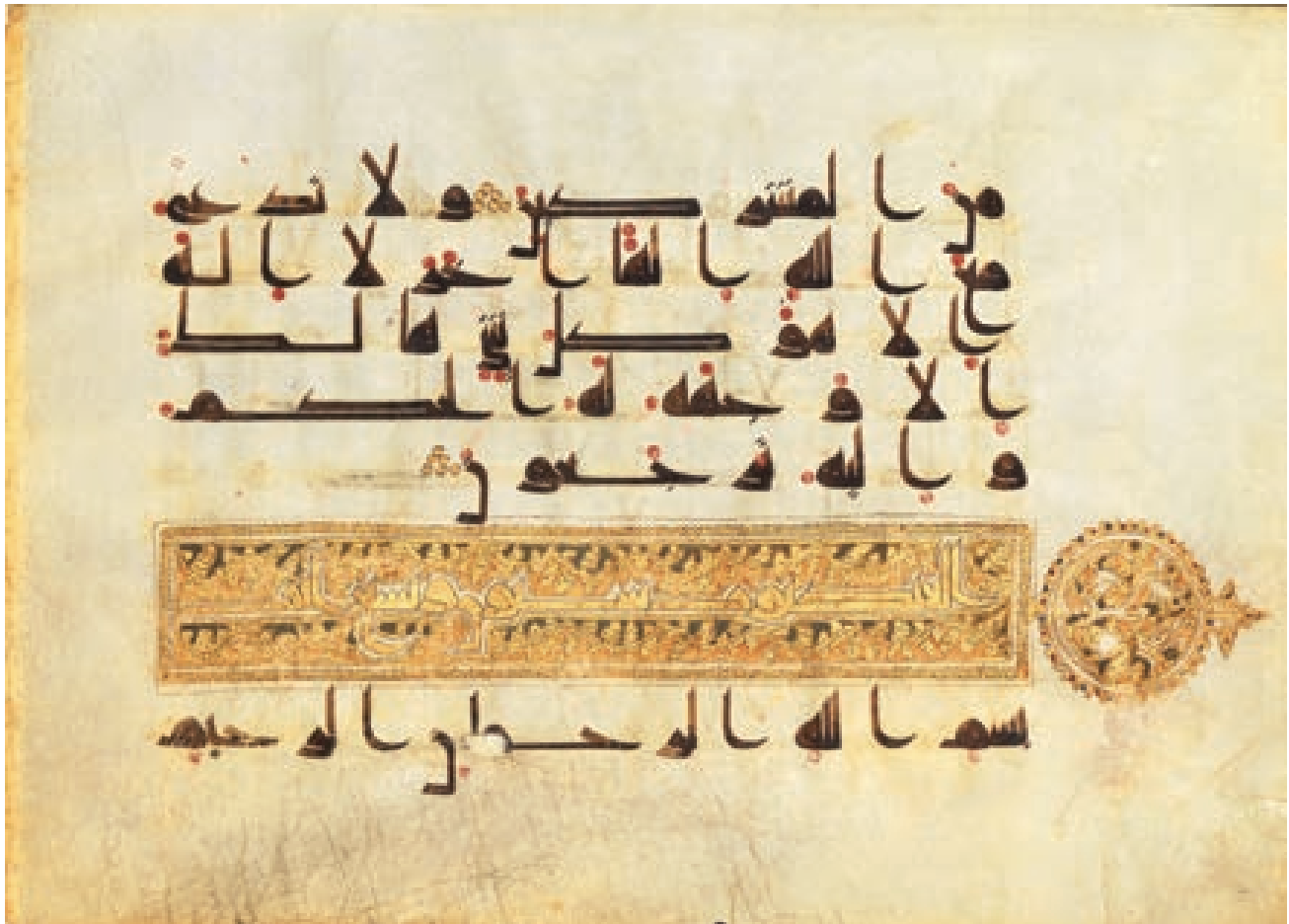
Folio from a Qur’an. Arab, North Africa, or Near East. Abbasid. c. eighth to ninth century CE. Ink, color, and gold on parchment.
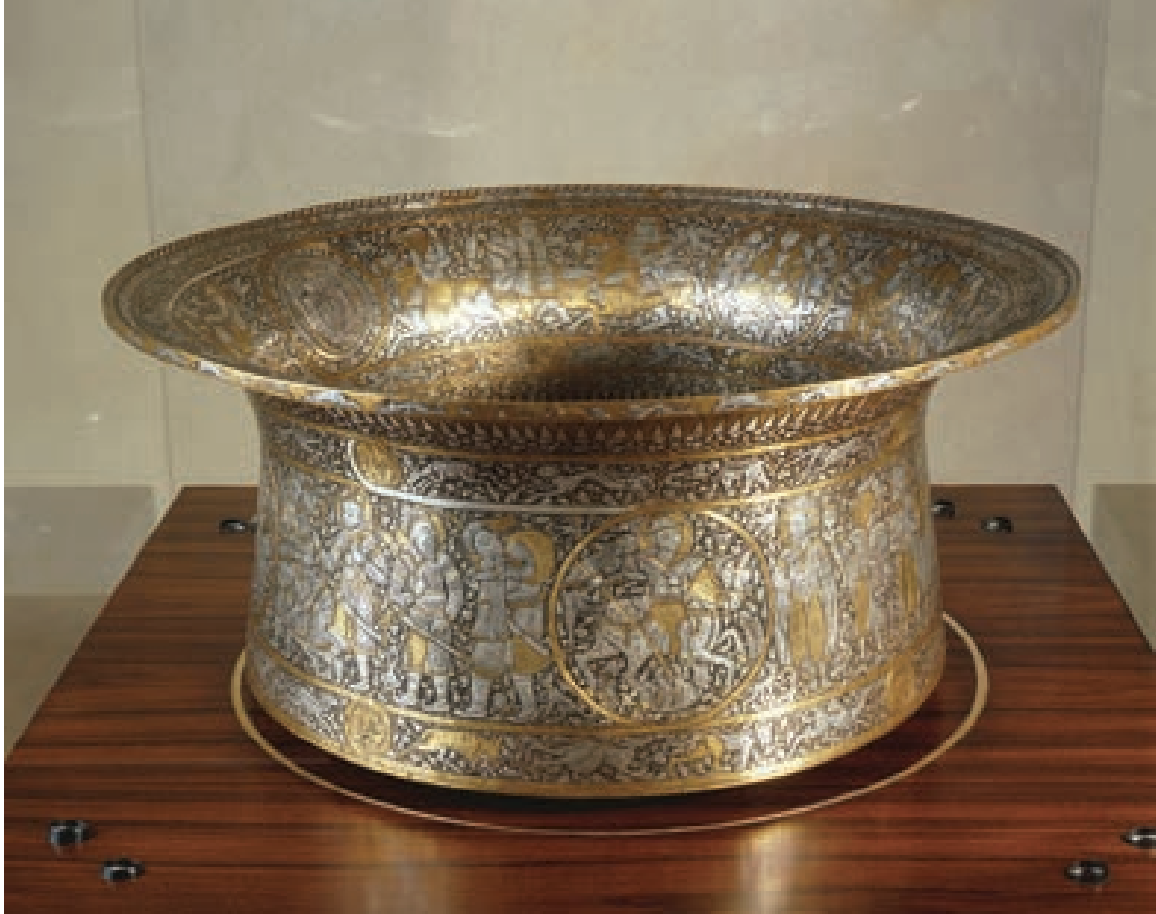
Basin (Baptistère de St. Louis). Muhammad ibn al-Zain. c. 1320-1340 CE. Brass inlaid with gold and silver.
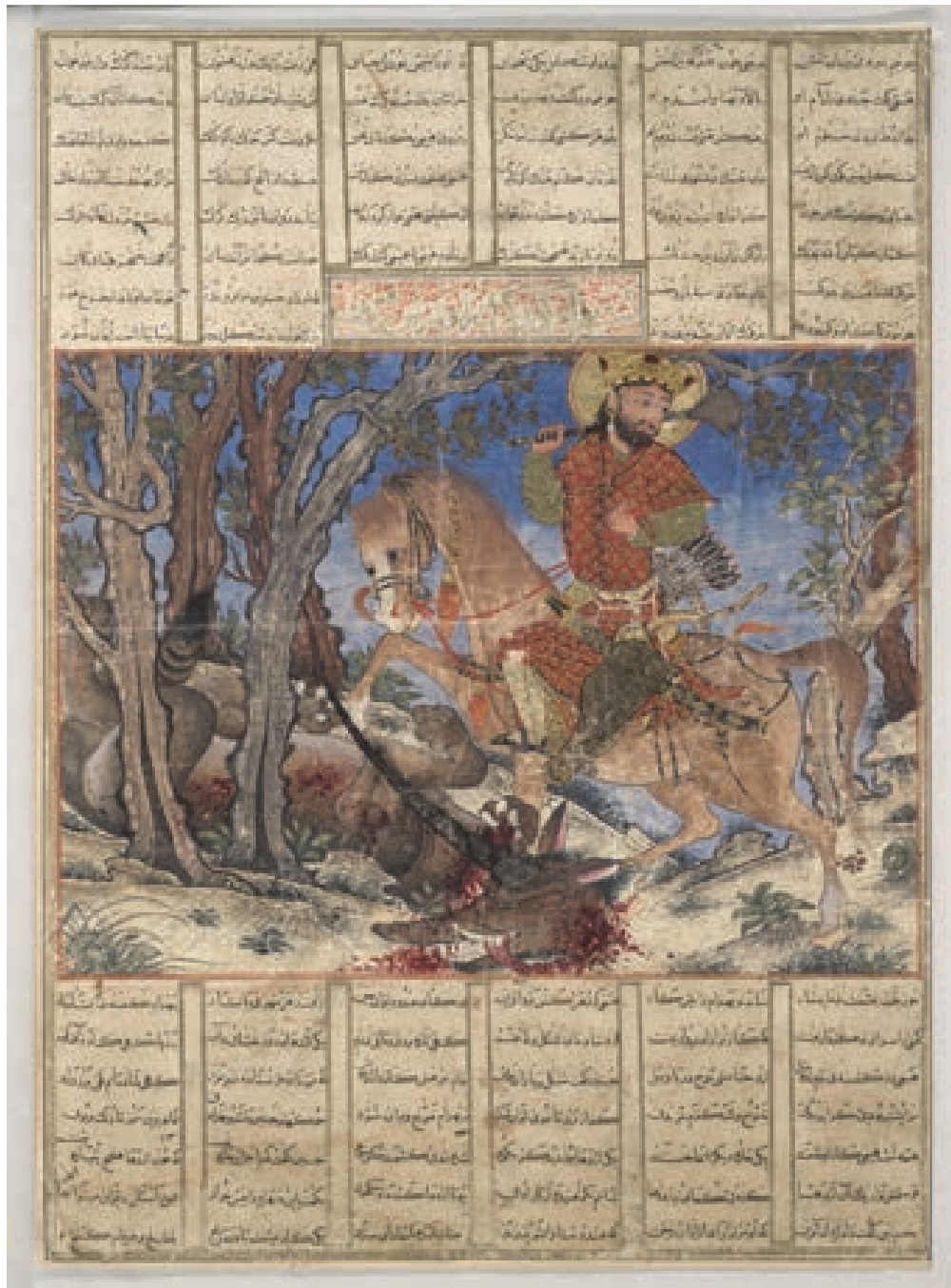
Bahram Gur Fights the Karg, folio from the Great Il-Khanid Shahnama. Islamic; Persian, Il’Khanid. c. 1330-1340 CE. Ink and opaque watercolor, gold, and silver on paper.
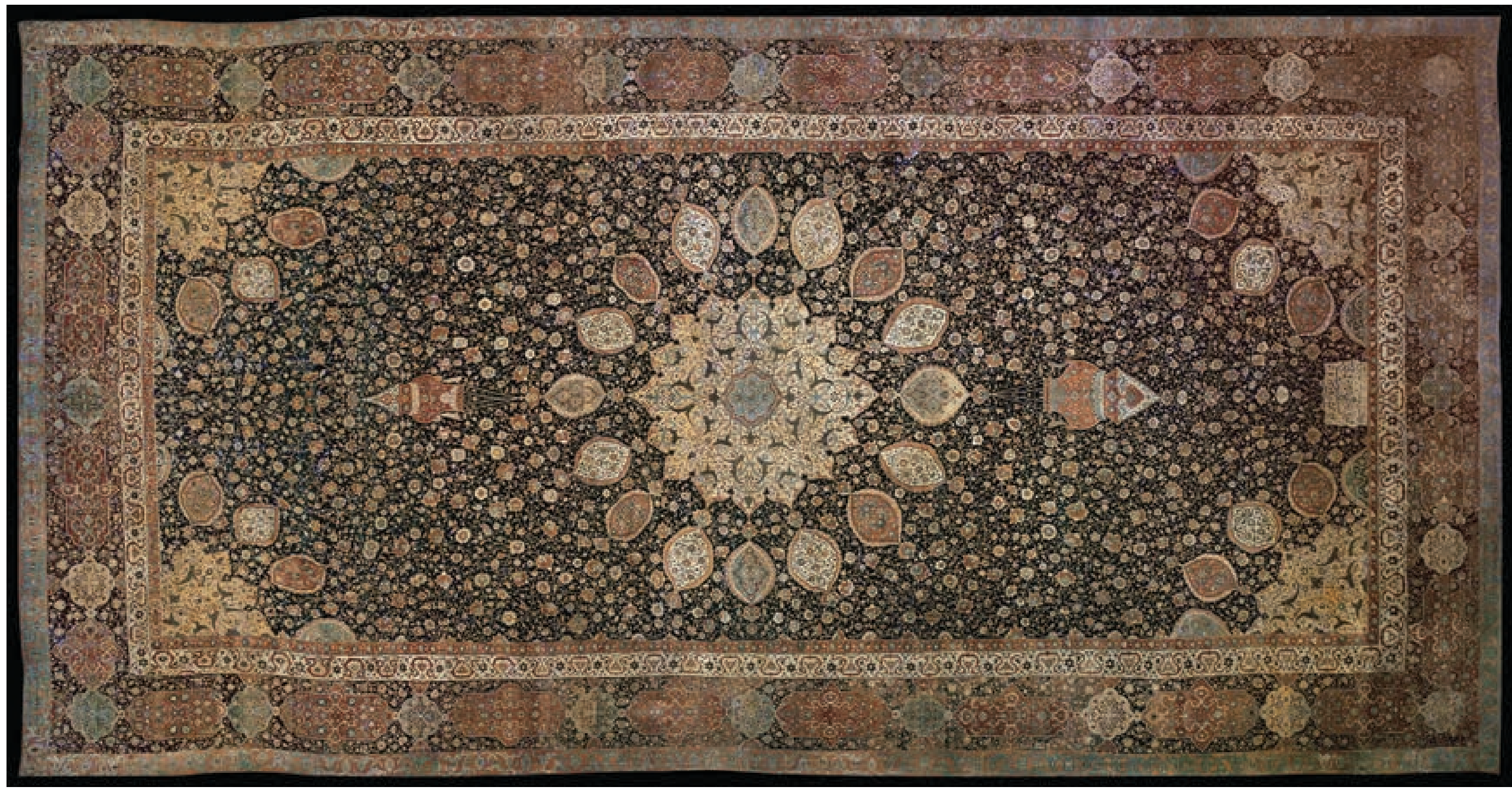
The Ardabil Carpet. Maqsud of Kashan. 1539-1540 CE. Silk and wood.
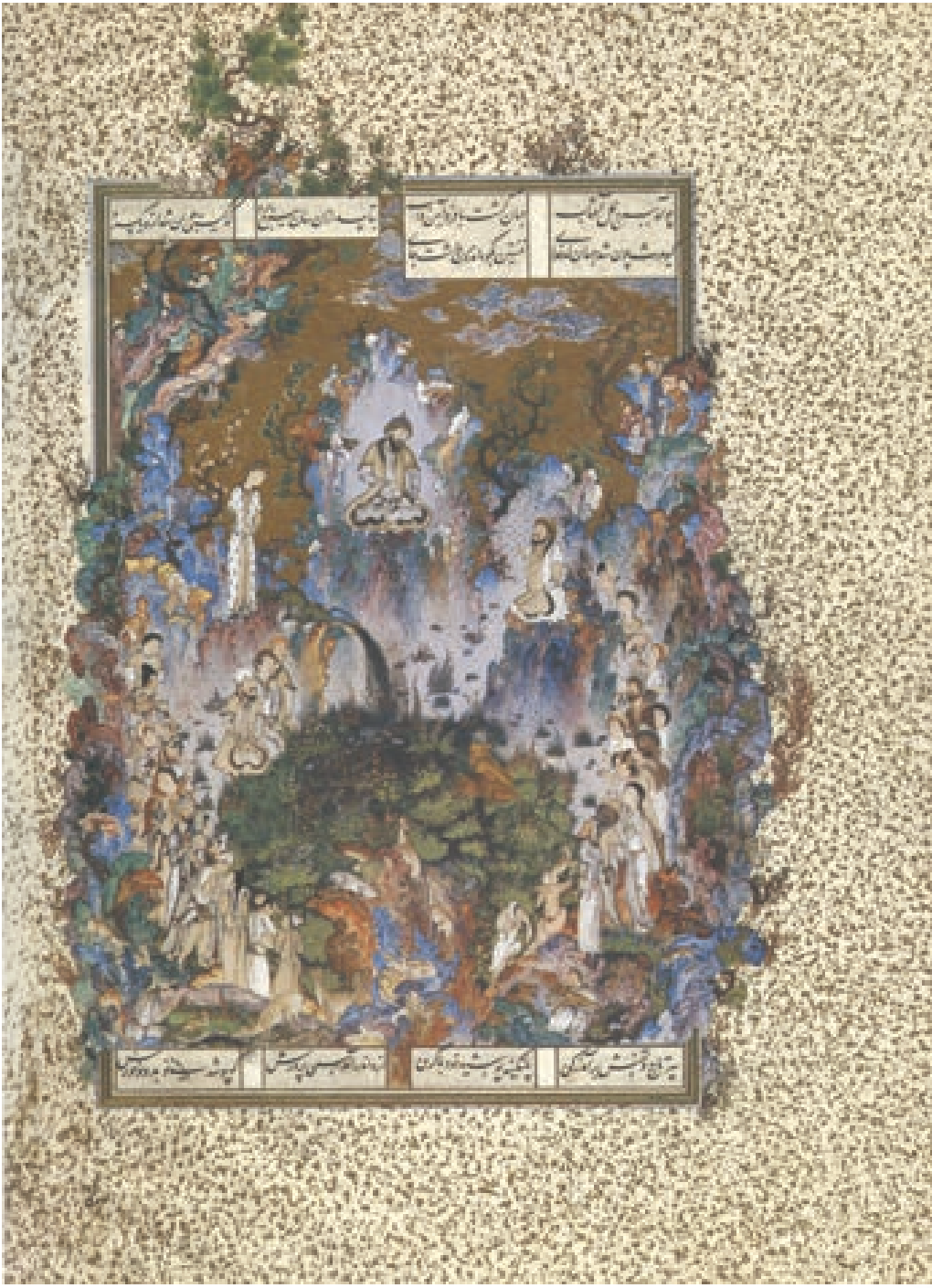
The Court of Gayumars, folio from Shah Tahmasp’s Shahnama. Sultan Muhammad. c. 1522-1525 CE. Ink, opaque watercolor, and gold on paper.
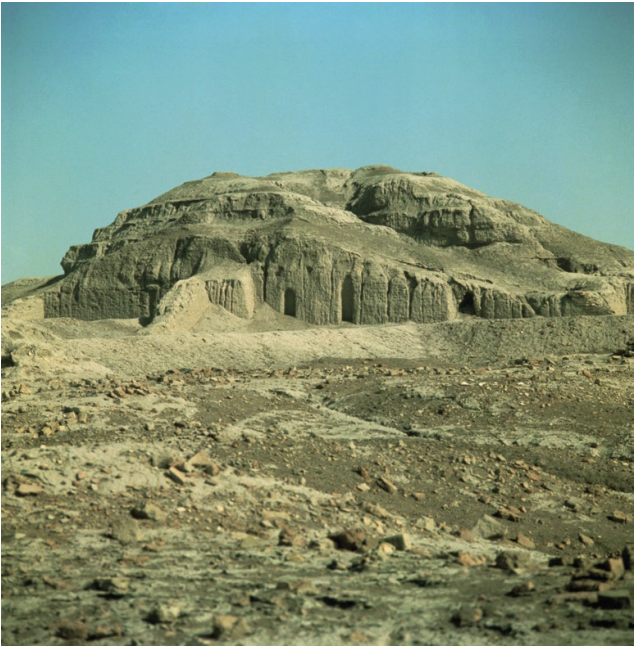
White Temple and its ziggurat. Uruk (modern Warka, Iraq). Sumerian. c. 3500-3000 BCE. Mud brick.
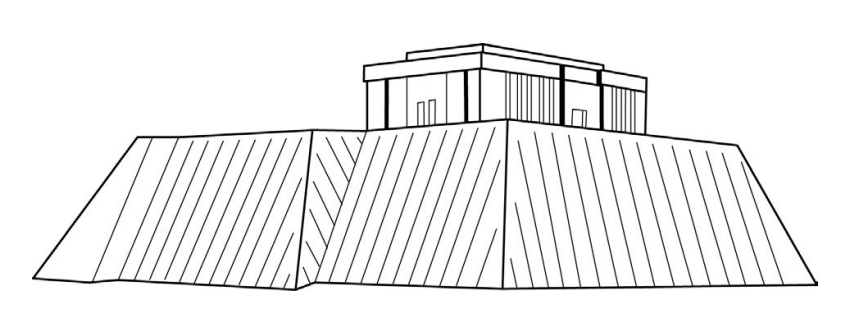
White Temple and its Ziggurat. Uruk (modern Warka, Iraq). Sumerian. c. 3500-3000 BCE. Mud brick.
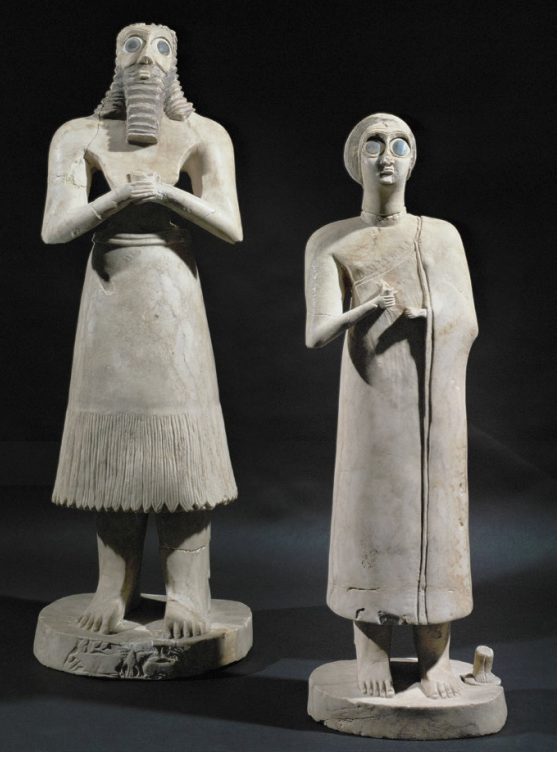
Statues of votive figures, from the Square Temple at Eshnunna (modern Tell Asmar, Iraq). Sumerian. c. 2700 BCE. Gypsum inlaid with shell and black limestone.
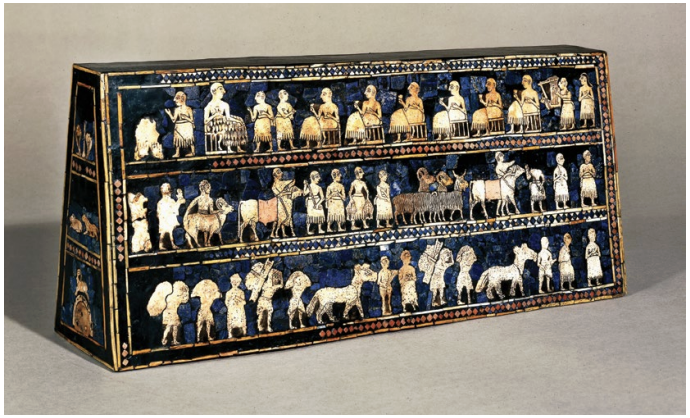
Peace - Standard of Ur from the Royal Tombs at Ur (modern Tell el-Muqayyar, Iraq). Sumerian. c. 2600-2400 BCE. Wood inlaid with shell, lapis lazuli, and red limestone.
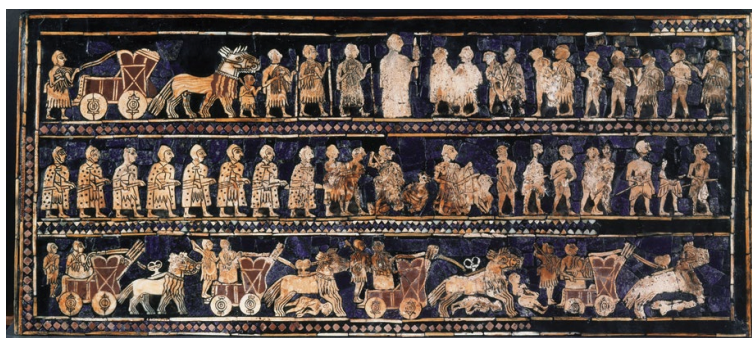
War - Standard of Ur, from the Royal Tombs at Ur (modern Tell el-Muqayyar, Iraq). Sumerian. c. 2600-2400 BCE. Wood inlaid with shell, lapis lazuli, and red limestone.
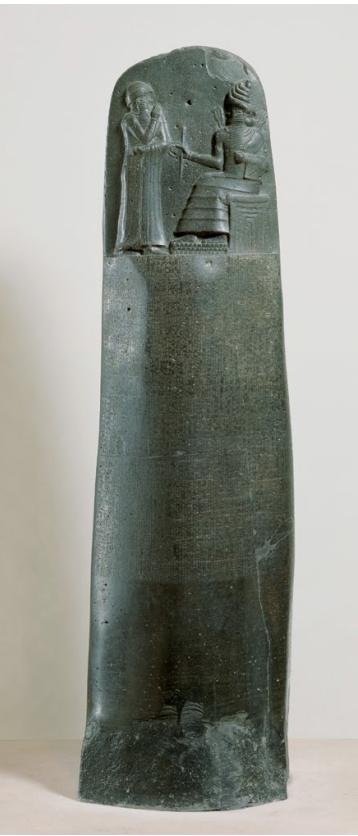
The Code of Hummarabi. Babylon (modern Iran). Susian. c. 1792-1750 BCE. Basalt.
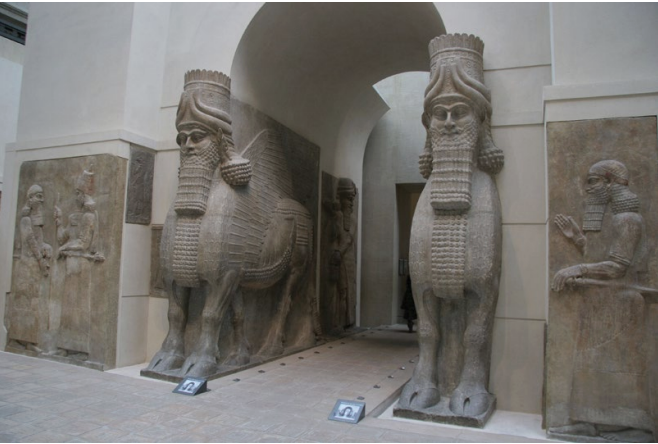
Lamassu from the citadel of Sargon II, Dur Sharrukin (modern Khorsabad, Iraq). Neo-Assyrian. c. 720-705 BCE. Alabaster.
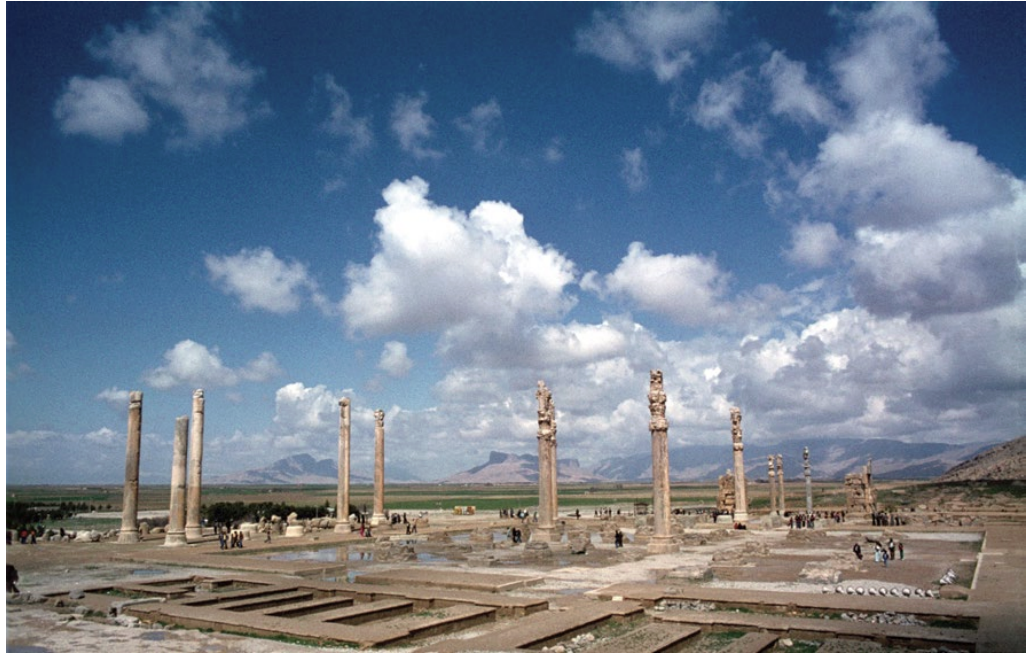
Audience Hall (apadana) of Darius and Xerxes. Persepolis, Iran. Persian. c. 520-465 CE. Limestone.
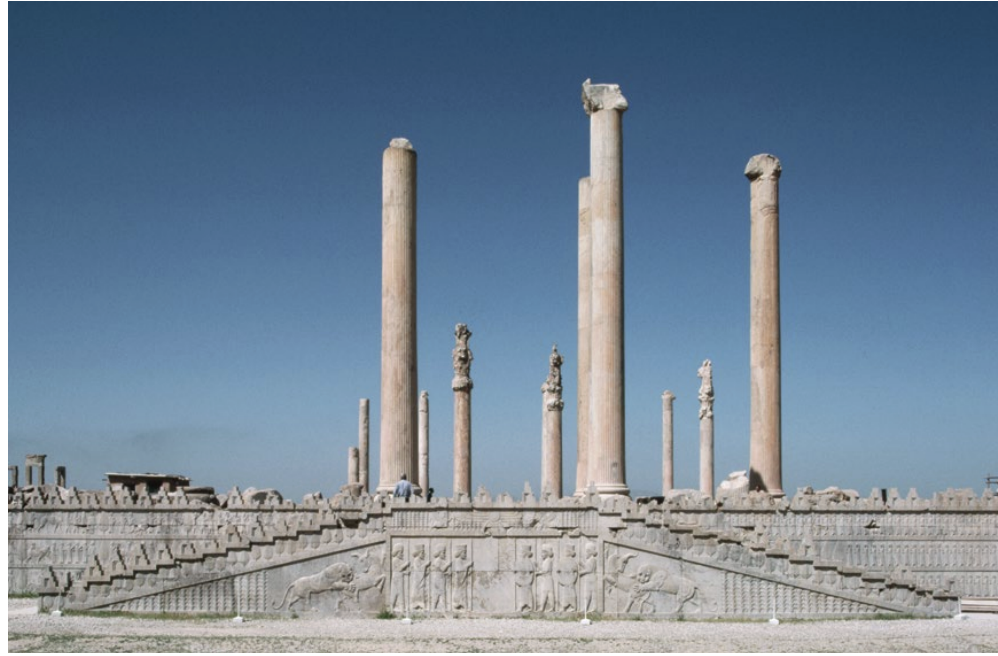
Stairway - Audience Hall (apadana) of Darius and Xerxes. Persepolis, Iran. Persian. c. 520-465 CE. Limestone.