micr 33 lab mock exam
 Call Kai
 Learn
Learn Practice Test
 Spaced Repetition
 Match
Match Flashcards
 Knowt Play
1/29

There's no tags or description
Looks like no tags are added yet.
Name | Mastery | Learn | Test | Matching | Spaced | Call with Kai |
|---|
No analytics yet
Send a link to your students to track their progress
30 Terms
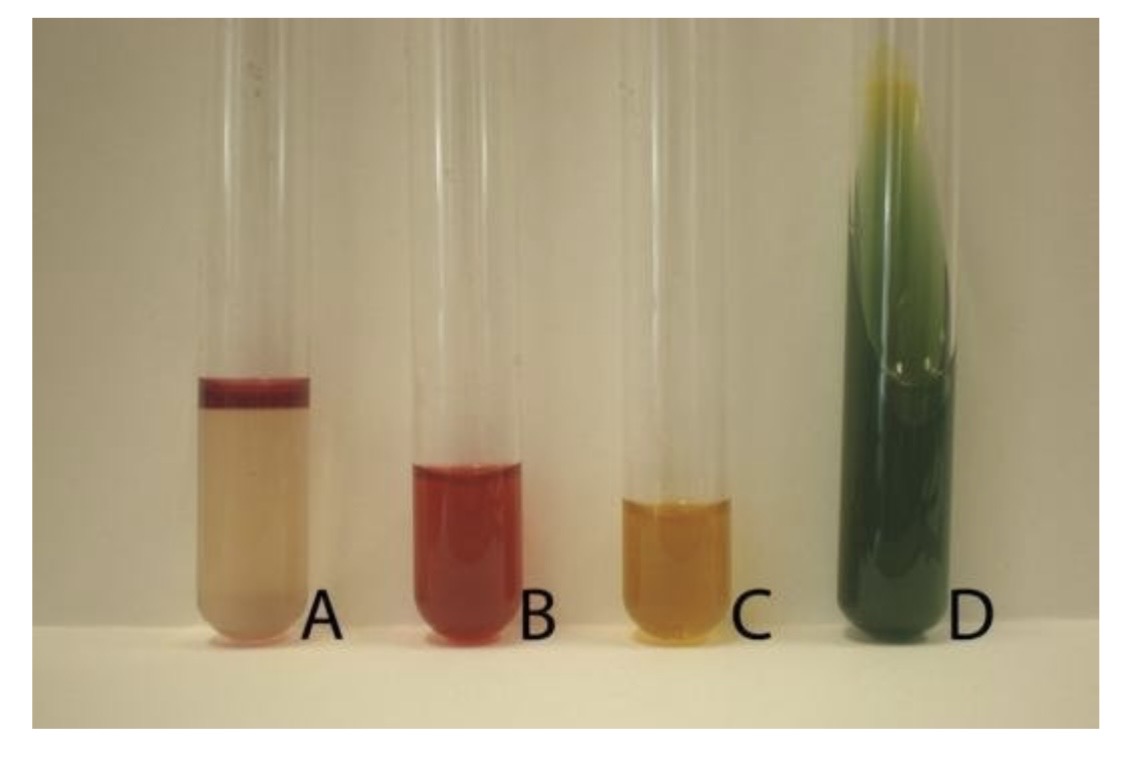
For this question use the 4 Tubes presented
A. What is the series of tests called?
B. Which tubes are composed of the MRVP Test?
C. Does tube D indicate a positive or negative result?
D. What does the indole test determine?
A. IMViC series (Indole, Methyl Red, Voges-Proskauer, Citrate)
B. Methyl Red (B) & Vogues-Proskauer (C)
C. Negative (green)
D. Whether the organism can break down tryptophan into indole
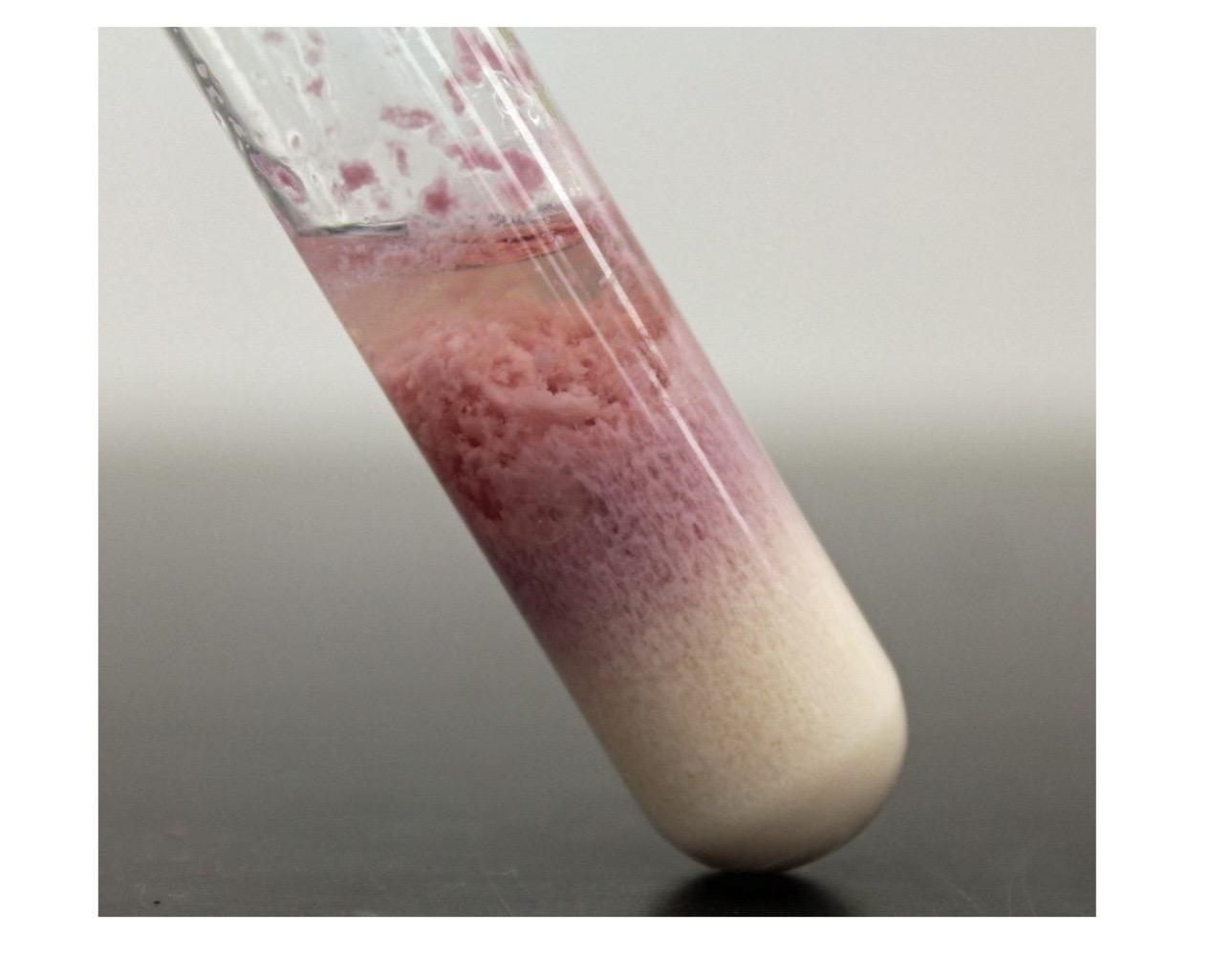
Answer the following using the tube above.
A. What test is shown here?
B. Identify the reactions in the tube.
A. Litmus Milk Test
B. Lactose fermentation (acid production), casein coagulation (acid curd formation), gas production
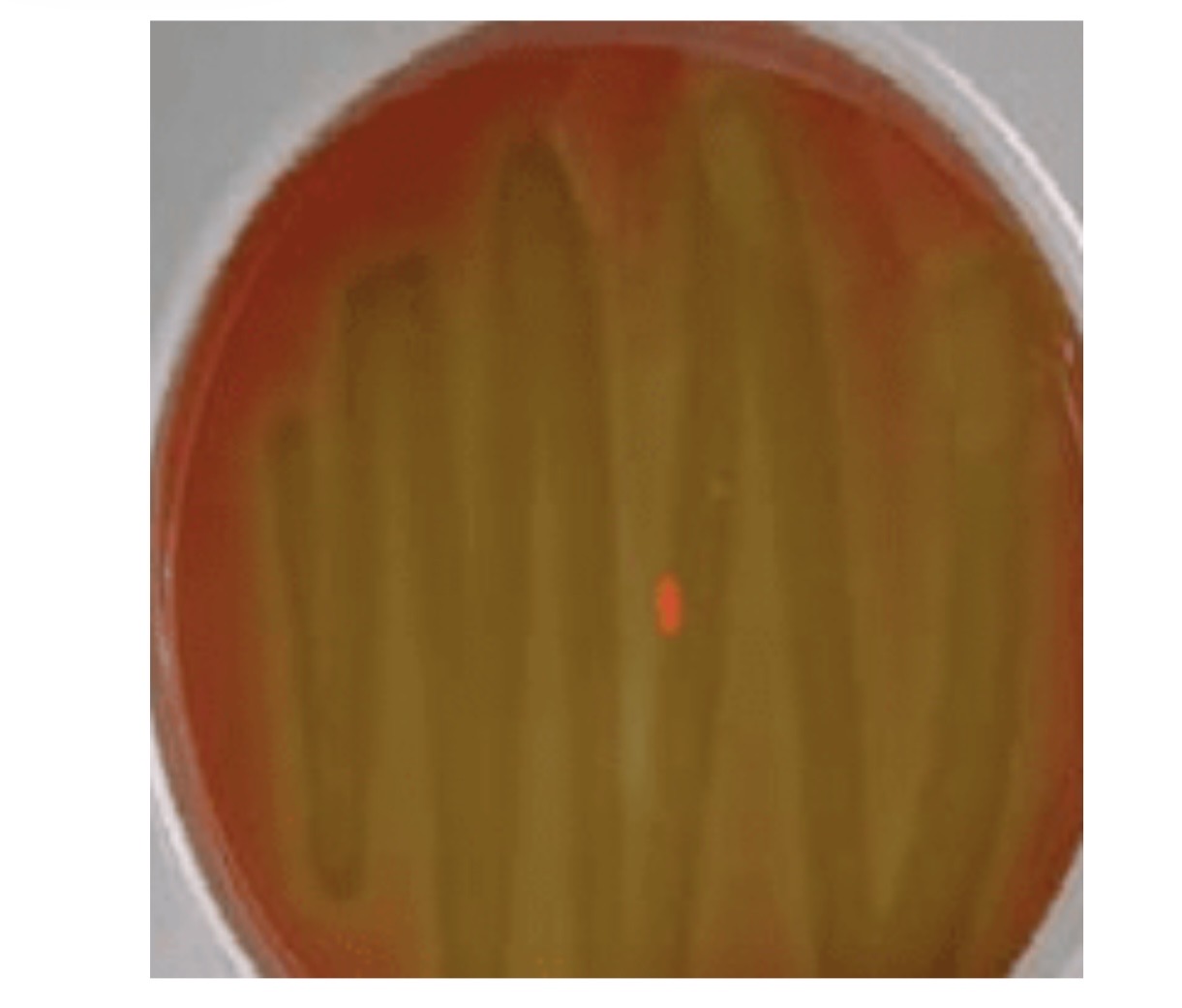
A. What type of plate is shown here?
B. What type of hemolysis do you see on this plate?
C. What are all three types of Hemolysis called?
A. Blood Agar Plate
B. beta hemolysis (clear zone)
C. alpha hemolysis, beta hemolysis, gamma hemolysis
A. Name the plate that suppresses Gram (-) growth for gram (+) growth.
B. What is the inhibitor agent?
C. What type of media is this?
D. What bacteria would you expect to grow on this plate?
A. Phenyl Ethyl Alcohol Plate (PEA)
B. Phenyl ethyl alcohol
C. Selective medium
D. Gram-positive bacteria (S. aureus)
A. Name the plate that suppresses Gram (+) growth for gram (-) growth.
B. What is the inhibitor agent?
C. What type of media is this?
D. What bacteria would you expect to grow on this plate?
A. Eosin Methylene Blue Agar (EMB)
B. Eosin & methylene blue
C. Selective & differential
D. Gram-negative bacteria (E. coli)
For the milk test
A. What does it mean if there is no bacterial growth?
B. What are sources of contamination?
C. How do you determine the quality of milk?
A. There are few or no microorganisms; the milk is of higher quality & pasteurized
B. Equipment, cow’s udder, handler, udder infection, improper handling, storage temp
C. Standard plate count
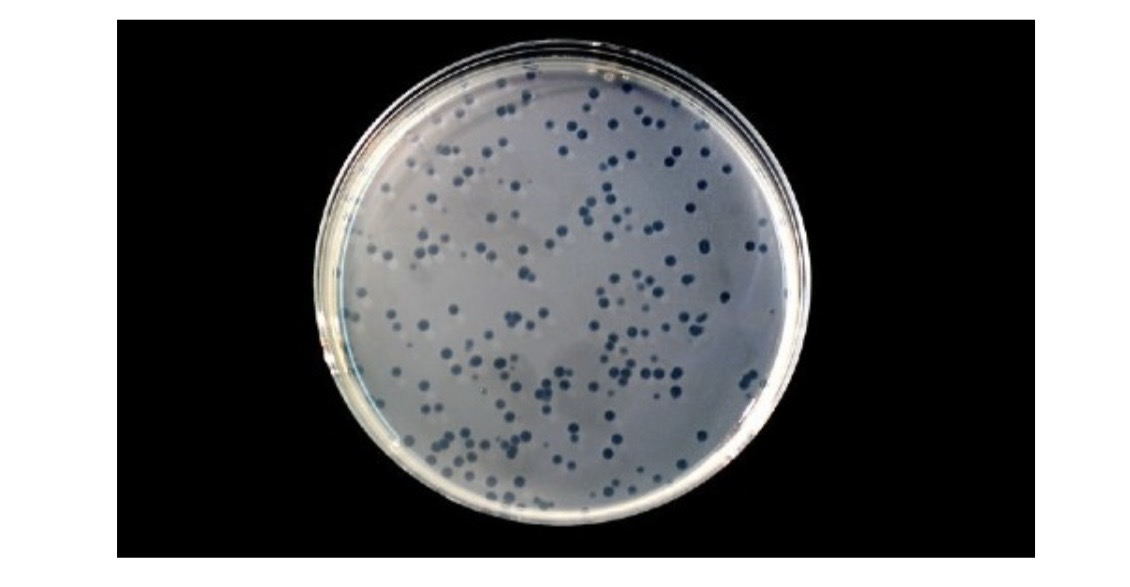
A. What do the holes in the lawn called?
B. What can cause the holes?
C. What bacteria is most likely used here?
D. What type of media is used here?
A. Plaques
B. Bacteriophages lysing bacterial cells
C. E. coli
D. Tryptose Agar melt
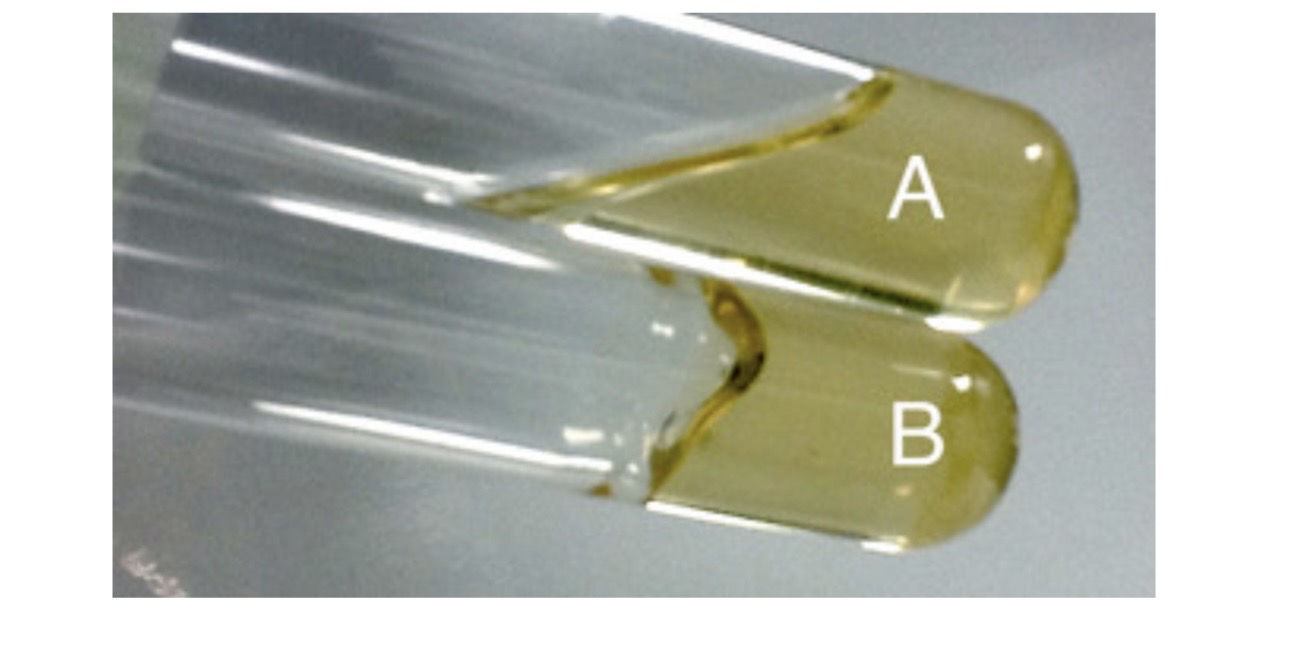
A. What does the test shown here look for?
B. What does Test tube A indicate?
C. What does test tube B indicate?
D. A bacteria that can cause Tube A has what enzyme? This Enzyme means that the bacteria can do what?
A. Gelatin hydrolysis
B. Positive test (melted)
C. Negative test (solid)
D. Gelatinase; the bacteria can hydrolyze gelatin into amino acids
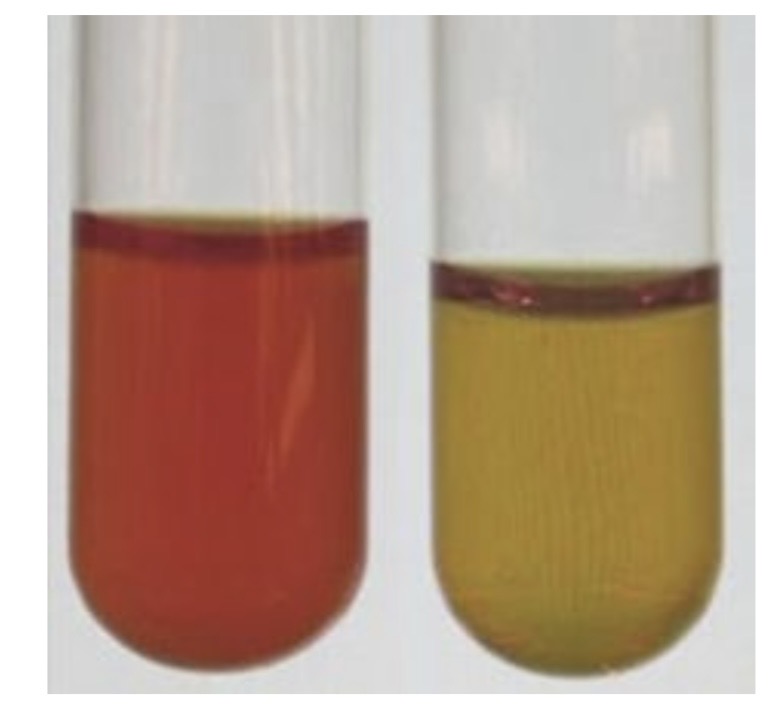
The following tube given to you is “‘mrvp”
A. What test(s) is performed Using it?
B. What test determines if the organism is a mixed acid producer?
C. What is the precursor the other test is looking for?
A. Methyl Red & Voges-Proskauer
B. Methyl Red Test
C. Acetoin
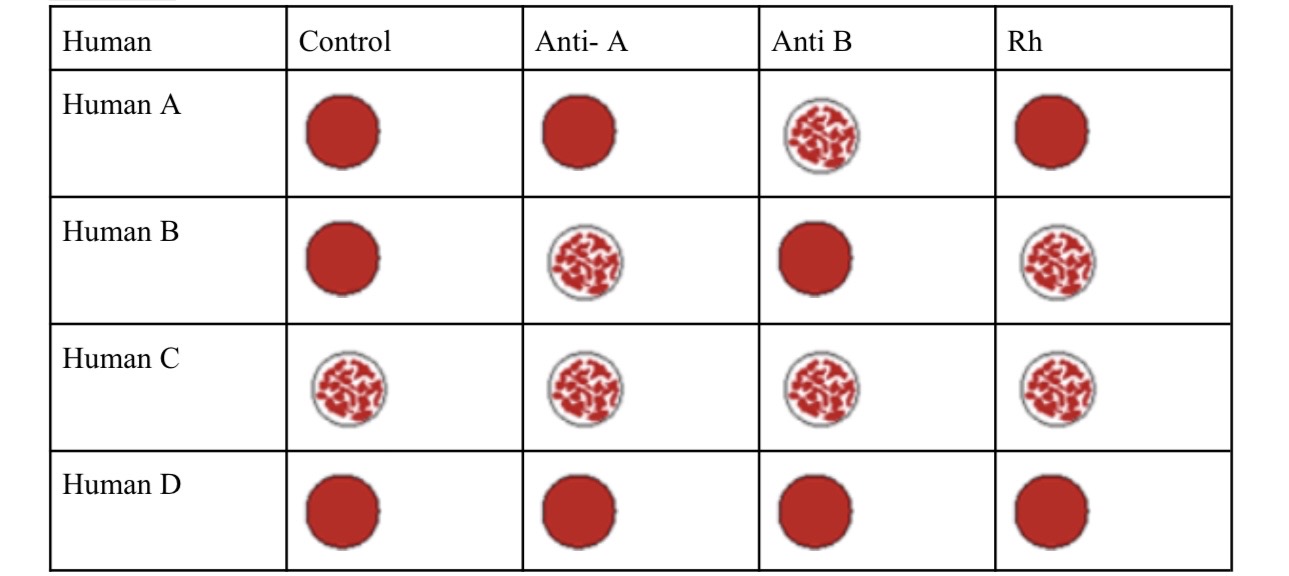
Using the following results
A. Who can donate to someone who is B+?
B. Which data can you not trust?
A. Human B & D
B. Human C (control should not clump)
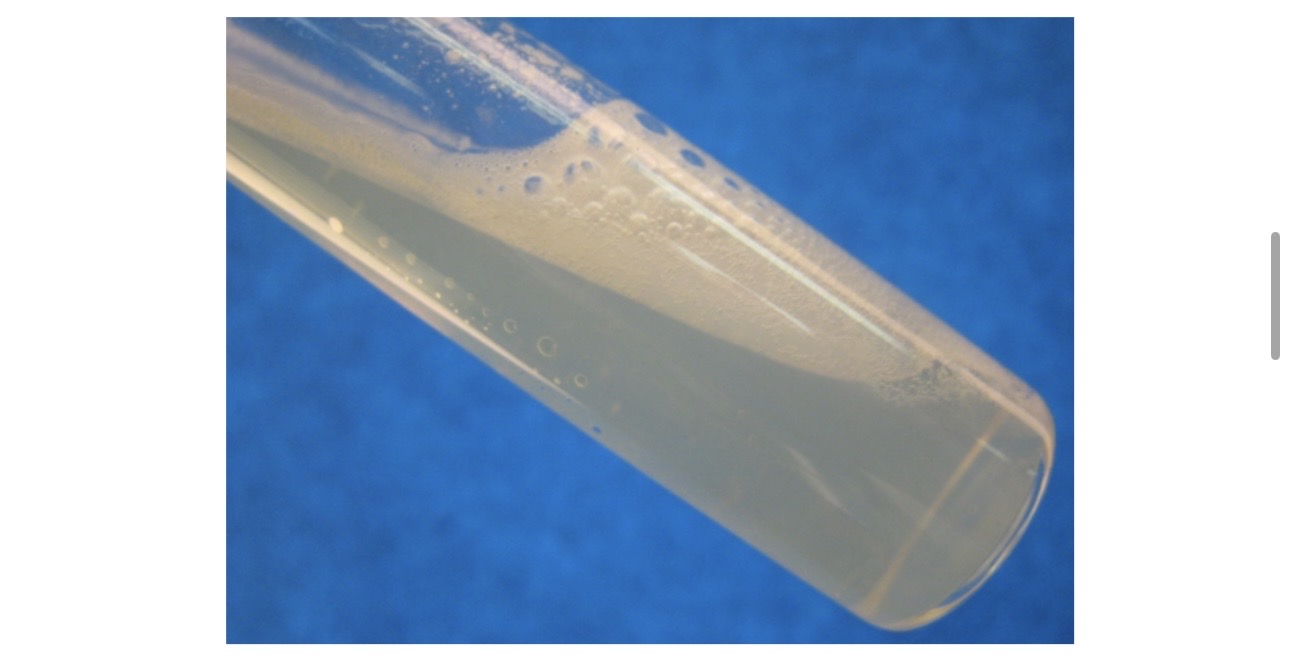
A. What test is shown here?
B. Is it a positive or negative result? And what did it determine?
A. Catalase test
B. Positive (bubbles), catalase is present
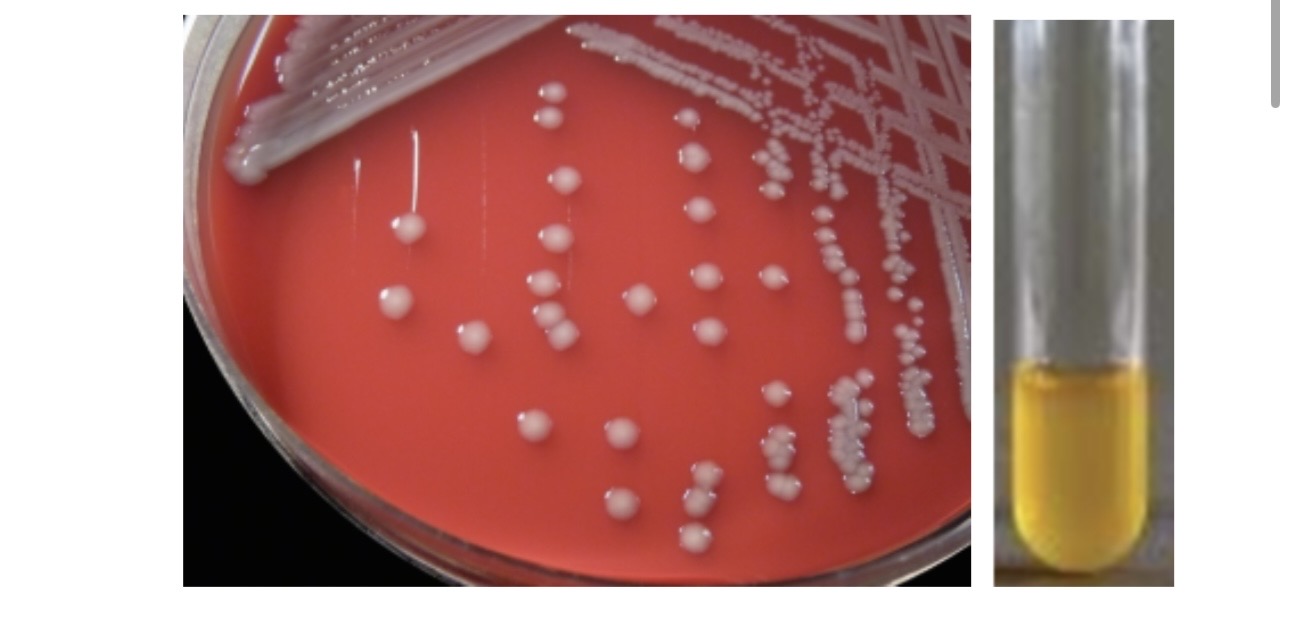
A. What media were used?
B. What result is given?
C. What experiment is this and what day of testing is this?
A. Blood Agar Plate (BAP) & m-Staphylococcus broth (mannitol salt broth)
B. Negative (no color change)
C. Positive Cocci Experimentation Day # 1
A. If you want to promote the growth of a gram (+) bacteria what media should be used?
B. If you want to suppress all other bacteria EXCEPT for Staphylococcus aureus what media should be used?
C. If you want to find out you have a possible chance for Streptococcus Faecalis what media should you use?
A. Phenol Ethyl Alcohol Agar (PEA)
B. Mannitol Salt Agar (MSA)
C. Buffered Azide Glycerol Glucose Broth (BAGG)
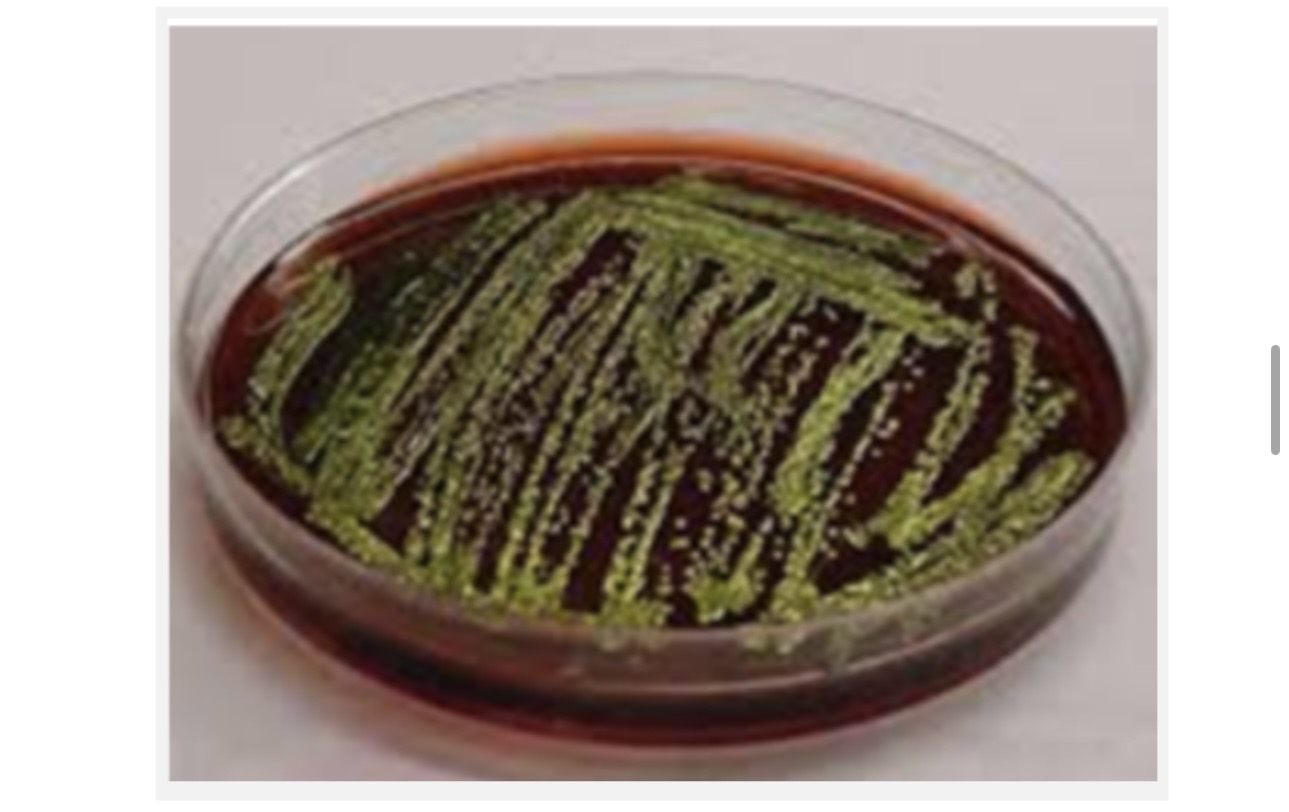
Based on what you see here answer the following
A. What experiment are you performing and which day?
B. What media are you using?
C. What bacteria did you just find?
A. Bacteriology Examination of Water Day # 2
B. Eosin Methylene Blue Agar (EMB)
C. E. coli (green sheen)
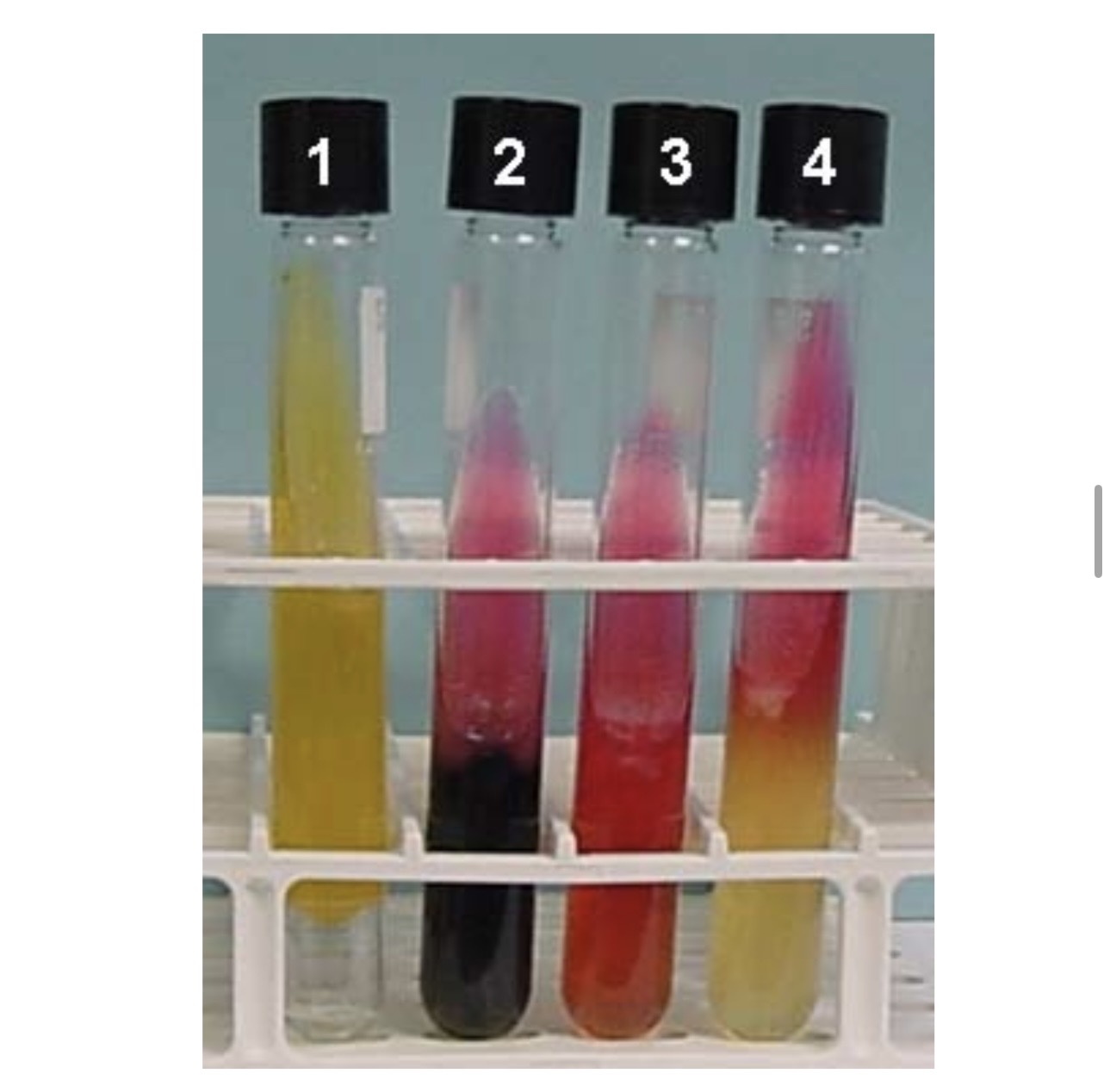
A. What series of tests are shown above?
B. What does Tube 2 indicate?
A. Hydrogen Sulfide (H2S) Production/Triple Sugar Iron Agar Test (TSI)
B. Positive result/hydrogen sulfide production (black precipitate is present)
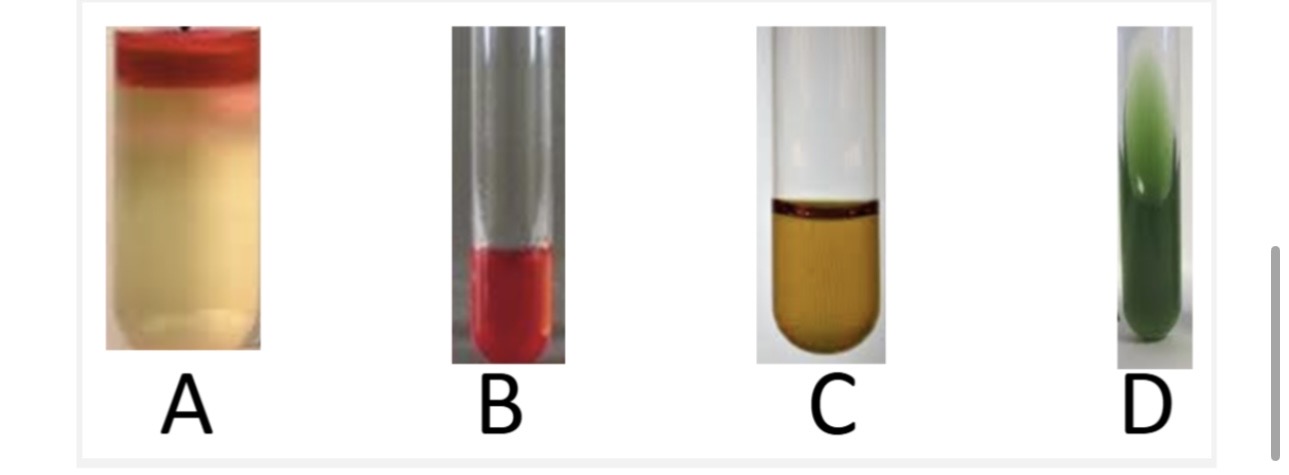
On the second day E Coli was assumed and on the third day 4 tests determined that it was:
A. What is Test tube A?
B. What is Test tube B?
C. What is Test tube C?
D. What is Test tube D?
E. Could this be Escherichia Coli?
A. Indole- positive (red ring)
B. Methyl Red- positive (color change)
C. Voges-Proskauer- negative (no color change)
D. Citrate- negative (no color change)
E. Yes
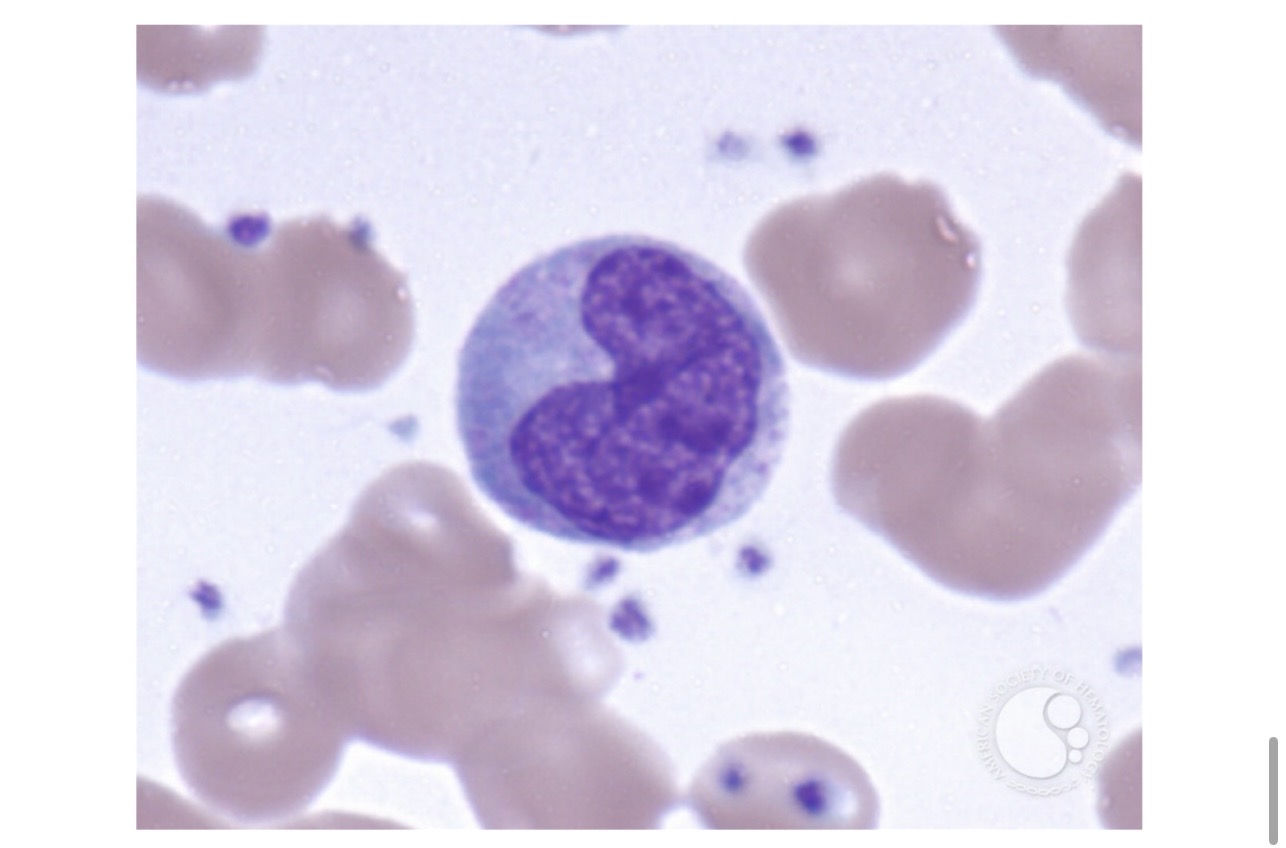
A. What White blood cell is this?
B. What does it target?
C. What is the Mature form called?
A. Monocyte
B. Pathogens, cellular debris, damaged cells
C. Macrophage
![<p>(For this [Yellow= Positive] [Red= Negative])</p><p>A. What is the MPN? (MPN Index Value) </p><p>B. What are these sets of tests called? (The image on the right) </p><p>C. What is the next set of tests called? </p>](https://assets.knowt.com/user-attachments/926672c3-9c97-4e3f-a514-be5939712846.jpg)
(For this [Yellow= Positive] [Red= Negative])
A. What is the MPN? (MPN Index Value)
B. What are these sets of tests called? (The image on the right)
C. What is the next set of tests called?
A. 49
B. Presumptive test
C. Confirmed test

A. List from Left to Right the names of the White Blood cells?
B. Which targets Parasites?
A. Basophil, Eosinophil, Neutrophil, Monocyte, Lymphocyte
B. Eosinophil
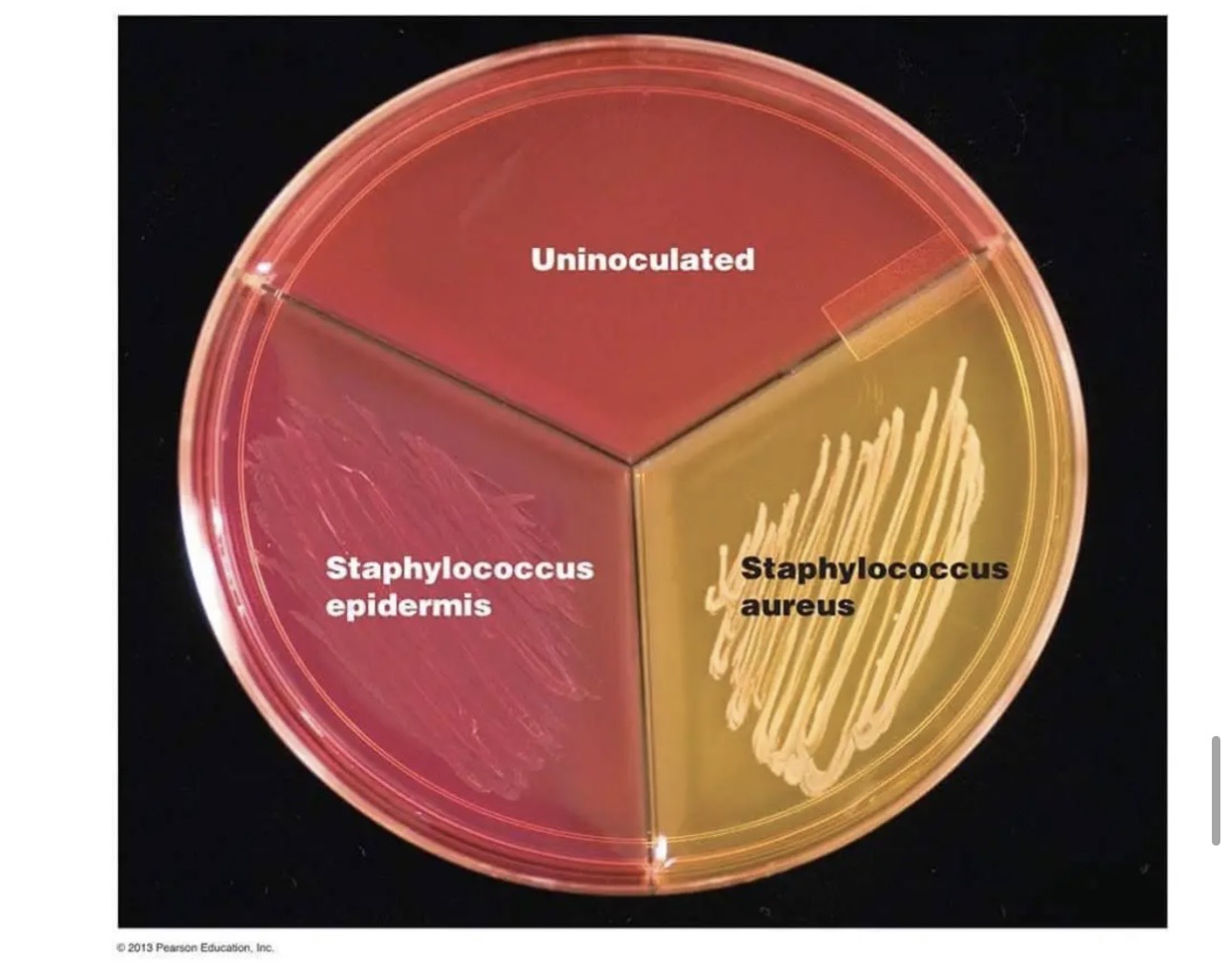
Interpret the data above. The plate is Mannitol Salt agar. What can you determine about Staphylococcus aureus compared to Staphylococcus epidermidis?
S. aureus ferments mannitol and turns the medium yellow
S. epidermidis grows but doesn’t ferment mannitol so the medium stays red/pink
For coliforms, which series of tests can differentiate them?
IMViC series
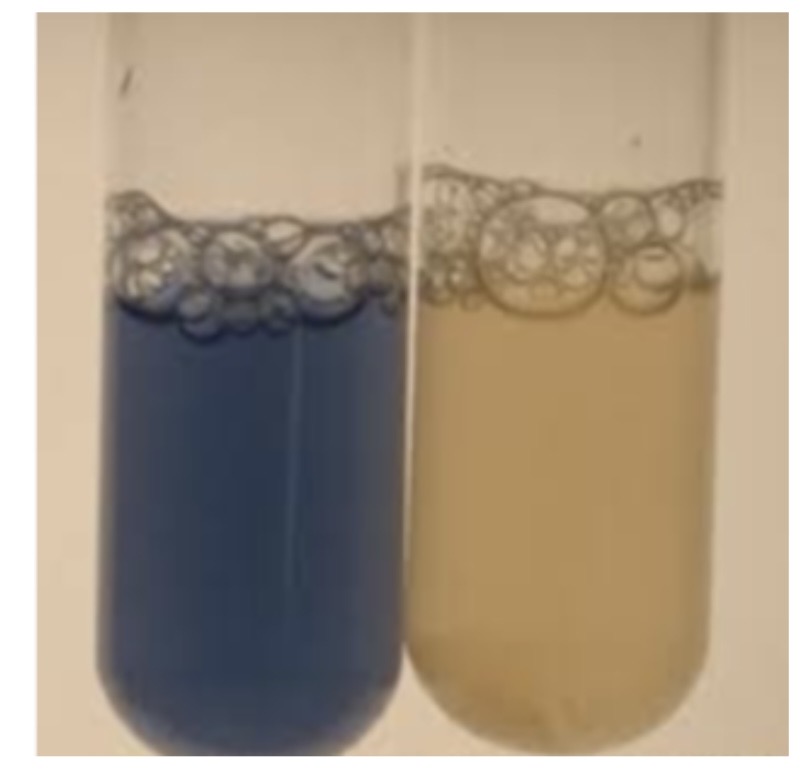
A. What test is being presented to you?
B. IF the test is positive what enzyme does the organism have?
C. What organism can be identified by this test?
A. Oxidase test
B. Oxidase
C. Pseudomonas aeruginosa
An organism that has caseinase means what? When the organism is inoculated in the proper media what result do you expect to see?
it can break down casein
expect to see a clear zone (halo) around the bacterial growth
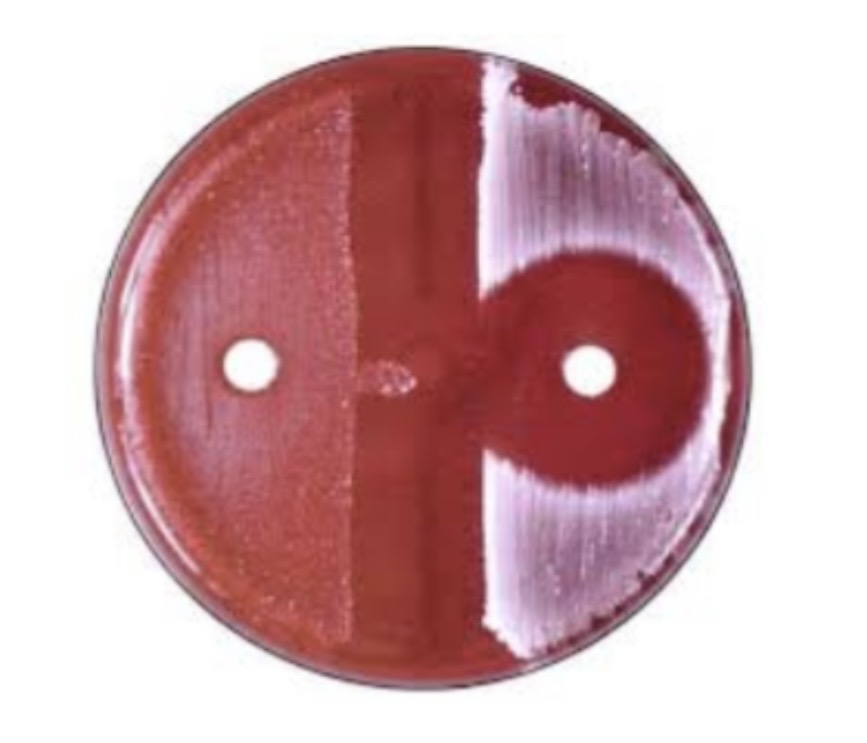
The Organism that can be identified is Streptococcus pyogenes
A. What media is used for inoculation?
B. What Antibiotic was used?
C. Which side shows its Streptococcus pyogenes?
A. Blood Agar Plate (BAP)
B. Bacitracin
C. The right side (has zone of inhibition)
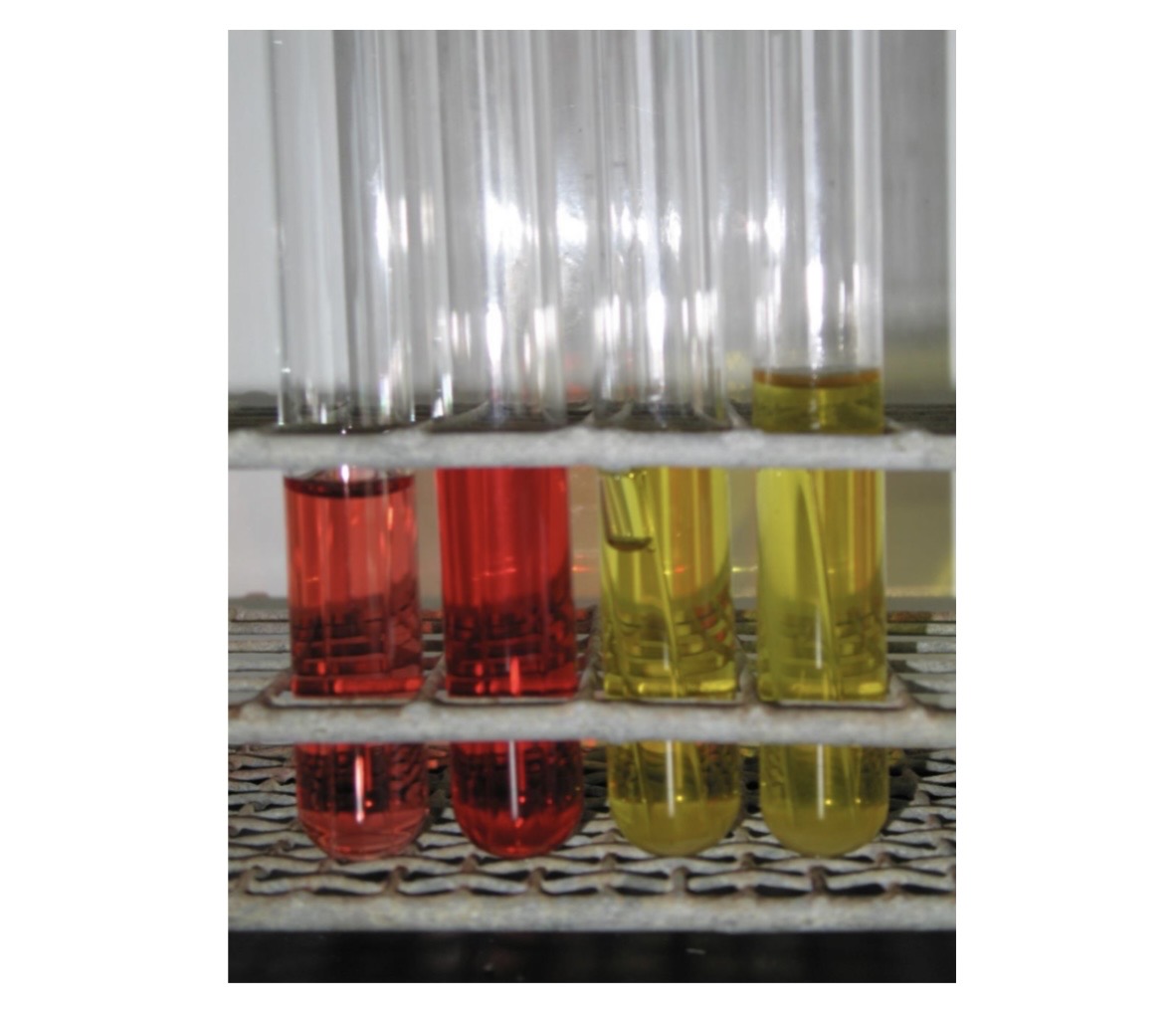
The test above uses a series of sugars.
A. What is the name of these tests?
B. A bubble found in the Durham tubes of the positive test would indicate that?
C. But a bubble found in the durham tube of a negative test would indicate that?
A. Phenol Red Broth Sugar Fermentation Test
B. Gas production
C. False positive (negative test shouldn’t produce gas)
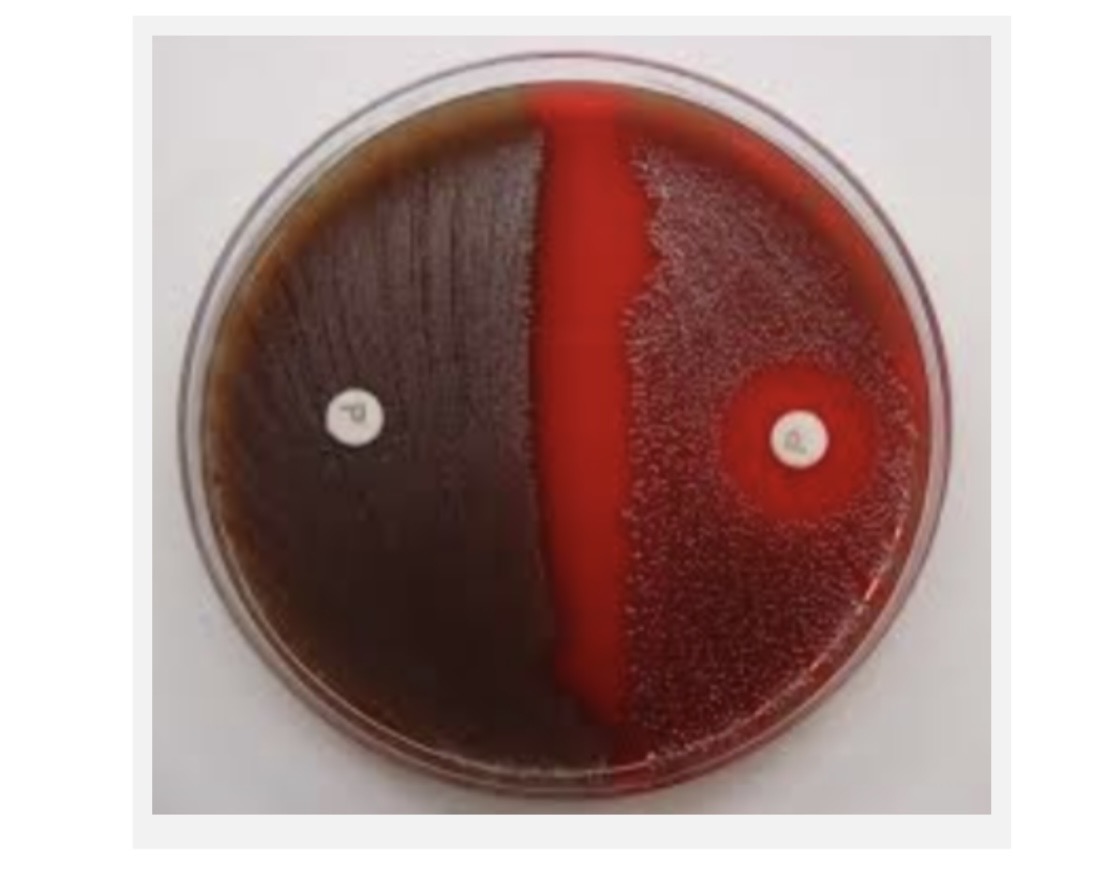
The Organism that can be identified is Streptococcus pneumoniae
A. What media is used for inoculation?
B. What Antibiotic was used?
C. Which side shows its Streptococcus pneumoniae?
A. Blood Agar Plate (BAP)
B. Optochin
C. Right side (zone of inhibition)
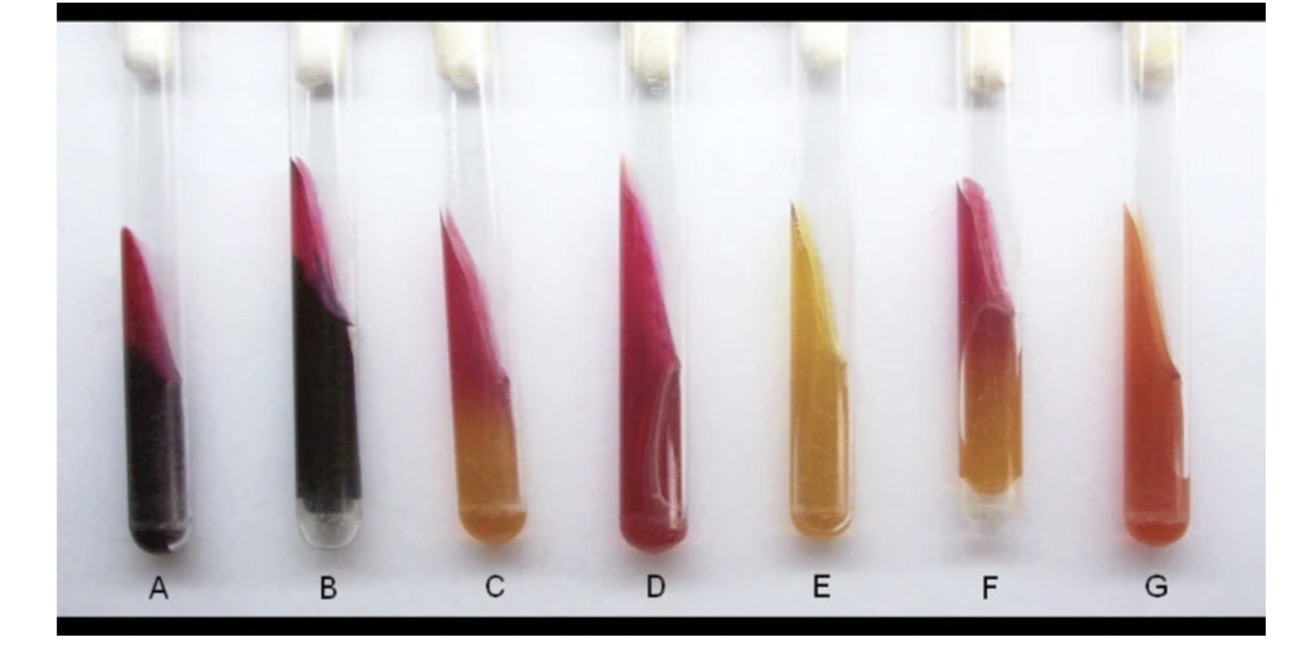
A. Which of the following tests have fermentation?
B. Which of the following tests have Gas production?
C. Which of the following tests have Sulfur reduction?
A. Tubes A, B, C, E, F, G (yellow)
B. Tubes B, D, E, F, G (bubbles/cracks/lifting)
C. Tubes A & B (black)
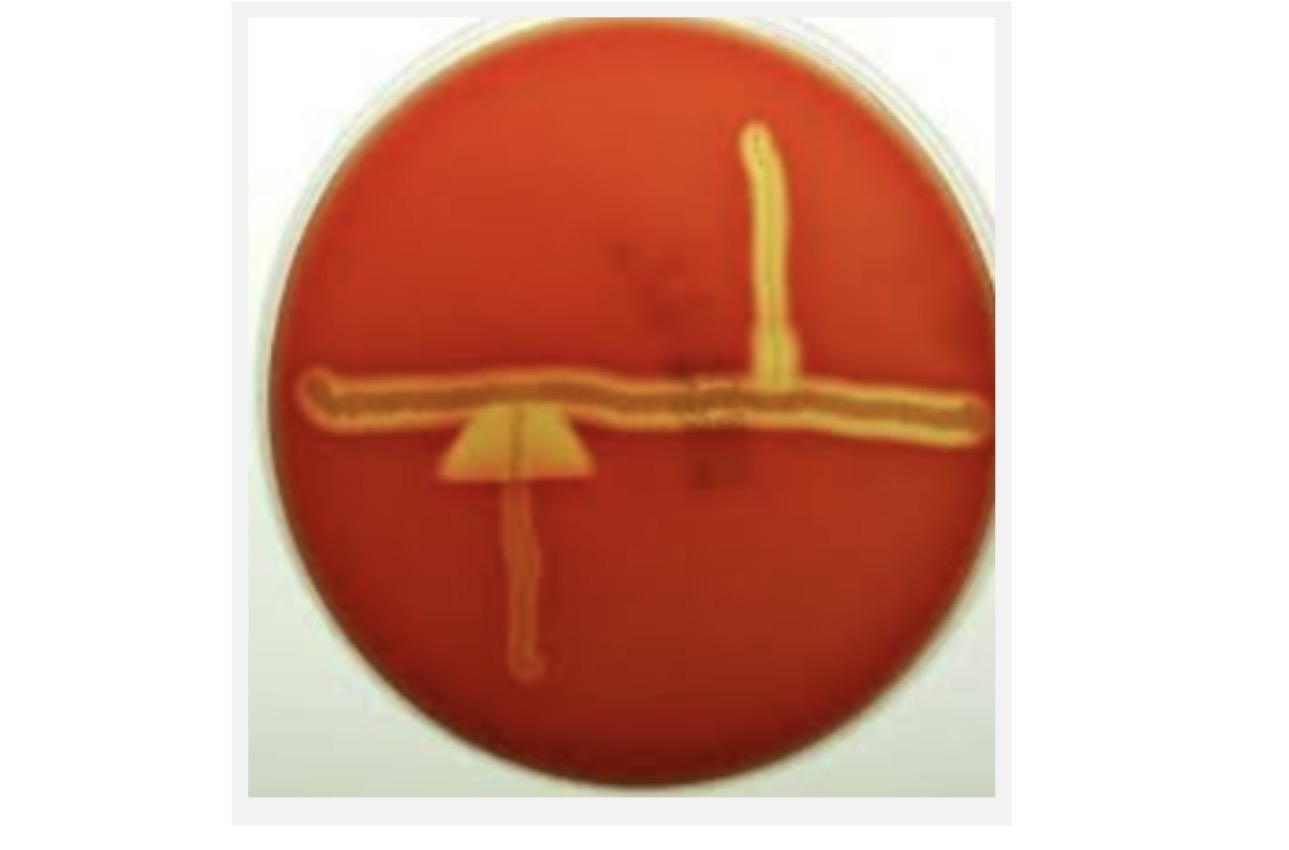
A. What test is this called?
B. What media is used for this test?
C. What two bacteria result in the arrow-like appearance?
D. What type of hemolysis occurred?
A. CAMP test
B. Blood Agar Plate (BAP)
C. Staphylococcus aureus & Streptococcus agalactiae
D. Beta hemolysis
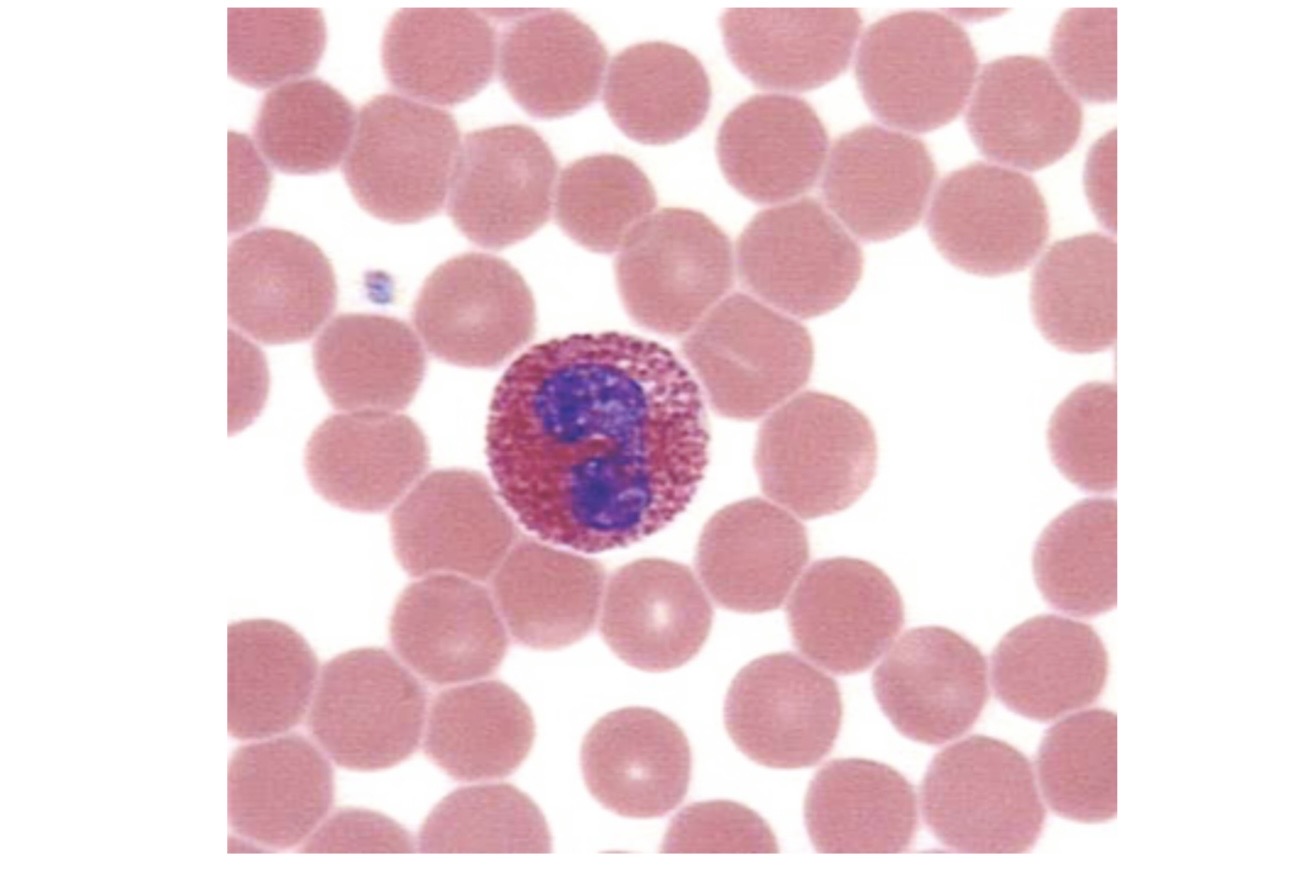
What is the name of the following WBC? What is it involved in?
Eosinphil- parasitic infections & allergic reactions
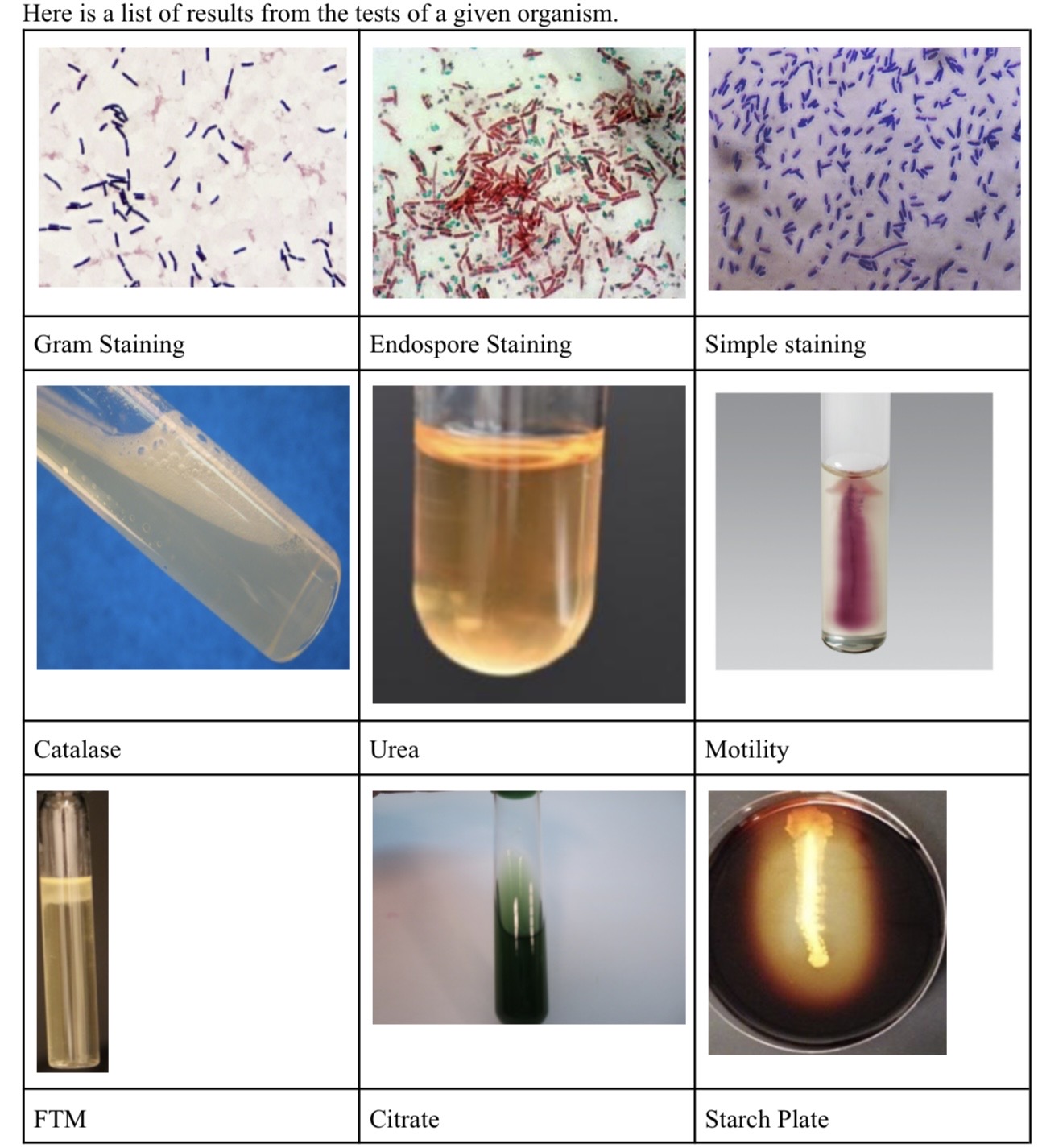
Describe below using the images what kind of organism this is from its characteristics.
Gram +, single rods, endospore forming, catalase +, urea -, motility +, aerobe, citrate -, starch hydrolysis + = Bacillus species (Bacillus subtilis)