Velazquez
 Call Kai
 Learn
Learn Practice Test
 Spaced Repetition
 Match
Match Flashcards
 Knowt Play
1/8

There's no tags or description
Looks like no tags are added yet.
Name | Mastery | Learn | Test | Matching | Spaced | Call with Kai |
|---|
No analytics yet
Send a link to your students to track their progress
9 Terms
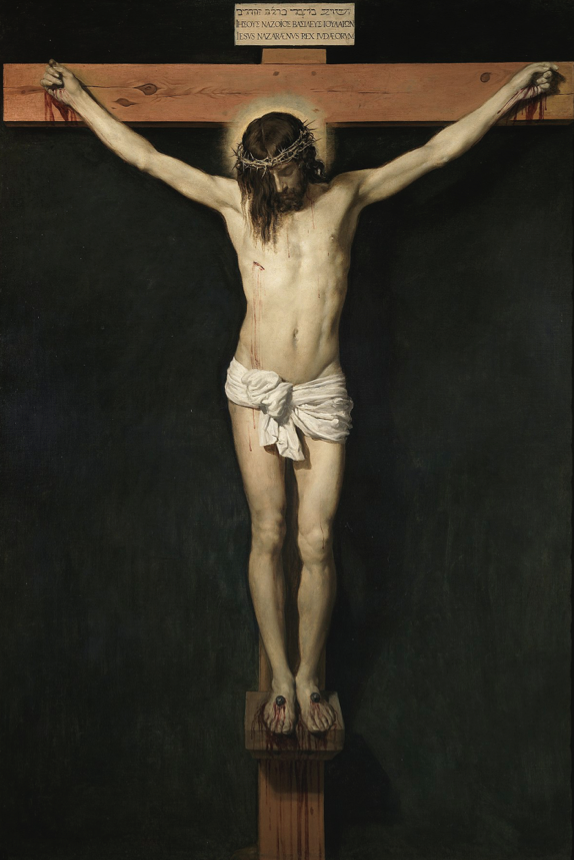
Velazquez
Christ on the Cross
1632
spanish baroque
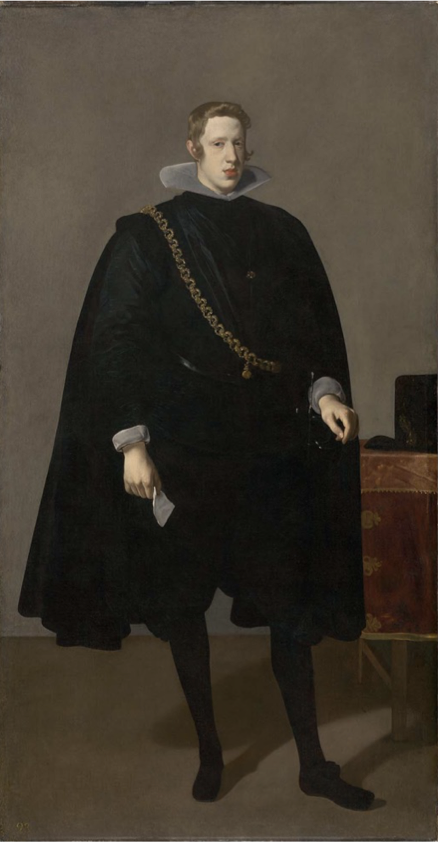
Velazquez
portrait Phillip iv
1628
spanish baroque
What is the significance of this painting?
In which context was it painted?
Why is it relevant for Spanish cultural/political context?
Which visual elements define the painting for you?
In class we discussed three layers or levels of reading: which were them?
Do you agree with it? Justify your answer.
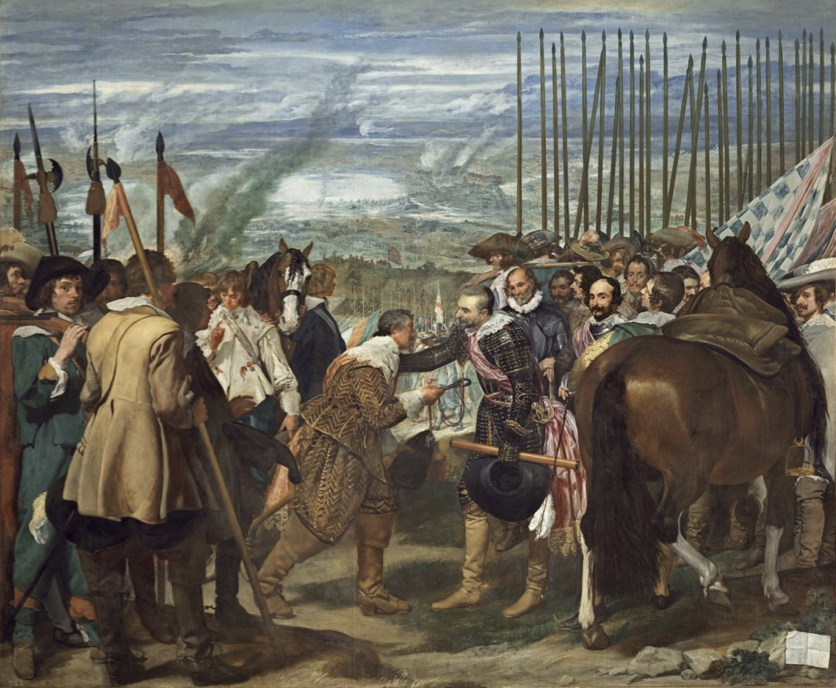
velazquez
surrender of Breda
1648
spanish baroque
“The entire exchange seems extraordinarily gracious,
an emblem of a courtly ideal of gentlemanly conduct. The victors stand at attention, holding their densely packed lances upright in a vertical pattern giving the painting its popular name, The Lances while the defeated Dutch, a motley group, stand out of order, with pikes and banners drooping. In fact, according to reports, no keys were involved and the Dutch were more presentable in appearance than the Spaniards. Velázquez has taken liberties with historical fact to create a work of art that embodied an idealized rendering of the meaning of the surrender to his Spanish patron.”
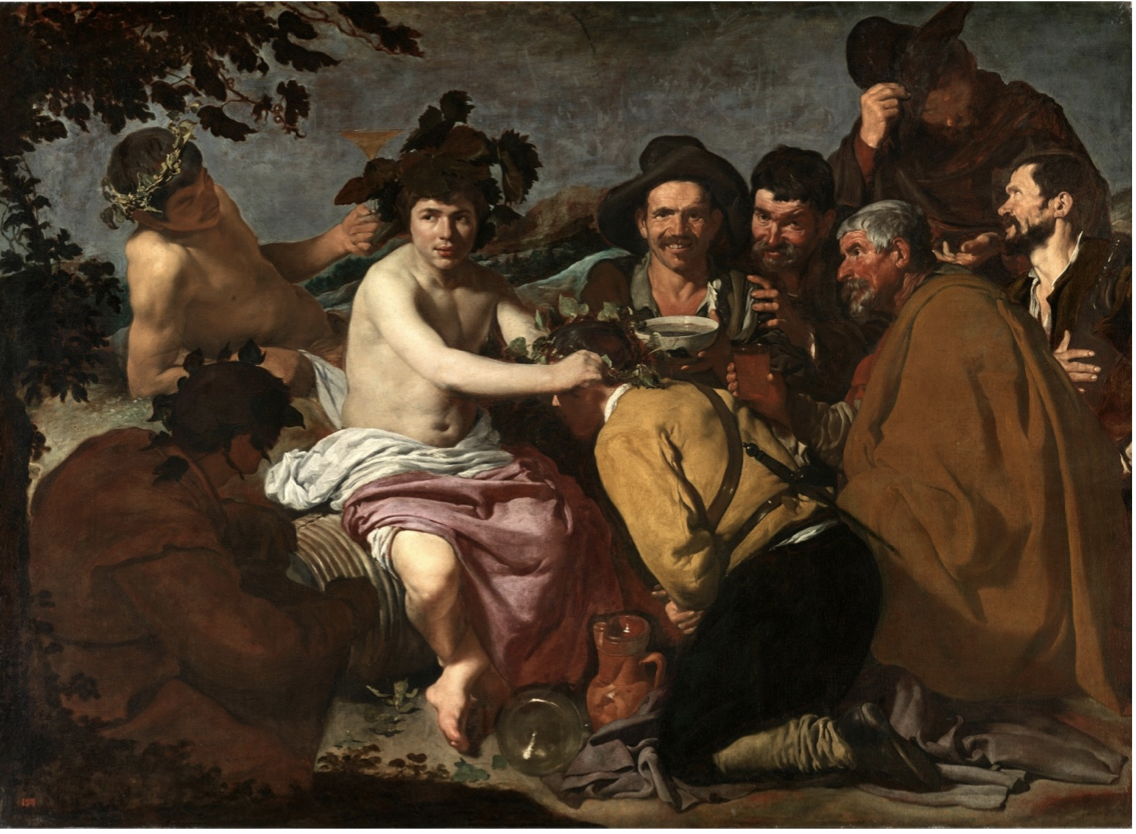
Velazquez
the triumph of bacchus, aka the drunkards
1628
spanish baroque
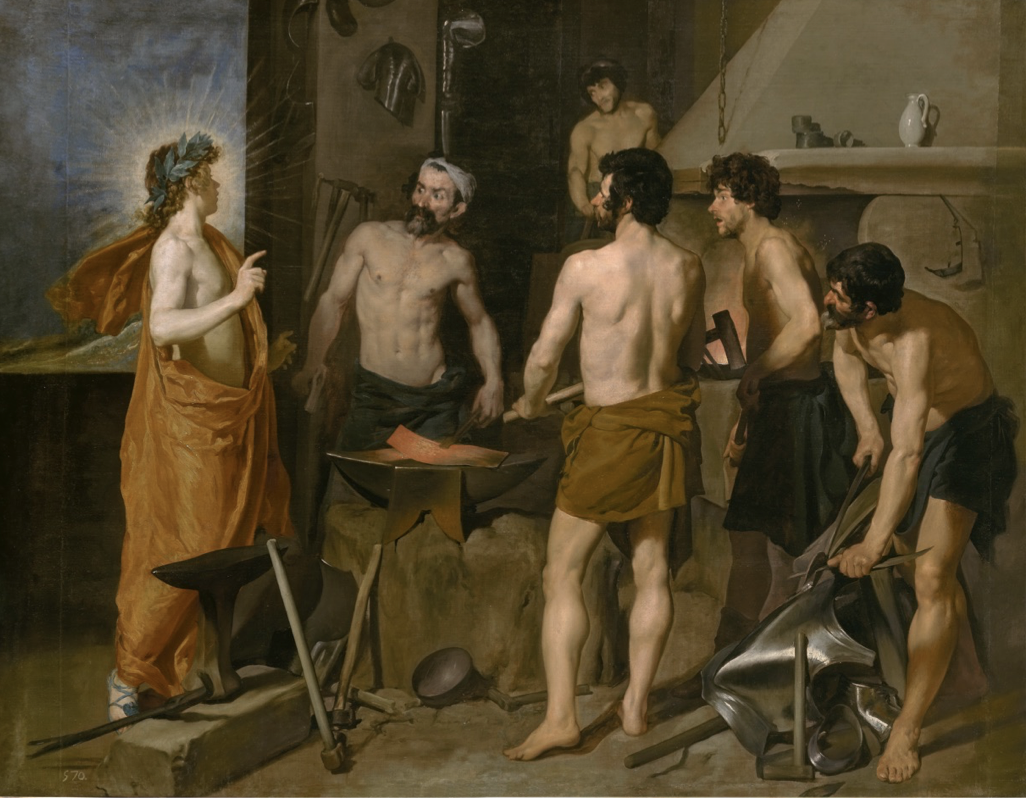
velazquez
Vulcans forge
1630
spanish baroque
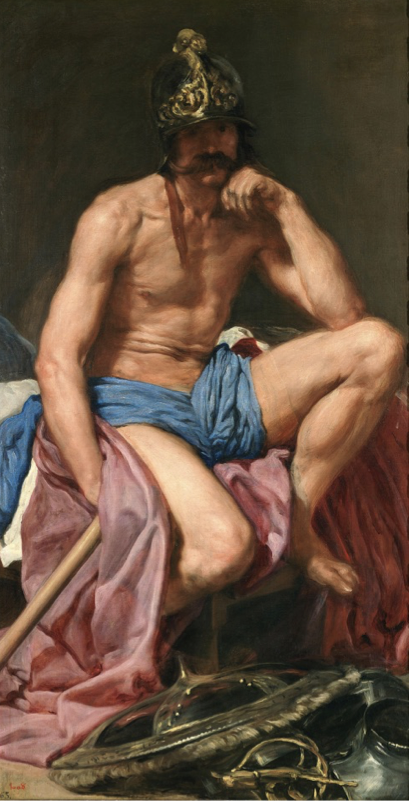
Velazquez
Mars
1638
spanish baroque
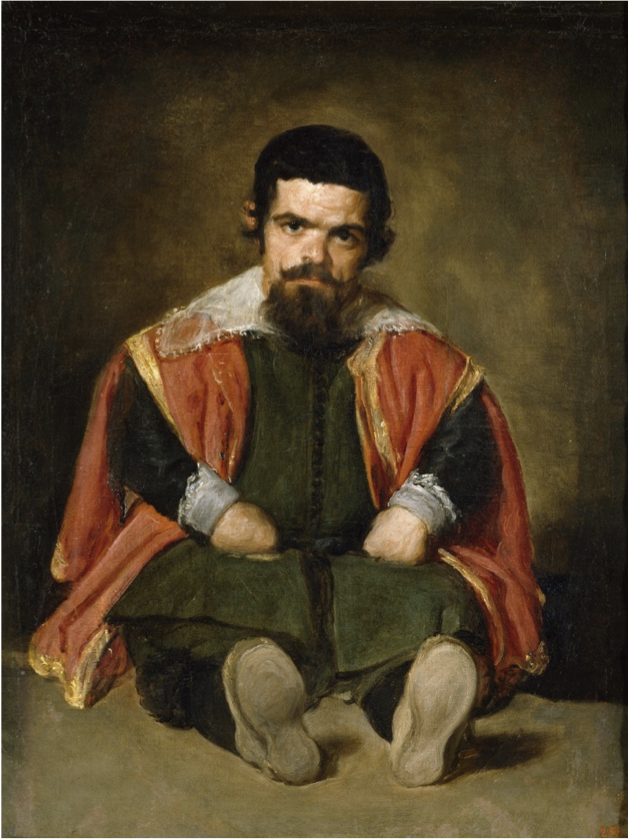
velazquez
buffoon el primo sebastian de mora
1644
spanish baroque
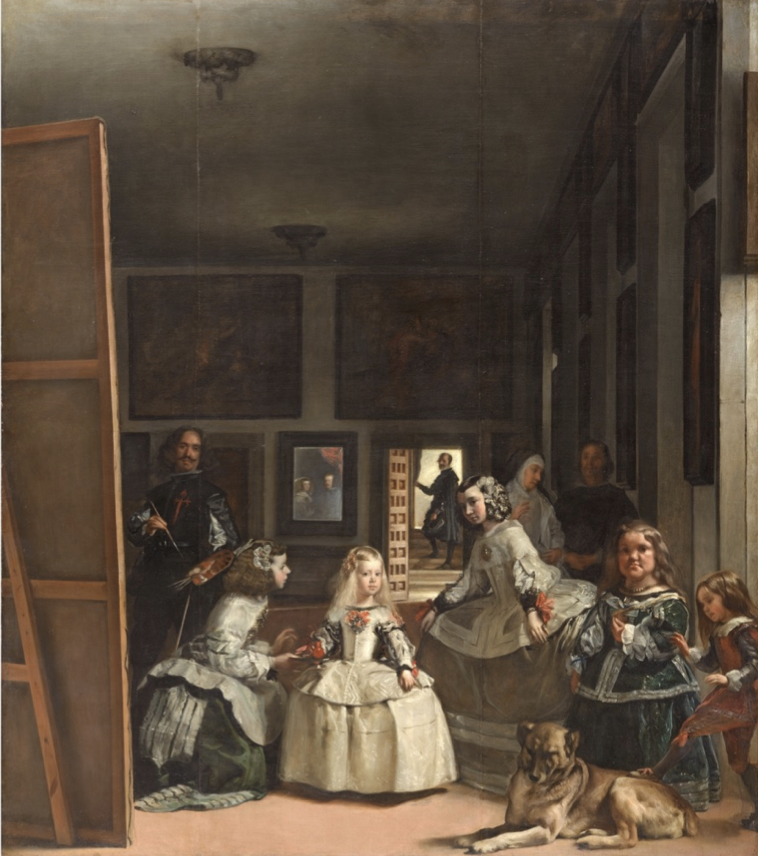
Velazquez
las meninas
1656
spanish baroque
sought respect and acclaim for himself and for the art of painting. dressed as a courtier the order of Santiago on his chest (added later) and keys of the palace tucked into his sash—proclaims the dignity and importance of painting itself
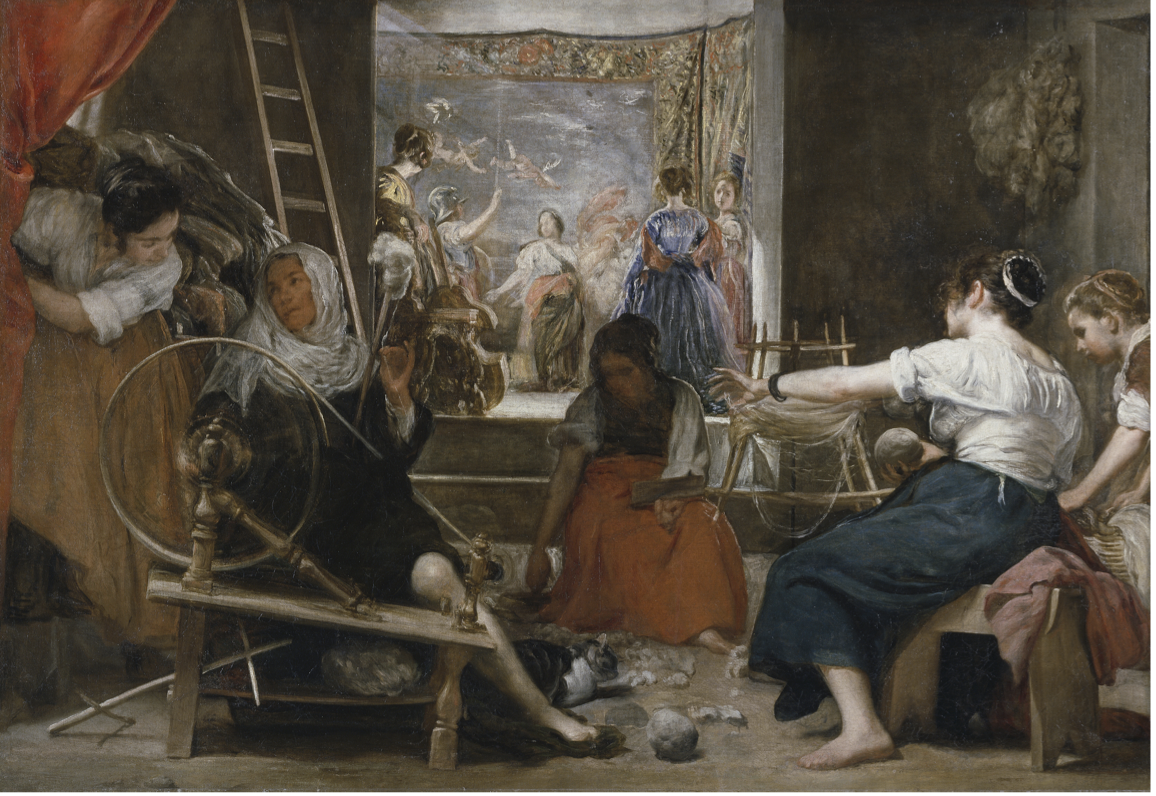
velazquez
the spinners
oil on canvas
1660
could be a warning against pride.
representation of a work by Titian, has also led to art-historical readings. the work could represent the passage form material to form through the power of art, which makes the work a defense of the nobility of painting