ARTH 109 Final
 Call Kai
 Learn
Learn Practice Test
 Spaced Repetition
 Match
Match Flashcards
 Knowt Play
1/9

There's no tags or description
Looks like no tags are added yet.
Name | Mastery | Learn | Test | Matching | Spaced | Call with Kai |
|---|
No analytics yet
Send a link to your students to track their progress
10 Terms
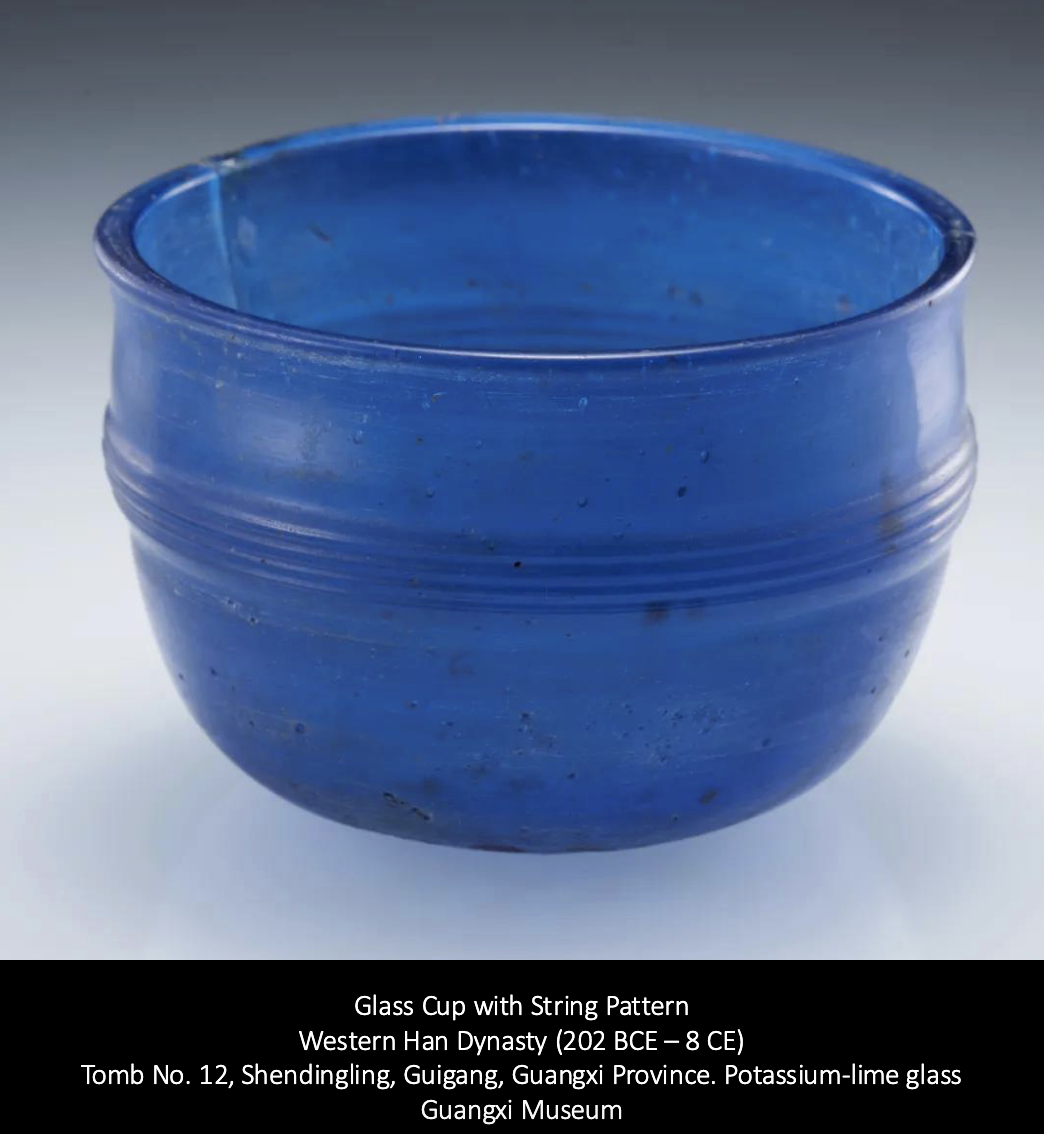
Glass cup with string pattern (blue)
Western Han Dynasty
represents Maritime Silk Road
Guanxi, Tomb no. 12
Imported because it uses European recipe for glasses (silicia, lime)
Indigenous chinese glassware is made with lead barium
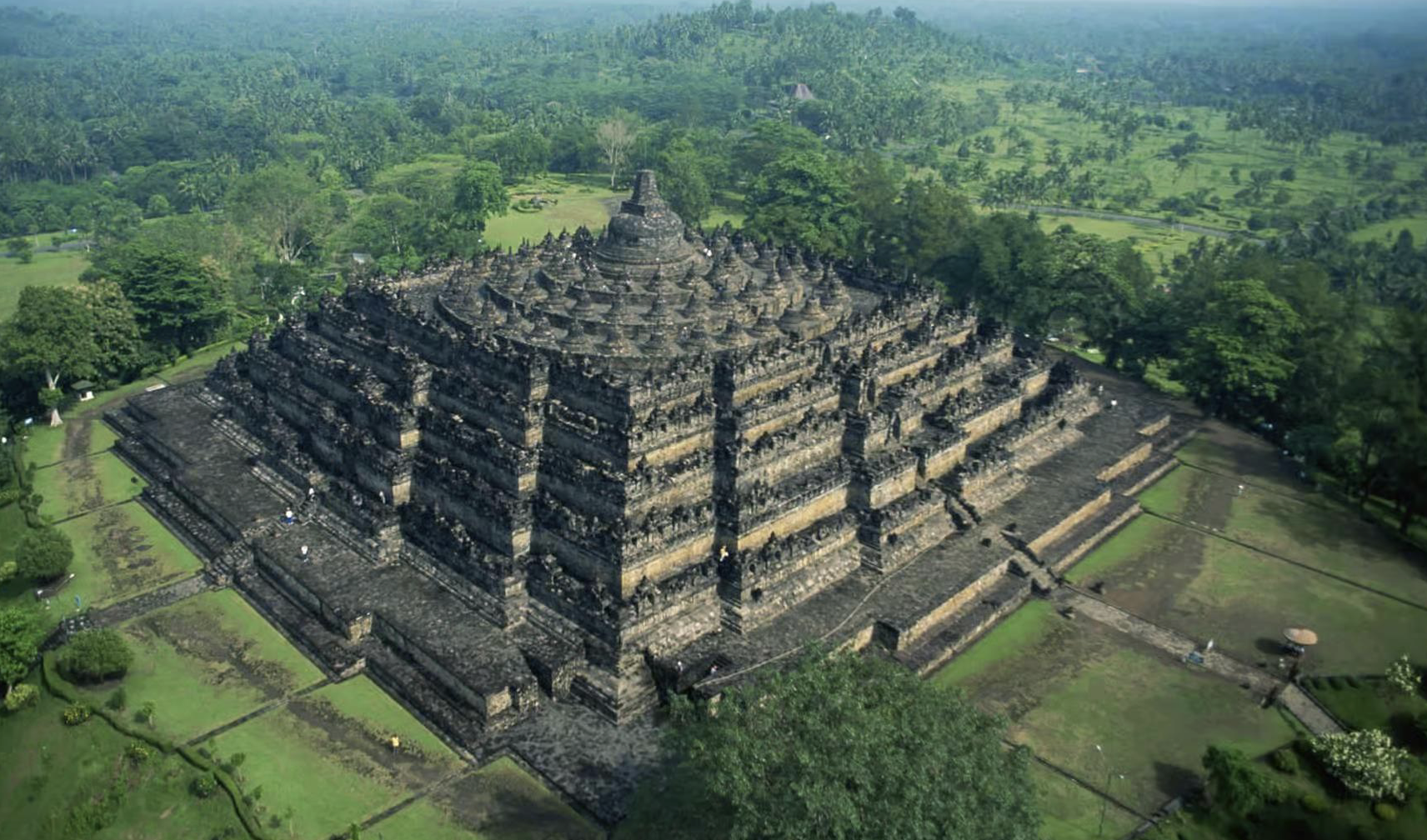
Borobudur
Java, Indonesia
Unique buddhist monument
Worlds biggest temple
9 stack platforms, central dome
Relief painting panels and buddha statues- stories of historical buddhas previous and current life, and other buddhist stories
9th century by Sailendra Dynasty, little known about them today
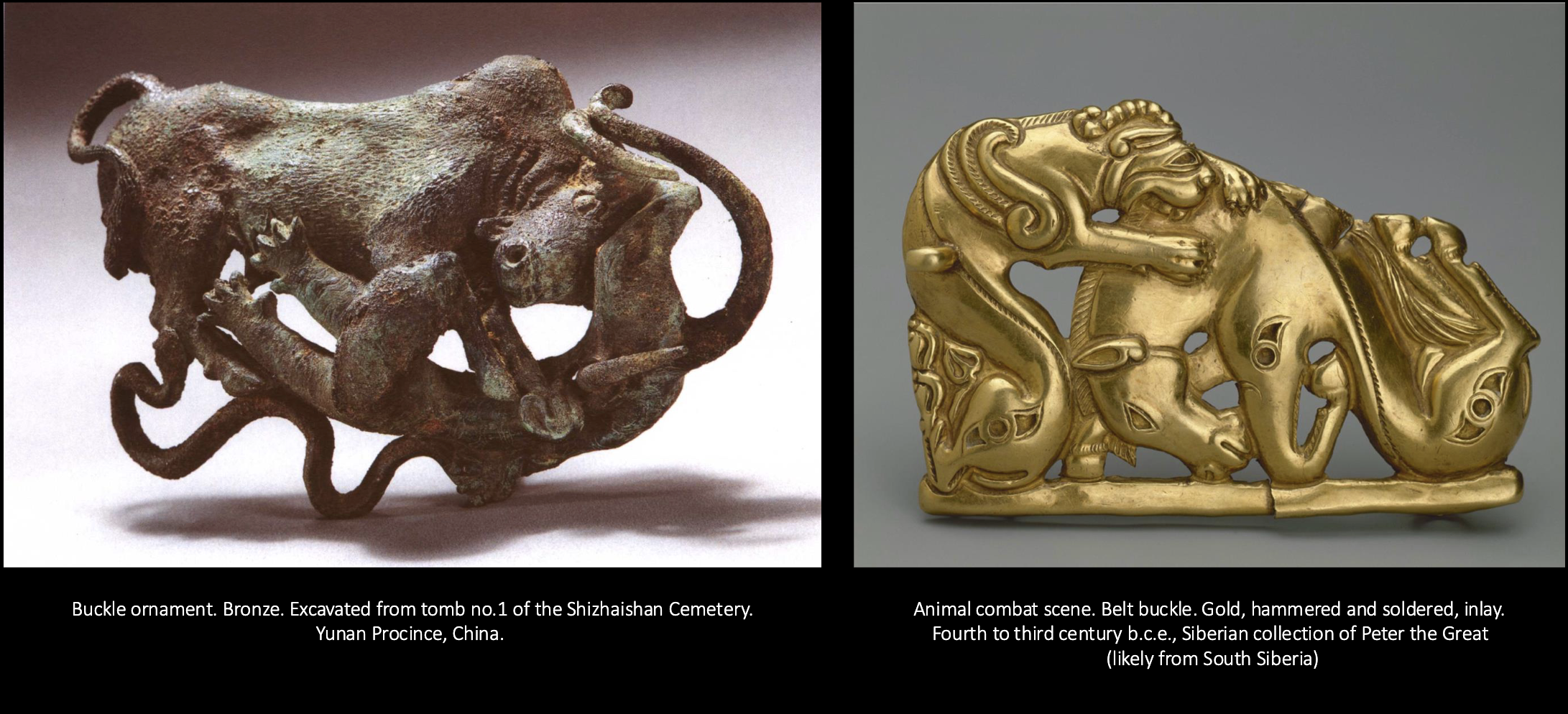
Buckle Ornament (Dian)
Yunnan province, Tomb no. 10 Shizhaishan (8th century) (Dian)
Bronze
Similar animals combat scene motif (animal style) as western Steppe ppl
Theory that ancestors from Dian culture are from the north (Steppe region)
Yuezhi forced to move by Xiongnnu→ Yuezhi forced Saka to move south to where Dian were
compare with Siberian belt buckle (on right)- ainmal combat scene
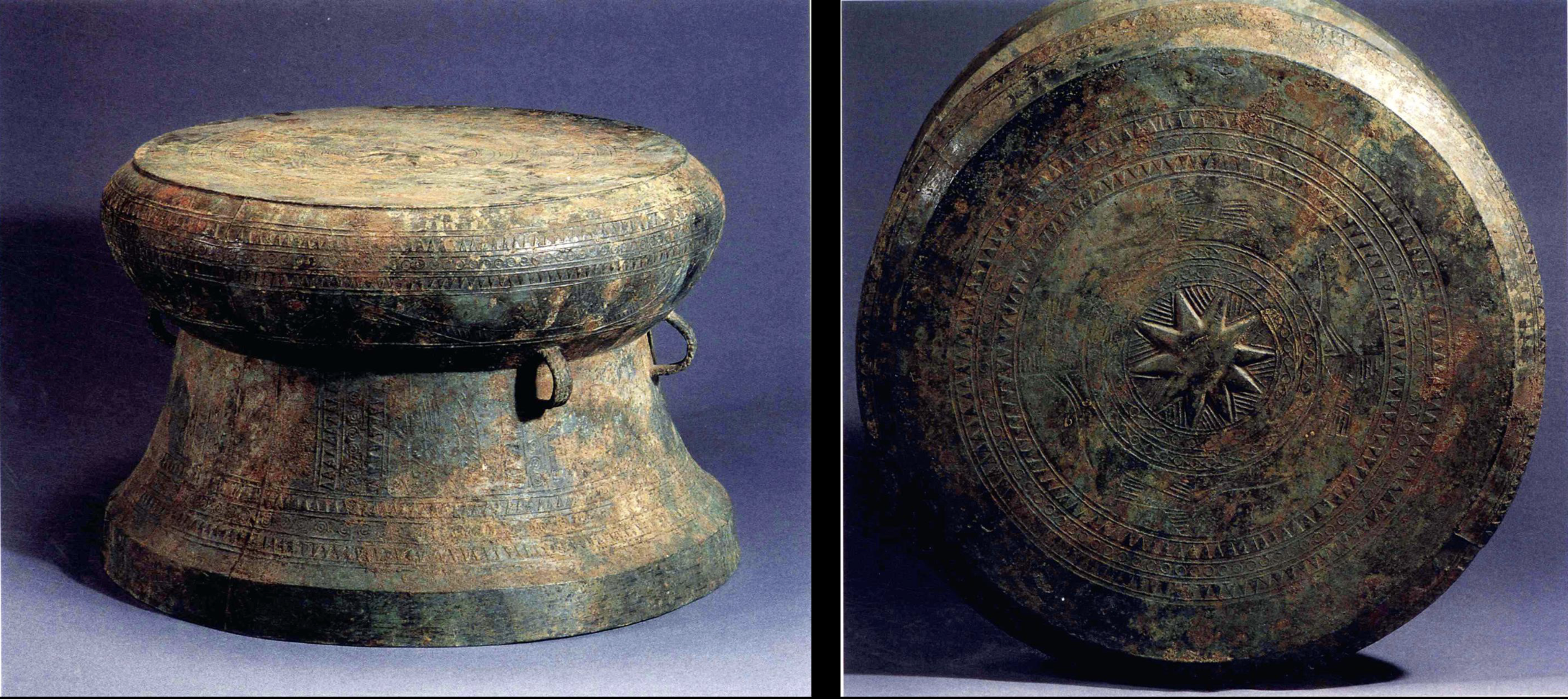
Bronze Drum with Boat Pattern
Dian Kingdom
Patterns that form concentric circle around a star, birds flying around the star
On the side, people are showing daily life/rituals
Ppl on a boat with decorative hats (priests), doing sacrificial ritual
Indicates that water is very important to Dian culture
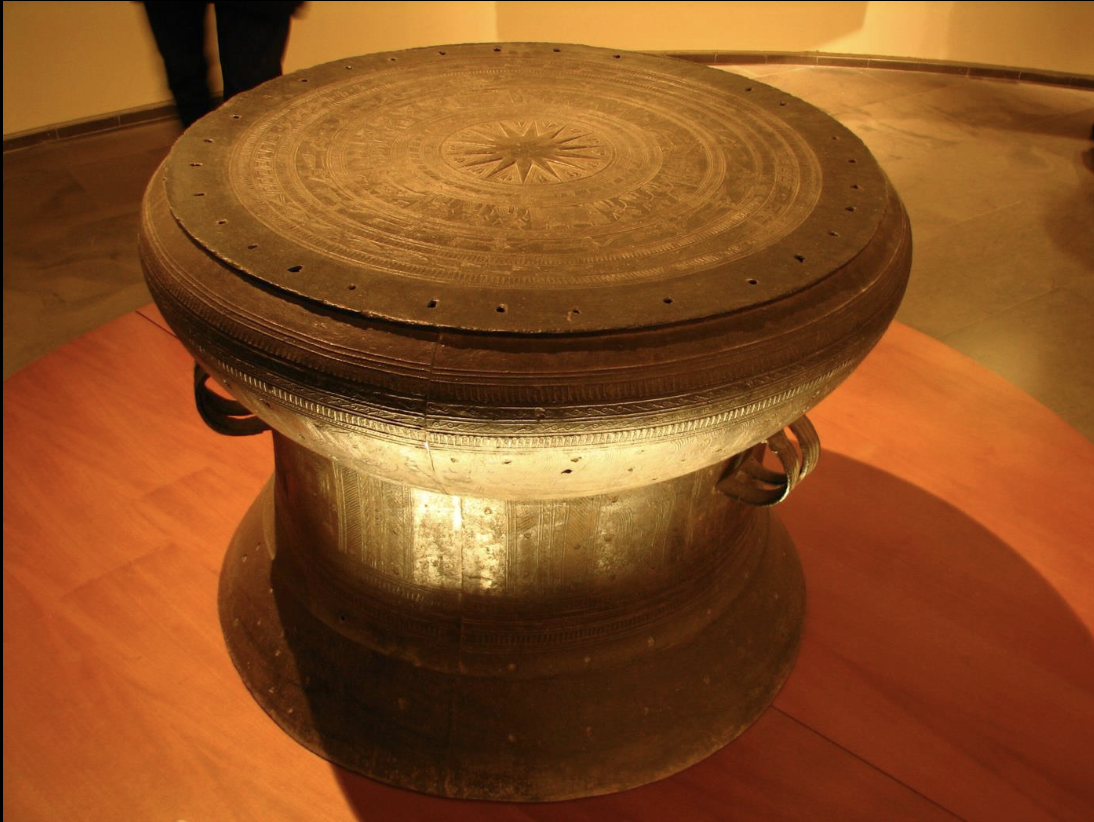
Dong Son Bronze Drum
Vietnam, also found in Indonesia and other SE asian cultures
Also a type of bronze drum, similar to Dian culture
Similar patterns show how SW China and SE asia were culturally similar
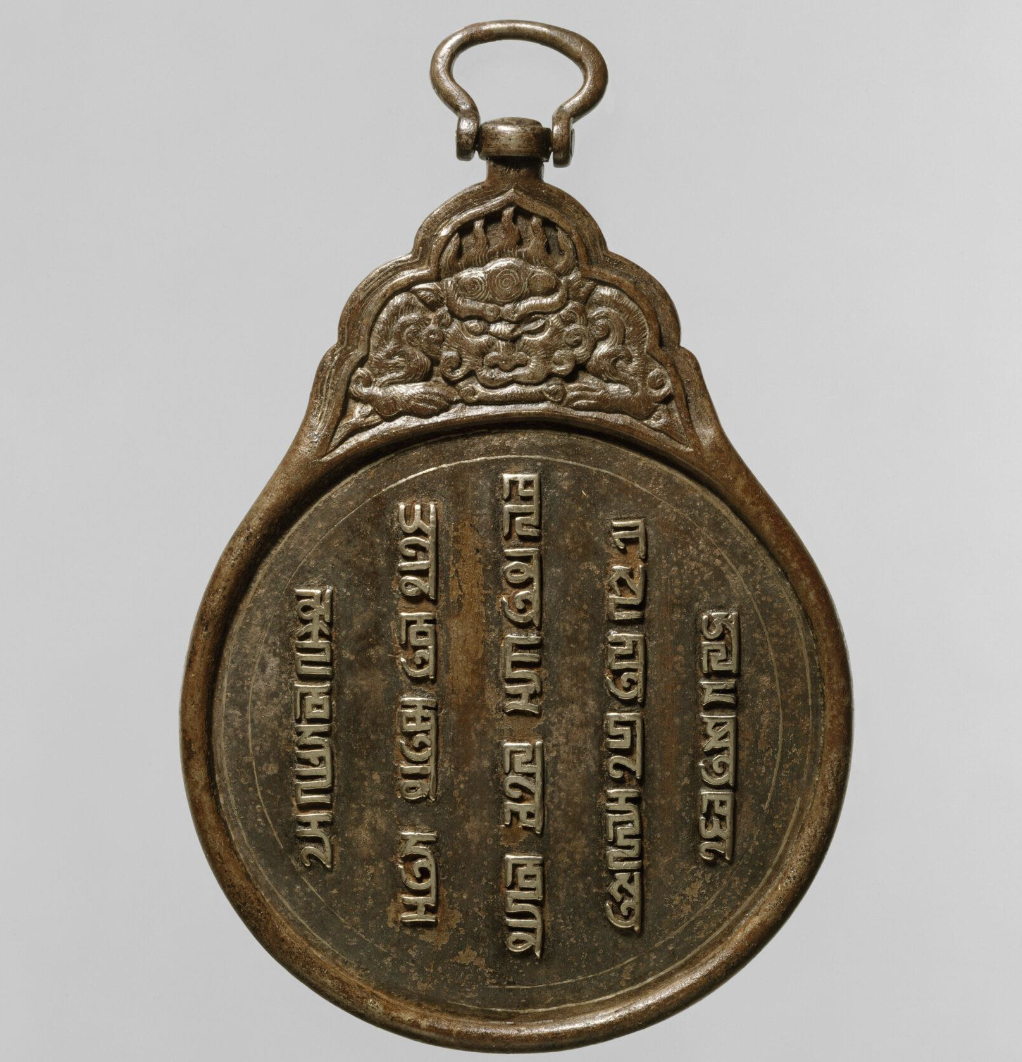
Messenger Paiza/Gerege in Papka script
Given a paiza tablet whenever you travel on a journey on mongol postal route (based on chinese paiz, gerege = that which bears witness)
Granted the ability to requisition resources and right to receive room, board, fresh horses, and an escort
Only to be used on Mongol postal-road system
Mongol emperors, empresses, princess able to issue paiza (silver hard to recreate)
This one was found in china area (Great Khan)
Others found in Golden Horde
These had different designs and material, but served the same purpose
Also one in il-Khanate
Language different from Mongol script, it was called Papka
It was a written language invented by a tibetan monk
Tibetan buddhism was state religion, so many tibetan monks served along emperors
Papka, looks like tibetan but also has components of uyger-based Mongolian and Chinese
Universal language bc it combines all these languages (tibetan, uyger based mongolian, chinese)
Saint Jerome (italy)
Looks similar to papka script, square block language, very different from other european languages
Giottto di Bodone (italy)
Lining of her dress around her head had papka script
Represents how far writing from mongols can travel
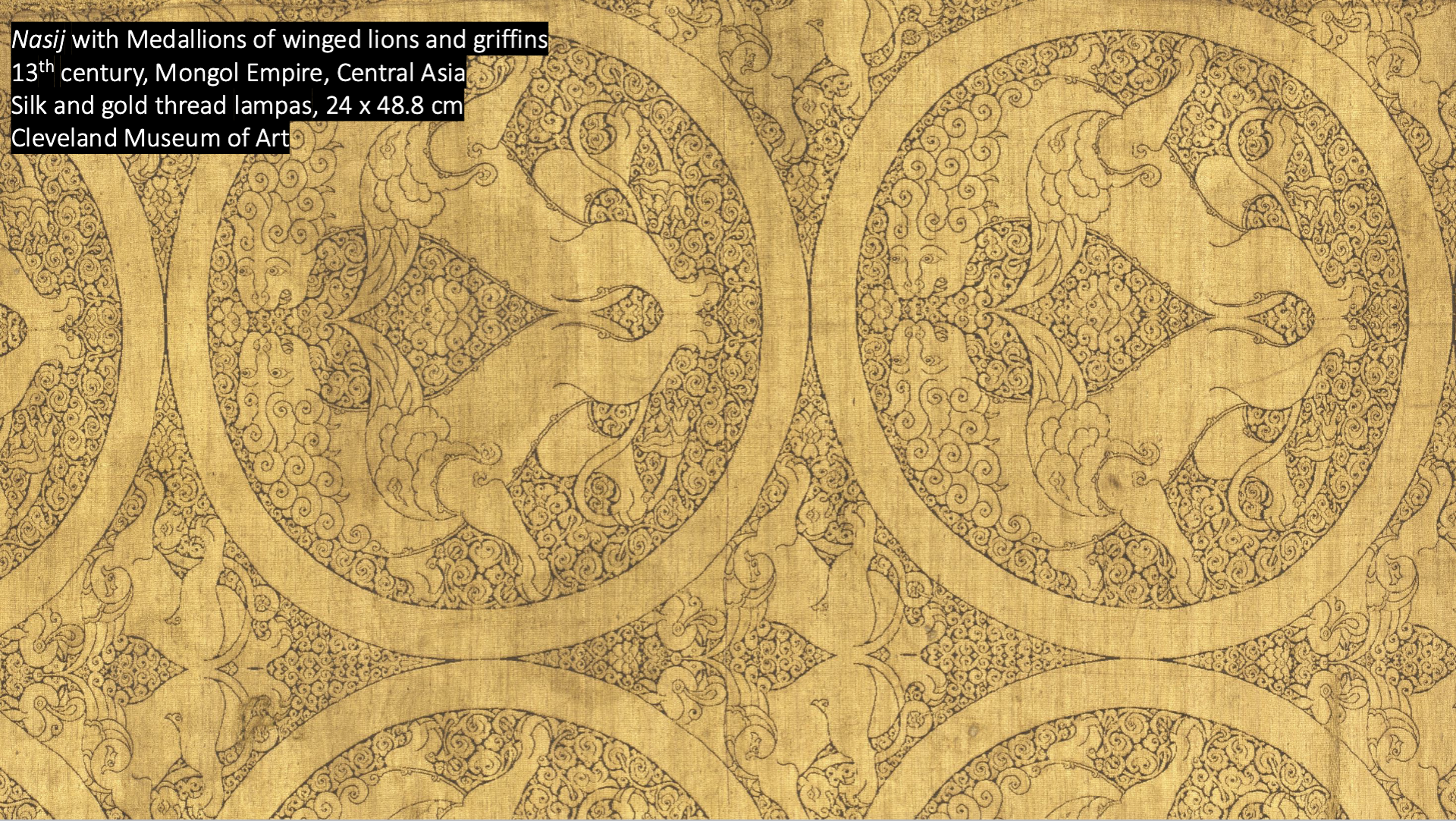
Nasij w/ Medallion of winged lions and griffins
mongol empire, 13th century, Il Khanate (central asia)
Nasij (persian word for cloth)
Base layer weave, on top they would use real gold thread (plain weave vs lampas weave)
Gold thread- twisted and flattened
Flattened: Gold leaf glued on leather
Twisted: wrap the gold thread around string of silk (used here)
This was in mongol yuan i think
produced in Il-khanate and great khan
Panni-tartarici- latin for tartar cloth (tartar=asia) used in europe to refer to gold-woven clothes produced in mongol empire
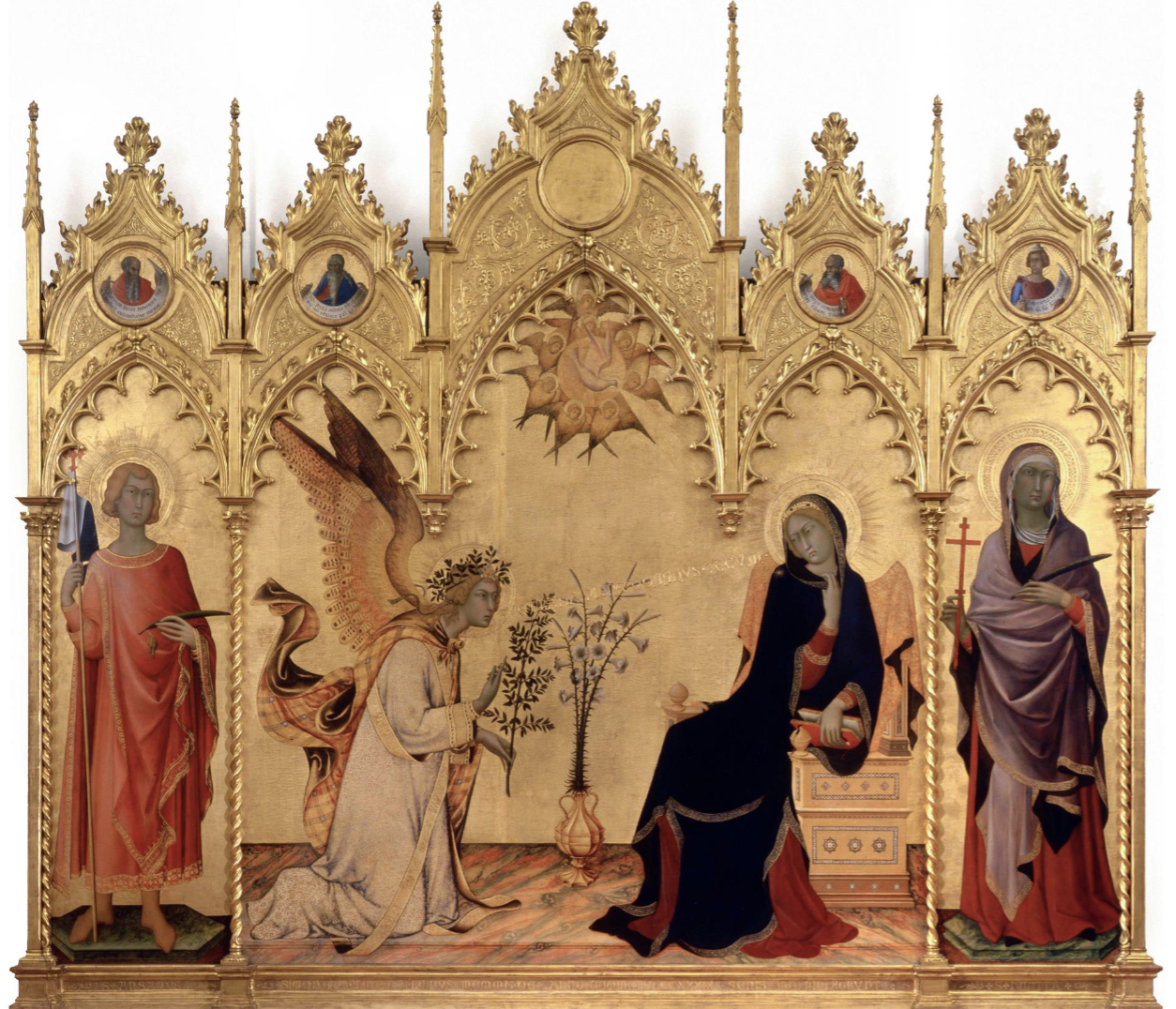
Annunciation with st Maximus and St. Ansanus: Simone Martini (Siena, Italy)- robes had nasij textile/panni-tartarici
Manye examples across europe
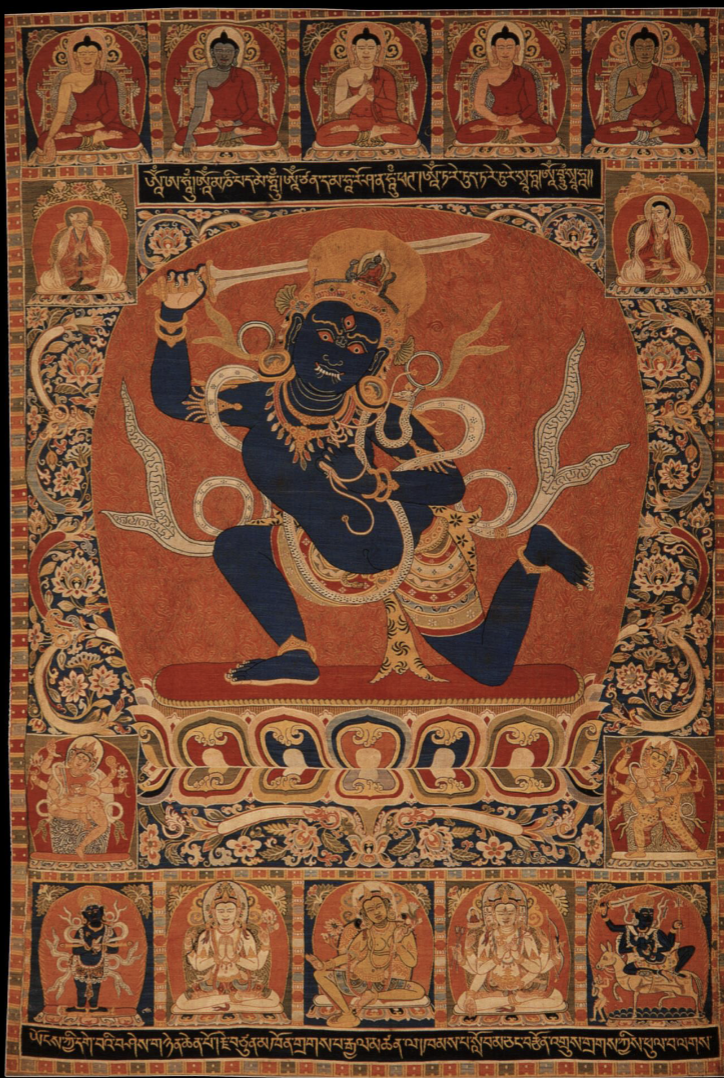
Acala
Tangut, khara-khoto 13th century
Kesi tapestry
Type of tapestry
Desired material in europe was wool
In asia, kesi used silk
Differences between tapestry/weaving and embroidery
Background and motif at the same time, if you flip it over it looks exactly the same (weaving)
Have background first, then weaving the motif, looks different on front and back and you can see the back stitching (embroidery)
Sogdian or uygher likely invented kesi technique
Tanguts made this a esoteric buddhism pieces, not just a textile technique
Tanguts like to use different mediums to create same deity, innovative ppl
3 images- know which is which
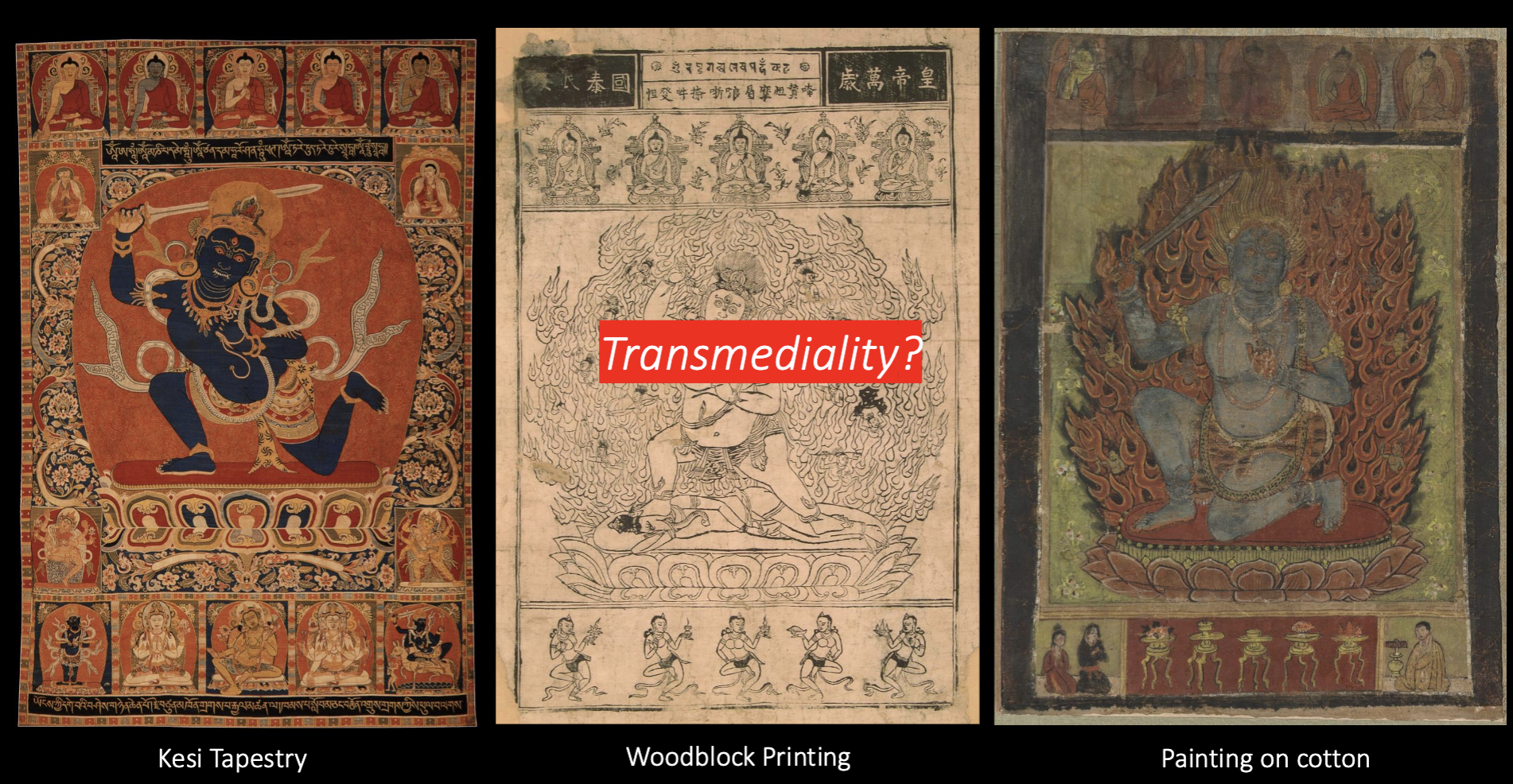
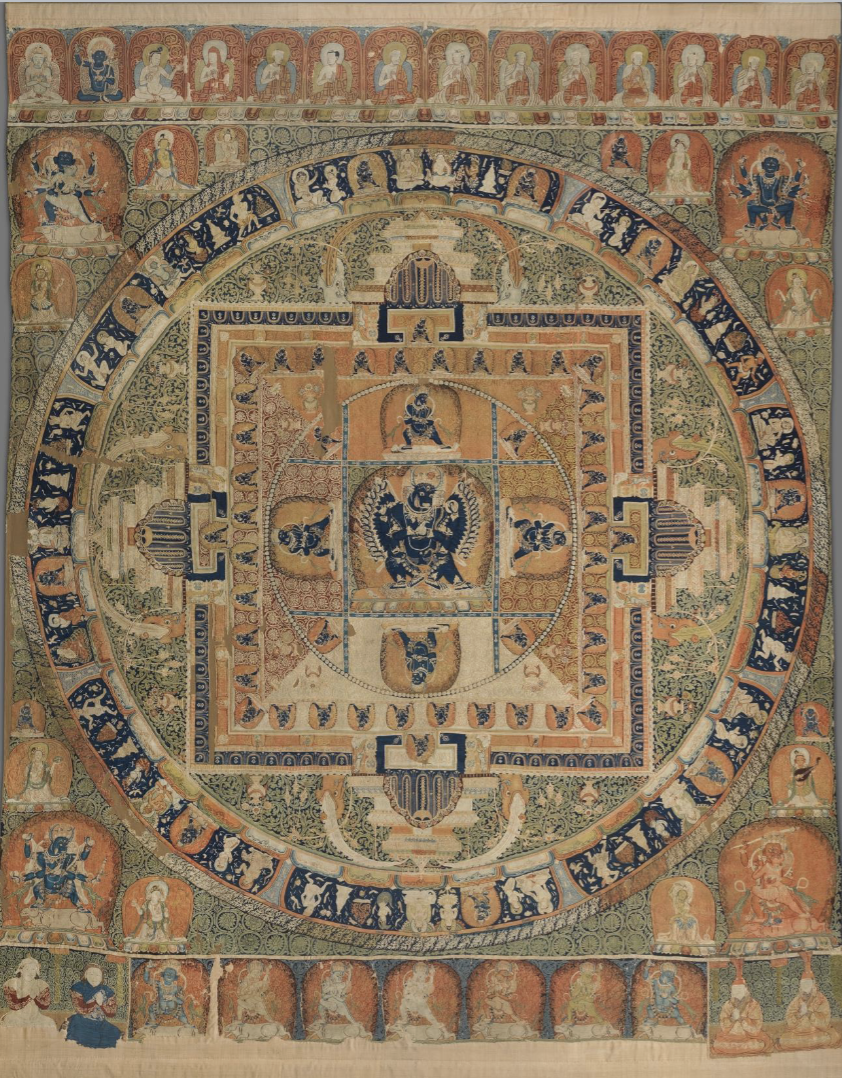
Vajrabhaiarava Mandala
Mongol Yuan
Kesi tapestry
Mongol yuan kesi tapestry
Large
Mandala- central deity, (Yamantaka=vajrabhairava, “destoryer of death”, esoteric wrathful deity)
Many heads and arms
Stepping on human and animal bodies
Smaller deities around him are his attendants, others are performing rituals
Donors: two couples in the bottom right and left corners
Male: Emperor tuq-Temur and Prince Qoshila
Tuq became emperor first 1238, Qoshila declared himself the emperor 1239, 4 days later Qosila died (theory that tuq killed him), tuq reascended the throne in 1239, this was helpful to know when the kesi tapestry was created (likely after 1239 because kesi is time-consuming)
2 other example of the deity
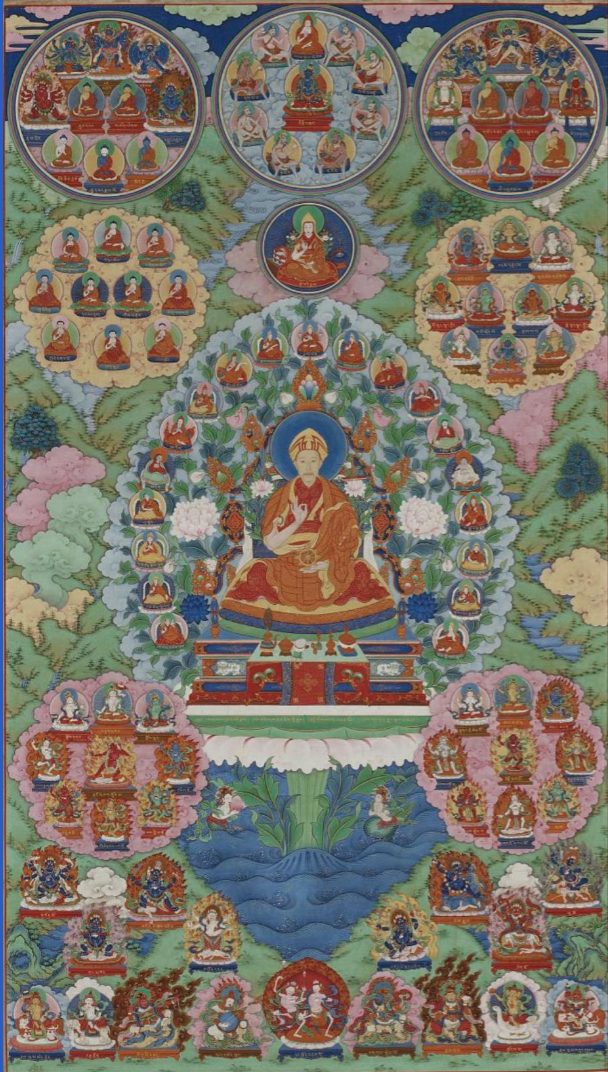
Qianlong Emperor as Manjushri-Chakravartin
Qing Dynasty, 18th century
Refuge field- lotus stems from centered buddha (tree-like arrangment) (in both paintings)
Genre of Tibetan painting that depicts all the important deities and historical masters of a particular Buddhist tradition in a tree-like arrangement. It shows an assembly of teachers and deities as they should be imagined when a meditator mentally takes refuge inthem
Emperor commissioned this and centered himself at the center of the refuge painting, and equates himself to:
Sword: bodhisattva of wisdom
Golden wheel: buddhist king
Face is painted by castiglione different from other buddhist art piece we would expect
Compared to: Tibetan painting, follows tibetan buddhist tradition