AP Human Geo - Unit 7 (Industrial & Economic Development)
 Call Kai
 Learn
Learn Practice Test
 Spaced Repetition
 Match
Match Flashcards
 Knowt Play
1/95

There's no tags or description
Looks like no tags are added yet.
Name | Mastery | Learn | Test | Matching | Spaced | Call with Kai |
|---|
No analytics yet
Send a link to your students to track their progress
96 Terms
Industrial revolution
the historical process by which agrarian economies were transformed into industrial economies.
Mass production
making large amounts of the same product quickly using machines and assembly lines.
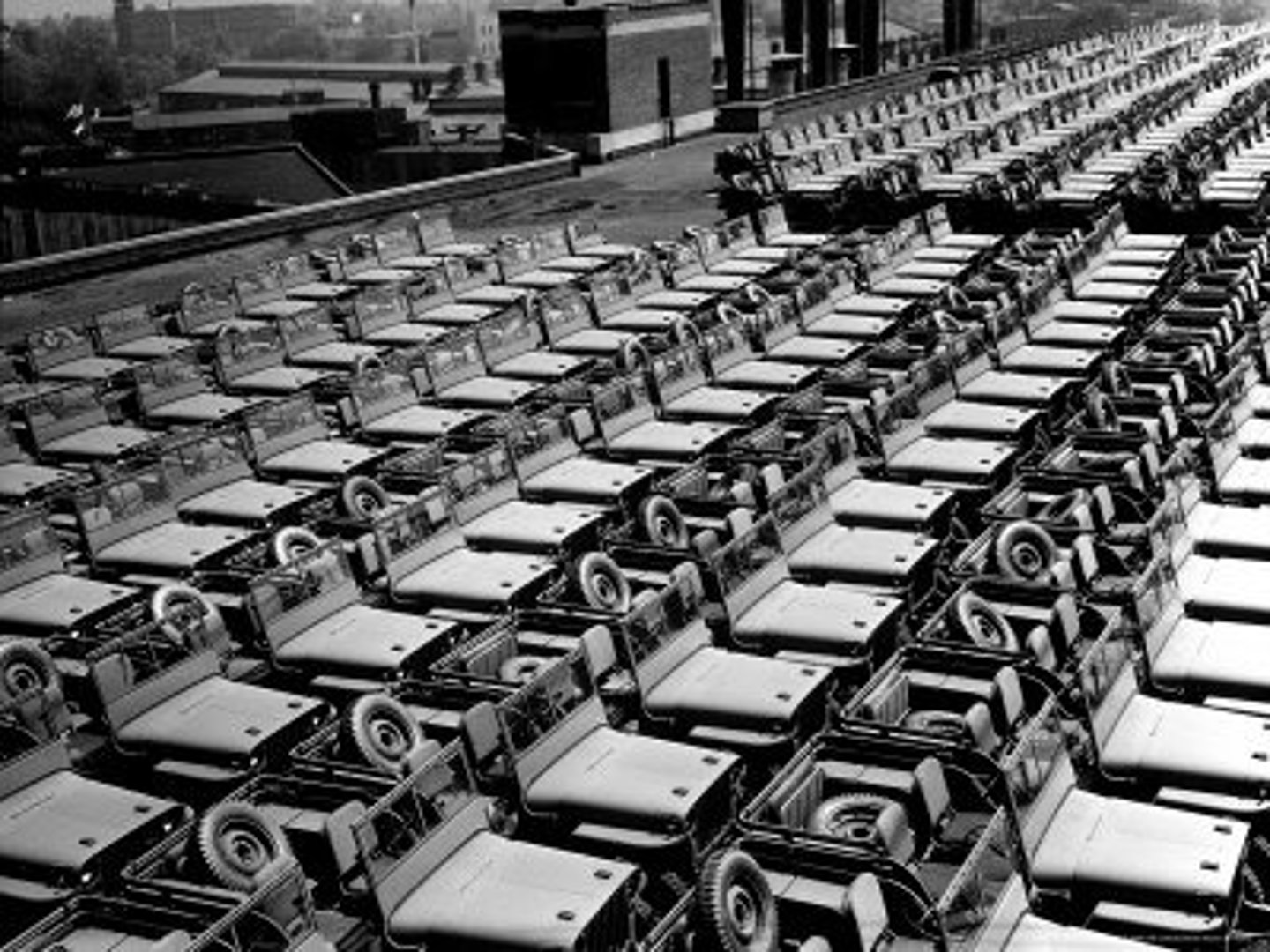
Economies of scale
when producing more goods makes each item cheaper to produce.
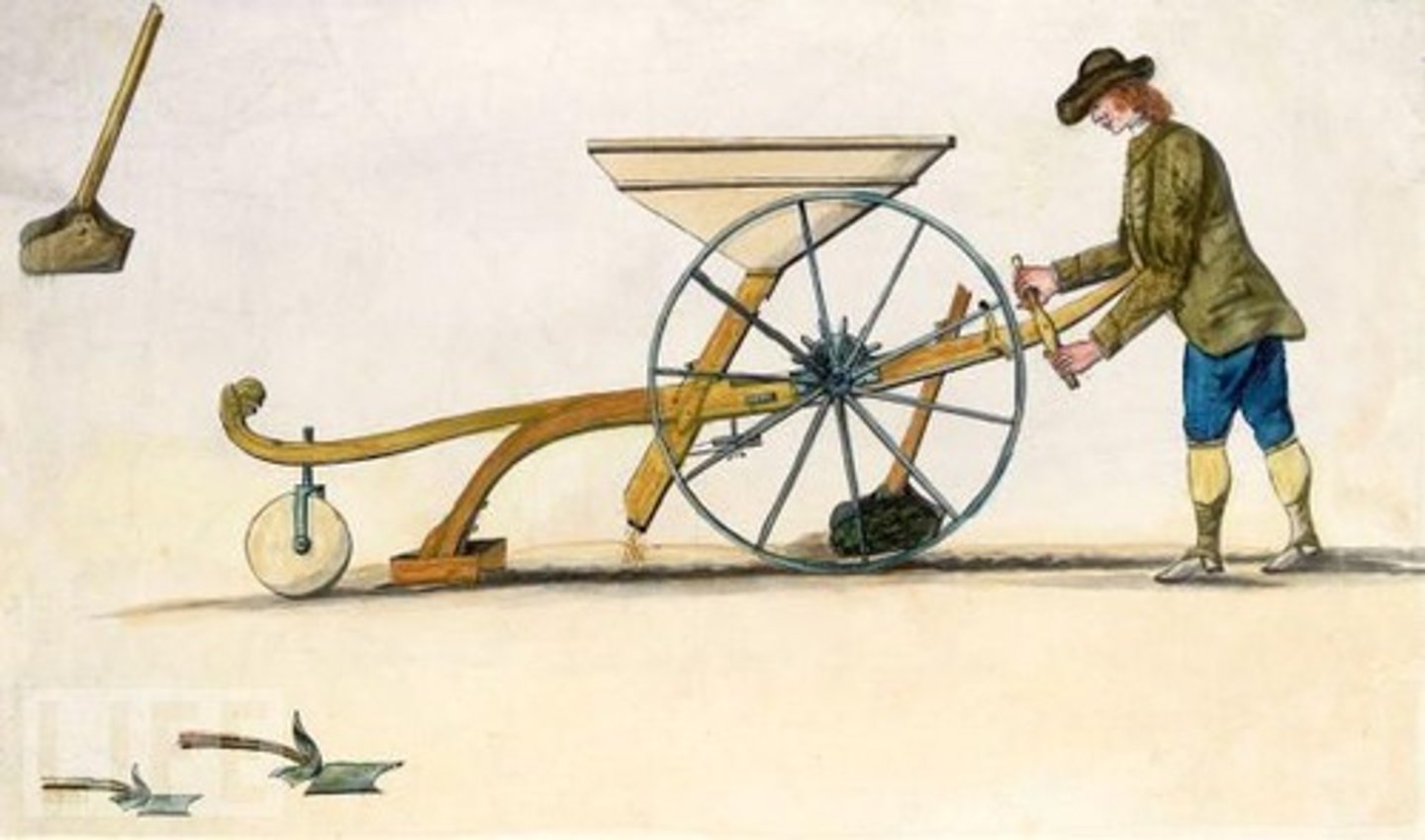
Seed drill
a machine that plants seeds in straight rows in soil; enabled seeds to be planted with greater precision.
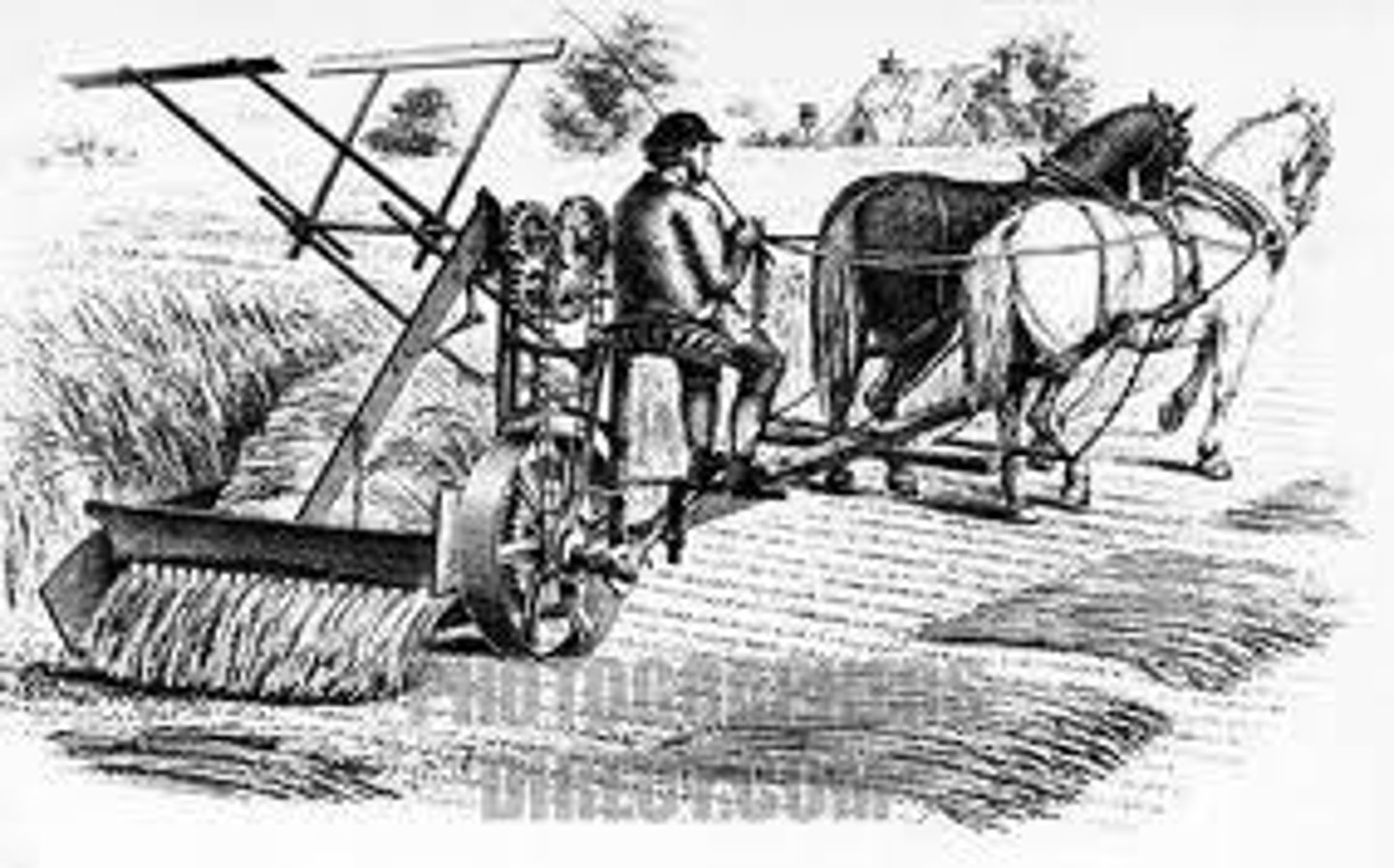
Mechanical reaper
a machine that cuts and harvests crops automatically instead of people cutting them by hand; increased pace of harvesting crops.
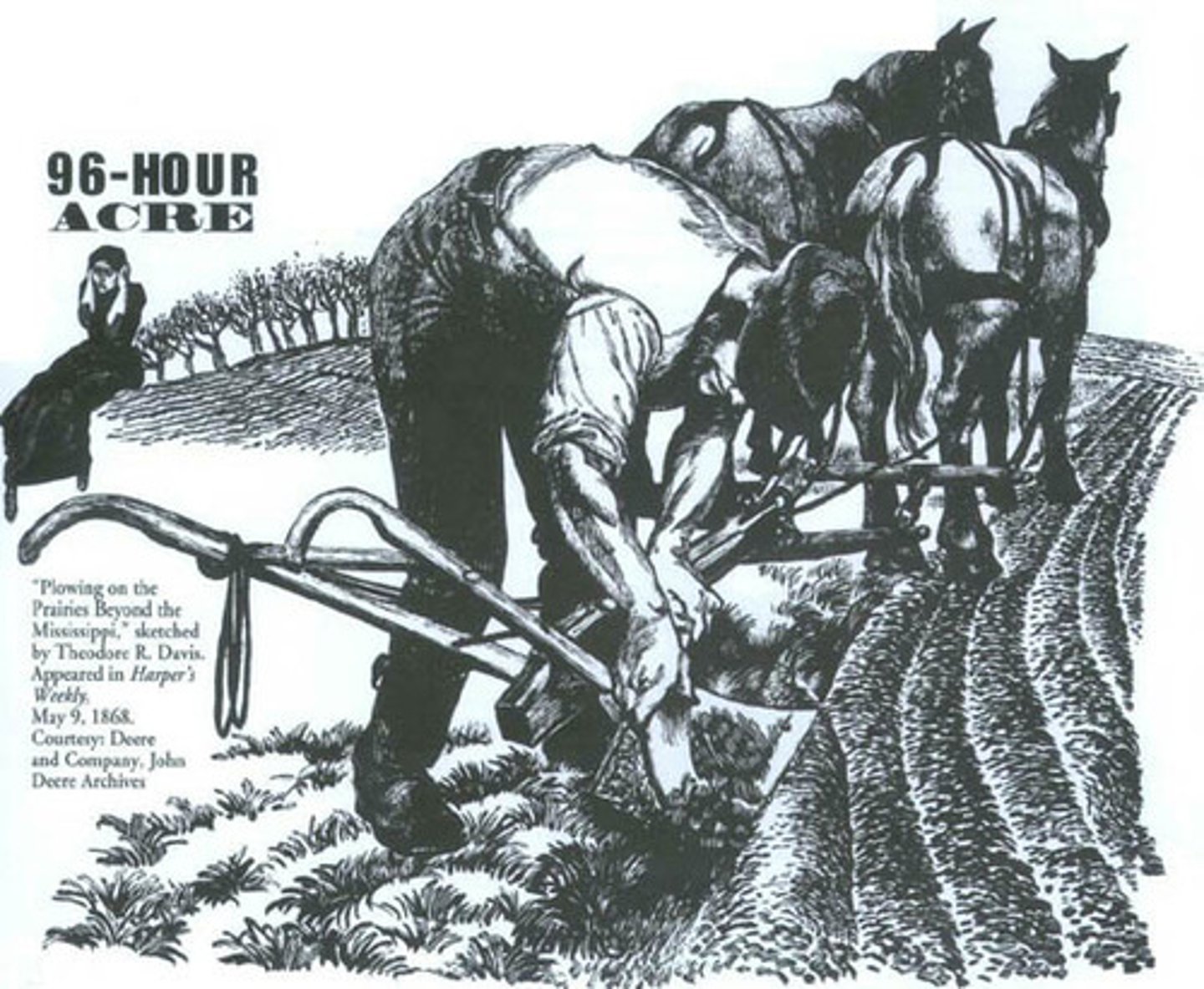
Steel plow
a strong metal plow used to turn and break up tough soil so crops can be planted more easily; made planting more fast and precise.
Factory system
workers and machines are brought together in one building to produce goods quickly.
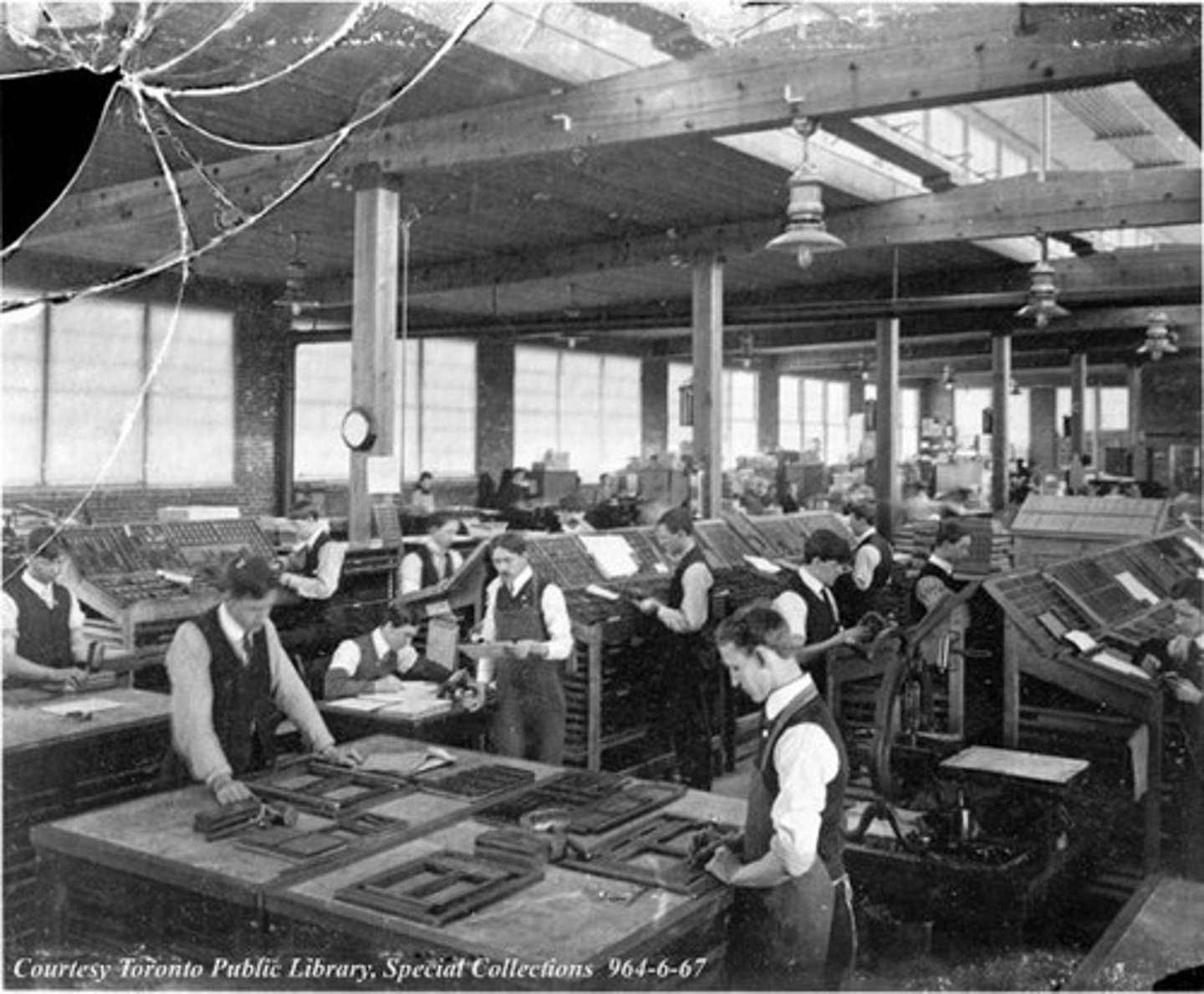
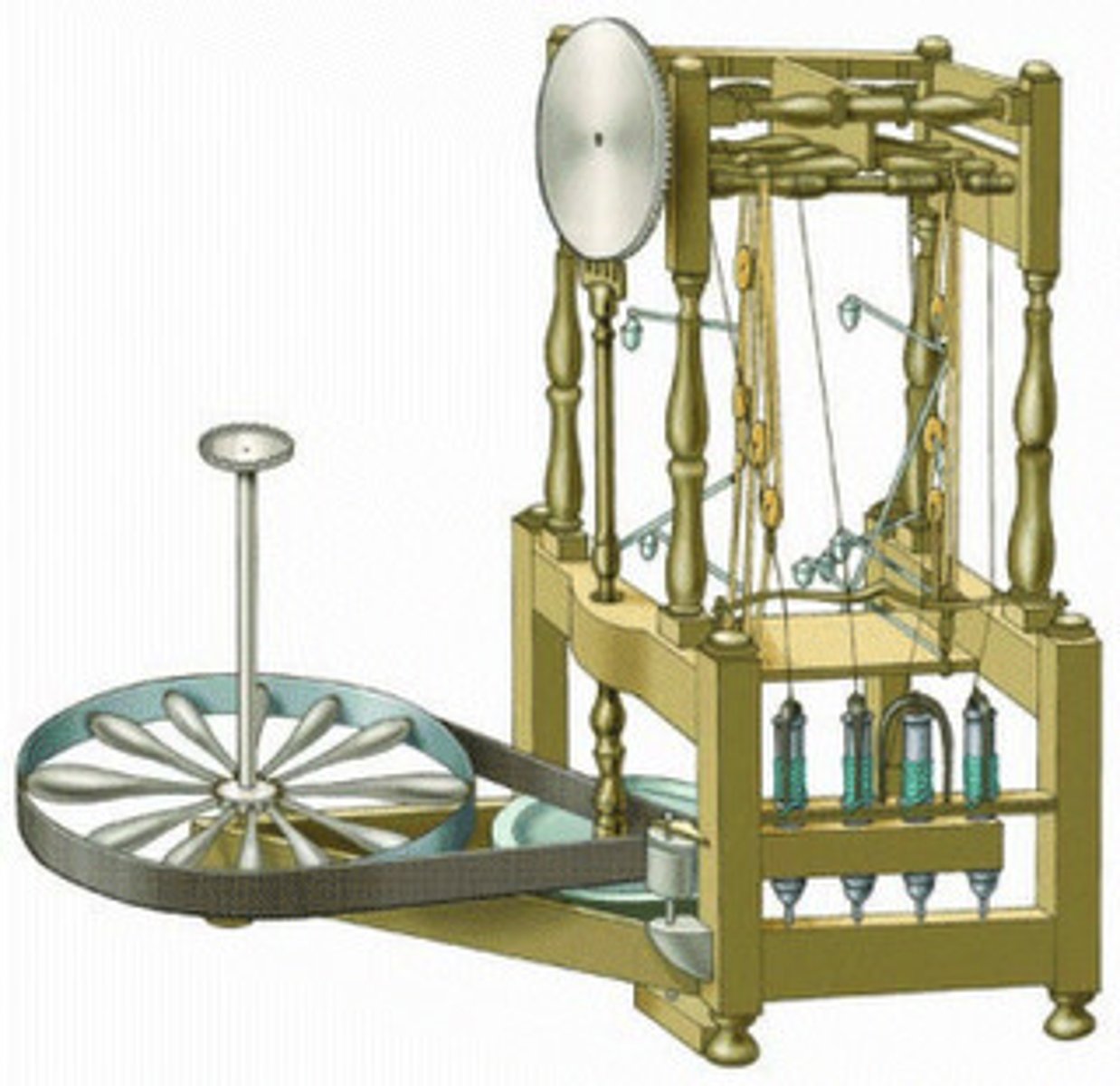
Water frame
positioned in moving water to provide power for machines.
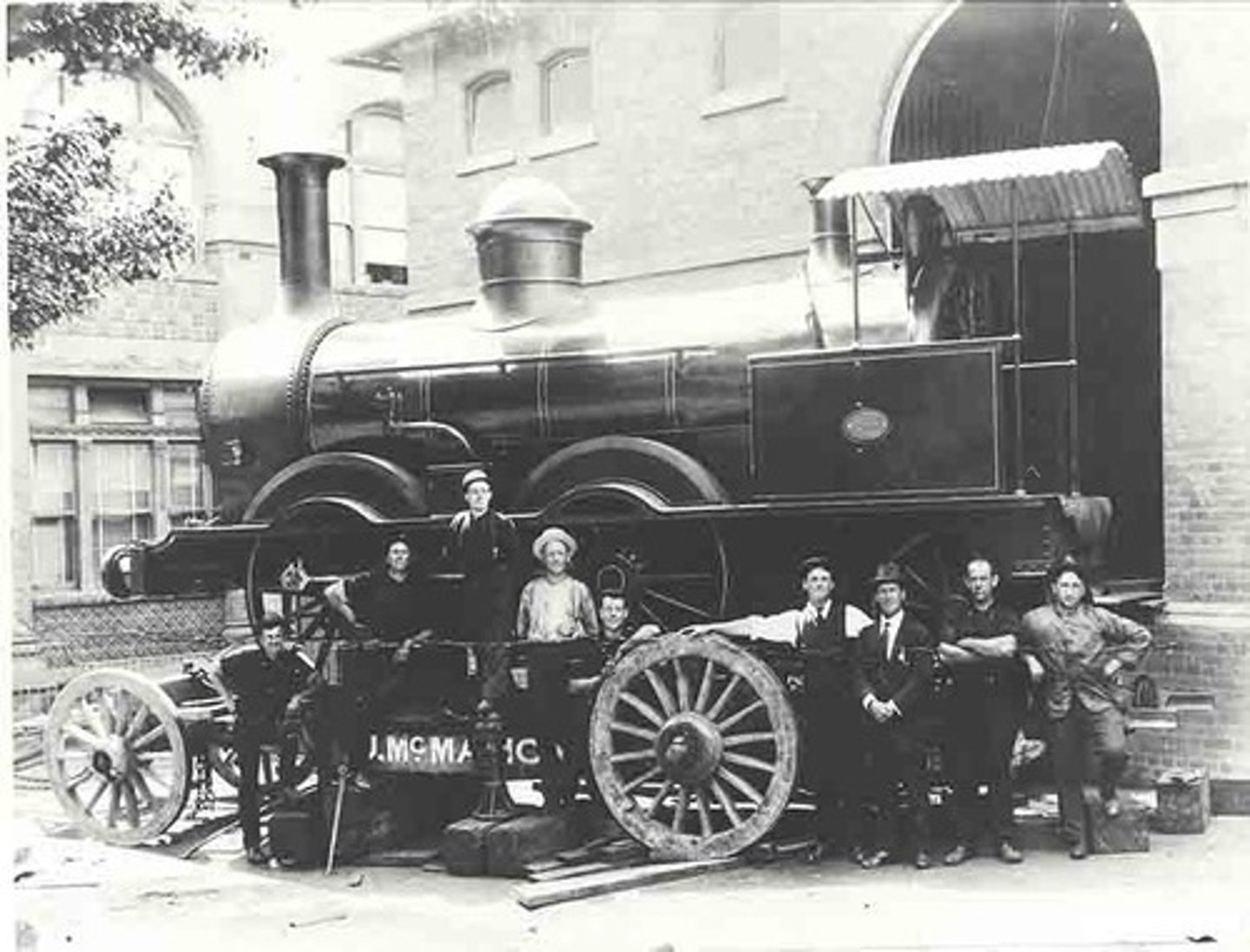
Steam engine
created power for machines without running water.
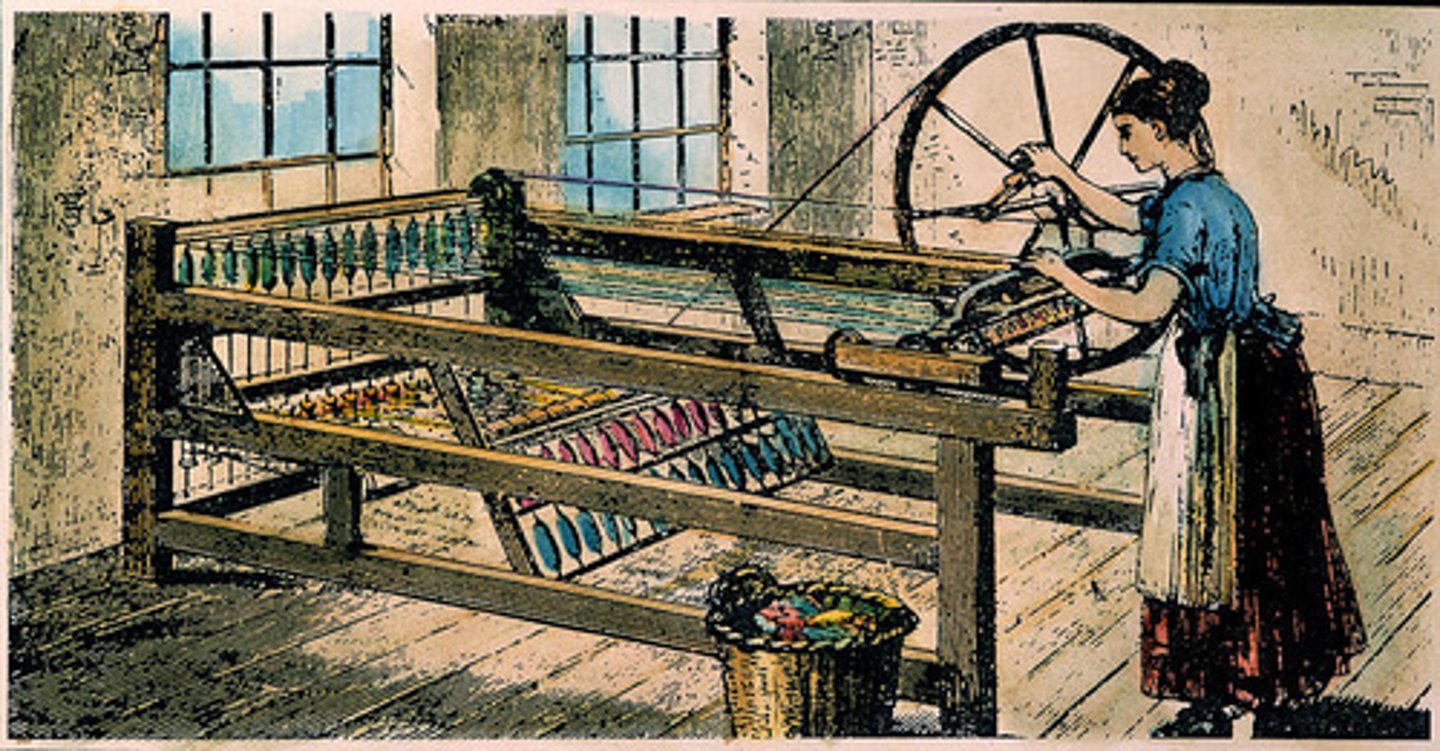
Spinning jenny
machine that spins many threads of yarn at the same time; mechanized the process of making textiles on a mass scale.
Core countries (7.1)
very rich, developed, and industrialized countries.
Periphery countries (7.1)
poor, less developed, and less industrialized countries. they export raw materials and rely on countries for goods.
Capitalist class
those who owned the factories and paid workers' wages.

Working class
those who worked day-to-day in the factories and relied on wage labor to survive.
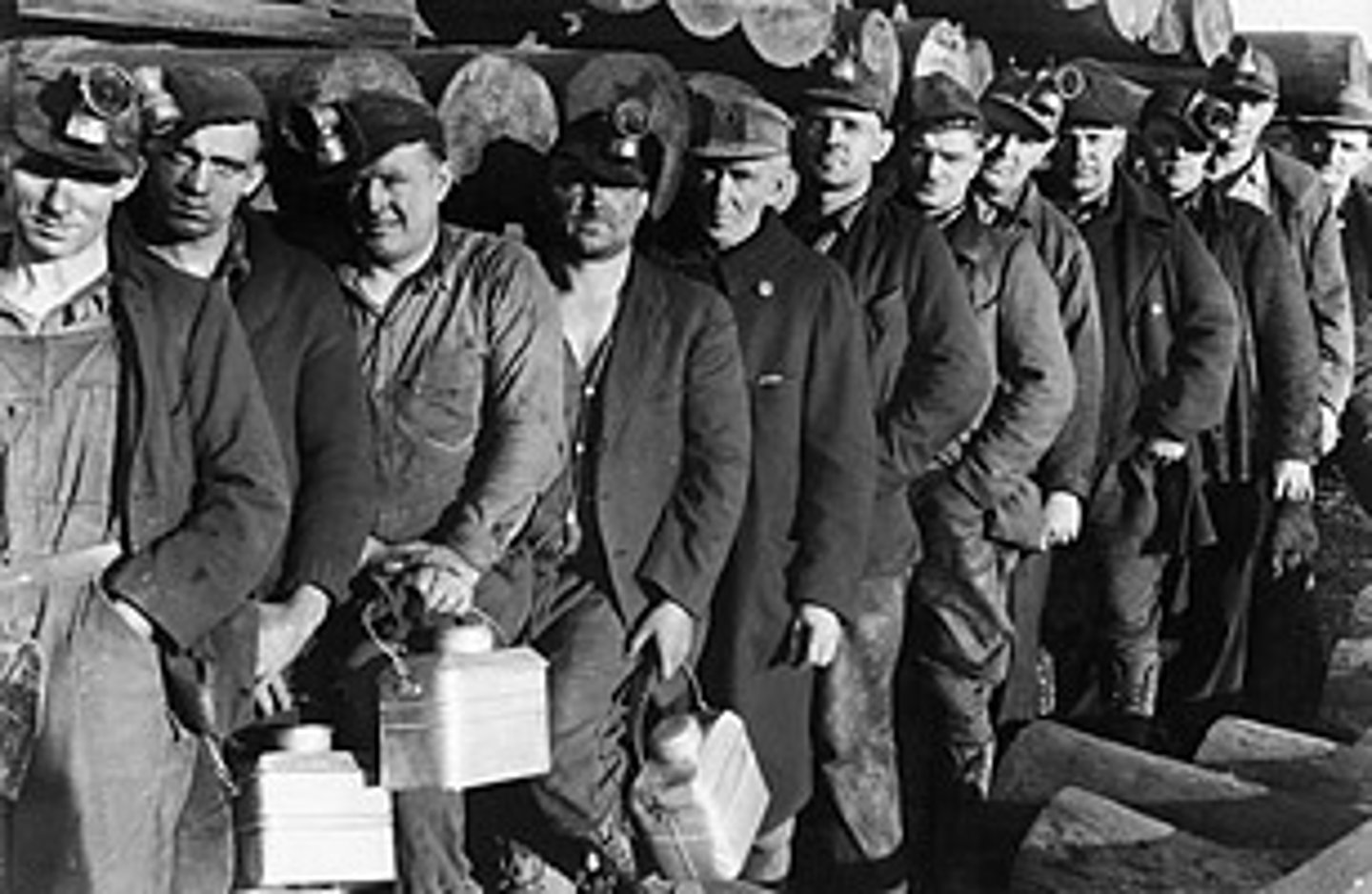
Middle class
professionals like lawyers, teachers, and office workers.

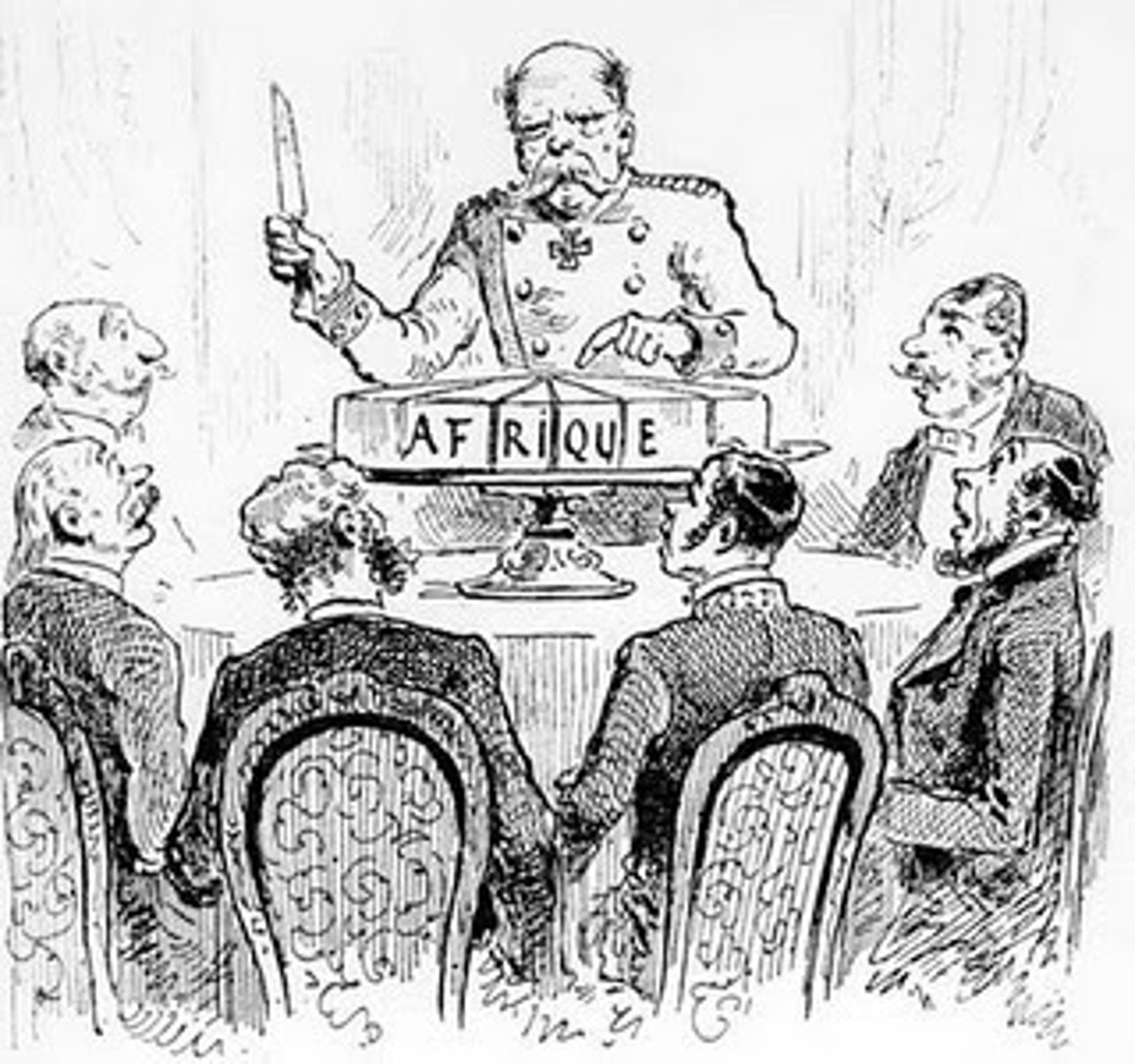
Berlin conference
where european powers carved up almost the entire african continent into colonial zones which would serve their interest.
Textile
a fabric/cloth woven from the fibers or wool, cotton, or flax.
Labor productivity
the average amount of goods or services produced per worker per unit of time.
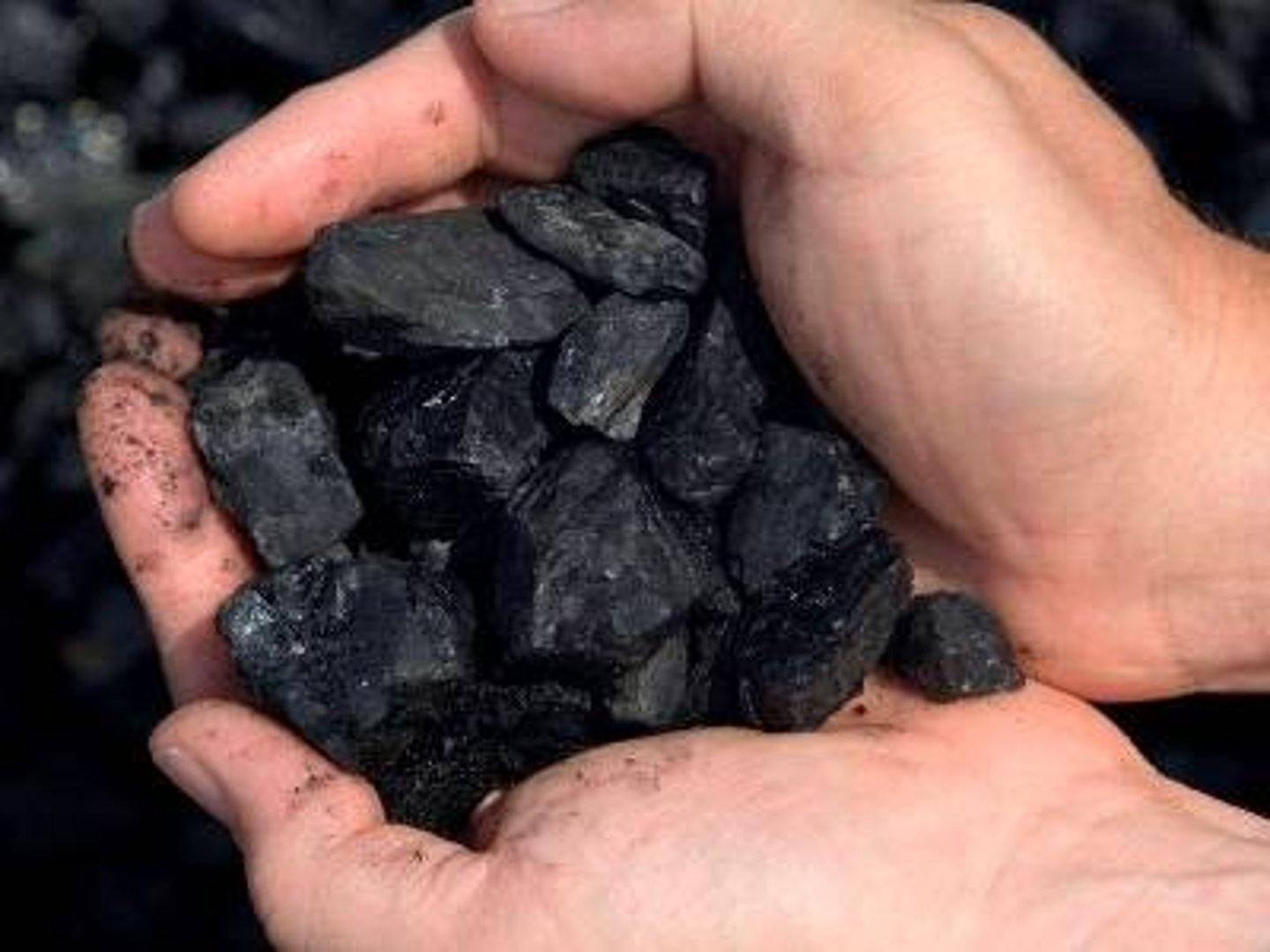
Fossil fuels
natural fuel derived from the fossilized remains of living organisms.
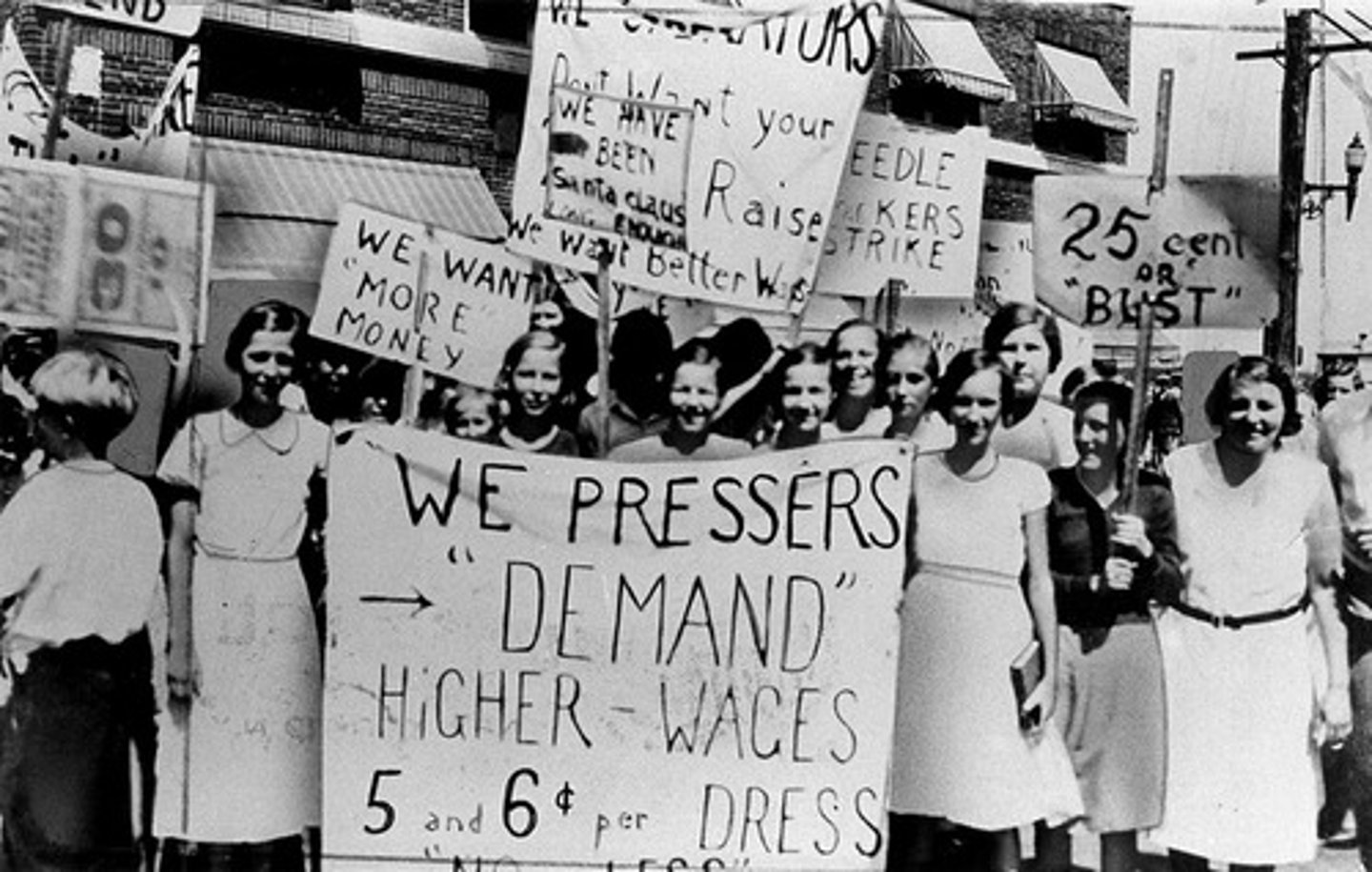
Labor unions
associations of workers in particular industries established to collectively bargain with capitalists.
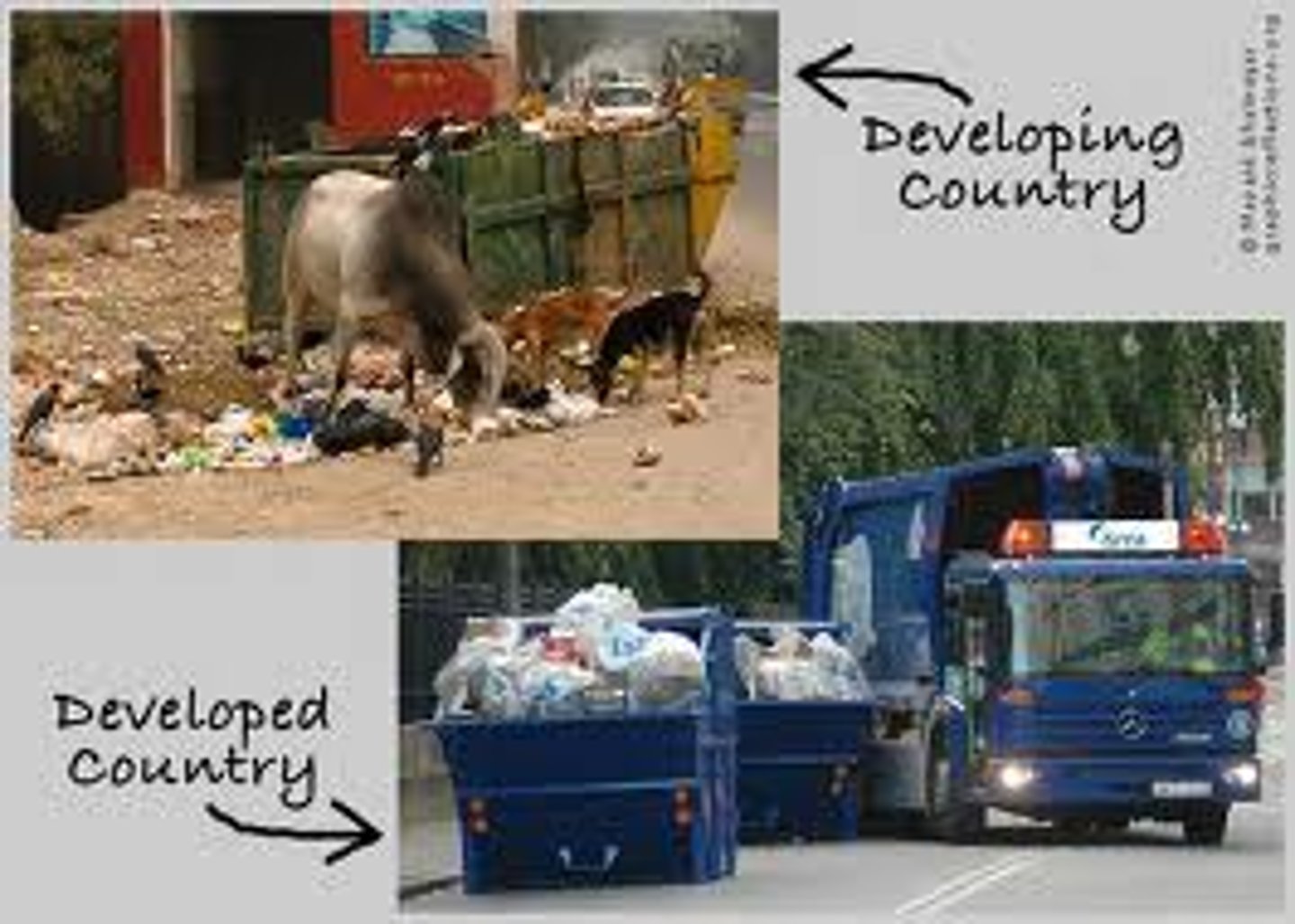
Development
a country's relative level of economic well-being; how rich/poor a country is.
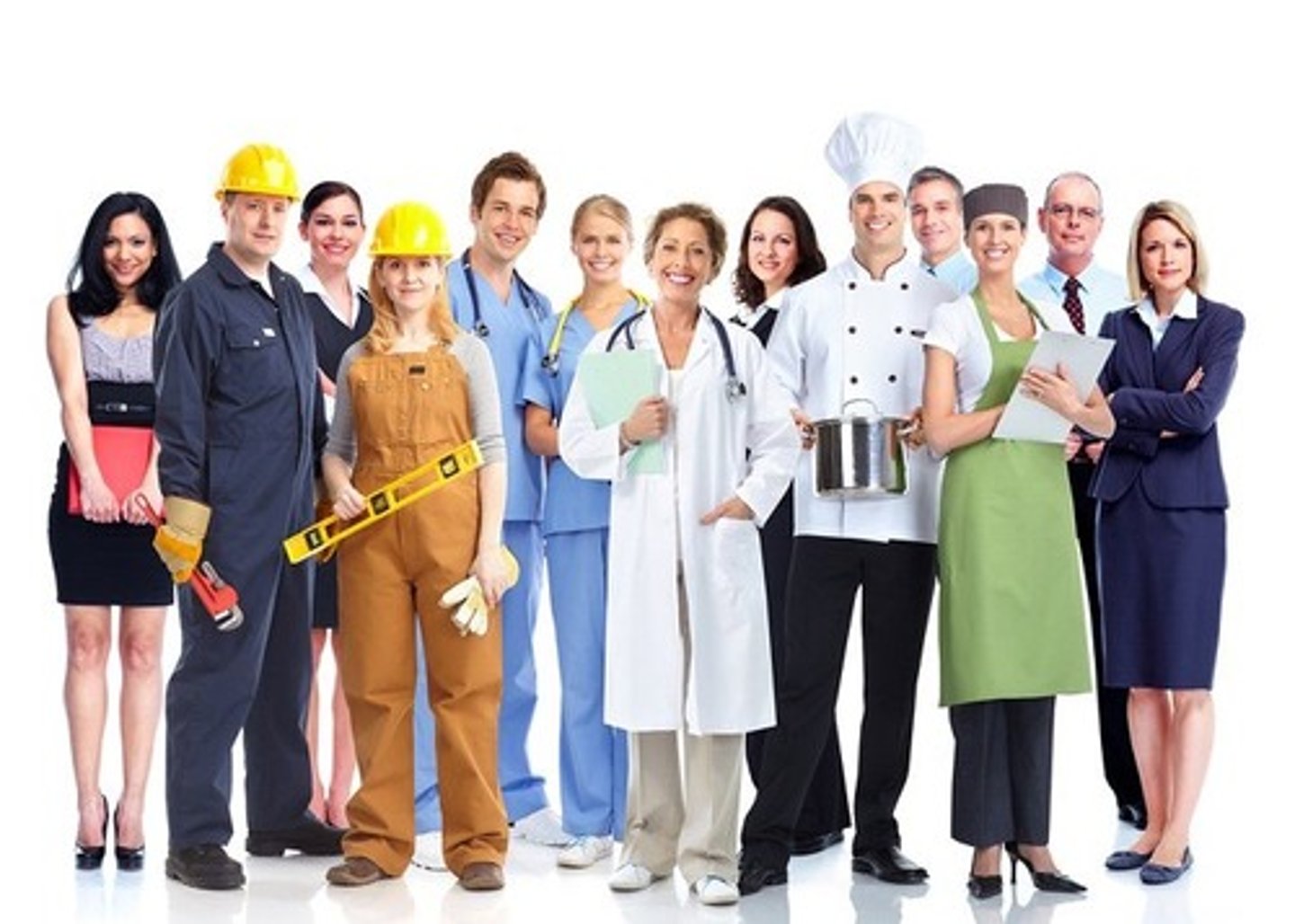
Economic sector
the kind of products produced in a place and the kind of jobs available to its workforce.
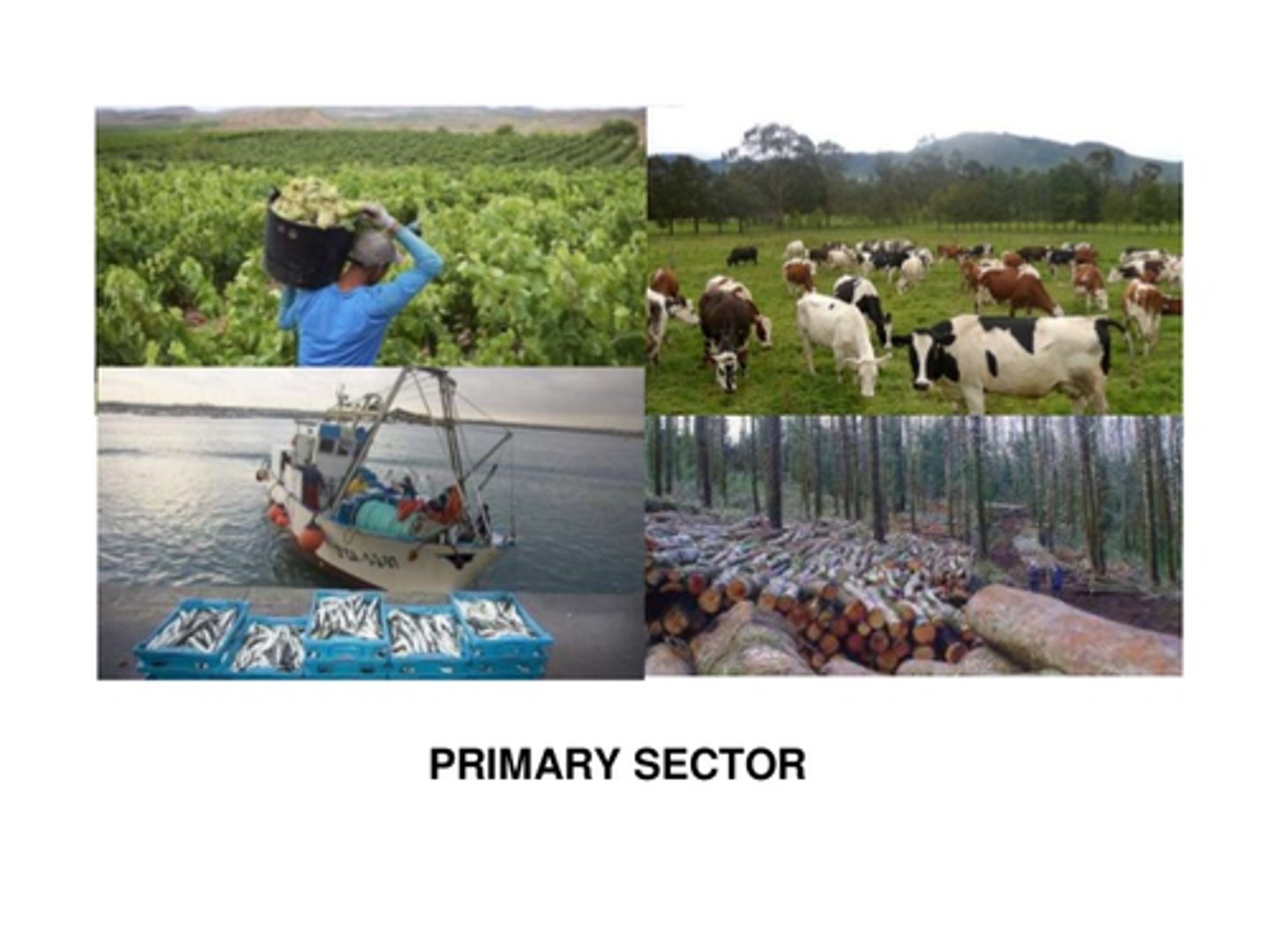
Primary sector
extracts raw materials through activities like mining, fishing, farming, logging, etc.
Secondary sector
processes raw materials extracted from the primary sector. they do most of the world's manufacturing.
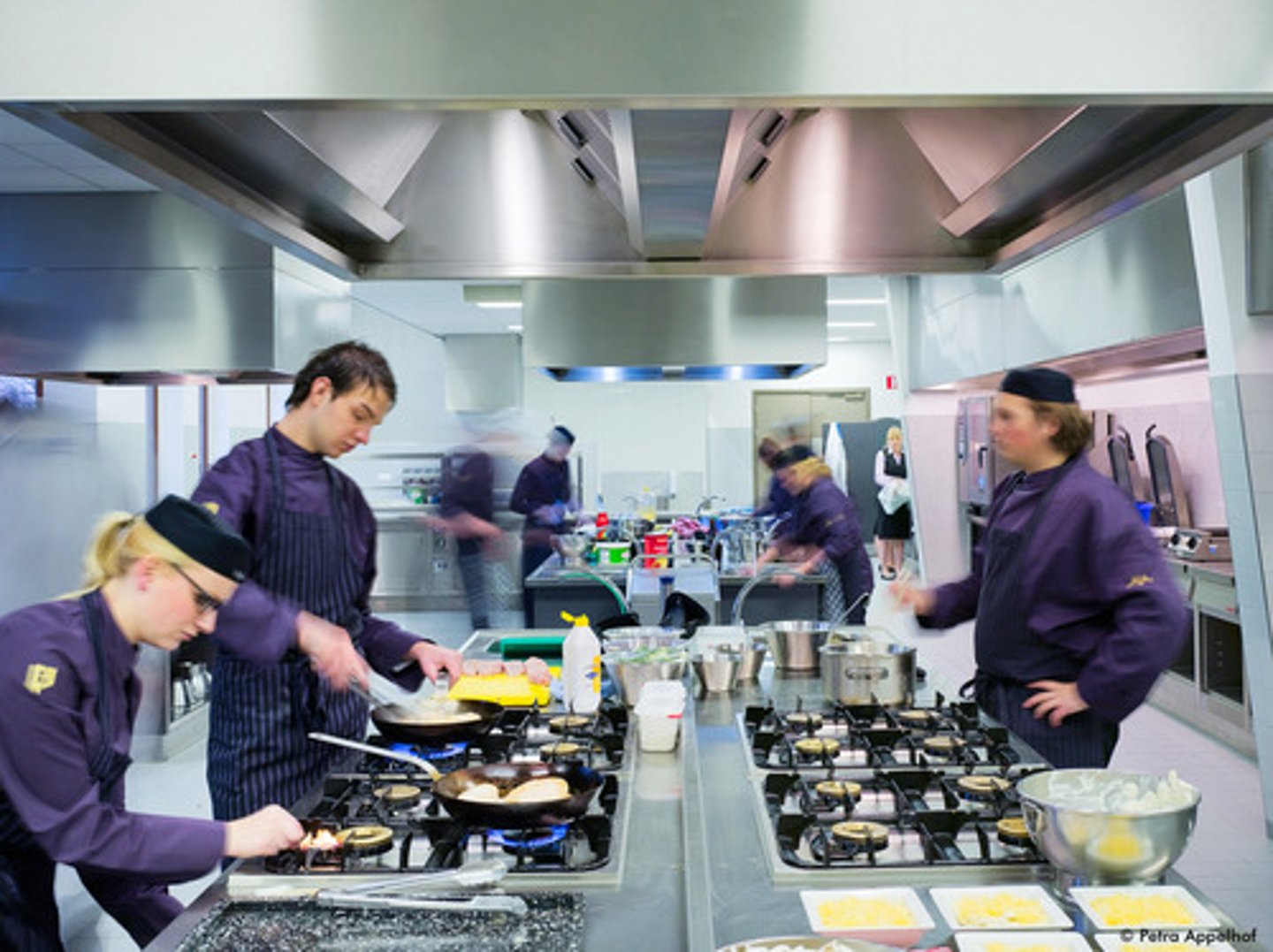
Tertiary sector
provides services to businesses/consumers.
eg: teachers, doctors, lawyers, retail workers, etc.

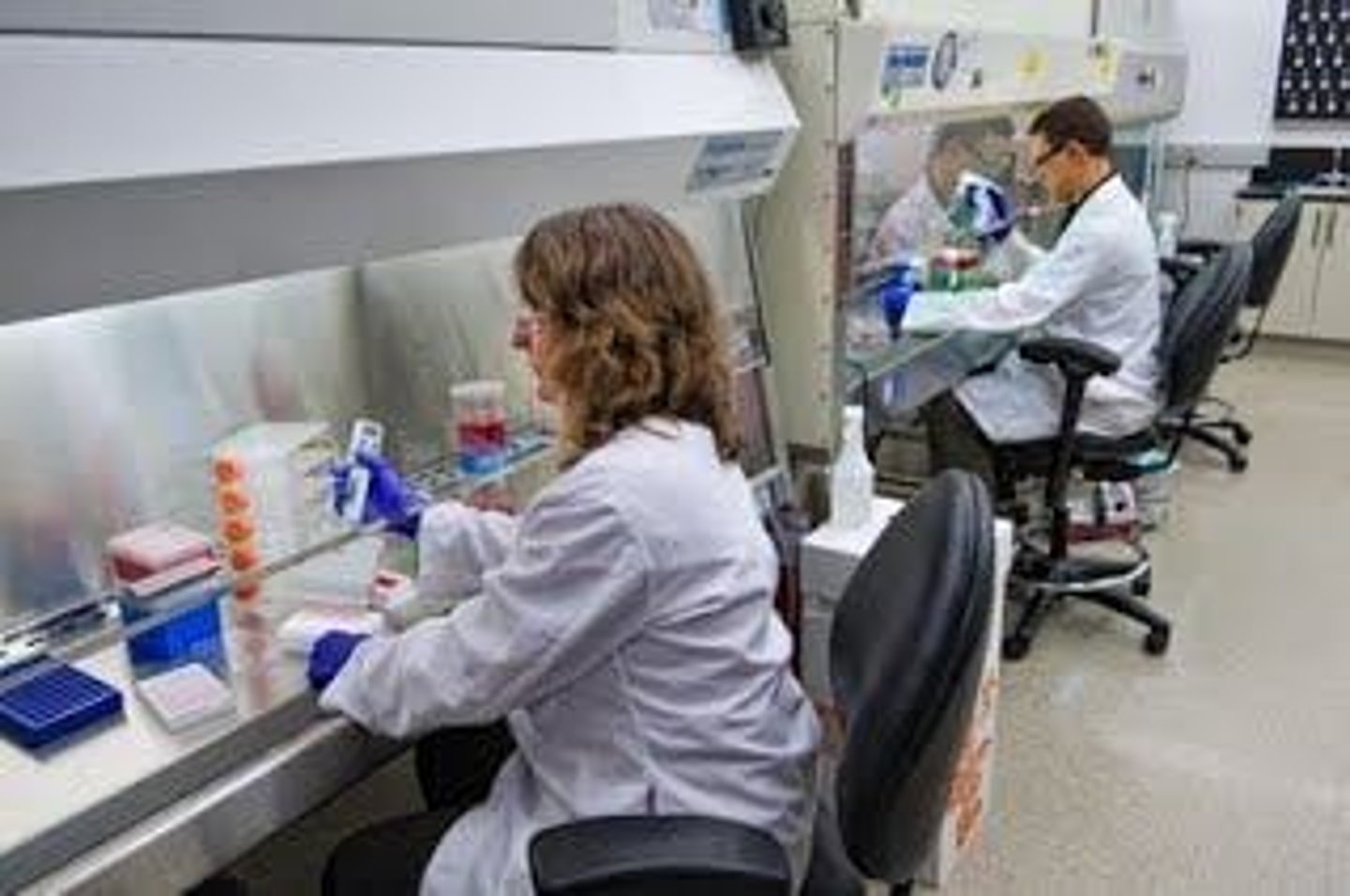
Quaternary sector
provides services which require a much higher degree of education and expertise.
eg: data analysis.
Quinary sector
includes most influential economic influencers like top government officials and powerful CEOs of the world's largest coorperations.
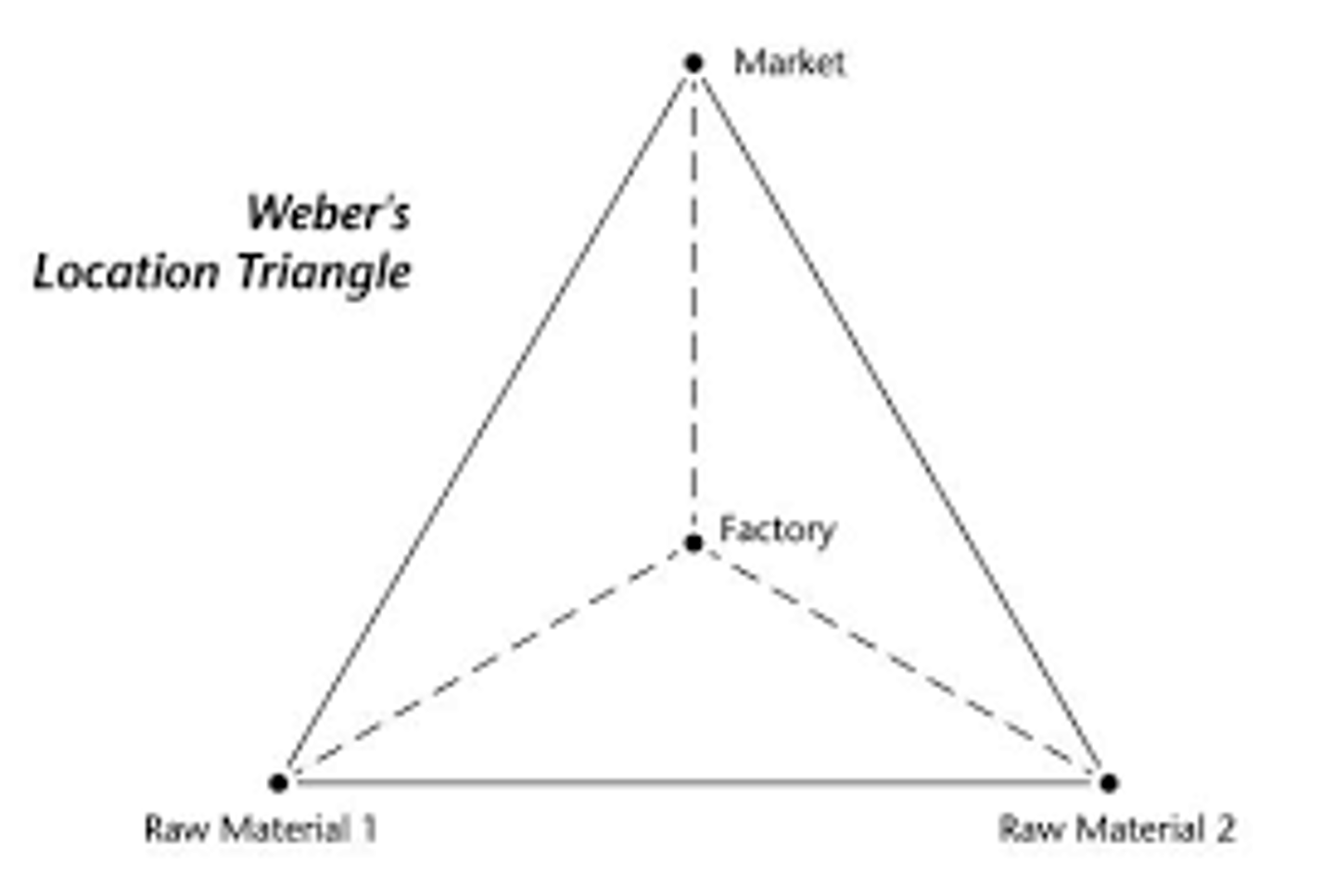
Least cost theory
model developed by alfred weber. it suggested that factories would locate themselves in places that would be most cost efficient for their business operations.
Break of bulk points
sea ports and other major transportation hubs like airports and railroad stations that ship and deliver bulk quantities of unpackaged goods like coal or timber.
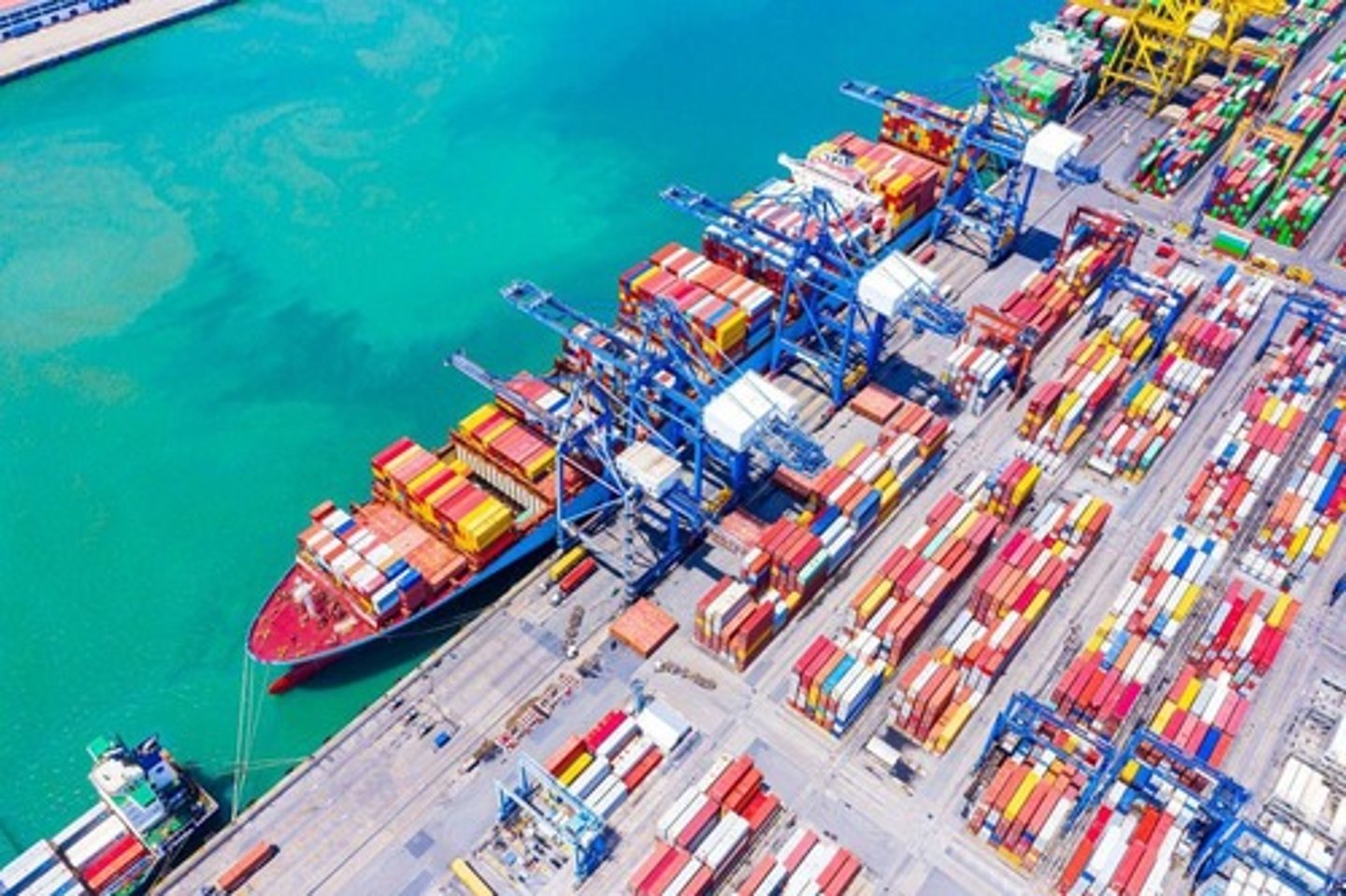
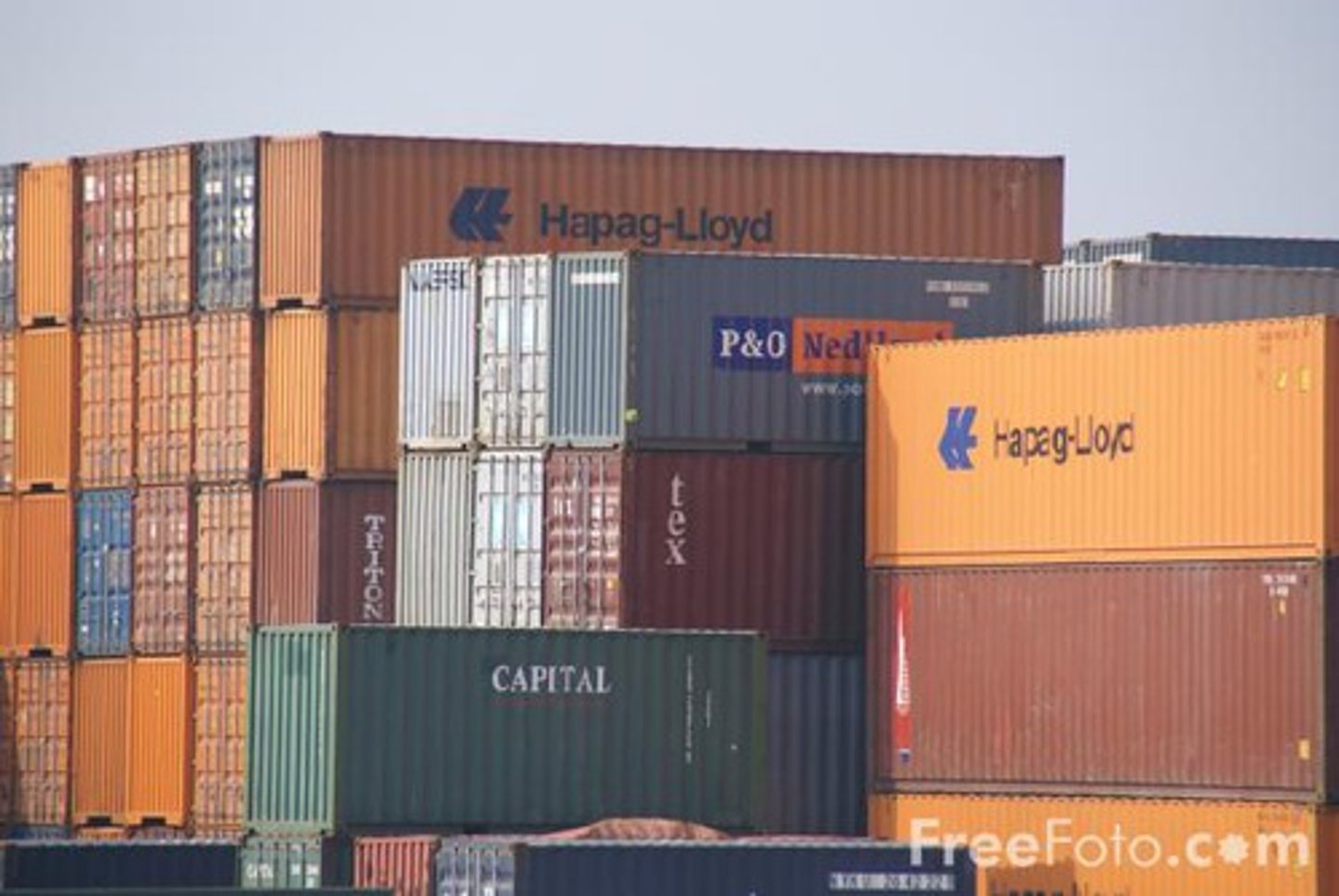
Shipping containers/containerization
standardized metal boxes that can be stacked uniformly for shipping non-bulk cargo like food, clothing, and in some cases, raw materials.
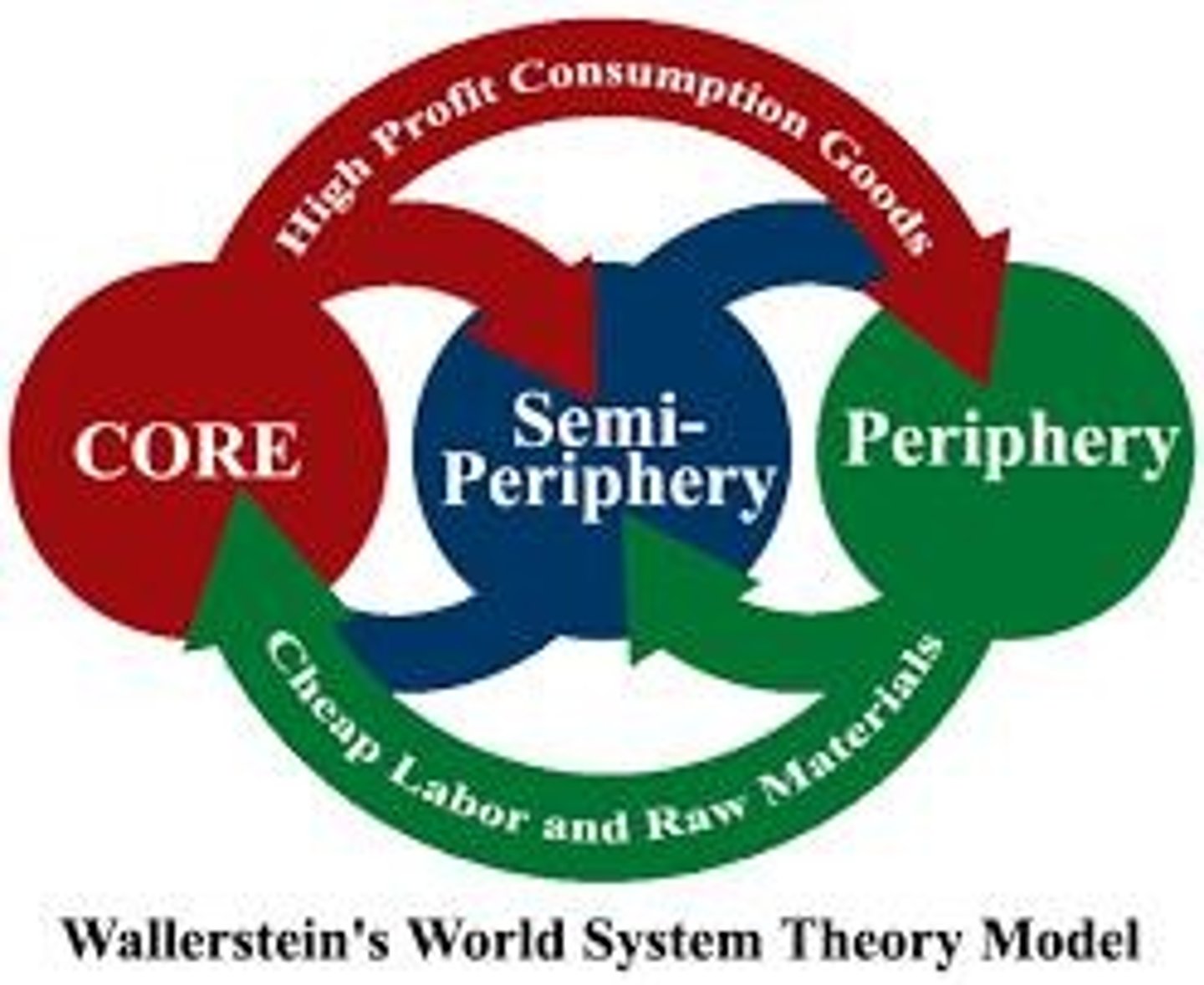
Semi-periphery countries
have characteristics of both core and periphery countries.
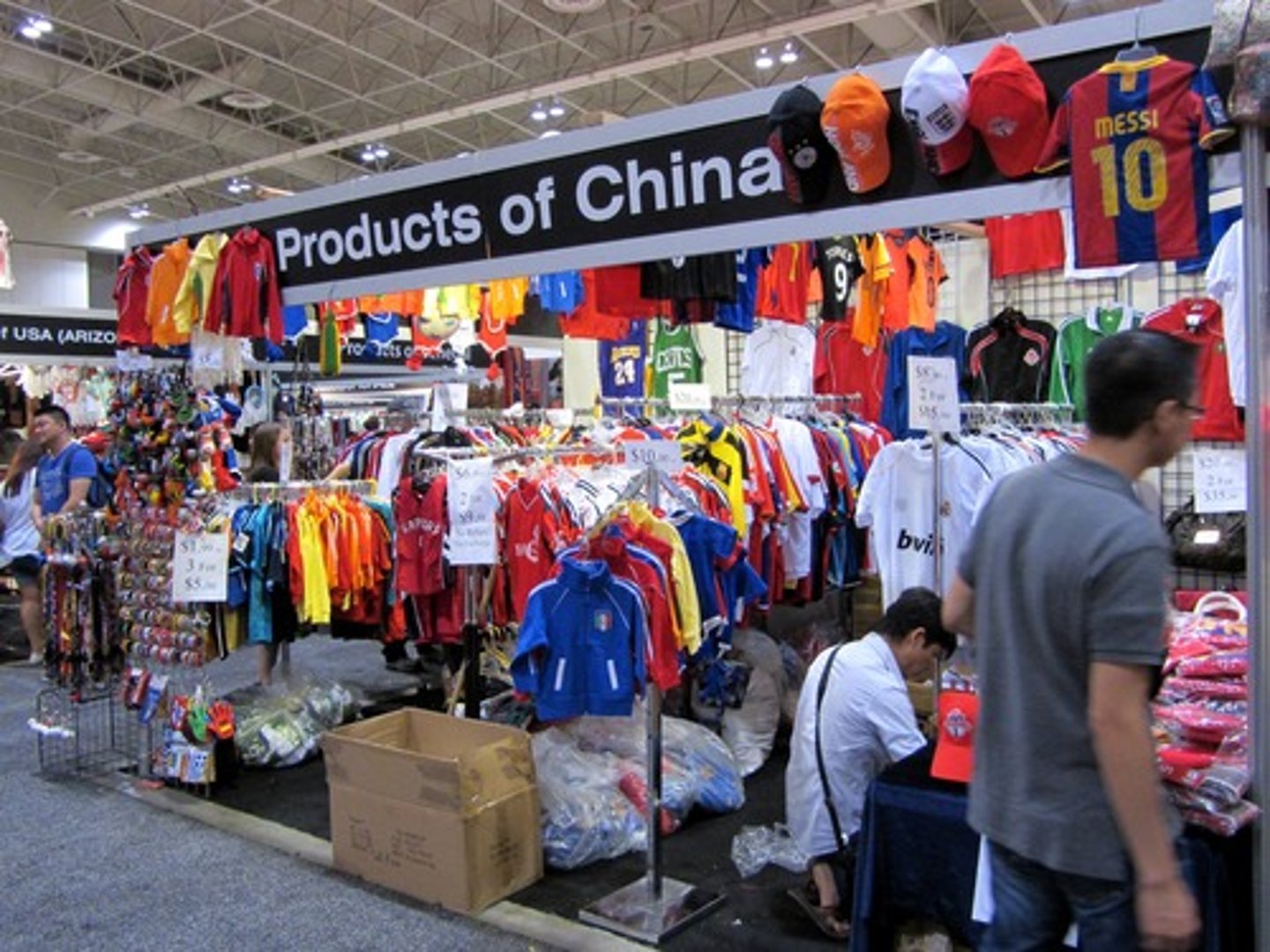
Gross National Product (GNP)
total value of all goods and services a nation's citizens produce in a given period of time regardless of where those goods and services are produced.
Gross Domestic Product (GDP)
total value of all goods and services produced within the borders of a country in a given period of time.
Gross National Income (GNI)
total income earned by a country's residents and businesses, including income from abroad like investments or aid.
Gross National Income per capita
the GNI divided by a country's population and shows the level, on average, of each citizen's individual income.
doesn't take into account the accurate distribution of income in a country which may include a significant gap between wealthy and poor citizens.
Income distrubution
considers the difference and proportion of wealthy to poor.
smaller gap: country is more developed (people have a wider array of economic opportunities).
wider gap: country is less developed (less opportunities).
Fertility rates (as a measure of a country's development)
as fertility rates fall, it indicates a more developed country.
Infant mortality rate (as a measure of a country's development)
as access to healthcare increases, the infant mortality rate decreases.
countries that have abundant access to healthcare are more developed.
Formal sectors
economic sectors that include every business that is incorporated and registered according to state and national laws.
Informal sectors
economic sectors that include all kinds of economic activity that operate outside the boundaries of government oversight.
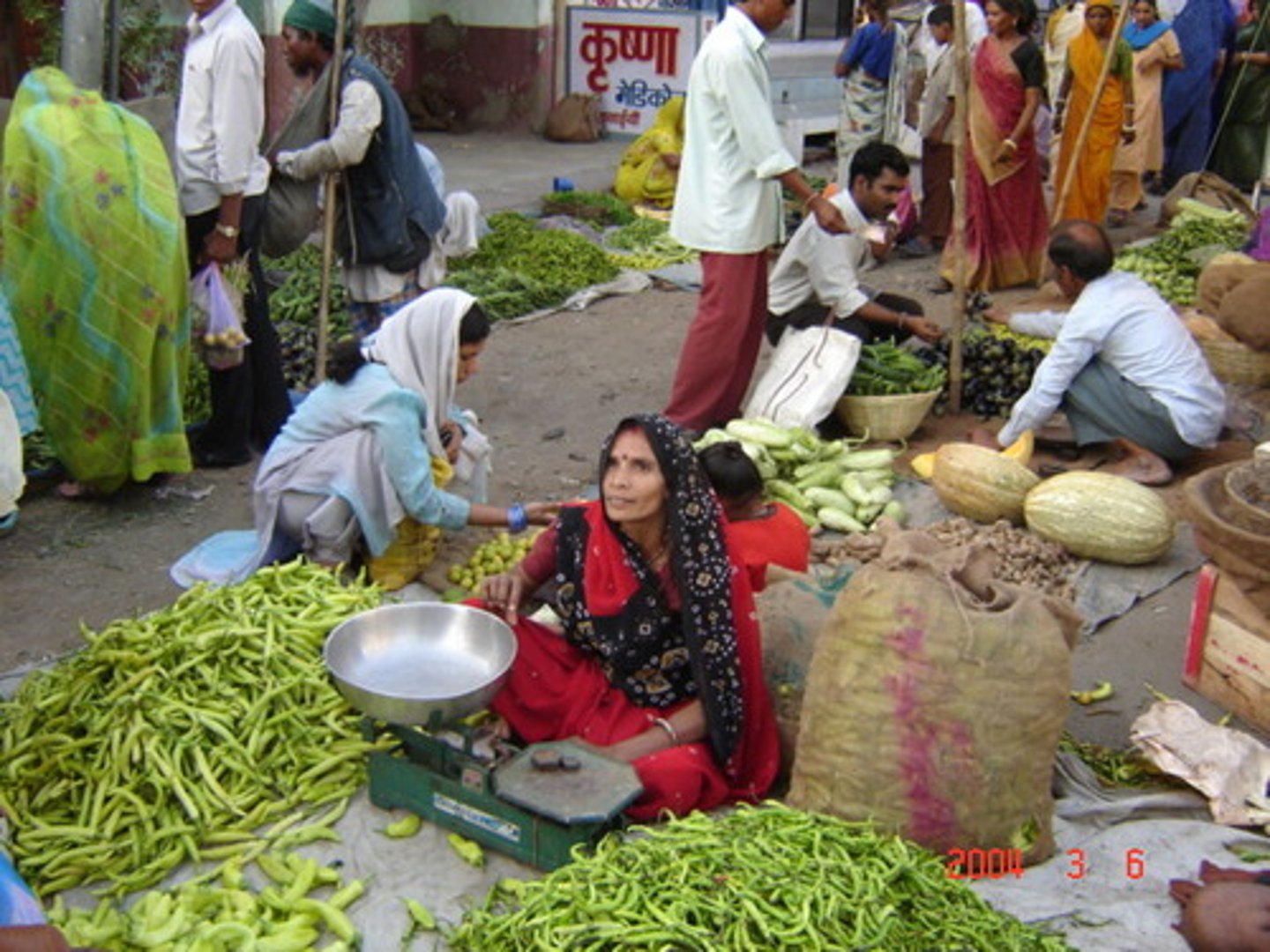
Gender Inequality Index (GII)
a measure of the equality/inequality of men and women in a given society.
1) Reproductive Health:
- maternal mortality rate (how many women die during childbirth)
- adolescent birth rate (how many adolescent girls become pregnant)
2) Empowerment:
- how many seats women hold in parliamentary bodies
- percentage of women who've obtained higher education in a country
3) Labor Market Participation:
- proportion of women to men in a country's workforce
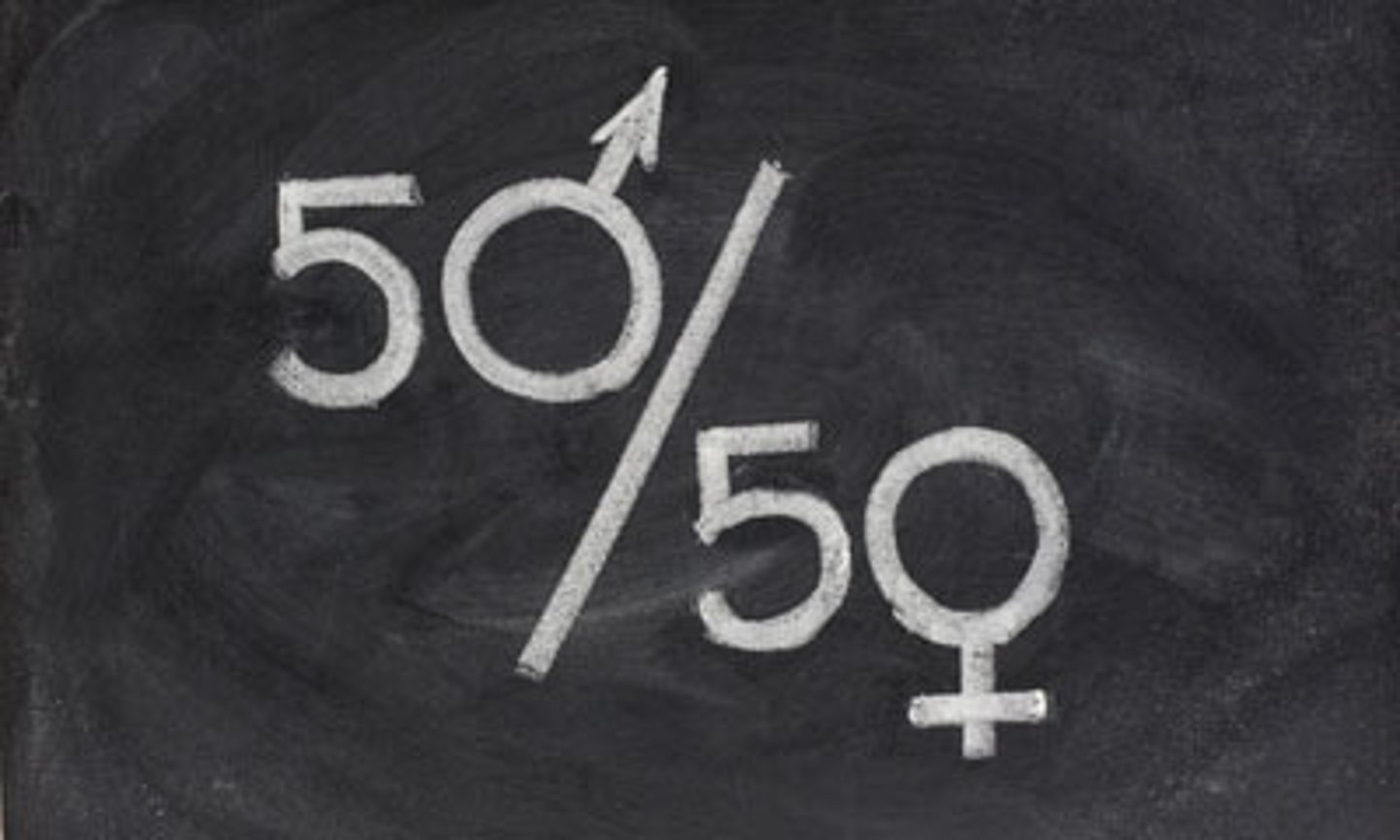
Human Development Index (HDI)
created by the UN as a measure of human well-being which includes economic health and a range of other measures as well.
uses GDP and then adds a country's life expectancy, level of education, and literacy rates to assess the social development within its borders.
Global north
wealthier, more developed countries.
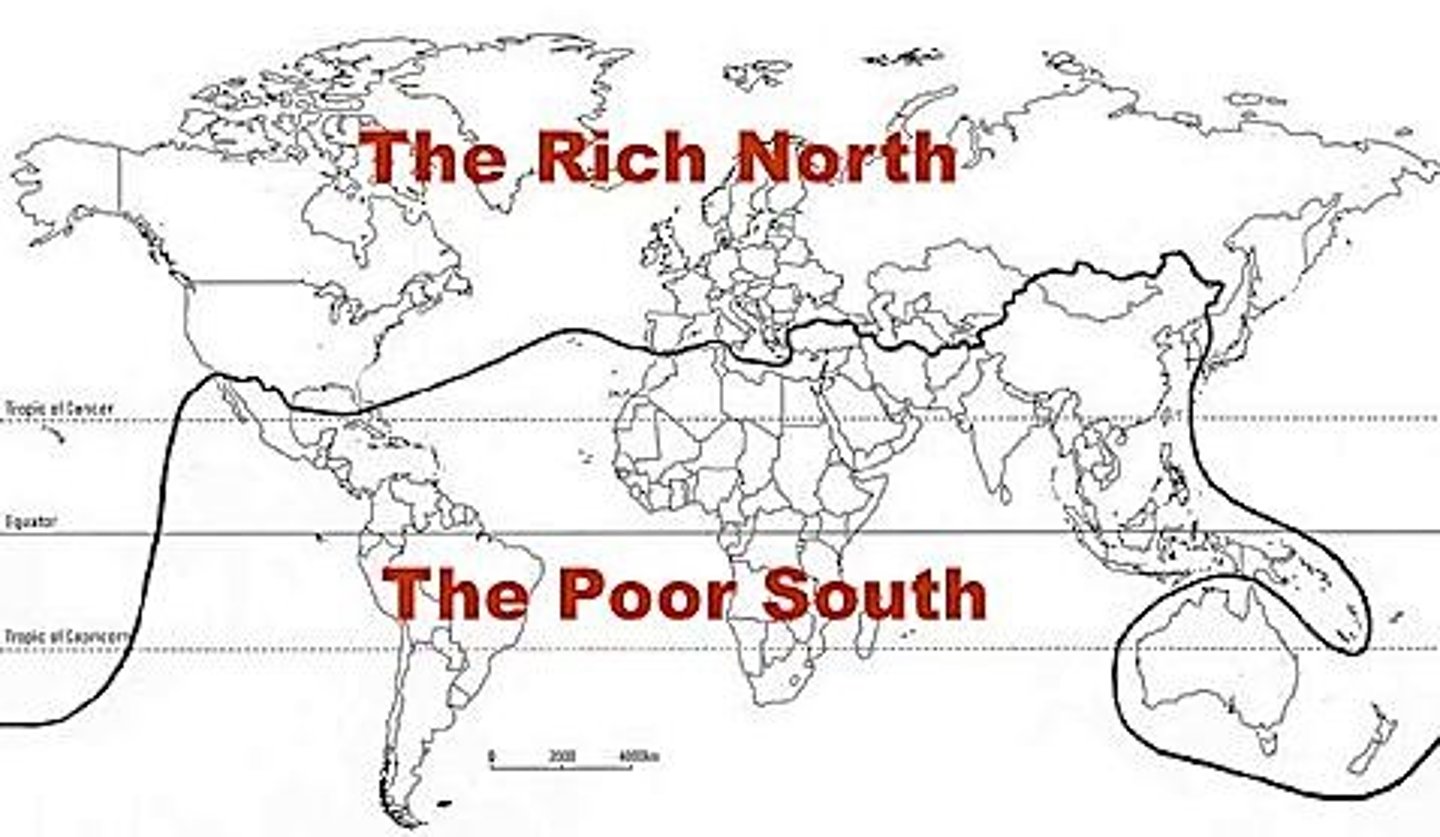
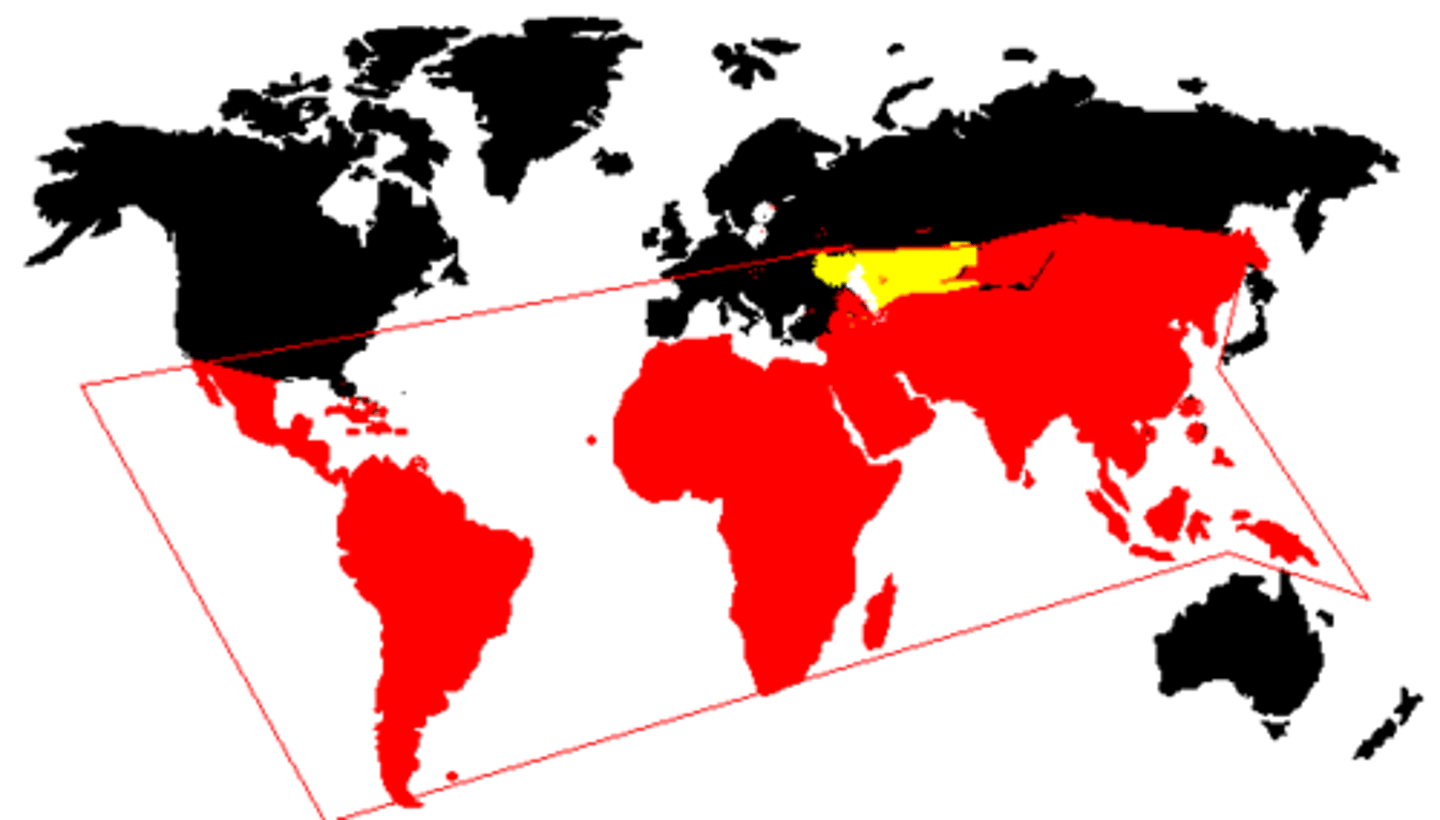
Global south
less developed countries.
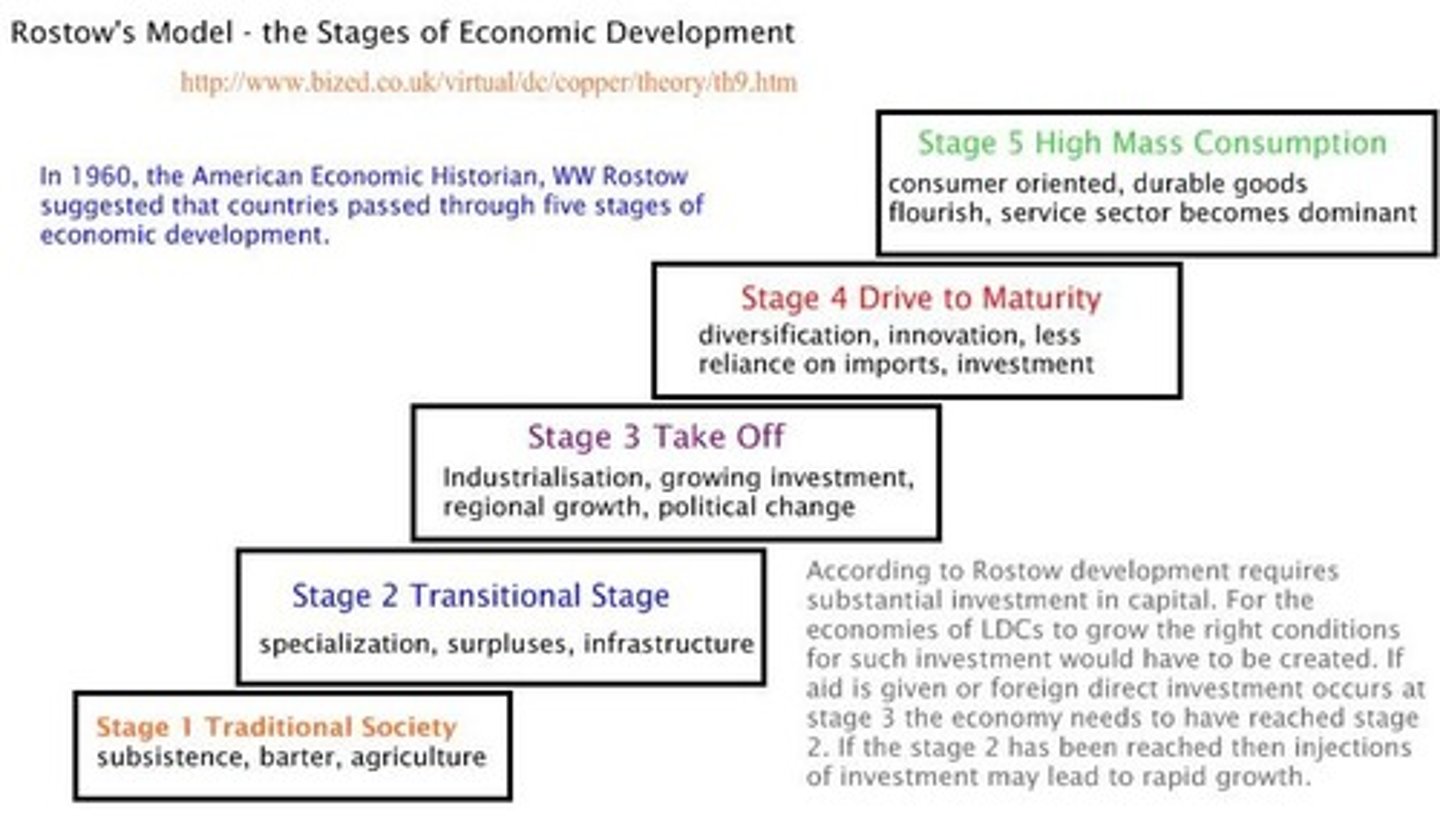
Rostow's stages of economic growth
explains how countries' economies develop in five stages.
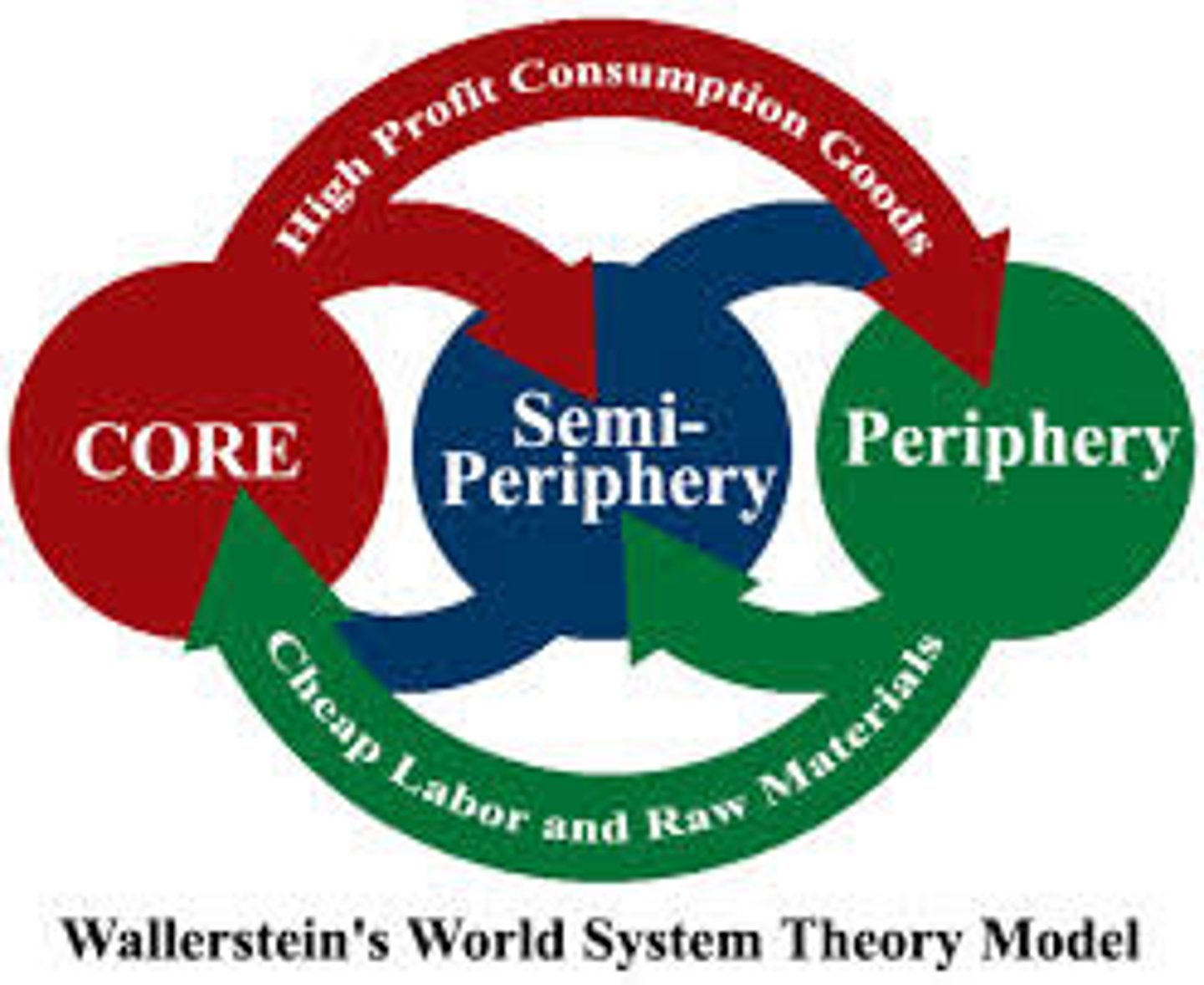
Wallerstein's World Systems Theory
the idea that the world is made up of core, periphery, and semi-periphery countries.
core countries are the most developed because they were the earliest adopters of industrialization.
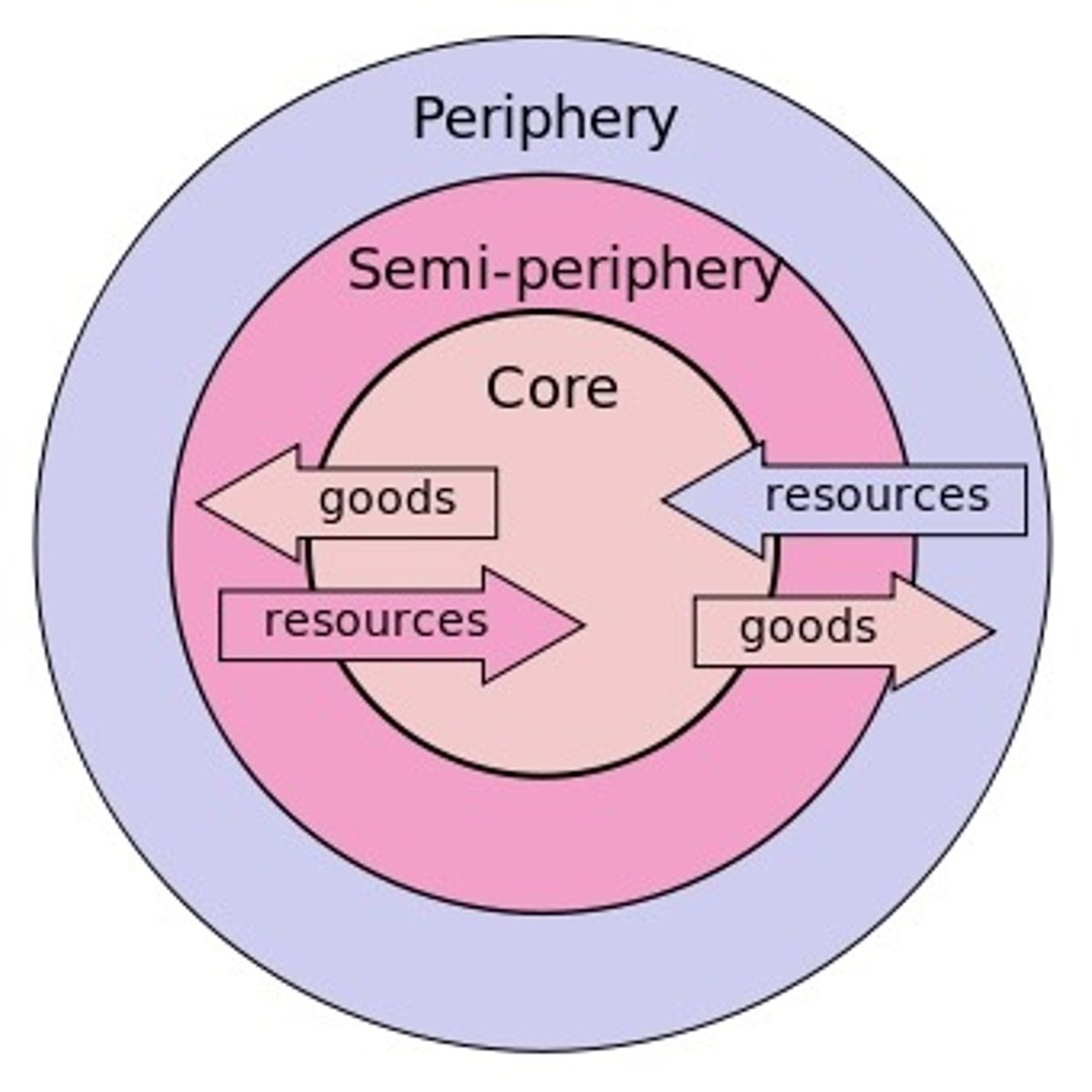
Dependency theory
argues that peripheral countries are poor not by any fault of their own but because of the persistence of exploitative economic practices carried out by core countries.
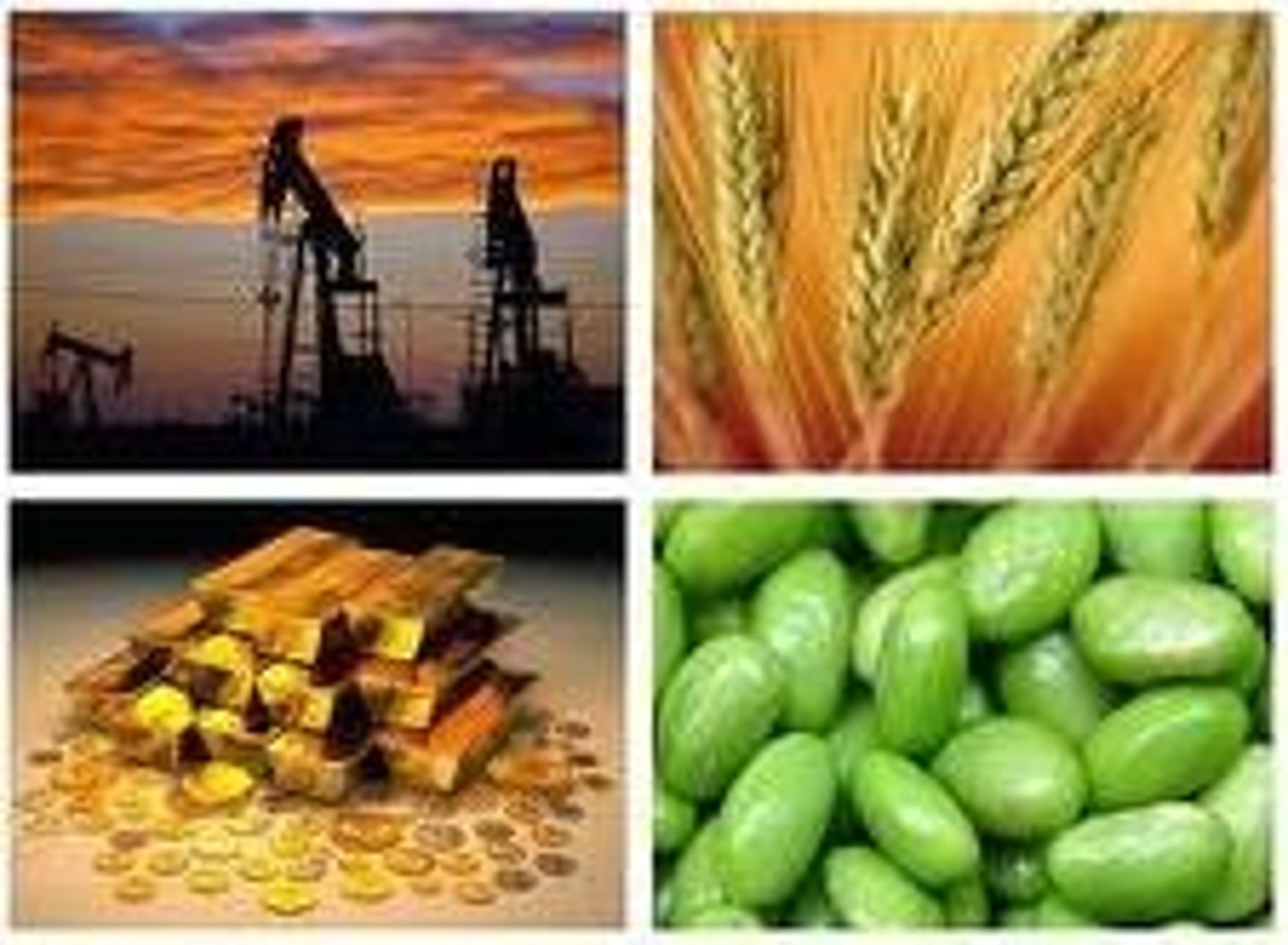
Commodity
agricultural products/raw materials that are bought and sold on the global market.
Commodity dependence
when a country relies on one or a few raw materials to make most of its money. so if its price drops, their economy suffers.
Purchasing Power Parity (PPP)
a way to compare how much money is worth in different countries by looking at what it can actually buy (cost of living).
Gender parity/equality
the equality between men and women in terms of access to education and earned wages from work.
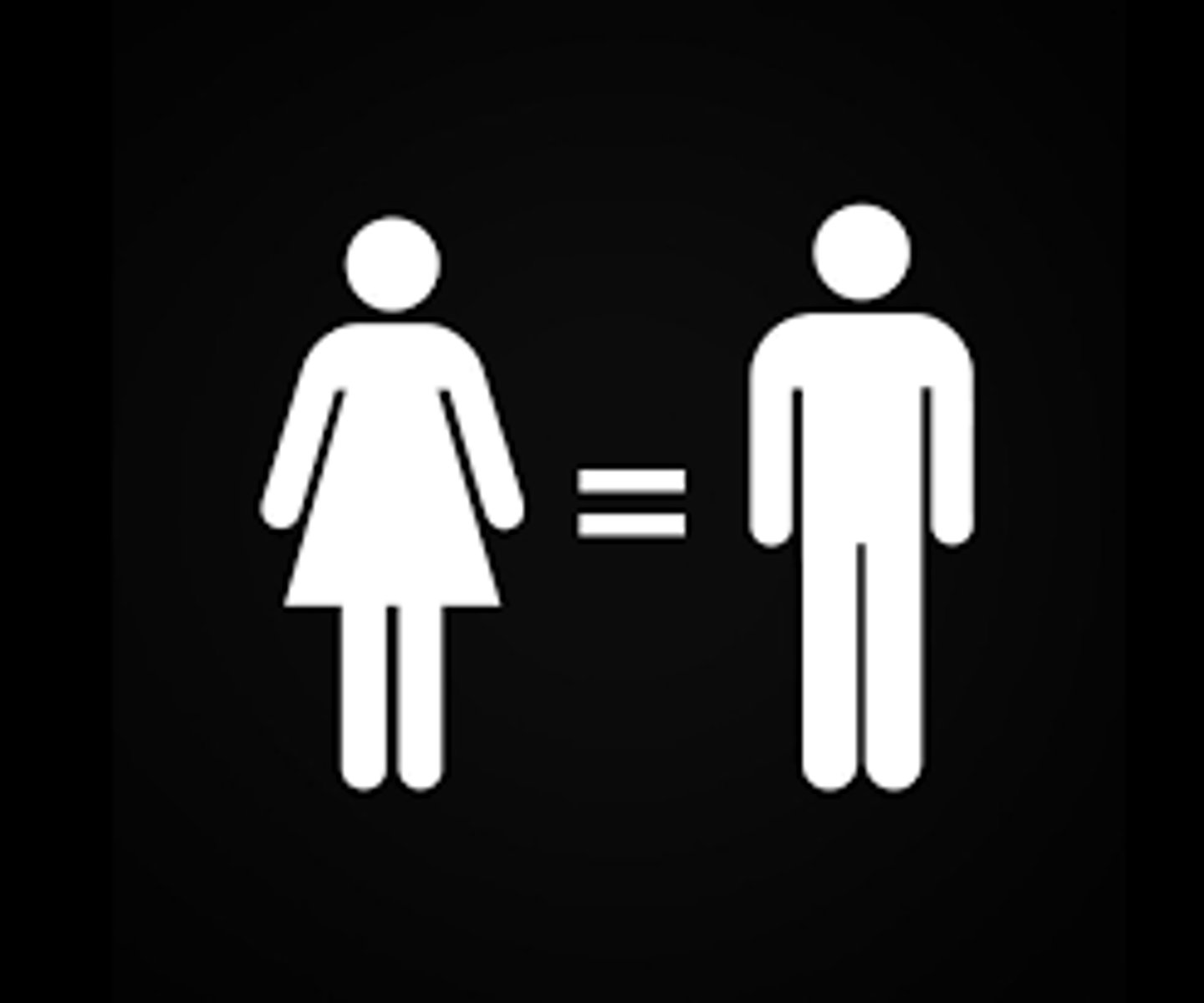
Wage gap
when women get paid less than men for the exact same work.

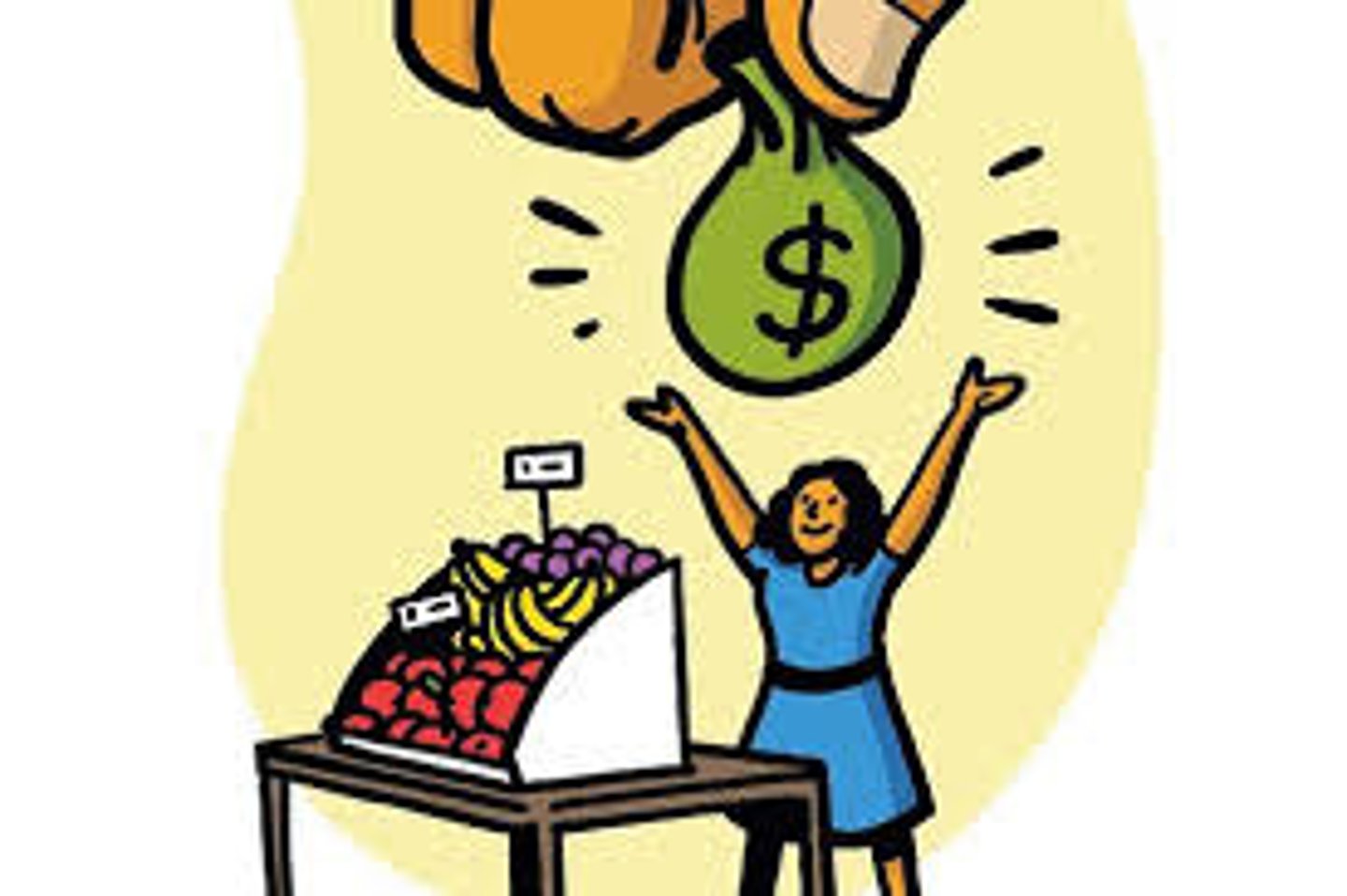
Microloans/microlending
a practice that empowers women economically in which microloans are granted to impoverished women for the purpose of helping them start/grow a small business.
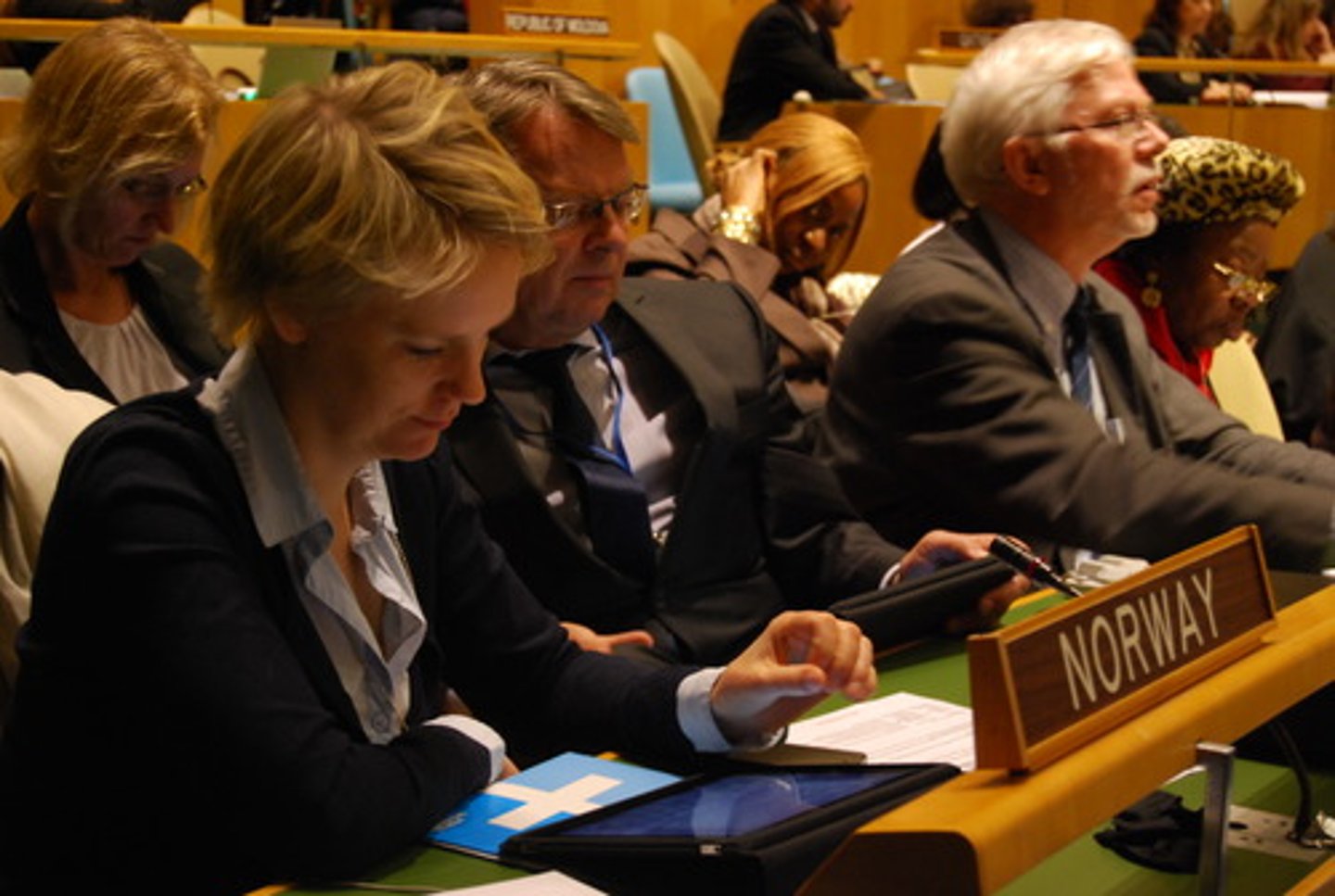
Gender empowerment measure (GEM)
a measurement of gender equality that includes the proportion of seats held by women in national parliaments, the percentage of women in economic decision-making positions, and women v.s men's share of earned income.
Complimentary
one place produces something another place wants, so they trade.
Comparative advantage
when a country specializes in producing a certain set of goods because they are better equipped and more efficient than anyone else in producing them.
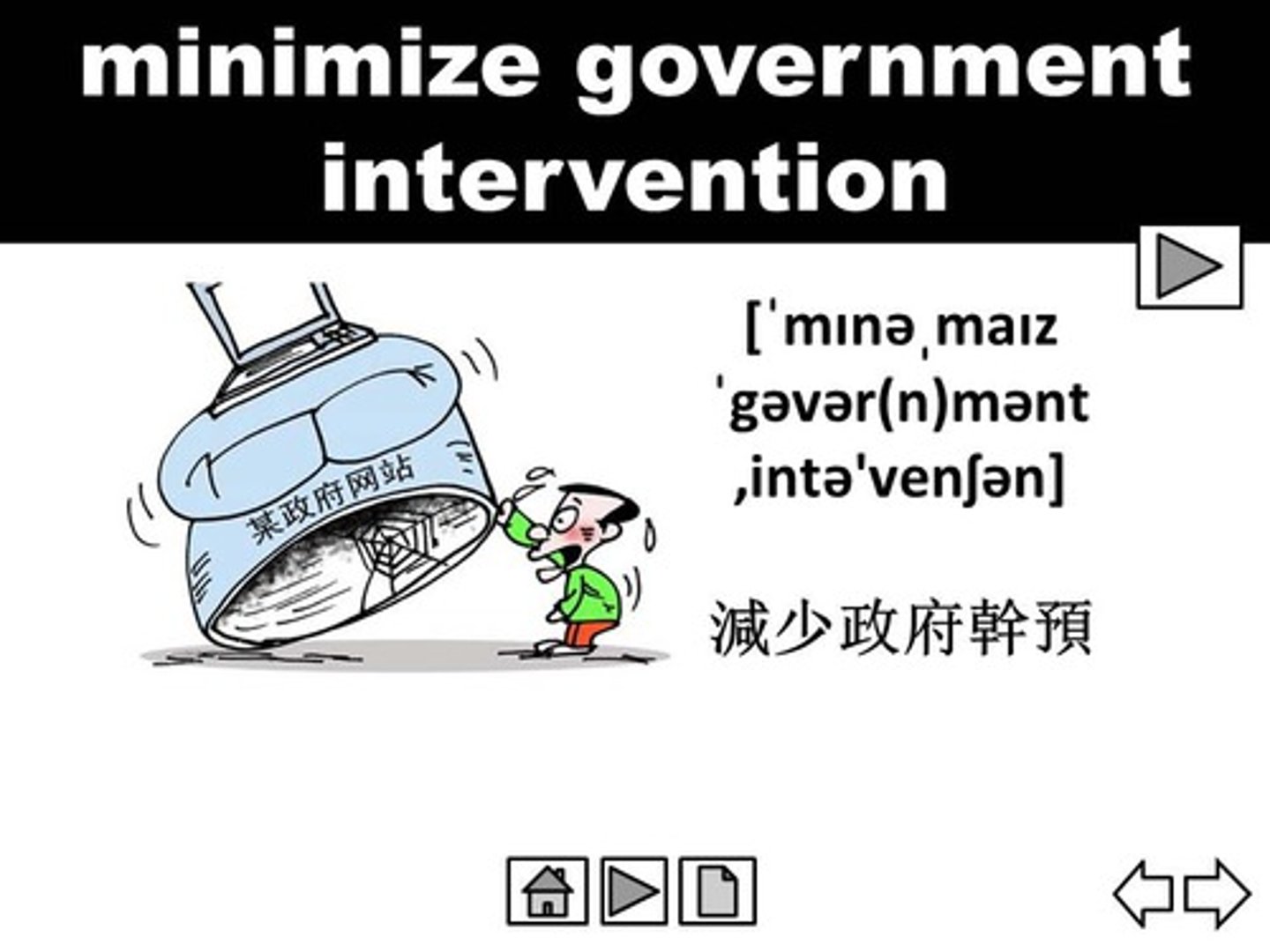
Neoliberalism
the movement to promote free trade and reduce government intervention in trade relationships.
European Union (EU)
began as a post WW2 economic agreement among 6 countries a group of european countries.
a group of european countries cooperating to make life and business easier between them.
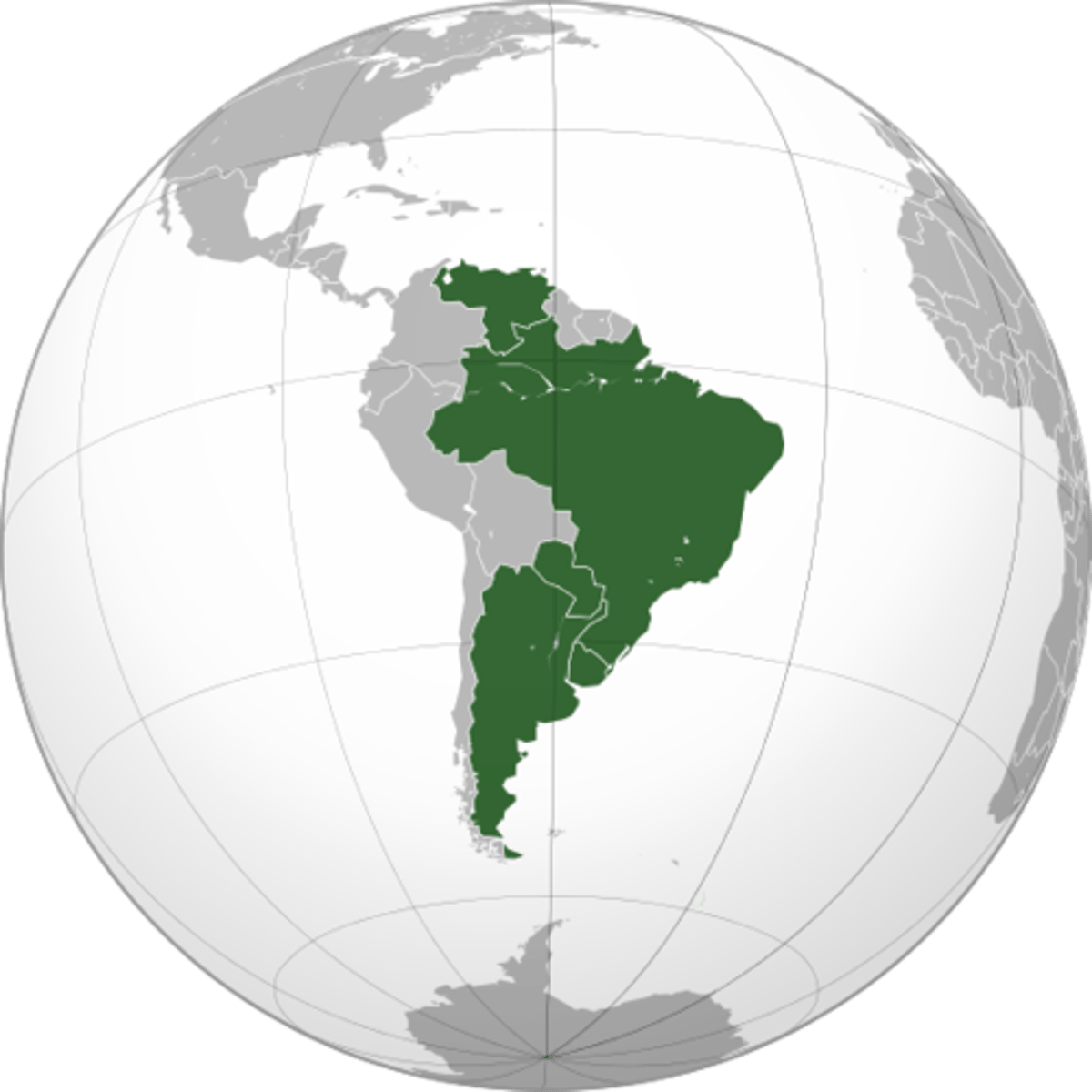
Mercosur (Southern Common Market)
group of countries in south america that trade with each other more easily.
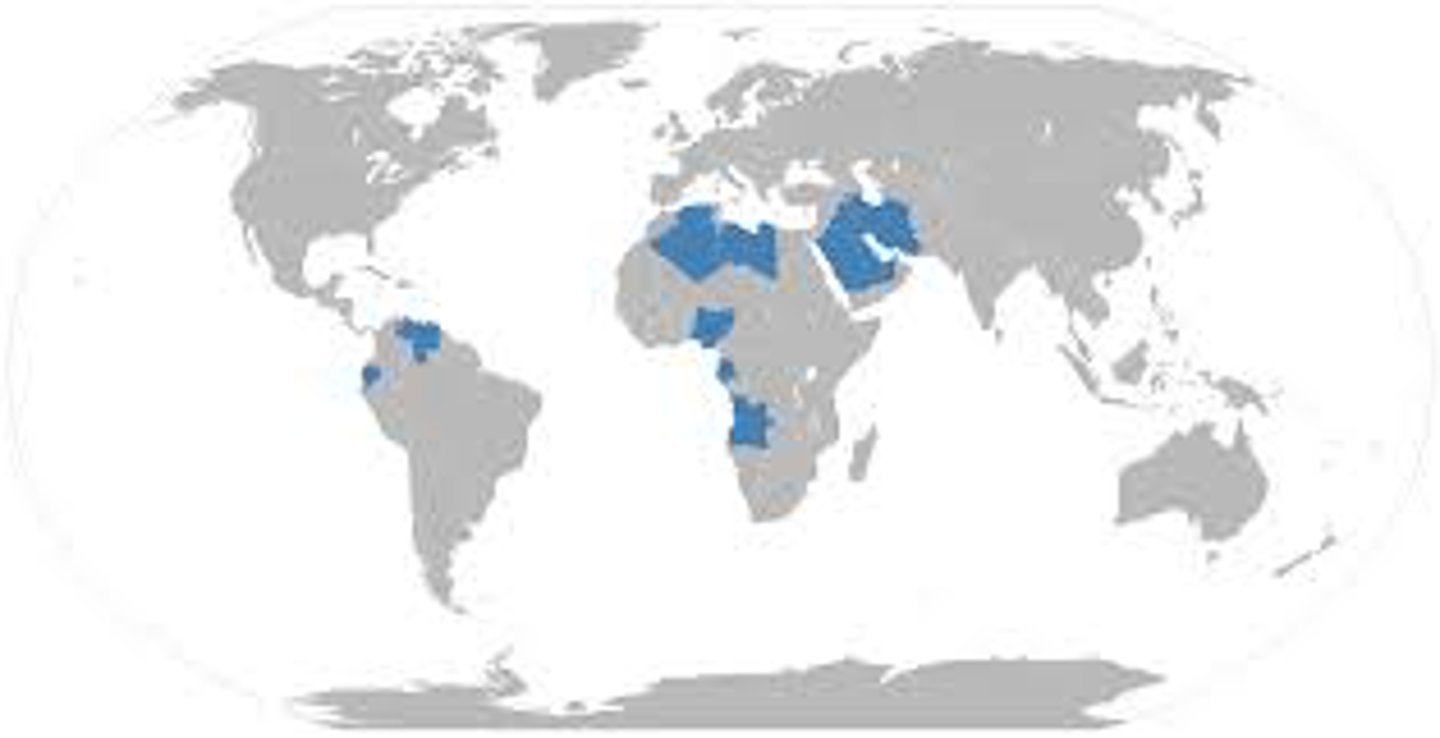
Organization of Petroleum Exporting Countries (OPEC)
an association of the largest oil producing countries in the world like saudi arabia and iraq.
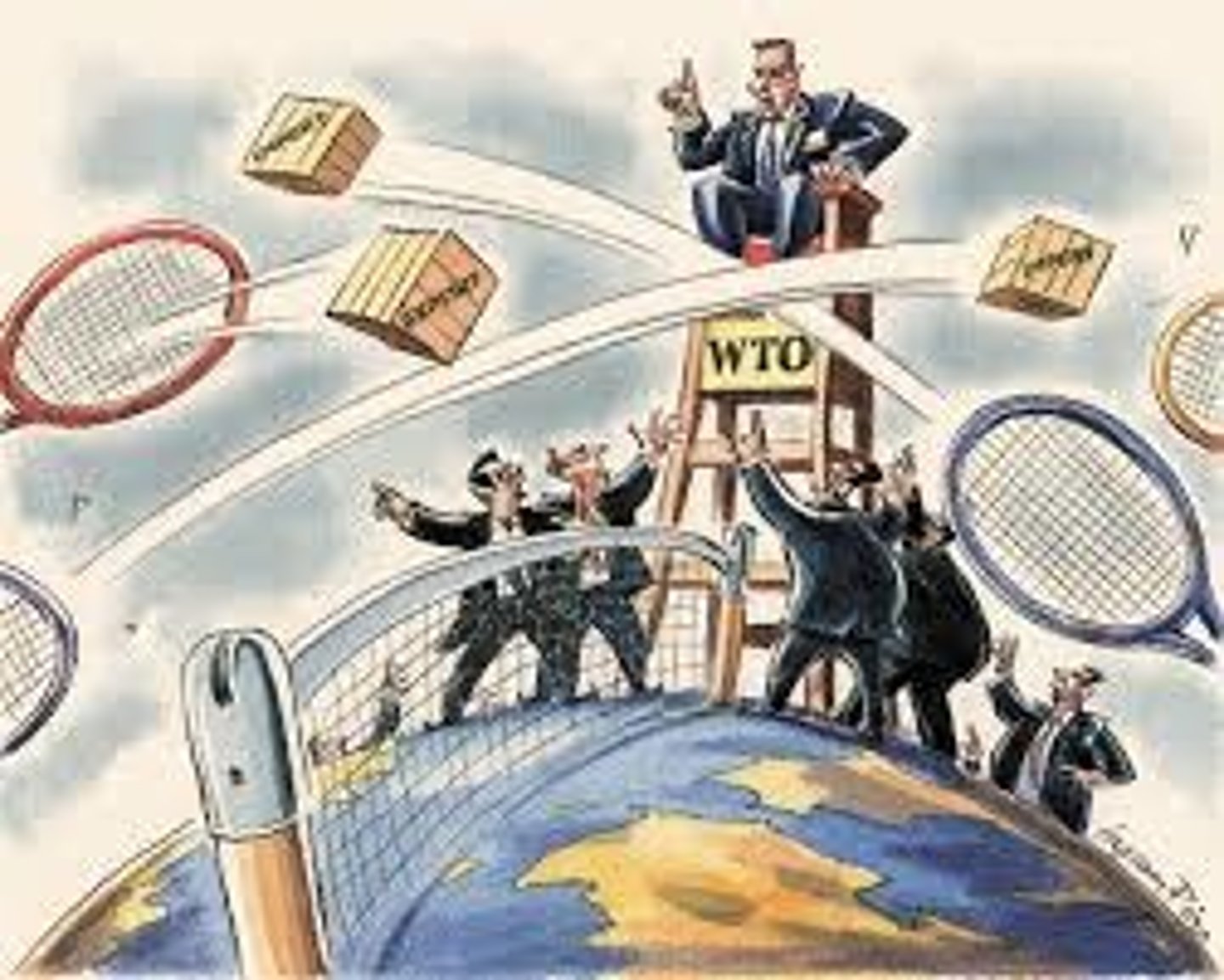
World Trade Organization (WTO)
exist to regulate trade on a global scale.
i. assists in the negotiation of trade deals.
ii. acts as a moderator for various trade disputes.
iii. creates initiatives to assist developing countries along the scale of development.
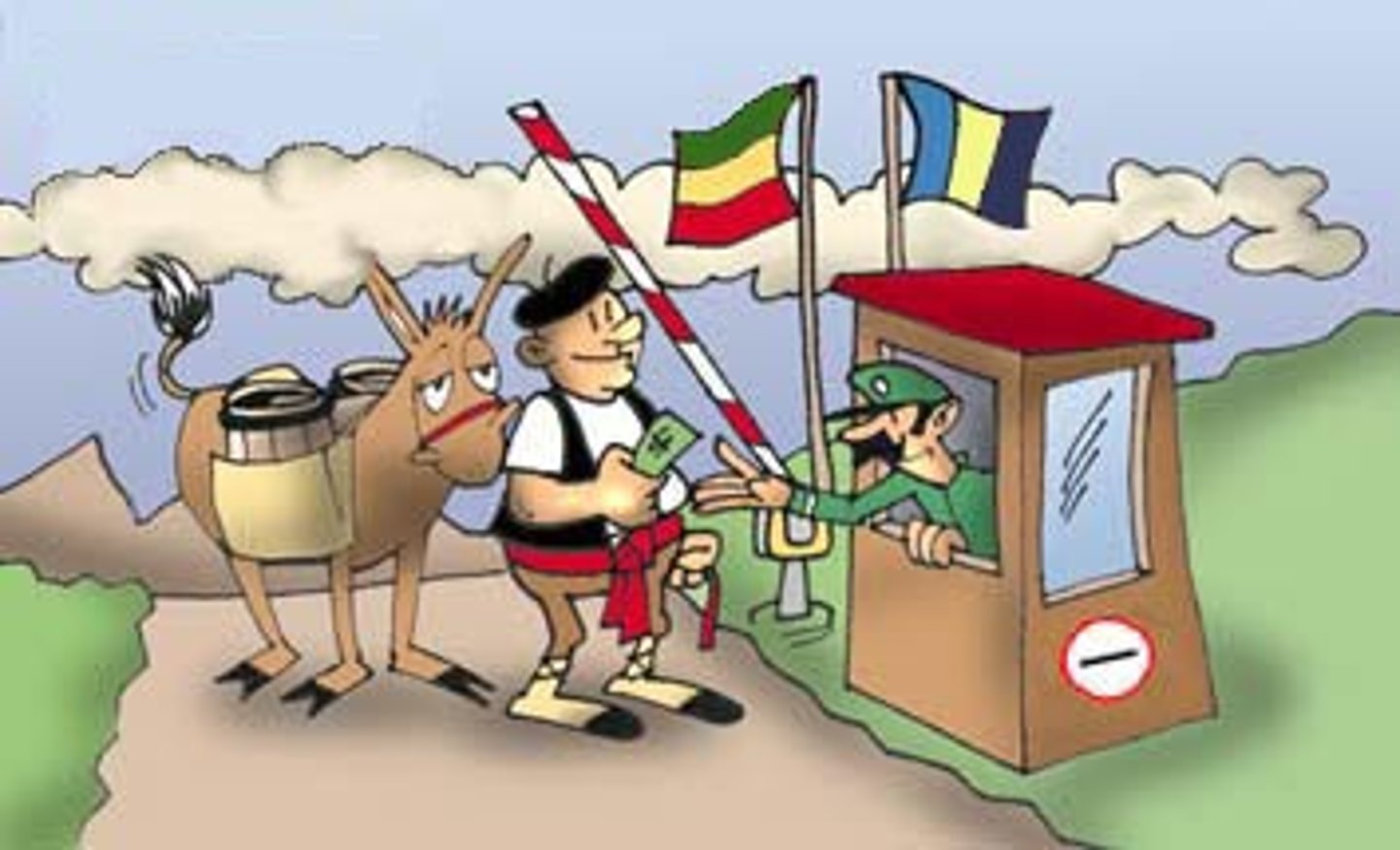
Tarrifs
taxes on imported goods.
i. protect domestic industry.
- by raising prices on imported goods governments hope to persuade their citizens to buy goods produced in their own country (gives boost to the economy).
ii. political rivalries/trade war
- barrier to increased economic interconnectivity and global development.
International Monetary Fund (IMF)
most notable solution to crises that promotes economic development by restructuring a country's loan payments on overhauling their entire economy.
groups of countries that help each other with money problems.
Mercantilism
a theory of trade stating that each country strives to export more than it imports in order to accumulate wealth.
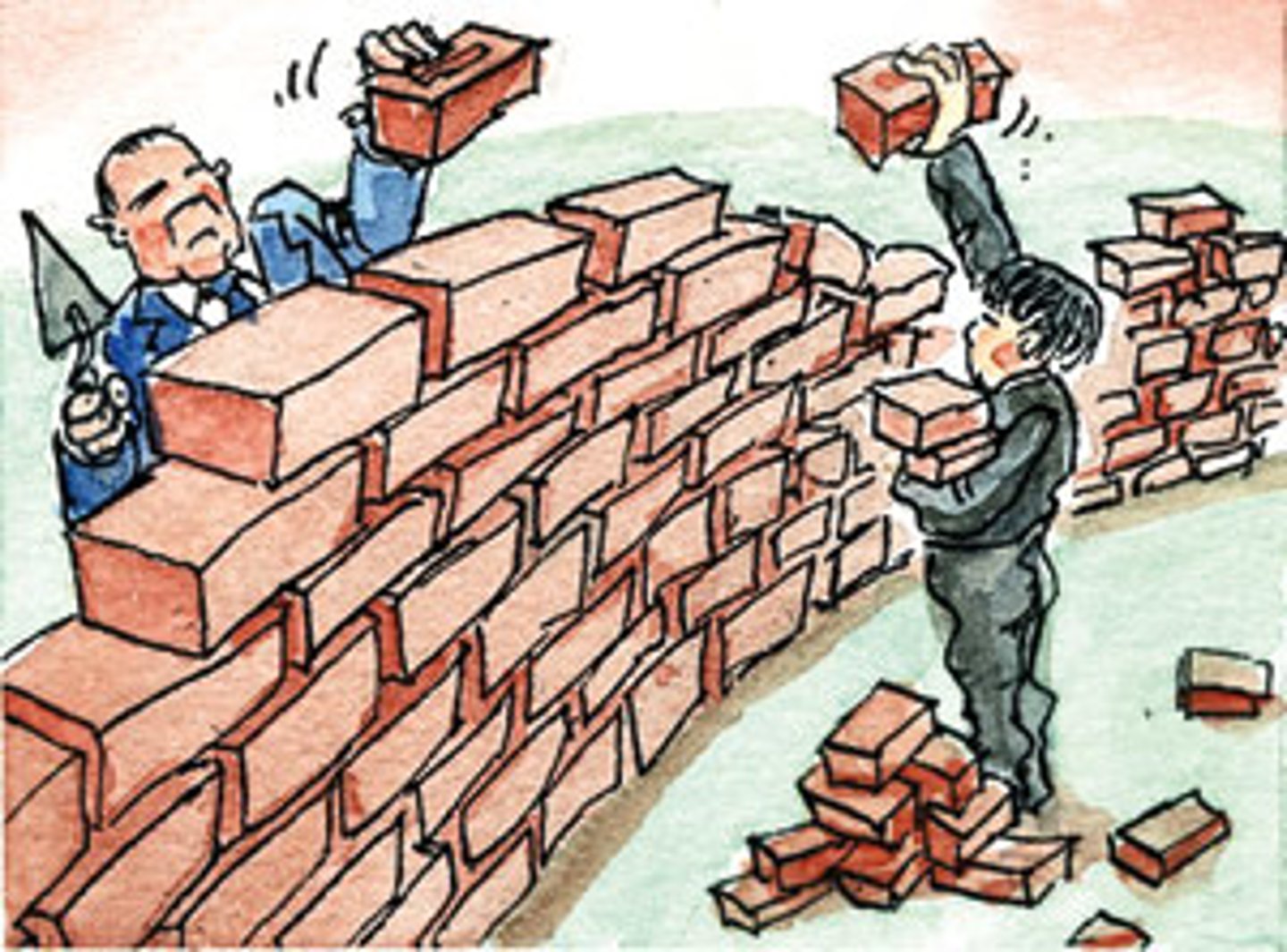
Protectionism
trade rules that restrict imports in order to protect domestic industries.
Absolute advantage
a country's ability to produce a good service more efficiently than another country.
Transnational corporation (TNC)
a firm with the power to coordinate and control operations in more than one country, even if it does not own those operations.

Free trade agreements
a treaty between two or more countries that reduces tariffs and promotes foreign investment.
Customs unions (Ex: NAFTA)
a free trade agreement among 2 or more member countries, combined with a single, common external trade policy for non-members.
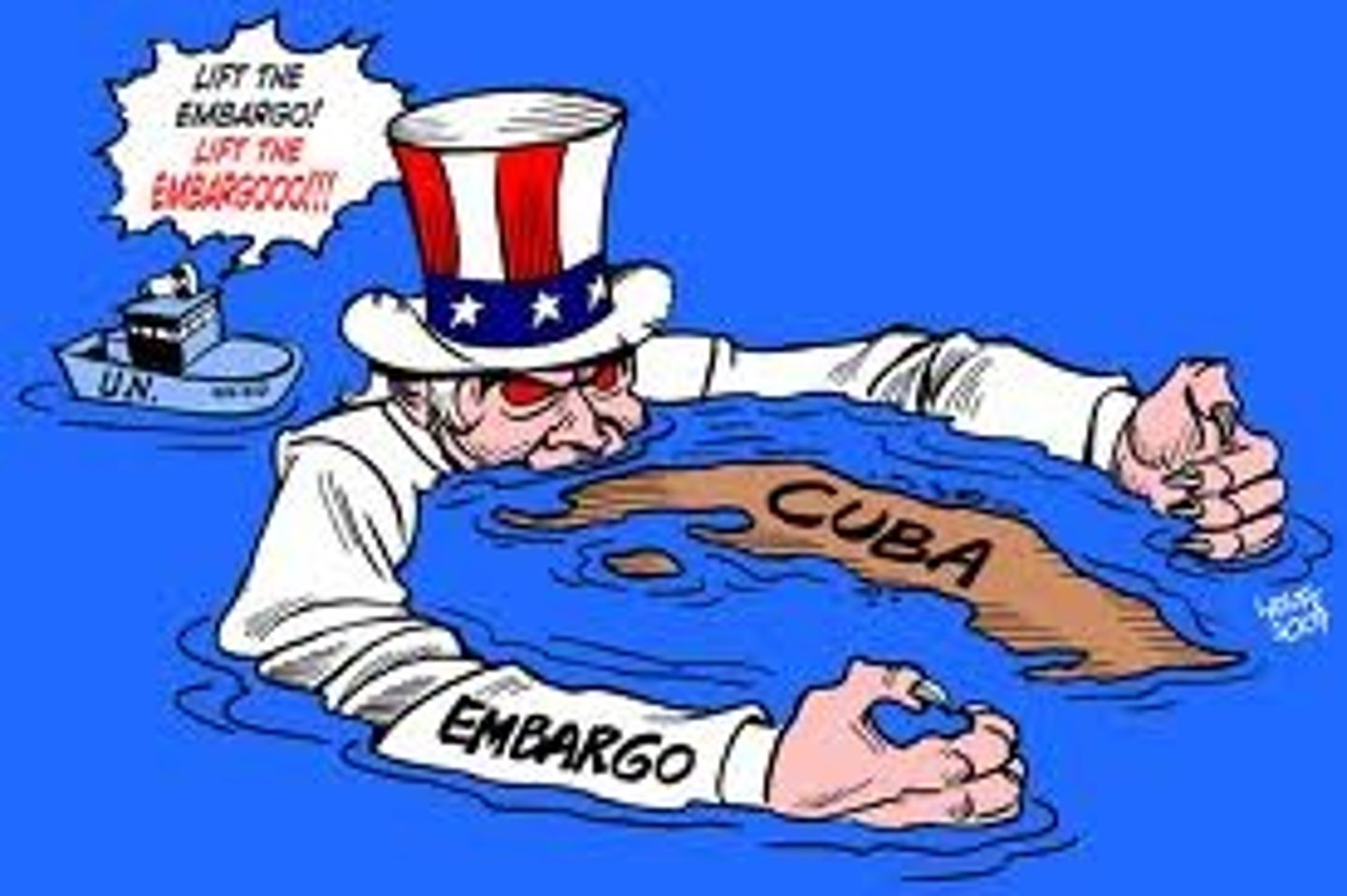
Trade embargo
an official ban on trade with a specific country or of a specific good.
Debt crises
occurs when a government's debts exceed its tax revenues to the point that it cannot meet its loan payments.
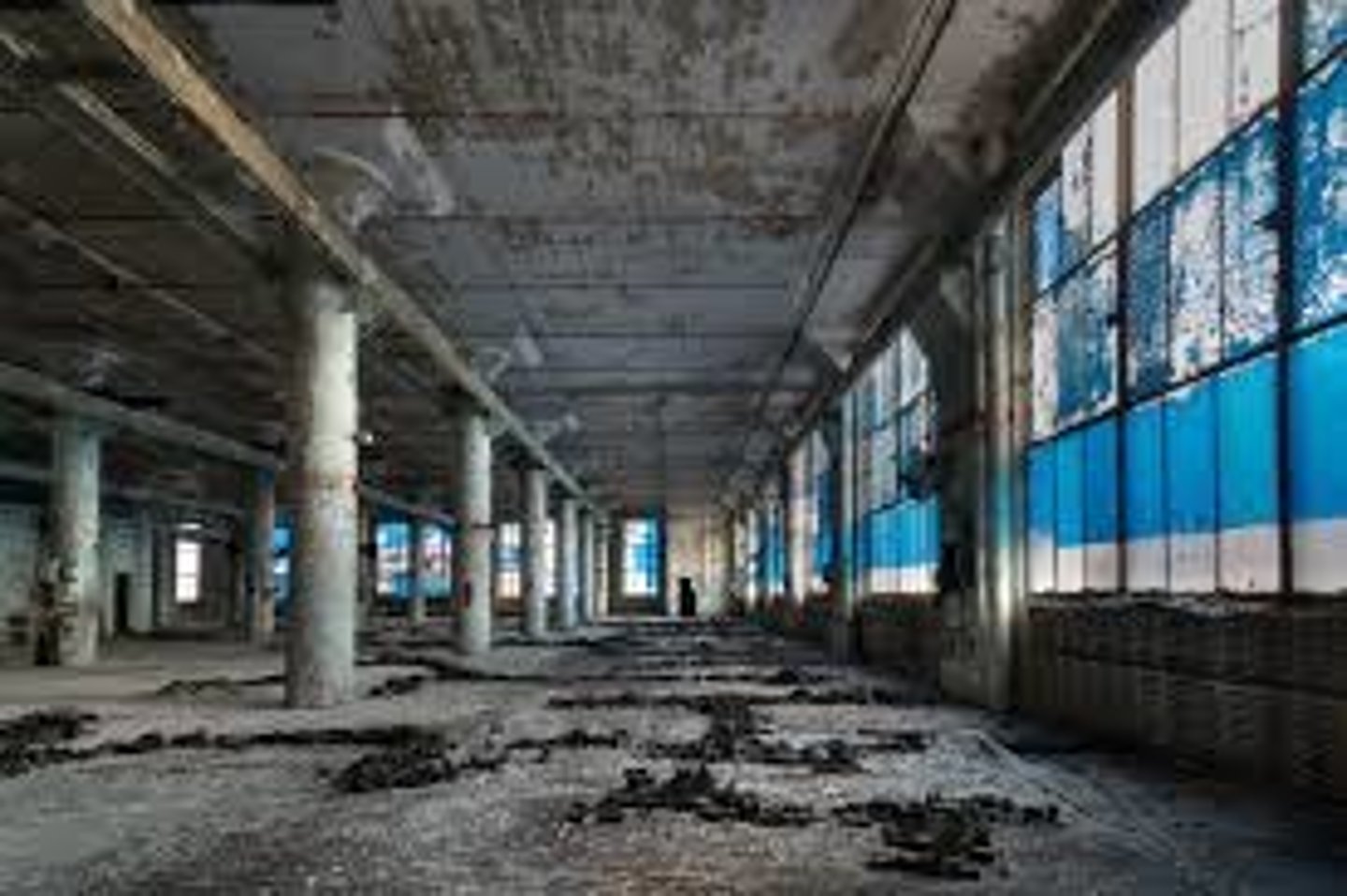
Deindustrialization
decline of manufacturing jobs in a country as factories move elsewhere
occurs in core countries
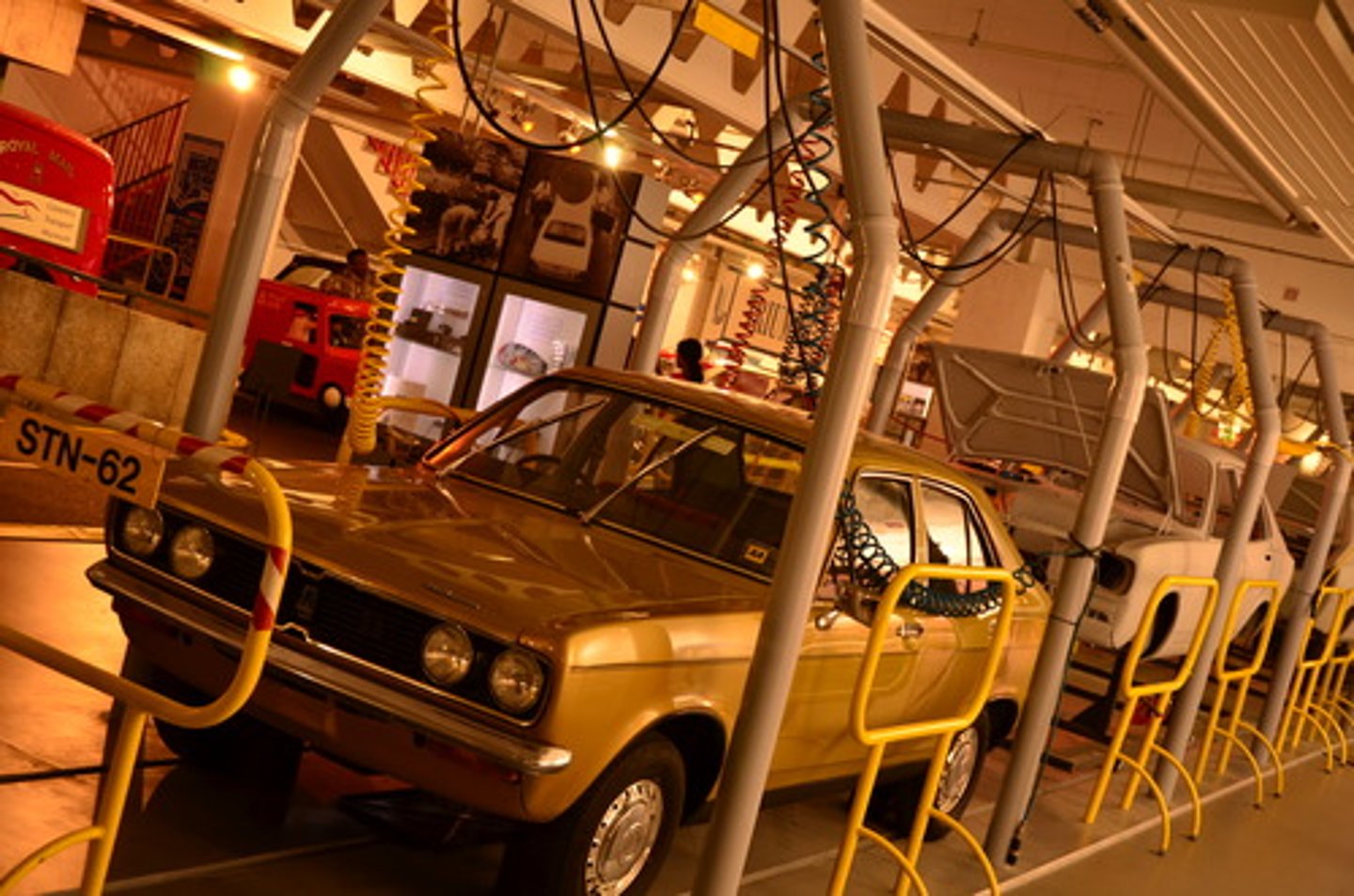
Fordism
a system of manufacturing where products are made quickly, cheaply, and in large amounts using assembly lines.
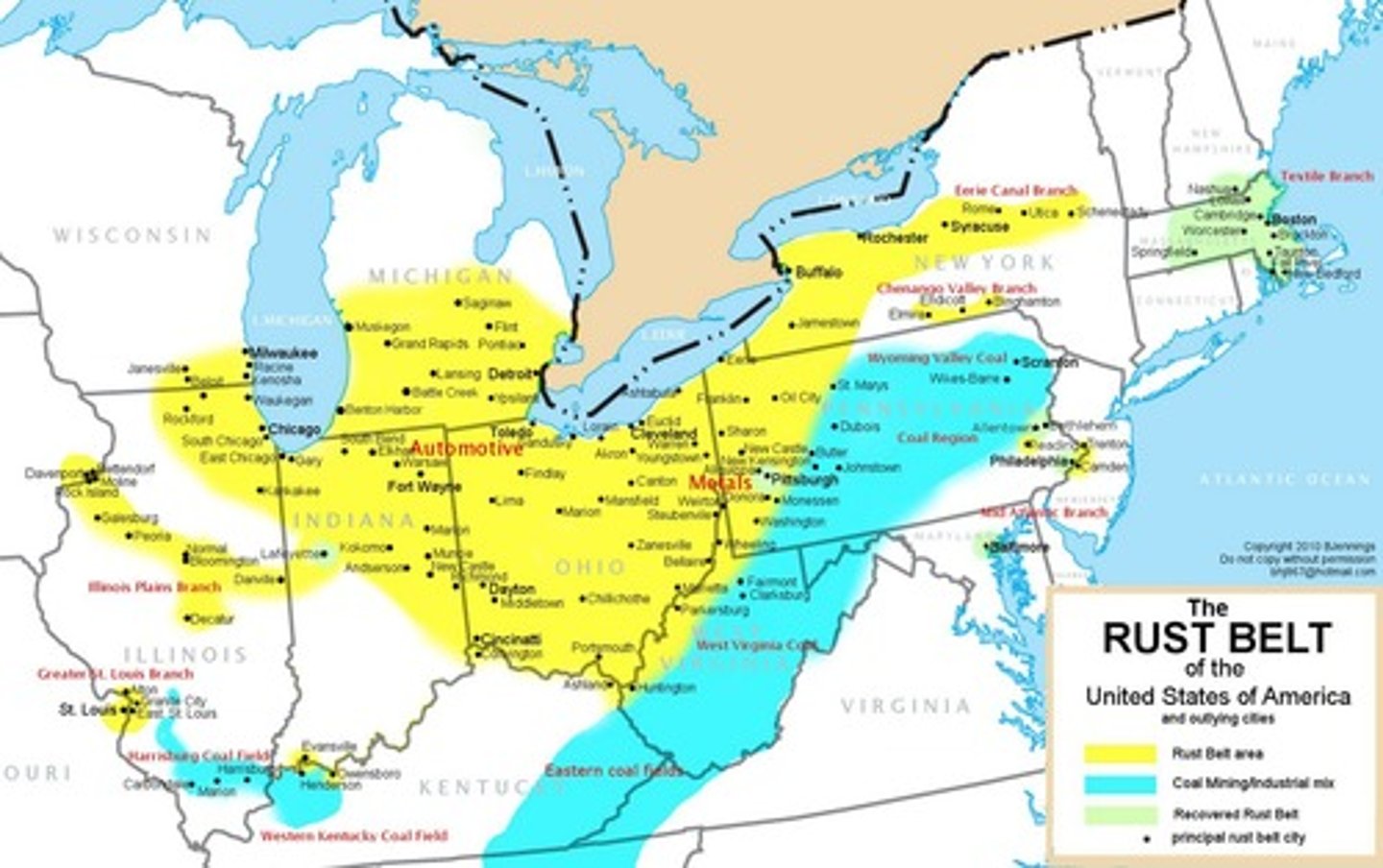
Rust belt
the various regions (mainly in the U.S) that previously thrived economically on manufacturing but then their factories are now abandoned and rusted out.
Special Economic Zones (SEZs)
areas with relaxed taxes and rules to attract foreign companies and factories.
Export Processing Zone (EPZ)
type of SEZ where goods are made mainly to be exported to other countries.
Free Trade Zones (FTZs)
area where goods can be stored and traded without tariffs or taxes.
Post-fordism
the dispersal of the manufacturing process from a single site to many different sites across the globe.
companies arrange to have parts of their products manufactured in several different countries, assembled in another, and then sold in yet another country.
Multiplier effect
the phenomenon in which creating one job simultaneously creates several other jobs.
Just-in time delivery
the process of manufacturing smaller batches of goods in response to customer demands.
reduced companies' need to maintain and pay for large permanent workforces.
Agglomeration economies
benefits companies get by clustering together, like shared workers, suppliers, and lower costs.
Corporate divestment
Corporate divestment is when a company sells off part of its business (like a division, branch, or assets
Outsourcing
when a company hires another company to do its work.
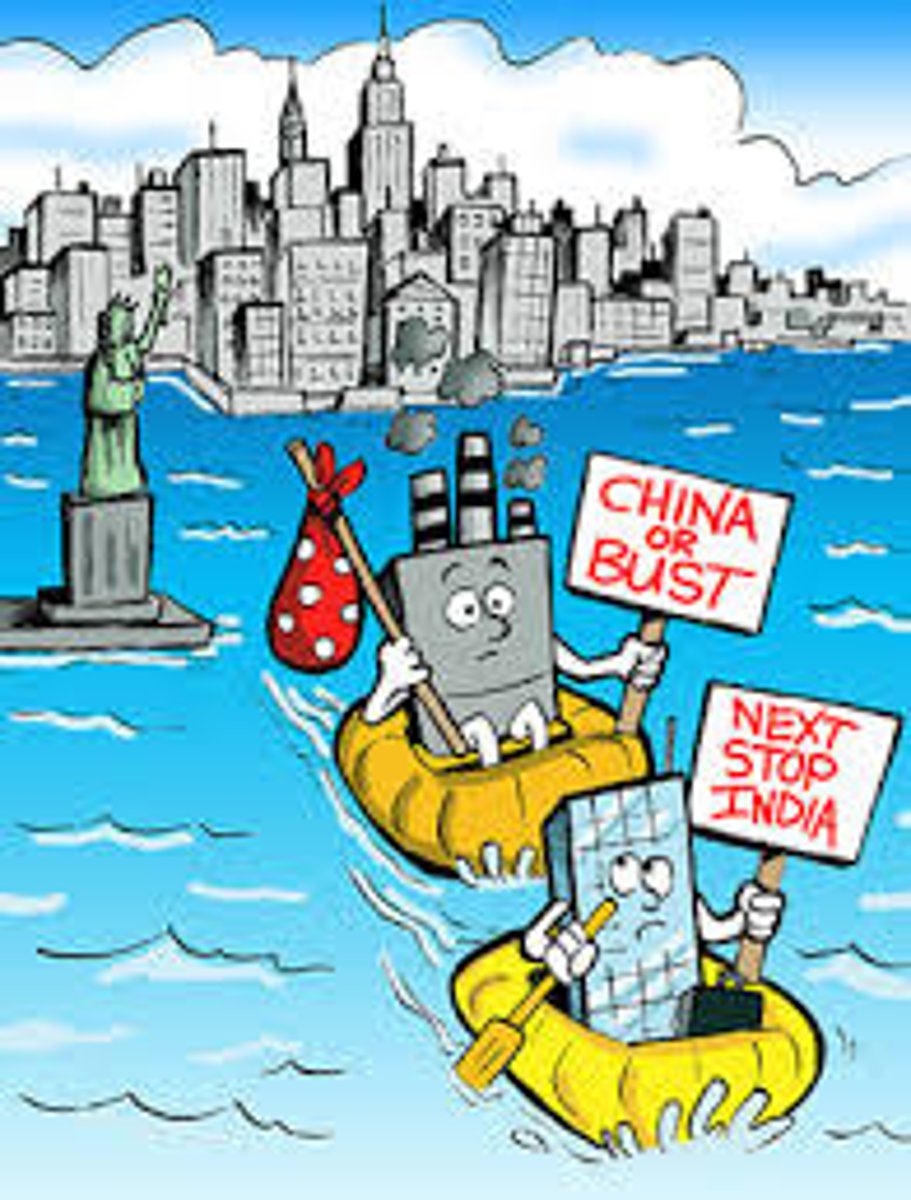
Offshoring
when a company moves its work to another country because it's cheaper.
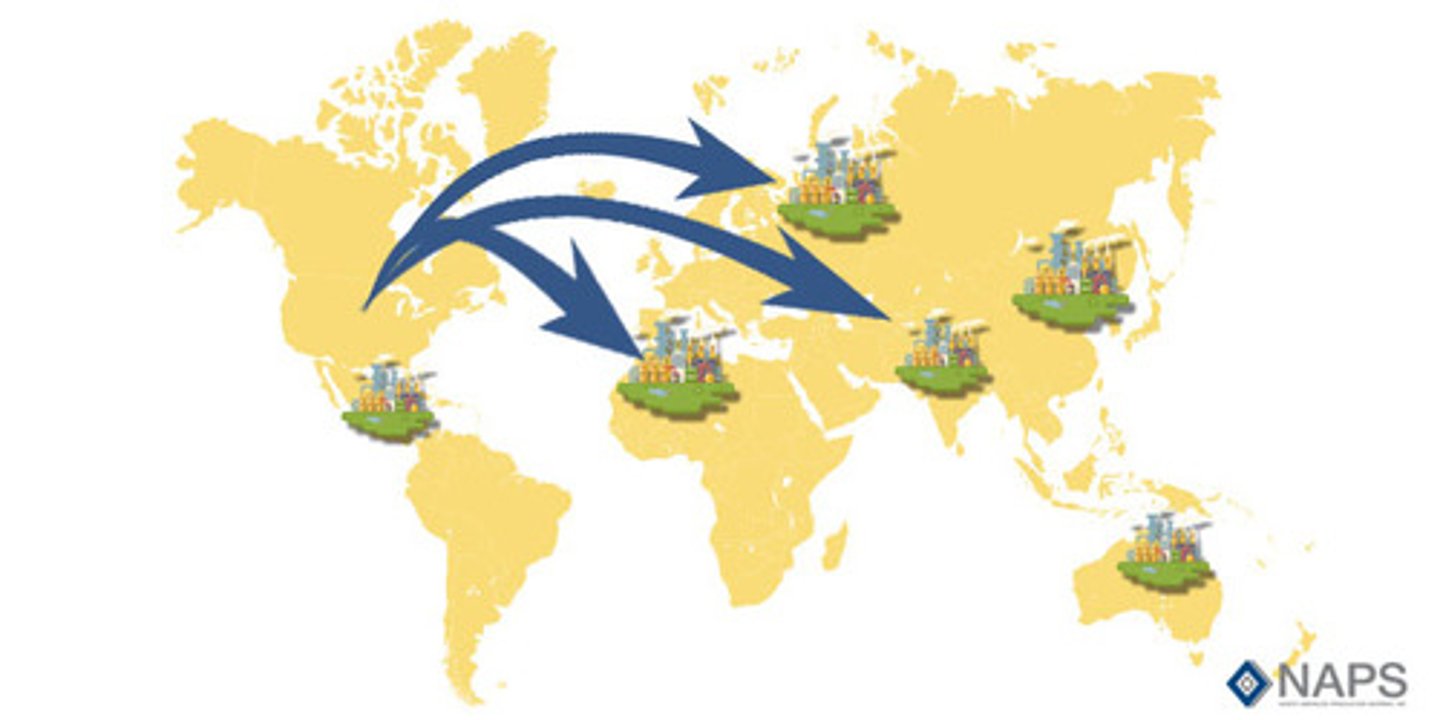
Growth poles
one big business/project that causes growth around it.
basically another term for agglomeration economies.
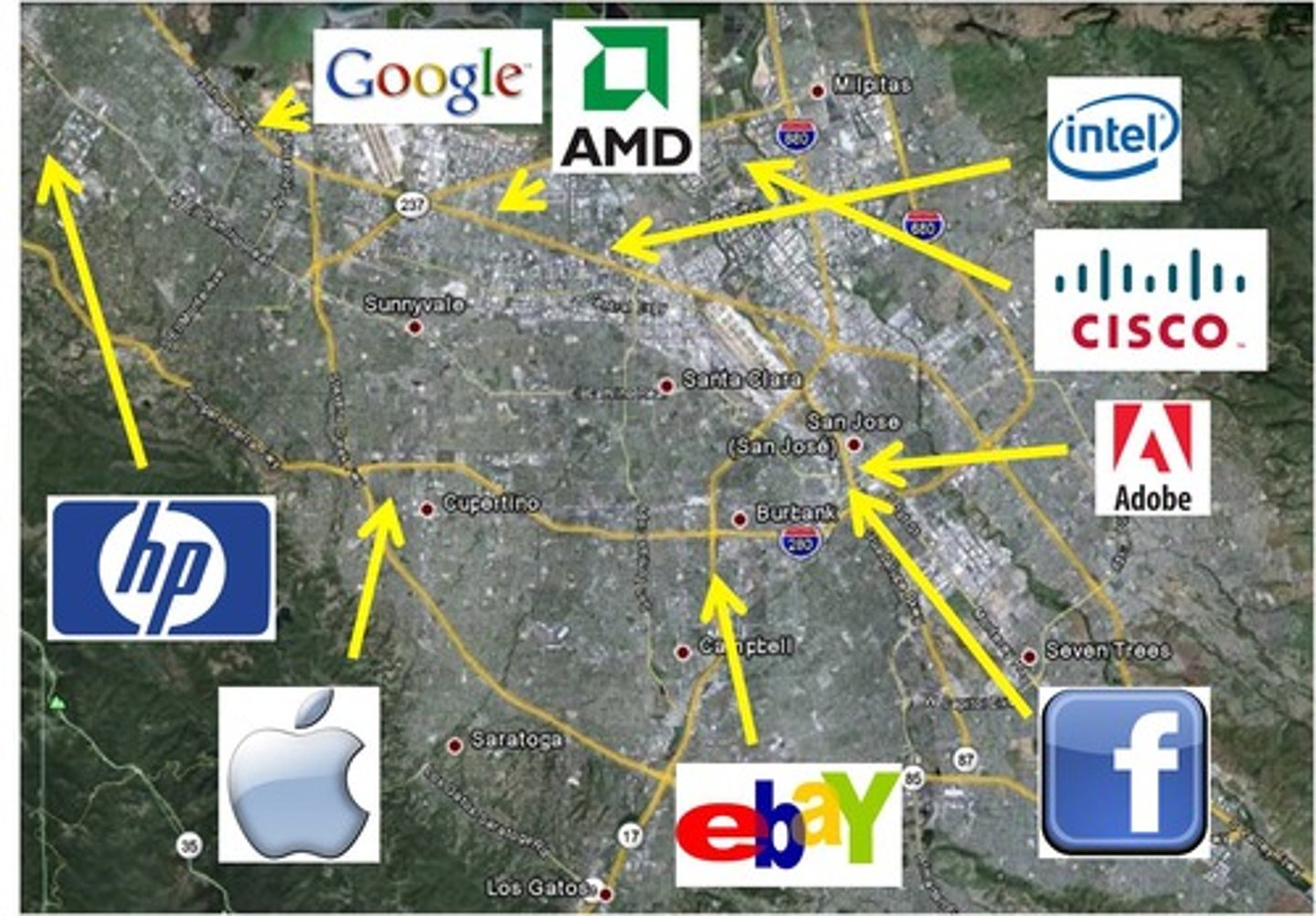
Sustainability/sustainable development
the process of using the earth's resources to meet today's needs while also preserving them for the use of future generations.
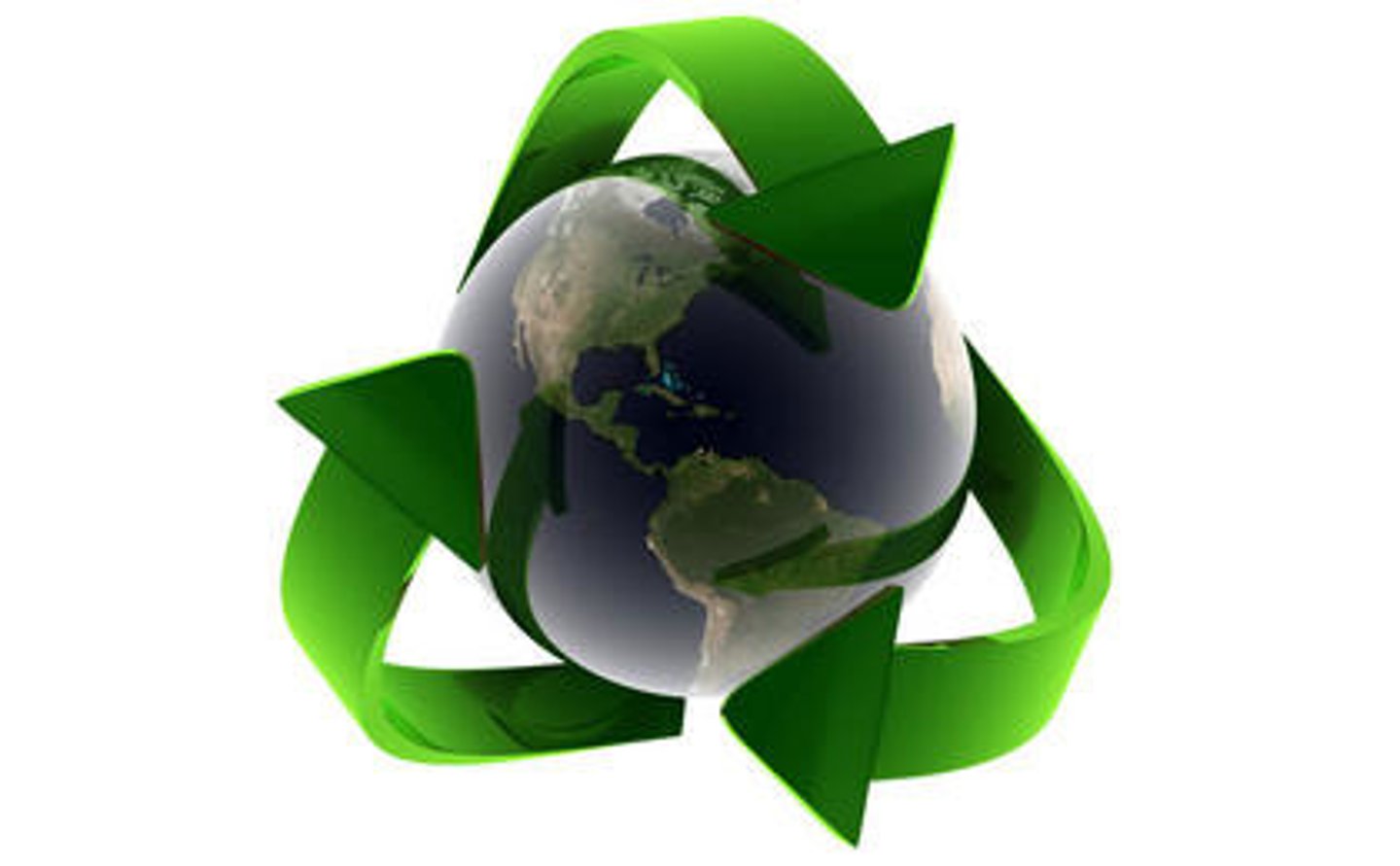
Non-renewable resource
a natural resource that cannot be replaced quickly once it is used up.
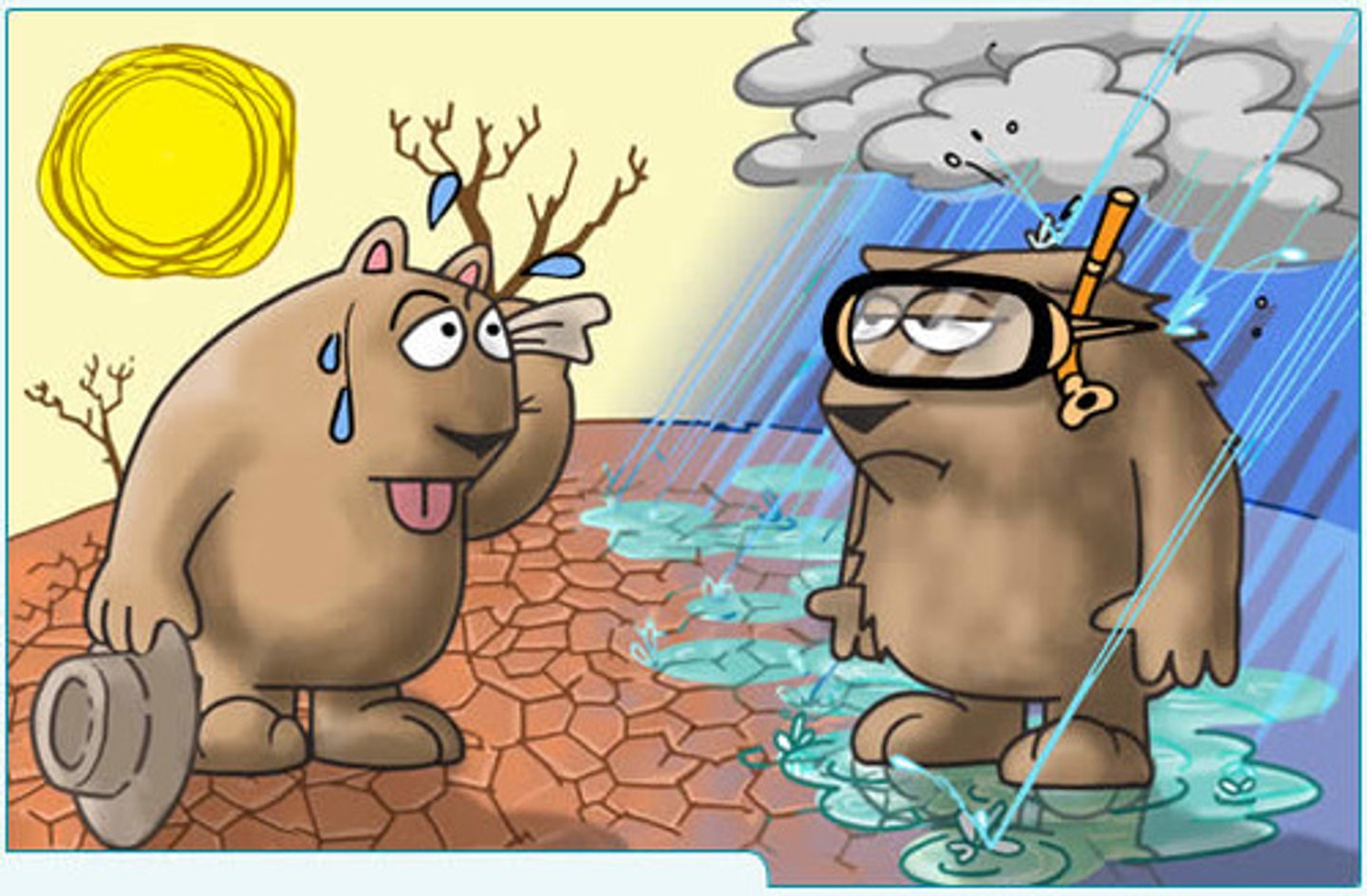
Climate change
a permanent change in the Earth's weather conditions.
the warmer the earth gets, more oceans will rise and more natural disasters will occur.
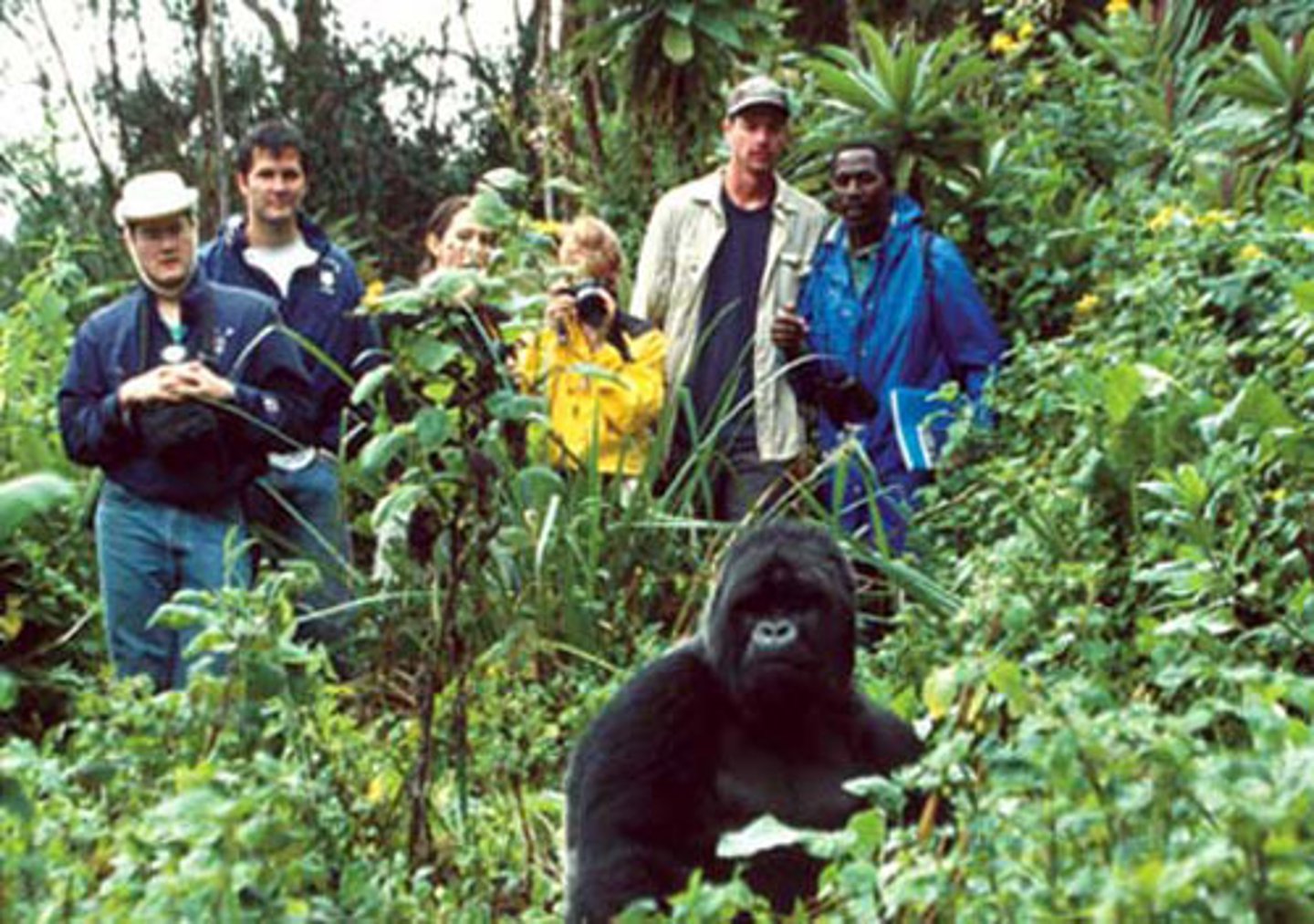
Ecotourism
the effort to protect natural landscapes against industrial encroachment by creating sustainable tourist destinations.
- a portion of the revenue generated by these destinations is allocated for the protection of the environment.
- provides economic benefits to locals who find jobs as guides/hosts.
Sustainability development goals
a set of 17 global goals created by the United Nations to make the world better by the year 2030.
Resource depletion
the consumption of natural resources faster than they can be replenished.
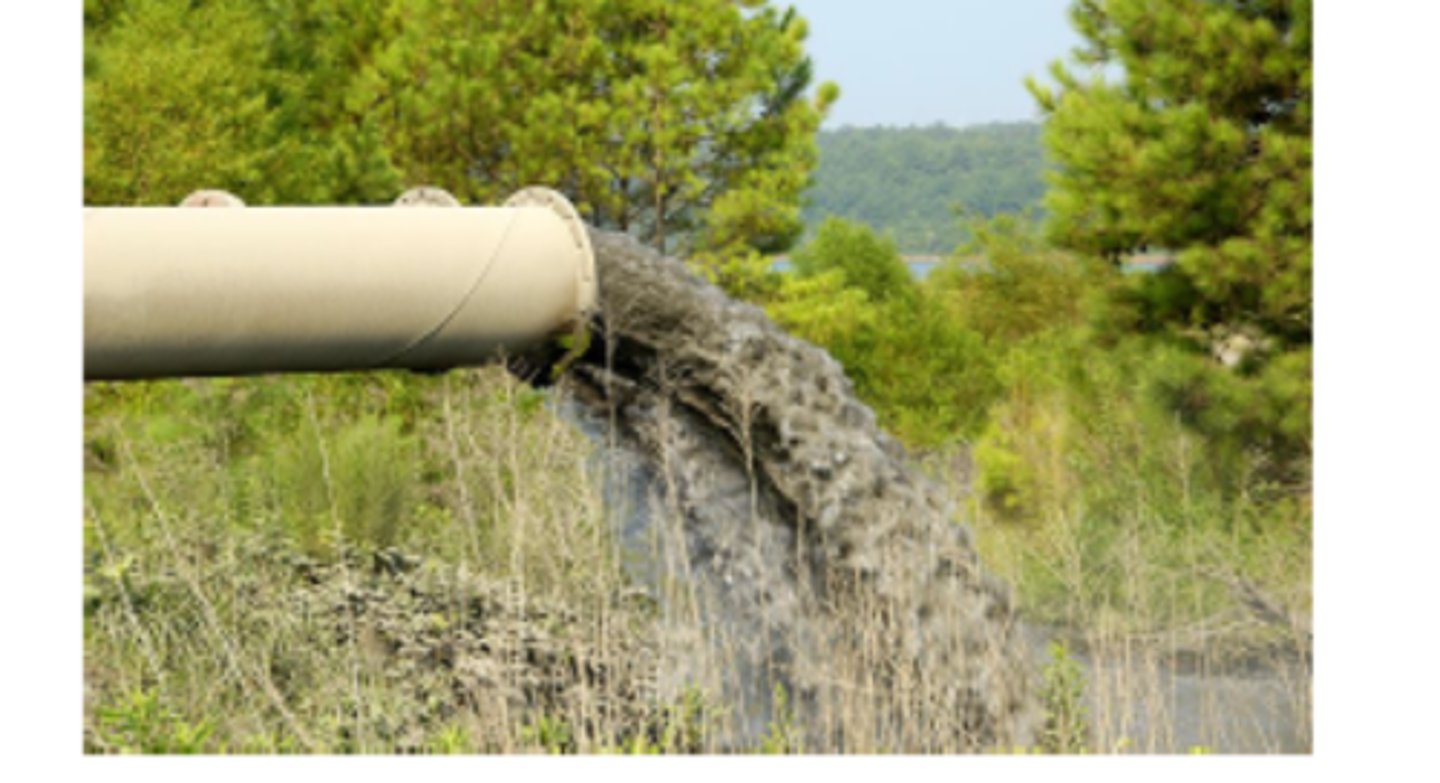
Point source pollution
pollution that comes from one, clear identifiable place.
e.g: a factory pipe du
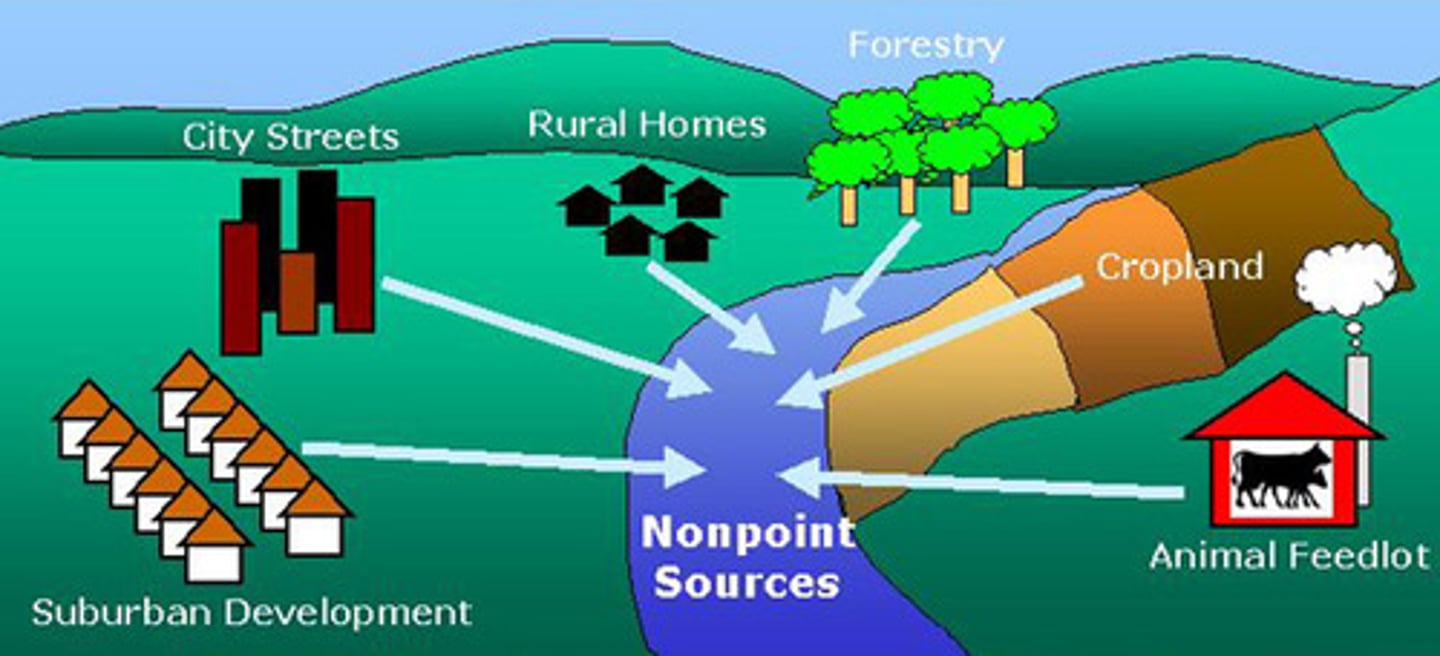
Non-point source pollution
pollution that comes from many small, spread out sources.
e.g: rain washing oil and trash off roads into drains.
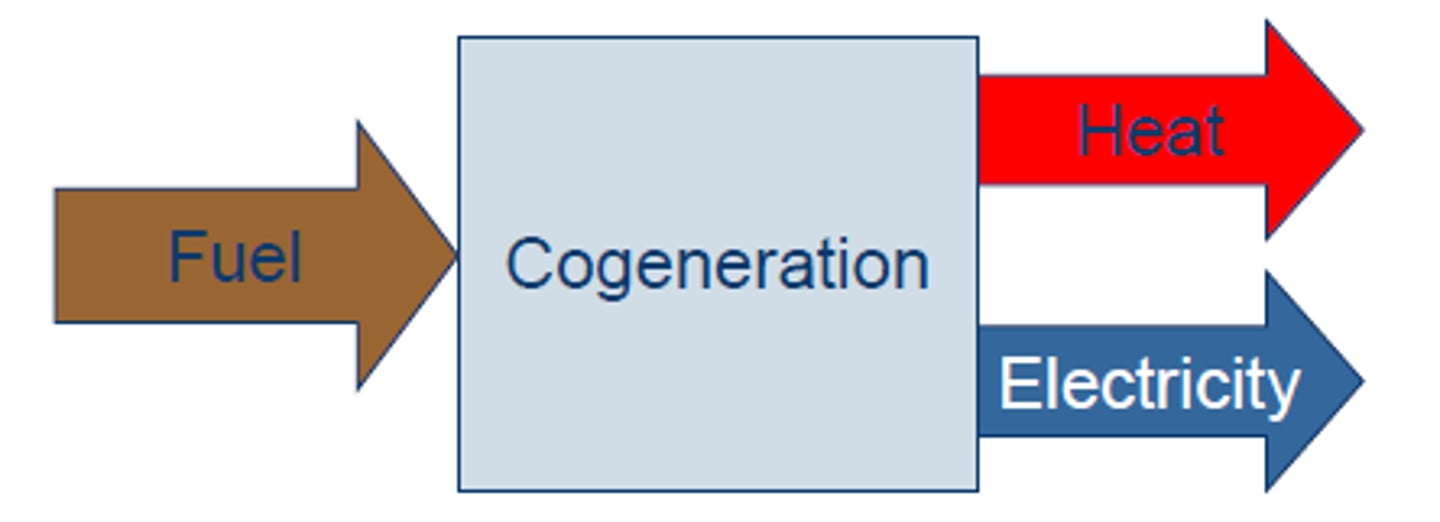
Cogeneration
producing both electricity AND useful heat from the same energy source.
e.g: a factory burns fuel to make electricity to run machines and uses the leftover heat to warm buildings.
Carbon neutrality
the state in which an individual, business, or institution emits no net carbon to the atmosphere.
(when you balance the carbon you produce with the carbon you remove or cancel out, so your net impact = zero)
Carbon offsets
actions or projects that reduce carbon somewhere else to make up for your own emissions.