CHEMISTRY MIDDLE SCHOOL🧪⚗️
 Call Kai
 Learn
Learn Practice Test
 Spaced Repetition
 Match
Match Flashcards
 Knowt Play
 Podcast
1/23

There's no tags or description
Looks like no tags are added yet.
Name | Mastery | Learn | Test | Matching | Spaced | Call with Kai |
|---|
No analytics yet
Send a link to your students to track their progress
24 Terms
What is matter?
Matter is anything that has mass and occupies space.
What is an element?
An element is a pure substance made of only one type of atom.
It cannot be broken down into simpler substances by chemical means.
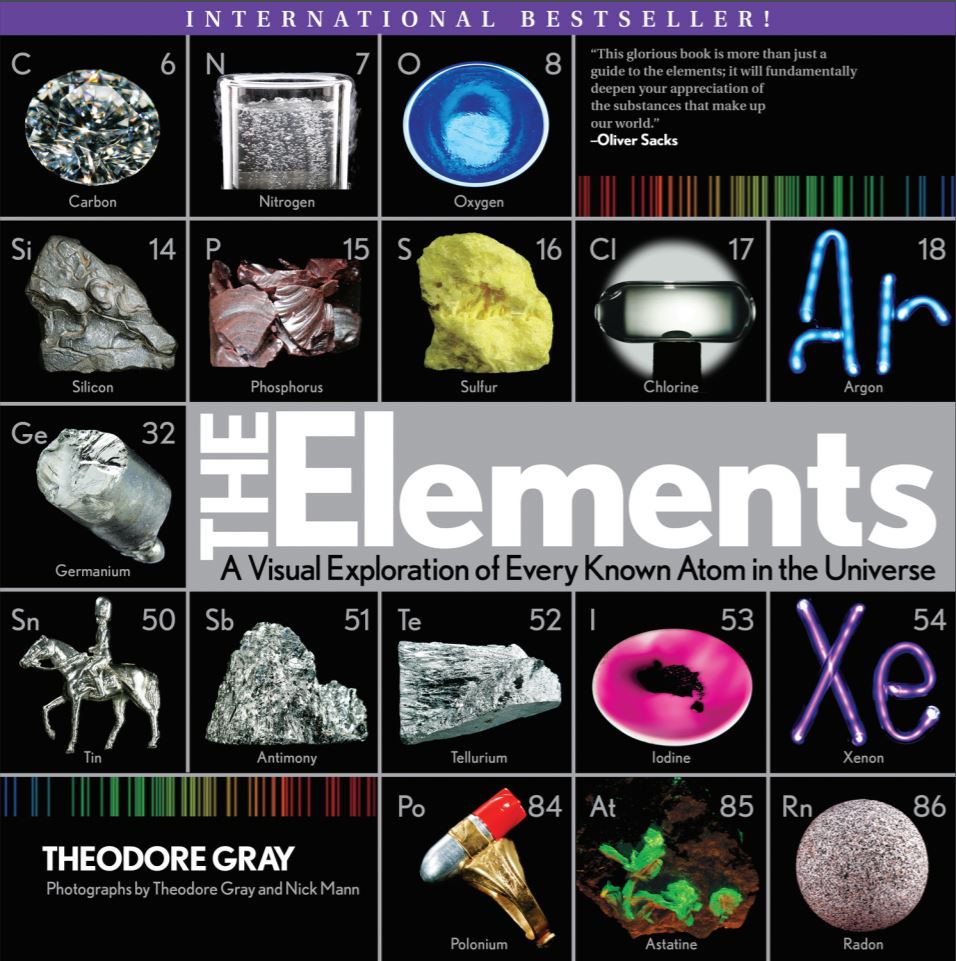
What is an atom?
An atom is the smallest particle of an element that still has the properties of that element.
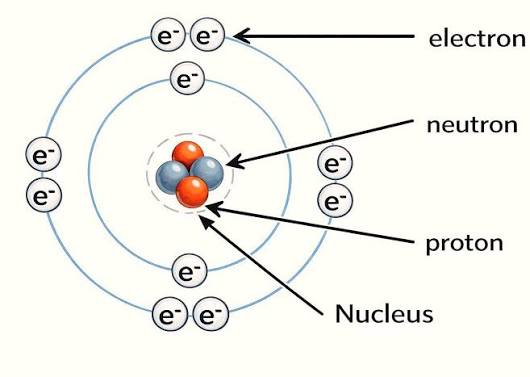
What are the main parts of an atom?
Proton (+)
Neutron (neutral)
Electron (–)
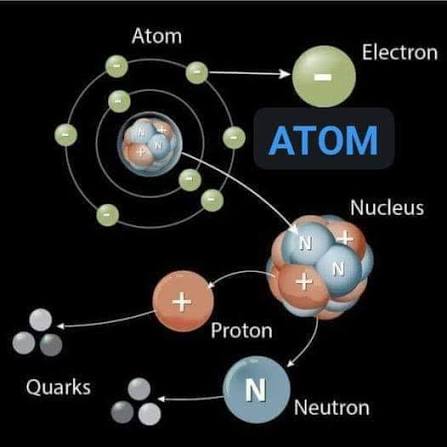
Where are protons and neutrons found?
They are found in the nucleus of the atom.
Where are electrons found?
Electrons are found in energy levels (shells) around the nucleus.
What are the charges of subatomic particles?
Proton = +1
Neutron = 0
Electron = –1
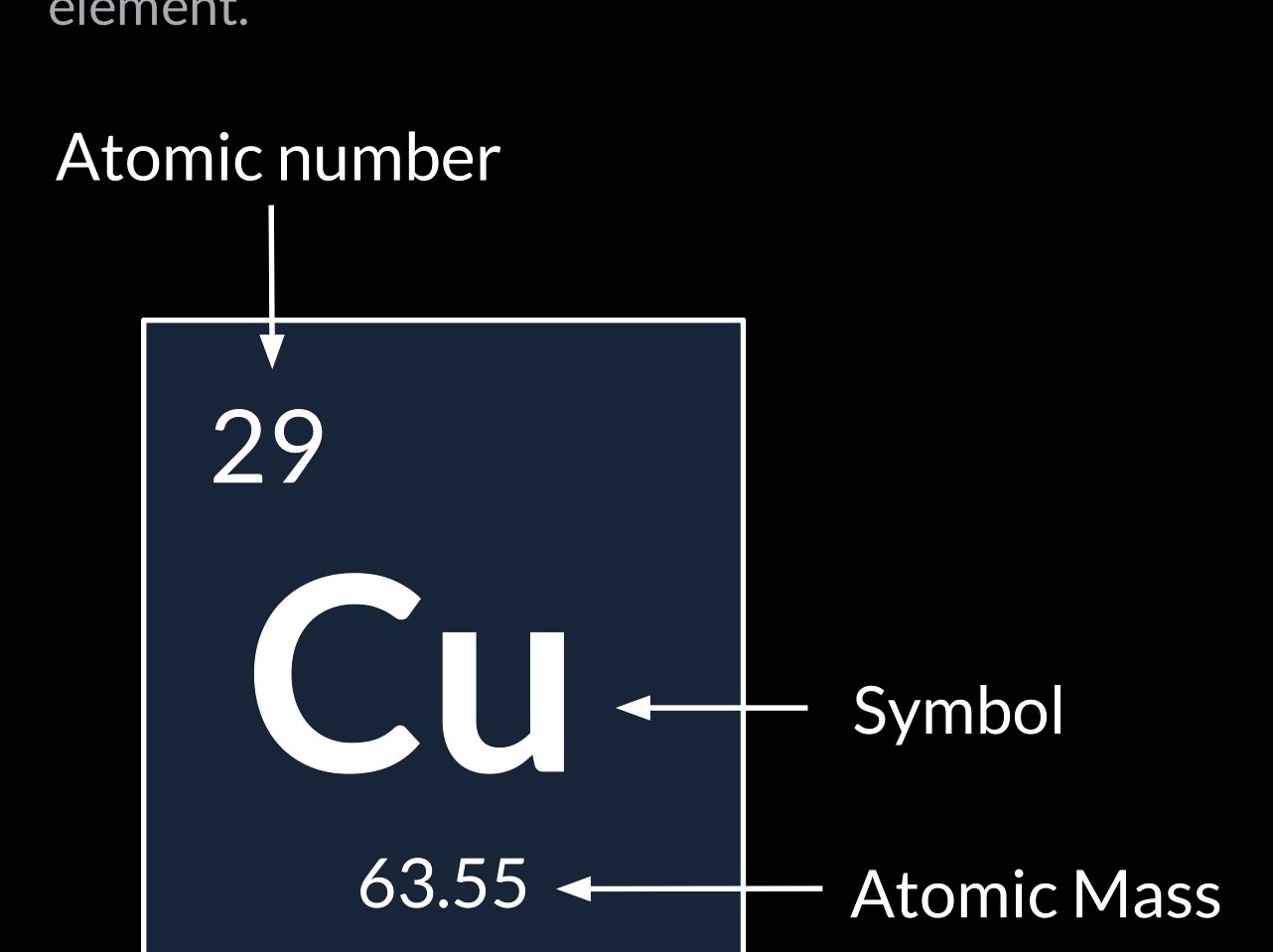
What is atomic number?
The number of protons in an atom.
What is mass number?
The total number of protons + neutrons in the nucleus.
What is an ion?
An atom that has gained or lost electrons, giving it a charge.
Why do atoms form ions?
To become more stable by having a full outer shell of electrons.
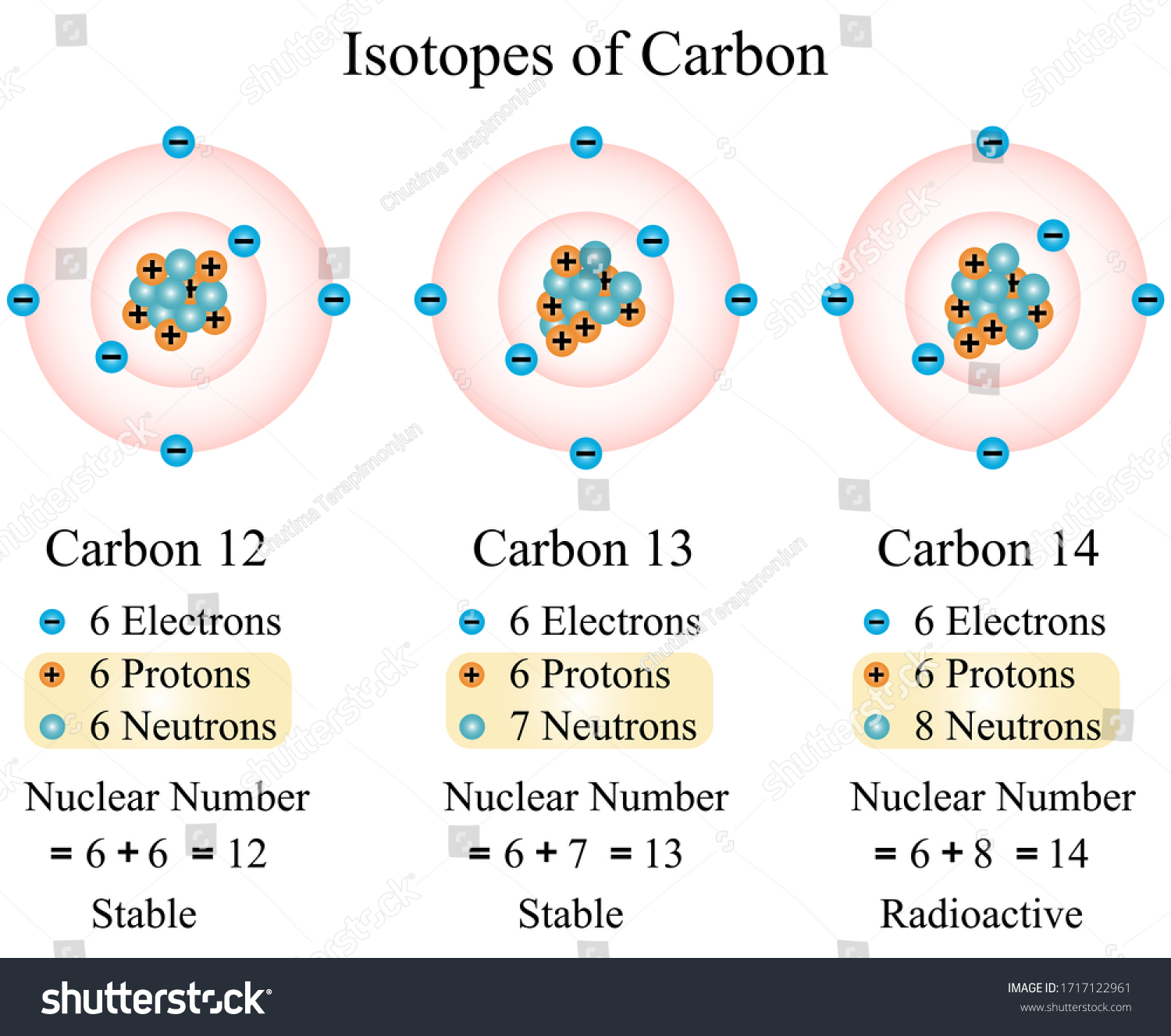
What are isotopes?
Atoms of the same element with the same number of protons but different numbers of neutrons.
Do isotopes have different chemical properties?
No — they have the same chemical properties, but different mass.
What is the periodic table?
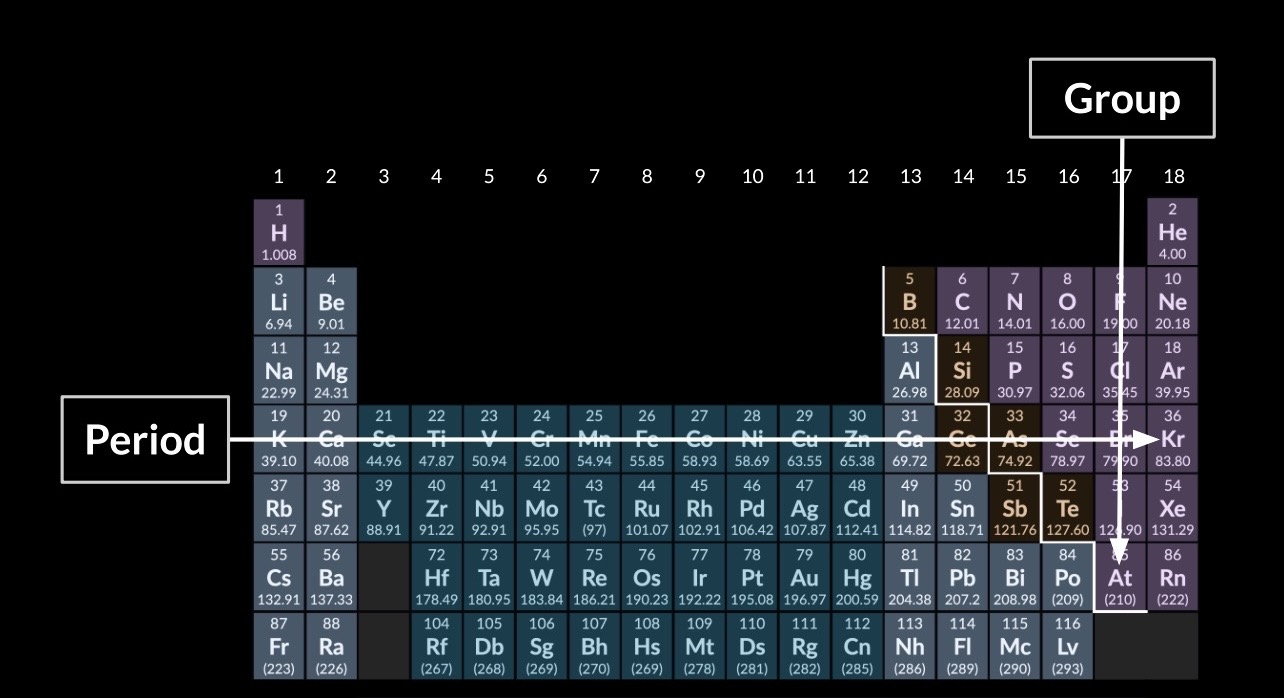
A chart that arranges elements in order of increasing atomic number.
What do elements in the same group have in common?
They have the same number of outer shell electrons, so they have similar chemical properties.
What does a period represent?
A period is a horizontal row showing elements with the same number of electron shells.
What are metals?
Elements that are usually:
shiny
good conductors
malleable
lose electrons easily
What are non-metals?
Elements that are usually:
dull
poor conductors
brittle (if solid)
gain electrons easily
Why do elements in the same group behave similarly?
Because they have the same number of outer electrons, which controls chemical reactions.
Why is the periodic table useful?
It helps predict:
chemical properties
reactivity
bonding behaviour of elements