TOPIC 6
 Call Kai
 Learn
Learn Practice Test
 Spaced Repetition
 Match
Match Flashcards
 Knowt Play
1/47

There's no tags or description
Looks like no tags are added yet.
Name | Mastery | Learn | Test | Matching | Spaced | Call with Kai |
|---|
No analytics yet
Send a link to your students to track their progress
48 Terms
what is a pathogen
microorganism that causes disease
bacteria
virus
6.7
what is an antigen
Molecule on the surface if a pathogen / infected cell. Used for immune system to recognise the molecule as foreign/non-self
Protein/ glycoprotein
phagocyte meaning
white blood cell - engulf + digest pathogen
macrophage
neutrophage
lymphocyte meaning
WBC - involved in specigic immunity
B cells
T cells
specific immunity meaning
immune response that targets a specific antigen
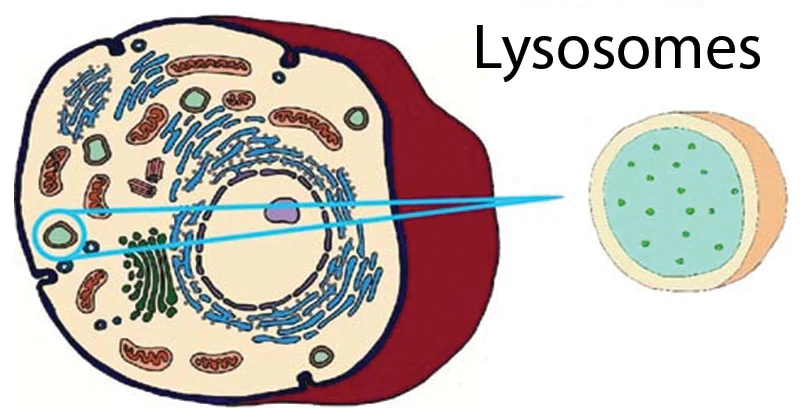
what is lysosome
organelle containing digestive enzyme
where are macrophages found
In tissues
list macrophage function
phagocytosis
eat / digest pathogens
to present antigen cells
phagocytosis process
recognise foreign antigens
engulf pathogen: enocytosis/phagocytosis
Pathogen encased in phagosome; vesicle
lysosome fuse w phagosome
digestive enzyme break pathogen down
macrophage presents pathogen antigen on surface
becomes APC
antigen presentng cell
APC purpose
displays foreign antige on surgace
T helper cell recognise them
T cell needs to be shown antigen before action; not random
T helper release cytokines to stimulate other immune cells
neutrophil meaning
wbc
kills pathogens by phagocytosis
phagocytes; like macrophages
Neutrophil location
Mainly blood
First phagocytes to arrive to an infection
neutrophil function
non-specific immune response
attack pathogens generally - not w specific antigen
neutrophil process
pathogen enters body: cut
neutrophil moves towards chemicals released by damaged cells + pathogen
Neutrophil recognise pathogen as foreign
detects foreign molecules/antigen on pathogen
Neutrophil engulf pathogen
membrane surrounds pathogen + traps in vesicle (phagosome)
lysosome + phagosome fuse
lysosome contains digestive enzyme
Enzyme digest pathogen
neutrophile dies
dead neutrophil + pathogen + tissue fluid = pus
macrophage vs neutrophills
Macrophages | Neutrophils |
|---|---|
Found in tissues | Found mainly in blood |
Long-lived | Short-lived |
Present antigens | Mainly kill quickly |
Activate lymphocytes | First response |
lymphocytes meaning
wbc
specific immune response: target specigic antigen
antibody meaning
protein - binds to specific antigen
Globular - specific tertiary structure
specific binding site
List how antibodies help destroy pathogens
Agglutination
Neutralisation
Opsonisation/ marking pathogens
explain agglutination
Antibodies that can bind to multiple pathogens at once = clumping together
easier for phagocytes to engulf the pathogen
Explain neutralisation
Some pathogens can release toxins
Antibodies bind to toxins to stop them from working
Opsonisation / making pathogens meaning
Antibodies coat proteins
B cell function
Produce antibodies
Humoral immune response
body fluids (blood plasma + lympth)
B cell process
Contain specific receptors on surface
complementary to an antigen
upon meeting correct antigen:
B cell selected
divides by mitosis = identical clones form
some become plasma cells = secrete antibodies
some become memory cells
T helper cell function
coordinate immune response
stimulate other lymphocytes to carry out their function
Activated when binding to antigen on APC
T helper cell process
activate when binding to antigen on APC
Release cytokines: chemical messenger proteins
Cytokines stimlate:
B cells to divide into plasma cells
T killer cells to fivide
more phagocytes to act
basically clonal expansion + differentiation
T killer cell function
cell mediated immune response
Destroy infected bosy cells
ex: infected by viruses
why t killer especially targets viral infected cells
virus hide in body cell
antibody cannot easily reach them
T killer process
recognise viral antigen on infected body
bind to infected cell
release chemical to kill infected cell
stops virus from replicating
how APC is made
A macrophage recognises a pathogen as foreign.
It engulfs the pathogen by phagocytosis.
The pathogen is trapped inside a phagosome.
Lysosomes fuse with the phagosome.
Digestive enzymes break the pathogen down.
The macrophage keeps some pathogen antigens.
These antigens are placed on the macrophage’s cell surface.
The macrophage is now an APC.
how are T helper cells activated
A macrophage engulfs a pathogen.
The macrophage presents the pathogen’s antigen on its surface.
The macrophage is now an APC.
A T helper cell with a complementary receptor binds to the antigen.
The T helper cell becomes activated.
It releases cytokines.
role of cytokines
Cytokines are chemical messenger proteins released by immune cells.
They stimulate other immune cells.
Cytokines activate:
Cytokines stimulate... | Effect |
|---|---|
B cells | divide by mitosis and form plasma cellsbbioioi |
Plasma cells | produce antibodies |
T killer cells | divide and destroy infected body cells |
Phagocytes | become more active |
Clonal expansion meaning
Selected B cell divides by mitosis to make many identical B cells.
differentiation meaning
The cloned B cells then differentiate.
Differentiate = become specialised.
They form:
Cell formed | Function |
|---|---|
Plasma cells | Produce antibodies |
Memory B cells | Stay in body long-term |
plasma cells
Plasma cells secrete lots of antibodies.
Antibody = a protein that binds specifically to an antigen.
Antibodies help by:
causing pathogens to clump together: agglutination
neutralising toxins
preventing viruses entering cells
marking pathogens for phagocytosis
memory cells
A long-lived lymphocyte that remains in the body after an infection.
Function: recognise same antigen quickly if pathogen enters again
Process:
A pathogen enters the body.
The correct B cell is activated.
The B cell divides by mitosis (clonal expansion).
Some cells become plasma cells.
Some become memory cells.
Cytokines released by T helper cells stimulate the B cell with a complementary receptor to the antigen. This B cell undergoes clonal selection and divides by mitosis in clonal expansion. The cloned B cells differentiate into plasma cells, which secrete specific antibodies, and memory B cells, which provide a faster secondary response.
what is humaoral immune response
Targets pathogens outside body cells
tissue fluid
It involves:
APCs
T helper cells
cytokines
B cells
clonal selection
plasma cells
antibodies
list humoral response steps
pathogen enters body
macrophage - phagocytosis
macrophage becomes APC
T helper binds to complementary antigen
T helper release cytokines
cytokines activate B cell = clonal selection
clonal expansion and differentiation
plasma cells secrete antibodies = help destroy pathogen
memory cells remain in body for faster secondary immune response
Explain humoral immune response process
Pathogen enters body
contains foregin antigens on surface
Macrophage does phagocytosis
Macrophage recognise pathogen as foreign
phagosome
lysosome + phagosome
Macrophage becomes APC
keeps some pathogen antigens and displays them on its surface.
T helper binds to antigen w complementary antigen
t helper = activated
T helper release cytokines
stimulate other immune cells
B cell
T killer
more phagocytes
B cell activation
via cytokines
clonal expansion: divides by mitosis = identical bcells
differe ntiation: plasma / memory cells
A) plasma = produces antibodies to destroy pathogen
binds specifically to pathogen
aggulination, neutralising toxins, marking pathogens
B) Memory cells: faster response if same pathogens come
more antibodies produced
disease symptoms may not occur
Secondary immune response
what is the cell mediated response
T cell response
cell mediated = cells directly act on infected body cells rather than thru antibodies in body fluids
T lymphocytes used to destroy infected body cells
important for pathogens inside body cells; viruses
antibodies cant easily reach pathos inside bodyt cells
so whole cell is destroyed instead
cell mediated process
Body cell = infected
infected cell contains viral antigens on surgace = APC
T helper binds to complementaryt antigen
T helper cells release cytokines = stimulate other immune cells
T killer = acttivated
t killer binds to complementary antigen on infected cell
T killer destroy infected cell
release perforins / enzymes
protein that makes pores in infected cell membrane
humoral vs cell mediated
Humoral immune response | Cell-mediated immune response |
|---|---|
B cells involved | T cells involved |
Plasma cells produce antibodies | T killer cells destroy infected cells |
Targets pathogens outside cells | Targets infected host cells |
Antibodies are main product | Perforins/enzymes from T killer cells are main product |
Useful against bacteria in body fluids | Useful against viruses/cancer cells |
Secondary immune system meaning
The secondary immune response is the immune response that happens when the body meets the same antigen again.
It is:
faster
stronger
produces more antibodies
often prevents symptoms
Explain primary immune response
Primary immune response = the first response to a specific antigen.
Sequence:
Pathogen enters the body.
Antigen-presenting cells show the antigen.
T helper cells are activated.
Cytokines activate B cells and T killer cells.
B cells and T cells divide by mitosis.
Some become active cells.
Some become memory cells.
So after the first infection, you do not just make plasma cells and T killer cells.
You also keep some lymphocytes as memory cells.
B memory cells role : secondary response
When the same pathogen enters again:
B memory cells recognise the same antigen.
They divide rapidly by mitosis.
They differentiate into plasma cells.
Plasma cells produce large amounts of specific antibodies.
Antibodies bind to antigens on the pathogen.
The pathogen is destroyed quickly.
T memory cells: secondary response
When the same pathogen enters again:
T memory cells recognise the antigen.
They divide rapidly by mitosis.
They differentiate into active T helper cells and T killer cells.
T helper cells release cytokines.
T killer cells destroy infected host cells.
The pathogen cannot replicate as easily.