Longitudinal Methods
 Call Kai
 Learn
Learn Practice Test
 Spaced Repetition
 Match
Match Flashcards
 Knowt Play
1/6

There's no tags or description
Looks like no tags are added yet.
Name | Mastery | Learn | Test | Matching | Spaced | Call with Kai |
|---|
No analytics yet
Send a link to your students to track their progress
7 Terms
Longitudinal Developmental Design
Repeatedly measuring the same variable over some amount of
time, in one sample or in multiple overlapping samples
Keeping measurement waves spaced over the same amount
of time makes statistical models much more simple
Longitudinal Intervention/ Experimental Design
A design where there are at least two measurement waves,
one before and one after an intervention or experiment. One
group receives the intervention and one group is a control.
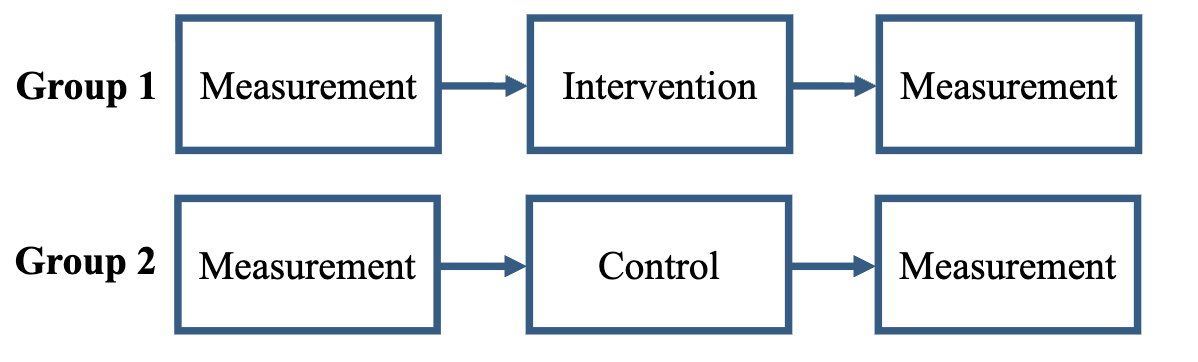
in a longitudinal intervention what measurements do you compare to see the effect of the intervention
before and after. it is also important to compare the groups on the first measurement wave to see if there are differences
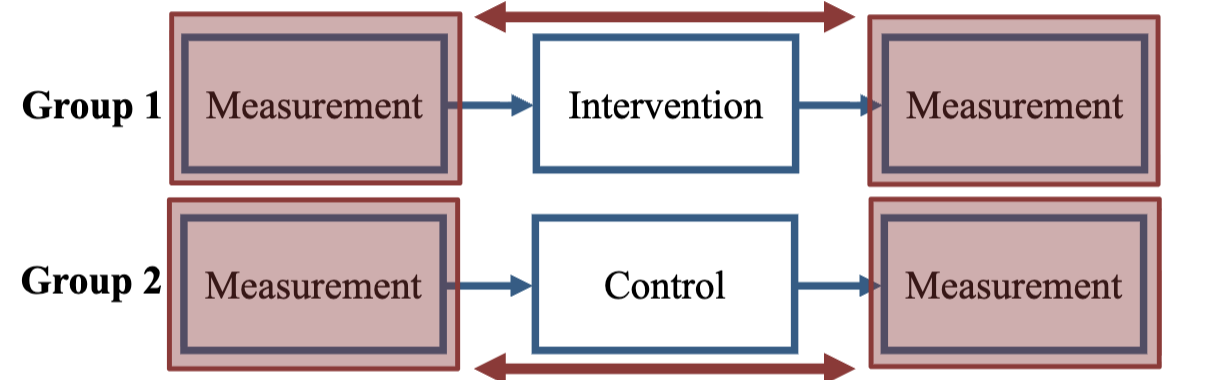
Quasi-Experimental Longitudinal Design
A design where there are at least two measurement waves,
one before and one after an intervention or experiment. One
group receives the intervention and one group is a control.
The experimenter does not pick which participants are in
which group.
lagged predictor
This predictor now has to explain unique variance in
how the outcome changes from one day to the next day
Advantages of Longitudinal Methods
One of the most valid and powerful ways to study change in
people and in psychological variables
Provides stronger evidence (not causal evidence unless it’s
experimental) for the direction of statistical relationships
important problems
instrument decay, regression to the mean, sample attrition (loss of participants over time), historical/societal effects (An external event may effect variables in some or all of your sample, during the study), testing effects and Normative Developmental Effects (Changes in variables may be due to other factors in lifespan development (e.g., ageing; having children)