Nunes exam 2 part 1
 Call Kai
 Learn
Learn Practice Test
 Spaced Repetition
 Match
Match Flashcards
 Knowt Play
1/71

There's no tags or description
Looks like no tags are added yet.
Name | Mastery | Learn | Test | Matching | Spaced | Call with Kai |
|---|
No analytics yet
Send a link to your students to track their progress
72 Terms
What is communication?
A two-way process where the sender and receiver understand the message the same way.
What does exploring attitudes and feelings help sonographers understand?
How patients think, feel, and react emotionally.
What should sonographers do if patients have difficulty understanding?
Rephrase information, speak simply, or write it down.
How should sonographers help patients deal with bad news?
Be supportive, compassionate, calm, and encourage expression of feelings.
What is nonverbal communication?
Communication through eye contact, facial expressions, posture, gestures, tone of voice, and touch.
Why is nonverbal communication important?
It can support or contradict spoken words.
What should sonographers convey during communication?
Interest, compassion, knowledge, and information.
What are effective verbal communication guidelines?
Prepare thoughts, analyze message intent, and adapt to the setting.
What should sonographers do to ensure patients understand?
Follow up and ask questions.
What is social conversation?
Friendly “chitchat” that helps build relationships with patients.
What is supportive communication?
Goal-oriented communication that helps patients share feelings and concerns.
How does supportive communication help patients?
It reduces anxiety, anger, and frustration.
What are effective communication skills?
Listening, observing, clarifying, responding appropriately, and maintaining silence.
What are additional communication skills?
Repeating, summarizing, gathering information, accepting, and touching.
What are common communication barriers?
Talking too fast, slang, medical jargon, hostile tones, and language differences.
Why should sonographers avoid “talking down” to patients?
It damages trust and communication.
Why may patients cut off communication?
They may feel embarrassed, threatened, or distrustful.
How should sonographers respond if they don’t know an answer?
Find someone authorized to provide the information.
What are negative communication traits?
Interrupting, arguing, distractions, changing the subject, and judgmental responses.
What are more negative communication traits?
False reassurance, avoidance, untruthfulness, and evasion.
How can emotions affect communication?
Physical and emotional states may change how people speak and listen.
How should you communicate with hearing-impaired patients?
Face them directly and speak clearly on the same level.
What should be reduced when speaking with hearing-impaired patients?
Background noise.
What tone of voice should be used with hearing-impaired patients?
A lower tone of voice.
Should sonographers talk from another room to hearing-impaired patients?
No.
What should you do if a patient does not understand?
Rephrase the statement or write it down.
What vision problems may visually impaired patients have?
Blurred vision, loss of central vision, or only seeing light.
How should you guide a visually impaired patient?
Let them hold your arm while walking.
How should you greet a blind patient?
Say “Hello” when approaching.
What should you tell a blind patient if leaving the room?
Why you are leaving and when you will return.
How should you communicate with speech-impaired patients?
Speak slowly, clearly, and use simple words.
What should you do for patients who struggle to speak?
Give them extra time and watch for gestures.
Should you speak for speech-impaired patients?
No.
How should confused patients be communicated with?
Use simple language and ask one question at a time.
What should sonographers allow confused patients?
Ample time to respond.
How should disoriented patients be treated?
Calmly, supportively, and without arguing.
Should sonographers support confused beliefs?
No, they should gently correct them.
How should sonographers communicate with mentally challenged patients?
Be patient, flexible, supportive, and speak slowly.
What is a communication triad?
A sonographer, patient, and third person such as a family member or interpreter.
When are communication triads useful?
When patients are anxious or need help understanding instructions.
When should communication triads not be used?
When confidentiality is required.
What are examples of professional communication?
Interviewing patients, reporting findings, and scheduling patients.
How should sonographers speak with physicians?
With courtesy and respect.
Should sonographers provide clinical diagnoses?
No.
What should sonographer reports include?
Measurements, echogenicity, locations, and technical difficulties.
Are sonographer reports diagnostic reports?
No.
Who created the five stages of grief?
Elisabeth Kübler-Ross.
What is Stage 1 of grief?
Denial and isolation.
What is Stage 2 of grief?
Anger.
How should sonographers respond to angry patients?
Stay calm and avoid taking comments personally.
What is Stage 3 of grief?
Bargaining.
What is Stage 4 of grief?
Depression.
What should sonographers do during the depression stage?
Encourage patients to express feelings.
What is Stage 5 of grief?
Acceptance.
What should patients in acceptance need most?
Support and companionship.
Should sonographers tell patients they are dying?
No.
What is critical thinking?
Solving complex problems using scientific methods.
What are examples of critical thinking skills?
Comparison, classification, deductive reasoning, and planning.
What are characteristics of critical thinking?
Goal-directed, fact-based, and open-minded thinking.
What may good decision-making require?
Creating new alternatives.
What is collaborative learning?
Working together in small groups toward a common goal.
How does collaborative learning help students?
It promotes critical thinking and expression of ideas.
What valuable skill does collaborative learning teach?
Admitting when an opinion may be incorrect.
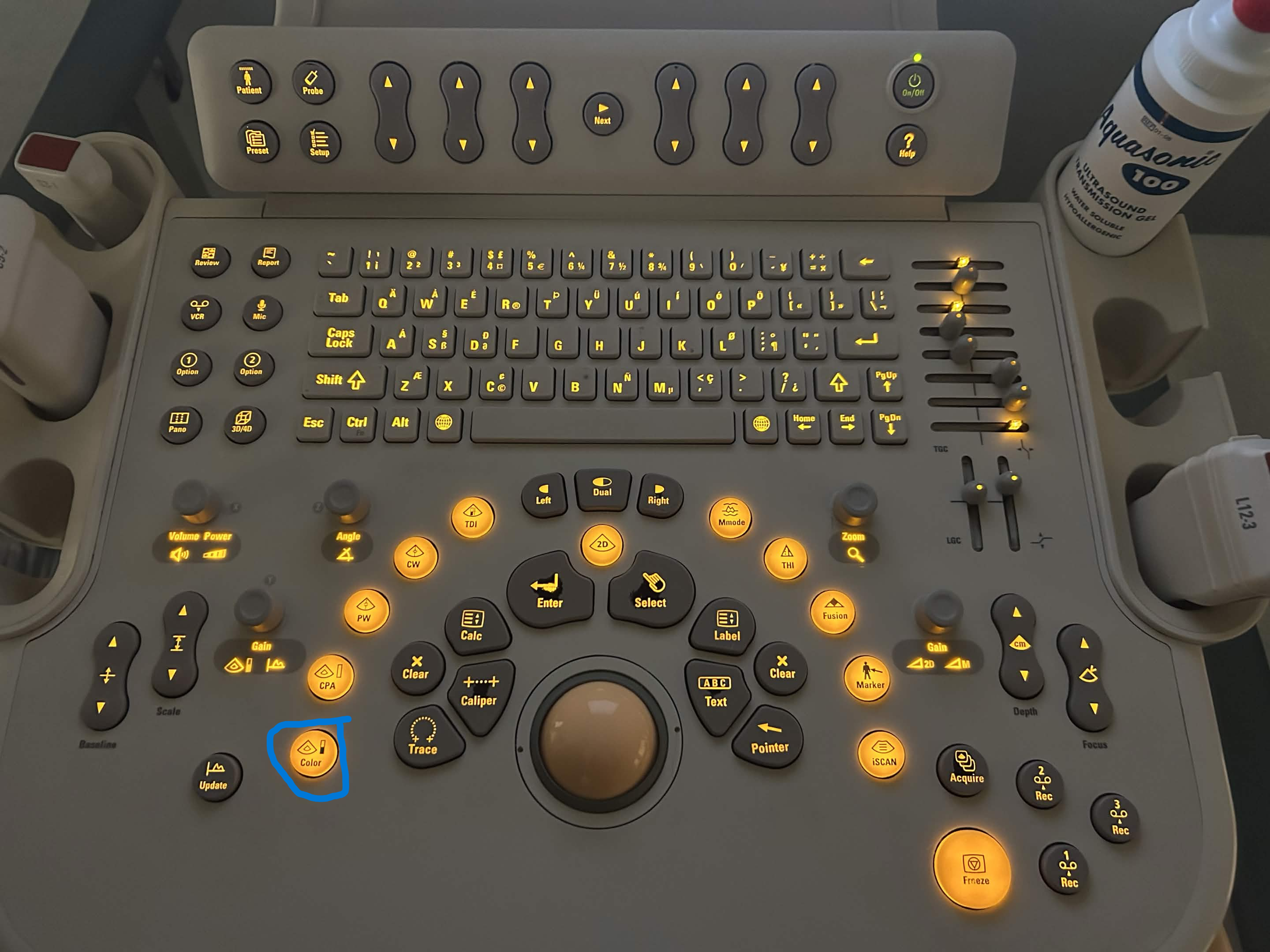
What is 1?
Color
-Turns on the color box
- Use select and the ball to change the size.
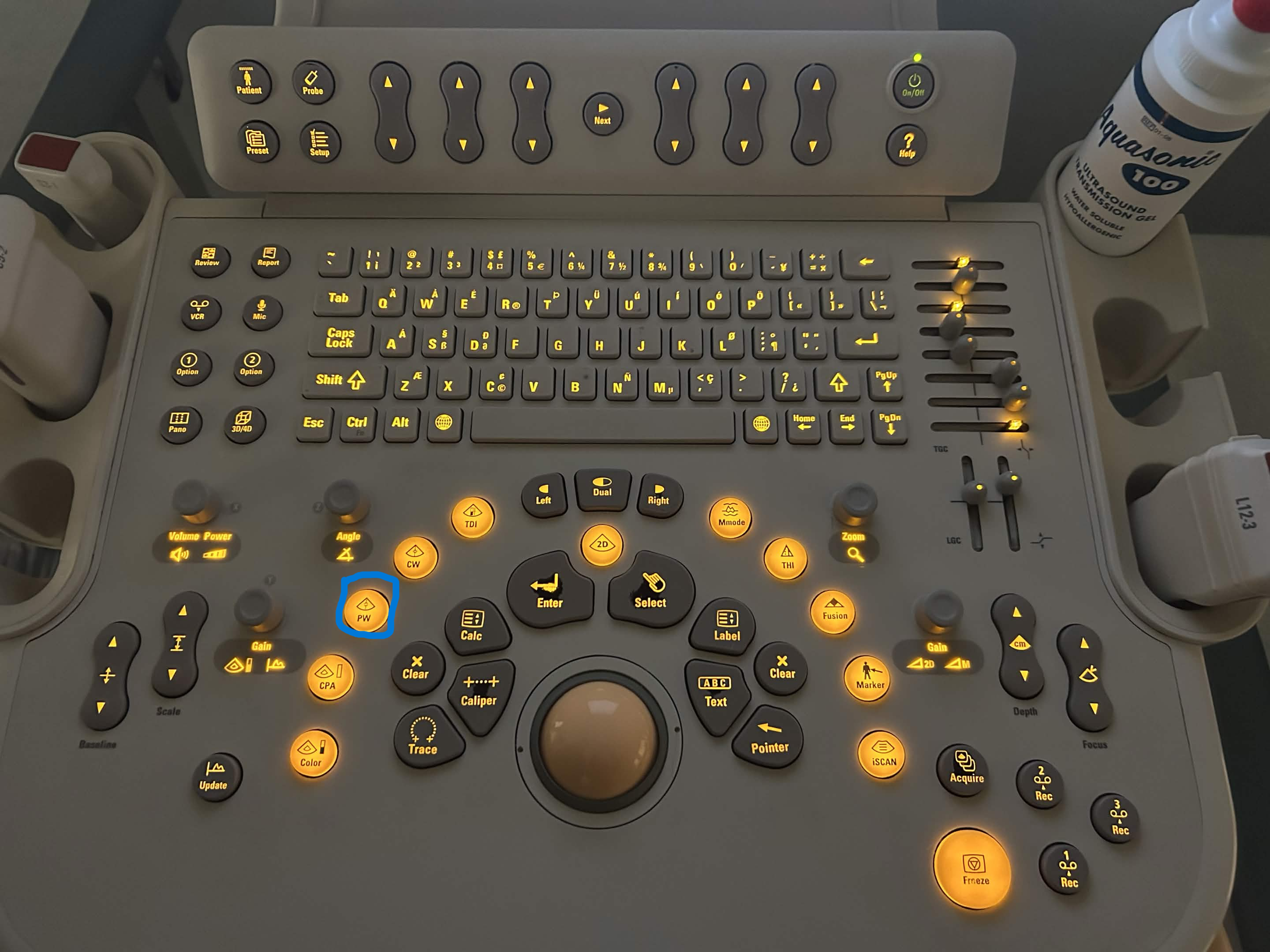
What is 2?
PW:
- Brings up the SVG (Sample Volume Gate)
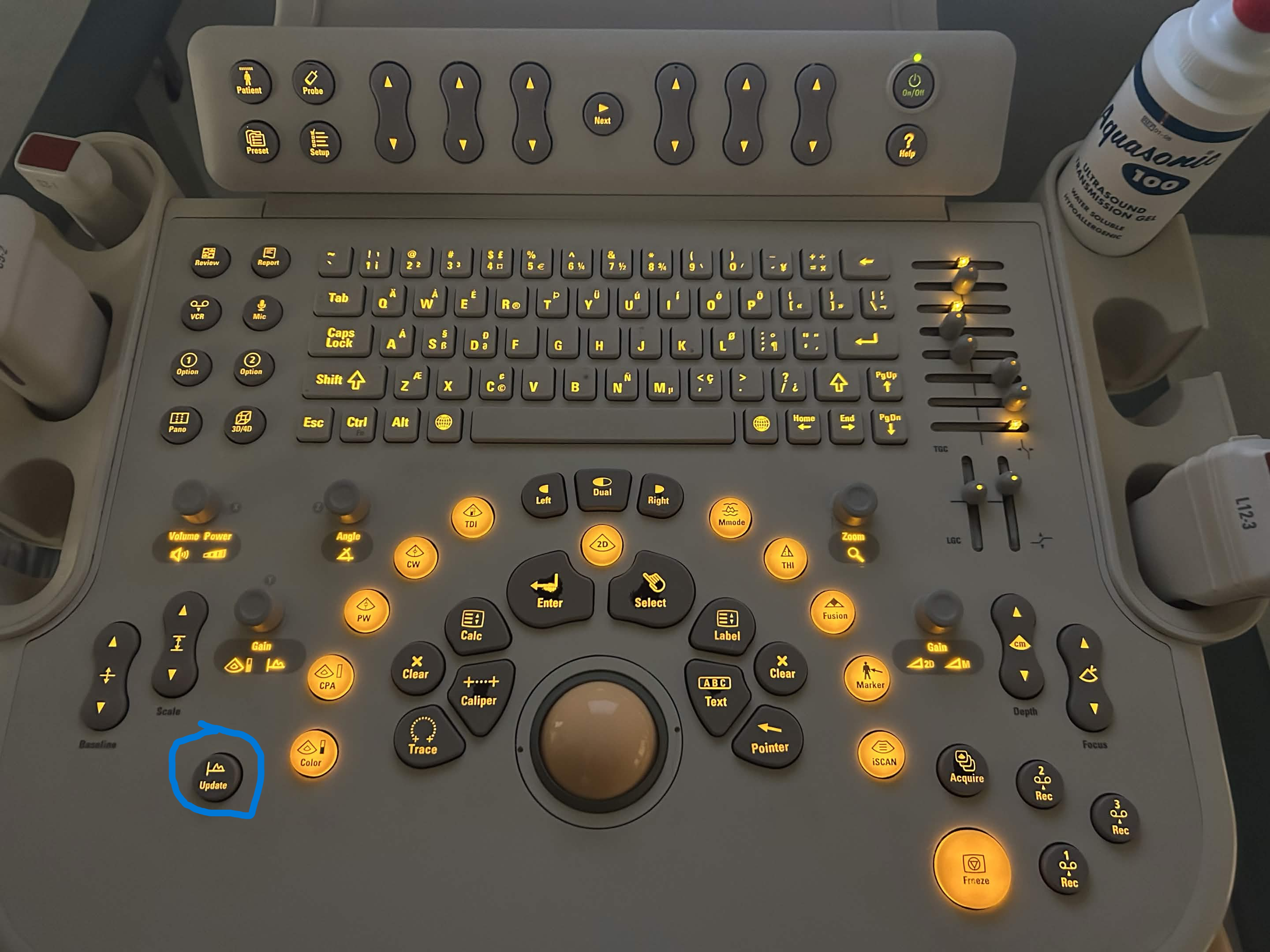
What is 3?
Update
- Activates waveform
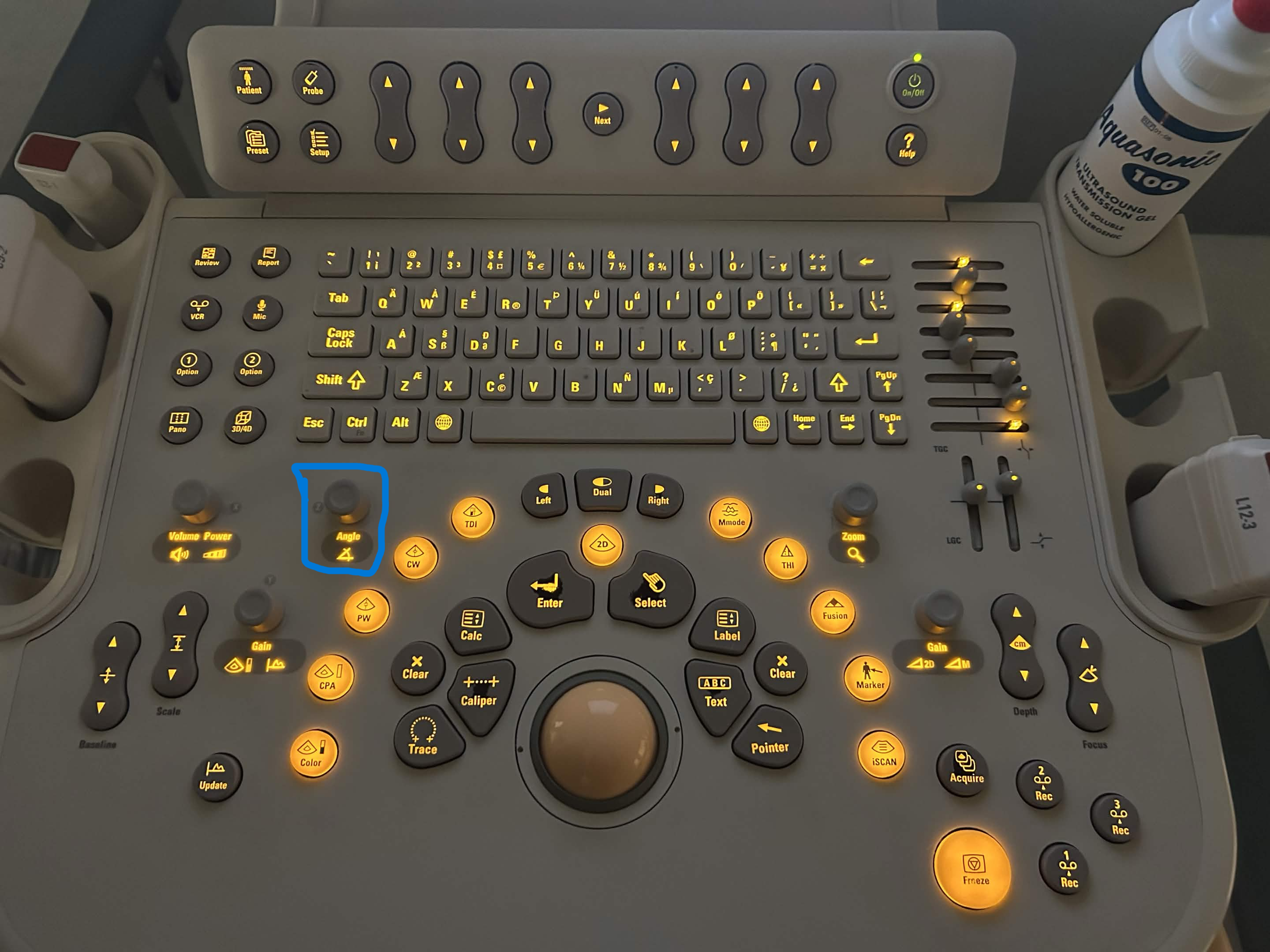
What is 4?
Angle:
- Changes box direction and cursor direction
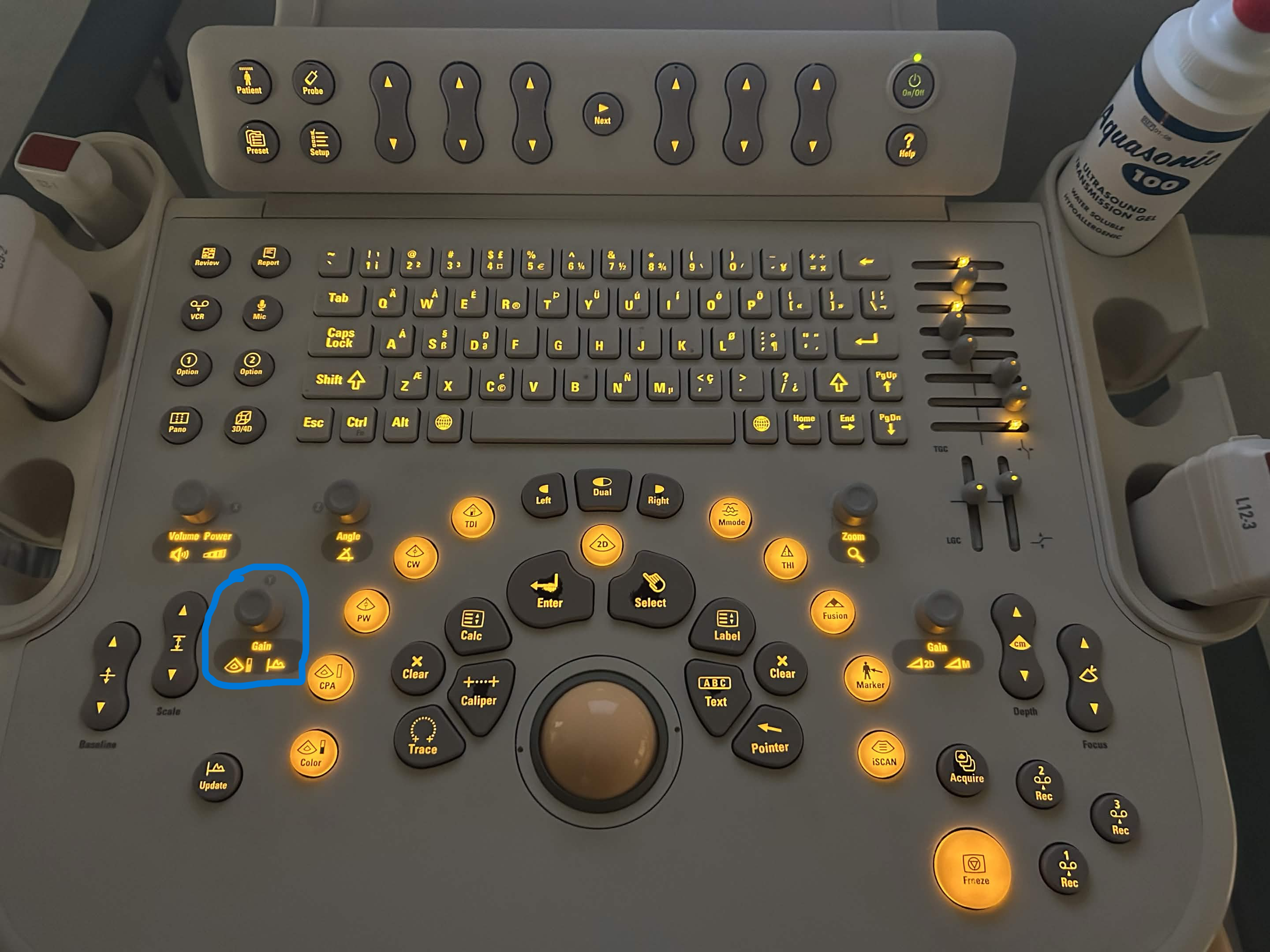
What is 5?
Gain
-Color gain
-Doppler gain (brightness of the waveform)
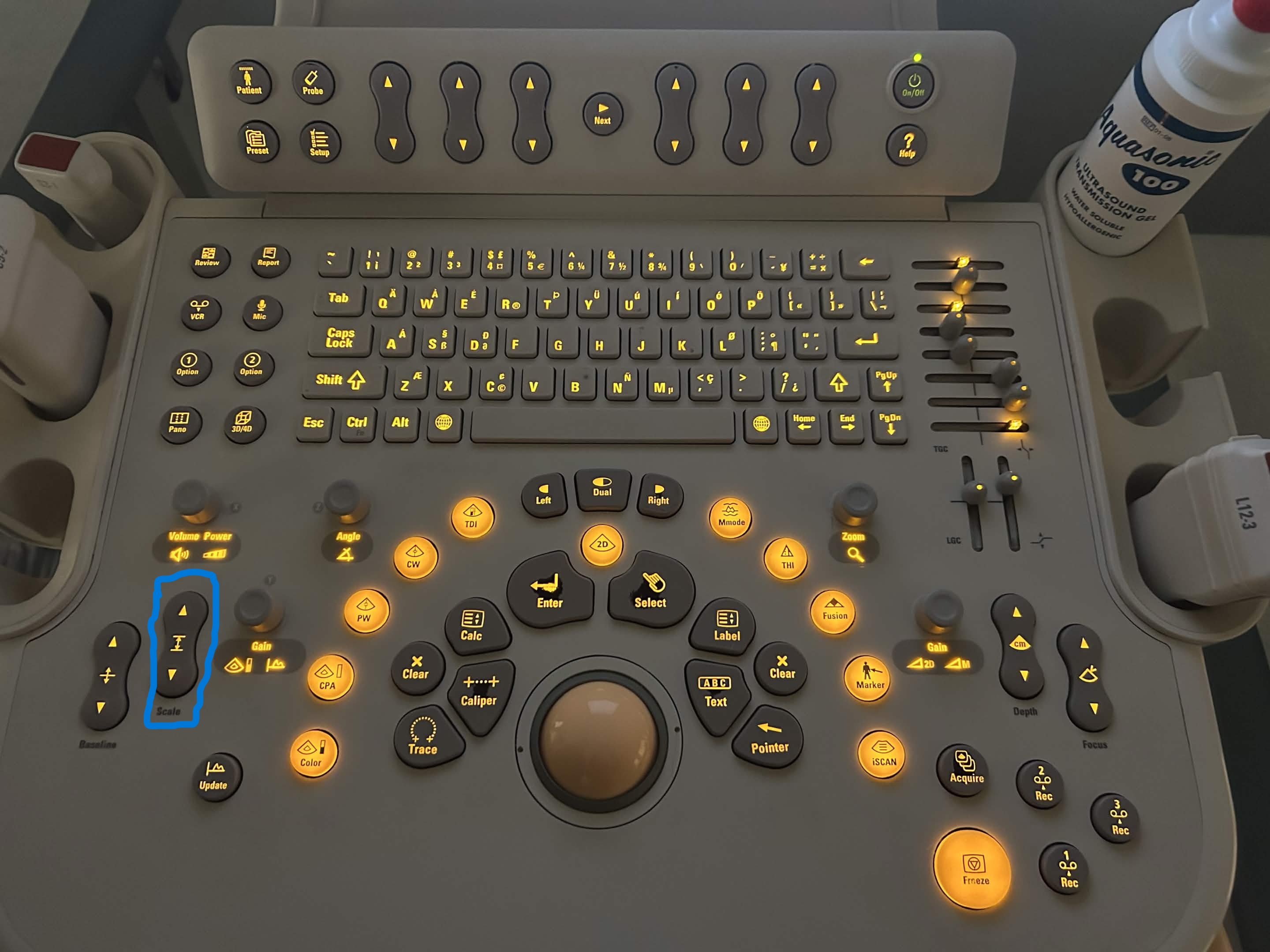
What is 6?
Scale:
-changes the size of the waveform and the color scale as well
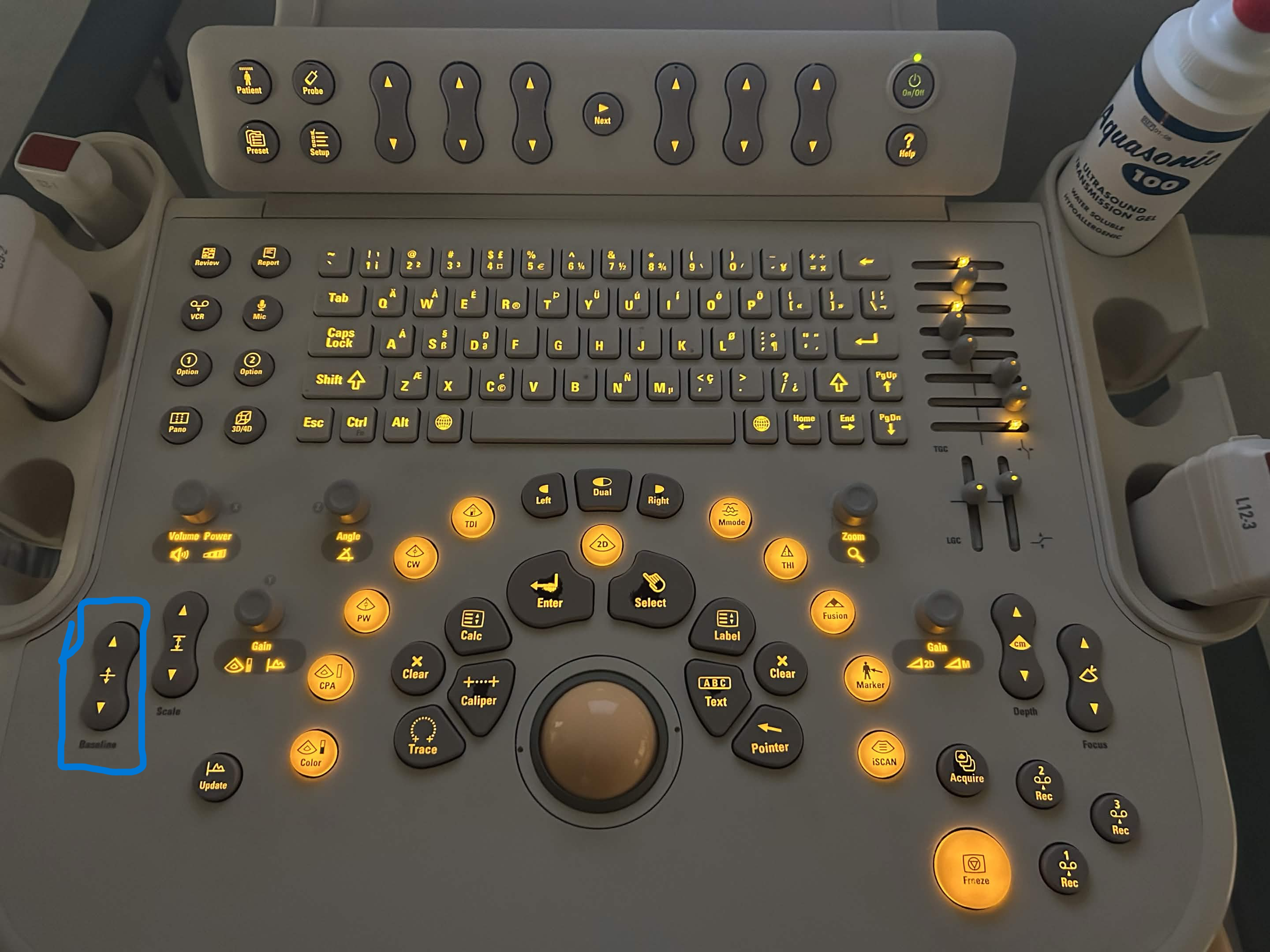
What is 7?
Baseline Control – adjusts the Doppler baseline up or down on the spectral display.
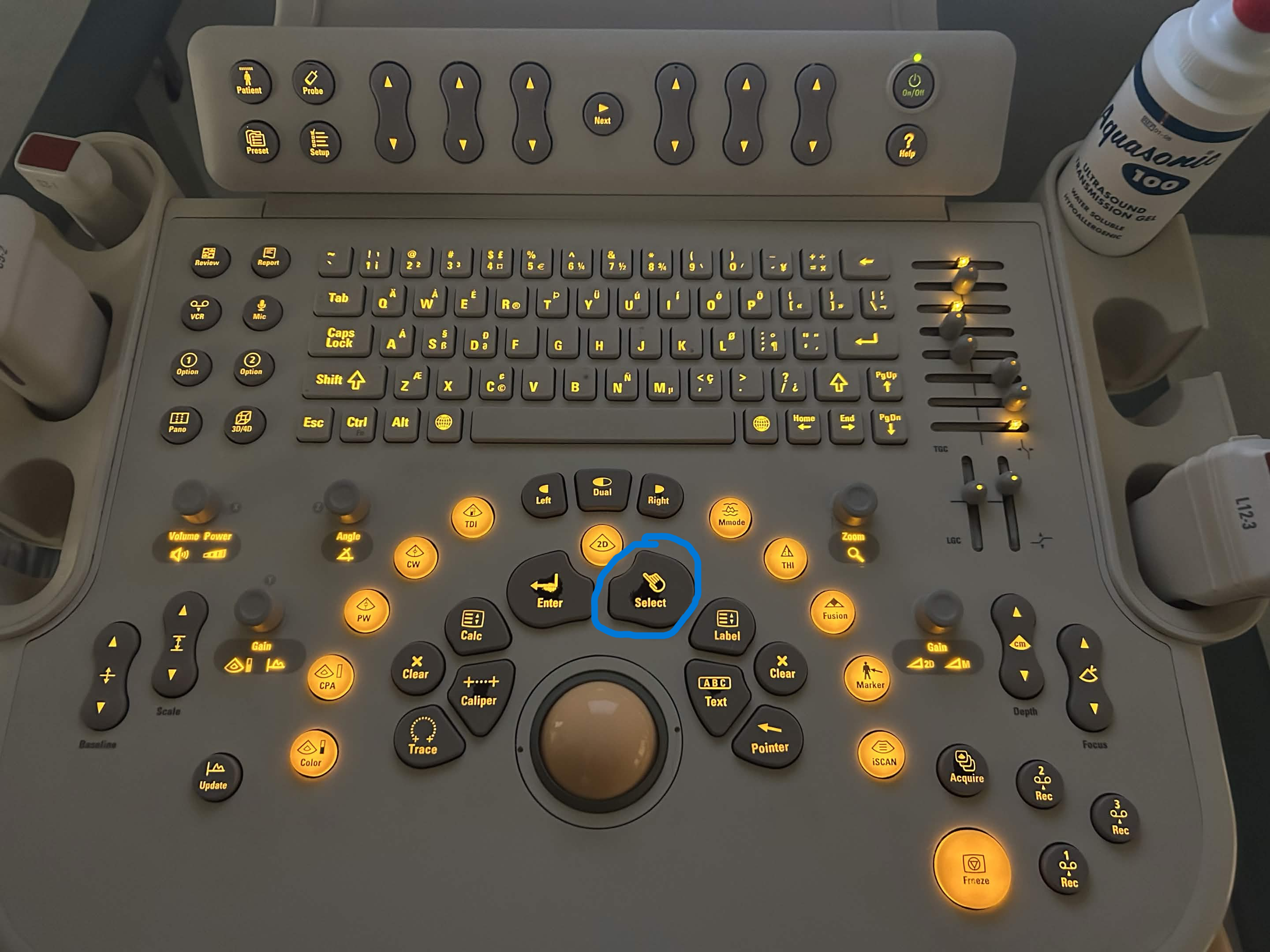
What is 8?
Transducer (Probe) Selector – used to select/change the active ultrasound probe.
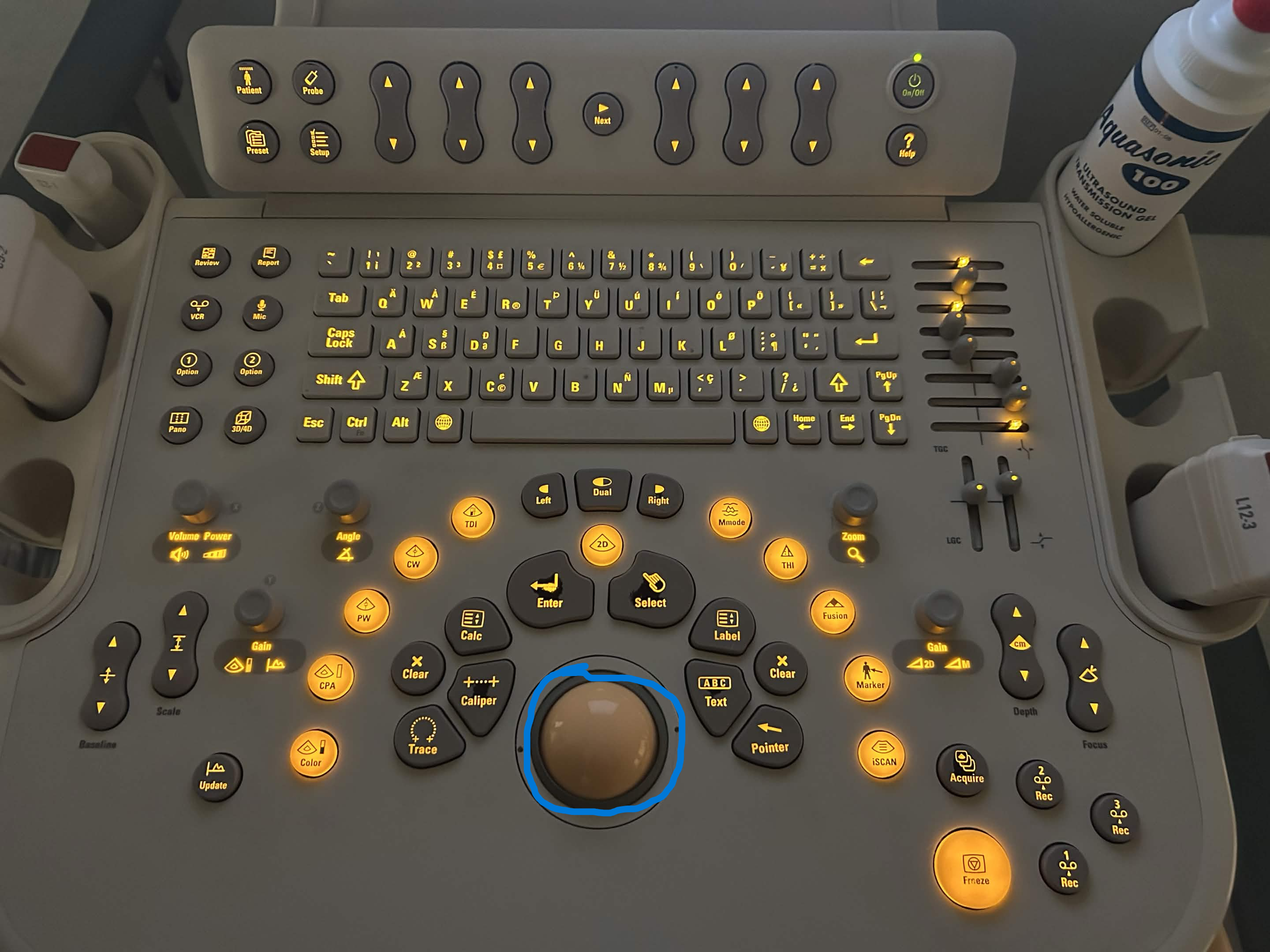
What is 9?
Trackball/ scroll ball – moves the cursor and is used for measurements and tracing structures on the image.