5- ORGANIC REACTIONS
 Call Kai
 Learn
Learn Practice Test
 Spaced Repetition
 Match
Match Flashcards
 Knowt Play
1/45

There's no tags or description
Looks like no tags are added yet.
Name | Mastery | Learn | Test | Matching | Spaced | Call with Kai |
|---|
No analytics yet
Send a link to your students to track their progress
46 Terms
Addition
Elimination
Substitution
Rearrangement/ Isomerism
GENERAL PATTERN (TYPE) OF REACTIONS
d. Addition
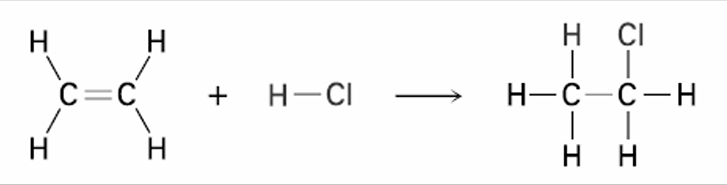
[GENERAL PATTERN TYPE]
Type of organic reaction involving multiple reactants producing one product, represented as A + B → AB
a. Elimination
b. Substitution
c. Rearrangement
d. Addition
b. Elimination
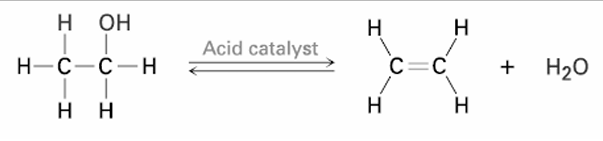
[GENERAL PATTERN TYPE]
Type of organic reaction involving one reactant producing multiple products, represented as AB → A + B
a. Addition
b. Elimination
c. Substitution
d. Rearrangement
d. Substitution
[GENERAL PATTERN TYPE]
Type of organic reaction where one substituent in a molecule is replaced to form a new product
a. Addition
b. Rearrangement
c. Elimination
d. Substitution
a. Displacement reaction
[GENERAL PATTERN TYPE]
The alternative name for substitution reaction
a. Displacement reaction
b. Addition reaction
c. Condensation reaction
d. Elimination reaction
c. AB + CD → AD + CB
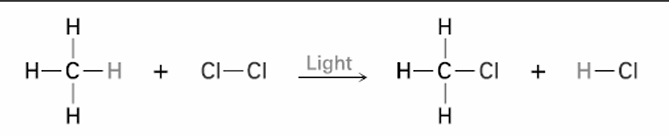
[GENERAL PATTERN TYPE]
The general formula representing a Substitution reaction
a. A + B → AB
b. AB → A + B
c. AB + CD → AD + CB
d. AB → isomer of AB
c. Rearrangement or isomerization
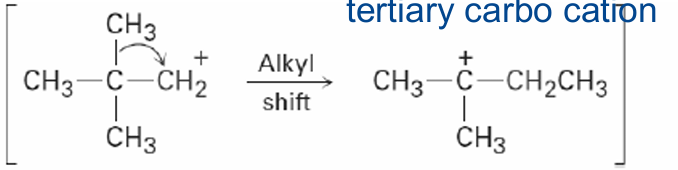
[GENERAL PATTERN TYPE]
Type of organic reaction where the structures of the compound change bonds or atoms to become an isomer of itself
a. Substitution
b. Addition
c. Rearrangement or isomerization
d. Elimination
c. [O]
[REDOX REACTIONS]
The symbol used to denote oxidation in organic reactions
a. [H]
b. [R]
c. [O]
d. [E]
d. [H]
[REDOX REACTIONS]
The symbol used to denote reduction in organic reactions
a. [O]
b. [R]
c. [E]
d. [H]
d. Addition of oxygen
[REDOX REACTIONS]
One definition of oxidation in terms of oxygen
a. Removal of oxygen
b. Decreased bond order of oxygen
c. Addition of hydrogen
d. Addition of oxygen
[REDOX REACTIONS]
One definition of oxidation in terms of bond order
a. Decreased bond order of oxygen
b. Addition of hydrogen
c. Removal of oxygen
d. Increased bond order of oxygen
b. Removal of hydrogen
[REDOX REACTIONS]
One definition of oxidation in terms of hydrogen
a. Addition of hydrogen
b. Removal of hydrogen
c. Addition of oxygen
d. Increased bond order of hydrogen
c. Removal of oxygen
[REDOX REACTIONS]
One definition of reduction in terms of oxygen
a. Addition of oxygen
b. Increased bond order of oxygen
c. Removal of oxygen
d. Removal of hydrogen
d. Decreased bond order of oxygen
[REDOX REACTIONS]
One definition of reduction in terms of bond order
a. Increased bond order of oxygen
b. Removal of oxygen
c. Removal of hydrogen
d. Decreased bond order of oxygen
c. Addition of hydrogen
[REDOX REACTIONS]
One definition of reduction in terms of hydrogen
a. Removal of hydrogen
b. Increased bond order of oxygen
c. Addition of hydrogen
d. Addition of oxygen
d. −4
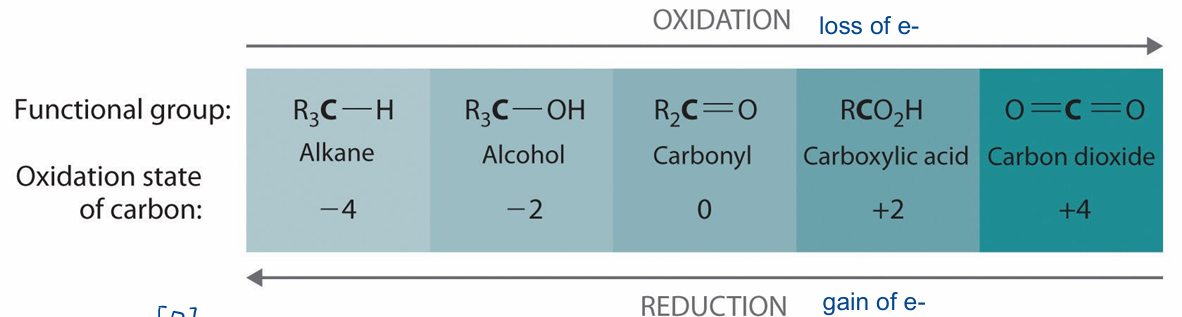
[REDOX REACTIONS]
The oxidation state of carbon in an alkane (R₃C—H)
a. −2
b. 0
c. +2
d. −4
d. −2
[REDOX REACTIONS]
The oxidation state of carbon in an alcohol (R₃C—OH)
a. −4
b. 0
c. +2
d. −2
d. 0
[REDOX REACTIONS]
The oxidation state of carbon in a carbonyl group (R₂C=O)
a. −4
b. −2
c. +2
d. 0
c. +2
[REDOX REACTIONS]
The oxidation state of carbon in a carboxylic acid (RCO₂H)
a. −2
b. 0
c. +2
d. +4
d. +4
[REDOX REACTIONS]
The oxidation state of carbon in carbon dioxide (O=C=O)
a. 0
b. +2
c. −2
d. +4
c. Alkane → Alcohol → Carbonyl → Carboxylic acid → CO₂
[REDOX REACTIONS]
The correct order of functional groups from lowest to highest oxidation state of carbon
a. Alcohol → Alkane → Carbonyl → Carboxylic acid → CO₂
b. Carbonyl → Alcohol → Alkane → Carboxylic acid → CO₂
c. Alkane → Alcohol → Carbonyl → Carboxylic acid → CO₂
d. CO₂ → Carboxylic acid → Carbonyl → Alcohol → Alkane
d. Oxidation
gain of electrons = reduction
[REDOX REACTIONS]
The process associated with loss of electrons in organic redox reactions
a. Reduction
b. Elimination
c. Substitution
d. Oxidation
c. Primary alcohol → Aldehyde → Carboxylic acid
[REDOX REACTIONS]
The correct oxidation pathway of a primary alcohol
a. Primary alcohol → Ketone → Carboxylic acid
b. Primary alcohol → Carboxylic acid → Aldehyde
c. Primary alcohol → Aldehyde → Carboxylic acid
d. Primary alcohol → Carbonyl → Alcohol
1. Electrophile (E+)
2. Nucleophile (Nu-)
3. Free Radical (R")
TYPE OF REAGENTS USED TO PRODUCE ORGANIC REACTIONS
d. Electrophile
[TYPE OF REAGENTS]
A reagent that is electron-loving
a. Free radical
b. Nucleophile
c. Lewis base
d. Electrophile
d. Electrophile
[TYPE OF REAGENTS]
A reagent that is electron-poor, and acts as an electron pair acceptor
a. Free radical
b. Nucleophile
c. Lewis base
d. Electrophile
d. Positive (+)
[TYPE OF REAGENTS]
The charge associated with electrophilic reagents
a. Neutral
b. Negative (−)
c. Unpaired
d. Positive (+)
c. Nucleophile
[TYPE OF REAGENTS]
A reagent that is nucleus-loving
a. Electrophile
b. Free radical
c. Nucleophile
d. Lewis acid
c. Nucleophile
[TYPE OF REAGENTS]
A reagent that is electron-rich
a. Electrophile
b. Free radical
c. Nucleophile
d. Lewis acid
c. Nucleophile
[TYPE OF REAGENTS]
A reagent that acts as an electron pair donor
a. Electrophile
b. Free radical
c. Nucleophile
d. Lewis acid
d. Negative (−)
[TYPE OF REAGENTS]
The charge associated with nucleophilic reagents
a. Positive (+)
b. Neutral
c. Unpaired
d. Negative (−)
d. Heterolytic cleavage
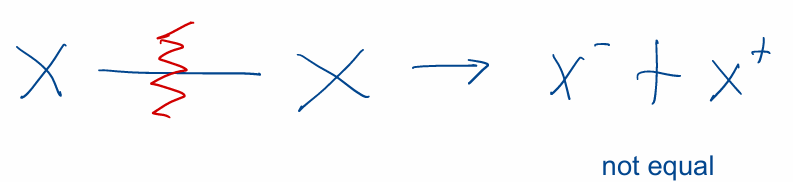
[TYPE OF REAGENTS]
The type of bond cleavage that produces both electrophiles and nucleophiles
a. Homolytic cleavage
b. Thermal cleavage
c. Photolytic cleavage
d. Heterolytic cleavage
d. Free radical
[TYPE OF REAGENTS]
A highly reactive reagent characterized by having an unpaired electron
a. Nucleophile
b. Electrophile
c. Lewis acid
d. Free radical
c. R•
[TYPE OF REAGENTS]
The symbol used to denote a free radical reagent
a. E⁺
b. Nu⁻
c. R•
d. R⁺
d. E⁺
[TYPE OF REAGENTS]
The symbol used to denote an electrophile
a. Nu⁻
b. Nu⁺
c. E⁻
d. E⁺
a. Nu⁻
[TYPE OF REAGENTS]
The symbol used to denote a nucleophile
a. Nu⁻
b. Nu⁺
c. E⁻
d. E⁺
b. lewis base
[TYPE OF REAGENTS]
e- pair donor
a. lewis acids
b. lewis base
a. lewis acids
[TYPE OF REAGENTS]
e- pair acceptor
a. lewis acids
b. lewis base
c. Homolytic cleavage

[TYPE OF REAGENTS]
The type of bond cleavage that produces free radicals
a. Heterolytic cleavage
b. Ionic cleavage
c. Homolytic cleavage
d. Lewis cleavage
d. Free radical substitution (Sᵣ)
[TYPE OF REAGENTS]
The general reaction mechanism of alkanes
a. Electrophilic addition (A꜀)
b. Nucleophilic substitution (Sɴ)
c. Electrophilic aromatic substitution (Sᴇ)
d. Free radical substitution (Sᵣ)
d. Electrophilic addition (Aᴇ)
[TYPE OF REAGENTS]
The general reaction mechanism of alkenes and alkynes
a. Free radical substitution (Sᵣ)
b. Nucleophilic substitution (Sɴ)
c. Nucleophilic addition (Aɴ)
d. Electrophilic addition (Aᴇ)
c. Electrophilic aromatic substitution (Sᴇ)
[TYPE OF REAGENTS]
The general reaction mechanism of aromatic compounds
a. Nucleophilic addition (Aɴ)
b. Free radical substitution (Sᵣ)
c. Electrophilic aromatic substitution (Sᴇ)
d. Nucleophilic acyl substitution (Sɴ꜀ᵥₗ)
d. Nucleophilic substitution (Sɴ)
[TYPE OF REAGENTS]
The general reaction mechanism of alkyl halides and alcohols
a. Electrophilic addition (Aᴇ)
b. Redox
c. Free radical substitution (Sᵣ)
d. Nucleophilic substitution (Sɴ)
c. Nucleophilic addition (Aɴ)
[TYPE OF REAGENTS]
The general reaction mechanism of carbonyl compounds
a. Electrophilic aromatic substitution (Sᴇ)
b. Nucleophilic acyl substitution (Sɴacyl)
c. Nucleophilic addition (Aɴ)
d. Free radical substitution (Sᵣ)
c. Nucleophilic acyl substitution (Sɴacyl)
[TYPE OF REAGENTS]
The general reaction mechanism of carboxylic acids and their derivatives
a. Nucleophilic addition (Aɴ)
b. Electrophilic addition (Aᴇ)
c. Nucleophilic acyl substitution (Sɴacyl)
d. Redox
d. Redox
[TYPE OF REAGENTS]
The general reaction mechanism of alcohols, carbonyl compounds, and carboxylic acids
a. Nucleophilic substitution (Sɴ)
b. Free radical substitution (Sᵣ)
c. Electrophilic addition (Aᴇ)
d. Redox