Sepsis and Septic Shock
 Call Kai
 Learn
Learn Practice Test
 Spaced Repetition
 Match
Match Flashcards
 Knowt Play
1/71

There's no tags or description
Looks like no tags are added yet.
Name | Mastery | Learn | Test | Matching | Spaced | Call with Kai |
|---|
No analytics yet
Send a link to your students to track their progress
72 Terms
what is a clinical syndrome characterized by systemic inflammation and a dysregulated host response to infection
Sepsis
what defines "early sepsis"?
infection, bacteremia
what are the sepsis-3 criteria for sepsis?
suspected Infection + acute organ dysfunction
what is the sepsis-3 criteria for septic shock?
- sepsis
- need for vasopressor therapy (to keep MAP 65+)
- serum lactate >2.0
does a person with sepsis always have multiple organ dysfunction sundrome or systemic inflammatory response syndrome
no MODS can by caused by a noninfectious procsses
SIRS is frequently present without any infection
what is the most common type of infection to cause sepsis?
pneumonia
what are the gram positive organisms that can cause sepsis?
s. aureus, s. pneumo
what are the most common gram negative organisms that can cause sepsis?
e. coli (most common)
klebsiella
p. aeruginosa
sepsis or septic shock?
signs of infection, plus altered mentation, oliguria, cool peripheries, hyperlactemia
septic shock
what are some risk factors for developing sepsis
- immunosuppression
- chronic disease
- ICU admission
- previous hospitalization
- age, male sex, black race
sepsis or septic shock?
signs of infection, with organ dysfunction, plus altered mentation; tachypnea; hypotension; hepatic, renal, or hematologic dysfunction
sepsis
no mention of increased lactate or the need for pressers
is gram-negative or gram-positive sepsis most common?
gram-negative
are blood cultures always positive in patients with sepsis?
no (only ⅓ of cases)
host's ability to ____________ direct and ____________ damage determines whether uncomplicated infection becomes sepsis
resist/tolerate, immunopathologic
what is the body's inflammatory response when developing sepsis
- infection trigger host response depending on pathogen virulence
- proinflammatory reaction tries to eliminate pathogens but causes collateral tissue damage
what is the general pathogenesis at the cellular and tissue level with sepsis?
- decreased O2 delivery to tissue
- inflammation
- leukocyte activation
all lead to tissue damage
what is a common coagulation abnormality in sepsis?
DIC
what does the body respond to sepsis with DIC
goal is to isolate invading microorganism and or to prevent the spread of infection
what type of infections are more likely to cause deadly DIC with sepsis?
bacteria that attack the endothelium (meningococcemia)
what are the most common secondary infections in sepsis patients who become immune suppressed due to prolonged intensive care?
- catheter related bloodstream infections
- ventilator associated infections
- abdominal infections
what are the symptoms of sepsis and septic shock?
• Hypotension
• Temp > 38.3 or < 36 C
• Tachycardia
what are clear signs of end organ perfusion
oliguria --> decreased perfusion to the kidneys
AMS --> decreased perfusion to the brain
what are the key contributing factors to organ dysfunction in sepsis (4)?
abnormal inflammatory response
cellular alterations
endothelial dysfunction
circulatory issues
how may the gut be involved in organ dysfunction in sepsis?
bacterial translocation due to impaired mucus integrity
what is the neuroinflammatory reflex?
1. sensory input through the afferent vagus nerve travels to the brain
2. efferent vagus nerve activate the splenic nerve in the celiac plexus
3. NE secreted by spleen and CD4 cells secrete acetylcholine
what is the most commonly affected organ system in sepsis?
cardiorespiratory
if the respiratory system begins to fail in a patient with sepsis, what syndrome does it usually manifest as
acute respiratory distress syndrome
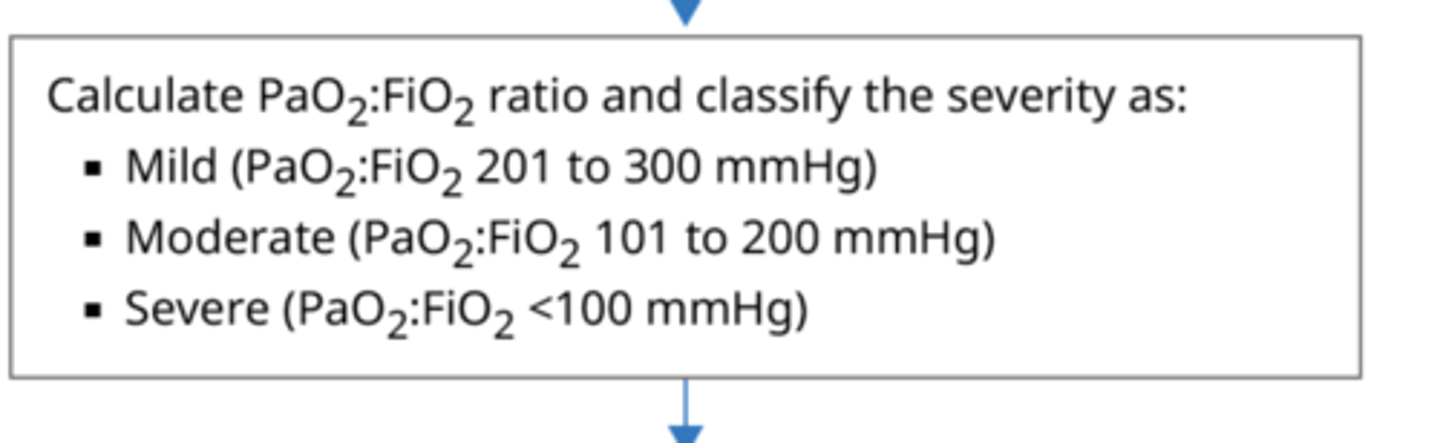
how is the severity of ARDS determined?
decreasing PaO2/FIO2 ratio
Mild: 201-300
Moderate: 101 - 200
Severe: <100
if a person develops cardiovascular collapse what type of shock is this
distributive shock
heart is working fine and so is the amount of blood.
problem: diameter of the vessels suddenly expands
what is the clinical presentation of cardiovascular shock
- decreased SVR
- increased CO
presenting with hypotension and tachycardia and potentially need vasopressors
acute kidney injury (AKI) is documented in ____% of septic patients
50
having kidney injury (oliguria) with sepsis increased risk of in-hospital death by _____ fold
6-8
what is the main presentation of CNS dysfunction in sepsis?
coma, delirium
who is polyneuropathy and myopathy more likely to occur in as a neurologic complication of sepsis?
patients with prolonged critical illness
what is post-sepsis syndrome?
long-term cognitive impairment and functional disability after sepsis (affects 25-50% of sepsis survivors)
what can happen to blood sugar with bad infection or sepsis in a diabetic patient? (may be the earliest sign of bad infection in these patients)
higher and harder to control
what does SOFA stand for?
sequential organ failure assessment: determines organ dysfunction
evaluates 6 organ systems:
- respiration
- coagulation
- liver
- cardiovascular
- CNS
- renal
with ___ new SOFA points, the infected patient is considered septic
≥2 points means the infected patient is septic and has a ≥10% risk of in-hospital death
what are the parts of the quick SOFA and what does it indicate?
bedside tool:
3 points total
1 each for: systolic BP <100, RR >22, AMS
what is a positive result using the qSOFA and what is the main concern with it
≥2 predicts sepsis
conflicting evidence bc it can miss early sepsis
what are the 6 parameters of the national early warning score (NEWS) for sepsis?
- RR
- O2 sat
- systolic BP
- HR
- altered mentation
- temperature
what is the recommended labs to get on a patient with sepsis
• Lactate
• CBC w/ diff
• CMP
• LFTs
• Coags (PT/INR, PTT)
before starting abx in a patient with sepsis what must your do
get cultures from 2 different sites
ex: UA, site specific based on clinical suspcion
what levels of aPTT and INR indicate coagulopathy (in a patient who is not on anticoagulants)?
impaired clotting process
aPTT >60s, INR >1.5
what other non-sepsis conditions may lactic acidosis occur in?
alcohol intoxication, liver disease, DM, antiretrovirals
what are the Biomakers of sepsis
- lactate
- procal
- c-reactive protein
lactate is a marker of __________ ___________
tissue hypoperfusion
Hyperlactatemia and delayed lactate clearance are associated with
a greater
incidence of organ failure and death in sepsis
what is the thought behind procalcitonin
- determine whether or not to stop abx
- discriminates if the systemic response is due to a bacteria or a virus
C-reactive protein is a marker of
Marker of inflammation and infection (acute-phase reactant)
what is the early treatment/management for sepsis/septic shock?
rapid restoration of perfusion
blood cultures
empiric antibiotics
all within the first hour of presentation
what is the minimum IV bolus given to patients with sepsis as part of early goal directed therapy
30mL/kg started by the first hour
what are the 5 components that the Surviving Sepsis Campaign suggest to get completed within the first hour of a septic patients presentation
1. Measurement of serum lactate
2. Collection of blood culture before antibiotic administration
3. Administration of broad-spectrum antibiotics
4. Initiation of 30 mL/kg crystalloid bolus for hypotension or lactate > 4 mmol
5. Treatment with vasopressors for persistent hypotension or shock
if there is a known infection source in a patient who is showing signs of sepsis what is the initial tx
abx tx
when would you not use IV bolus as part of the initial sepsis treatment
patient has significant pulmonary edema
what are the fluids of choice for patients with sepsis
• Crystalloid infusion for large volume
• Crystalloid and/or colloid for bolus
purpose of giving colloids to patients with sepsis
ex: albumin or fresh frozen plasma
why: pull the fluid from extravascular back to intravascular spaces
who should receive empiric antifungal therapy for sepsis?
people with high risk of invasive candidiasis
what are some invasive monitoring modalities for septic patient?
central venous catheter (for CVP, SCVO2), arterial catheter (for MAP)
what are some noninvasive monitoring tools to help determine a patient's volume responsiveness?
arterial pulse contour analysis (PCA)
echo
passive leg-raise maneuvers
IVC collapsibility on US
what is the first choice vasopressor in septic shock?
norepinephrine
why would vasopressin be added to the treatment regimen of patients with sepsis
can be added to reduce the required norepinephrine dose
what is the blood transfusion threshold for septic patients (what does their hgb need to be below)?
hemoglobin <7
when would glucocorticoids given to patients with sepsis
if the patient is refractory to fluids or vasopressors (5-7 days)
give immediately to patients with adrenal insufficiency
what are some indications for ventilatory support in septic patients?
PaO2 <60 mmHg
SaO2 sat <90%
hypoventilation
pH <7.2 (inadequate compensation for metabolic acidosis)
what is the target tidal volume for patients with ARDS that is being mechanically ventilated
Target tidal volume of 6 mL/kg of predicted body weight
what positioning should patients with severe ARDs (PaO2/FIO2 < 150) be placed in
prone positioning
what are supportive adjuncts for patients with sepsis
- stress ulcer prophylaxis
- VTE prophylaxis
- glycemic control (insulin when 2 consecutive BS are >180)
once the septic patient is stabilized, what should be focused on
- determine which therapies to dc
- focus their abx therapy
what is post-intensive care syndrome?
worsening in cognitive, psychiatric, and physical function after critical illness
post-intensive care syndrome excludes patients with _______ and _______
TBI, stroke
what are some ways to prevent sepsis and septic shock?
- avoid unnecessary antibiotic use
- limit use of indwelling devices
- minimize immune suppression
- increase adherence to infection control programs