AP Psych unit 5
 Call Kai
 Learn
Learn Practice Test
 Spaced Repetition
 Match
Match Flashcards
 Knowt Play
1/146

Earn XP
Description and Tags
cognition and learning
Name | Mastery | Learn | Test | Matching | Spaced | Call with Kai |
|---|
No analytics yet
Send a link to your students to track their progress
147 Terms
memory definition
the persistence of learning over time through the encoding, storage, and retrieval of information
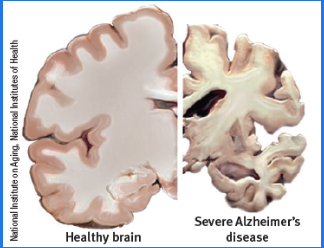
alzheimer’s disease
a progressive neurodegeneration and fatal condition (difficulty remembering new information, inability to do everyday task; speech, recognition, and memory decline)
memory measures
recall, recognition, relearning
recall
retrieving information that is not currently in your conscious awareness but that was learned at an earlier time (fill in the blank, short answer, or essay question; telling a friend about the time you won a goldfish at the carnival)
recognition
identifying items previously learned (mcq or matching question; seeing a brand of cereal on the grocery store shelf and recognizing it from the commercial)
relearning
learning something more quickly when you learn it a second or later time (studying for a final exam; traveling to Costa Rica and remembering the Spanish you learned in 10th grade)
Hermann Ebbinghaus and relearning
(randomly selected syllables, practiced himself, and tested himself) the more times he practiced, the less time he needed to relearn the syllables. relearning speed can be used to measure memory retention
information processing model (how must we remember any event?)
encode (put in), store (organize), retrieve (pull out)
parallel processing
considering many aspects of a problem simultaneously; the brain’s mode of information processing for many functions
richard atkinson and richard shiffrin: three-stage model of memory
sensory memory, short-term memory, long-term memory
sensory memory
the immediate, very brief recording of sensory information in the memory system
short-term memory
memory that holds a few items briefly before the information is stored or forgotten
long-term memory
relatively permanent and limitless storehouse of the memory system
back door/automatic processing
some information slips into long-term memory via a “back door” without our consciously attending to it, this is called automatic processing
working memory
a newer understanding of short-term memory that adds conscious, active processing of incoming auditory and visual information, and of information retrieved from long-term memory
baddeley’s model of working memory
visual-spacial and auditory rehearsal of new information; a central executive (manager) focuses attention, and pulls information from long-term memory to help make sense of new information
central executive
key to new model of working memory; coordinates focused processing that helps keep information sharp
explicit memory
retention of facts and experiences from long-term memory that one can consciously know and declare (effortful processing: encoding that requires attention and conscious effort)
implicit memory
retention of learned skills or classically conditioned associations in long-term memory independent of conscious recollection; automatic processing (space, time, frequency, and well-learned information like word meanings)
iconic memory
a fleeting sensory memory of visual stimuli
echoic memory
impeccable, though fleeting, sensory memory for auditory stimuli
miller and short-term memory capacity
george miller proposed that we can store between 5 and 9 pieces of information in short-term memory
working memory capacity: age
varies with age and other factors, young adults have a greater working memory capacity than children and older adults
benefit of large working memory capacity
ability to juggle multiple items while processing information tends to aid information retention after sleeping and creative problem solving
effortful processing strategies
boost ability to form new memories: chunking, mnemonics, hierarchies
hierarchies
organize a list into groups to aid retrieval
spacing effect
tendency for distributed study or practice to yield better long-term retention than is achieved through massed study or practice (cramming)
testing effect
repeated-self testing, distributes practice, helps memory retrieval
shallow processing
encoding on a basic level, based on the structure or appearance of words
deep processing
encoding semantically, based on the meaning of the words; leads to best retention
making material meaningful: self-reference effect
increases retention; requires about 1/10th the effort according to ebbinghaus
capacity of long-term memory
essentially limitless
karl lashley: where is long-term memory stored
brain distributes the components of a memory across a network of locations
frontal lobes: explicit memory
processing semantic and episodic memories
semantic memory
a type of explicit memory of facts and general knowledge; left frontal lobe (like recalling a password and holding it in working memory)
episodic memory
a type of explicit memory of experienced events; right frontal lobe (like calling up a visual party scene)
hippocampus and explicit memories
explicit memories for facts and episodes are processed in the hippocampus and fed to other brain regions for storage, like a save button for explicit memories
subregions of the hippocampus
one is active as you learn social information, another active in spacial mnemonics, the rear is active in spacial memory (like when cab drivers navigate London’s streets)
memory conslidation
memories not permanently stored in hippocampus, hippocampus is like a loading dock where the brain temporarily holds the elements of a to-be-remembered episode before older files are shifted to a basement storeroom for storage elsewhere
sleep and memory consolidation
during deep sleep, the hippocampus processes memories for later retrieval; hippocampus and brain cortex “talking” during sleep
sleep and memory consolidation: spacing effect
when learning is distributed over days rather than crammed, we experience more sleep-induced memory consolidation, explaining the spacing effect
processing implicit memories
cerebellum and basal ganglia
cerebellum
involved in sensory input, movement output; processing and storing implicit memories created by classical conditioning, creating conditioned reflexes
basal ganglia
involved in motor movement, facilitate formation of procedural (implicit) memories for skills (like riding a bike); receive input from the cortex but don’t send it back for conscious awareness of procedural learning
infantile amnesia
conscious memory of first four years is largely blank because we index a lot of our explicit memory with language that has not yet been developed, and hippocampus has not fully matured yet
amygdala and memory processing
stress provokes amygdala to initiate memory trace that boosts activity in brain’s memory forming areas; emotion arousal can sear certain events into the brain, while disrupting memory for irrelevant events (tunnel vision memory)
flashbulb memory
clear, sustained long-term memory of an emotionally significant moment or event
serotonin release at synapse and memory processing (kandel and schwartz)
when learning occurs, experimental slugs released more serotonin into certain neurons; these cells’ synapses then became more efficient at transmitting signals. experience and learning can increase the number of synapses in slugs
long-term potentiation (LTP)
in experiments with people, rapidly stimulating certain memory-circuit connections increases sensitivity; sending neuron needs less prompting to release neurotransmitter = more neural connections = neural basis for learning and association
LTP and receptor sites
receptor sites for neurons increased
retrieval cues
associations that help us access information and pull it out of memory; come from associations we form at the time that can evoke memory of associated person or event
priming
activation, often unconsciously, of particular associations in long-term implicit memory; the implicit memory effect in which exposure to a stimulus influences response to a later stimulus
perceptual set
a tendency to perceive or notice some aspects of the available sensory data and ignore others
context-dependent memory
putting yourself back in the context where you earlier experienced something can prime your memory retrieval (when you visit your old childhood home, old memories resurface)
context and recall; state-dependent memory
when put in the same setting as when you learned information, you recall it better; what we learn in one physiological state (drunk/sober) may be more easily recalled when we are again in that state
encoding specificity principle
the idea that cues and contexts specific to a particular memory will be most effective in helping us recall it
mood-congruent memory
the tendency to recall experiences that are consistent with one’s current good or bad emotional state (mood)
mood-congruency and duration of mood
when happy, we recall happy events, prolonging mood; same with sad events
serial position effect
tendency to recall best the last (recency effect) and first (primacy effect) items in a list
anterograde amnesia
an inability to form new memories due to injury or illness
retrograde amnesia
an inability to retrieve information from one’s past due to injury or illness
when do we forget?
any stage of memory
encoding failure
much of what we sense we never notice, and what we don’t encode, we don’t remember
storage decay
memory for novel information fades quickly, then levels out; forgetting curve = memory drops sharply, then levels off
retrieval failure
failure to retrieve from long-term memory; sometimes, important events defy our attempts to access information that’s important to us or that we’ve rehearsed
proactive interference
a form of retrieval failure: disruptive effect of older learning on recall of new information: old things you learned is getting in the way of new stuff you’re trying to remember now (if you buy a new combination lock, your well-rehearsed old combination may intefere with your retrieval of the new one)
retroactive interference
disruptive effect of newer learning on the recall of old information: new stuff you learned is making it hard to remember old stuff (if someone sings new lyrics to the tune of an old song, you may have trouble remembering the original words)
retroactive interference and sleep
information presented in the hour before sleep suffers less retroactive interference because the opportunity for interfering events is minimized
motivated forgetting
people may forget unwanted memories, either consciously or unconsciously
repression
the basic defense mechanism that banishes from consciousness anxiety-arousing thoughts, feelings, and memories
memory reconsolidation
a process in which previously stored memories, when retrieved, are potentially altered before being stored again
misinformation effect
misleading information has distorted one’s memory of an event (when people were asked a question about cars crashing phrased with “smashed” rather than “hit” they were more likely to report faster speeds and broken glass)
imagination and memory
repeatedly imagining nonexistent actions and events can create false memories bc they activate similar brain areas
source amnesia
faulty memory for how, when, or where information was learned or imagined, can explain déjà vu
false memories vs real memories
false memories can be persistent like real ones but are usually limited to the main gist of the event
cognition
all the mental activities associated with thinking, knowing, remembering, and communicating
concepts
mental groupings of similar objects, events, ideas, or people
prototype
a mental image or best example of a category
prototypes forming concepts
matching new items to a prototype helps sort them into concepts, which help us understand the world
creativity
the ability to produce new and valuable ideas
convergent thinking
narrowing the available problem solutions to determine the single best solution
divergent thinking
expanding the number of possible problem solutions; creative thinking that expands in different directions
problem-solving strategies
algorithm, heuristic
algorithm
a methodical, logical rule or step-by-step procedure that guarantees solving a particular problem
heuristic
a simple thinking strategy that often allows us to make judgements and solve problems efficiently; usually speedier but also more error-prone than an algorithm
insight
a sudden realization of a problem’s solution; contrasts with strategy-based solutions
brain activity during insight
before = frontal lobes, instant of discovery = right temporal lobe
confirmation bias
a tendency to search for information that supports our preconceptions and to ignore or distort contradictory evidence
fixation
inability to see a problem from a new perspective; an obstacle to problem solving
mental set
an example of fixation; our tendency to approach a problem with the mindset of what has worked for us previously
intuition
an effortless, immediate, automatic feeling or thought, as contrasted with explicit, conscious reasoning
representativeness heuristic
estimating the likelihood of events in terms of how well they seem to represent, or match, particular stereotypes; may lead us to ignore other relevant information
availability heuristic
estimating the likelihood of events based on their availability in memory; if instances come readily to mind (perhaps because of their vividness), we presume such events are common
overconfidence
the tendency to be more confident and correct; to overestimate the accuracy of our beliefs and judgements
belief perseverance
clinging to one’s initial conceptions after the basis on which they were formed has been discredited
framing
the way an issue is posed; how an issue is worded can significantly affect decisions and judgements
language
our spoken, written, or signed words and the ways we combine them to communicate meaning
phoneme
in a language, the smallest distinctive sound unit
morpheme
in a language, the smallest unit that carries meaning; may be a word or part of a word
grammar
in a language, a system of rules that enables us to communicate with and understand others