GROUP 1: Environmental Geography & Infrastructure
 Call Kai
 Learn
Learn Practice Test
 Spaced Repetition
 Match
Match Flashcards
 Knowt Play
1/63

There's no tags or description
Looks like no tags are added yet.
Name | Mastery | Learn | Test | Matching | Spaced | Call with Kai |
|---|
No analytics yet
Send a link to your students to track their progress
64 Terms
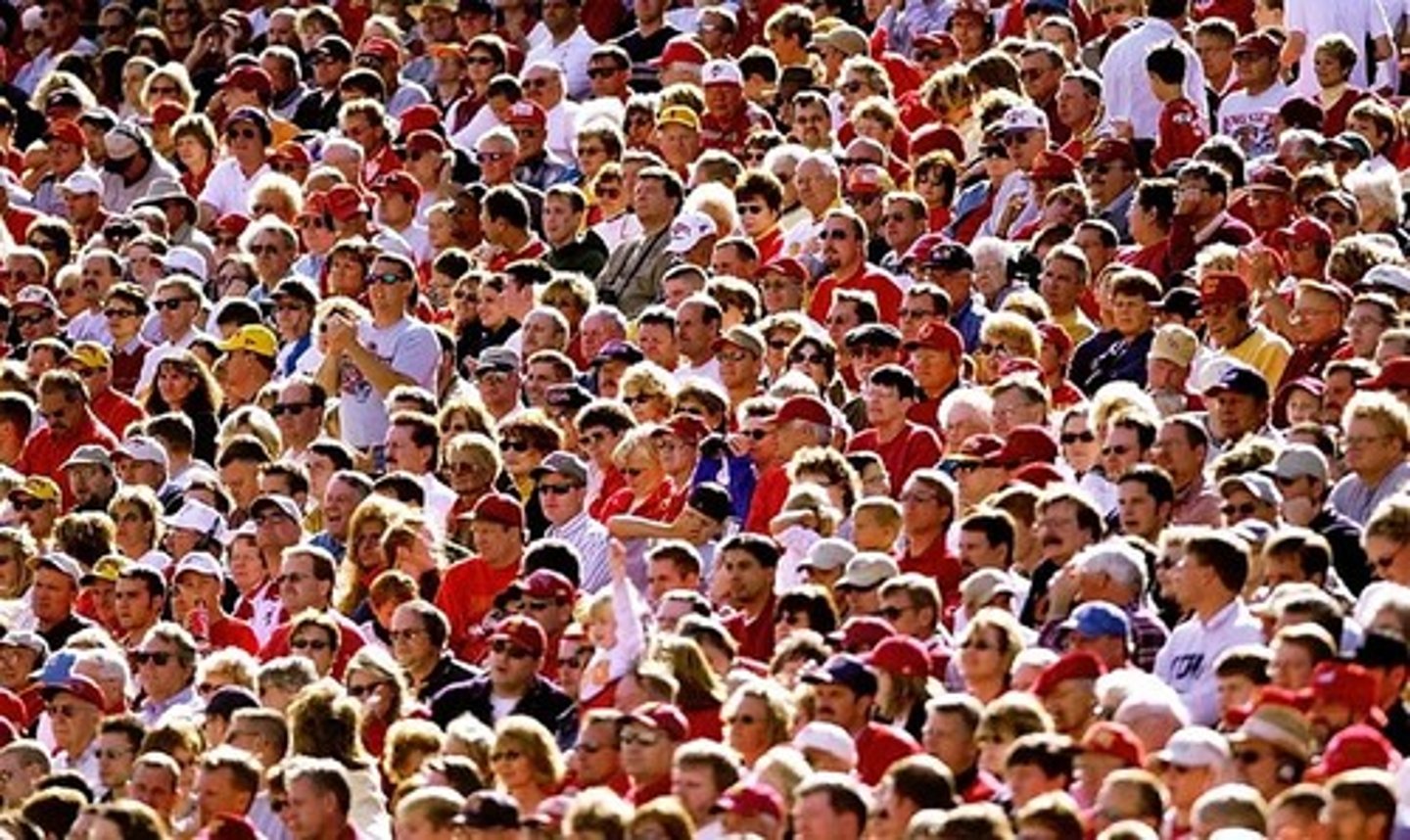
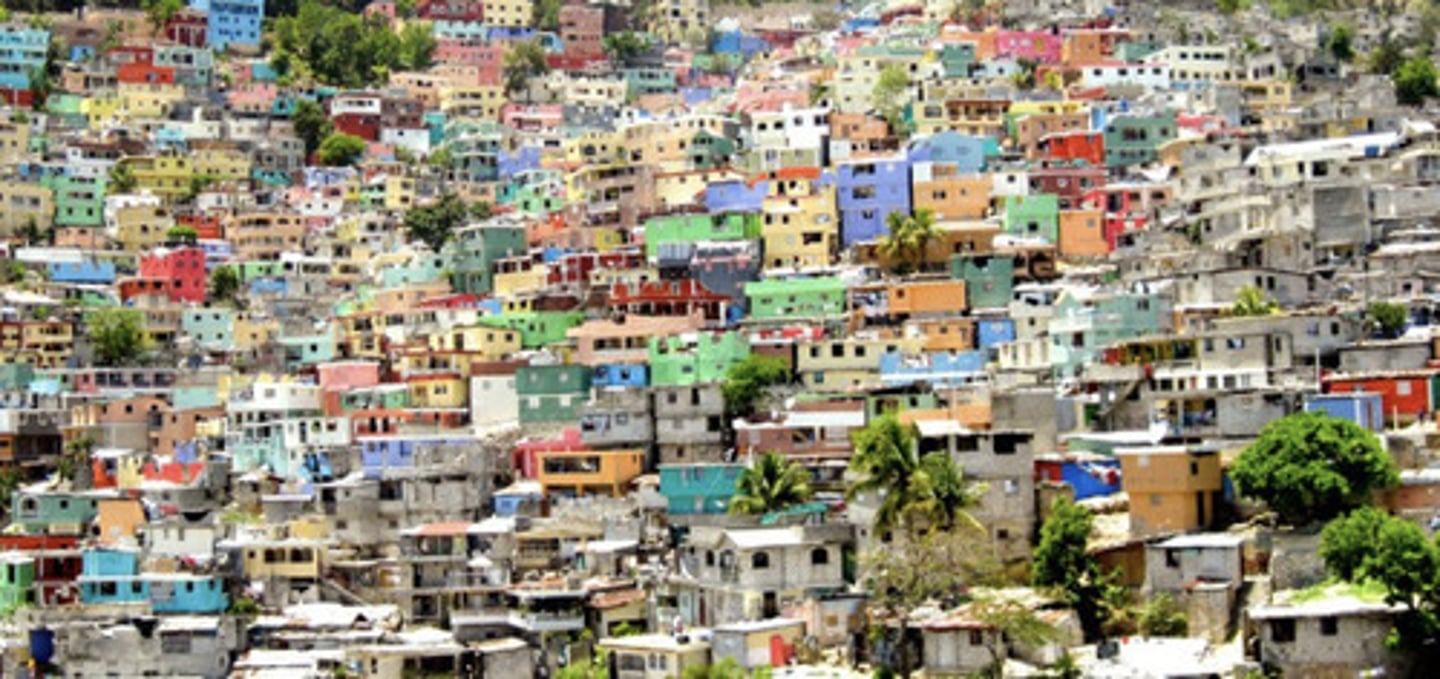
Densely populated urban centers
Definition: Urban areas with an exceptionally high concentration of residents. Trick: "Dense" means tightly packed (like a dense forest), and "populated" means full of people. Application: Municipal governments in densely populated urban centers must invest heavily in mass transit systems to prevent total traffic gridlock.
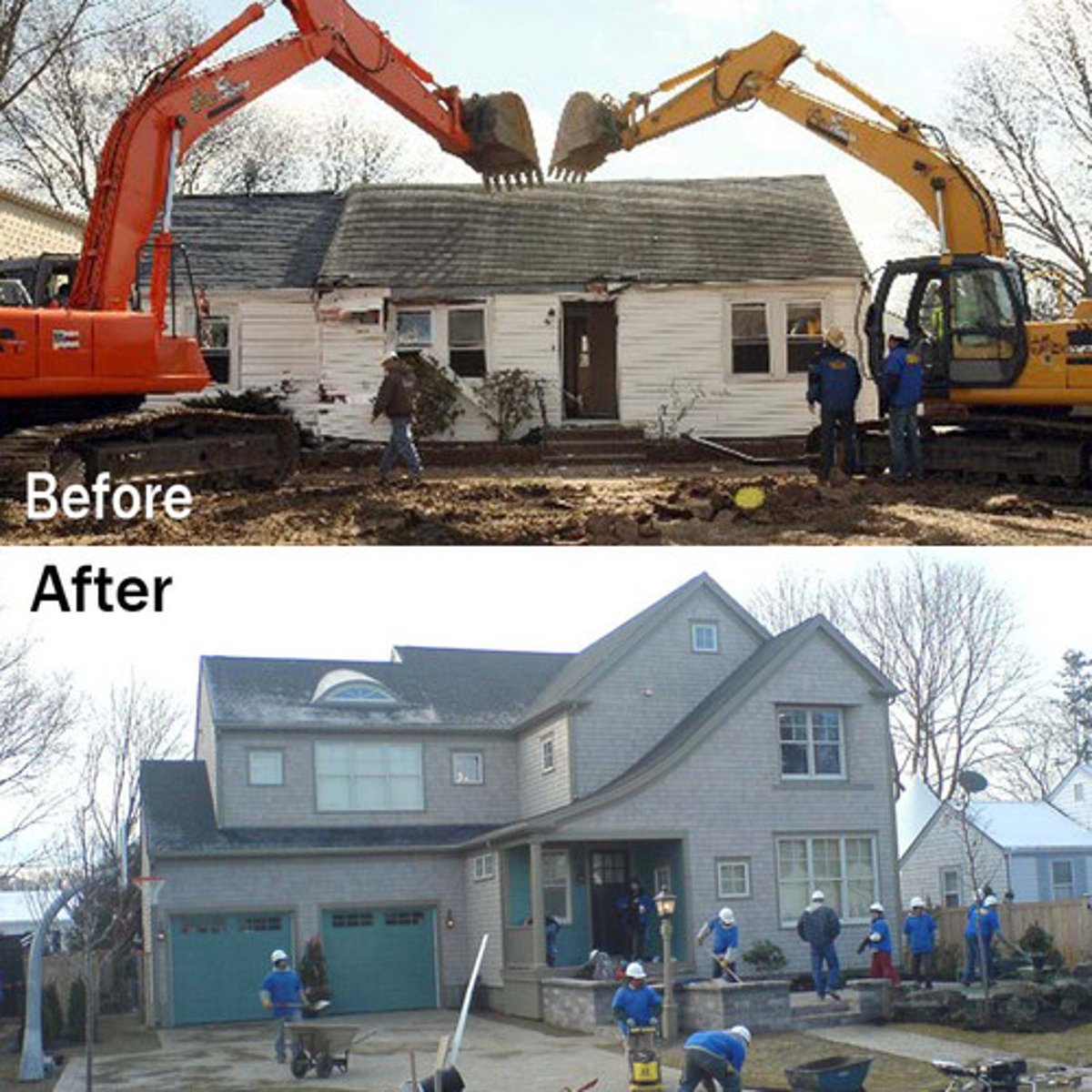
Thoroughly modernize municipal infrastructure
Definition: To completely upgrade a city's public facilities, utilities, and transport networks. Trick: "Thoroughly" means 100% complete; "municipal" means city-owned; "infrastructure" is the underlying structural network. Application: Before implementing vehicle bans, municipal authorities must thoroughly modernize municipal infrastructure to cope with the shifted passenger load.
Vertically expand residential structures
Definition: To construct taller housing developments (such as high-rises and skyscrapers) rather than expanding horizontally. Trick: "Vertical" goes straight up like a plumb line; "structures" refers to physical buildings. Application: Due to severe land scarcity, metropolitan areas have no choice but to vertically expand residential structures.
Poorly planned urban sprawl
Definition: The uncontrolled, disorganized expansion of city boundaries into surrounding rural areas. Trick: "Sprawl" means to spread out lazily and untidily, showing a lack of planning. Application: Low-density housing developments often culminate in poorly planned urban sprawl, which systematically damages local ecosystems.
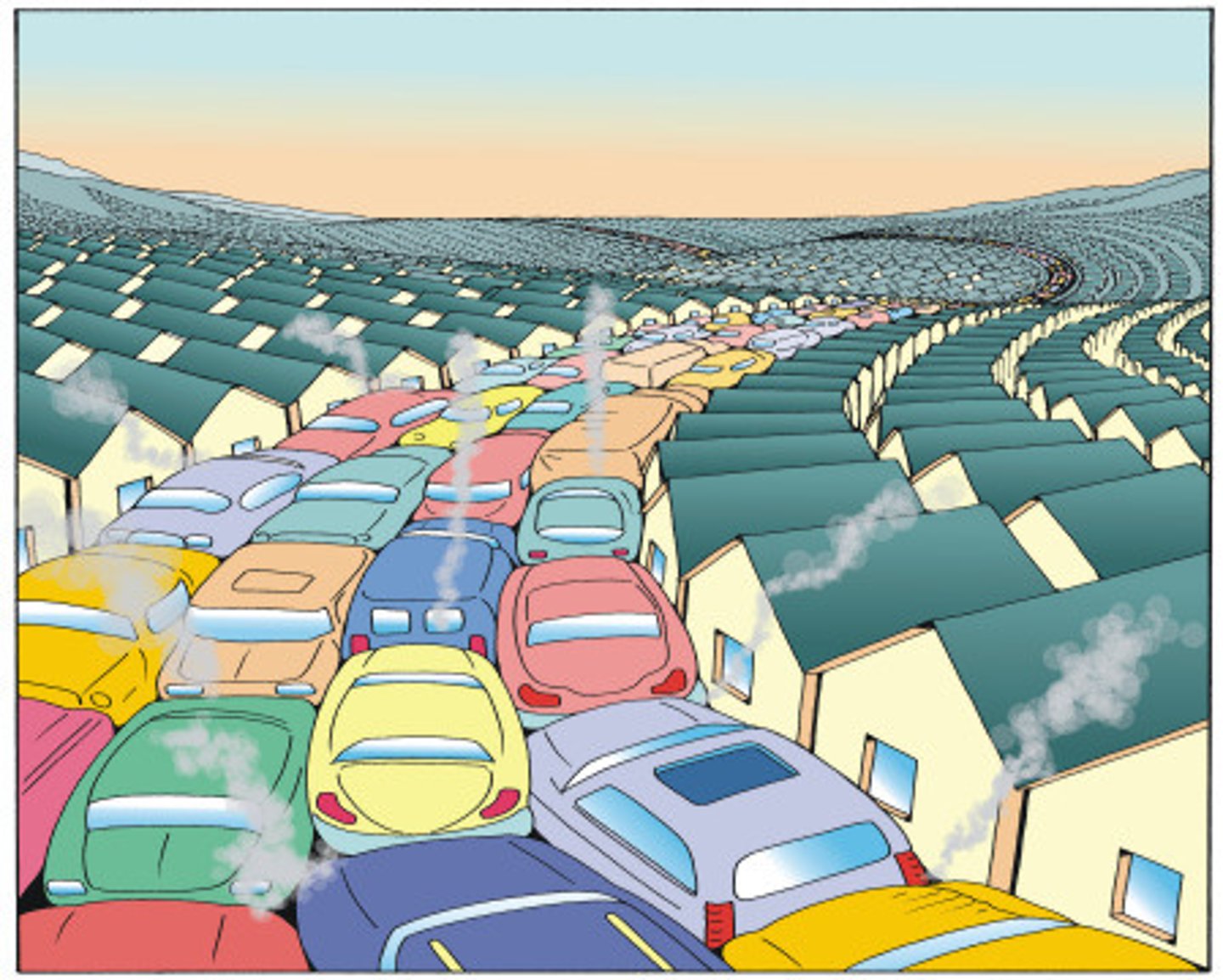
Drastically reduce commuting times
Definition: To significantly shorten the duration of travel between an individual's residence and their workplace. Trick: "Drastically" indicates an extreme, noticeable change; "commuting" is the daily journey to work. Application: The introduction of high-capacity metro lines is proven to drastically reduce commuting times for suburban residents.

Heavily strain existing transit networks
Definition: To place an overwhelming demand or physical burden on public transportation systems. Trick: "Heavy strain" is like pulling a muscle by lifting a weight that is far too heavy. Application: Forcing millions of citizens to transition to buses overnight will heavily strain existing transit networks.

Efficiently regulate traffic flow
Definition: To manage vehicle movement smoothly and without waste to prevent congestion. Trick: "Regulate" means to control systematically (like a valve controlling water); "flow" represents smooth, continuous movement. Application: Automated signaling systems utilize real-time data to efficiently regulate traffic flow during peak hours.
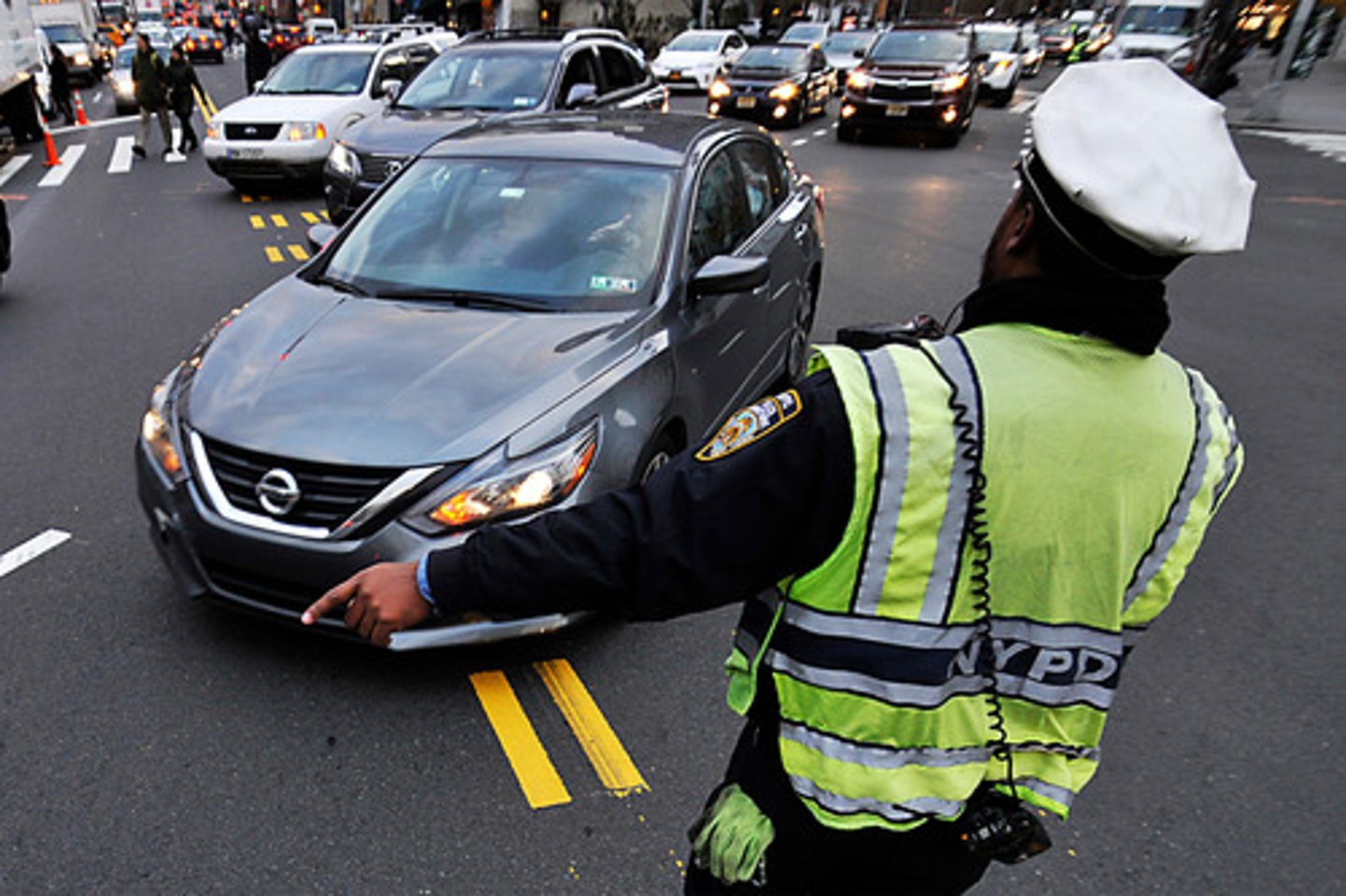
Systematically discourage private vehicle ownership
Definition: To implement deliberate, organized policies that make owning personal cars less attractive. Trick: "Systematically" means acting through an organized system or plan; "discourage" means to deter. Application: Imposing strict parking levies inside city borders is a strategy designed to systematically discourage private vehicle ownership.
Effectively mitigate acoustic pollution
Definition: To successfully reduce or control disruptive noise levels in an environment. Trick: "Mitigate" means to make less severe; "acoustic" relates to sound waves. Application: Designating expansive green spaces within commercial districts can effectively mitigate acoustic pollution.
Offer immediate psychological respite
Definition: To provide instant mental relief from stress, exhaustion, or sensory overload. (shake off the day)
Trick: "Respite" is a short period of rest or relief, like a quiet pause during a chaotic day. Application: Urban parks are crucial because they offer immediate psychological respite from the frantic pace of metropolitan life.

Seek temporary acoustic isolation
Definition: To deliberately search for a quiet space free from background noise for a limited duration. Trick: "Isolation" means being completely set apart; "acoustic" limits this separation strictly to sound. Application: City dwellers frequently visit public libraries or botanical gardens to seek temporary acoustic isolation.

Drastically alter the acoustic environment
Definition: To cause a massive, highly noticeable change in the soundscape of an area. Trick: "Alter" means to change or modify; "environment" is the surrounding space. Application: Enforcing a vehicle-free Sunday would drastically alter the acoustic environment of the downtown core, turning a chaotic strip into a tranquil space.
Expansive green belts
Definition: Large, protected areas of undeveloped wild or agricultural land surrounding urban centers to prevent sprawl. Trick: A "belt" keeps pants tight and prevents them from falling; a "green belt" keeps a city's boundaries tight and prevents them from spilling outward. Application: The municipal council established expansive green belts to contain urban growth and preserve surrounding agricultural land.

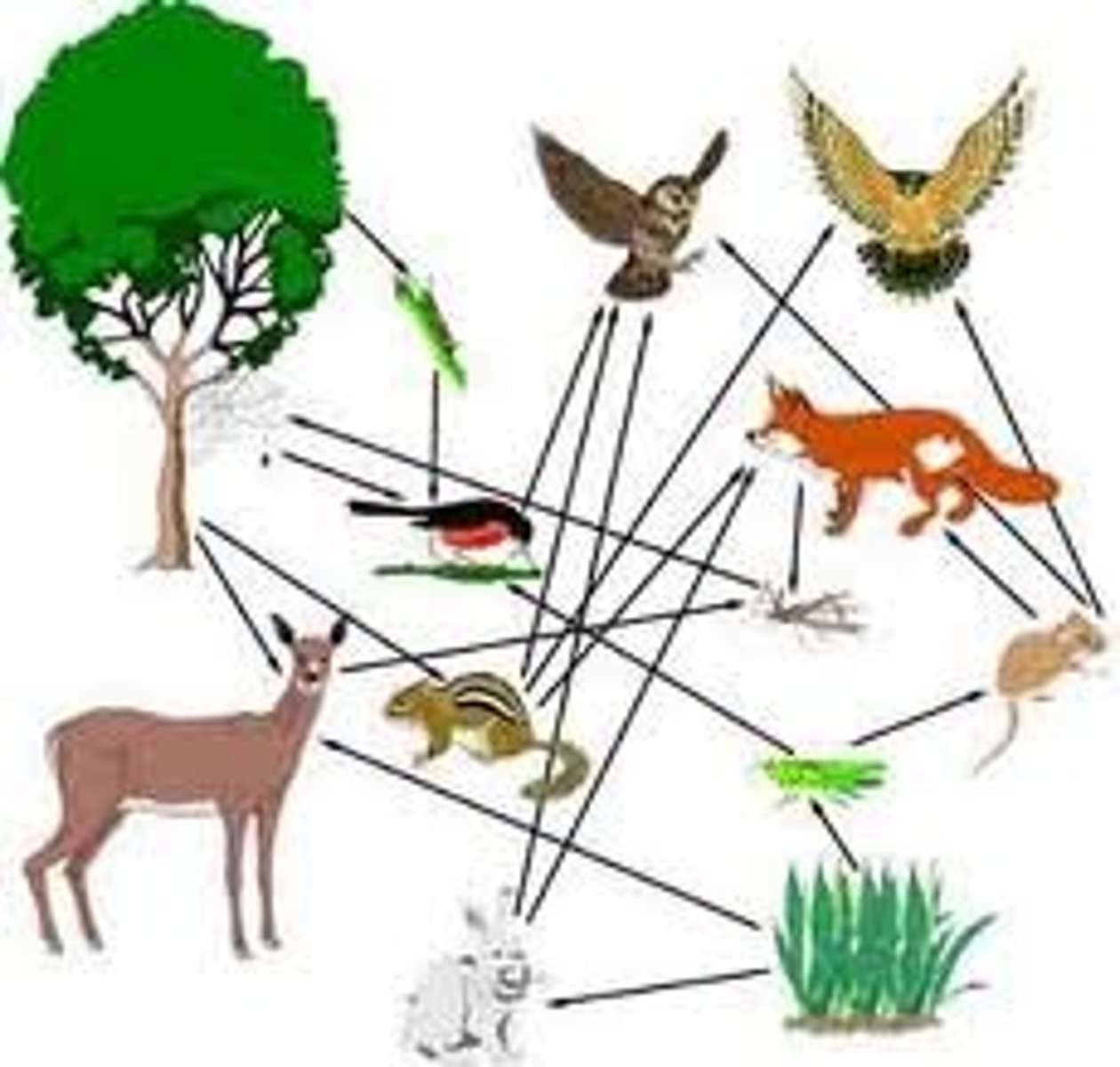
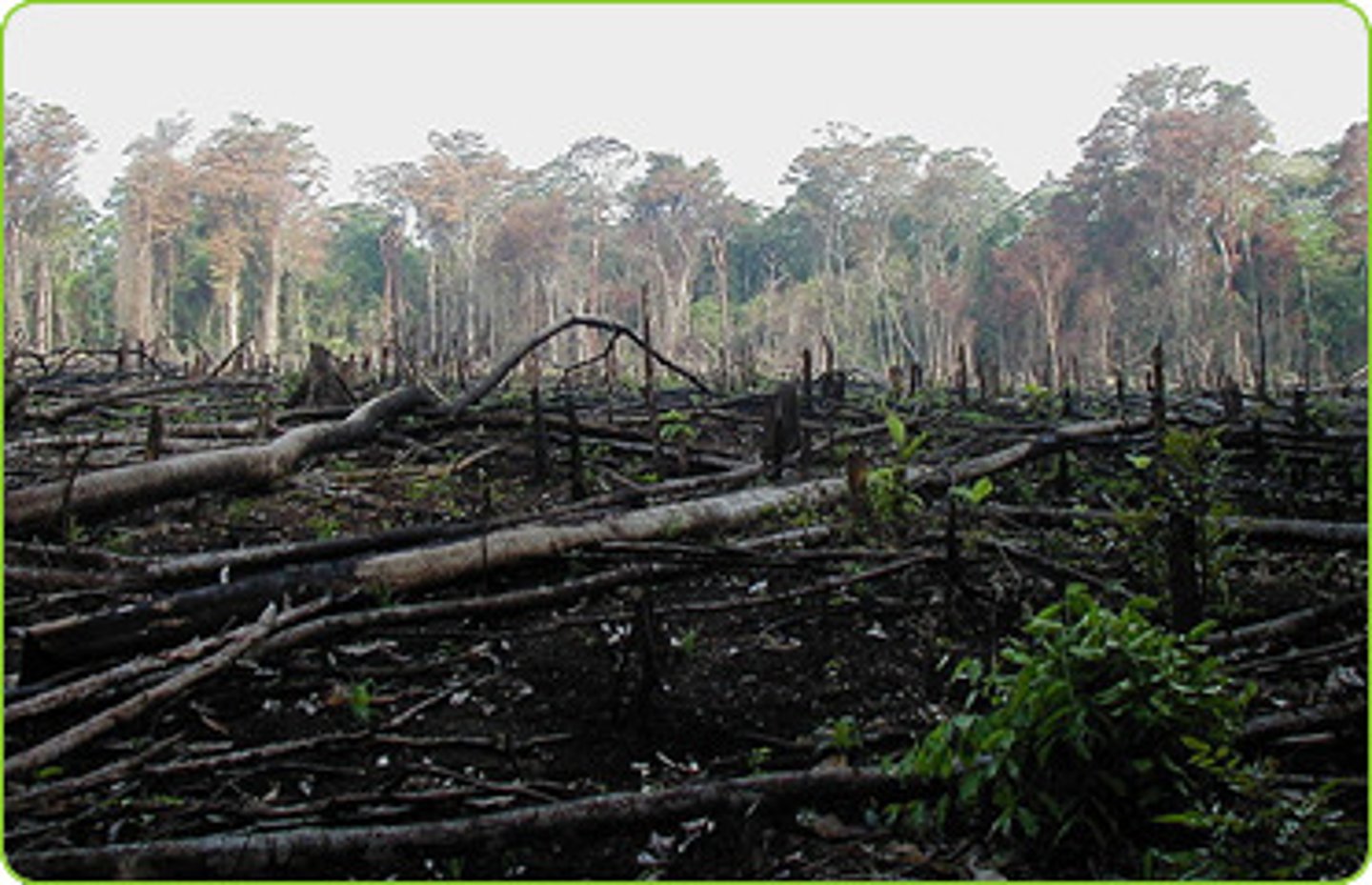
Interdependent ecological systems
Definition: Communities of organisms and environments that mutually rely on one another to survive and function properly. Trick: "Inter-" means between or together (like the internet); "dependent" means relying on. Think of a spiderweb—pull one thread, and the whole structure reacts. Application: Large-scale deforestation inevitably disrupts interdependent ecological systems, leading to a catastrophic loss of local biodiversity.
Strategically locate transit hubs
Definition: To position major transportation transfer points (such as railway or metro stations) in highly planned, optimal areas. Trick: "Hub" is the central part of a wheel from which spokes radiate. "Strategically" implies a calculated move, like placing a queen on a chessboard. Application: Municipalities must strategically locate transit hubs in suburban zones to encourage the use of commuter networks.

Minimize ecological degradation
Definition: To limit the degree of damage, decline, or wear inflicted upon natural habitats and ecosystems. Trick: "Degradation" contains the word "grade." Just as your academic grades can decline, the environment's quality can decline. You want to make this decline as small as possible (minimize). Application: Sustainable urban development policies aim to minimize ecological degradation during major construction phases.
Transition to renewable energy sources
Definition: The process of shifting from finite fossil fuels to infinite, clean power alternatives (like solar or wind). Trick: "Transition" is a bridge. You are walking across a bridge away from dark coal factories toward clean, spinning wind turbines. Application: Industrialized nations must transition to renewable energy sources to systematically curb their national carbon emissions.

High-density residential zones
Definition: Municipal land specifically designated for closely packed housing units, such as high-rise apartments or condominiums. Trick: "Density" is mass over volume. High density means packing as many living spaces (mass) into a single city block (volume) as possible, like sardines. Application: Establishing high-density residential zones adjacent to subway stations optimizes land use in overcrowded cities.
Logistically complex transit routes
Definition: Transportation pathways that are exceptionally difficult to coordinate, organize, or manage due to multiple variables. Trick: "Logistics" represents the brain behind movement; "complex" is a Rubik's cube. Designing a transit route that coordinates buses, trains, and ferries is a logistics Rubik's cube. Application: Developing a unified ticketing system can simplify logistically complex transit routes across sprawling metropolitan regions.
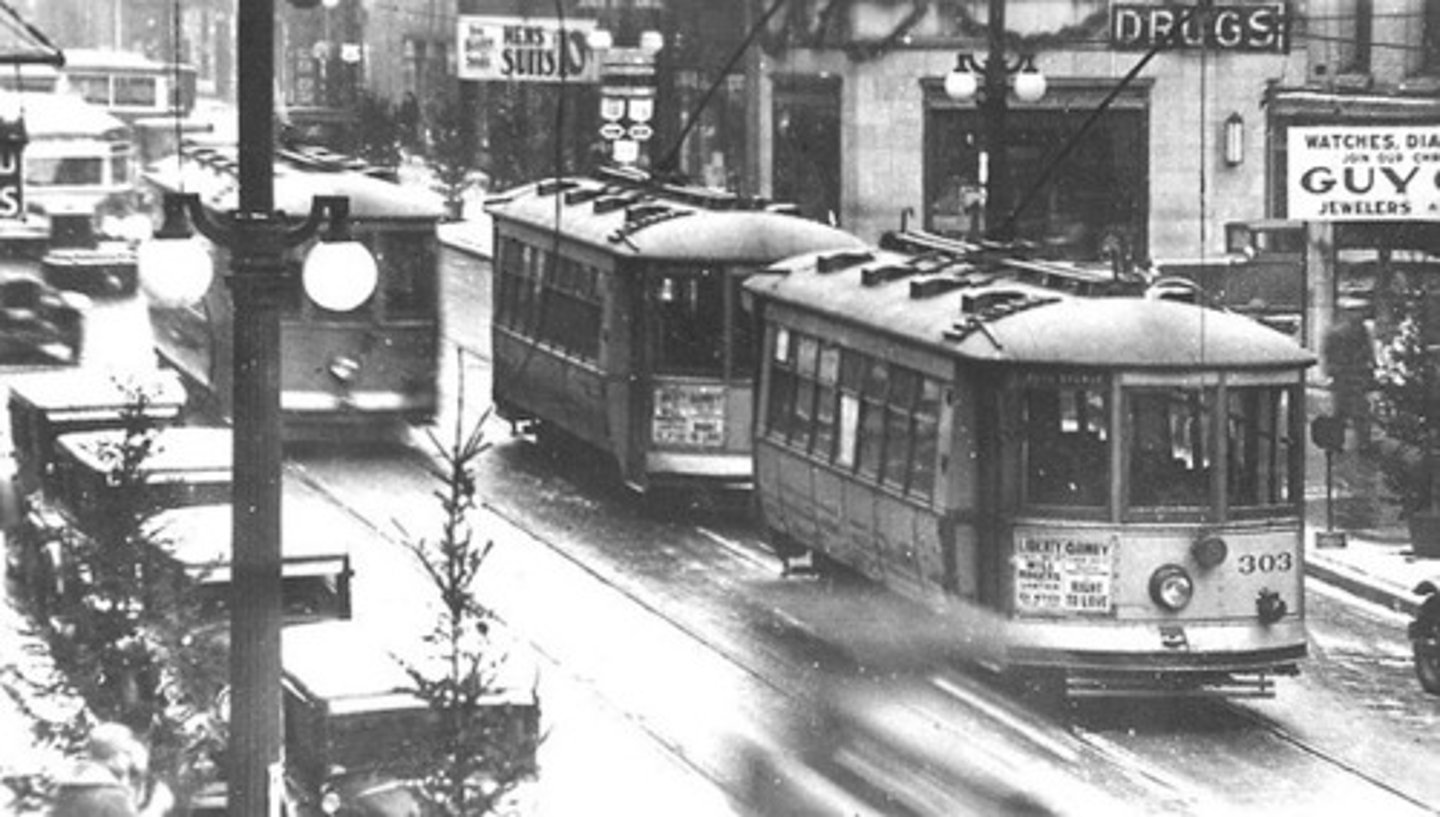
Expeditiously address infrastructural deficits
Definition: To quickly and efficiently resolve shortages, gaps, or weaknesses in public facilities and systems. Trick: "Expeditiously" sounds like "expedition"—a journey that requires speed and purpose. "Deficits" refers to what is lacking or missing (like a bank account in the negative). Application: To support a rapidly growing population, municipal authorities must expeditiously address infrastructural deficits in remote suburban areas.
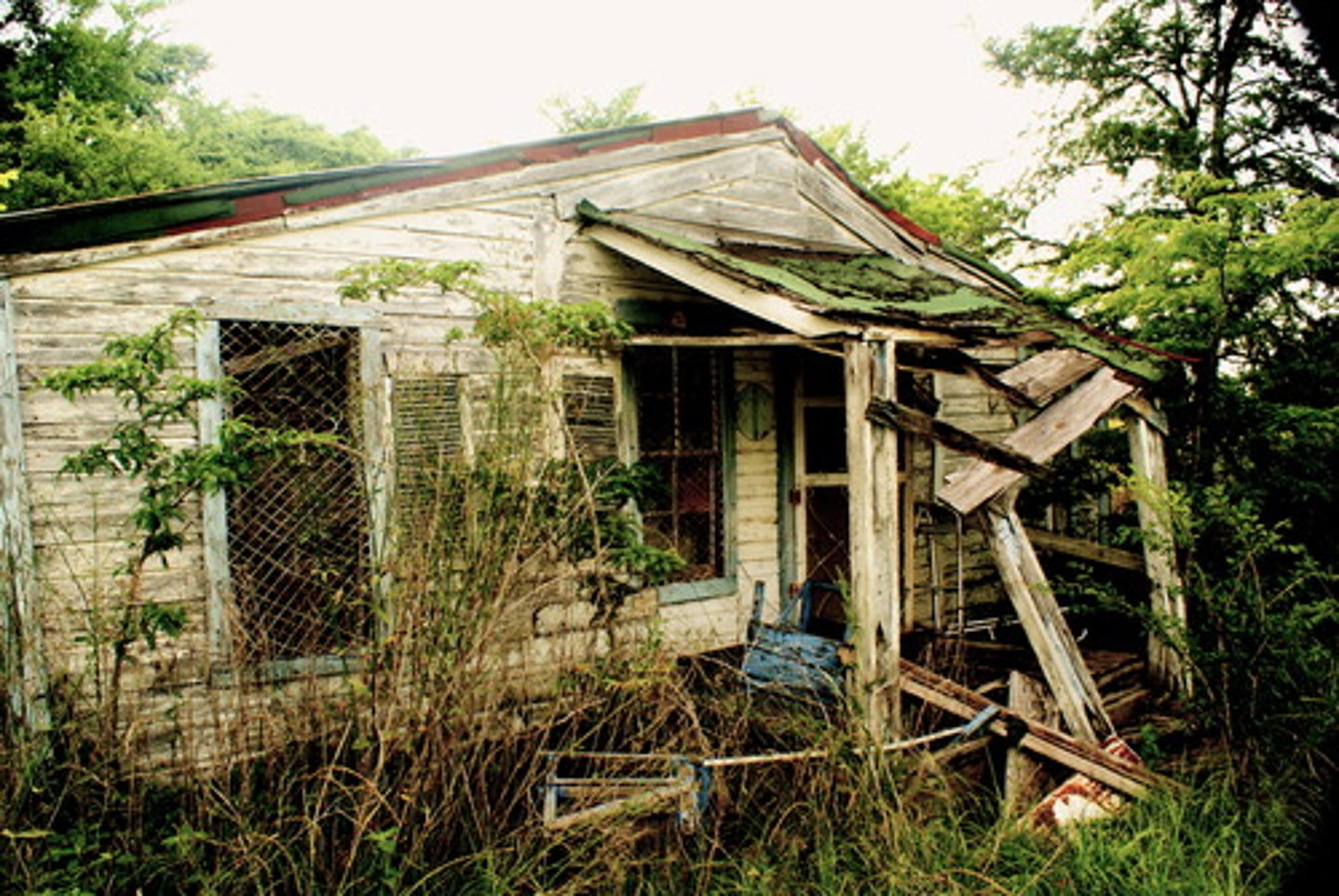
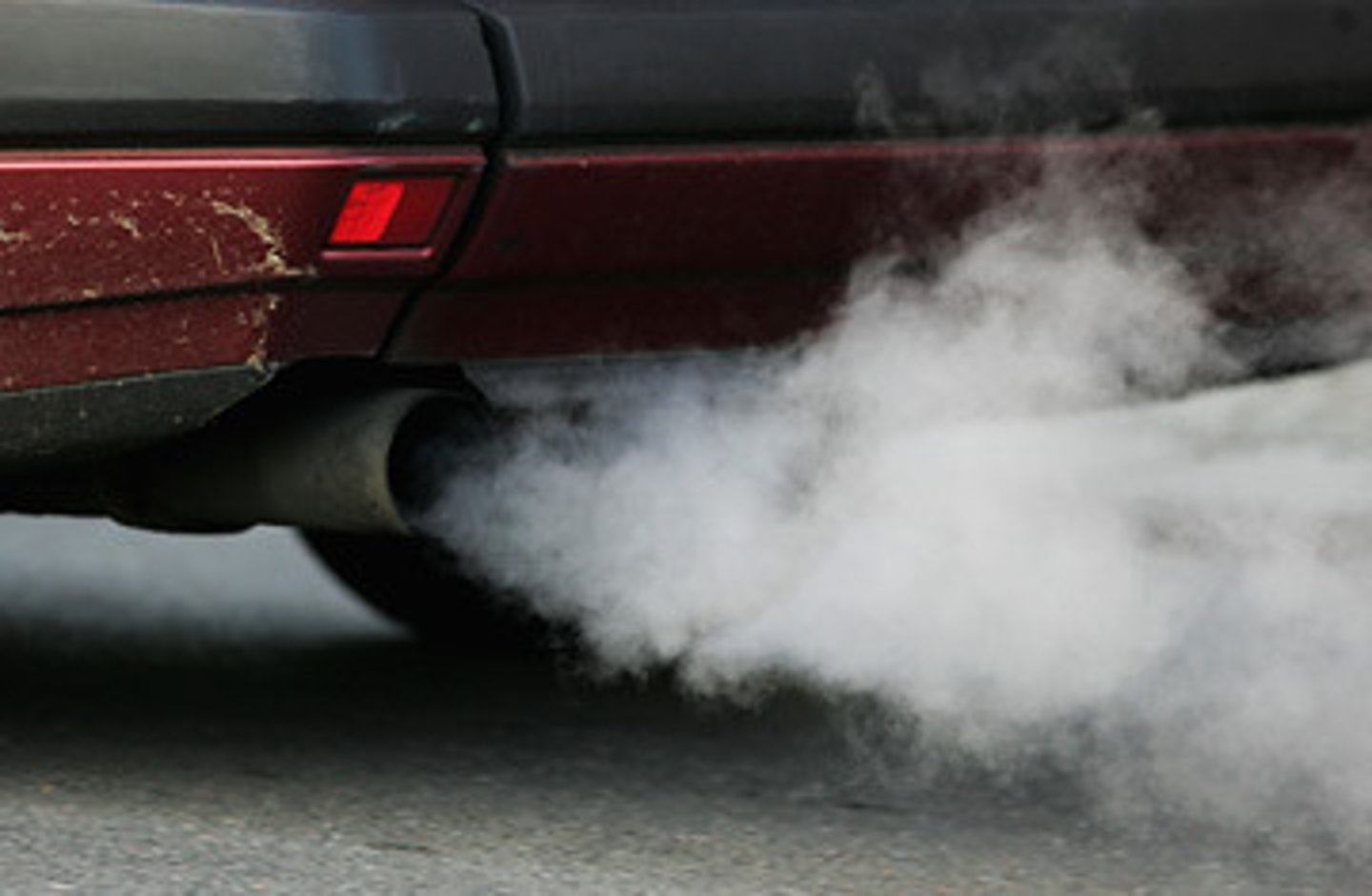
Curb harmful emissions
What it means: To limit or control the toxic gases released by factories and cars.
Why it works: "Curb" is a brilliant, active verb that means to limit or keep in check.
Application: "Transitioning to electric buses is the most effective way for cities to curb harmful emissions."
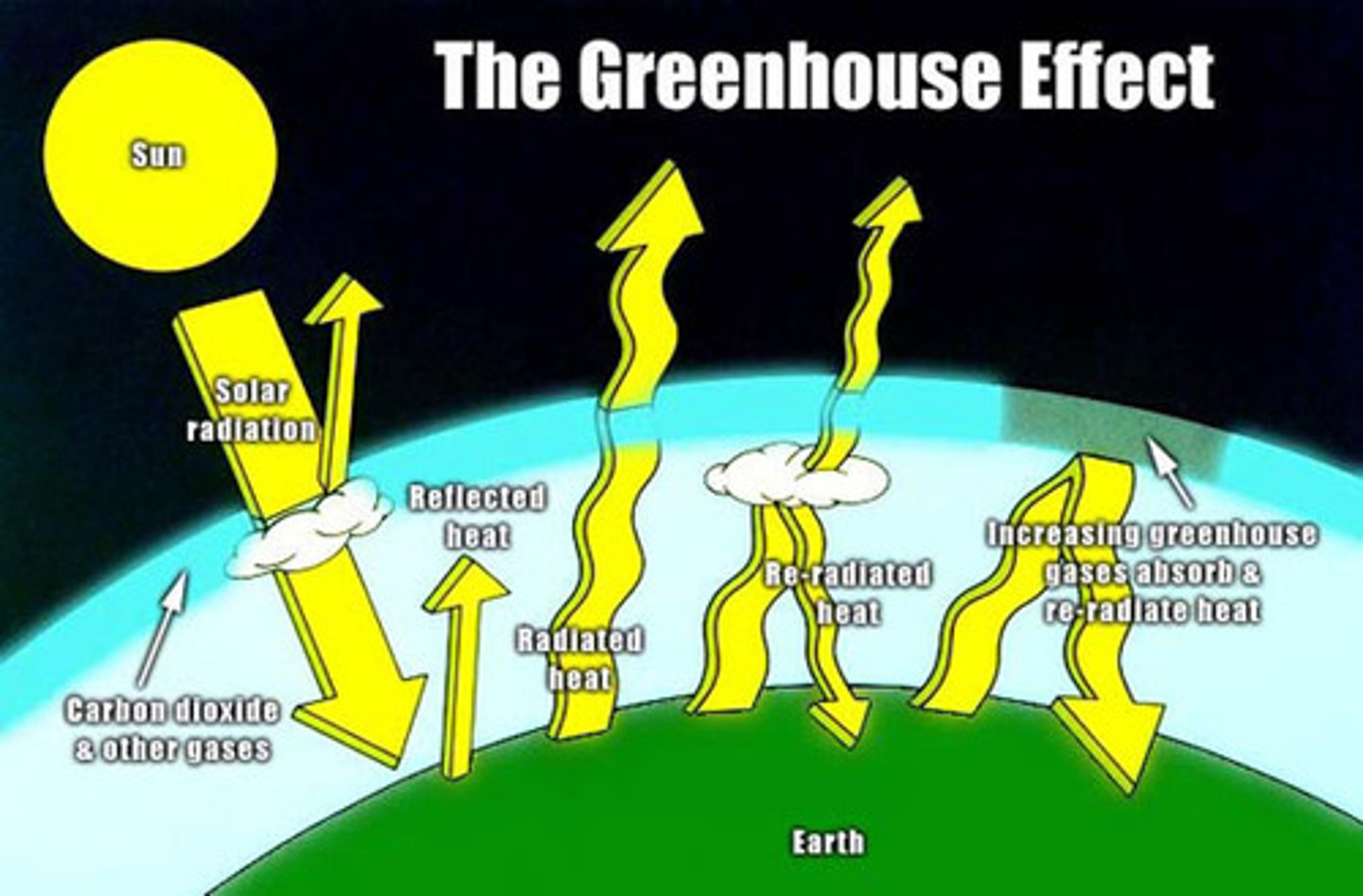
Combat deteriorating air quality
What it means: To fight against the air getting dirtier and less breathable.
Why it works: "Deteriorating" is a band-boosting adjective for anything that is getting worse over time.
Application: "Municipalities must plant expansive green belts to combat deteriorating air quality."
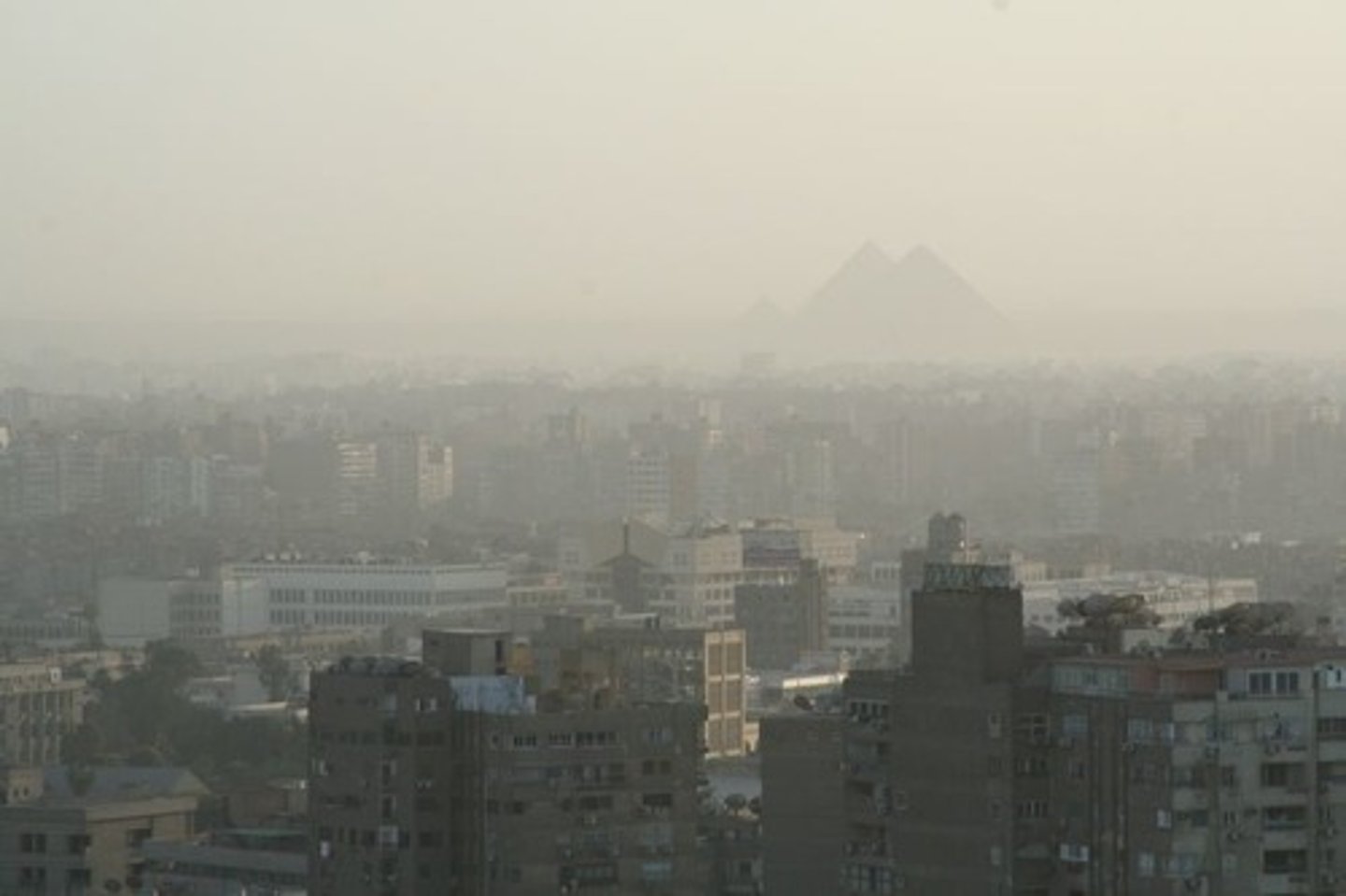
Reduce atmospheric pollutants
What it means: To decrease the actual chemicals and particles floating in the air.
Why it works: Instead of saying "air pollution" (noun), you talk about "pollutants" (the actual physical things causing the pollution).
Application: "Banning private diesel trucks in the city center will immediately reduce atmospheric pollutants."
Reduce municipal solid waste
What it means: To generate less garbage from households and offices.
Why it works: This is the correct environmental term for "city trash." It sounds highly professional.
Application: "Strict recycling programs are essential to reduce municipal solid waste in urban areas."
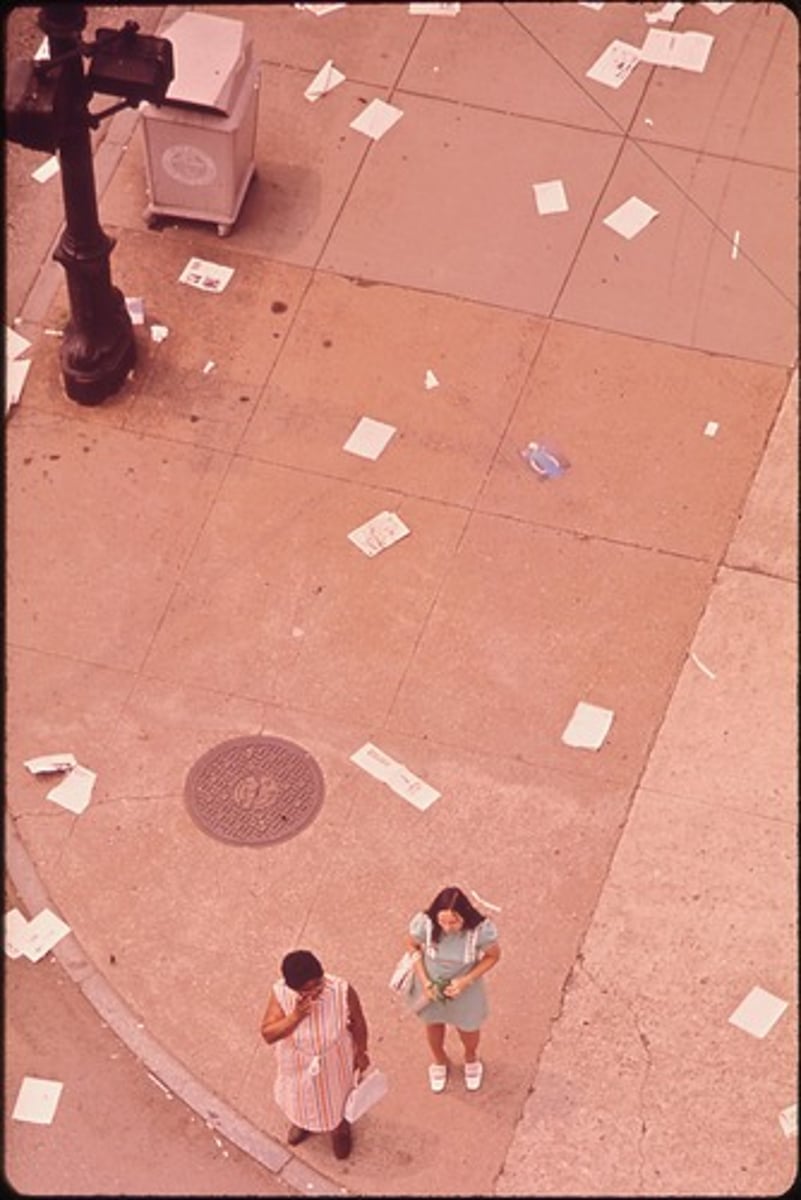
Address widespread littering
What it means: To stop people from throwing trash on streets, parks, and public spaces.
Why it works: "Littering" specifically refers to trash thrown in the wrong places by citizens, rather than industrial waste.
Application: "Implementing heavy fines is necessary to address widespread littering in public parks."
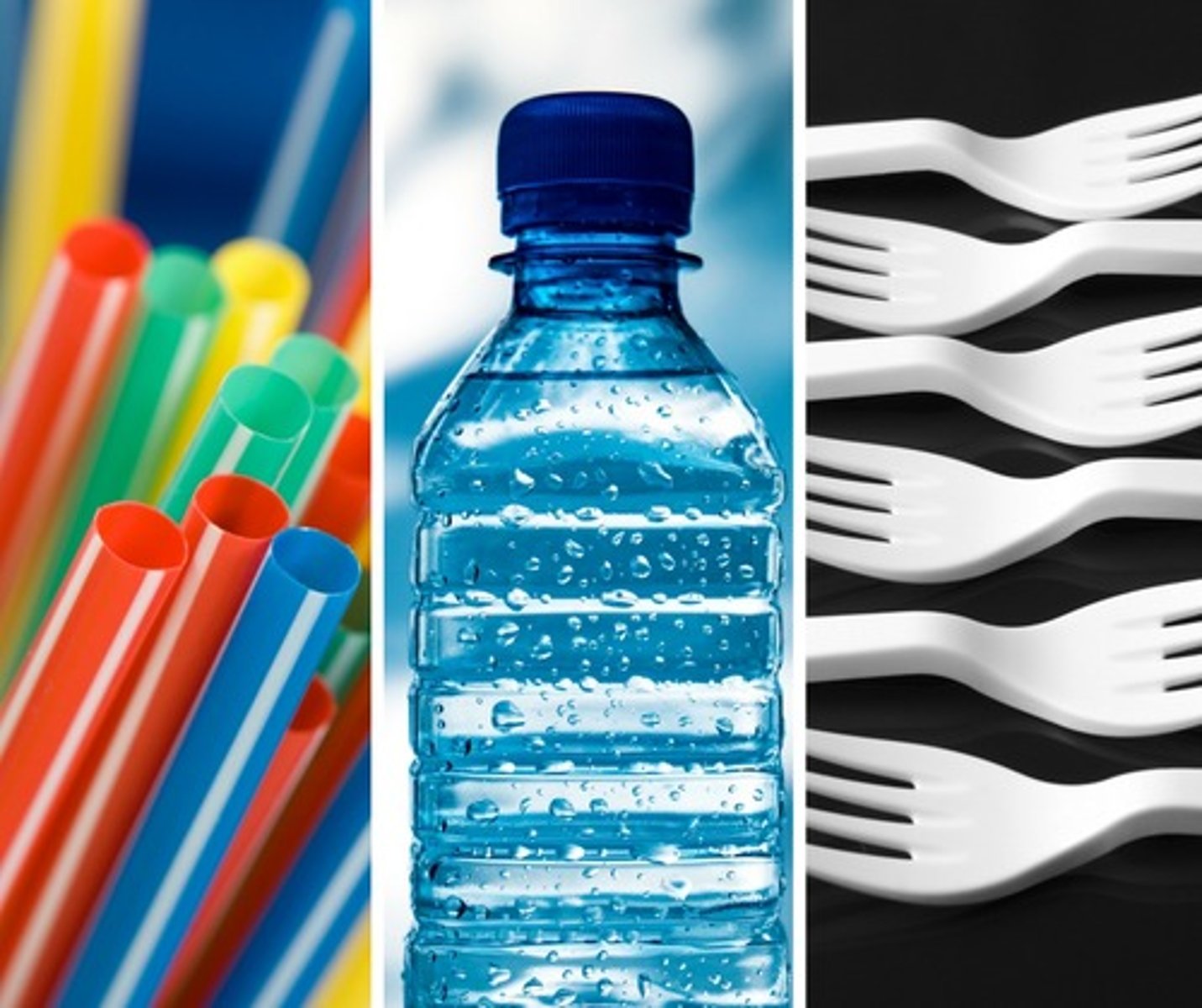
Minimize single-use plastic consumption
What it means: To cut down on plastic bags, straws, and bottles.
Why it works: "Single-use plastic" is a massive keyword in modern IELTS environmental prompts.
Application: "To protect local ecosystems, supermarkets should ban or minimize single-use plastic consumption."
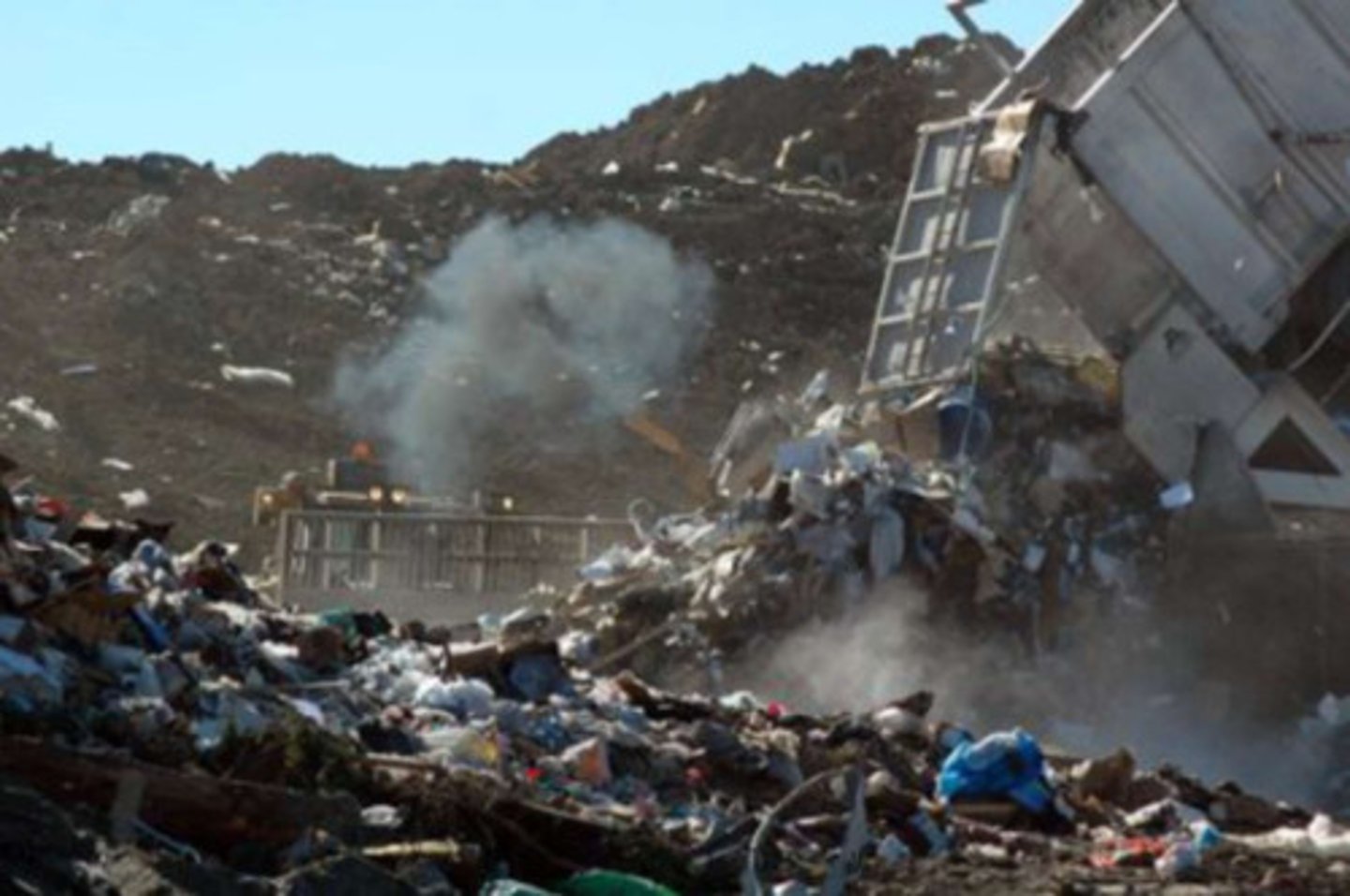
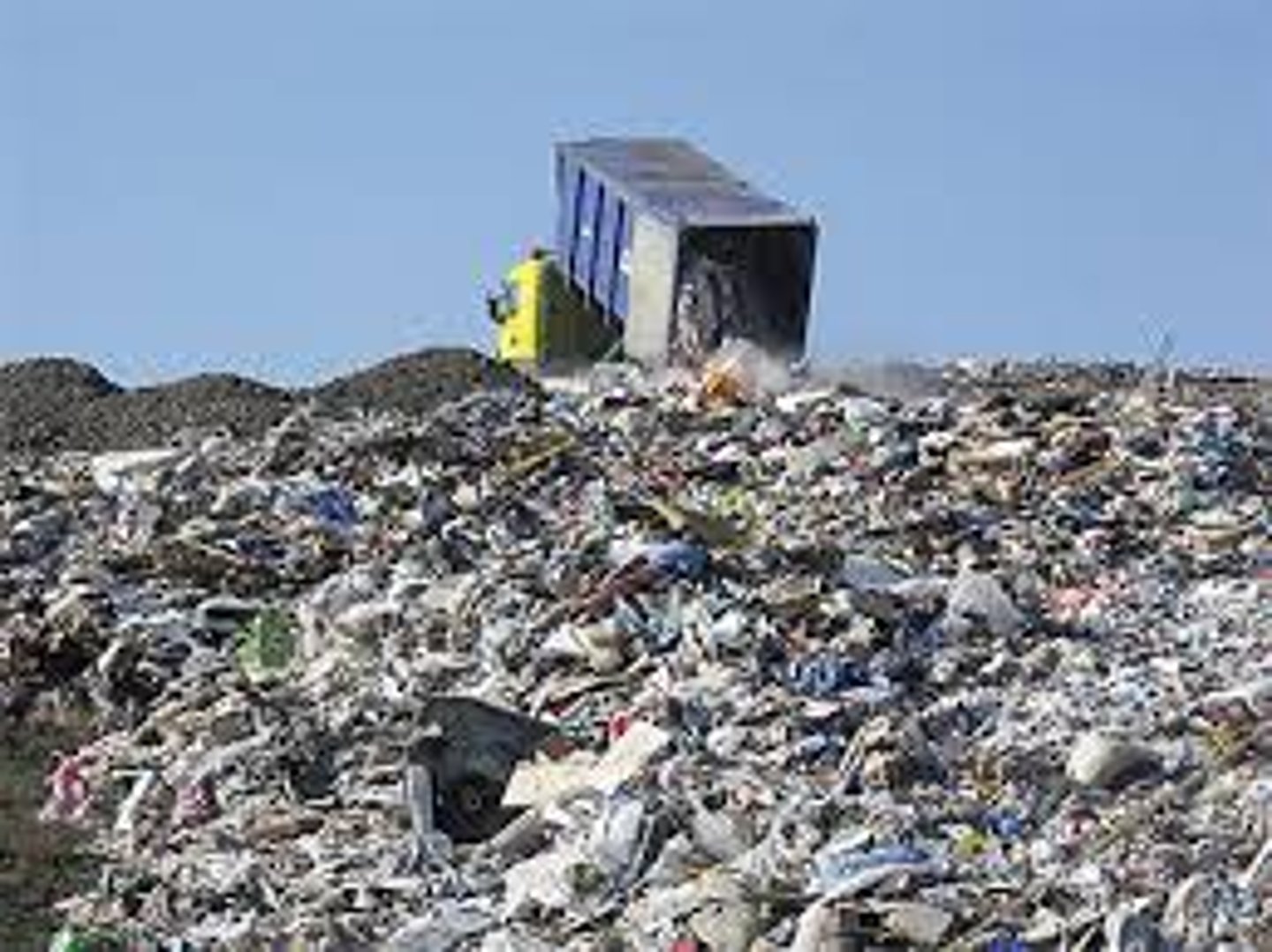
Prevent landfill overflow
What it means: To stop garbage dumps from getting completely full and spilling over.
Why it works: It describes the result of too much trash, showing great task development.
Application: "Promoting a circular economy is the only way to prevent landfill overflow in major metropolitan regions."