Chem Lap Midterm
 Call Kai
 Learn
Learn Practice Test
 Spaced Repetition
 Match
Match Flashcards
 Knowt Play
1/162

There's no tags or description
Looks like no tags are added yet.
Name | Mastery | Learn | Test | Matching | Spaced | Call with Kai |
|---|
No analytics yet
Send a link to your students to track their progress
163 Terms
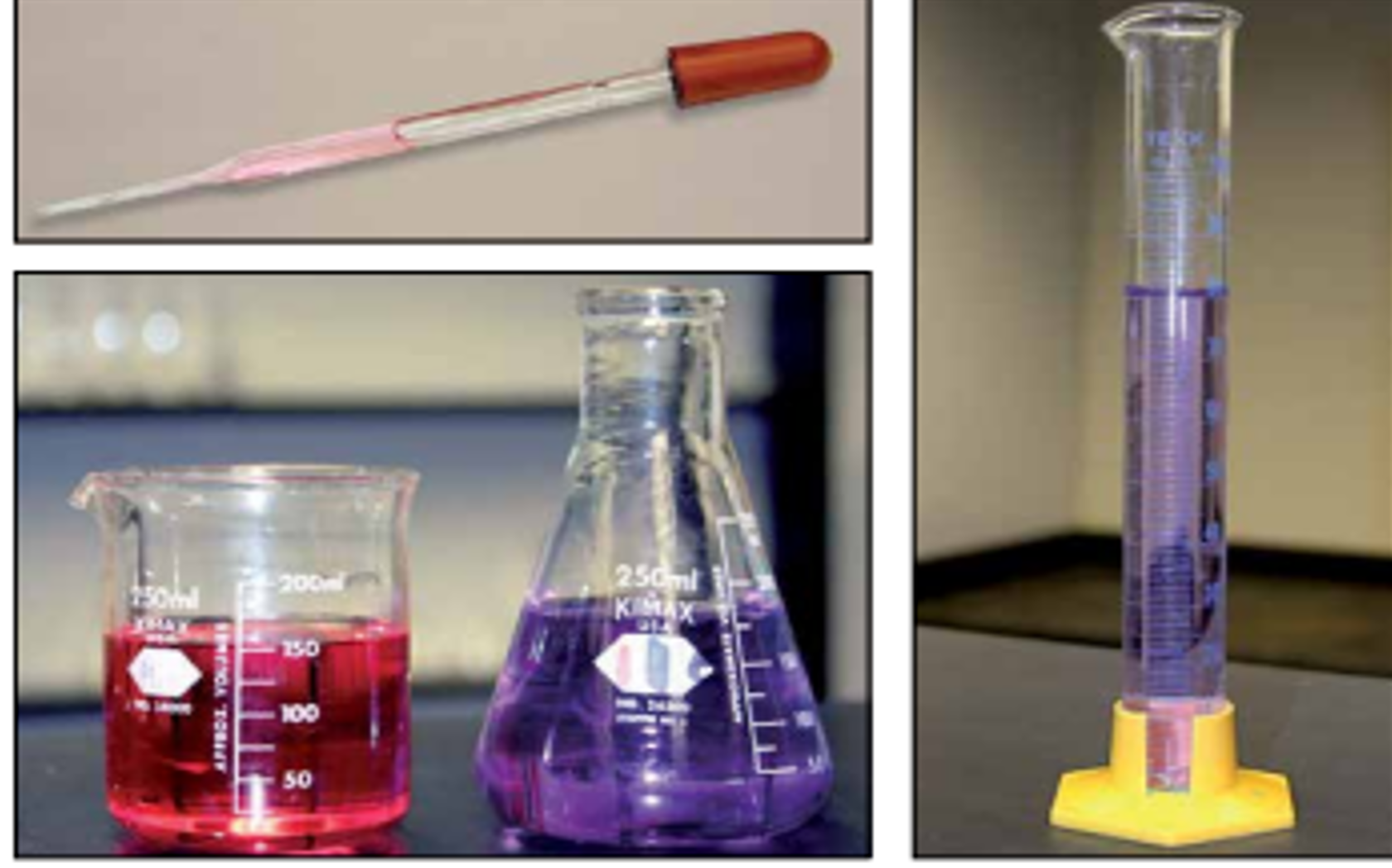
What is this equipment and what is it used to measure?
Volume (pipette, graduated cylinder, graduated beaker)
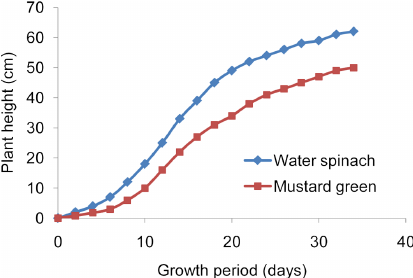
What is the independent variable in this experimental setup?
Growth Pattern
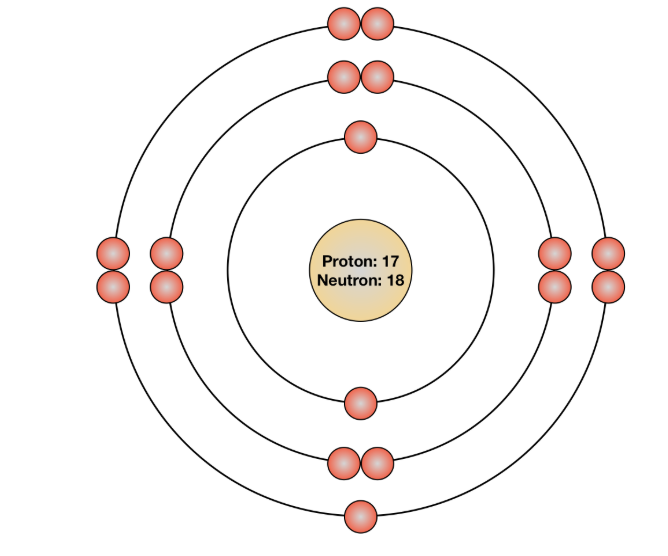
what is the atomic mass?
17
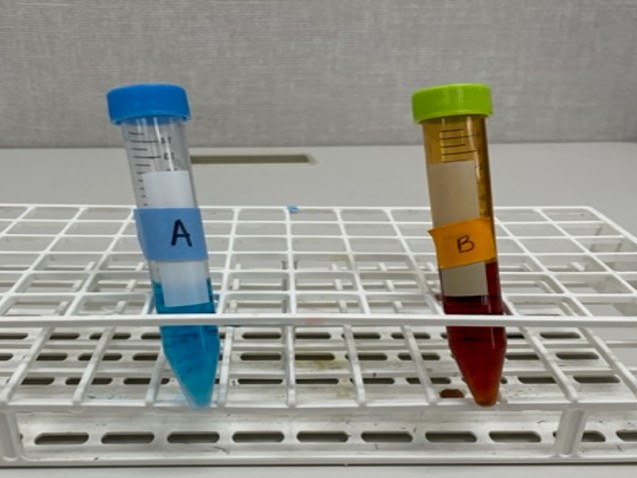
A (blue) and B (orange) are a before and after for a chemical test. Which macromolecule reagent test was most likely performed?
Benedict's

The molecule shown above is a _____ molecule and we use _______ reagent to test for this molecule in lab.
Glucose, Benedict's
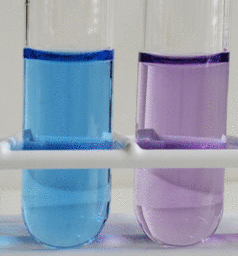
A scientist used Biuret Reagent to test 2 clear liquid substances. The picture shows the results after the Biuret test has been completed.
The test tube on the left (blue) shows a _____ result and the test tube on the right (purple) shows a ____ result.
Negative, positive
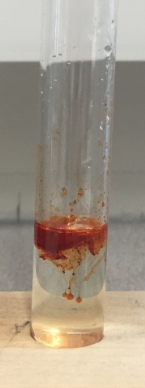
Given this test tube result. This tube contains
Lipids
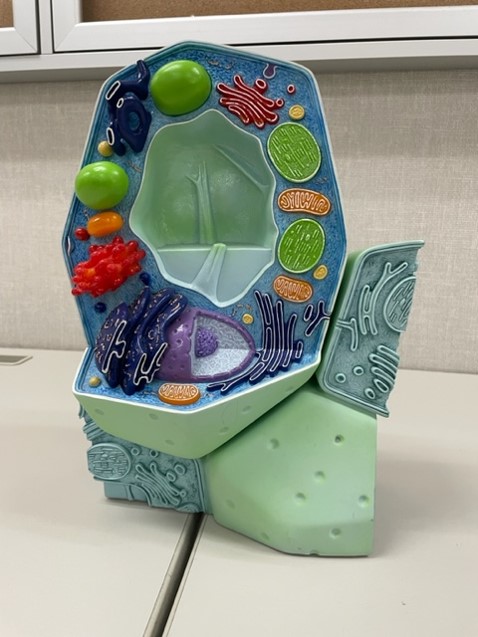
Is the cell model a plant or an animal cell?
Plant cell
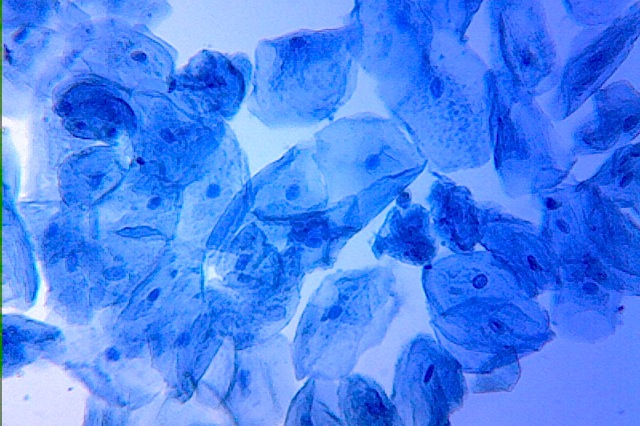
What cell types are shown on the above microscope image?
Elodea
What is the metric base unit of length?
Meter
Convert 0.000000076 to proper scientific notation
7.6X10⁻⁸
When converting 26°C to °F, which of the following is the correct formula?
°F=(1.8)X(26°C) +32
Your doctor prescribed you 7.5 milligrams (mg) of pill 'X' to take every night for 90 days. How many grams (g) of pill 'X' should the pharmacist fill for this 90 day prescription?
0.675 g
In a scientific experiment, what is the independent variable?
The variable manipulated by the researcher
Which statement best describes the purpose of a control group in a scientific experiment?
It provides a baseline for comparison by not receiving the experimental treatment.
In an experiment to determine how varying amounts of sunlight affect the growth of tomato plants, a researcher plants three groups of tomato plants, each exposed to different amounts of sunlight
Group 1: full sunlight,
Group 2: partial sunlight,
Group 3: no sunlight.
After 4 weeks, the researcher measures the height of the plants. Which of the following correctly identifies the independent and dependent variables in this experiment?
Independent variable: Amount of sunlight; Dependent variable: Height of the plants
A researcher is conducting an experiment to determine how different amounts of daily physical exercise (in minutes) affect systolic blood pressure in adults. The participants are assigned to different exercise groups
no exercise,
moderate exercise
intense exercise
Then their systolic blood pressure is measured after 4 weeks. Which of the following correctly identifies the independent and dependent variables in this experiment?
Independent variable: amount of daily exercise, Dependent variable: systolic blood pressure
When graphing experimental data, which of the following statements is correct regarding the placement of the independent and dependent variables?
The independent variable is plotted on the x-axis, and the dependent variable is plotted on the y-axis.
Which of the following statements about reagents is FALSE?
Benedict's Reagent tests for Starch
In a macromolecule labs where we used Benedict’s, Lugol’s Iodine, Biuret, Ninhydrin, and Sudan III tests, why is it important to include both positive and negative controls?
To ensure that the reagents are working correctly and that any color changes are due to the presence of the target macromolecule.
A Lugol’s iodine test is performed on an unknown sample and results in a yellow-brown color. Which of the following is the correct interpretation of the results?
The unknown does not have starch since the test provided a negative result
Ninhydrin reagnet tests for ________ and a positive result will change color to _________.
Amino Acids ; Purple
Which of the following best explains the specificity and result of the Dische Diphenylamine test?
It forms a blue-colored complex with the deoxyribose sugar in DNA, allowing differentiation from RNA.
You complete Benedict’s, Lugol’s Iodine, Biuret, Ninhydrin, and Sudan III tests on a potato solution. Given that potatoes contain 0 g protein, 0 g free amino acids, 0 g fats, 17 g starch, and 2 g reducing sugars, which of the following reagent test tube results would you NOT observe for the potato solution?
Ninhydrin tube result is purple in color.
Which of the following pairs correctly matches a bacterial shape with its description?
Spirillum – Spiral-shaped bacteria with rigid bodies
What is the total magnification of a microscope with a 10X objective lens and a 10X ocular lens?
100x
Which of the following correctly identifies a difference between eukaryotic and prokaryotic cells?
Prokaryotic cells lack membrane-bound organelles, such as the mitochondria, while eukaryotic cells contain these organelles.
Which cellular organelle matches this description: A series of membranous sacs that help detoxify harmful compounds like alcohol and also builds lipid molecules.
Smooth ER
Which of the following correctly distinguishes plant cells from animal cells?
Plant cells have a rigid cell wall and chloroplasts, while animal cells do not.
Which of the following is a correct step when preparing a wet mount slide?
Hold the coverslip at a 45° angle and gently lower it over the droplet.
How do you properly hold a microscope
One hand under the base one hand around the arm.
What is used to measure length and what is its measurement system and what dont we use
A ruler, inches, centimeters, and millimeter (we dont used inch)
what is used to measure mass
electronic scale
What is used to measure temperature and what is its measurement
Thermometer and Celsius
what is the scientific method
Observation
Question
Hypothesis
Experiment
Data collection analysis
Communication
Independent variable
The variable affected by the change and is always x axis
dependent variable
the variable affected by the change and is always the y axis
constant/standardized variable
doesn’t change and stays the same
what is an element
a pure substance that contains only one type of atom
What is a chemical symbol and where is it
The main 1 or 2 Letter in the middle
What is the atomic number and where is it located
Number of protons, bottom left
what is the mass number and where is it located
the number of proton and neutrons, top left
what is an atom
The smallest unit of matter that forms a chemical element
If Dische turns blue, what is present?
DNA
what is a molecule
a group of atoms bonded together by chemical bonds
what is a chemical bond
a force that hold atoms together in a molecule
covalent bonds
atoms share electrons
nonpolar covalent
equal sharing of electrons between atoms
polar covlent
unequal sharing of electrons
ionic bonds
loss or gain of electrons positive and negative ions that attract each other
what pH is neurtral
7
what is basic for pH
above 7
what is acidic for pH
below 7
If Ninhydrin turns purple, what is present?
Amino Acids
If a red/orange layer forms with Sudan, what is present?
Lipids
If a sample turns purple with Biuret, what is present?
Protein
What is a positive Dische test result?
Blue
What does Dische diphenylamine test for?
DNA
What is a positive Ninhydrin test result?
Purple/Blue
What does Ninhydrin test for?
Amino Acids
What is a positive Buret test result?
Purple
What does Biuret test for?
Proteins peptide bonds
What is a positive Sudan test result?
Red and orange layers
What does Sudan test for?
lipids
what’s the difference between DNA and RNA
DNA is double stranded while RNA is single stranded
what’s the structure of DNA
Guanine, cytosine, thymine, adenine
what does coccus look like under a microscope
like circles
what does bacillus look like under a microscope
ovals
what does Spirillum look like under a microscope
little strings
what is the centrioles function in animal cell
organize the cell’s structure during cell division.
What is an enzyme
A protein that speeds up chemical reactions by lowering activation energy.
What is the active site?
The specific region of an enzyme where the substrate binds.
What is a substrate?
The reactant that an enzyme acts on.
What are products?
The molecules produced after a chemical reaction.
What does catabolic mean?
Breaking down large molecules into smaller ones (releases energy).
What does anabolic mean?
Building larger molecules from smaller ones (requires energy).
What does denatured enzyme mean?
An enzyme that has lost its shape and can no longer function.
How do you identify a catabolic reaction from a diagram?
One large molecule breaks into smaller ones.
How do you identify an anabolic reaction from a diagram?
Small molecules combine to form a larger molecule.
What reaction does catalase catalyze?
Hydrogen peroxide → water + oxygen
(2H₂O₂ → 2H₂O + O₂)
What are the products of the catalase reaction?
Water (H₂O) and oxygen gas (O₂)
What caused the bubble column in the lab?
Oxygen gas being released.
How can you predict if a reaction will occur with an enzyme?
The enzyme must match the substrate (specific shape).
What happens if the enzyme and substrate don’t match?
No reaction occurs.
How does temperature affect enzymes?
Low = slow reaction
Optimal = fastest
Too high = enzyme denatures
How does pH affect enzymes?
Each enzyme has an optimal pH; too high or low can denature it.
What is activation energy?
The energy required to start a reaction.
What do enzymes do to activation energy?
Lower it.
How does a catalyzed reaction compare to uncatalyzed?
Catalyzed = lower activation energy.
How do you identify an exothermic reaction?
Products have lower energy than reactants (energy released).
How do you identify an endothermic reaction?
Products have higher energy than reactants (energy absorbed).
What happens if substrate concentration increases?
Reaction rate increases (until enzymes are saturated).
What happens if enzyme concentration increases?
Reaction rate increases.
What happens at extreme pH or temperature?
Enzyme denatures → reaction stops.
What does selectively permeable mean?
Allows some substances to pass through but not others.
What is passive transport?
Movement of substances without energy (high → low concentration).
What is diffusion?
Movement of molecules from high to low concentration.
What is osmosis?
Diffusion of water across a membrane.
What is equilibrium?
When molecules are evenly distributed.
What is the plasma membrane?
The cell’s outer boundary made of phospholipids.