Module 1 - Chps. 1, 3, 4, 5, 7
 Call Kai
 Learn
Learn Practice Test
 Spaced Repetition
 Match
Match Flashcards
 Knowt Play
1/76

There's no tags or description
Looks like no tags are added yet.
Name | Mastery | Learn | Test | Matching | Spaced | Call with Kai |
|---|
No analytics yet
Send a link to your students to track their progress
77 Terms
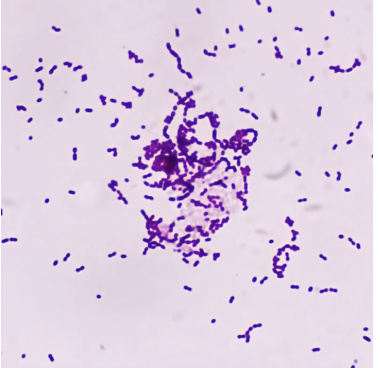
Bacteria
Prokaryotes
Single-celled microorganisms
About 10x smaller than eukaryotic cells
Lack membrane-bound organelles and nucleus
Most bacteria have cell walls that contain peptidoglycan
Some can be beneficial, some pathogenic
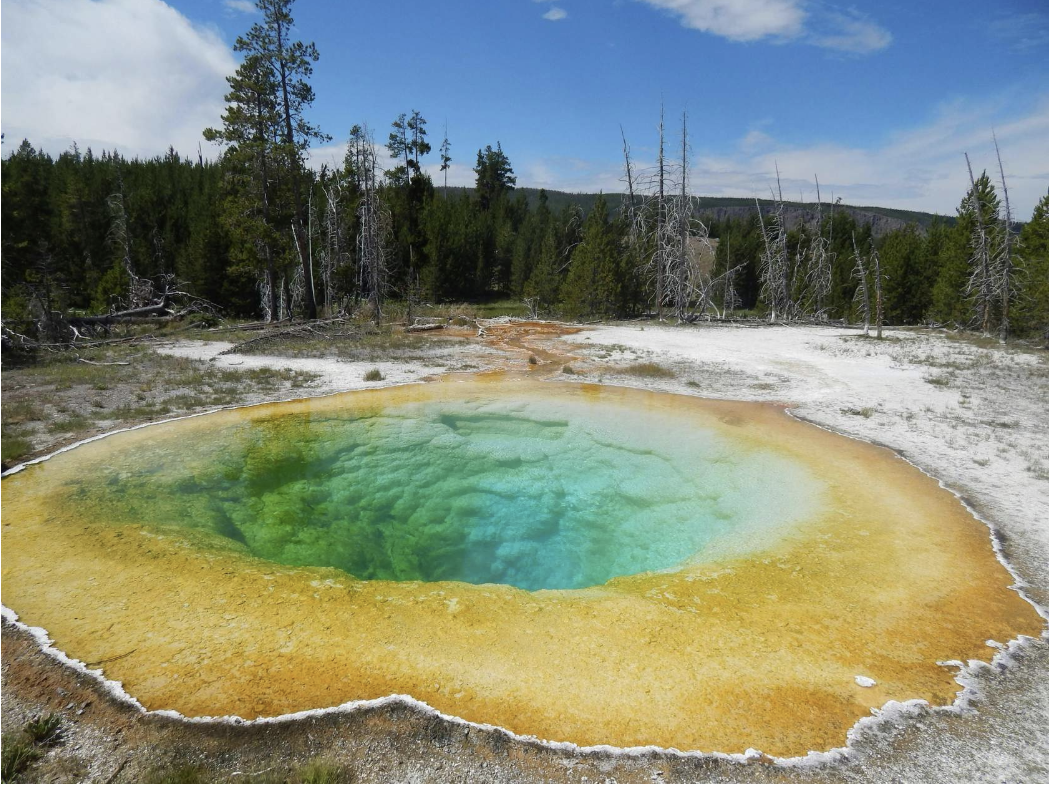
Archaea
Prokaryotes
Single-celled microorganisms
Lack organelles
Archaeal cell walls do not contain peptidoglycan
Often found in extreme environments (I.e., hot springs, ocean floor)
Not pathogenic to humans
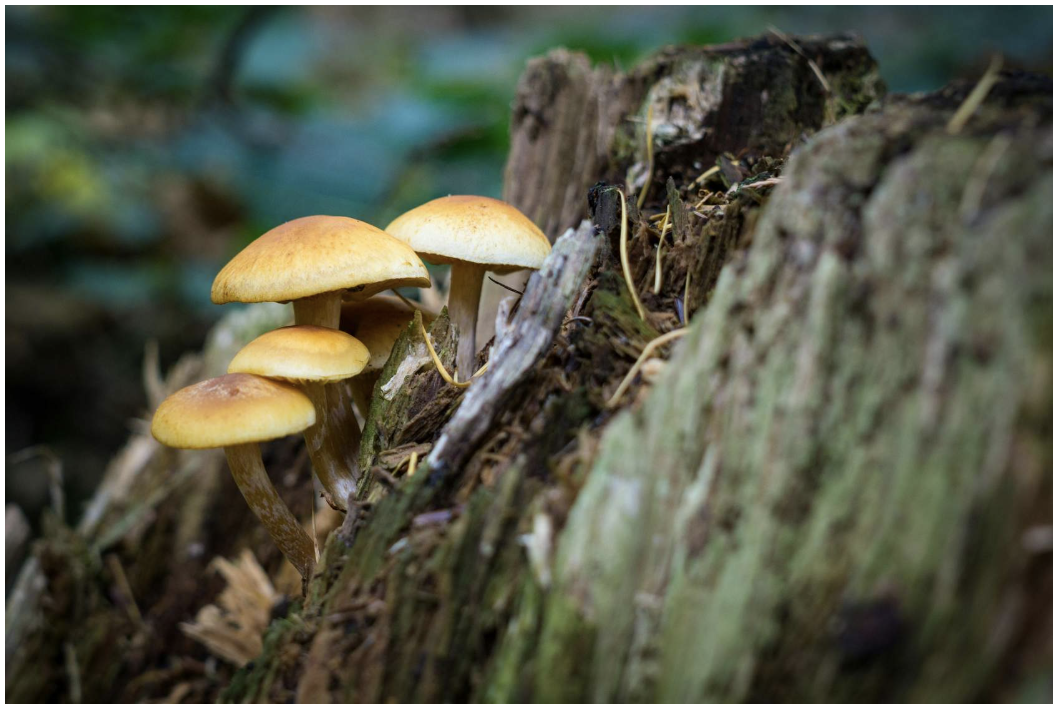
Fungi
Eukaryotic
Can be unicellular or multicellular
Include macroscopic fungi (mushrooms, puff balls) and microscopic fungi (yeast, molds)
Do not undergo photosynthesis
Cell walls are usually made out of chitin
involved in decomposition
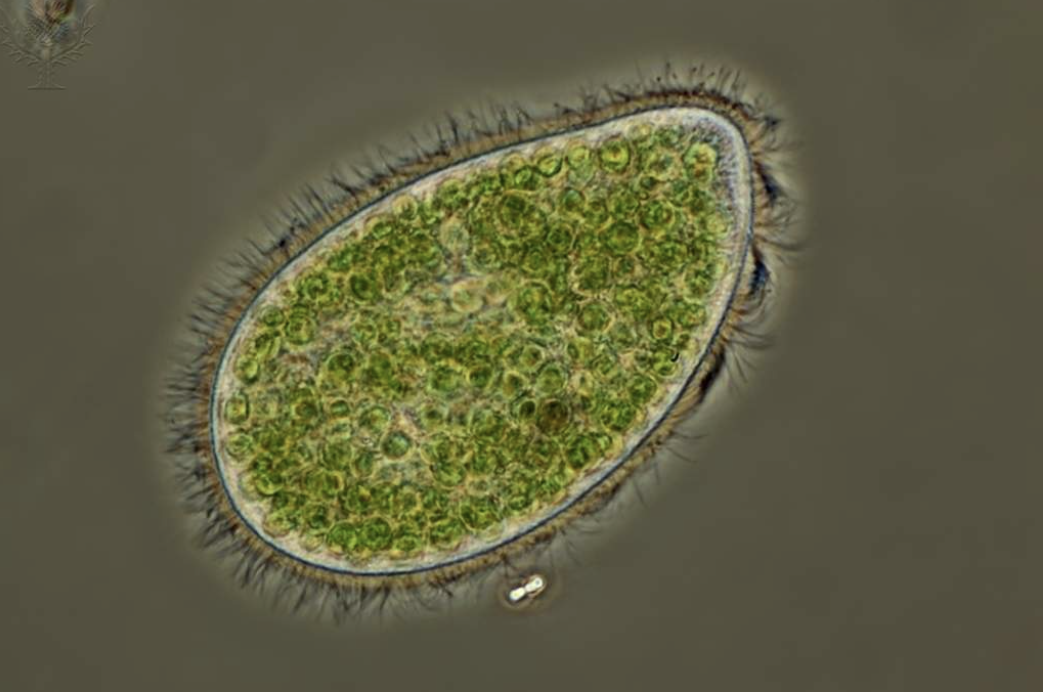
Protists
Eukaryotic
Include algae and protozoa
heterotrophic, autotrophic
can exhibit plant-like or animal-like characteristics
unicellular or multicellular
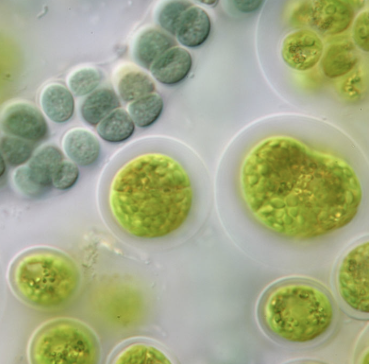
Algae
Plant-like organisms - includes plankton, seaweed, and kelp
Can be unicellular or multicellular
Undergo photosynthesis to produce energy
Eukaryote
Cell wall and chloroplast
Green, red, brown
unicellular species can be independent cells, filamentous chains, or colonia
sexual or asexual reproduction
Autotroph
Organism that converts inorganic to organic molecules for nutrition. This includes chemosynthesizers and photosynthesizers.
Cilia
Short, hair-like protein extensions on a cell’s surface used for locomotion or feeding currents.
Contractile vacuole
Structure that expels excess liquid to maintain salt and water balance (osmoregulation). Usually appears as a large, hollow circle within the cell.
Daughter colony
Colony formed by asexual reproduction (mitosis) within the parent colony of Volvox by reproductive cells. The daughter colony is released by the parent colony once it has developed.
Dichotomus key
Tool that uses characteristics to identify organisms. This is done by answering a series of questions with two answer choices to narrow down the identity of the organism
Flagella
Long, whip-like protein extensions on a cell’s surface used for locomotion.
NOT USED FOR FEEDING
Food vacuole
Digestive organelle. Usually appears as a small, hollow circle within the cell.
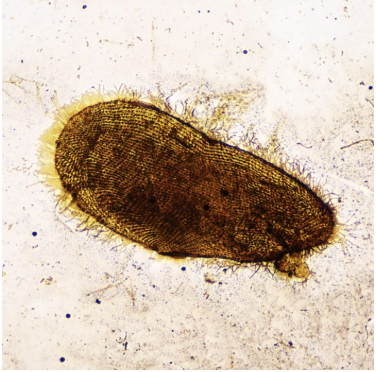
Protozoa
Eukaryotic, single-celled organisms AND/OR unicellular
Undergo locomotion (movement) using pseudopods, cilia, and/or flagella
Some are pathogenic to humans
Asexual or sexual reproduction
obtain nutrients by engulfing food particles
Heterotrophic protists that can be free-living or parasitic.
NO CELL WALL
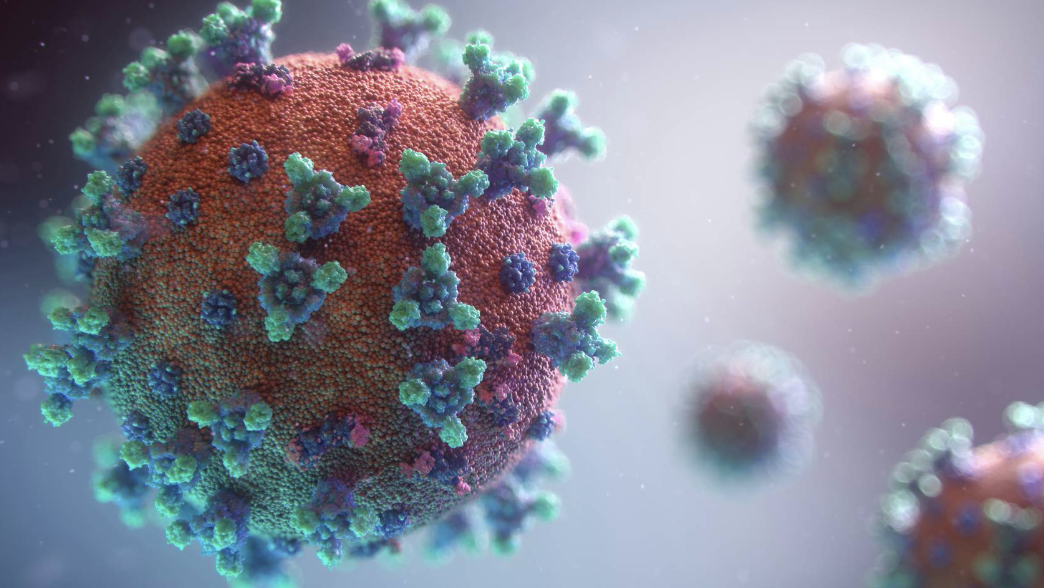
Viruses
Non-living, acellular microorganisms
Require a host cell to reproduce
Contain nucleic acid core (DNA or RNA) surrounded by a protein coat
Most are too small to be seen using standard light microscope
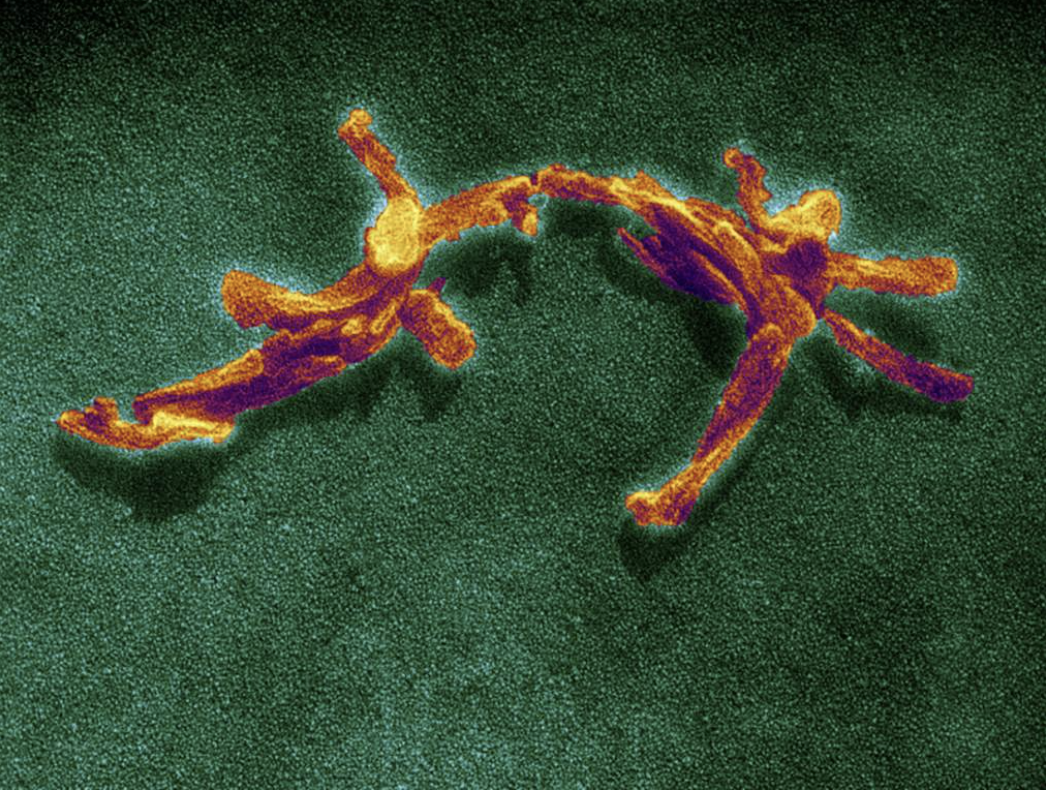
Prions
Acellular, misfolded proteins
Parasitic worms
Also known as proteinaceous infectious particles
Can misfold normal variants of the same protein
Do not contain a cell wall or membrane-bound organelles
Associated with neurodegenerative disorders in animals and humans (spongiform encephalopathies)
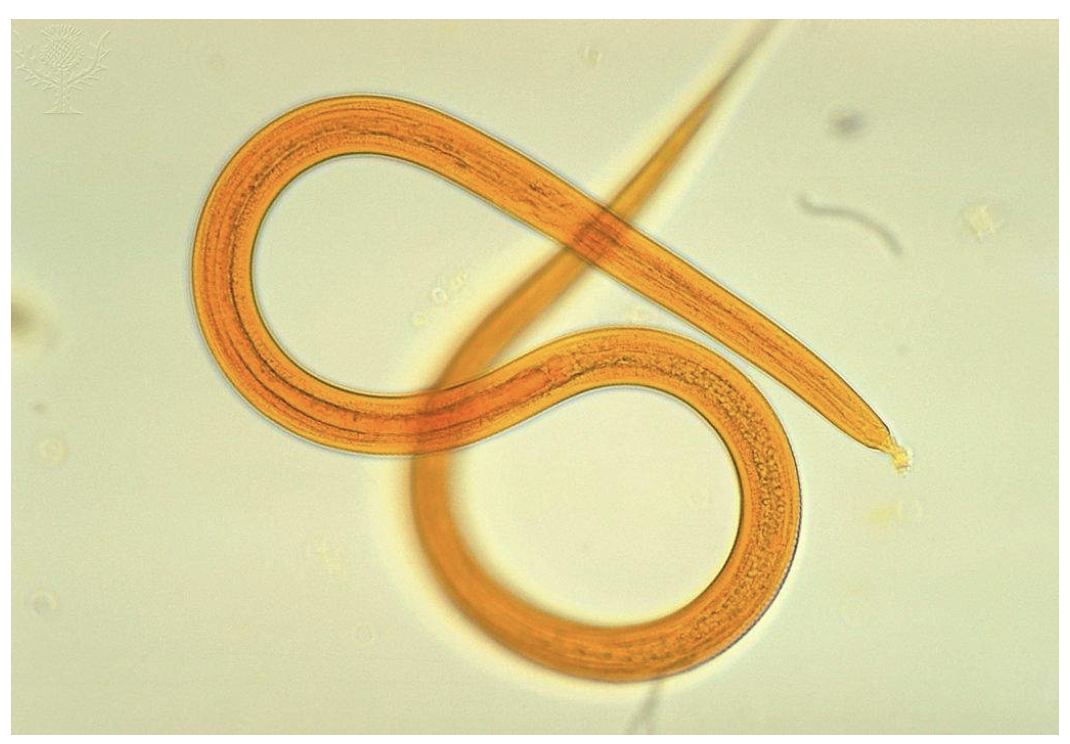
Helminths
Multicellular, parasitic worms
Includes tapeworms, roundworms, and flukes
Technically not considered microorganisms; however, eggs and larvae are microscopic
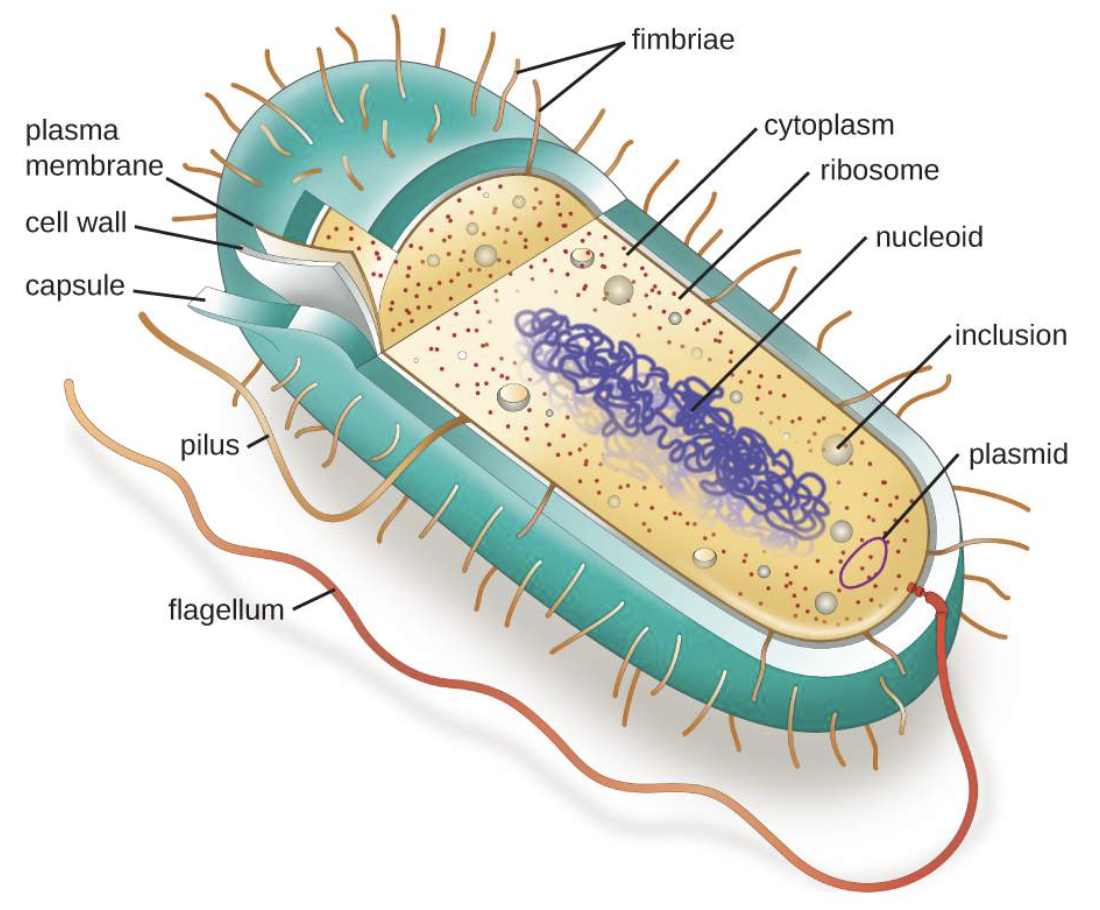
Prokaryotic cells
Unicellular (single celled)
NO NUCLEUS
Typically have a single, circular chromosome located in a nucleoid
NO MEMBRANE-BOUND ORGANELLES
Smaller than eukaryotic cells
Reproduce by binary fission
Organisms that can be bacteria and archae
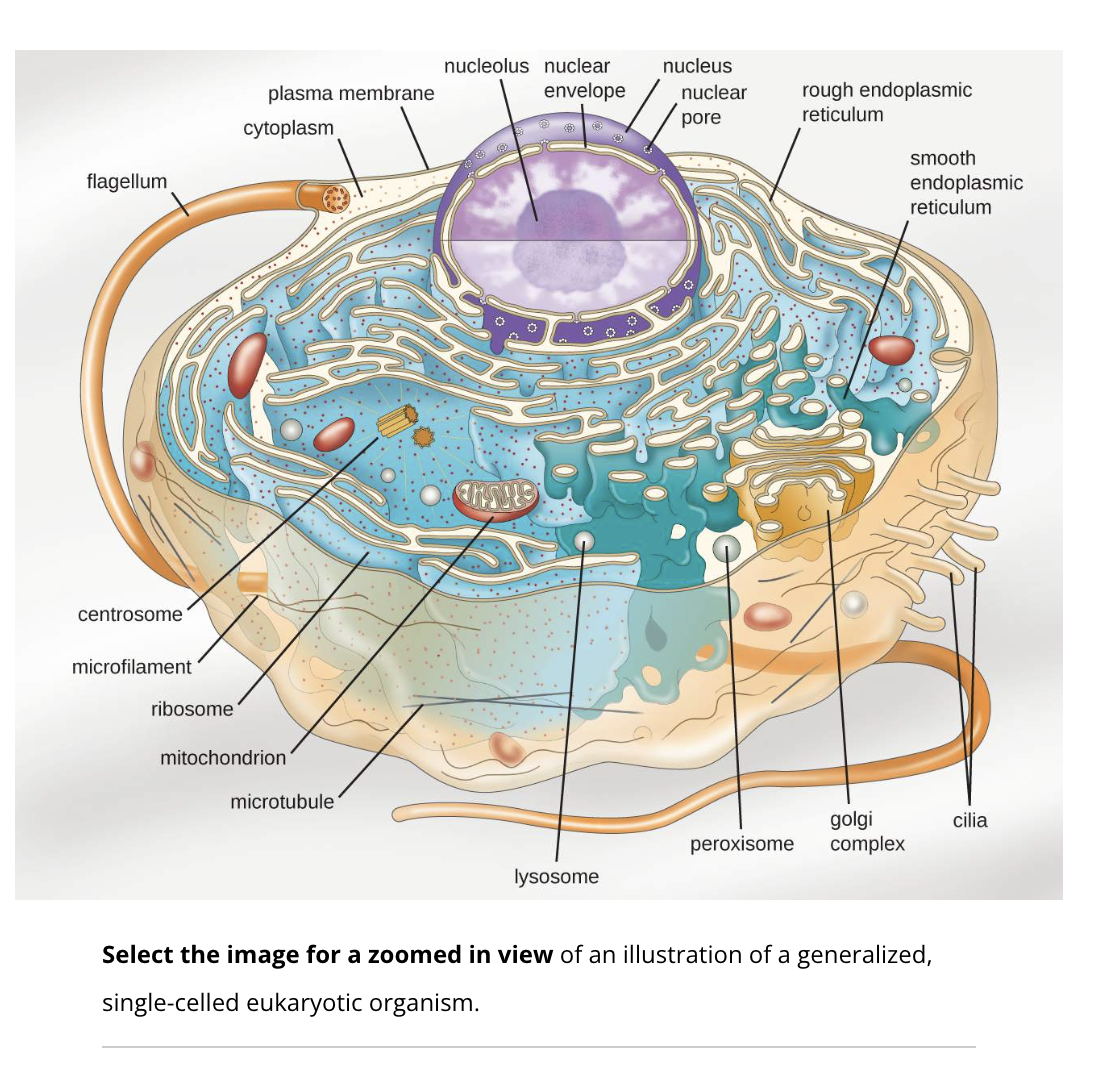
Eukaryotic cells
Protists, plants, animals, fungi
Unicellular or multicellular
Larger and more complex cells
Have a nucleus surrounded by a complex nuclear membrane
Nucleus contains multiple chromosomes
Contains membrane bound organelles such as mitochondria, endoplasmic reticulum, and Golgi bodies (or Golgi apparatus)
Typically reproduce by mitosis and meiosis
Antibiotics
Target bacteria
Taxonomy
The classification, identification, and naming of living organism
Nomenclature
the assignment of scientific names to individual organisms. A method commonly used to scientifically name microorganisms is the binomial (two-name) system.
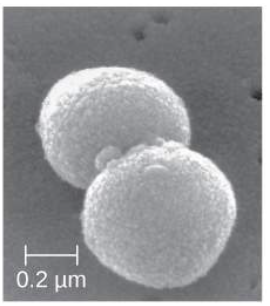
Coccus (pl. cocci)
Round
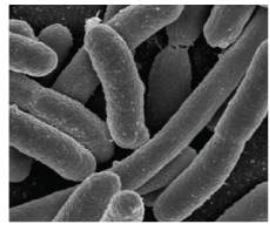
Bachillus (pl. bacilli)
Rod
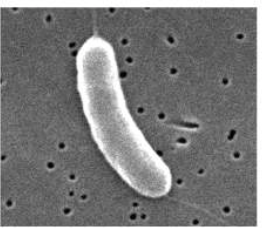
Vibro (pl. vibrios)
curved rod

Coccobacillus (pl. coccobacilli)
short rod
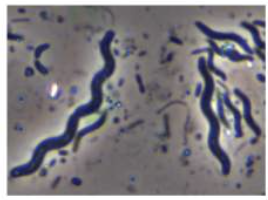
Spirillum (pl. spirilla)
spiral
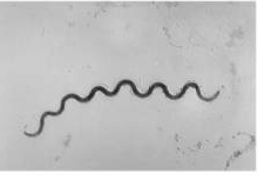
Spirochete (pl. spirochetes)
long, loose, helical spiral
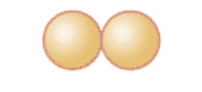
diplococcus
pair of two cocci
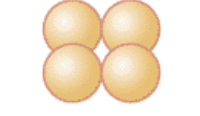
tetrad
grouping of four cells arranged in a square
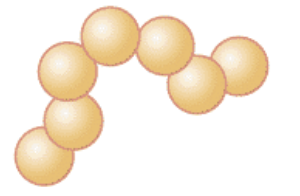
streptococcus
chain of cocci
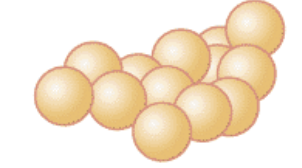
staphylococcus
cluster of cocci

diplobacillus
pair of rods

streptobacillus
chain of rods
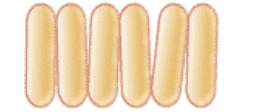
palisade
V- or L-shaped formations of rods
Gram-positive bacteria
is bacteria with a thick cell wall composed of peptidoglycan and no outer membrane.
Appear purple under magnification using the gram staining method
Examples include species of Staphylococcus (S. aureus, S. epidermidis), species of Streptococcus (S. pyogenes, S. pneumoniae), species of Clostridium
Gram-negative
is bacteria with an outer membrane, a cytoplasmic membrane, and a thin cell wall.
Outer membrane of gram-negative bacteria contains a molecule called lipopolysaccharide (LPS)
LPS is an endotoxin that can stimulate fever and symptoms of shock in the host
Appear pink under magnification using the gram staining method
Examples include E. coli, Pseudomonas aeruginosa, species of Klebsiella.
pathogen
Any agent (usually a virus, bacterium, fungus, protozoan, or helminth) that causes disease.
inoculation
The implantation of microorganisms into or upon culture media.
Five I’s
Incoulation, Intubatuion, Isolation, Inspection, Identification
Liquid media
Growth-supporting substance in fluid form.
Water-based solutions that do not solidify at temps above freezing and that tend to flow freely when the container is tilted
semisolid media
Nutrient media with a firmness midway between that of a broth (a liquid medium) and an ordinary solid medium; motility media.
provide a firm surface on which cells can form discrete colonies
general-purpose media
designed to grow as many different types of microbes as possible
Material used to promote the growth of a broad array of microbes.
hemolysin
Any biological agent that is capable of destroying red blood cells and causing the release of hemoglobin. Many bacterial pathogens produce exotoxins that act as hemolysins.
refraction
In optics, the bending of light as it passes from one medium to another with a different index of refraction.
what are used by protozoa for motility
cilia, flagella, cytoplasmic extensions called pseudopods
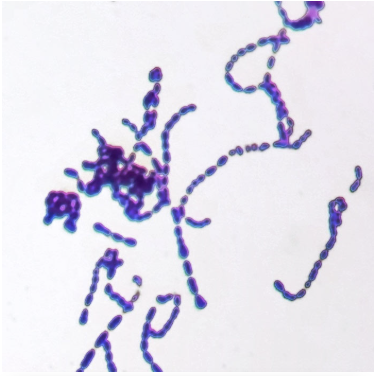
yeast
unicellular
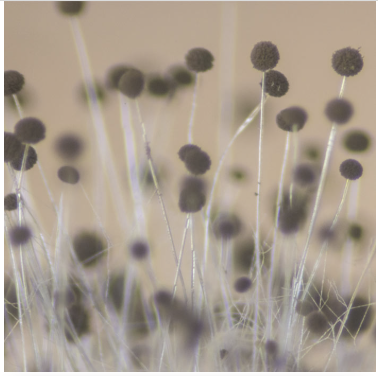
mold
multicellular
Heterotroph
Organism that absorbs or ingests organic food from the environment.
Nucleus
Contains the DNA of the cell and directs cellular functions. Stains as a dark, central circle within the cell.
oral groove
Ciliated channel that directs food to the mouth.
parent colony
Sphere of photosynthetic somatic (non-reproductive) cells and reproductive cells connected by cytoplasmic strands and extracellular matrix that make up a colony of Volvox.
pellicle
Protective protein layer on the cell membrane.
phagocytosis
Process by which cell membranes surround particles and engulf them. This is exhibited in amoeboids and other protozoans that lack a mouth and/or an oral groove.
pseudopodia
Foot-like extensions of the cell membrane created by cytoplasmic streaming and used for feeding and propulsion.
supergroup
Taxonomic group that lies between kingdom and domain. All organisms within the group evolved from a common ancestor.
vector
Organism that spreads pathogens between other organisms without causing disease itself.
mosquitos
vegetative cell
Flagellated somatic (non-reproductive) cells that make up the parent colony of Volvox.
biofilm
A complex association that arises from a mixture of microorganisms growing together on the surface of a habitat.
planktonic
Term referring to microbes that are free-floating in a liquid medium.
glycocalyx
A filamentous network of carbohydrate-rich molecules that coats cells.
outermost boundary that comes into direct contact with the enviroment (AKA extracellular matrix).