Art History 2 Final
 Call Kai
 Learn
Learn Practice Test
 Spaced Repetition
 Match
Match Flashcards
 Knowt Play
1/50

There's no tags or description
Looks like no tags are added yet.
Name | Mastery | Learn | Test | Matching | Spaced | Call with Kai |
|---|
No analytics yet
Send a link to your students to track their progress
51 Terms
Baroque in Italy and Spain
Started in Rome
Focuses on intense and dark drama, emotion, movement
Introduction of new subject matter
Helps pioneer genre scenes, still life pieces, and landscapes
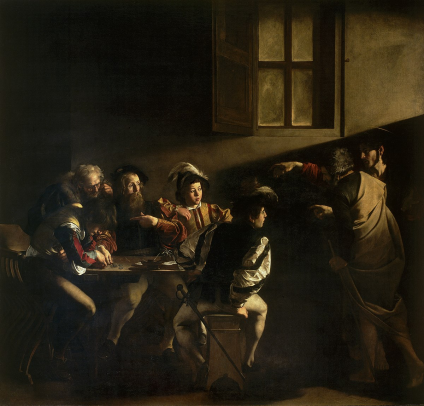
Caravaggio, The Calling of St. Matthew, Baroque in Italy and Spain
Tenebrism - the intense contrast of light and dark in painting
Uses dark and light color palettes and close cropping techniques
Very influential in this time period with his methods
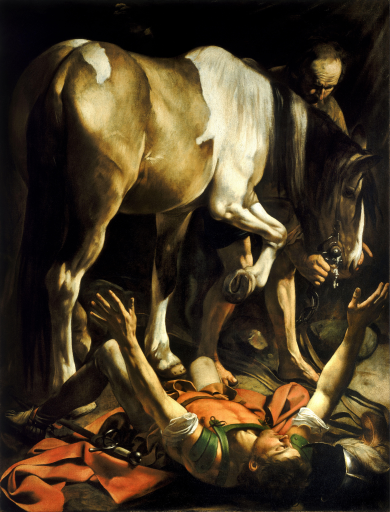
Caravaggio, The Conversion of St. Paul, Baroque in Italy and Spain
Intense light and dark (tenebrism)
Close cropping
Drama, emotion, and movement
Choosing to focus on things like emotion
Foreshortening (things feel closer than they should be)
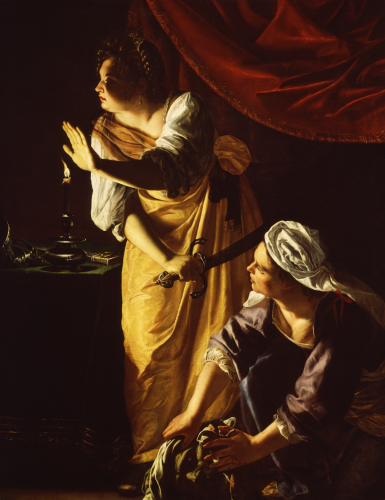
Artemisia Gentileschi, Judith and Her Maidservant with the Head of Holofernes, Baroque in Italy and Spain
Female artist
Tenebrism, close cropping, drama, emotion, and movement
First women who was admitted to the Academy of Design in Florence
Special cases of women being admitted into schools or guilds
Closely cropped, small composition (women looking the side as if someone is there)
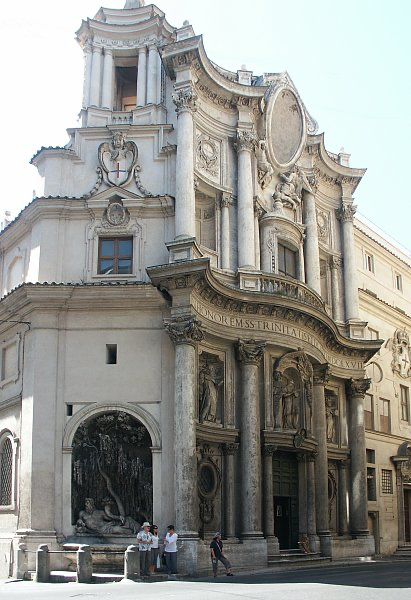
Francesco Borromini. Façade of San Carlo alle Quattro Fontane, Baroque in Italy and Spain
Classical architecture but without the perfect shapes
Drama
Using organic lines
Using the space in a different way
Borromini is known for exterior spaces
Some refer to it as the corruption of architecture
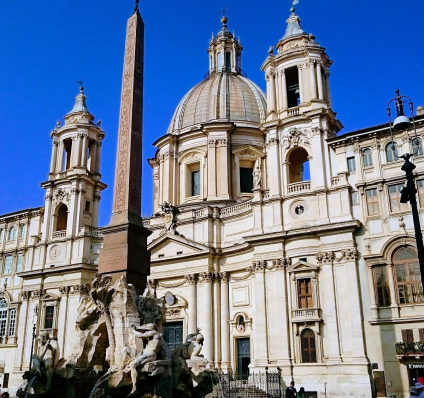
Borromini’s Sant’Agnese, behind Bernini’s Four Rivers Fountain, Baroque in Italy and Spain
Brought everything forward because you couldn’t see the dome and towers from the street
Classical elements
Created a centralized plan
Dome sits closer to the façade of the building so it’s more visible
Curving façade of the building inward so there is more space for the dome to protrude
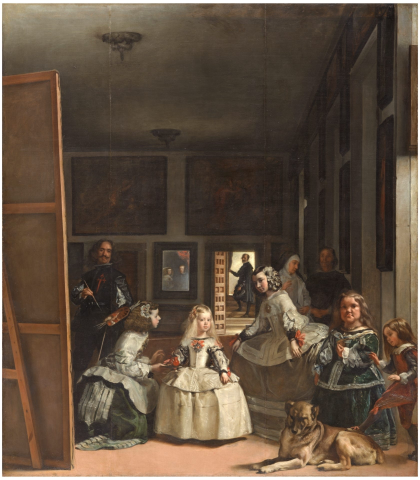
Diego Velázquez, The Maids of Honor, Baroque in Italy and Spain
Genre scene
A lot of symbolism
Depicting himself working, painting a picture of the royal family (he was a court worker)
King and queen depicted in the back
Baroque in the Netherlands
North is Holland not ruled by Spain (religious freedom)
Different schools of painting and local styles in Holland
More merchants and farmers in Holland
South is Flanders ruled by the spanish (all catholic)
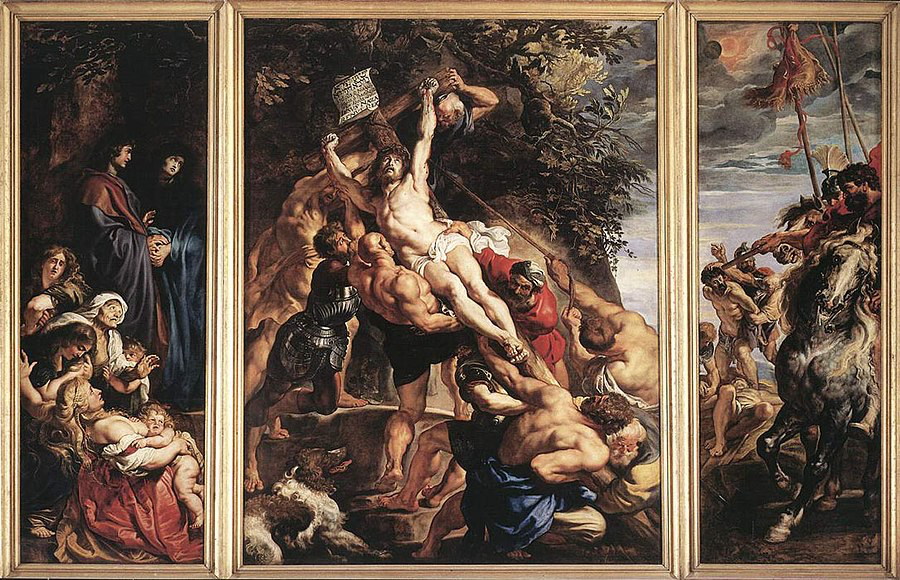
Peter Paul Rubens, The Raising of the Cross, Baroque in the Netherlands
Is kind of the founding father of the rubenists
Movement, musculature, emotion, and drama
Intense colors
Atmospheric perspective
Travels all over and returns to the Netherlands so he is exposed to a lot of different styles
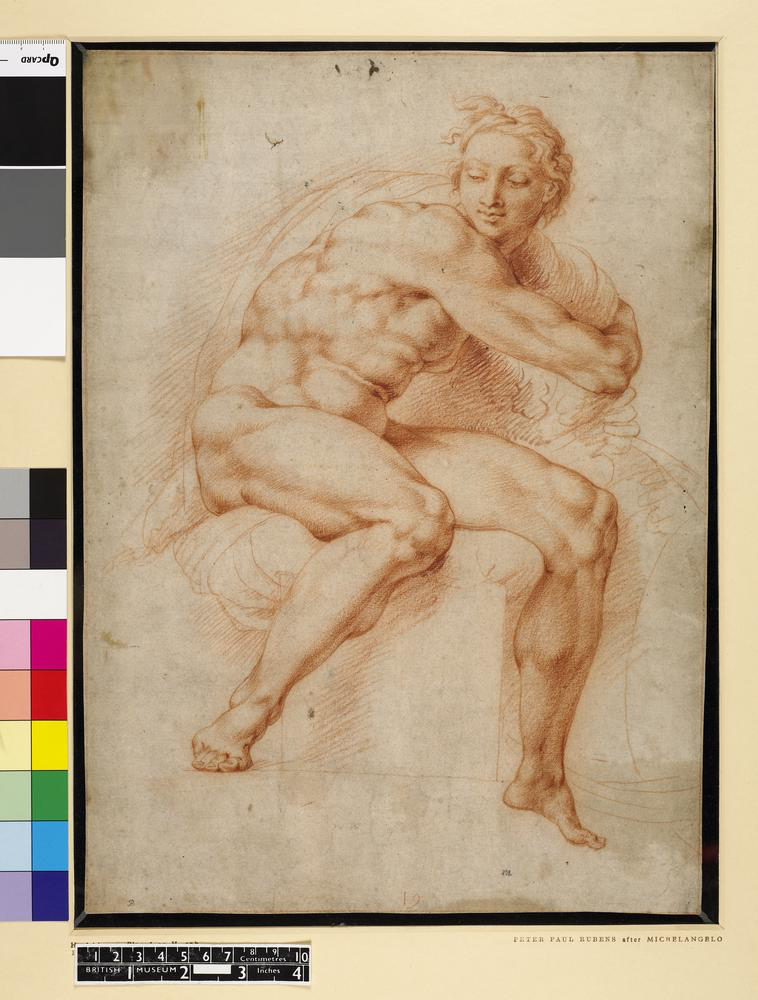
Peter Paul Rubens, Drawing after Michelangelo’s Ignudi from the Sistine Chapel Ceiling, Baroque in the Netherlands
Influenced by michelangelo
Musculature
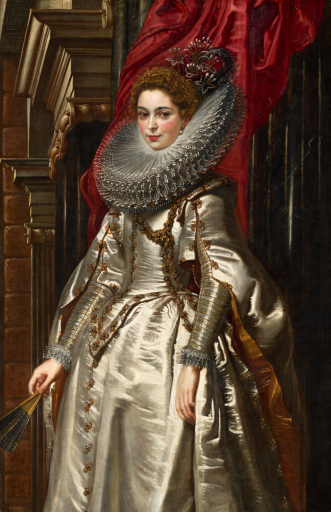
Peter Paul Rubens, Marchesa Brigida Spinola Doria, Baroque in the Netherlands
Inside, three quarter pose, best clothes
More intense color palette
Spanish royalty
Thought to have initially been full length but was cut down
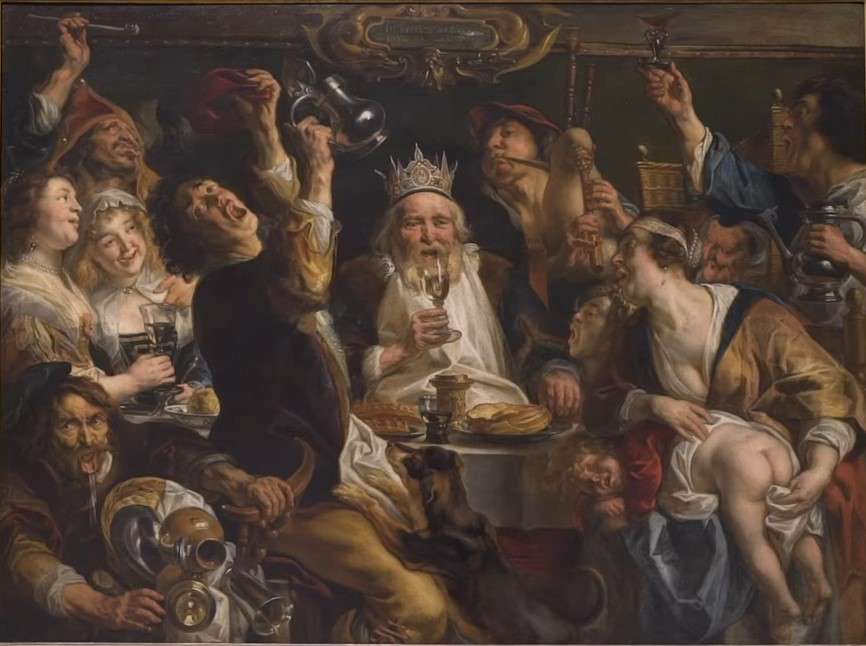
Jacob Jordaens, The King Drinks, Baroque in the Netherlands
Celebration of a holiday in the Netherlands
The head of your household is “the king”
Drama, movement, and emotion
Closely cropped
Genre scene
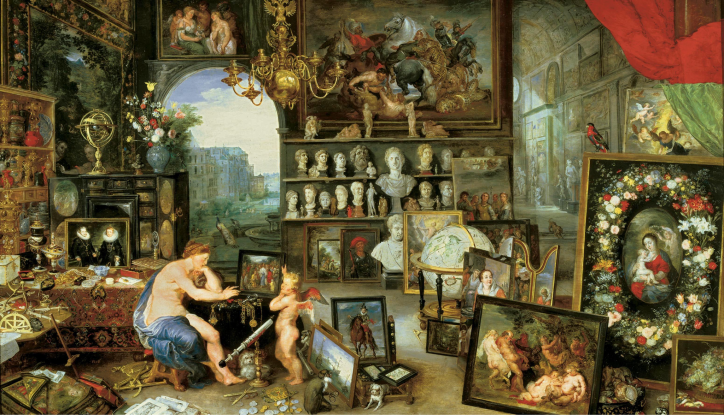
Jan Brueghel the Elder and Peter Paul Rubens, Allegory of Sight, Baroque in the Netherlands
Kunstkammer - room of art
Wunderkammer - rooms of wonder
More trade routes and merchants people are seeing things they haven’t seen before
Wealthy people and artists would have these rooms
Collaboration work
Influence from the Renaissance with atmospheric perspective
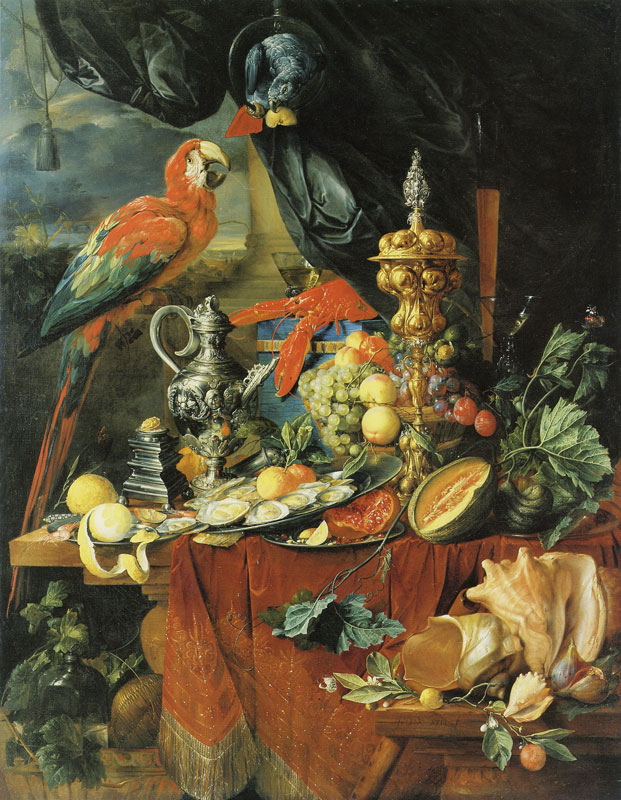
Jan Davidsz de Heem, Still Life with Exotic Birds, Baroque in the Netherlands
Pronk still life - showy, over the top
Very fancy and exotic things that people wouldn’t see or have very often
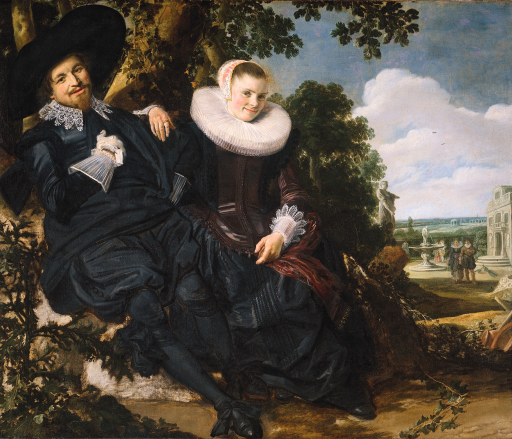
Frans Hals, Married Couple in a Garden: Portrait of Isaac Masa and Beatrix van der Laen, Baroque in the Netherlands
Genre scene
In casual dress, laughing and talking
People being depicted with mouths open to show they are talking
Very casual portrait
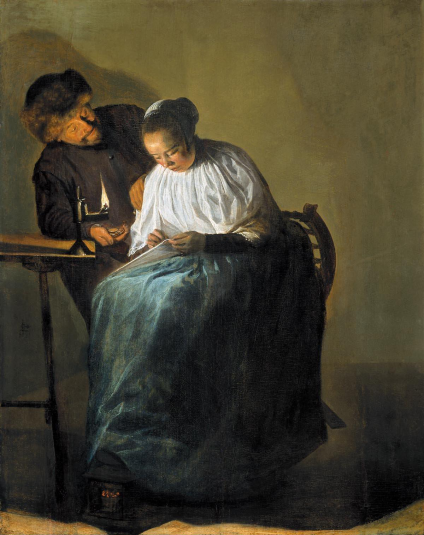
Judith Leyster, The Proposition, Baroque in the Netherlands
Female artist
Painting from the female perspective
She is being propositioned by the man but she is not interested
Dramatic, close cropping, dark color palette
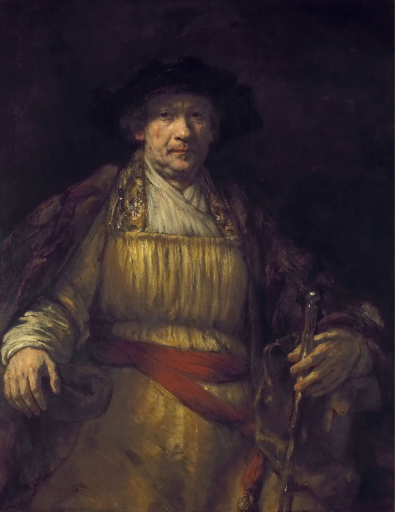
Rembrandt van Rijn, Self-Portrait, Baroque in the Netherlands
Impasto - thick paint application
Dark colors
Dramatic
Got a mirror so he could see himself
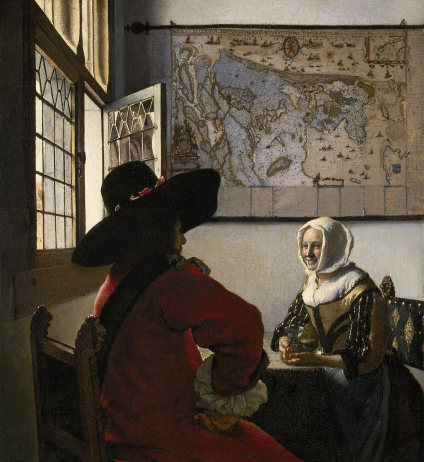
Jan Vermeer, Officer and Laughing Girl, Baroque in the Netherlands
A lot of his paintings are lit from the side
Mysterious painter (don’t know a lot about him)
Close cropping, tenebrism
Seems like he respects women
Baroque in France & England
Focus on drama and emotion
Seeing different ideas and artworks traded from region to region
The shift of the art capitol (from Rome to Paris)
Calling back artists who are citizens of France for publicity
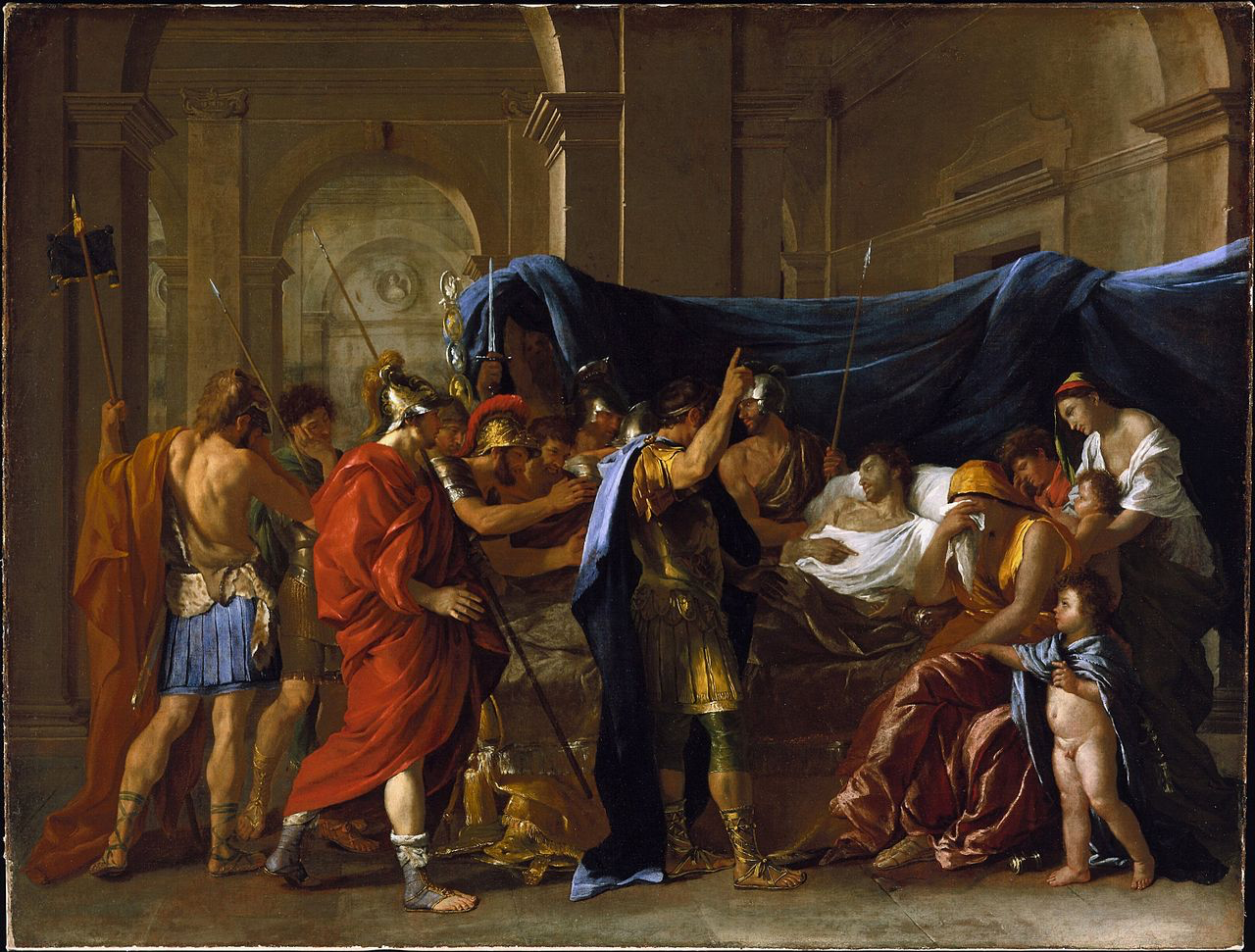
Nicolas Poussin, The Death of Germanicus, Baroque in France and England
One of the French artists that went to Italy, and was called back by the king who wanted France to be the art capital of the world
Drama, movement, and intense colors
His work was huge for the foundation of the academy
Made a lot of history paintings
Pioneered the death bed scene
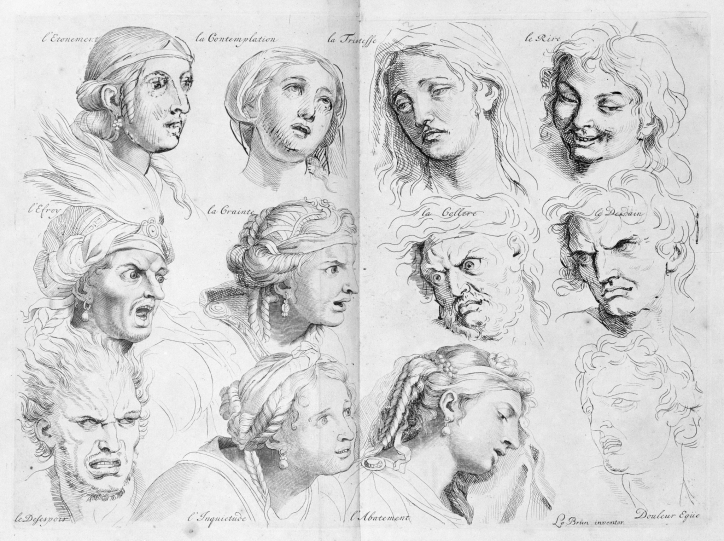
Henri Testelin, after Charles Le Brun, The Expressions, Baroque in France and England
Academy was the French school that the government founded to help make France the art capital of the world
Taught facial expressions
Looking back to the classical past
Wanted everything to be as accurate as possible
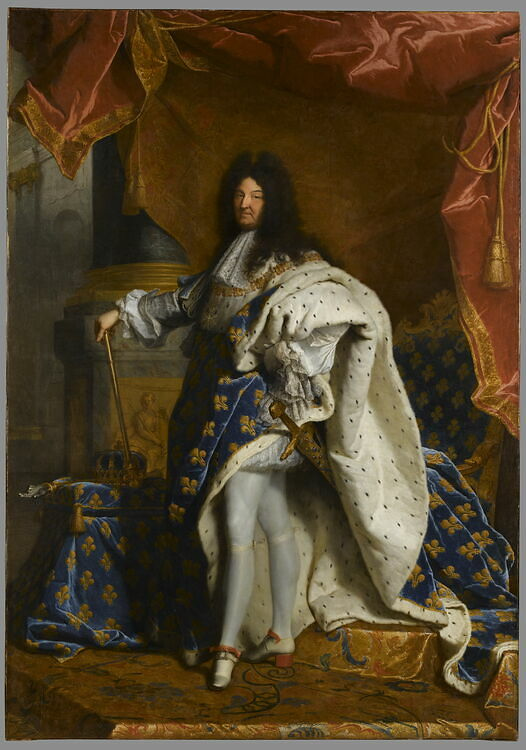
Hyacinthe Rigaud, Portrait of Louis XIV, Baroque in France and England
Wanted his legs to be depicted because he was a dancer
Stength and power being depicted by his pose, stance, and clothing
Interior setting
Three quarter pose and rich colors
Helping develop the academy and changing some of the architecture
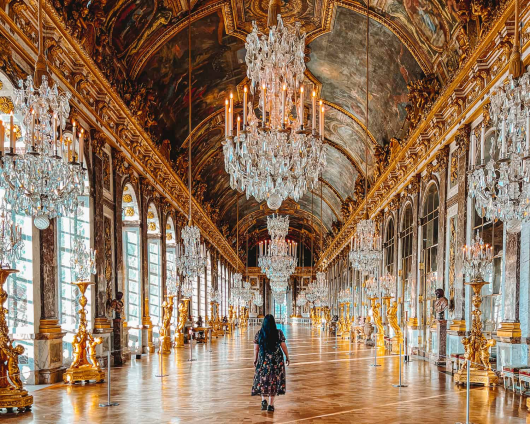
Jules Hardouin-Mansart, Louis Le Vau, and Charles Le Brun. Galerie des Glaces (Hall of Mirrors), Palace of Versailles, Baroque in France and England
The king forced the government officials to live here
Mirrors were very expensive (indication of strength and power)
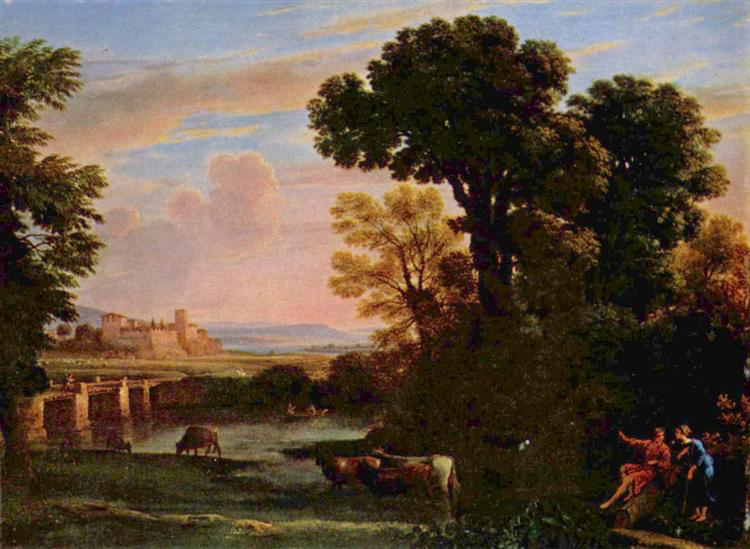
Claude Lorrain, A Pastoral Landscape, Baroque in France and England
Heirarchy of genres
History paintings are viewed as the most important type of painting by the academy
Rococo
Poussinistes believe that line is the most important aspect of a painting
Rubenistes believe that color is the most important aspect of a painting
Lighter drama and color palettes
Very lighthearted
People are allowed to leave Versailles
Sort of a diversion from real life
Very lush environments
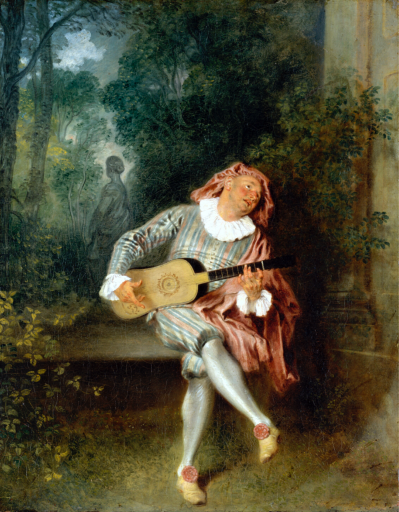
Jean-Antoine Watteau, Mezzetin, Rococo
Fête gallante - outdoor entertainment of French high society
Very lush background
Rococo expresses fantasy-like scenes
Musician singing to the girl behind him who is a statue
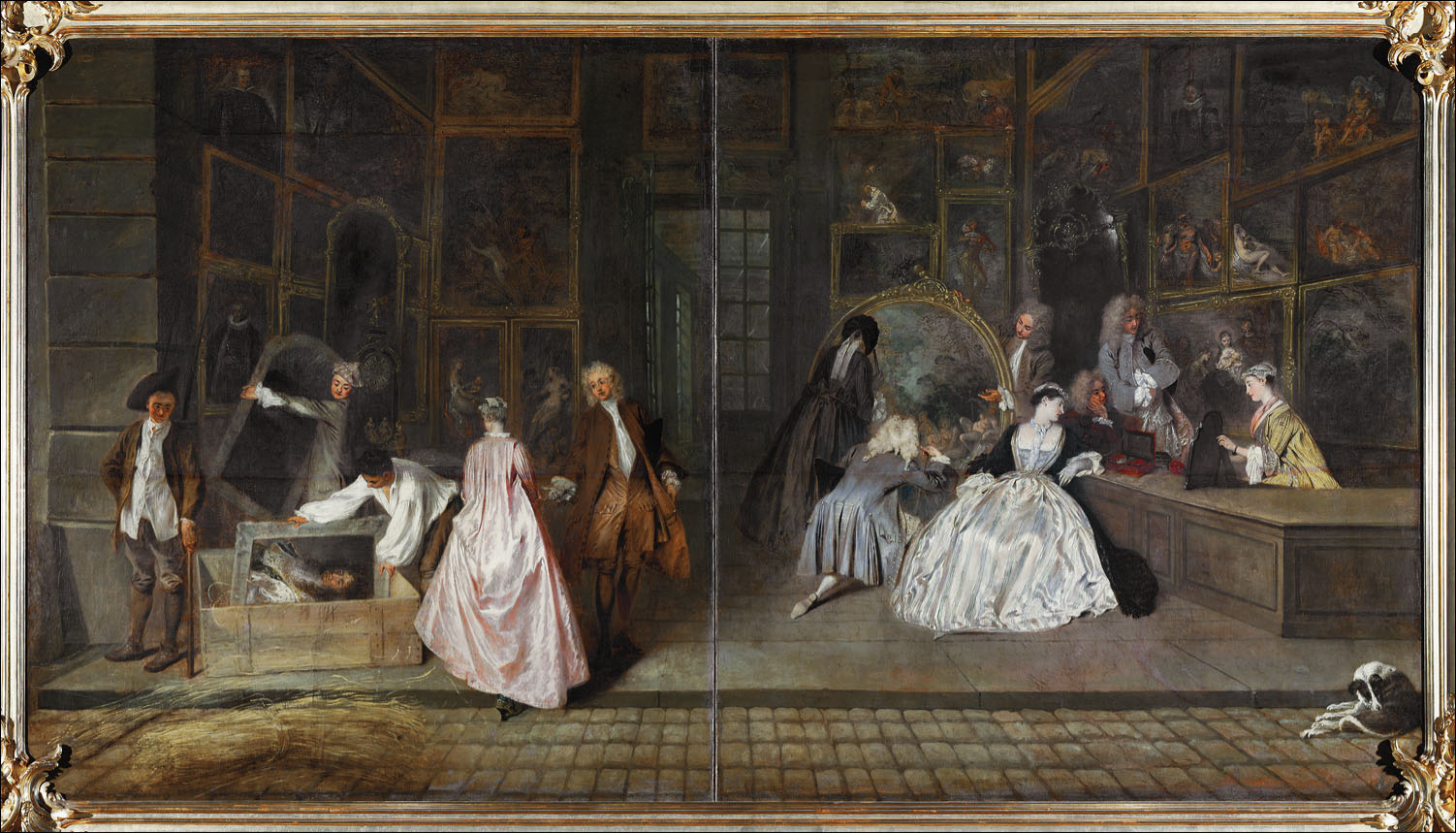
Jean-Antoine Watteau, Gersaint’s Signboard Pompadour, Rococo
Depicting the studio of one of his friends
Was a reubenist (color)
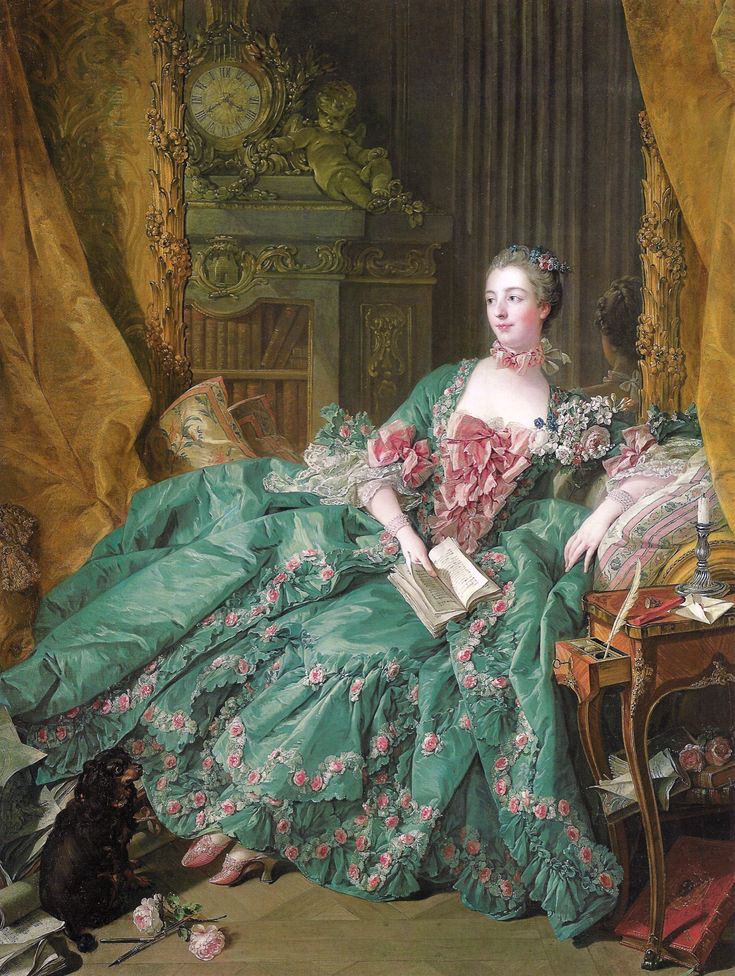
François Boucher, Portrait of Madame de Pompadour, Rococo
Bright colors
Light and airy atmosphere
Classic rococo
Teals and pinks are very common in rococo work
A lot of symbolism
Trying to depict her as very knowledgeable (she was interested in academics)
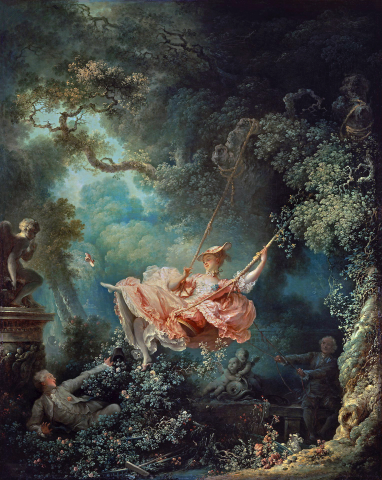
Jean-Honoré Fragonard, The Swing, Rococo
Lush background
Bright colors
Commissioned work
Romance between two individuals
Symbolism
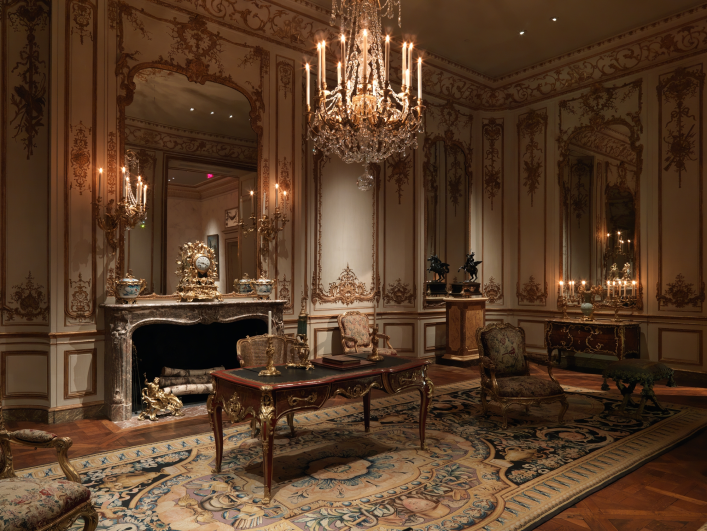
Nicolas Pineau. Room in the Hôtel de Varengeville, 217 Boulevard St. Germain, Paris, Rococo
Rococo interiors always have gold gilding, white walls, pastel colors
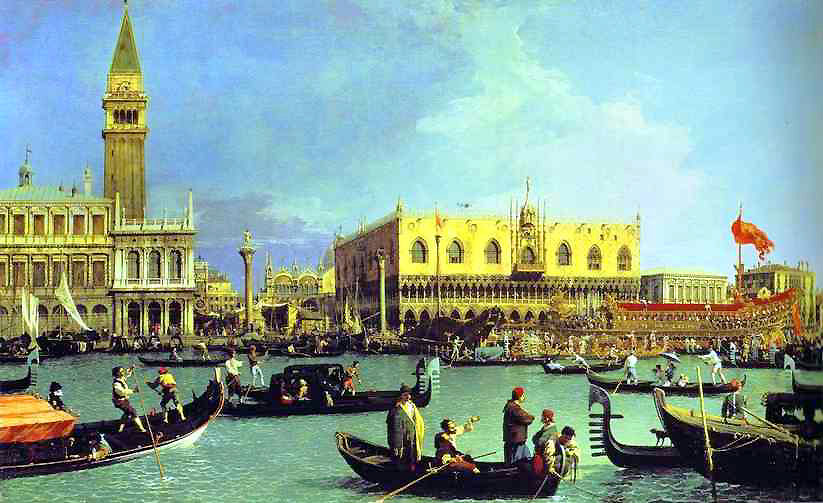
Canaletto, The Bucintoro at the Molo, Rococo
Artwork people would buy as a souvenir
Art in the Age of the Enlightenment
New philosophy
Neoclassicism and romanticism
Going through on of the first industrial revolutions
Empiricism - idea that knowledge comes from practical experience rather than abstract thought or religious revelation
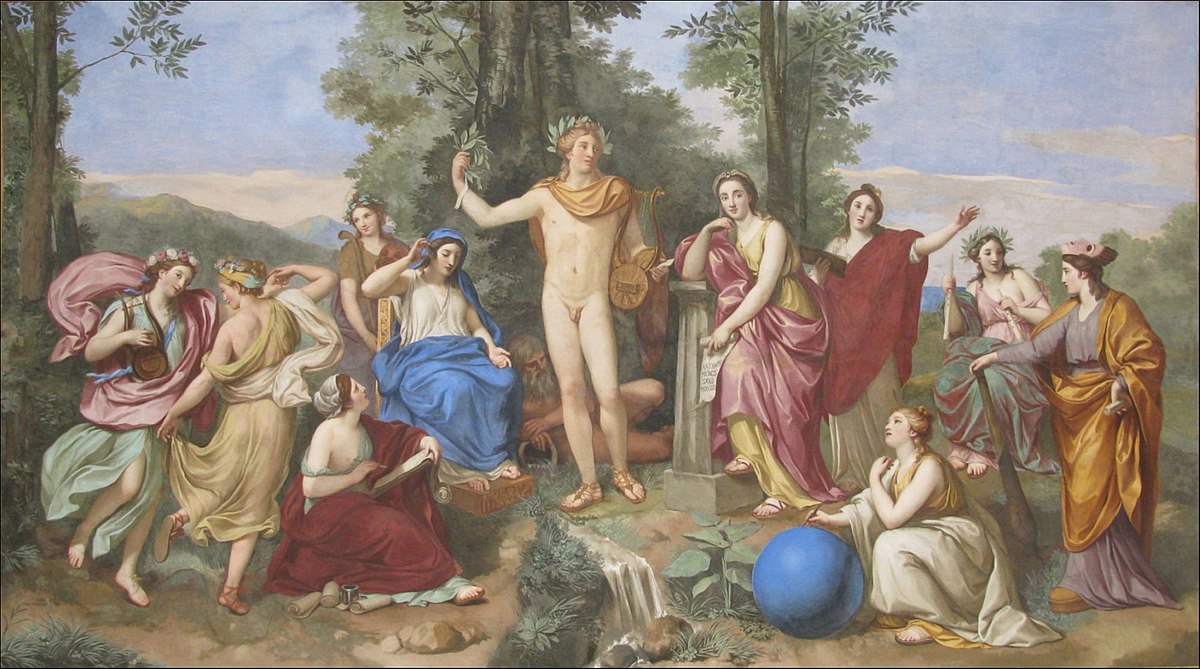
Anton Raphael Mengs, Parnassus, Art in the Age of the Enlightenment
Neoclassicism - styles from the 18th century onwards that look back to the styles of the classic period of ancient Greece & Rome
Looking back to the classical past
Contrapasto pose, drapery, movement, atmospheric perspective, architecture
Artists looking to revive classical past or create something new
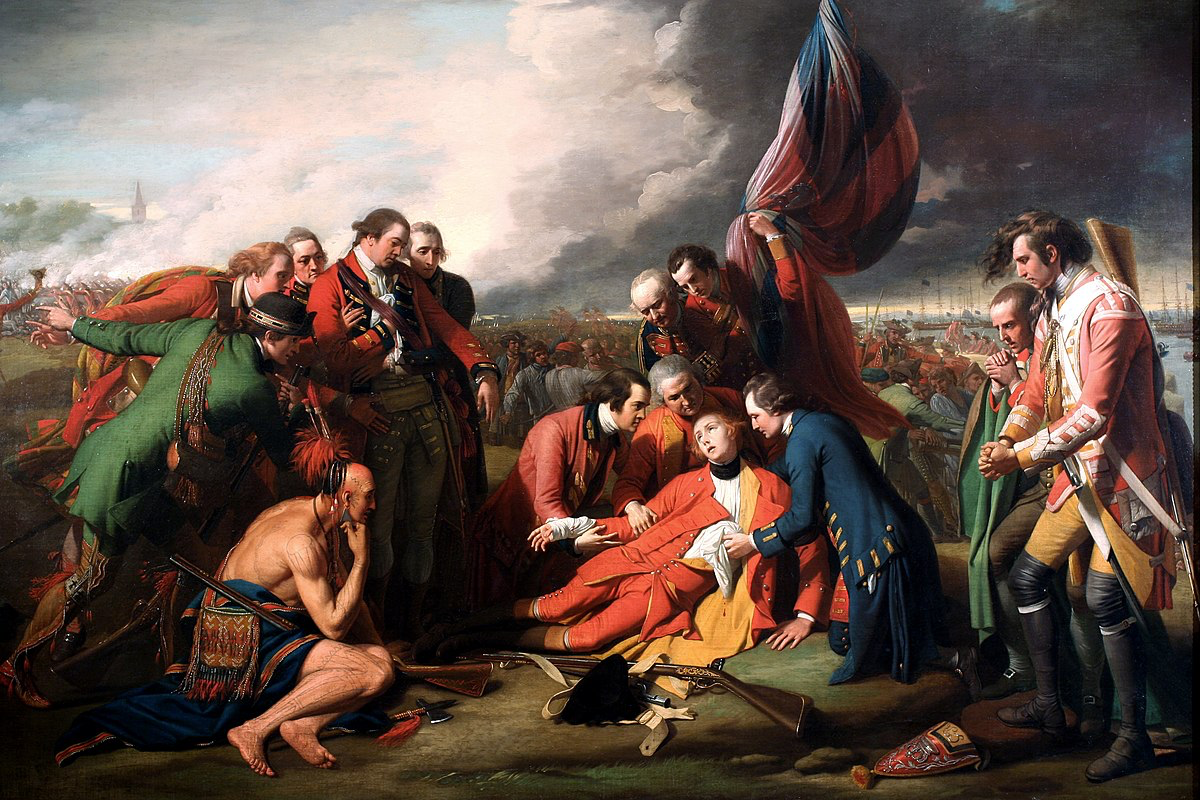
Benjamin West, The Death of General Wolfe, Art in the Age of the Enlightenment
History painting
Death bed scene
Neoclassicism can be associated with history paintings
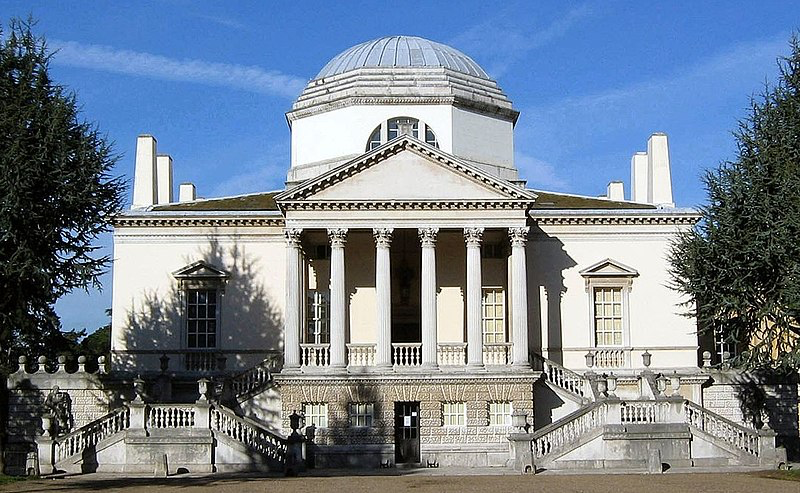
Lord Burlington and William Kent. Chiswick House, near London, Art in the Age of the Enlightenment
Classical architecture
Based on Palladio’s four books of architecture
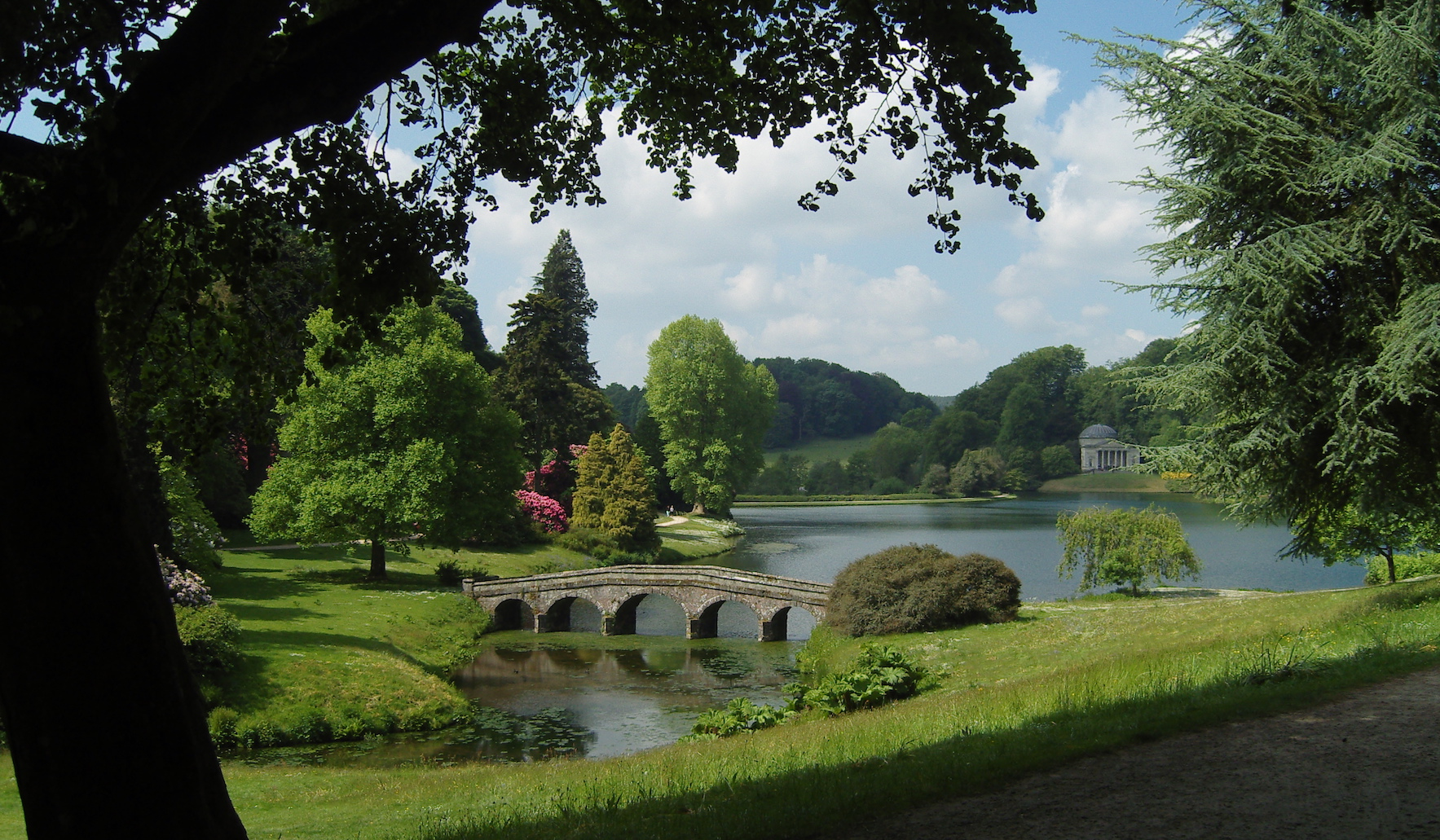
Henry Flitcroft and Henry Hoare II. Park at Stourhead, Wiltshire, England, Art in the Age of the Enlightenment
Picturesque - enough variety and beauty that makes something interesting to look at
Emergence of the first industrial revolution
Created landscape gardens so people could go into nature
Currated to look natural, but everything is planned
Typically have some type of architecture
Escapism and picturesque
Hierarchy of Genres in the Academy
History Painting
Portraiture
Genre Painting
Landscapes
Still Life
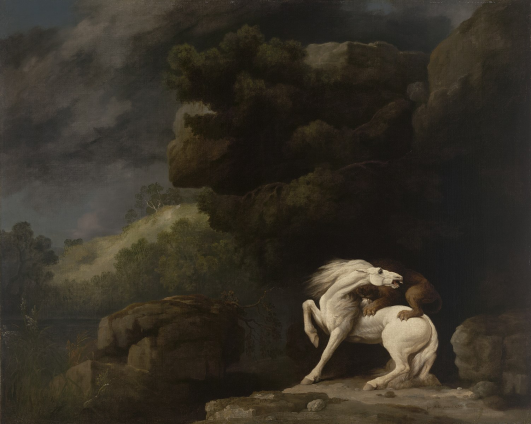
George Stubbs, Lion Attacking a Horse, Art in the Age of the Enlightenment
Romanticism - beginning in the late 18th c. and continuing through much of the 19th c., a movement in music, literature, and visual arts that exalted in humanity’s capacity for emotion
Sublime - making the viewer interested in a painting, making them want to learn more about it, but not wanting to be there in real life
Artists are aiming to make people feel sublime with their paintings
Only wanted to paint specific things that he saw
Darker color palette
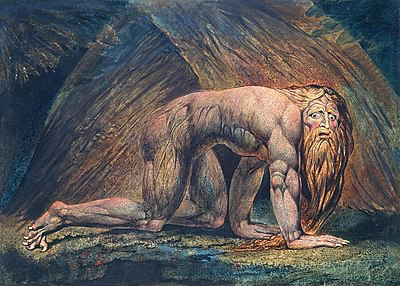
William Blake, Nebuchadnezzar, Art in the Age of the Enlightenment
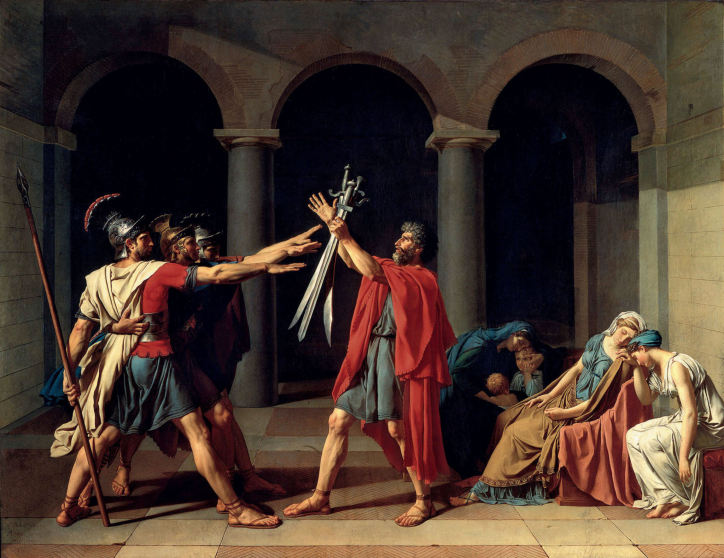
Jacques-Louis David, The Oath of the Horatii, Art in the Age of the Enlightenment
History painting
Linear technique
Originally given this as a commission to paint the brother killing his sister
Instead of going to large scale war three brothers will fight three brothers (Horatii brothers before battle)
Heroic part of the painting and emotional part of the painting
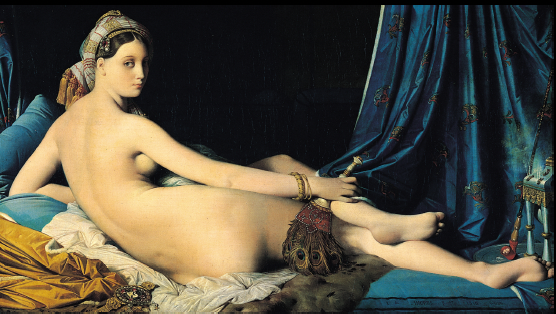
Jean-Auguste-Dominique Ingres, Grande Odalisque, Art in the Age of the Enlightenment
Being interested in line itself
Back is elongated because of interest in line
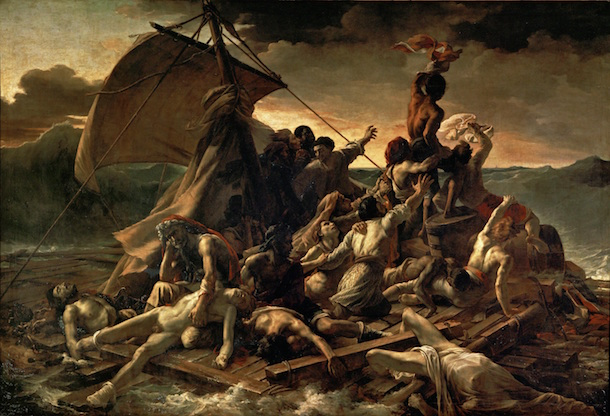
Théodore Géricault, The Raft of Medusa, Art in the Age of the Enlightenment
History piece
Tenebrism
The intense contrast of light and dark in painting
Kunstkammer & Wunderkammer
Kunstkammer - room of art
Wunderkammer - rooms of wonder
Pronk Still life
Showy, over the top
Impasto
Thick paint application
Fête Gallante
Outdoor entertainment of French high society
Empiricism
Idea that knowledge comes from practical experience rather than abstract thought or religious revelation
Genre Painting
A picture of everyday life
Neoclassicism
Styles from the 18th century onwards that look back to the styles of the classic period of ancient Greece & Rome
Romanticism
Beginning in the late 18th c. and continuing through much of the 19th c., a movement in music, literature, and visual arts that exalted in humanity’s capacity for emotion