Michelle Paddock Marine Biology Study Guide
 Call Kai
 Learn
Learn Practice Test
 Spaced Repetition
 Match
Match Flashcards
 Knowt Play
1/244

There's no tags or description
Looks like no tags are added yet.
Name | Mastery | Learn | Test | Matching | Spaced | Call with Kai |
|---|
No analytics yet
Send a link to your students to track their progress
245 Terms
what is osmosis?
diffusion of water across a semi-permeable membrane
why does osmosis create a challenge for marine organism?
because most marine organisms are osmoconformers, so cell salt content= external salinity
what is more common, osmoconformer or osmoregulator
osmoconformer
osmoconformer vs osmoregulator
osmoconformer: cannot control osmosis or its impacts
osmoregulator: can control salt content of cells & counteract osmosis
what types of organisms are osmoregulators?
certain plants, fish, reptiles and mammals
what are the methods osmoregulators use to regulate the balance of salt and water in their bodies
vascular plants vs algae
vascular plants- evolved special conductive tissues for transportation of water and food throughout the plant, drawing nutrients and water through the roots
algae- simpler than vascular plants, they have no conductive tissues for transportation. They are bathed in a water medium that contains minerals, so they have no roots
from an evolutionary perspective, what does the tree of life show?
‘ancient’/’lower’ animals are no better or worse adapted than ‘more complex’/ ‘higher’ animals
photosynthesis equation
CO2 + H20 + Sunlight → Sugars + O2
what else do photosynthetic organisms need for photosynthesis in order to grow, maintain themselves and reproduce?
what does it mean to be a plankton?
to be a wanderer
what are phytoplankton?
microscopic organisms that drift in the sunlit upper layer of marine and freshwater enviornments
what are the three main groups of phytoplankton?
cyanobacteria
diatoms
dinoflagellates
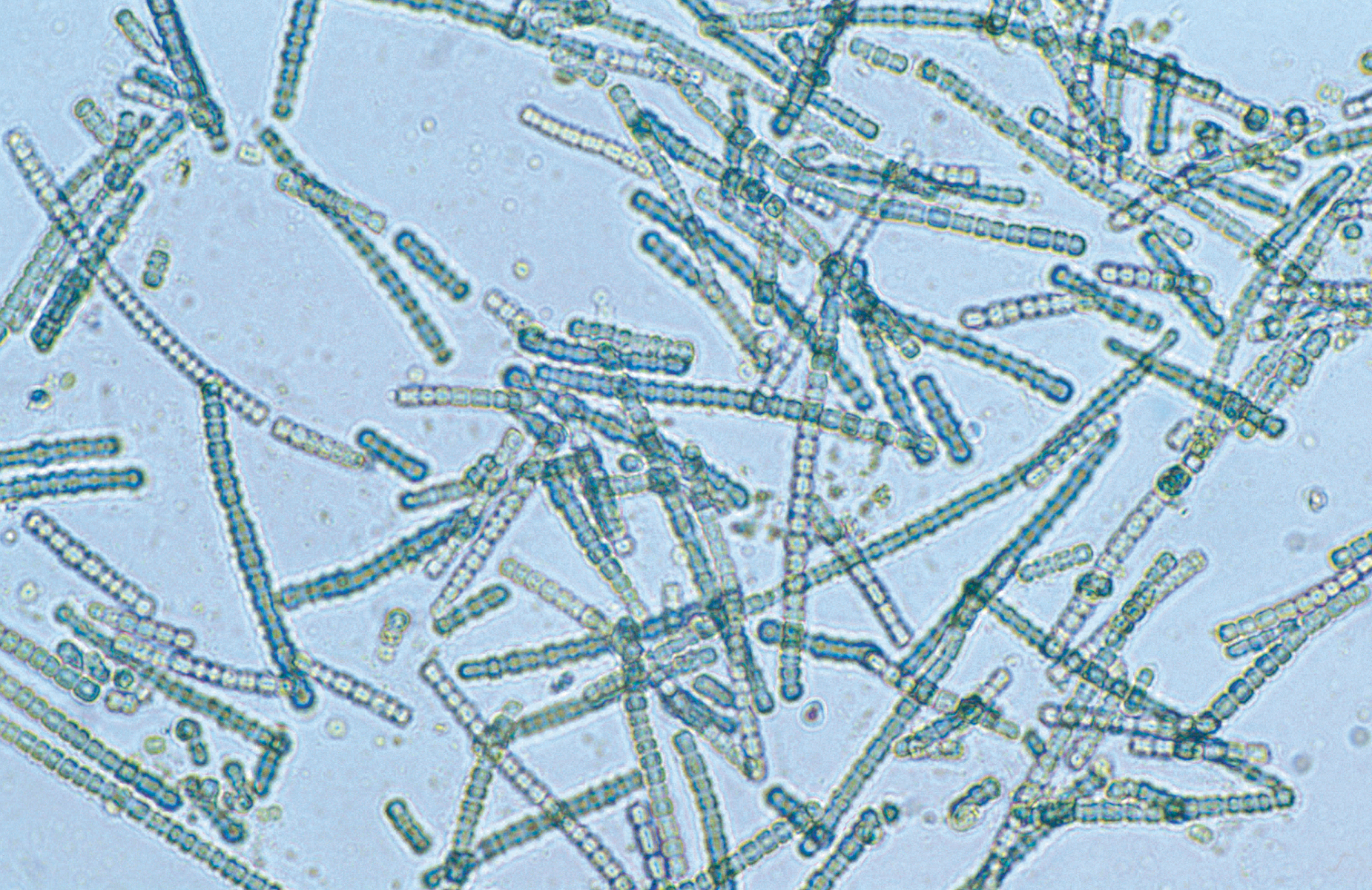
cyanobacteria
nitrogen fixers… is critical for life!!
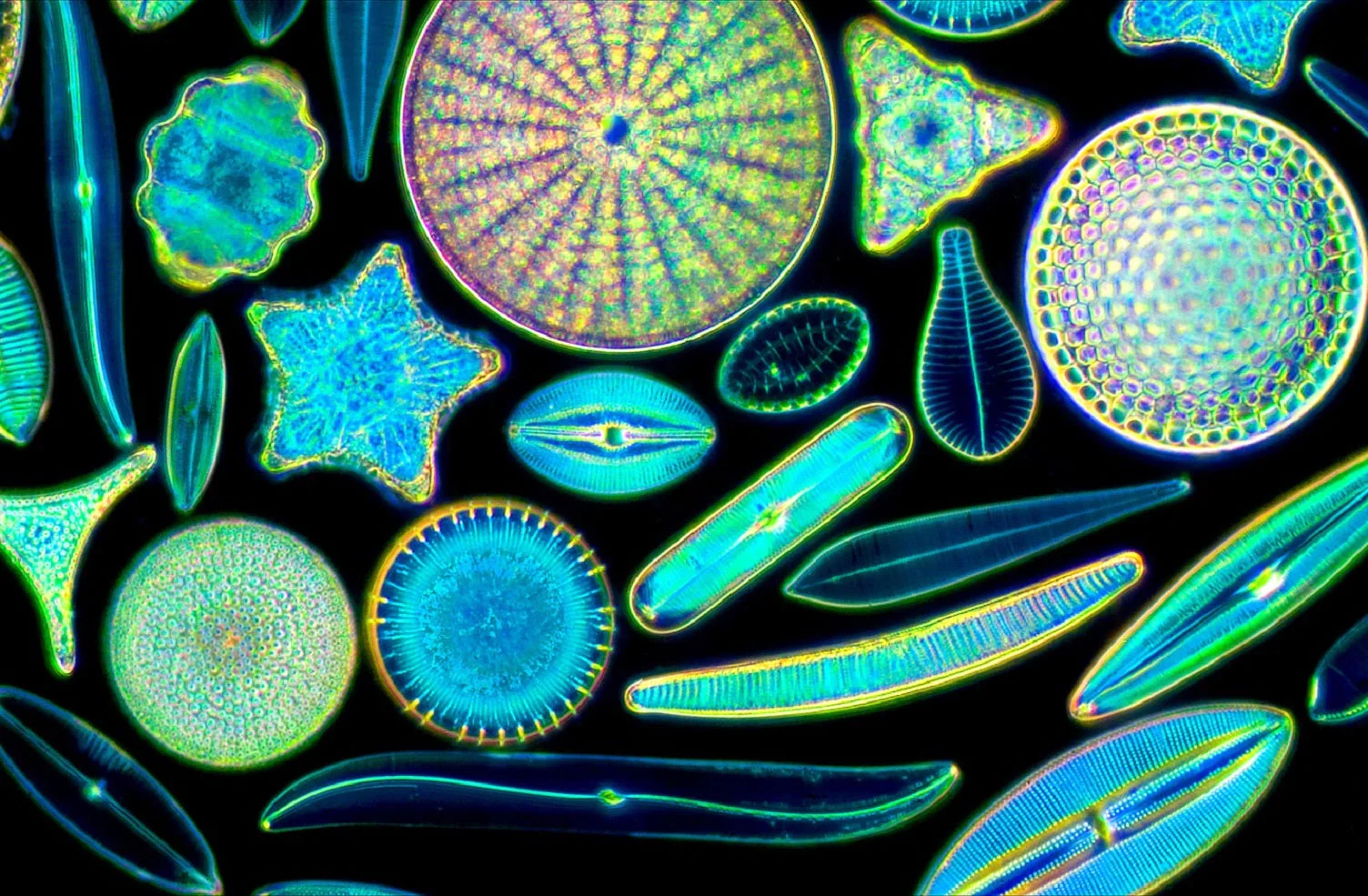
diatoms
glass shells, many shapes, may have glass spikes and may link together
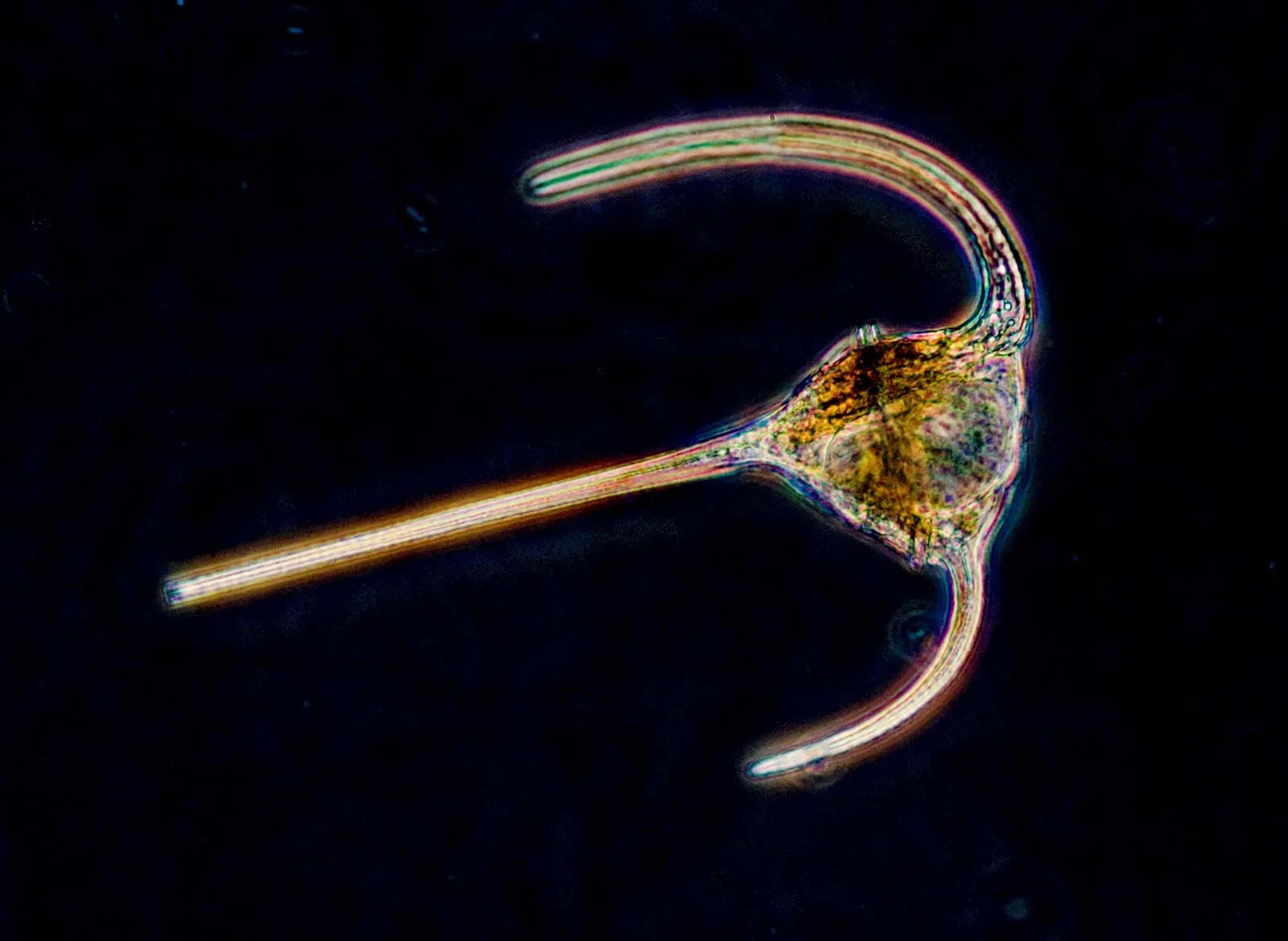
dinoflagellates
cellulose (opaque, brownish)
central groove for flagella (two flagella)
3 points vary in shape
what does it mean to have a larval stage?
it means that there is an indirect development, where the young look, act and eat differently than the adults
what is the pelagic zone?
open ocean
Buoyancy Adaptations: Portugues man-o-war and cyanobacteria
air pockets and air vaculoes
Buoyancy Adaptations: FIsh
air bladders,, swim bladder
Buoyancy Adaptations: Diatoms
lipids
Buoyancy Adaptations: sharks
lipids (livers)
Buoyancy Adaptations: squid
‘lighten’ body fluids (use less heavy ions)
what is an evolutionary adaptation
the process by which populations of organisms become better suited to their environment through natural selection
natural selection
the fundamental mechanism of evolution where organisms better adapted to their environment tend to survive, reproduce more and pass their favorable genetic traits to offspring
what are the three conditions necessary for natural selection to occur?
genetic variation
struggle for existence
differential survival and reproduction
genetic variation
arises via mutations in DNA
mutations are caused by…
sexual reproduction- leading to greater genetic diversity COMPARED to asexual reproduction
struggle for existence
competition for resources or an environmental pressure
caused by variation in competitive success is due to genetic variation in traits. leading to…
differential survival and reproduction
natural selection leads to adaptations by…
inheriting traits that increase fitness (reproduction and survival)
natural selection can lead to evolution of species by…
genetic changes in a population over generations
phylum porifera (hole-y) Sponges
cellular types multicellular with different types of cells
no true tissues, a group of specialized cells that perform similar functions inside and outside the cell
no symmetry, they are asymmetrical and show no true symmetry (sometimes misleading)
UNIQUE cellular level of biological organization
what do sponges eat and how?
bacteria, plankton and DOM suspended in water. they are filter feeders
phylum cnidaria Cnidarians
cellular & tissues multicellular with different types of cells & some colonial organisms
diploblastic (develop from only two primary embryonic germ layers)
epidermis
gastrodermis
they also have a mesoglea instead of a mesoderm UNIQUE
radial symmetry
tissues level of organization
phylum cnidaria Cnidarians (body plan and nerve net)
one opening surrounded by tentacles
tentacles possess specialized Cnidae
decentralized nerves
bidirectional flow in many cases
sometimes contain rings
actions reflex based
what do cnidarians eat and what structures help them eat?
plankton, crustaceans, small fish, other marine invertebrates
their specialized stinging cells located on their tentacles (cnidocytes and nematocysts)
what is alternation of generations? who does it?
specific cnidarians (jellies and hydroids) switch from being a sessile, asexual, polyp and free-swimming, sexual medusa each time they reproduce
how does alternation of life history allow cnidarians to be so successful (ie, abundant)
this allows cnidarians to thrive, combining the benefits of asexual and sexual reproduction within a single life.
asexual (rapid population growth and colonization)
sexual (dispersal and genetic variation)
What are the 4 classes within Phylum Cnidaria
class cubozoa
class scyphozoa
class hydrozoa
class anthozoa
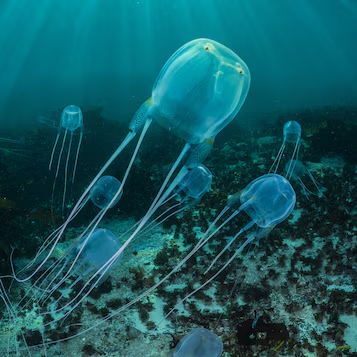
class cuboza
box jellies
do not look like a ‘true’ jellyfish but have distinct features
shaped like a box, have box tentalces
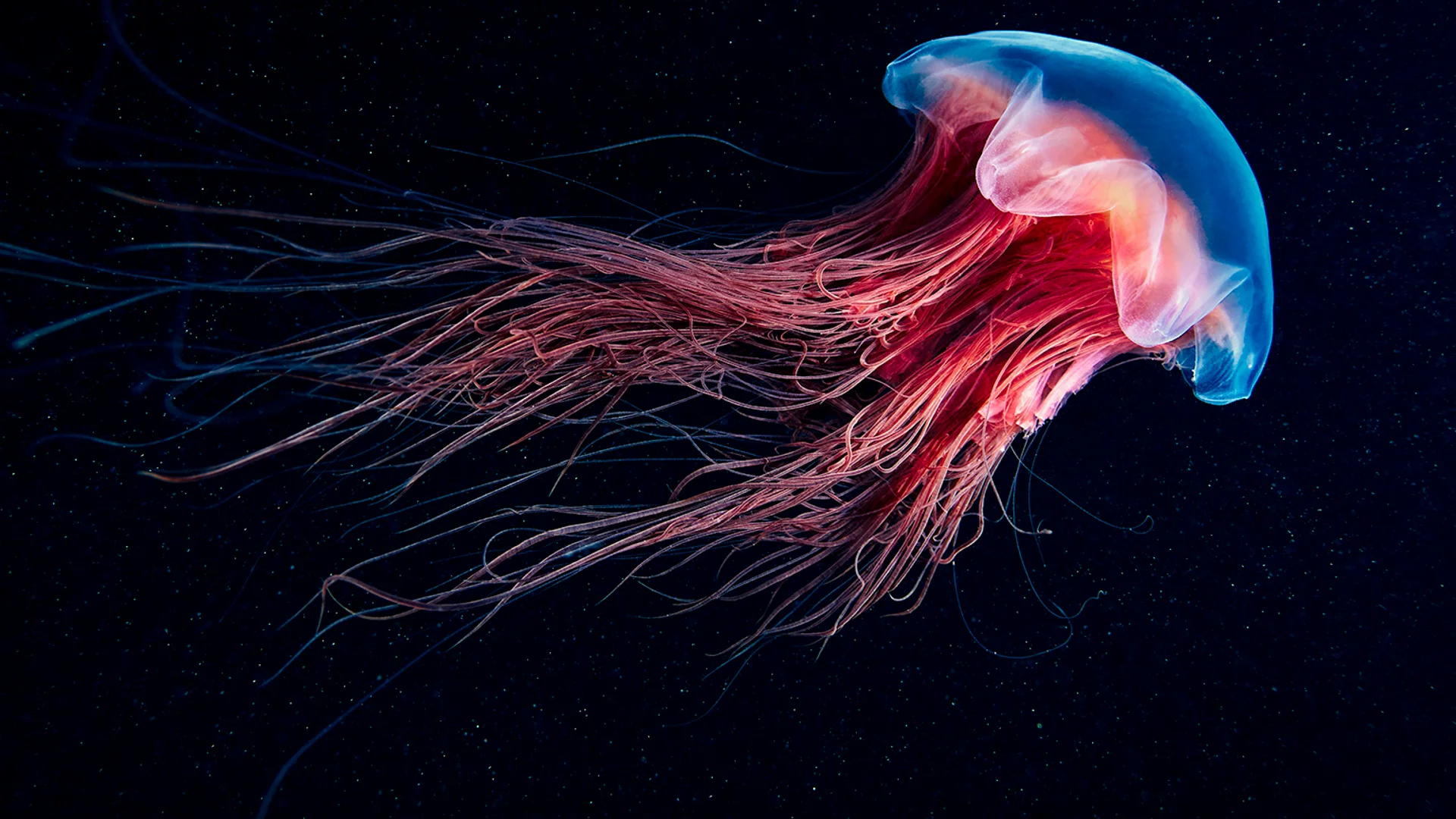
class scyphozoa
true jellyfish
large medusa
oral arms
thick mesoglea
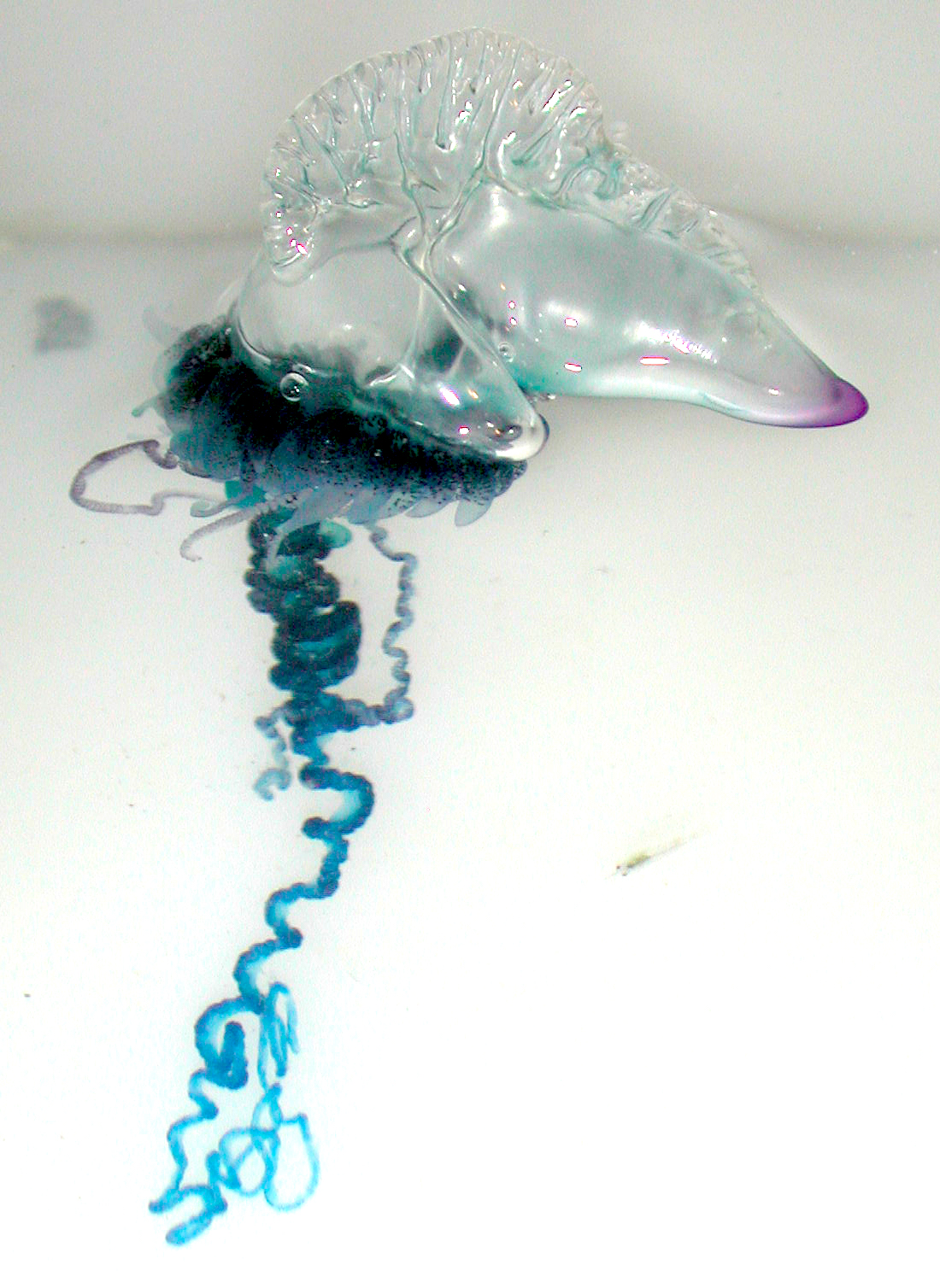
class hydrozoa
portuguese man o’ war (uses a “sail” made up of small polyps)
polyp types
gastrozoids
for feeding
gonozooids
for reproduction
stem cells & regeneration
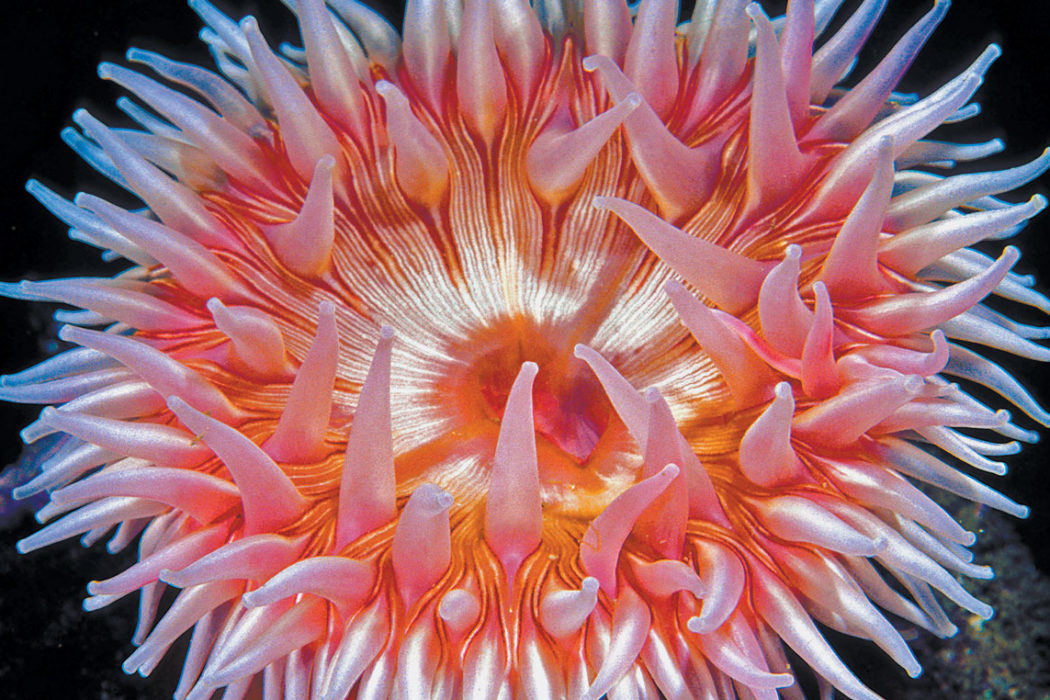
class anthozoa
sea anemones
exist in polyp stage their entire life
reproduce asexually by budding or binary fission
reproduce sexually by releasing sperm into water which fertilizes eggs (strong currents and light limitation)
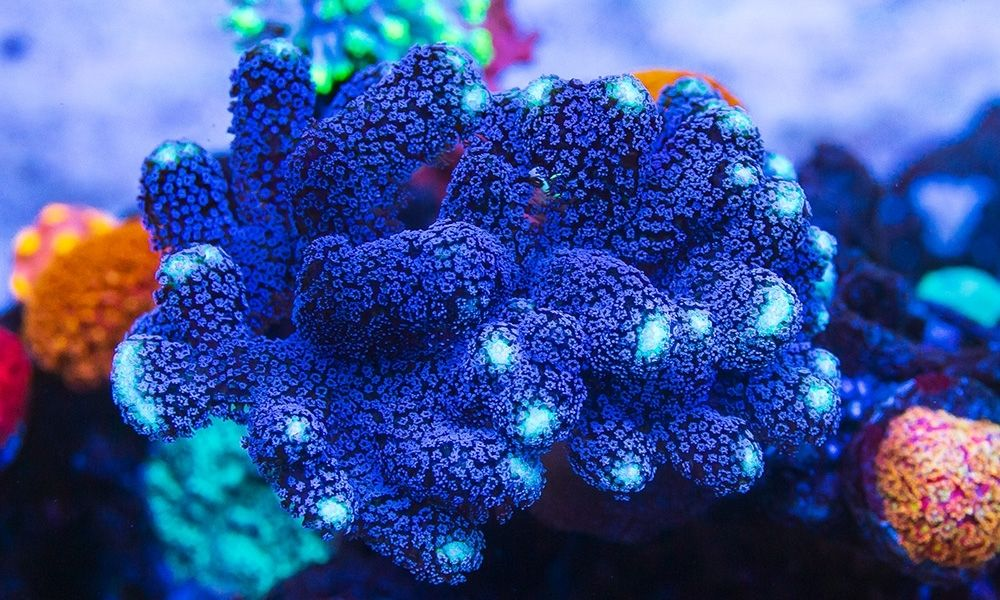
class anthozoa (what is the picture of)
stony corals
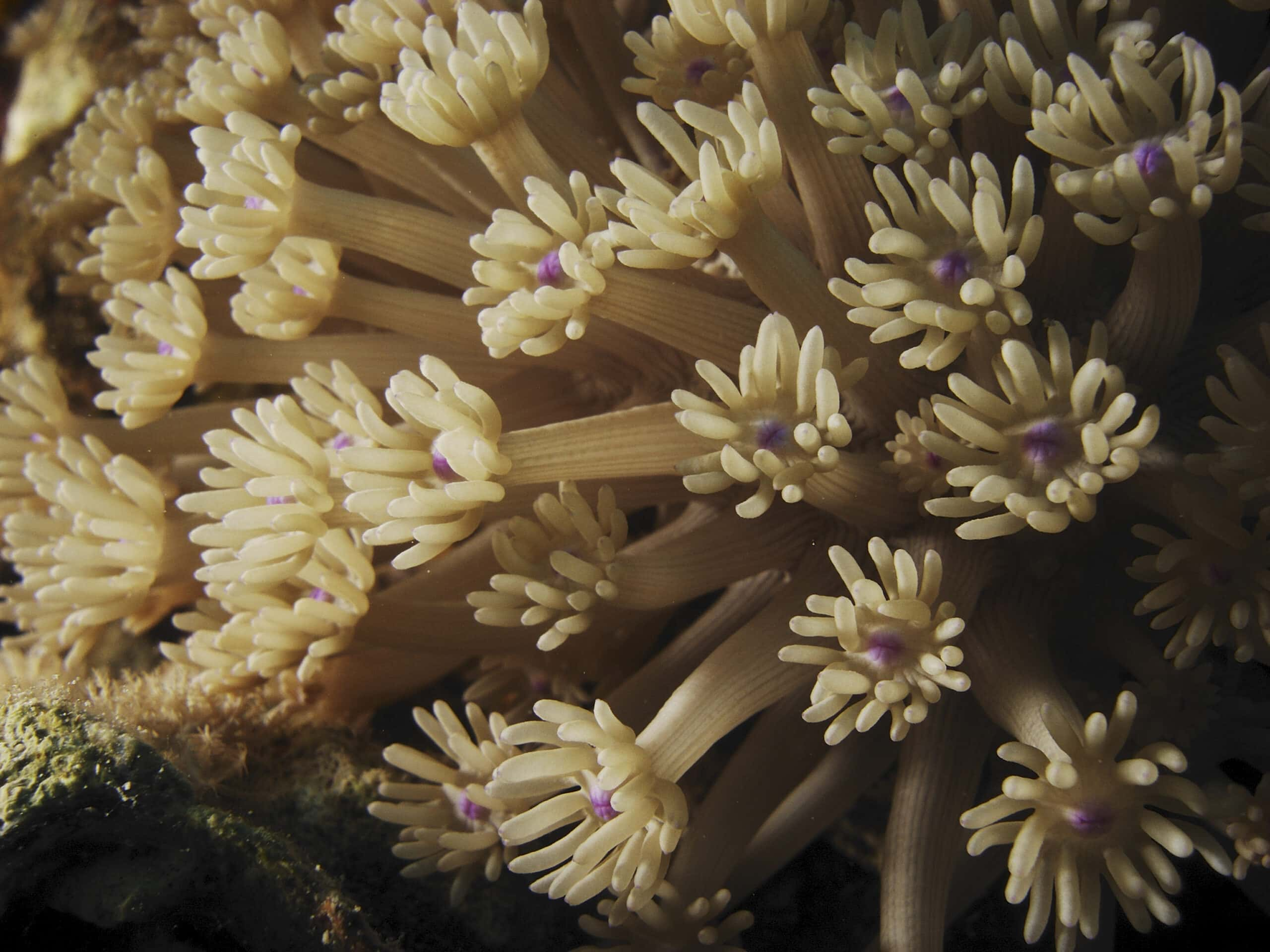
class anthozoa (what is the picture of)
soft corals
tropical water is often very clear- what does this show about resources in that water
it is nutrient-poor and low in organic productivity
what causes nutrient levels in tropical water to be so low
year-round solar heating creates limited vertical water circulation
symbiosis between corals and zooxanthellae
corals provide algae with protection and inorganic nutrients
zooxanthellae (dinoflagellates) photosynthesize, providing coral with food & extra energy
what makes it hard for corals to thrive in tropical waters?
there is a competition for resources (hard substrate, space, food), drives natural selection
also due to the lack of nutrients in the water itself
why are coral reefs such important ecosystems (for environment and people)
extremely high biodiversity, providing habitat & food for millions of organisms
they provide food, coastal protection and livelihoods
what is coral bleaching and why does it happen?
bleaching is the disruption of symbiosis with zooxanthellae
it happens because of HEAT STRESS
what two different processes cause most places on earth to experience 2 high tides and 2 low tides within each 24 hour period
gravitational force of the Moon
centrifugal force caused by the earth
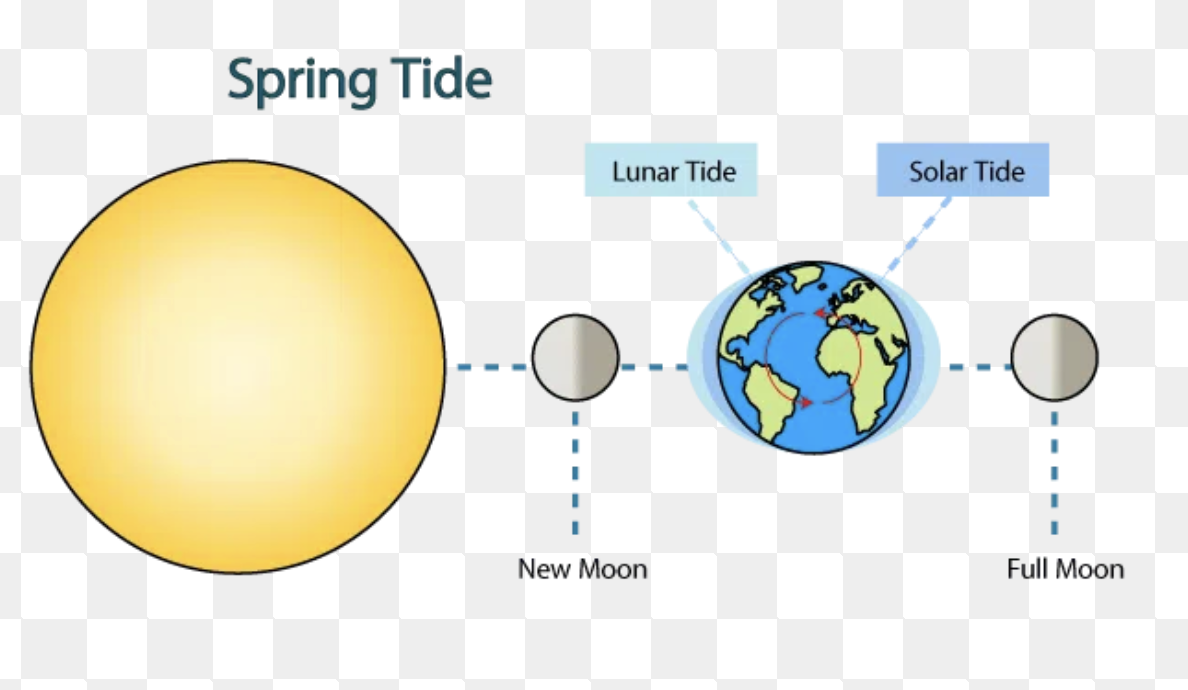
what is a spring tide, when do they happen and why they cause the differences in tidal range on a monthly basis
period of maximum tidal range occurring twice a month
happen at a full moon and new moon
the moon’s orbit around earth is elliptical, creating variation in tide strength within a year
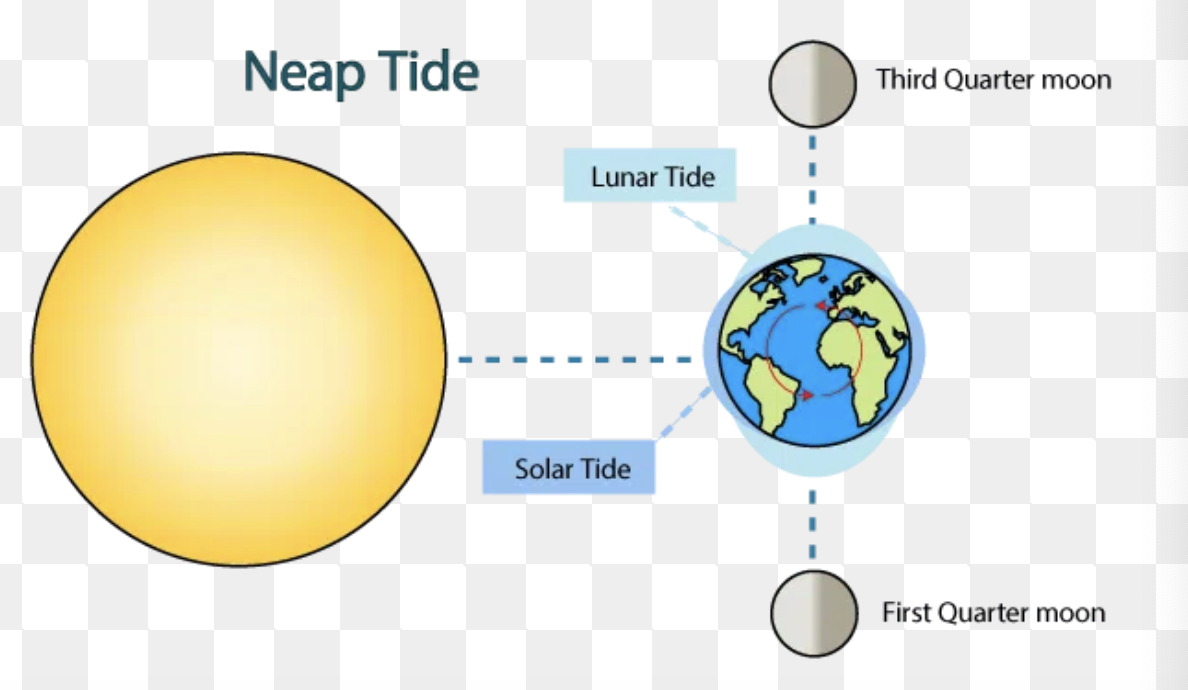
what is a neap tide and when do they happen
period of moderate, low-range tides occuring twice a month
happen at third quarter and first quarter moon
what creates rocky intertidal zonation patterns?
physical and biological factors that dictate where organisms can live creating distinct vertical layers
what are the four rocky interntidal zones
splash zone
upper intertidal zone
middle intertidal zone
lower intertidal zone
what is an indicator species of the splash zone
periwinkle snails
what is an indicator species of the upper intertidal zone
barnacles, limpets, algae
what is an indicator species of the middle intertidal zone
muscles
what is an indicator species of the lower intertidal zone
sea urchins, sea stars
3 different challenges for organisms in the rocky intertidal, an example of organisms and their adaptations that allow them to survive these challenges
uv exposure- anemones (create sunscreens)
drastic temperature changes- crabs (shells to deal with heat stress)
salinity variation & extremes- limpets (thick mucus rim around shell to block freshwater when clamped to rocks)
characteristics that define phylum mollusca
muscular foot
UNIQUE mantle
UNIQUE radula
visceral mass
mantel cavity
open circulatory system
phylum mollusca (body symmetry, structure and level of biological organization)
bilateral symmetric
organ-system level of organization
Body regions
head with paired eyes, sensory organs
soft body (visceral mass- contains organs) covered by mantle (thin tissue layer)
ventral muscular foot
Mantle
creates mantle cavity
internal space- contains gills, anus
may form siphon ( transfers liquid from a higher container to a lower one)
Radula
ribbon of teeth
adaptations for grazing or predation
limpets use radula to scrape microalgae from rocks
what type of nervous system do phylum mollusca have?
series of clusters rather than 1 brain
how does phylum mollusca reproduce?
broadcast spawn (external fertilization)
some (octopus, some snails) do internal fertilization
what type of larvae do phlyum mollusca have?
trophic larvae in some…
in some gastropods and bivalves: trocophore develops into veliger larva
4 classes within phylum mollusca
class gastropods “stomach-foot”
class polyplacophora (chitons)
class bivalvia (clams, mussels, oysters)
class cephalopoda
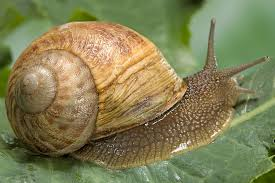
class gastropods… including example (feeding and reproduction)
SNAILS!!
shell anatomy: operculum
feeding diversity:
herbivores (scrape microalgae from rocks)
deposit/detritus feeders (mud snails)
predators (cones)
reproduction
most separate sex, some hermaphrodites
if internally fertilize, males have long, flexible penis
fertilized eggs laid in strands
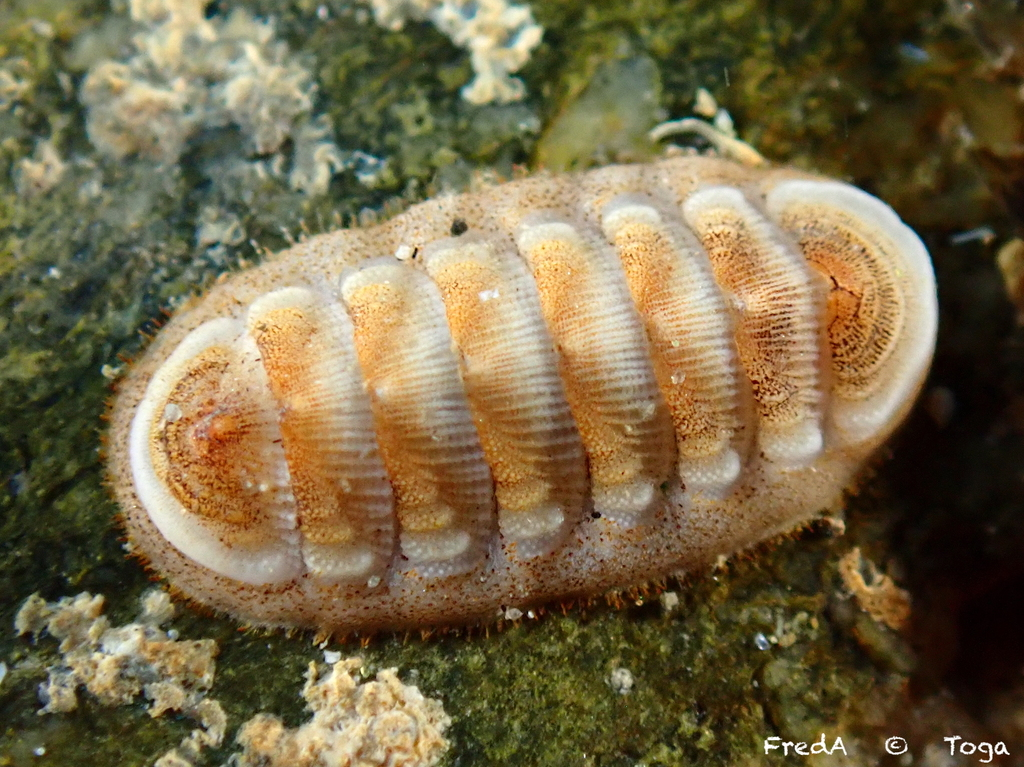
class polyplacophora example and body plan
chitons
Body plan
8 exposed plate-like shells
internal organs NOT coiled
many paired gills in mantle cavity
cilia create respiratory currents
class polyplacophora feeding and reproduction
Feeding
herbivores of microalgae on rocks
Reproduction
separate sexes
broadcast spawm
external fertilization
trophore larvae
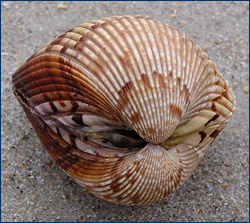
class bivalvia… including example and body plan (shell)
clams, mussels, oysters
Body plan
laterally compressed
shell: 2 valves
valves hinged at umbo (oldest part)
grow from umbo in annual rings
hinge ligament- keeps shell open
adductor muscle- keeps shell closed
hinge teeth- keep shells in place
class bivalvia body plan (soft body)
mantle lines inner side of both shells
entire body in mantle cavity
a mouth but no head, no radula
how do bivalves eat?
filter feeders
plankton captured in gills
gills have mucus strands and cillia
palps- aggregate food, move to mouth (no radula)
enzyme- secreting rod in stomach, rotates
class bivalvia lifestyle variation
burrorwers- some clams- enlarged foot for burrowing
boring bivalves
sessile
free-living
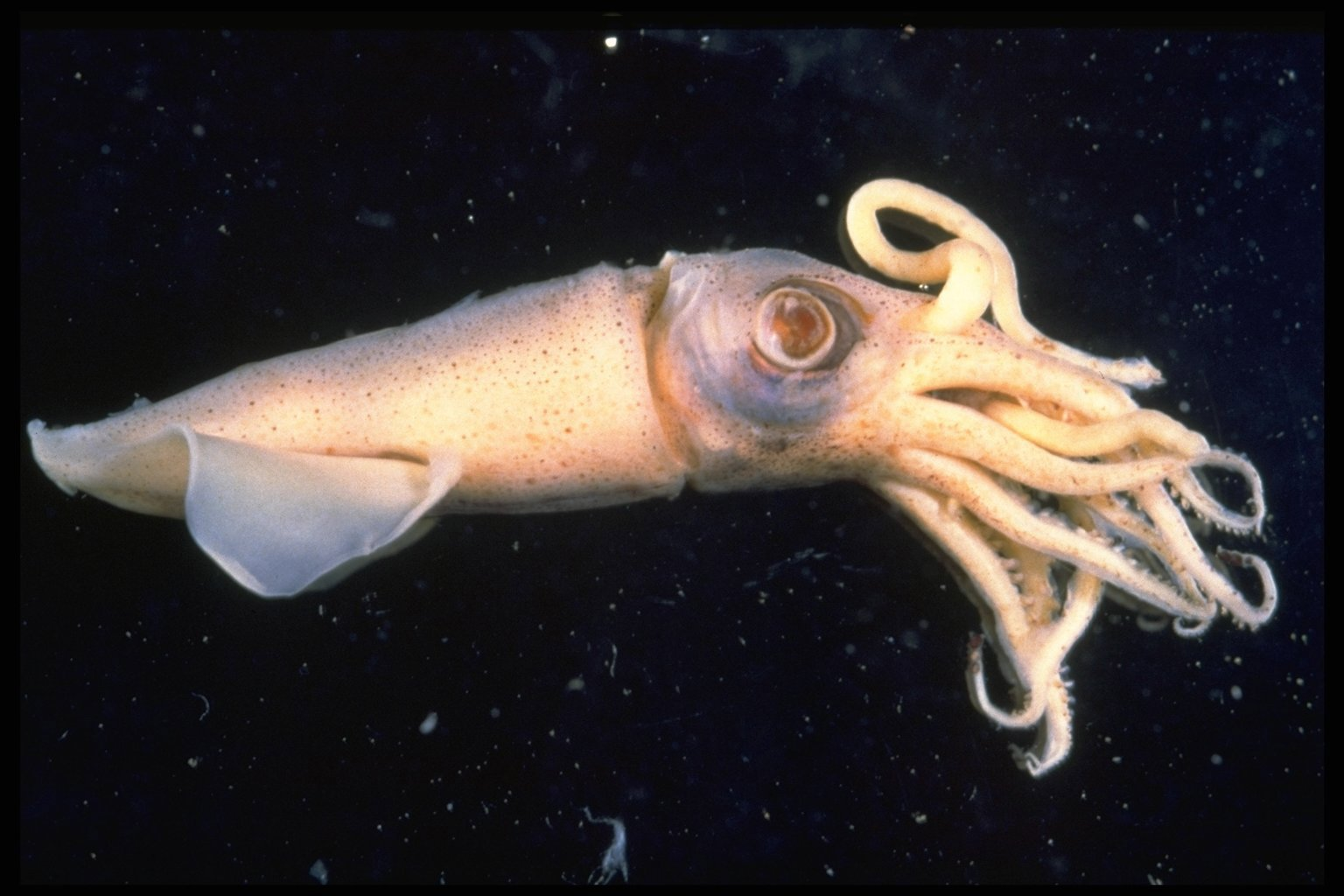
class cephalopoda “head-foot” and ex. and basic body form
cuttlefish, octopus, squid, chambered nautilus
shell/structural support
describe at least 2 different reasons why soft sediment ecosystems can be challenging for organisms
Mobile substrate
wave & tide impact
what is bilateral symmetry
when an organism can be divided into identical mirror-image halves
why is bilateral symmetry such an important evolutionary advancement?
it allows for cephalization, have a head & central nervous system
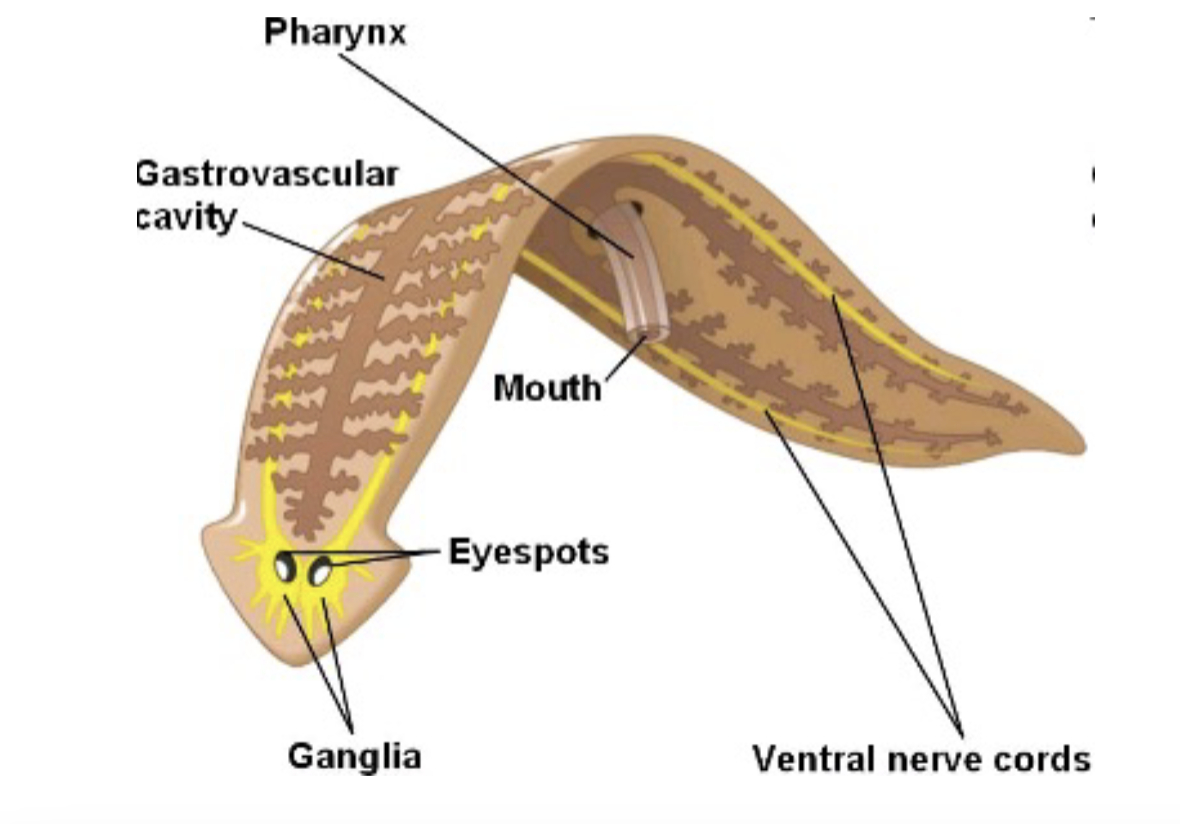
phylum platyhelminthes: flatworms
dorsoventrally compressed
central nervous system- chemoreceptors in head
three tissue layers & no body cavity
guy with single opening (2-way)
what are three tissue layers of flatworm?
a) Epidermis
b) muscles
c) mesoderm
flatworm feeding
pharynx= musculat tube, projects from mouth swallow prey whole (some)
on some predators & parasites: stylet on penis
flatworm repreoduction
sexual & asexual reproduction
no larval stage
penis fencing!
what are the ecological roles of flatworms?
meiofauna
important predators
mutual & commensal symbionts
parasites regulate host populations
meiofuna
funnel nutrients to larger organisms
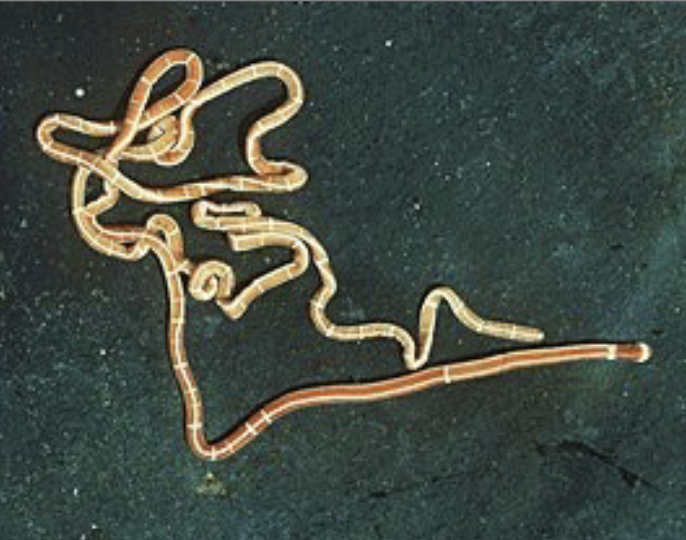
Phylum Nemertea (ribbon worms)
unsegmented
circulatory system-blood
complete digestive tract (mouth & anus)
predators and scavengers
UNIQUE proboscis
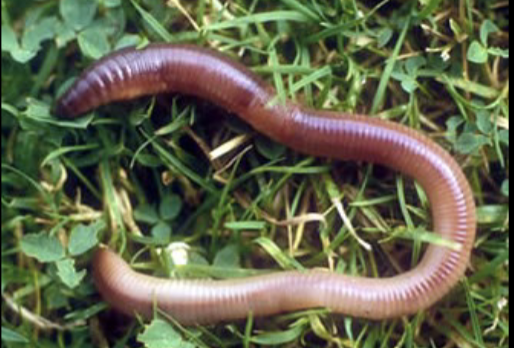
phylum annelida (segmented worms)
trocophore larvae
burrowers (predators)
tube-dwellers (filter feeders)
symbiotic
polychaete worm with cetae and parapodia
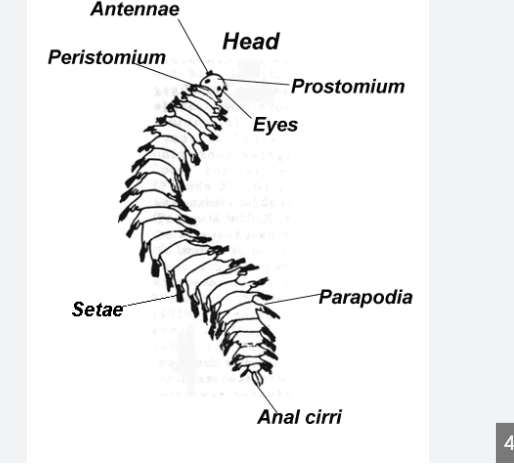
what is the function of cetae
traction or grip
burrowing
sensory perception
what is the function of parapodia
locomotion
respiration
feeding defense
what is an estuary?
partly enclosed area where freshwater & seawater mix (brackish water) due to tides
three physical features that structure estuaries
close interaction between land and sea
challenging environment: extreme fluctuations
salinity fluctuates greatly daily and seasonally
how do estuarine organisms reduce physical stressors and what problem does this create?
burrow, creates a problem of oxygen
why are estuaries, marshes and wetlands ecologically important?
highly productive
feeding & breeding area
coastal protection
export of detritus
70-90% USA east coast commercial catch is estuarine dependent
phylum arthropoda characteristics
bilateral symmetry
organ system level of biological organization
UNIQUE segmented, flexible body… composed of head, thorax and abdomen
UNIQUE most segements with jointed appendages moved by muscles
UNIQUE tough, non-living (chitin) exoskeleton
what adaptation allows arthropods to be so successful on earth?
waterproof exoskeleton, jointed appendages, segmented body plan and highly efficient respiratory system
what is molting?
where an animal sheds its old, warn-out coverings to make way for new growth
why is molting needed by arthropods?
they need it to grow
phylum echinodermata characteristics
*pentamerous radial symmetry (adults) bilateral symmetry (larvae)
organ system level
endoskeleton
covered in thin layer of ciliated tissue, often with spines/bumps
*water vascular system
*tube feet
generation ability
separate sexed
breeding by broadcast spawning
locomotion