Modern and Contemporary Art: Key Artists, Movements, and Themes
 Call Kai
 Learn
Learn Practice Test
 Spaced Repetition
 Match
Match Flashcards
 Knowt Play
1/74

There's no tags or description
Looks like no tags are added yet.
Name | Mastery | Learn | Test | Matching | Spaced | Call with Kai |
|---|
No analytics yet
Send a link to your students to track their progress
75 Terms
Lee Krasher
Marriage to Jackson Pollock: While she was an established artist first, her marriage (1945-1956) saw her career overshadowed. She acted as his manager and supported his career, often putting her own work on hold, while they influenced each other's styles. After his death, she moved into his larger studio, allowing her to create large-scale works like Gaea.
Jewish Identity & Intersectionality: Raised in an Orthodox Jewish family, she was "consciously" and "unconsciously" influenced by her heritage. She recalled painting from right to left in her "Little Images" series, echoing Hebrew writing. She noted the challenges of being "a woman, Jewish, a widow" in a male-dominated field.
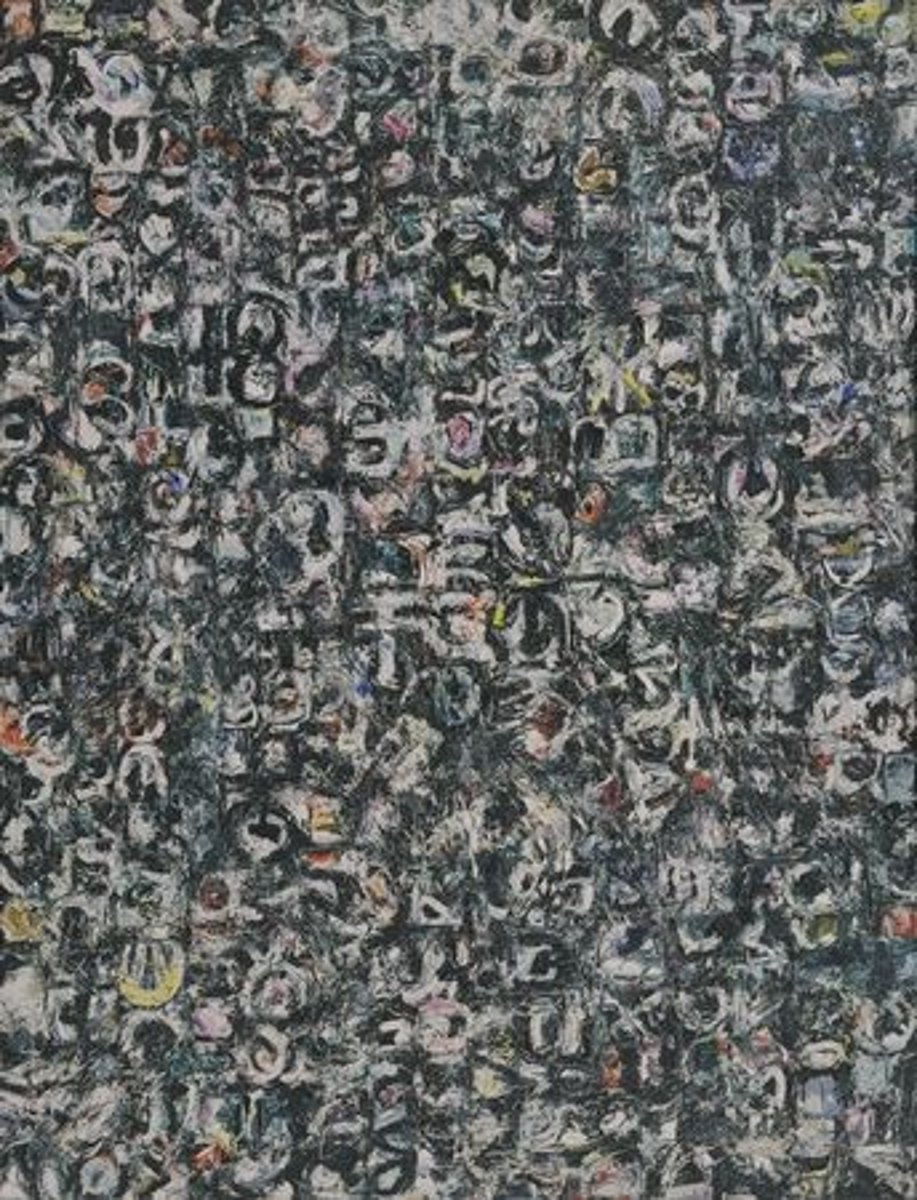
Untitled (1949), Lee Krasner
Part of her "Little Images" series, this work features grid-like structures and dense, scraped textures, mimicking hieroglyphics or illegible writing.
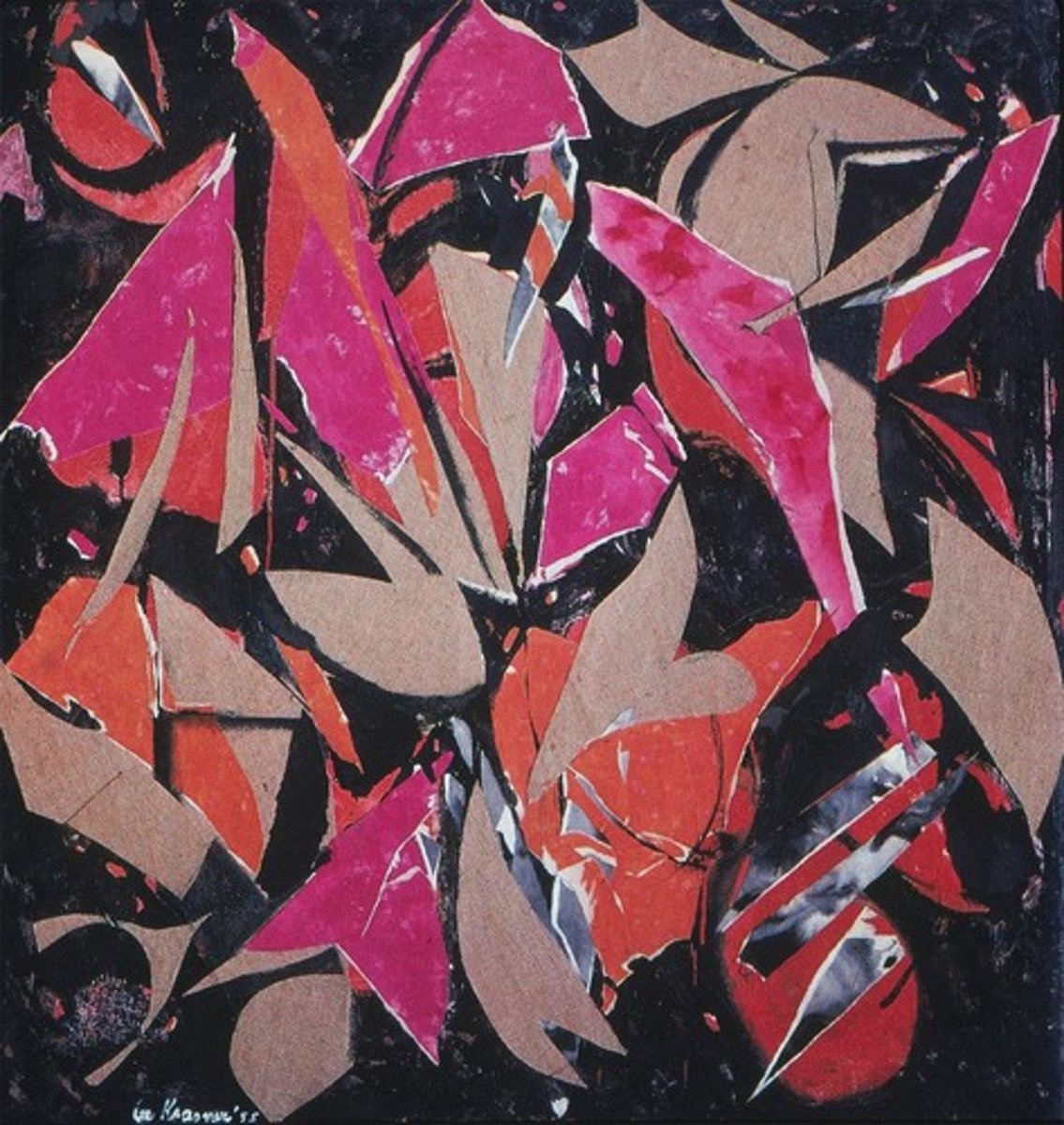
Bird Talk (1955):
A collage painting utilizing torn scraps from her own discarded drawings, reflecting her "action painting" approach.
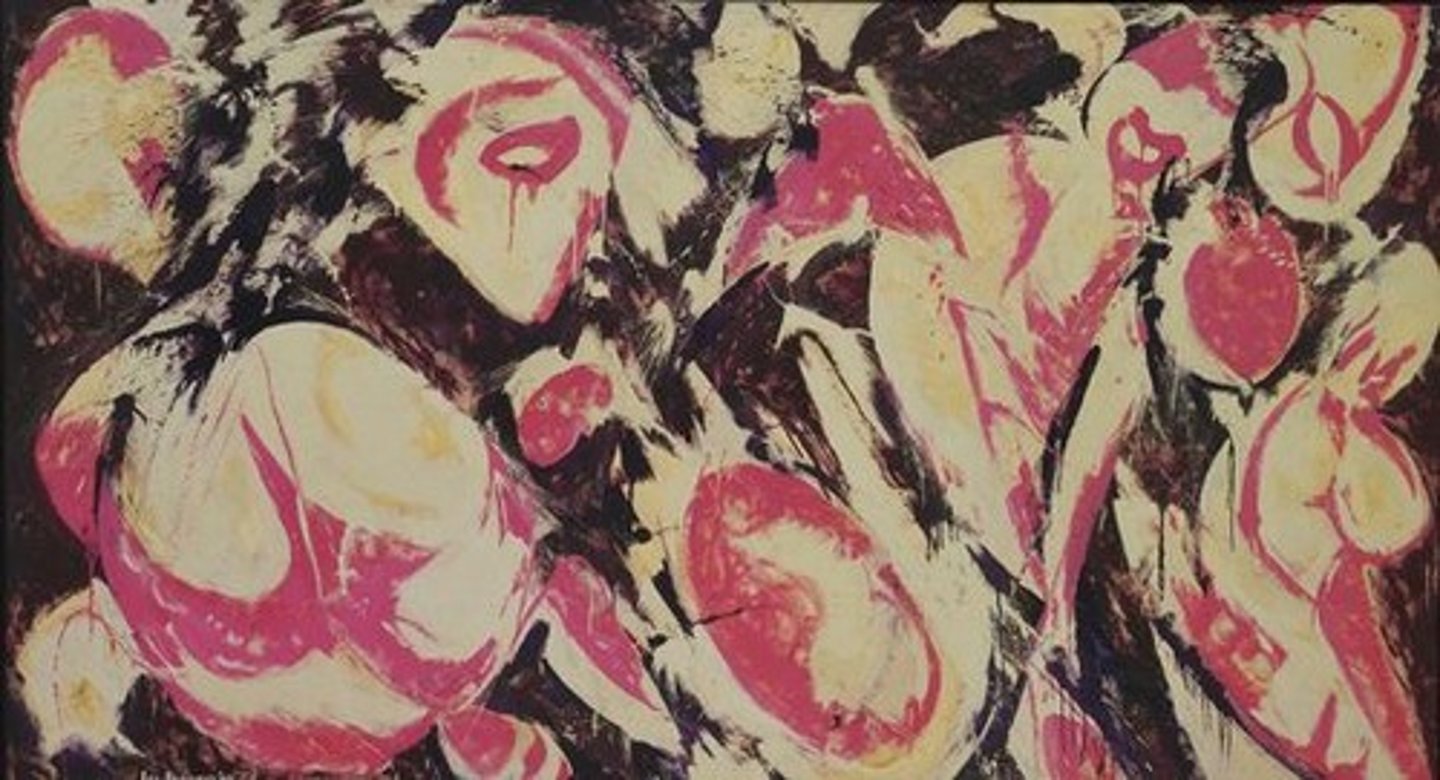
Gaea (1966)
A large oil painting showing a shift to sweeping, organic forms in pink, white, and purple hues, reflecting a more expansive, confident style.
Discuss the role of Krasner's marriage to Jackson Pollock in her life and
work.
Use intersectionality to explain how Krasner's Jewish identity might have impacted her life.
Marriage to Jackson Pollock: Their marriage was turbulent but creatively symbiotic; she supported his career while fighting for her own recognition. Initially, she was better known, but she became overshadowed, often acting as his manager. She moved into his studio after his death and used his passing as a catalyst for her most creative, large-scale work.
Jewish Identity & Intersectionality: Raised in a Russian Orthodox Jewish family, she noted that she often unconsciously painted from right to left, imitating Hebrew writing. This "private symbolism" may have connected her personal art to wider, traumatic events like the Holocaust. She also experienced the "coincidence of anti-semitism and misogyny," operating on the margins as a woman in a male-dominated movement
Eva Hesse (1936-1970)
Hesse transformed sculpture by introducing soft, industrial, and organic materials, focusing on the sensory experience of the artwork.
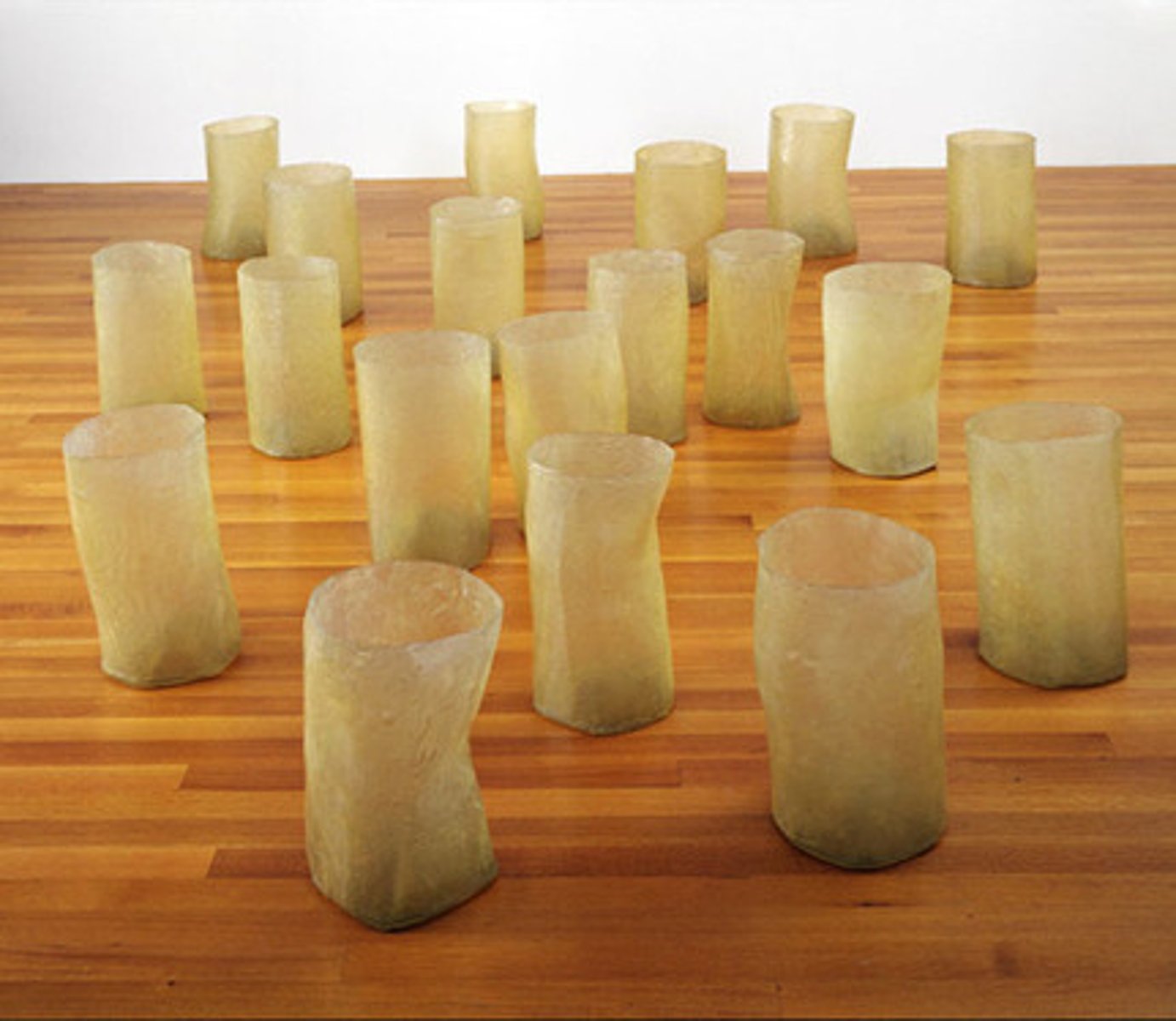
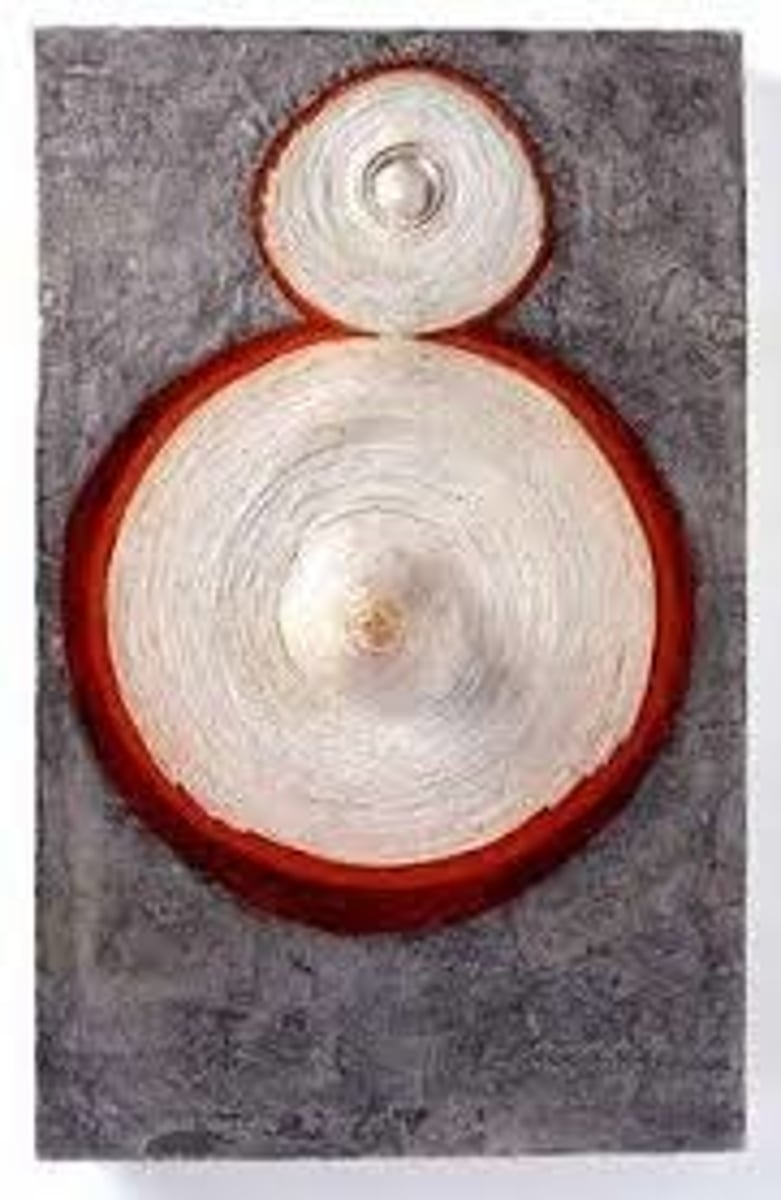
Ringaround Arosie (1965)
A relief painting incorporating wire, cloth, and Papier-mâché that she described as representing both male and female body parts. Though Hesse initially likened the forms to both male and female body parts, she later referred to the work as a "breast job" with one "pink nipple and one white." The title, Ringaround Arosie, puns on the popular nursery rhyme and pays tribute to Hesse's friend Rosalyn Goldman, who had recently become pregnant.
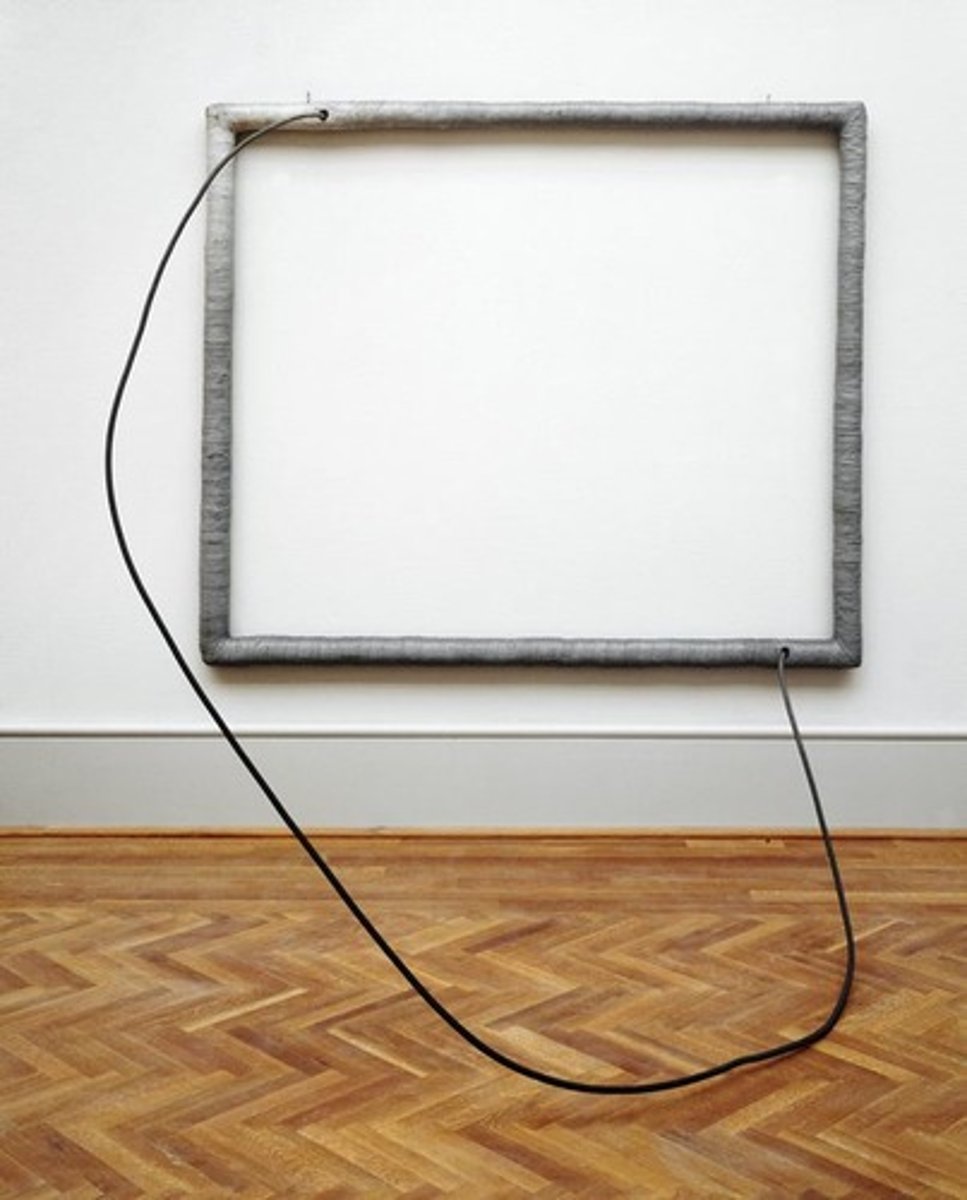
Hang-Up (1966):
A large, empty frame wrapped in cloth with a metal rod extending into the room, creating a humorous yet unsettling, absurd, and "absurdly" physical object.
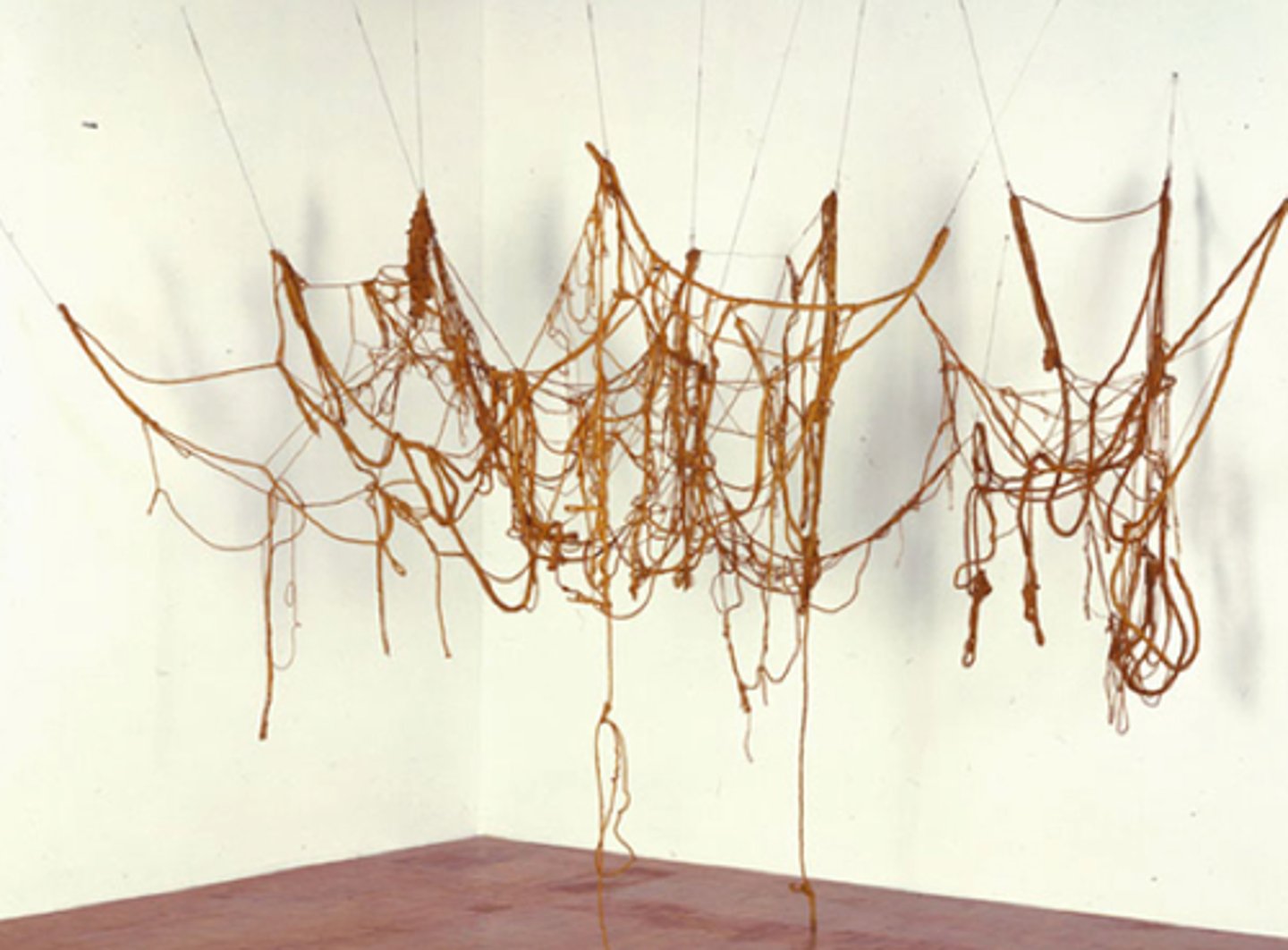
Untitled (1970) ("the rope piece"):
A massive installation of latex-covered rope that could be reconfigured for each installation, representing a "3D Jackson Pollock".
How Hesse's work was considered innovative?
Innovation: Hesse was innovative because she used materials in ways that defied traditional sculpture (e.g., hanging, flexible) and emphasized the "process" of making.
Hesse's relationship to the Minimalist movement and explain why she was
considered Post-Minimalist.
Relationship to Minimalism: She knew key Minimalists like Donald Judd but broke from their rigid, cold geometric forms to make "Post-Minimalism" work, which was more organic, emotional, and bodily.
What is the concept of absurdity, and why was it important to Eva Hesse
Absurdity: The concept of absurdity was a way to make work that was "absurdly" contradictory—funny, sad, erotic, and grotesque all at once, which she felt was "her idea also in life".
How did Hesse's Jewish identity impact her life?
Jewish Identity: As a child, she escaped Nazi Germany on a Kindertransport, which influenced the themes of trauma, anxiety, and vulnerability in her work.
Louise Bourgeois
Bourgeois's work is intensely personal, exploring themes of memory, trauma, and family, often using surrealist and psychoanalytic concepts.
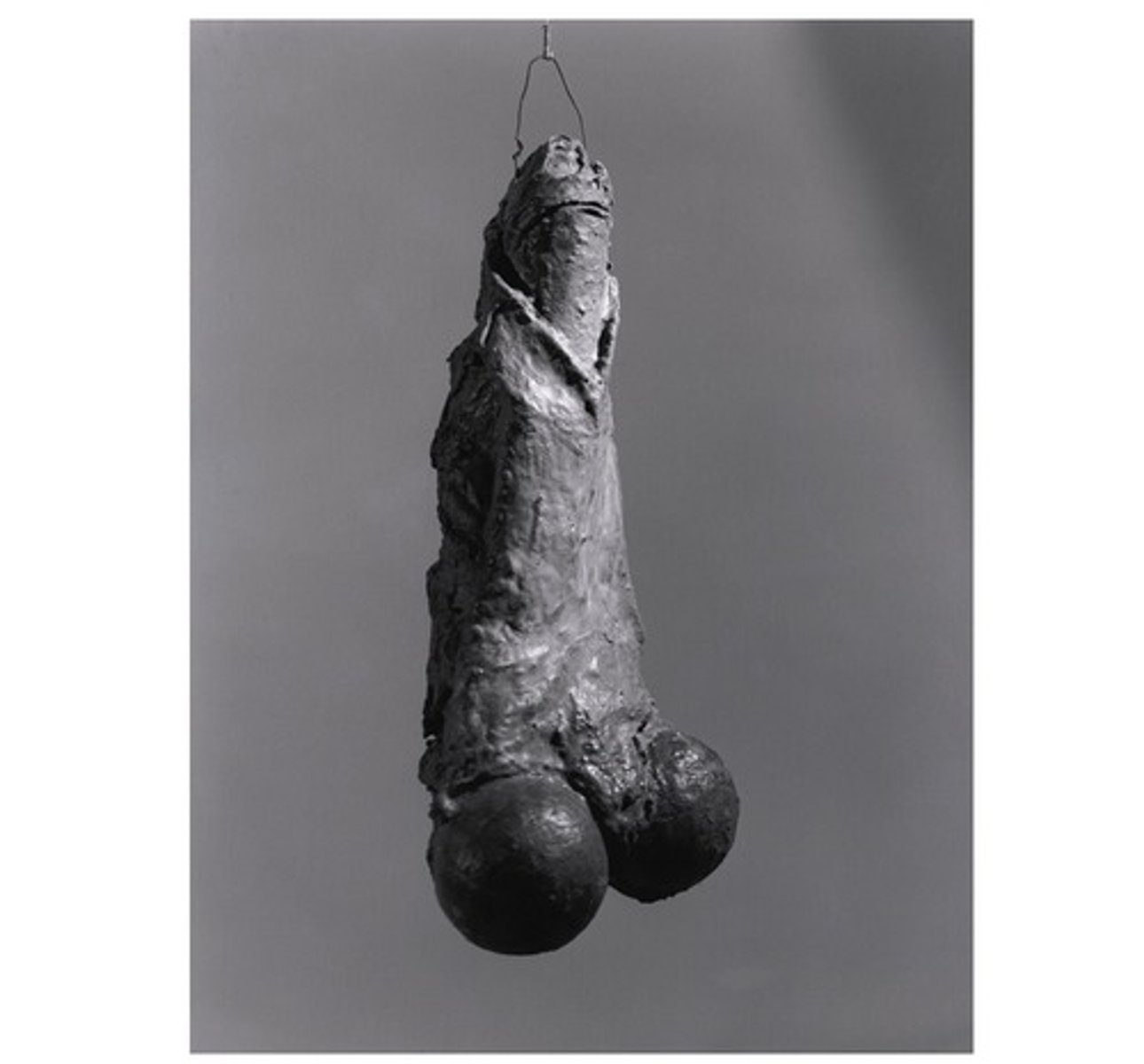
La Fillette (1968):
A phallic sculpture, rendered in rubber, that mocks the traditional masculine form through a soft, absurd, and uncanny presentation.
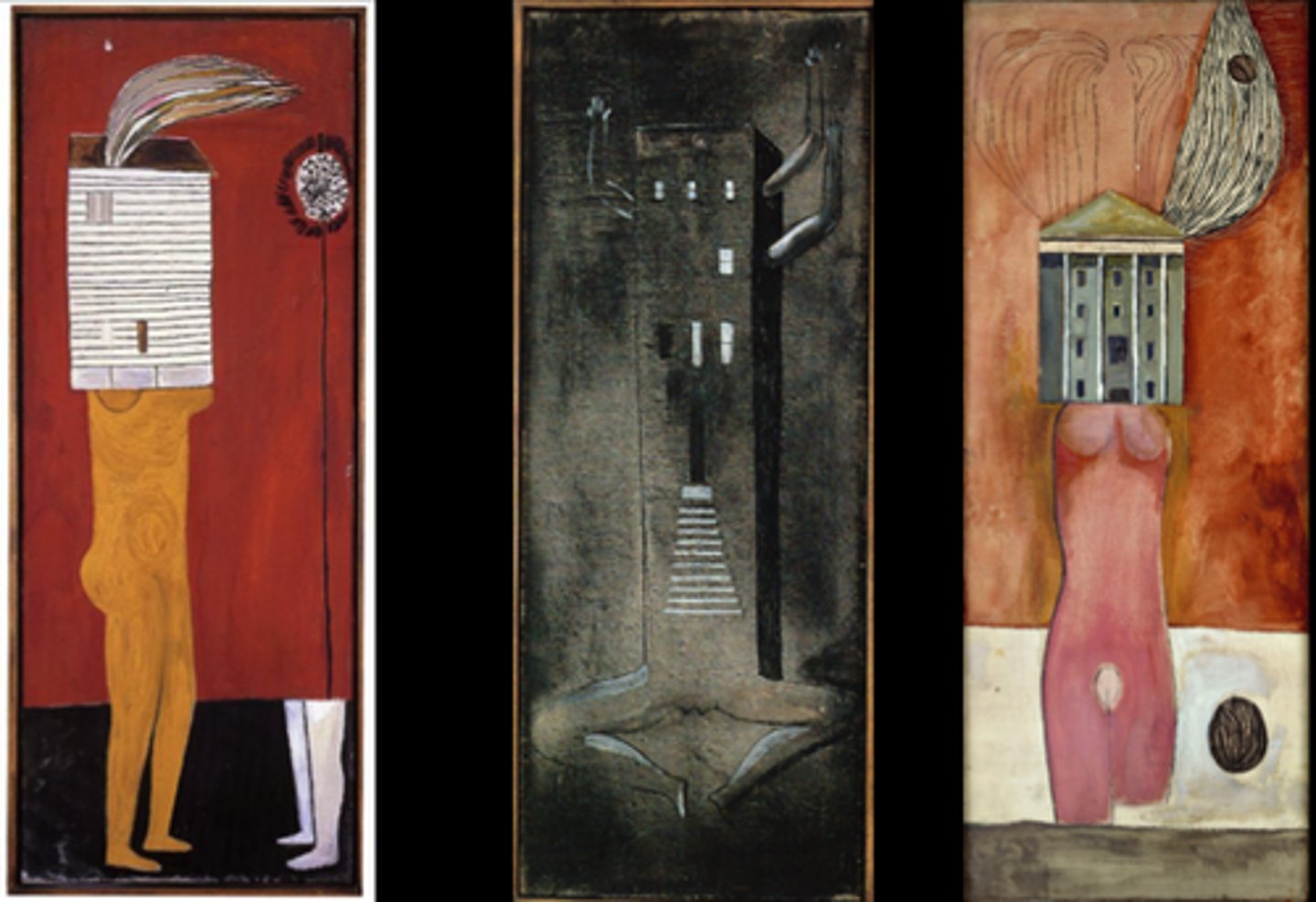
Femme Maison (1984):
A series (originally drawings in the 40s) where women's bodies are depicted with houses for heads, exploring the constraints of domesticity.
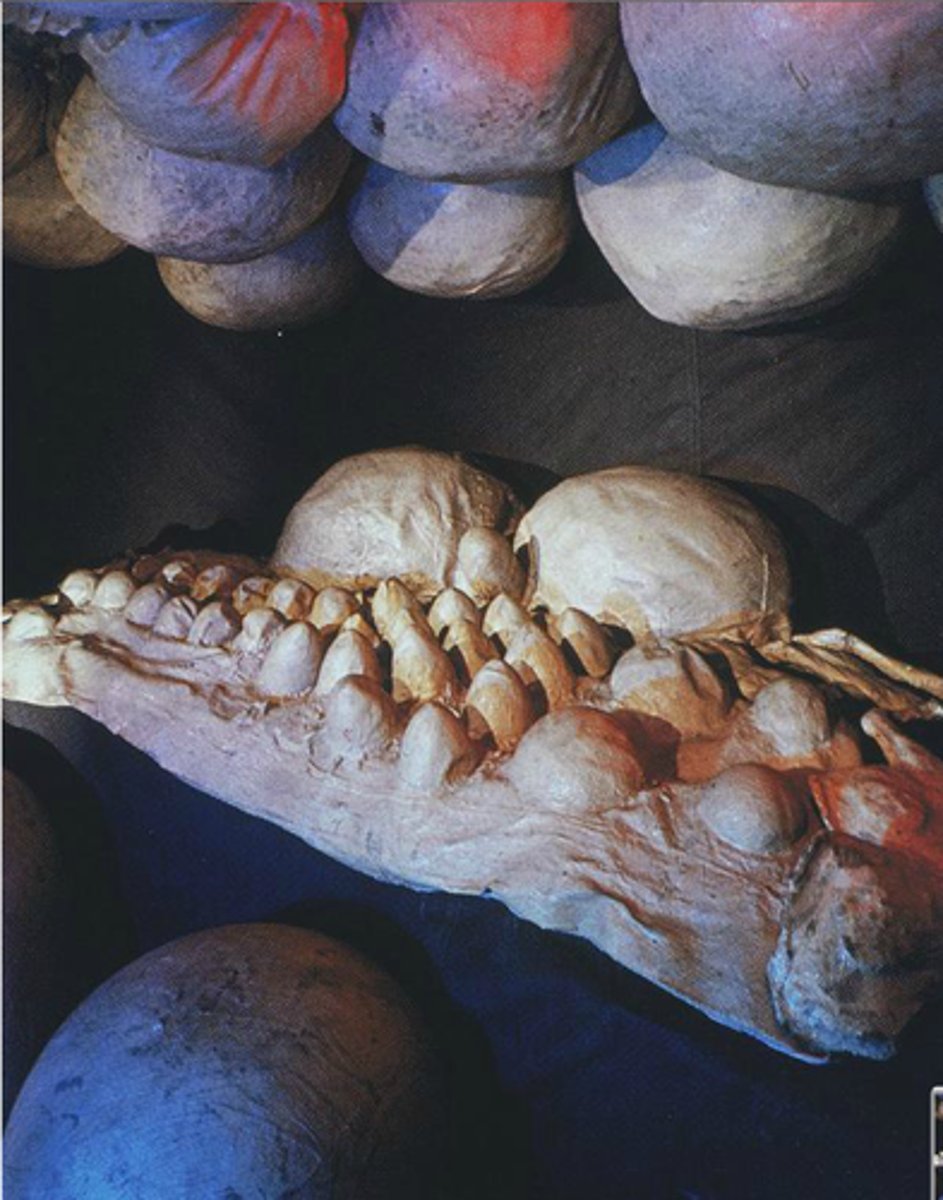
The Destruction of the Father (1974):
A large, multi-component piece that uses soft, bodily forms to act out a surrealist scene of familial violence.
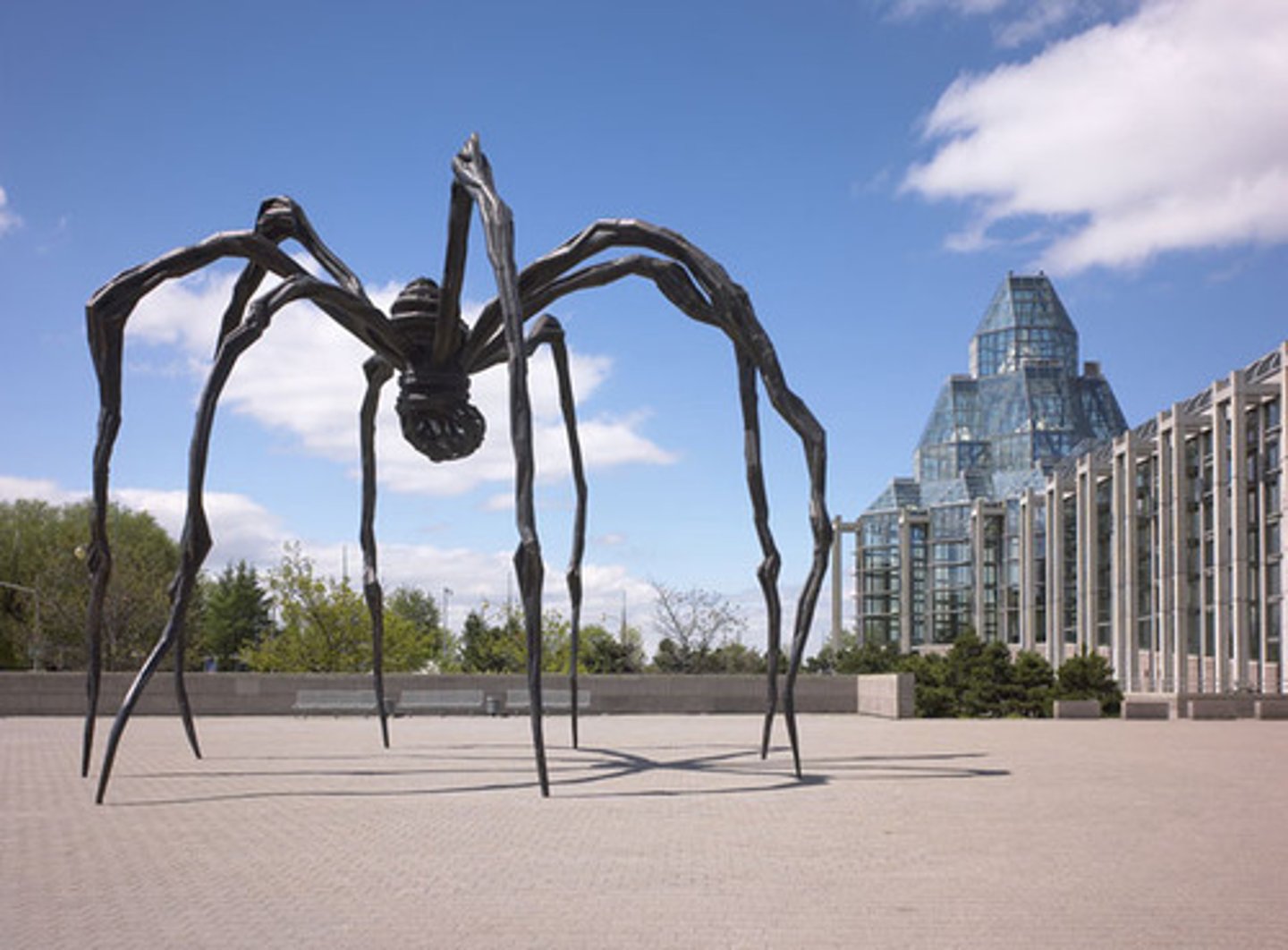
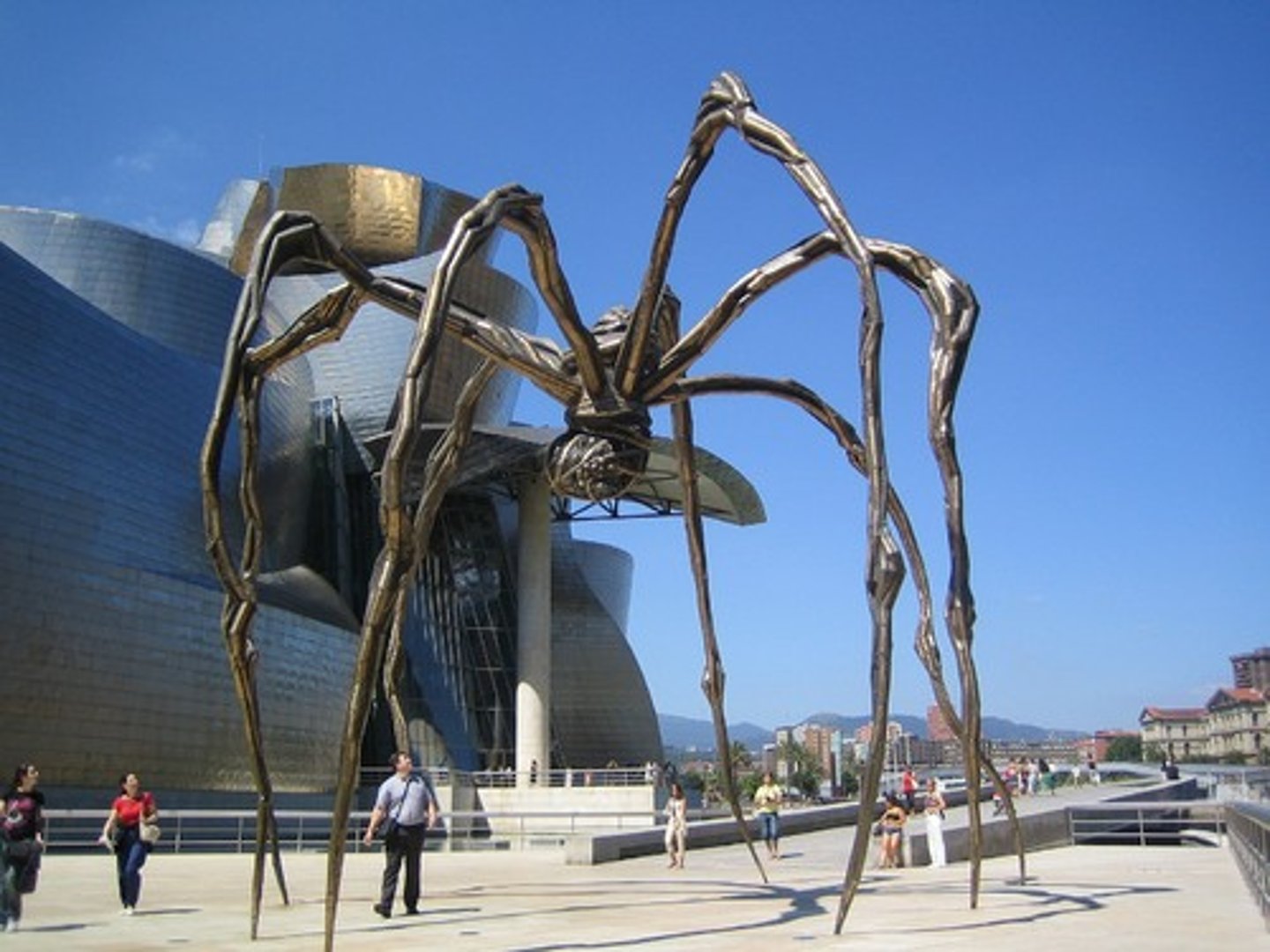
Maman (1999):
A massive, nine-meter-tall spider sculpture, representing both the protection and menace of a mother figure, reflecting her complex, personal mythology.
Faith Ringgold (1930-2024)
a pioneering American artist who revolutionized the "story quilt" genre by combining painting, fabric, and text to narrate Black American life, history, and identity. Her work often centers on themes of freedom and the African American experience, best exemplified by Tar Beach (1988), which features a young girl soaring over a Harlem rooftop.
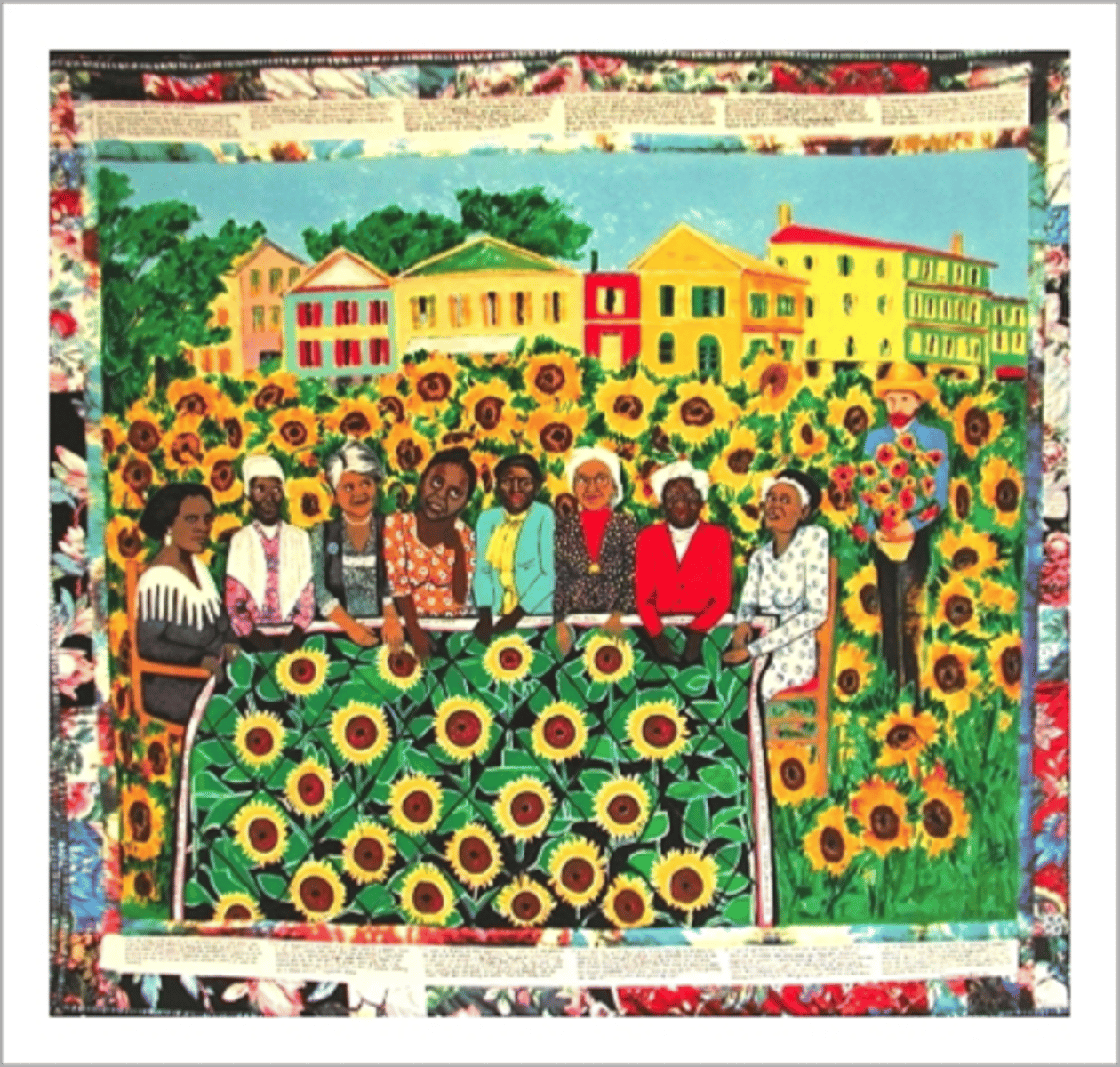
Tar Beach, 1988
Part of the Woman on a Bridge series, this quilt shows 8-year-old Cassie Lightfoot flying over Harlem, symbolizing freedom from poverty and racial barriers.
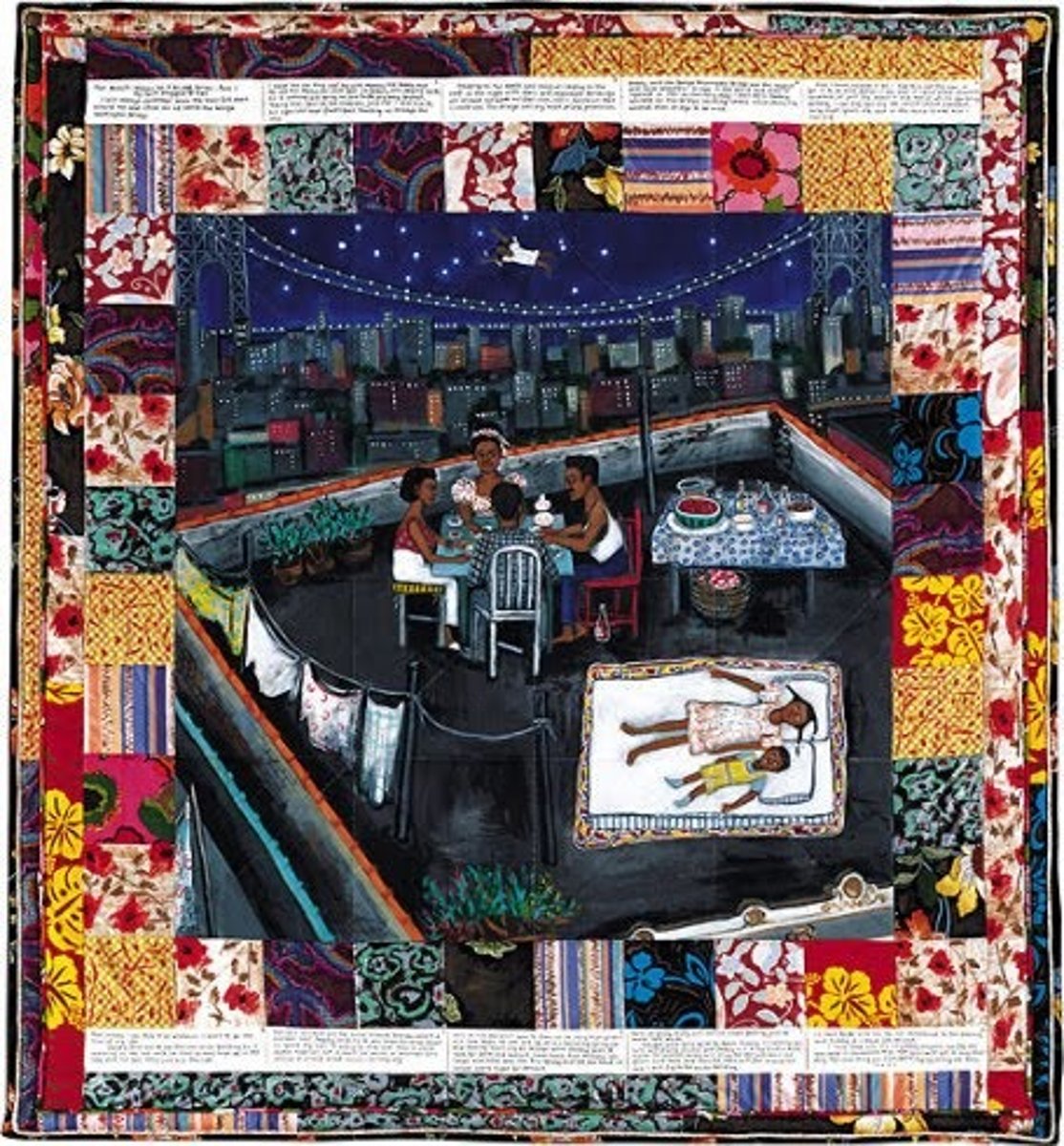
Mask Face Quilt #1 Women, 1986
Features a grid of Black faces, blending portraiture with African mask traditions.
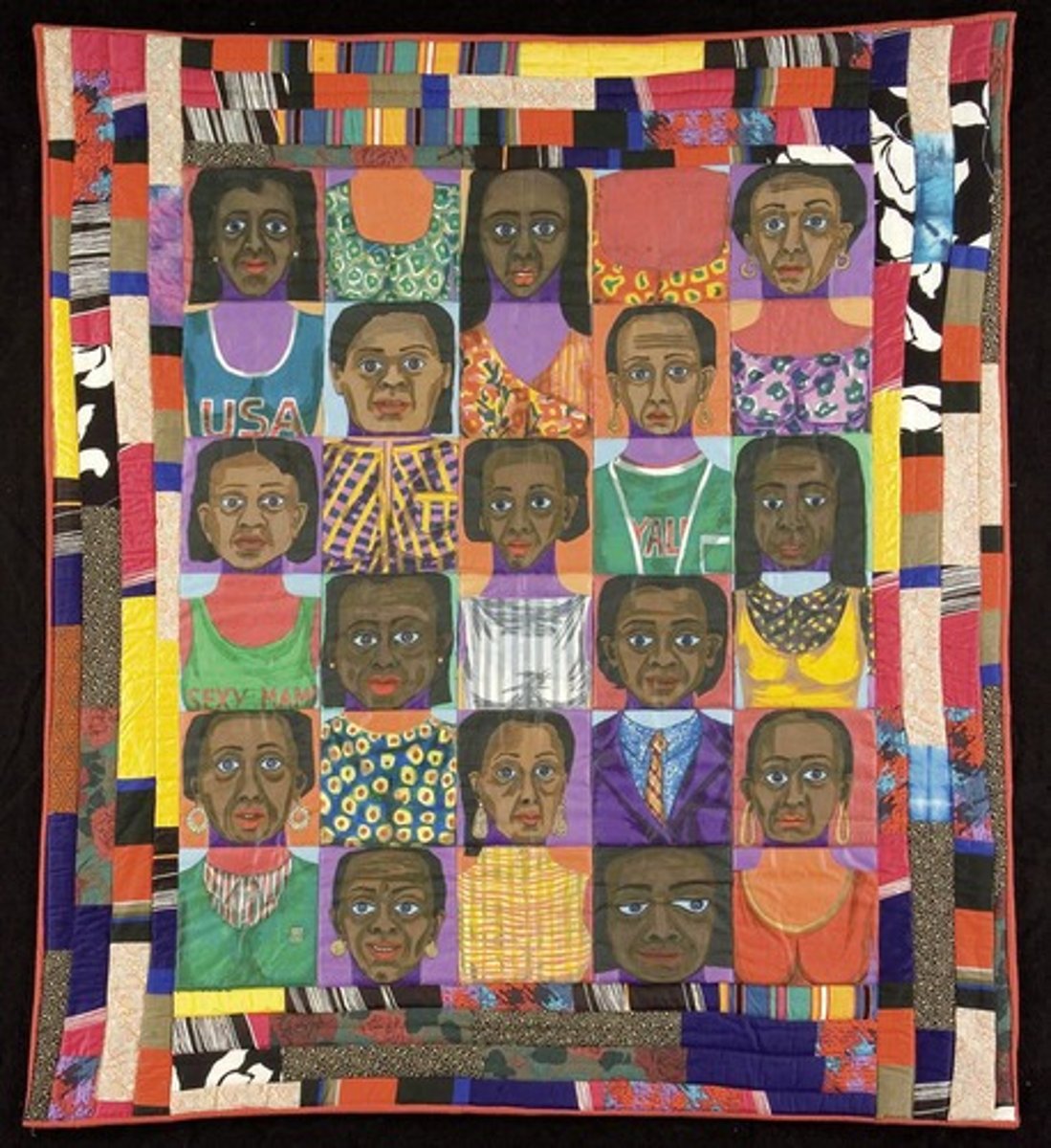
Who's afraid of Aunt Jemima? 1983
A, 2024] "retelling" of the stereotype, transforming the character into a powerful, independent business owner. [1, 2, 3, 4, 5]
![<p>A, 2024] "retelling" of the stereotype, transforming the character into a powerful, independent business owner. [1, 2, 3, 4, 5]</p>](https://knowt-user-attachments.s3.amazonaws.com/ad9e74ee-0aa9-483a-911c-7363fce87ea7.jpg)
Why were quilts so important to Faith Ringgold?
Quilts offered a unique, accessible medium that connected to African heritage and female communal labor. They were a subversive tool for telling stories, which she learned from her mother (a fashion designer).
How does Faith Ringgold's life and work demonstrate the importance of
intersectionality?
Ringgold's work aligns with second-wave feminism by reclaiming "women's work" (sewing) as worthy of museum spaces. It touches on third-wave feminism by focusing on intersectionality—the specific, lived experience of Black women, acknowledging that her fight for equality was bound to both racial and gender liberation.
How does Faith Ringgold's work demonstrate aspects of both second wave and third wave feminist art?
Her life and art demonstrate this through the active intersection of art, feminism, and the Civil Rights movement. Her work highlights how Black women face dual, overlapping forms of discrimination. [1, 2, 3, 4, 5]
Ruth Asawa
an American modernist artist primarily known for her abstract looped-wire sculptures inspired by natural and organic forms. In addition to her three-dimensional work, Asawa created figurative and abstract drawings and prints influenced by nature, particularly flowers and plants
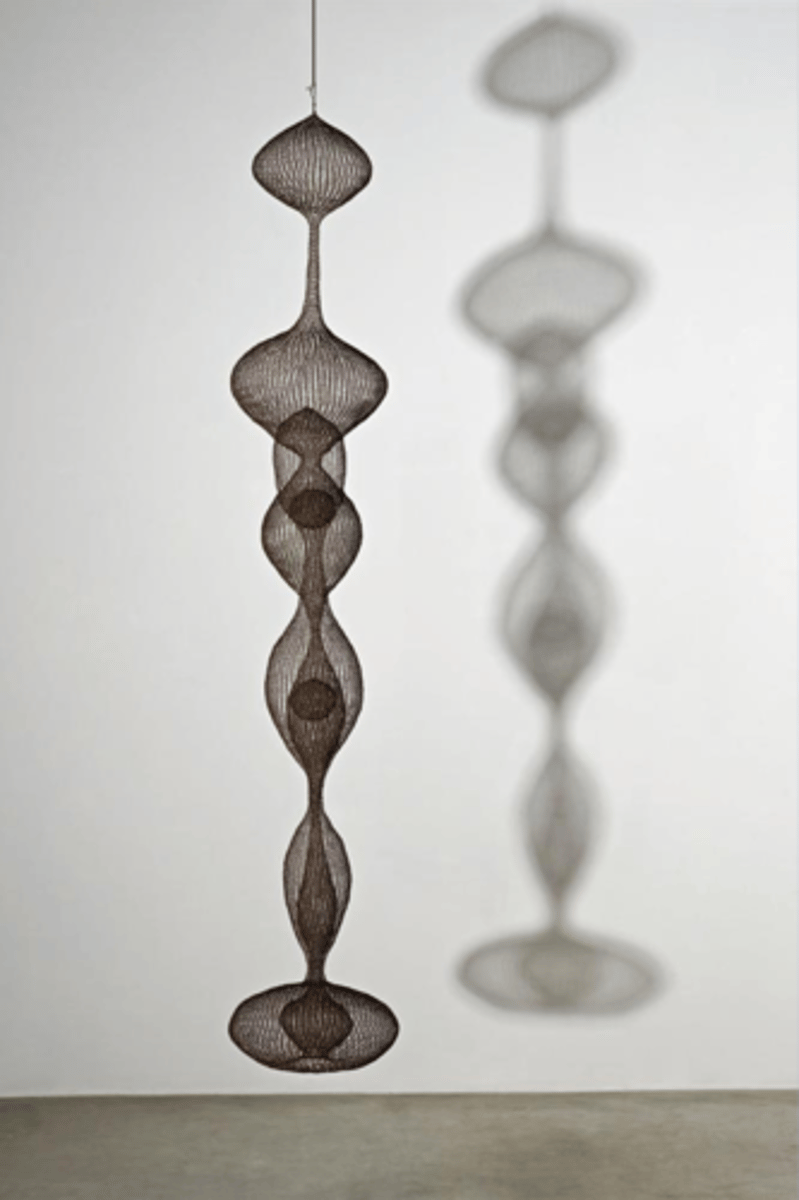
Discuss Asawa's experiences during World War II and how they impacted her life and work
Forced Incarceration: In 1942, Asawa was sent to the Santa Anita racetrack (California) and then to the Rohwer Relocation Center in Arkansas, surrounded by barbed wire and watchtowers.
Artistic Awakening in Captivity: While incarcerated, she studied under former Disney illustrators and professional artists who were also detained. This experience provided a much-needed distraction from the oppression of camp life.
Influence of "Camp Life": The experience taught her that "good comes through adversity," and she noted she "would not be who [she is] today had it not been for the Internment".
Birth of Wire Sculpture: The technique of weaving that she observed being used to make camouflage nets in camp, paired with her later study of industrial materials, inspired her to experiment with and create her distinctive looped-wire sculptures.
Overcoming Racial Discrimination: Following her release, she was denied a teaching degree due to anti-Japanese prejudice, prompting her to study at the experimental Black Mountain College, where she honed her unique artistic voice. [1, 2, 3, 4, 5, 6, 7, 8, 9]
Discuss the influence of Black Mountain College on Asawa's career.
Black Mountain College: Influenced her to focus on line, structure, and materials rather than just representation, taught by Josef Albers, who encouraged experimentation [^1].
What was innovative about Asawa's sculptures?
Innovation: She created hanging sculptures by knitting wire, transforming 2D line into 3D, ethereal forms (often described as "transparent" or "continuous line" sculptures) [^1].
Where did Asawa get the idea to make sculptures by knitting wire?
Idea Source: She learned to use wire through a technique similar to crocheting, which she realized while looking at industrial materials [^1].
Yayoi Kusama
a Japanese artist known for her use of dots and immersive installations that explore the natural world and humanity's place in the universe. Her work spans painting, sculpture, performance, video, fashion, poetry, and fiction. Kusama's art is characterized by a consistent theme of self-obliteration, and she has said that hallucinations she experienced as a child have influenced her work.
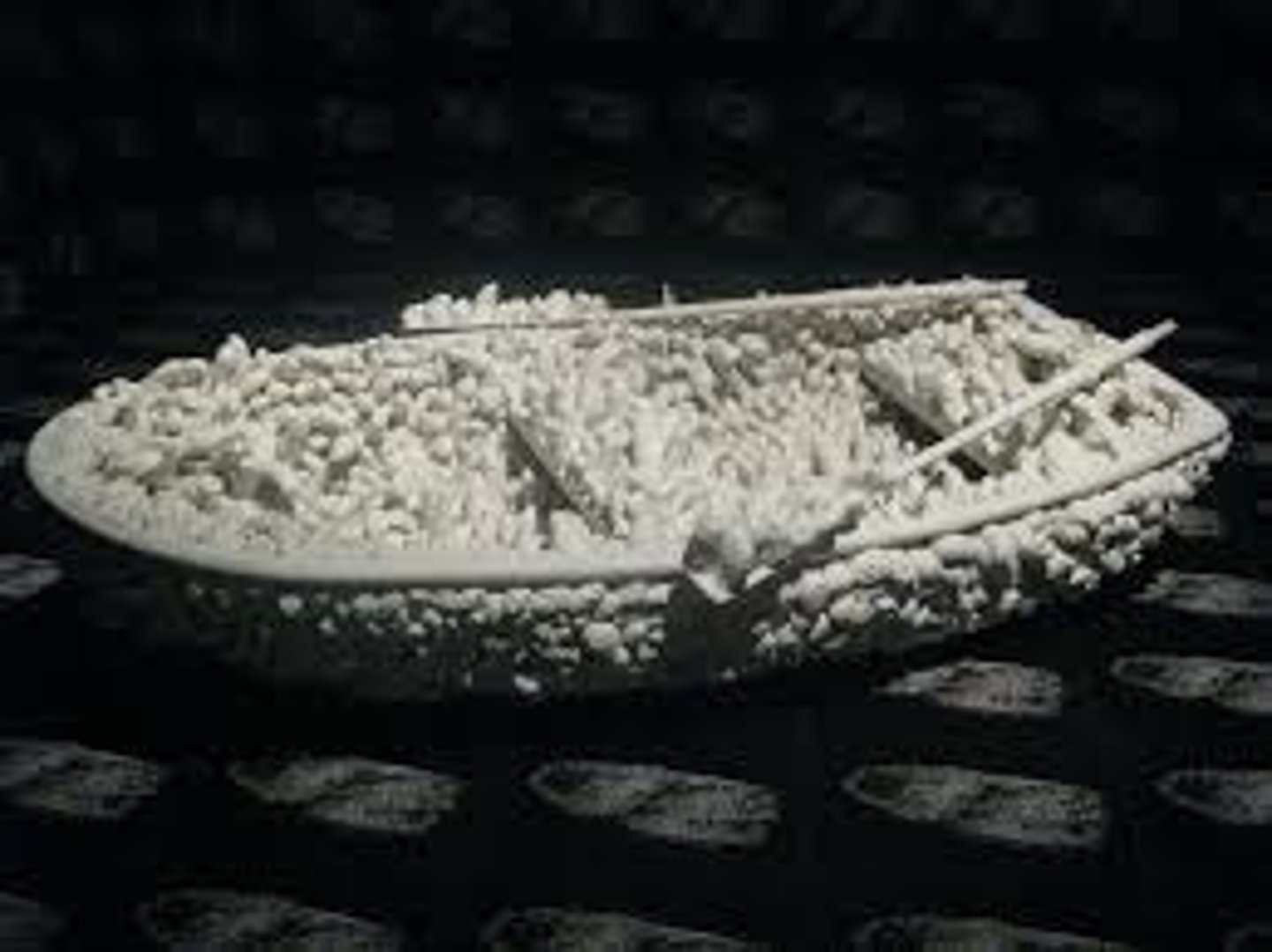
Aggregation: One Thousand Boats Dec 1964
a landmark mixed-media installation by Yayoi Kusama, featuring a, "phallus-covered" rowing boat surrounded by 999 posters of the same image, creating an immersive,, "obsessional" environment. Considered her first installation, the piece explores themes of sexuality, fear, and, "repetition".
The work is a, "psychological self-portrait," representing Kusama's, "fear and obsession" with sexuality. The repetition of the image is seen as a way to control these fears, often described as, "repetitive insistence".
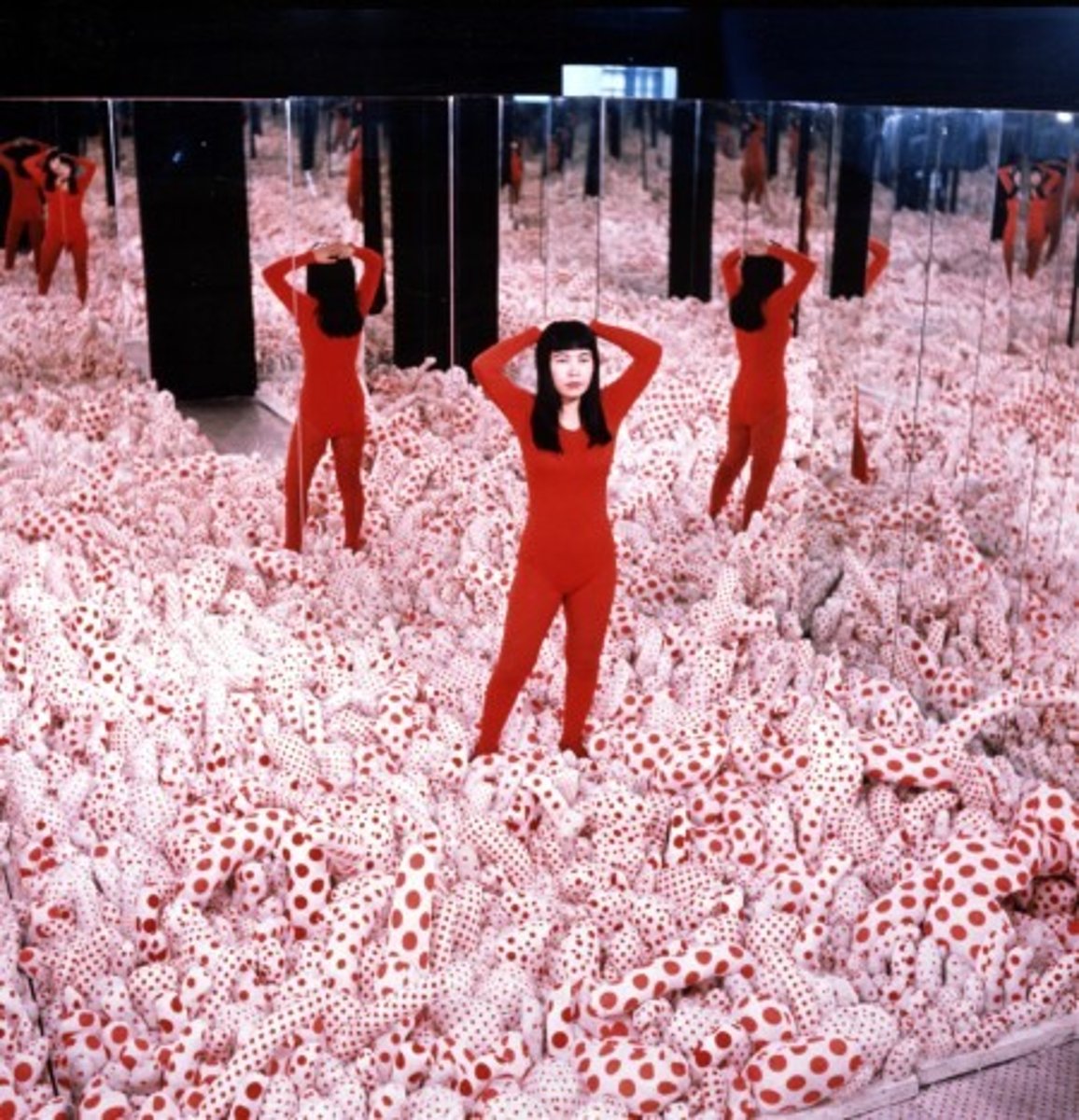
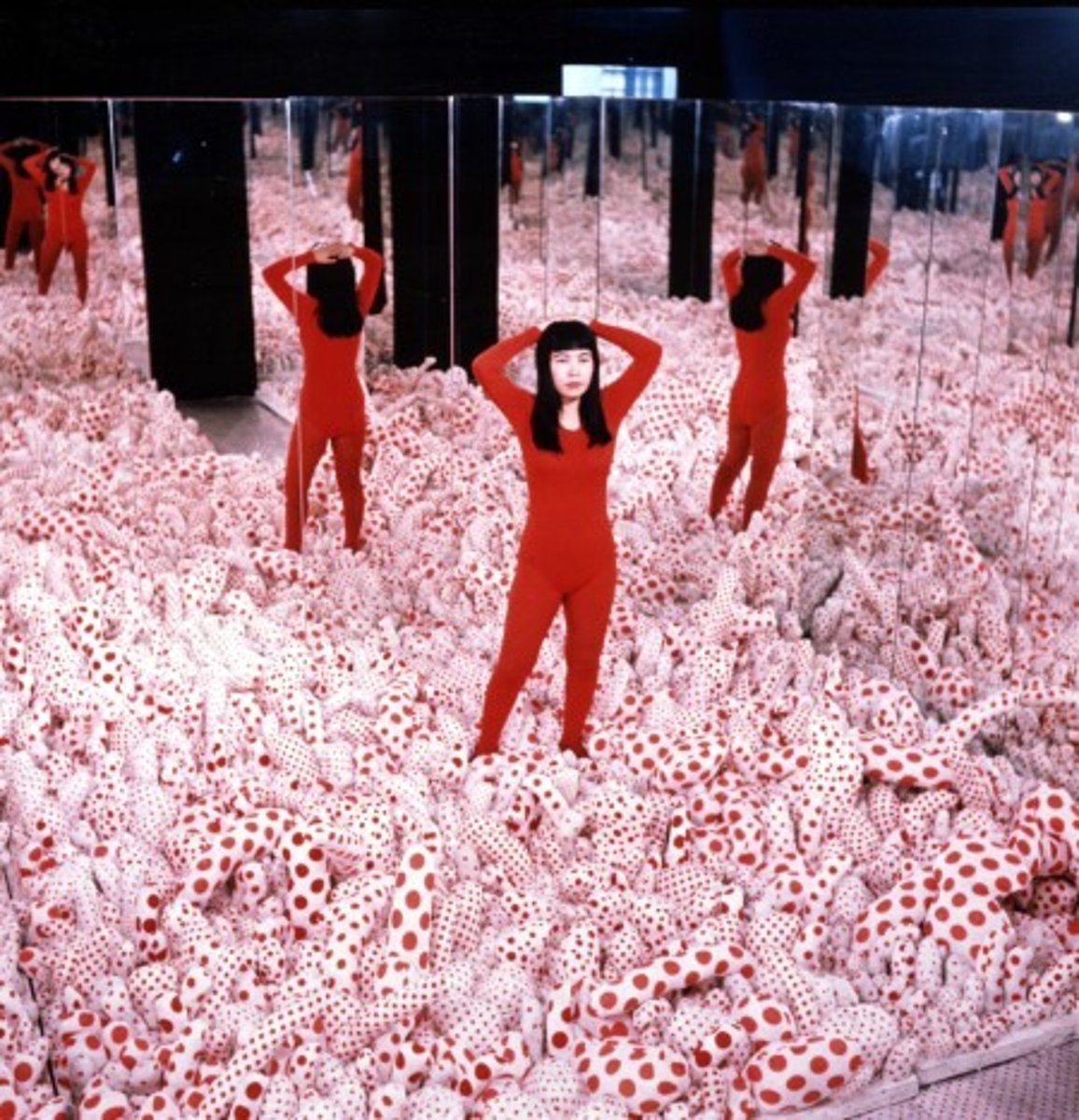
Yayoi Kusama, Infinity Mirror Room—Phalli's Field, 1965
a groundbreaking, immersive installation utilizing mirrors and hundreds of red-spotted, white-stuffed fabric protrusions to create an endless, hypnotic landscape. It represents Kusama's "obsessional art," blending themes of sexual liberation, phobias, and self-obliteration. This piece revolutionized art by transforming viewers into participants within a "machine for animation," casting their reflections into an infinite,,,psychedelic space
Yayoi Kusama, Infinity Mirrored Room - The Souls of Millions of Light Years Away, 2013
an immersive installation creating an illusion of boundless space using mirrors, LED lights, and water. It induces a, "self-obliteration" effect, allowing viewers to feel as though they are floating in a cosmos.
Themes of Self-Obliteration: The work focuses on the, "dissolution of the self" into a, "larger, interconnected universe", reflecting Kusama's, "personal battles with mental health" and, "profound, and, long-standing," fascination with infinity.

Why was Kusama obsessed with polka dots and how did she use them in her work?
Polka Dots: She uses them to achieve "self-obliteration," blending the self into the environment to feel part of a larger universe [^1].
How can intersectionality be applied to an analysis of Kusama's life and career?
: Her career, often overlooked due to being a Japanese woman in a male-dominated 1960s NYC scene, highlights issues of gender and ethnic marginalization [^1].
• How can intersectionality be applied to an analysis of Kusama's life and career?
• What was innovative about Kusama's art?
: She bridged painting, sculpture, and environment, creating immersive "infinity" spaces and pioneer of "Happening" performances [^1].
• What was innovative about Kusama's art?
Phalli Reference: Represented her obsessive fear of sex and sexuality, using soft sculptures to "disarm" the subject and confront her fears [^1]. [1, 2]
the reference to phalli in Kusama's sculptures such as Infinity Mirror Room—
Phalli's Field and Aggregation: One Thousand Boats
serves as a form of "psychosomatic art"—a therapeutic, repetitive, and obsessive process used to confront and overcome a deep-seated fear of sex and sexuality
The white phalli, appearing like barnacles on the dark, sunken boat, serve as a personal psychological portrait, reflecting her desire to deal with her disgust towards sex, while mocking it at the same time.
By filling a space with these objects and using mirrors to reflect herself inside, she engages in "self-obliteration," losing her individual identity within the vast, repetitive environment.
Amy Sherald
Overview
Amy Sherald is an American painter. She works mostly as a portraitist depicting African Americans in everyday settings. Her style is simplified realism, involving staged photographs of her subjects.
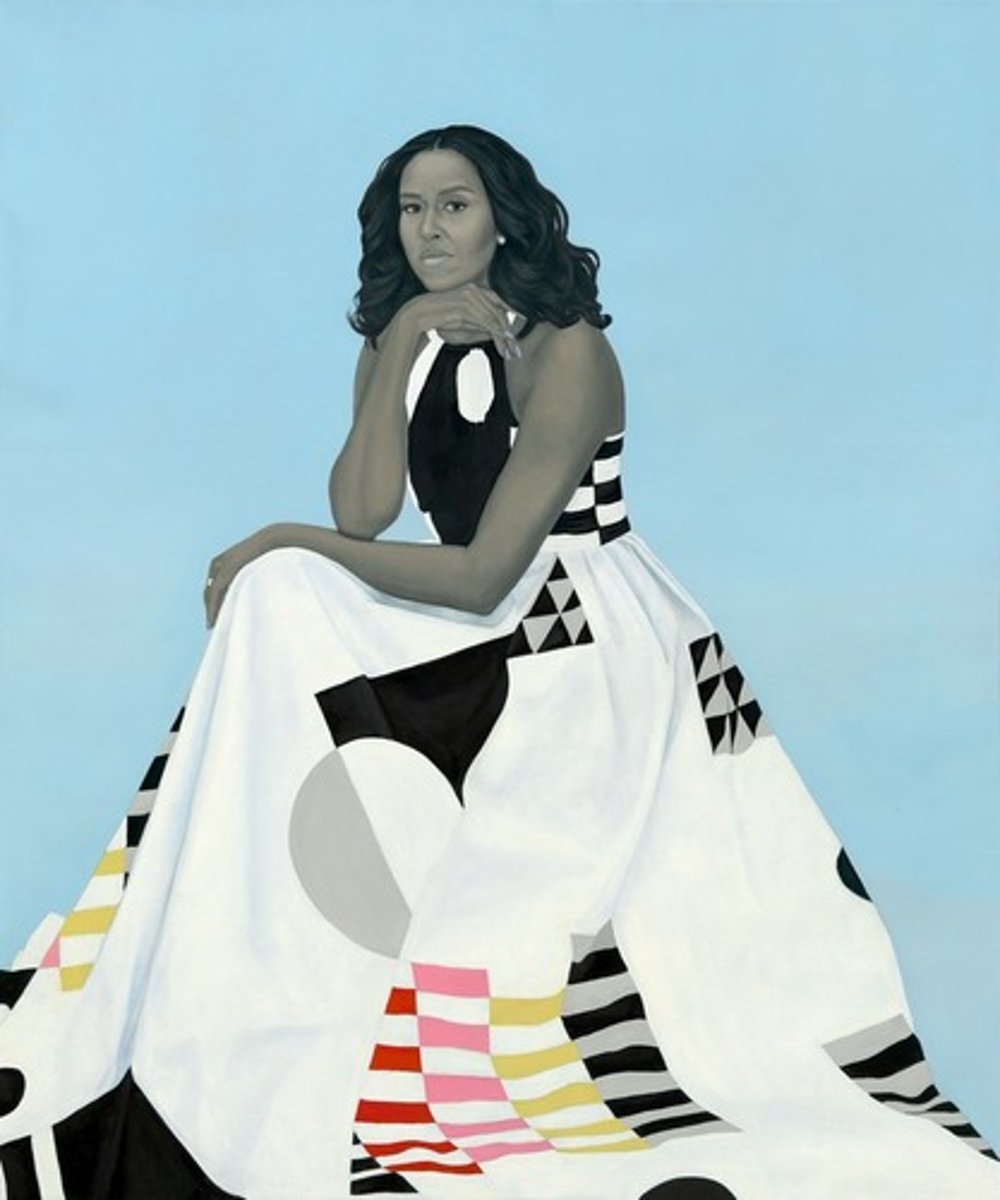
Miss Everything (Unsuppressed Deliverance) 2013
The painting features a young woman wearing a bright red fascinator and a dress with white gloves, with her skin painted in a light gray grayscale (grisaille) to remove it from race-based interpretation.
Inspired by Alice in Wonderland, the large teacup represents a dreamlike, alternative narrative where the subject is free from societal constraints.
"Unsuppressed Deliverance": The title reflects a moment of freedom and, combined with the subject's poised, confident posture, signifies a removal of the weight of societal expectations.
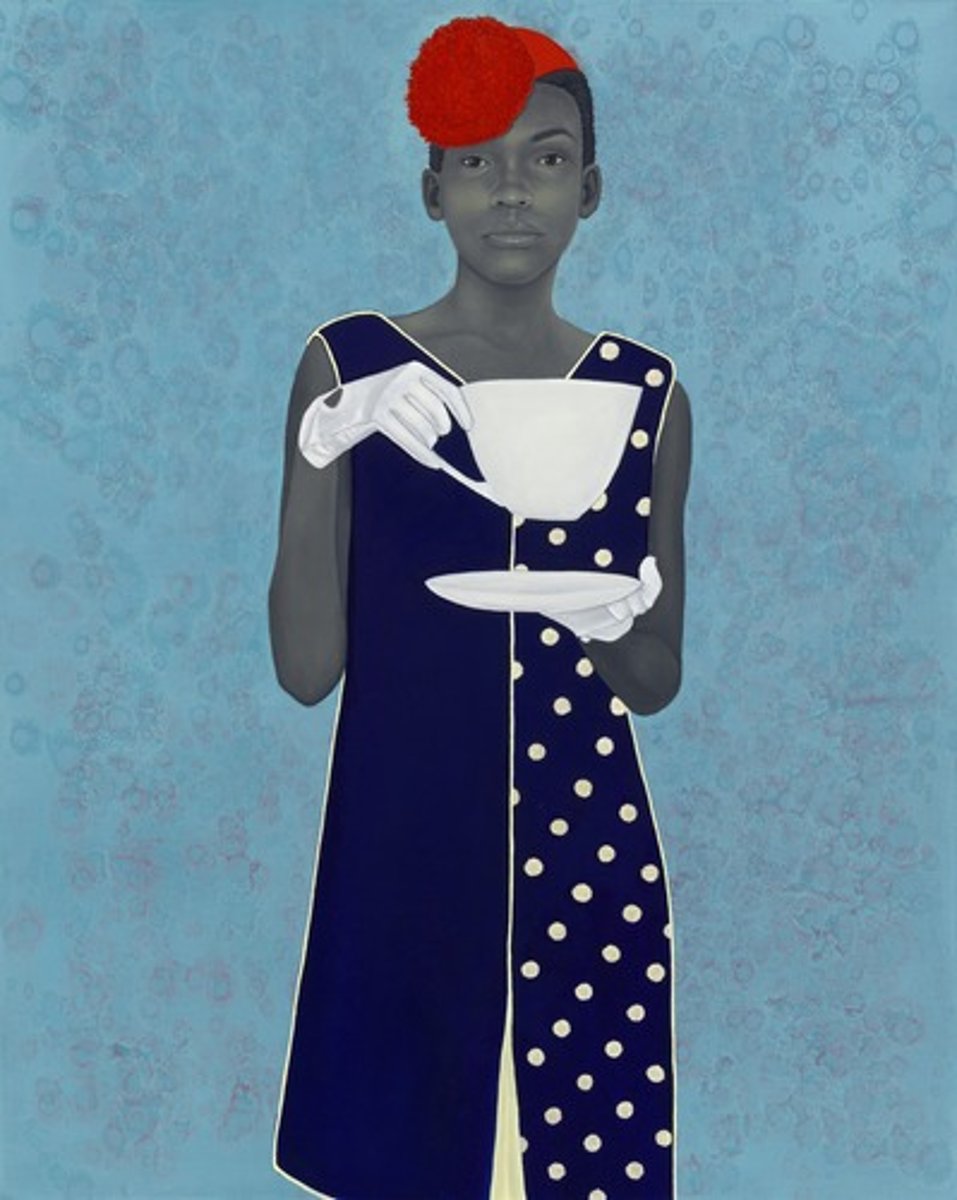
They Call Me Redbone but I'd Rather Be Strawberry Shortcake 2009
Breonna Taylor 2020
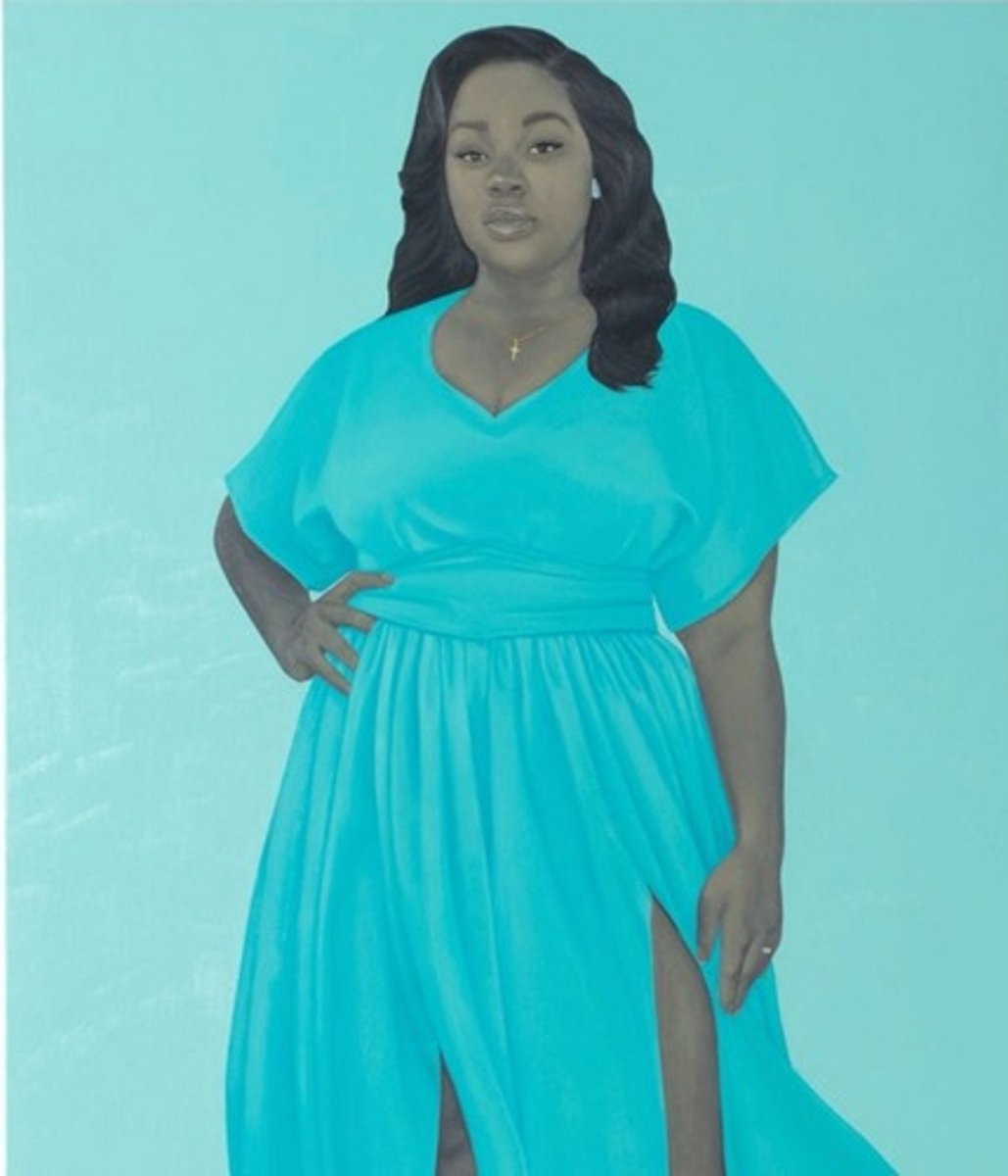
Why does representation matter, and how can portraiture contribute to diversity and inclusion?
What is portraiture, and how does Amy Sherald's work depart from conventions in the history of portraiture?
Alice Neel
Neel was an American painter known for psychologically penetrating, expressionistic portraits that focused on the human condition. [1]
![<p>Neel was an American painter known for psychologically penetrating, expressionistic portraits that focused on the human condition. [1]</p>](https://knowt-user-attachments.s3.amazonaws.com/d7f263f7-806b-455b-8f8a-c003827f8557.jpg)
What is Portraiture?
Conventionally, portraiture is a representation of a person, focusing on likeness and often status. Historically, it was used to flatter or immortalize subjects.
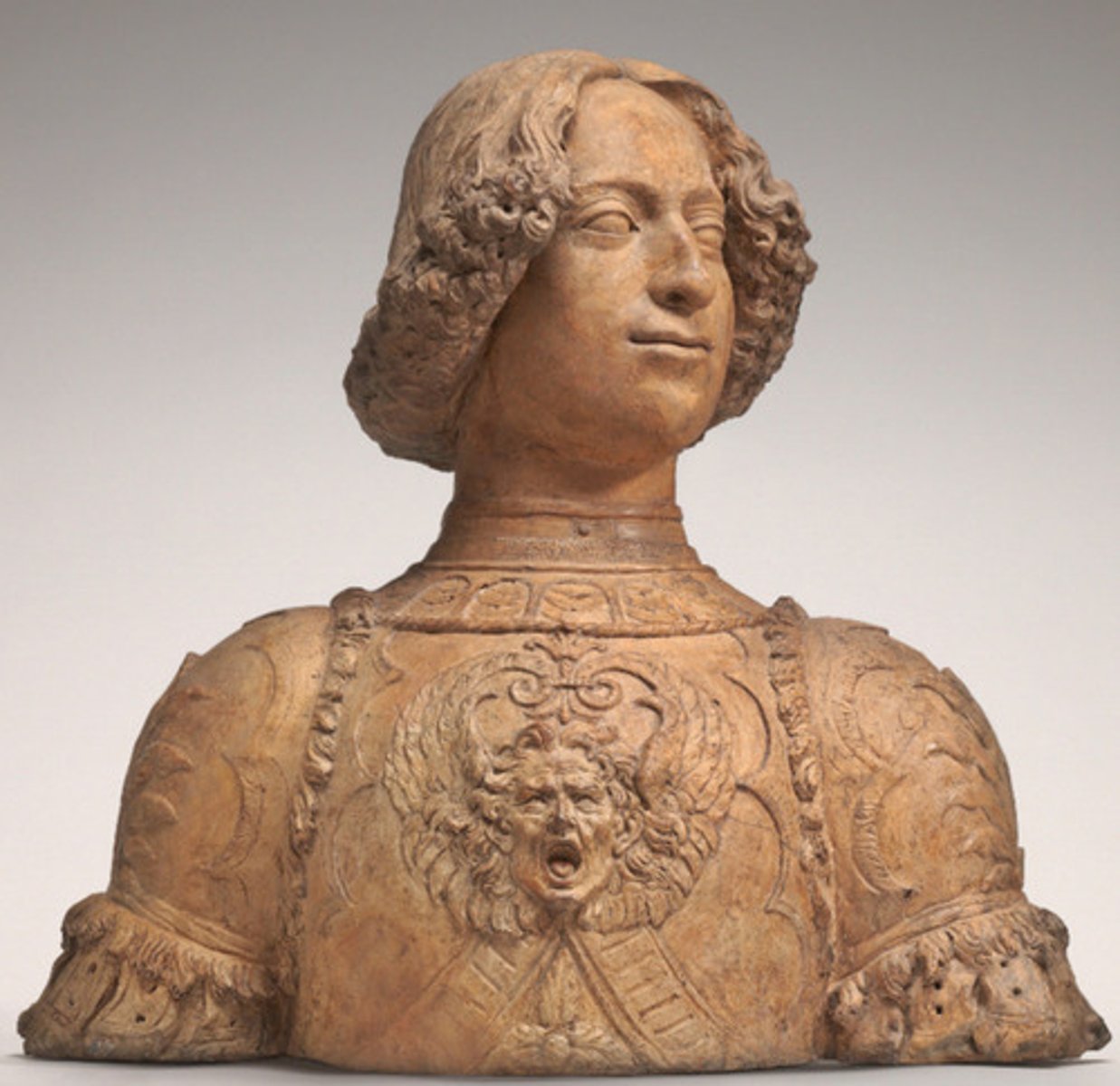
Departure from Conventions:
Neel painted with intense spontaneity, rarely using preliminary sketches, and focused on people—often marginalized or disenfranchised—rather than the elite.
Catherine Opie (b. 1961)
Opie is a photographer who documents LGBTQ+ communities, subcultures, and gender roles, often using the formal, rigid compositional styles of16th-century portraits. [1, 2]
![<p>Opie is a photographer who documents LGBTQ+ communities, subcultures, and gender roles, often using the formal, rigid compositional styles of16th-century portraits. [1, 2]</p>](https://knowt-user-attachments.s3.amazonaws.com/f0afd049-3719-4ce1-89f6-98fa811a5f1b.jpg)
Being and Having: Dyke (1991),
a seminal series of 13 color portraits by artist Catherine Opie, featuring close-up shots of her friends in the Los Angeles queer and leather community performing masculinity with fake mustaches. The portraits, which explore gender performance and identity, are framed tightly to show details like glue and webbing, presented similarly to trophies to form a "history of one's community"
This series marked a breakthrough for Opie, enabling her to represent her community's collective identity in the early 1990s.
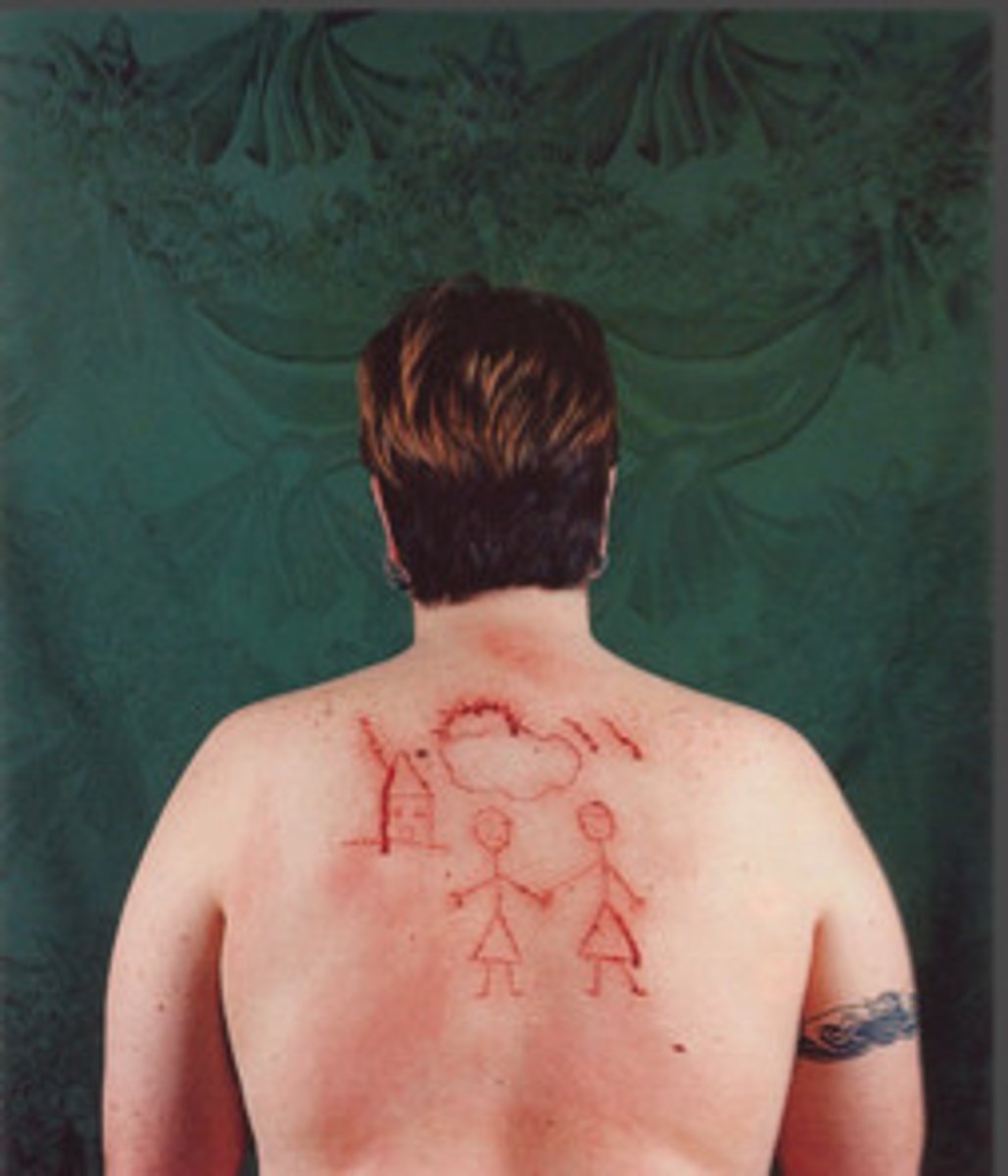
Being and Having: Self-Portrait (1991), Bo (1994).
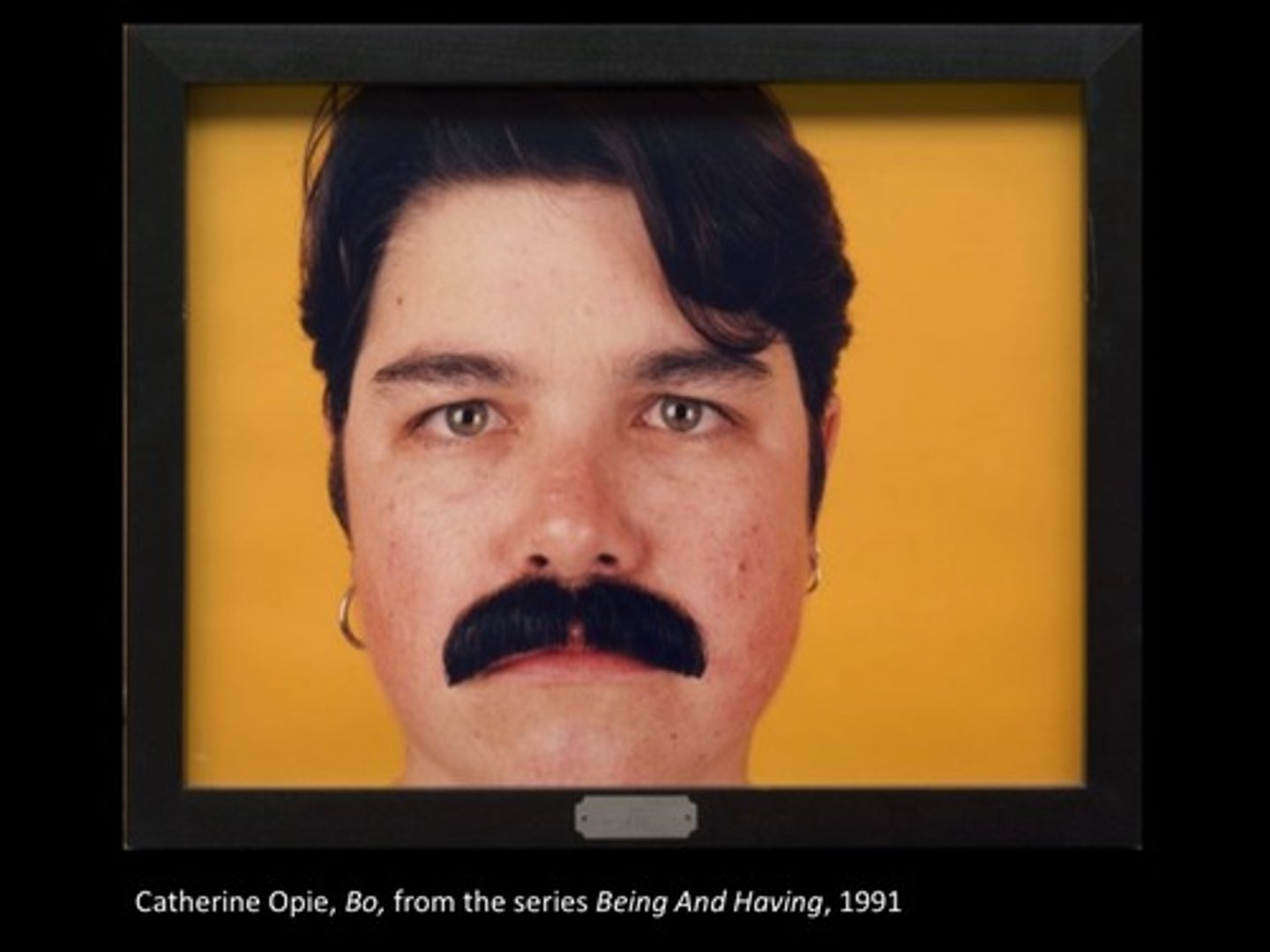
Why is portraiture important to the LGBTQ community?
(1991) and Bo (1994), is crucial to the LGBTQ community by documenting queer lives with dignified visibility, challenging rigid gender binarism, and countering societal marginalization. Through intimate, studio-style portraits of friends and self-representation, her work validates alternative masculinities and queer family structures, creating a lasting, affirming visual history
How does Catherine Opie's art reflect third wave feminism?
Catherine Opie's art reflects third-wave feminism by focusing on identity, sexuality, and gender as performative rather than fixed. She celebrates LGBTQ+ and marginalized communities, specifically documenting lesbian, queer, and BDSM subcultures to challenge traditional, binary definitions of gender and create visibility for marginalized groups in art.
Discuss how Catherine Opie's art addresses heteronormativity and homophobia.
Catherine Opie is an American photographer whose work fights against heteronormativity (the belief that heterosexuality is the only "normal" way of life) and homophobia (fear or dislike of LGBTQ+ people) by making queer lives visible, noble, and beautiful.
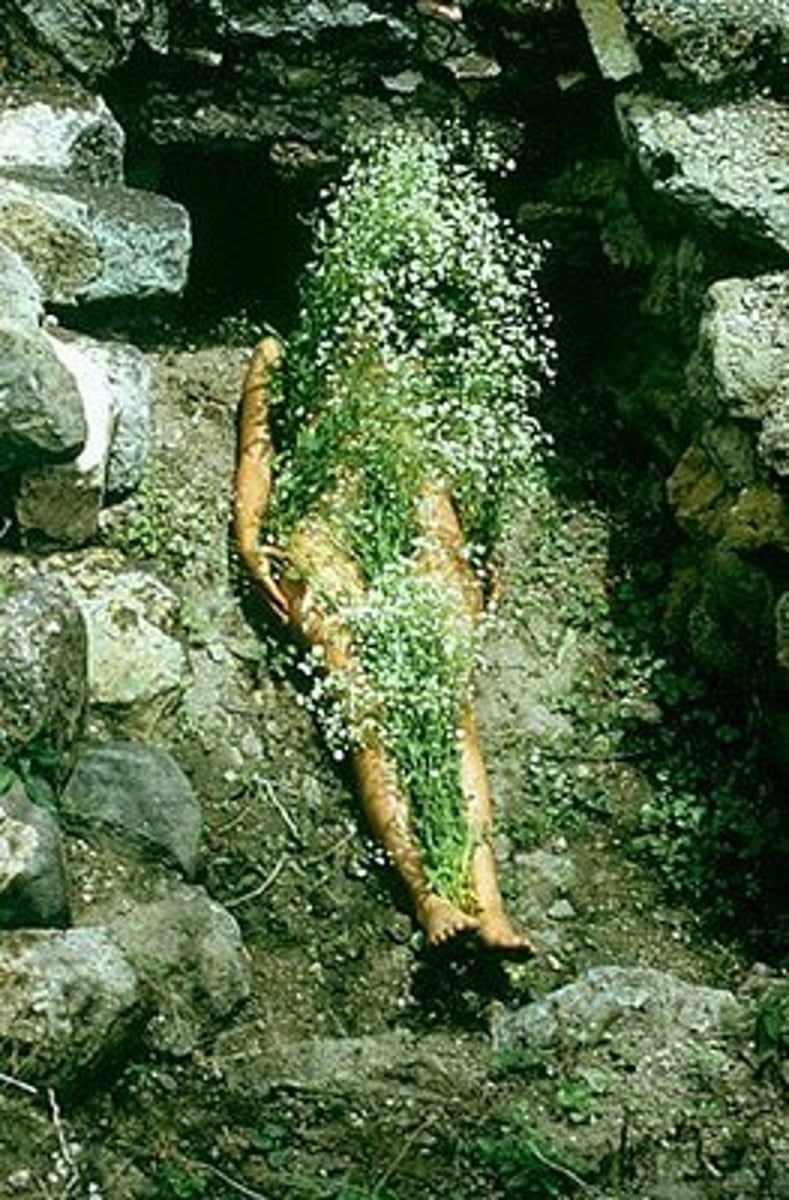
Ana Mendieta, Imagen de Yagul (Image from Yagul), 197
part of her renowned Silueta series, features the artist lying nude in a Zapotec tomb, covered in white flowers, blending her body with the earth. The work serves as a powerful performance photo exploring life, death, rebirth, and a return to the maternal earth.
Symbolism of the Tomb: Shot at the Zapotec archaeological site of Yagul in Mexico, the photograph places her inside a pre-Hispanic tomb, highlighting the concept of being "rooted" in ancient, sacred land.
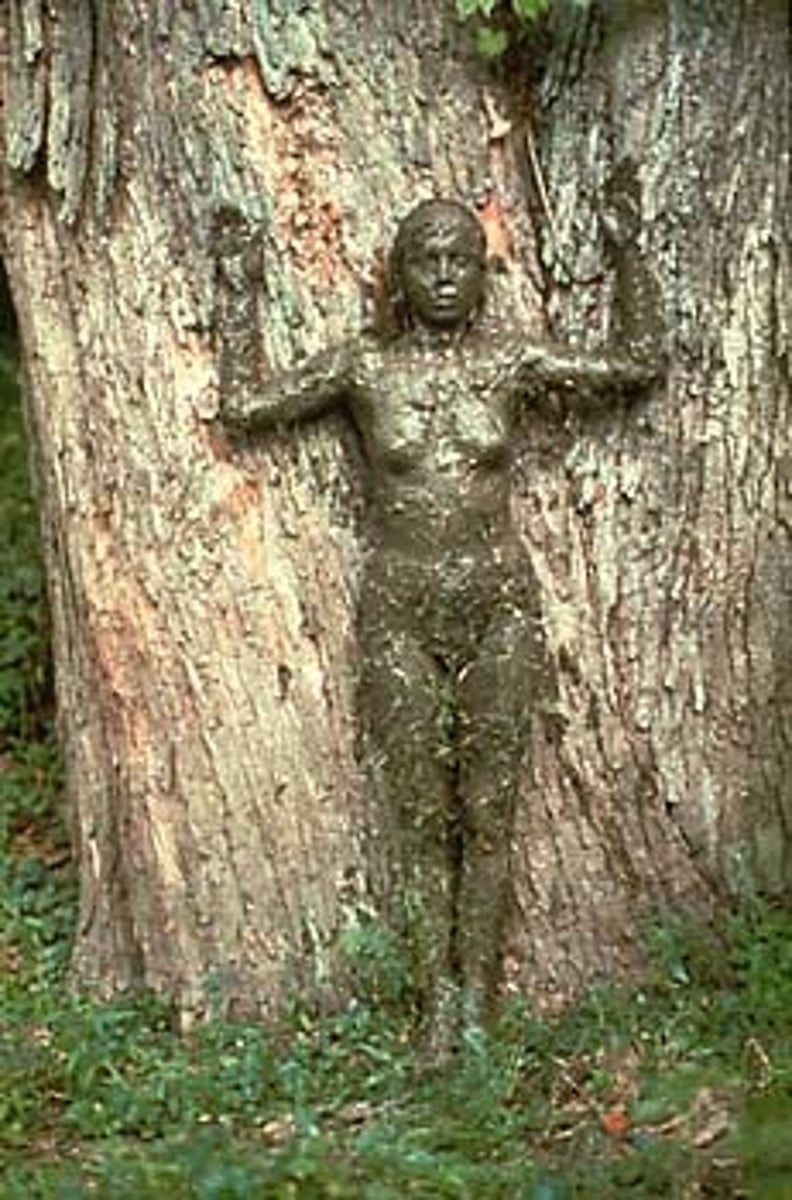
Ana Mendieta, Serie arbol de la vida (Iowa), 1976
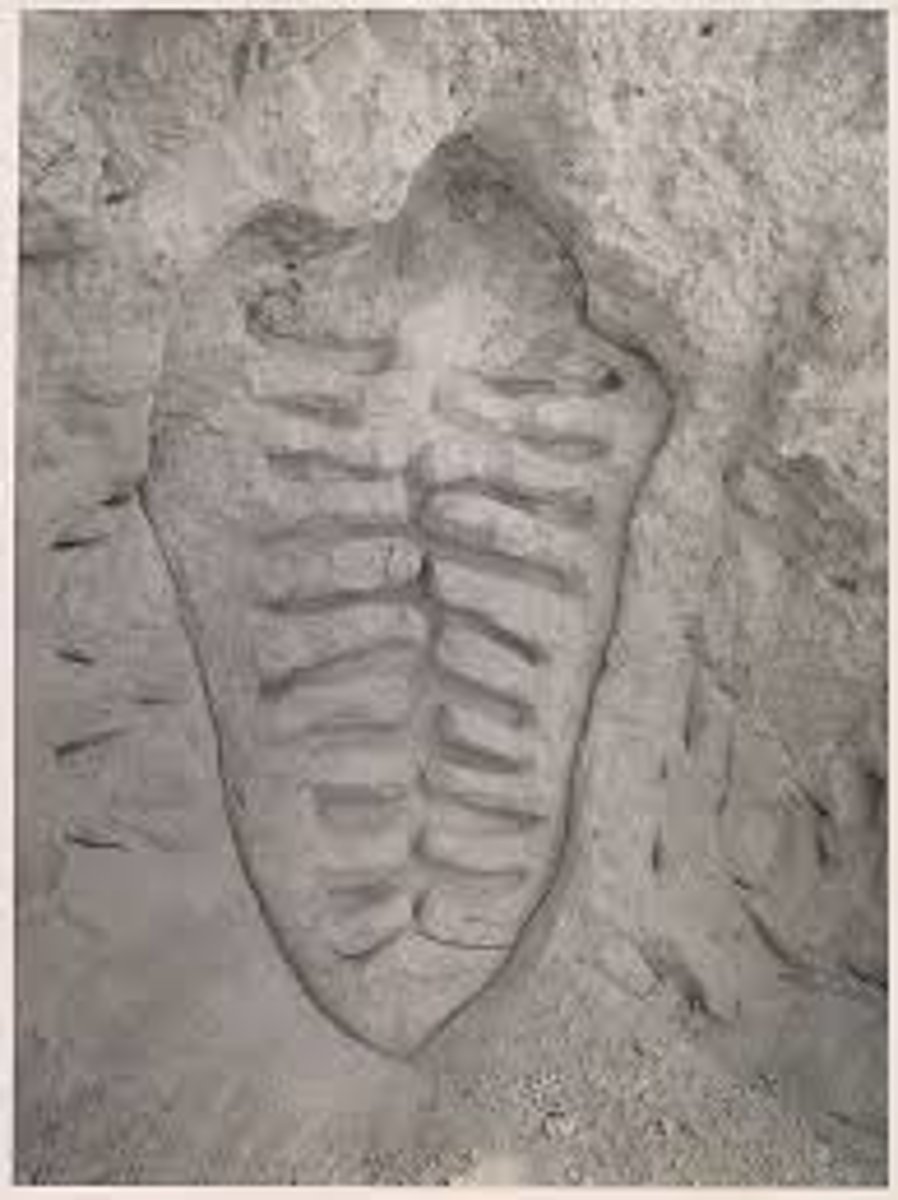
• Ana Mendieta, Itiba Cahubaba (Old Mother Blood), 1981
depicts a, visceral, abstracted female form carved into cave walls, symbolizing a reconnection with ancestral roots, the Taíno mother earth spirit, and a feminist melding of the body with landscape. For Mendieta, blood was not a signifier of death, but rather a profound, life-affirming, and earthly symbol, often used to connect her work to both Latin American culture and personal experiences. The work also invokes her traumatic experience of being sent from Cuba as a child, attempting to re-ground herself in that lost land.
Protests by "Where is Ana Mendieta?" group
is a feminist activist collective that protests the art world's systemic exclusion of female, non-binary, and POC artists, specifically highlighting the 1985 death of Ana Mendieta. They protest the glorification of Minimalist sculptor Carl Andre, Mendieta's husband who was acquitted of her murder.
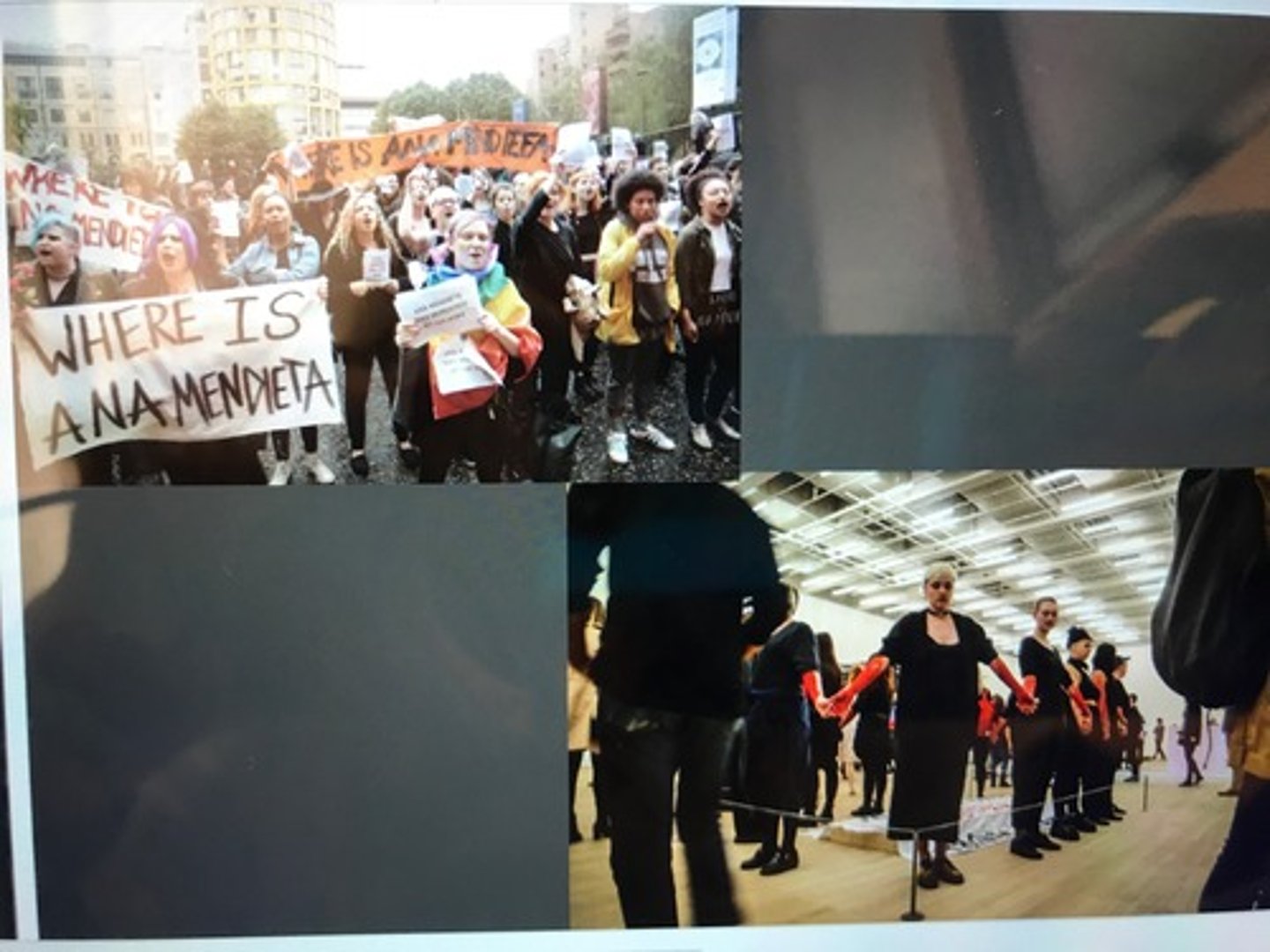
How did Mendieta's Cuban identity impact her life and work
Ana Mendieta's Cuban identity, profoundly shaped by her childhood exile to the US via Operation Peter Pan, fueled a lifelong exploration of displacement, trauma, and a yearning for belonging. Her art used her body and nature—particularly earth, blood, and fire—to bridge the separation from her homeland, frequently referencing Afro-Cuban traditions, Taíno culture, and spiritual rituals.
How does Mendieta's work demonstrate principles of second wave feminist art?
using her own body as the primary subject to challenge patriarchy, objectification, and the exclusion of women from art history. Her iconic Silueta series merged body art with nature, representing women's strength, fertility, and connection to Mother Earth.
• Discuss the circumstances of Mendieta's death and how the protest movement "Where
is Ana Mendieta?" has responded to that.
The protest movement "Where is Ana Mendieta?" emerged to challenge her acquittal of her husband, renowned minimalist sculptor Carl Andre, and to combat the art world's institutional erasure of women and violence against them.
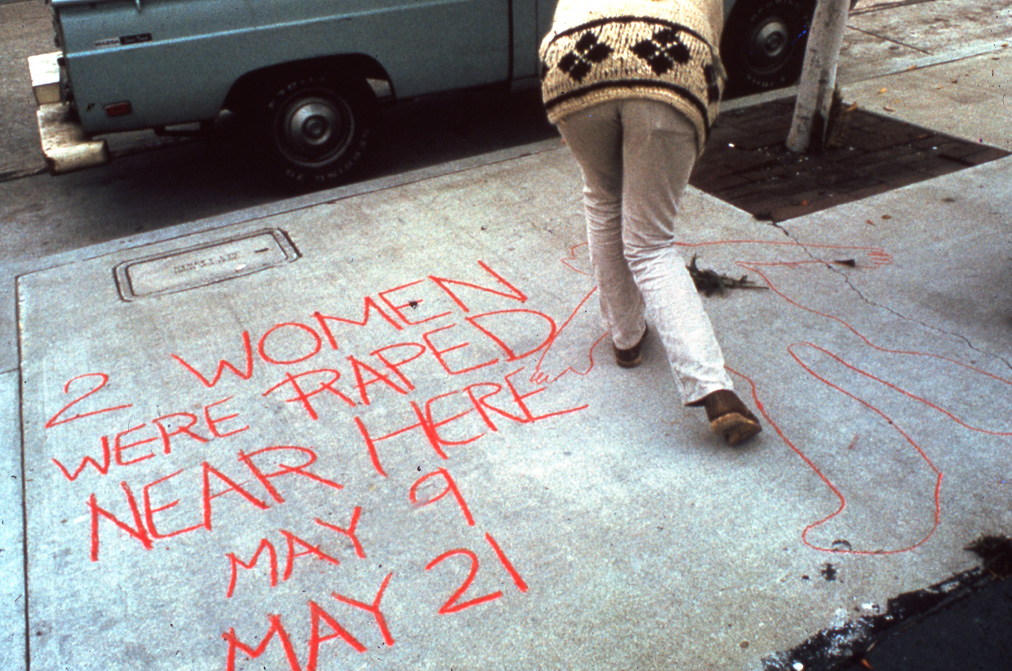
Suzanne Lacy, Three Weeks in May, 1977
that mapped reported rapes to confront sexual violence and expose its hidden, rampant nature. By integrating art with activism, Lacy used a 25-foot map, media reports, and public events to move the issue of rape from a taboo, private topic into the center of public and political discourse.
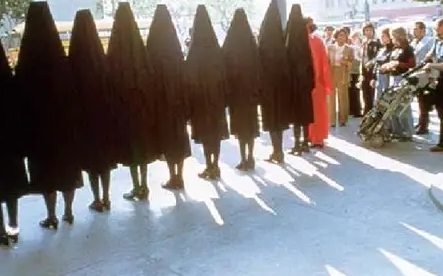
• Suzanne Lacy and Leslie Labowitz, In Mourning and In Rage, 1977
(1977) was a seminal feminist performance by Suzanne Lacy and Leslie Labowitz, staged on the Los Angeles City Hall steps on December 13, 1977. It served as a public protest against media sensationalism of the "Hillside Strangler" murders, converting fear into political action through a public funeral ritual designed for media coverage.
The central chant, "In memory of our sisters, we fight back," reframed the murders as a political issue rather than a random, sensationalized tragedy.
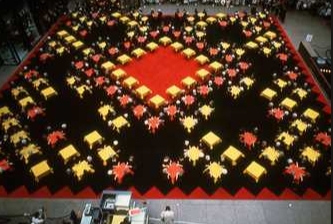
• Suzanne Lacy, The Crystal Quilt, 1985-87
a pioneering feminist performance art piece that brought 430 women over age 60 together in Minneapolis to challenge the invisibility of aging women. Culminating in a 1987 Mother's Day performance, the work featured a choreographed, live-broadcast, and highly publicized "human quilt" event that paired visual art with social commentary.
What's the difference between activism and social practice art? Use one artwork by Lacy
to explain what social practice art is and what its goals are.
Activism primarily aims to directly change material conditions, policies, or behaviors, often using propaganda or agitation to persuade. Social practice art, while often addressing political issues, centers on building relationships and creating collaborative experiences where social interaction—rather than just the final product—is the artwork itself.
Suzanne Lacy's "The Crystal Quilt" (1987) as Social Practice Art "The Crystal Quilt" was a massive performance piece in Minneapolis involving 430 older women sitting at tables arranged to look like a patchwork quilt, discussing their lives, aging, and roles in society while the public listened.
Burlington Contemporary +4
What it does: It engages a community (elderly women) to co-create a public, aesthetic experience rather than just placing a painting in a gallery.
Its goals: The goal was to combat ageism, change the perception of older women from "invisible" to active, respected contributors to society, and foster public empathy.
• How and why did Lacy make artworks about sexual assault and rape?
Suzanne Lacy made art about sexual assault and rape to break the societal silence surrounding these crimes, shift public perception from victim-blaming to accountability, and force a patriarchal society to confront systemic violence against women. Using "New Genre Public Art"—which combines performance, installation, and activism—she transformed private pain into public discourse, most famously in her 1977 project Three Weeks in May.
Discuss Lacy's work about aging, The Crystal Quilt. What is the work, and what was it
intended to communicate?
was a massive public performance art piece by Suzanne Lacy featuring 430 women over age 60 in Minneapolis, creating a live, visual "quilt" of conversation and action on Mother's Day. It aimed to combat the social invisibility, ageism, and gender inequalities faced by older women, repositioning them as active, valuable community leaders
• Explain how Lacy incorporates intersectionality into her artworks.
Suzanne Lacy incorporates intersectionality into her art by creating large-scale, collaborative, and socially engaged performances that directly address how gender intersects with age, race, class, and labor. Her work moves beyond individual feminist concerns to explore how these intersecting factors create systemic inequality, focusing on "soft technologies" like conversation and collective action to amplify marginalized voices.
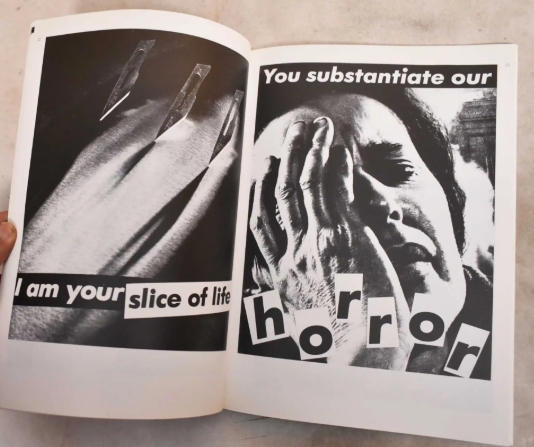
Barbara Kruger, We Won't Play Nature to Your Culture, 1983
a seminal feminist artwork using appropriated imagery and bold, graphic text to challenge patriarchal binary oppositions. It critiques the association of women with "nature" (passive, body) and men with "culture" (active, mind), refusing the subordinate role.
• What are the tenets of third wave feminist art, and how do Kruger's and Weems's works
demonstrate that?
•
Kruger's work is designed to be shown outside, in public spaces, rather than in galleries.
Why?
•
places her art in public spaces—billboards, buses, and, building exteriors—to disrupt daily life, challenge consumerist culture, and engage a broad audience beyond the art elite. By adopting the visual language of advertising, she turns spaces of consumption into sites for critical reflection on power, money, and gender.
How does Kruger use the look of advertising and yet also critique advertising?
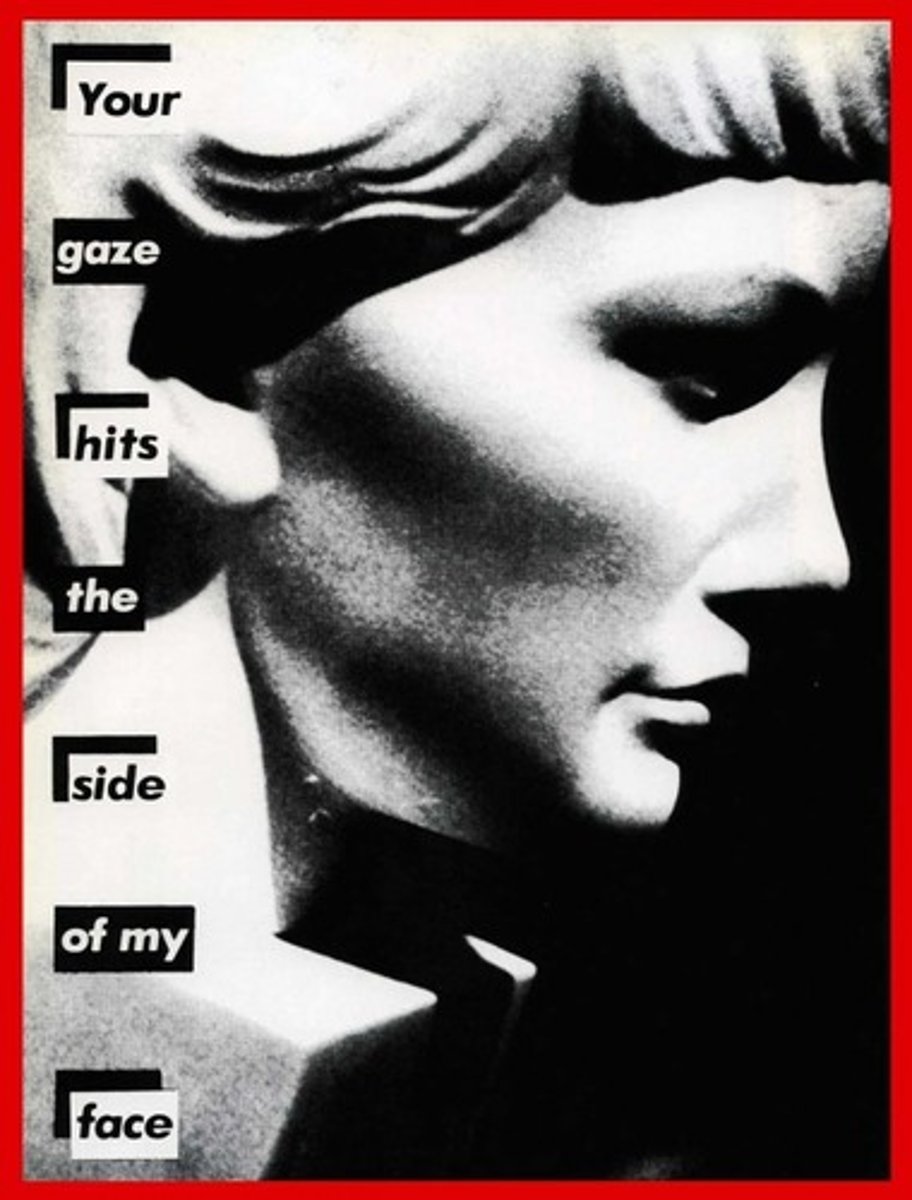
Barbara Kruger critiques consumerism and power structures by adopting the aesthetic of advertising—bold, black-and-white photos with aggressive red, white, and black text (using fonts like Futura Bold Oblique). By mimicking the visual language of magazines and billboards, her art tricks the viewer into engagement before using direct address ("you," "your") to interrogate consumer complicity, gender stereotypes, and societal, political control
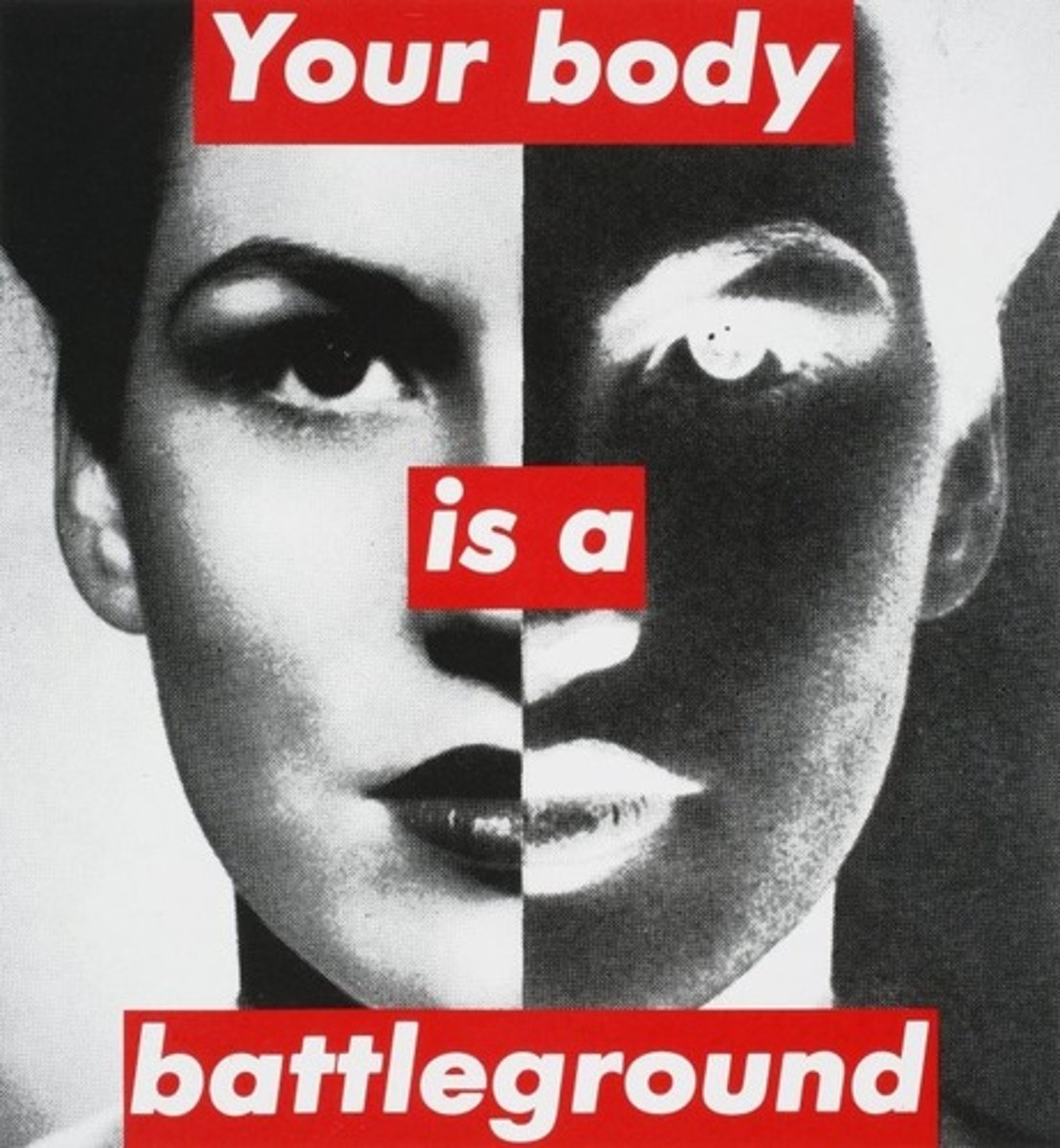
What are the politics behind "Your Body is a Battleground"?
"Your Body is a Battleground" is a 1989 photo-silkscreen work by Barbara Kruger created for the Women's March on Washington to support abortion access and reproductive freedom. Its politics focus on the intersection of feminism, bodily autonomy, and anti-corporate activism, highlighting that women's bodies are treated as sites for political, legal, and social control.
Why was that work made at
that particular time?
Emotional Context: The song was written during a relationship that was falling apart, with Morissette experiencing deep emotional turmoil, including breaking up and later deciding to work through it.
A "Loving Act": She noted that she felt guilty for staying in a relationship that felt wrong, but later felt it was a "loving act" to stick it out temporarily to explore if it was worth continuing.
Raw Vulnerability: The songwriting and recording occurred simultaneously because she was "crying" during the creation of the final verse, highlighting that the work was captured at the exact moment of emotional crisis.
• Why do postmodern artists use appropriation? Discuss
Postmodern artists use appropriation—the borrowing or recontextualizing of existing images, objects, and symbols—to challenge traditional notions of originality, authorship, and genius. By repurposing mass media, advertising, or art history, artists like Barbara Kruger and Richard Prince critique consumer culture, expose power structures, and transform existing meanings.