Neuroanatomy and Cognitive Domains Practice Flashcards
 Call Kai
 Learn
Learn Practice Test
 Spaced Repetition
 Match
Match Flashcards
 Knowt Play
1/30

Earn XP
Description and Tags
A set of vocabulary-style flashcards covering neuroanatomy, the principles of neuroplasticity, cognitive domains, and clinical assessment for cognitive rehabilitation.
Name | Mastery | Learn | Test | Matching | Spaced | Call with Kai |
|---|
No analytics yet
Send a link to your students to track their progress
31 Terms
Neuroplasticity
The brain's ability to adapt, reorganize, and form new neural connections in response to experience, learning, injury, or environmental changes.
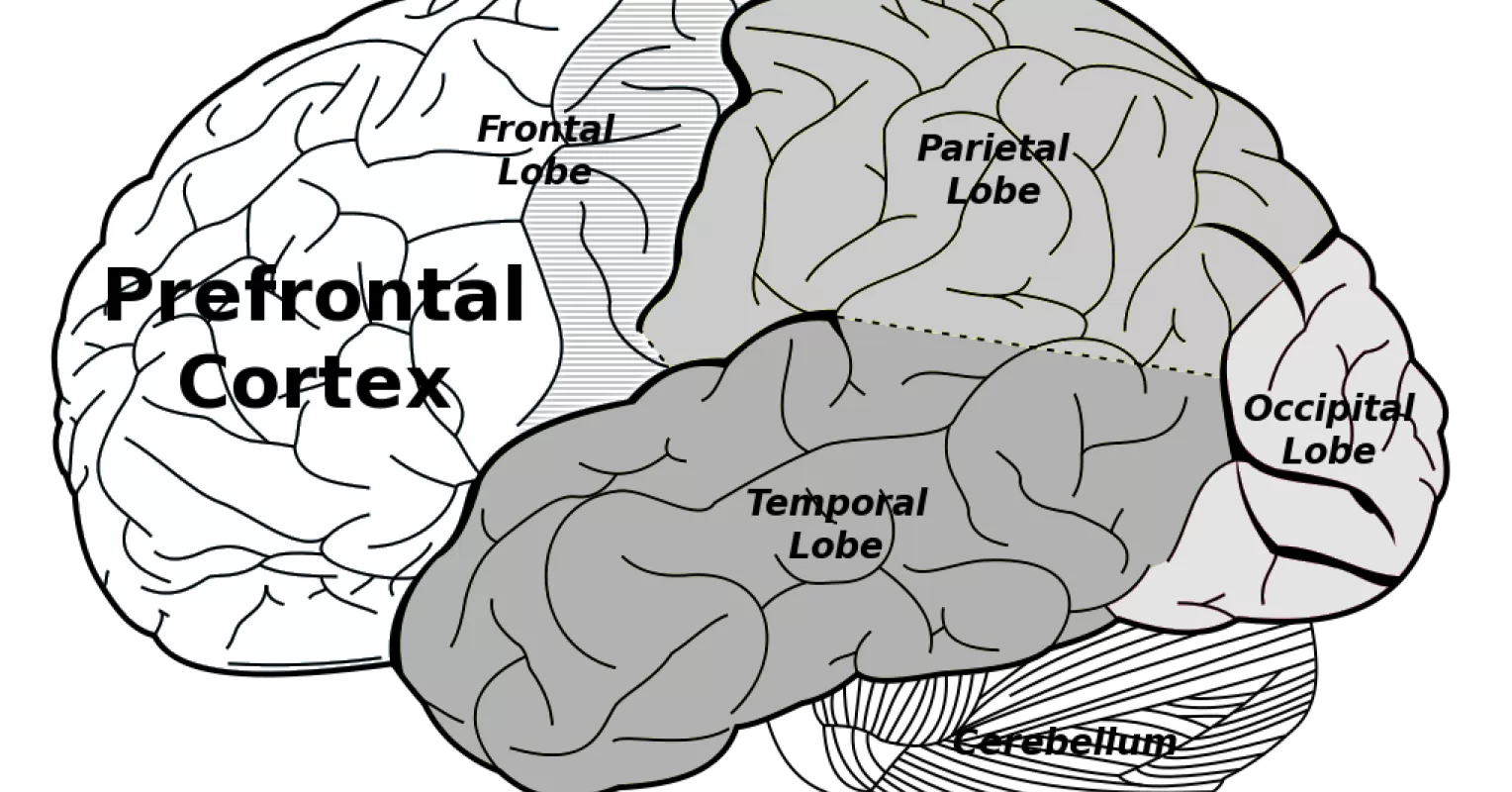
Frontal lobes (especially prefrontal cortex)
Primary brain area associated with attention and executive functions.
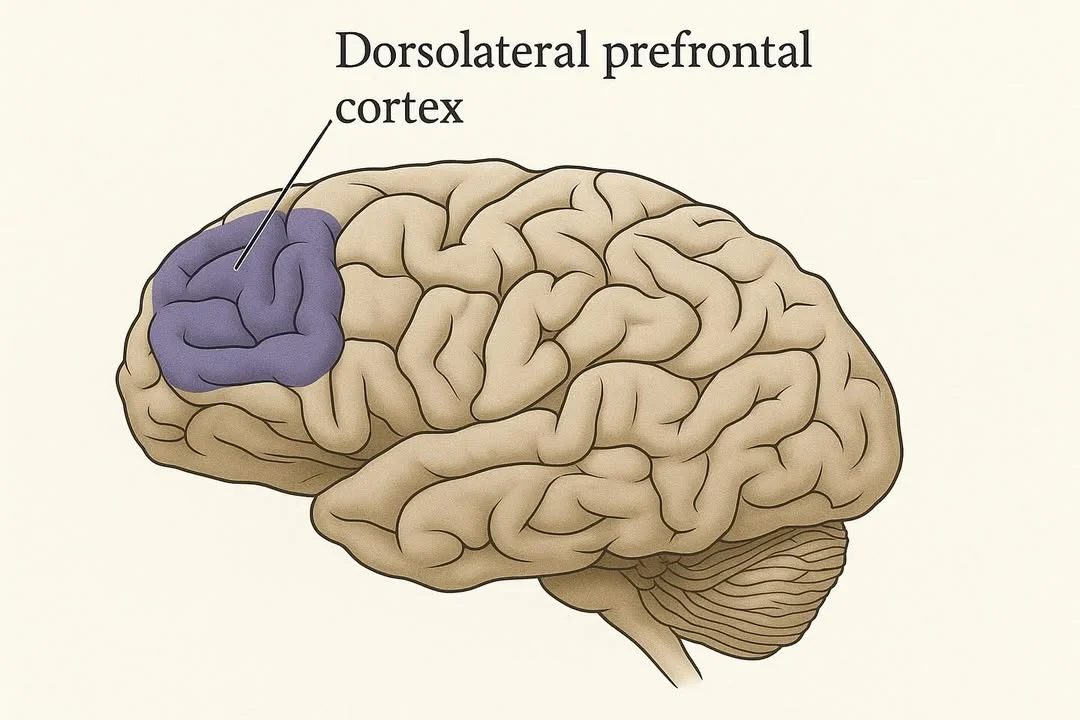
Dorsolateral prefrontal cortex (DLPFC)
Primary brain area associated with working memory, along with the parietal cortex.
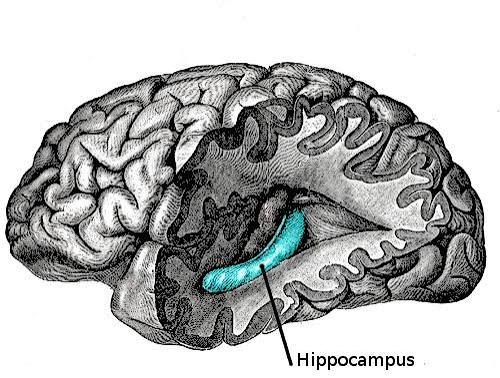
Hippocampus (medial temporal lobe)
Primary brain areas associated with episodic memory and forming new memories.
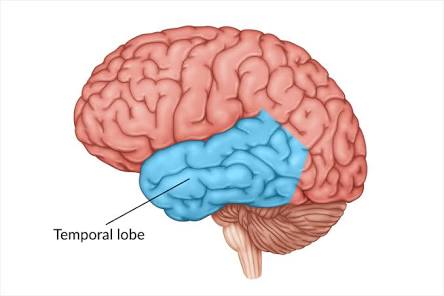
Temporal lobe (lateral temporal cortex)
Primary brain area associated with semantic memory.
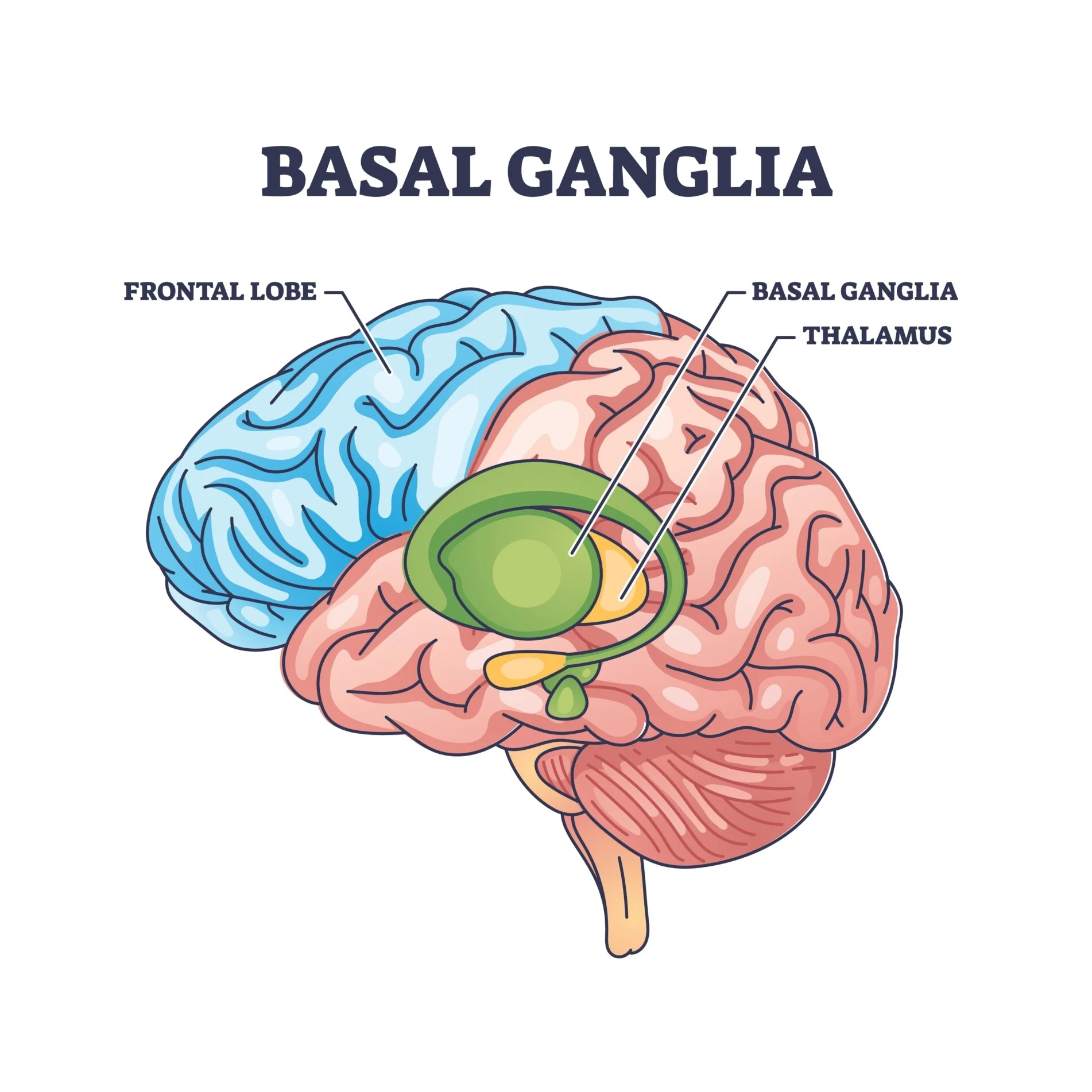
Basal ganglia and cerebellum
Primary brain areas associated with procedural memory and motor learning.
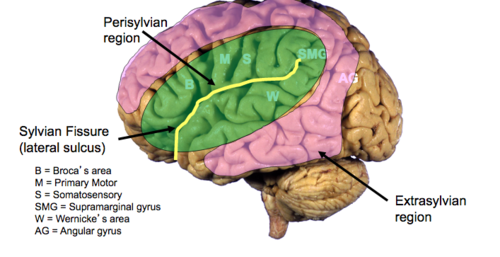
Left perisylvian cortex
Primary brain area associated with language, including Broca's and Wernicke's areas.
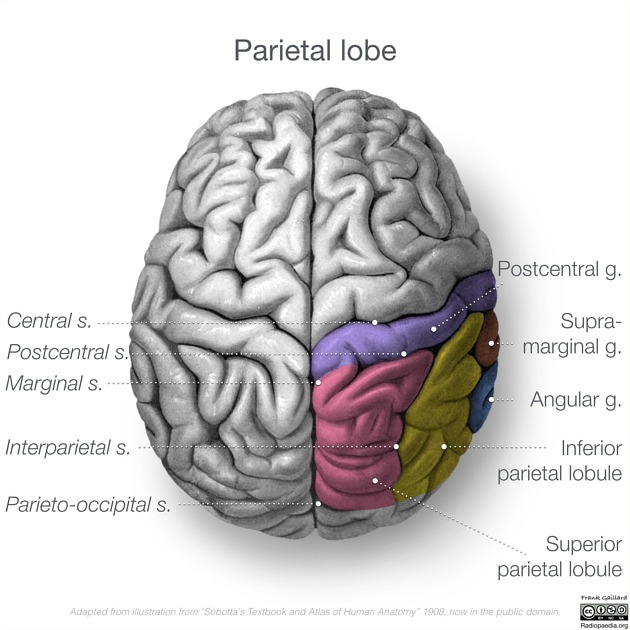
Right parietal lobe
The brain area typically associated with visual-spatial skills and where damage often causes visual neglect.
Diffuse white matter networks
The structures responsible for processing speed, alongside frontal-subcortical circuits.
Use it or lose it
Neuroplasticity principle stating that failure to use a function can lead to loss of that function.
Specificity
Neuroplasticity principle stating that the type of training determines the type of plasticity that occurs.
Salience matters
Neuroplasticity principle stating that training must be meaningful and important to the patient.
Transference
Neuroplasticity principle stating that improvements in one skill can enhance similar skills.
Interference
Neuroplasticity principle stating that learning one skill may interfere with learning another.
Sustained Attention
The ability to maintain attention over time during continuous activities, such as listening for target words during a lecture.
Selective Attention
Focusing on relevant information while ignoring distractions, such as listening in a noisy restaurant.
Alternating Attention
Shifting focus between tasks or mental sets, such as reading directions while cooking.
Suppression
Inhibiting automatic or impulsive responses, such as thinking before responding.
Working Memory
Holding and manipulating information mentally, such as performing mental math.
Consolidation
The process through which information becomes permanently stored in long-term memory.
Declarative (Explicit) Memory
Information that is consciously recalled, including episodic and semantic memory.
Nondeclarative (Implicit) Memory
Learning demonstrated through performance rather than conscious recall, such as procedural memory.
Prospective Memory
Remembering to do something in the future, such as keeping appointments.
Executive Functions
Higher-order cognitive processes responsible for goal-directed behavior, including planning, organization, and problem solving.
Stroop Test
An assessment task used to measure inhibition and selective attention.
Trail Making Test Part B
An assessment used to measure alternating attention and cognitive flexibility.
Digit Span Backward
An assessment used to measure working memory capacity.
Tower of London
An assessment task specifically used to evaluate planning abilities.
Attention Process Training (APT)
An intervention strategy targeted at improving attention deficits.
Spaced retrieval
A memory intervention strategy involving the recall of information over increasing intervals of time.
Metacognitive strategy training
An intervention used to treat executive function deficits by improving self-monitoring and problem solving.